
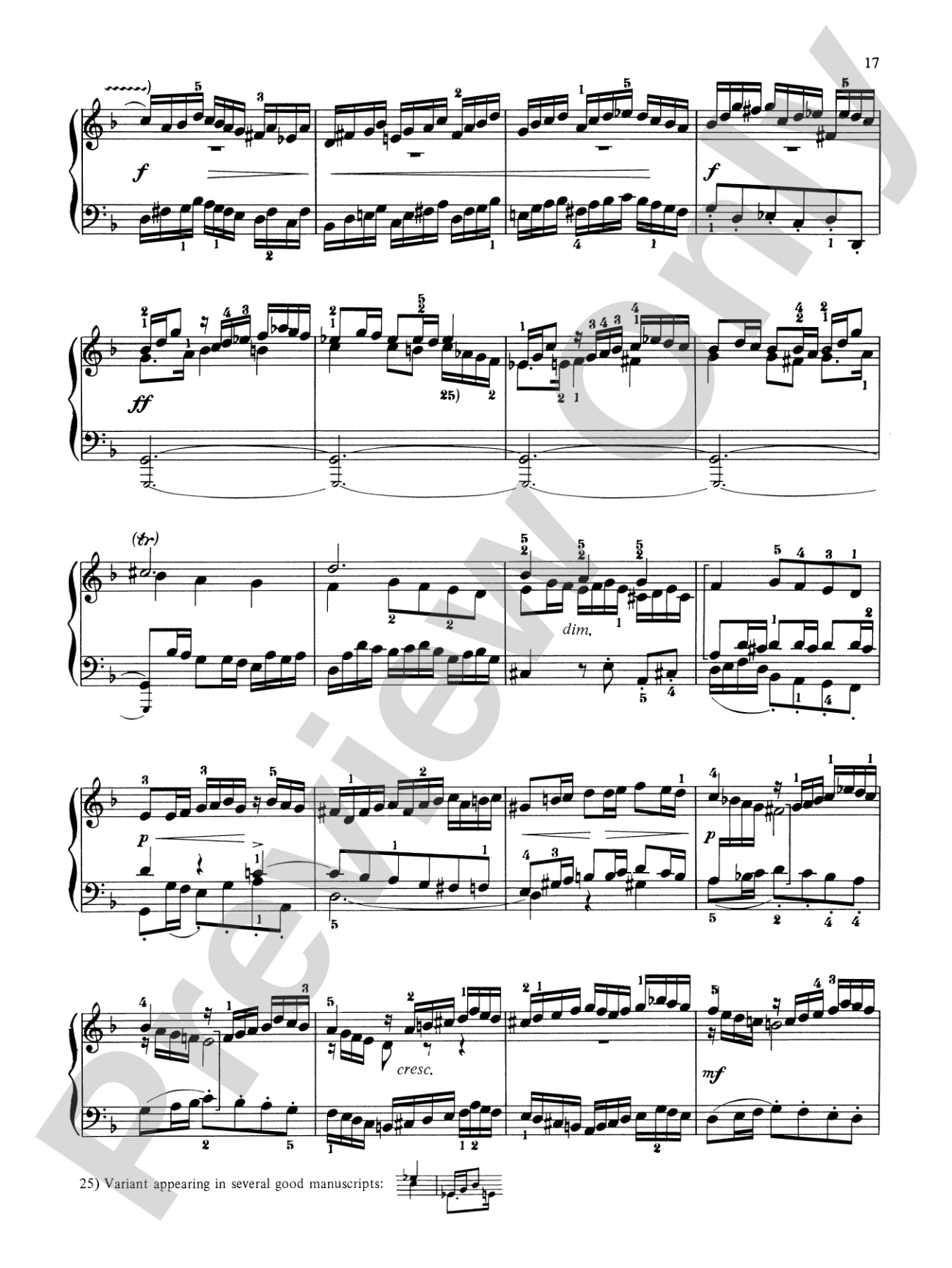
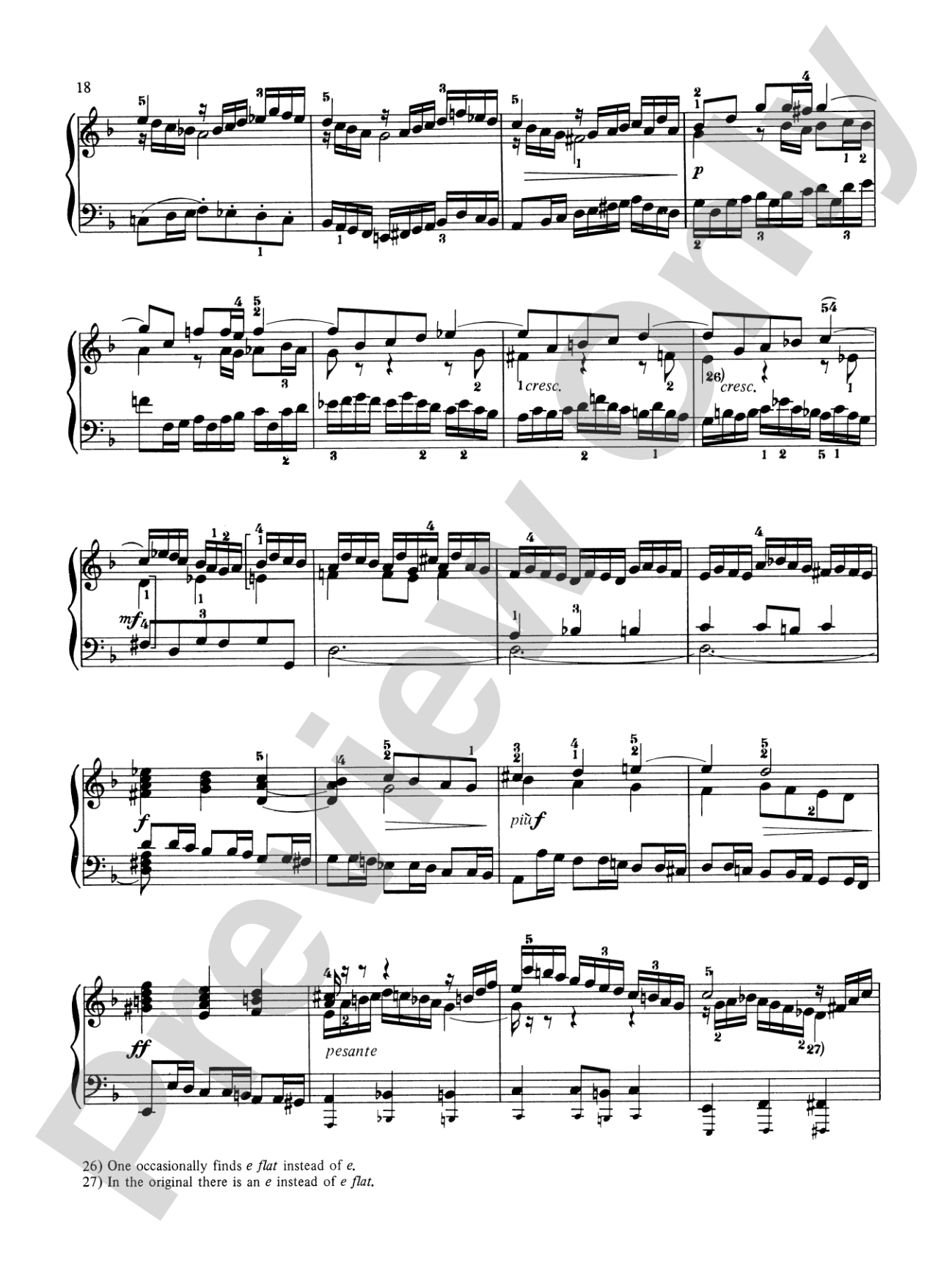
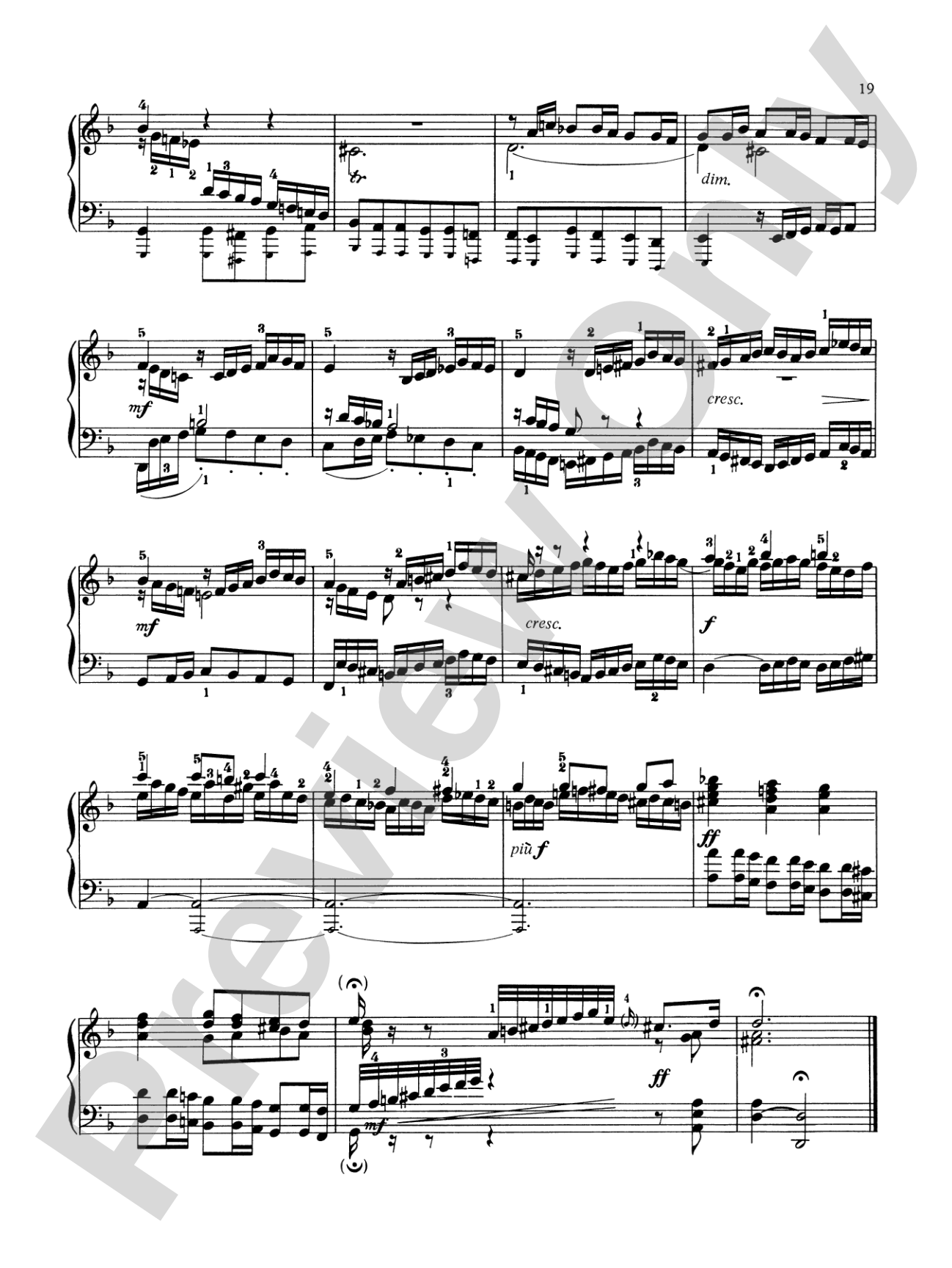
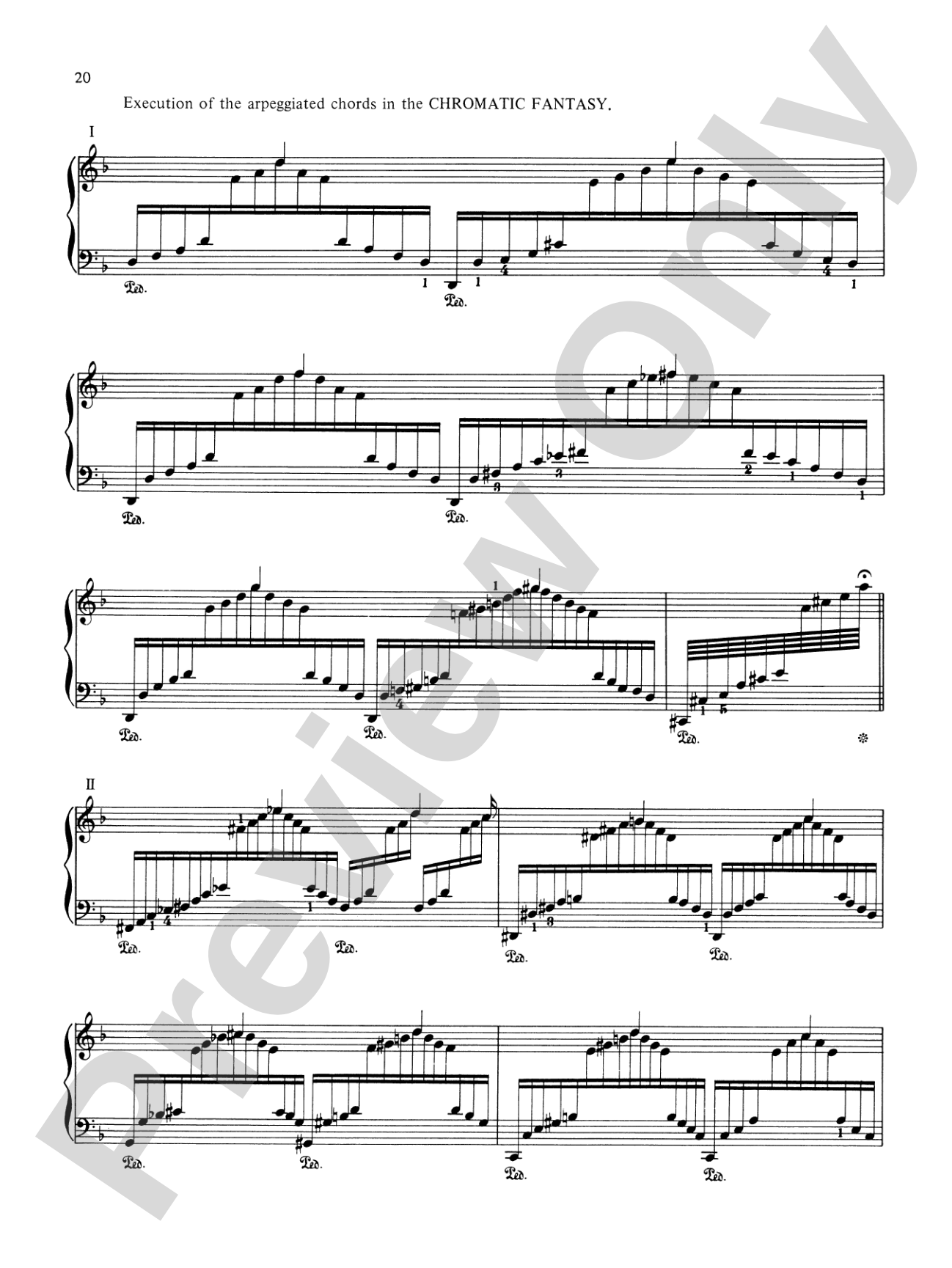
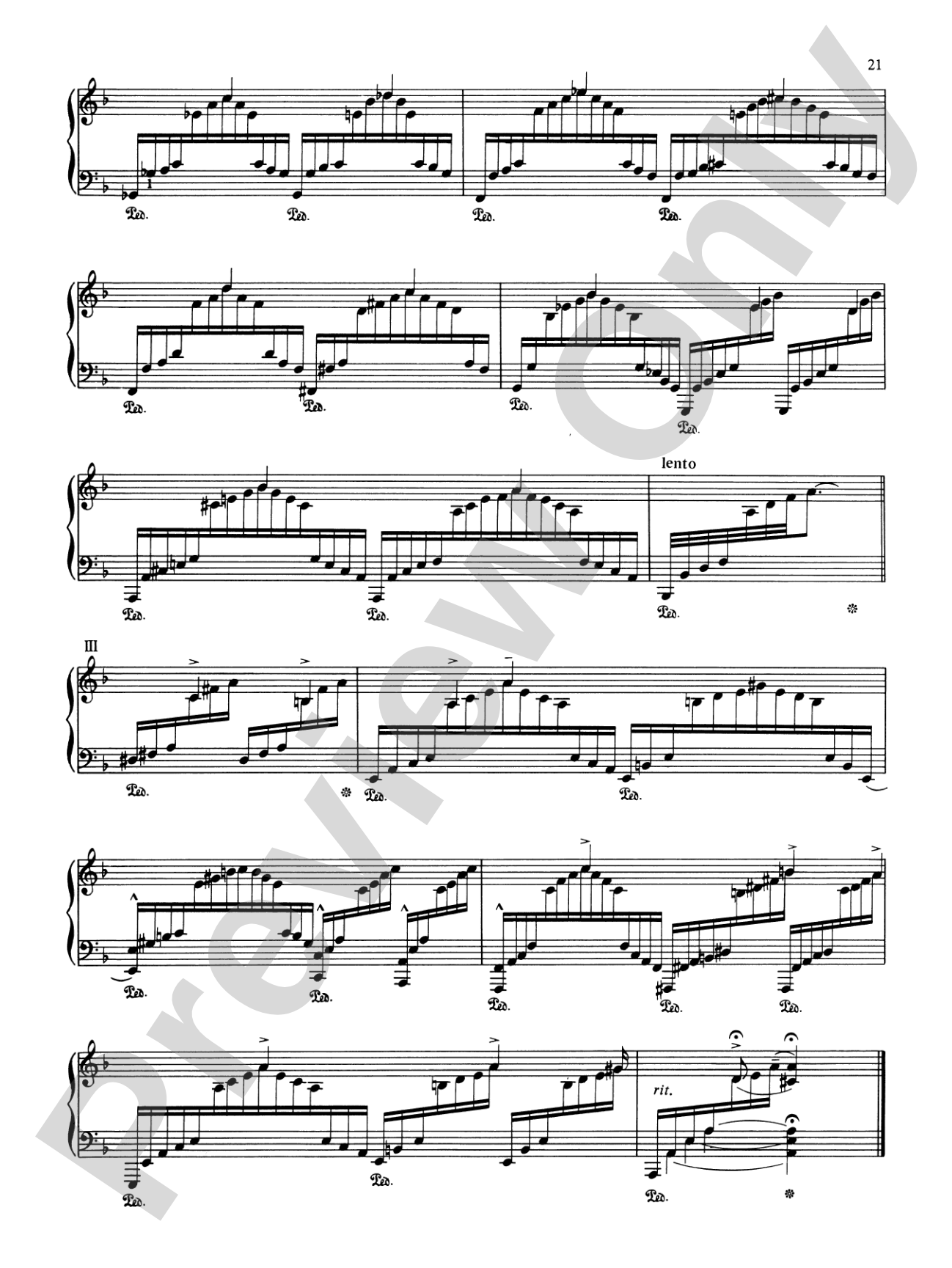




Bach: Chromatic Fantasy and Fugue (Ed. Hans Bischoff, translation by Alexander Lipsky)
By Johann Sebastian Bach / ed. Hans Bischoff, translation by Alexander Lipsky
Level: Advanced
Item: 00-PK-0002778

$7.95
Pickup currently not available
Buy Extra Parts (Digital PDF Download)
| Product | Price | Quantity |
|---|---|---|
| Bach: Chromatic Fantasy and Fugue (Ed. Hans Bischoff, translation by Alexander Lipsky) | $6.95 |
Parts Added to Cart!
Description
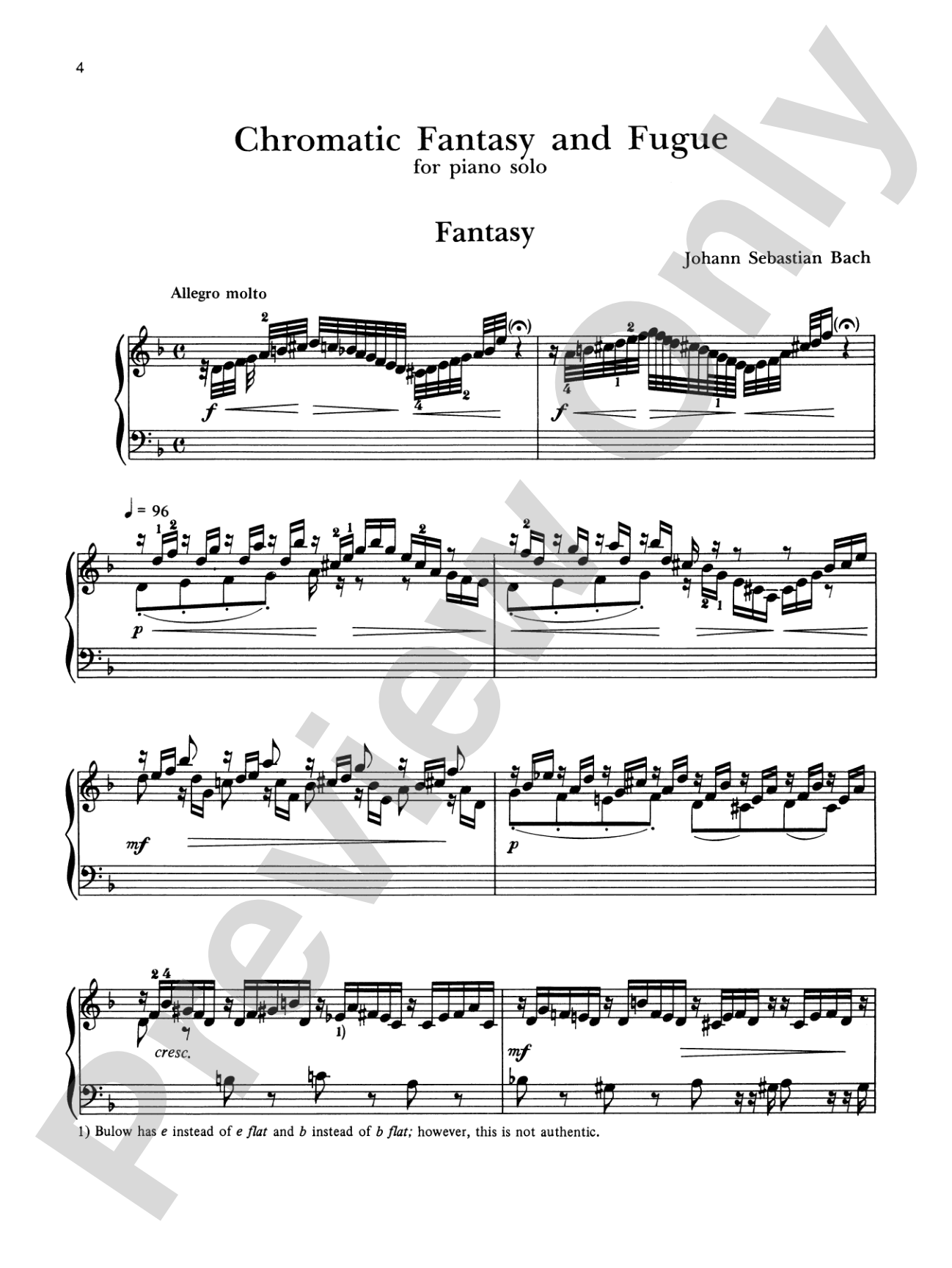
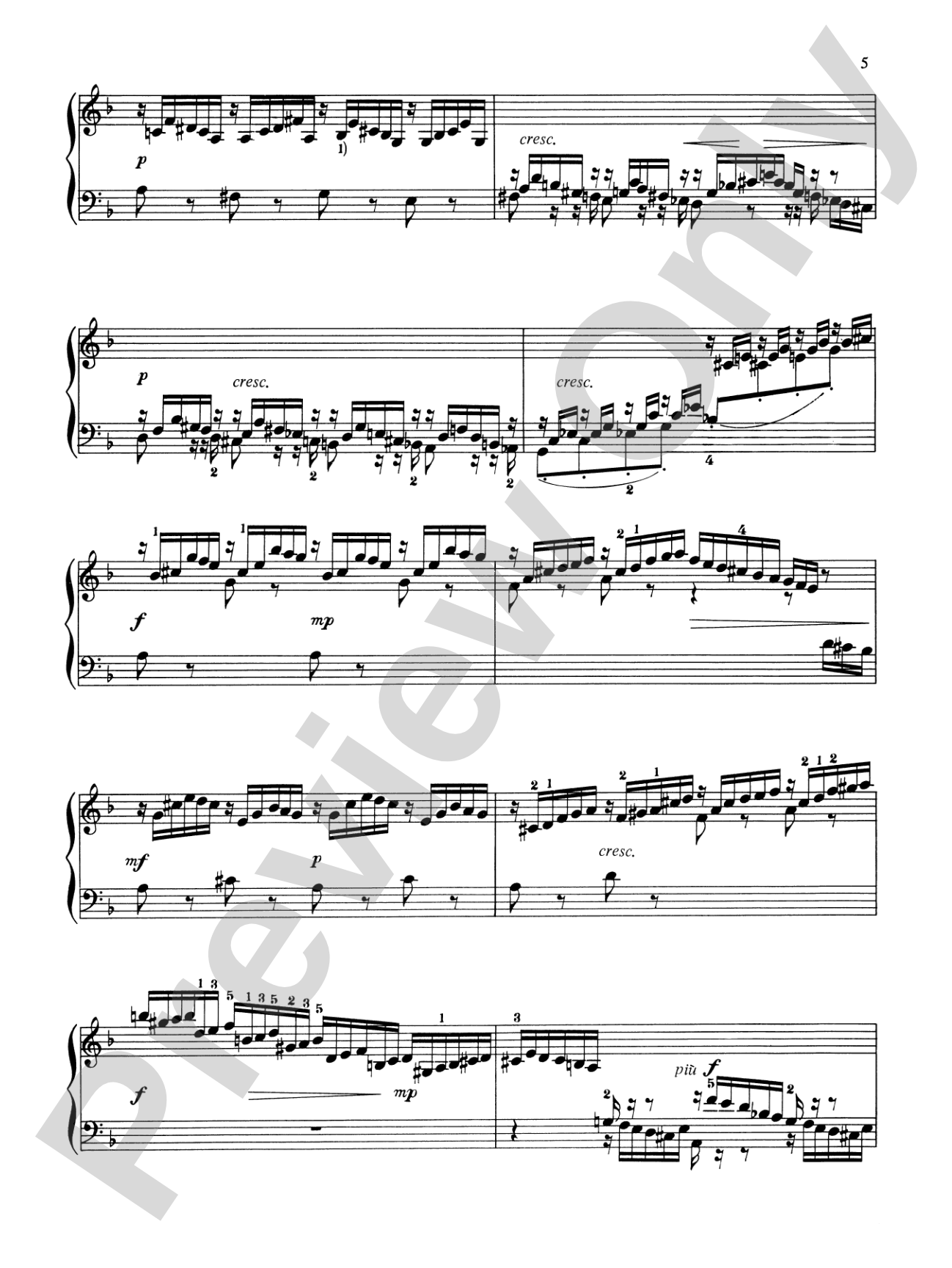
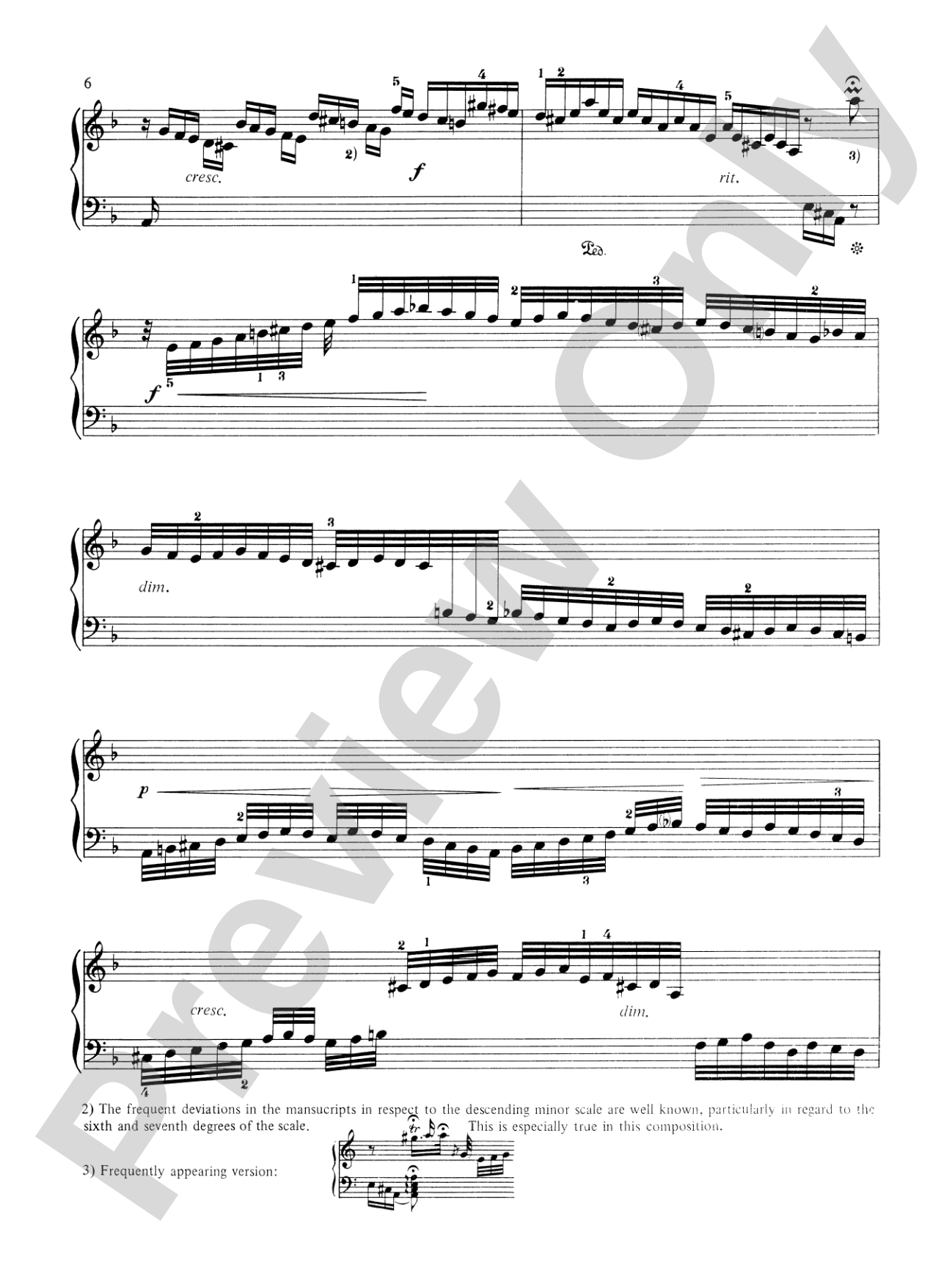
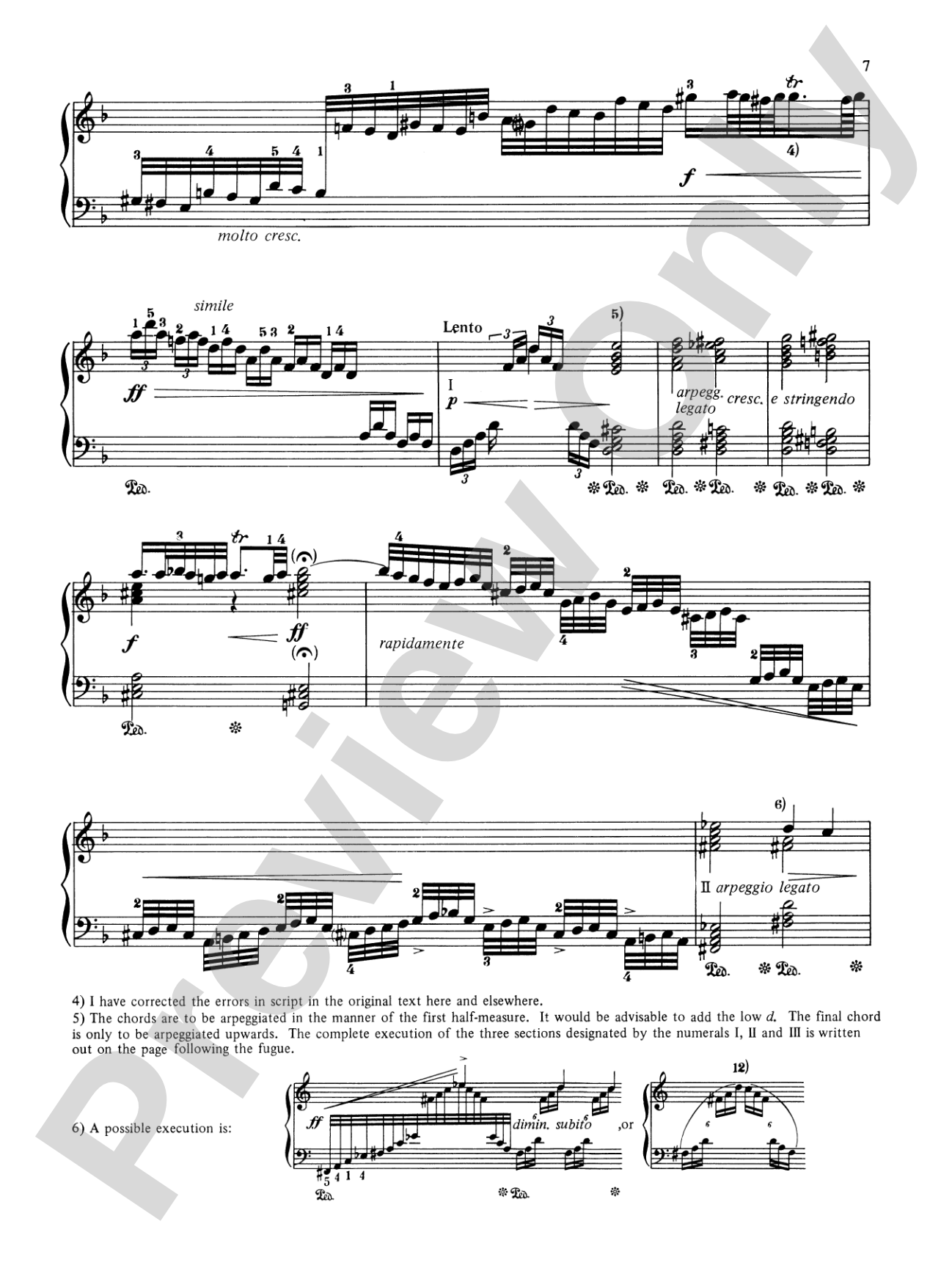
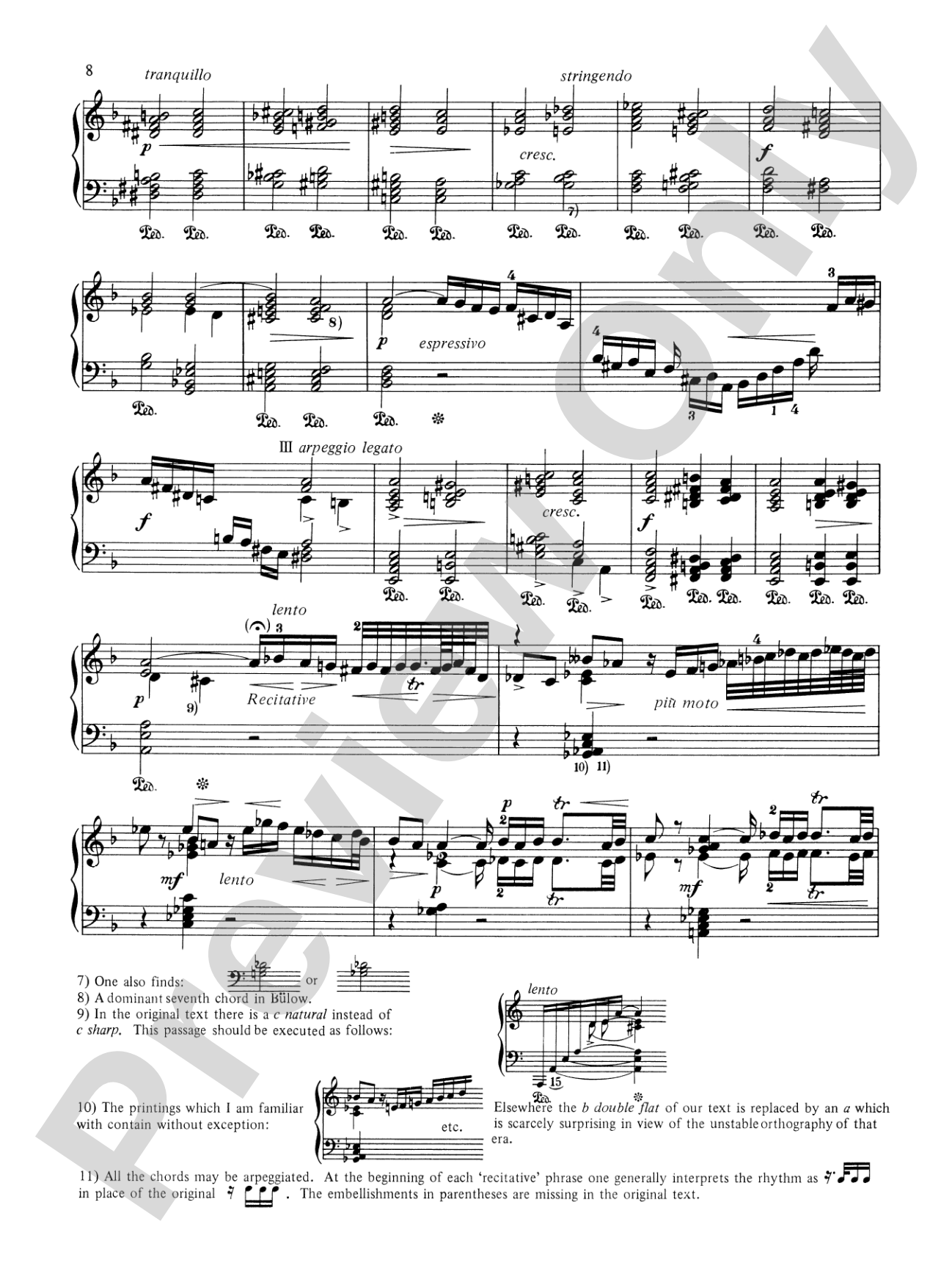
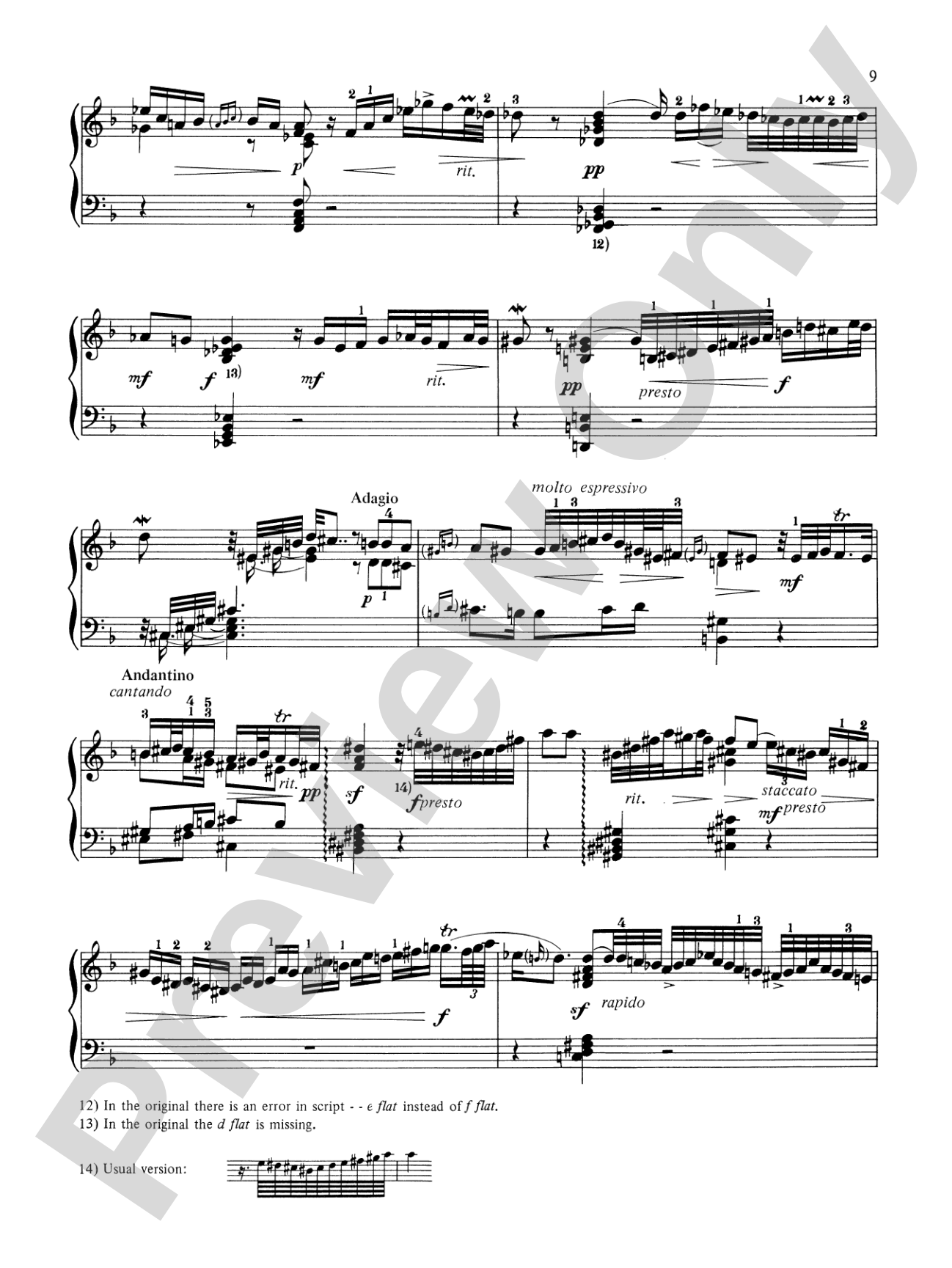
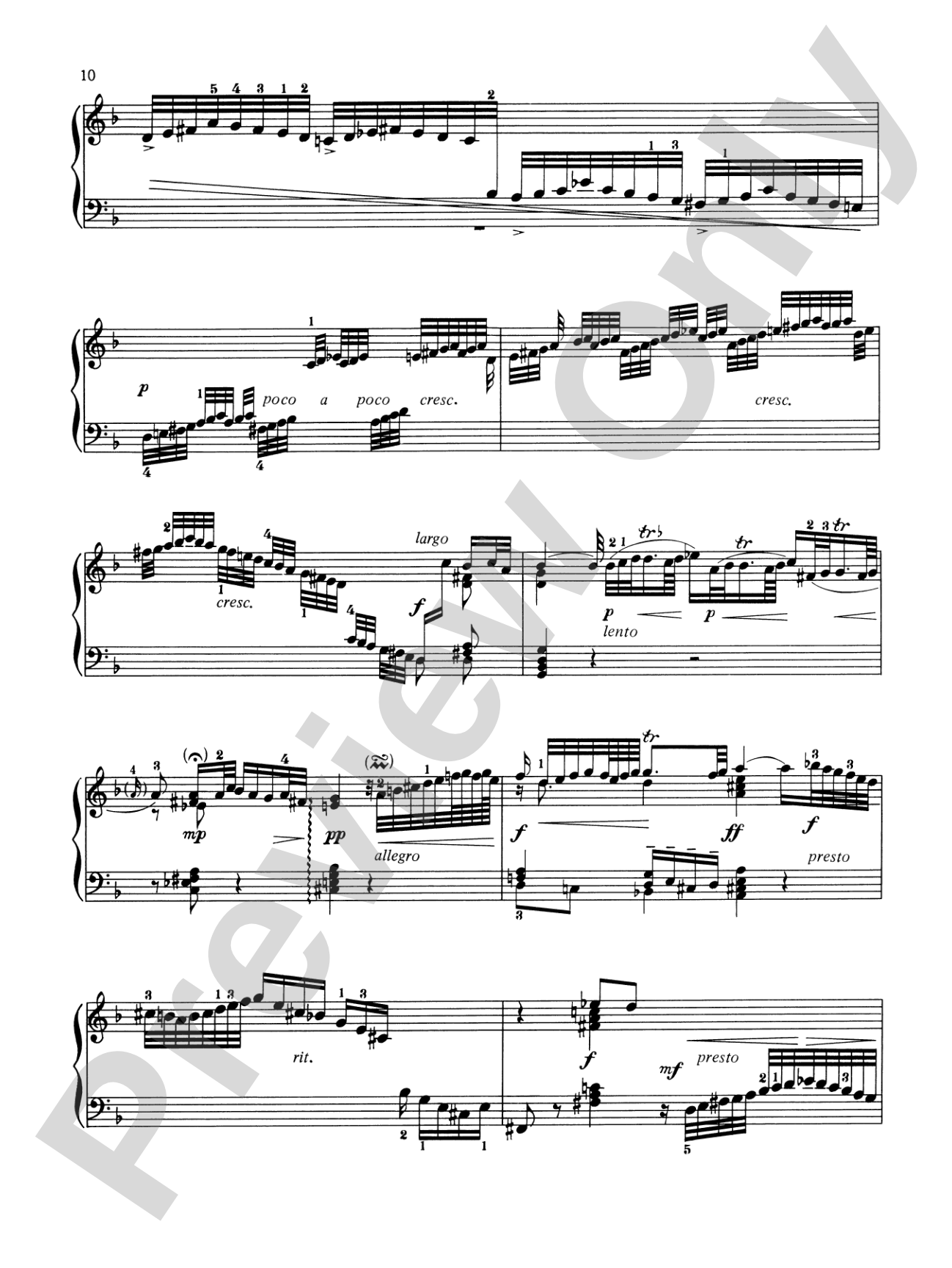
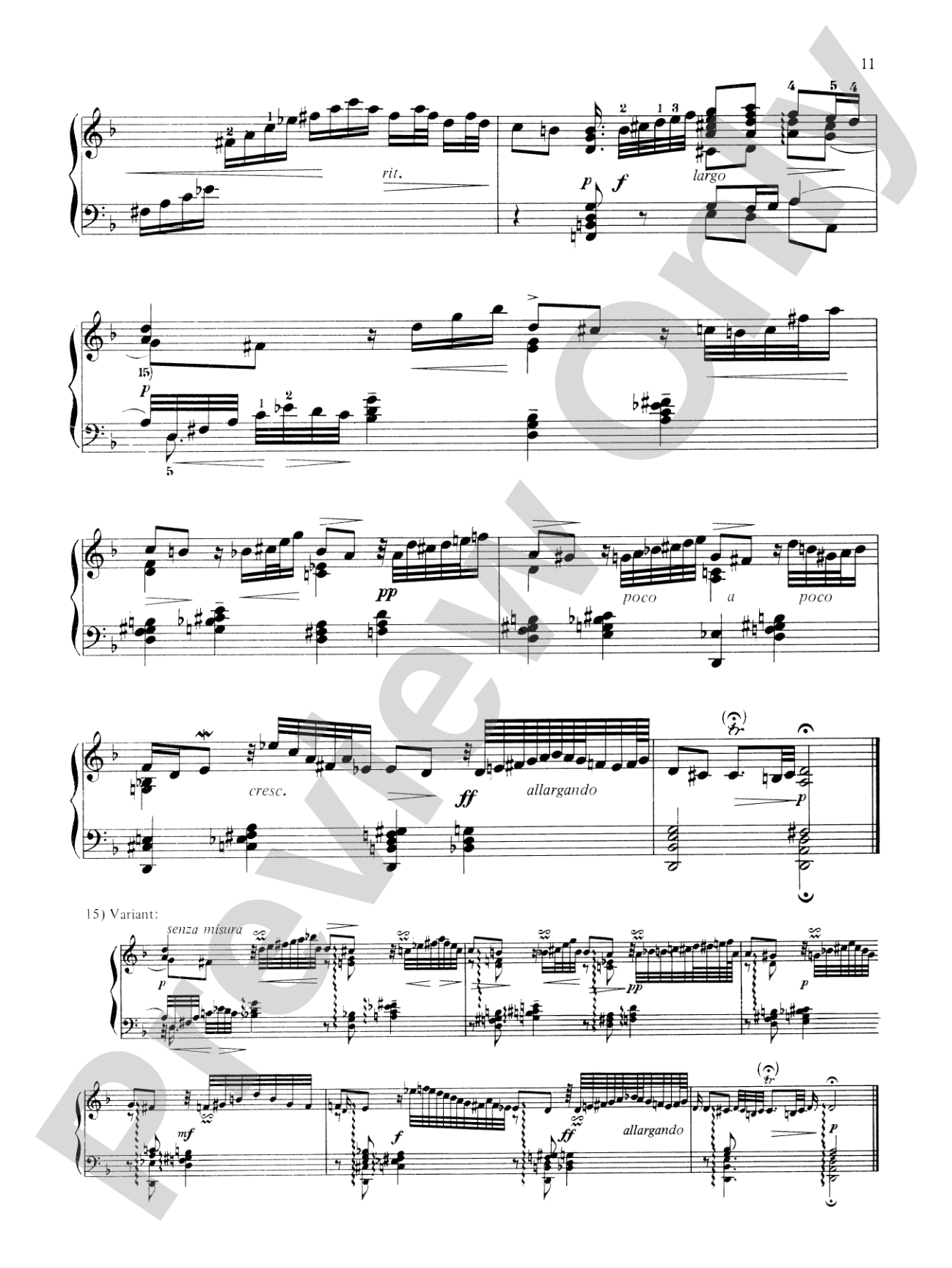
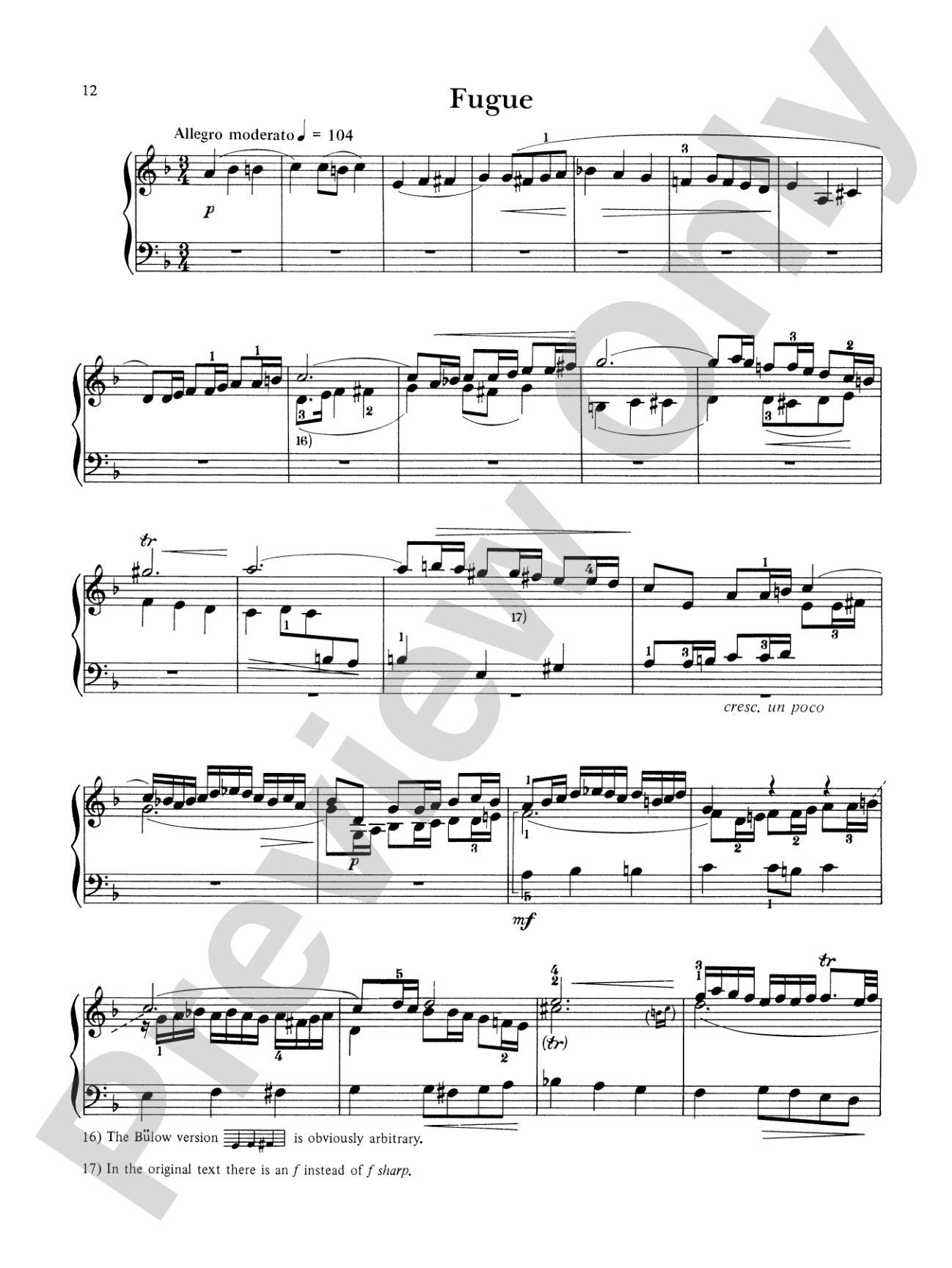
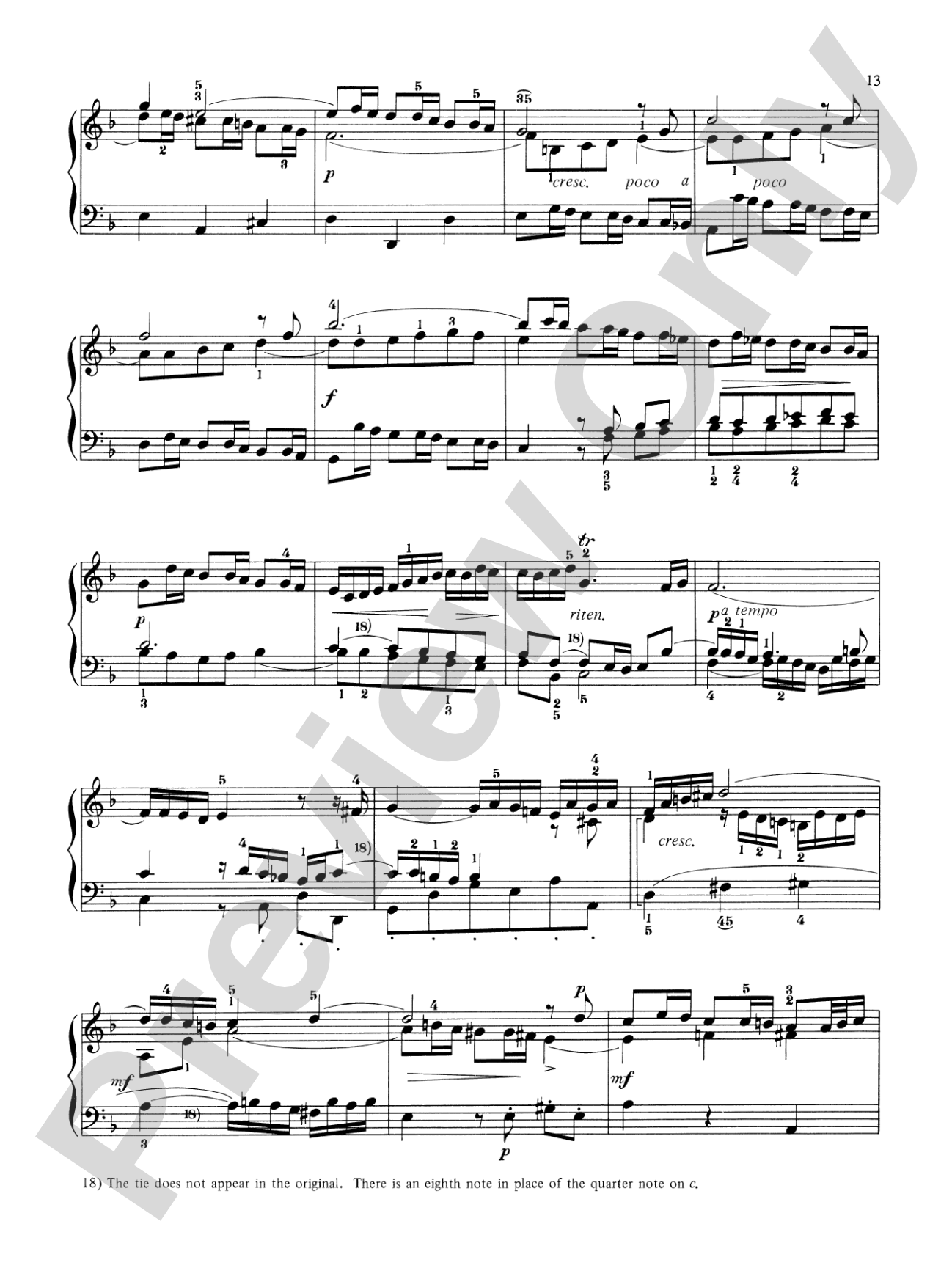
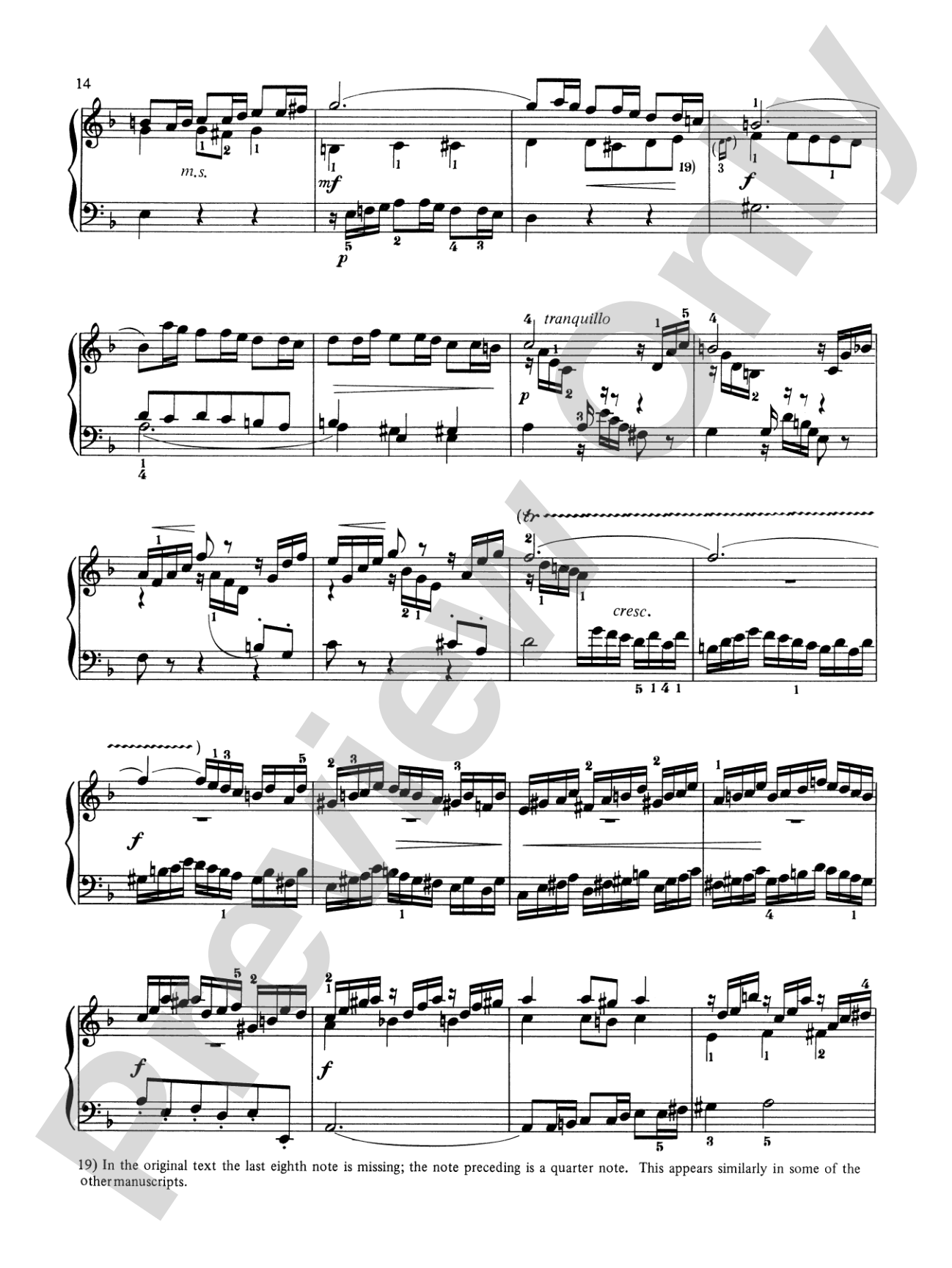
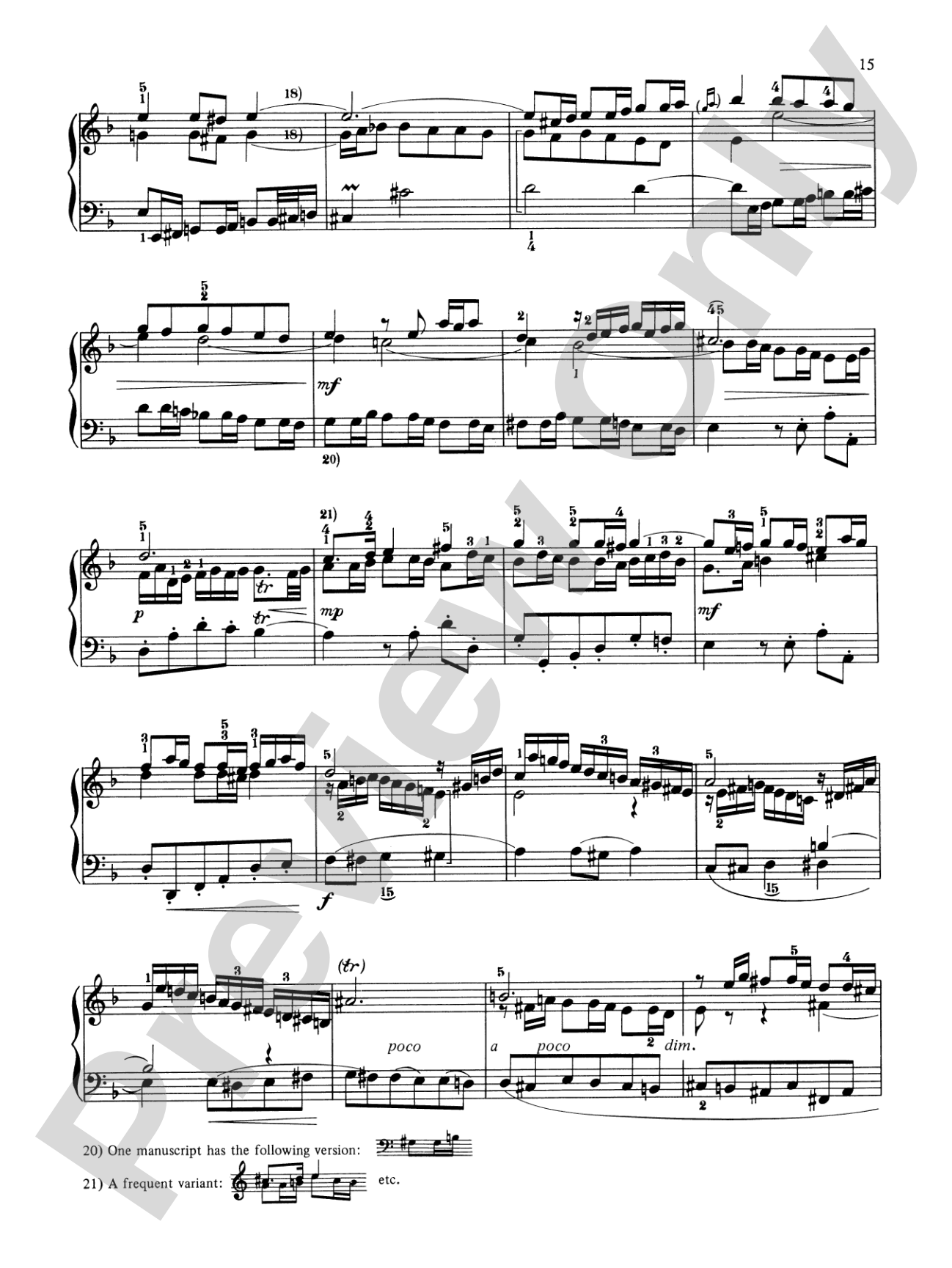
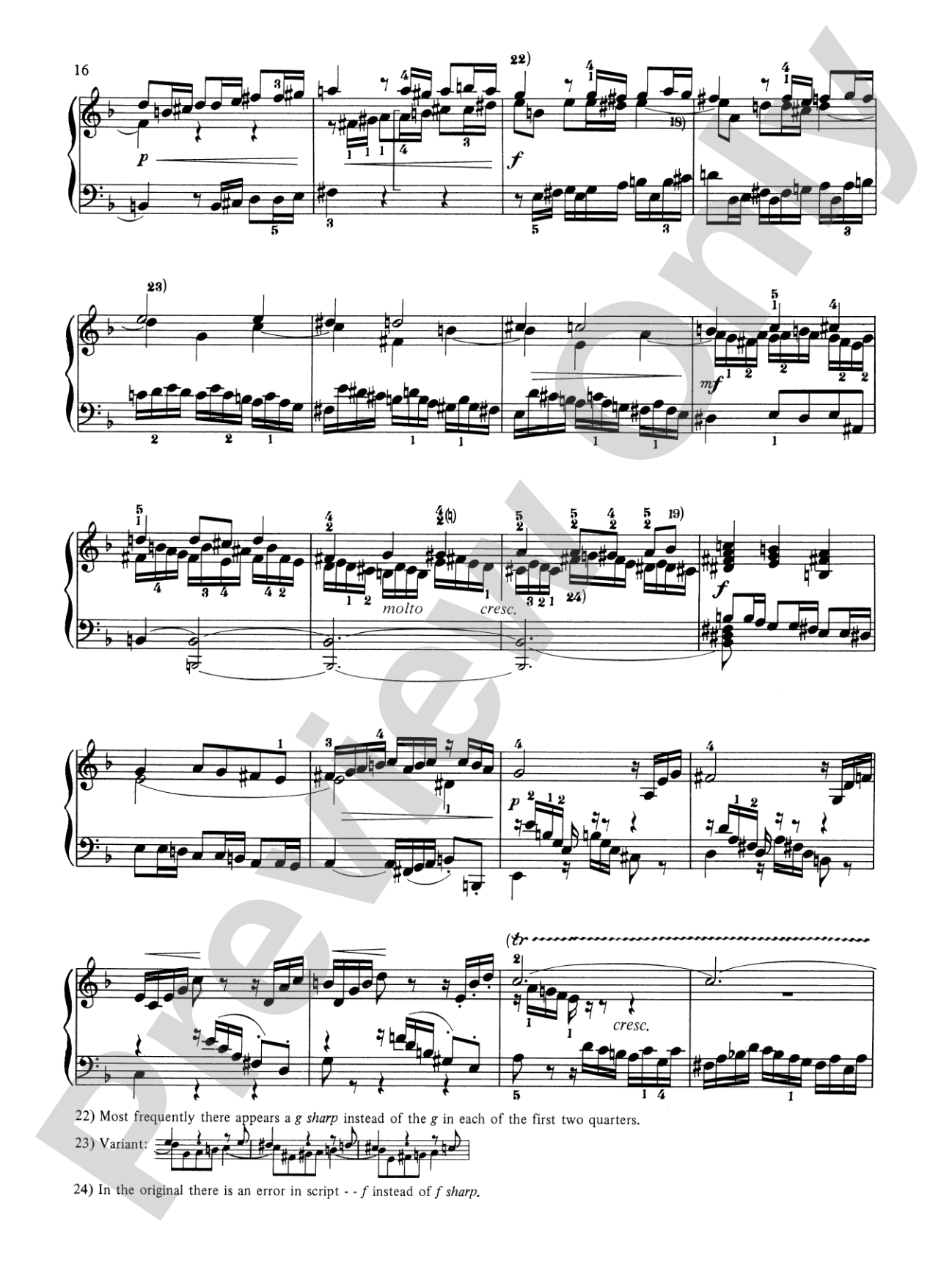
Composed in the 1720s, the Chromatic Fantasy and Fugue is an example of virtuosity and carefully planned harmonic structure. The Fantasy is divided into three sections: the first consisting of technically demanding toccata-like passages, a recitative requiring much emotional expressivity and the third, a combination of the two previous sections. The fugue is also divided into three sections in which the fugal theme is presented eleven times. This edition by noted Bach expert Dr. Hans Bischoff includes numerous performance notes to assist pianists in the interpretation of one of Bach's best-known works.


Don't just read it, hear it, play along with it, and watch your students grow with it. In MakeMusic Cloud, Bach: Chromatic Fantasy and Fugue (Ed. Hans Bischoff, translation by Alexander Lipsky) comes alive with professional accompaniment, adjustable tempo, and built-in practice tools that turn solo practice into real progress.
Open in the Player
Jump straight in and assign it today.
Start Your Free Trial
Open this title and explore the full library in minutes.
Sample Audio
No sample audio found.
Sample Video
No sample videos found.
Additional Details
Series:
Kalmus Edition
Publisher:
Alfred Music
Page Count:
24
SKU:
00-PK-0002778
More about this title
About the Composer: Johann Sebastian Bach
Johann Sebastian Bach (1685-1750) was a German composer and organist whose mastery of counterpoint and harmonic innovation shaped the entire trajectory of Western music. Working primarily in Leipzig and Weimar, Bach synthesized Italian concerto forms, French dance styles, and German contrapuntal traditions into a body of work of unparalleled technical and expressive depth. His keyboard works, especially those for harpsichord and organ, established the technical and artistic standards that pianists still aspire to today.
Bach's compositional method combined mathematical precision with profound emotional content. The Chromatic Fantasy and Fugue stands as testament to this balance: its daring harmonic language and virtuosic demands were centuries ahead of their time, yet every passage serves the larger architectural design. For music students and teachers, Bach remains the essential study in how structure and invention reinforce each other.
Why we love this
This Bischoff edition brings centuries of interpretive tradition directly into the pianist's hands through its substantial performance notes, making one of Bach's most architecturally complex works genuinely accessible. The clarity of this edition allows advanced pianists to focus on the rich harmonic language and the interplay between the Fantasy's theatrical gestures and the Fugue's structural rigor, rather than deciphering notation. Programming this work signals serious musical ambition and offers your audience a direct encounter with Baroque mastery.
What to expect
The Fantasy unfolds like a virtuoso's inner monologue: technically dazzling passages give way to moments of profound introspection, then collide again in a surge of rhetorical intensity. The Fugue that follows is architecturally inevitable yet endlessly inventive, turning a single thematic idea into eleven distinct moments of musical discovery. Together, they create an experience that feels simultaneously intellectual and viscerally expressive.
Who it's for
Advanced pianists preparing competition or recital repertoire, and serious students ready to engage with one of the keyboard literature's most demanding and rewarding works. This edition serves pianists seeking authoritative interpretive guidance alongside a clean, reliable score.
How to get the most out of it
- Map the three distinct sections of the Fantasy before learning notes: the toccata passages establish virtuosic terrain, the recitative invites rhetorical phrasing and expressive timing, and the final section synthesizes both. This architecture should shape your practicing strategy and performance arc.
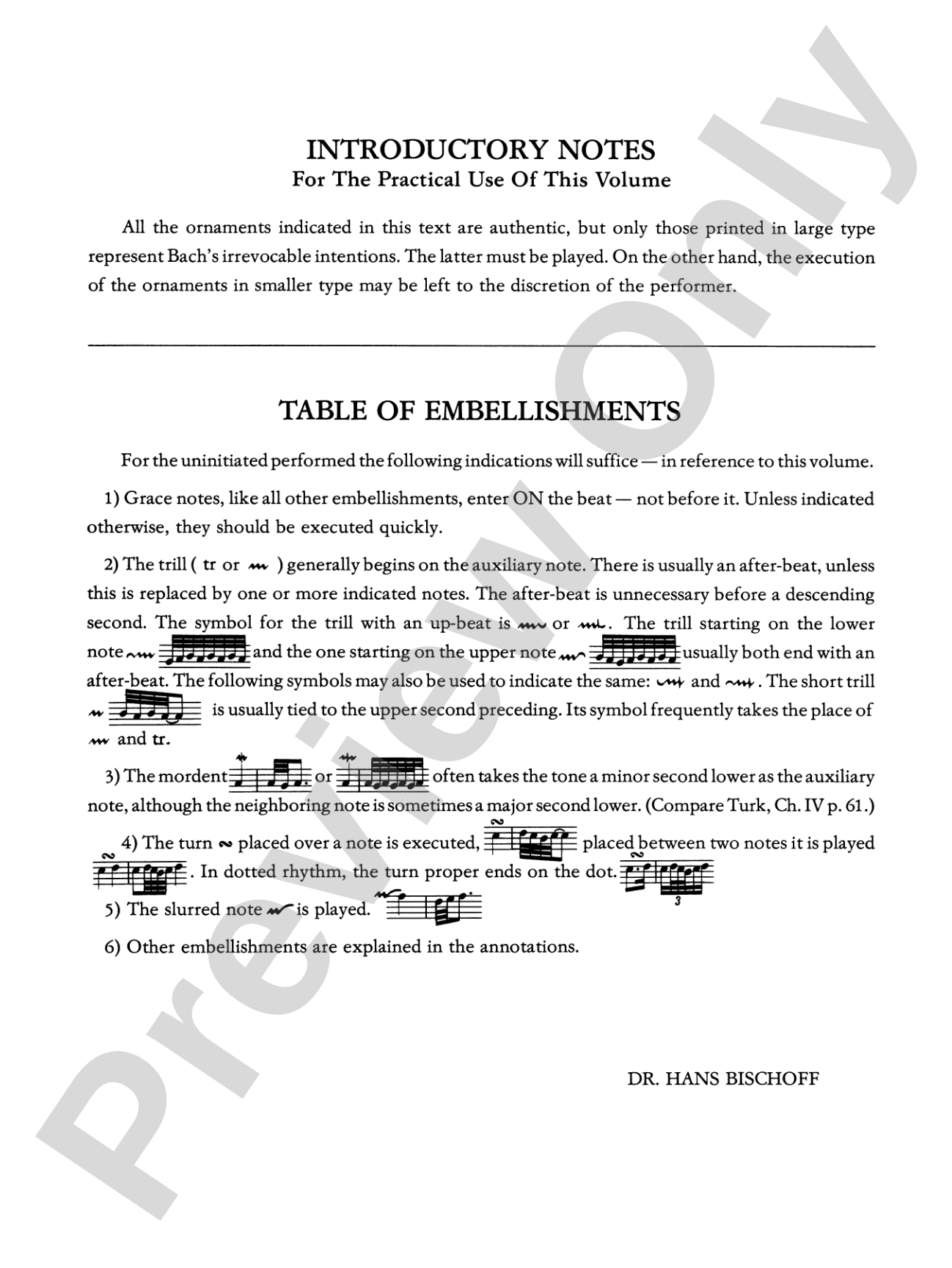
- Study the Bischoff notes alongside the score to understand his specific recommendations for tempo relationships, ornamentation, and voicing, particularly in the recitative where emotional communication depends on interpretive choice.
- Locate the eleven statements of the fugal subject and track how Bach transforms it across the three fugue sections; this awareness will prevent the fugue from becoming a blur of notes and instead reveal its cumulative power.
- Balance technical clarity in the toccata passages with the harmonic audacity beneath them; these rapid figurations are vehicles for Bach's chromatic language, not mere display.
How to use it
This work functions as a recital centerpiece for advanced solo pianists or as a significant historical anchor in a program exploring Baroque keyboard writing. Its length and interpretive complexity make it suitable for a complete solo recital or a concert segment devoted entirely to Bach, allowing the work's architecture to unfold without interruption. It also pairs naturally with later works that engage with Bach's harmonic language, creating a historical dialogue across eras.
Skills your students will build
- Navigating complex harmonic progressions and chromatic voice leading
- Executing rapid passage work with clarity and control
- Interpreting recitative-style music with expressive flexibility
- Understanding fugal structure and tracking multiple thematic statements
- Balancing virtuosic demands with architectural coherence
- Reading and applying editorial performance notes to shape interpretation