
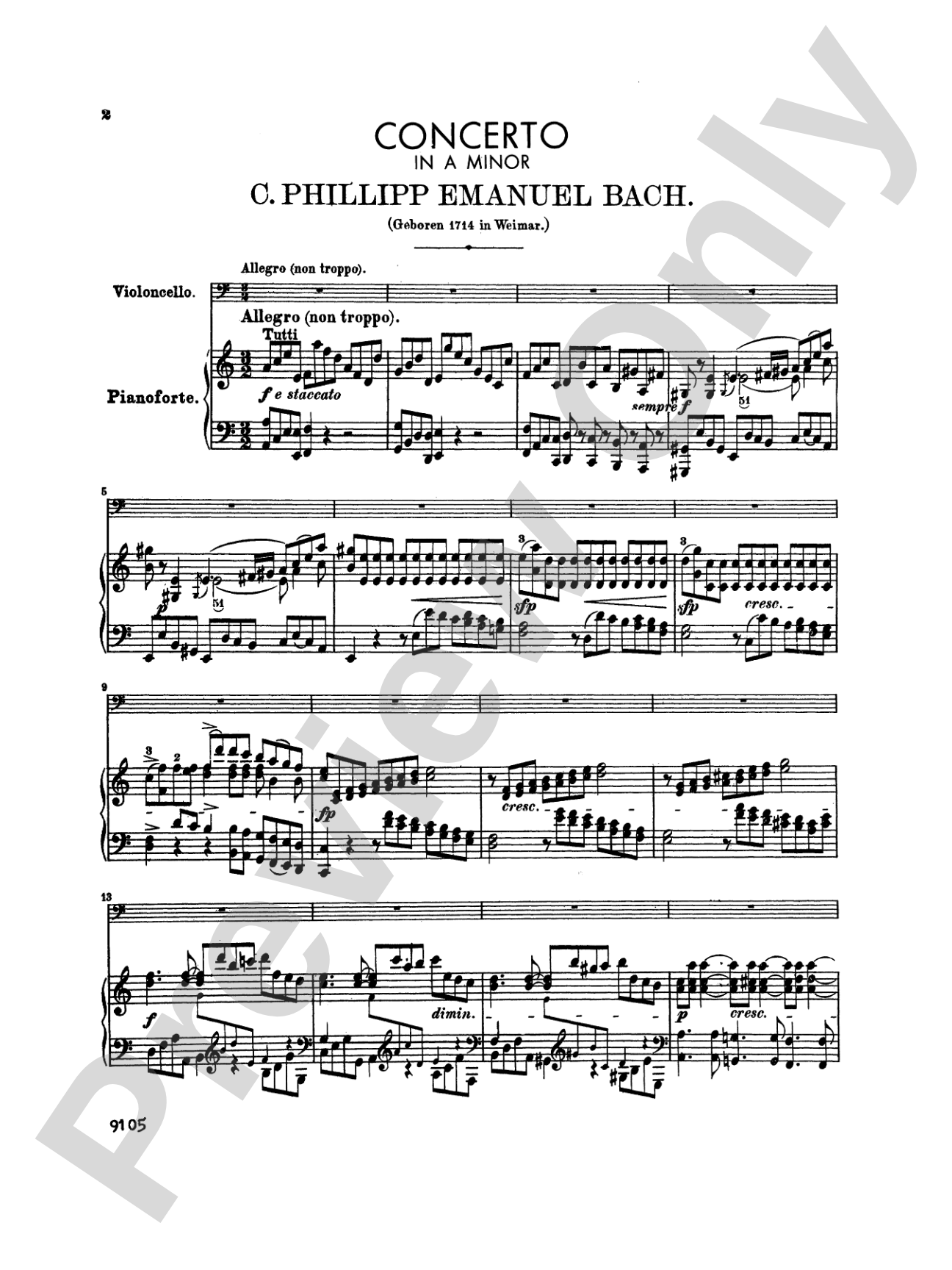
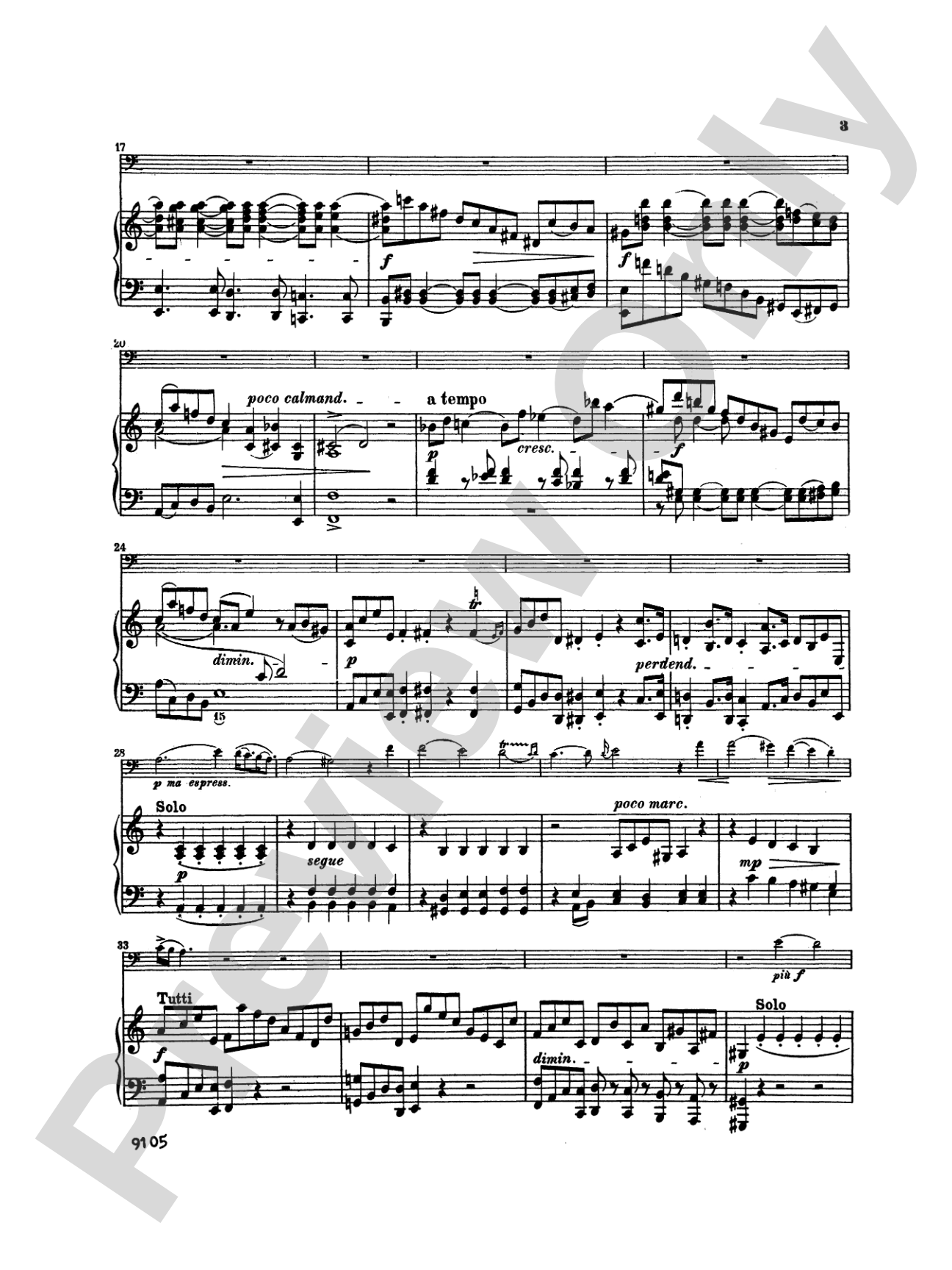
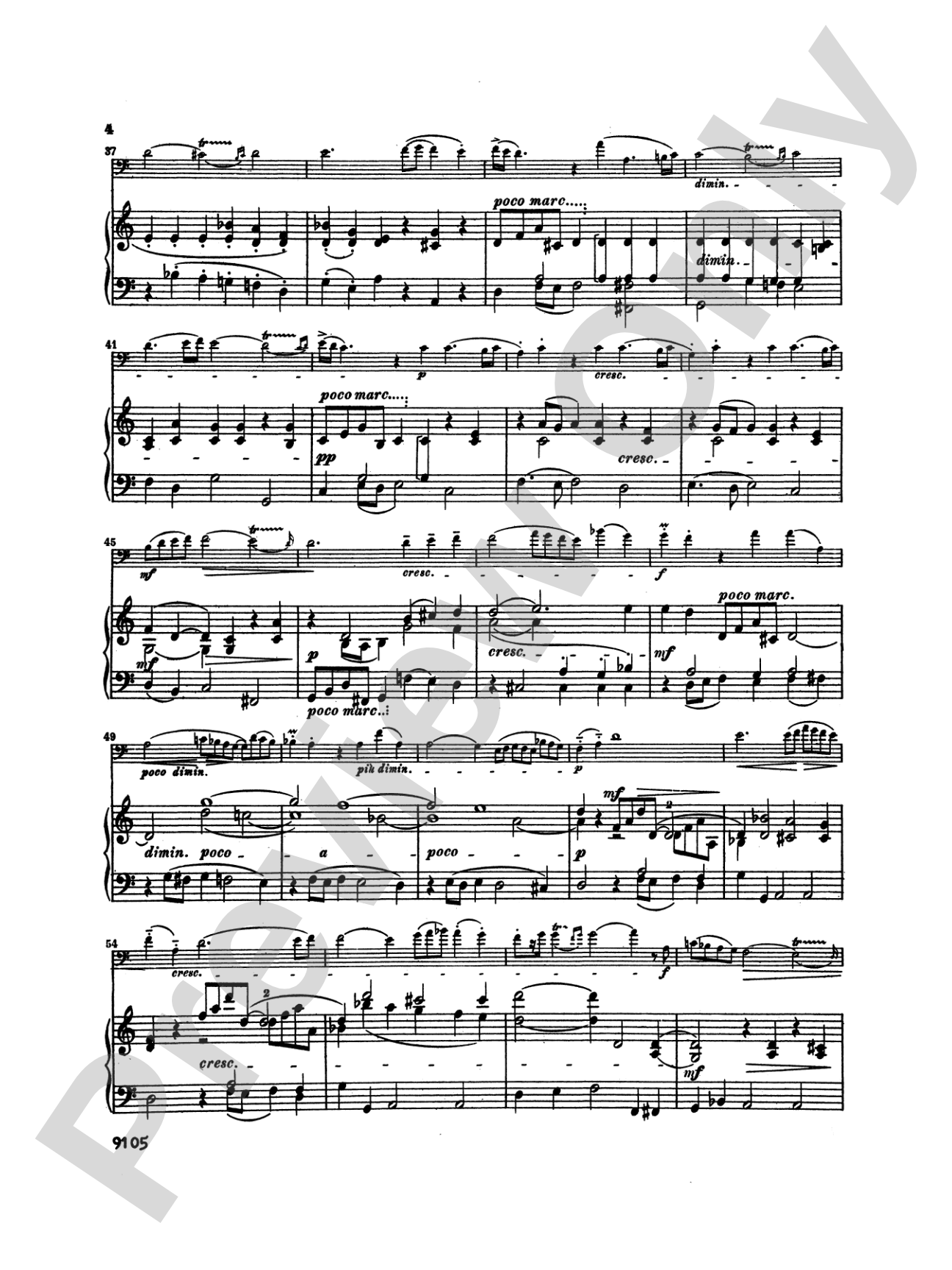
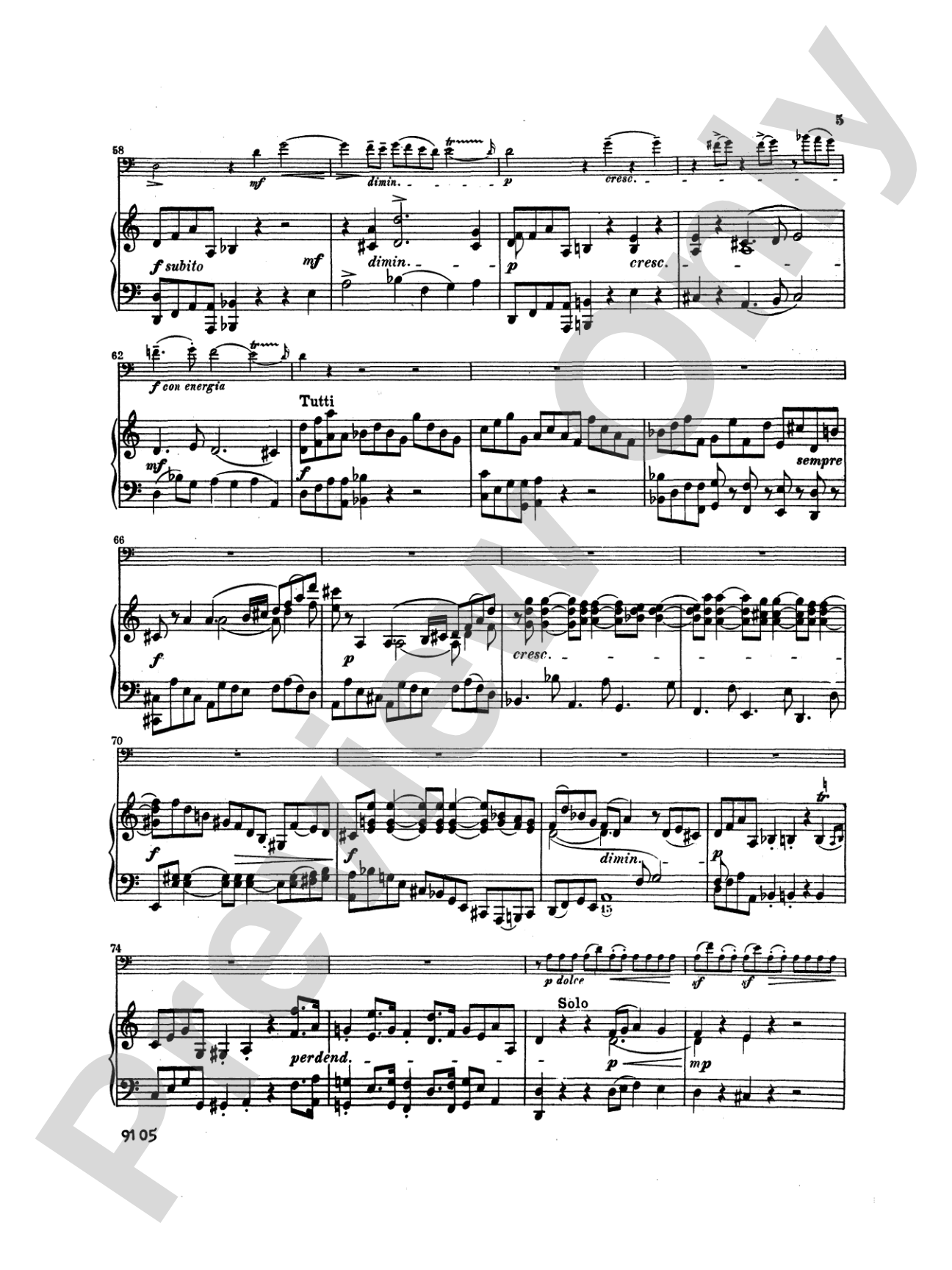
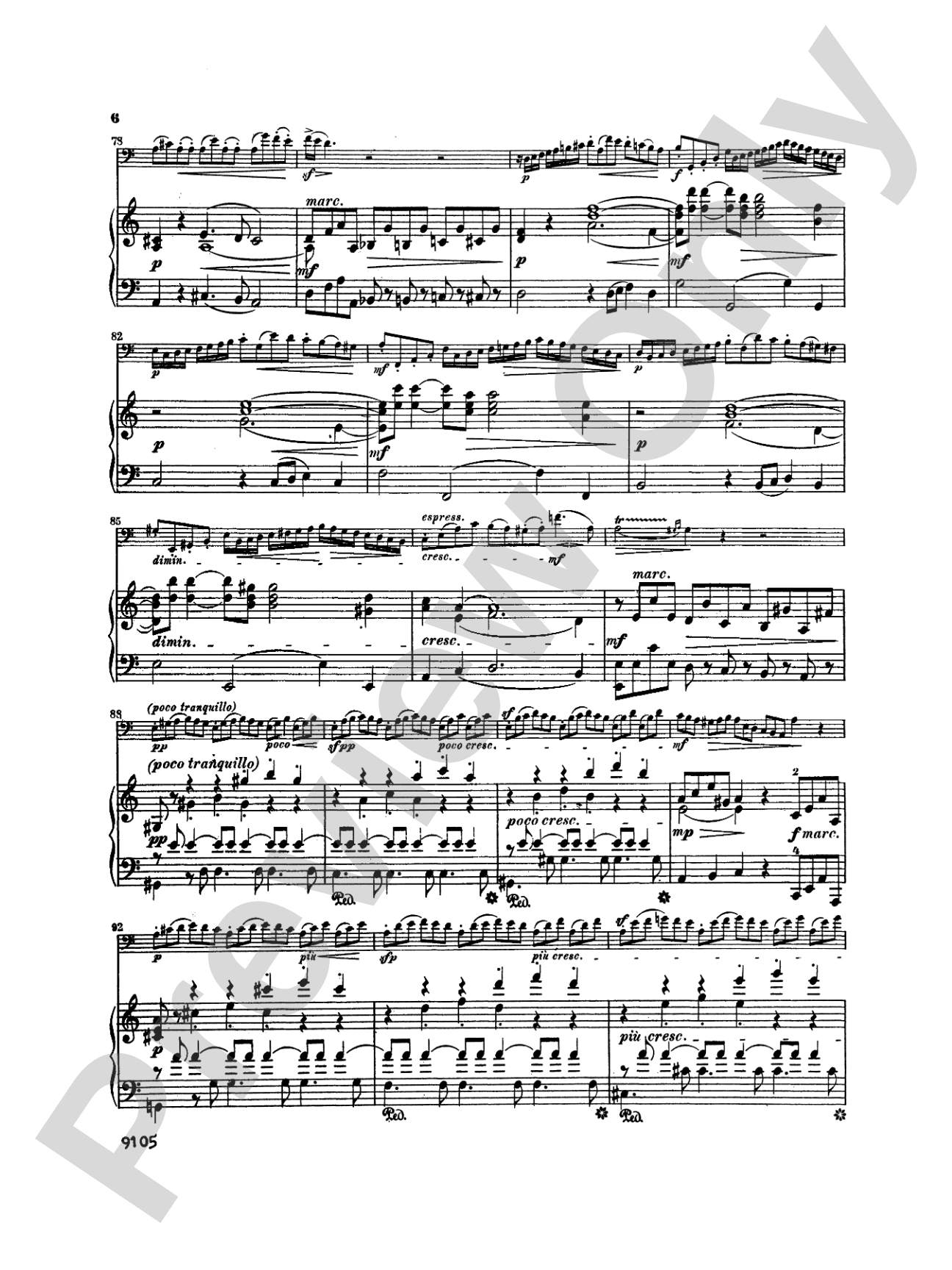
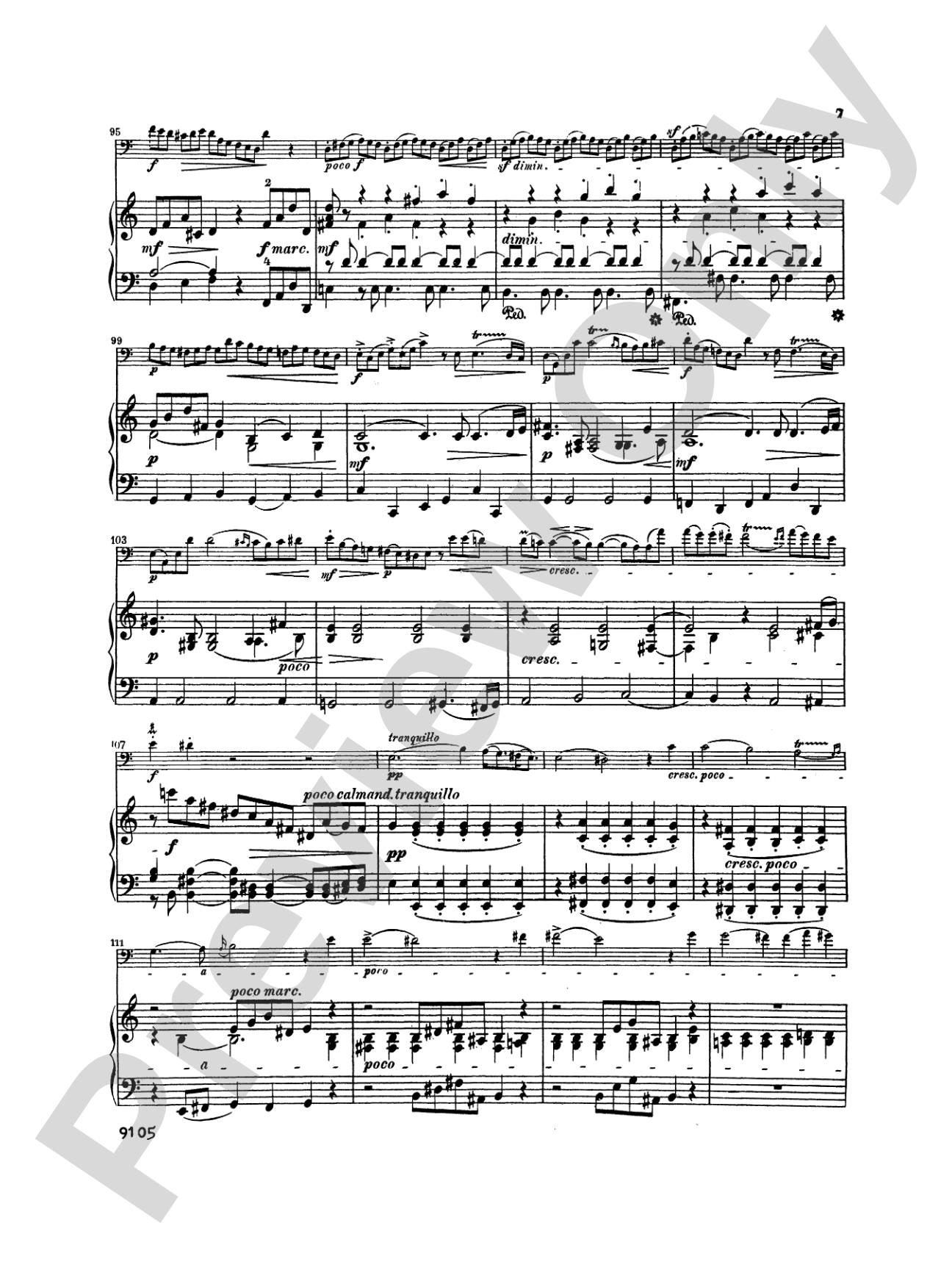

Bach: Cello Concerto in A Minor
By Carl Philipp Emanuel Bach
Item: 00-PC-0011745
$5.95
Pickup currently not available
Description
A Cello solo with Piano Accompaniment composed by Carl Philipp Emanuel Bach.


Don't just read it, hear it, play along with it, and watch your students grow with it. In MakeMusic Cloud, Bach: Cello Concerto in A Minor comes alive with professional accompaniment, adjustable tempo, and built-in practice tools that turn solo practice into real progress.
Open in the Player
Jump straight in and assign it today.
Start Your Free Trial
Open this title and explore the full library in minutes.
Sample Audio
No sample audio found.
Sample Video
No sample videos found.
Additional Details
Series:
Kalmus Edition
Publisher:
Alfred Music
Page Count:
48
SKU:
00-PC-0011745
More about this title
About the Composer: Carl Philipp Emanuel Bach
Carl Philipp Emanuel Bach (1714–1788) was the most prolific and influential of J.S. Bach's sons, and his keyboard works and chamber music shaped the transition from Baroque to Classical style. As a performer and composer in service to Frederick the Great in Berlin and later as Kapellmeister in Hamburg, he developed a highly personal aesthetic that emphasized emotional depth and keyboard virtuosity.
His cello concertos occupy a vital place in the instrument's early solo repertoire. Written with keen awareness of the cello's expressive range, they demanded far more from performers than the typical continuo role of his father's era. These works influenced later concerto writing and remain touchstones for cellists seeking to master the instrument's singing quality and technical command.
Why we love this
This concerto captures the Baroque cello at a turning point: the writing assumes genuine virtuosity while remaining firmly rooted in melody and structure rather than flashy display. Contest judges and festival audiences recognize it immediately as a serious test of artistic maturity, not mere technical facility. It rewards cellists who can balance ornamental passages with genuine song.
What to expect
The concerto moves between moments of graceful lyricism and disciplined formal argument. Its opening is song-like yet structured, drawing the listener into a world of emotional clarity rather than Baroque ornamentation for its own sake. The overall effect is one of understated elegance paired with genuine virtuosic demand.
Who it's for
This edition serves advanced high school cellists preparing for youth orchestra auditions and summer festivals, as well as college-level students building a core solo repertoire. It works equally well for mature amateur cellists seeking substantial chamber music that bridges Baroque and Classical idioms without requiring specialized historical performance training.
How to get the most out of it
- Maintain a clear distinction between the Baroque bow hold and modern vibrato practices in your interpretation. Historically informed performance choices about ornamentation and articulation can refresh the work without compromising its accessibility to contemporary audiences.
- Shape the opening theme with intentional phrasing that acknowledges the dance-like rhythmic character beneath its lyrical surface. The melody benefits from subtle rubato that responds to harmonic tension rather than constant forward push.
- Work closely with your pianist on balancing dialogue between the parts. The piano is not merely accompanying; in the Classical tradition emerging here, the accompaniment becomes an equal conversational partner, particularly in the development sections.
- Invest time in the ornaments and passing tones. They are not decorative flourishes but structural elements that define the harmonic progression and shape the cello's voice within the Classical syntax Bach was pioneering.
How to use it
This is an ideal choice for young artist recitals and competition performances where a single substantial solo is required. It programs beautifully alongside contemporary chamber works or earlier Baroque cello music, positioning the soloist as a musician equally at home in Baroque melody and Classical architecture. The 48-page length and moderate technical demands make it feasible for performers with a season to prepare.
Skills your students will build
- Baroque articulation and phrasing conventions in a Classical formal structure
- Dialogue between solo and accompaniment in chamber music contexts
- Sustained singing tone across register shifts and dynamic contrasts
- Ornamentation and embellishment as structural rather than decorative elements
- Formal analysis of sonata and concerto procedures in early Classical contexts
- Audition and festival performance stamina over a substantial solo work