
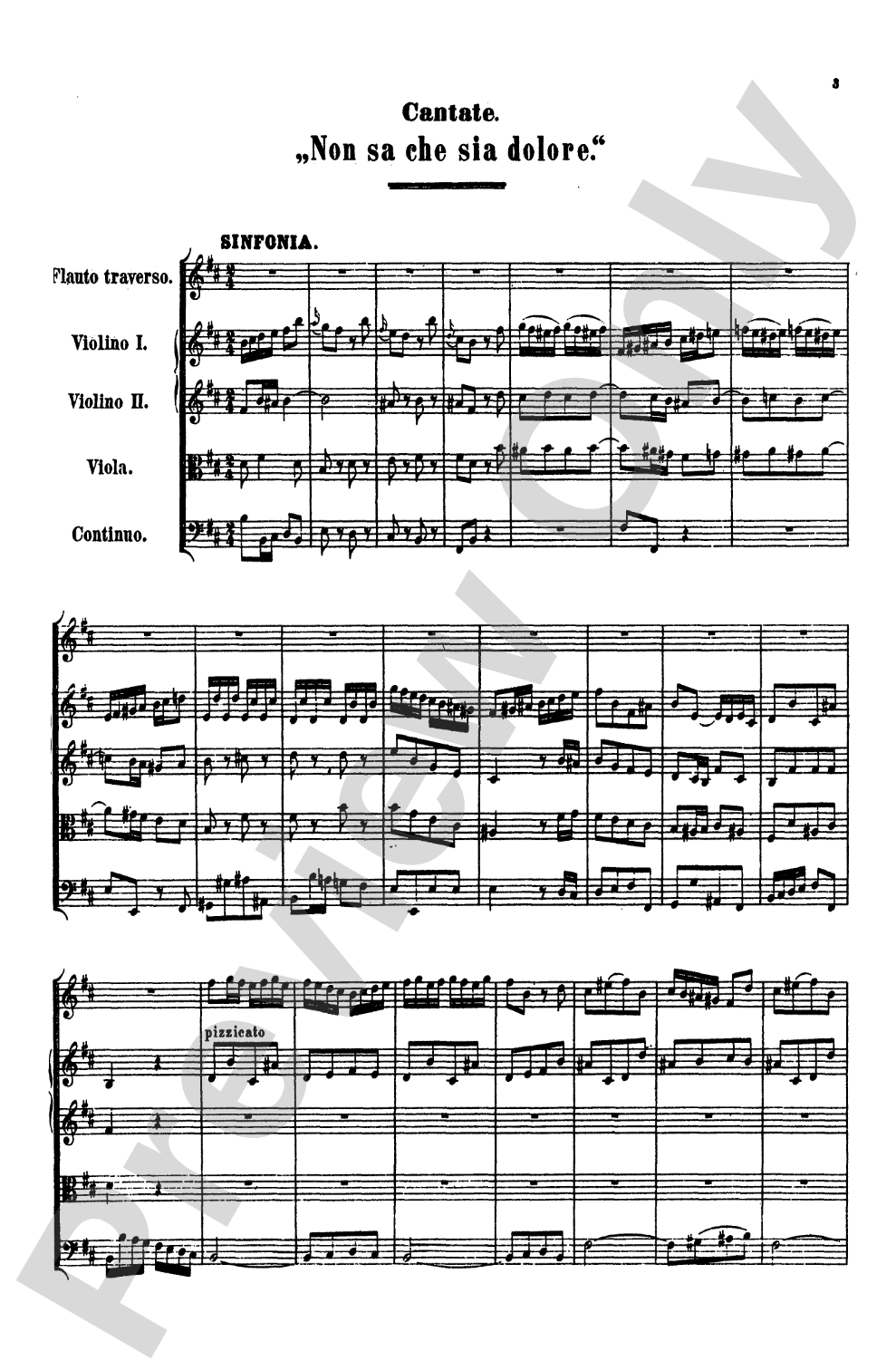
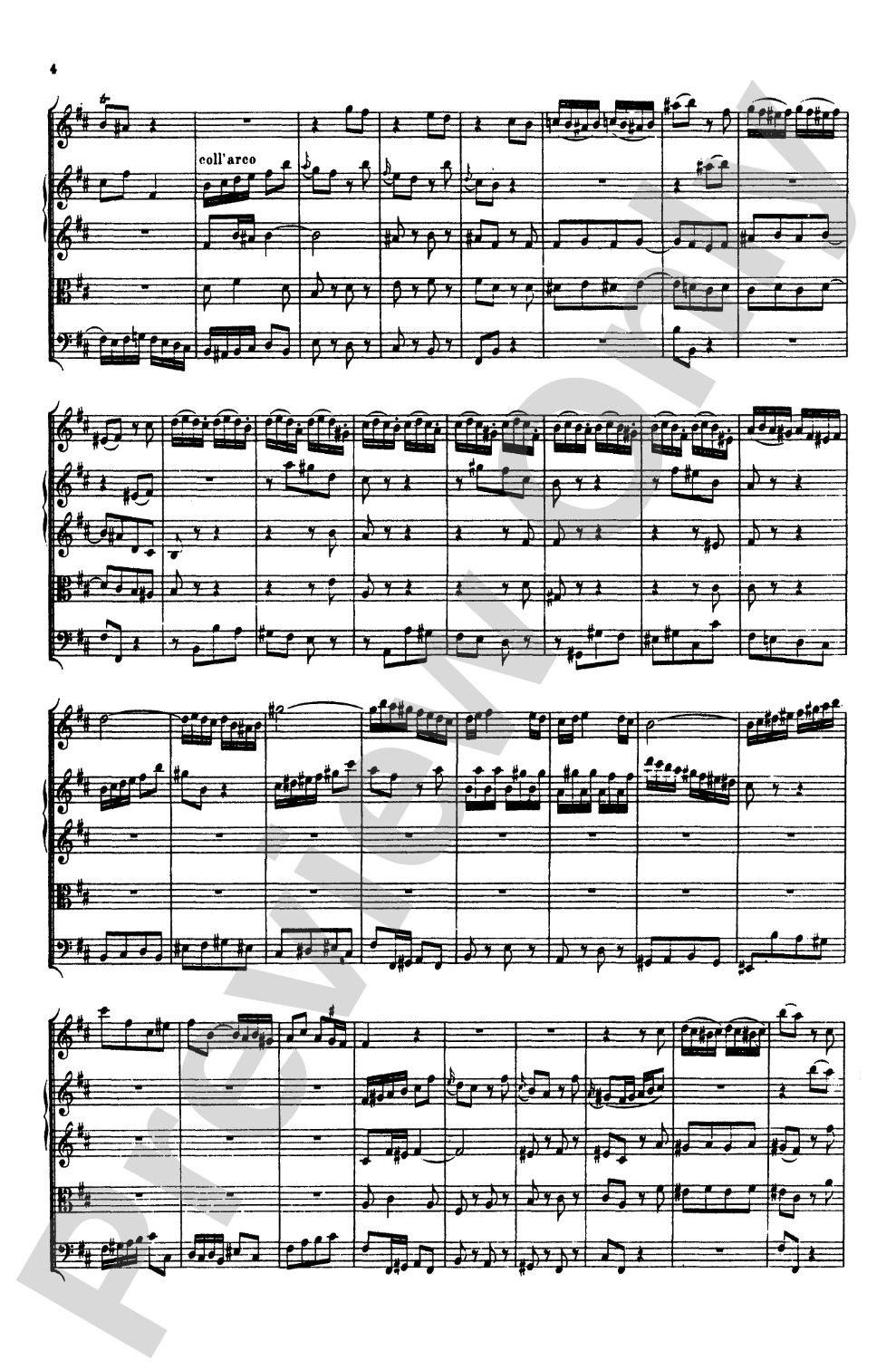
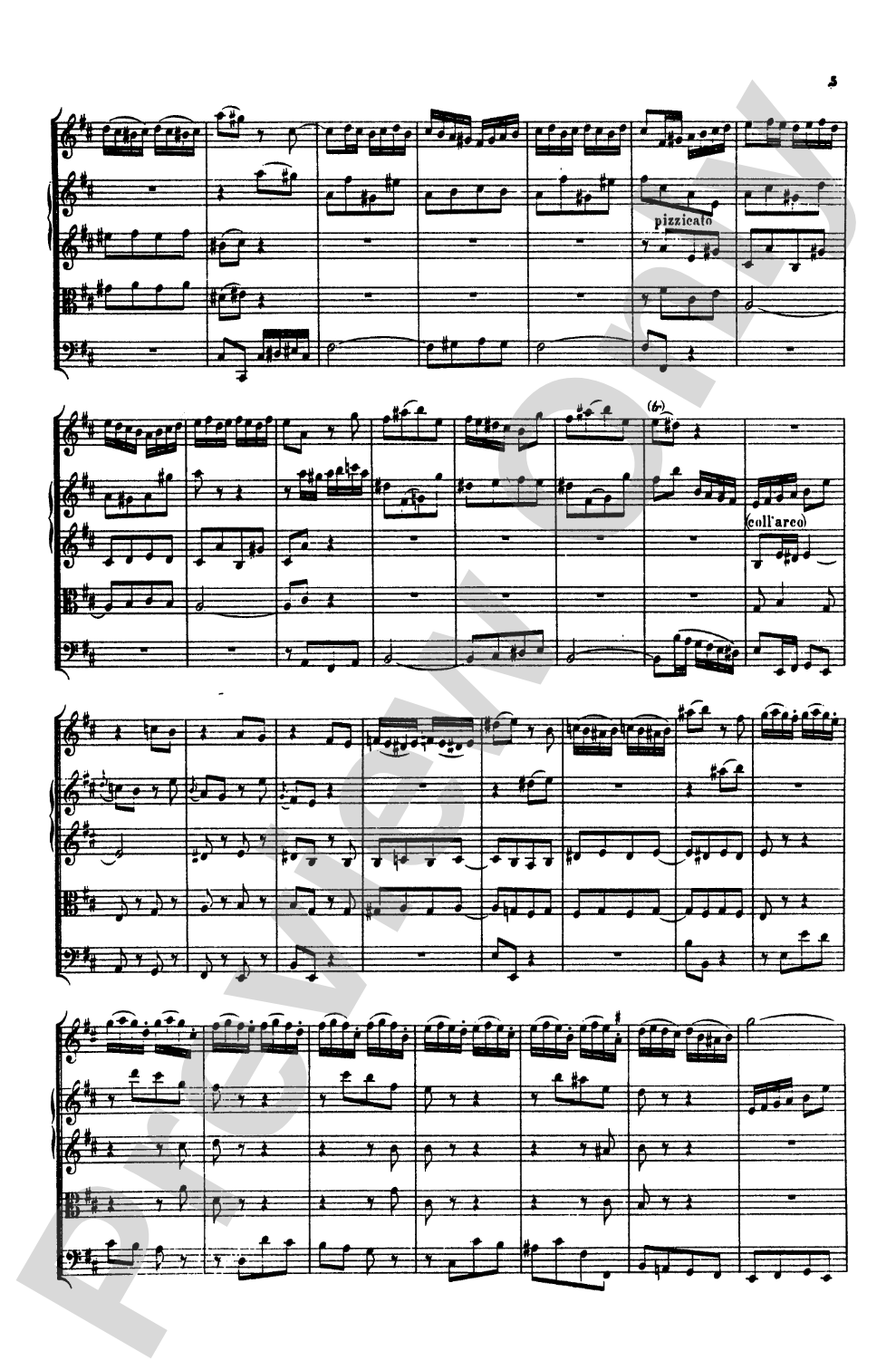
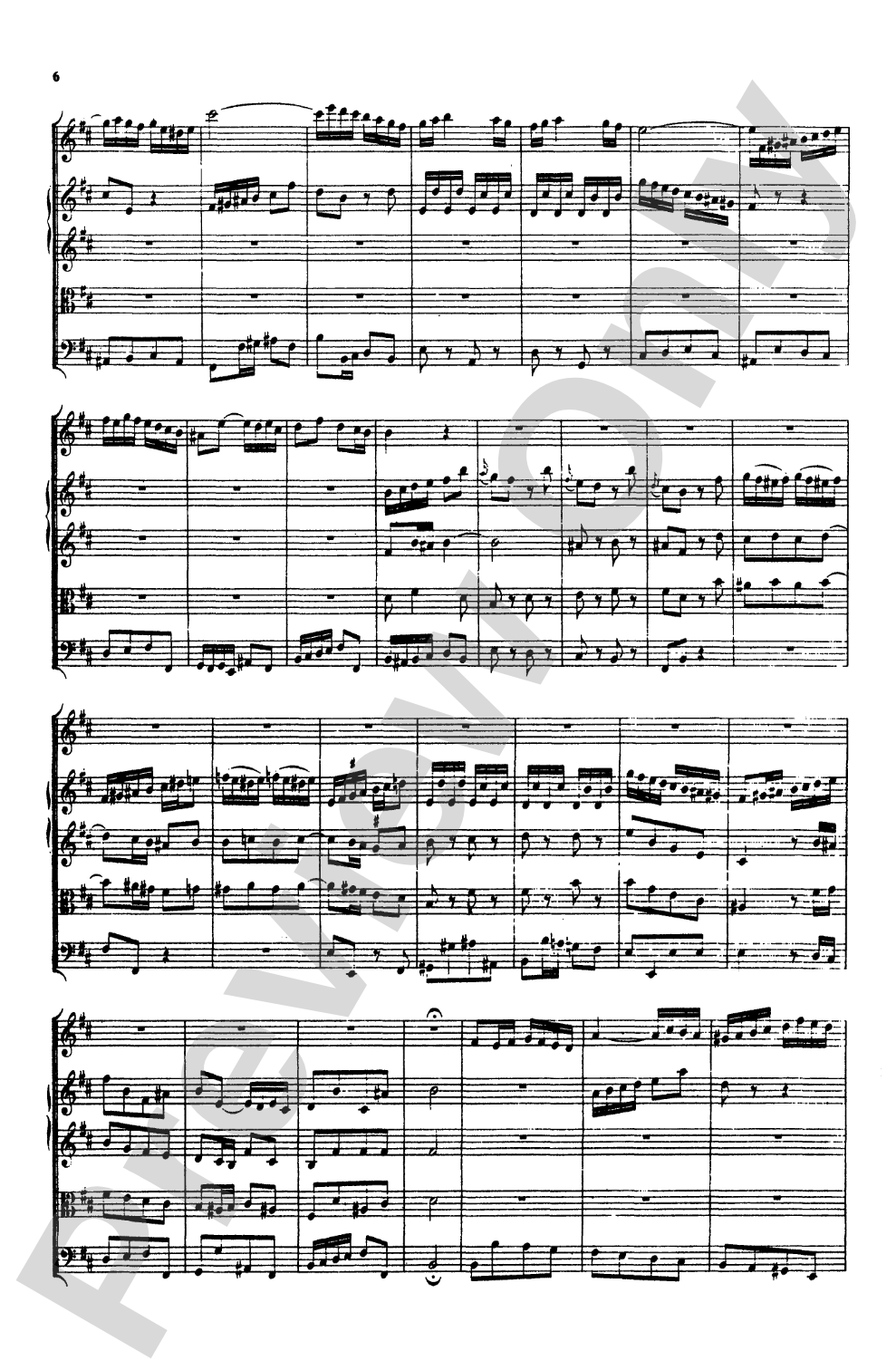
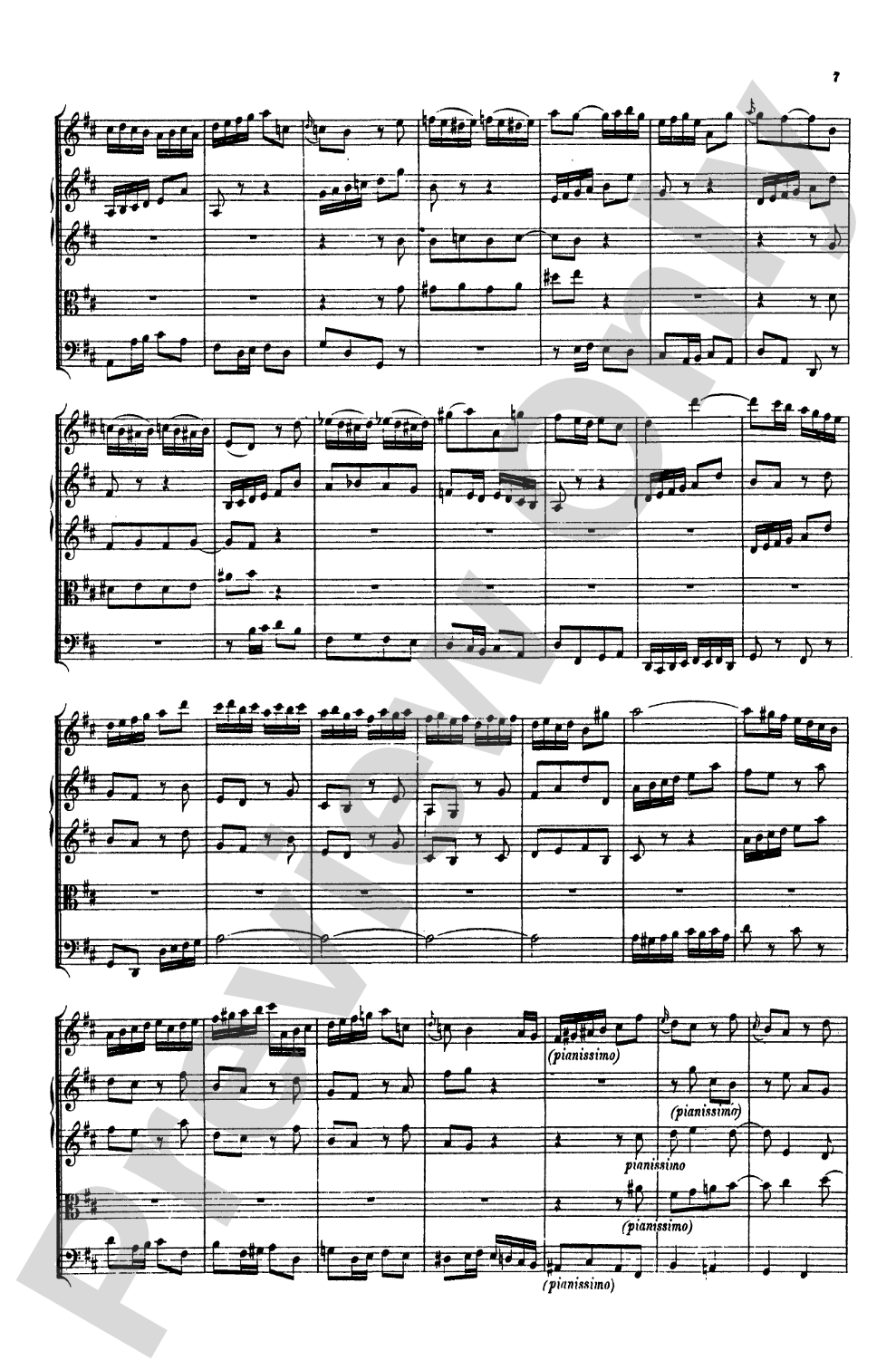
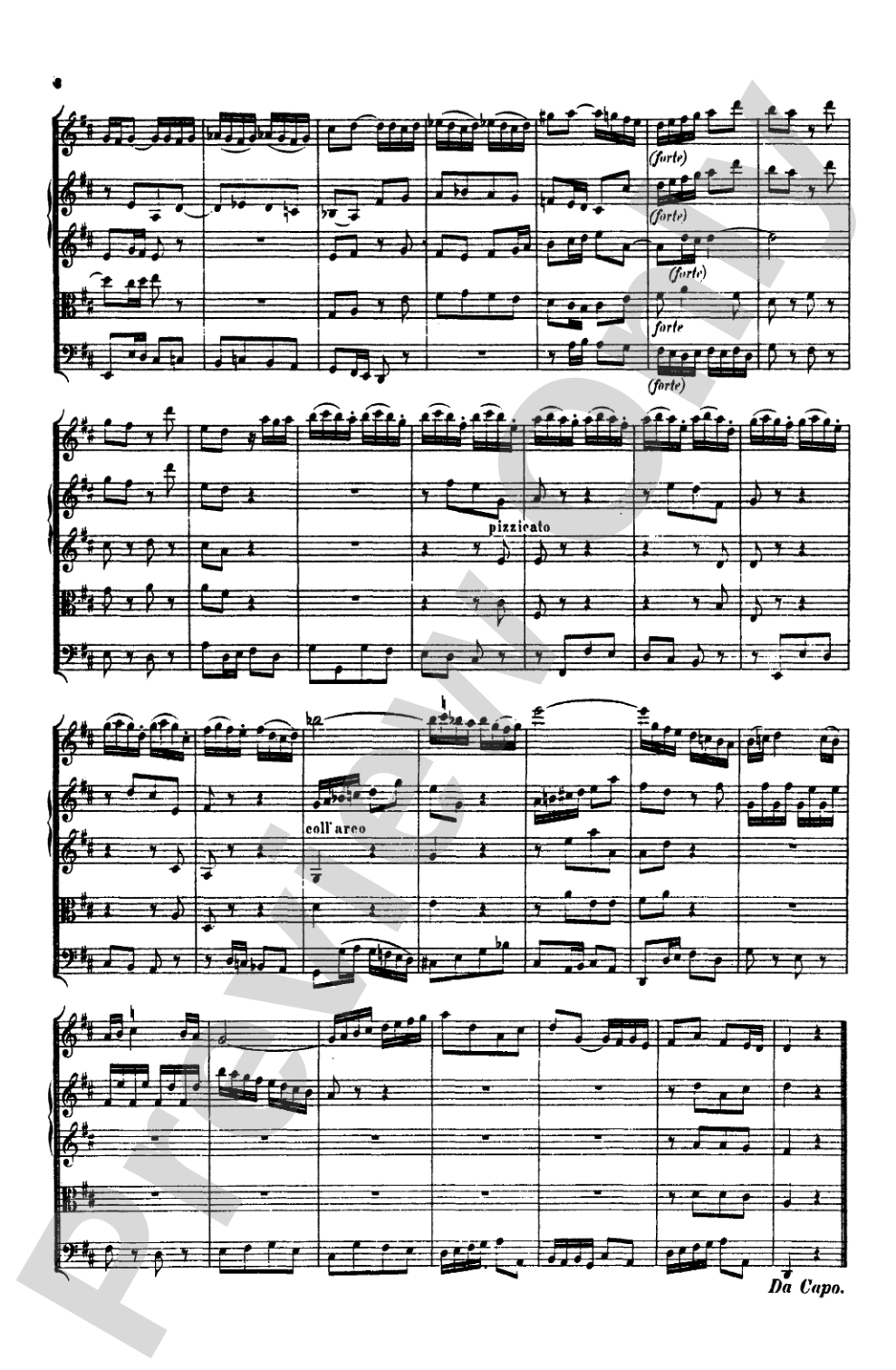
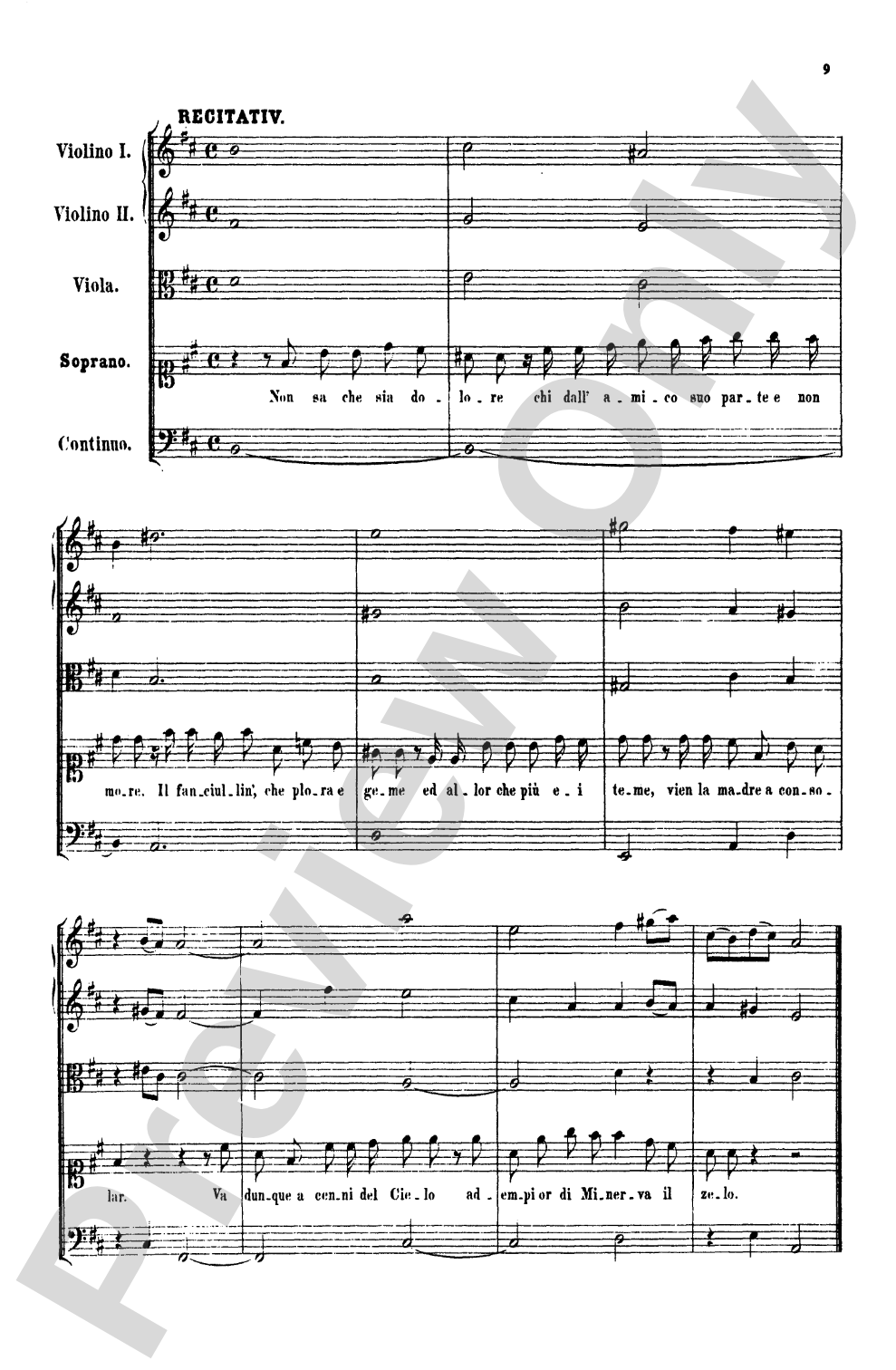
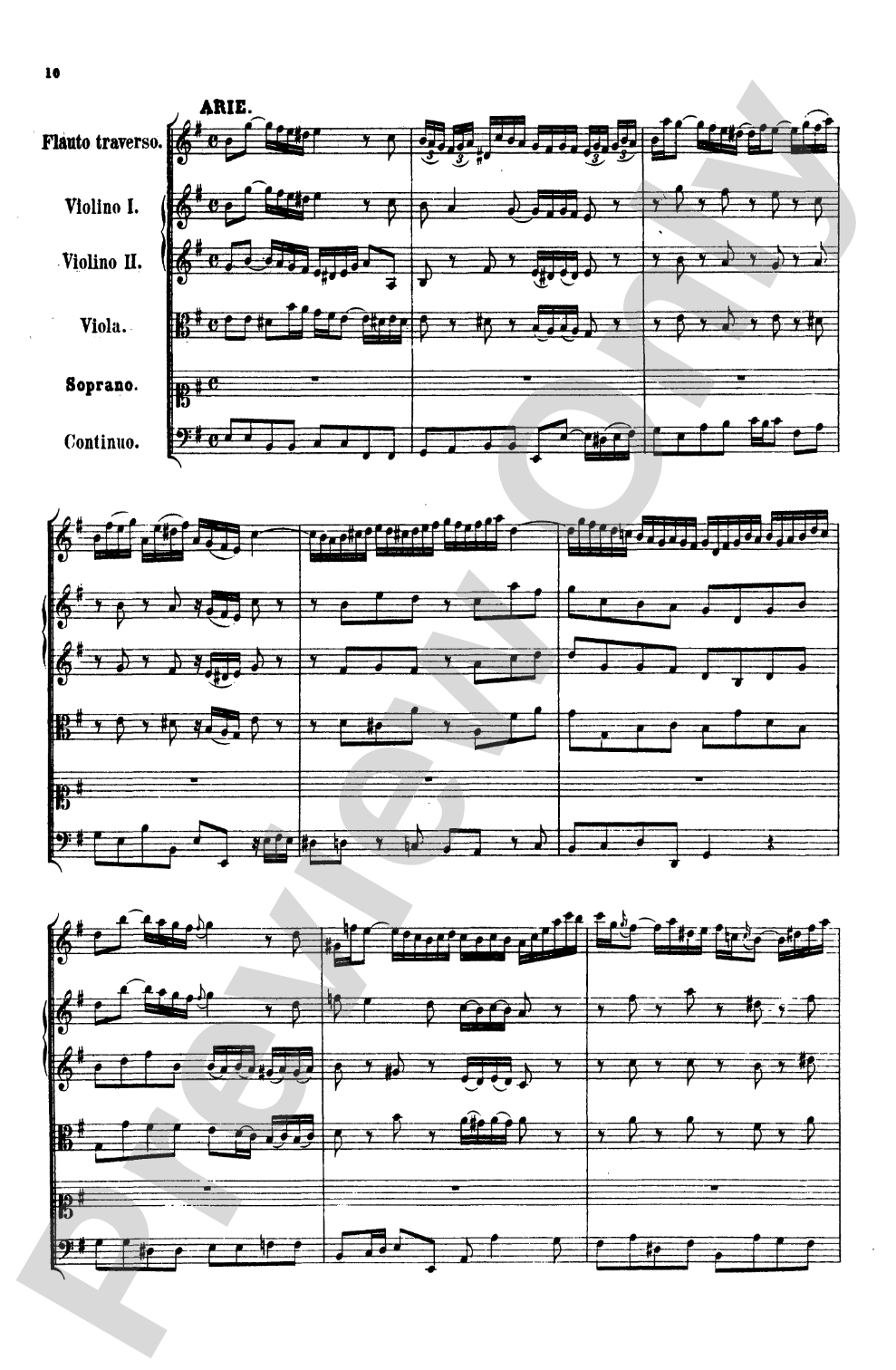
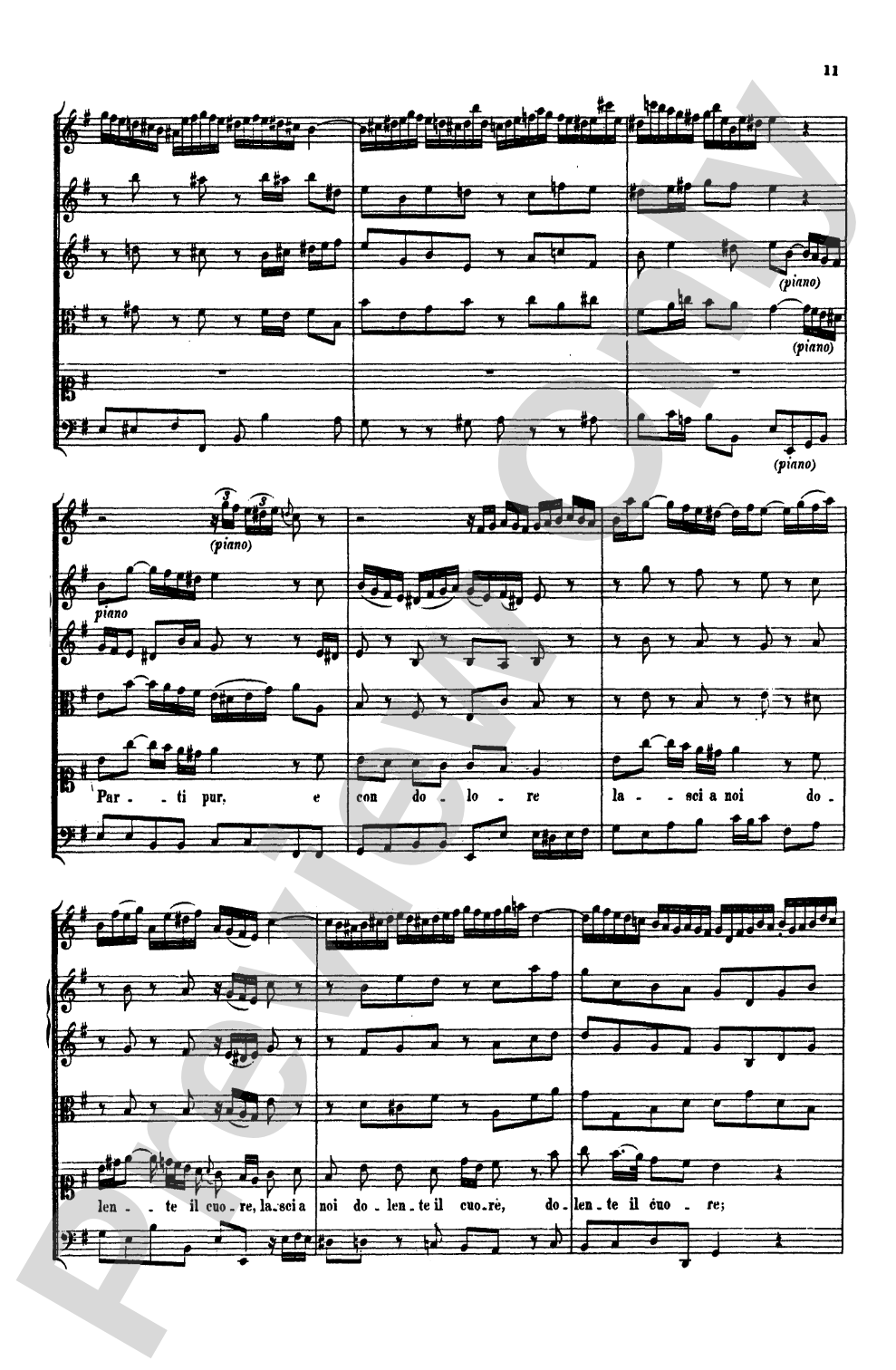
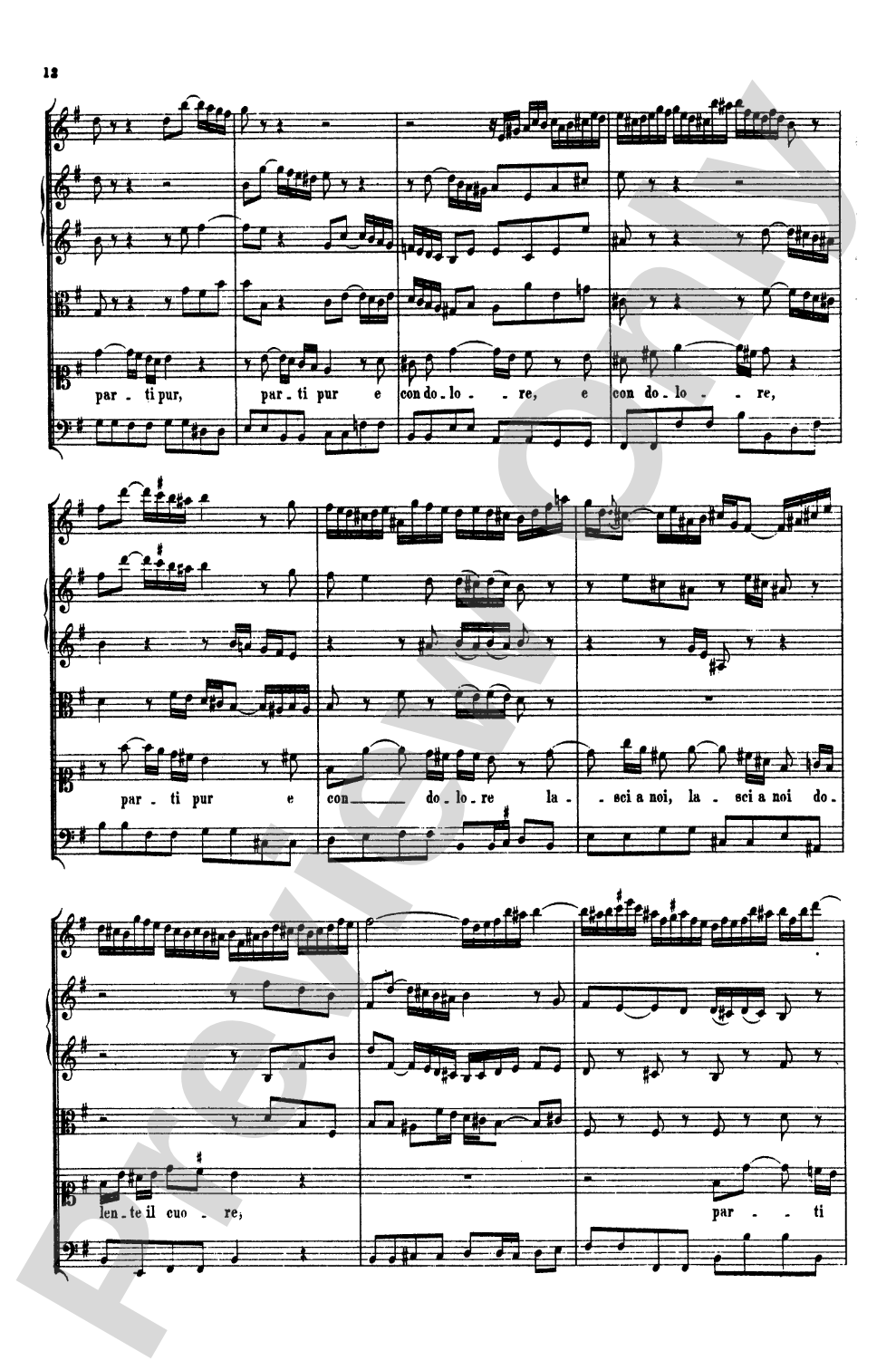
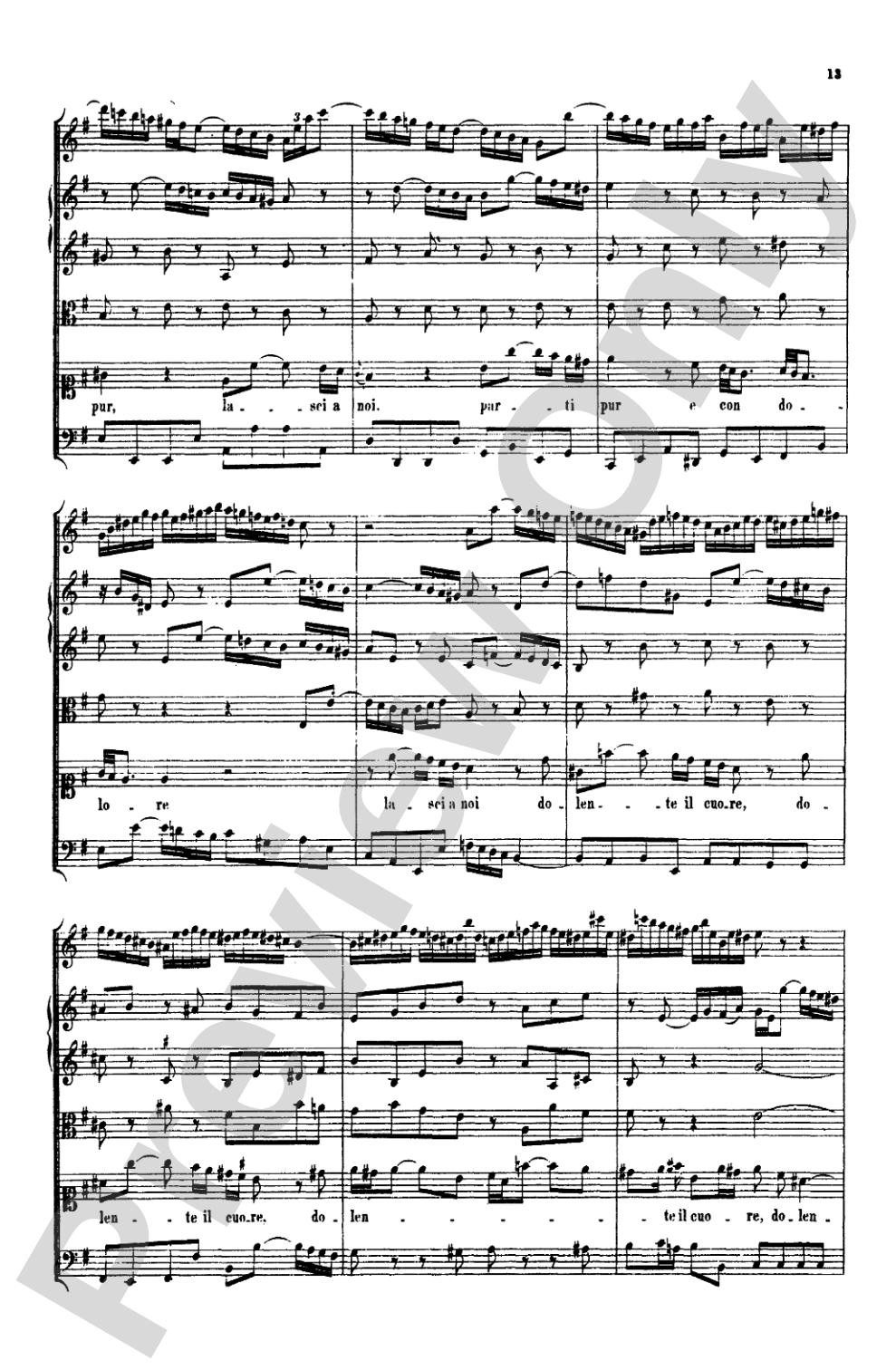
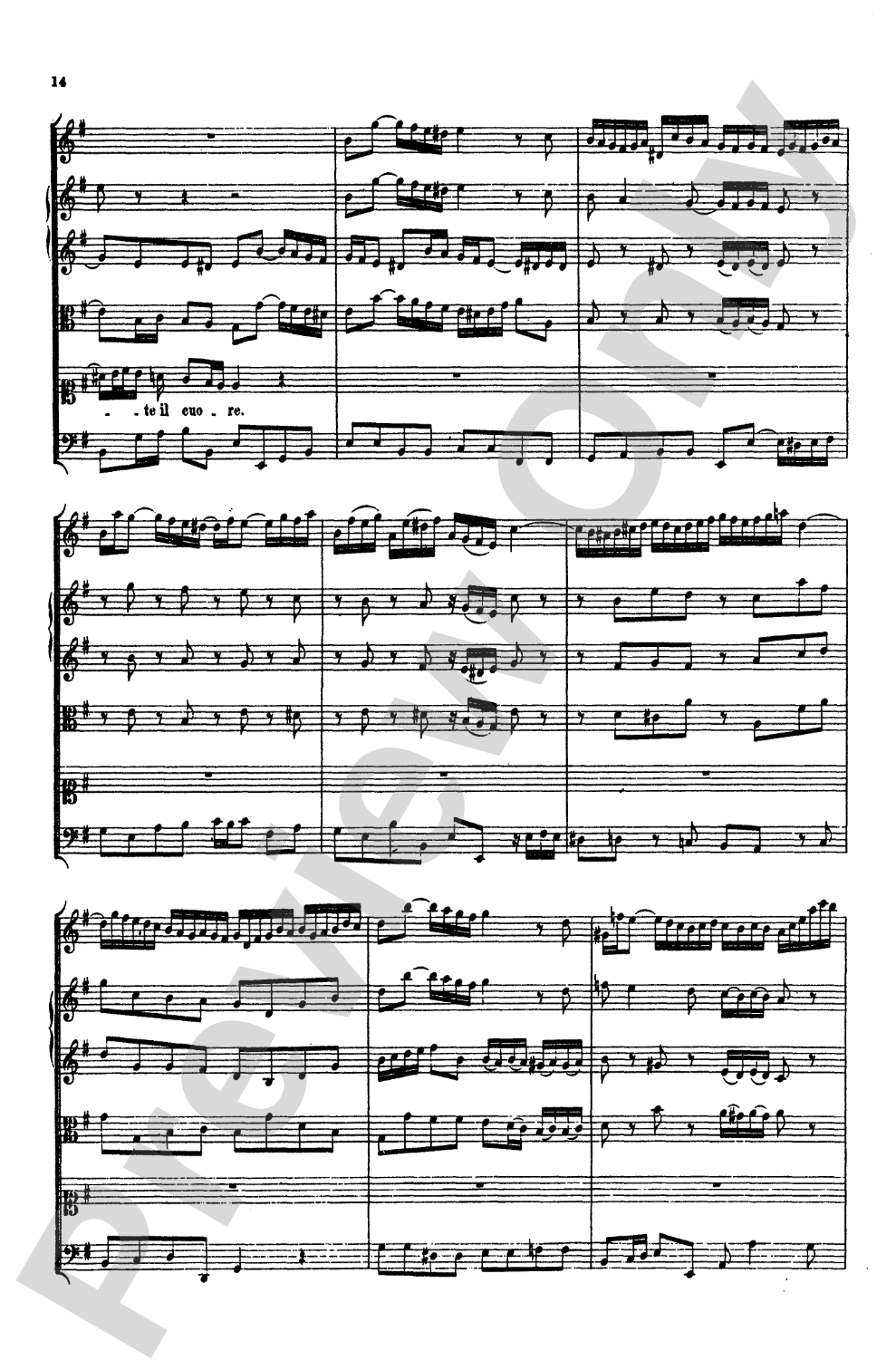
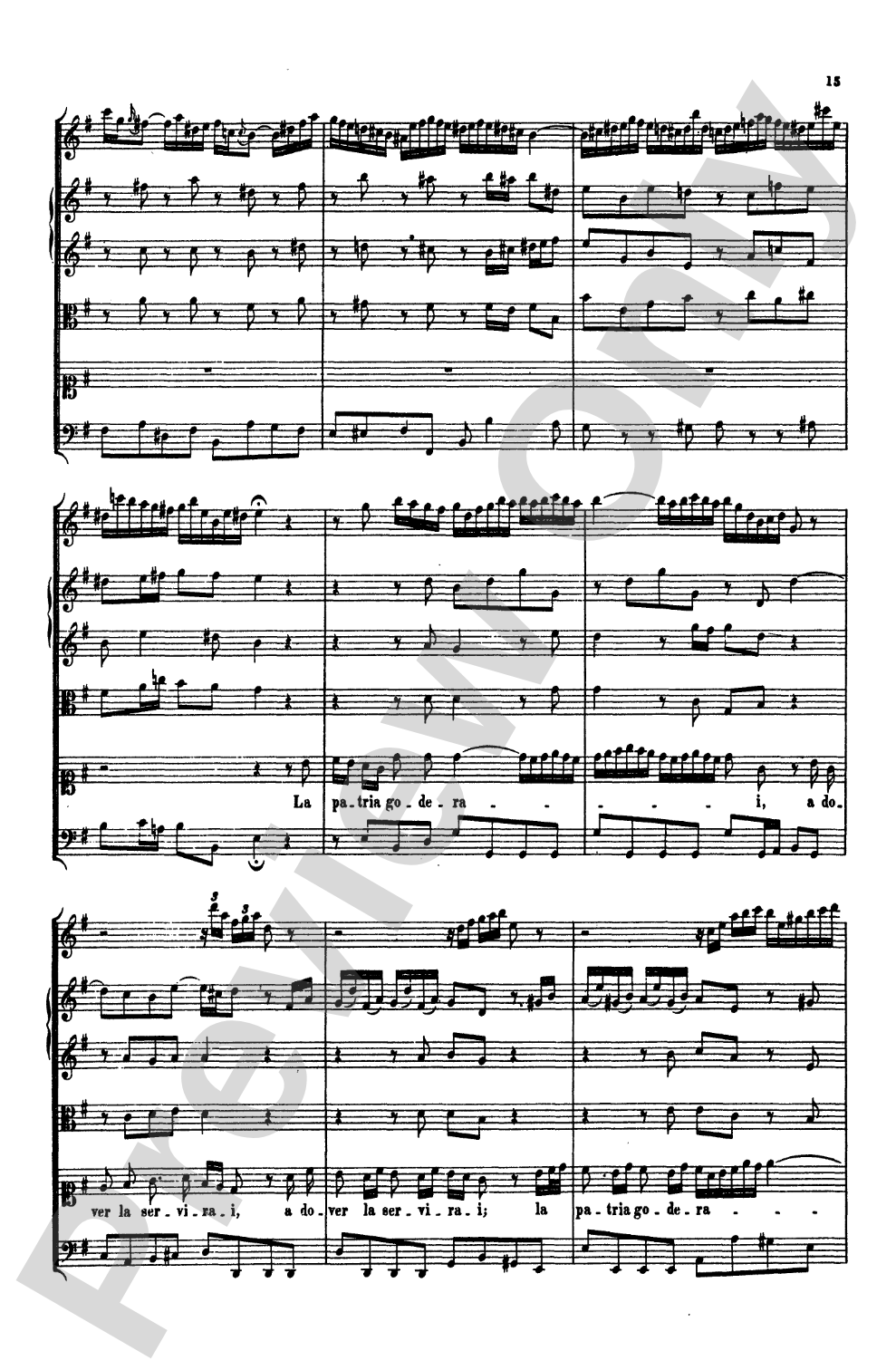
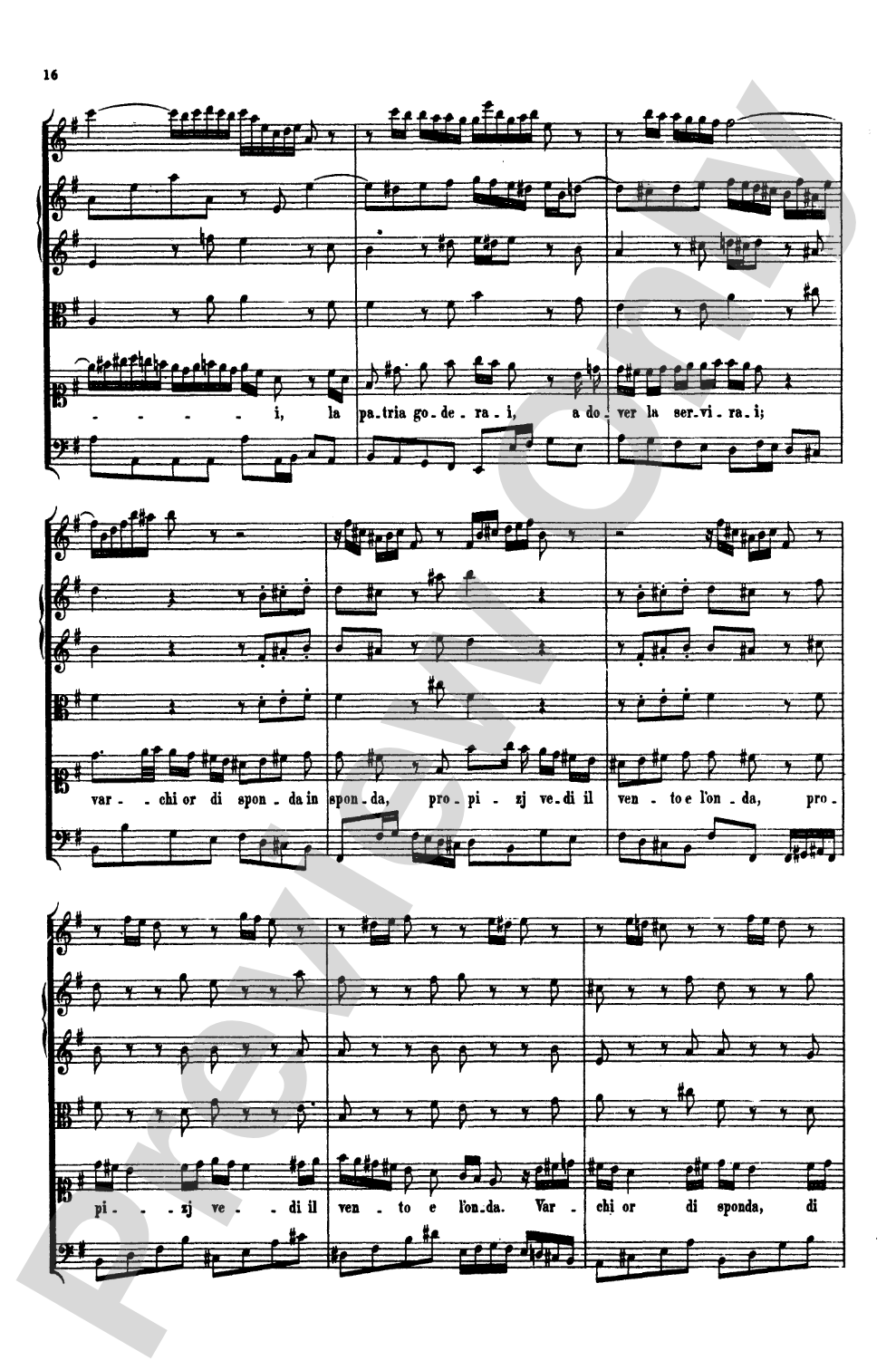
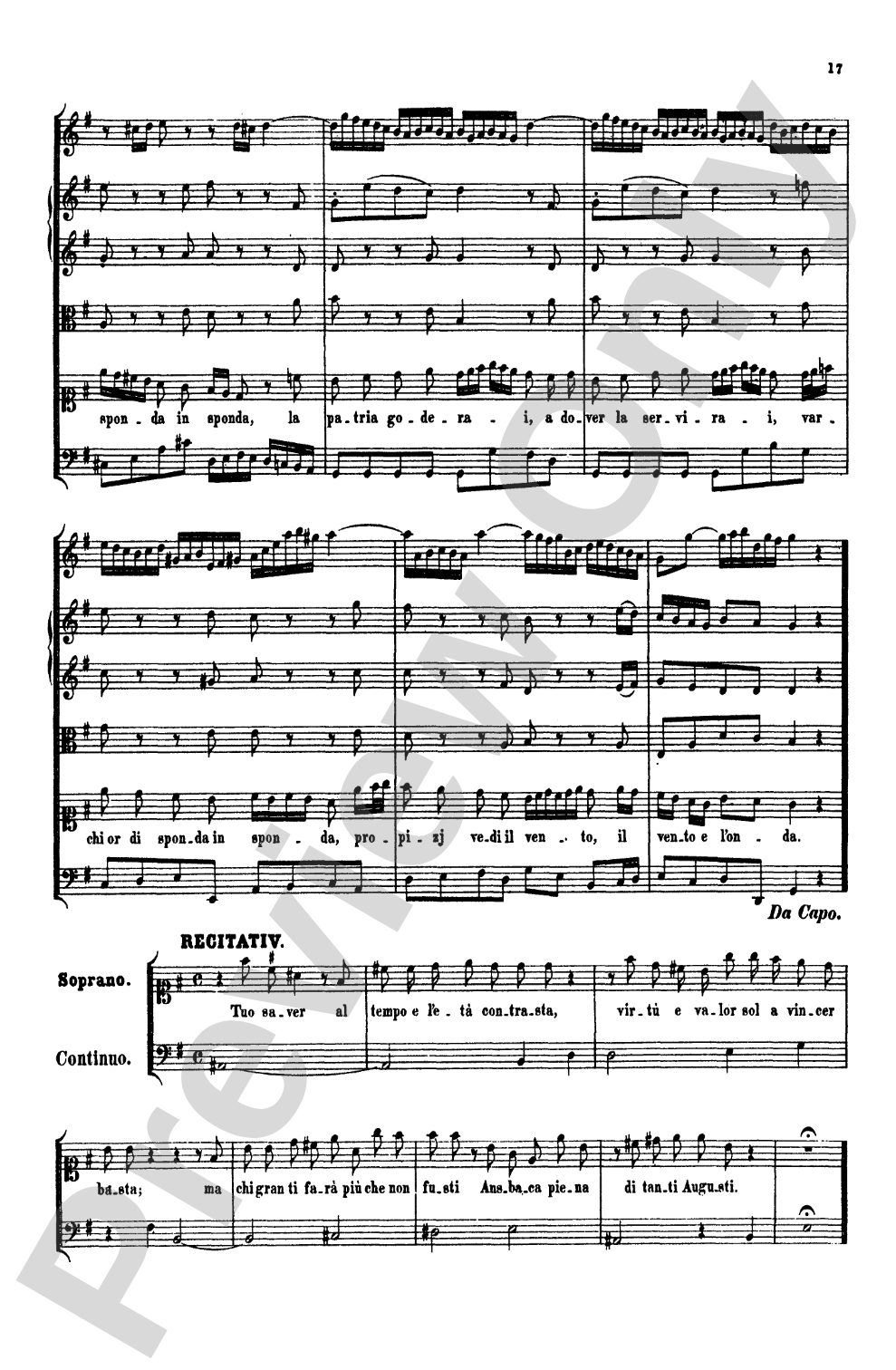
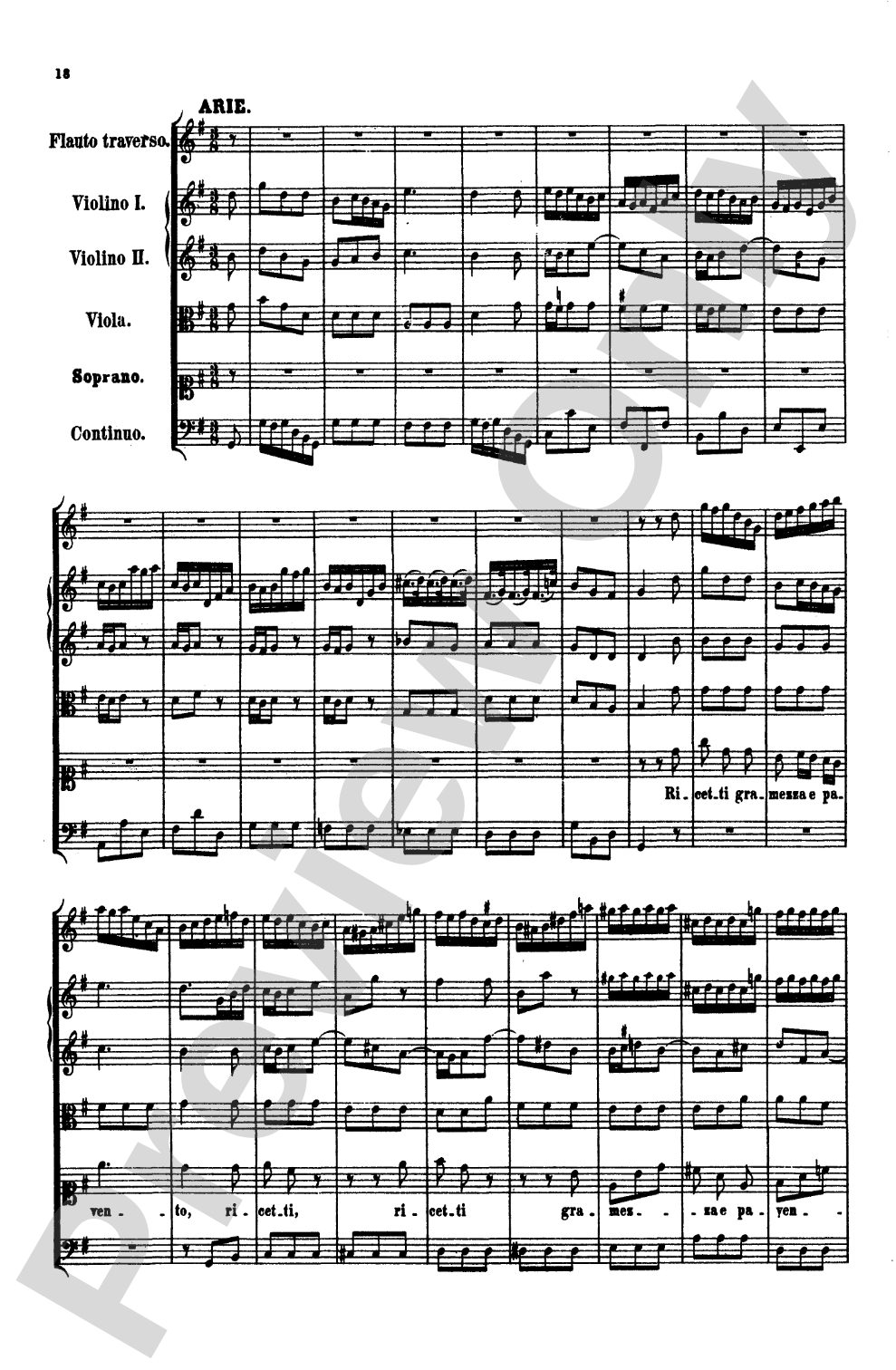
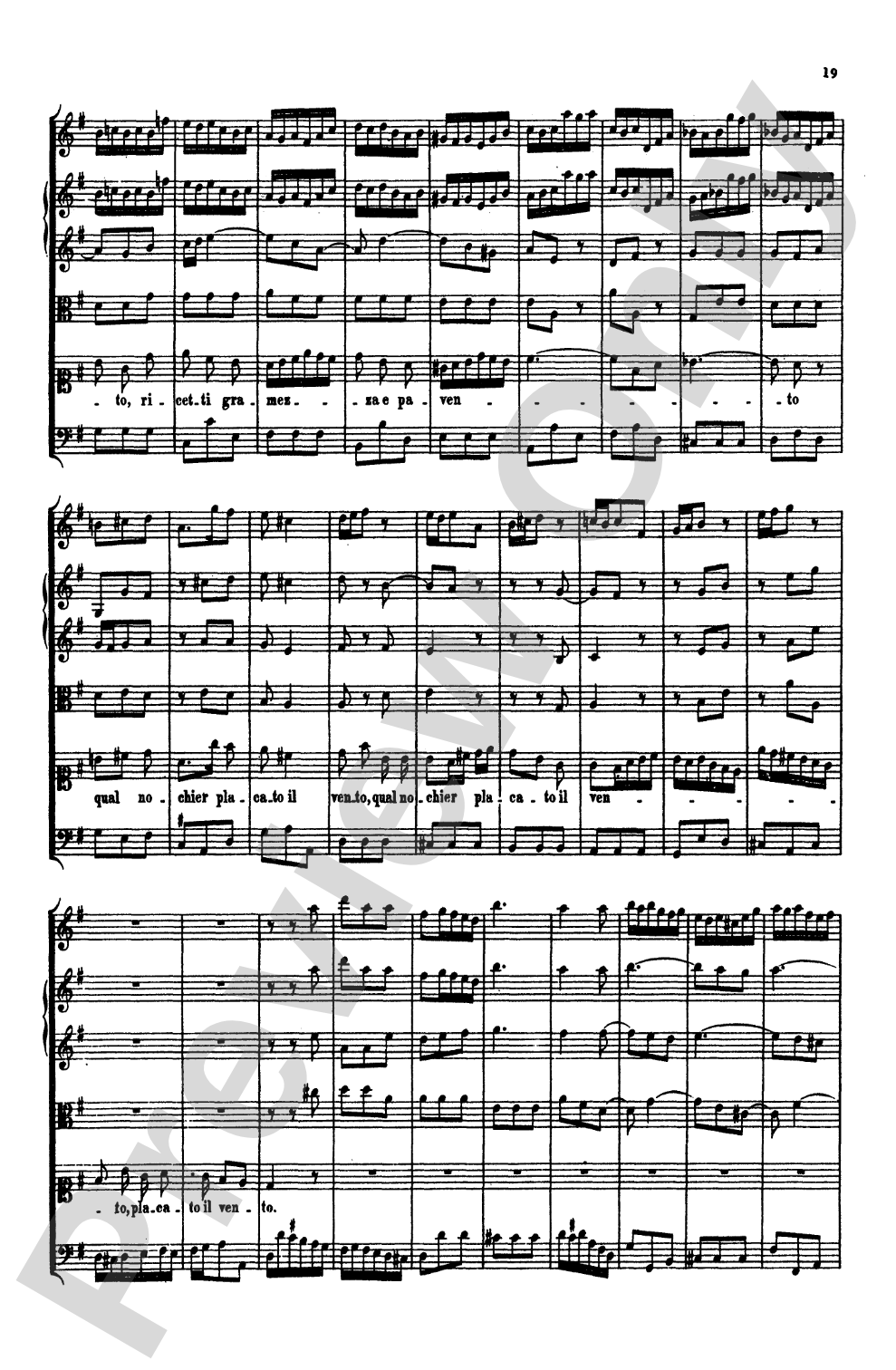
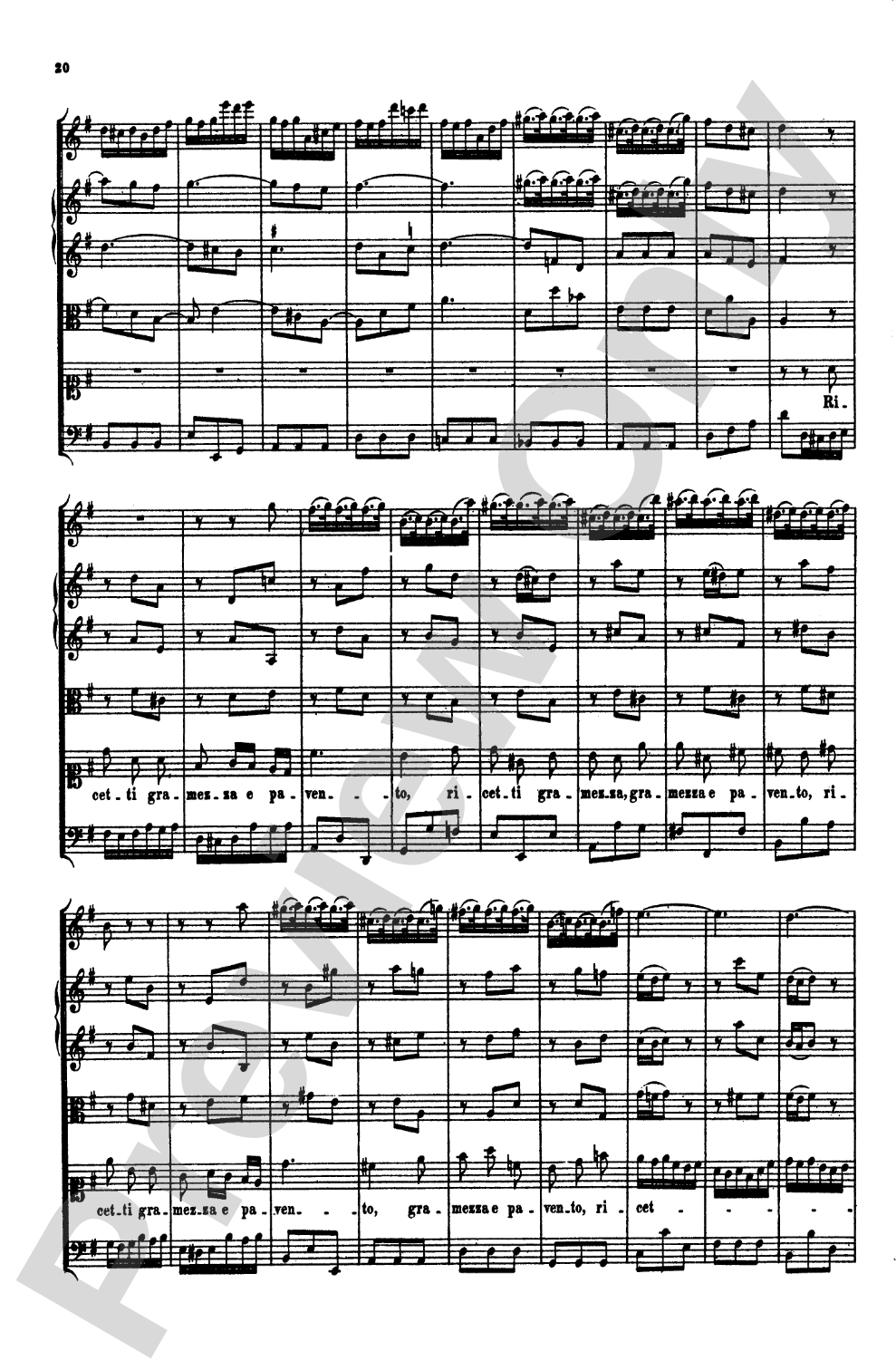
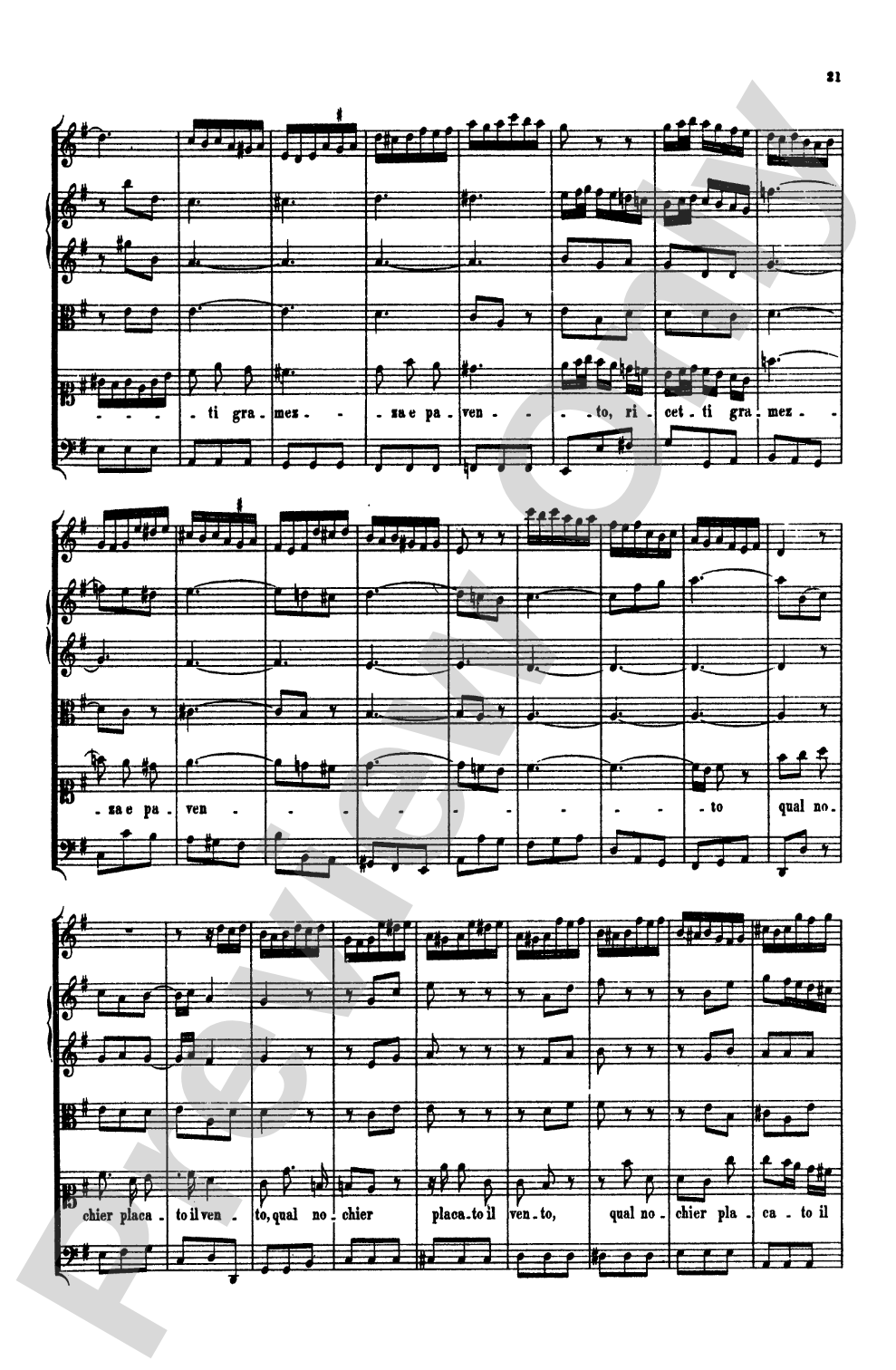
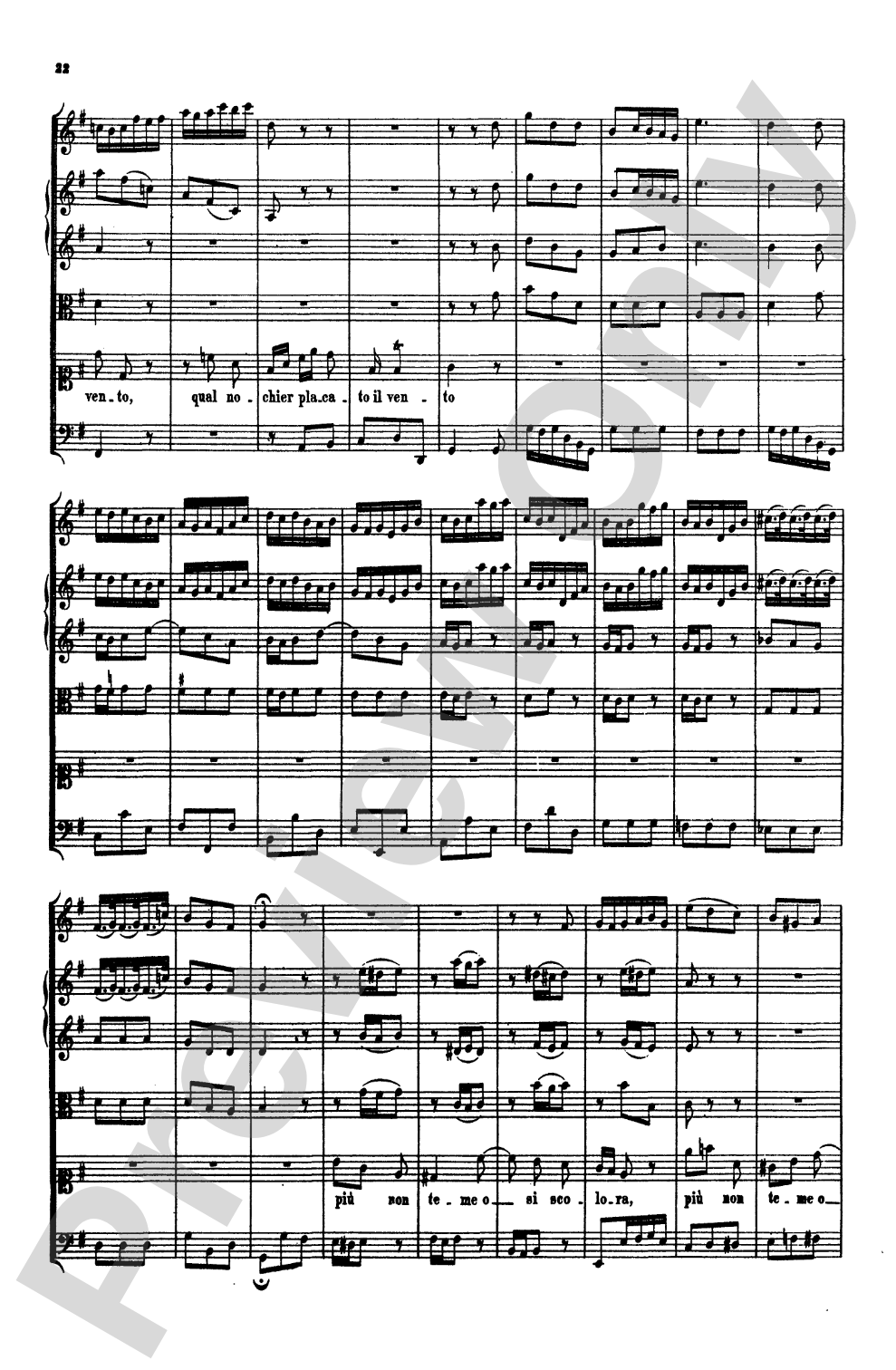
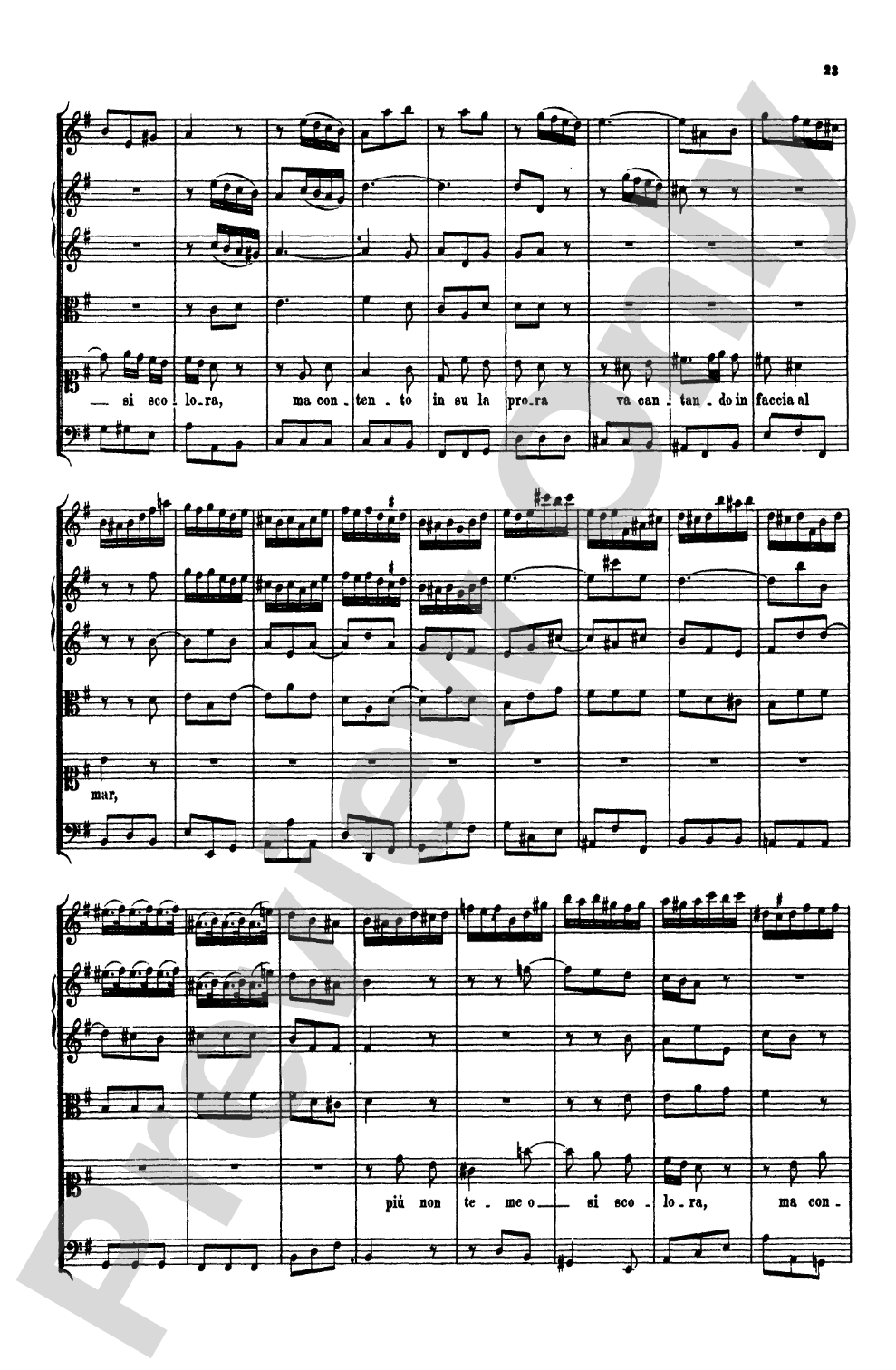
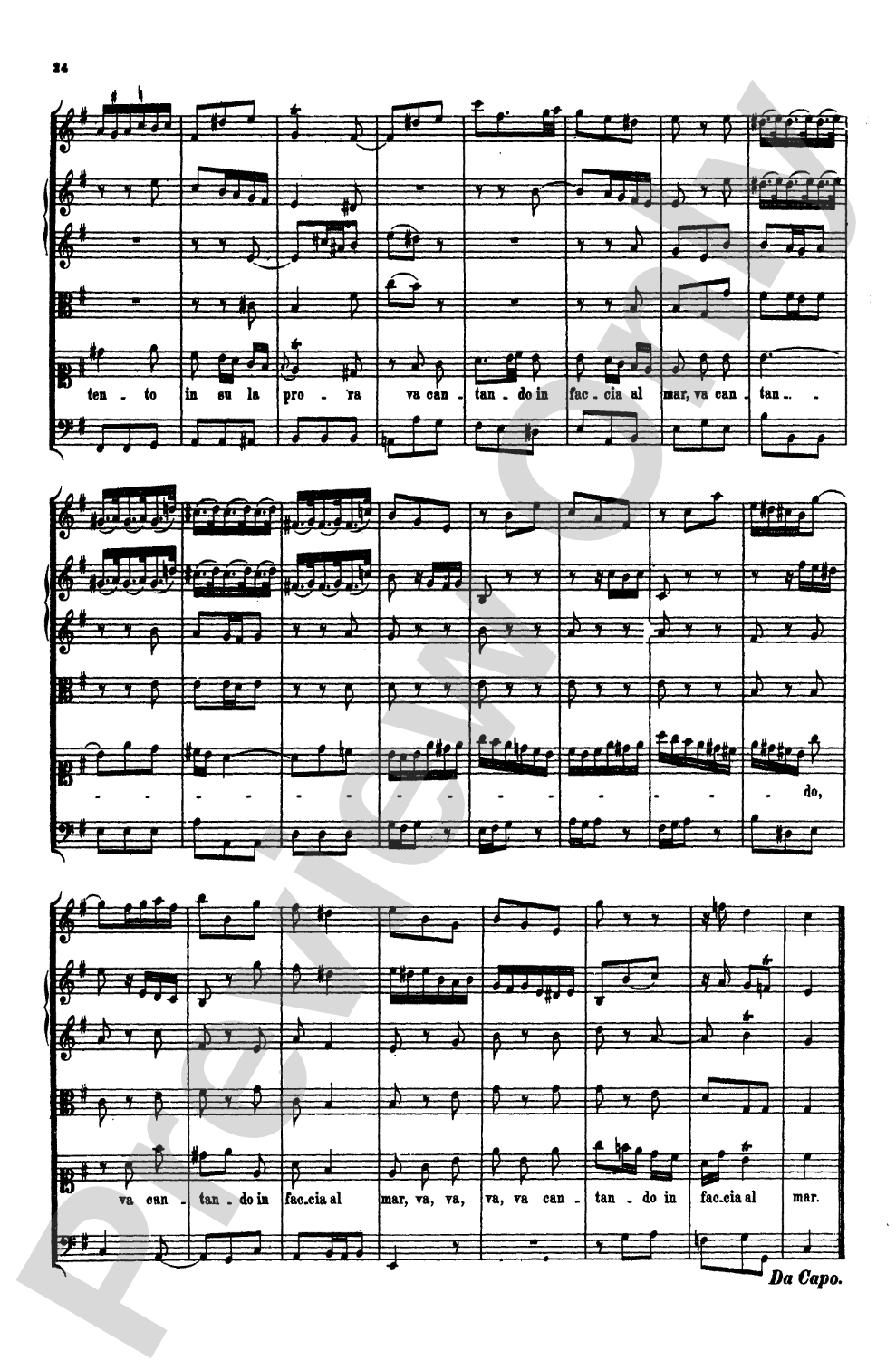

Bach: Cantatas Nos. 209-211, Volume 60: Vocal Miniature Score
By Johann Sebastian Bach
Item: 00-PK-0002695

$14.95
Pickup currently not available
Buy Extra Parts (Digital PDF Download)
| Product | Price | Quantity |
|---|---|---|
| Bach: Cantatas Nos. 209-211, Volume 60 | $2.95 | |
| Bach: Cantatas Nos. 209-211, Volume 60 | $2.95 | |
| Bach: Cantatas Nos. 209-211, Volume 60 | $2.95 | |
| Bach: Cantatas Nos. 209-211, Volume 60 | $2.95 |
Parts Added to Cart!
Related Items
Cantatas Nos. 209, Non sa che sia dolore (Soprano); 210, O holder Tag (Soprano); 210a, O angenehme Melodei (Soprano); 211, Schweight stille, plaudert nicht (Soprano, Tenor, Bass): Vocal Miniature Score |
$14.95
|
View |
Description
A collection of cantatas, composed by Johann Sebastian Bach.


Don't just read it, hear it, play along with it, and watch your students grow with it. In MakeMusic Cloud, Bach: Cantatas Nos. 209-211, Volume 60: Vocal Miniature Score comes alive with professional accompaniment, adjustable tempo, and built-in practice tools that turn solo practice into real progress.
Open in the Player
Jump straight in and assign it today.
Start Your Free Trial
Open this title and explore the full library in minutes.
Sample Audio
No sample audio found.
Sample Video
No sample videos found.
Additional Details
Series:
Kalmus Edition
Publisher:
Alfred Music
Page Count:
104
SKU:
00-PK-0002695
More about this title
About the Composer: Johann Sebastian Bach
Johann Sebastian Bach (1685-1750) shaped the foundation of Western music theory and practice through his mastery of counterpoint, harmonic language, and structural design. His vocal works, particularly his cantatas, demonstrate an unmatched ability to unite theological text with musical architecture, creating pieces that function simultaneously as spiritual meditation and intellectual exercise. Bach's cantatas represent the culmination of the German Baroque tradition and remain essential study for understanding how composers use voice, instruments, and form to serve expressive purpose.
Why we love this
These three cantatas showcase Bach's gift for intimate vocal writing without sacrificing harmonic sophistication. The miniature score format makes them accessible for singers studying Bach's approach to text-painting and melodic phrasing, while the structural clarity rewards close score study for anyone interested in Baroque counterpoint and voice leading.
What to expect
Bach's cantatas inhabit a space between intimate devotion and intellectual rigor. The vocal lines soar with lyrical grace yet remain grounded in precise harmonic architecture; texts drawn from chorale traditions and sacred poetry receive treatment that feels both immediate and timeless. These are works that demand emotional authenticity alongside technical precision.
Who it's for
Vocalists preparing advanced recital repertoire, voice teachers seeking pedagogically rich Baroque cantata literature, and musicians pursuing historical score study will find these works essential. This collection serves singers ready to engage with Bach's compositional logic and conductors building programs around major vocal works.
How to get the most out of it
- Study the relationship between the continuo figures and the vocal line; Bach's bass lines often anticipate or echo the singer's gestures.
- Attend to underlay carefully in passages where multiple notes fall on single syllables; articulation choices here affect both text clarity and musical line.
- Consider the harmonic rhythm as a guide to phrasing rather than relying solely on textual punctuation; Bach's cadences often fall in unexpected places.
- Balance ornamentation with forward motion; embellishments should enhance the line's shape rather than interrupt its trajectory.
How to use it
Program individual cantatas alongside later German vocal music to trace the evolution of the form, or use them as anchors in a Baroque vocal recital paired with works by Schütz, Purcell, or Handel. Voice teachers can assign single movements as study pieces for understanding Bach's approach to text setting, phrasing, and ornamentation.
Skills your students will build
- Reading Baroque vocal notation and conventions
- Understanding text-painting and its relationship to melodic shape
- Analyzing harmonic rhythm and cadential structure
- Interpreting ornaments in historical context
- Coordinating vocal line with continuo figures