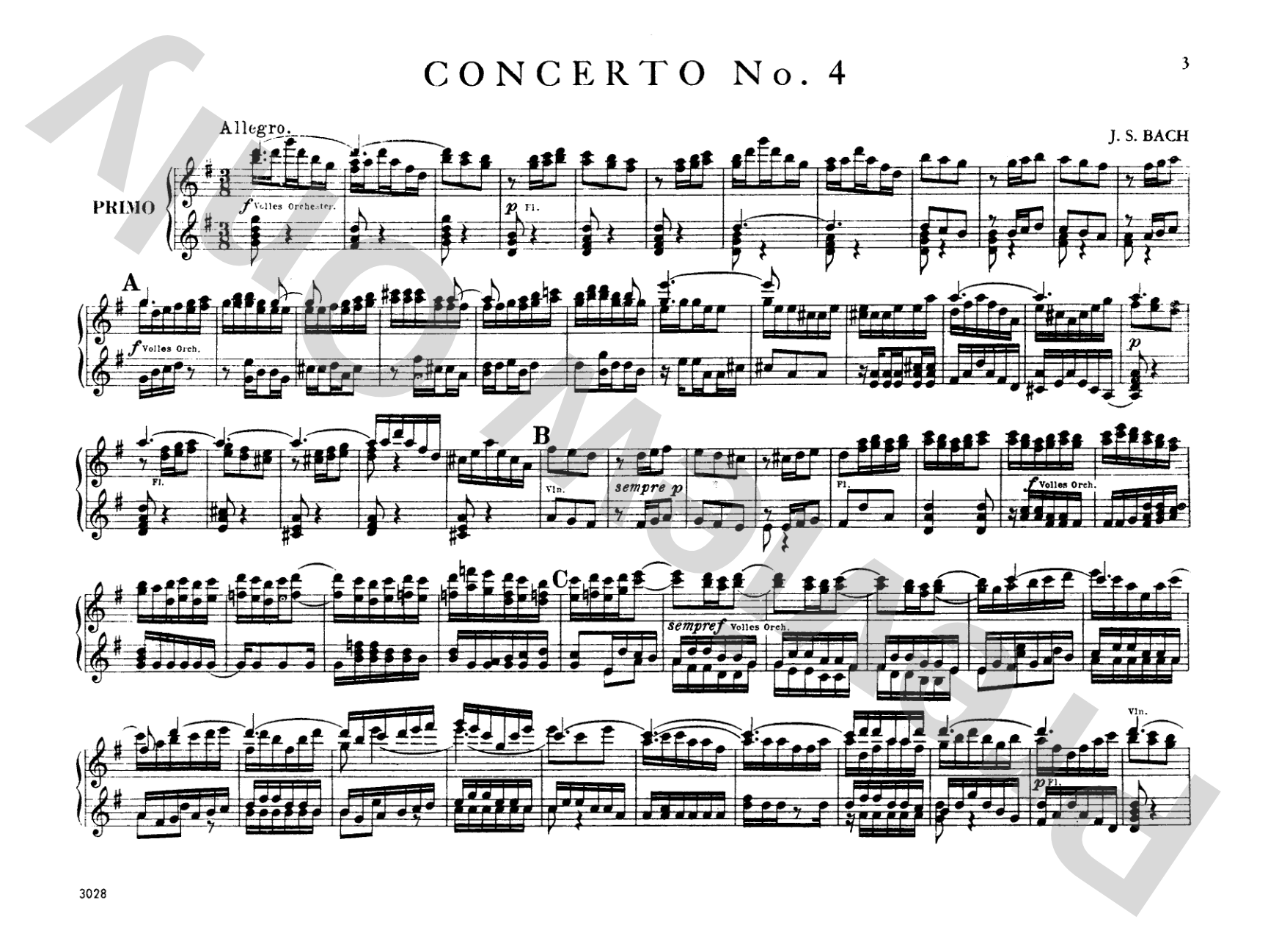
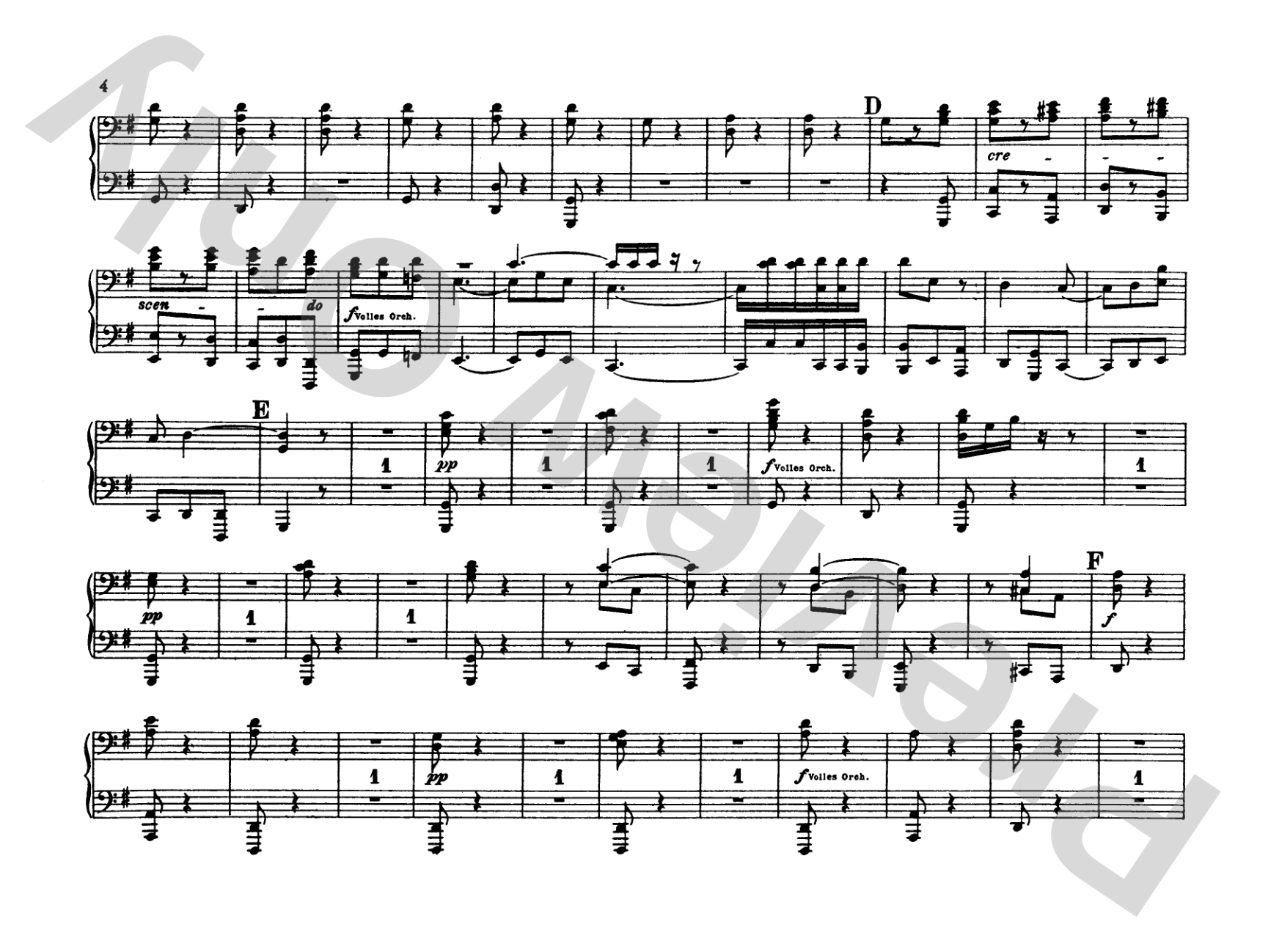
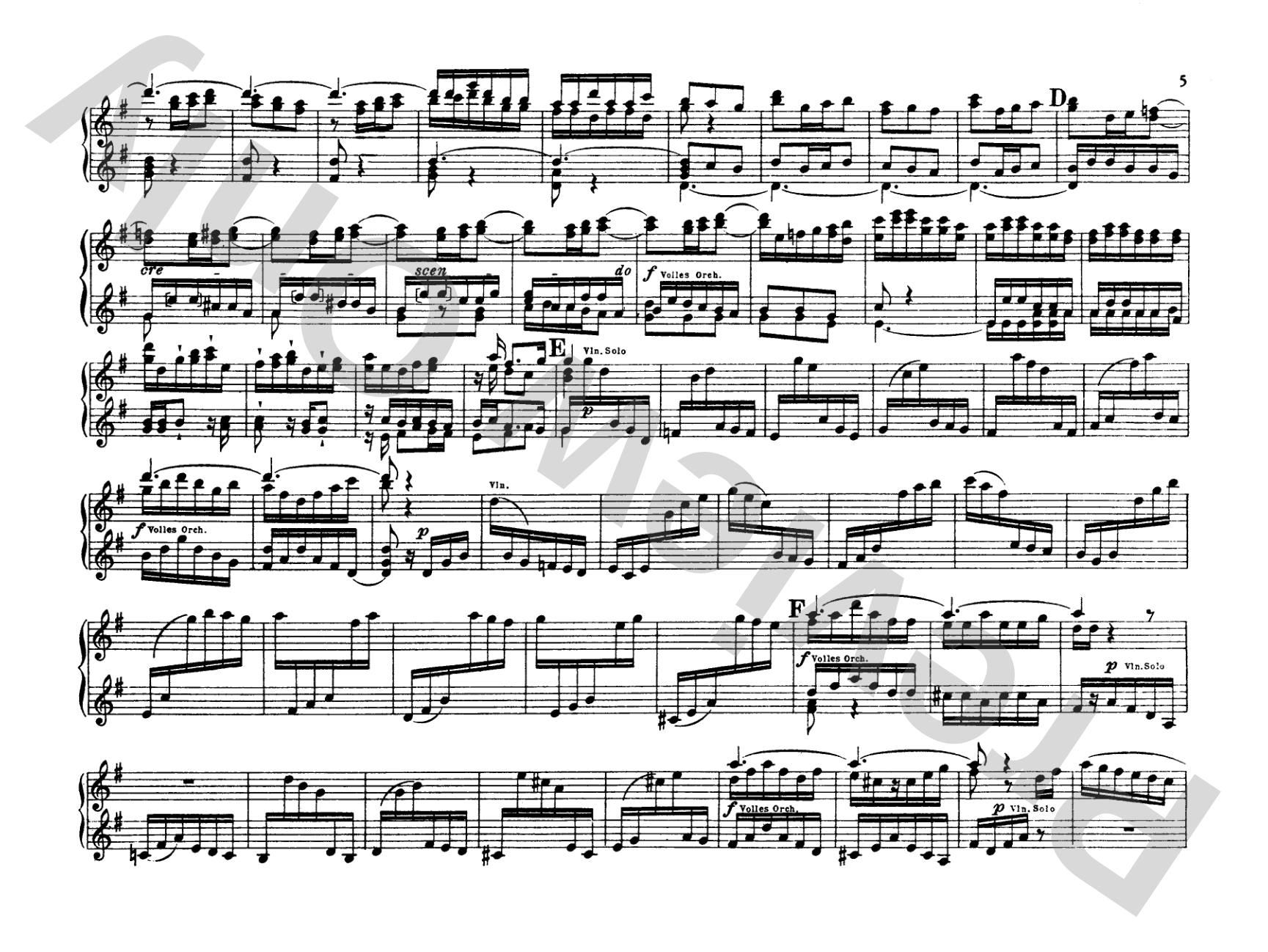
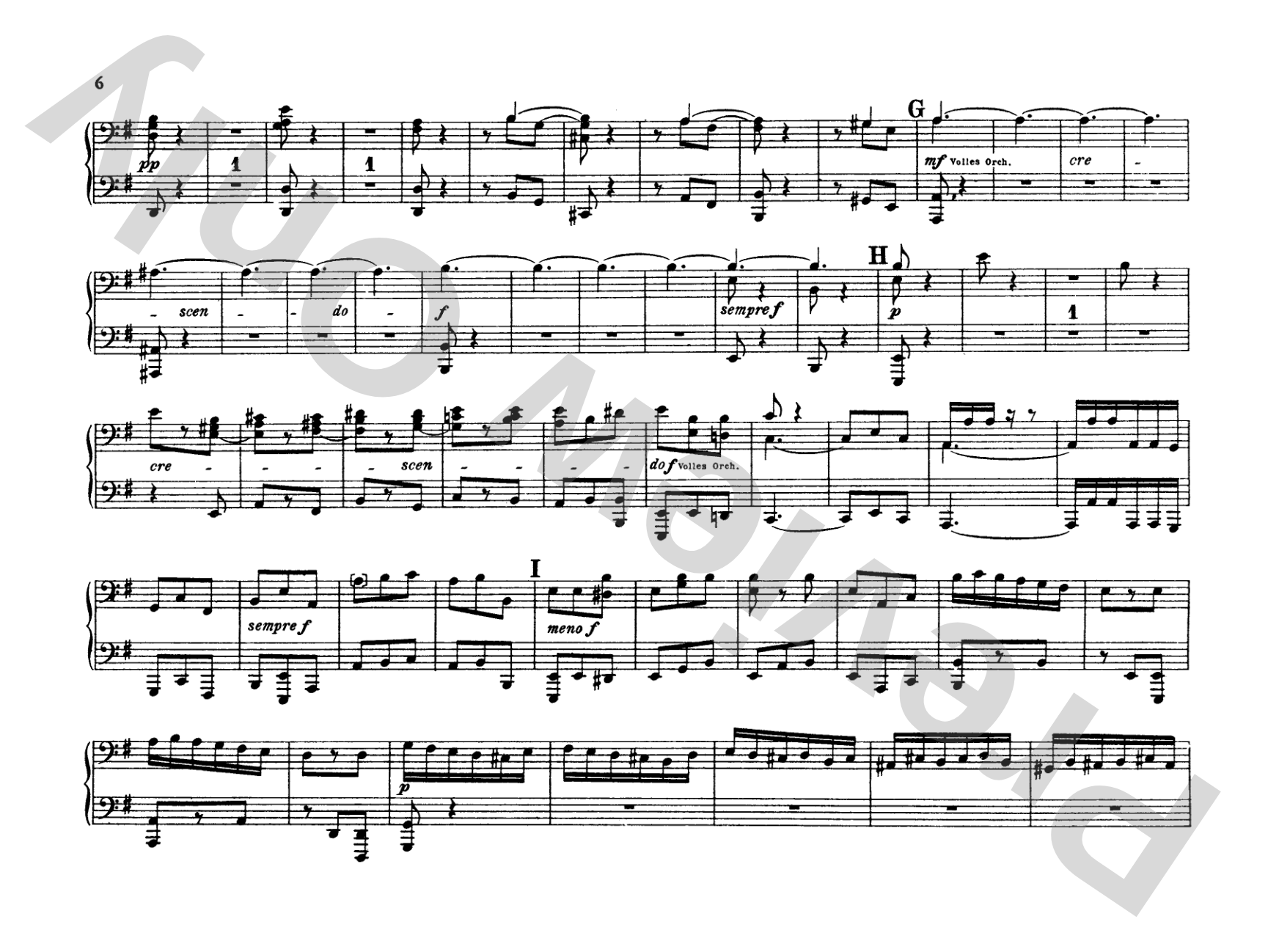
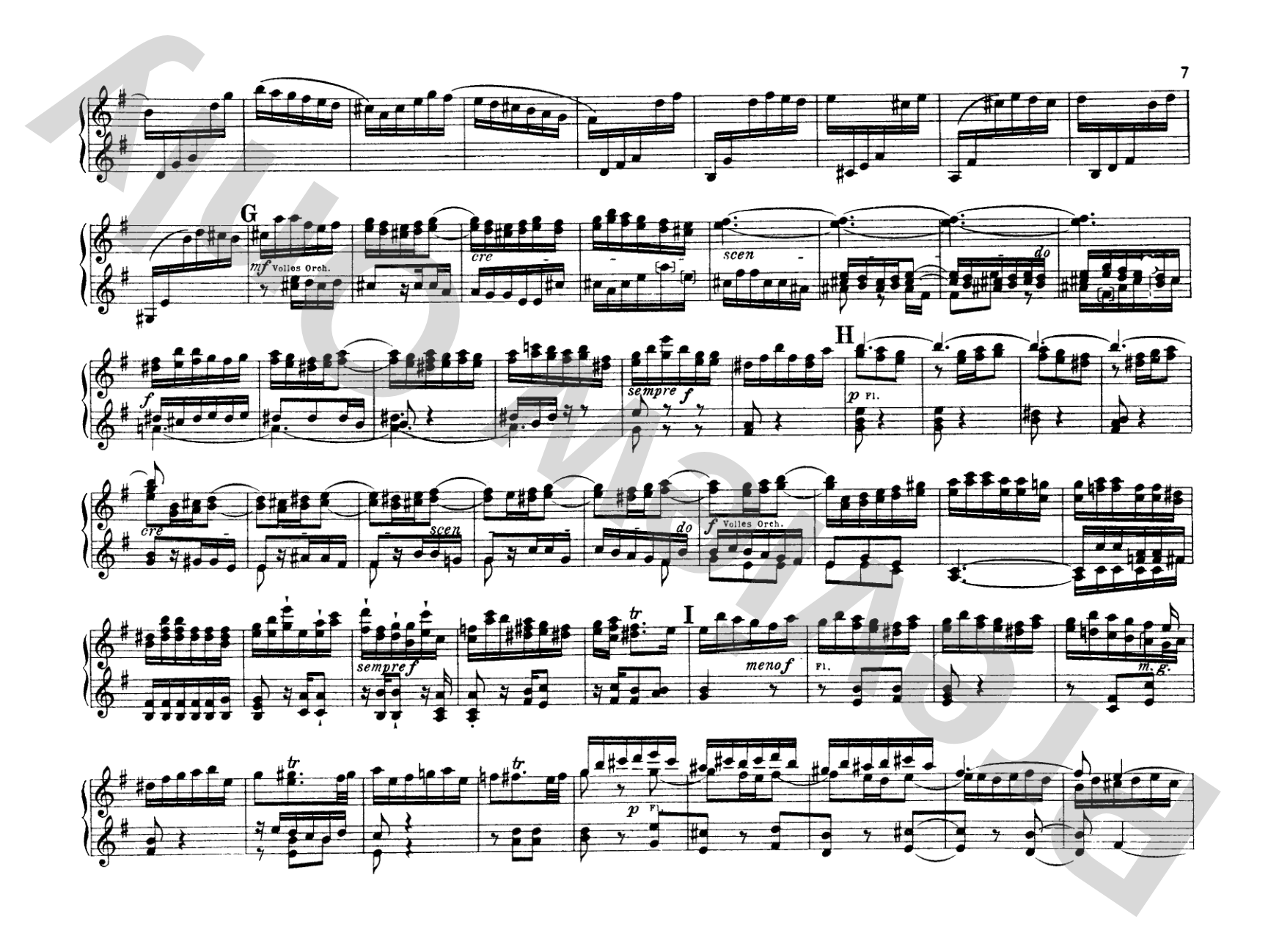
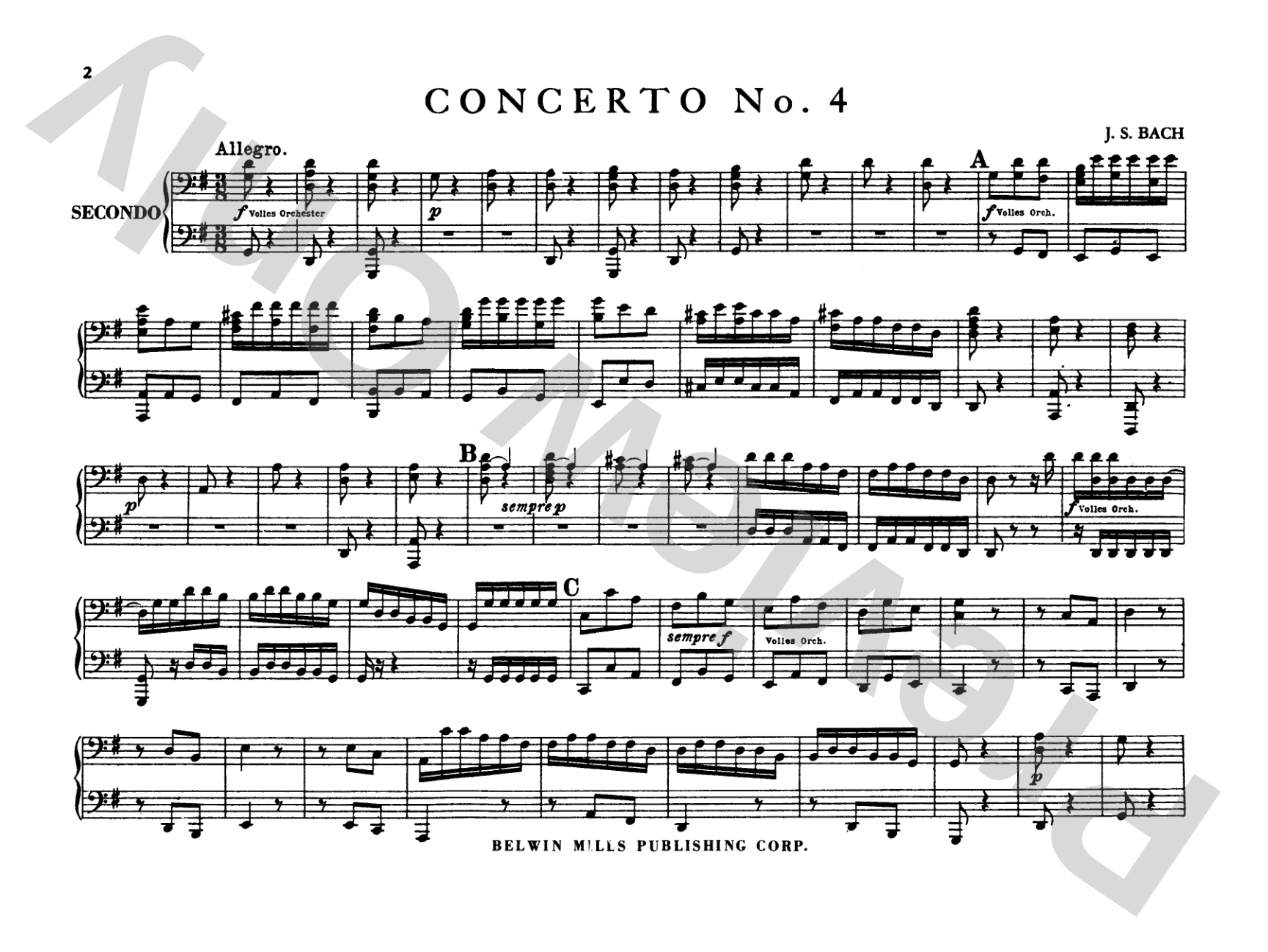
Bach: Brandenburg Concertos (Volume II) (Arr. Max Reger) Sheet Music Preview

Bach: Brandenburg Concertos (Volume II) (Arr. Max Reger)

By Johann Sebastian Bach / arr. Max Reger

Level: Advanced

Item: 00-PC-0004273

Digital Download
$3.95
Description
The comb binding creates a lay-flat book that is perfect for study and performance.

Don't just read it, hear it, play along with it, and watch your students grow with it. In MakeMusic Cloud, Bach: Brandenburg Concertos (Volume II) (Arr. Max Reger) comes alive with professional accompaniment, adjustable tempo, and built-in practice tools that turn solo practice into real progress.

Sample Audio
No sample audio found.
Sample Video
Additional Details
Series: Kalmus Edition
Publisher: Alfred Music
Page Count: 92
SKU: 00-PC-0004273

More about this title

About the Composer: Johann Sebastian Bach

Johann Sebastian Bach (1685-1750) fundamentally shaped Western music through his mastery of counterpoint, harmonic innovation, and architectural precision. His work across all genres—from fugues and chorales to concertos and suites—established the technical and expressive vocabulary that composers continue to build upon today. Bach's music demands serious engagement from performers and rewards deep study with layers of intellectual and emotional richness that reveal themselves over years of playing.

For music students, Bach's compositions serve as the gateway to understanding how melody, harmony, and structure can achieve perfect balance. His ability to write idiomatically for different instruments while maintaining profound musical logic makes his work endlessly educational. Teachers recognize Bach as essential listening and performing material because his music develops both technical facility and musical maturity in ways few other composers can match.

Why we love this

Bach's Brandenburg Concertos represent the apex of Baroque orchestral writing, and Reger's piano duet transcription opens these masterworks to pianists who might never otherwise perform them. The arrangement maintains Bach's contrapuntal genius while creating genuine four-hand interaction, making it a serious chamber experience rather than a reduction. Advanced pianists studying this edition gain direct access to some of the most structurally and harmonically sophisticated music ever written.

What to expect

Intricate, elegant, and intellectually alive. The Brandenburg Concertos capture both the ceremonial grandeur of Baroque court music and the intimate conversation between independent musical voices. Playing through these transcriptions is like watching a master blueprint come alive under your hands, where every voice serves a larger architectural purpose.

Who it's for

Advanced pianists pursuing serious chamber repertoire and those preparing for competitions or recitals. Music educators and conservatory students studying Bach's orchestral thinking through keyboard arrangements.

How to get the most out of it

  • Balance the inner voices as carefully as you would tune an ensemble; Bach's counterpoint only sings when each line has clarity and independence.
  • Reger's arrangement often divides thematic material between the primo and secondo parts. Practice separately first to understand which hand carries the structural weight at each moment.
  • Maintain transparent articulation through the rapid passage work. Clean finger technique and consistent pedaling will reveal the baroque aesthetic rather than obscure it.
  • Coordinate with your duet partner on tempo and phrase breathing before you add expression; Bach's logic must emerge first, interpretation second.

How to use it

Program these as the centerpiece of a Bach-focused recital, or use them as the serious classical anchor in a mixed duet concert. They work equally well as study material throughout the year, with individual movements extracted for special performances when deep preparation allows.

Skills your students will build

  • Independent voice control and baroque counterpoint
  • Coordinating articulation and phrasing across four hands
  • Reading Bach's harmonic language and voice leading
  • Managing complex rhythmic relationships between primo and secondo
  • Sustaining lyrical lines while maintaining rhythmic precision

You May Also Like