
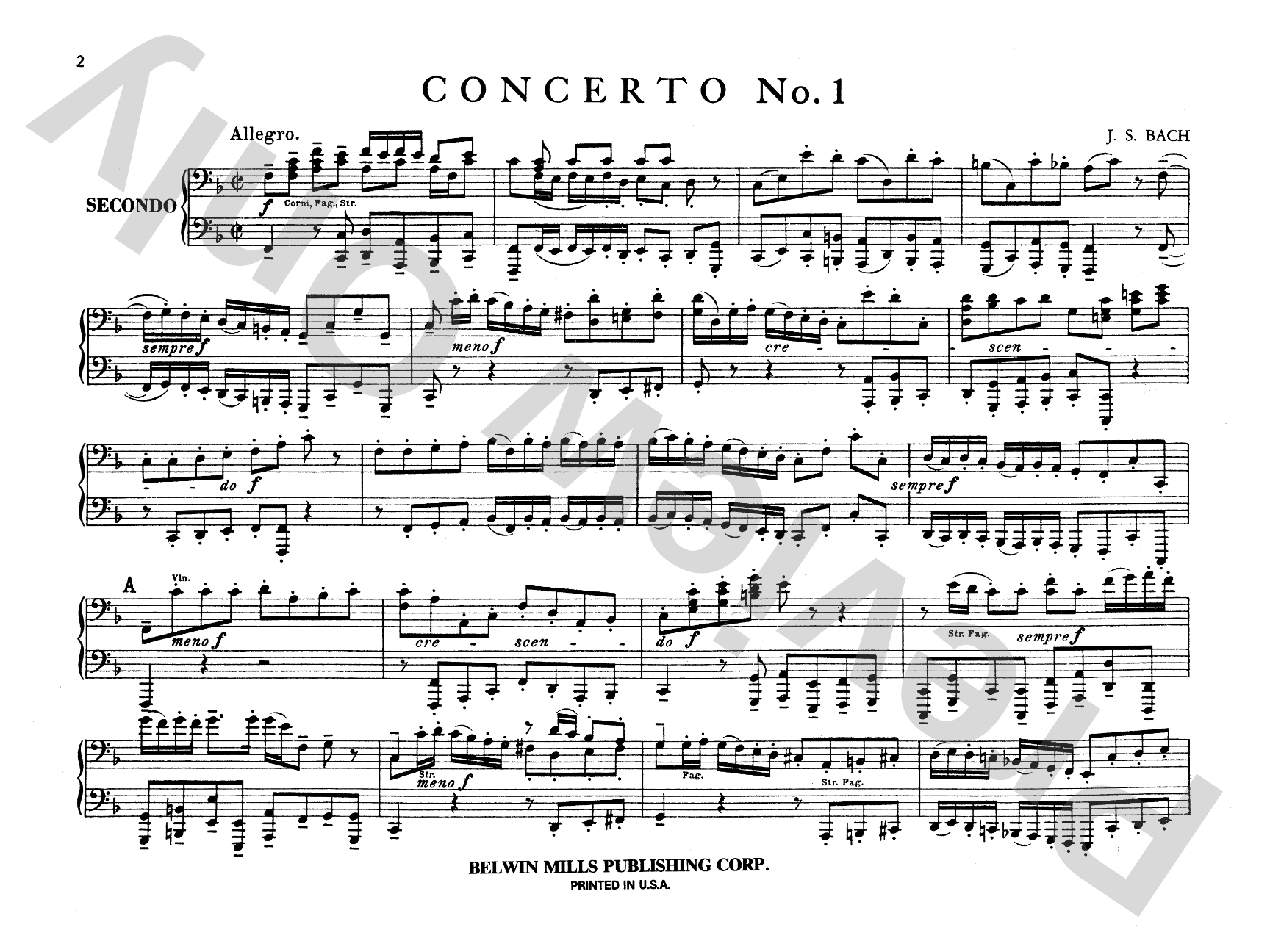
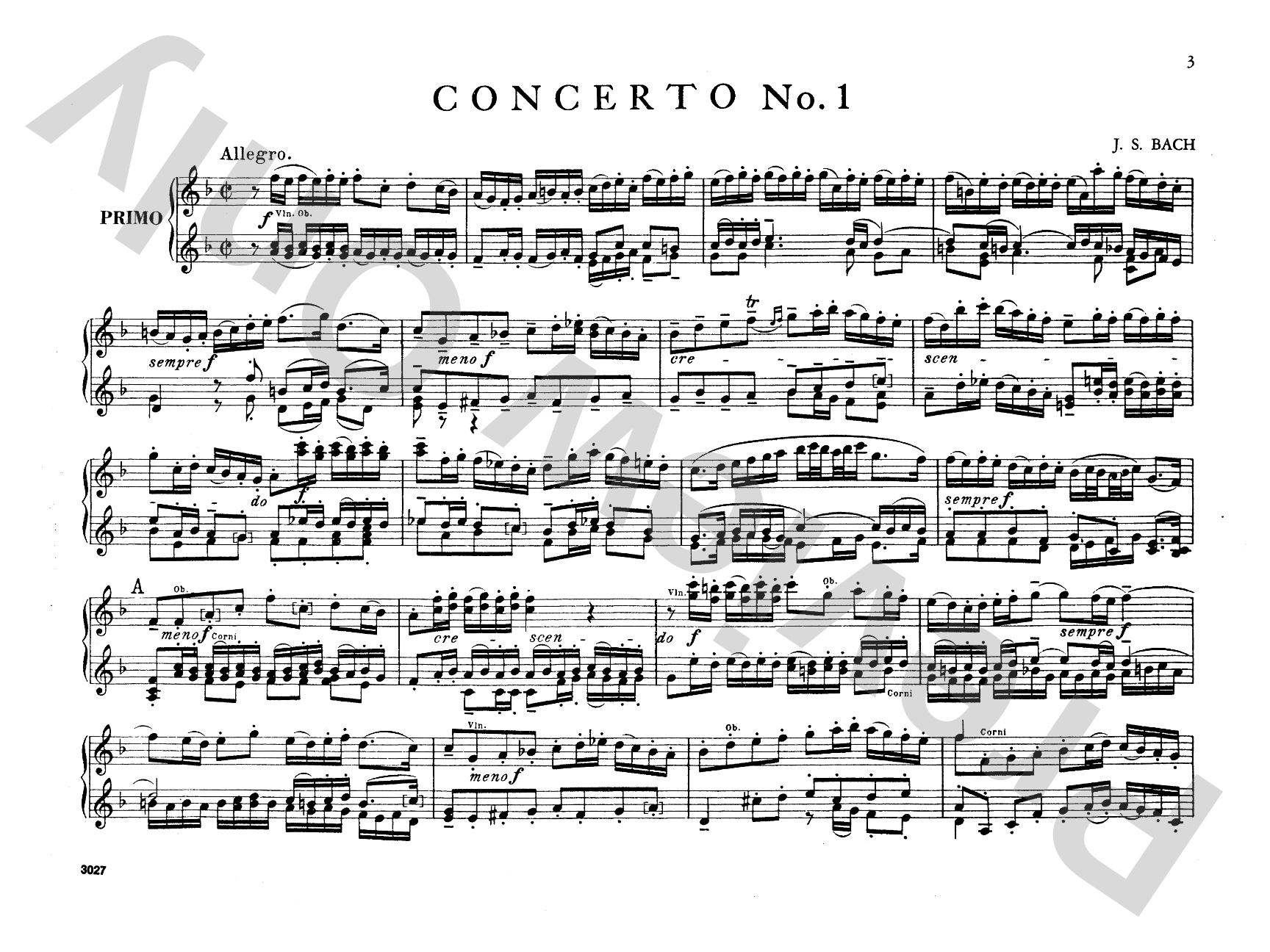
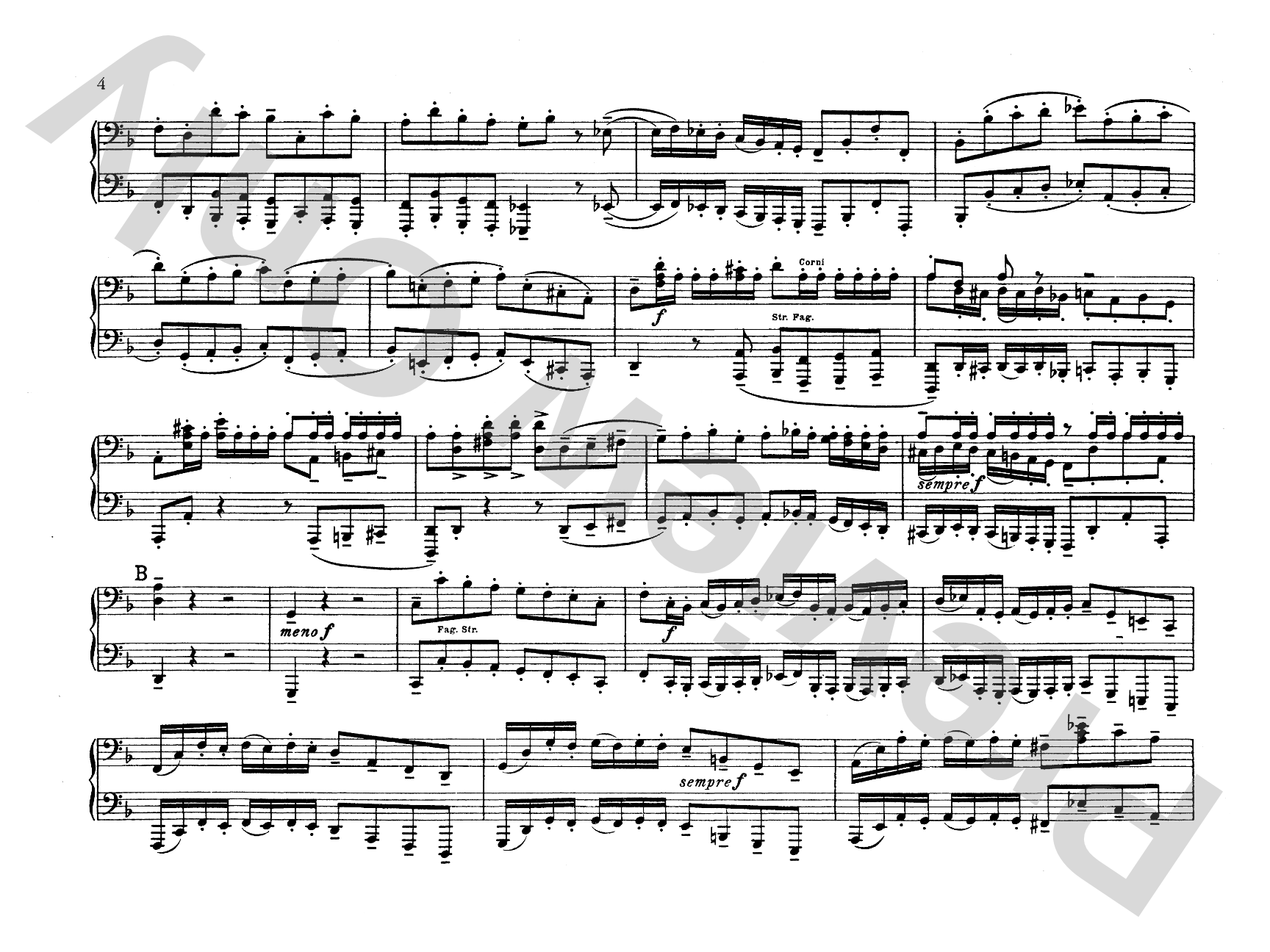
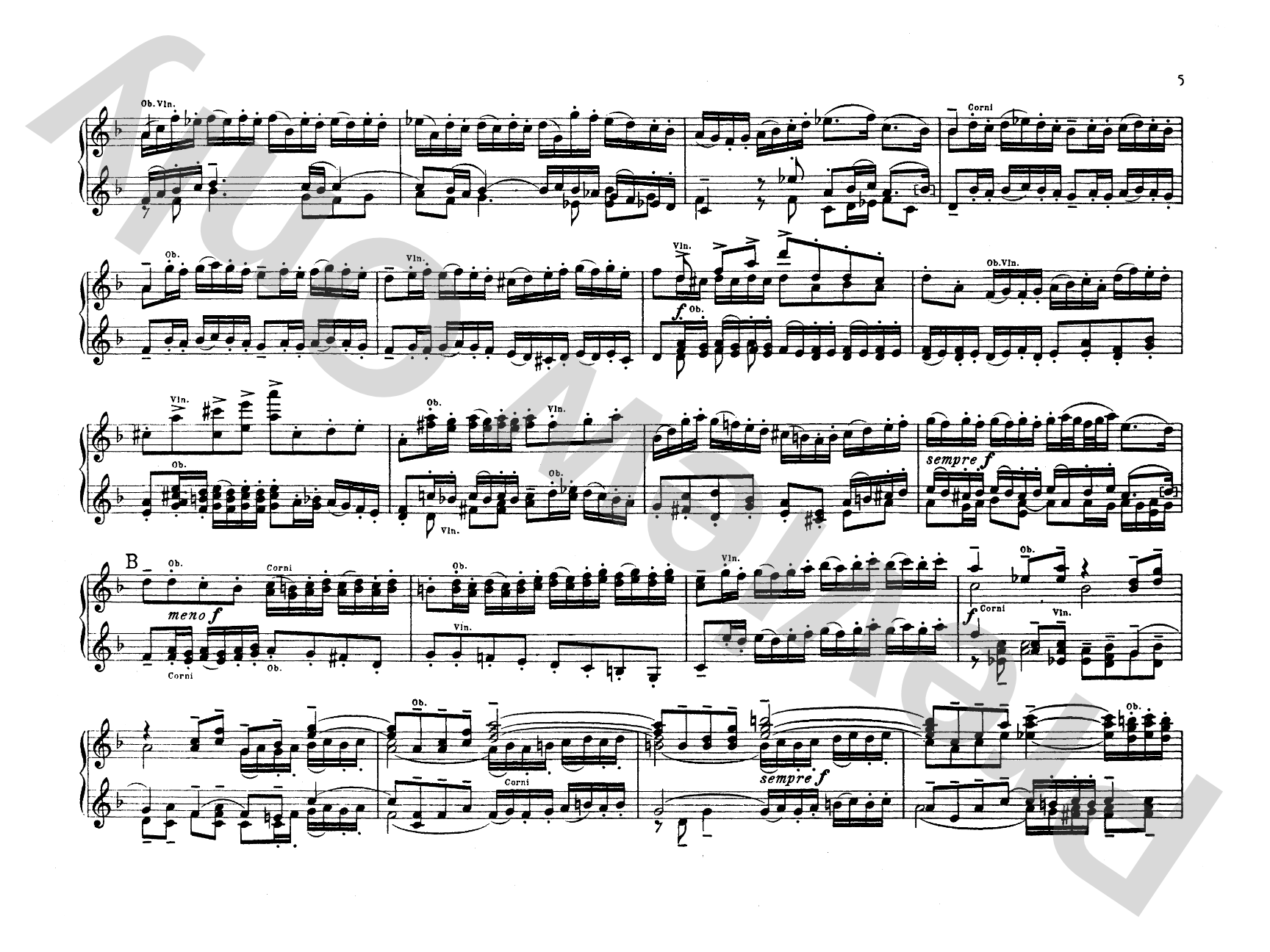
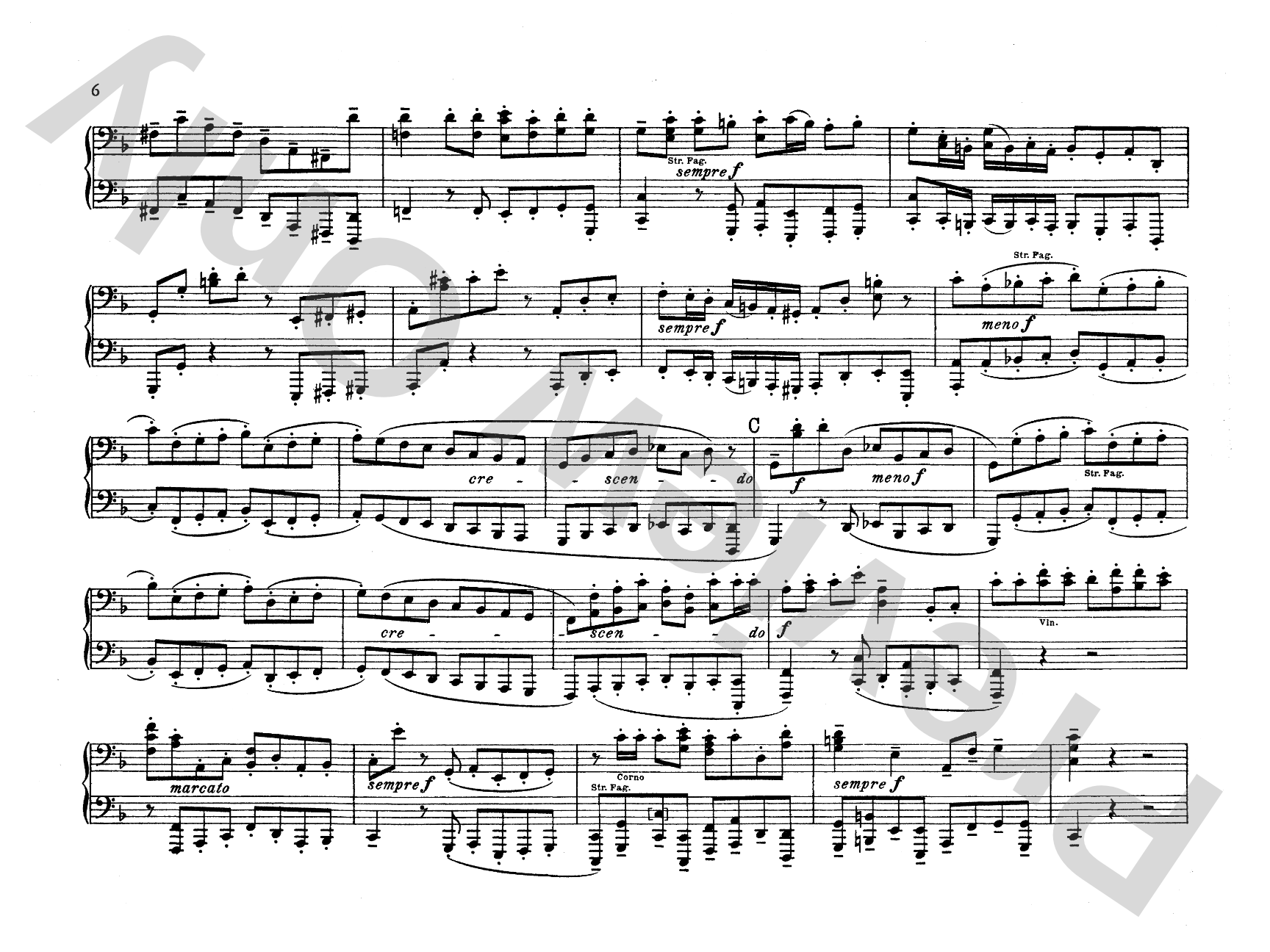
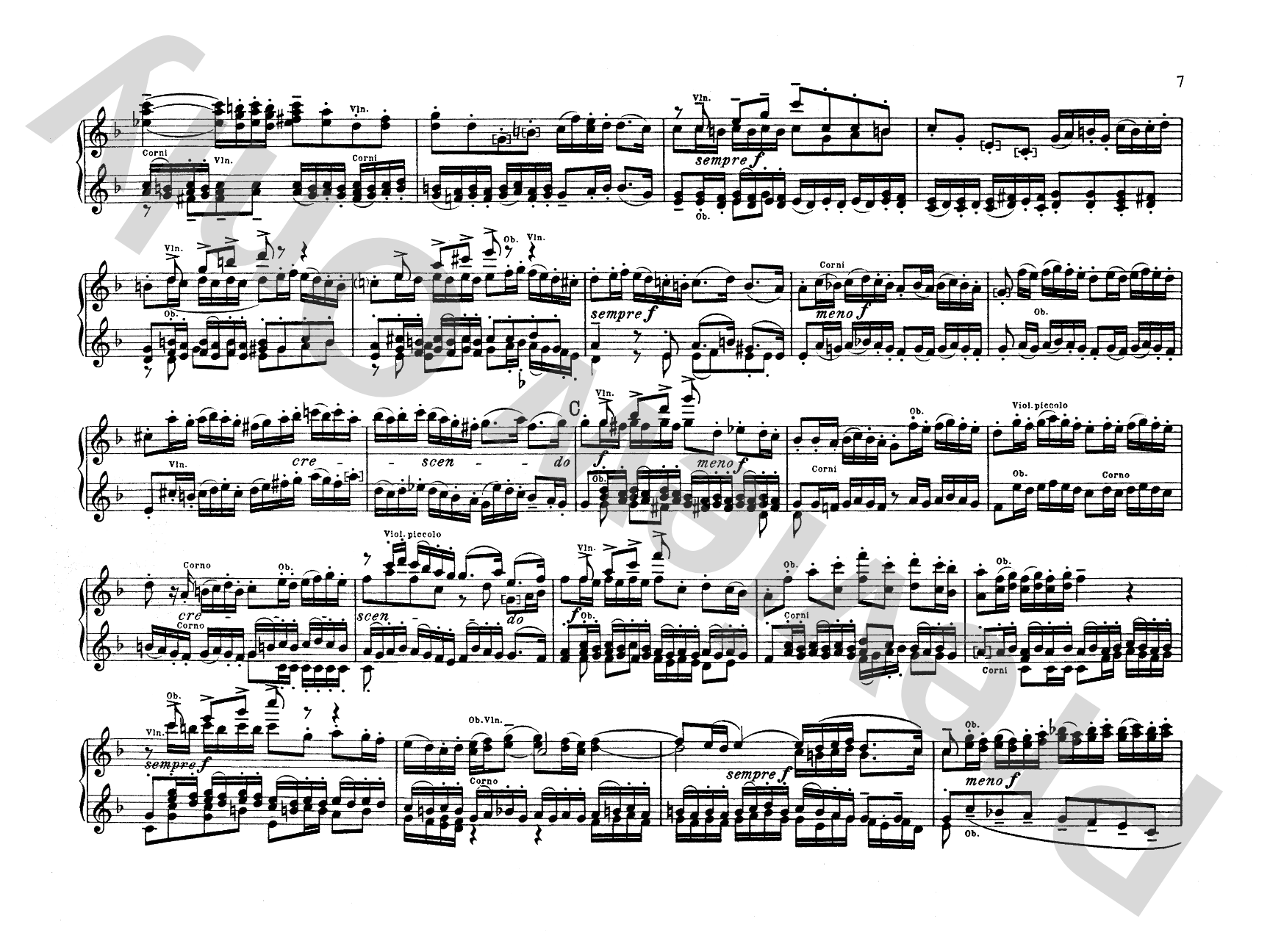
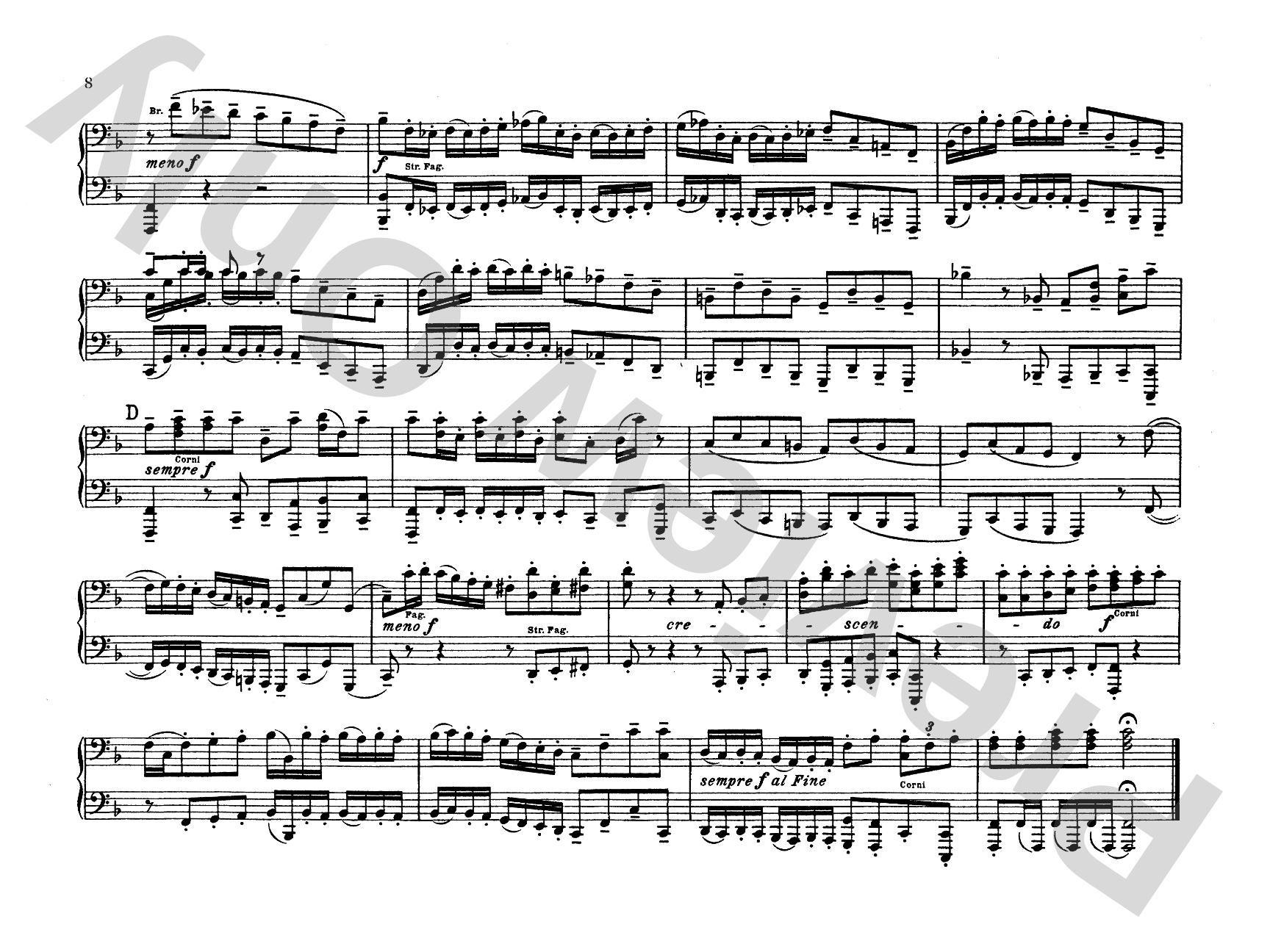
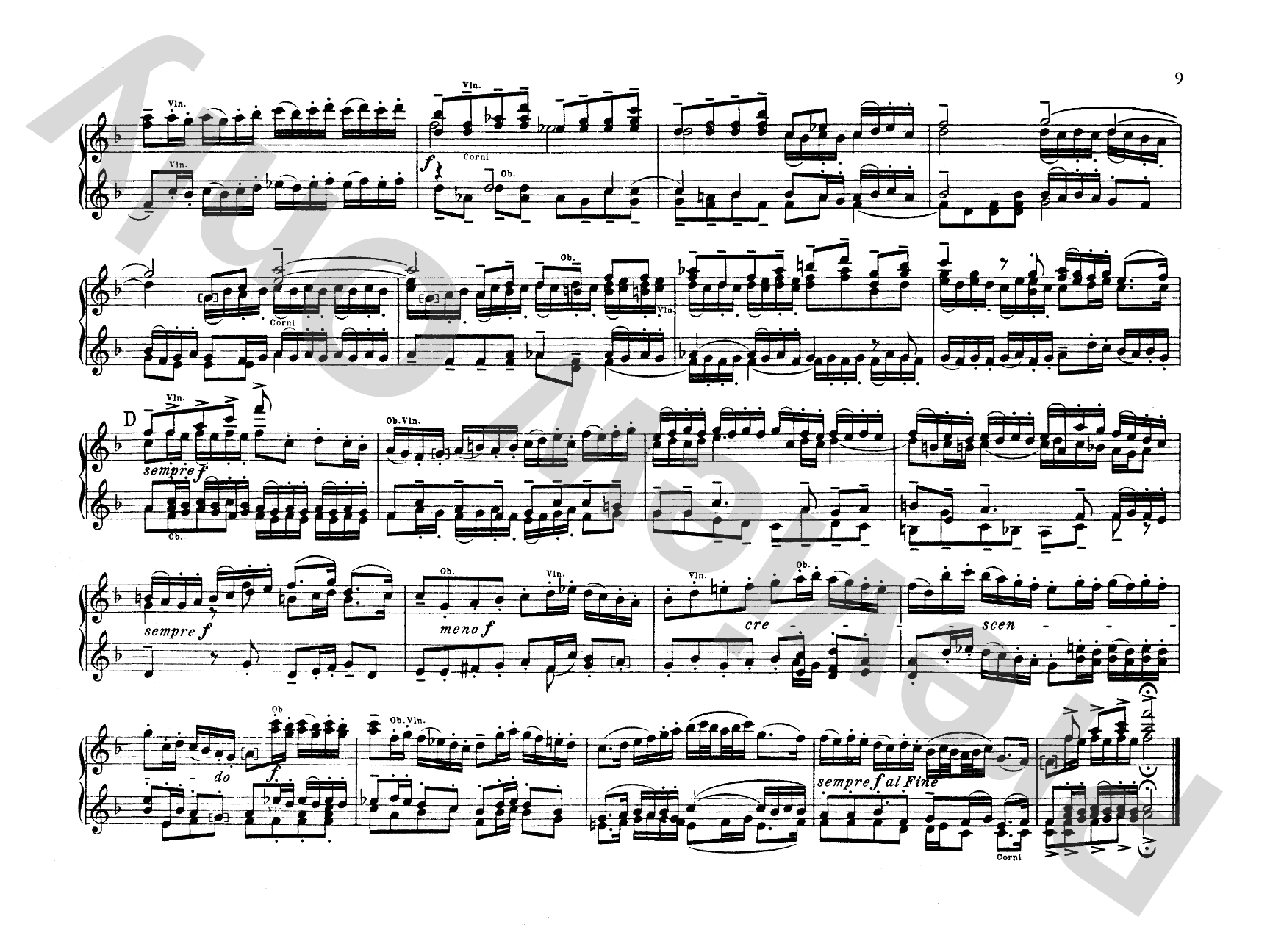
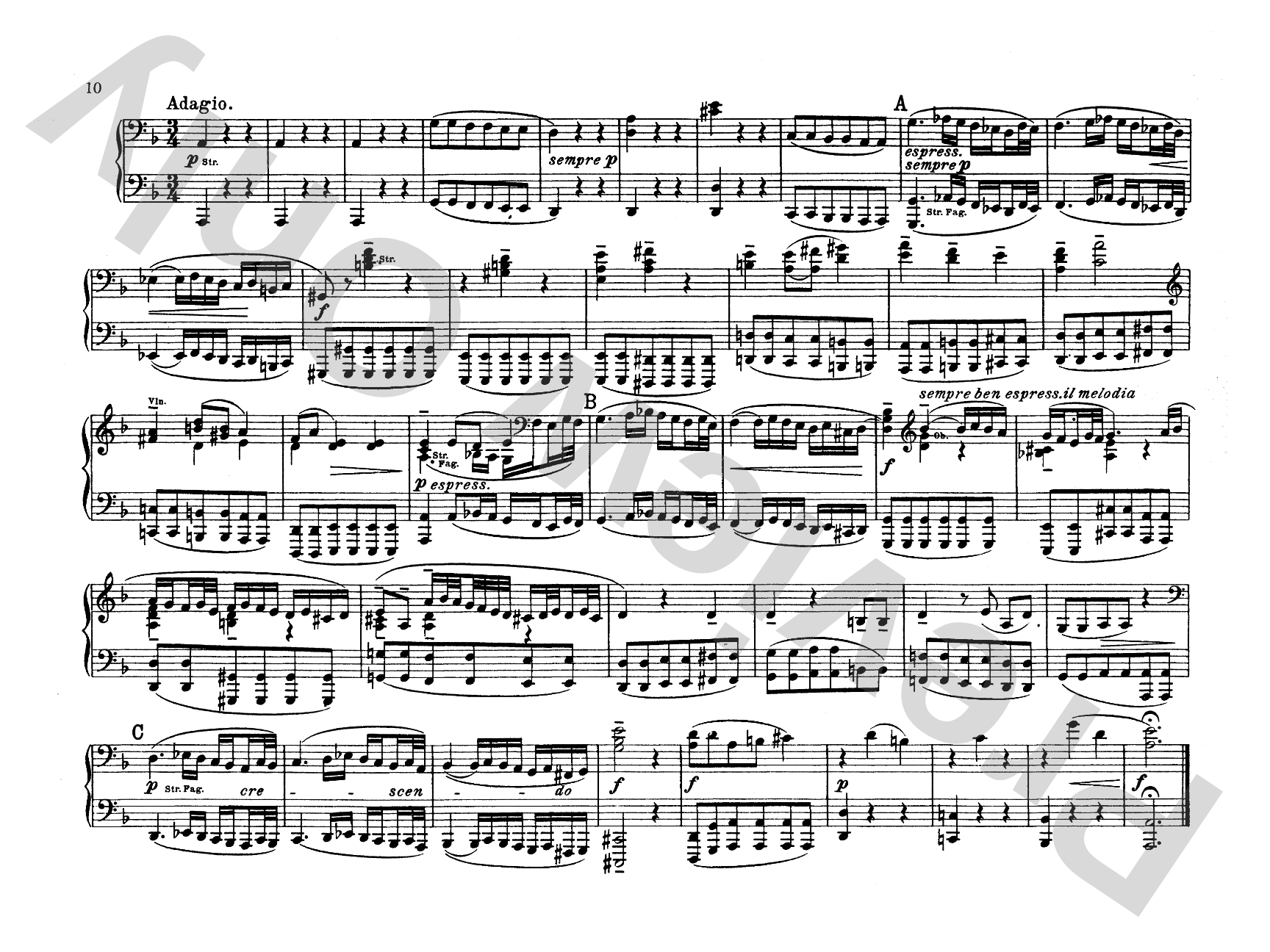
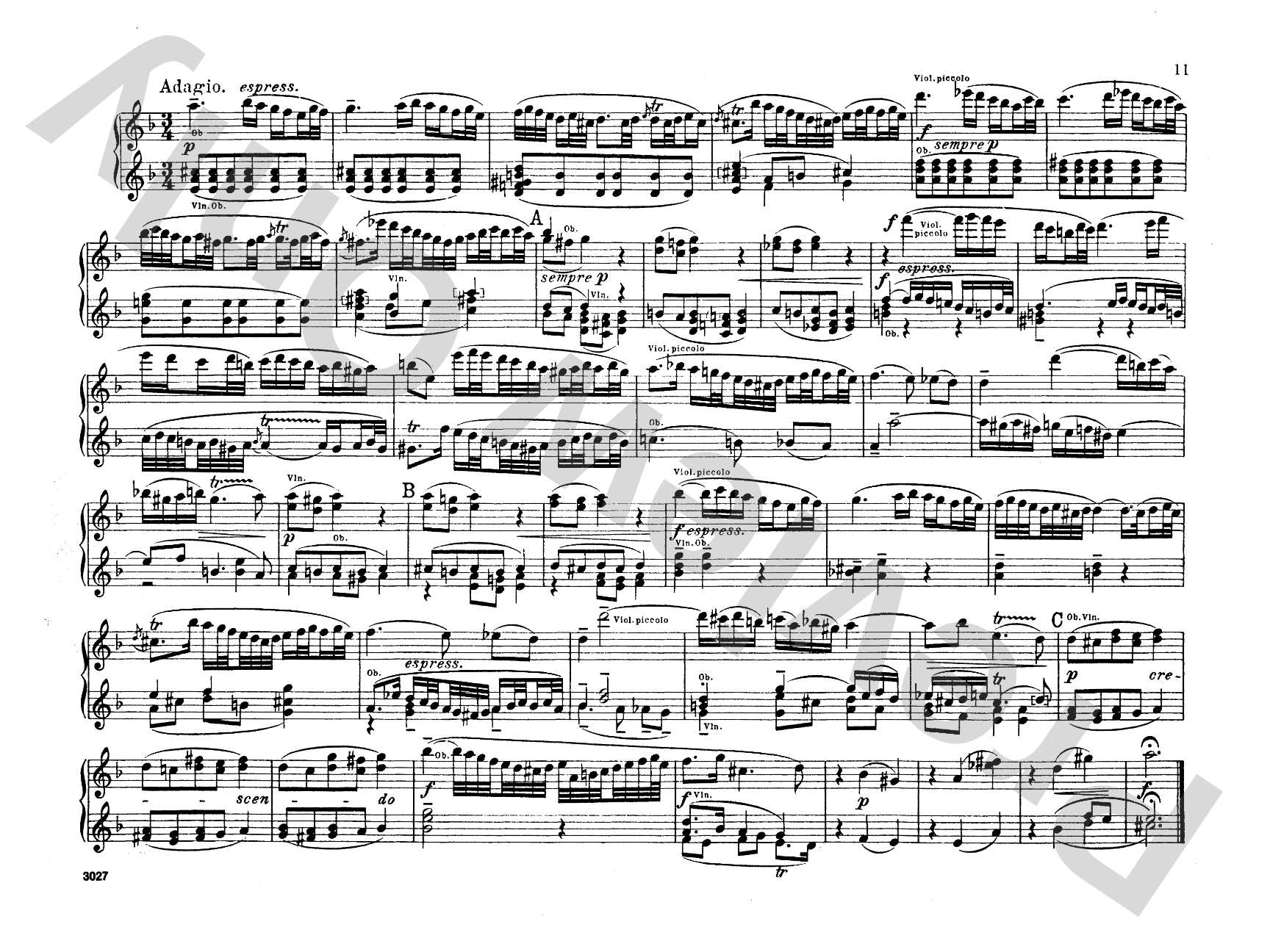
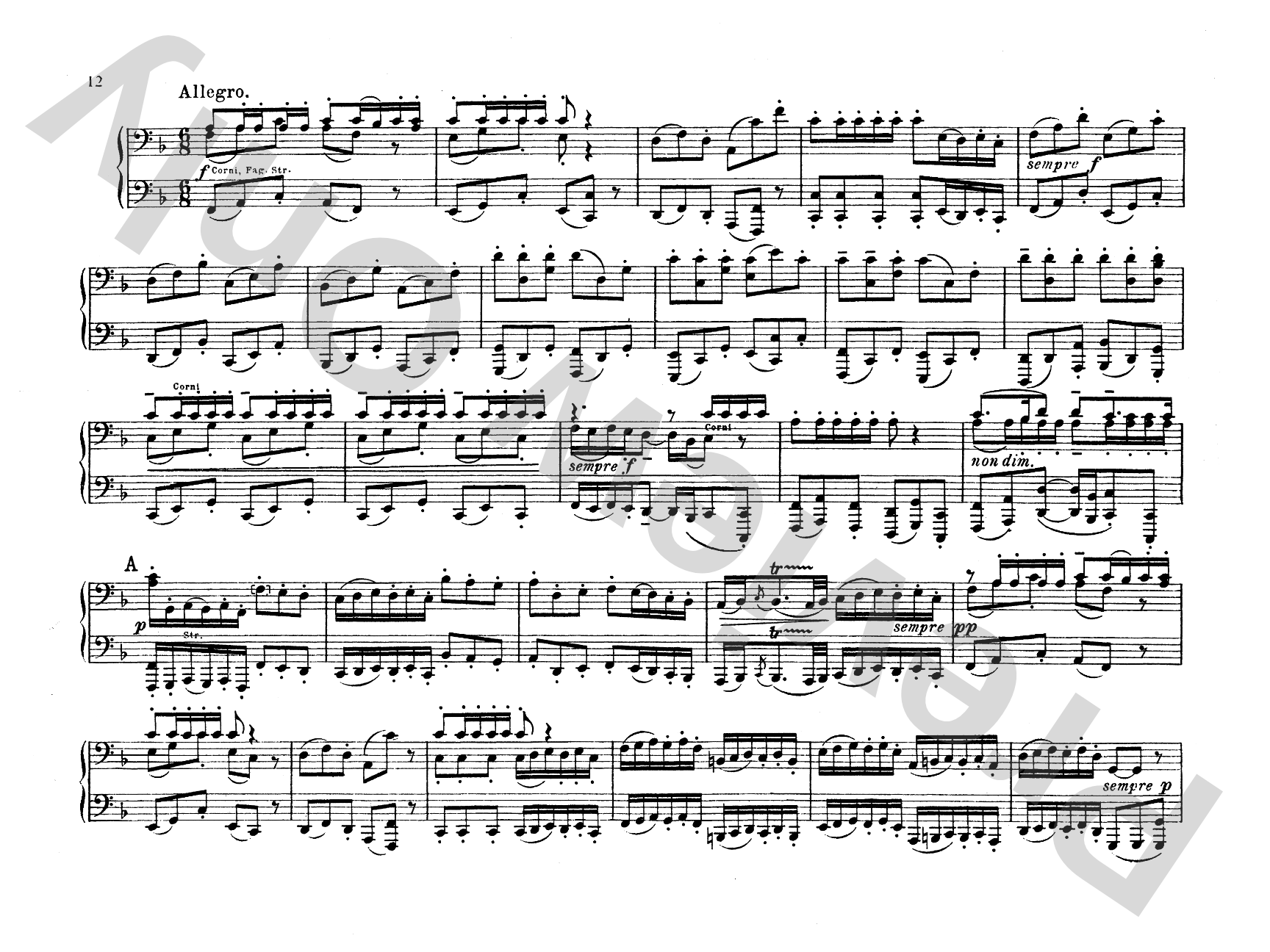
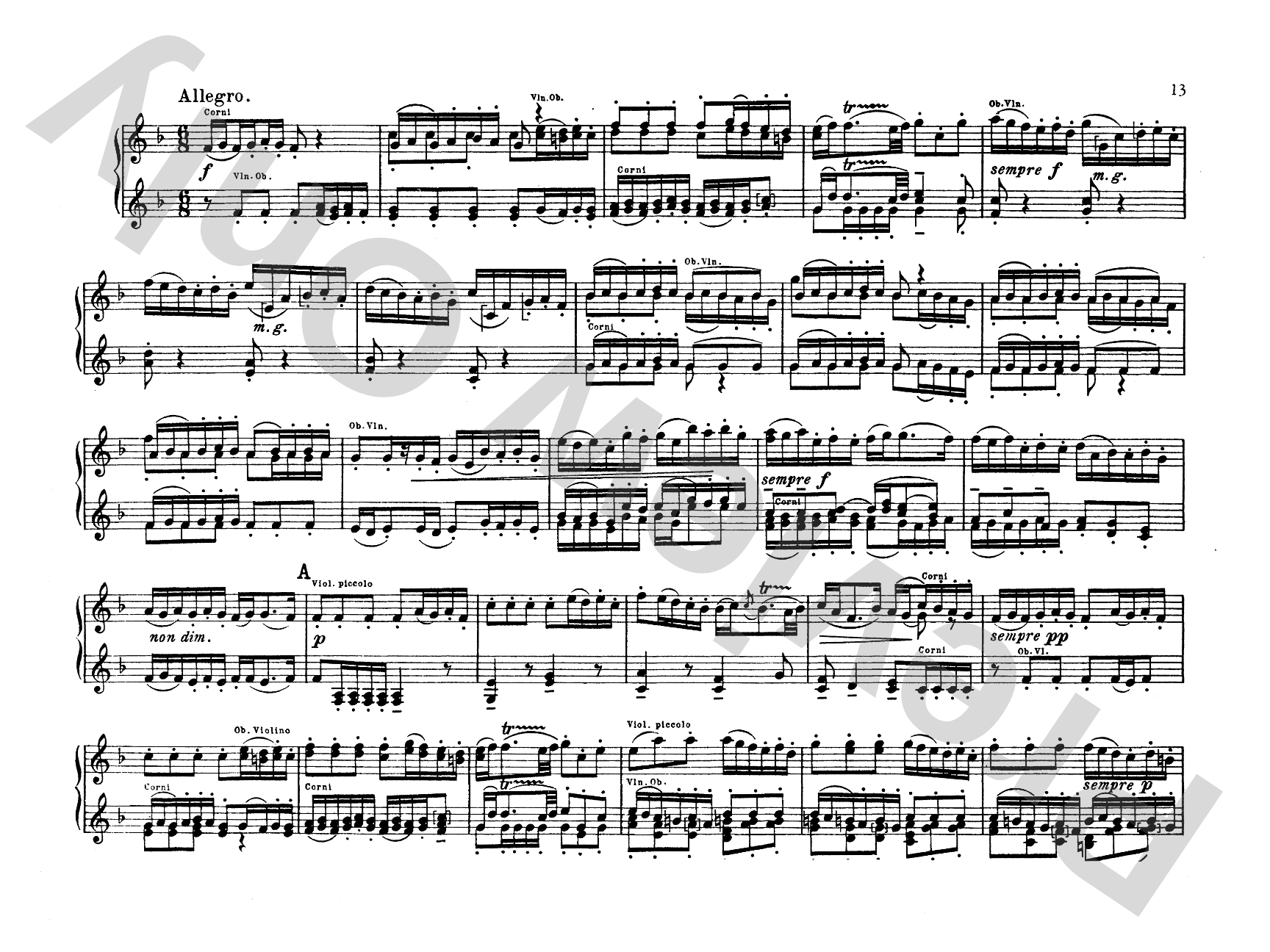
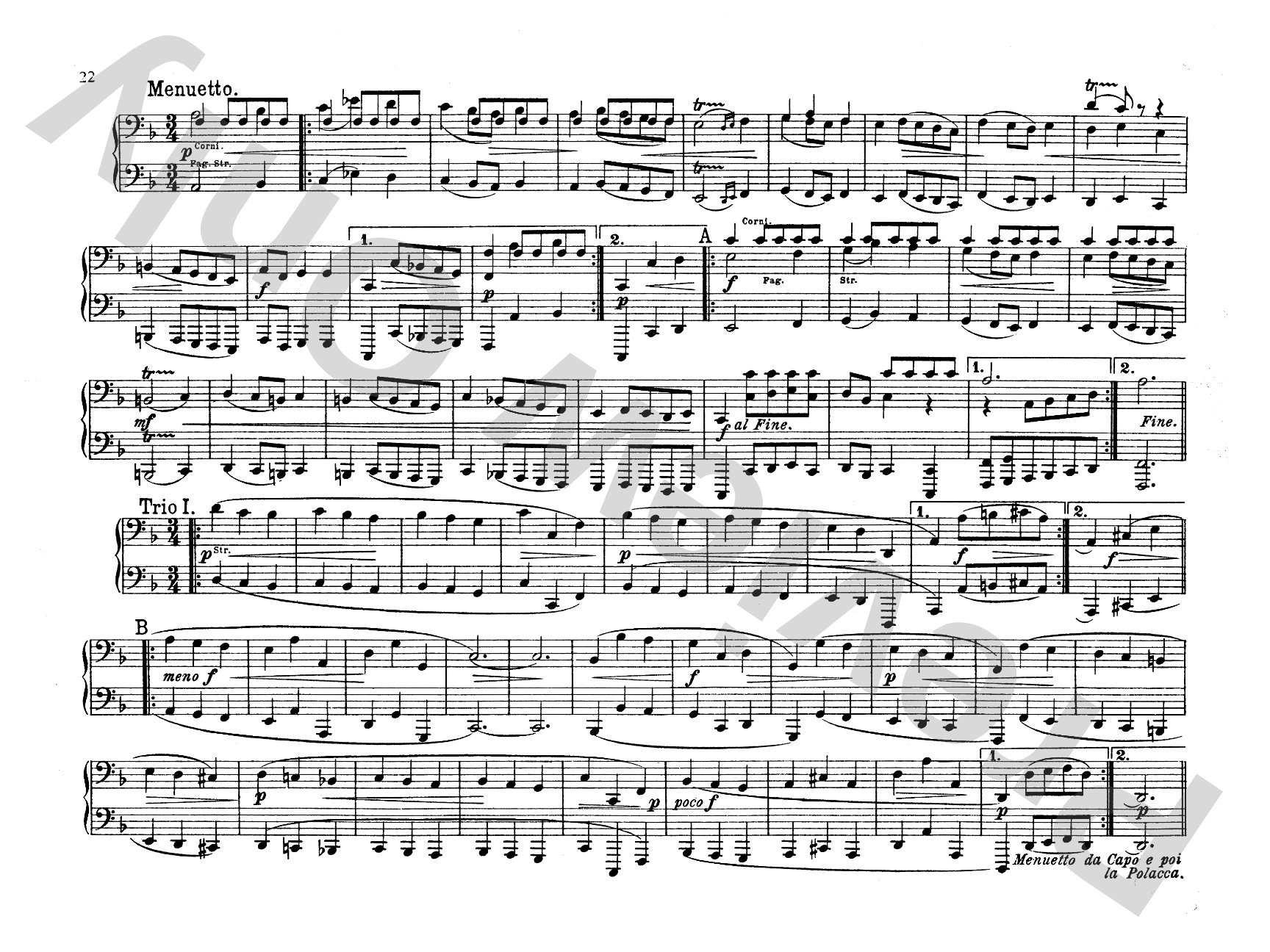
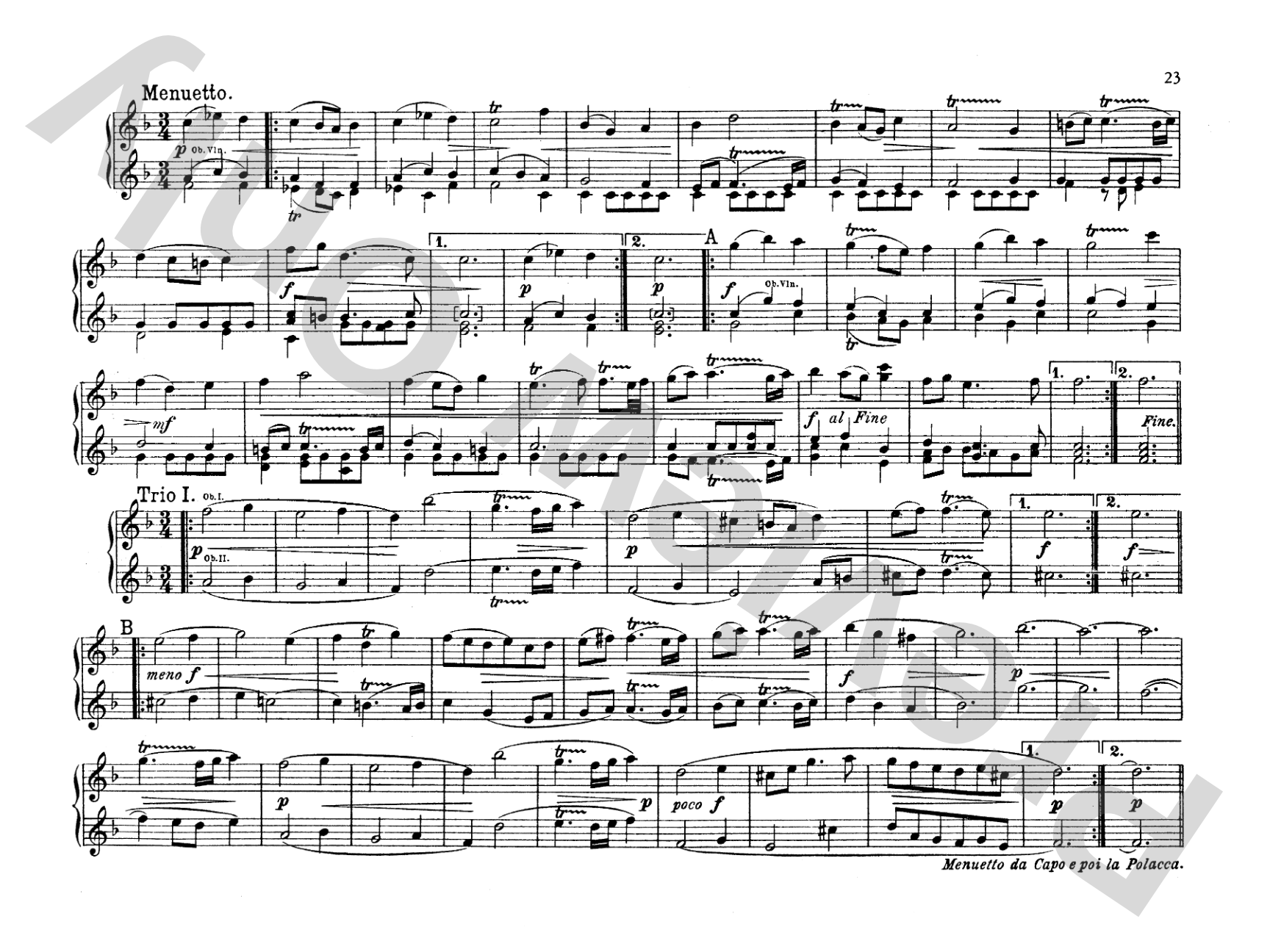
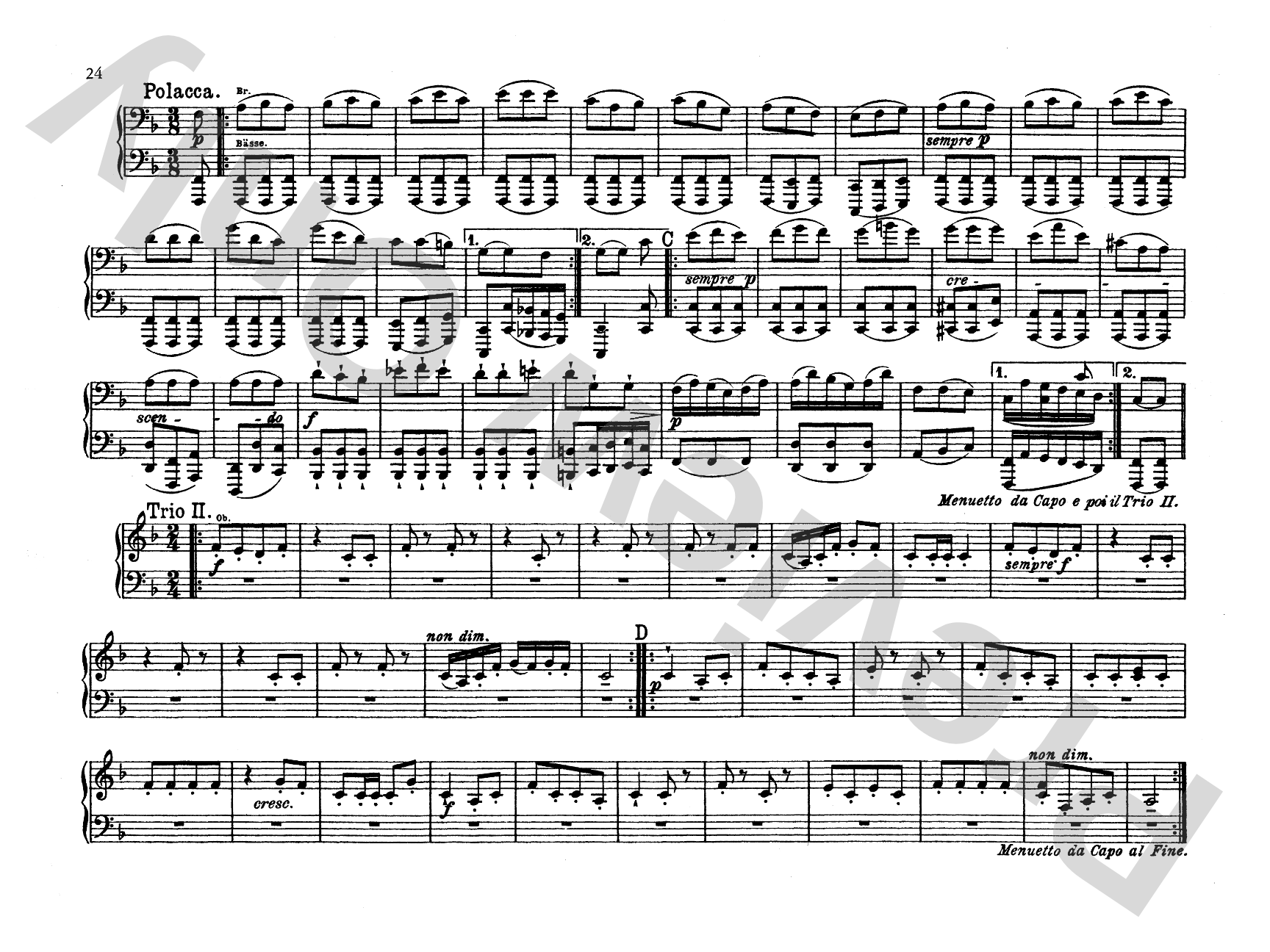
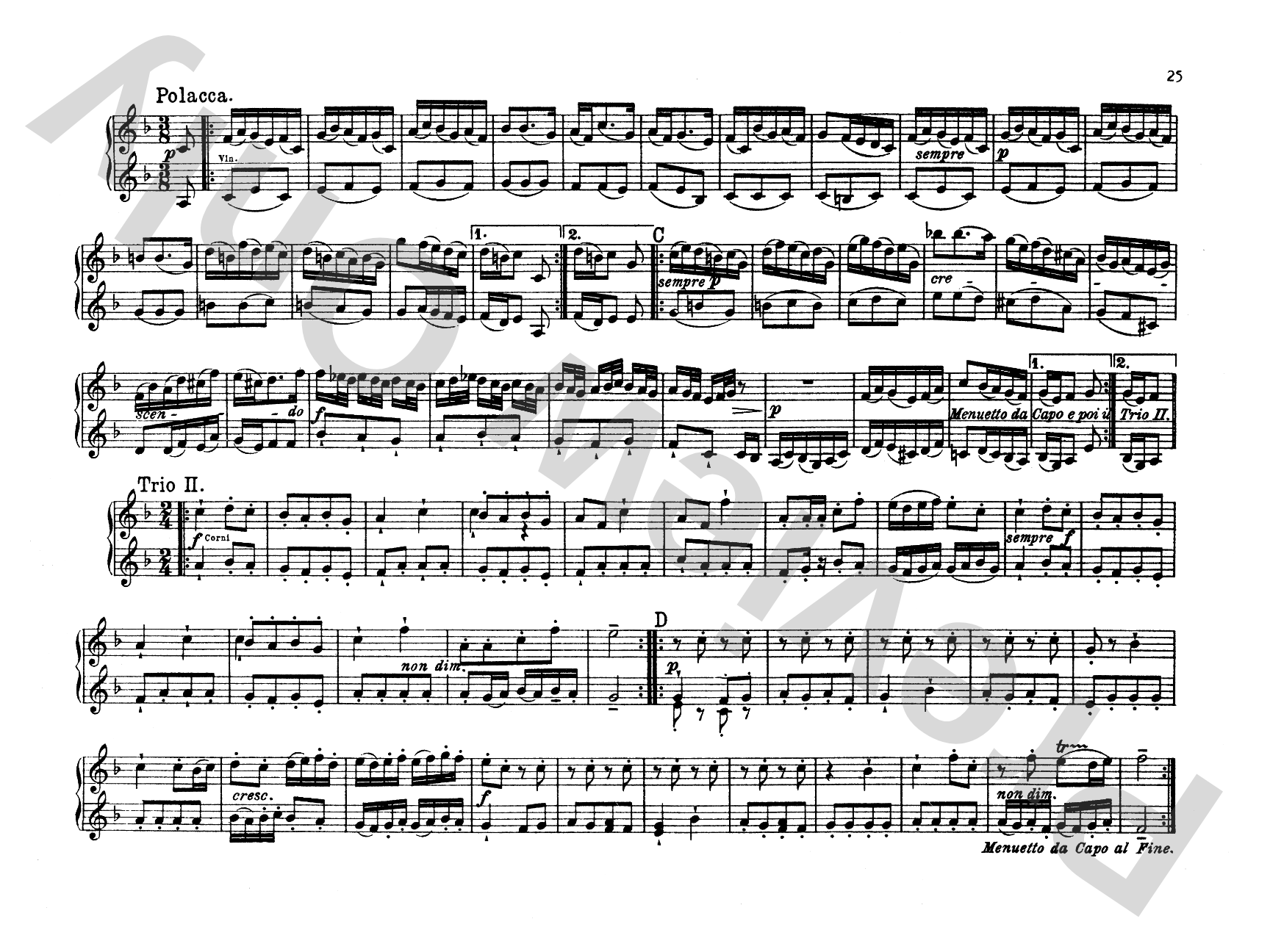

Bach: Brandenburg Concertos (Volume I) (Arr. Max Reger): Piano Duet (1 Piano, 4 Hands) Comb Bound Book
By Johann Sebastian Bach / arr. Max Reger
Level: Advanced
Item: 00-PK-0002840

$12.99
Pickup currently not available
Buy Extra Parts (Digital PDF Download)
| Product | Price | Quantity |
|---|---|---|
| Bach: Brandenburg Concertos (Volume I) (Arr. Max Reger) | $3.95 | |
| Bach: Brandenburg Concertos (Volume I) (Arr. Max Reger) | $3.99 | |
| Bach: Brandenburg Concertos (Volume I) (Arr. Max Reger) | $3.95 |
Parts Added to Cart!
Related Items
Brandenburg Concertos, Volume I: Piano Duet (1 Piano, 4 Hands) Comb Bound Book |
$12.95
|
View |
Description
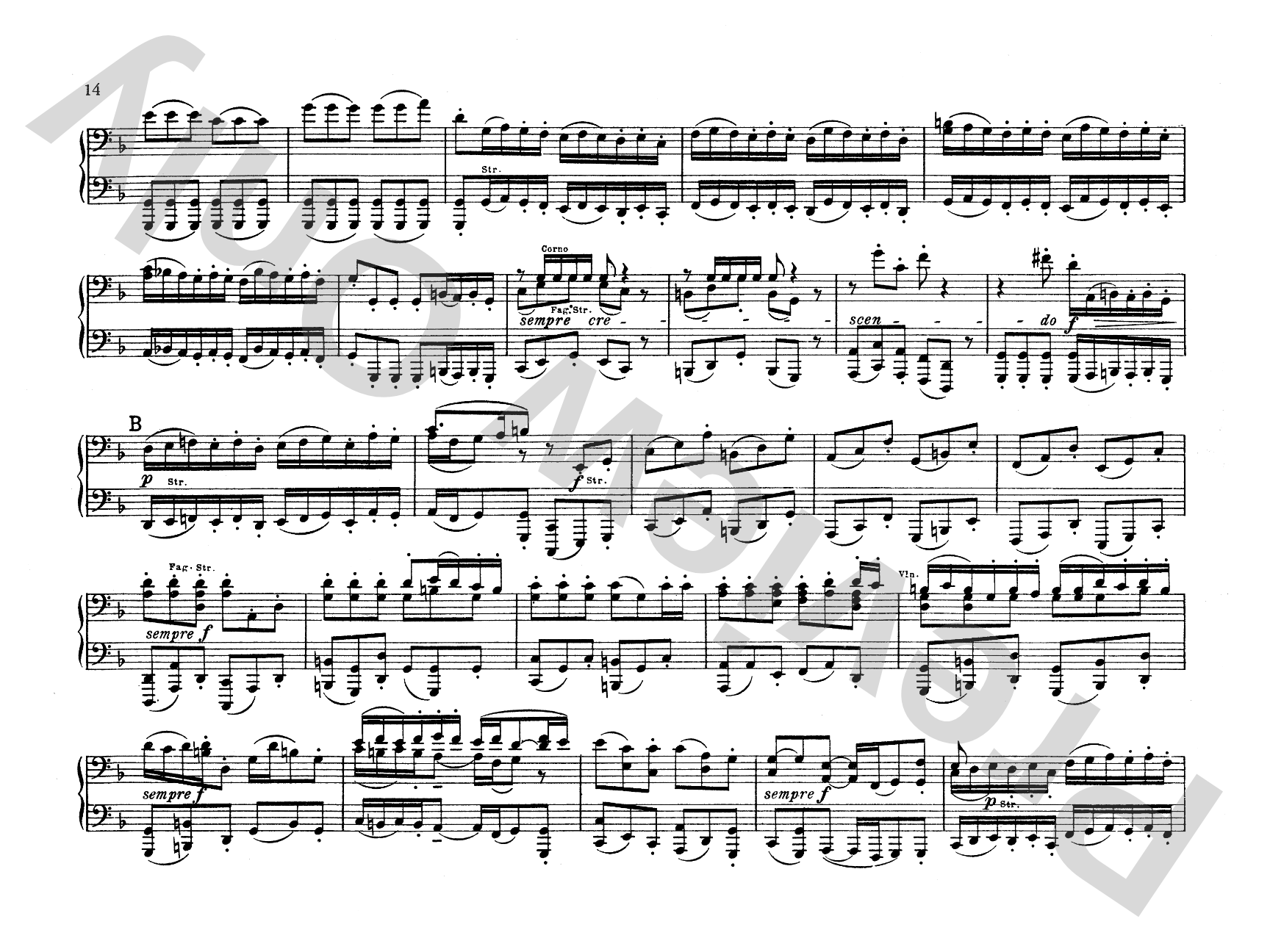
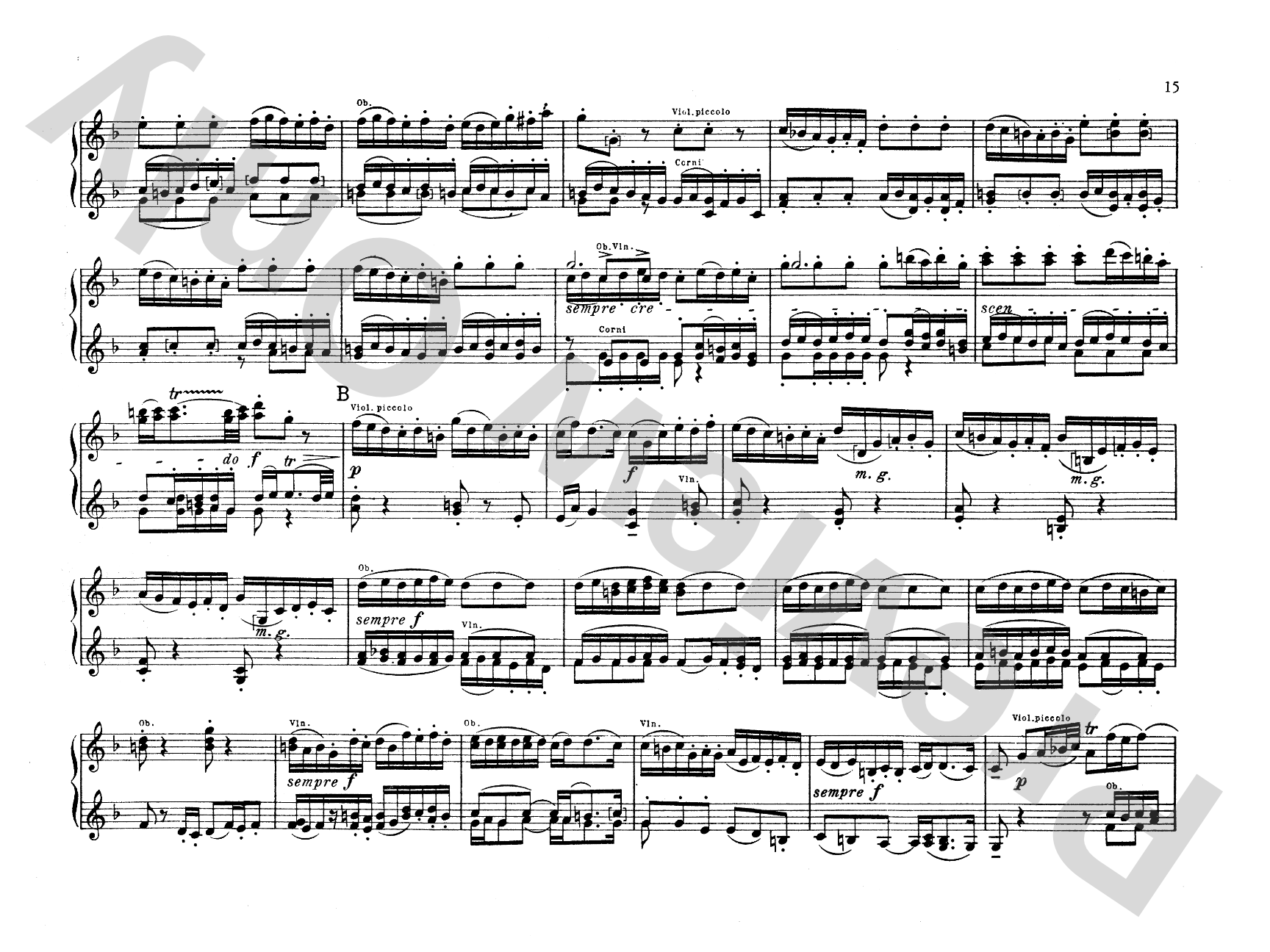
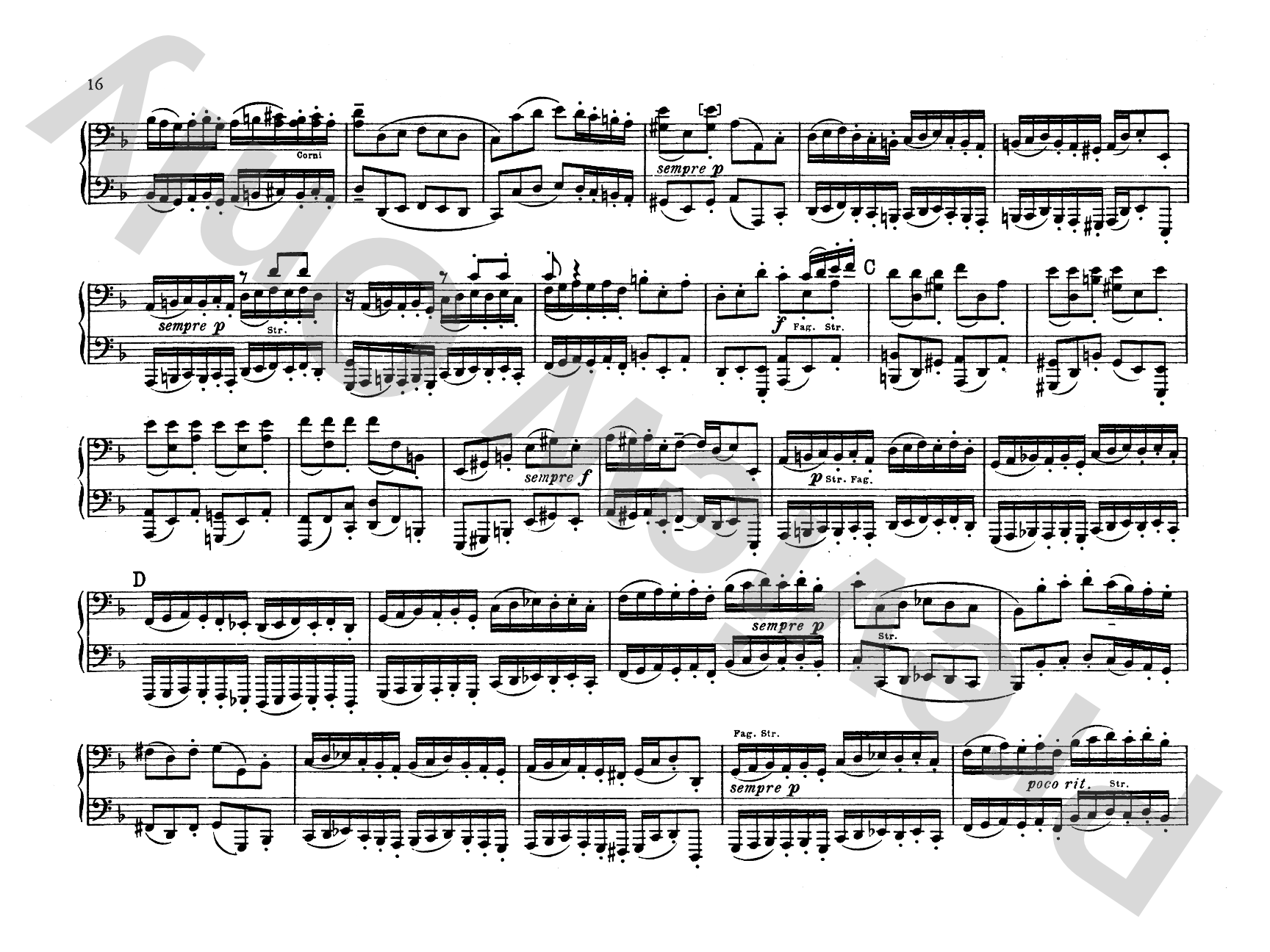
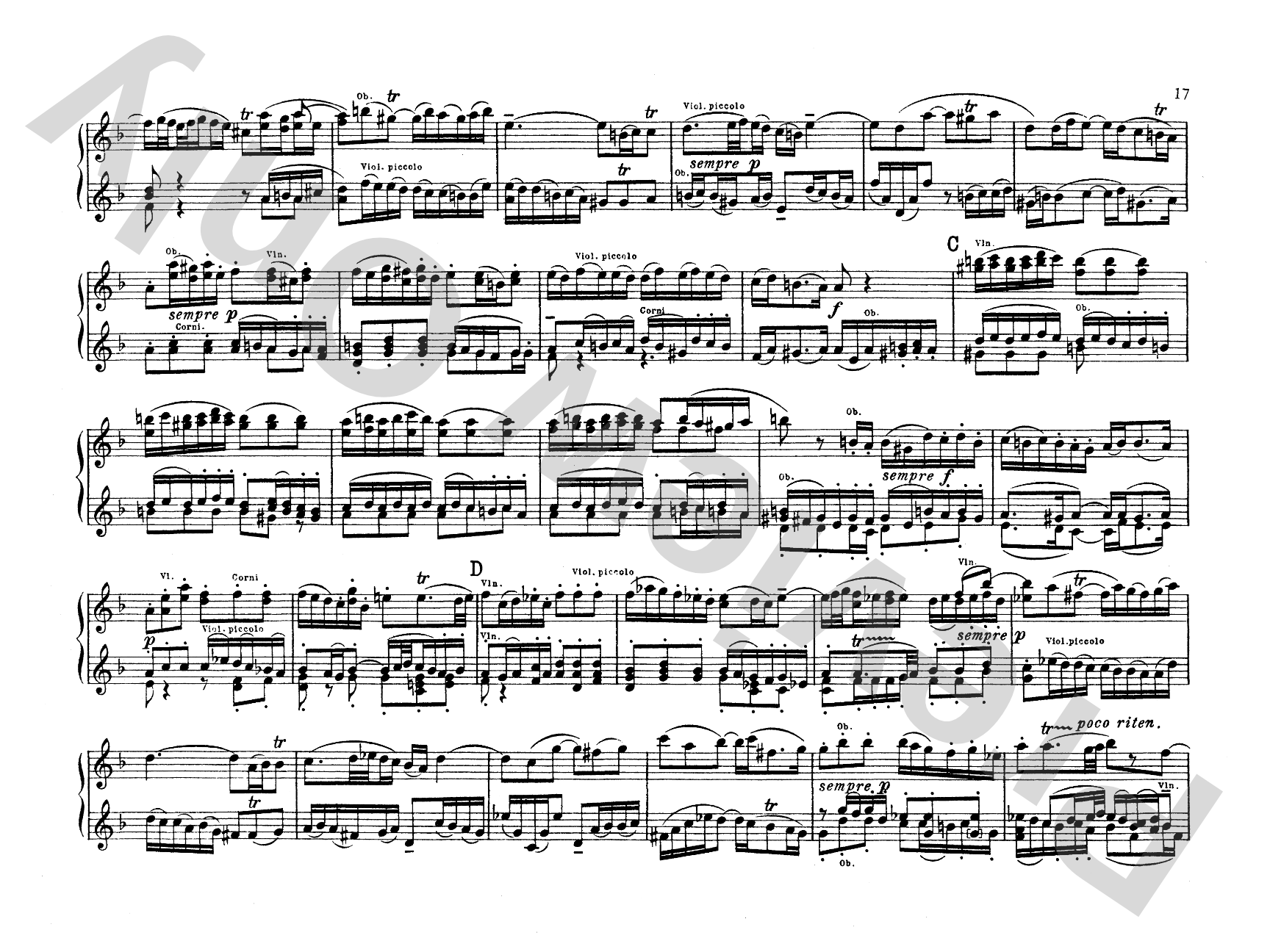
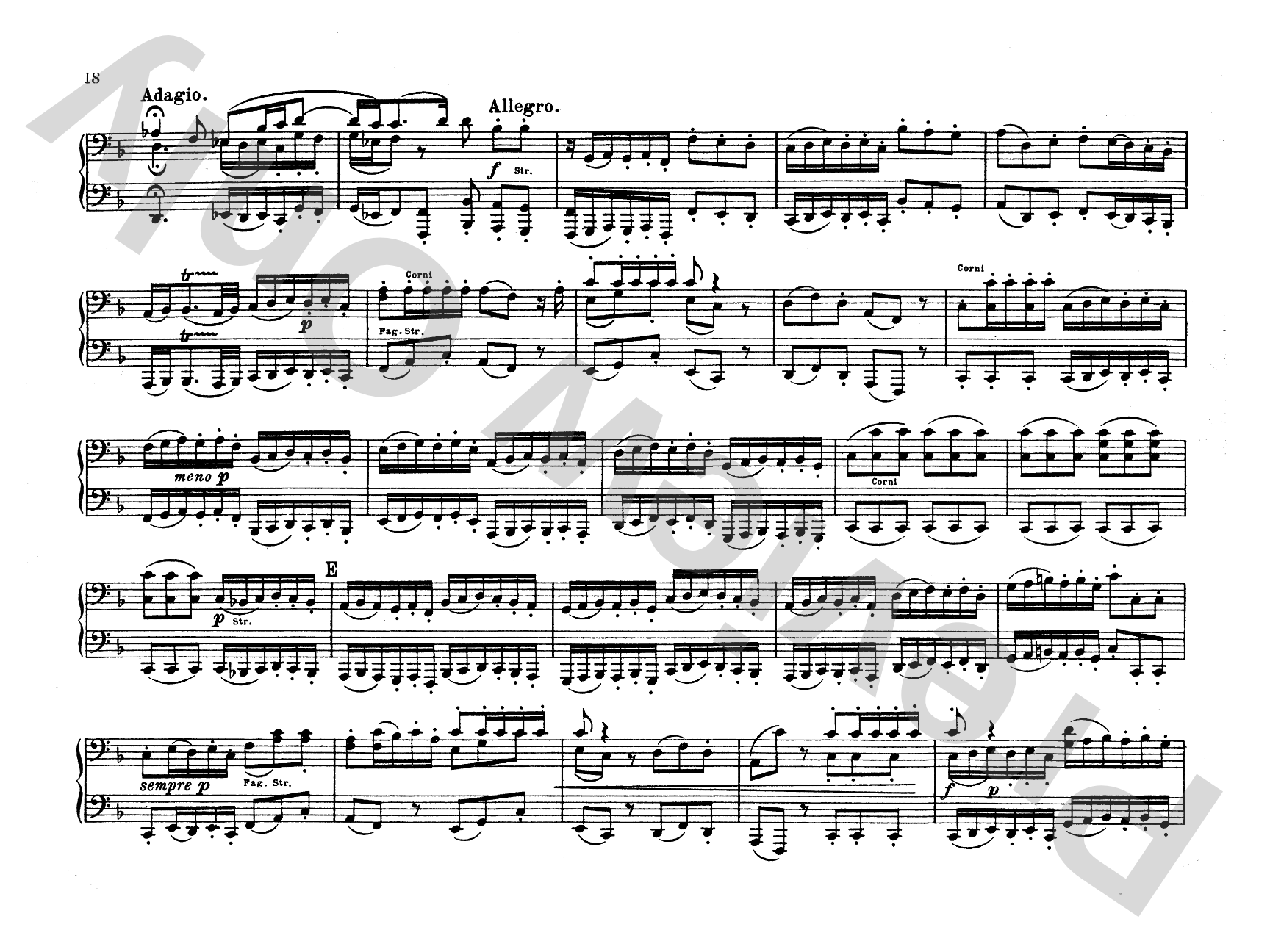
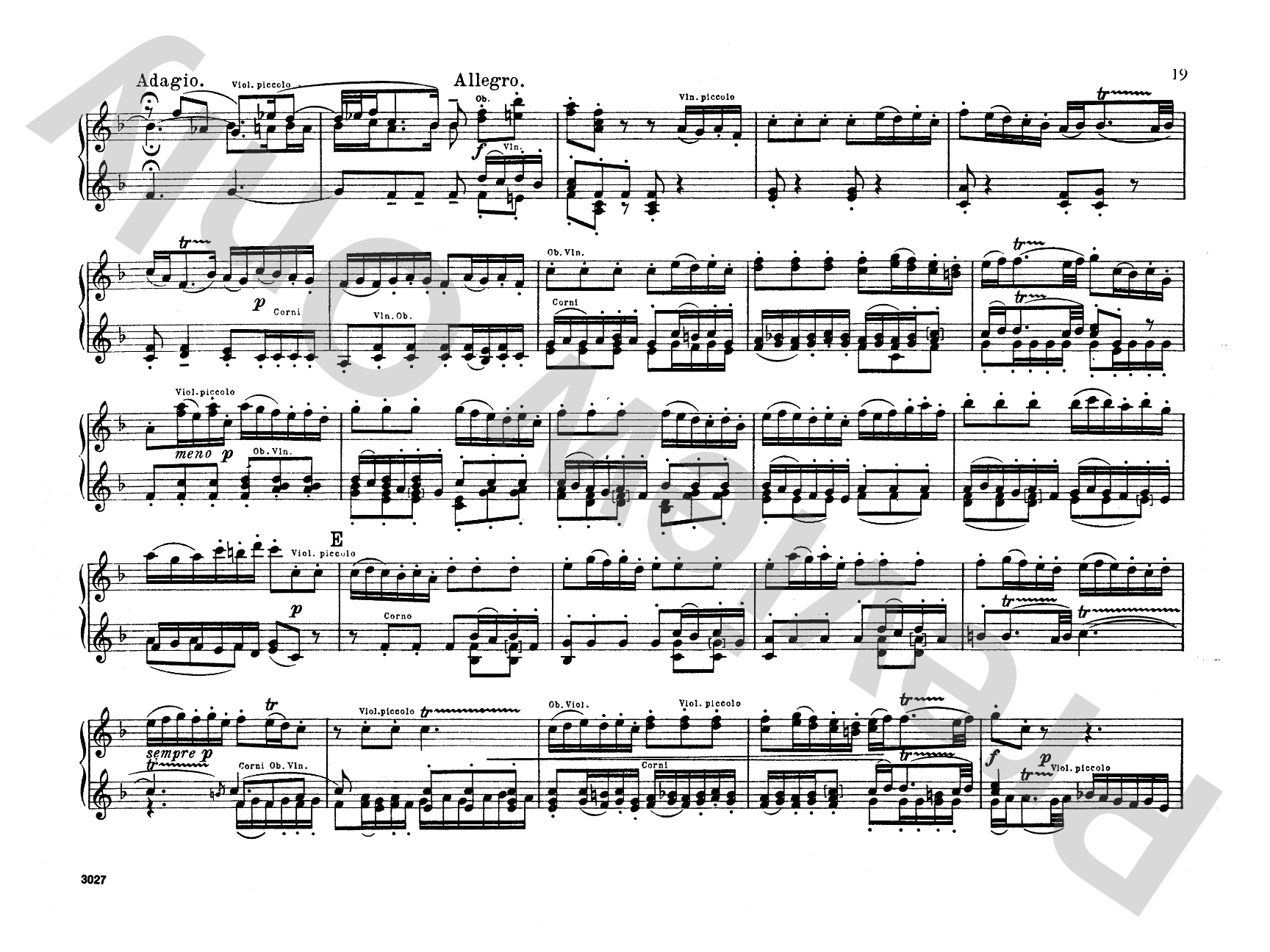
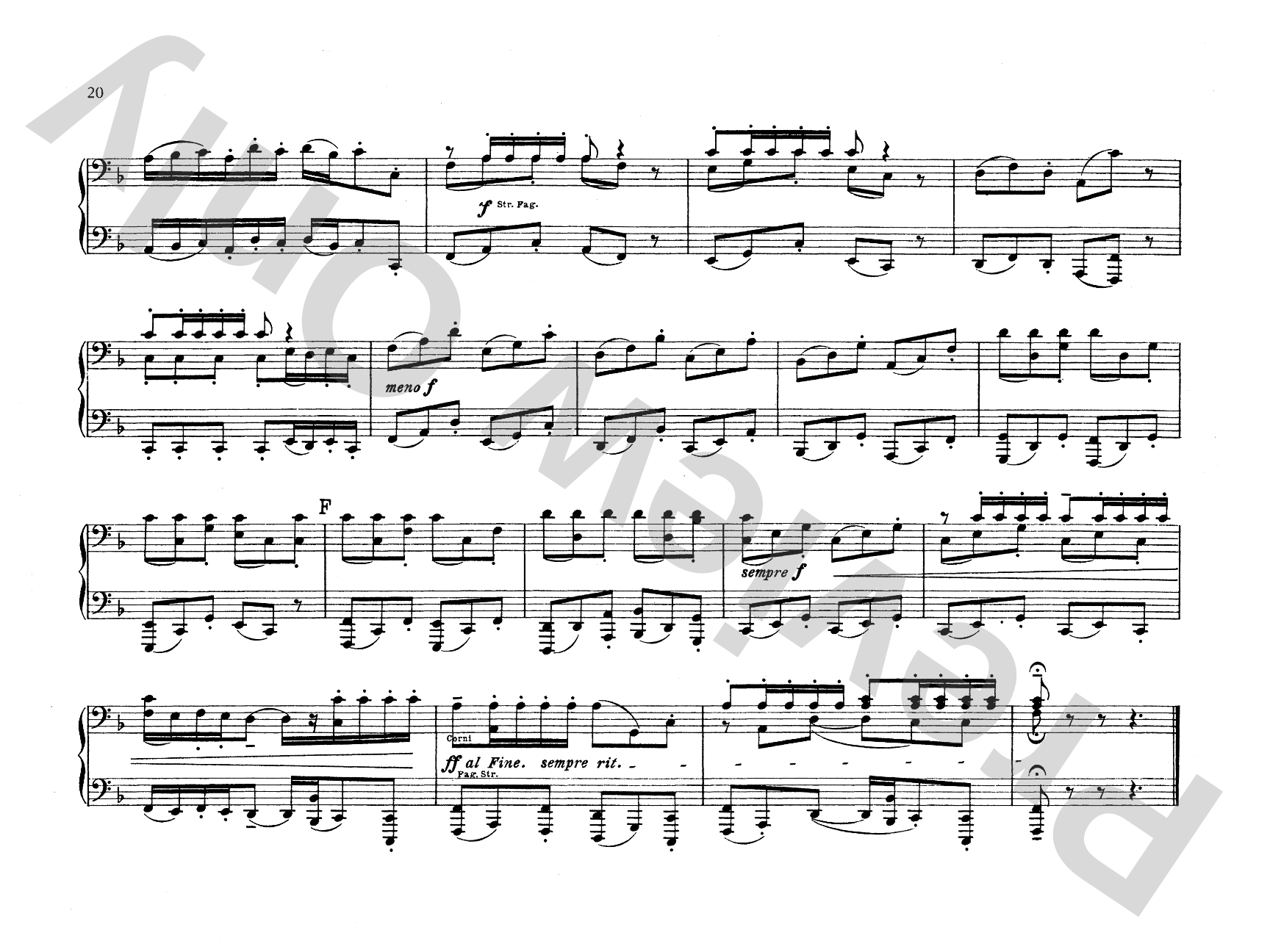
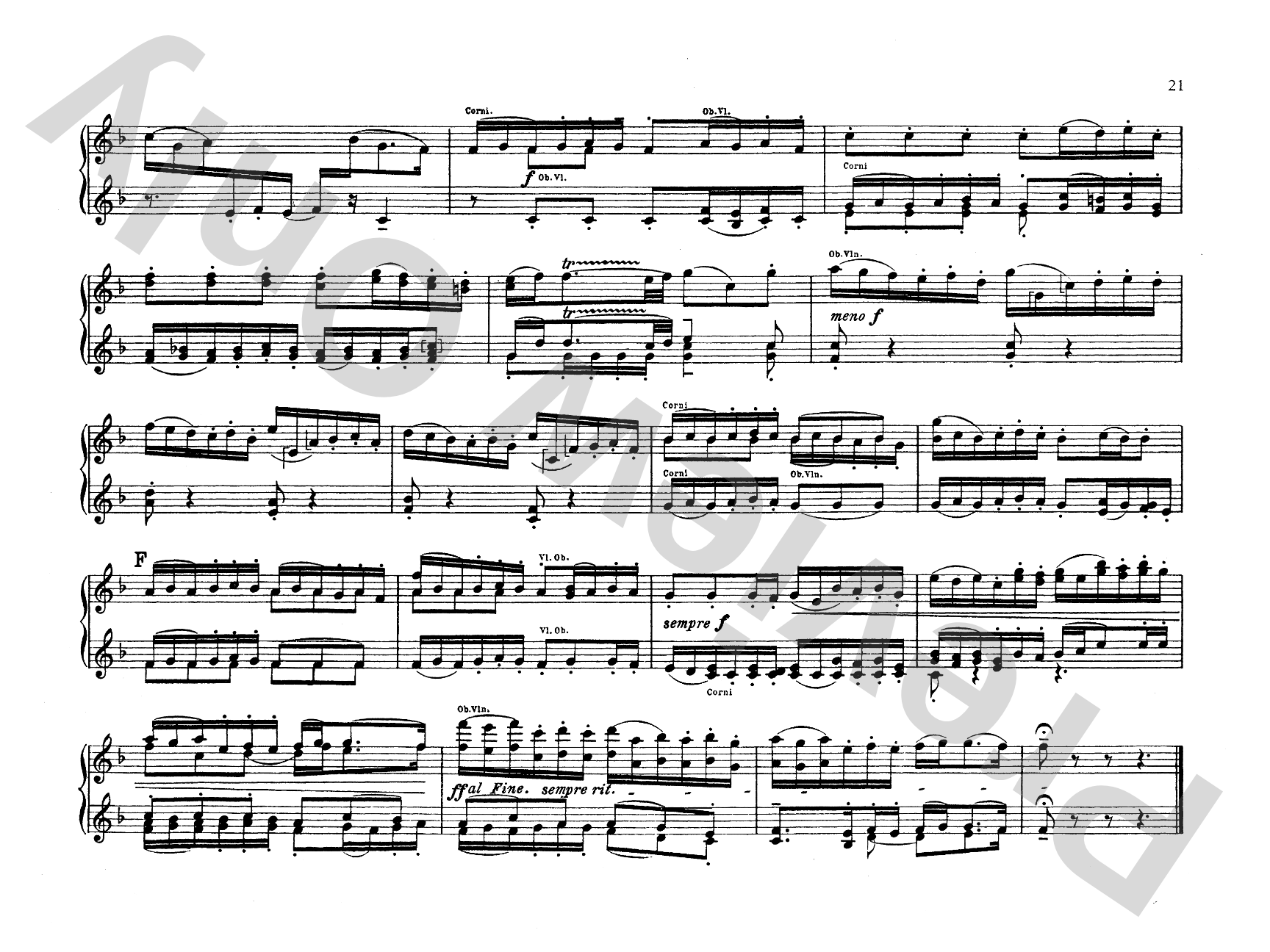
Contents: Concerto No. 1 in F Major * Concerto No. 2 in F Major * Concerto No. 3 in G Major. The comb binding creates a lay-flat book that is perfect for study and performance.


Don't just read it, hear it, play along with it, and watch your students grow with it. In MakeMusic Cloud, Bach: Brandenburg Concertos (Volume I) (Arr. Max Reger): Piano Duet (1 Piano, 4 Hands) Comb Bound Book comes alive with professional accompaniment, adjustable tempo, and built-in practice tools that turn solo practice into real progress.
Open in the Player
Jump straight in and assign it today.
Start Your Free Trial
Open this title and explore the full library in minutes.
Sample Audio
No sample audio found.
Sample Video
No sample videos found.
Additional Details
Series:
Kalmus Edition
Publisher:
Alfred Music
Page Count:
68
SKU:
00-PK-0002840
More about this title
About the Composer: Johann Sebastian Bach
Johann Sebastian Bach (1685-1750) stands as one of the most prolific and intellectually rigorous composers in Western music history. His mastery of counterpoint, harmonic innovation, and structural clarity shaped the entire trajectory of European classical music. Bach composed across every major genre of his era except opera, leaving a catalog of over 1,000 works that continue to define what it means to write with both intellectual precision and emotional depth.
Why we love this
Reger's four-hand arrangement captures the architectural brilliance of Bach's orchestral writing while making these masterworks accessible to the duet repertoire. The three concertos span three different keys and textures, offering substantial programming material that rewards serious study and showcases the full range of Baroque instrumental color translated idiomatically for piano. This edition moves beyond mere transcription, translating Bach's contrapuntal clarity into writing that pianists can fully embrace.
What to expect
These concertos shimmer with the crystalline precision of the Baroque court. Each movement balances dance-like rhythmic vitality with architectural balance, moving between moments of intricate counterpoint and soaring cantabile writing. The three works collectively paint a portrait of formal mastery and emotional restraint, where complexity serves expressive purpose rather than display.
Who it's for
Advanced pianists performing as a duet team who want to tackle substantial Baroque literature beyond the standard transcription catalog. This arrangement works equally well for upper-level piano students preparing for competition or recital, and for experienced amateurs seeking musically rewarding four-hand material that demands genuine musicianship.
How to get the most out of it
- Treat the two piano parts as equal voices rather than thinking in terms of primo and secondo; both hands across both players share thematic material that demands rhythmic independence and ensemble precision.
- Practice the inner voice movement between hands and players first, before adding the more prominent melodic lines; this clarifies Bach's harmonic logic and prevents the texture from becoming muddy.
- Observe all articulation markings closely. The comb binding allows you to keep the score flat and visible from both sides of the piano, making it easier to maintain uniform attack and release across the ensemble.
- Set a tempo that allows clarity in fast passage work without sacrificing the forward momentum that drives Baroque music; rushing obscures the contrapuntal detail Reger preserves in this arrangement.
How to use it
Program one or all three concertos in a recital centered on Baroque keyboard literature or duet music; the three different keys and character types provide natural programming contrast. This repertoire also fits beautifully in an academic concert highlighting transcription as an art form, or as the centerpiece of a program exploring Bach's influence on Romantic composers like Reger himself.
Skills your students will build
- Tracking independent contrapuntal lines across two players simultaneously
- Balancing harmonic transparency with Baroque ornamentation and figuration
- Ensemble coordination and rhythmic precision in complex simultaneous rhythmic patterns
- Reading and interpreting figured bass and Baroque articulation conventions through a modern arranagement
- Sustaining long-line phrasing and rhetorical shape across structurally complex formal designs