
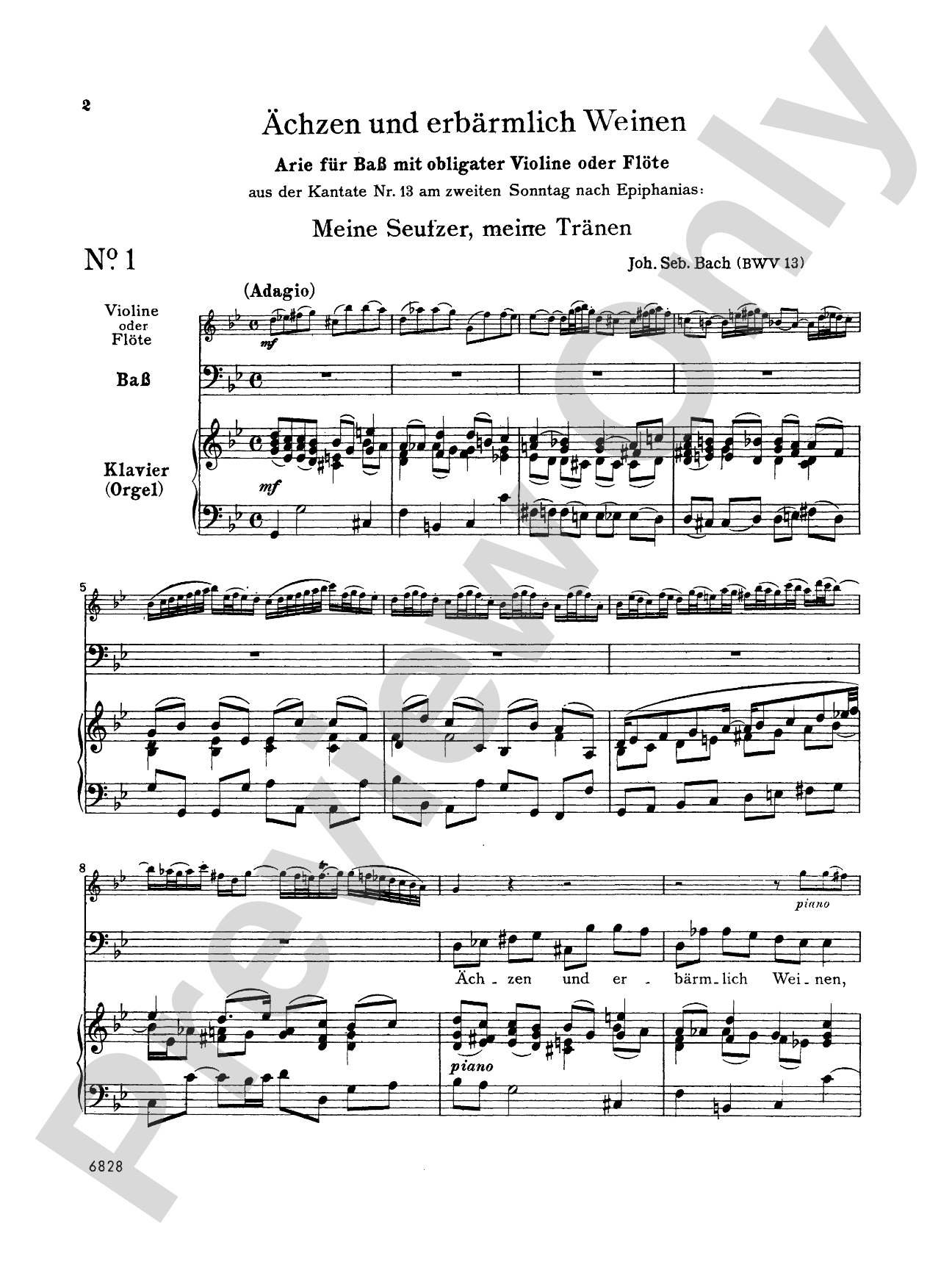
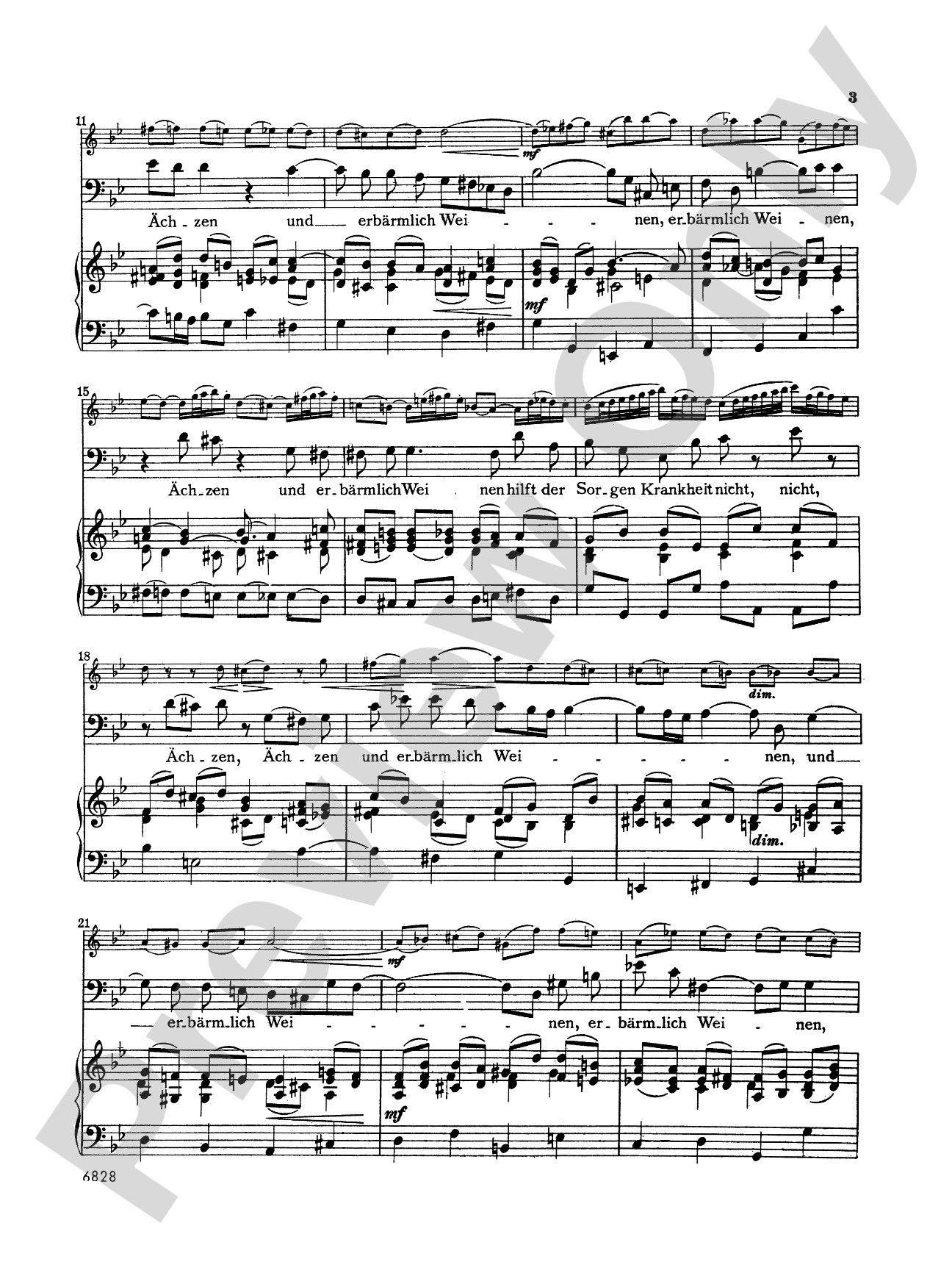
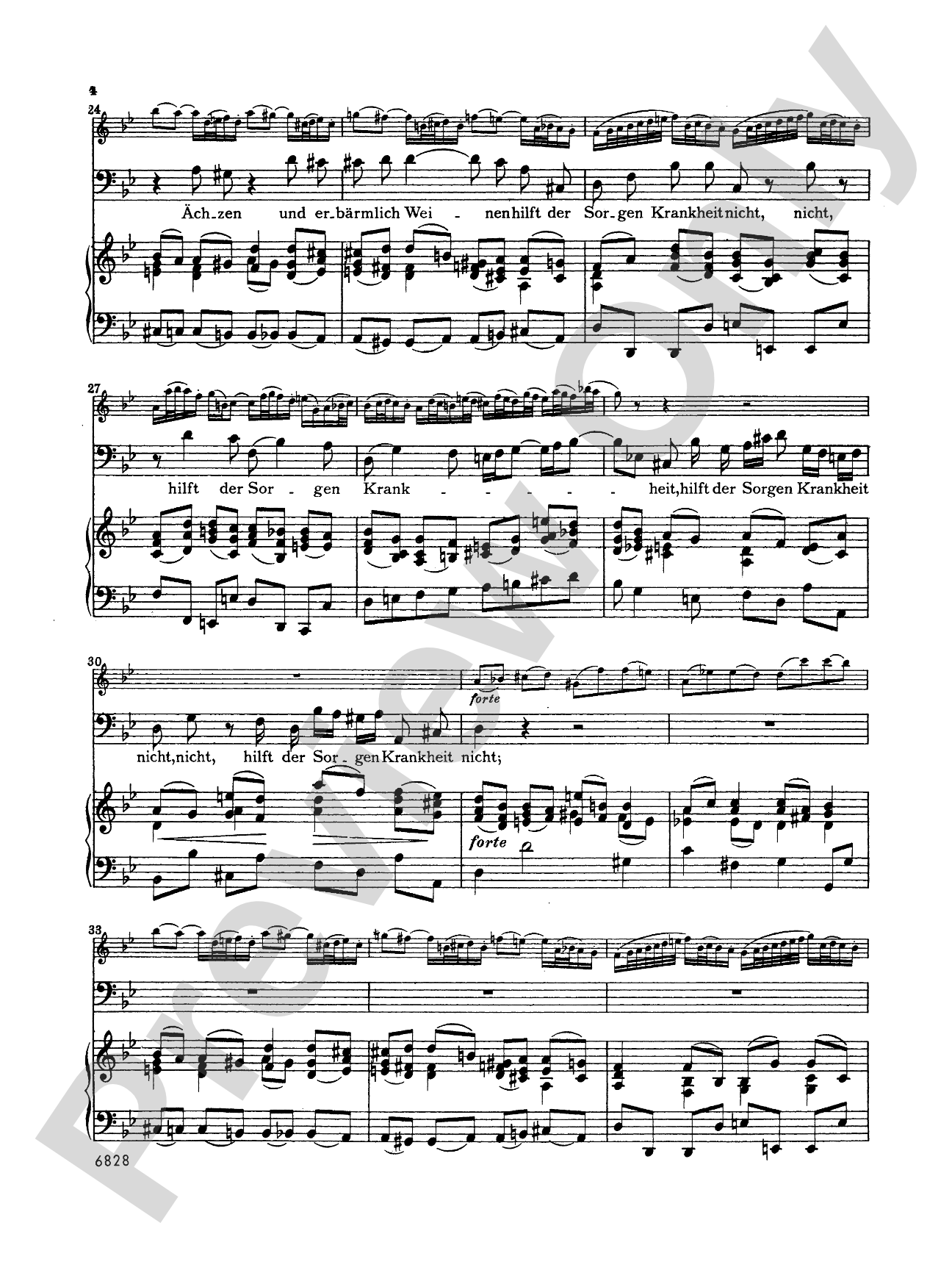
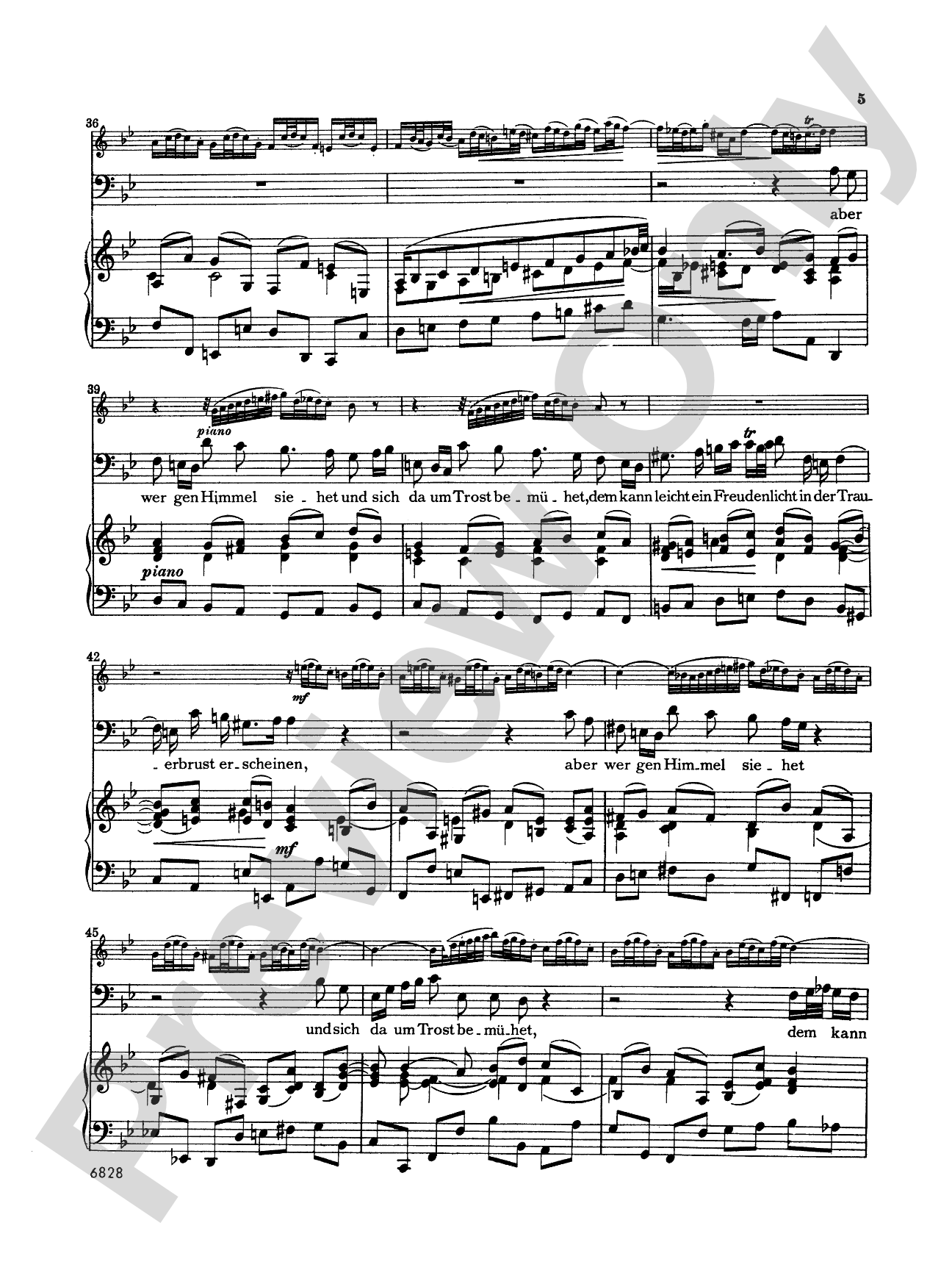
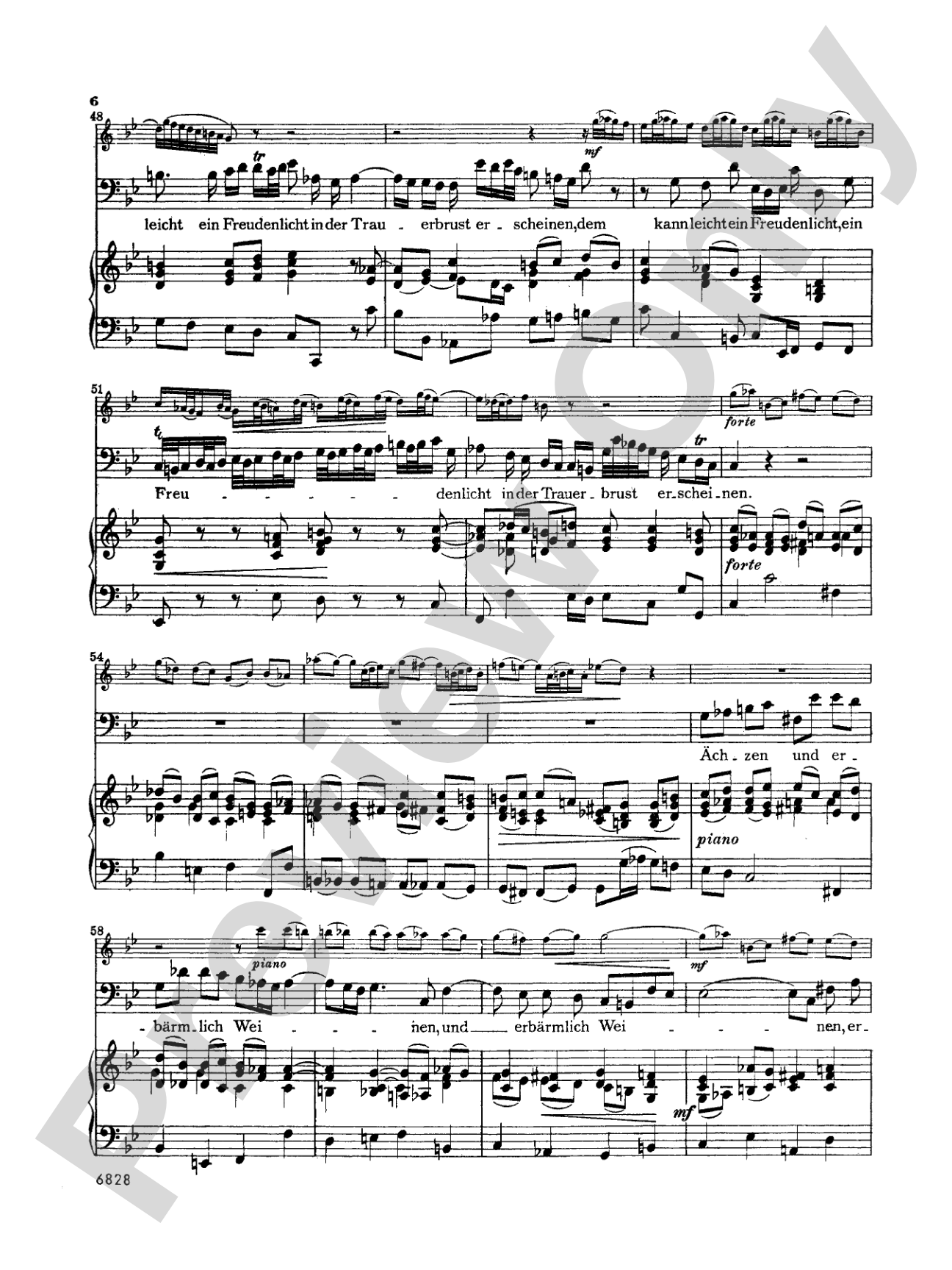
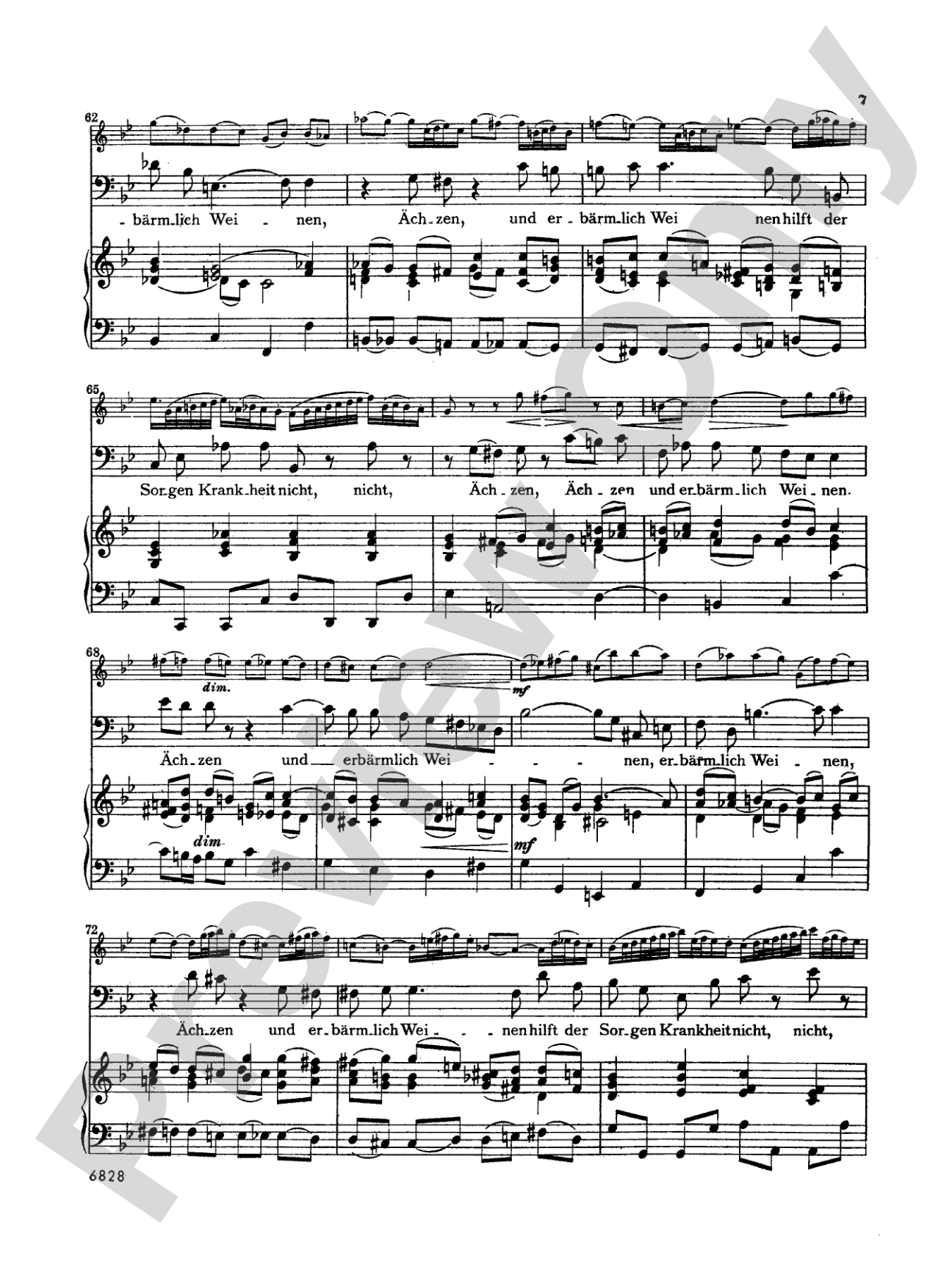
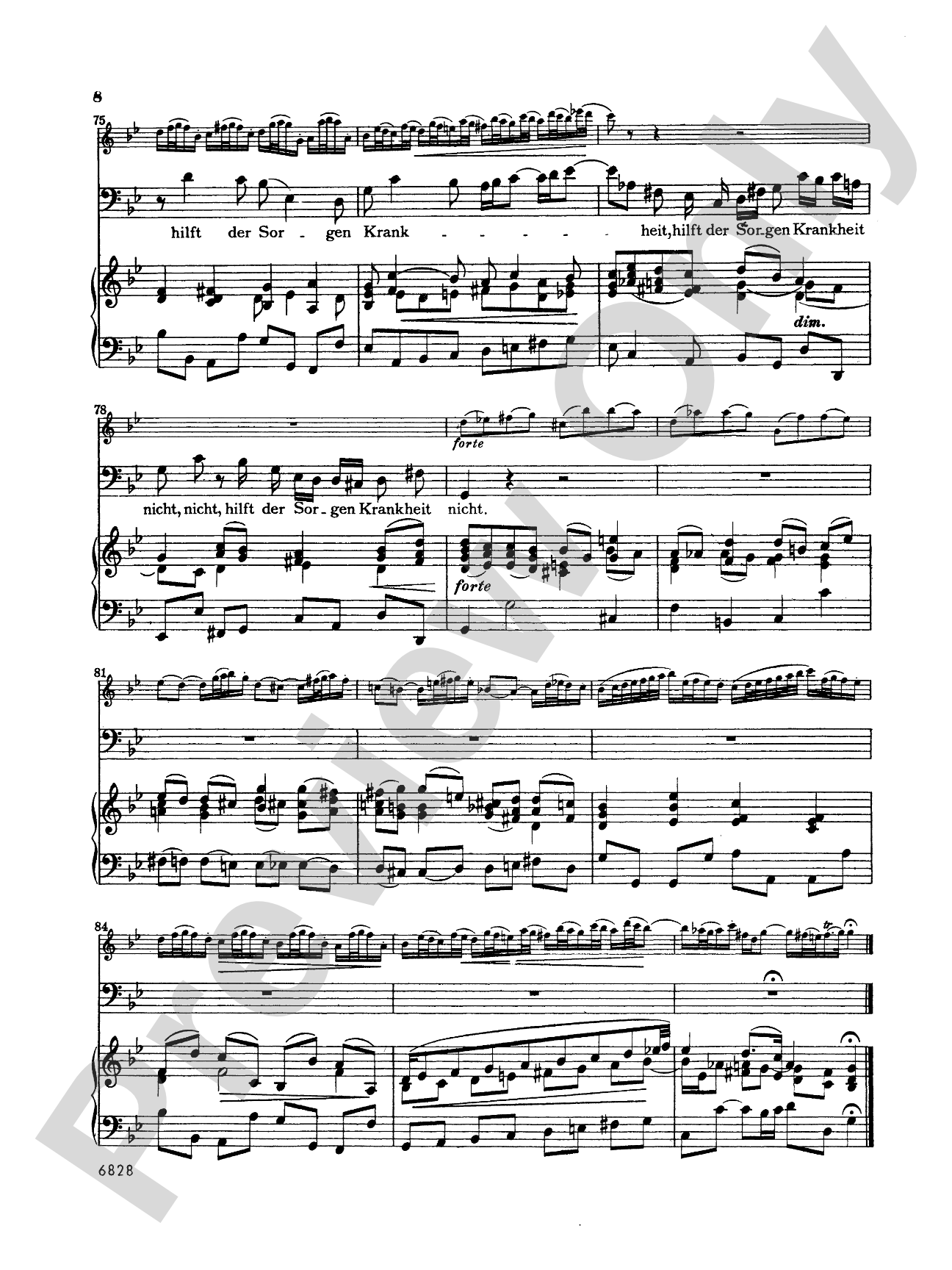

Bach: 12 Bass Arias from Church Cantatas (German): Vocal Book
For Bass, Obbligato Instruments and Piano or Organ with German Text (Full Score)
By Johann Sebastian Bach
Item: 00-PK-0003650

$21.99
Pickup currently not available
Buy Extra Parts (Digital PDF Download)
Parts Added to Cart!
Related Items
Arias from Church Cantatas: Vocal Book |
$21.99
|
View |
Description
A collection of songs composed by Johann Sebastian Bach.


Don't just read it, hear it, play along with it, and watch your students grow with it. In MakeMusic Cloud, Bach: 12 Bass Arias from Church Cantatas (German): Vocal Book comes alive with professional accompaniment, adjustable tempo, and built-in practice tools that turn solo practice into real progress.
Open in the Player
Jump straight in and assign it today.
Start Your Free Trial
Open this title and explore the full library in minutes.
Sample Audio
No sample audio found.
Sample Video
No sample videos found.
Additional Details
Series:
Kalmus Edition
Publisher:
Alfred Music
Page Count:
120
SKU:
00-PK-0003650
More about this title
About the Composer: Johann Sebastian Bach
Johann Sebastian Bach (1685-1750) stands as the cornerstone of Western music history. His mastery of counterpoint, harmonic language, and structural architecture shaped the course of music for centuries after his death. Bach served as Cantor of St. Thomas Church in Leipzig for the final 27 years of his life, a position that demanded the composition of hundreds of sacred cantatas for the church's liturgical calendar.
Bach's cantatas represent the pinnacle of Baroque vocal writing. These works integrate German texts with instrumental accompaniment and showcase his ability to serve both artistic and devotional purposes simultaneously. His bass arias, in particular, exploit the full dramatic and harmonic potential of the low voice while maintaining the intellectual rigor for which his work is celebrated.
Why we love this
Bass singers deserve repertoire that commands attention in the concert hall, and these arias deliver exactly that. Bach writes for the bass voice with extraordinary consideration for its unique character and range, crafting lines that are simultaneously singable and intensely musical. Programming even a single aria from this collection signals serious artistry to an audience.
What to expect
These arias inhabit a world of spiritual contemplation and emotional depth. The music moves with unhurried dignity, allowing long vocal lines to unfold over rich harmonic textures. There is nobility in the writing without sentimentality; Bach balances introspection with structural clarity.
Who it's for
Bass singers at the intermediate-advanced level who are ready to engage with sophisticated Baroque vocal writing. This collection serves choral singers preparing solos for recitals, auditions, or concert performances, as well as art song students building foundational repertoire in the classical canon.
How to get the most out of it
- Study the German text carefully before tackling the music. Bach's prosody is deliberate; your phrasing will feel liberated once the words and melody align naturally.
- Track the harmonic rhythm underneath your vocal line. Understanding where Bach places cadences and structural pillars will clarify your interpretation and breathing choices.
- Approach ornamentation with restraint. These arias benefit from a clean, direct delivery that lets the counterpoint and harmonic language speak for itself.
- Work closely with your pianist to balance the instrumental material. The continuo and obbligato parts are not accompaniment in the secondary sense; they are equal partners in the musical conversation.
How to use it
These arias work beautifully as concert solos or in a recital pairing traditional art song with Baroque sacred music. A single aria makes an excellent bridge between larger choral works on a concert program, offering the audience a moment of intimate expression from a principal voice.
Skills your students will build
- Baroque ornamentation and its interpretation
- German language diction in a musical context
- Reading continuo-based harmony and understanding figured bass
- Singing long, connected phrases over complex harmonic progressions
- Collaboration with accompanists in early music ensemble contexts