
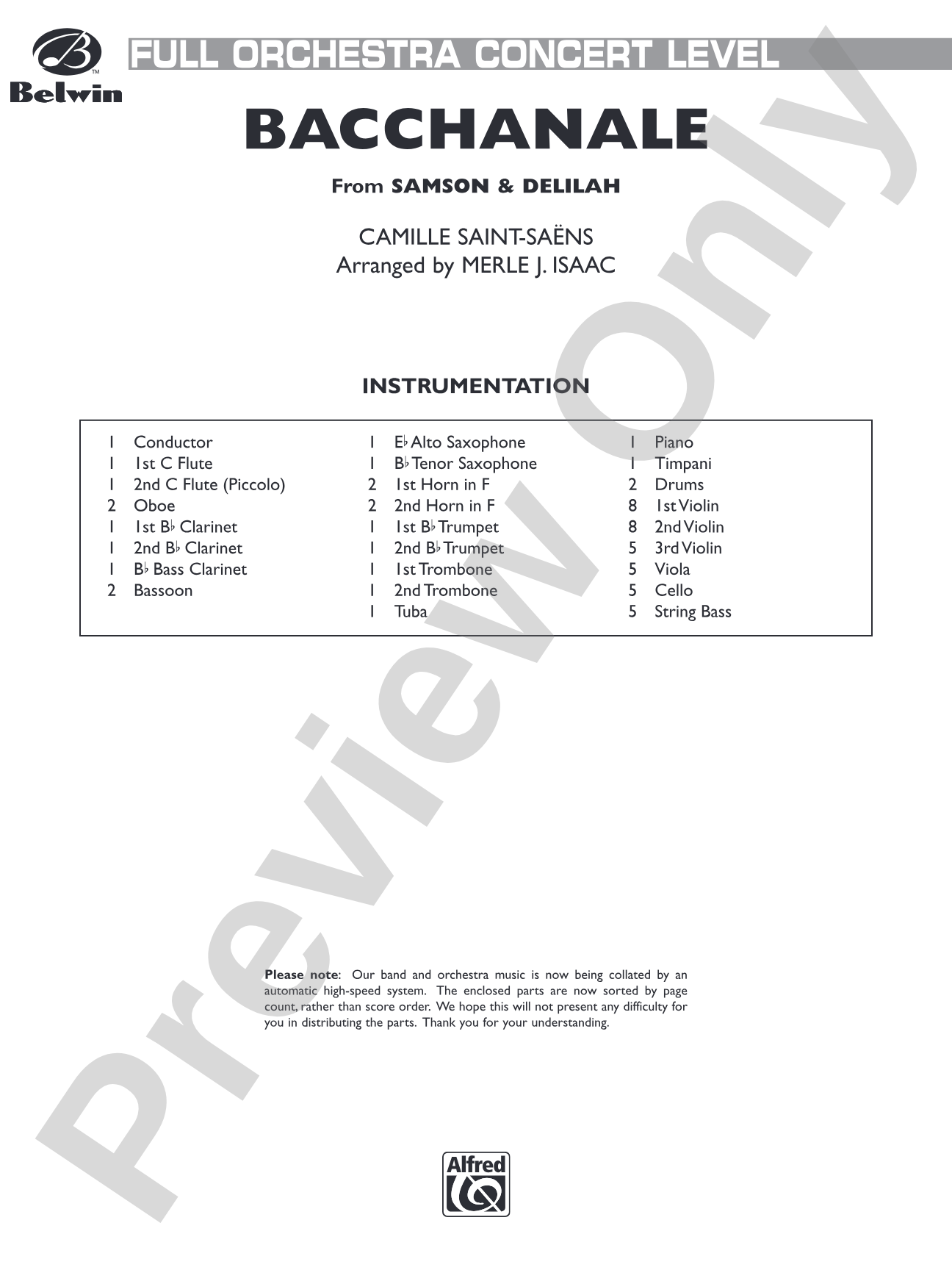

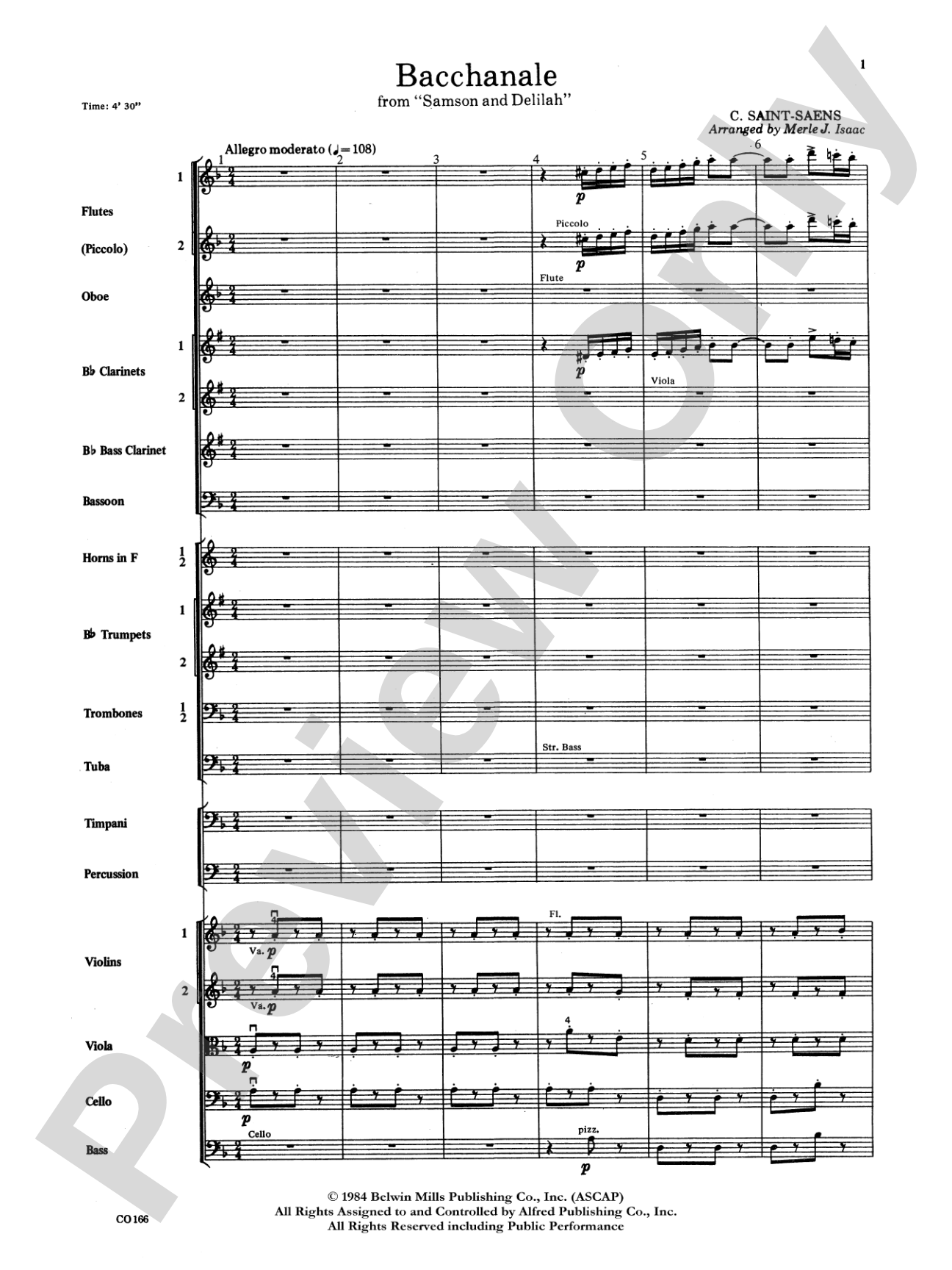
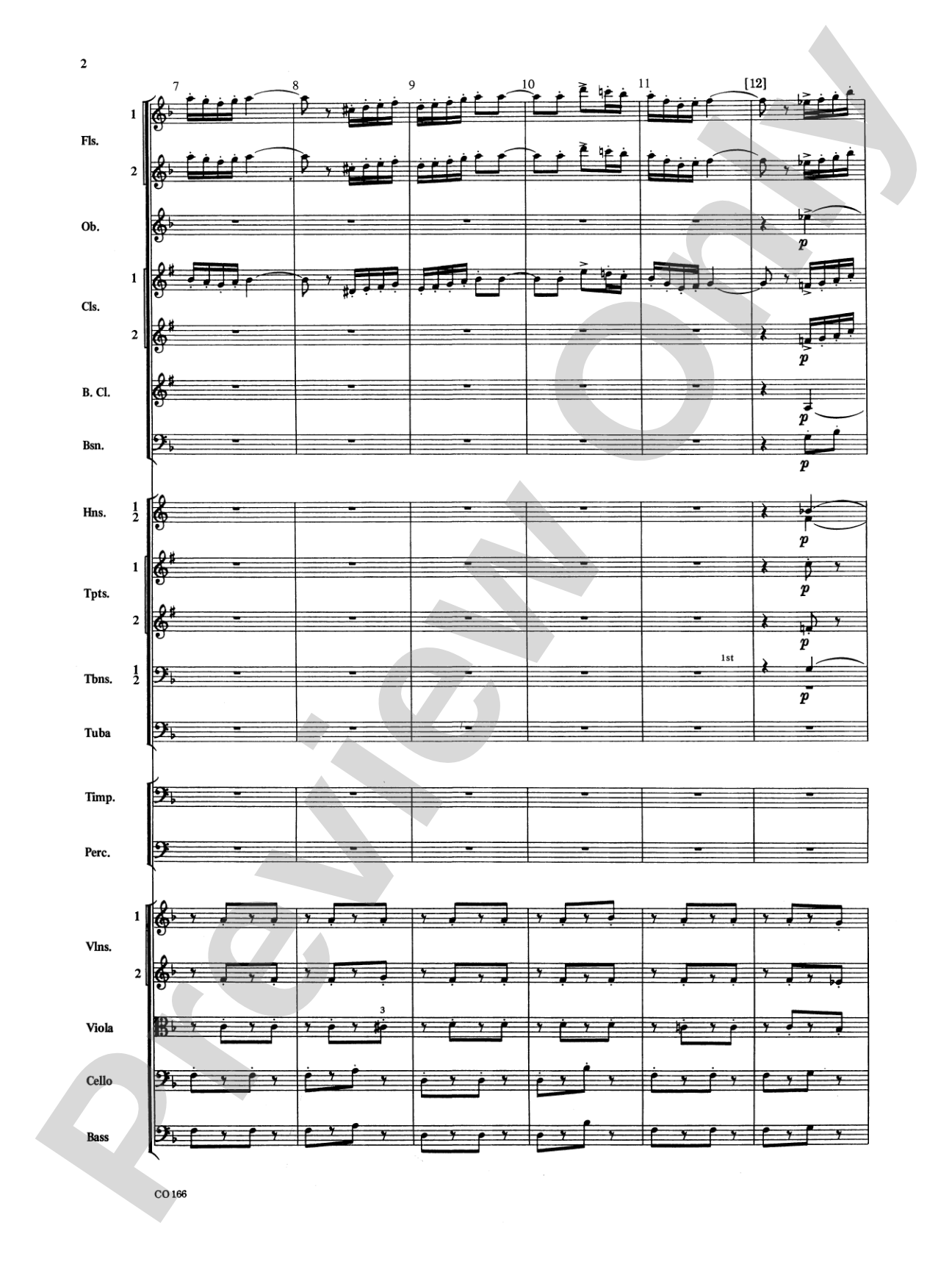
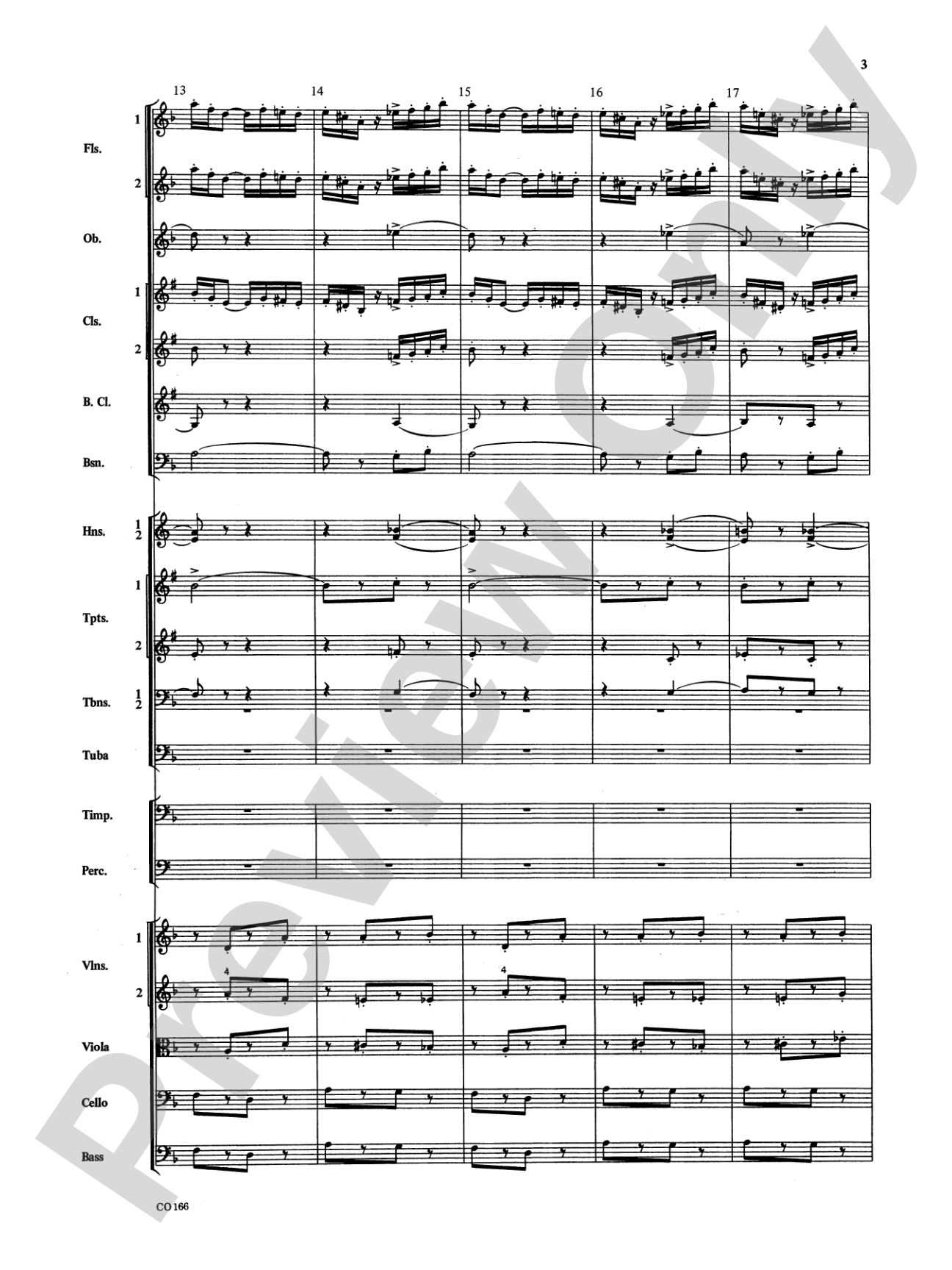
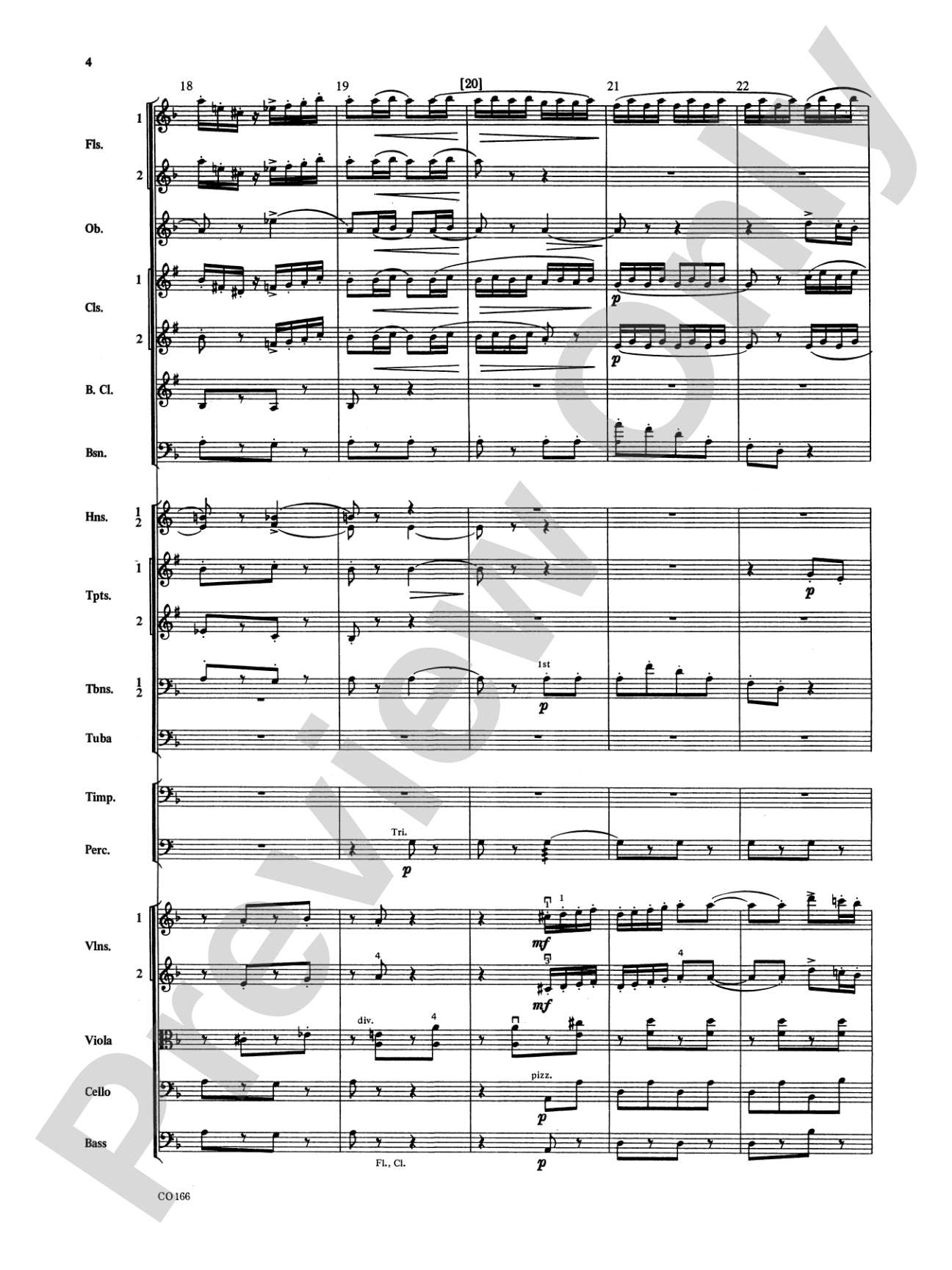
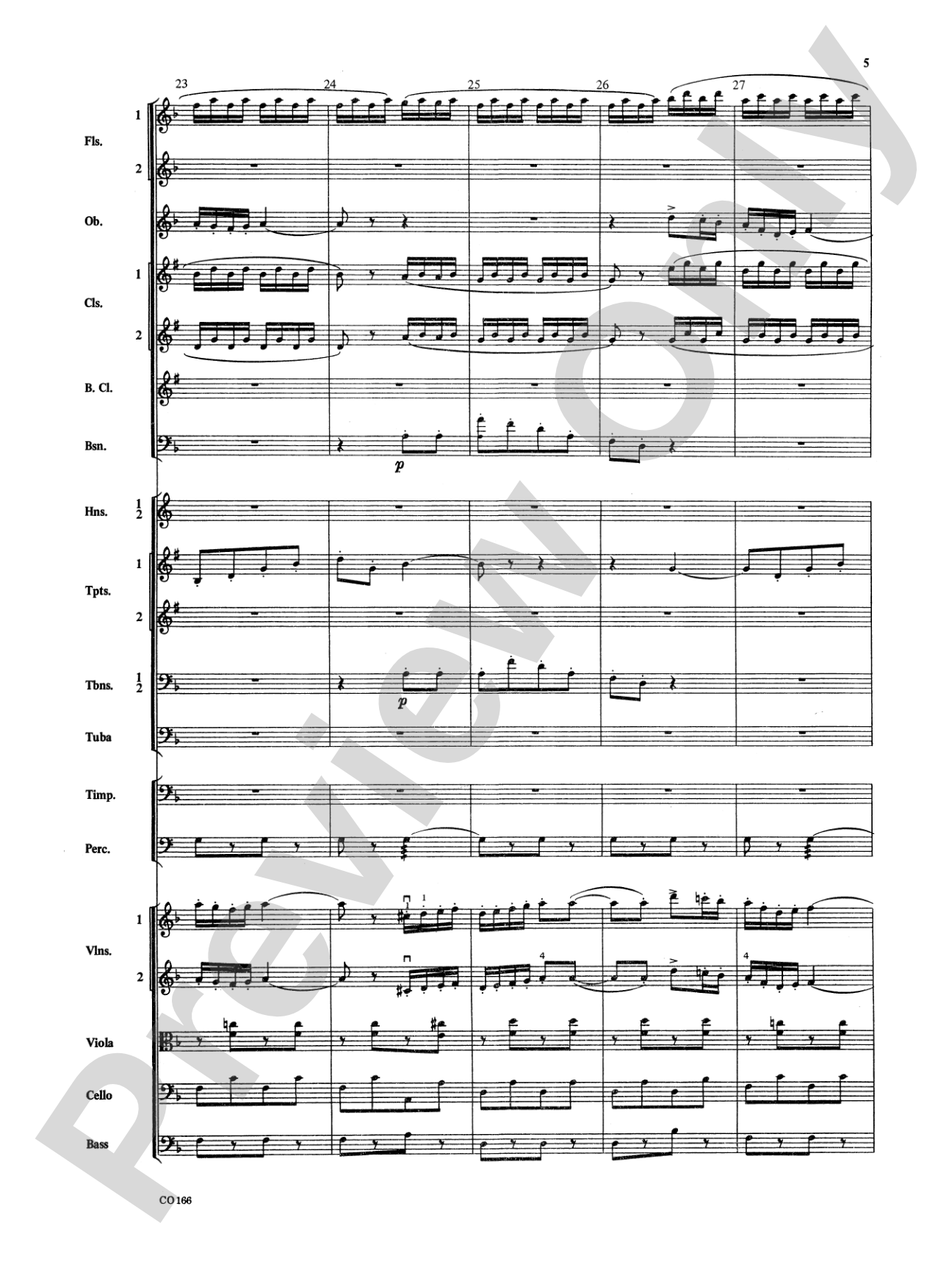
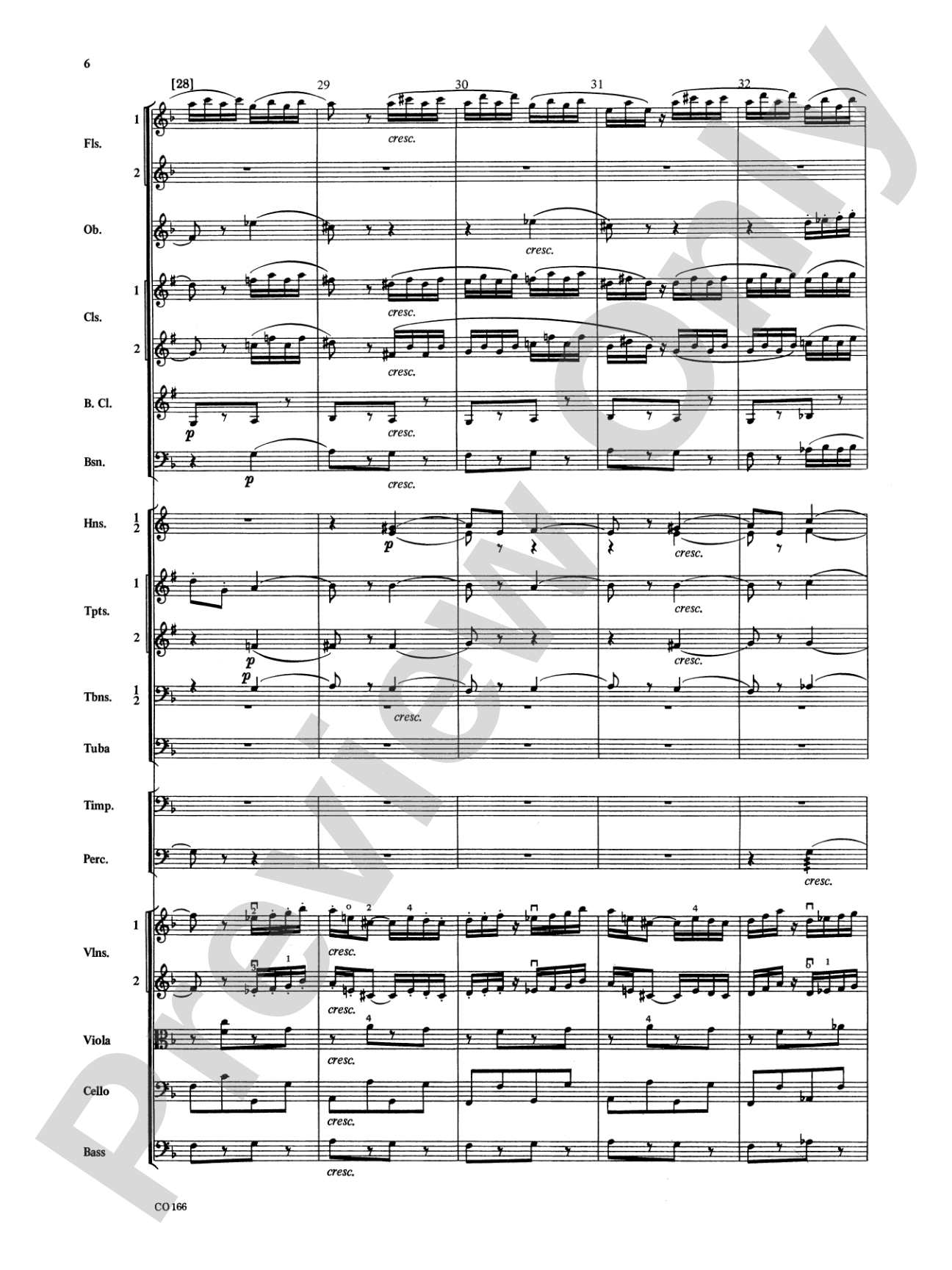
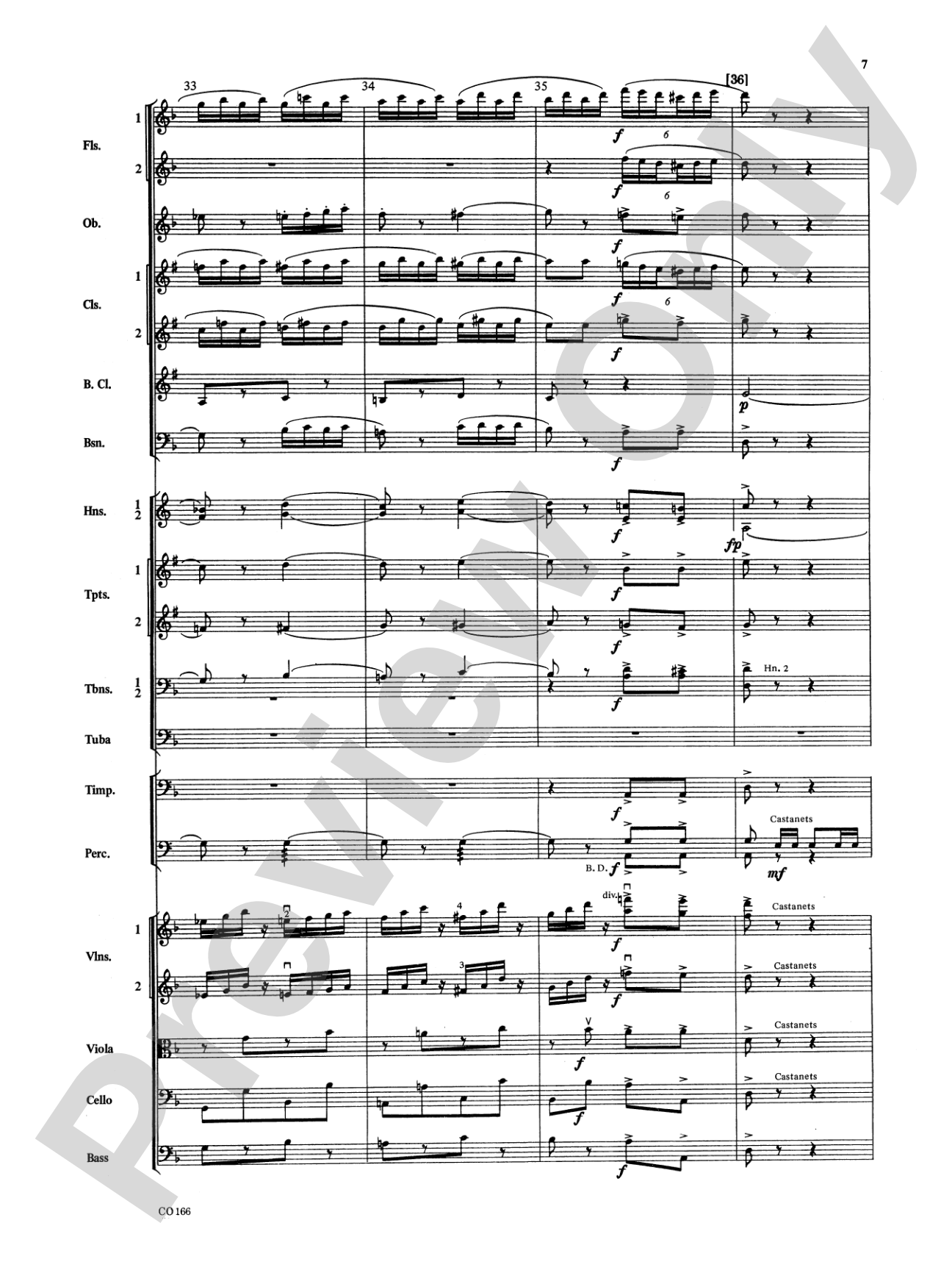
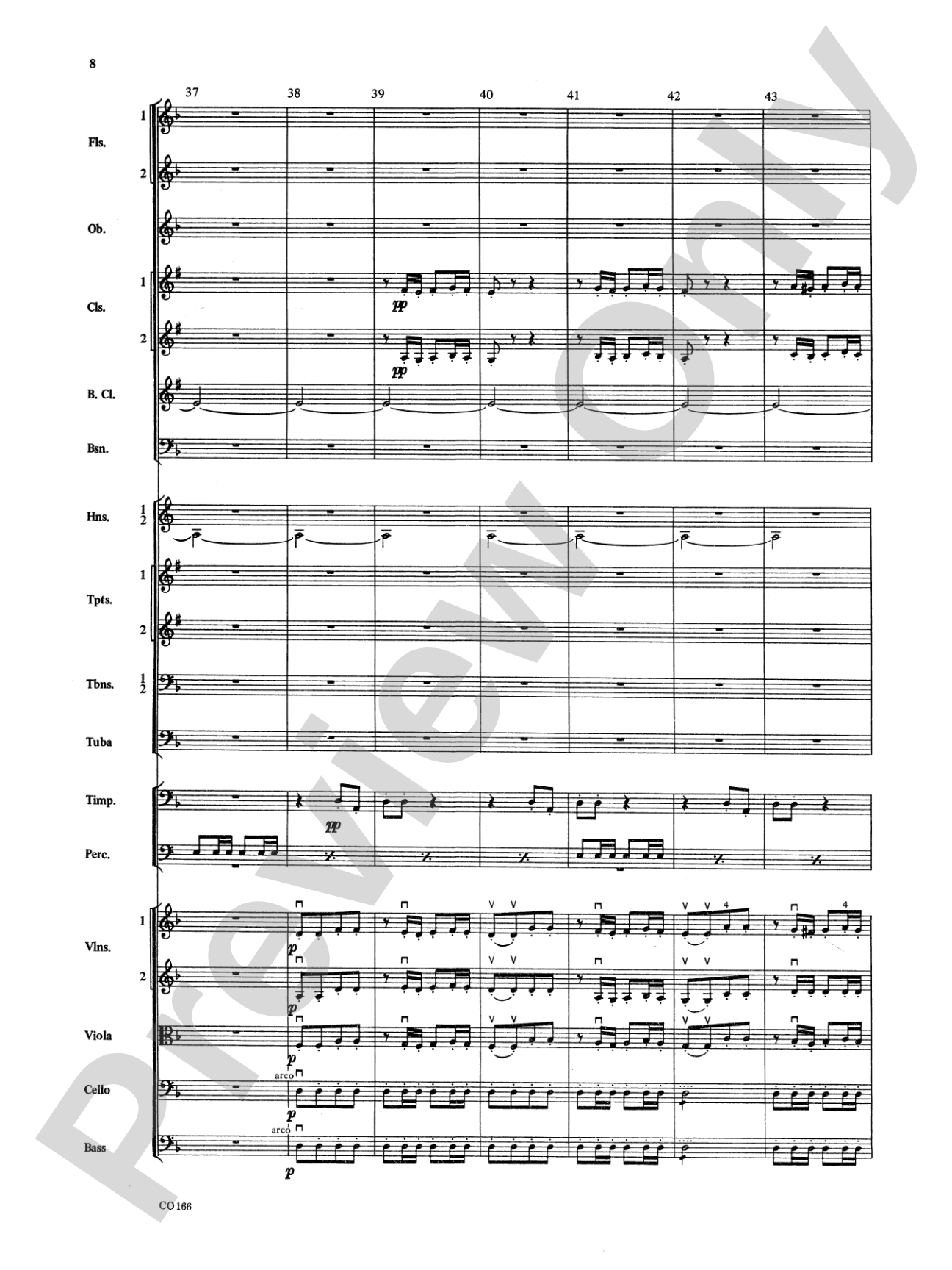
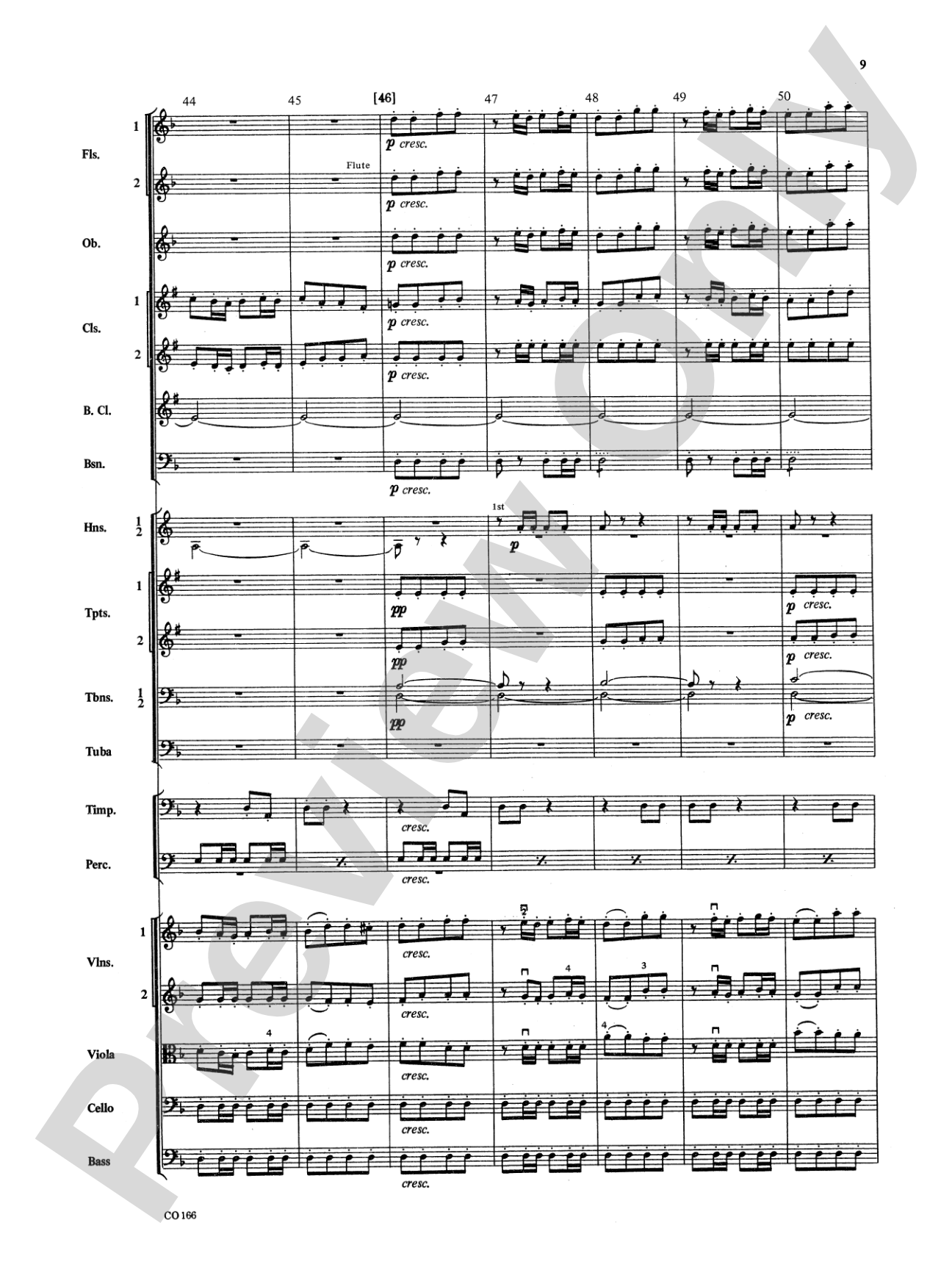
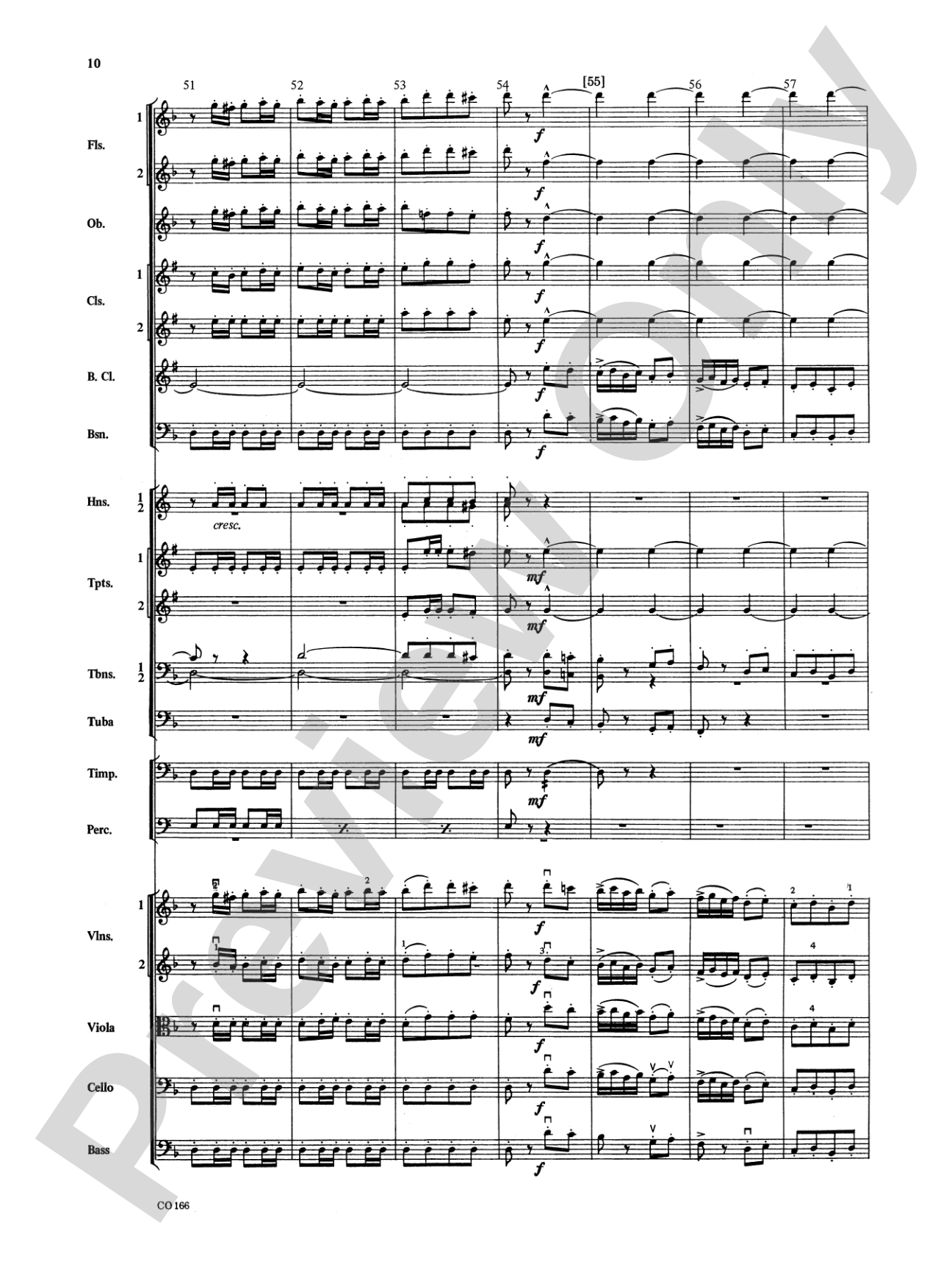
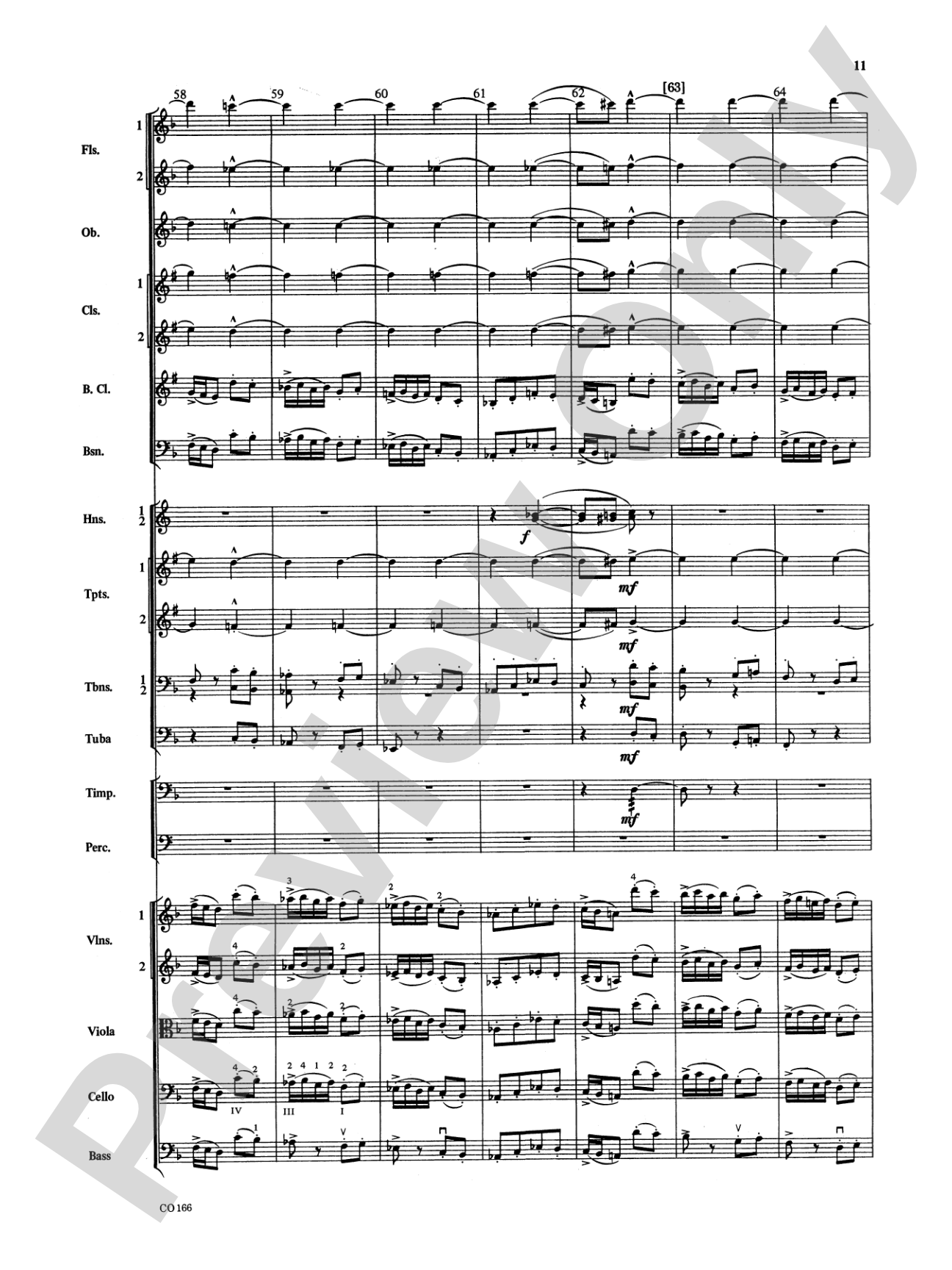
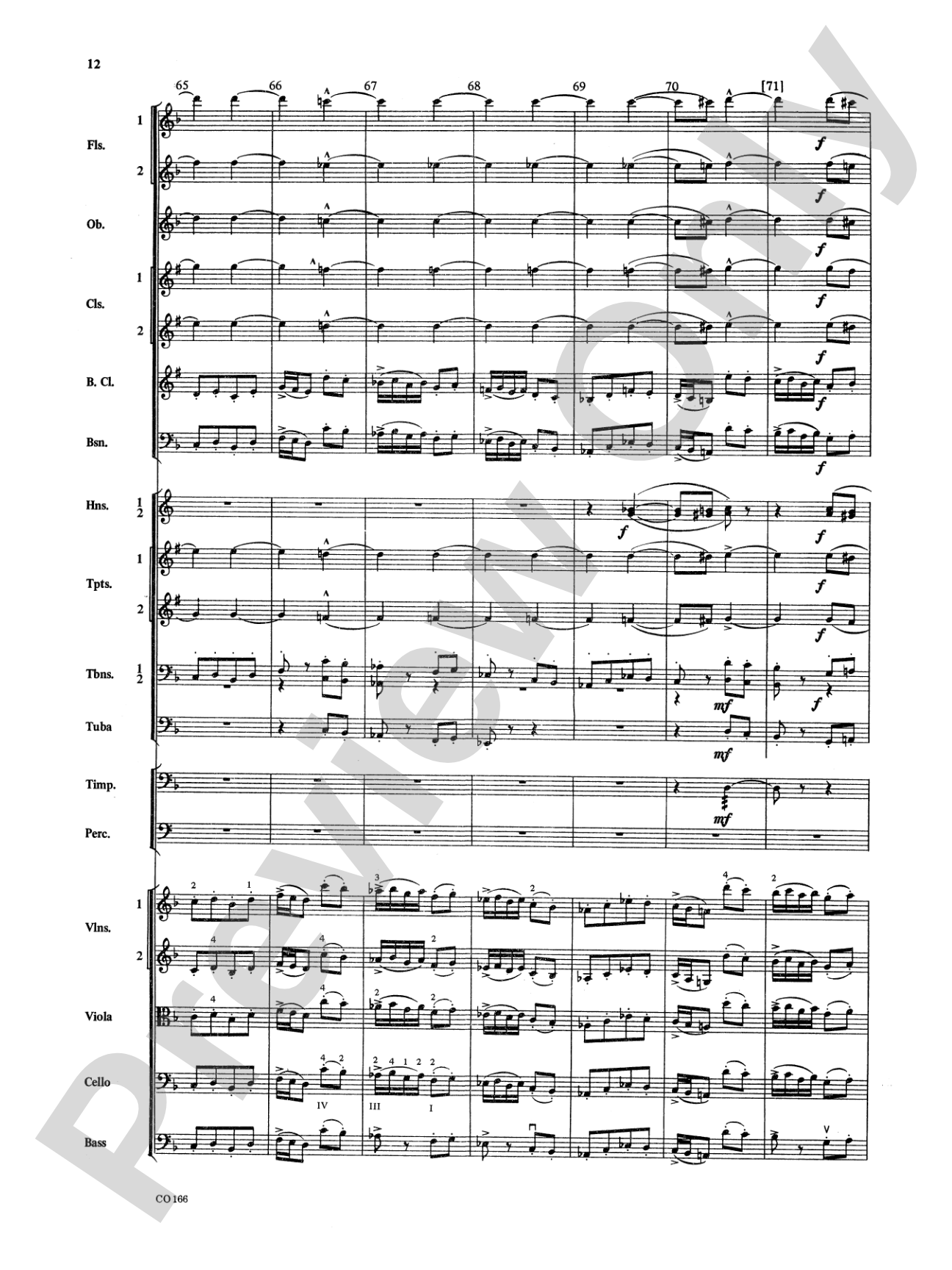
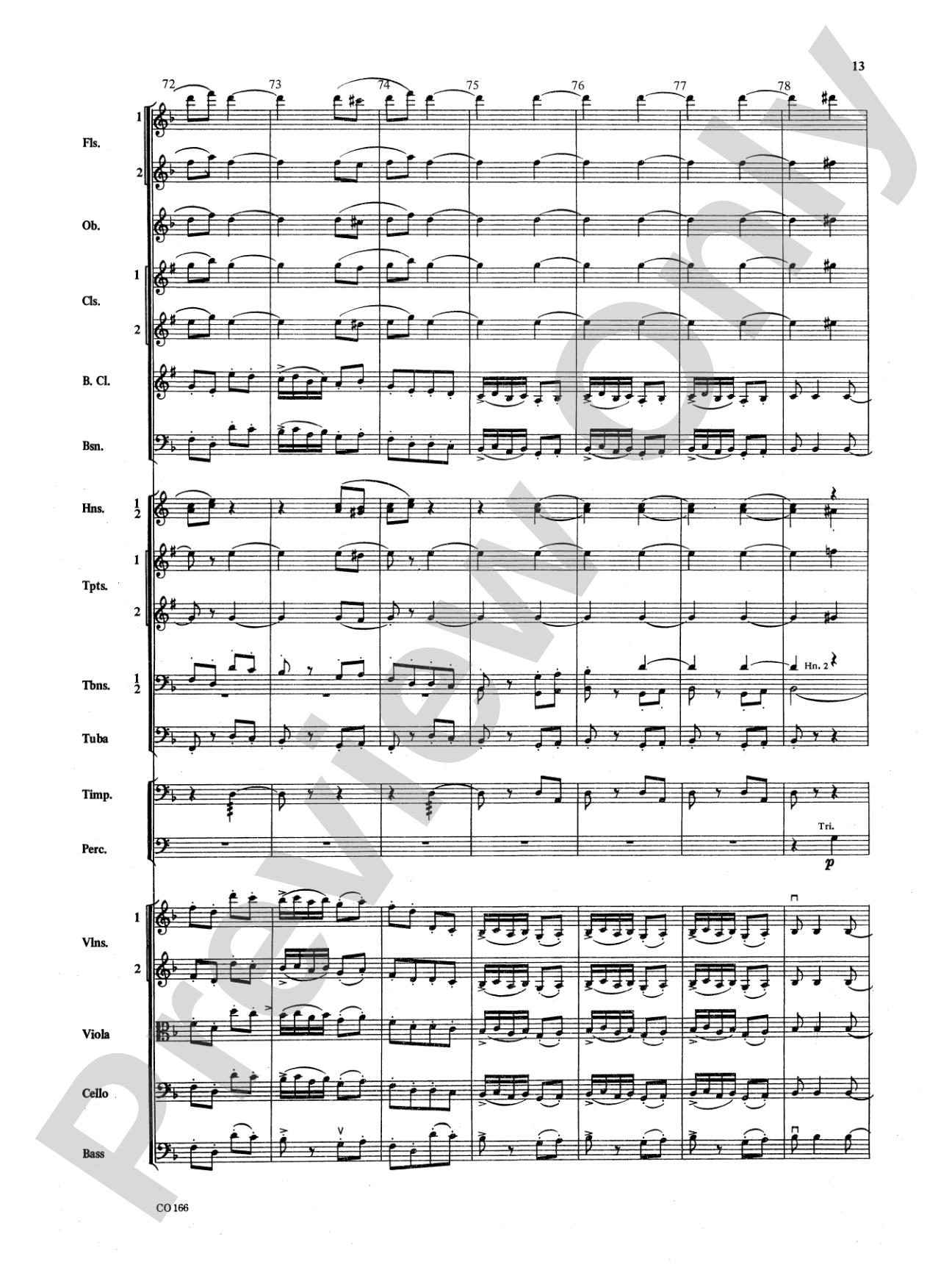
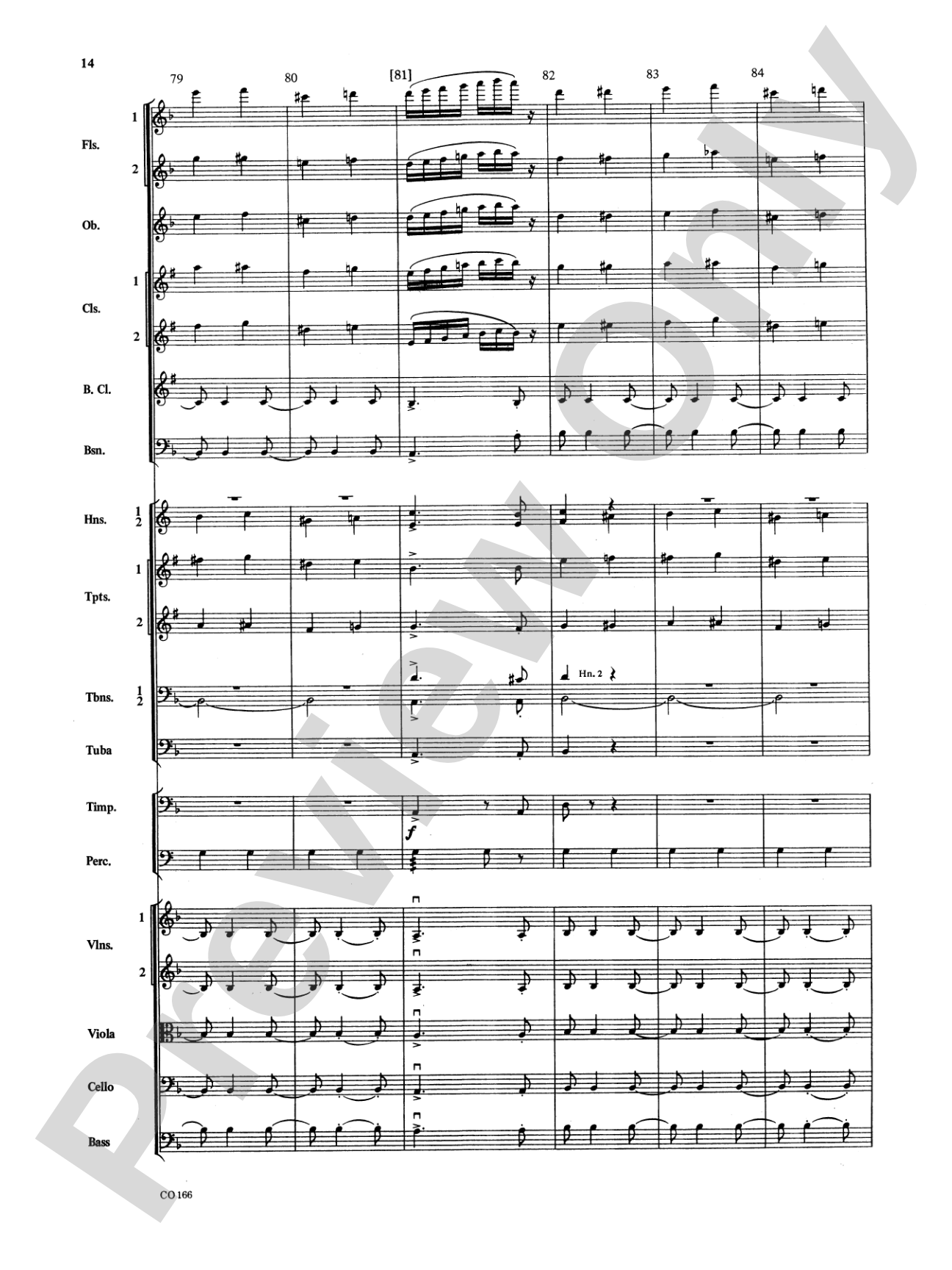
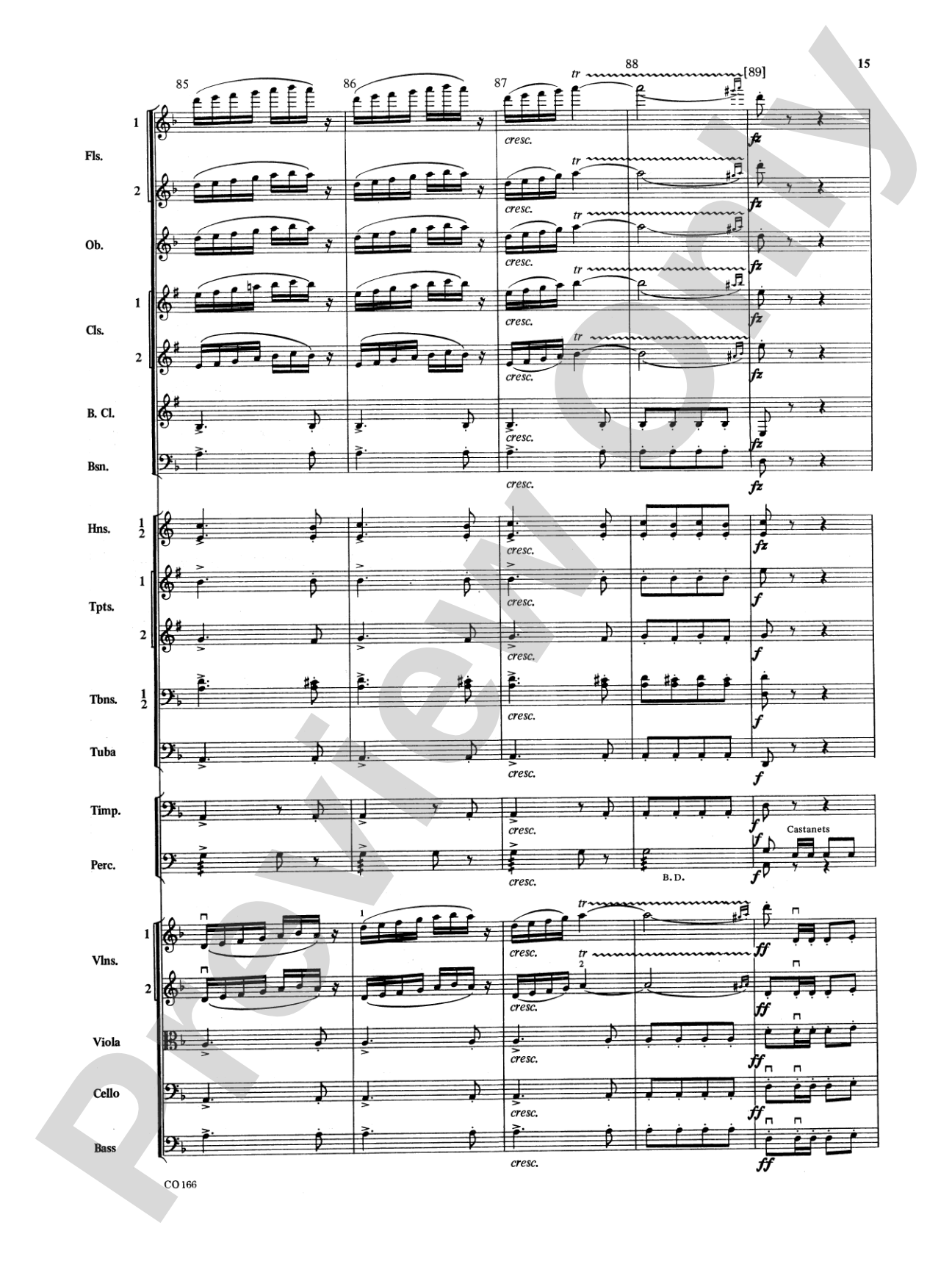
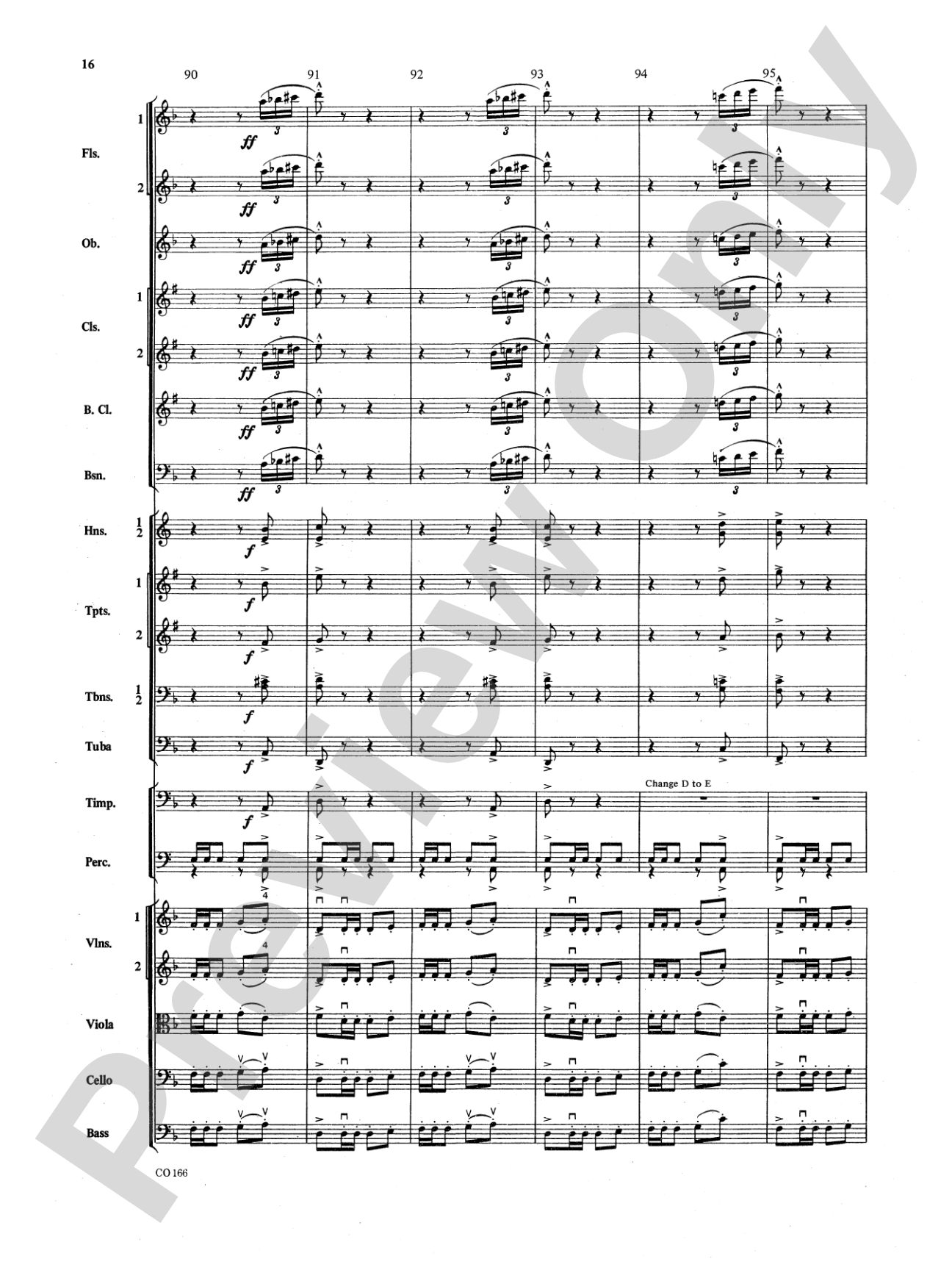
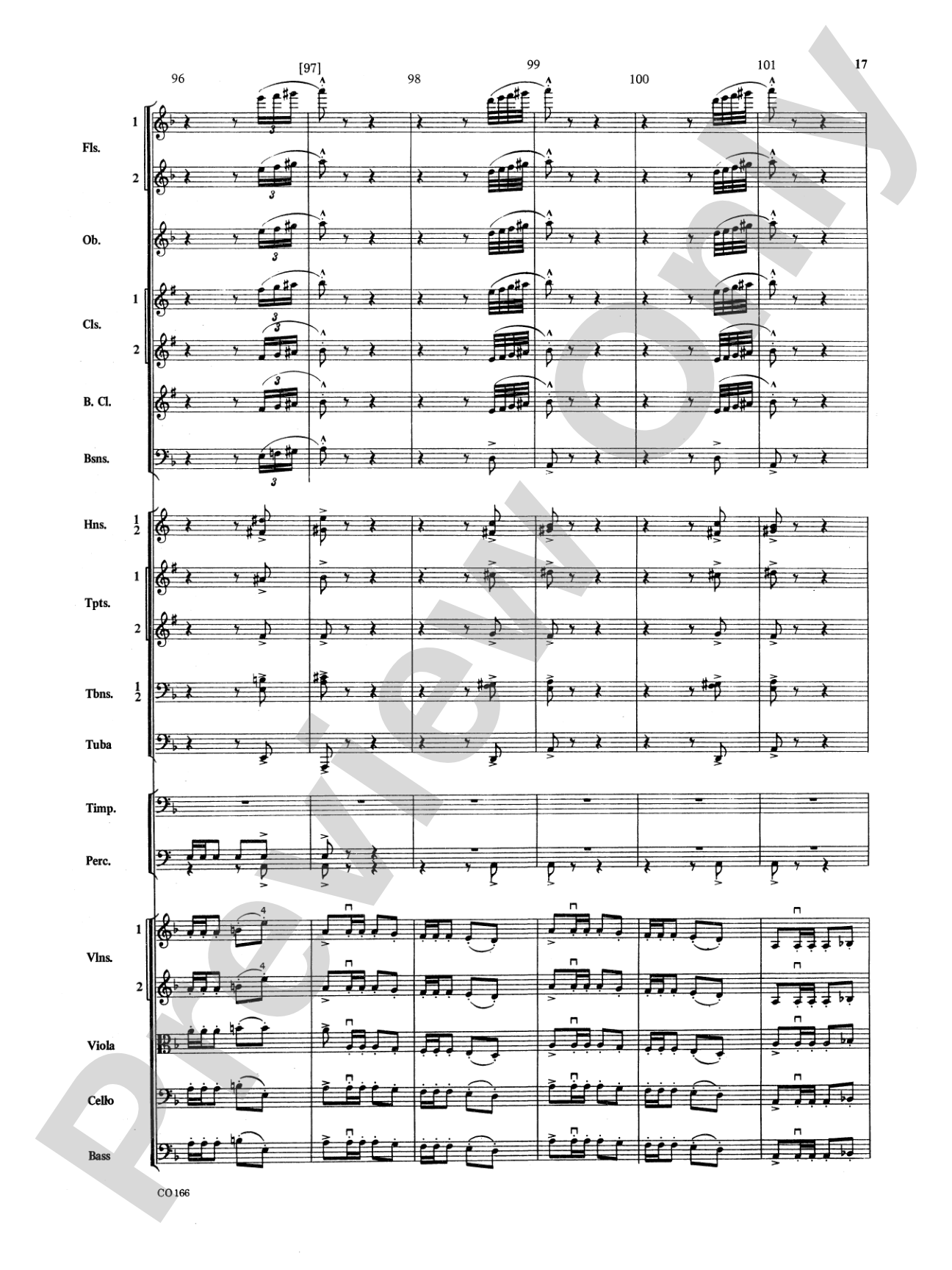
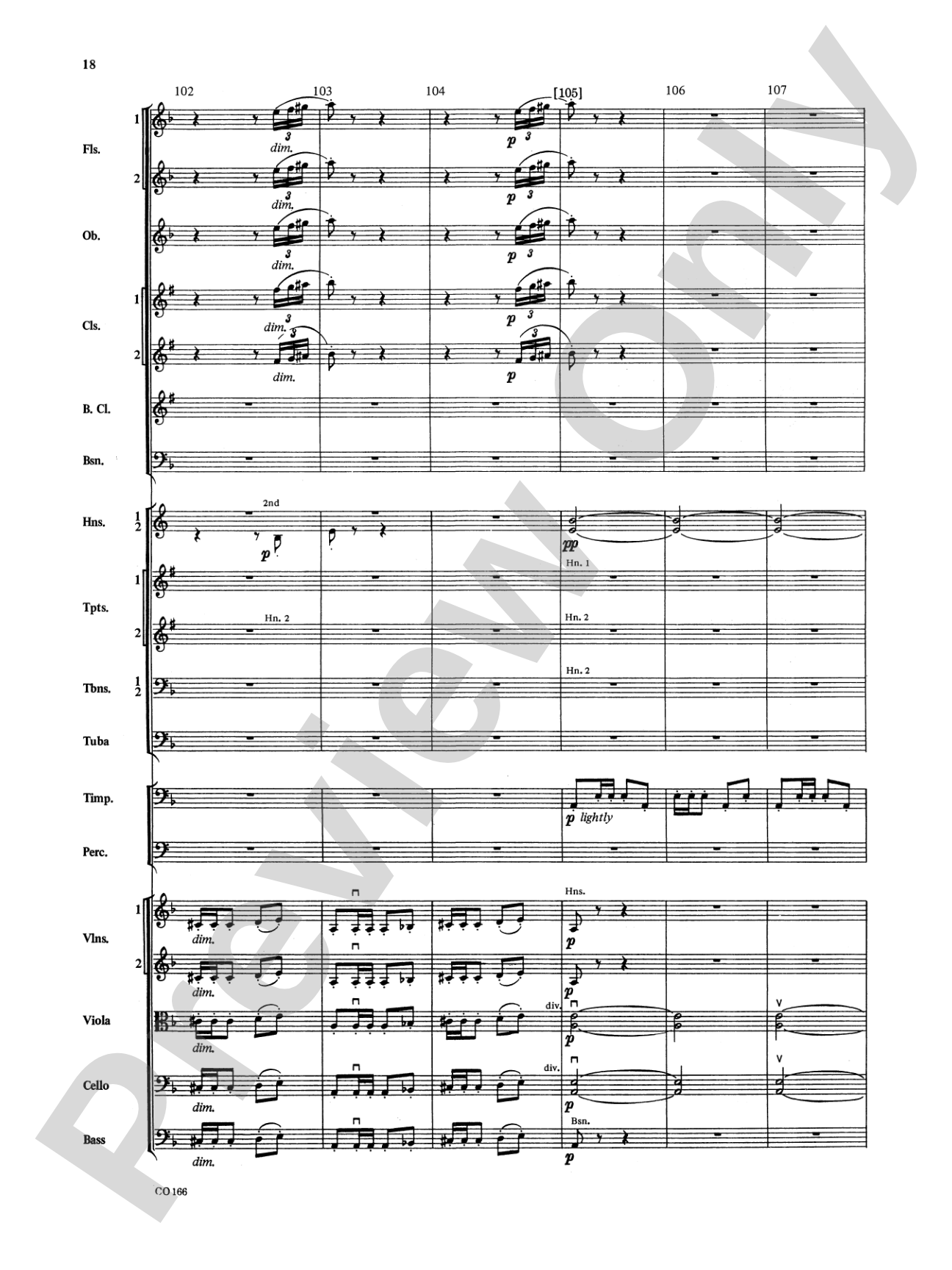
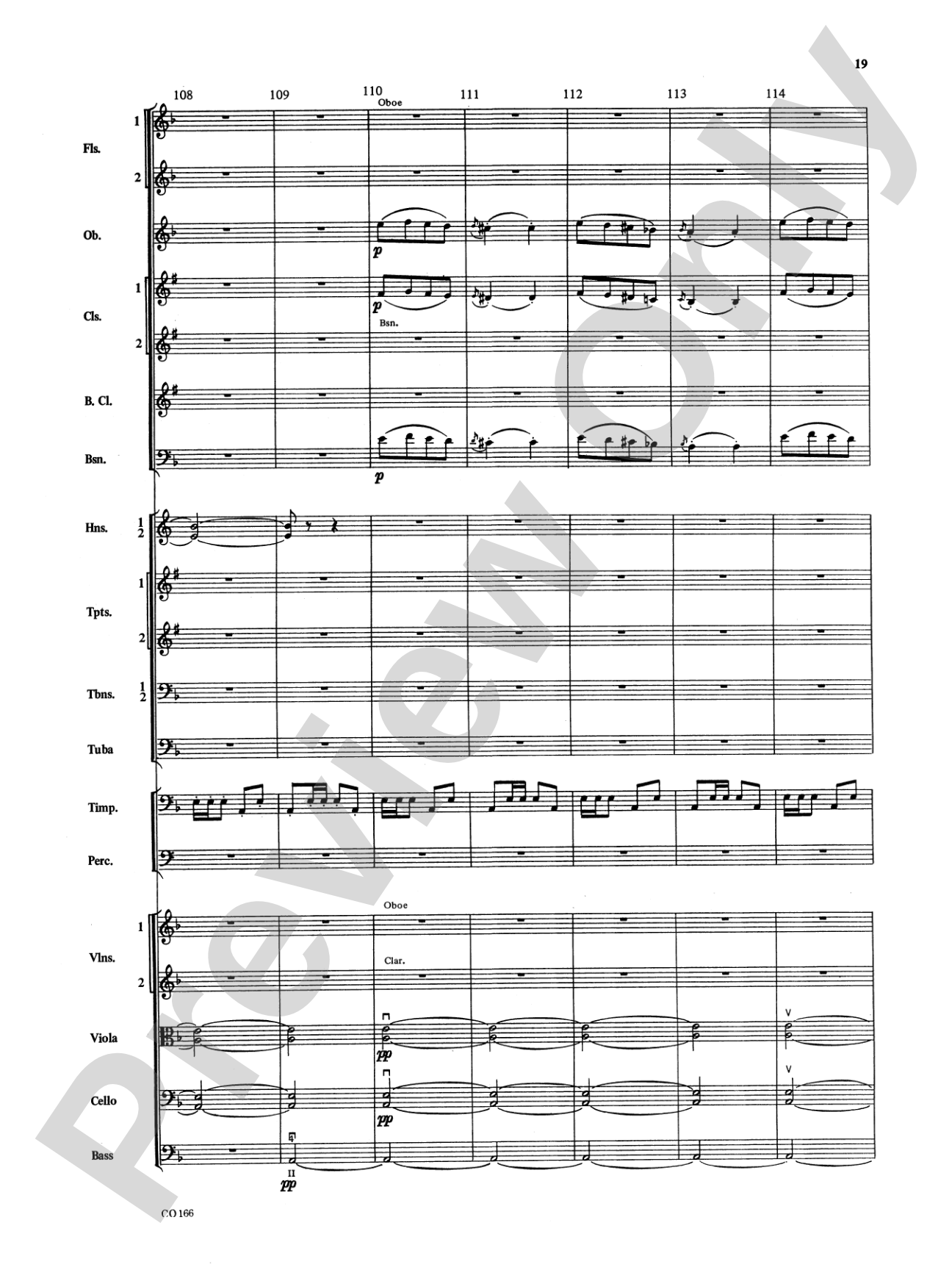
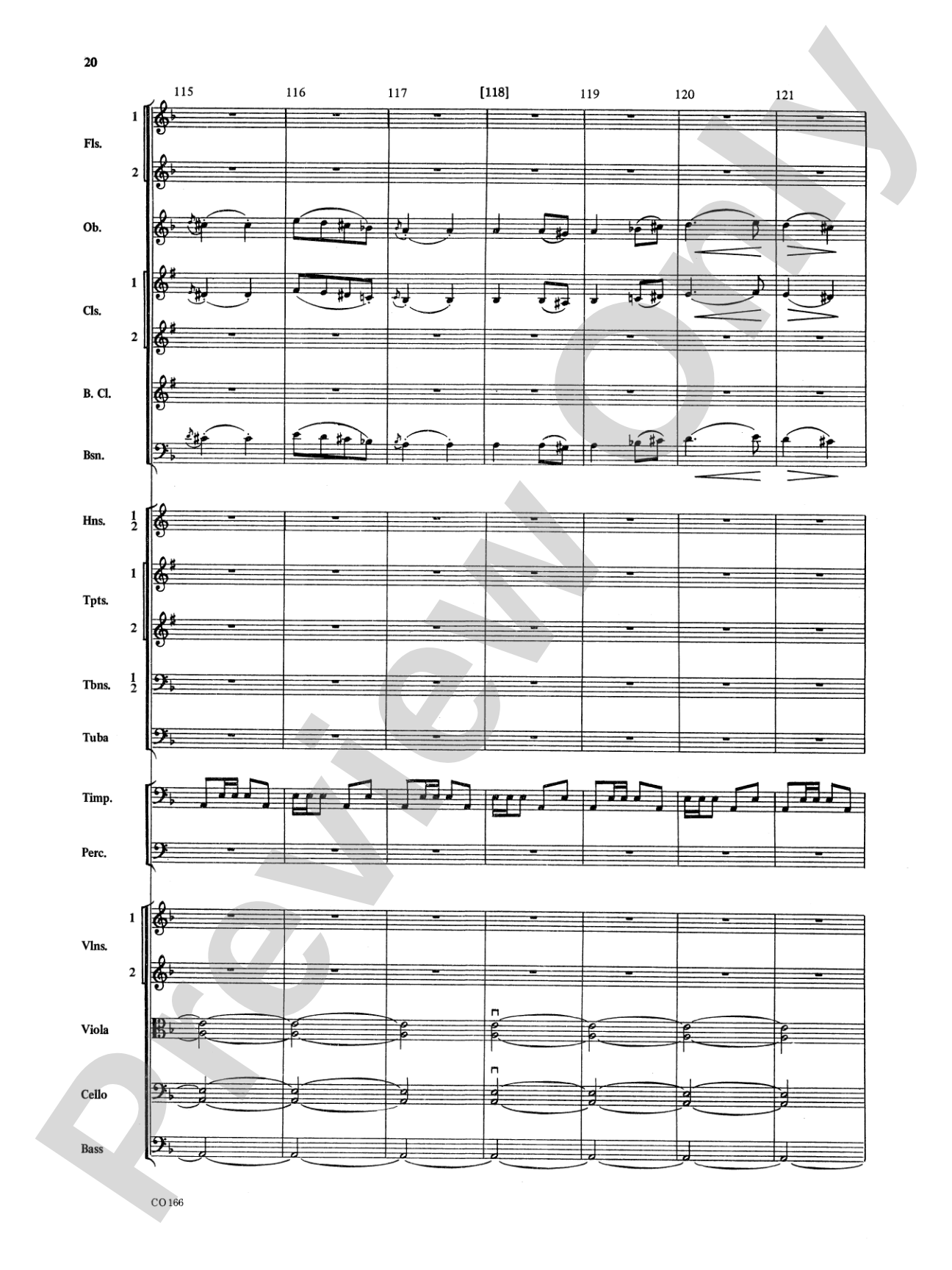
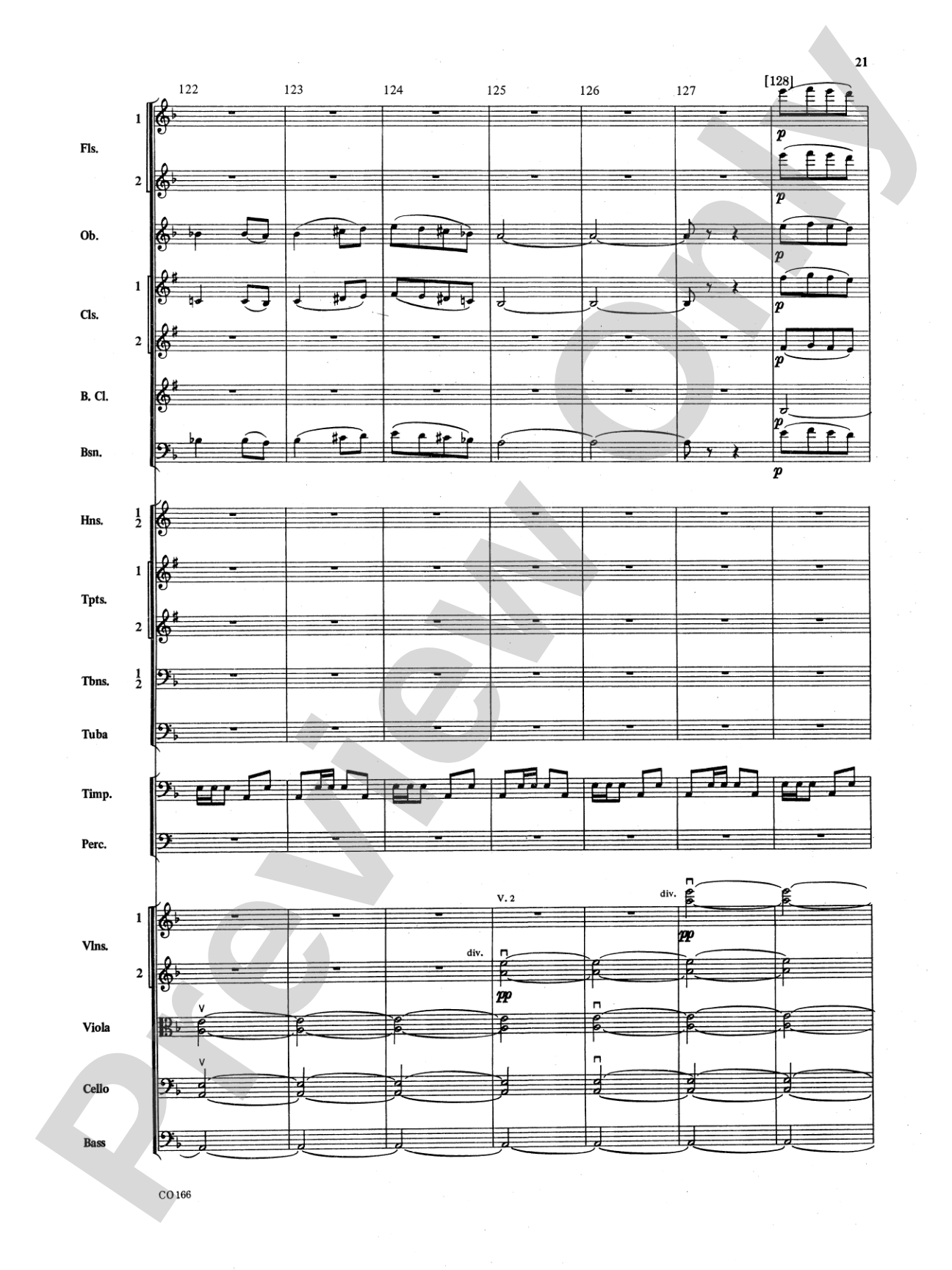
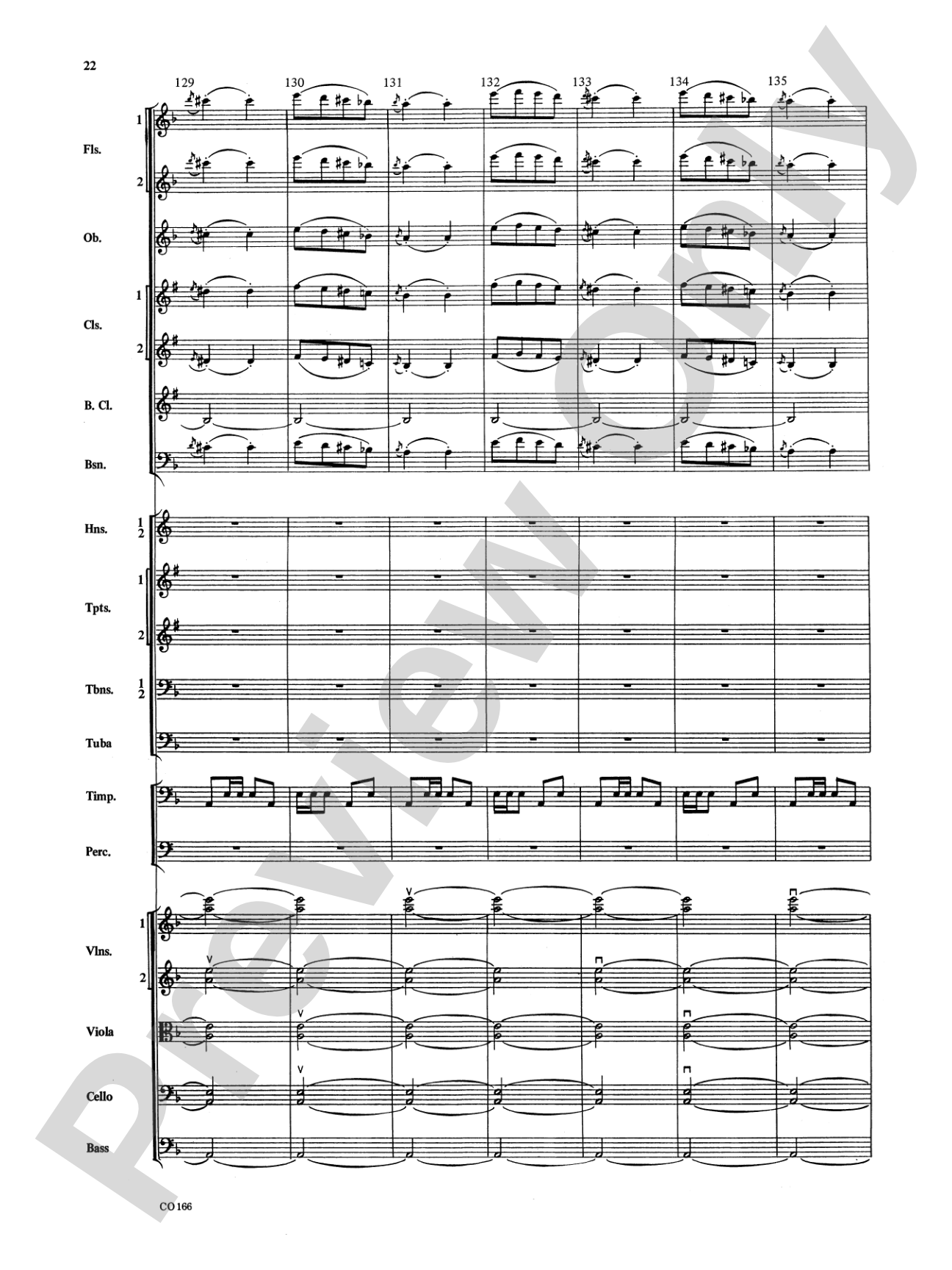
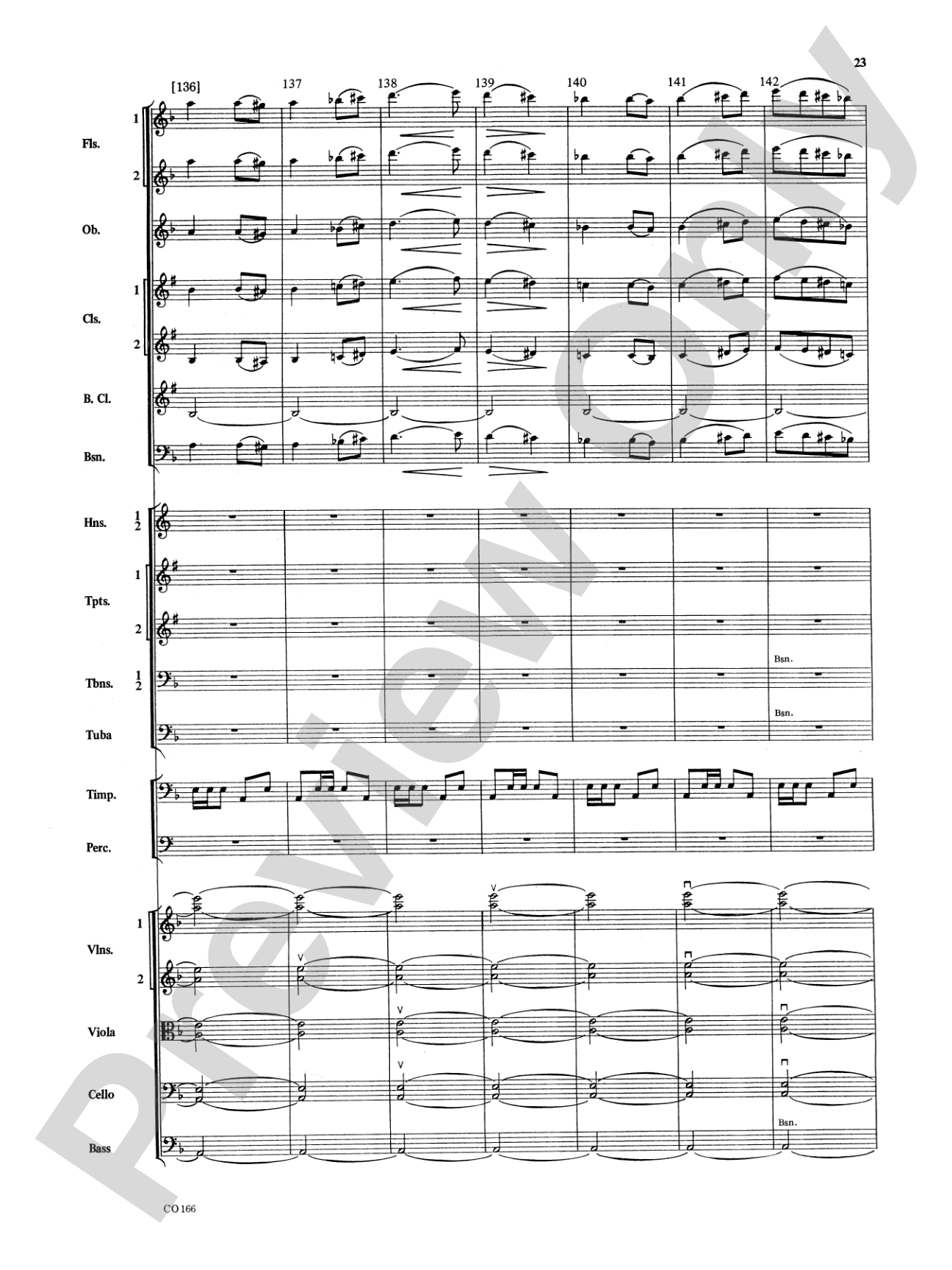
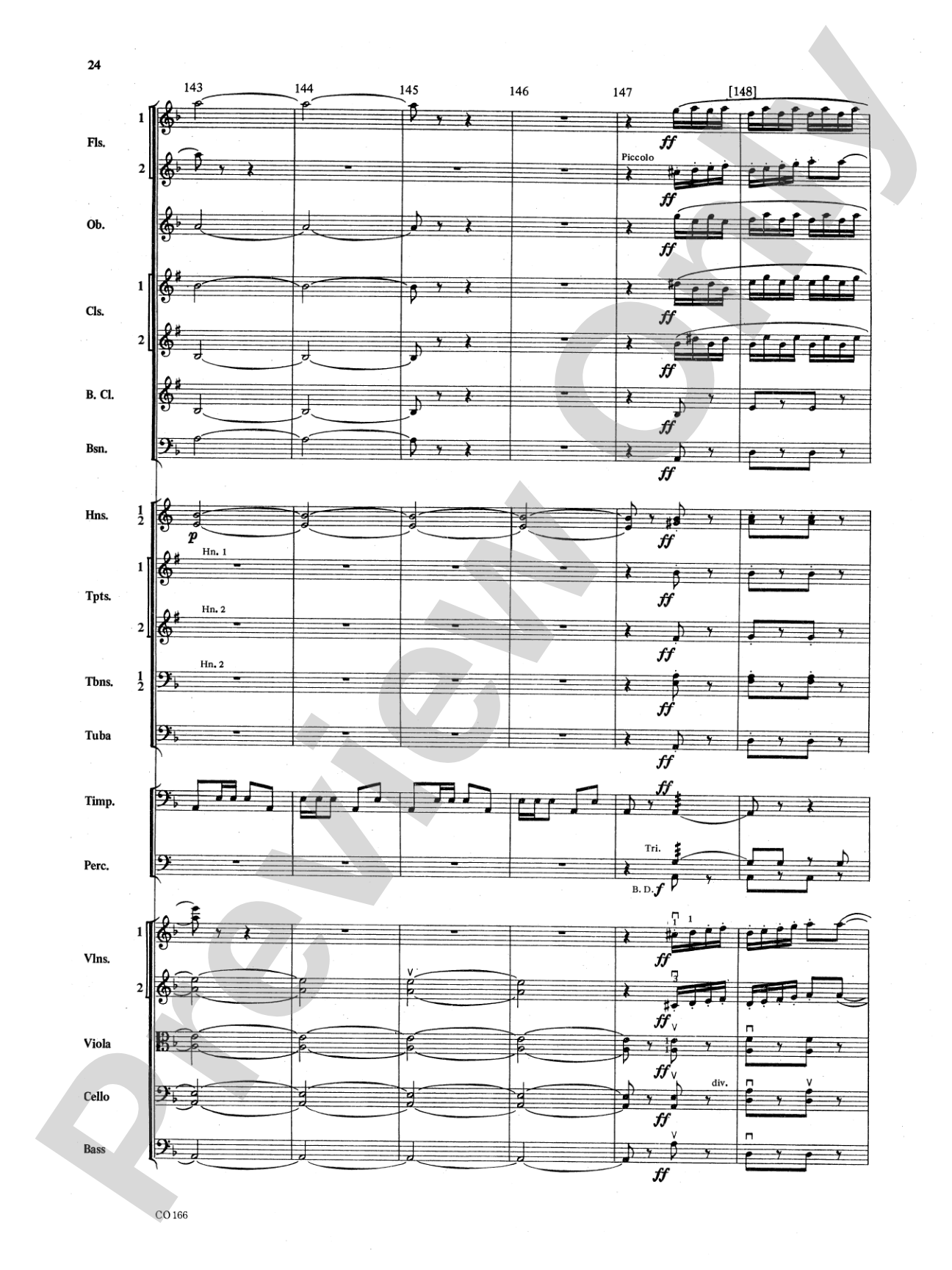
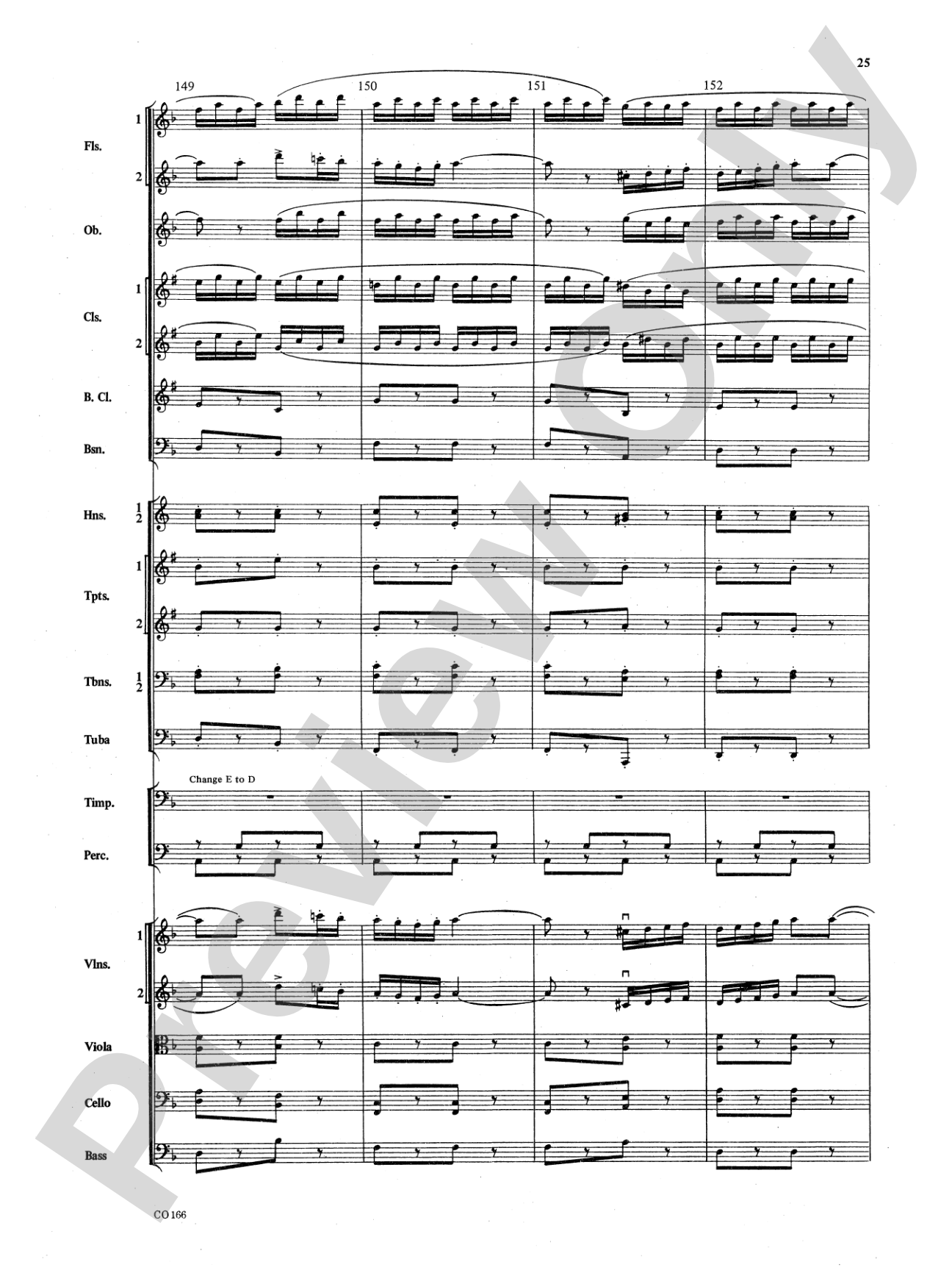
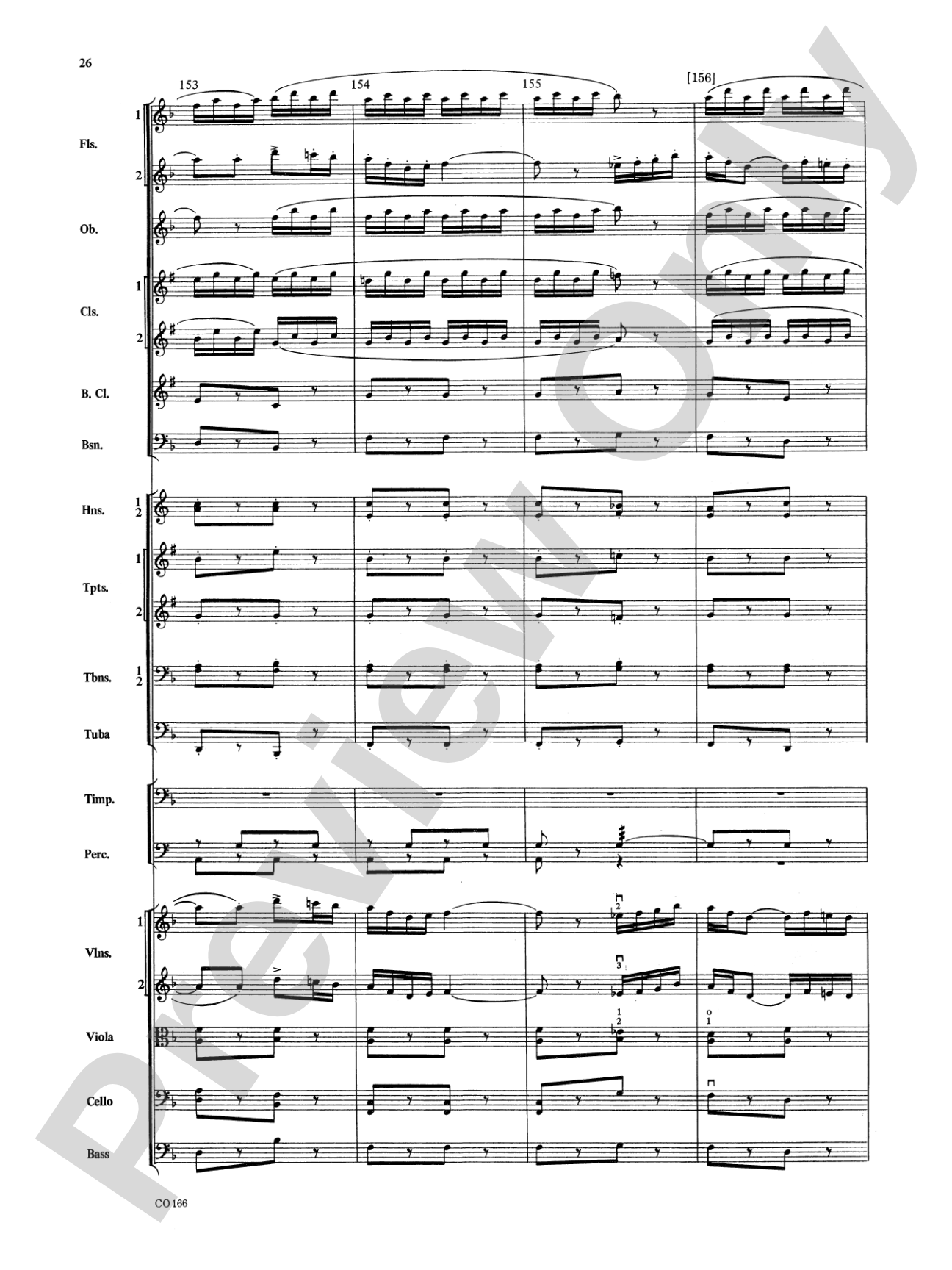
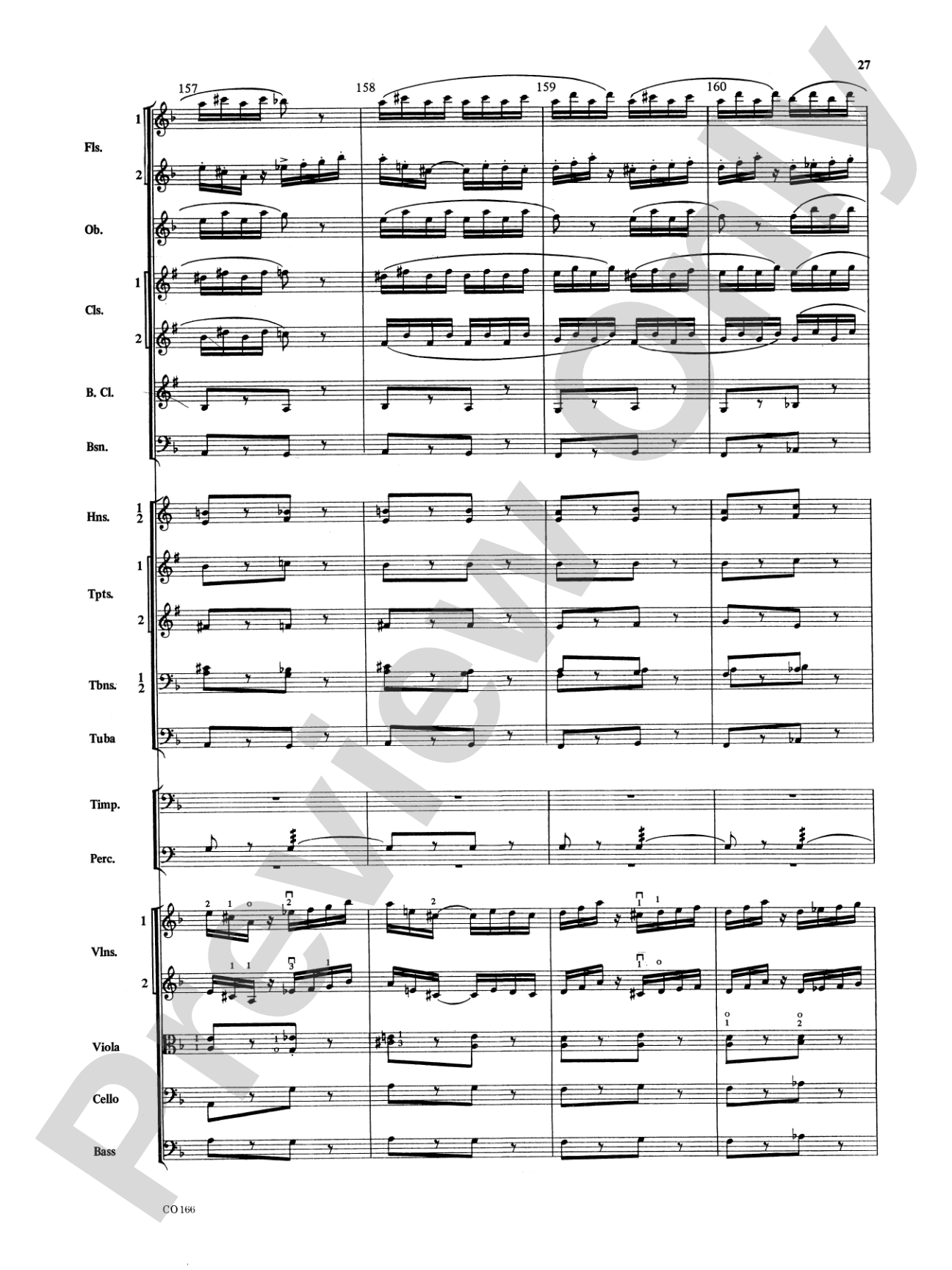
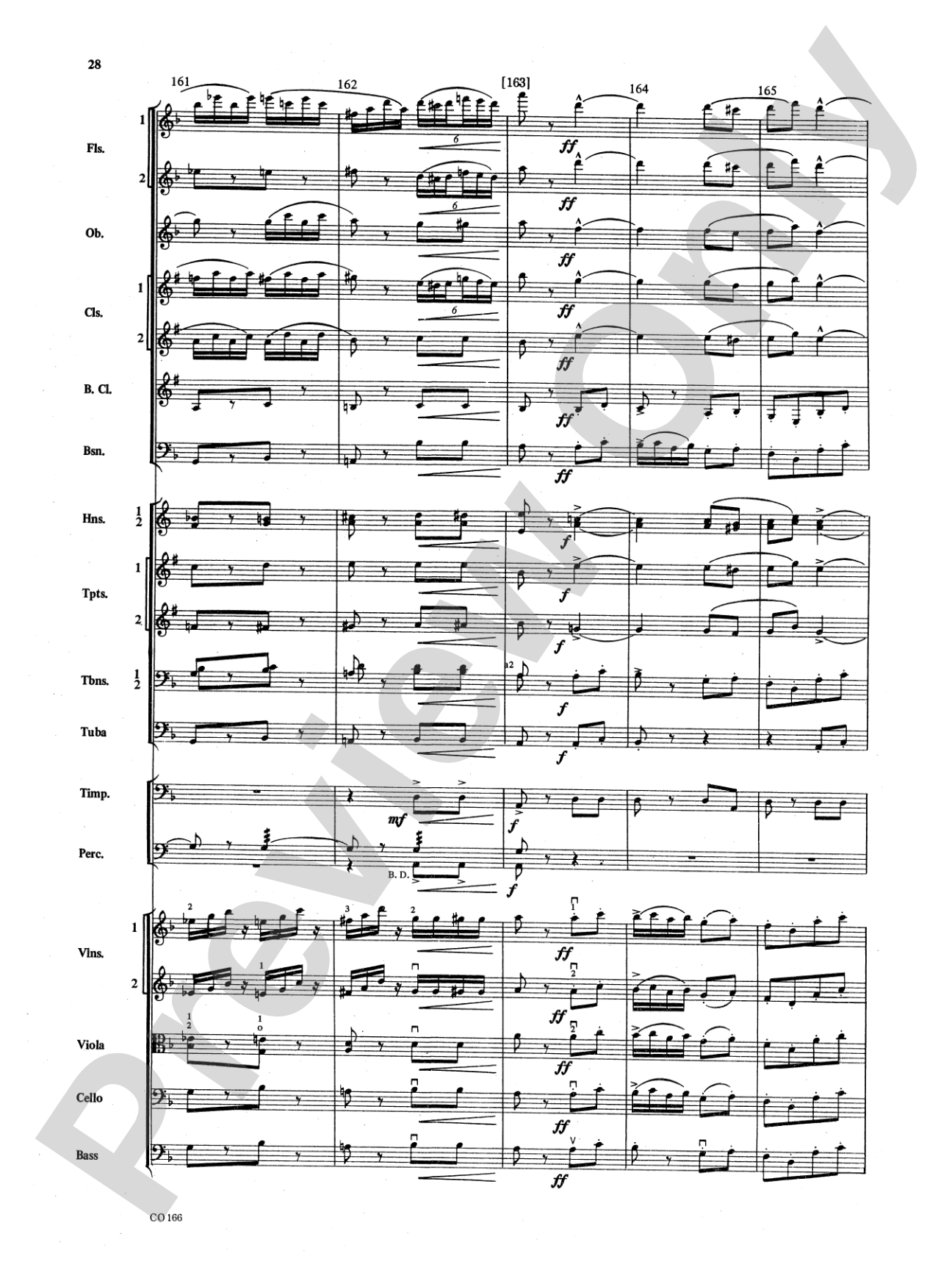
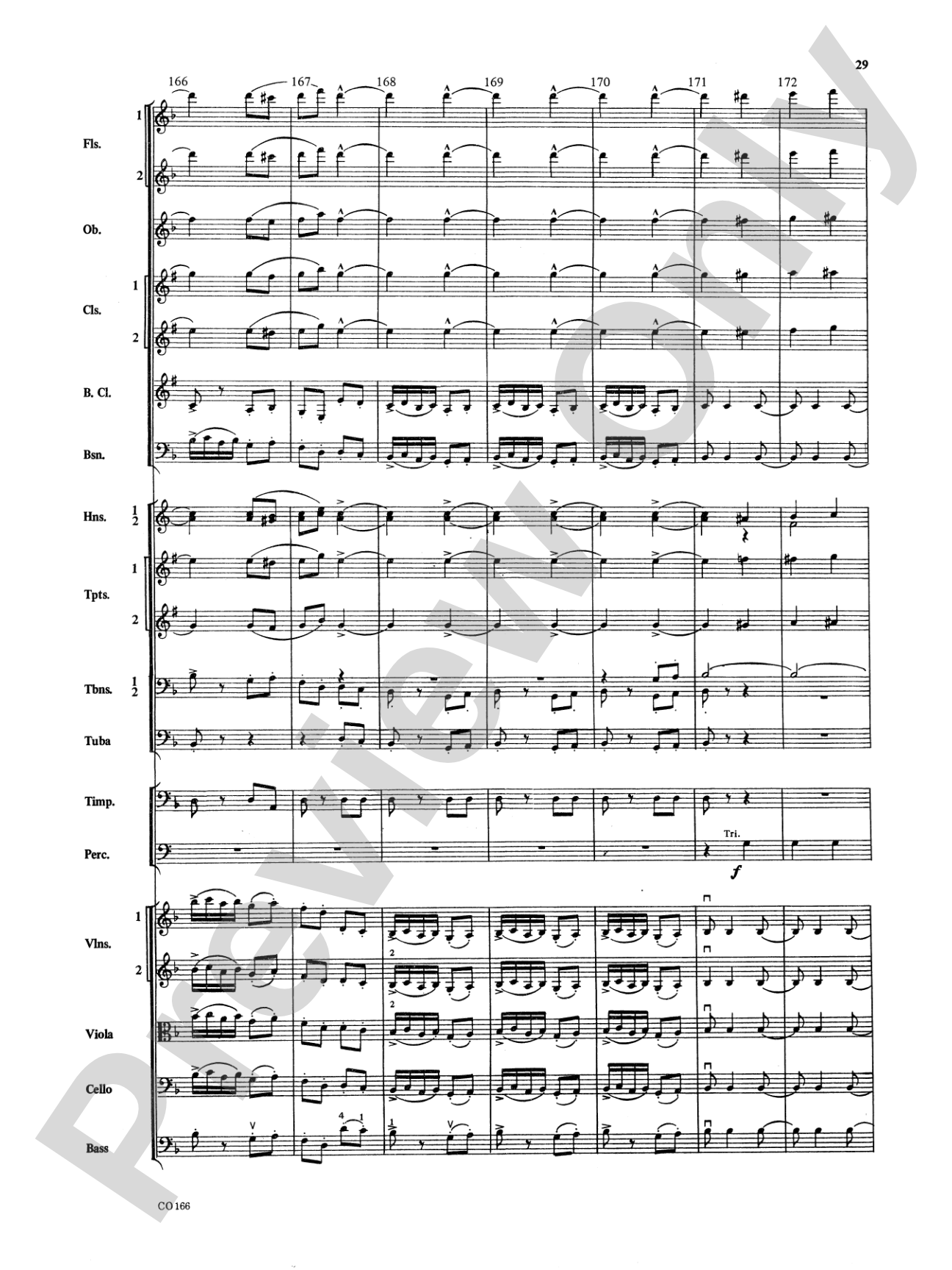
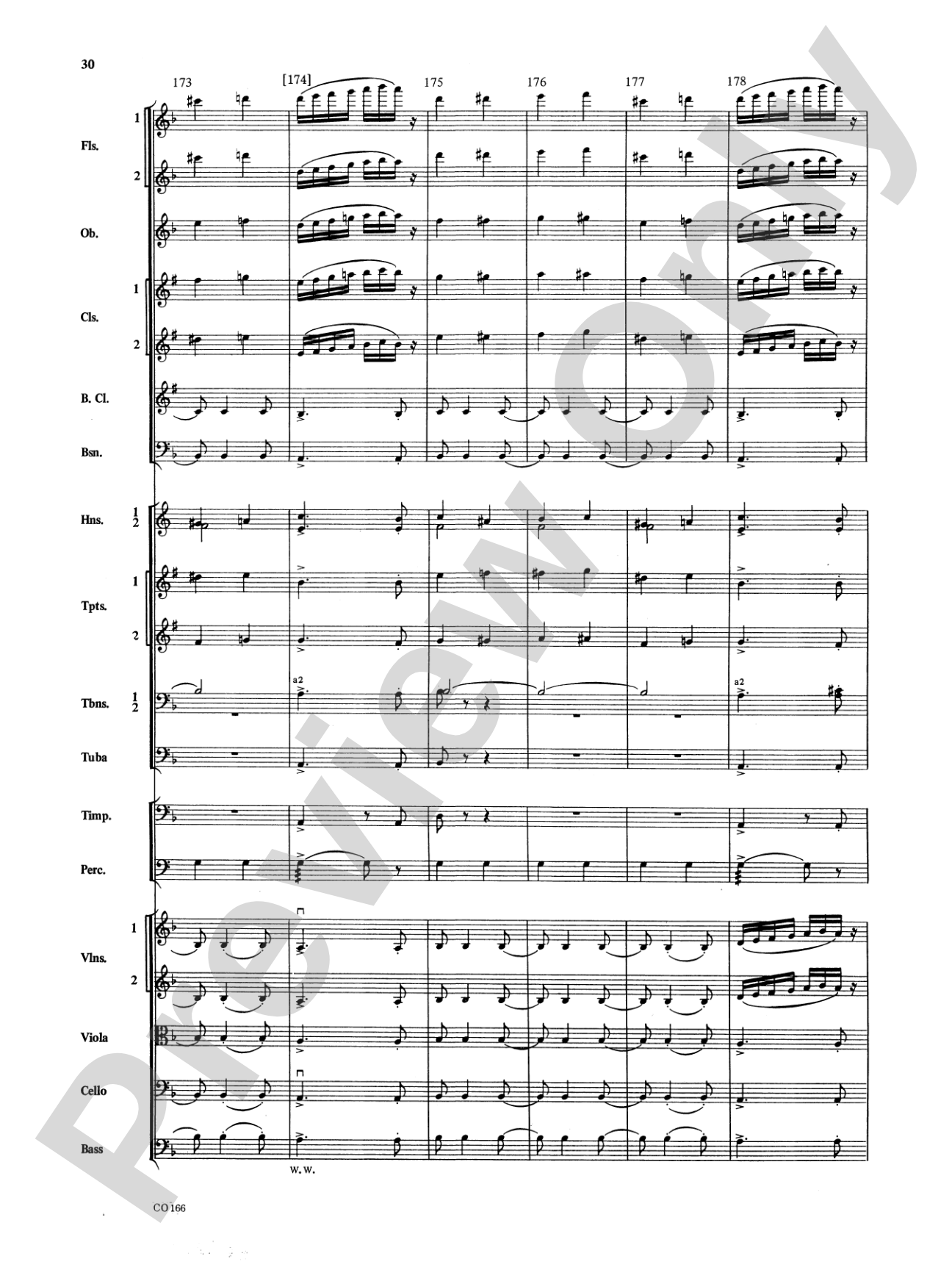
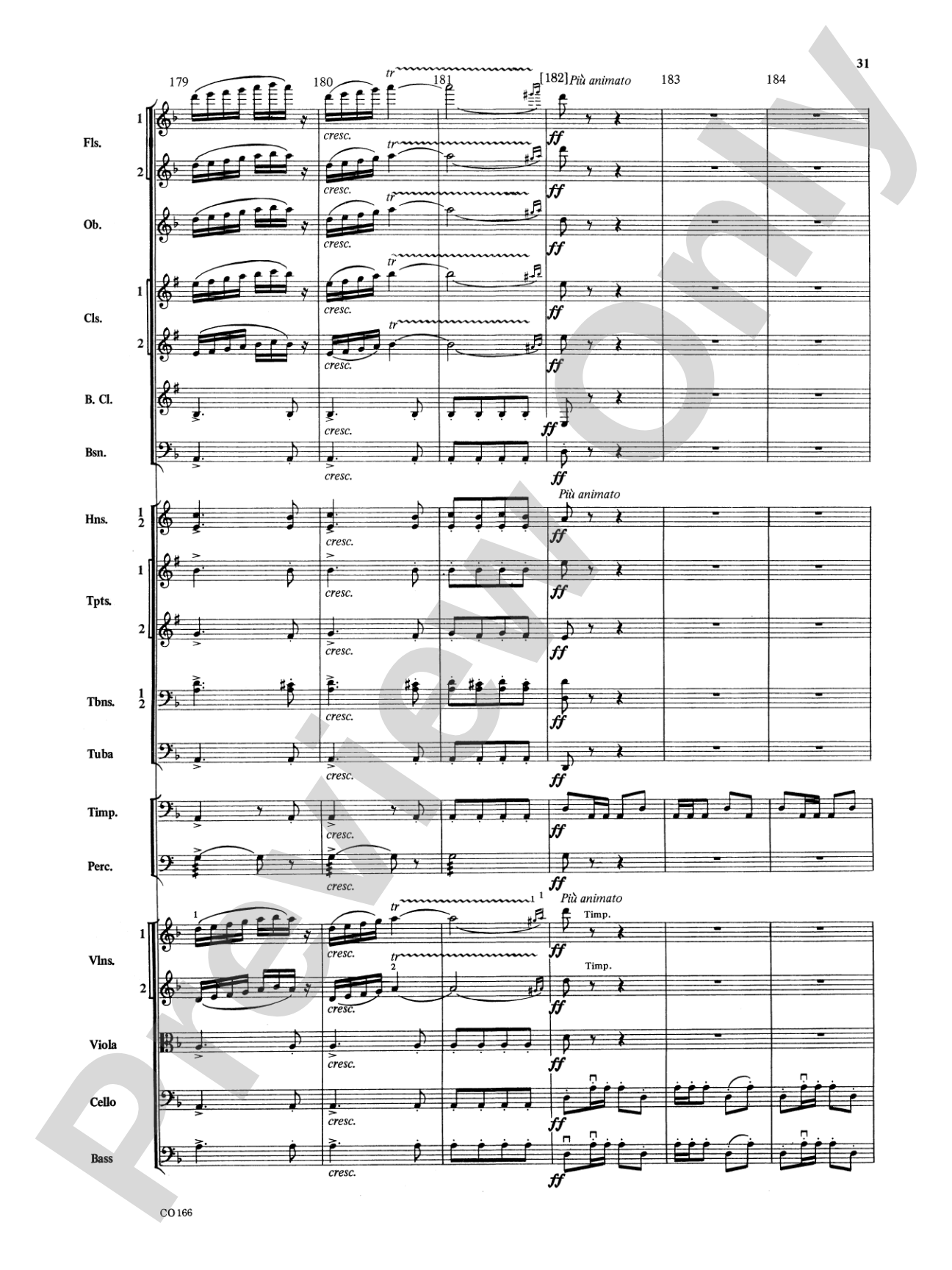
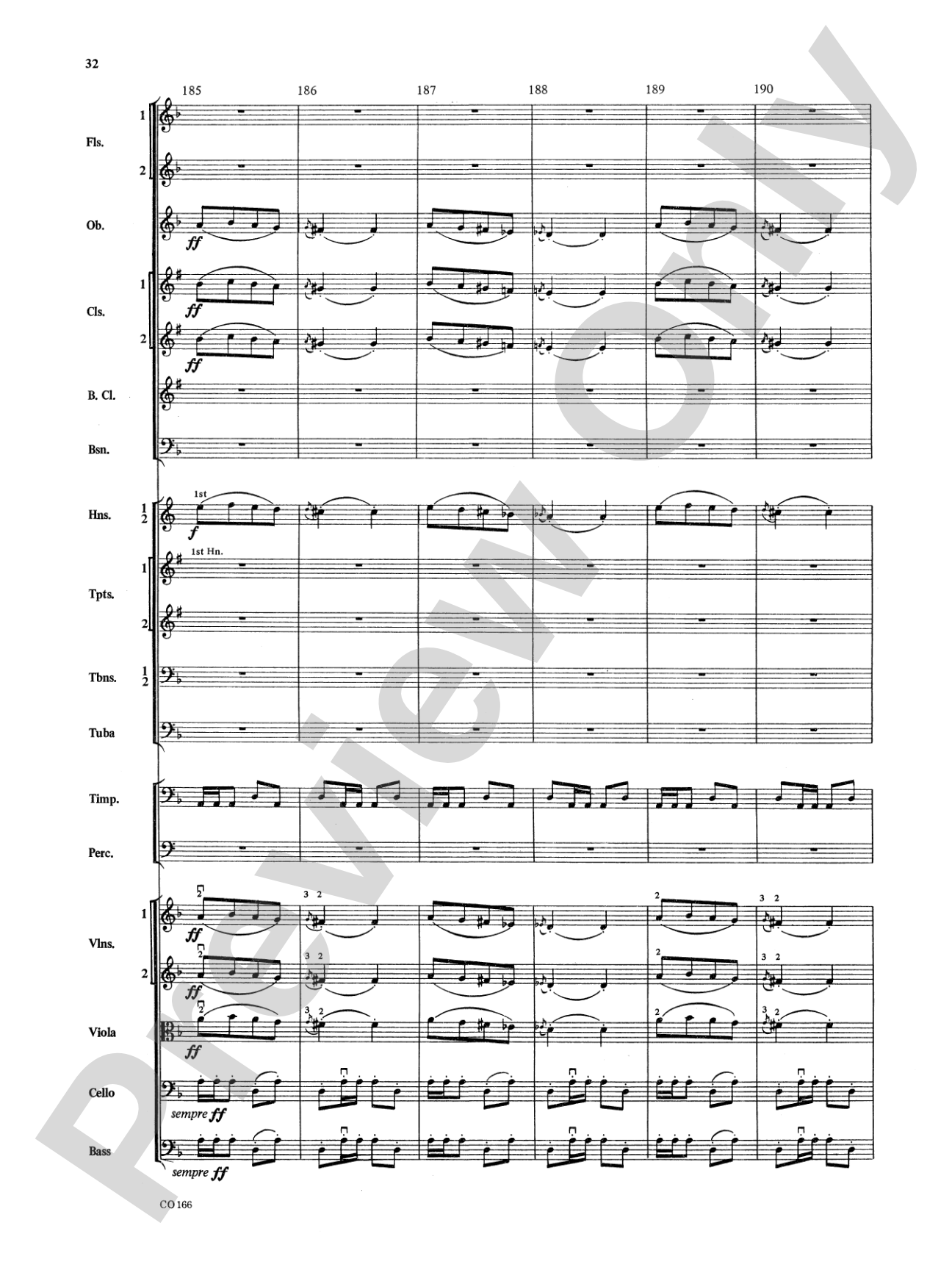
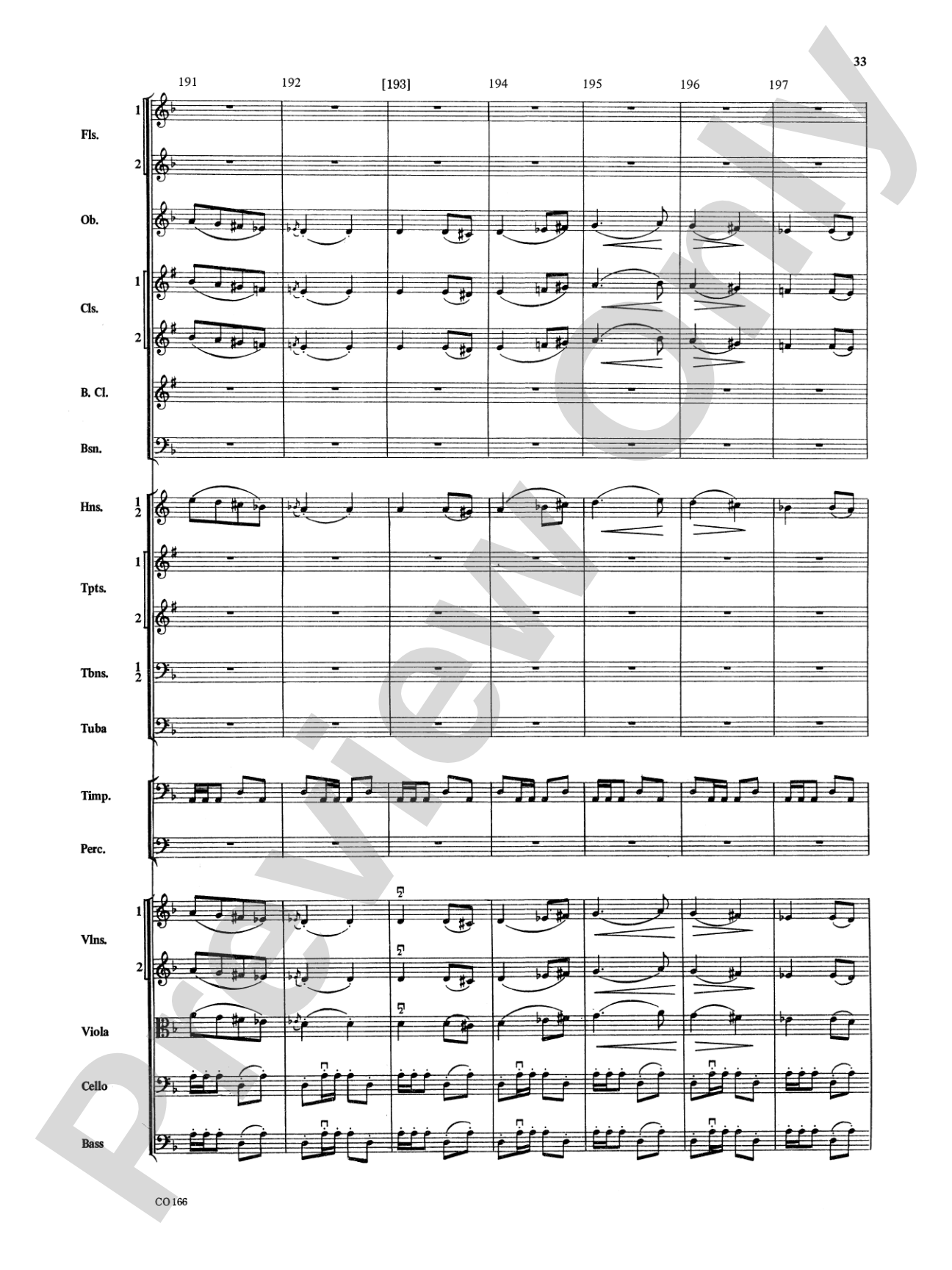
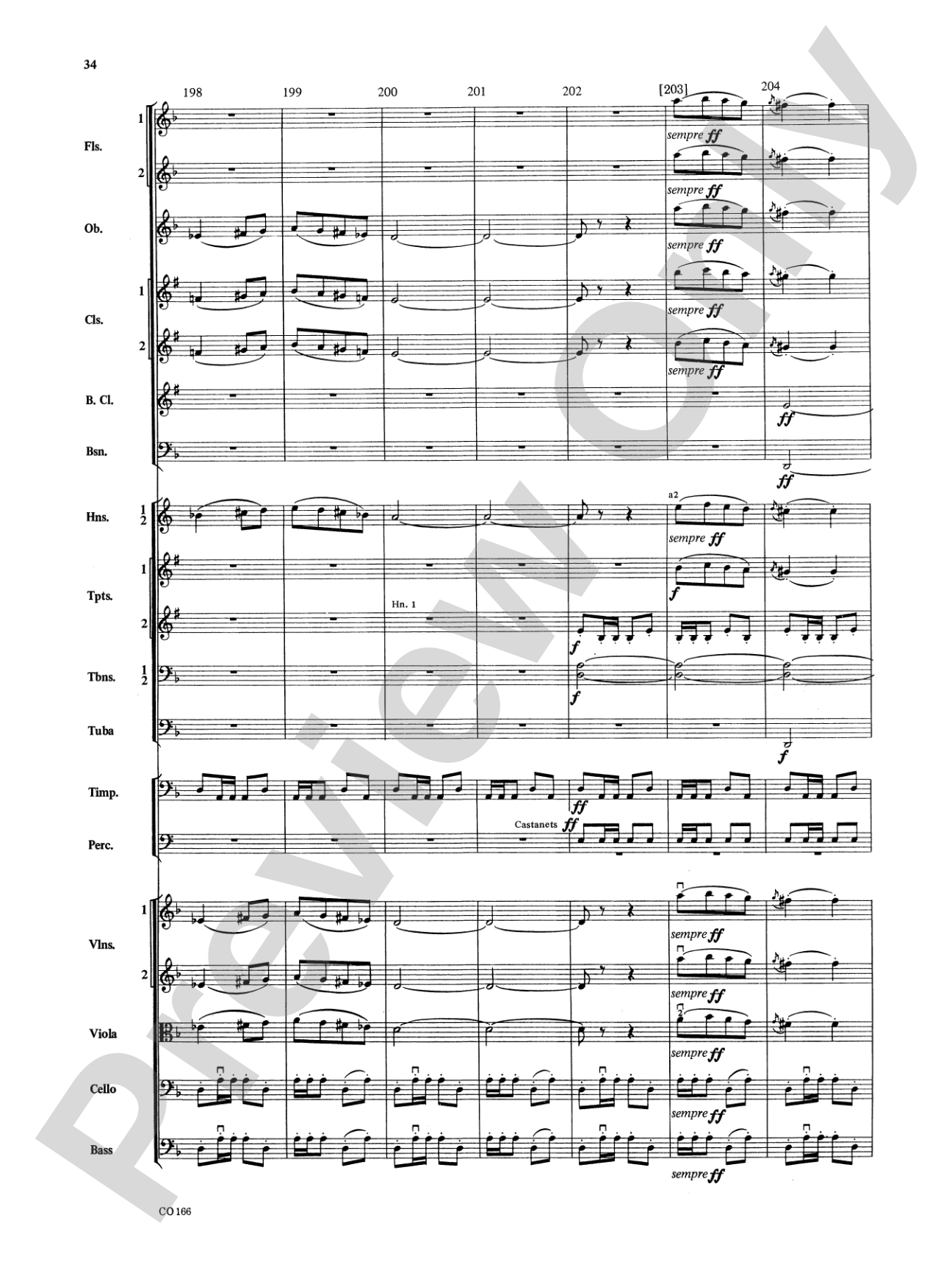
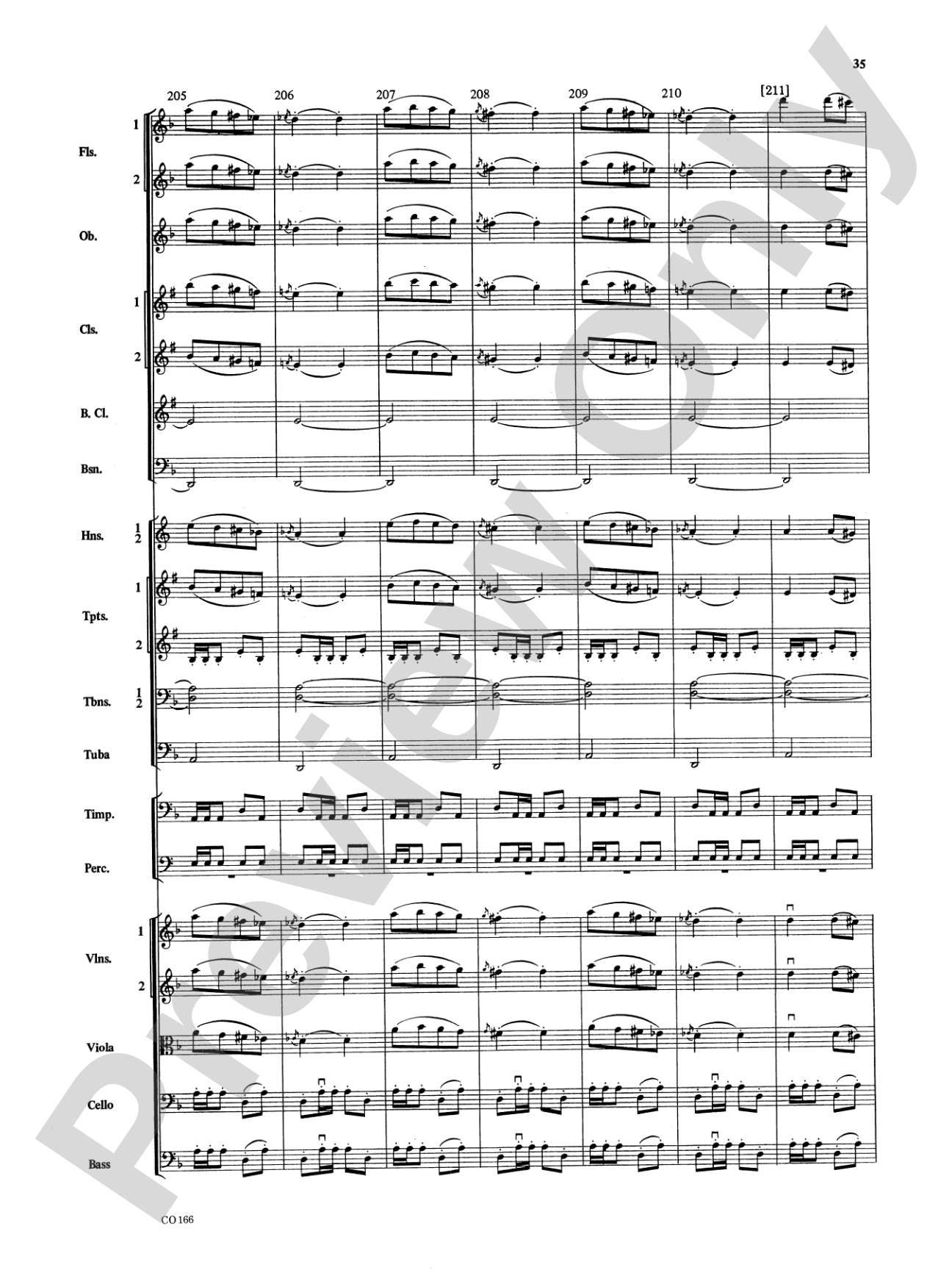
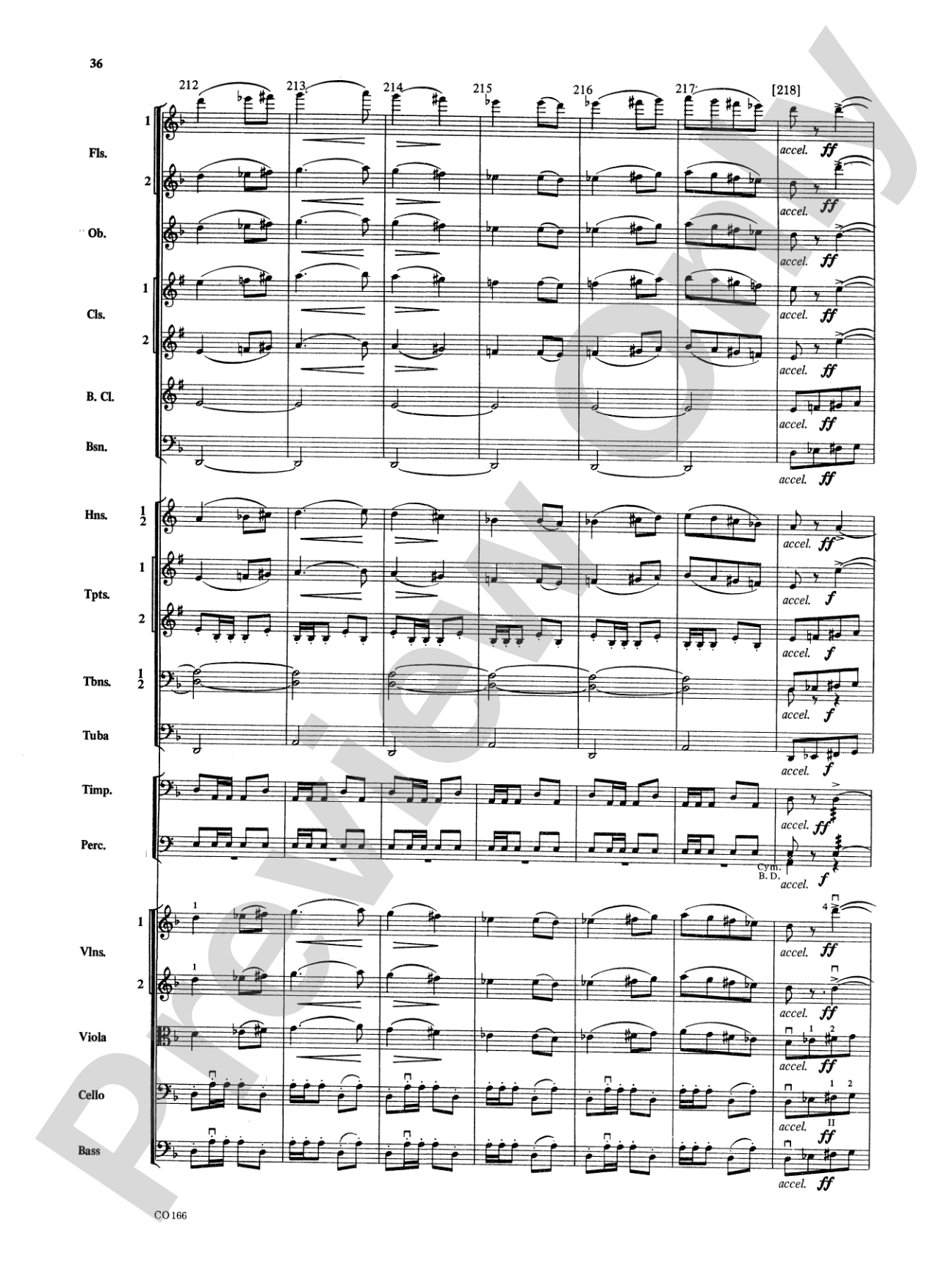
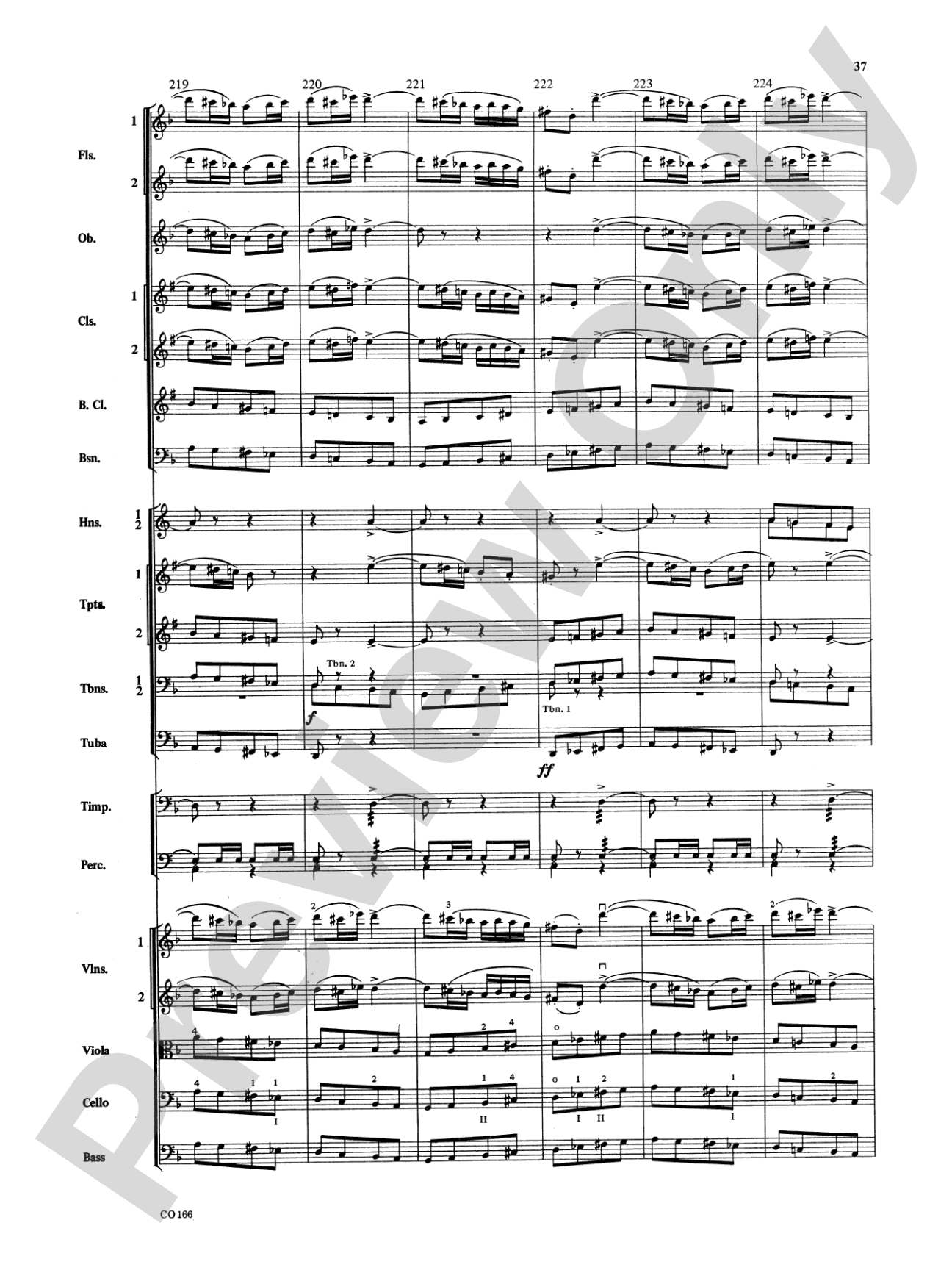
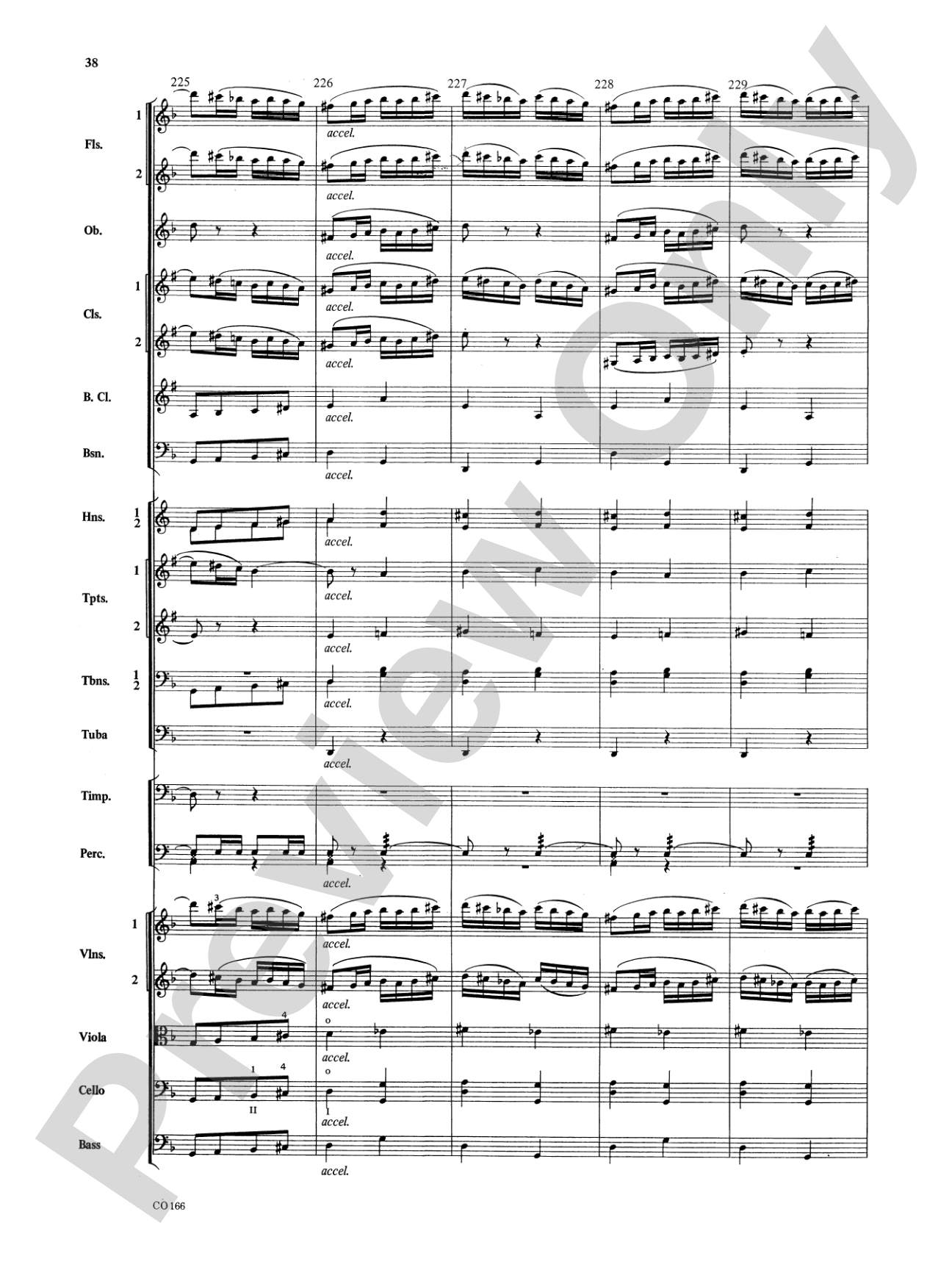
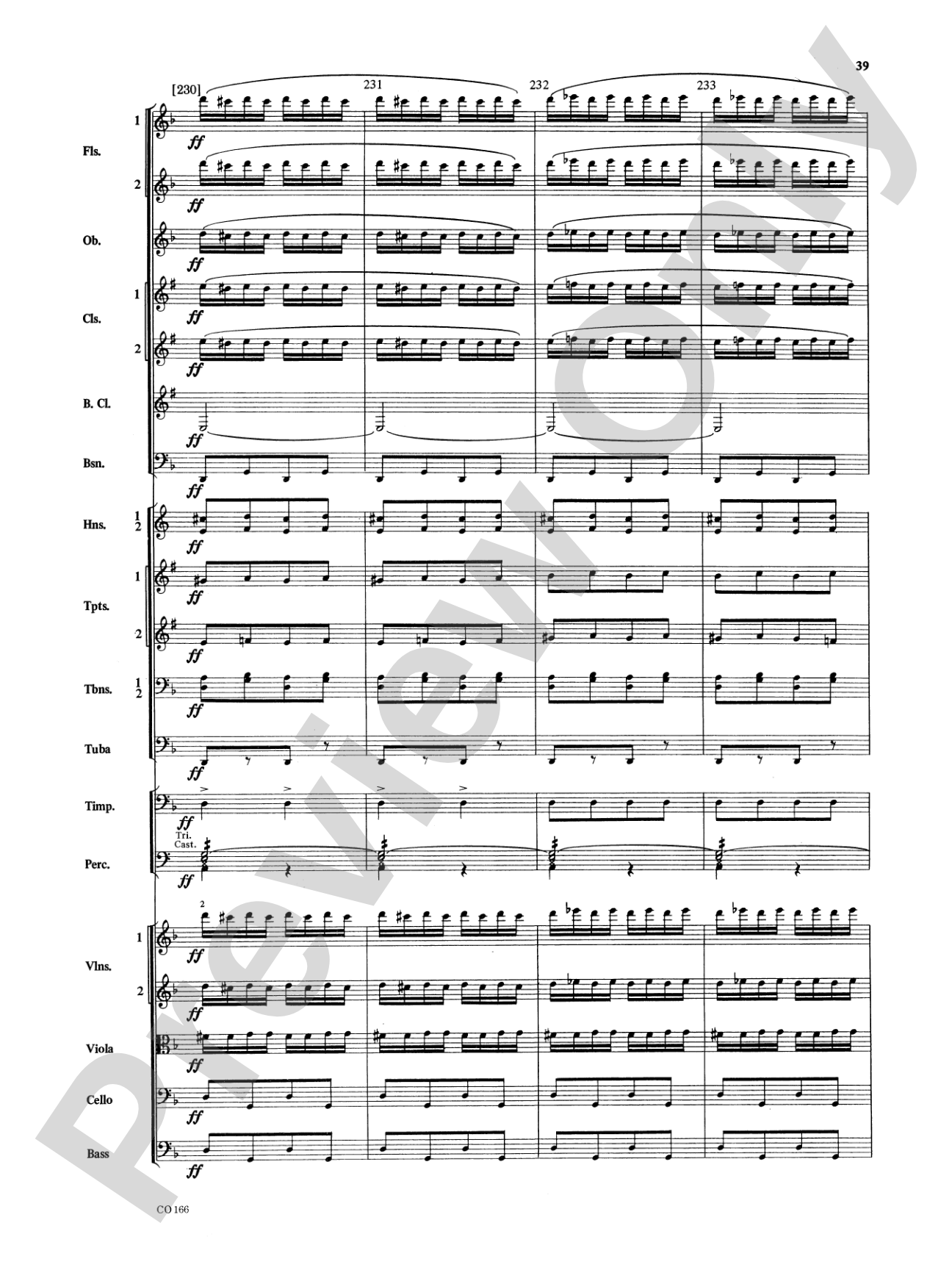
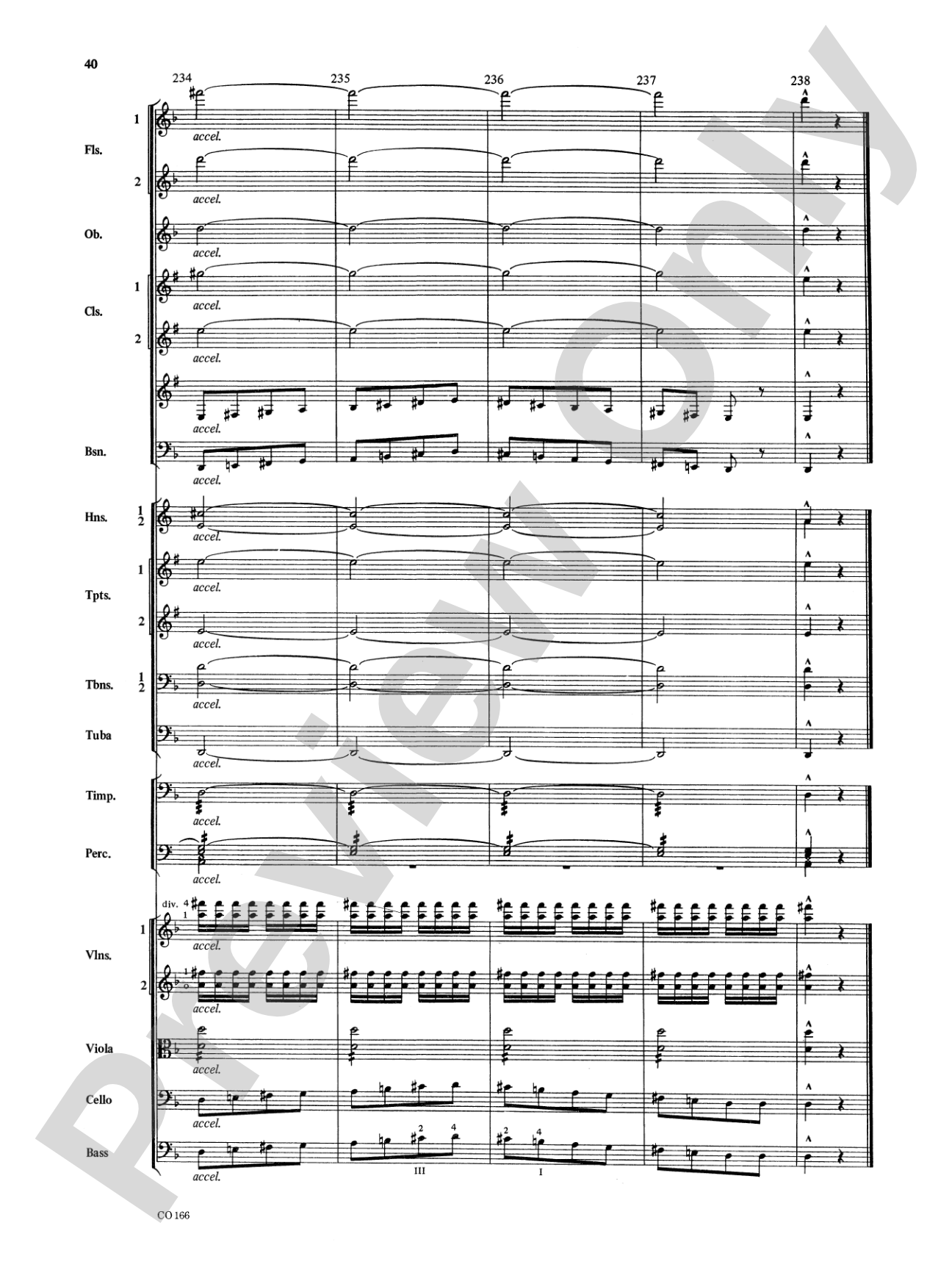



Bacchanale from Samson and Delilah: Full Orchestra Conductor Score & Parts
By Camille Saint-Saëns / arr. Merle J. Isaac
Grade: 3.5
Item: 00-PK-0002384

$85.00
Pickup currently not available
Buy Extra Parts (Digital PDF Download)
Parts Added to Cart!
Description
Taken from Camille Saint-Saëns' most successful opera, this powerful and energetic arrangement challenges all sections, yet is within the grasp of high school orchestras. Another skillful Merle Isaac selection. (4:05) This title is available in MakeMusic Cloud.


Don't just read it, hear it, play along with it, and watch your students grow with it. In MakeMusic Cloud, Bacchanale from Samson and Delilah: Full Orchestra Conductor Score & Parts comes alive with professional accompaniment, adjustable tempo, and built-in practice tools that turn solo practice into real progress.
Open in the Player
Jump straight in and assign it today.
Start Your Free Trial
Open this title and explore the full library in minutes.
Sample Audio
1
Audio File
--:--
0:00
0:00
Sample Video
No sample videos found.
Additional Details
Series:
Belwin Concert Full Orchestra
Publisher:
Alfred Music
Page Count:
176
SKU:
00-PK-0002384
More about this title
About the Composer: Camille Saint-Saëns
Camille Saint-Saëns (1835-1921) was a French composer of extraordinary technical mastery and prolific output. His opera Samson and Delilah stands among the most performed operatic works, celebrated for its dramatic power and memorable melodies that bridge popular appeal and sophisticated orchestration.
Saint-Saëns' gift for writing idiomatically across all instruments made him a natural choice for educators seeking repertoire that sounds impressive while remaining playable. His harmonic language, rooted in Romanticism yet intellectually rigorous, continues to serve as a model for orchestral writing in music education.
Why we love this
Merle Isaac's arrangement captures the visceral energy of the original opera scene while calibrating the orchestration for high school capabilities. The piece demands musicality and control from every section without becoming a liability; it sounds substantial and exciting in performance, making it an ideal choice for ensemble contests and festival programming where you want both musical weight and achievable execution.
What to expect
Propulsive and celebratory, with the theatrical energy of a temple festival scene. The orchestra moves through passages of sensual melodic richness and sudden bursts of unified power, creating a narrative arc that keeps audiences engaged from start to finish.
Who it's for
High school orchestra directors seeking a performance piece that combines operatic drama with orchestral brilliance. This arrangement works equally well for groups preparing for festival competition or those building a concert program around Romantic masterworks.
How to get the most out of it
- Balance the rhythmic momentum in the brass section against the sustained harmonies in the strings; the excitement comes from forward drive, not from pushing dynamics beyond the marked levels.
- Lock the percussion entries precisely with the conductor's preparation; even slight misalignment between timpani, bass drum, and orchestra will blur the impact of the fortissimo passages.
- Shape the orchestral swells by bringing inner voices forward in measures where the melody sits in the first violins; transparency reveals the contrapuntal writing that gives this arrangement its sophistication.
- Rehearse the woodwind doublings with attention to blend rather than volume; these reinforcements should enhance color, not create shrillness in the upper register.
How to use it
Program this as a concert centerpiece or early festival selection where its approximately four-minute duration allows time for substantial rehearsal without monopolizing your preparation calendar. It pairs naturally with other Romantic-era orchestral works or serves as the dramatic complement to lighter contemporary pieces on the same program.
Skills your students will build
- Sustained rhythmic precision across multiple meter and tempo divisions
- Dynamic control in fortissimo passages without sacrificing ensemble blend
- Balancing melody and accompaniment roles within a full orchestra texture
- Responding to rapid changes in harmonic rhythm and orchestral color