
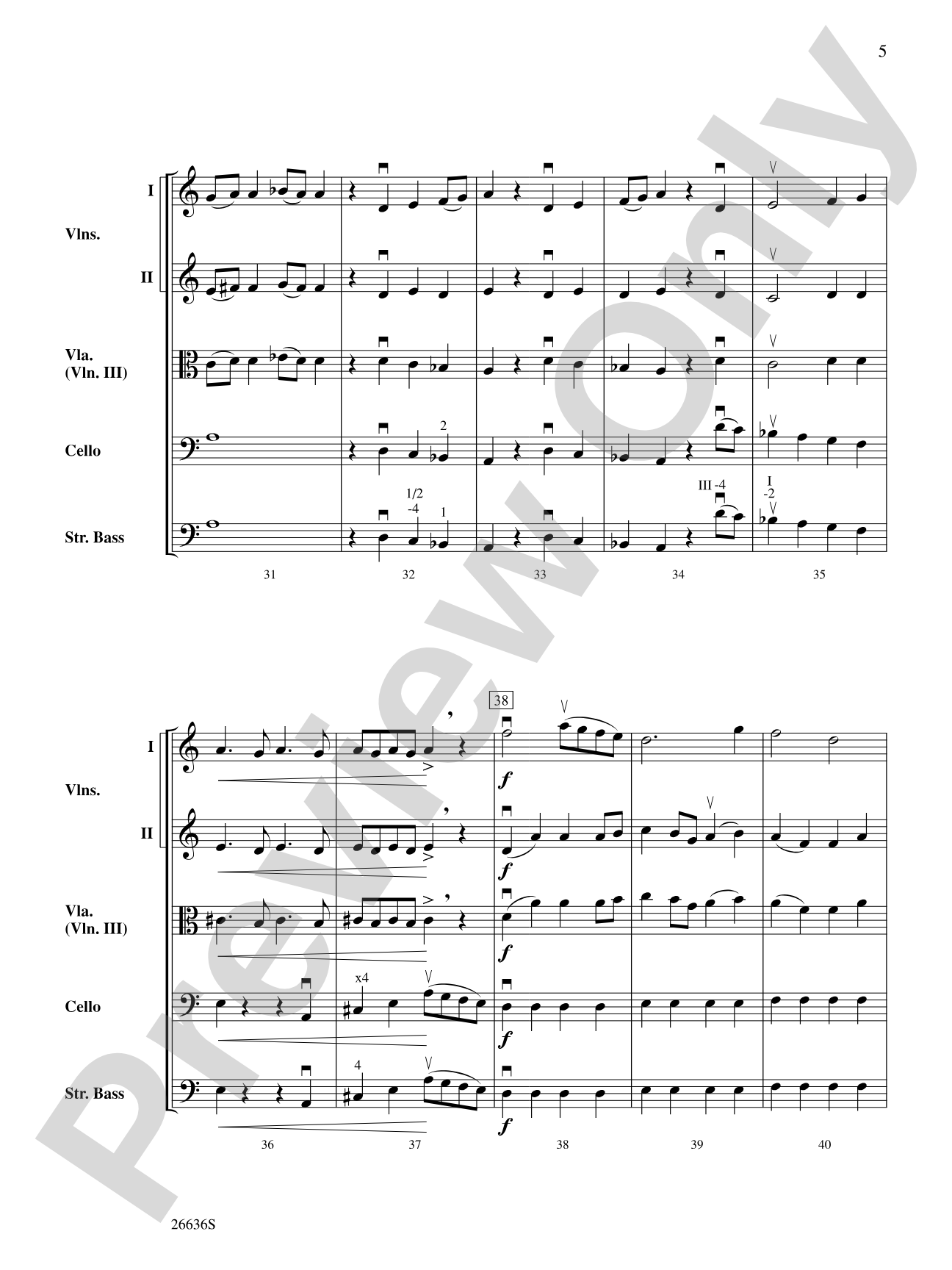
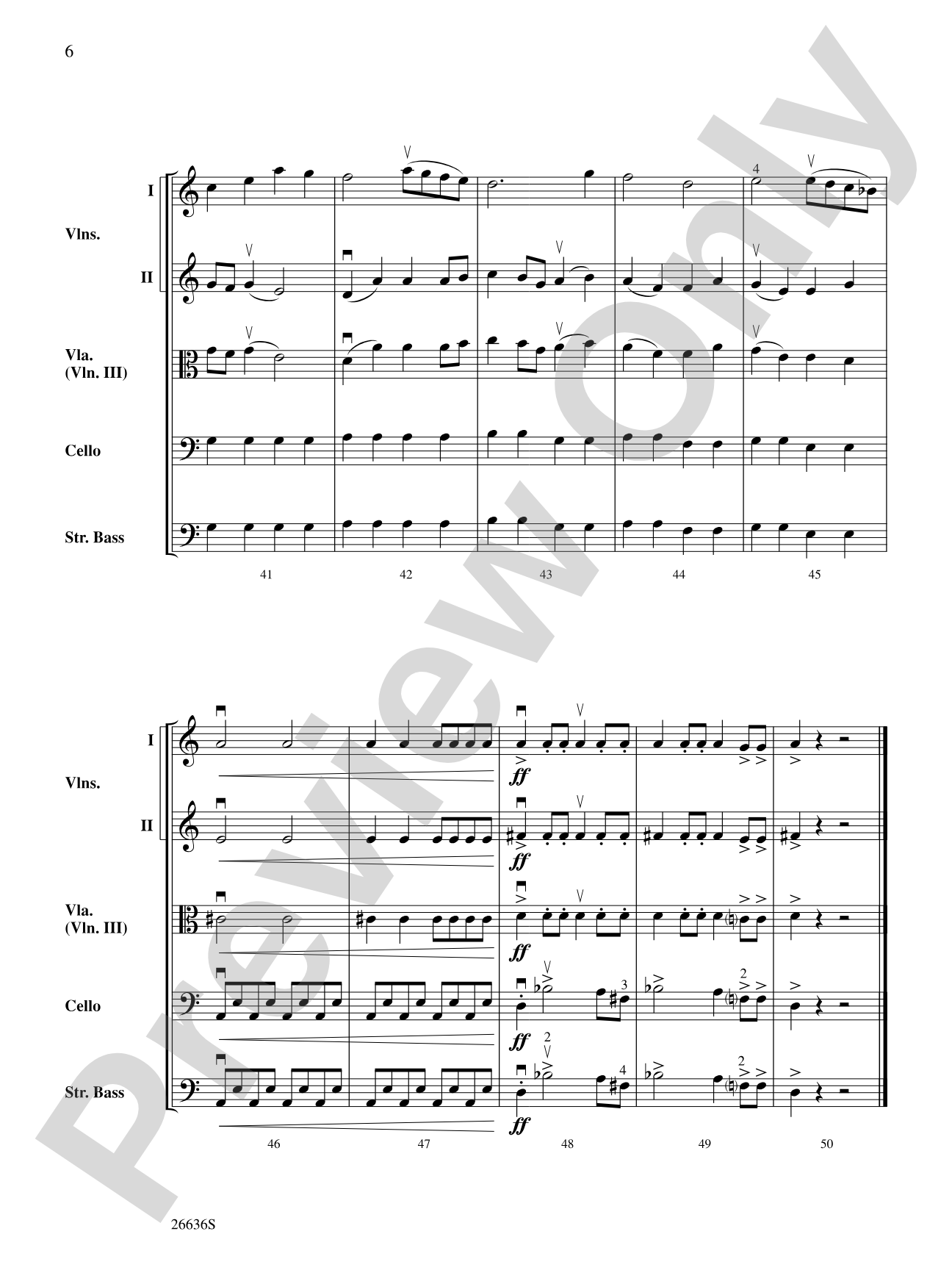

Aztec Dance: String Orchestra Conductor Score & Parts
By Michael Story
Grade: 2.5
Item: 00-PK-0001147

$46.00
Pickup currently not available
Buy Extra Parts (Digital PDF Download)
| Product | Price | Quantity |
|---|---|---|
| Aztec Dance: Score | $7.00 | |
| Aztec Dance: 1st Violin | $5.99 | |
| Aztec Dance: 2nd Violin | $5.99 | |
| Aztec Dance: 3rd Violin (Viola [TC]) | $5.99 | |
| Aztec Dance: Viola | $5.99 | |
| Aztec Dance: Cello | $5.99 | |
| Aztec Dance: String Bass | $5.99 |
Parts Added to Cart!
Related Items
Aztec Dance: Concert Band Conductor Score & Parts |
$55.00
|
View | |
Aztec Dance: String Orchestra Conductor Score & Parts |
$45.00
|
View | |
Aztec Dance: String Orchestra Conductor Score |
$7.00
|
View | |
Aztec Dance: Concert Band Conductor Score & Parts |
$55.00
|
View | |
Aztec Dance: Concert Band Conductor Score |
$10.00
|
View |
Description
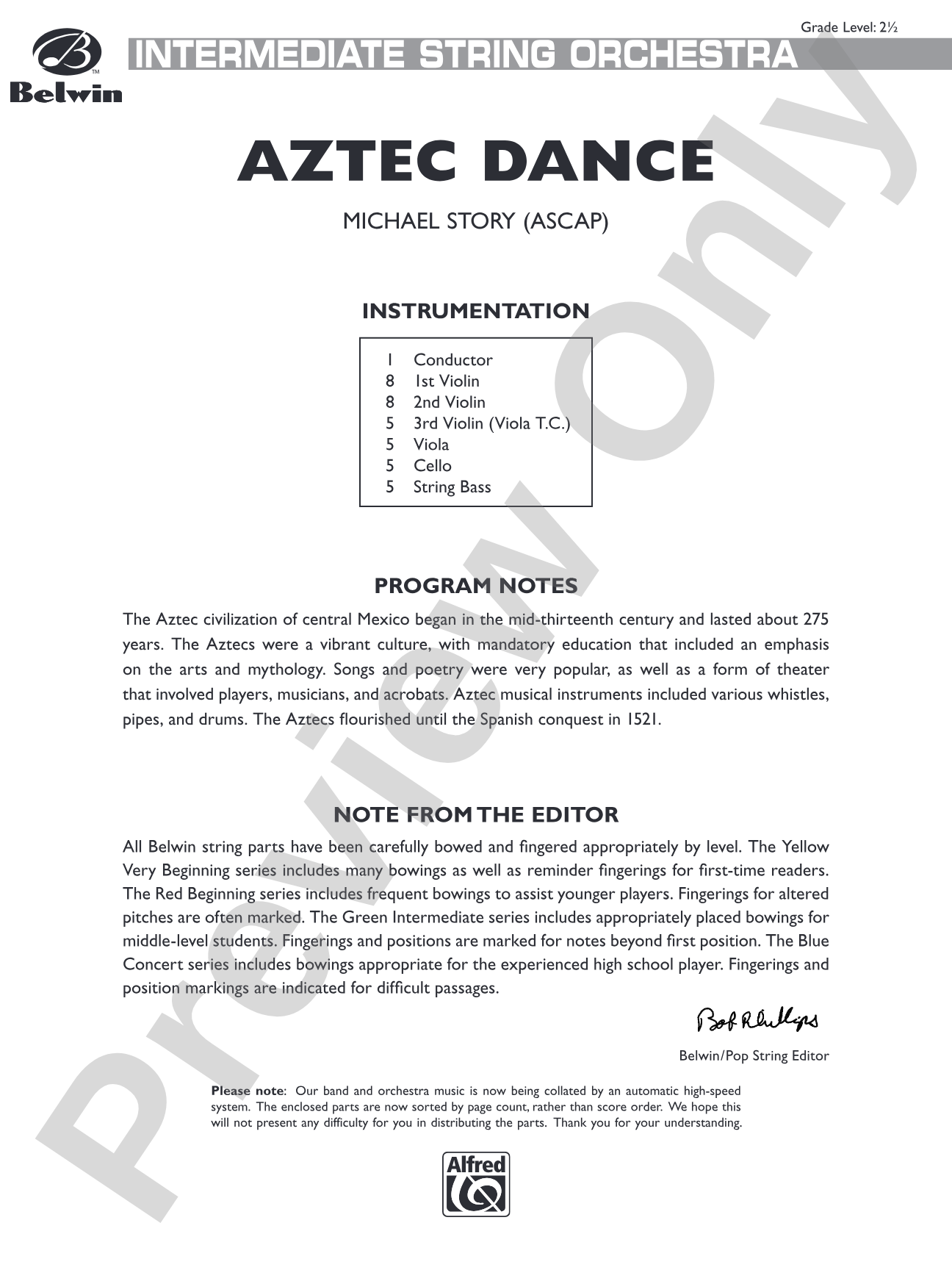
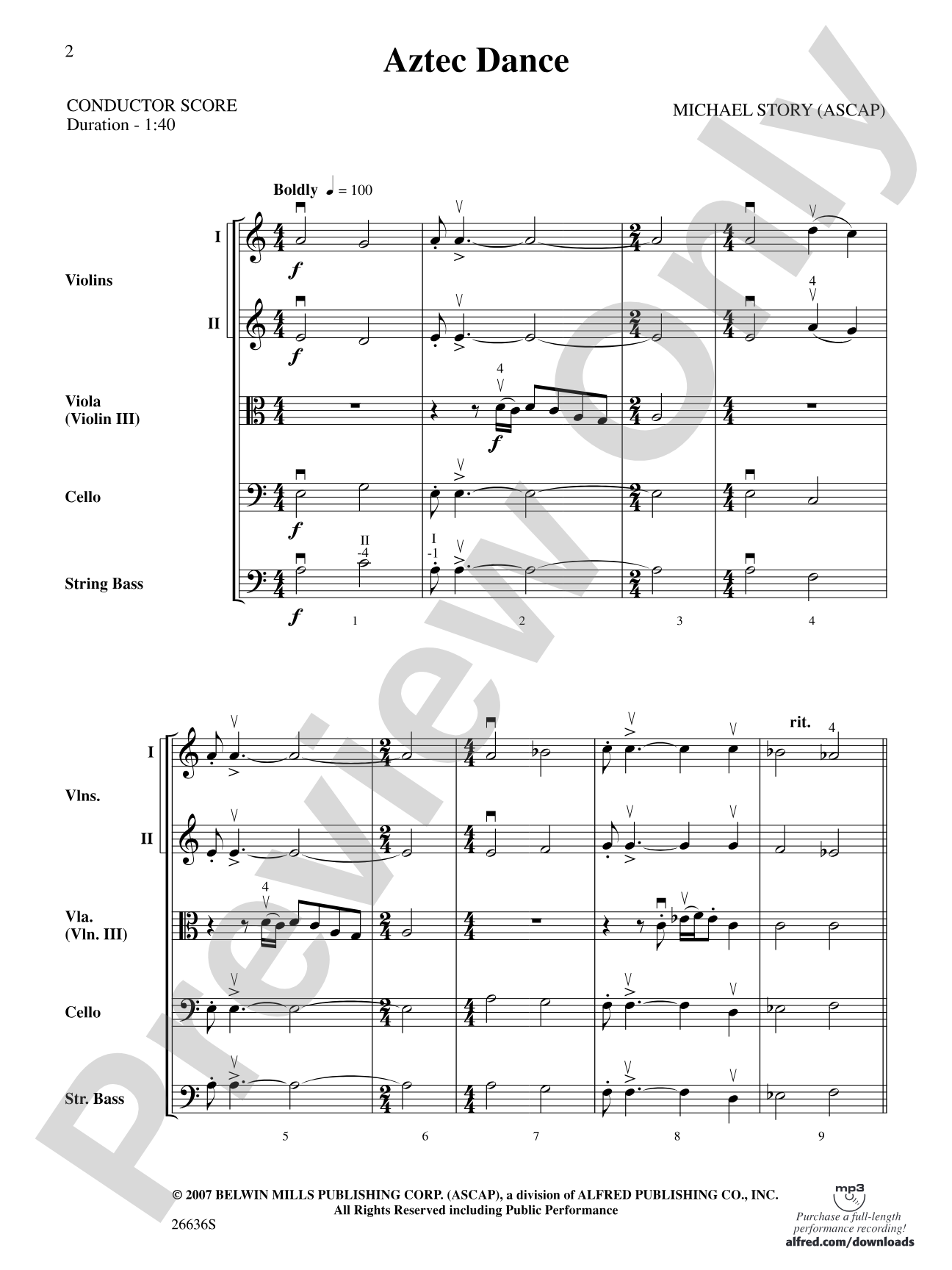
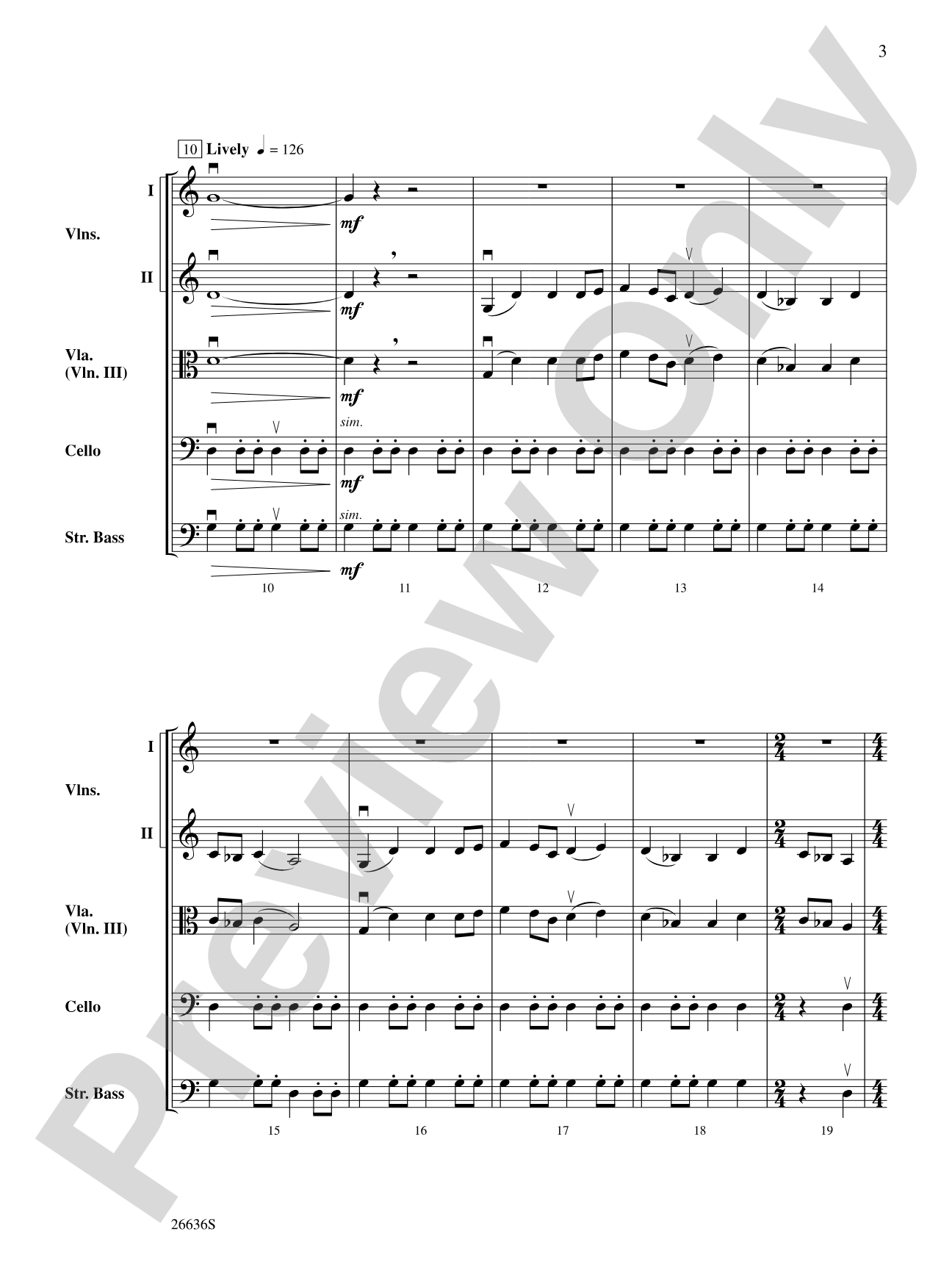
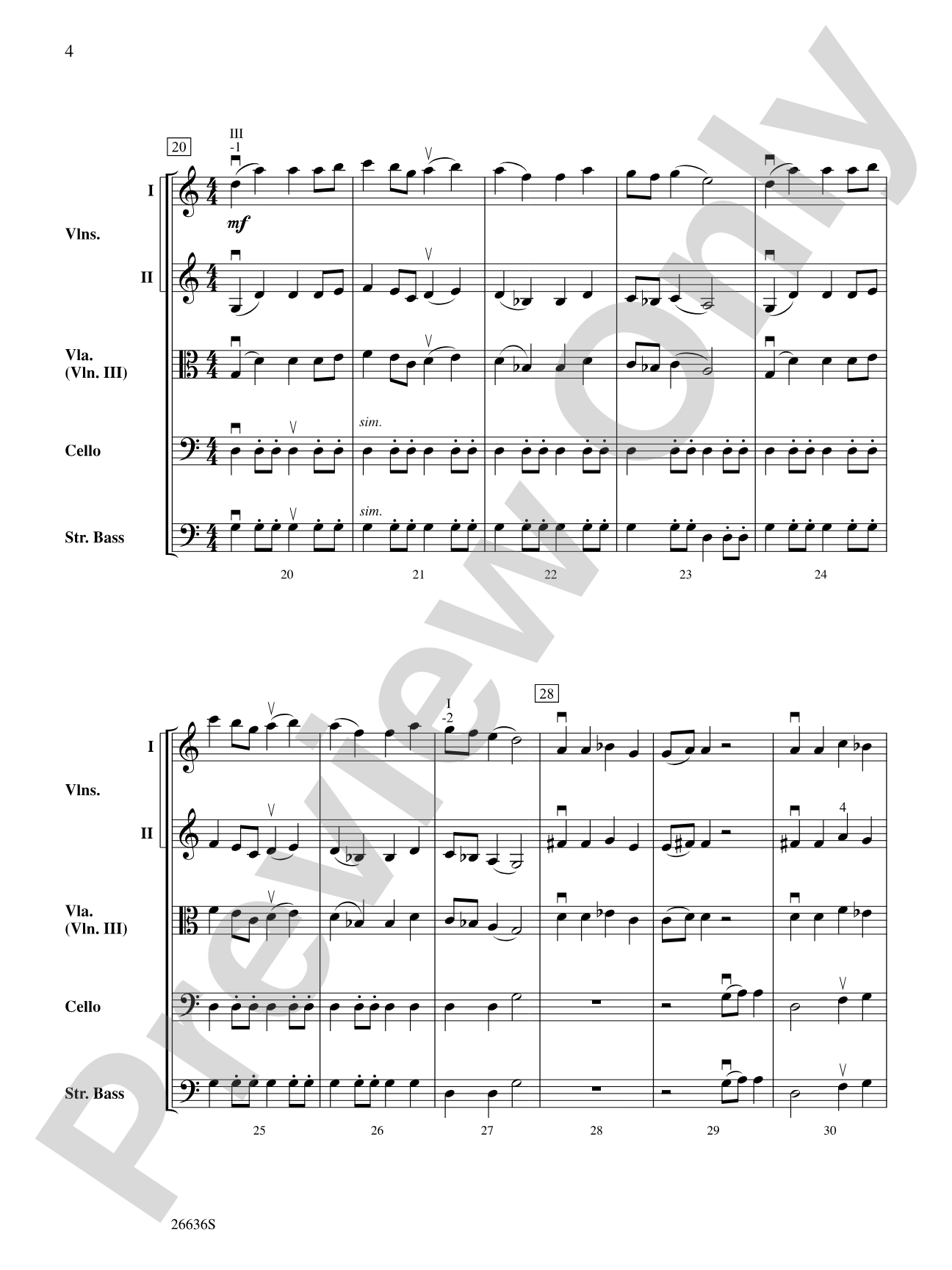
Envision gold glitter in the sun near shimmering temples in the green valleys of the Mexican highlands. History depicts an advanced civilization living before the Spanish conquest. Few technical demands are present in this scoring, but multicultural teaching opportunities are abundant, with hints of polytonality and easy meter changes. Close your eyes, and six hundred years vanish! This title is available in MakeMusic Cloud.


Don't just read it, hear it, play along with it, and watch your students grow with it. In MakeMusic Cloud, Aztec Dance: String Orchestra Conductor Score & Parts comes alive with professional accompaniment, adjustable tempo, and built-in practice tools that turn solo practice into real progress.
Open in the Player
Jump straight in and assign it today.
Start Your Free Trial
Open this title and explore the full library in minutes.
Sample Audio
1
Audio File
--:--
0:00
0:00
Sample Video
No sample videos found.
Additional Details
Series:
Belwin Intermediate String Orchestra
Publisher:
Alfred Music
Page Count:
36
SKU:
00-PK-0001147
More about this title
About the Composer: Michael Story
Michael Story is a prolific composer and arranger whose catalog spans band, orchestra, and choral ensembles across all grade levels. His work is distinguished by strong melodies, clear textures, and genuine pedagogical thinking—he writes music that sounds professional while remaining accessible to developing musicians.
Why we love this
Story crafts a piece that delivers genuine cultural substance without overwhelming young orchestras. The polytonality and meter changes feel integral to the music, not inserted as difficulty checkpoints, which means students engage with compositional technique rather than fighting against it. Programming this alongside standard repertoire signals that you're teaching music history, not just mechanics.
What to expect
Sunlit and evocative, the score summons a landscape of temples and valleys without resorting to cheap exoticism. The harmonic colors shimmer and shift; polytonality creates an ancient, mysterious quality that pulls listeners into a specific time and place while remaining fundamentally musical rather than merely descriptive.
Who it's for
String orchestra directors working with Grade 2.5 ensembles who want to program music with cultural and compositional substance at an accessible level. This piece also works well for festival or contest settings where multicultural representation matters and technical demands won't overshadow musical intent.
How to get the most out of it
- Shape the melodic line with clear phrasing despite the modest technical level; attention to breath points and musical sentences makes the difference between note-reading and storytelling.
- Balance the layered textures carefully, especially where polytonality creates harmonic tension. Let each voice part maintain clarity so students hear how the composer builds color and depth.
- Treat the meter changes as natural shifts in the music's pulse rather than obstacles. Rehearse transitions with confidence so the ensemble feels the structural logic rather than stumbling through shifts.
How to use it
Open a concert with this piece to frame a thematic program exploring world music or historical cultures. Alternatively, pair it with contrasting European or American repertoire to build a program that demonstrates how different cultures approach orchestration, melody, and form. Its moderate length and Grade 2.5 level make it ideal for early or mid-season programming when your orchestra is still building technical security.
Skills your students will build
- Reading and performing polytonality in a string context
- Navigating meter changes (implied easy shifts in the score)
- Balancing independent voice parts to create harmonic color
- Phrasing and expression across accessible technical ranges
- Understanding multicultural musical elements and historical context