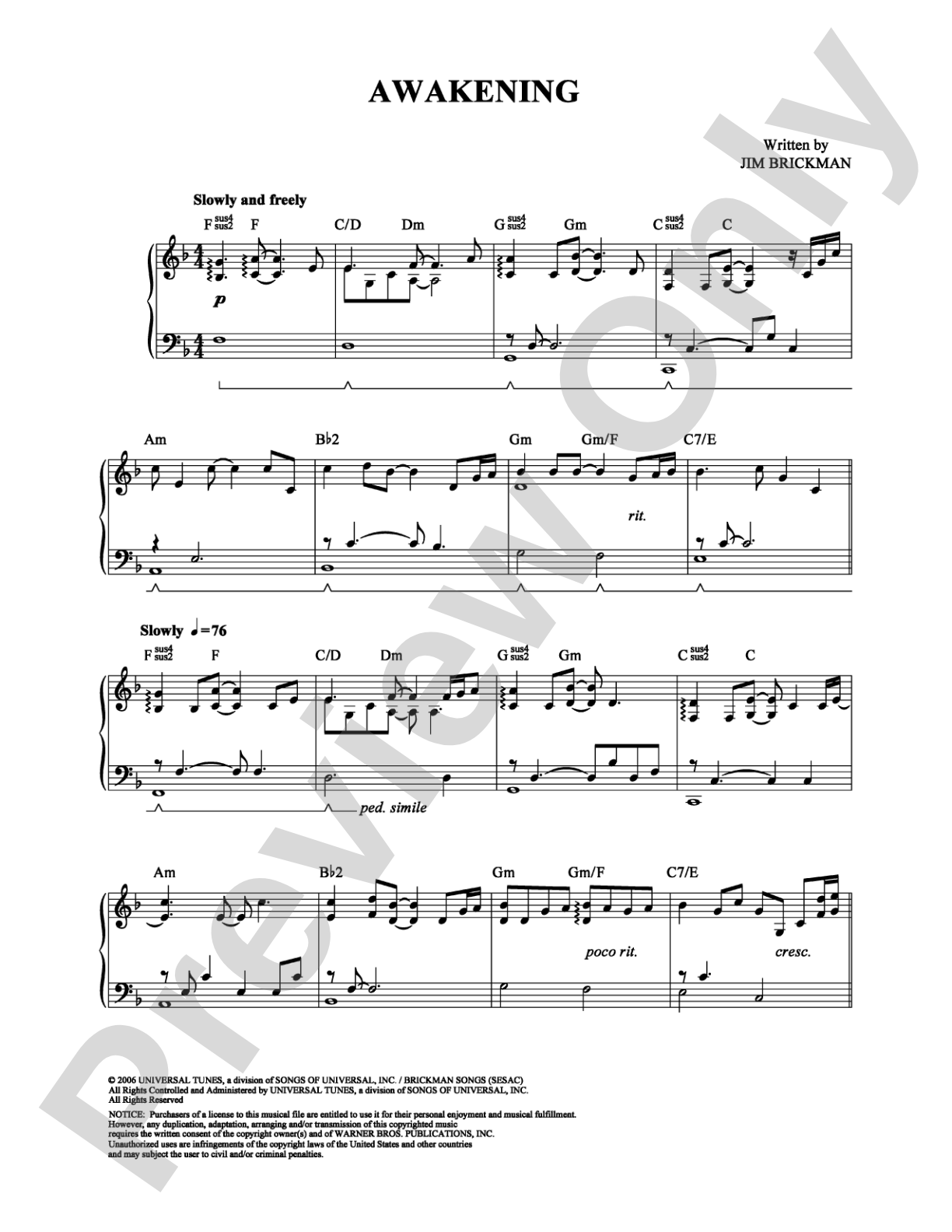
Awakening: Piano/Vocal/Chords Digital Sheet Music

Awakening: Piano/Vocal/Chords Digital Sheet Music

Jim Brickman

Item: 00-PS-0004044

Digital Download
$3.99
Description

Awakening: Piano/Vocal/Chords Digital Sheet Music isn't in MakeMusic Cloud just yet...but it could be. Let us know you'd like to see it, and you'll help shape what comes next. In the meantime, start a free trial and dive into thousands of interactive titles your students can play along with today.

Sample Audio
No sample audio found.
Sample Video
Additional Details
SKU: 00-PS-0004044

More about this title

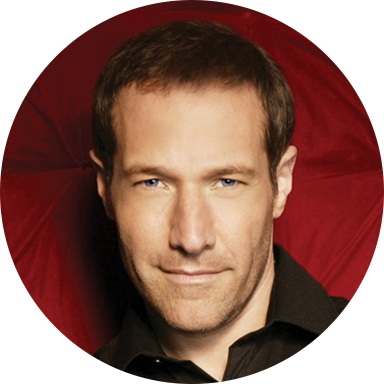
About the Artist: Jim Brickman

Jim Brickman

Jim Brickman stands as the best-selling solo pianist of his generation, crafting a signature sound that bridges classical technique with contemporary accessibility. His live performances have fundamentally shifted how audiences engage with instrumental music, proving that piano-driven compositions can captivate stadiums and concert halls alike.

Brickman's creative philosophy centers on music as emotional communication. He composes to mark life's pivotal moments, the quiet mornings, the celebrations, the passages that demand a soundtrack. His approach treats each piece as a conversation between composer and listener, using melody and harmonic sophistication to capture what words alone cannot convey.

Why we love this

This piece gives singers and pianists a genuinely singable melody over sophisticated harmonic movement. The piano/vocal/chords format lets you approach it as a duet between voice and instrument, with the chord symbols providing flexibility for ensemble adaptation or accompaniment rethinking.

What to expect

The piece unfolds with lyrical warmth, grounded in piano textures that suggest both intimacy and emotional substance. Brickman's harmonic language creates moments of gentle surprise, moving beyond predictable progressions while remaining emotionally direct and singable.

Who it's for

Singers and pianist-singers comfortable with contemporary song literature and looking for material that bridges accessible melody with harmonic depth. This works equally well for recital programming, worship settings, or studio work where piano and voice interact as equal partners.

How to get the most out of it

  • Balance the melody line so it sits naturally above the piano texture rather than competing with it; the accompaniment should breathe with the vocal line, not push against it.
  • Pay attention to the specific chord voicings suggested in the score; they shape the emotional arc more than the melody alone.
  • Shape phrases with attention to where lyrics and musical phrases align; let the lyrical content inform dynamic choices rather than treating rhythm and emotion as separate concerns.
  • If performing with accompaniment, ensure the chord symbols are clear enough for your accompanist to interpret independently while staying locked with your vocal phrasing.

How to use it

Include this in a recital where you're programming contemporary vocal music alongside art songs or musical theater selections; it reads as a sophisticated bridge between genres. It also serves well as a featured solo in worship or community concert contexts where piano/vocal balance is a selling point.

Skills your students will build

  • Phrasing over jazz-influenced chord progressions
  • Balancing vocal line with active piano accompaniment
  • Interpreting chord symbols and understanding harmonic function
  • Managing breath and lyrical shape in contemporary song structure

You May Also Like