
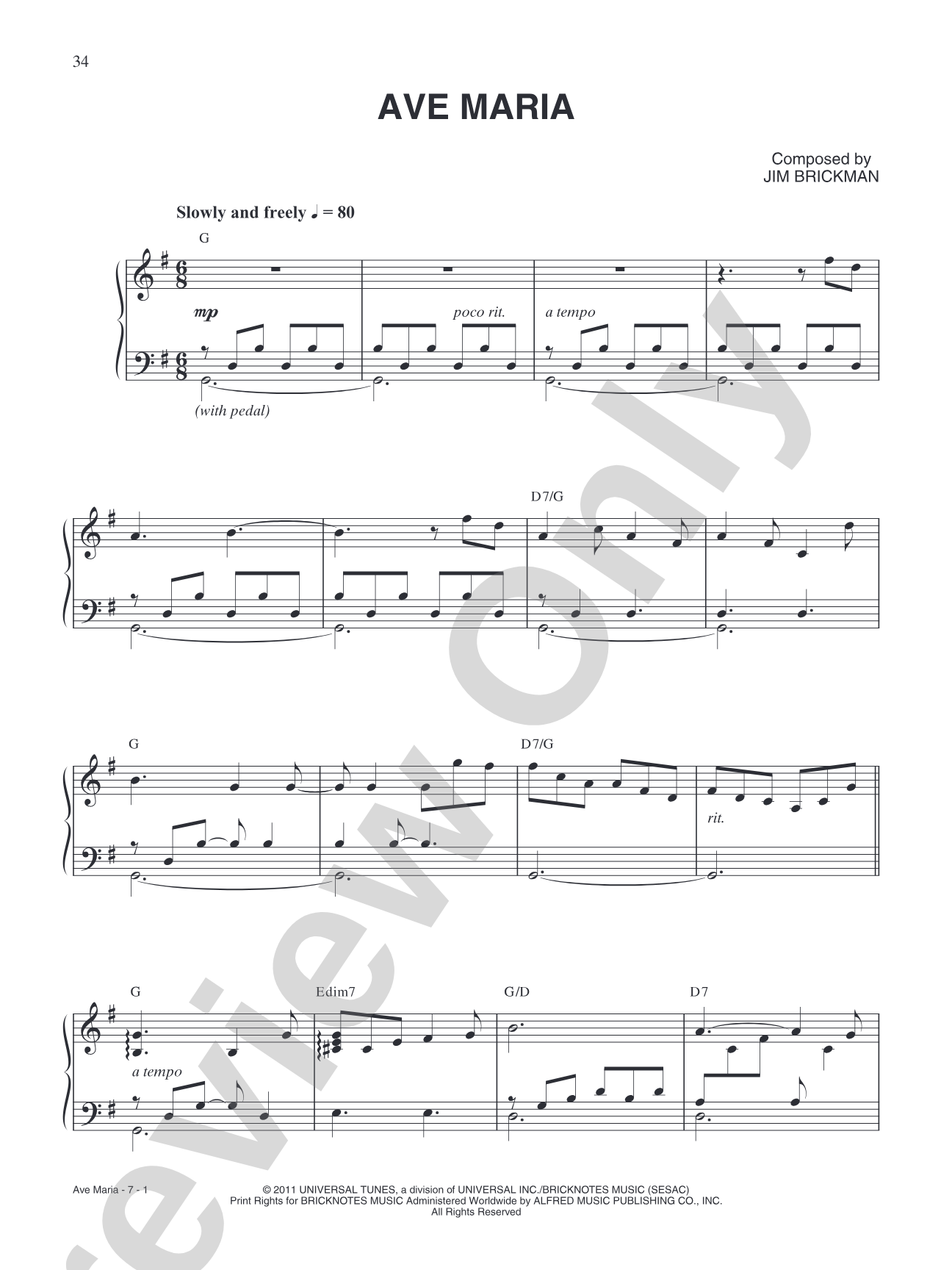
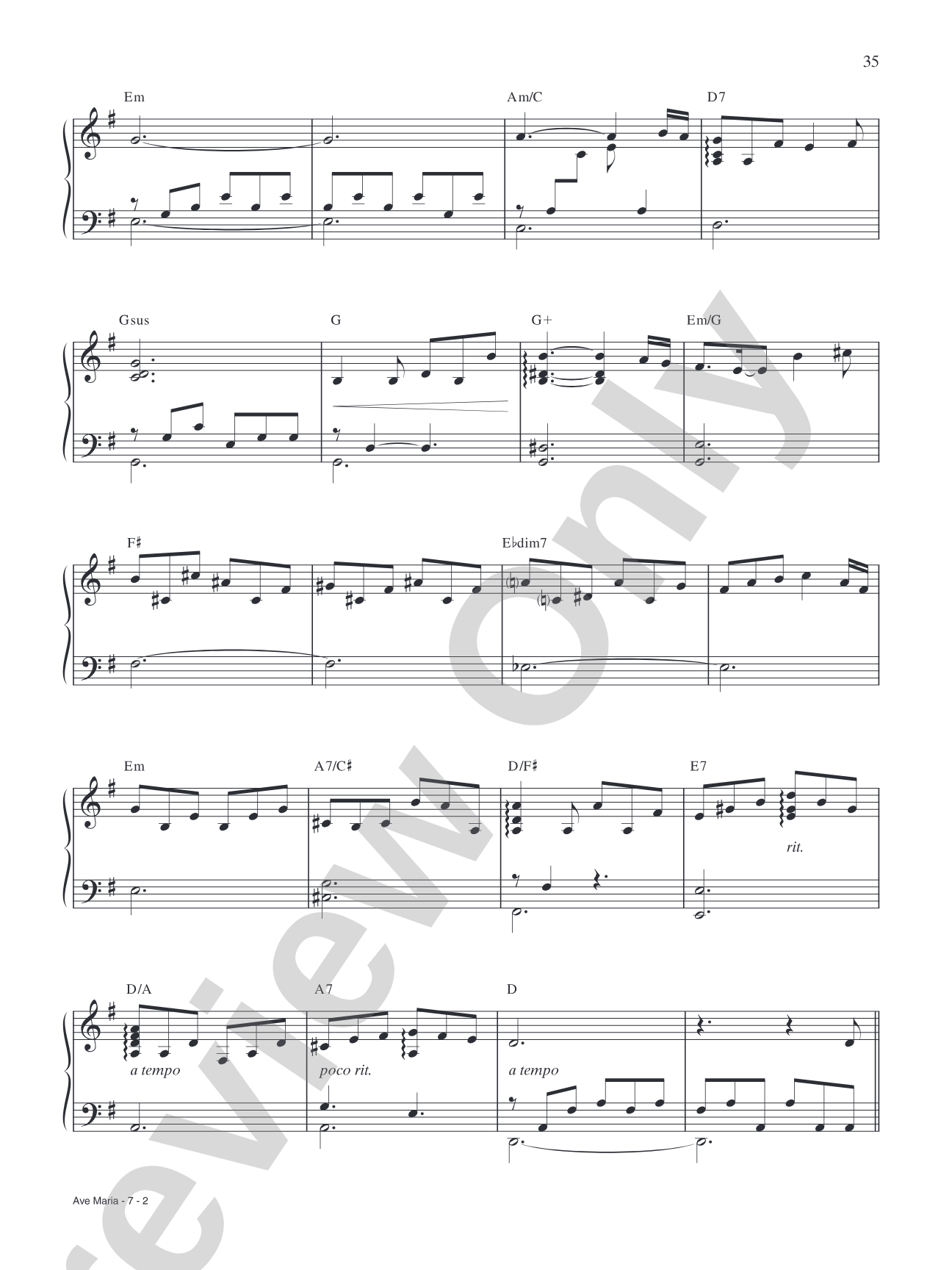

Ave Maria: Piano
Jim Brickman
Item: 00-XS-0000518
$5.99
Pickup currently not available
Related Items
Romanza: Piano |
$4.99
|
View | |
Amalfi Rain: Piano |
$4.99
|
View | |
Starry Night: Piano |
$4.99
|
View | |
Venezia: Piano |
$4.99
|
View | |
Three Wishes: Piano |
$4.99
|
View | |
Tuscan Dawn: Piano |
$4.99
|
View | |
Misterioso: Piano |
$5.99
|
View | |
Italian Waltz: Piano |
$4.99
|
View | |
Miles Apart: Piano |
$4.99
|
View | |
Lost in the Shadows: Piano |
$4.99
|
View | |
Café Amore: Piano |
$4.99
|
View | |
Jim Brickman: Romanza: Piano/Vocal/Guitar Book |
$19.99
|
View |
Description
Jim Brickman transports us to romantic Italy with lush interpretations of classic pieces and original, inspiring songs. The arrangements are very playable and truly Brickman-esque!


Ave Maria: Piano isn't in MakeMusic Cloud just yet...but it could be. Let us know you'd like to see it, and you'll help shape what comes next. In the meantime, start a free trial and dive into thousands of interactive titles your students can play along with today.
Request This Title
Tell us you want it.
Start Your Free Trial
Explore everything that's ready to play right now.
Sample Audio
No sample audio found.
Sample Video
No sample videos found.
Additional Details
Publisher:
Alfred Music
Page Count:
84
SKU:
00-XS-0000518
More about this title
About the Composer: Jim Brickman
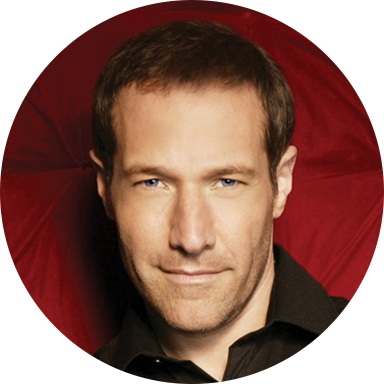
Jim Brickman stands as the best-selling solo pianist of his generation, a songwriter who has shaped contemporary instrumental music through distinctive piano writing and unforgettable live performances. His career reflects a deliberate artistic vision: creating music that marks life's significant moments, whether as a backdrop for reflection or a catalyst for celebration. Brickman has spent decades refining a recognizable voice at the keyboard, one that balances technical sophistication with emotional accessibility.
Brickman's compositional philosophy centers on music as a universal language. He writes with intention to soothe, inspire, and move listeners, treating each piece as an intimate conversation rather than a performance. This approach has made him instrumental in revitalizing interest in piano-based instrumental music across popular audiences.
Why we love this
Brickman's arrangements in this collection showcase why he remains essential programming for pianists seeking contemporary material with genuine depth. The writing balances lyrical melody with pianistic idioms that sound accomplished without demanding virtuosity, making these pieces as rewarding to play as they are to hear. These interpretations belong in recitals where you want to bridge classical tradition and modern sensibility.
What to expect
These arrangements evoke the warmth of romantic European settings reimagined through a contemporary lens. The writing combines classical sensibility with the harmonic language of modern pop and new age music, creating pieces that feel both accessible and emotionally sophisticated.
Who it's for
Pianists and keyboardists drawn to contemporary interpretations of familiar material will find immediate connection here. This collection serves intermediate to advanced players seeking recital repertoire that speaks to modern listeners without sacrificing musical substance.
How to get the most out of it
- Let the rubato breathe naturally; Brickman's style depends on phrasing flexibility rather than metronomic precision. Give yourself permission to shape the harmonic progressions with subtle tempo variation.
- Voice the chord progressions carefully to prevent muddiness, especially in the lower register where Brickman often places rich harmonic foundation. Clarity in the left hand supports the melodic line.
- Explore the dynamic range fully. These pieces gain their emotional power through contrasts between intimate passages and moments of fuller sound; resist playing at a single volume level throughout.
How to use it
Program individual selections from this collection in recitals where you want to shift tone or mood; the arrangements work equally well as concert openers or reflective interludes between heavier repertoire. The piano/vocal/guitar instrumentation also offers flexibility for collaborative performances with singers or guitarists, expanding programming possibilities beyond solo piano contexts.
Skills your students will build
- Rubato and expressive phrasing in a contemporary context
- Voicing contemporary harmonic progressions for clarity and color
- Balance between melodic shape and harmonic support
- Stylistic interpretation beyond classical and jazz idioms