
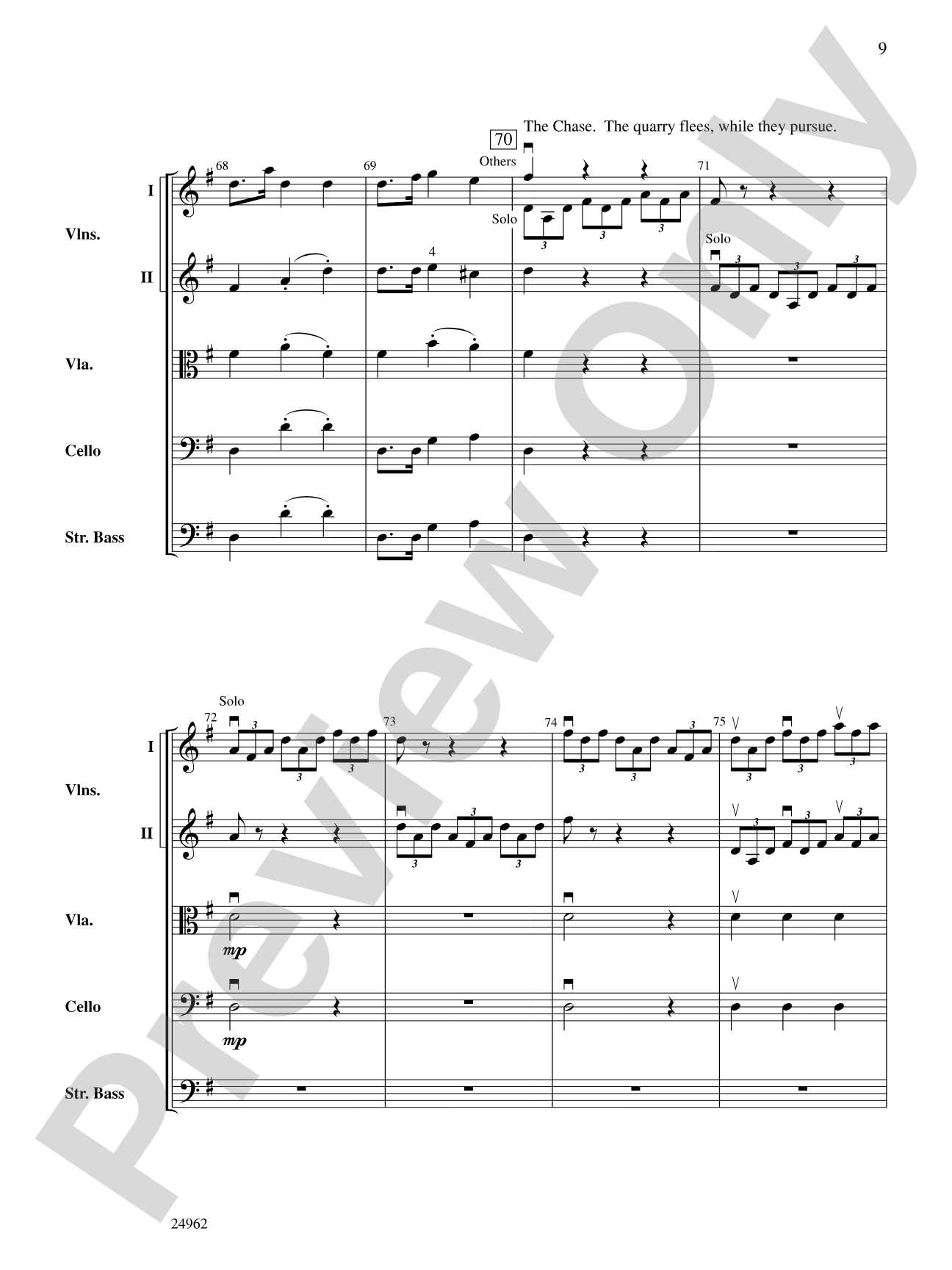
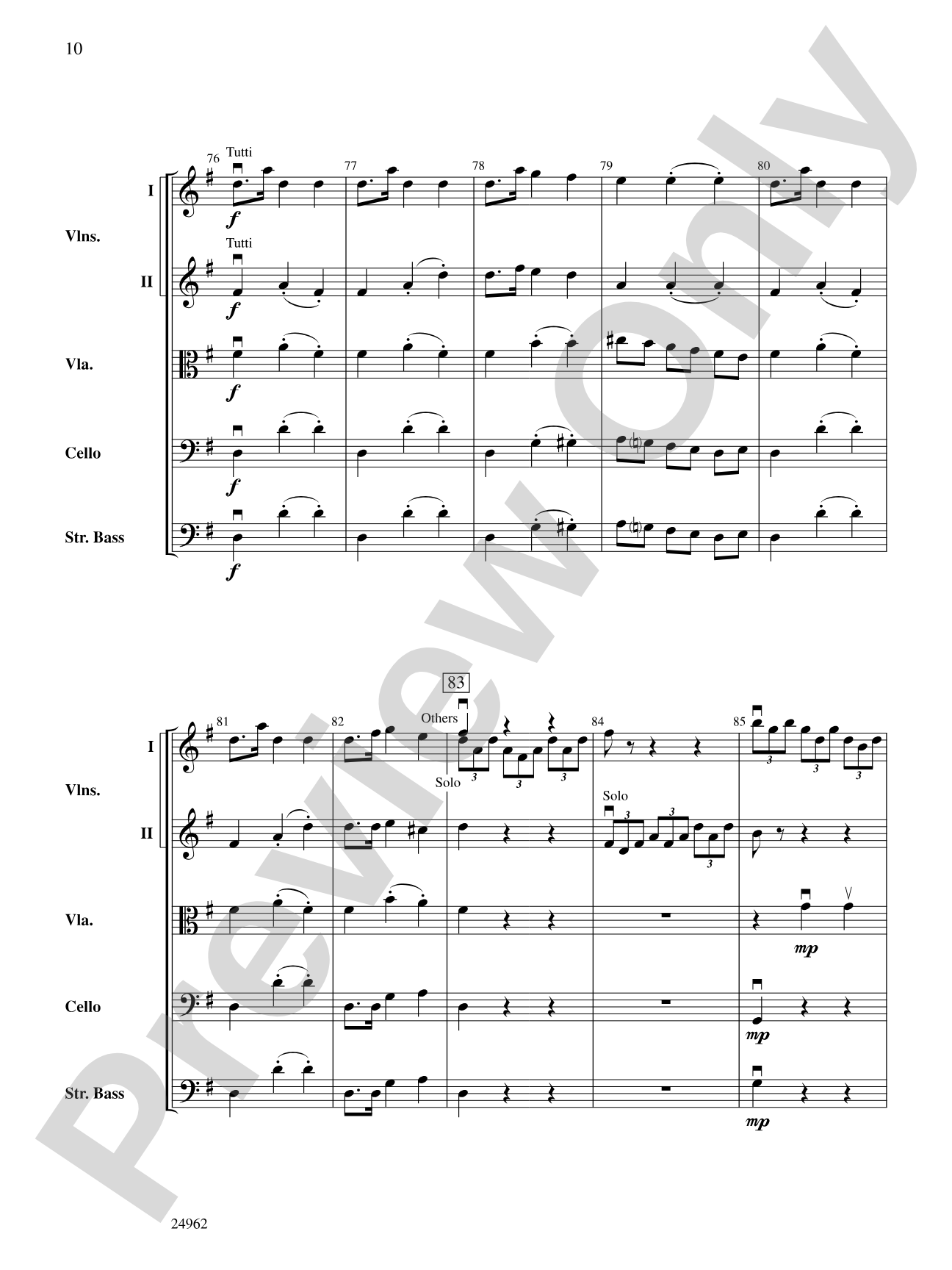
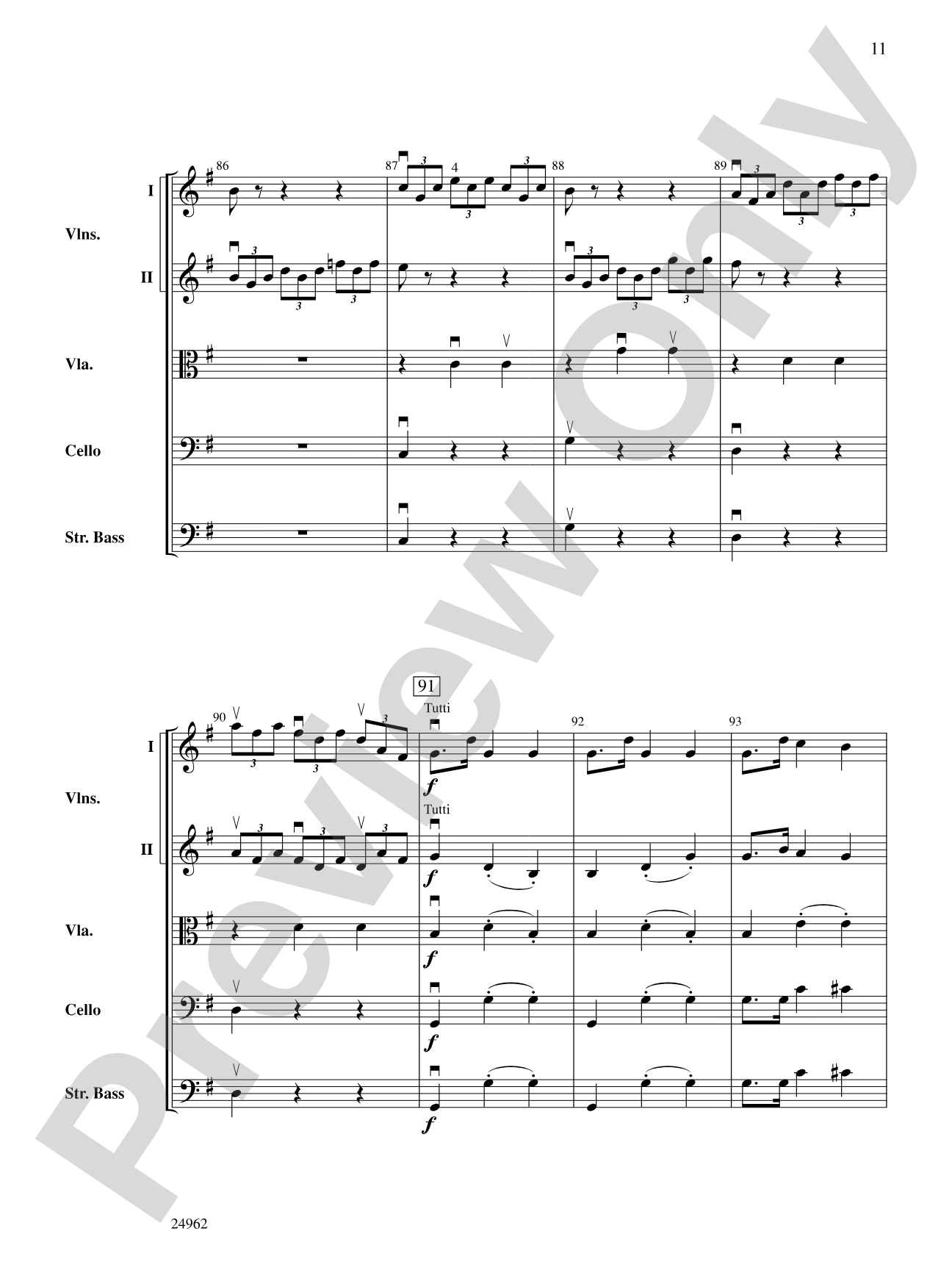
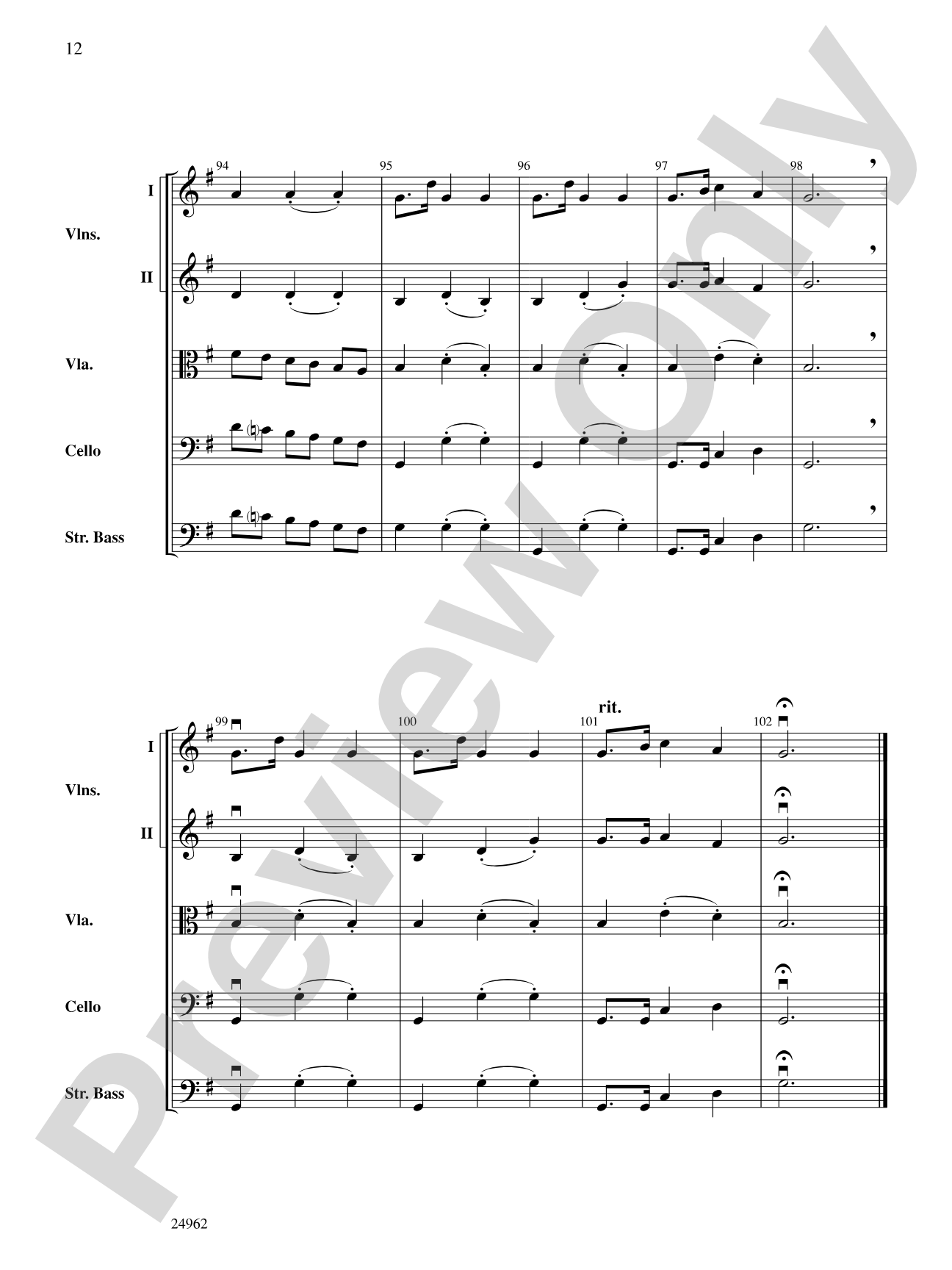

"Autumn" from The Four Seasons: String Orchestra Conductor Score & Parts
(Third Movement)
By Antonio Vivaldi / arr. Richard Meyer
Grade: 2.5
Item: 00-PK-0000962

$49.00
Pickup currently not available
Buy Extra Parts (Digital PDF Download)
| Product | Price | Quantity |
|---|---|---|
| "Autumn" from The Four Seasons: Score | $9.00 | |
| "Autumn" from The Four Seasons: 1st Violin | $5.99 | |
| "Autumn" from The Four Seasons: 2nd Violin | $5.99 | |
| "Autumn" from The Four Seasons: Viola | $5.99 | |
| "Autumn" from The Four Seasons: Cello | $5.99 | |
| "Autumn" from The Four Seasons: String Bass | $5.99 |
Parts Added to Cart!
Related Items
"Autumn" from The Four Seasons: String Orchestra Conductor Score & Parts |
$49.00
|
The Four Seasons: String Orchestra Conductor Score & Parts" > View | |
"Autumn" from The Four Seasons: String Orchestra Conductor Score |
$9.00
|
The Four Seasons: String Orchestra Conductor Score" > View |
Description
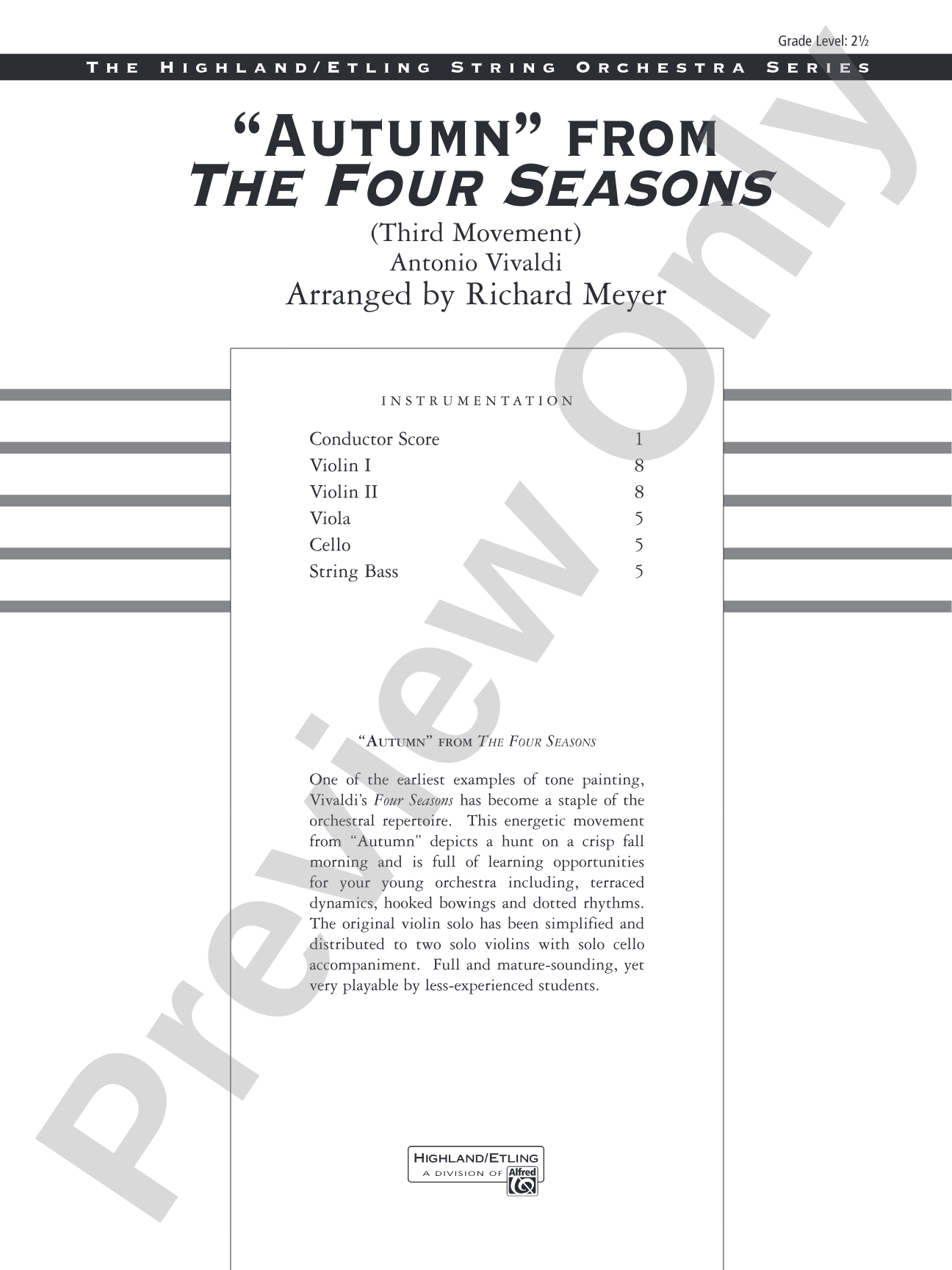
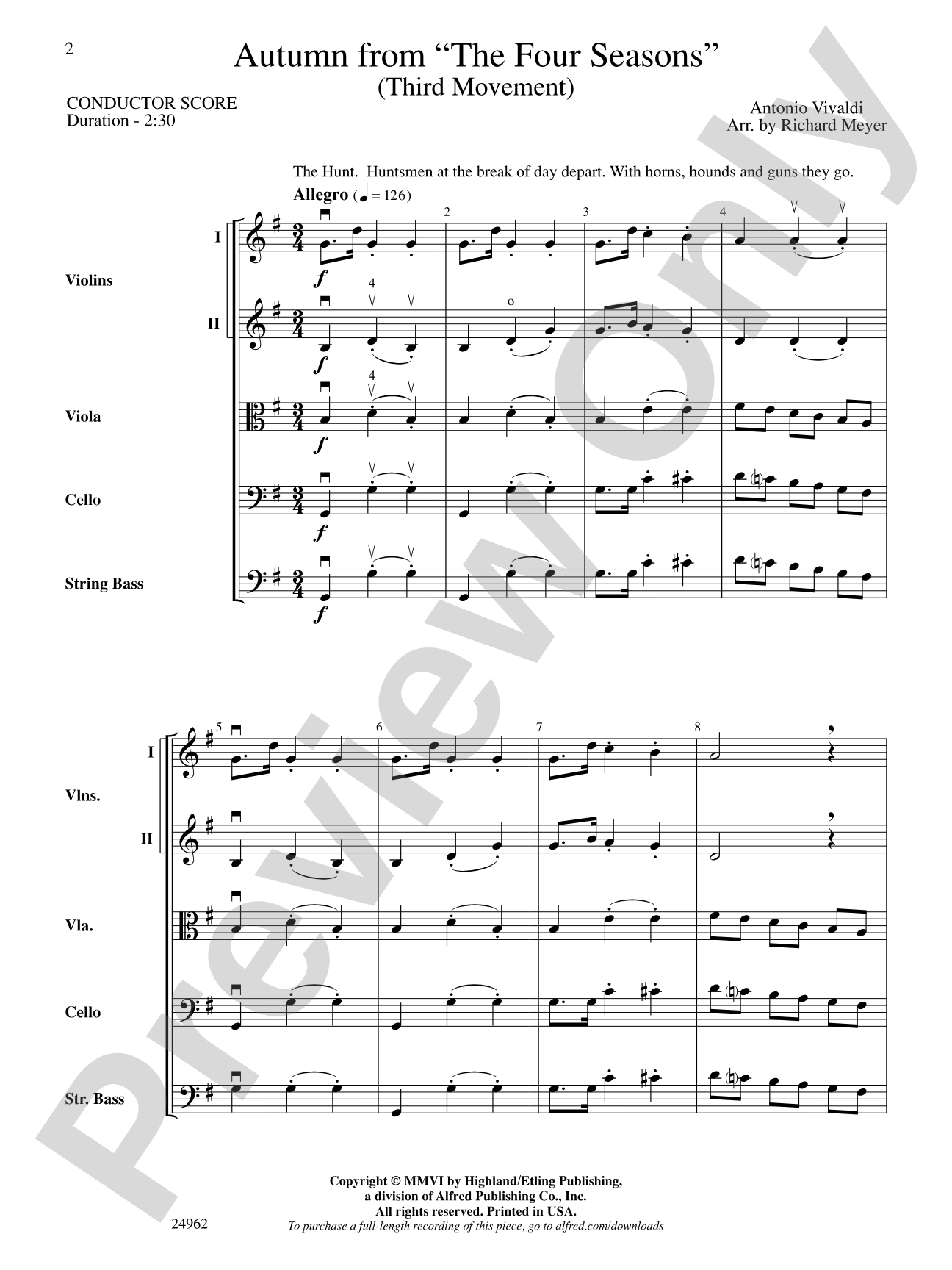
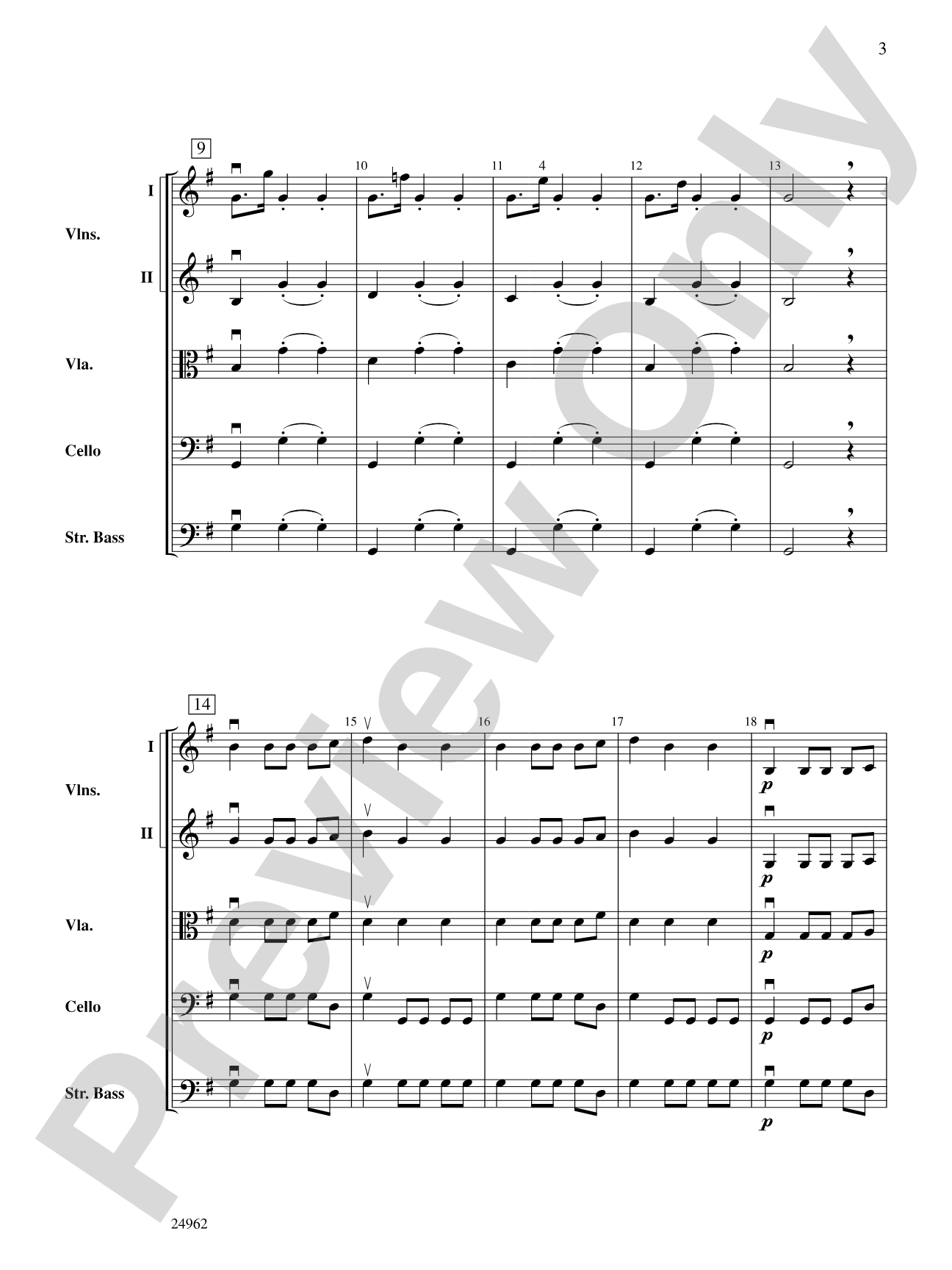
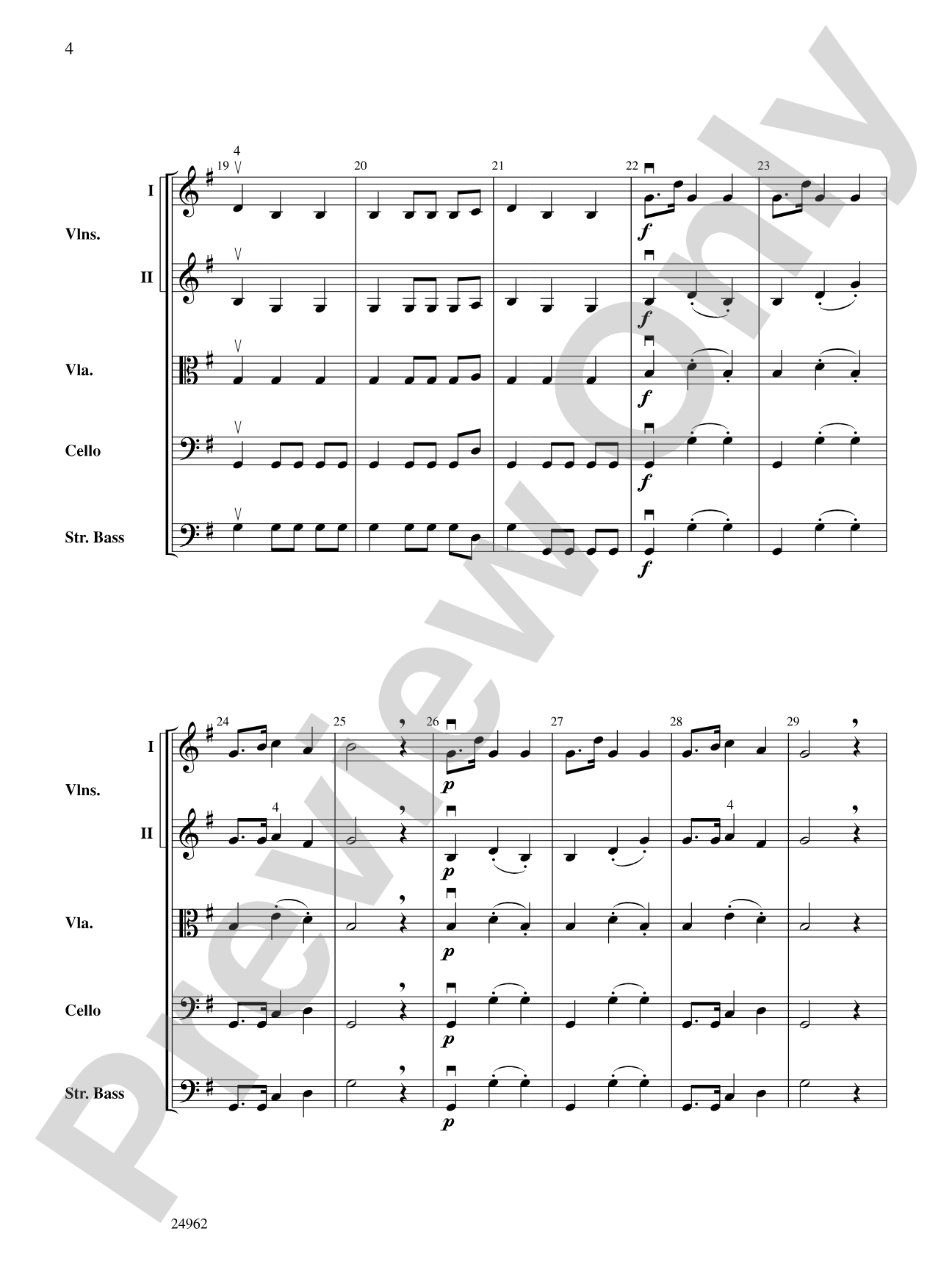
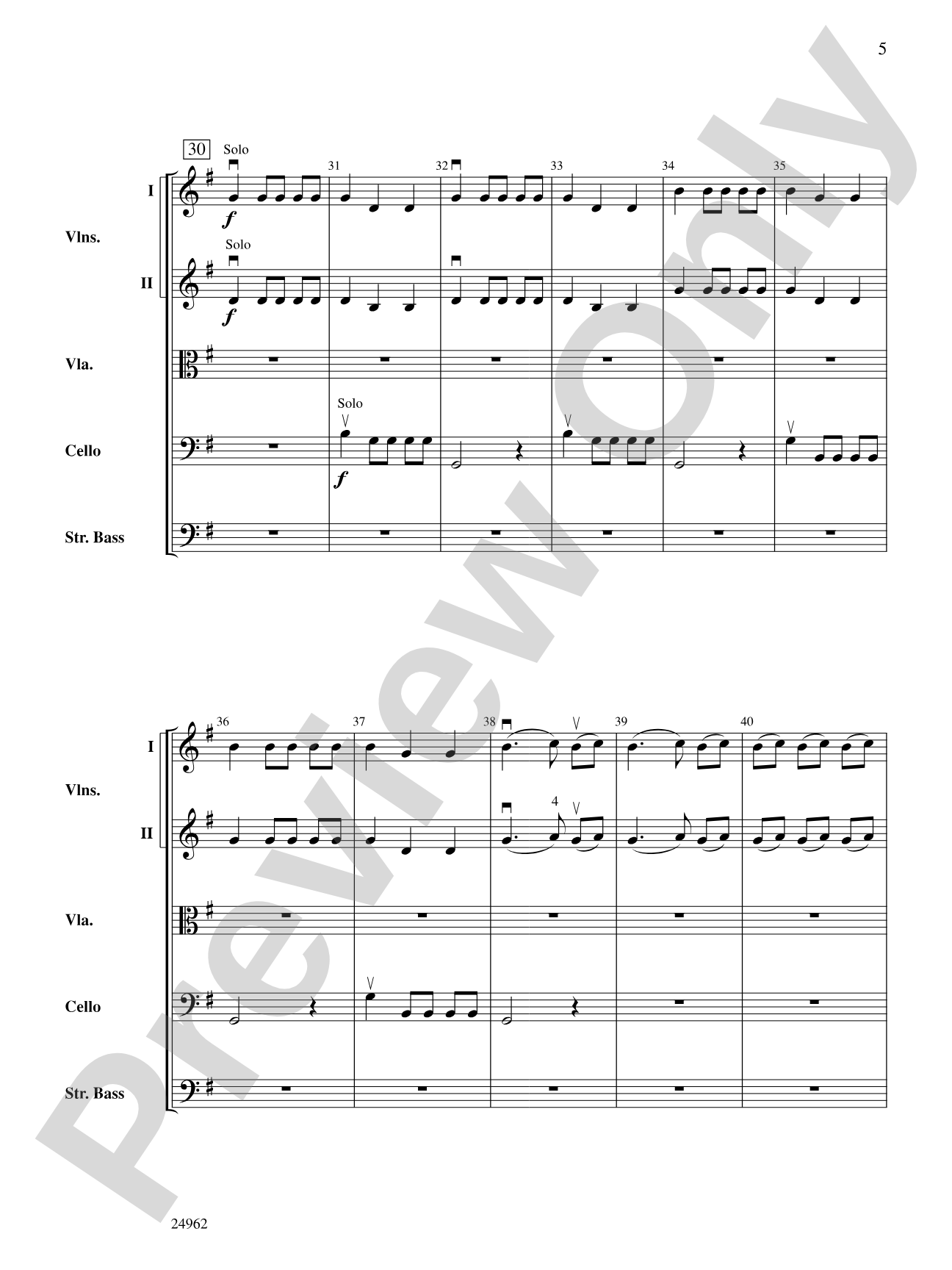
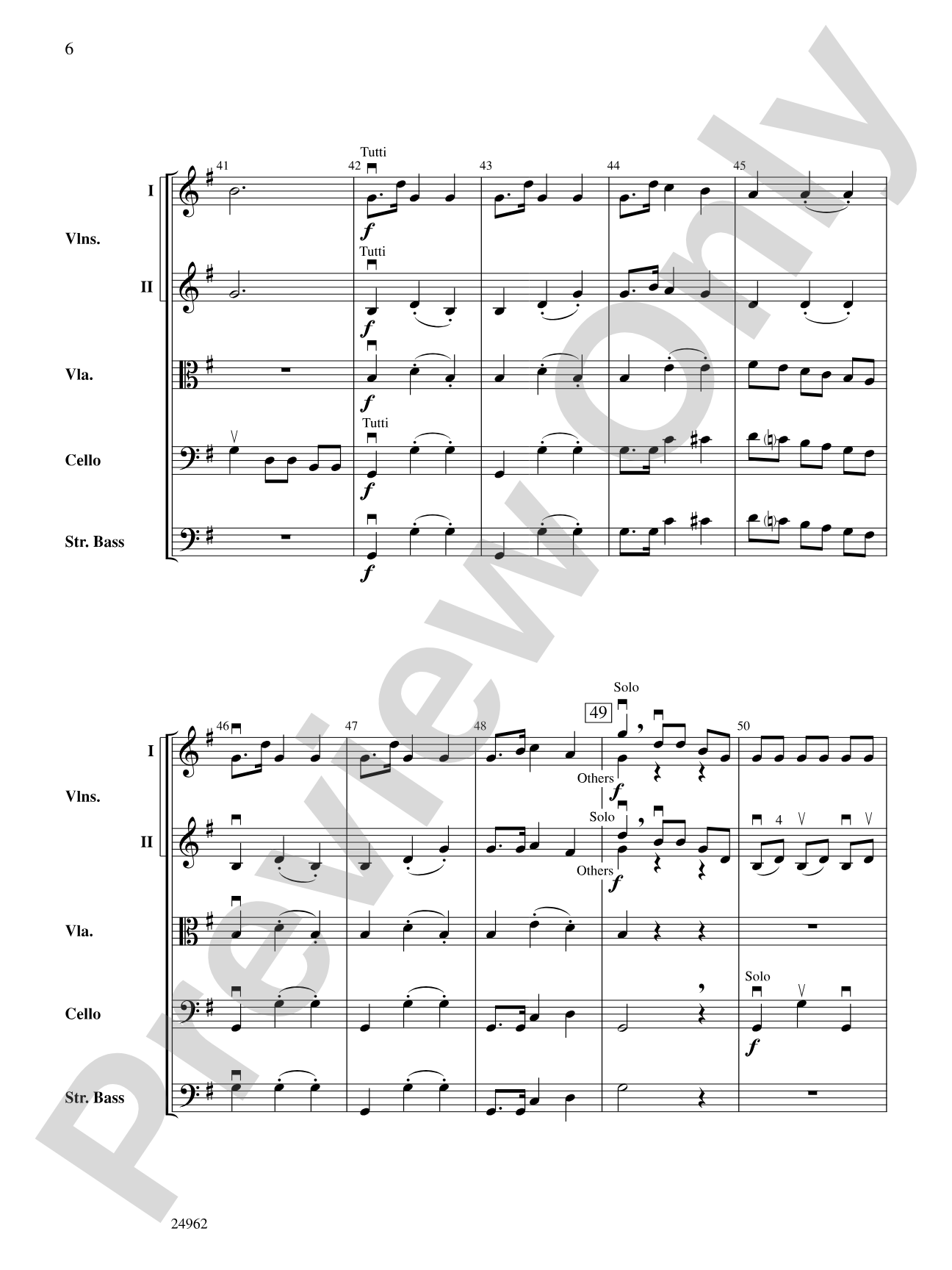
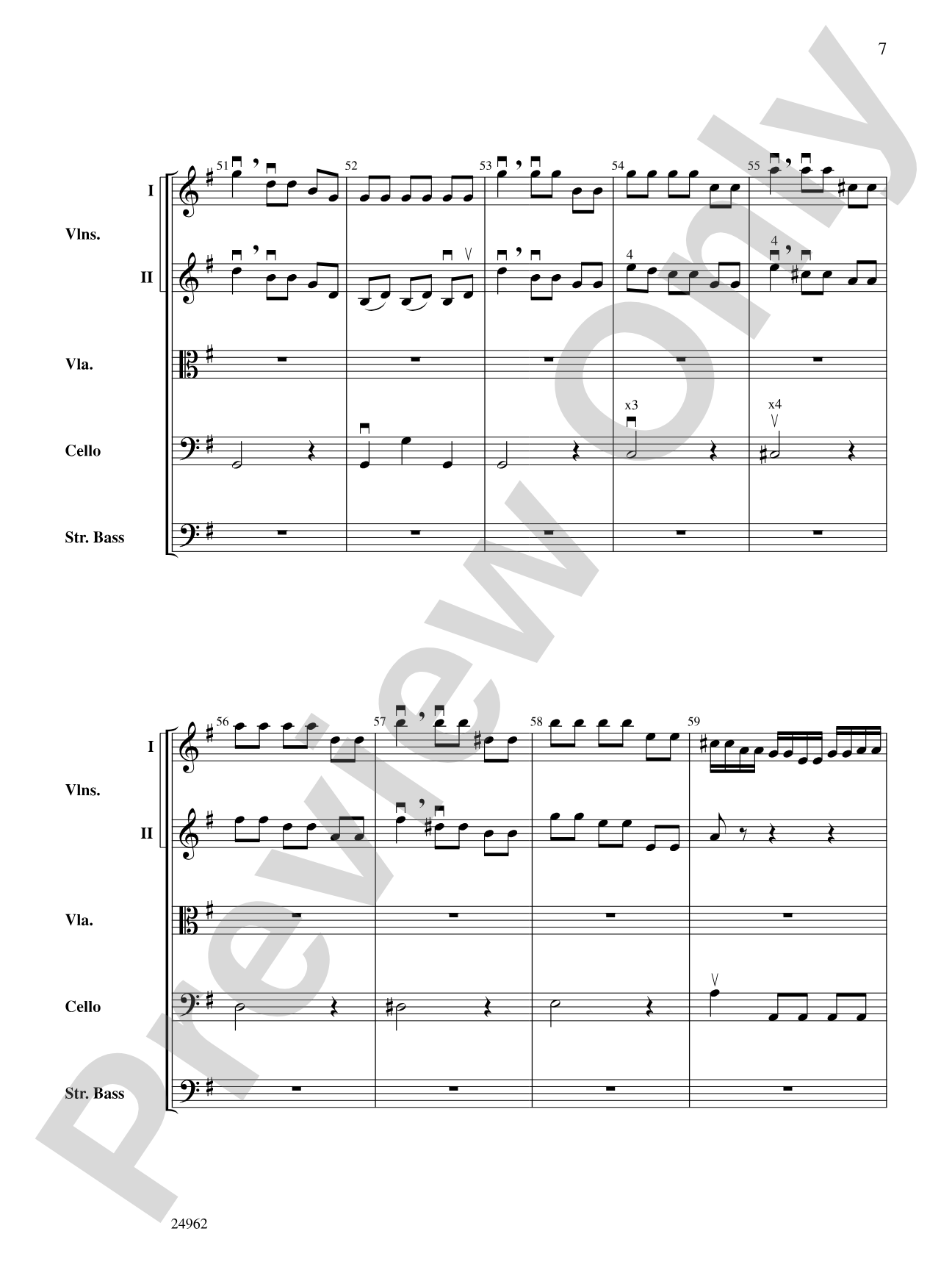
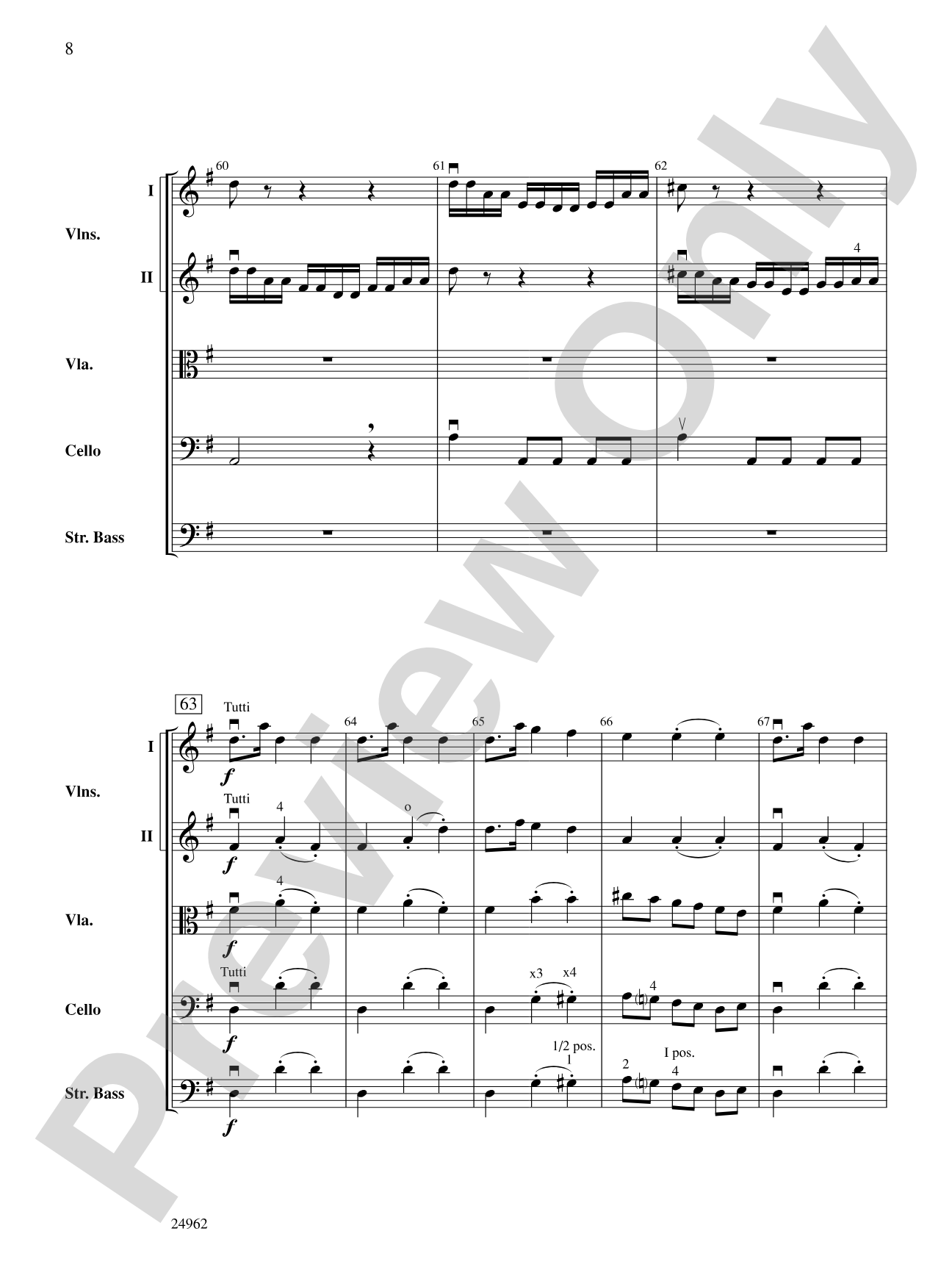
One of the earliest examples of tone painting, Vivaldi's Four Seasons has become a staple of the orchestral repertoire. This energetic movement from "Autumn" depicts a hunt on a crisp fall morning and is full of learning opportunities for your young orchestra including: terraced dynamics, hooked bowings and dotted rhythms. The original violin solo has been simplified and distributed to two solo violins with solo cello accompaniment. Full and mature-sounding, yet very playable by less-experienced students. This title is available in MakeMusic Cloud.


Don't just read it, hear it, play along with it, and watch your students grow with it. In MakeMusic Cloud, "Autumn" from The Four Seasons: String Orchestra Conductor Score & Parts comes alive with professional accompaniment, adjustable tempo, and built-in practice tools that turn solo practice into real progress.
Open in the Player
Jump straight in and assign it today.
Start Your Free Trial
Open this title and explore the full library in minutes.
Sample Audio
1
Audio File
--:--
0:00
0:00
Sample Video
Additional Details
Series:
Highland/Etling String Orchestra
Publisher:
Alfred Music
Page Count:
124
SKU:
00-PK-0000962
More about this title
About the Composer: Antonio Vivaldi
Antonio Vivaldi (1678-1741) was a Venetian priest and virtuoso violinist whose prolific output shaped the Baroque concerto. He composed over 500 works across multiple genres, but his instrumental concertos remain his most enduring legacy. His ability to capture vivid imagery through music made him a pioneer of program music centuries before that concept became standard in Western classical composition.
Vivaldi's influence on music education runs deep. His concertos established foundational techniques still taught today: idiomatic string writing, clear harmonic structure, and orchestration that balances accessibility with genuine musical substance. Teachers continue to return to his work because it rewards careful listening while remaining immediately engaging for young musicians.
Why we love this
This arrangement transforms one of Baroque music's most recognizable works into a genuinely teachable piece for developing orchestras. Meyer distributes the famous solo violin line to two solo violins with cello support, creating a collaborative sound that feels full without demanding advanced technical facility. The result is a string piece that sounds sophisticated and mature while targeting the exact skills your orchestra needs to build at the 2.5 grade level.
What to expect
A crisp morning chase through autumn woods, energized and purposeful. The bright figures leap between instruments in rapid succession, creating forward momentum that feels almost breathless. Underneath runs a steady pulse that grounds the excitement, allowing the vivid orchestral colors to emerge clearly.
Who it's for
String orchestras at the early intermediate level who are ready to tackle recognizable masterworks with real stylistic demands. This works equally well for school orchestras, youth orchestras, and community ensembles seeking material that engages students while building fundamental skills. Directors can program this with confidence knowing their players will experience success without oversimplification.
How to get the most out of it
- Shape the terraced dynamics intentionally rather than sliding between levels. Let each dynamic plane breathe for a measure or two before the next shift; this clarity helps young players hear the architectural design Vivaldi built into the work.
- Anchor the hooked bowings in your rehearsal early by demonstrating the exact articulation you want, then have the section bow together while you listen for uniformity. Small bow hooks create big sonic differences when they're unified.
- Balance the two solo violins carefully in the opening phrases. They should sound like partners, not a soloist with accompaniment. Adjust chair placement if needed so each solo violinist can hear the other clearly.
- Mark the dotted rhythms in advance so players understand the intended energy. In a hunting scene, dotted rhythms should feel alert and driving, not stiff or overly cautious.
How to use it
Consider programming this as a fall concert opener or feature. Its programmatic character and seasonal relevance make it a natural fit for October and November performances. You might also pair it with other Vivaldi movements from the Four Seasons if your orchestra has the strength, or use it as a standalone centerpiece that demonstrates how early Baroque composers thought about storytelling through instruments.
Skills your students will build
- Terraced dynamics and clear dynamic architecture
- Hooked bowings executed with precision and uniformity
- Dotted rhythm coordination across the ensemble
- Dialogue between solo and ensemble voices
- Baroque articulation and phrasing conventions