
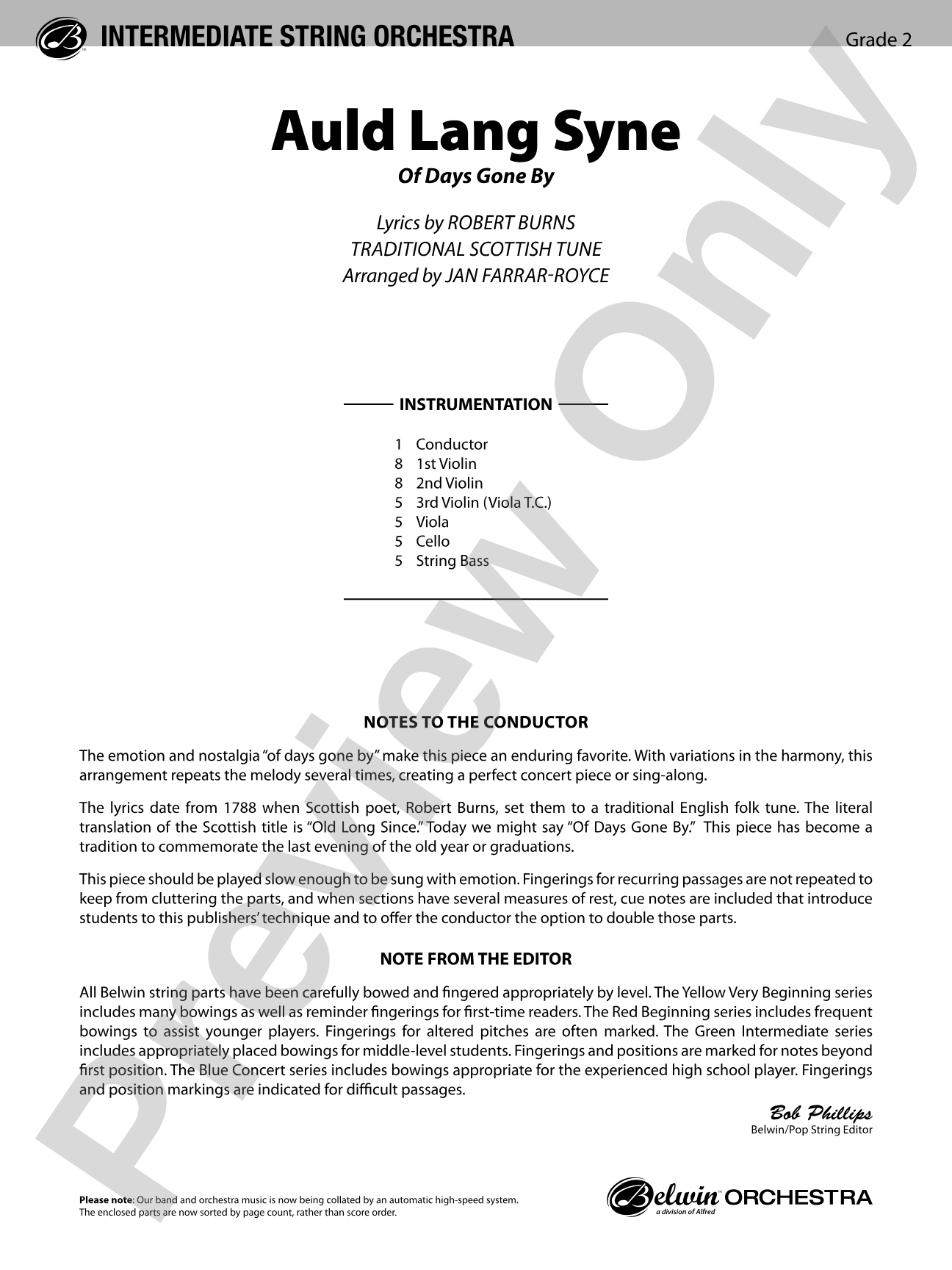
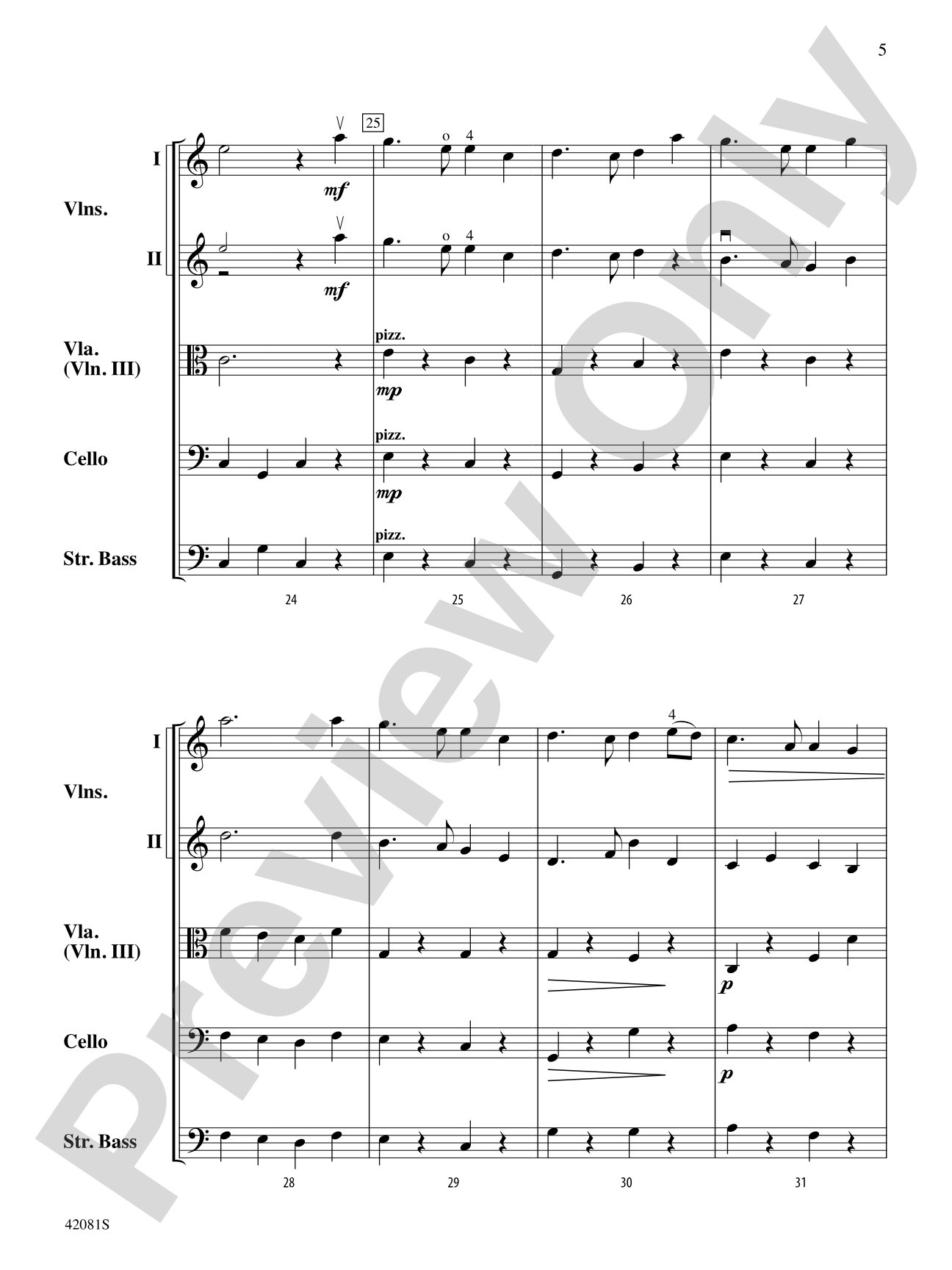
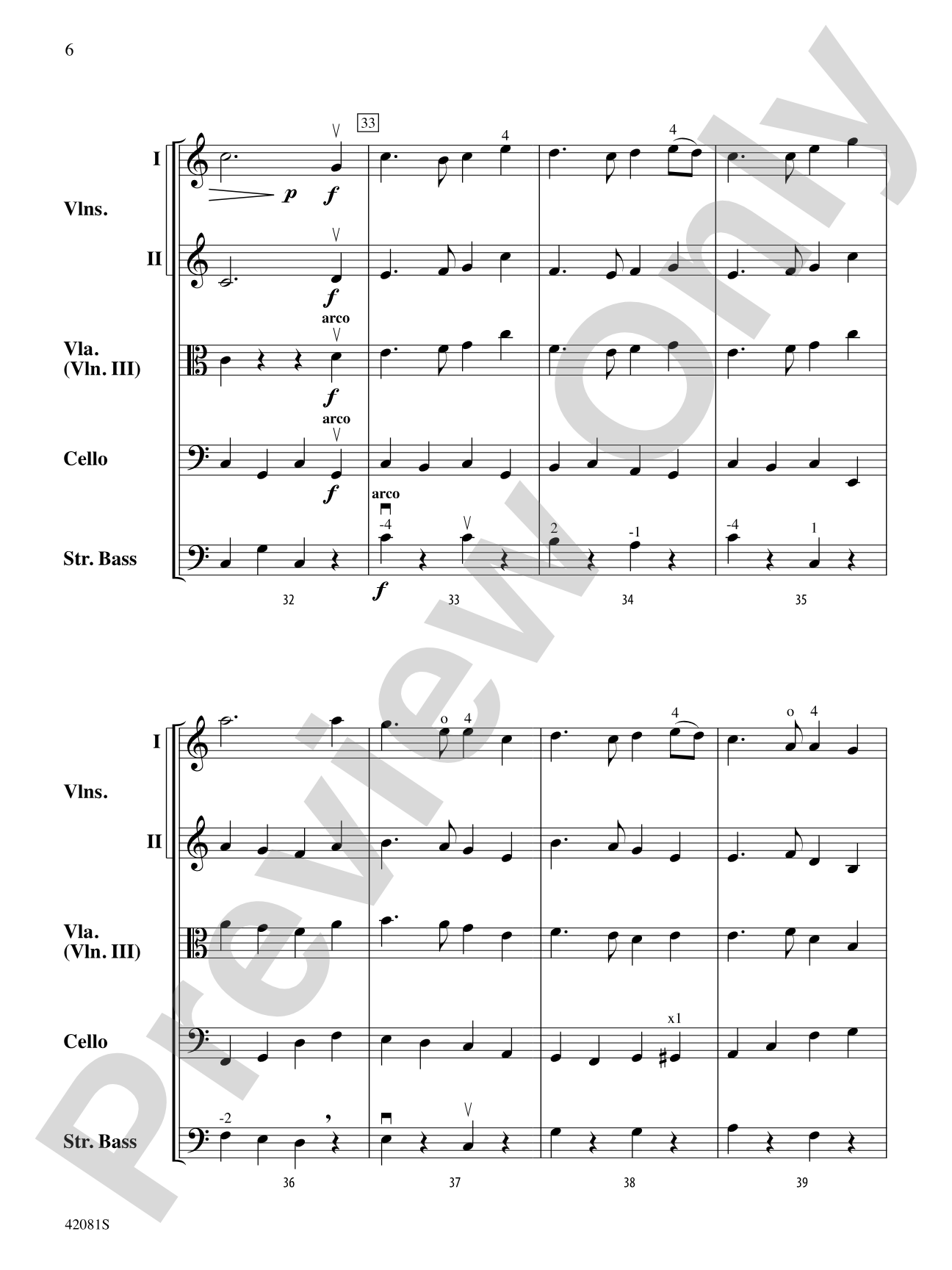
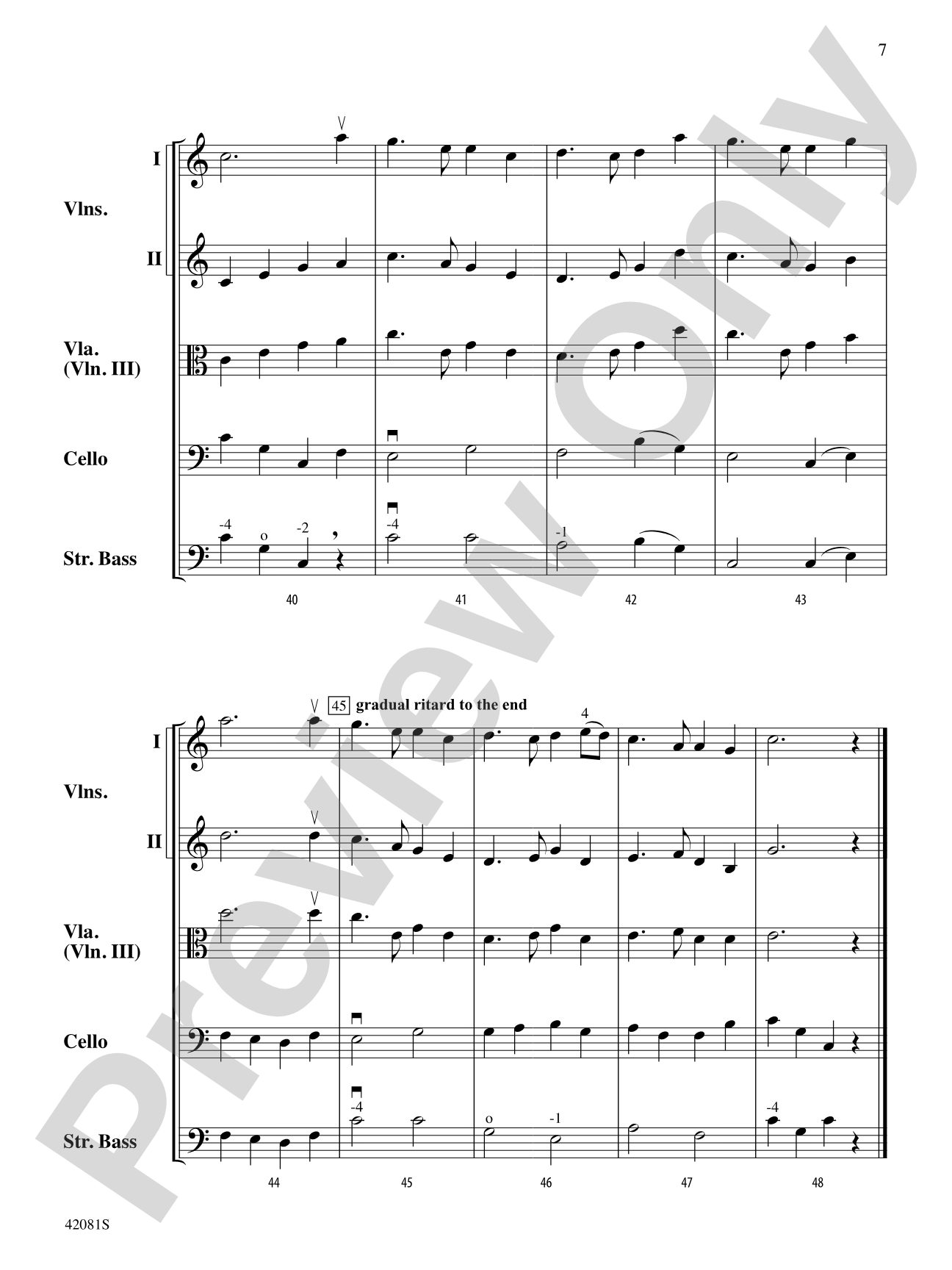

Auld Lang Syne: String Orchestra Conductor Score & Parts
Of Days Gone By
Lyrics by Robert Burns, Traditional Scottish Tune / arr. Jan Farrar-Royce
Grade: 2
Item: 00-PK-0006217

$45.00
Pickup currently not available
Buy Extra Parts (Digital PDF Download)
| Product | Price | Quantity |
|---|---|---|
| Auld Lang Syne: Score | $9.00 | |
| Auld Lang Syne: 1st Violin | $7.99 | |
| Auld Lang Syne: 2nd Violin | $7.99 | |
| Auld Lang Syne: 3rd Violin (Viola [TC]) | $7.99 | |
| Auld Lang Syne: Viola | $7.99 | |
| Auld Lang Syne: Cello | $7.99 | |
| Auld Lang Syne: String Bass | $7.99 |
Parts Added to Cart!
Related Items
Auld Lang Syne: String Orchestra Conductor Score & Parts |
$45.00
|
View |
Description
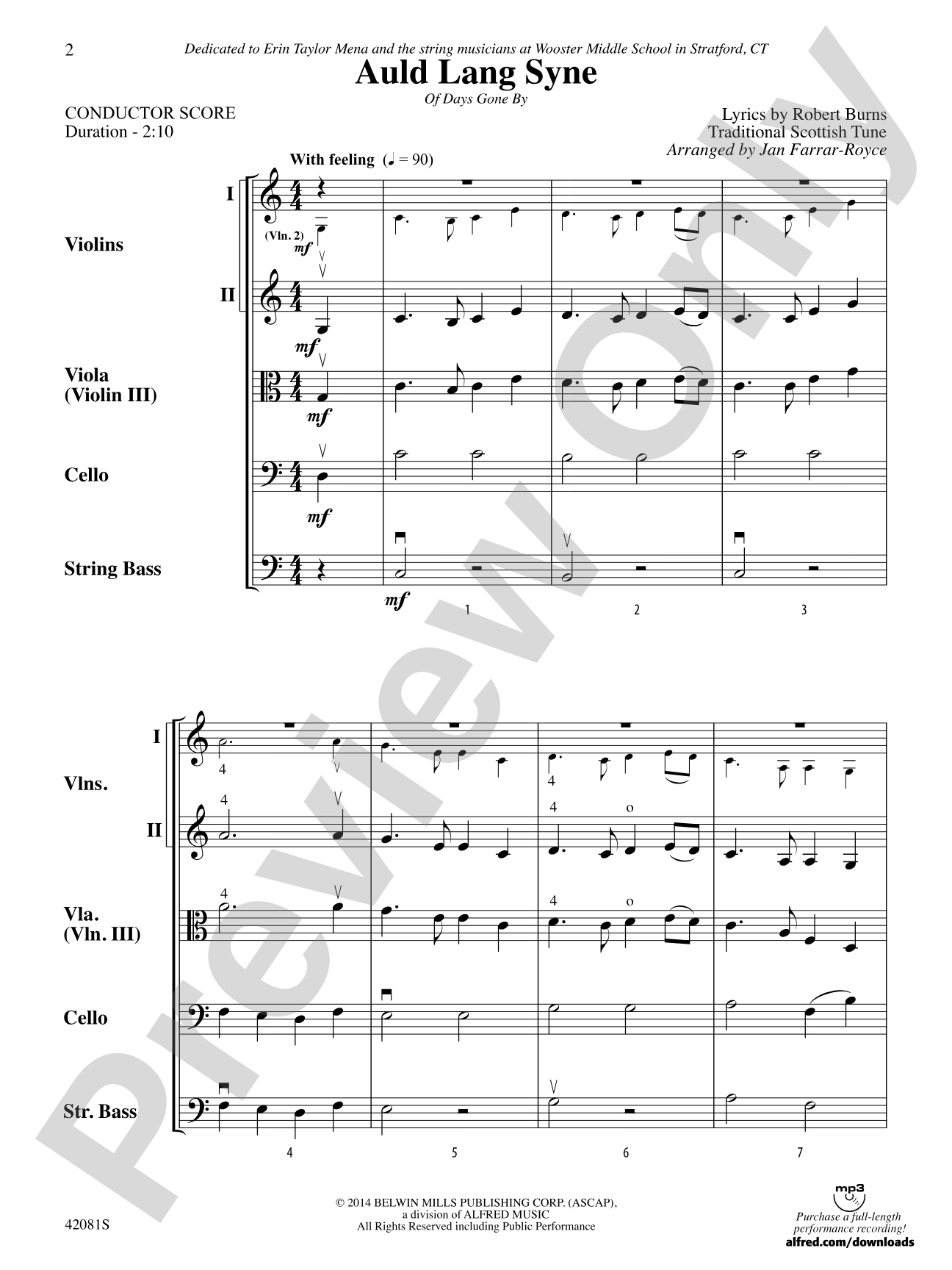
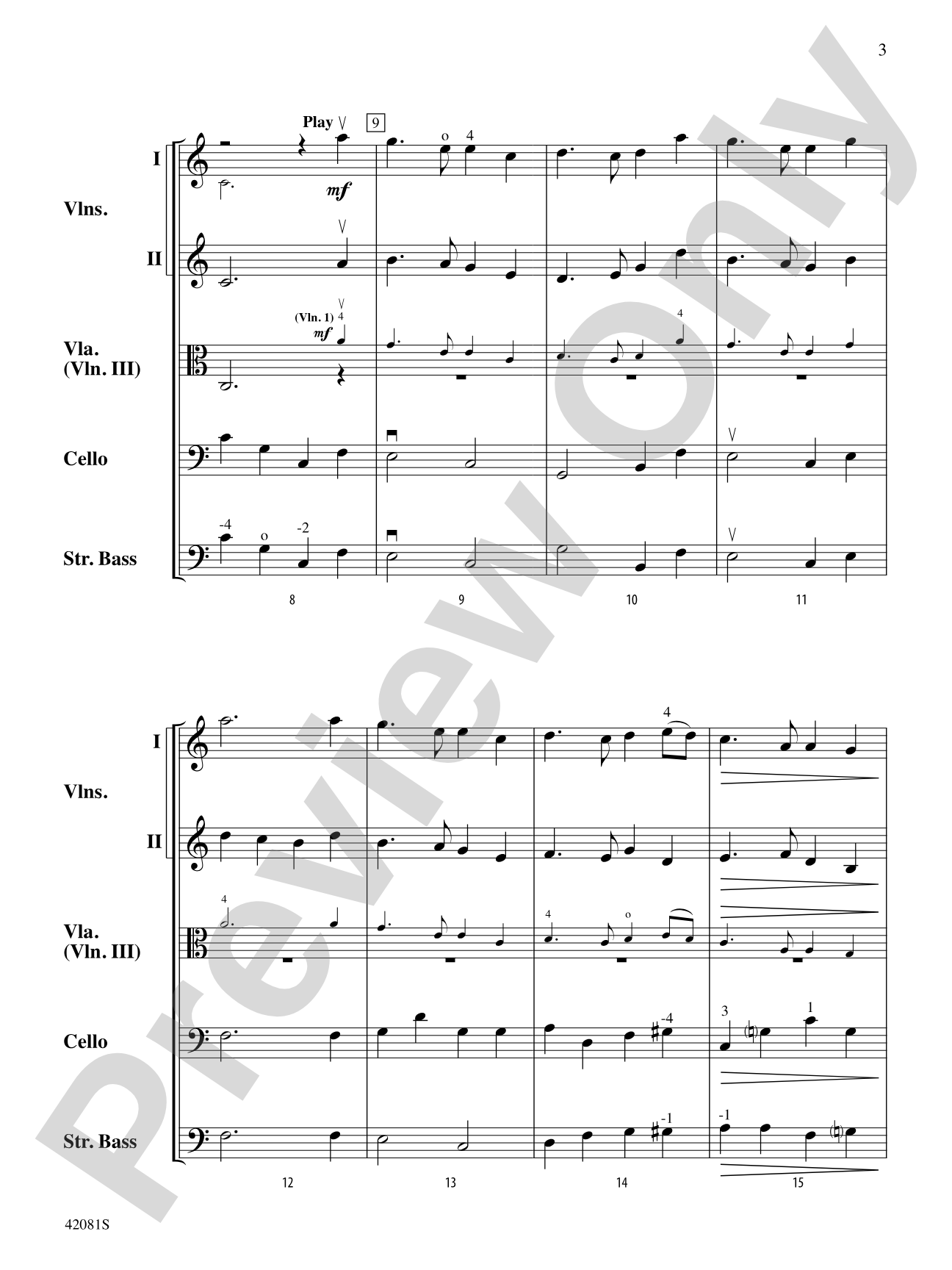
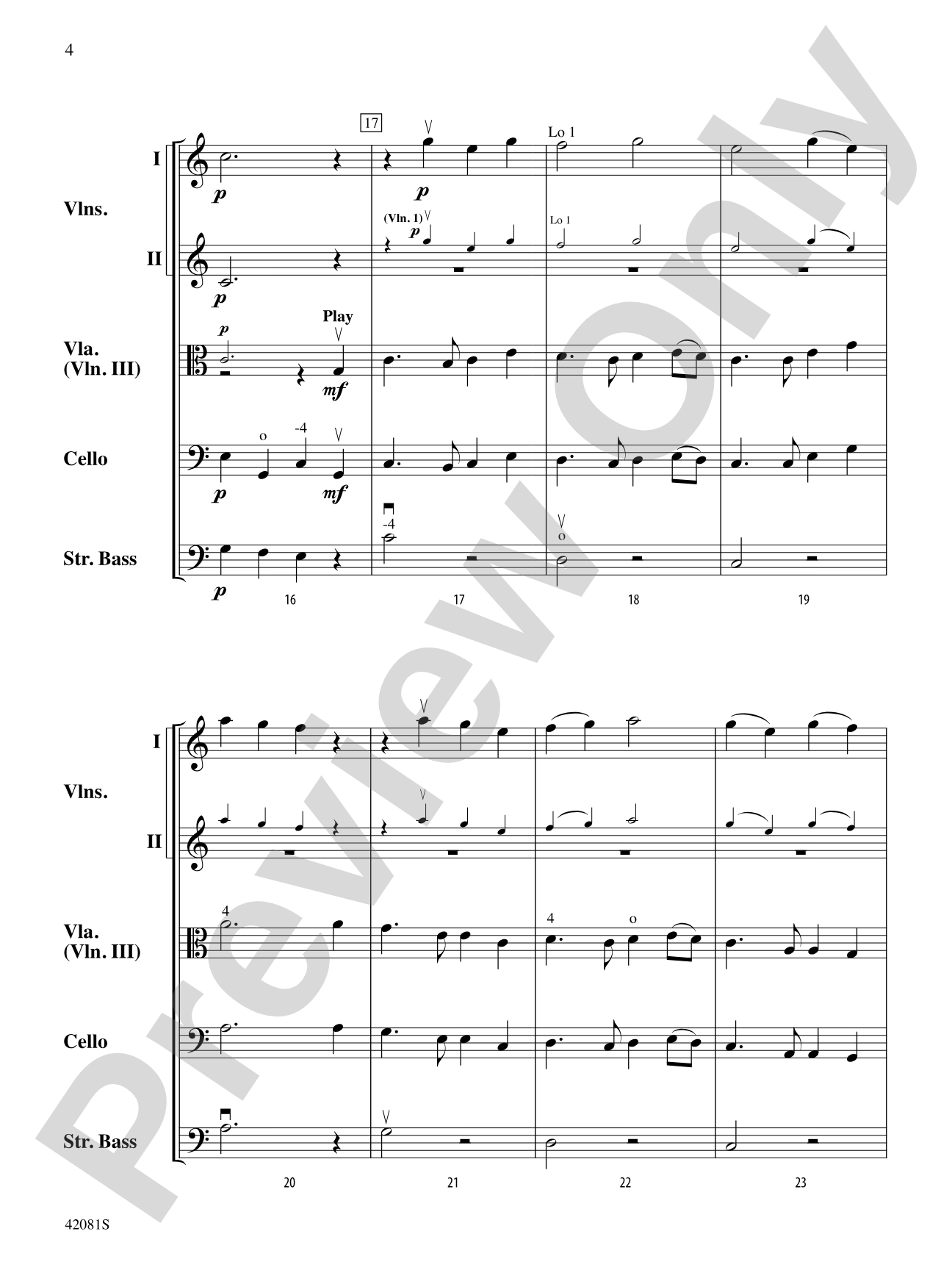
The emotion and nostalgia "Of Days Gone By" make this piece an enduring favorite. With variations in the harmony this arrangement repeats the melody several times creating a perfect concert piece or sing-along. (2:10) This title is available in MakeMusic Cloud.


Don't just read it, hear it, play along with it, and watch your students grow with it. In MakeMusic Cloud, Auld Lang Syne: String Orchestra Conductor Score & Parts comes alive with professional accompaniment, adjustable tempo, and built-in practice tools that turn solo practice into real progress.
Open in the Player
Jump straight in and assign it today.
Start Your Free Trial
Open this title and explore the full library in minutes.
Sample Audio
1
Audio File
--:--
0:00
0:00
Sample Video
No sample videos found.
Additional Details
Series:
Belwin Intermediate String Orchestra
Publisher:
Alfred Music
Page Count:
72
SKU:
00-PK-0006217
More about this title
About the Arranger: Jan Farrar-Royce

Jan Farrar-Royce brings more than 35 years of performance and teaching experience to her string arrangements. A classical violist and fiddler, she has founded multiple youth orchestras and music schools in Connecticut, including Wallingford Festival Strings and the Cheshire Community Music School. She also helped establish the Meriden Symphony Scholarship Fund and co-created CT-ASTA's String Fling Camp.
Royce's contributions to music education extend across the country through workshops, graduate teaching, and mentorship programs. She served as President of the Connecticut Chapter of the American String Teachers Association, earned recognition as her state's 2011 Middle School Music Teacher of the Year, and was among Yamaha's first Certified String Educators. Her work appears in the ASTA DVD Teaching Alternative Styles in the Classroom, and she currently lectures on music education at Yale University's Teacher Training Program.
Why we love this
This arrangement captures the warmth of a familiar melody without demanding virtuosity from your musicians. The harmonic variations keep the repeated statements engaging for both players and audience, and the moderate Grade 2 difficulty makes it accessible to developing orchestras while sounding sophisticated in concert. It's the kind of piece that reminds people why they love string music.
What to expect
The familiar melody unfolds with genuine warmth, carried by elegant harmonic shifts that gradually deepen the piece's emotional weight. By the final statement, what began as a simple tune has grown into something reflective and moving, capturing the bittersweet beauty the title evokes.
Who it's for
String orchestras working at the Grade 2 level will find this piece immediately playable while still engaging an audience. It suits ensembles preparing winter or holiday concerts, or directors seeking repertoire that resonates emotionally without requiring extensive rehearsal time.
How to get the most out of it
- Balance the melody across your first violins while allowing inner voices to bloom through the harmonic variations; this prevents the piece from feeling one-dimensional across multiple repetitions.
- Shape each melodic phrase with gentle dynamic contours rather than maintaining a flat dynamic level; the nostalgia lands harder when players breathe with the music.
- Coordinate your cellos and basses to anchor each harmonic shift cleanly; these moments define the tonal color of each variation and deserve precise ensemble work.
How to use it
Position this as a concert centerpiece or closing piece where its emotional clarity can land fully; audiences connect instantly to the melody, making it perfect for programming alongside more challenging works. It also works beautifully as a sing-along finale, inviting the audience to join the final statement.
Skills your students will build
- Sustaining steady vibrato across multiple phrase repetitions
- Following harmonic changes while maintaining melodic continuity
- Balancing melody and accompaniment within a single instrumental family
- Shaping legato phrasing with intentional dynamic nuance