

Audience Pleasers, Book 1: A Special Collection of 14 Favorite Solos for Piano Students at the Early Elementary to Elementary Levels: Piano
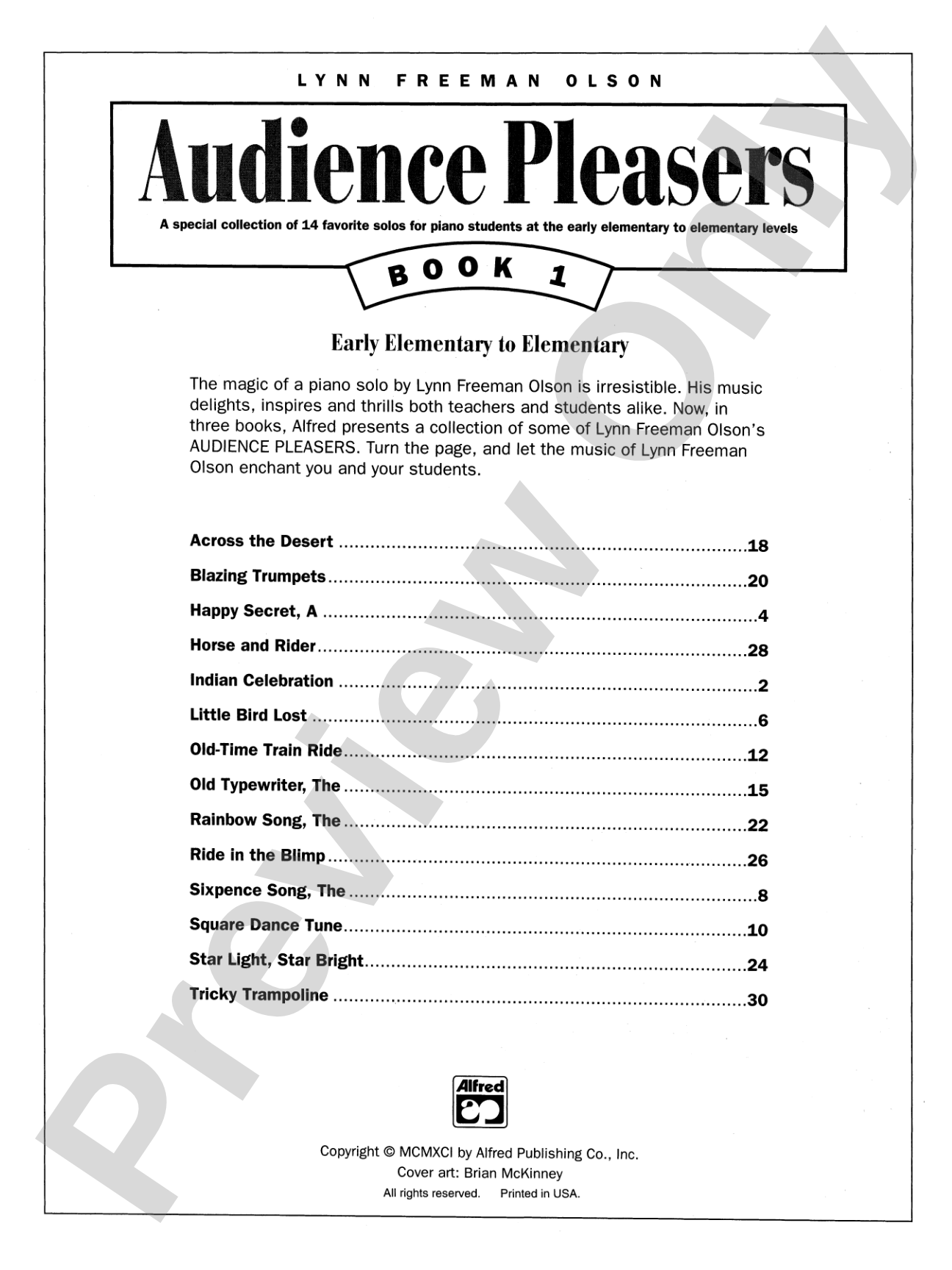
A Special Collection of 14 Favorite Solos for Piano Students at the Early Elementary to Elementary Levels
By Lynn Freeman Olson
Level: Early Elementary / Elementary
Item: 00-PB-0000873
$7.99
Pickup currently not available
Related Items
Audience Pleasers, Book 1: Piano Book |
$7.99
|
View |
Description
Lynn Freeman Olson's music has enchanted several generations of students and teachers. His legacy lives on in this series of books that have been pulled from his most loved sheet music solos. Book 1 spans the early elementary and elementary levels, Book 2 is late elementary/early intermediate, Book 3 is intermediate/early advanced. A Federation Festivals 2024-2028 selection.


Audience Pleasers, Book 1: A Special Collection of 14 Favorite Solos for Piano Students at the Early Elementary to Elementary Levels: Piano isn't in MakeMusic Cloud just yet...but it could be. Let us know you'd like to see it, and you'll help shape what comes next. In the meantime, start a free trial and dive into thousands of interactive titles your students can play along with today.
Request This Title
Tell us you want it.
Start Your Free Trial
Explore everything that's ready to play right now.
Sample Audio
No sample audio found.
Sample Video
No sample videos found.
Additional Details
Publisher:
Alfred Music
Page Count:
32
SKU:
00-PB-0000873
More about this title
About the Composer: Lynn Freeman Olson
Lynn Freeman Olson (1938-2014) composed hundreds of works for piano students and young musicians, defining what accessible yet musically satisfying student repertoire could be. His pieces prioritize melodic clarity and moderate technical demands, making them favorites in studios and festivals across North America for decades. Olson understood that early-level students need music that sounds complete and rewarding to play, not simplified versions of classical standards.
Why we love this
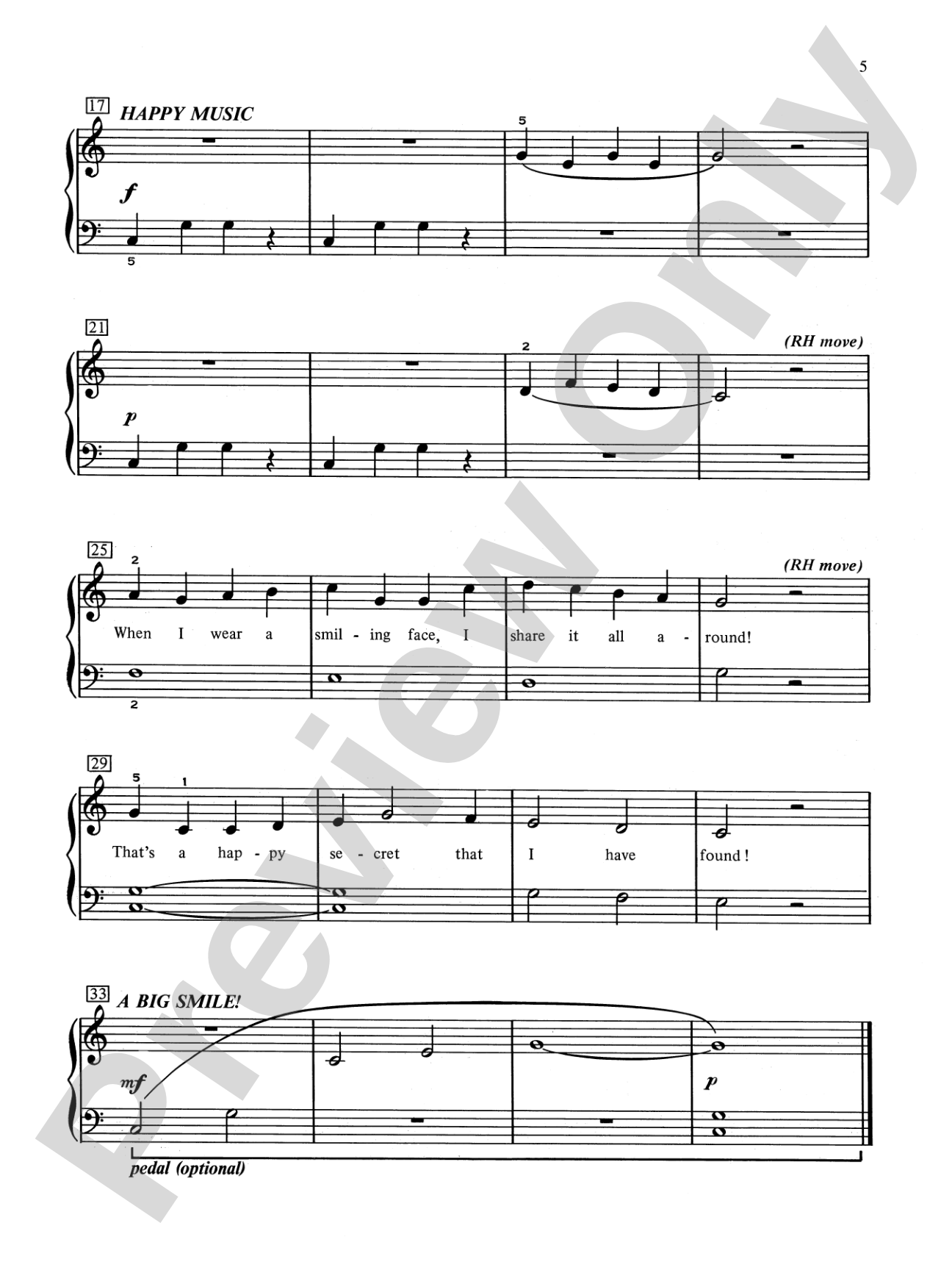
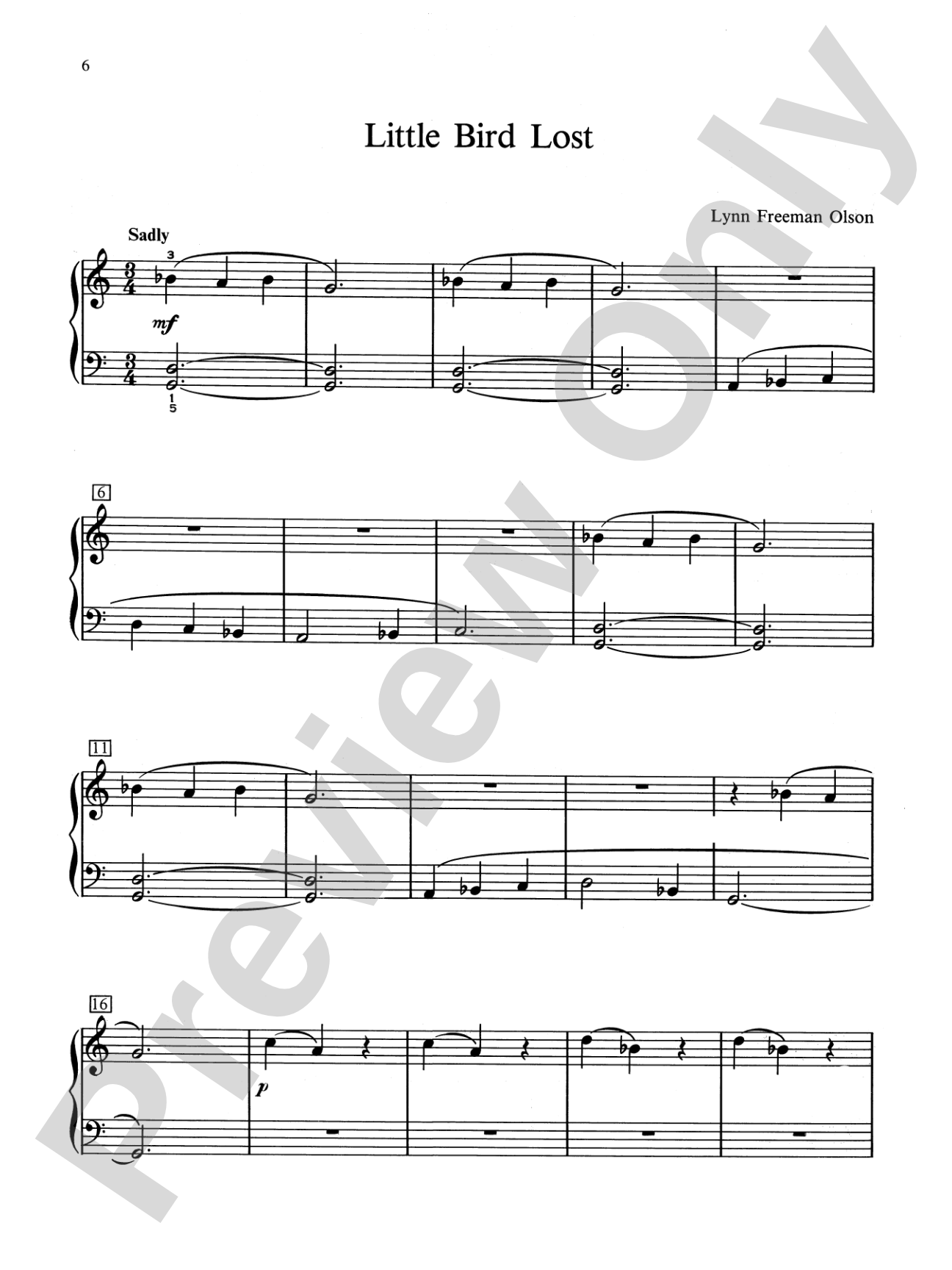
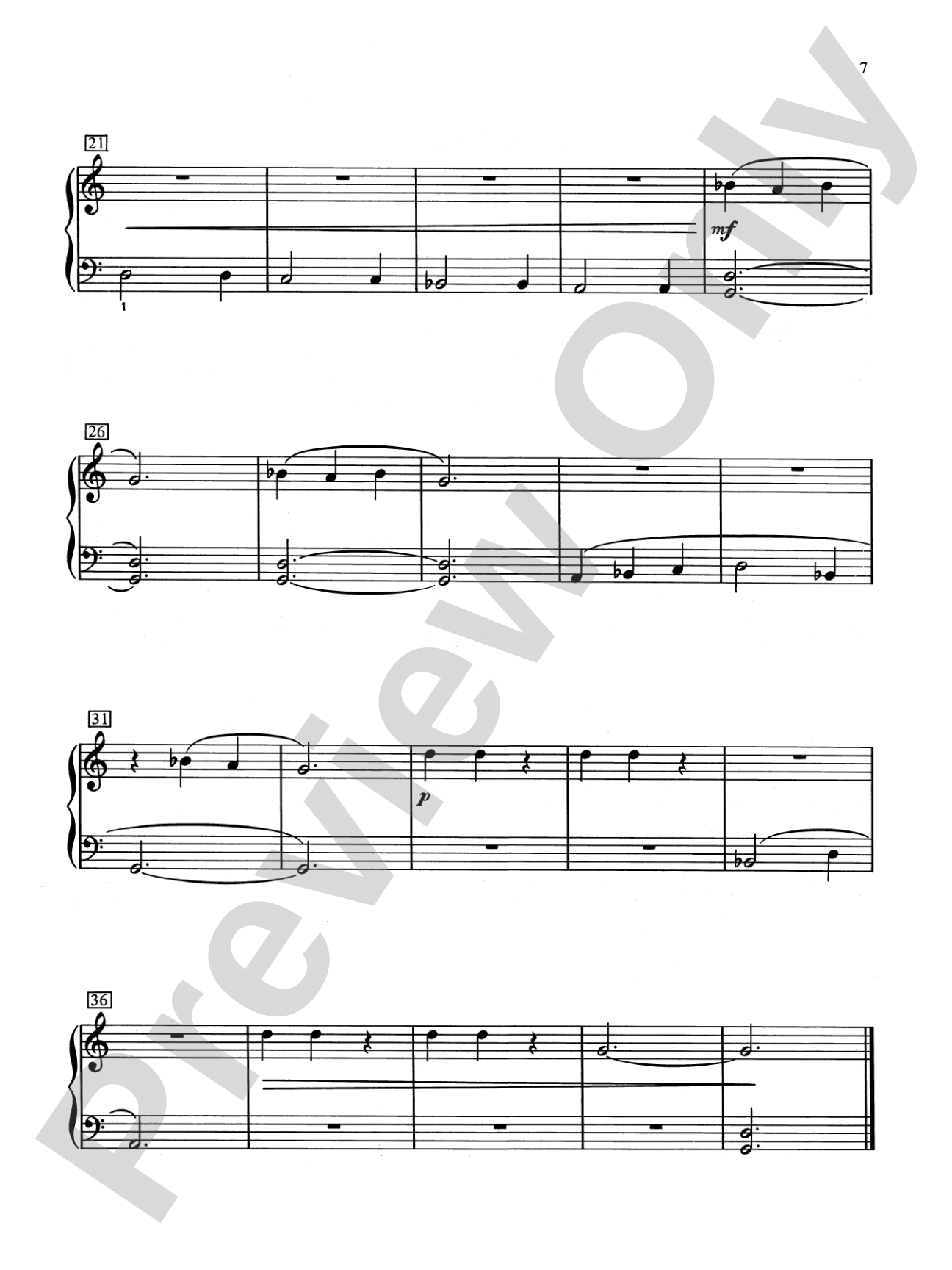
This collection pulls 14 proven pieces from Olson's catalog, each one reliable enough to anchor a recital, engaging enough to hold a student's attention through the learning process, and musically substantial enough that audiences actually listen. Early elementary students rarely get material this polished.
What to expect
Olson's writing has a clear, uncluttered quality. You hear the melody immediately, supported by straightforward accompaniment that students can manage. The pieces feel like real music rather than pedagogical stepping stones, with genuine harmonic progression and moments of expressive depth that belie their accessibility.
Who it's for
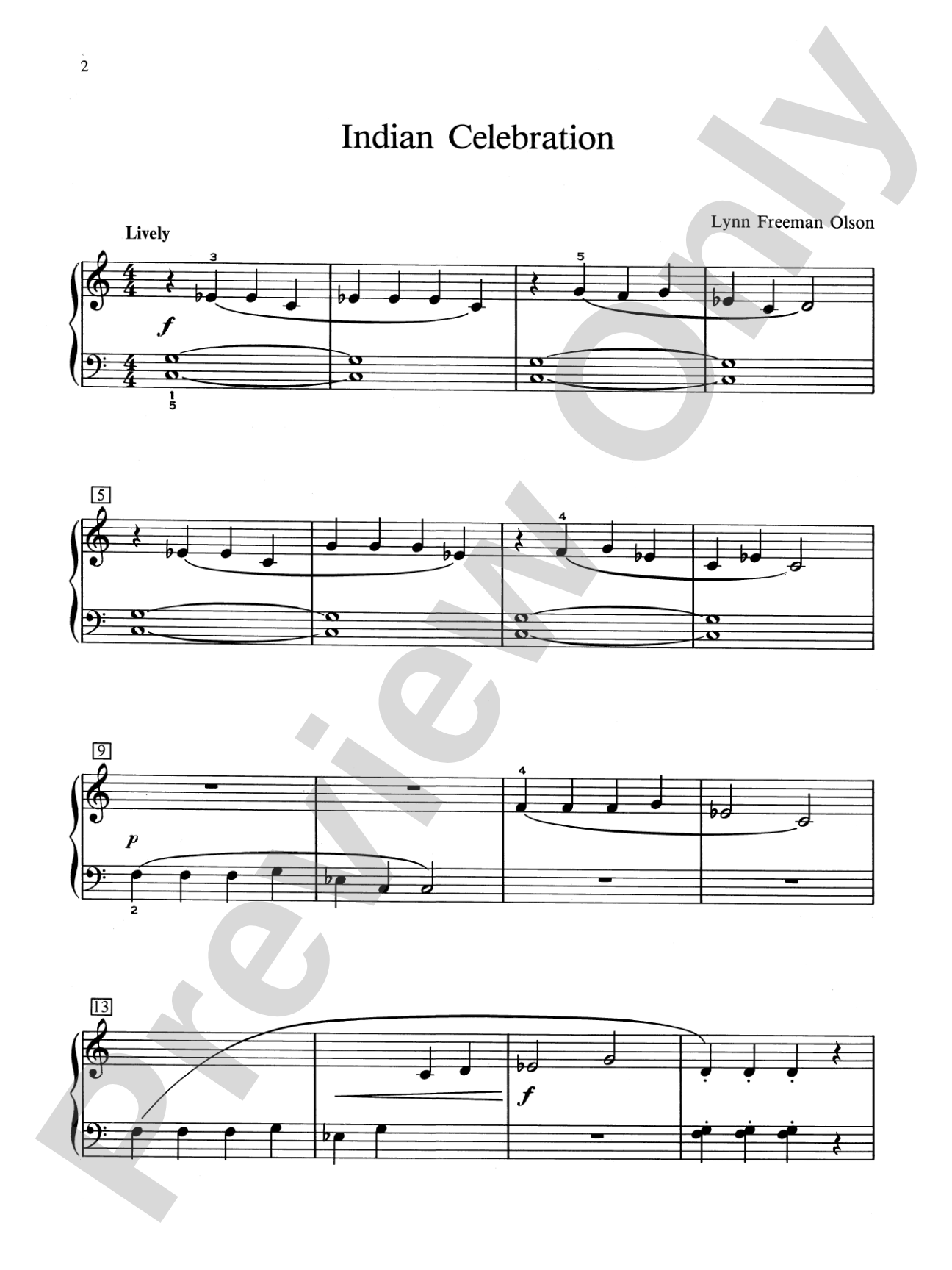
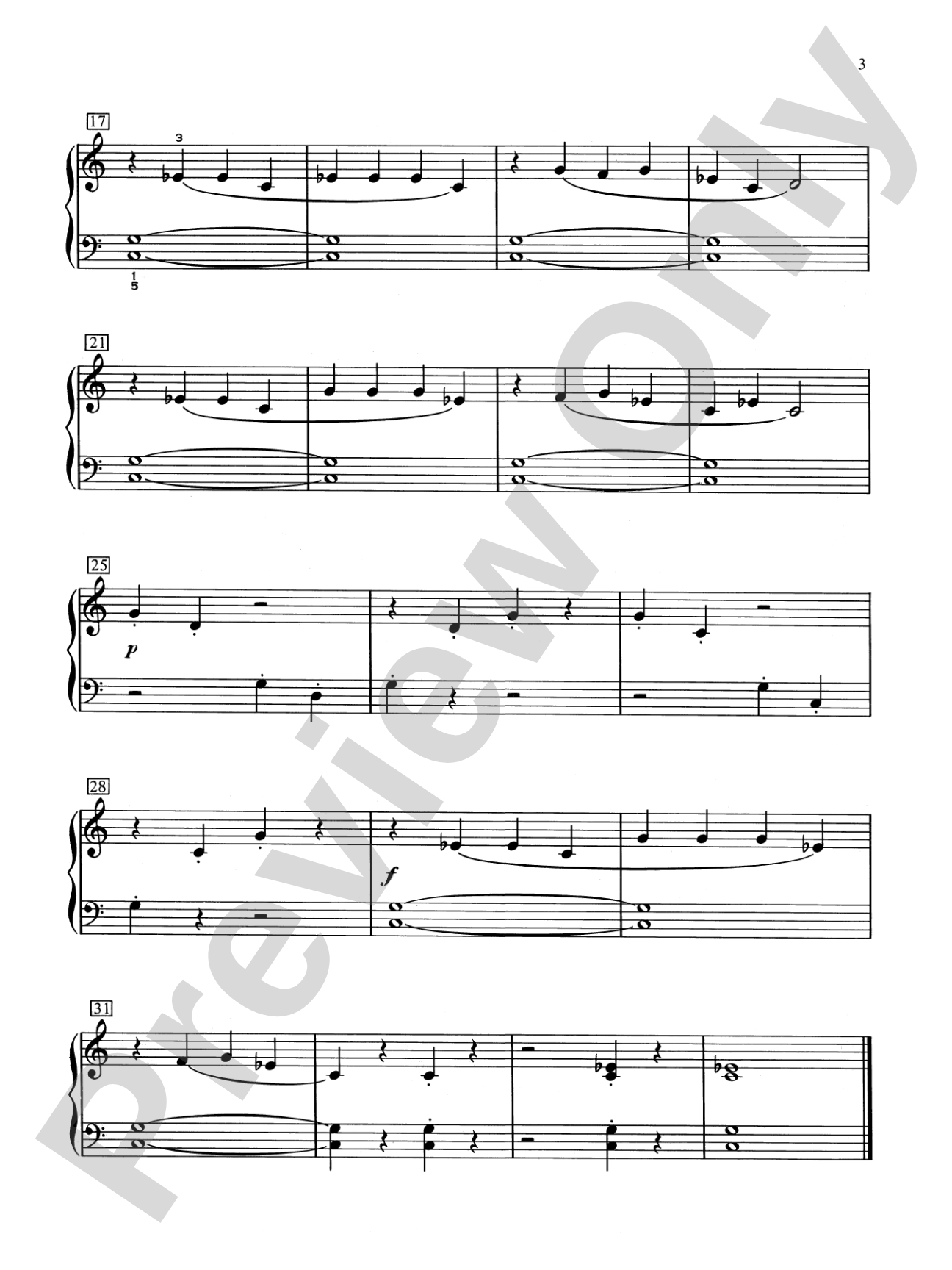
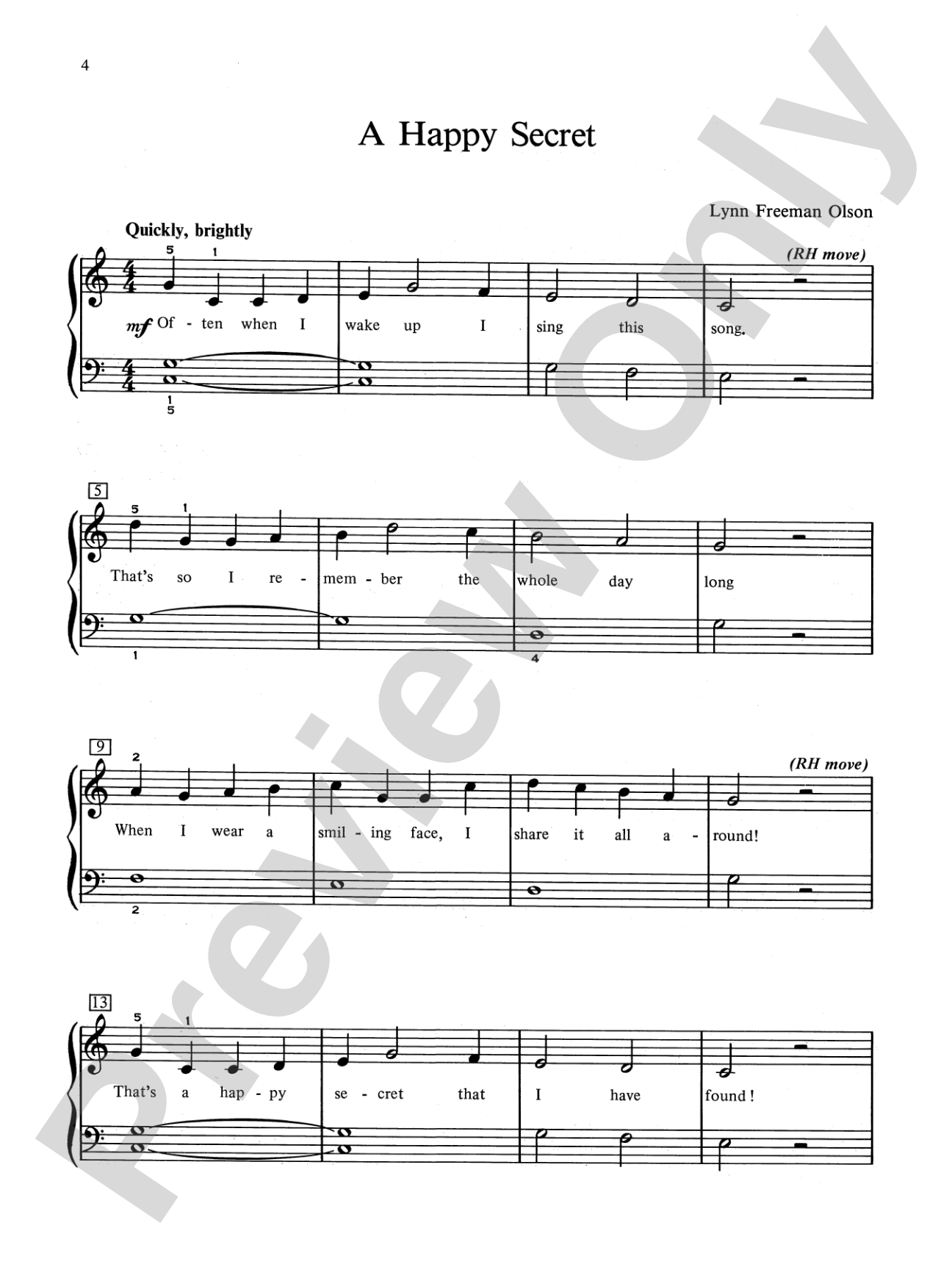
This collection works best for piano teachers building recital programs or studio festivals where students need reliable, grade-appropriate material. Early elementary and elementary students will find pieces that sound finished and musical, not like exercises, while teachers appreciate that Olson's voice is consistent enough that the book teaches something about musical phrasing alongside technical fundamentals.
How to get the most out of it
- Balance the melodic line against accompaniment patterns; many of these pieces feature simple left-hand figures that should stay in the background.
- Pay attention to dynamic contrasts even within a short 8 or 16-bar phrase; Olson uses subtle shifts in volume to add shape and interest.
- Let the tempo breathe naturally rather than rushing through repeats; familiarity with the melody often tempts students to speed up.
- Voice the melody warmly in the right hand, especially in pieces with wider intervals; clear articulation of large skips helps the shape come through.
How to use it
Program one or two pieces from this collection as anchors in a mixed-level recital, especially if you want material that audiences will enjoy without wondering why a student is playing something so simple. Several pieces work well back-to-back as a brief solo set, or scatter them throughout a program to represent students across the early elementary and elementary grades without repeating a single composer.
Skills your students will build
- Reading and interpreting dynamic markings (p, mp, mf, f) and applying them expressively
- Coordinating independent left-hand accompaniment patterns with right-hand melody
- Recognizing and executing phrase shapes within simple 8 and 16-bar structures
- Playing with consistent tempo while managing moderate technical demands
- Distinguishing between legato and staccato articulation across both hands