
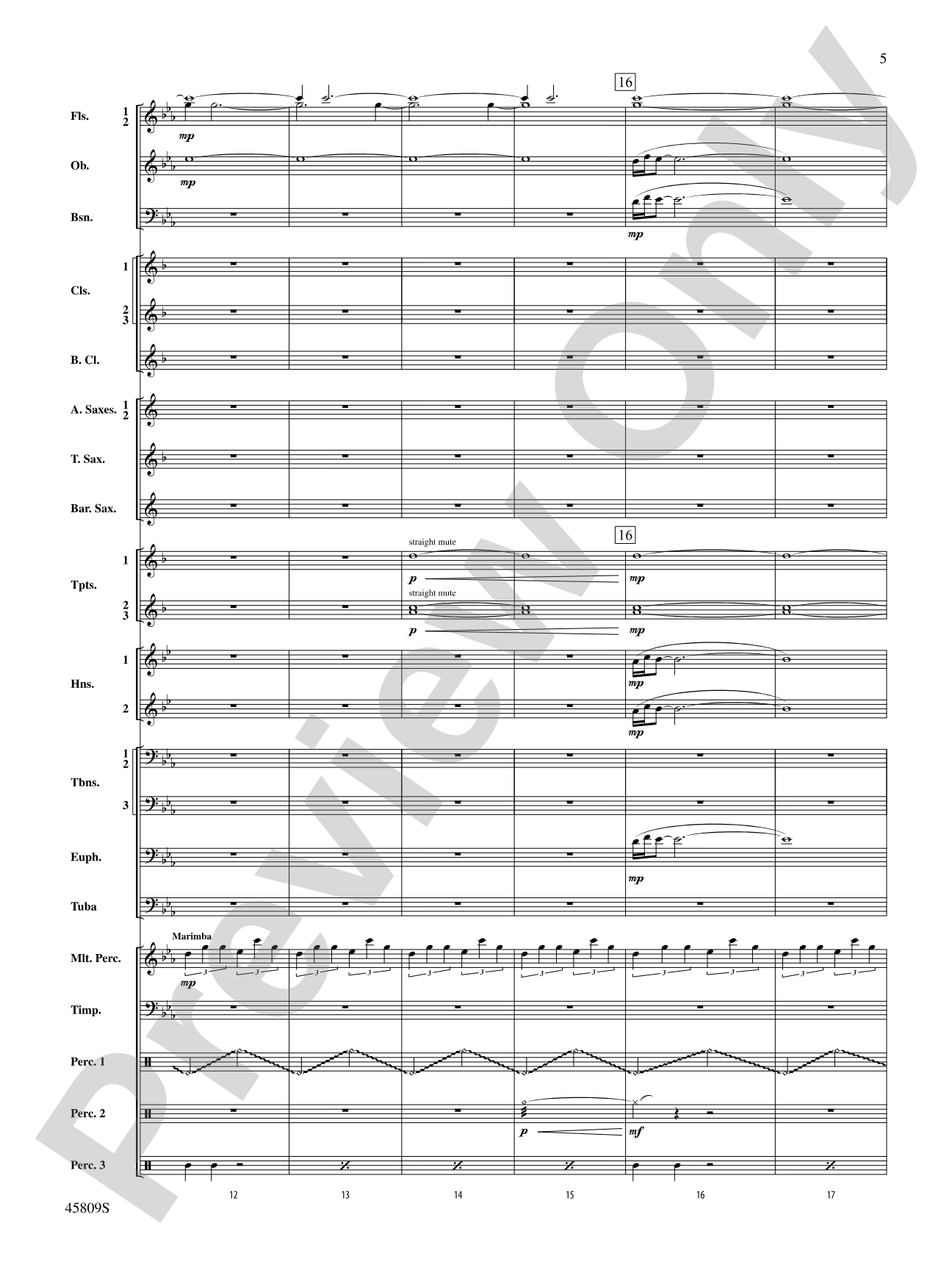
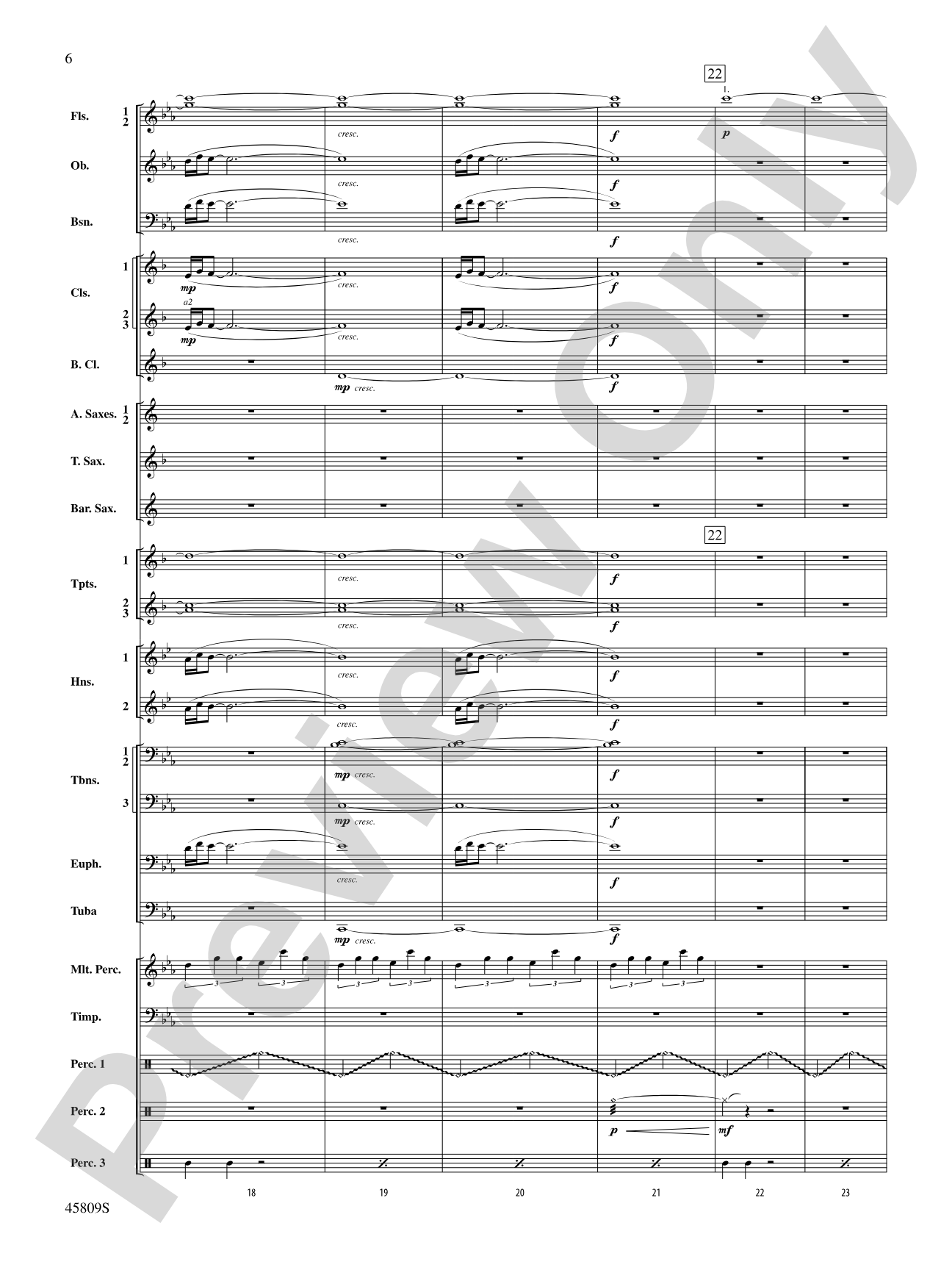
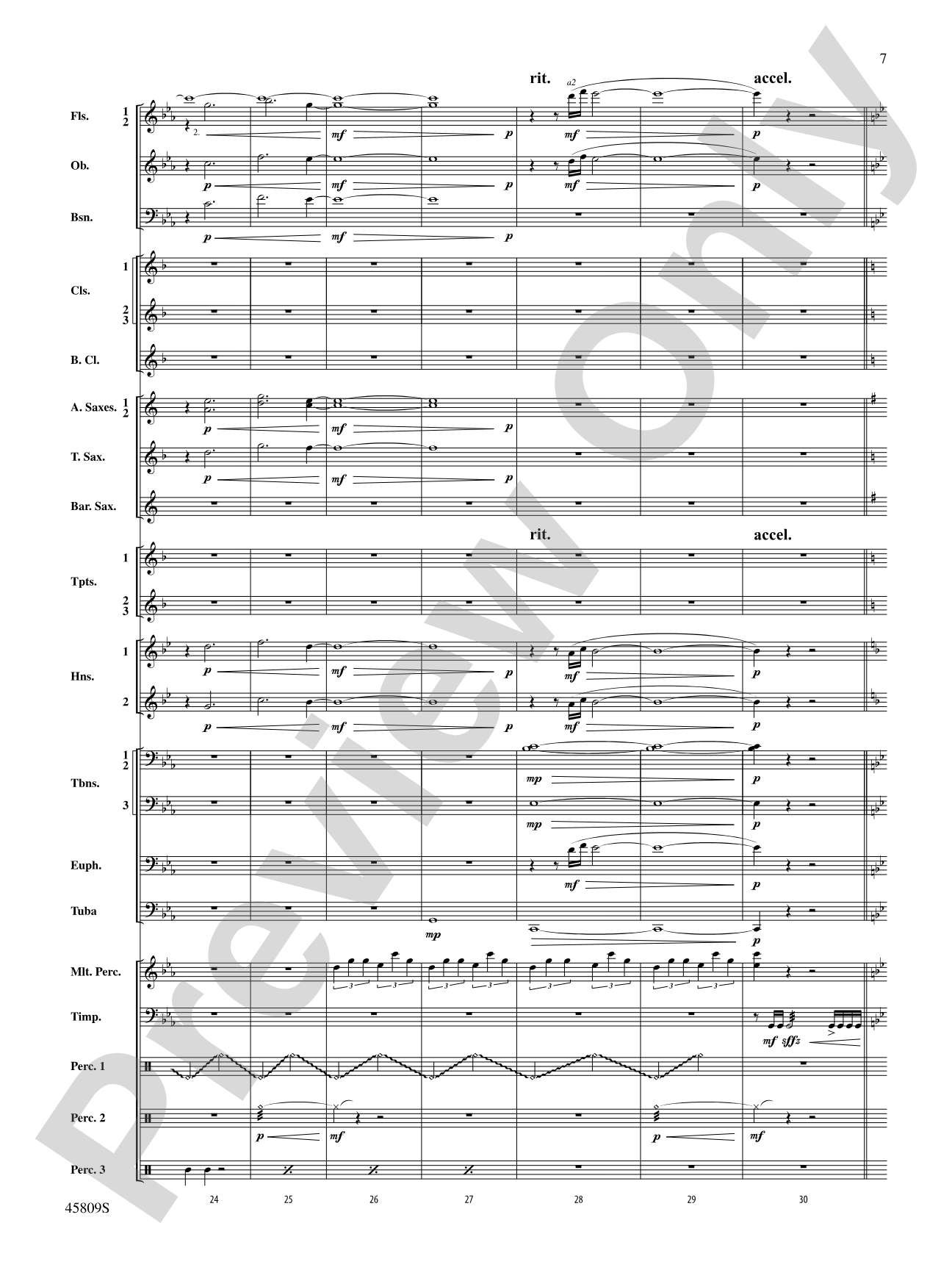
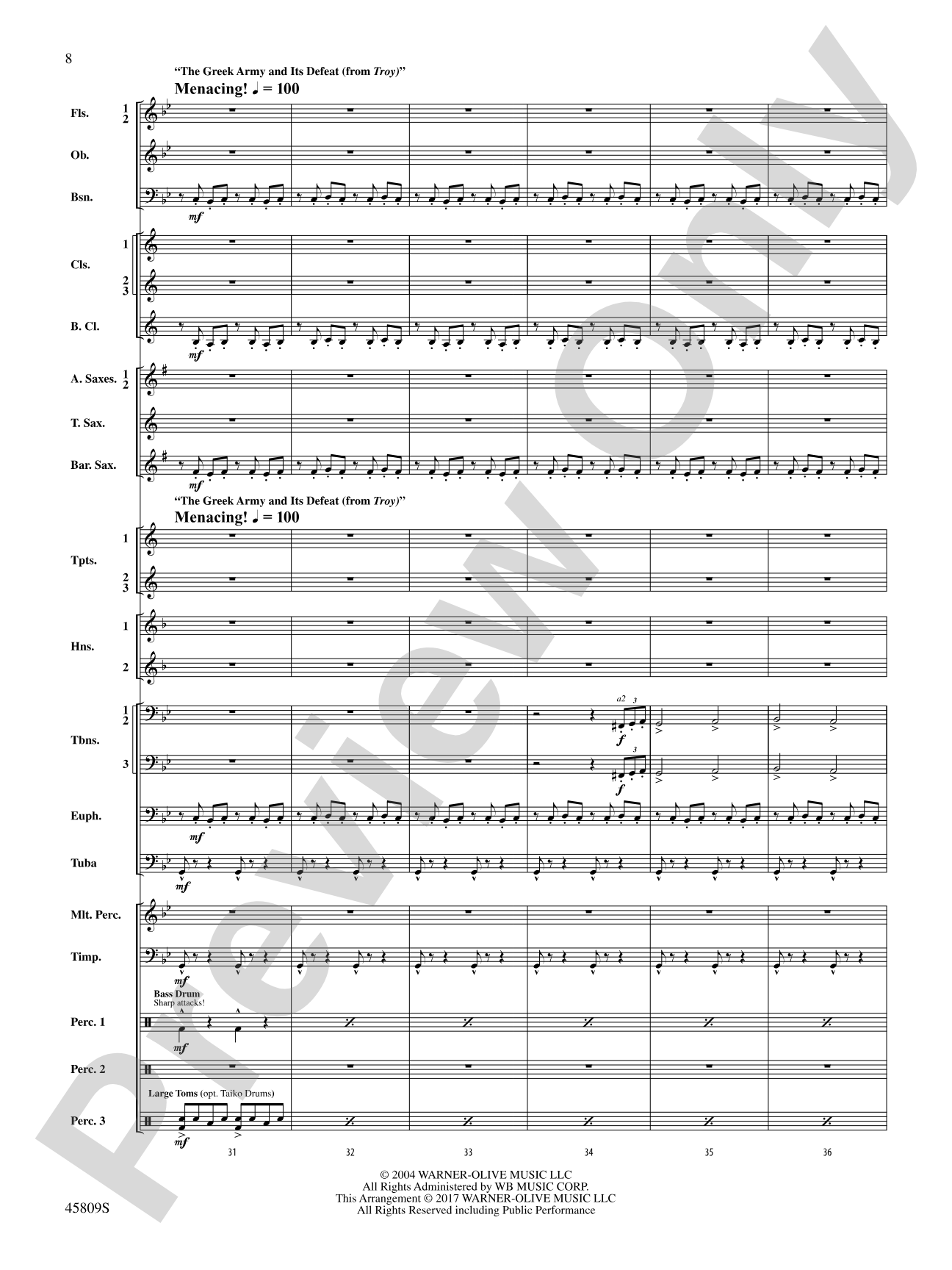
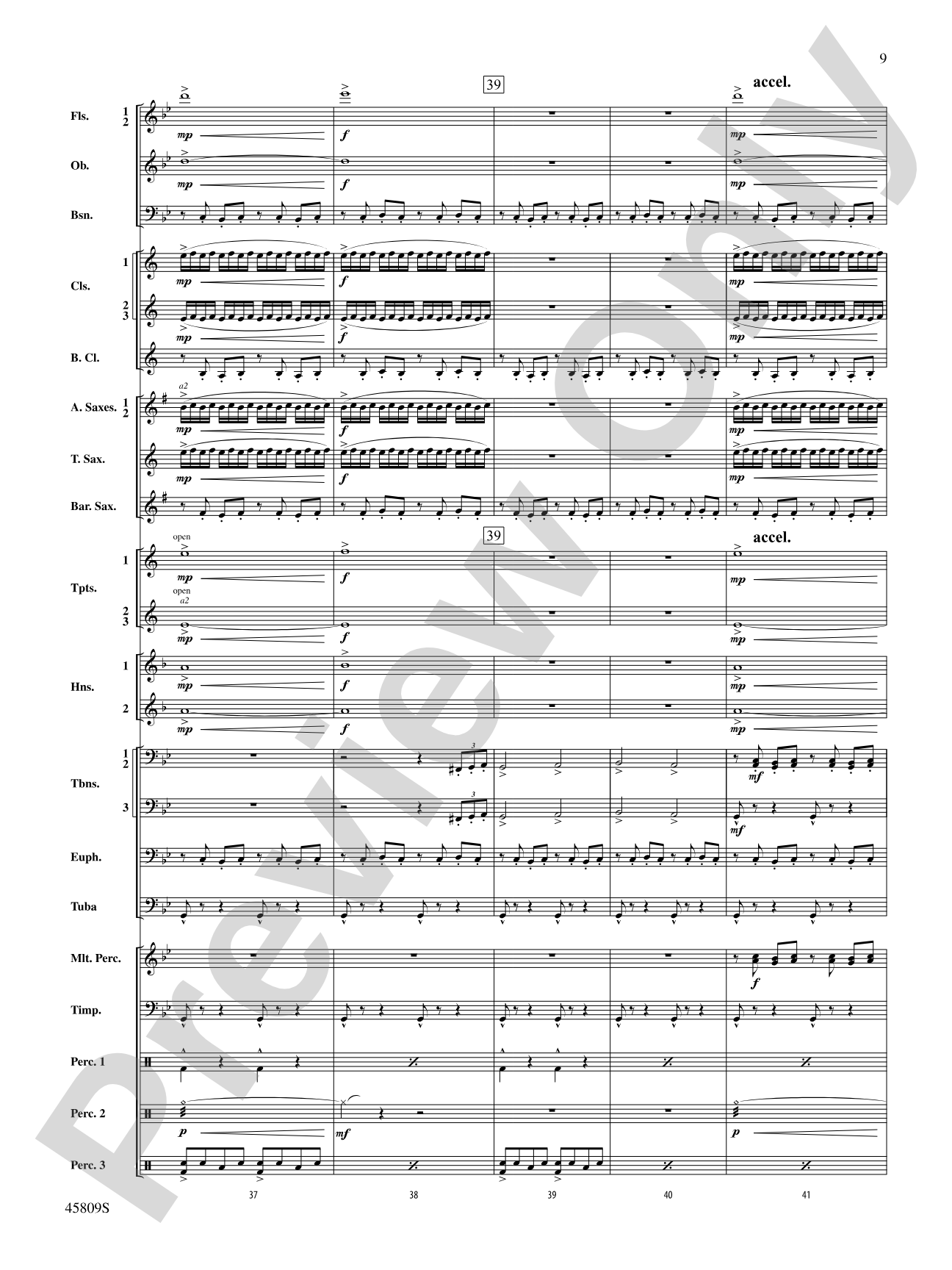
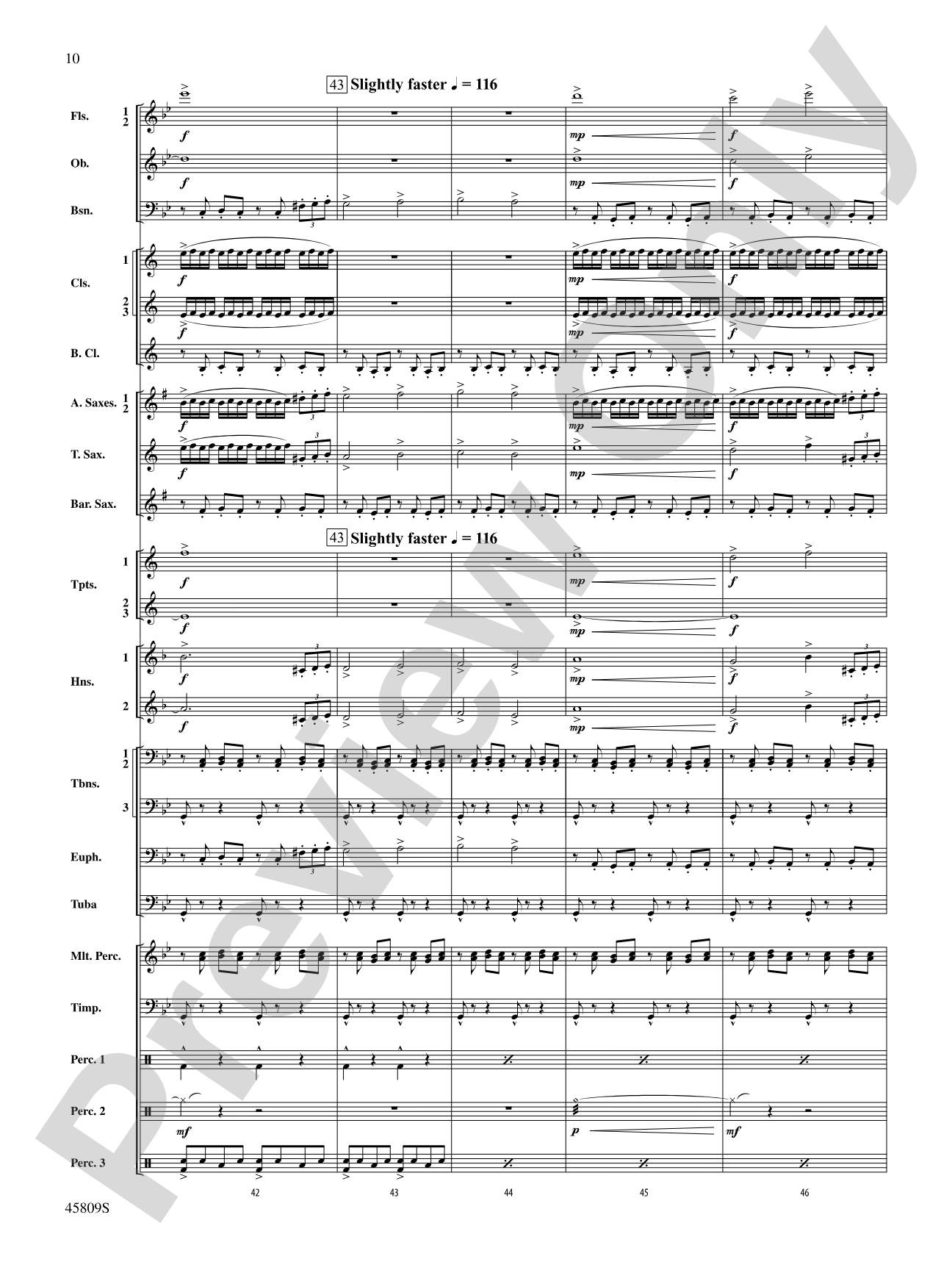
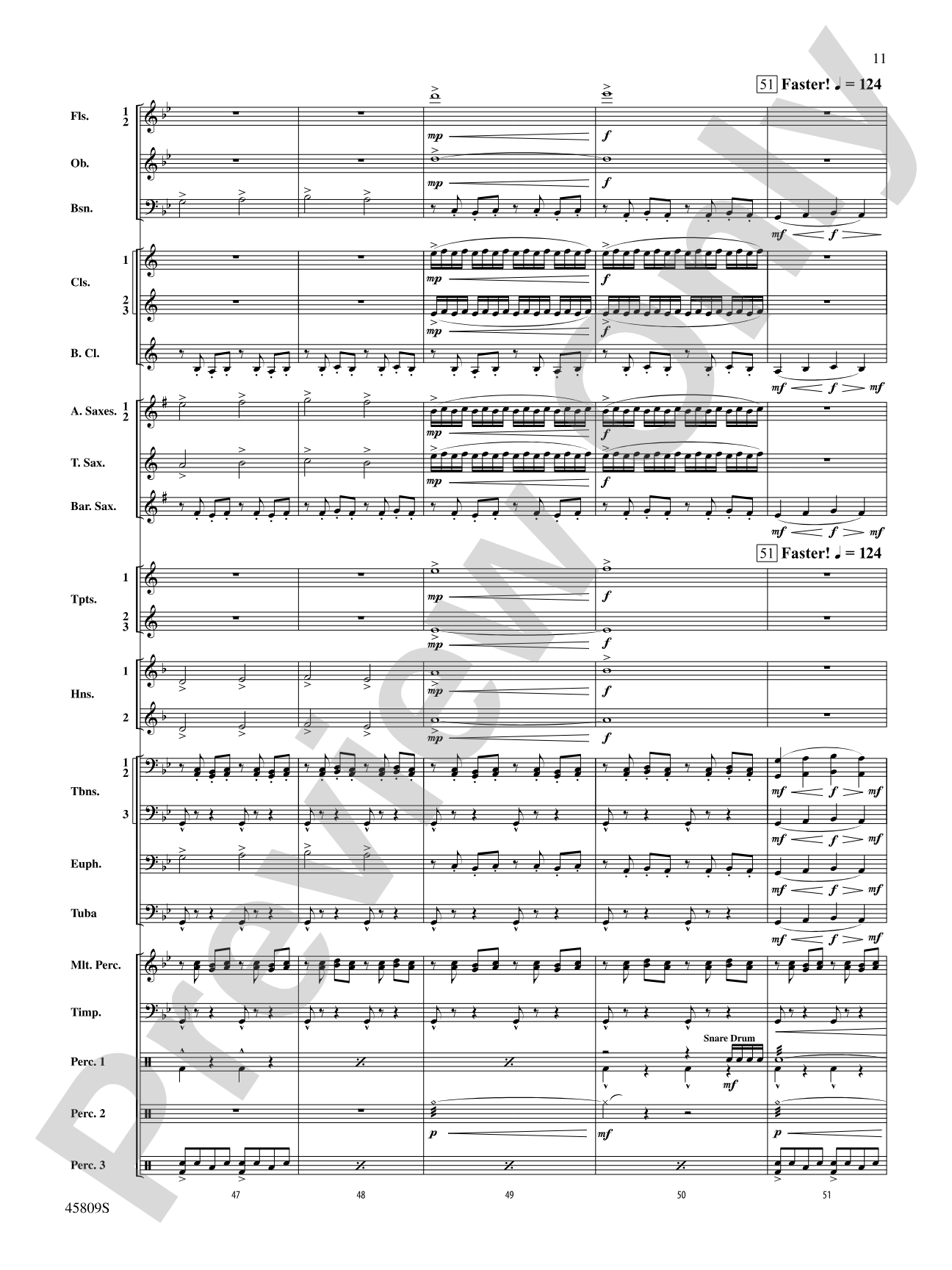
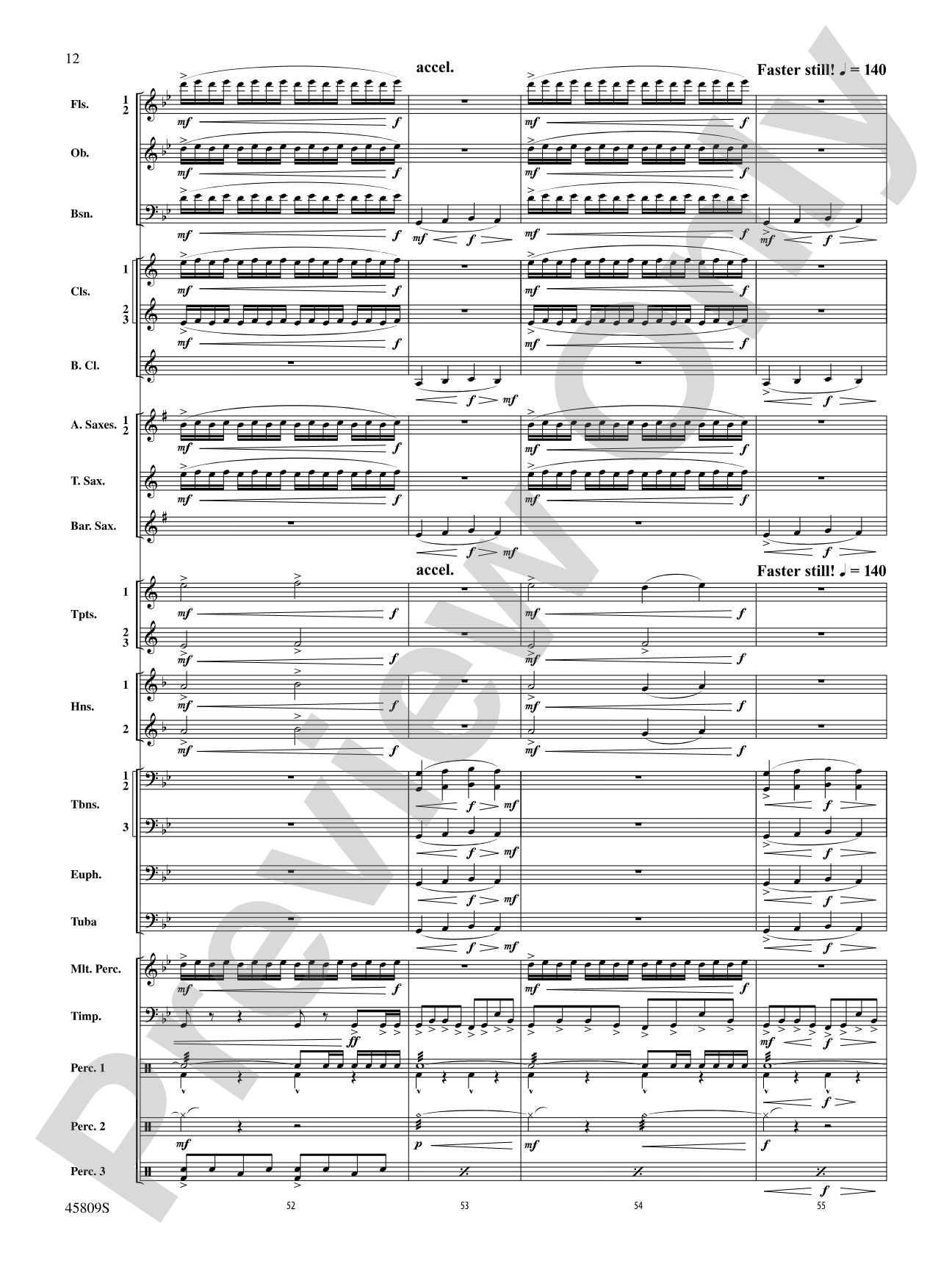
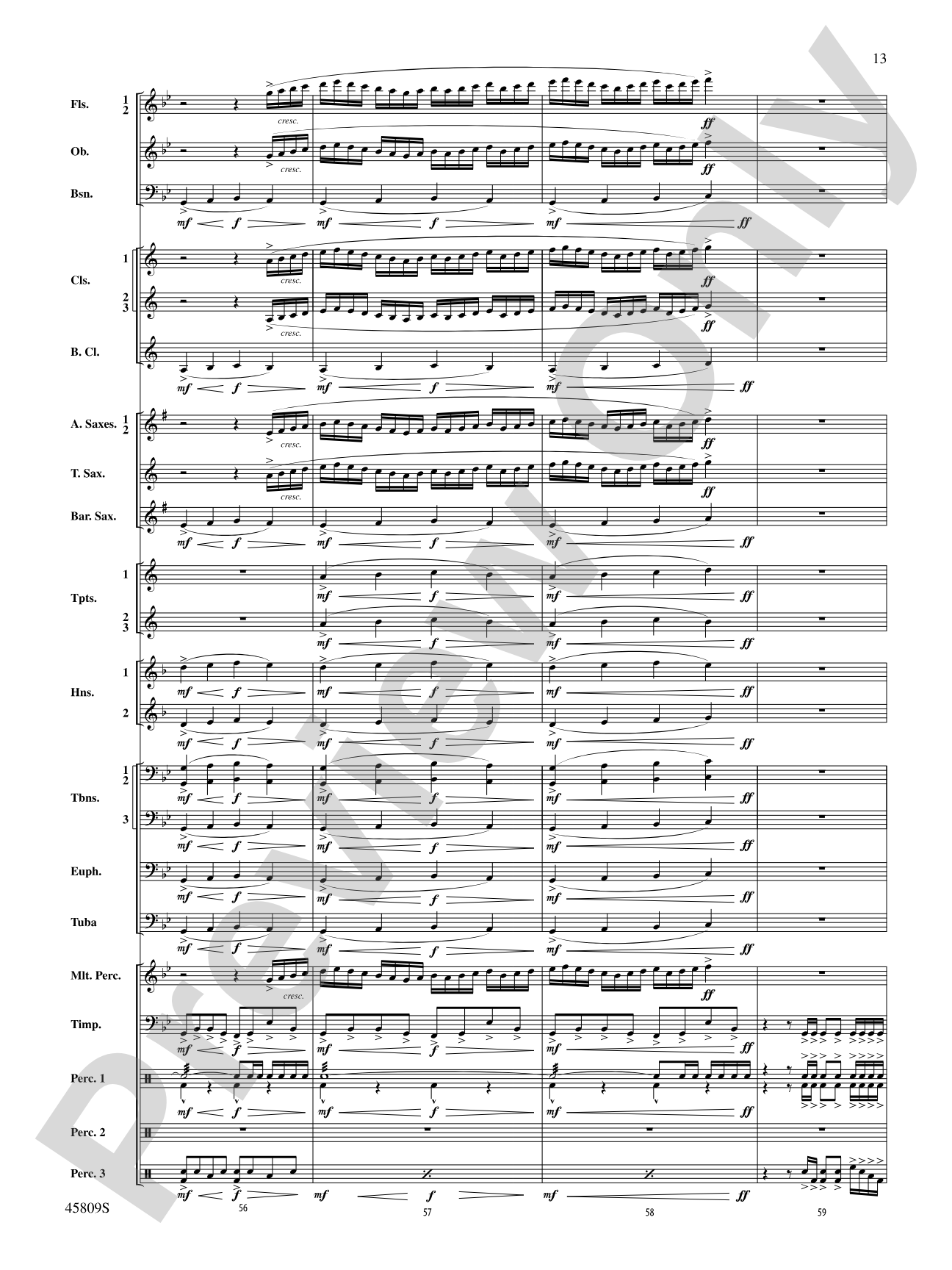
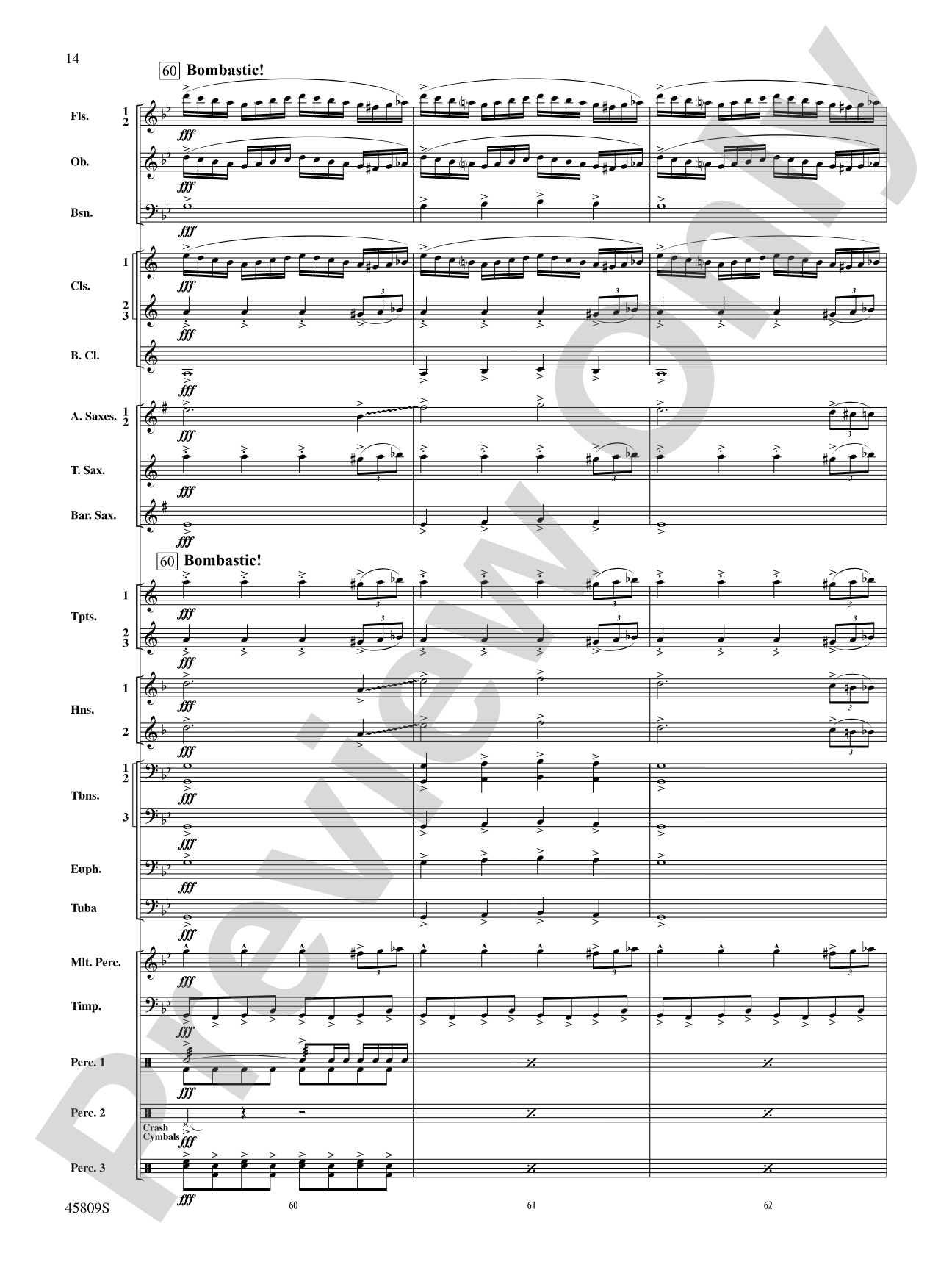
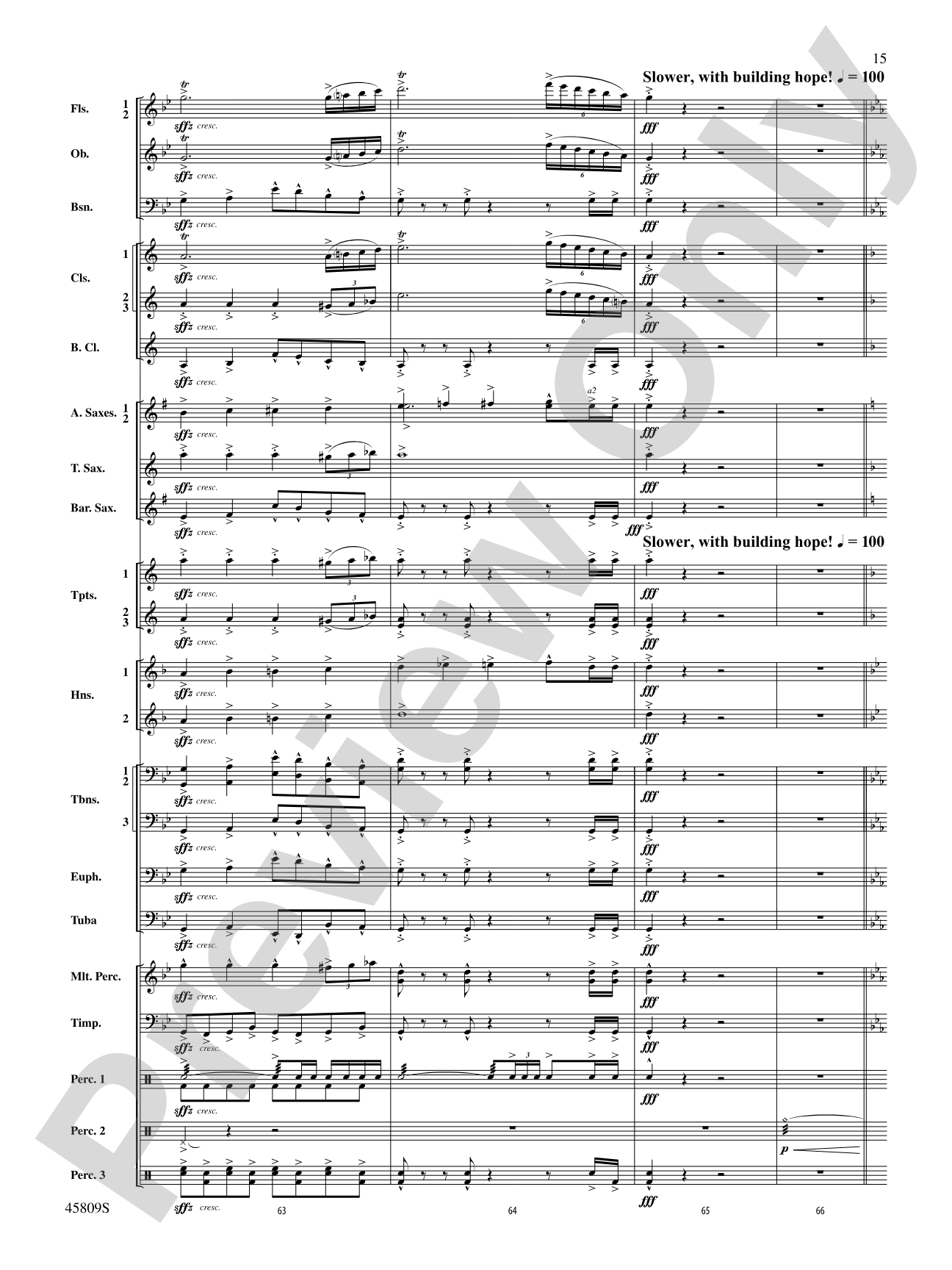
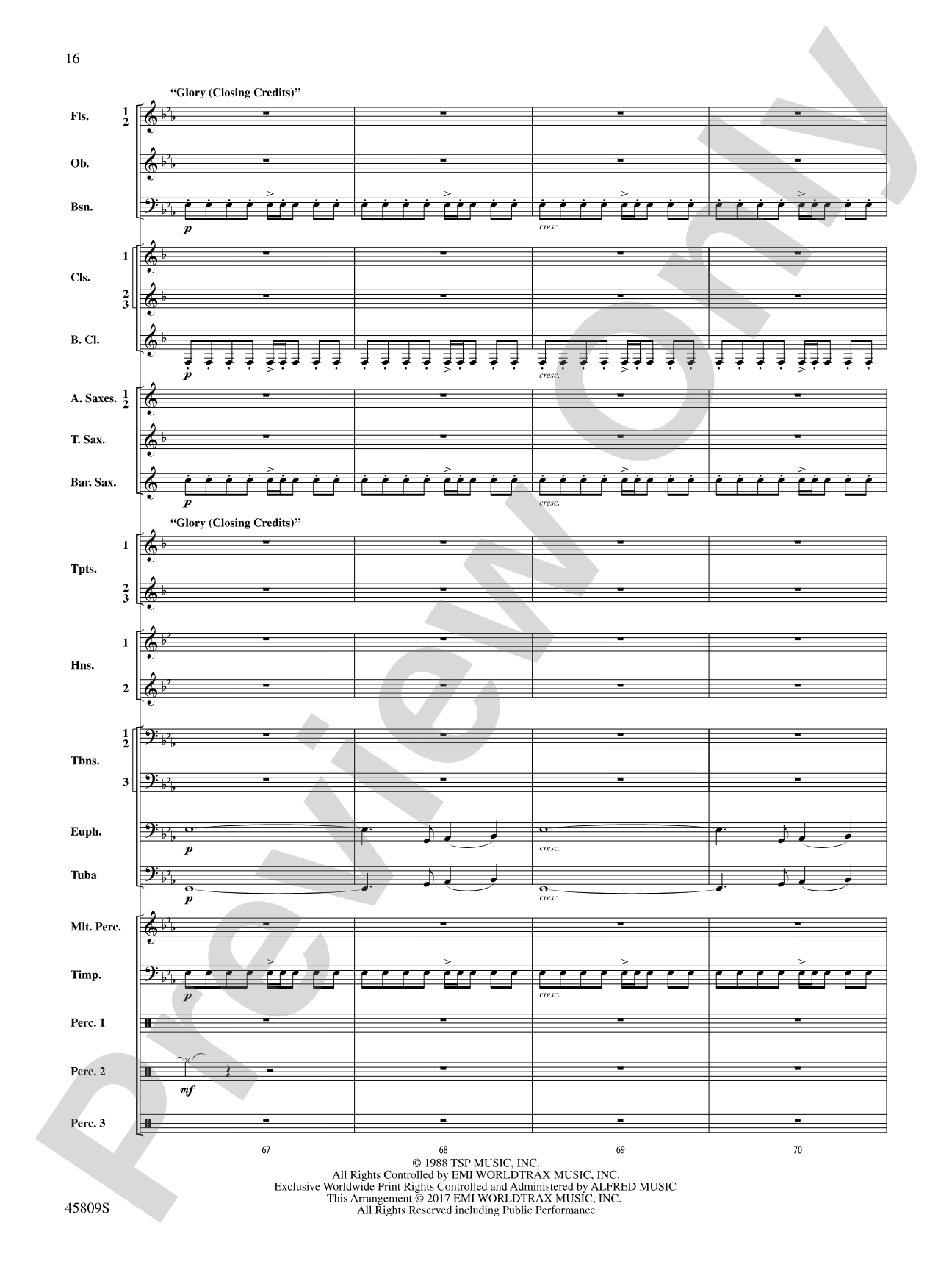
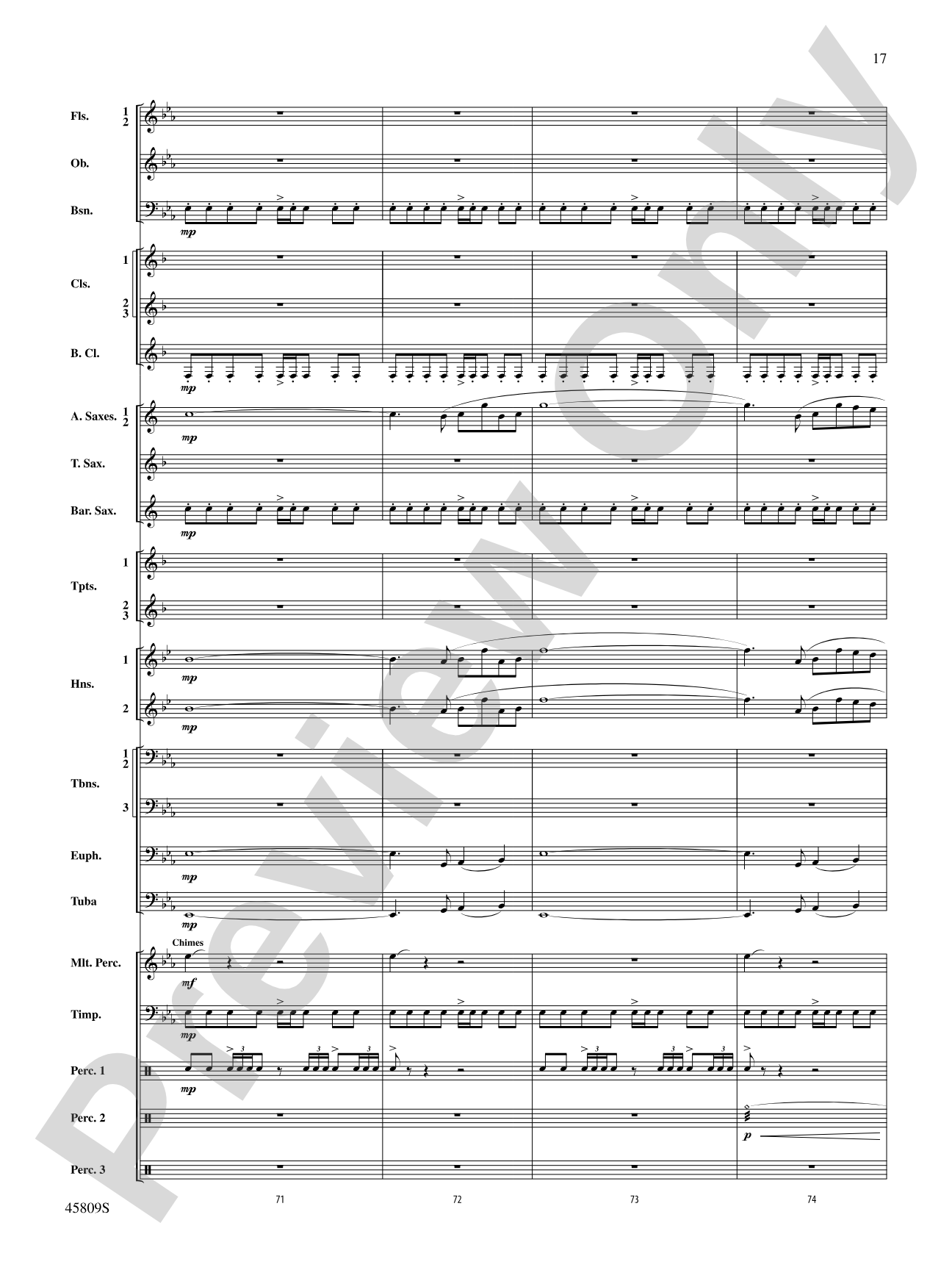
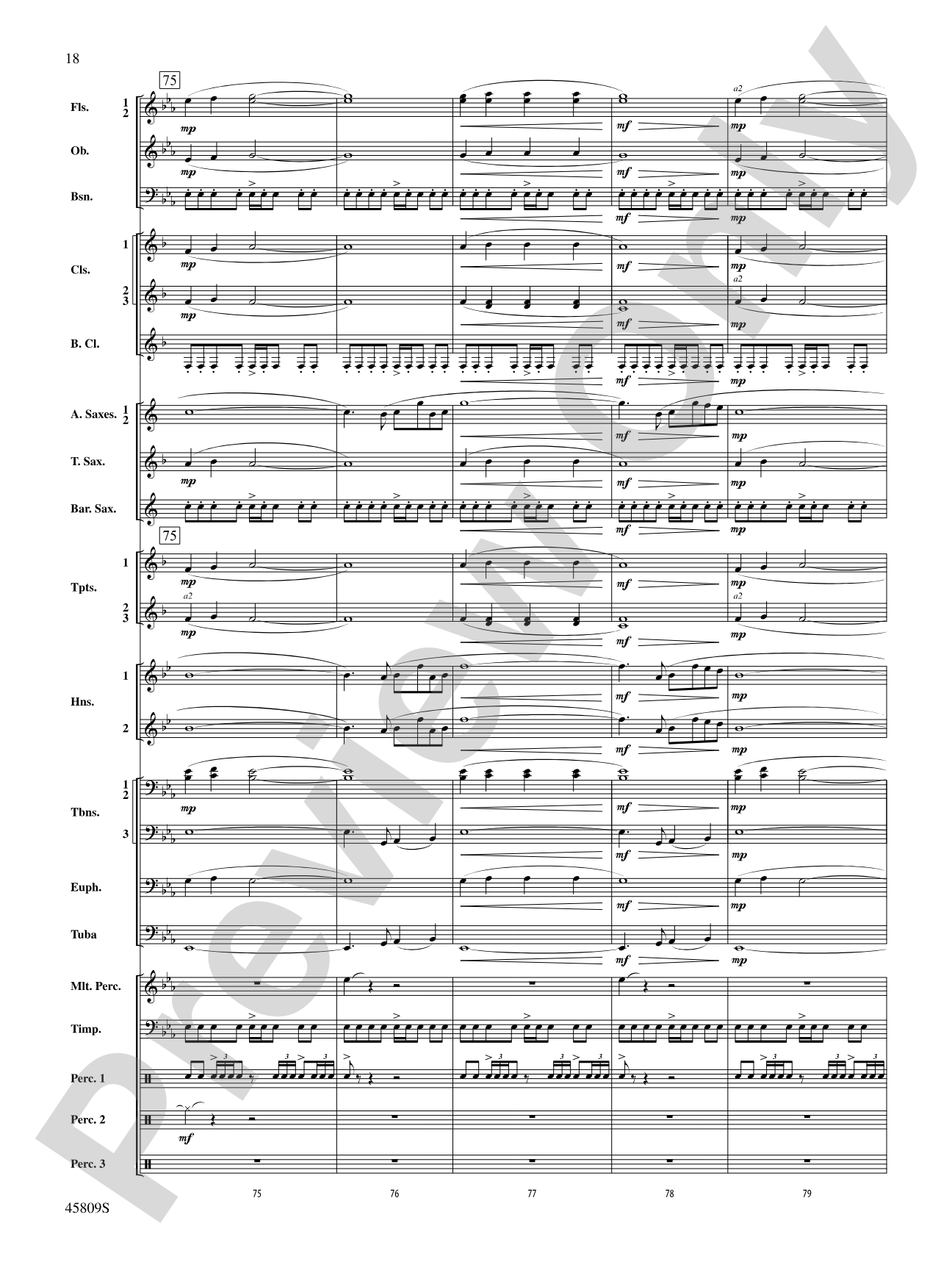
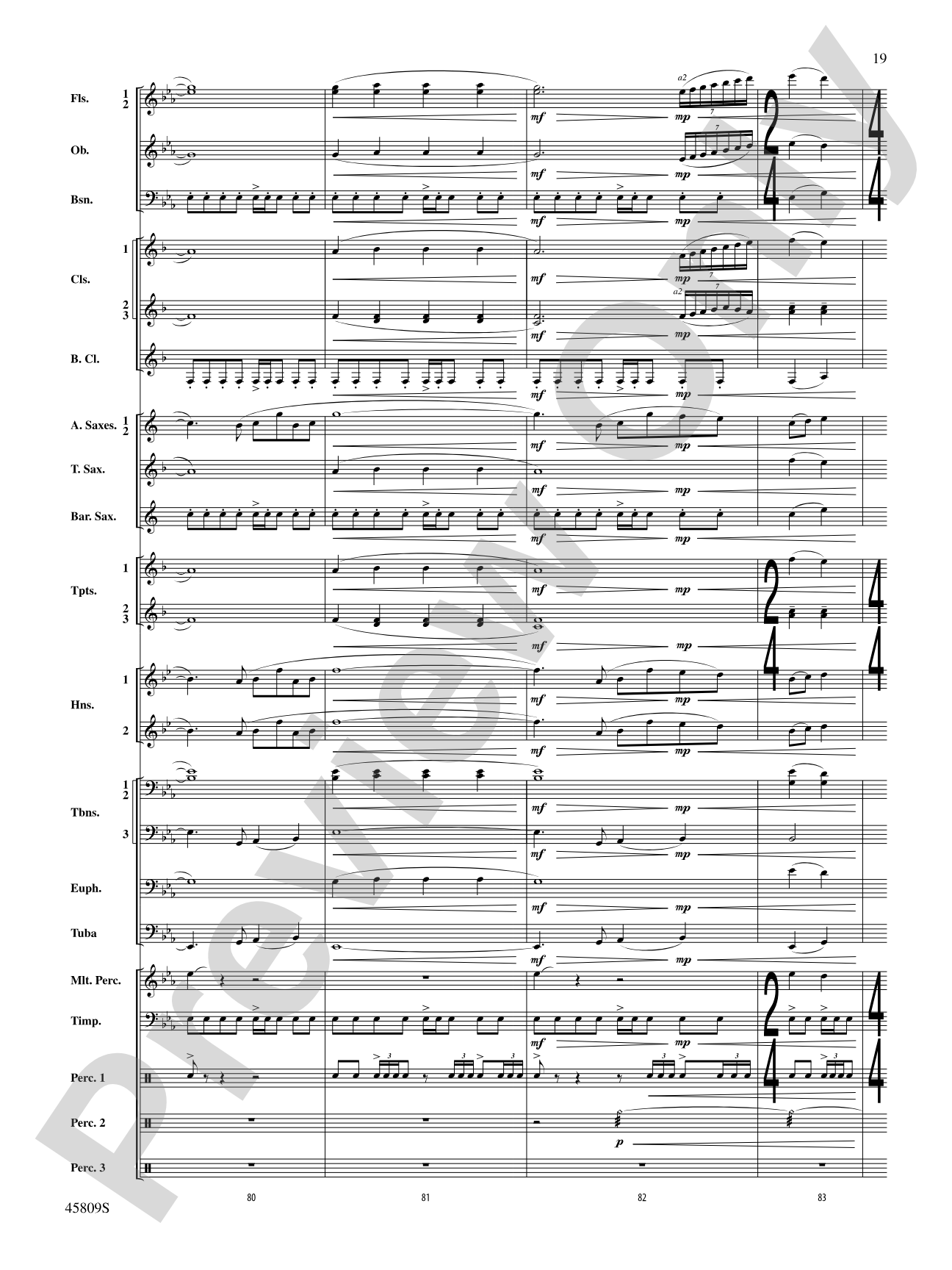
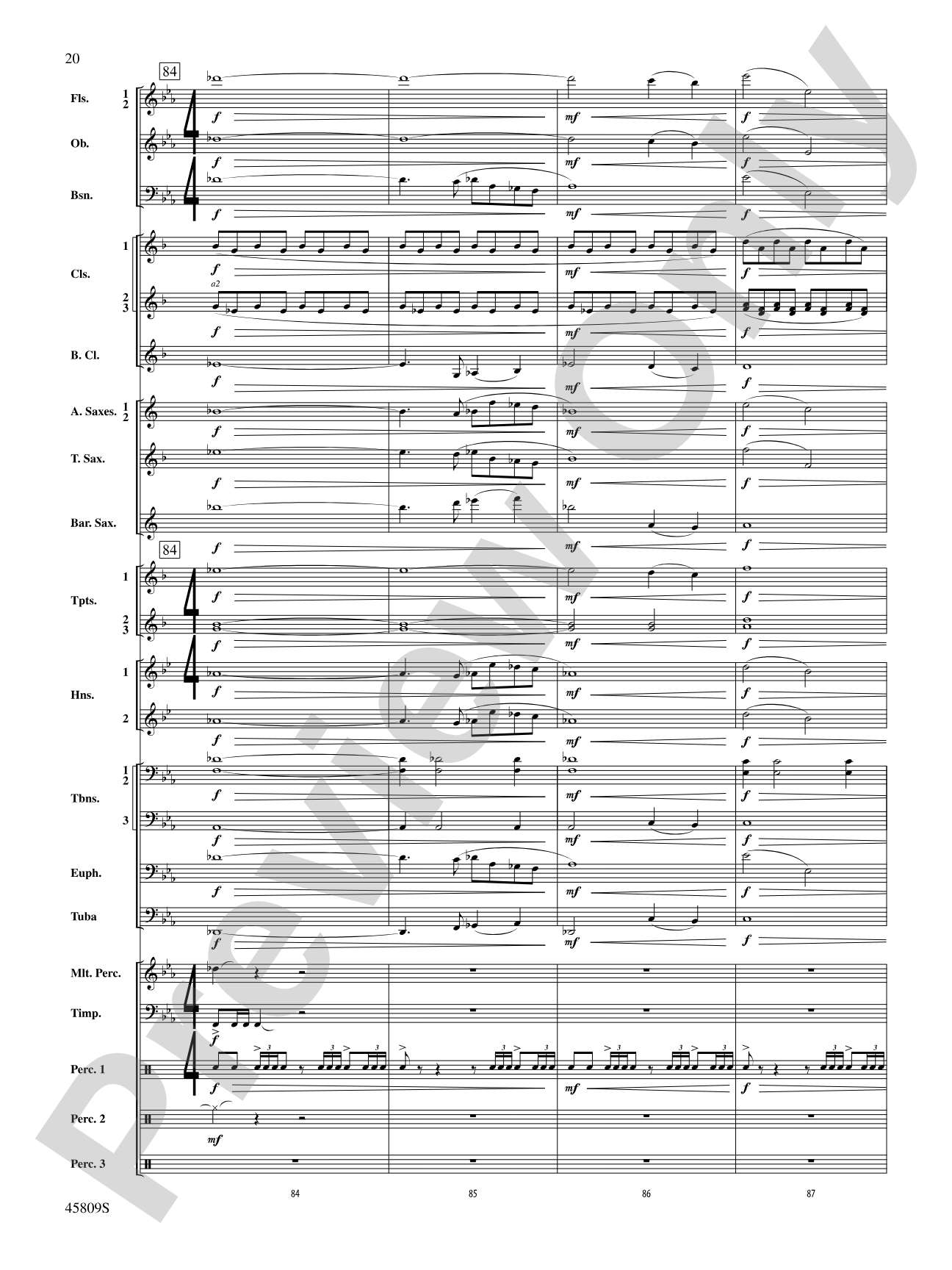
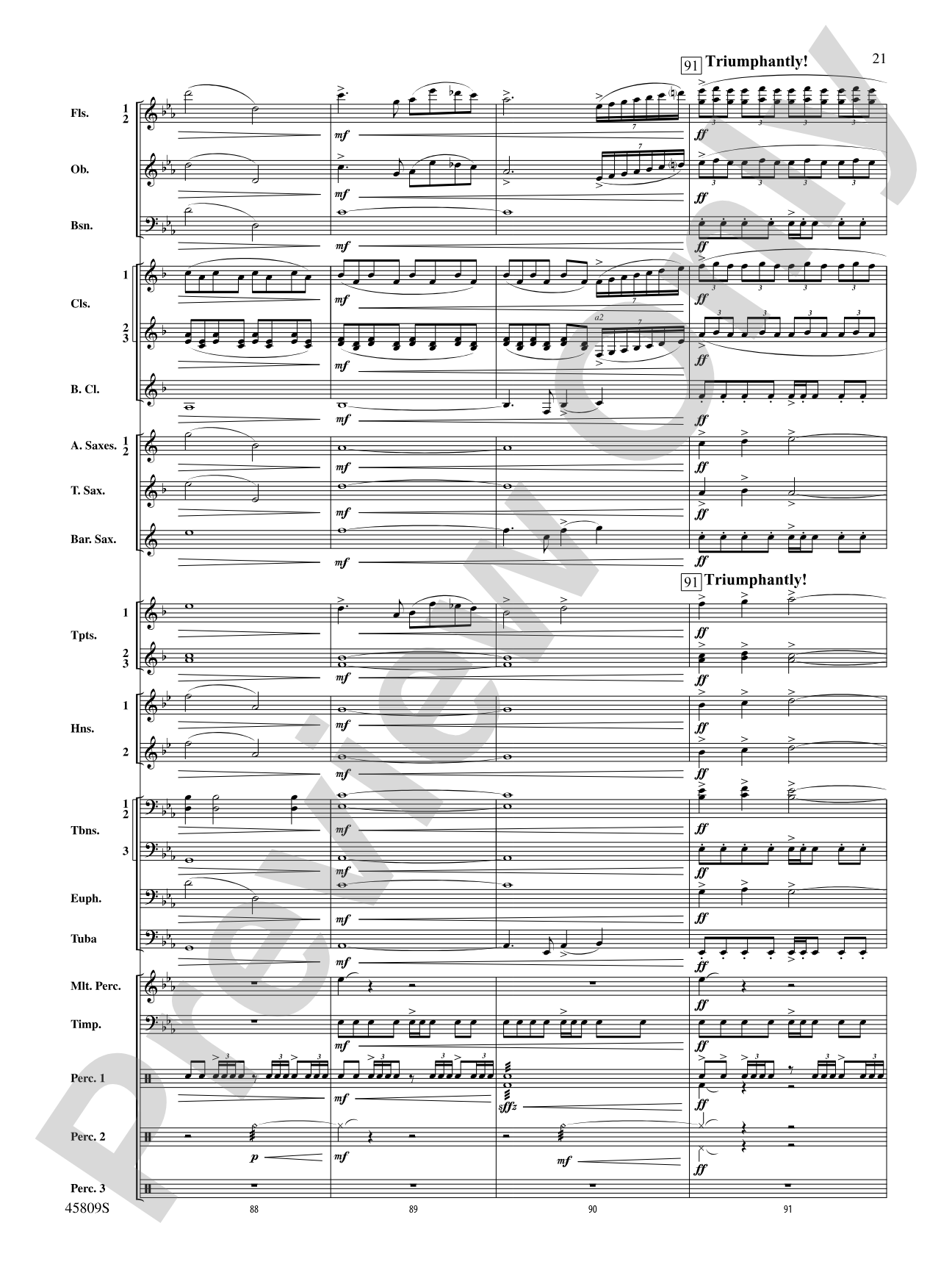
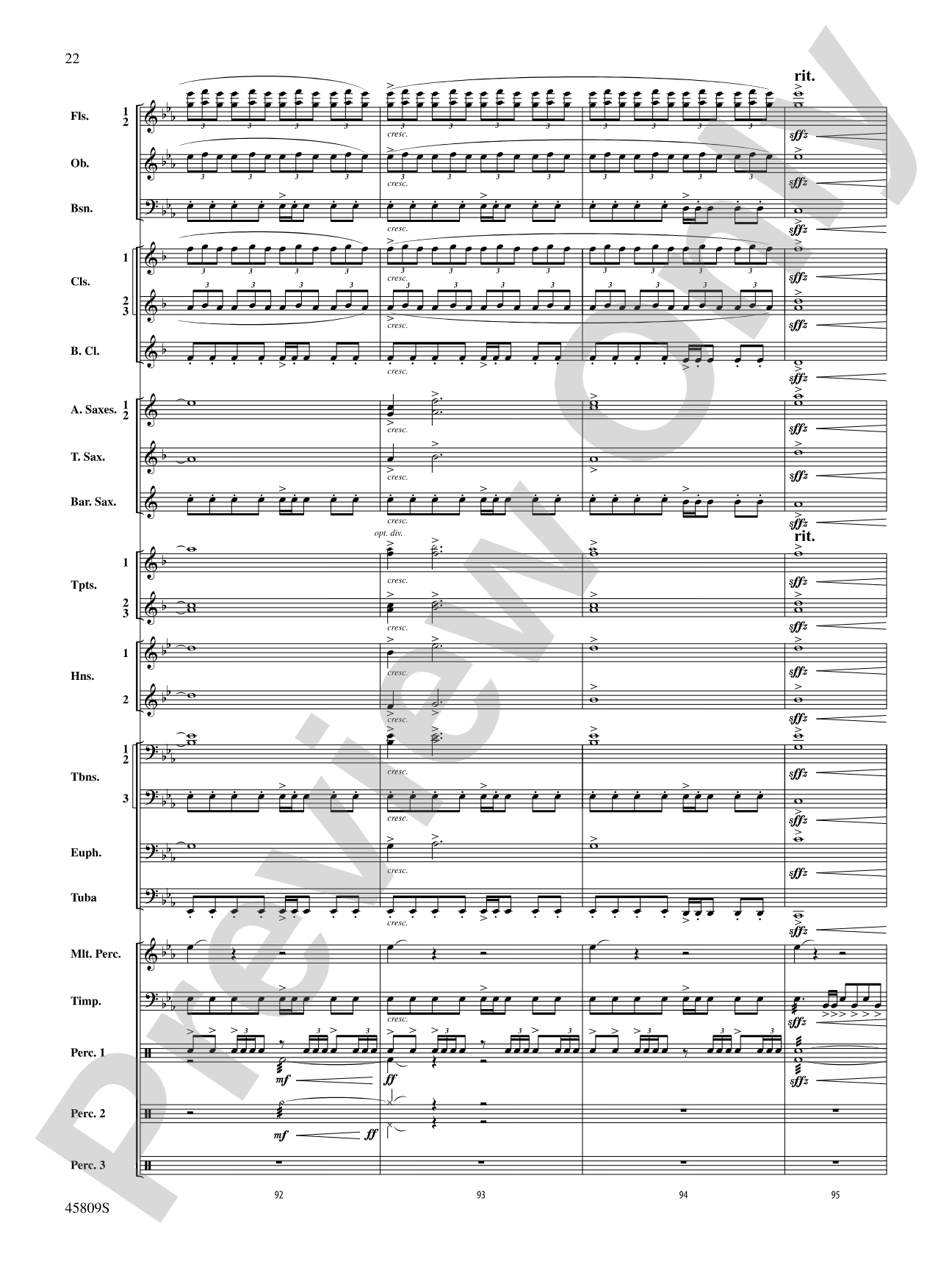
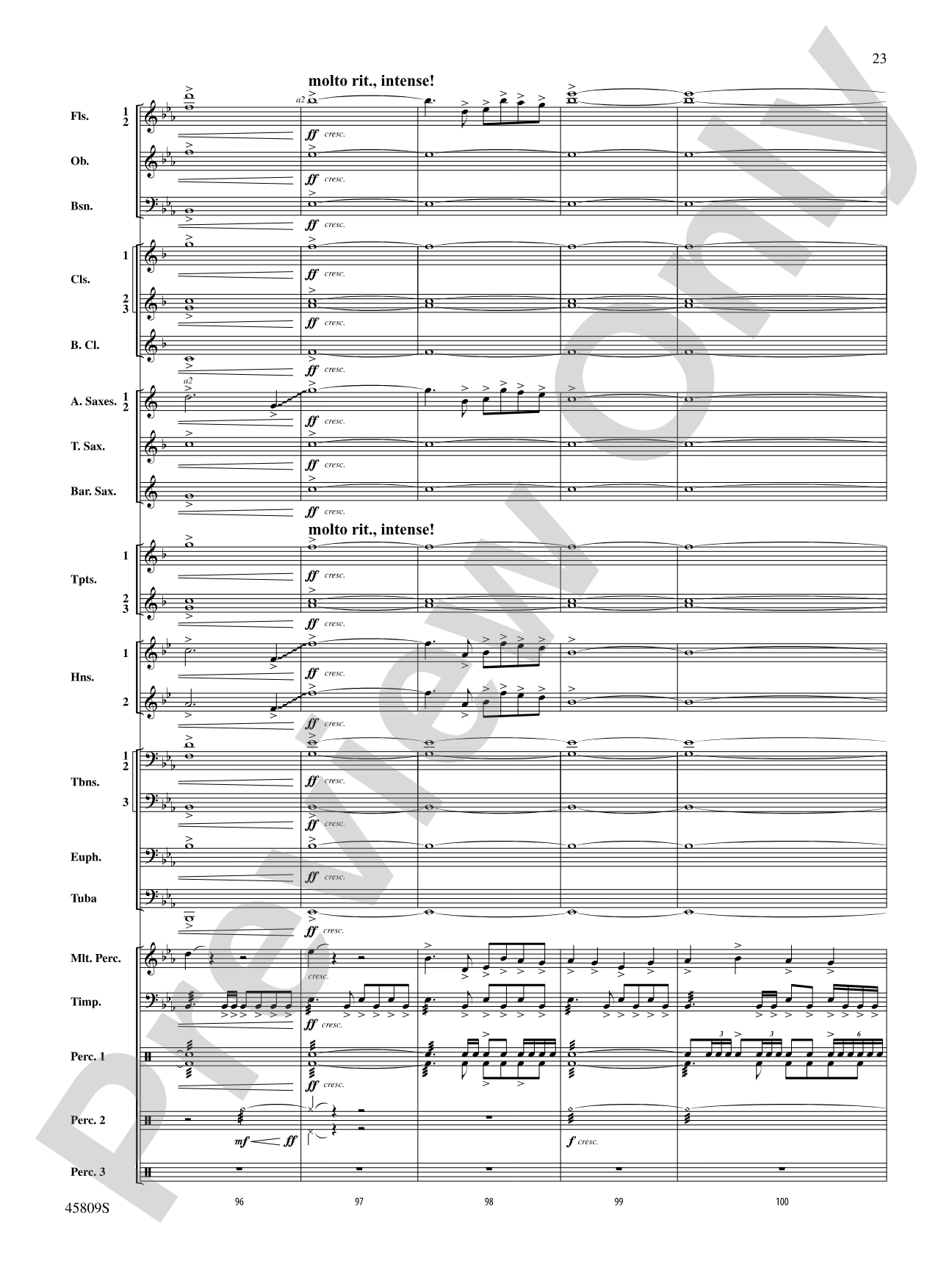
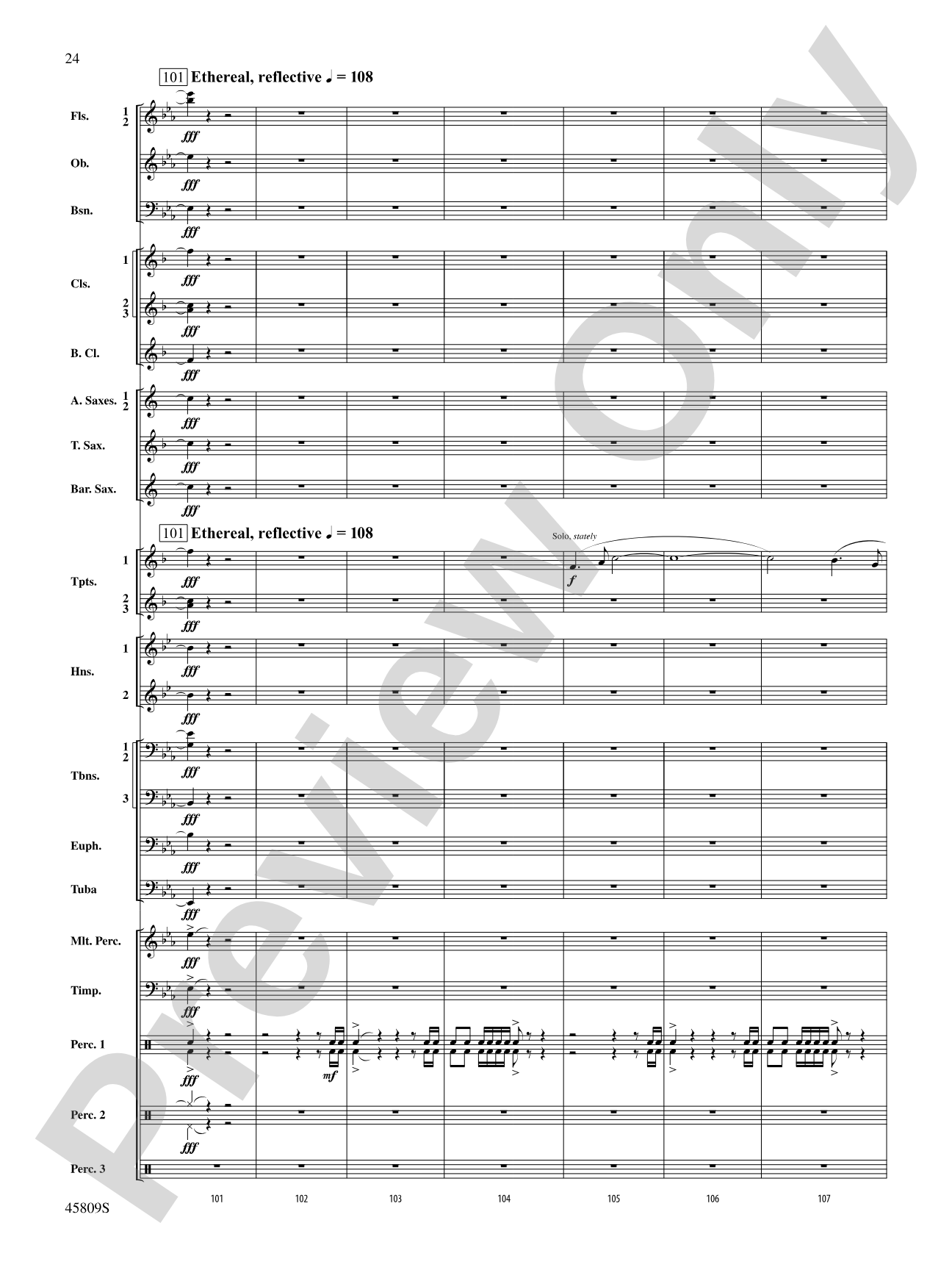
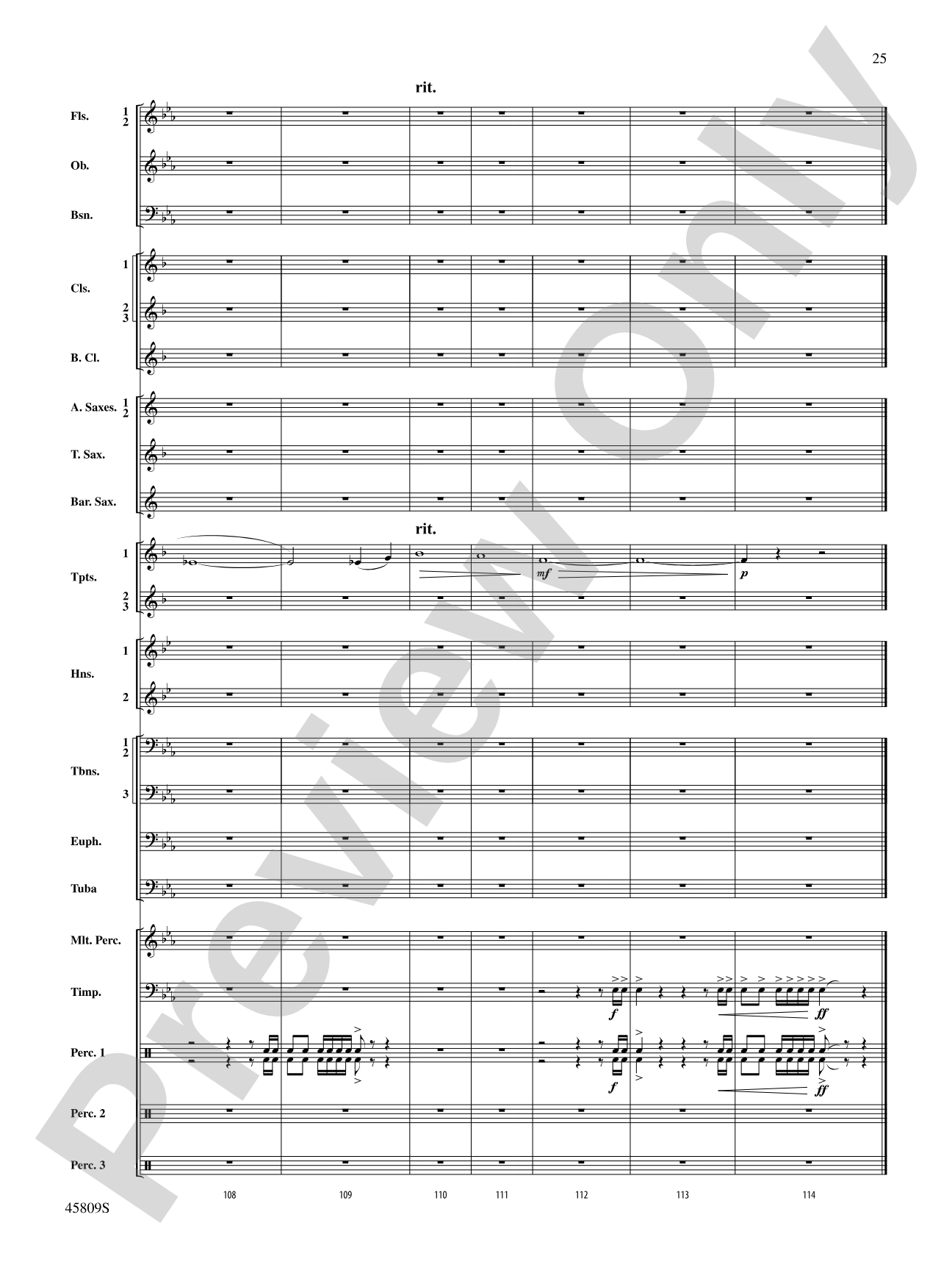

At the Movies with James Horner: Concert Band Conductor Score & Parts
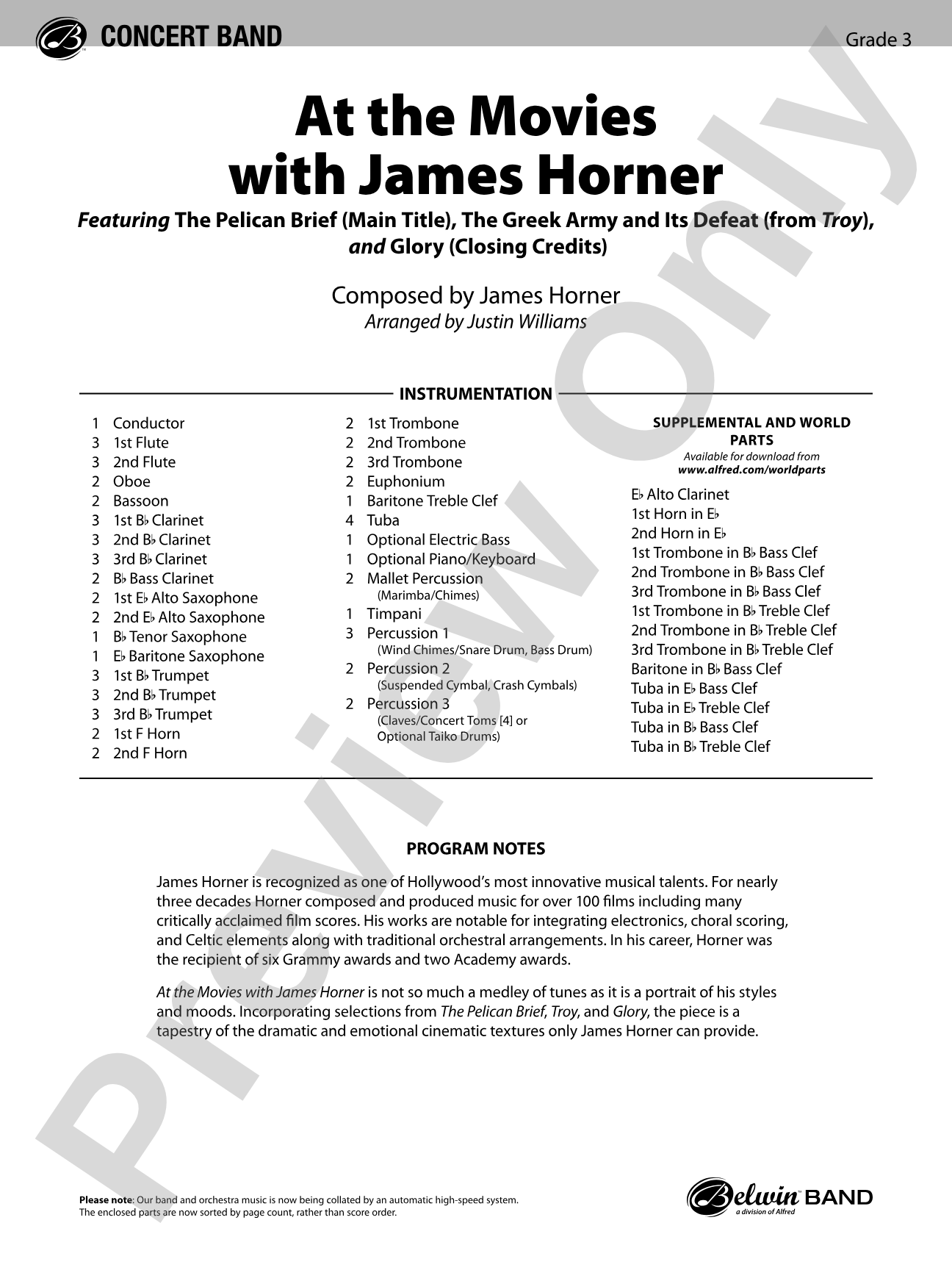
Featuring: The Pelican Brief (Main Title) / The Greek Army and Its Defeat (from Troy) / Glory (Closing Credits)
Composed by James Horner / arr. Justin Williams
Grade: 3 (Medium Easy)
Item: 00-PK-0007321

$77.00
Pickup currently not available
Buy Extra Parts (Digital PDF Download)
Parts Added to Cart!
Description
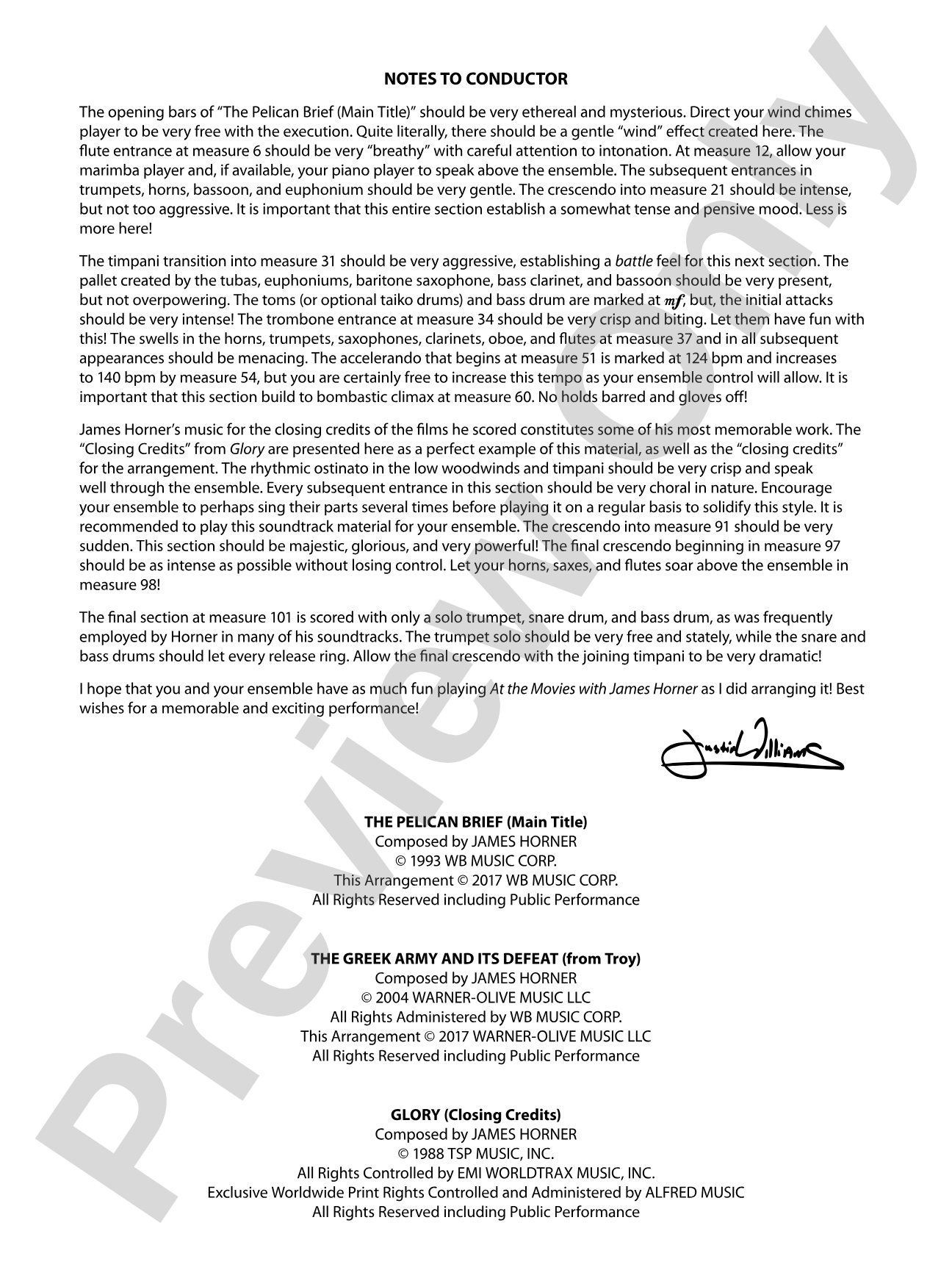
James Horner's film scores are fresh, unmistakable, and timelessly melodic. This collection is not so much a medley of tunes as it is a portrait of his styles and moods. Incorporating selections from The Pelican Brief, Troy, and Glory, the piece is a tapestry of the dramatic and emotional cinematic textures only James Horner can provide. (4:15)


Don't just read it, hear it, play along with it, and watch your students grow with it. In MakeMusic Cloud, At the Movies with James Horner: Concert Band Conductor Score & Parts comes alive with professional accompaniment, adjustable tempo, and built-in practice tools that turn solo practice into real progress.
Open in the Player
Jump straight in and assign it today.
Start Your Free Trial
Open this title and explore the full library in minutes.
Sample Audio
1
Audio File
--:--
0:00
0:00
Sample Video
Additional Details
Series:
Pop Concert Band
Publisher:
Alfred Music
Page Count:
260
SKU:
00-PK-0007321
More about this title
About the Composer: James Horner
James Horner spent nearly four decades composing for film, developing a signature approach to orchestration that balanced sweeping romanticism with intimate character moments. His work across genres, from historical epics to thrillers to animated features, demonstrated an uncommon gift for melody that could anchor even the most complex cinematic narratives.
For band directors, Horner's film scores translate remarkably well to the concert stage. His instinct for orchestral color and structural clarity means that even when condensed for smaller ensembles, these arrangements retain their emotional core and dramatic momentum.
Why we love this
This collection captures Horner's ability to build emotional arcs through pure melody without sacrificing sophistication. The sourcing from three dramatically distinct films, a political thriller, an ancient war epic, and a Civil War drama, means your band gets genuine variety in mood and texture within a single piece, all unified by one composer's sensibility. At Grade 3, the writing sits at that sweet spot where parts are singable and technically accessible but orchestration choices still demand attention from your ensemble.
What to expect
Cinematic and sweeping, yet intimate in its quieter passages. The piece moves between moments of dramatic tension and genuine lyricism, with the kind of orchestral color and harmonic richness that makes audiences lean forward. It feels like a concert work that happens to be built from film music, not a pops novelty.
Who it's for
Concert bands at the high school and early college level seeking repertoire that sounds substantial without requiring virtuosic chops. Directors programming pops concerts, movie-themed concerts, or mixed programs will find this especially valuable because it gives audiences familiar music while building ensemble musicianship across all sections.
How to get the most out of it
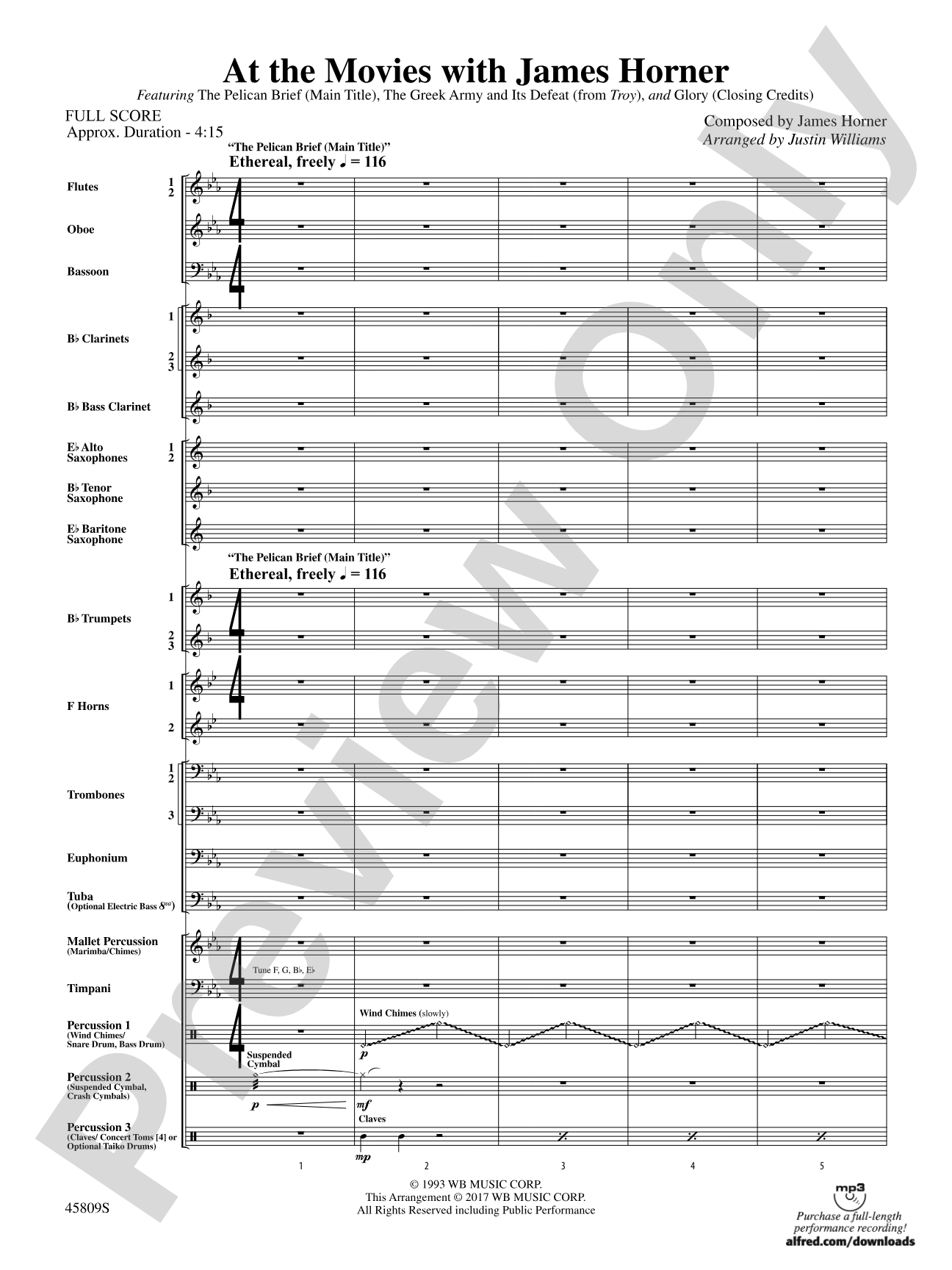
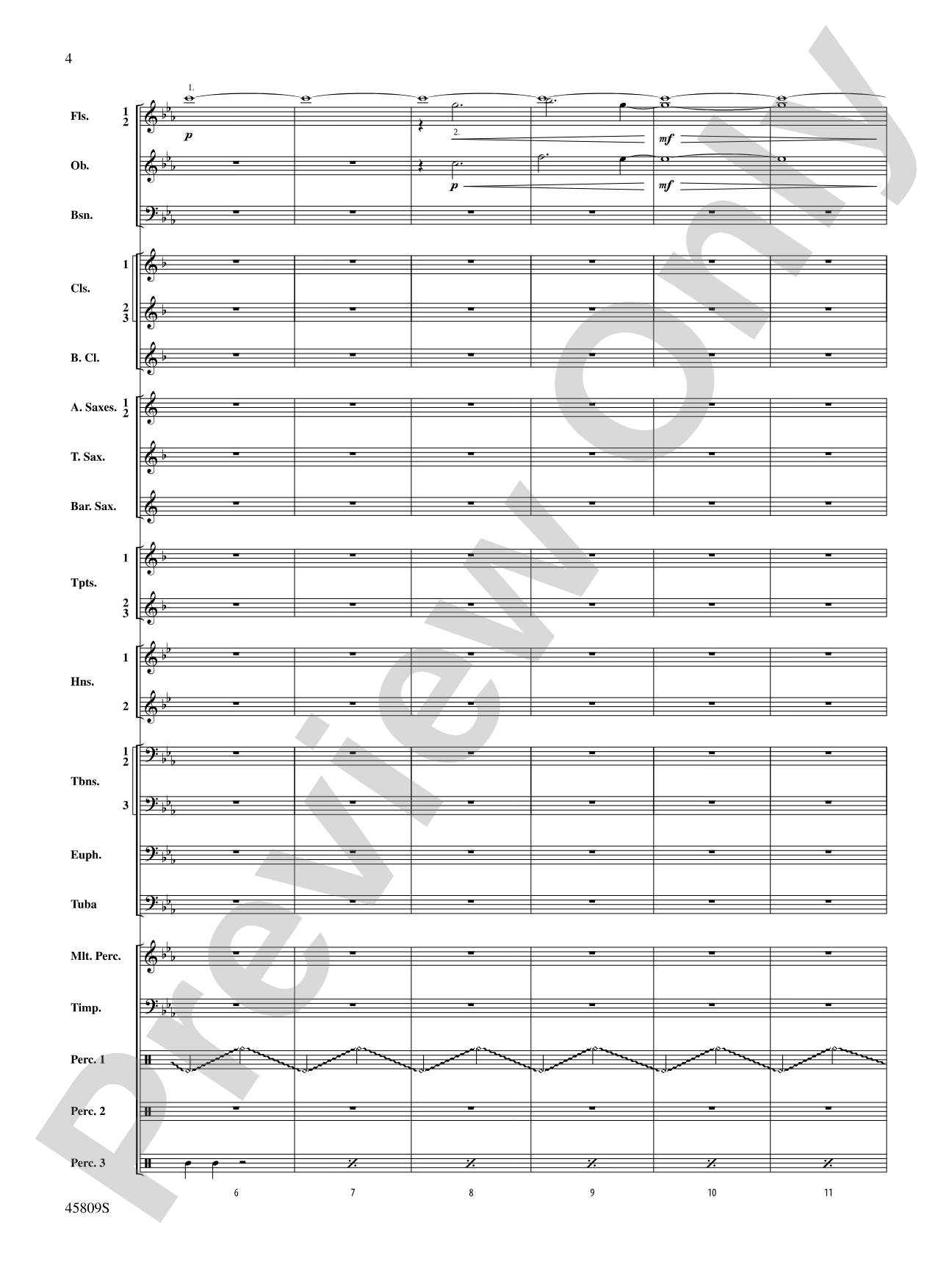
- Pay attention to the string writing in the conductor score; those sonorities set the tone for your wind and brass voicings. Even when the band carries the melody, the harmonic foundation matters as much as the top line.
- This arrangement rewards rhythmic precision in the quieter moments as much as the full sections. Horner's cinematic pacing relies on space and timing, so lock the ensemble on rests and releases.
- Balance the featured soloists (likely woodwinds and brass across different sections) against the full band. These moments need to sing with the same prominence they would have on screen.
- Use the 4:15 duration to shape the arc deliberately. This is not a march or a romp; it breathes like a film score, with dynamic peaks and valleys that should feel intentional, not accidental.
How to use it
This works beautifully as a concert centerpiece or as the finale of a mixed program where it provides a substantial, recognizable anchor without dominating the entire concert. It also pairs well with other contemporary concert band arrangements or with orchestral transcriptions, especially if you are programming a themed concert around adventure, drama, or cinema.
Skills your students will build
- Balancing lyrical phrasing with cinematic pacing
- Reading and performing multiple key centers and modulations within a single work
- Ensemble balance across divisi sections and featured solo passages
- Sustaining emotional narrative across longer forms (4+ minutes)
- Interpreting dynamic and textural contrast without explicit metronome markings