
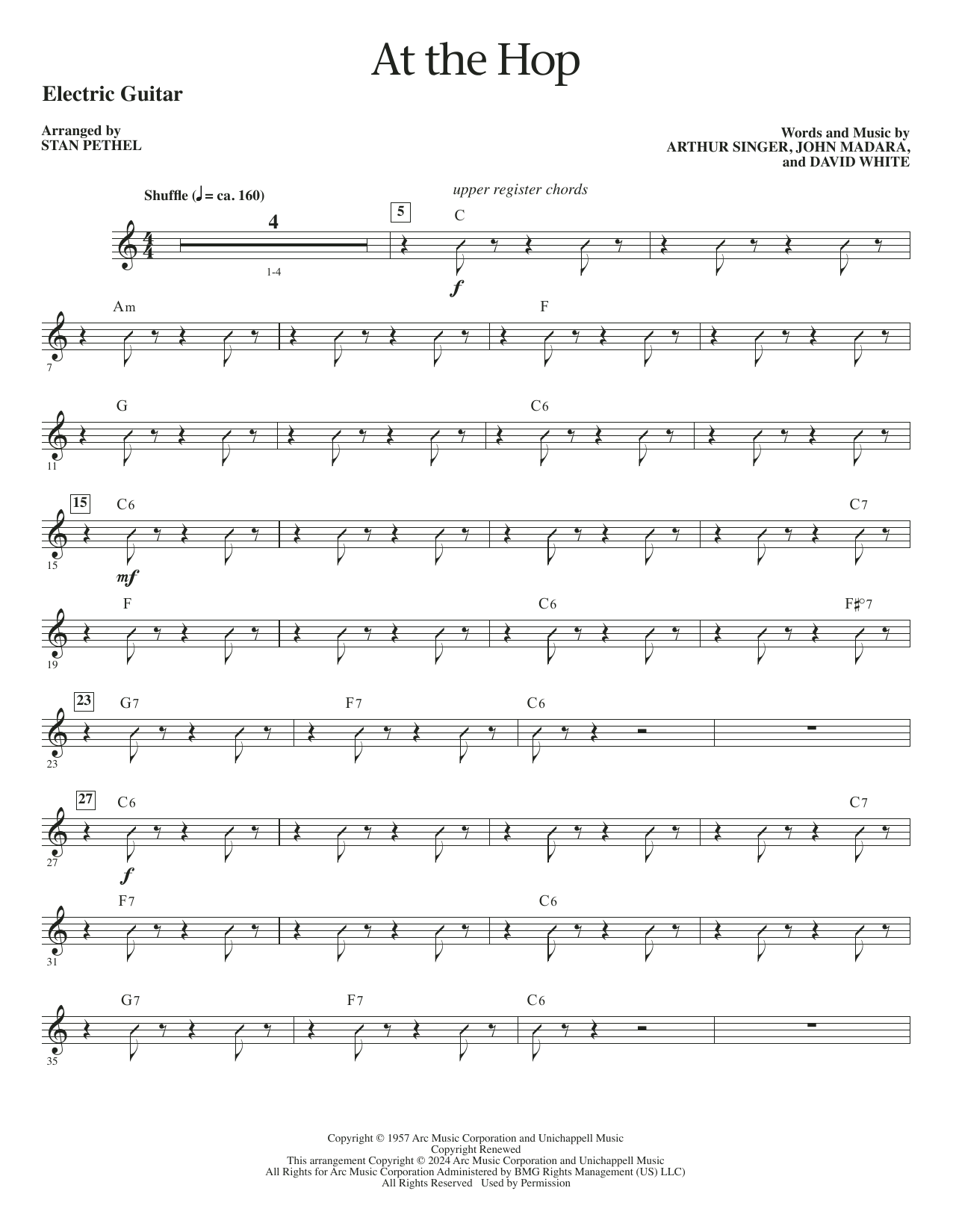

At The Hop (arr. Stan Pethel): Choral Instrumental Pak
As performed by Danny The Juniors / Arranged by Stan Pethel
Item: 35-PK01556808
$21.00
Pickup currently not available
Buy Extra Parts (Digital PDF Download)
Parts Added to Cart!
Description
A number one hit in 1958 and continuing to find popularity at Woodstock in 1969 and the 1973 movie American Graffiti, this favorite rock-n-roll tune remains just as popular today! The easy arrangement is perfect for choirs wanting a 50's throwback tune rocking with nostalgia of bobbysocks, dance hops and DJs!


At The Hop (arr. Stan Pethel): Choral Instrumental Pak isn't in MakeMusic Cloud just yet...but it could be. Let us know you'd like to see it, and you'll help shape what comes next. In the meantime, start a free trial and dive into thousands of interactive titles your students can play along with today.
Request This Title
Tell us you want it.
Start Your Free Trial
Explore everything that's ready to play right now.
Sample Audio
No sample audio found.
Sample Video
No sample videos found.
Additional Details
Publisher:
Hal Leonard
SKU:
35-PK01556808
More about this title
About the Artist: Danny The Juniors
Danny and the Juniors emerged from Philadelphia in the mid 1950s as one of rock and roll's earliest vocal groups. Their infectious energy and tight harmonies helped define the sound of early rock, capturing the spirit of teenage culture at a moment when that culture was becoming a dominant force in American music. "At the Hop" became their signature song, a cultural touchstone that transcended its era and continues to resonate across generations.
Why we love this
Stan Pethel's arrangement captures the infectious simplicity that made the original such a phenomenon without oversimplifying the vocal writing. It sits perfectly in the sweet spot where student choirs can sound polished and energetic without requiring virtuosic technical demands. Programming this gives you an instant crowd pleaser that audiences recognize within the first few notes, making it an exceptional closer or special event feature.
What to expect
Pure kinetic energy. The arrangement sparkles with the infectious optimism and carefree spirit of 1950s teenage culture, complete with the hand claps and rhythmic drive that made the original unforgettable. Singing this feels like stepping into a sock hop where everything is bright, everyone is smiling, and the whole point is to have fun moving to a great groove.
Who it's for
Directors seeking accessible repertoire that genuinely excites singers and audiences alike will find this invaluable. It works equally well for middle school ensembles building confidence and ensemble skills as for high school groups wanting to program popular music with substance. Choirs that lean toward lighter, more eclectic programming will recognize this as a natural fit.
How to get the most out of it
- Keep the rhythmic pulse tight and bouncy. Even at an easy technical level, the groove depends on precise ensemble attack and release, especially during the rhythmic passages that anchor the arrangement.
- Balance the vocal line so the melody projects clearly while the rhythm section provides genuine support. Resist the urge to let harmonies overshadow the hook that makes this tune memorable.
- Lean into the stylistic interpretation. The 1950s rock and roll sound benefits from a slightly brighter, more forward vocal tone than your typical ballad, with crisp articulation that mirrors the original recording's character.
- Consider the instrumentation carefully. The arrangement assumes a rhythm section that understands rock and roll swing. If your accompaniment is live, rehearse the groove with your instrumentalists early and often.
How to use it
This belongs in a concert where you want to shift the energy and remind your audience why they love live music. It pairs beautifully with other popular repertoire from different eras, serving as a bridge between classical selections and contemporary material. Consider it as a spring concert finale or a pops night centerpiece where you can let the ensemble's personality shine through.
Skills your students will build
- Rhythmic precision and groove awareness in a rock and roll style
- Balancing melody and harmony in a popular music context
- Stylistic interpretation of 1950s rock and roll vocal production
- Ensemble cohesion with a strong rhythmic foundation
- Confidence performing accessible, high-recognition repertoire