

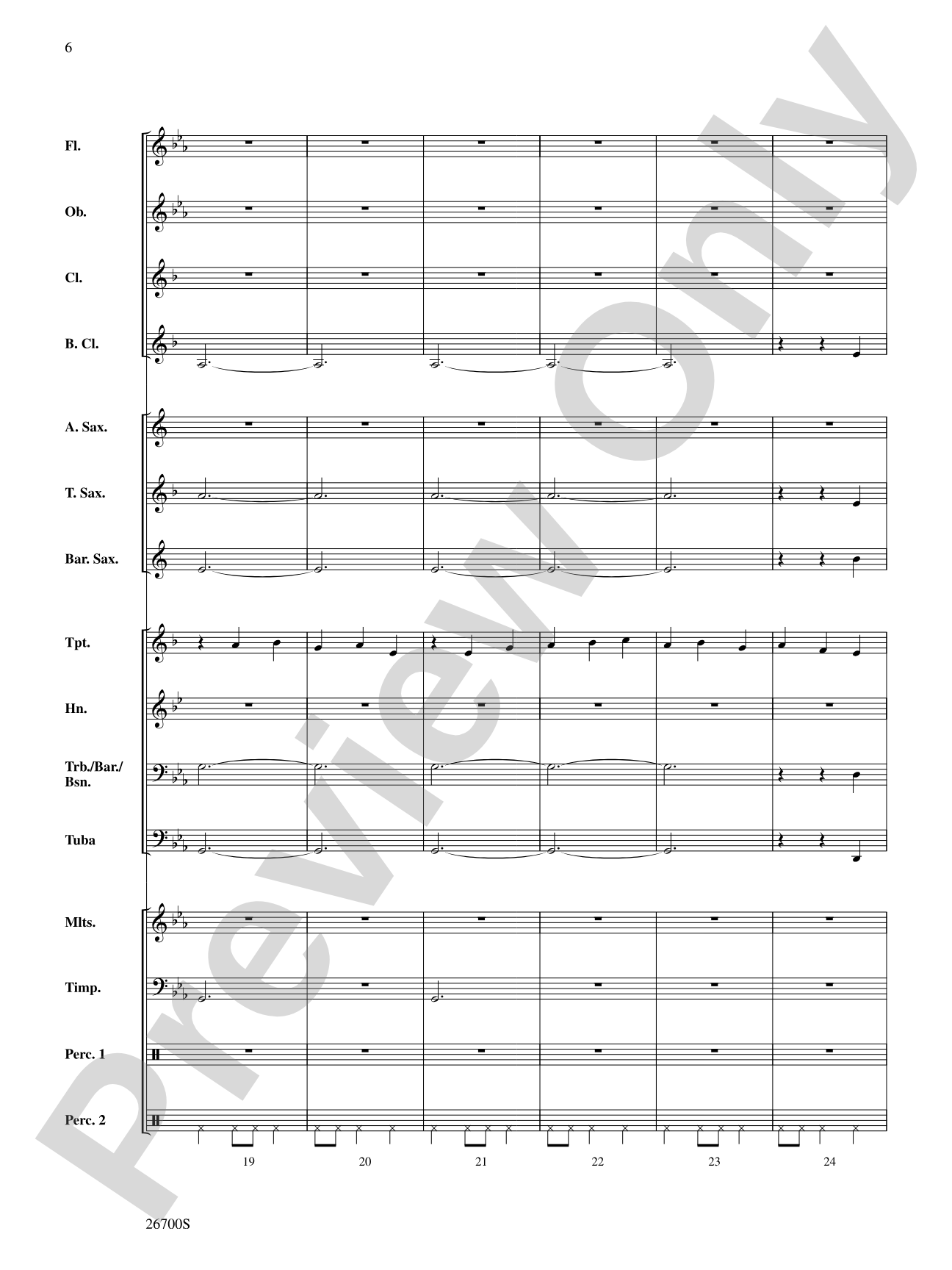
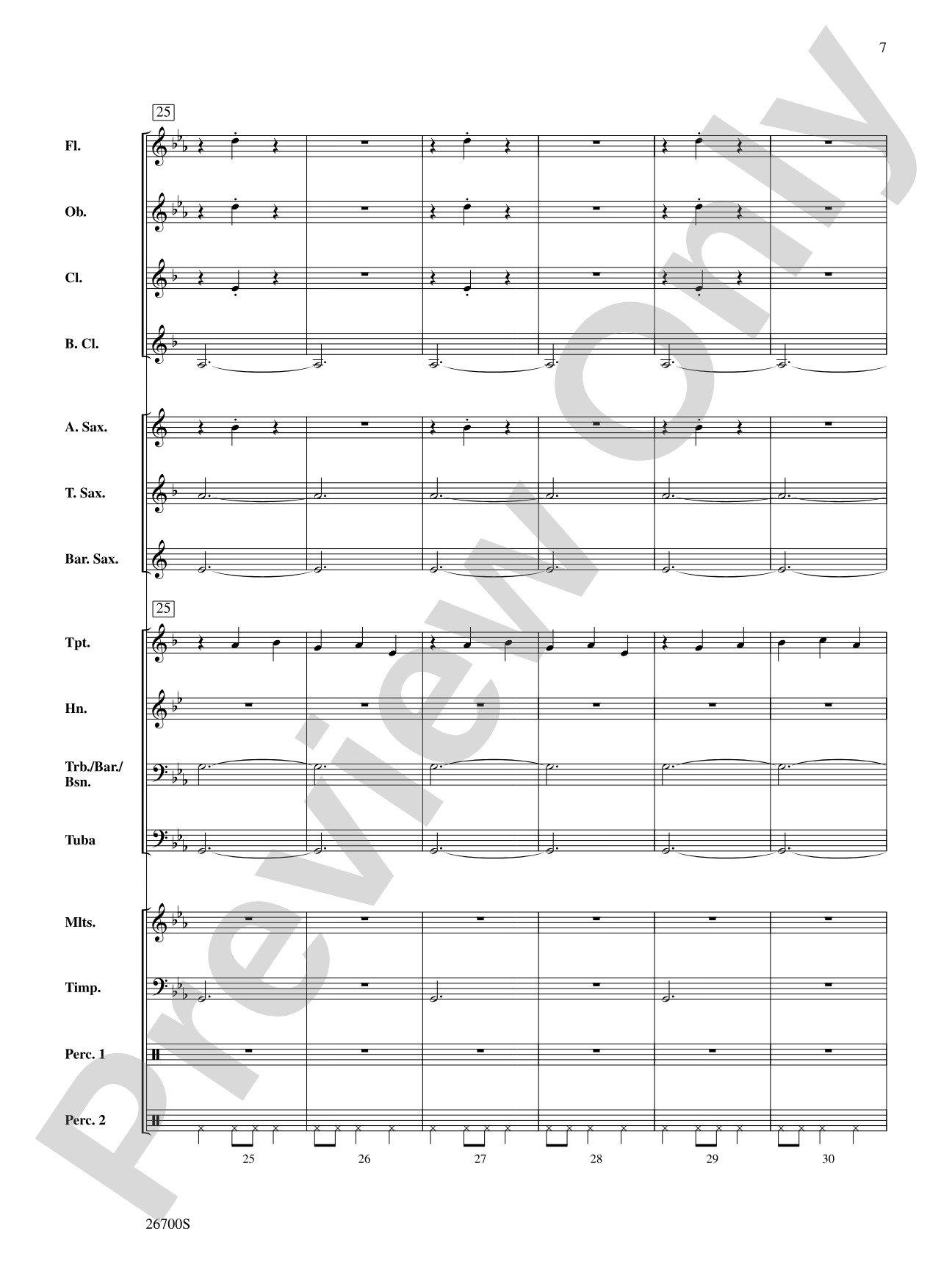
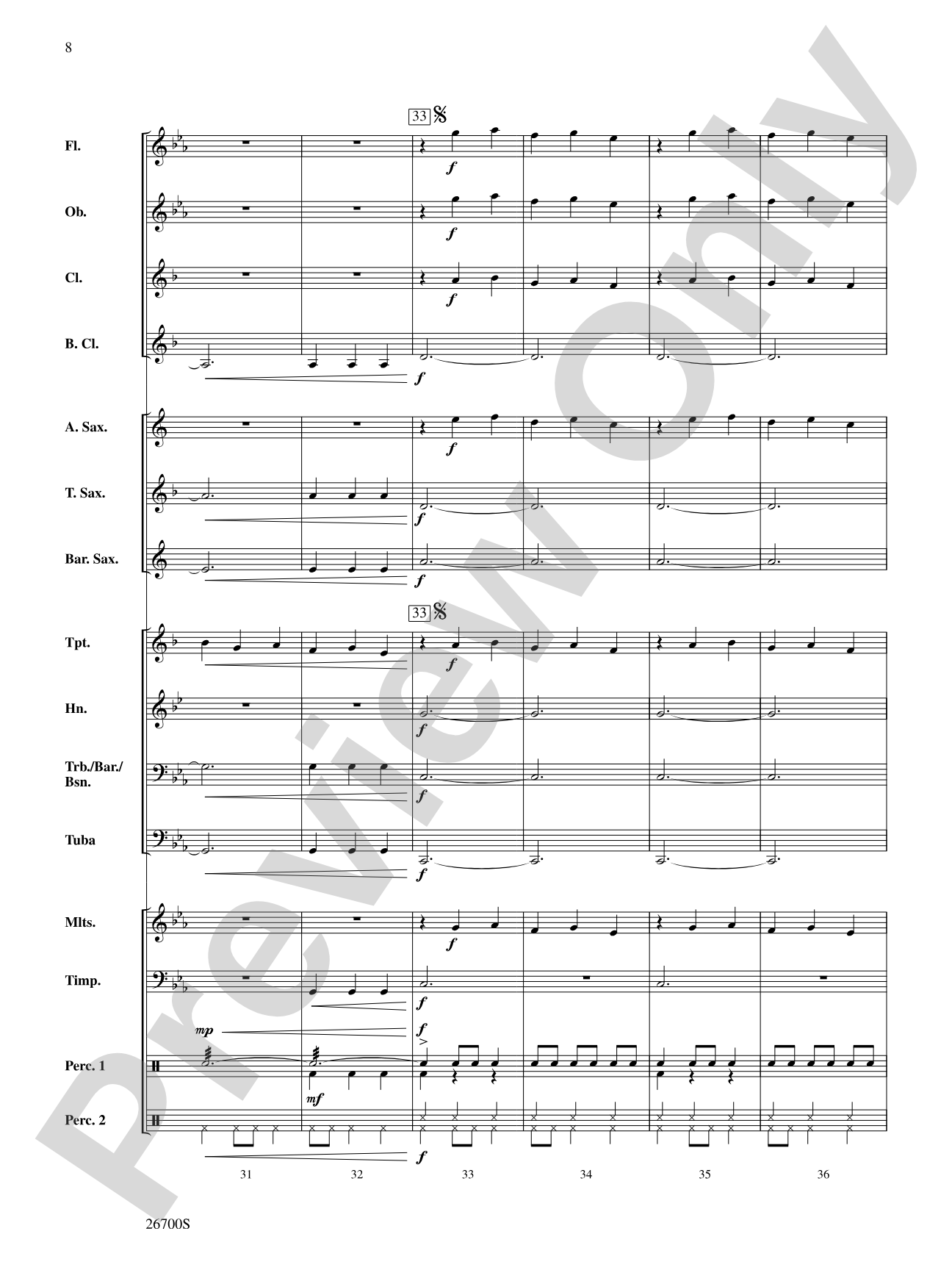
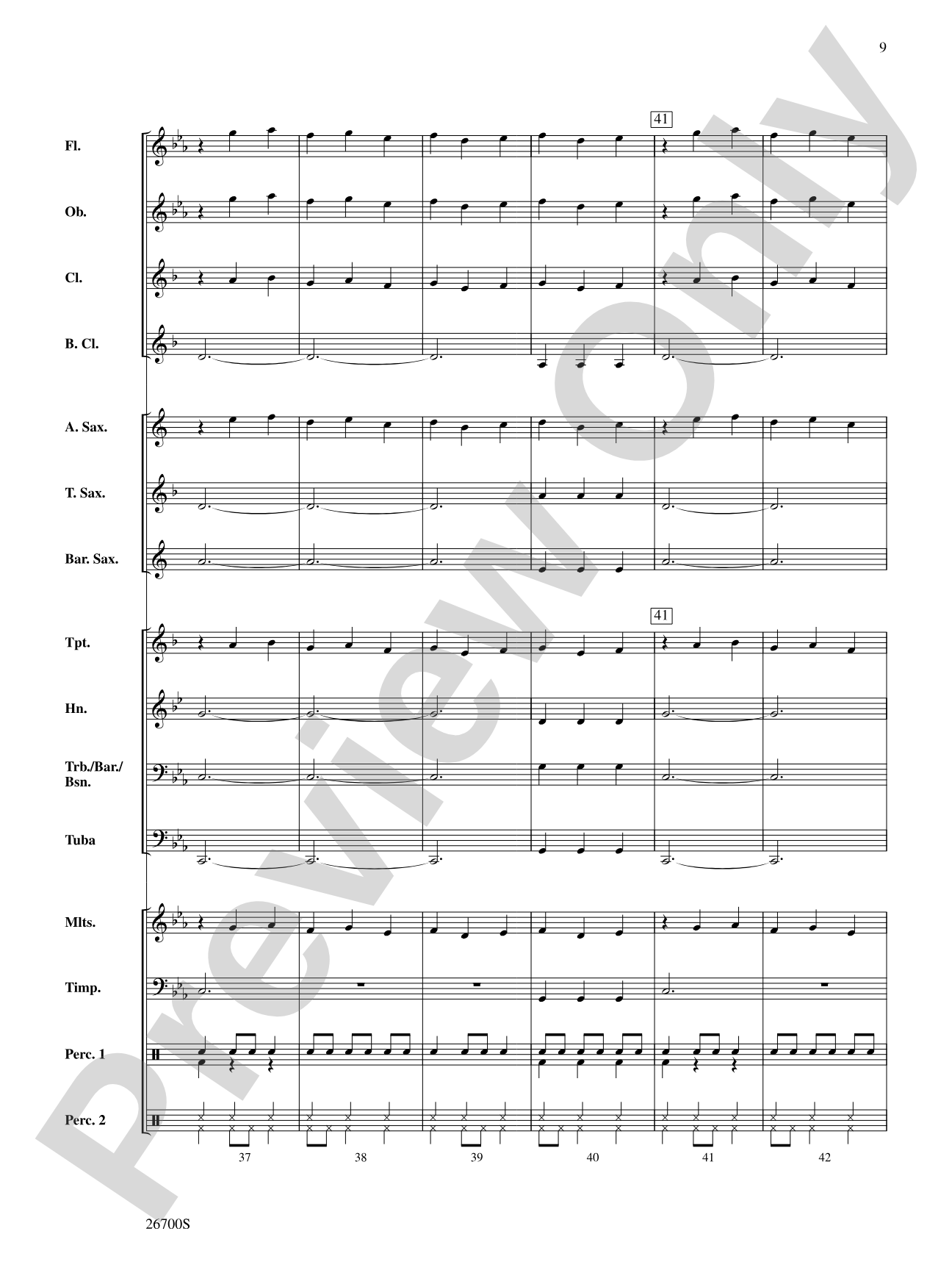
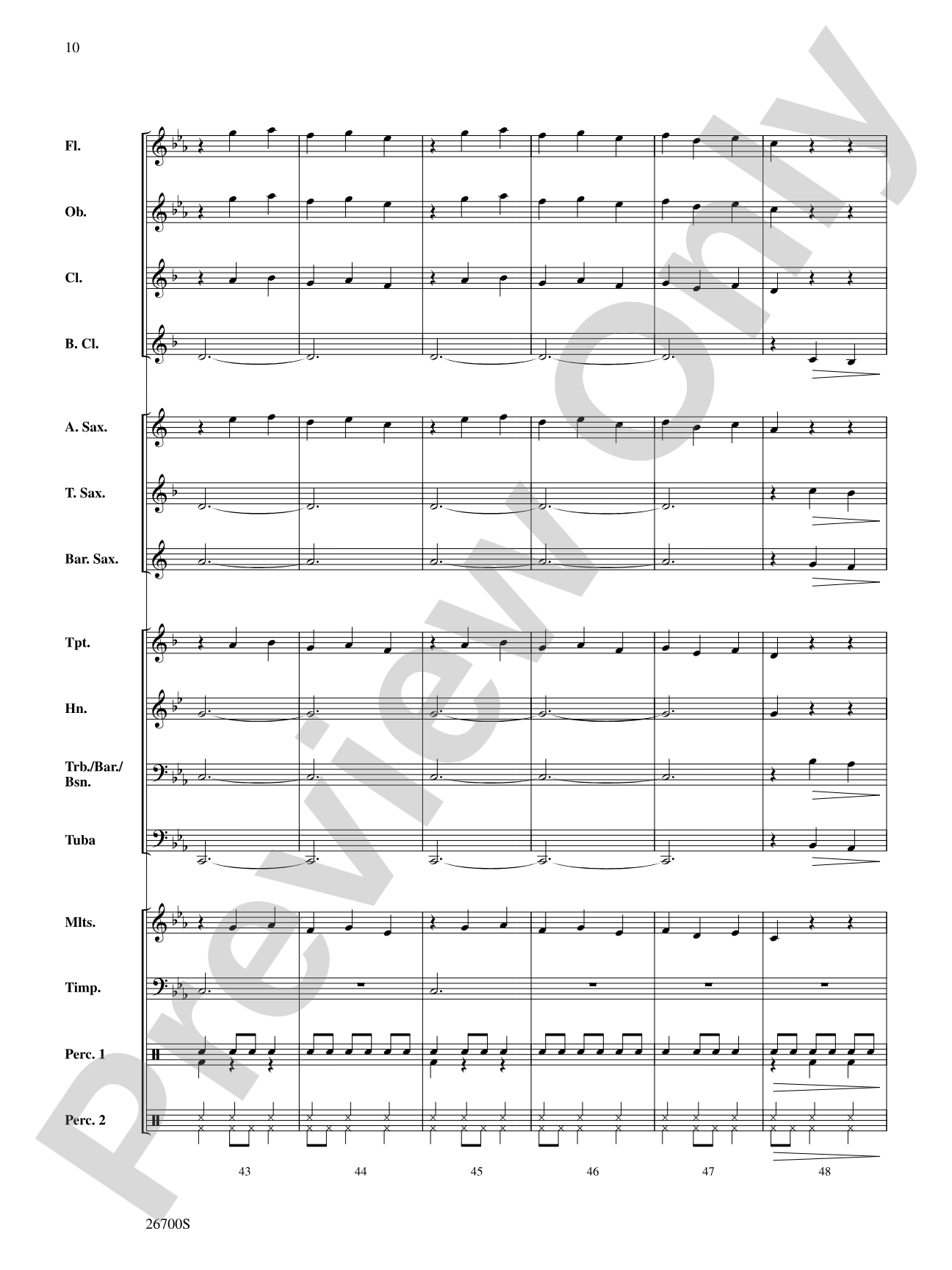
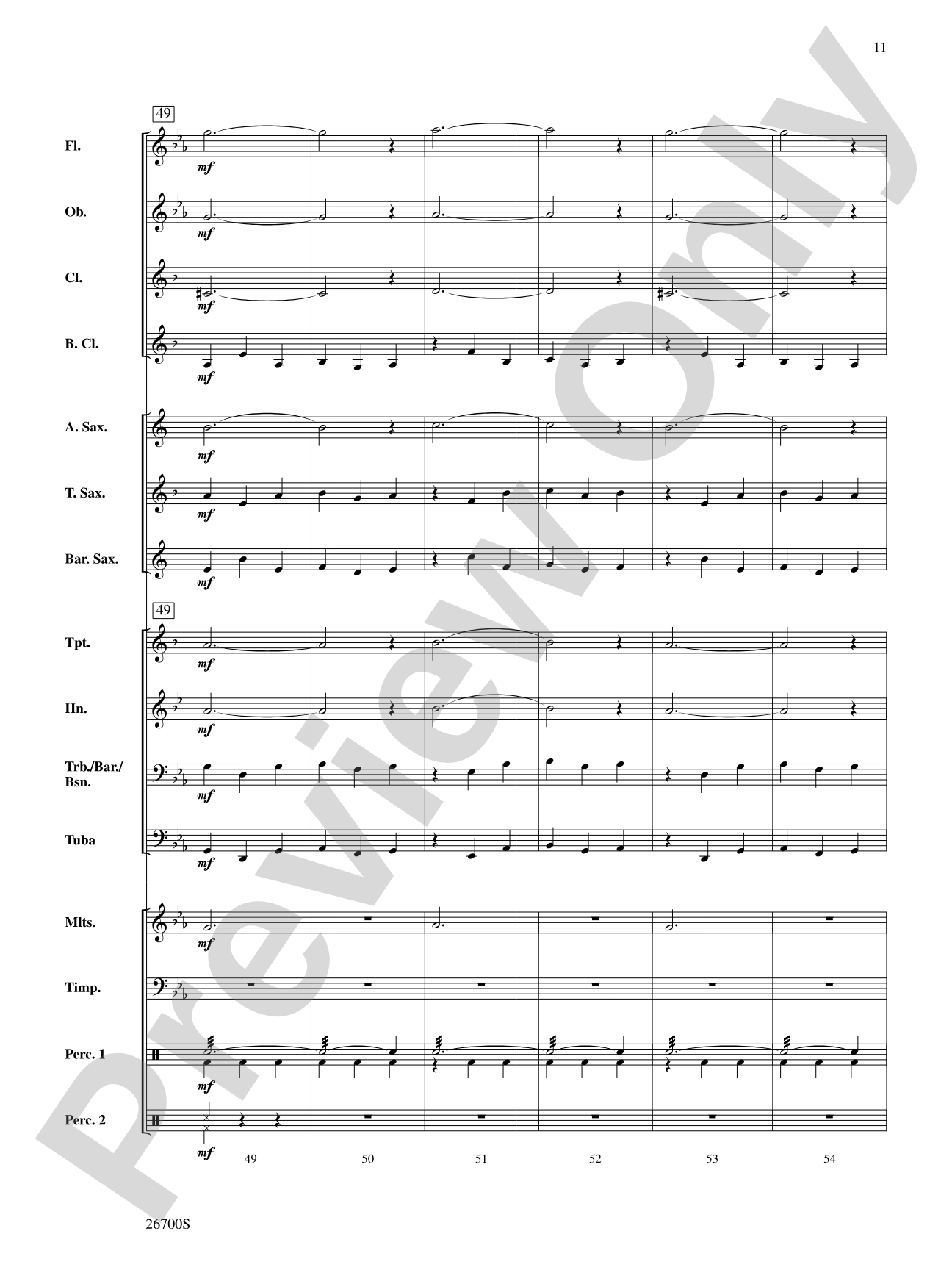
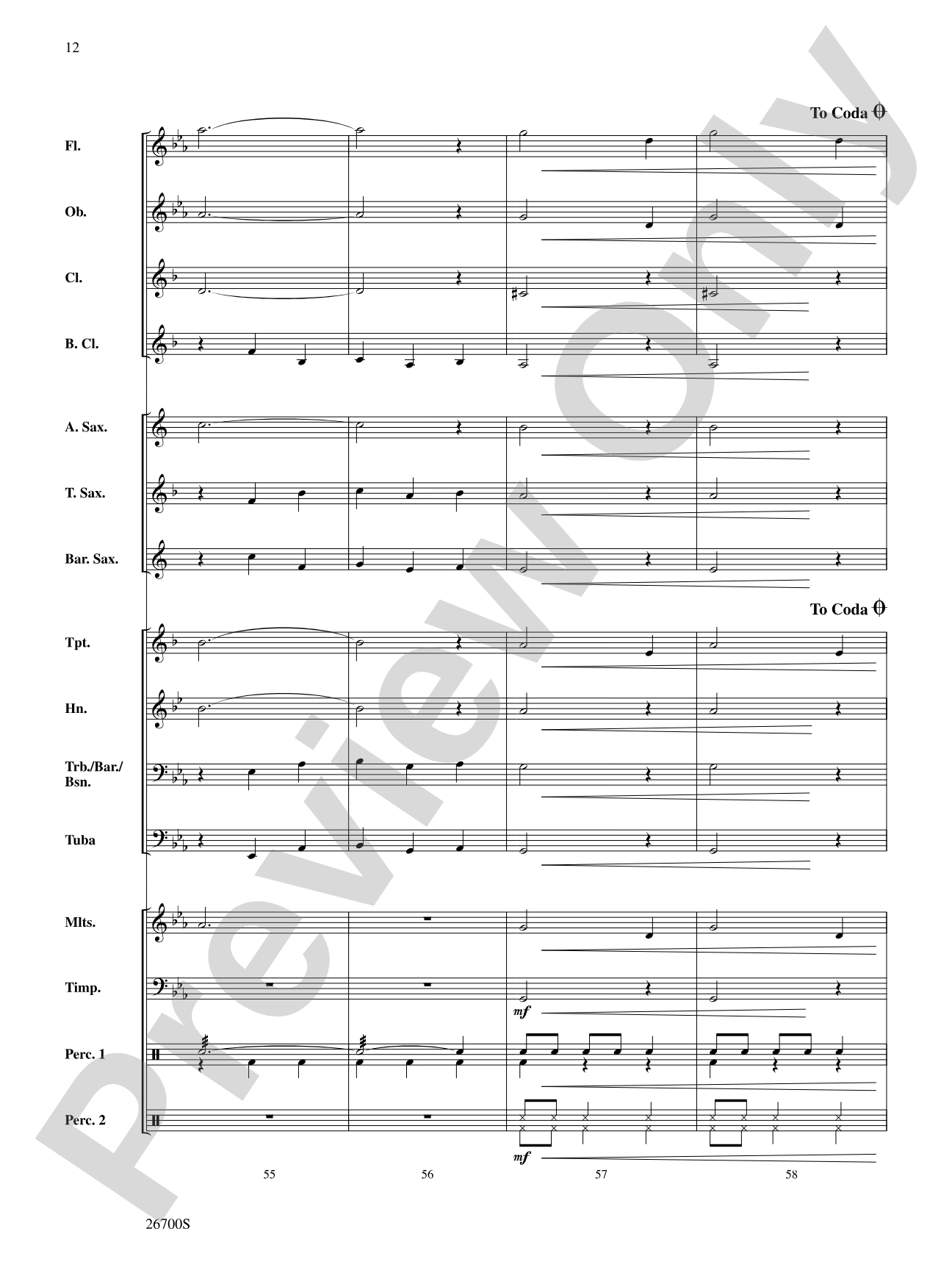
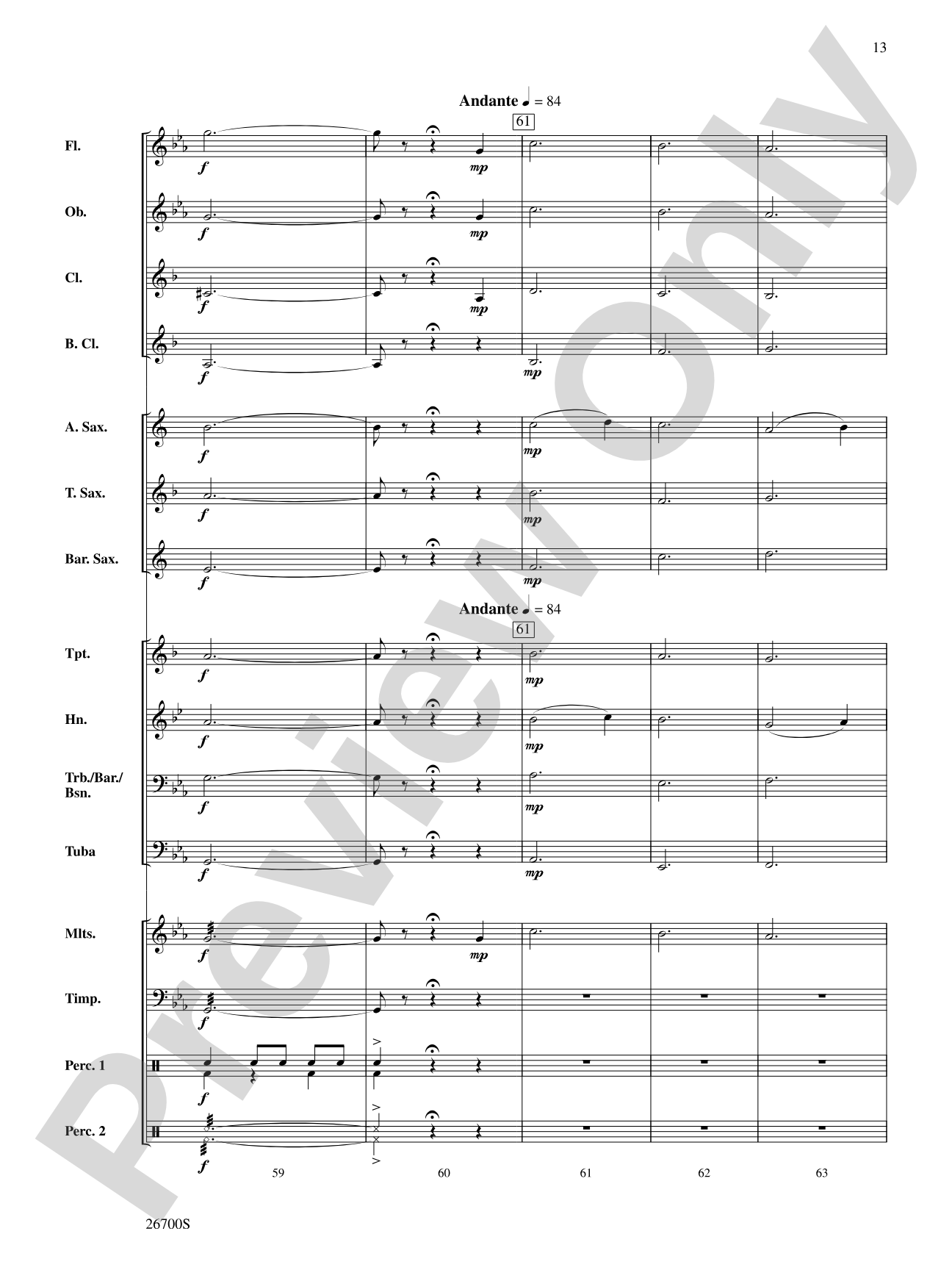
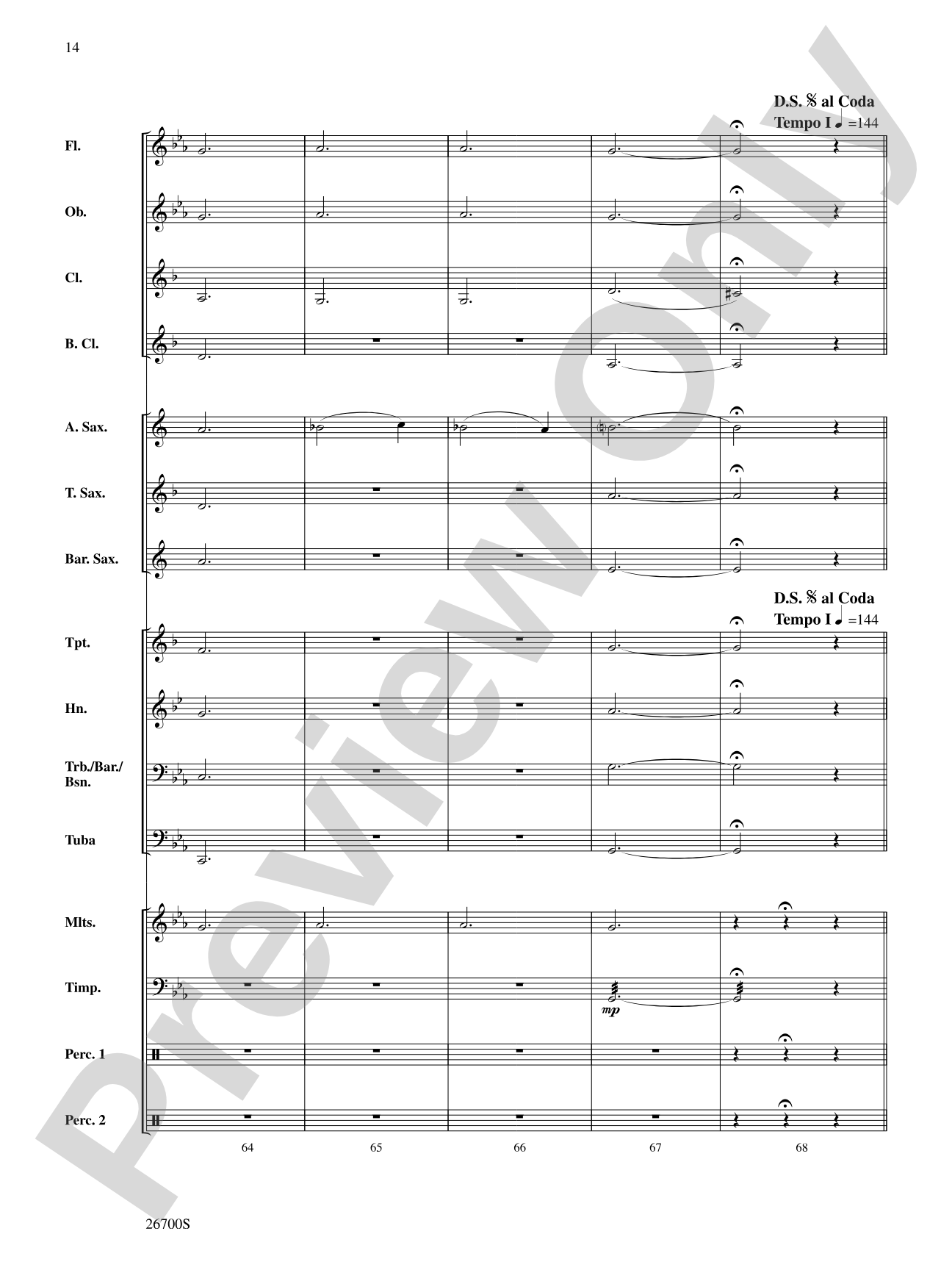
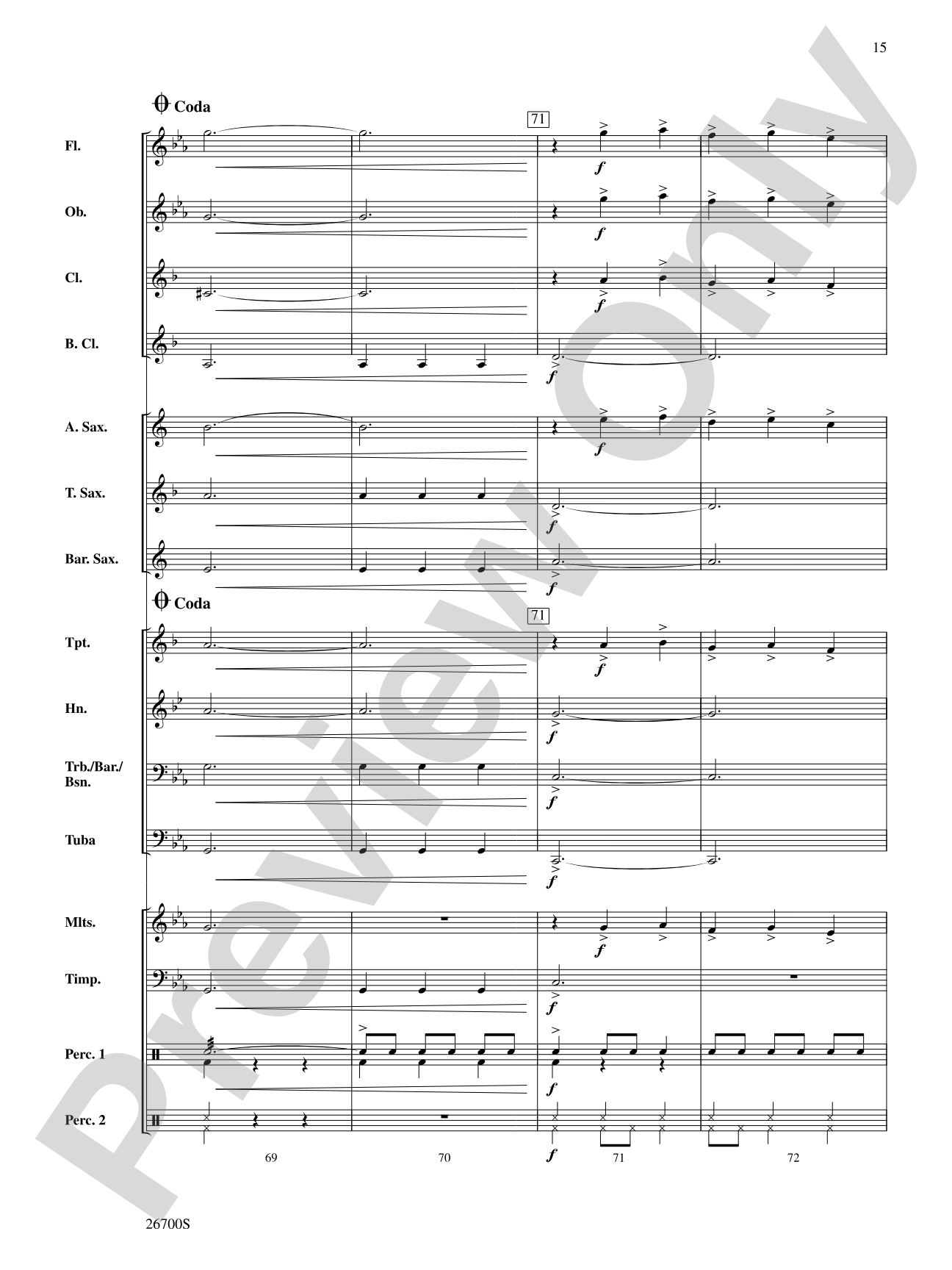
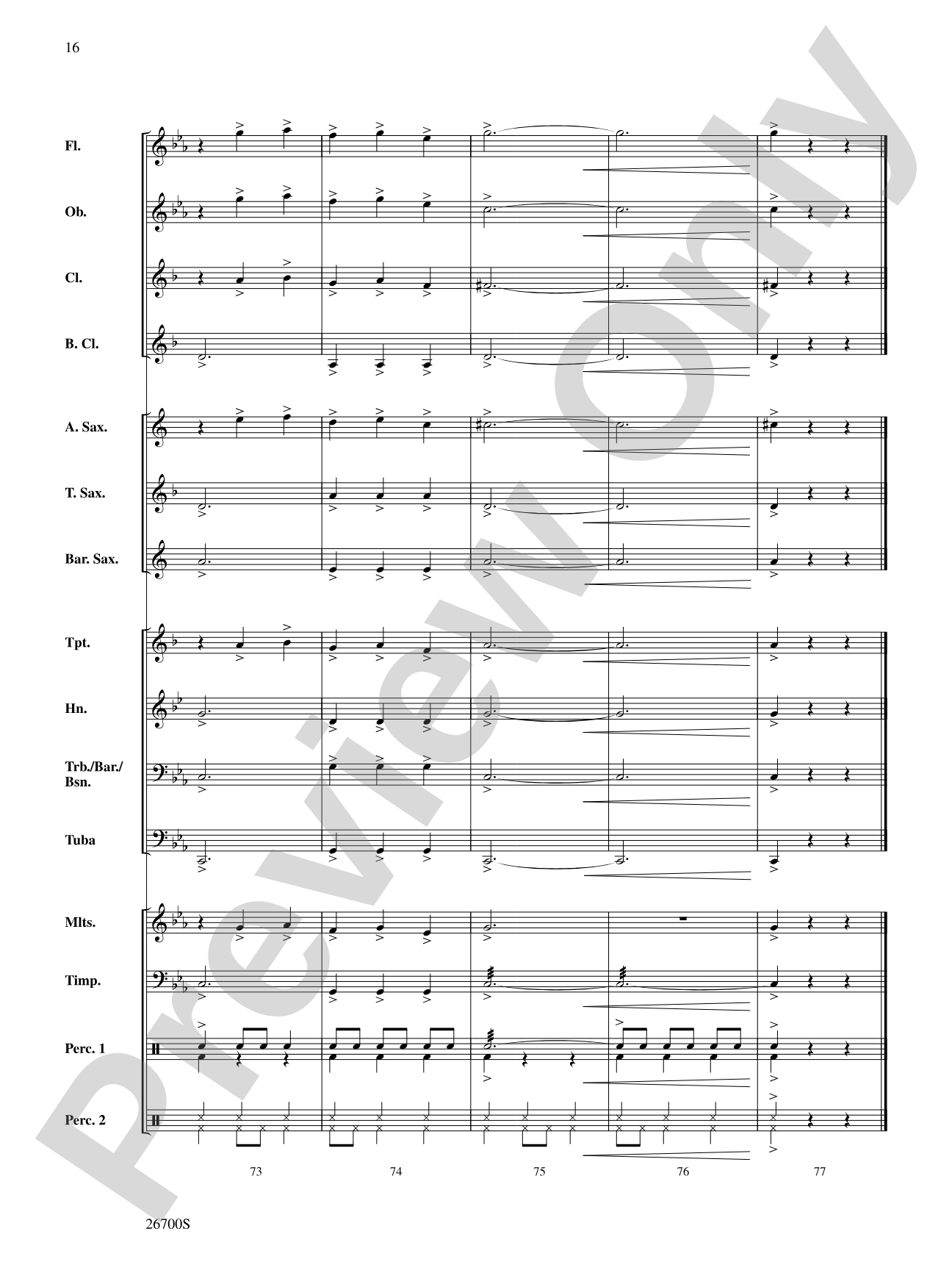

Asturias: Concert Band Conductor Score & Parts
By Isaac Albéniz / arr. Michael Story
Grade: 1 (Very Easy)
Item: 00-PK-0001188

$51.00
Pickup currently not available
Buy Extra Parts (Digital PDF Download)
| Product | Price | Quantity |
|---|---|---|
| Asturias: Score | $7.00 | |
| Asturias: Flute | $3.00 | |
| Asturias: Oboe | $3.00 | |
| Asturias: 1st B-flat Clarinet | $3.00 | |
| Asturias: B-flat Bass Clarinet | $3.00 | |
| Asturias: E-flat Alto Saxophone | $3.00 | |
| Asturias: B-flat Tenor Saxophone | $3.00 | |
| Asturias: E-flat Baritone Saxophone | $3.00 | |
| Asturias: 1st B-flat Trumpet | $3.00 | |
| Asturias: 1st F Horn | $3.00 | |
| Asturias: 1st Trombone | $3.00 | |
| Asturias: Baritone T.C. | $3.00 | |
| Asturias: Tuba | $3.00 | |
| Asturias: Mallets | $3.00 | |
| Asturias: 1st Percussion | $3.00 | |
| Asturias: 2nd Percussion | $3.00 | |
| Asturias: Timpani | $3.00 | |
| Asturias: (wp) 1st Horn in E-flat | $3.00 | |
| Asturias: (wp) 1st B-flat Trombone B.C. | $3.00 | |
| Asturias: (wp) B-flat Tuba B.C. | $3.00 | |
| Asturias: (wp) B-flat Tuba T.C. | $3.00 | |
| Asturias: (wp) E-flat Tuba B.C. | $3.00 | |
| Asturias: (wp) E-flat Tuba T.C. | $3.00 |
Parts Added to Cart!
Description
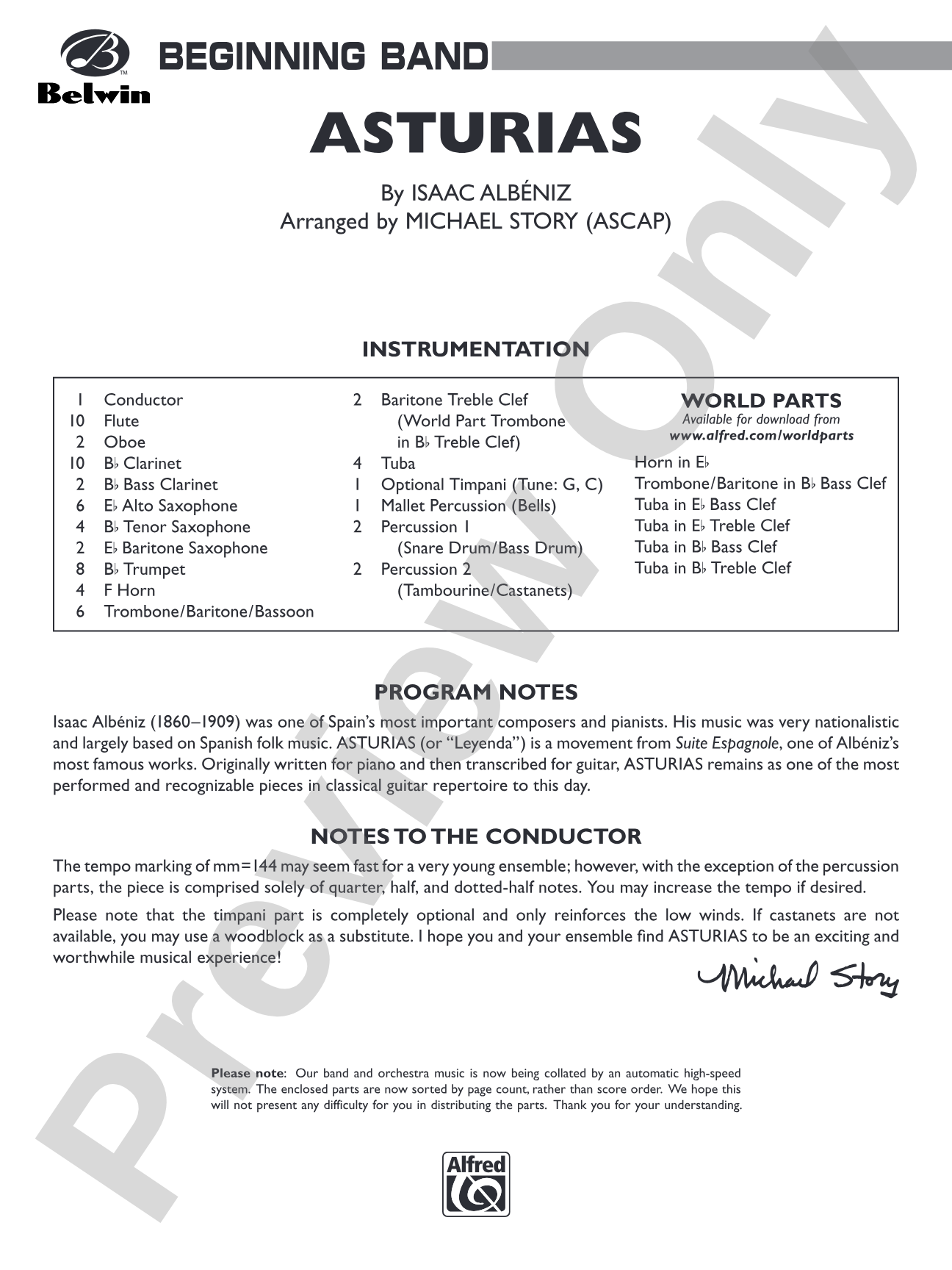
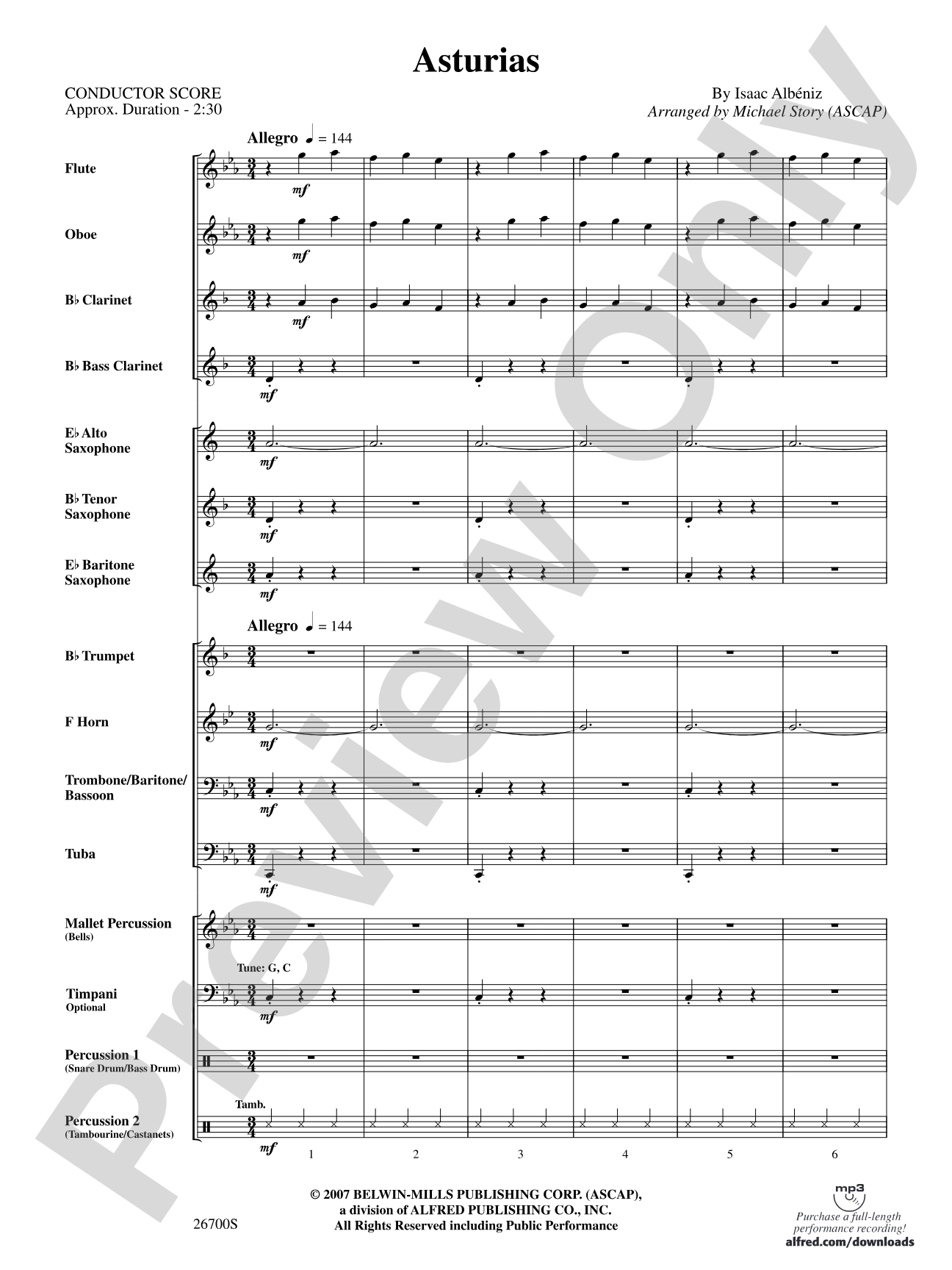
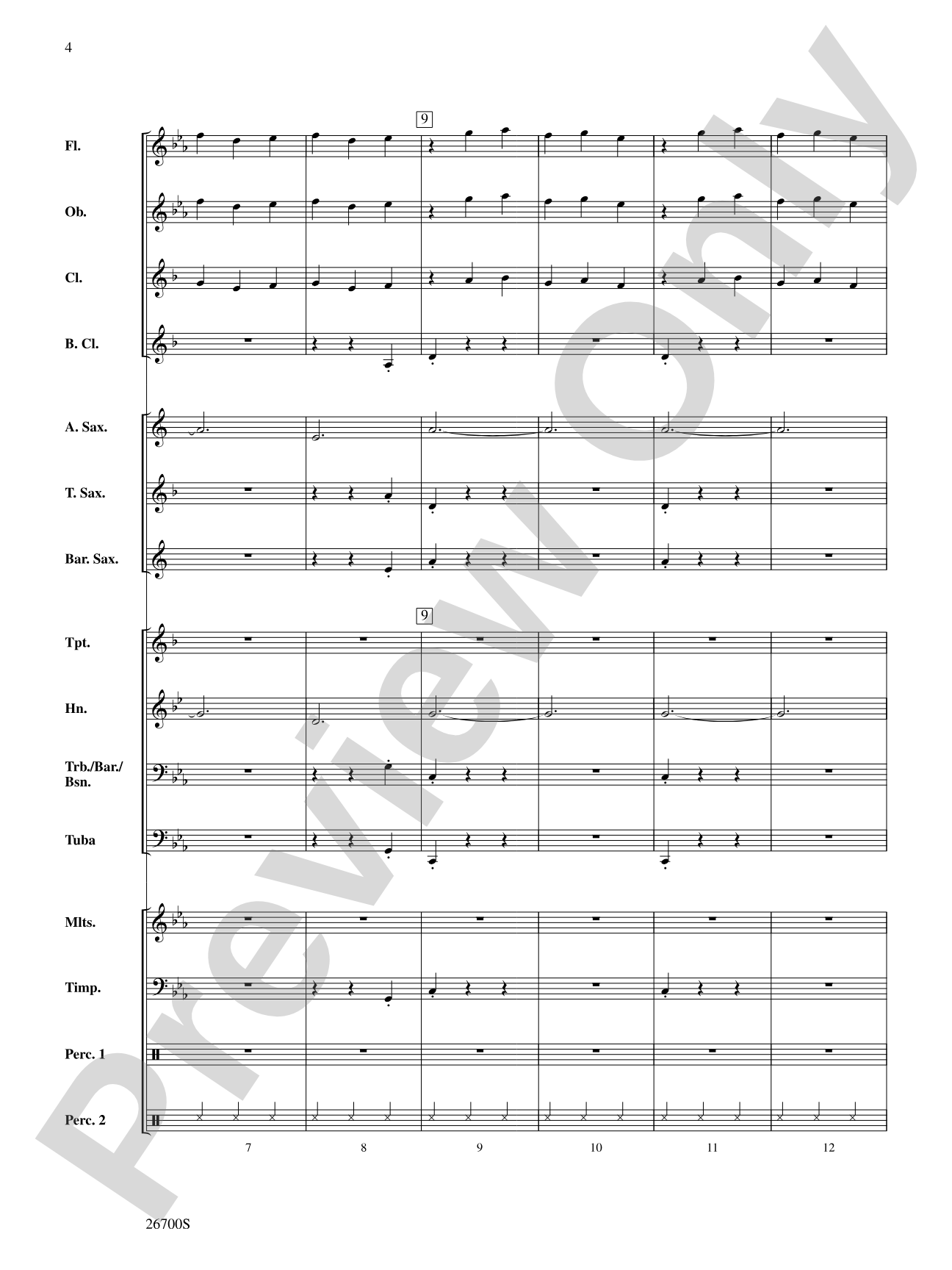
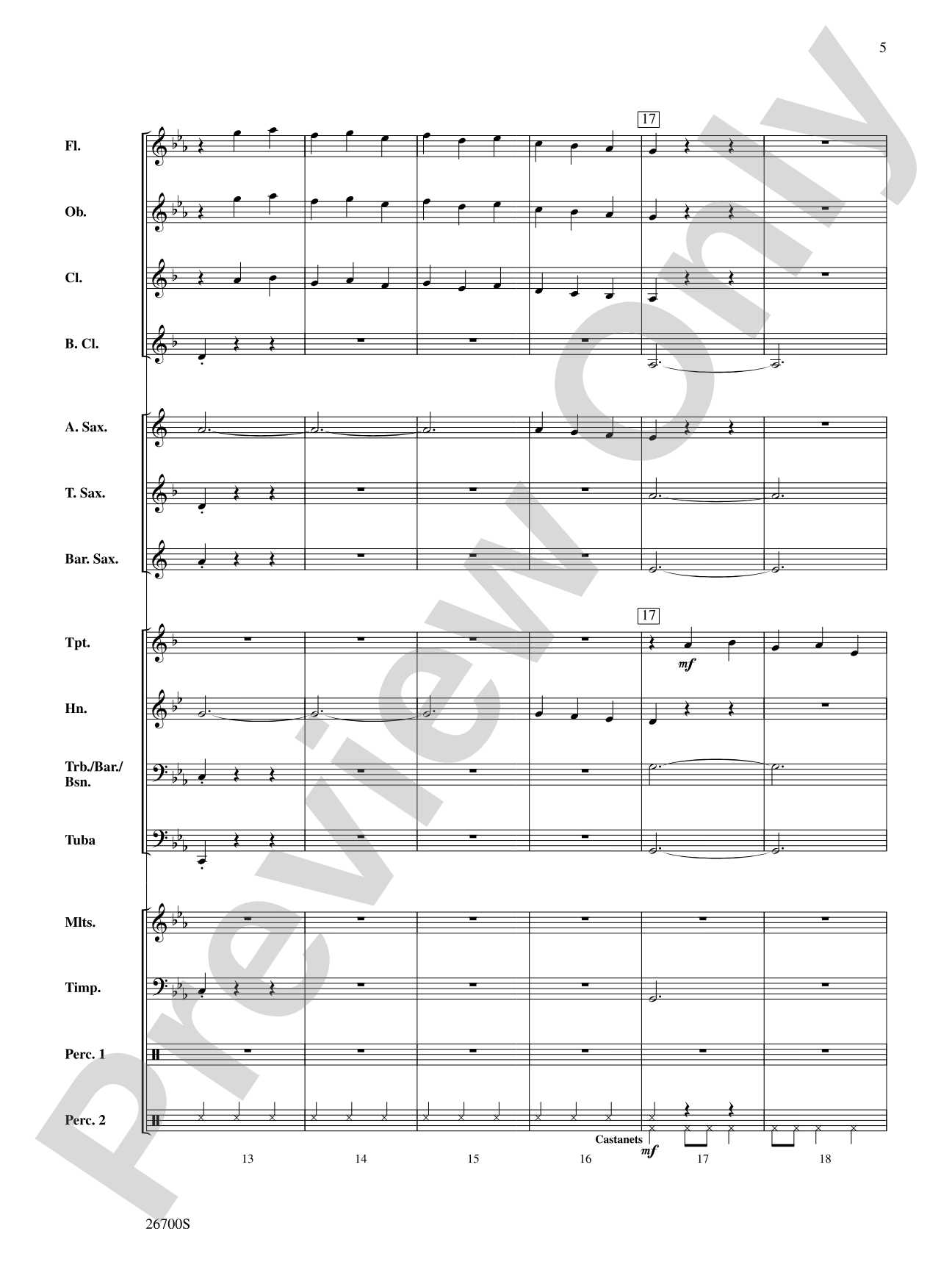
A movement from Issac Albéniz' Suite Espagnole, this high-energy Michael Story arrangement has an intriguing melody scored around a lush chorale-section. Asturias, also known as "Leyenda," is a superb beginning band transcription of the renowned nationalistic Spanish composer. A bold musical statement! This title is available in MakeMusic Cloud.


Don't just read it, hear it, play along with it, and watch your students grow with it. In MakeMusic Cloud, Asturias: Concert Band Conductor Score & Parts comes alive with professional accompaniment, adjustable tempo, and built-in practice tools that turn solo practice into real progress.
Open in the Player
Jump straight in and assign it today.
Start Your Free Trial
Open this title and explore the full library in minutes.
Sample Audio
1
Audio File
--:--
0:00
0:00
Sample Video
No sample videos found.
Additional Details
Series:
Belwin Beginning Band
Publisher:
Alfred Music
Page Count:
66
SKU:
00-PK-0001188
More about this title
About the Composer: Isaac Albéniz
Isaac Albéniz (1860, 1909) was a Spanish pianist and composer who became a nationalist voice in European concert music. His piano works drew deeply from Spanish folk idioms, rhythms, and regional character, making him one of the most recognizable figures in Spanish Romantic music. Asturias, the opening movement of his Suite Espagnole, stands as his most performed composition and has been transcribed countless times because its melodic power translates across nearly any instrumentation.
Albéniz's genius lay in his ability to capture regional Spanish identity through accessible yet sophisticated harmonic language. For students encountering classical transcriptions, his music offers immediate melodic gratification alongside real compositional substance, proving that audience appeal and artistic integrity need not conflict.
Why we love this
Michael Story's arrangement captures the passionate energy of this Spanish masterwork while keeping the technical and rhythmic demands accessible for developing musicians. The scoring around a central chorale gives your band genuine textural sophistication at Grade 1, meaning students experience real compositional architecture rather than simplified part-writing. This is the kind of arrangement that sounds impressive in performance while remaining genuinely playable for groups still building fundamental ensemble skills.
What to expect
Passionate and assertive, with the character of Spanish regional pride expressed through a soaring melody that sits comfortably above warm harmonic support. The piece breathes confidence and color; students hear themselves making music that feels important and substantial rather than merely instructional.
Who it's for
Beginning concert bands ready to tackle a recognized masterwork with real musical substance. This arrangement works equally well for groups building foundational ensemble skills or bands seeking repertoire that sounds accomplished in a festival or concert setting without requiring advanced technical facility.
How to get the most out of it
- Balance the intriguing melody against the lush chorale section by checking that inner voices lock rhythmically before bringing out the solo line; this creates transparency rather than muddiness.
- Shape the phrasing of the melody with forward motion and clear phrase endings, even at a deliberate tempo; students often play Spanish material too stiffly when they should lean into the lyrical architecture.
- Establish the pulse with the rhythm section first, then bring sectional rehearsals into that groove; the high-energy character depends on rhythmic confidence across the ensemble.
- Mark breathing points conspicuously in all parts so that the chorale sections maintain their harmonic sonority without gasping or breaking the musical line unexpectedly.
How to use it
Program this as a centerpiece for a concert or festival where you want to demonstrate that beginning bands can perform genuine artistic repertoire. It pairs well with other Spanish or Latin-influenced works, or it can stand alone as a bold opener that sets a sophisticated tone for the rest of your program.
Skills your students will build
- Balancing melody with harmonic accompaniment in mixed textures
- Sustaining warm, blended chorale passages
- Playing with rhythmic precision in Spanish-influenced meters and syncopations
- Shaping lyrical melodic lines with intentional phrasing and breath support
- Reading and executing articulation markings that define character and style