


Assimilation: Percussion Ensemble
(For Percussion Sextet)
By Anthony J. Cirone
Level: Intermediate
Item: 00-PK-0004962

$9.99
Pickup currently not available
Buy Extra Parts (Digital PDF Download)
| Product | Price | Quantity |
|---|---|---|
| Assimilation: Score | $8.00 | |
| Assimilation: SD1 | $3.00 | |
| Assimilation: SD2 | $3.00 | |
| Assimilation: SD3 | $3.00 | |
| Assimilation: Cymbals | $3.00 | |
| Assimilation: Triangle | $3.00 | |
| Assimilation: Bass Drum | $3.00 |
Parts Added to Cart!
Related Items
Assimilation: Percussion Ensemble |
$9.95
|
View |
Description
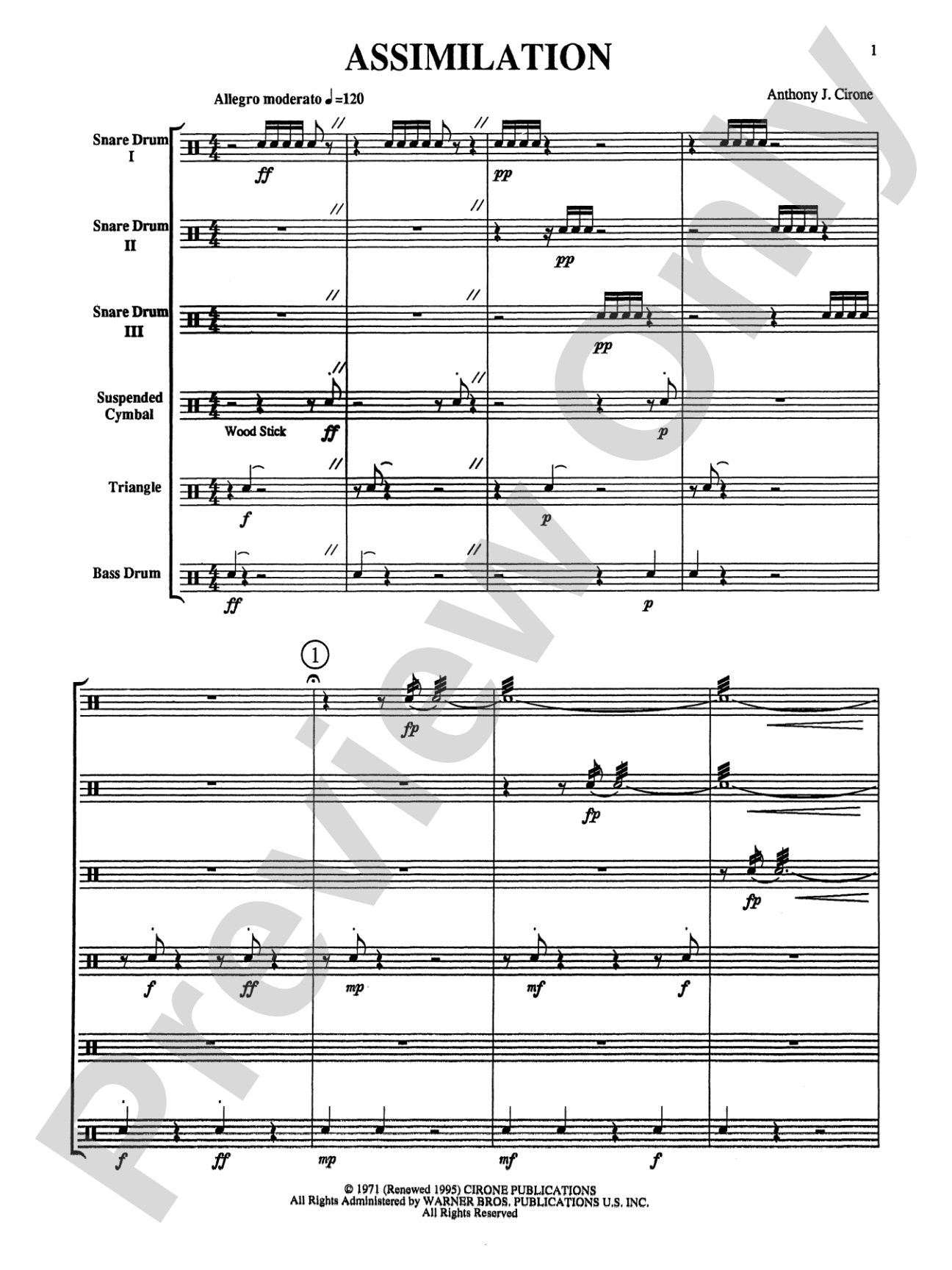
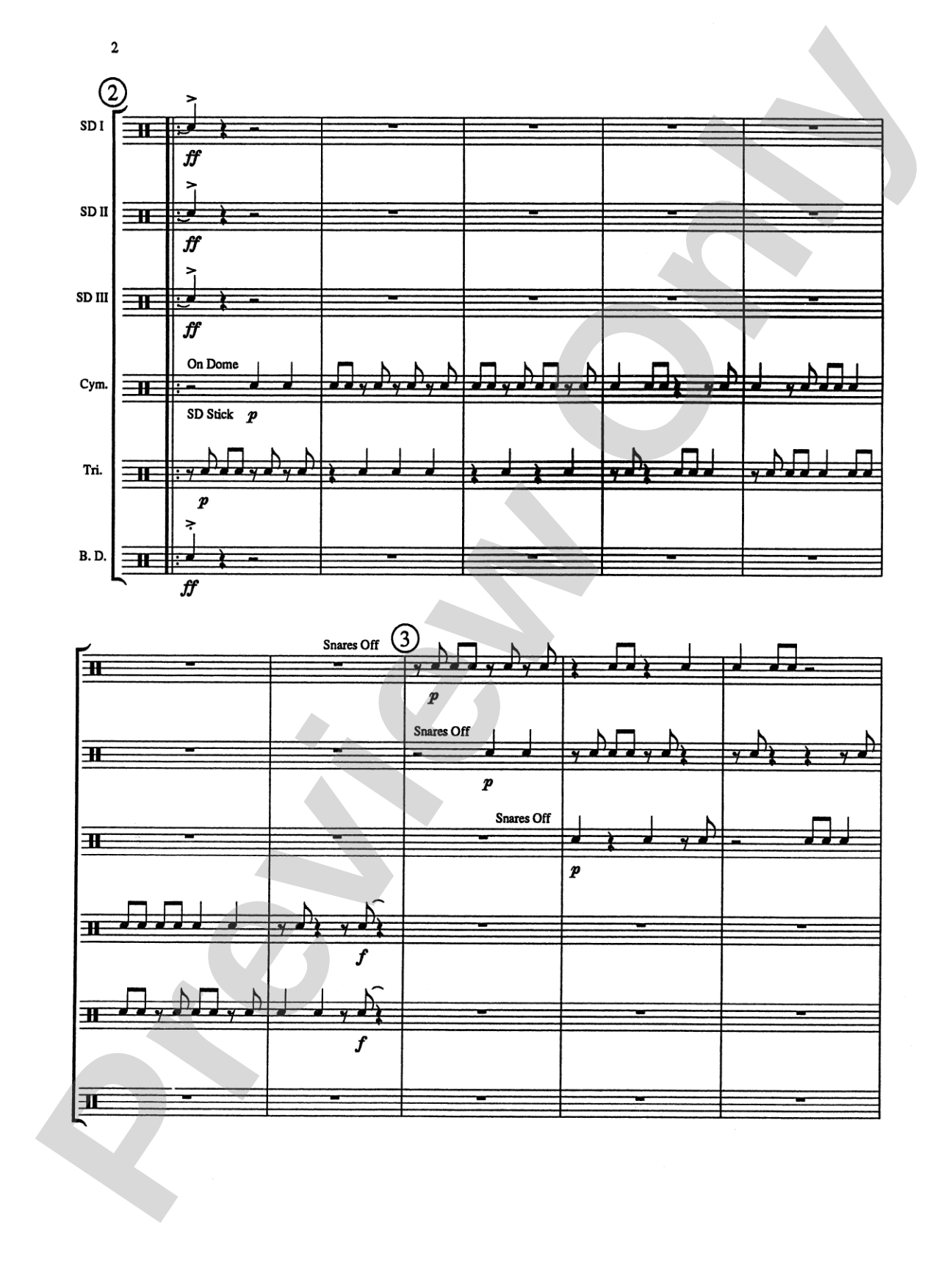
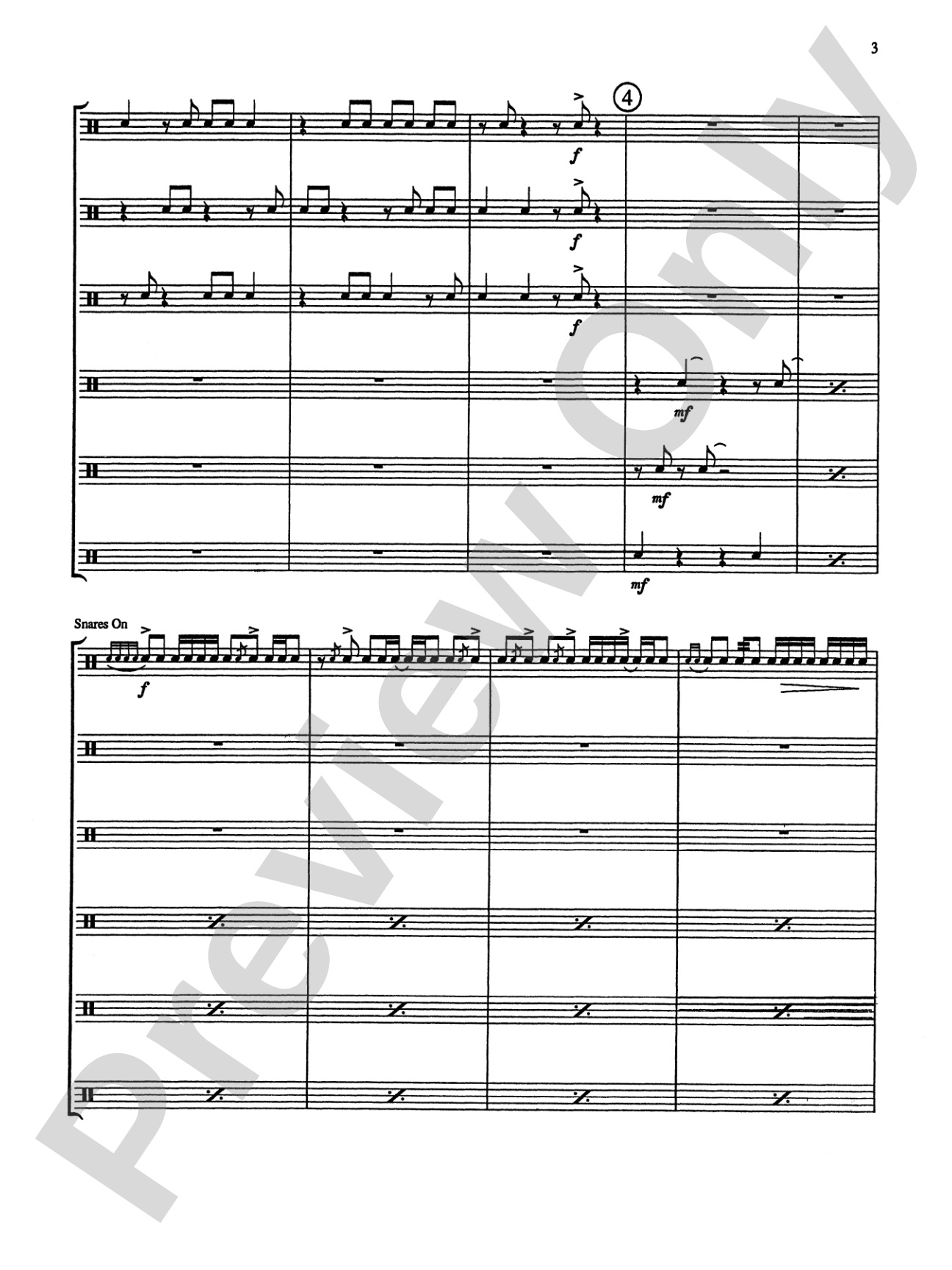
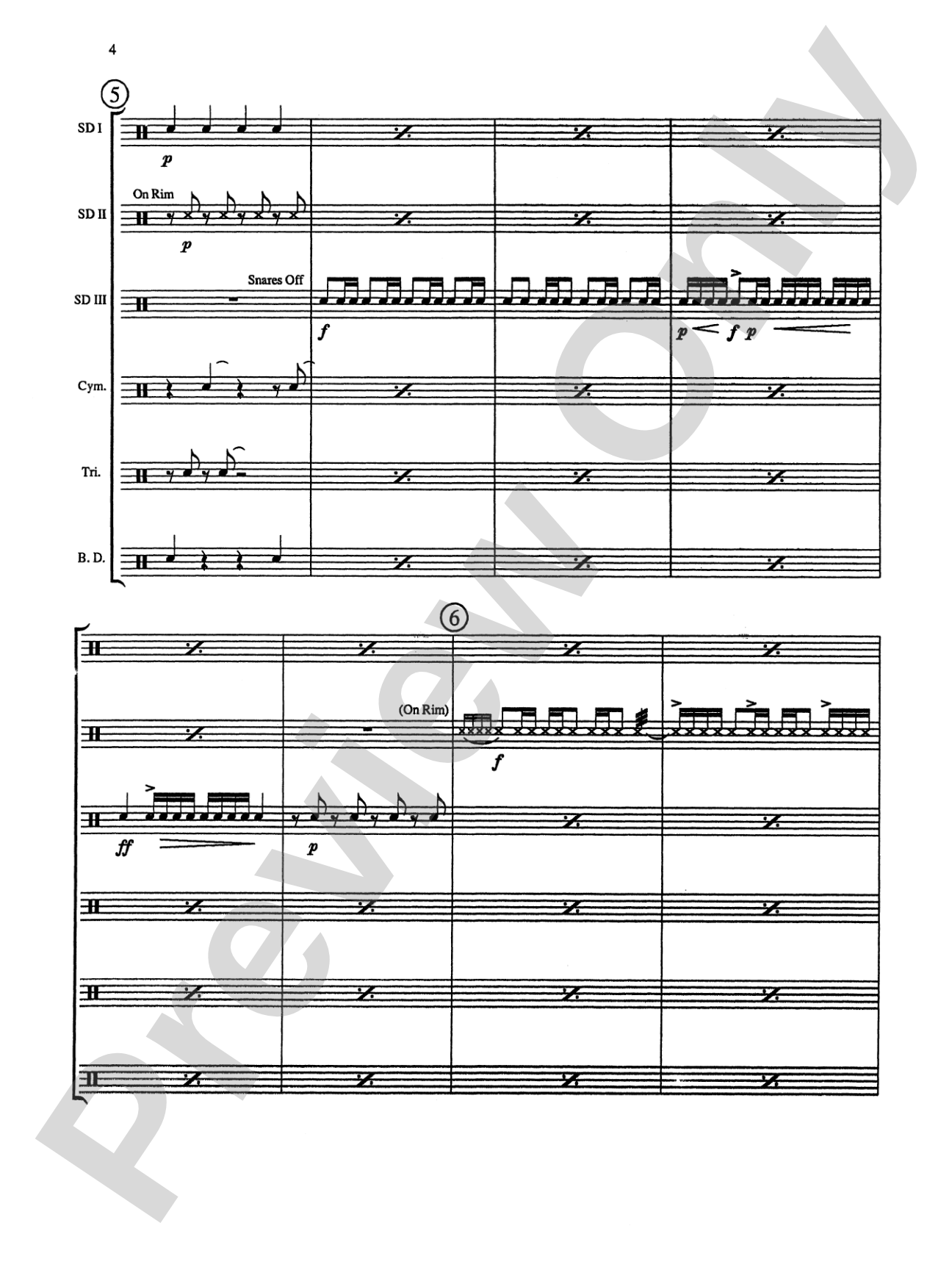
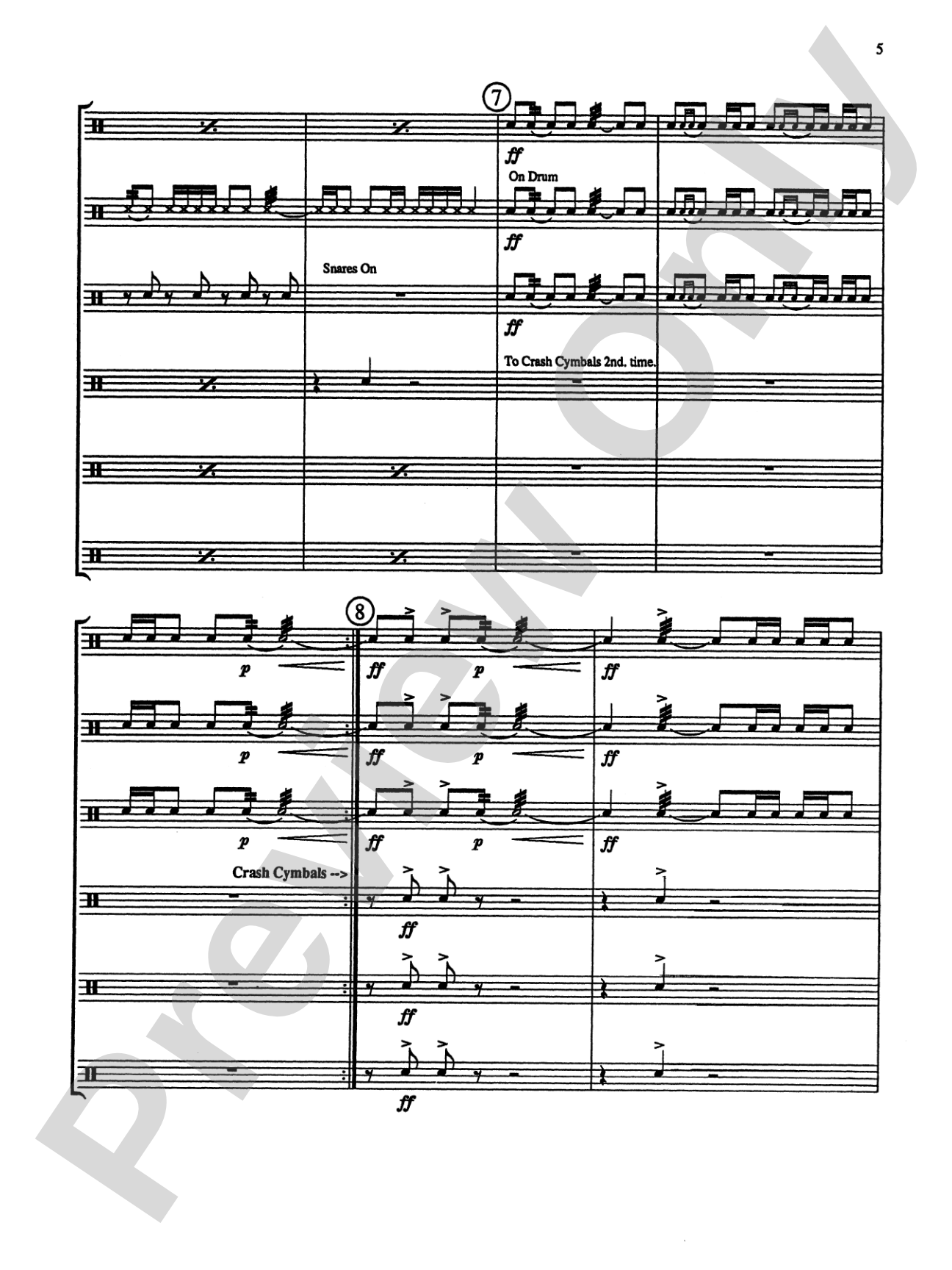
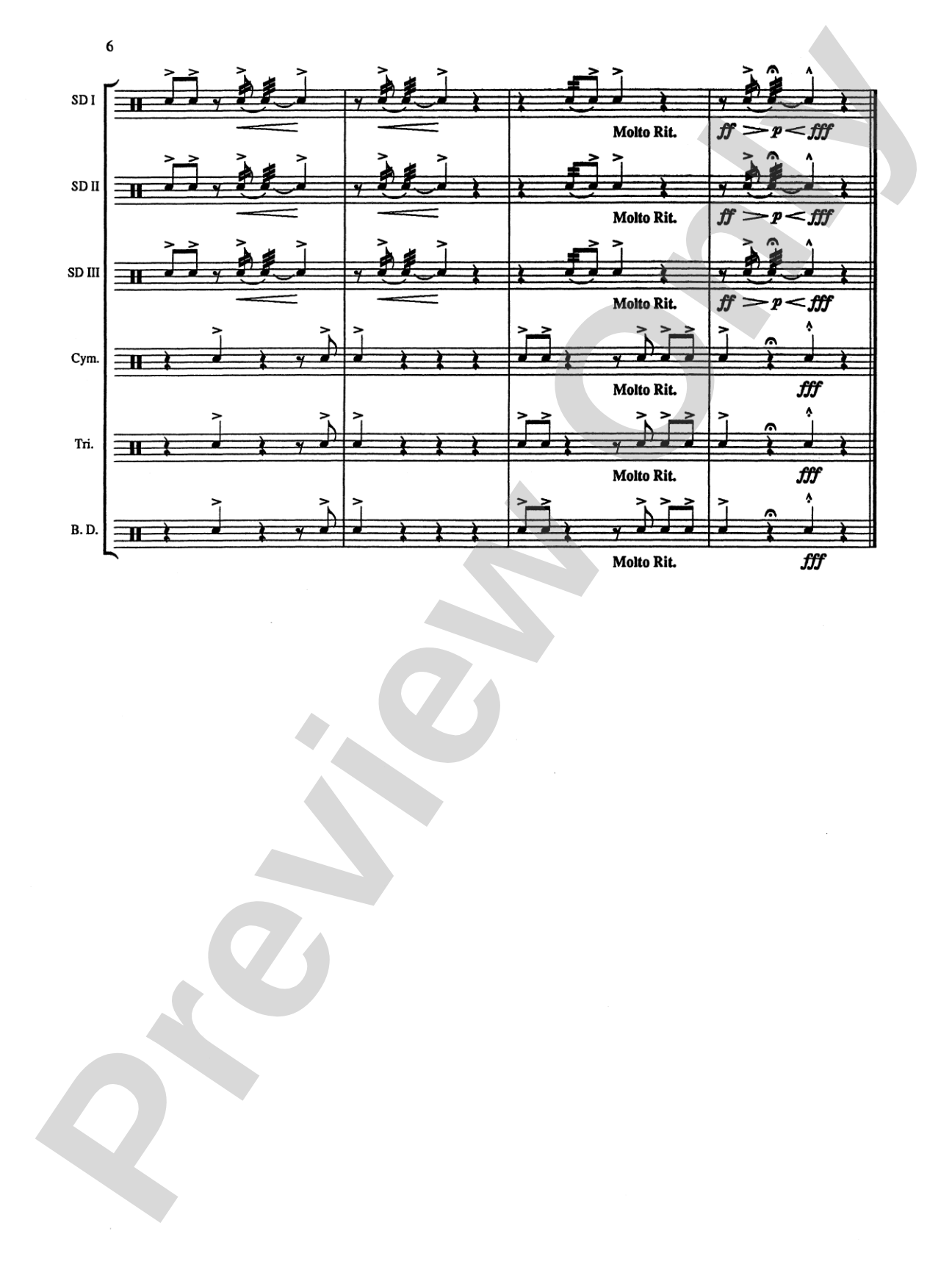
For six players. Written for the James Caldwell High School Percussion Ensemble, it calls for three snare drums, cymbals, triangle, and bass drum.


Don't just read it, hear it, play along with it, and watch your students grow with it. In MakeMusic Cloud, Assimilation: Percussion Ensemble comes alive with professional accompaniment, adjustable tempo, and built-in practice tools that turn solo practice into real progress.
Open in the Player
Jump straight in and assign it today.
Start Your Free Trial
Open this title and explore the full library in minutes.
Sample Audio
No sample audio found.
Sample Video
No sample videos found.
Additional Details
Series:
Percussion Performance Series
Publisher:
Alfred Music
Page Count:
14
SKU:
00-PK-0004962
More about this title
About the Composer: Anthony J. Cirone
Anthony J. Cirone has shaped percussion education through his work as a performer, educator, and composer. His compositions for percussion ensemble balance technical clarity with musical substance, designed specifically for student ensembles to engage with contemporary percussion writing without sacrificing musicality.
Cirone's output for educational percussion groups reflects a deep understanding of what young players can achieve at intermediate levels. His pieces have earned consistent use in high school and college percussion programs because they treat the ensemble as a complete musical entity rather than a collection of individual parts.
Why we love this
Assimilation demonstrates exactly what makes Cirone's writing for student ensembles so effective: the piece demands technical control and rhythmic precision while remaining completely idiomatic for intermediate performers. The instrumentation (three snare drums, cymbals, triangle, bass drum) keeps the color palette focused and manageable, allowing directors to concentrate on ensemble balance and articulation rather than fielding requests for exotic instruments.
What to expect
The piece unfolds with the focused intensity of a percussion section that has learned to function as one organism. There's architectural clarity in how the snare drums weave through the texture, with the triangle and cymbals adding definition to formal sections. The overall impression is one of precision and purposefulness rather than chaos.
Who it's for
Intermediate percussion ensembles looking for a substantial piece that challenges individual technique while demanding real ensemble listening and coordination. High school percussion groups will find this accessible enough to learn efficiently while musically rewarding enough to merit rehearsal time and performance space. Directors seeking repertoire that builds rhythmic independence across multiple players within a single ensemble will find Assimilation particularly useful.
How to get the most out of it
- Balance the three snare drums carefully in passages where they divide the melodic material; each player needs to hear the others clearly to maintain the intended line integrity.
- Treat the triangle and cymbals as structural anchors rather than accompaniment; their entrances mark important architectural moments in the piece.
- Lock the bass drum with the snare ensemble's foundational rhythms to establish a steady harmonic framework beneath the surface activity.
- Invest time in unison passages, especially where all three snares play the same rhythm; clarity and evenness of articulation make these moments register as unified statements.
How to use it
Program Assimilation on a percussion-focused concert or as the centerpiece of a program section exploring ensemble writing for non-pitched percussion. The piece's 14-page length and intermediate demands make it ideal for a mid-year or spring concert where students have had adequate rehearsal time to internalize the material. It pairs well with other contemporary percussion ensemble works or as a substantial standalone feature for a dedicated percussion group.
Skills your students will build
- Playing in unison across multiple similar instruments (three snare drums) with rhythmic alignment and tonal matching
- Reading and executing independent rhythmic lines while maintaining overall ensemble cohesion
- Balance and blend when multiple percussion voices occupy the same register
- Precision articulation and control on both pitched and unpitched percussion instruments
- Listening for structural form and architectural function rather than individual part awareness