

Aspire, Achieve: Score
Fanfare and Processional
By Jeanne Vultaggio
Grade: 1 (Very Easy)
Item: 00-PR-0004648
$6.00
Pickup currently not available
Description
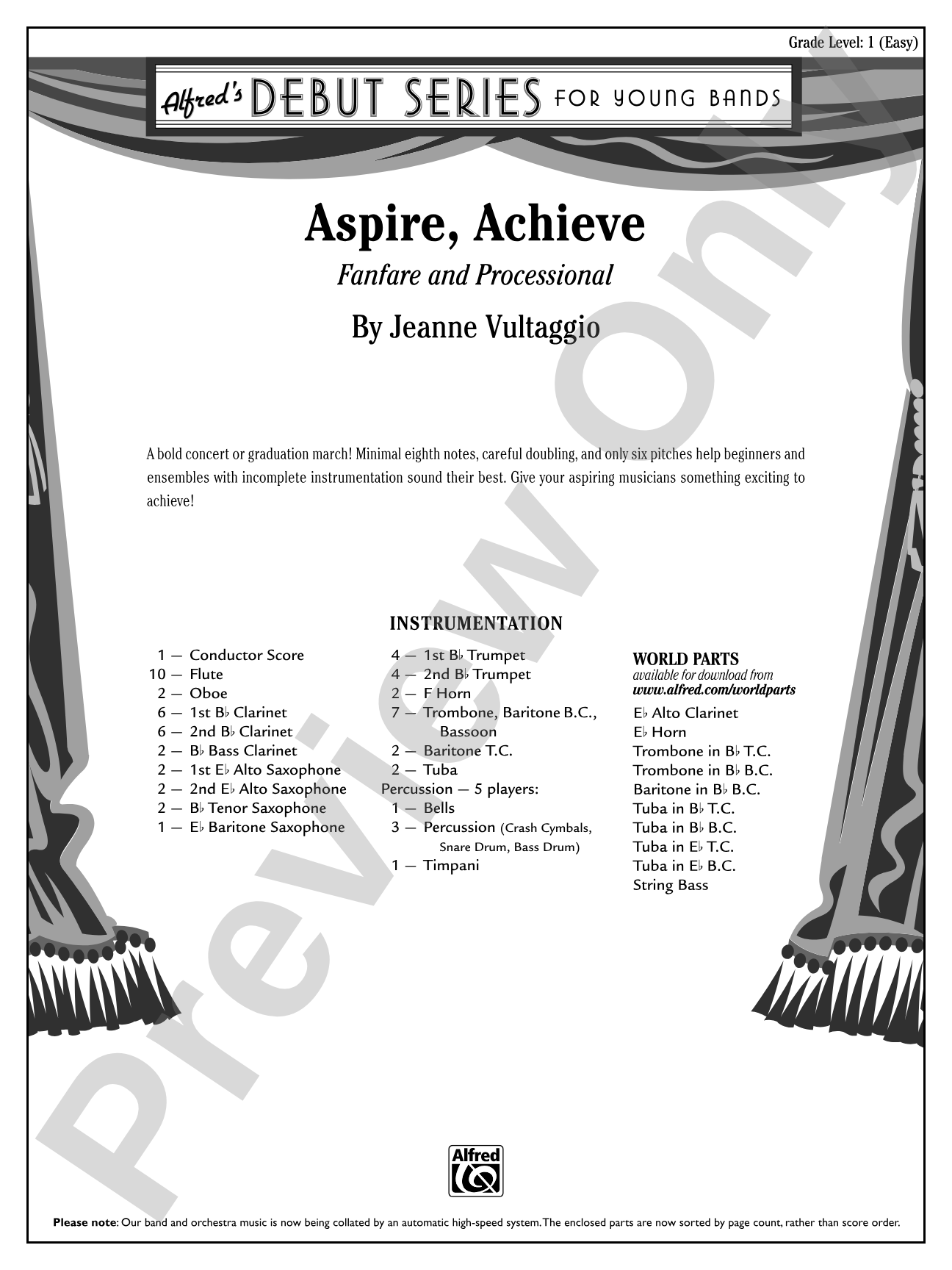
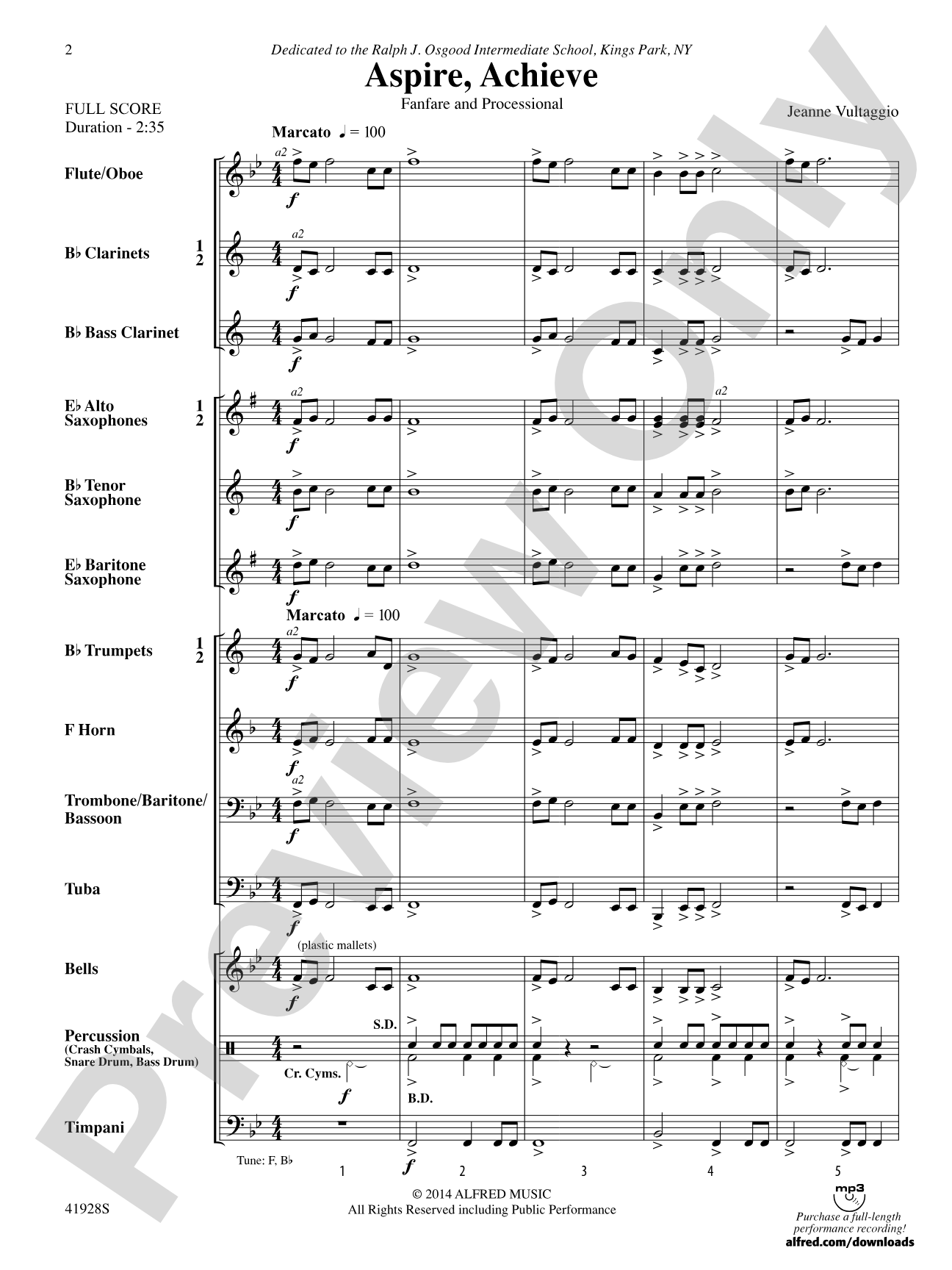
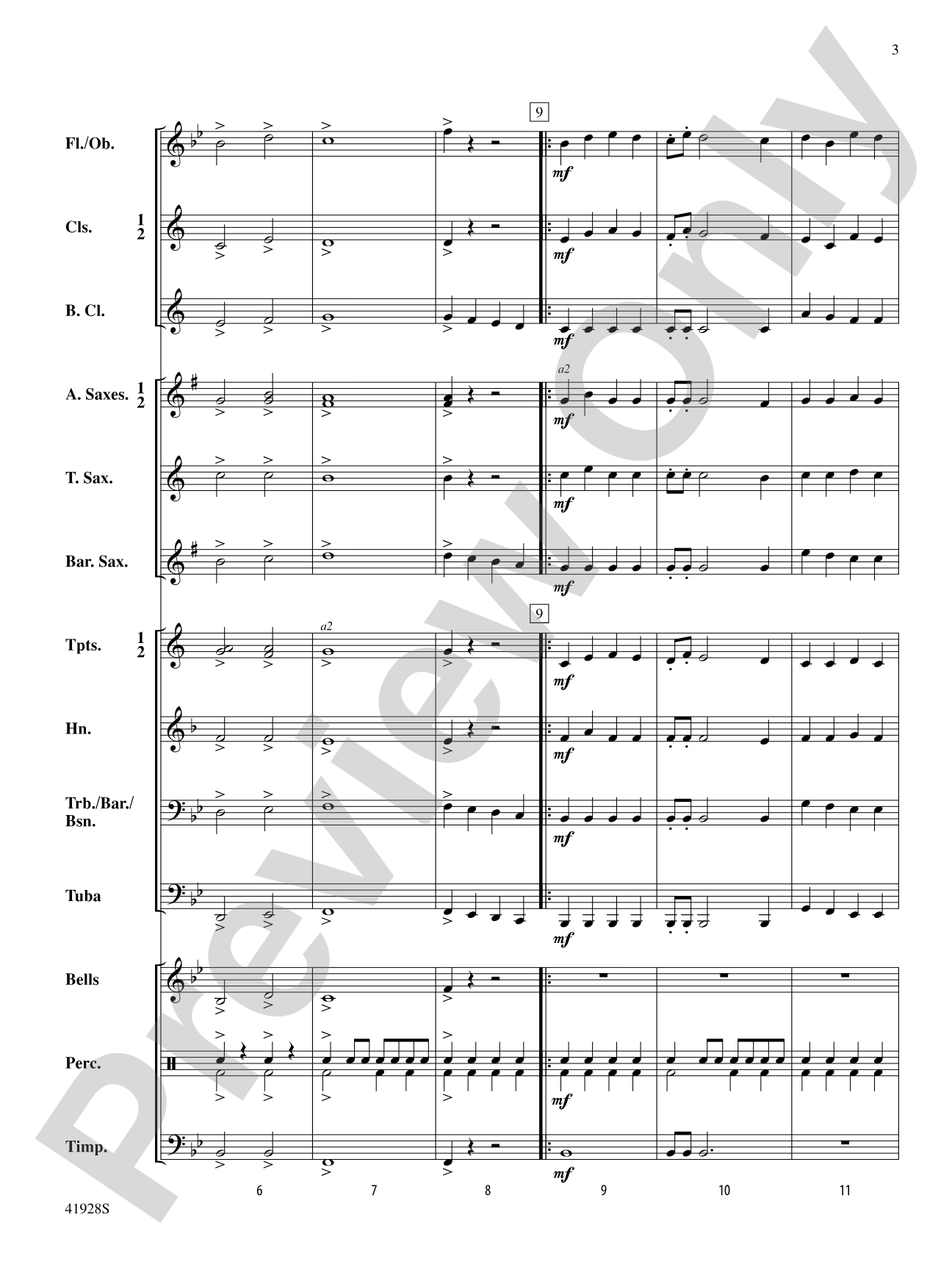
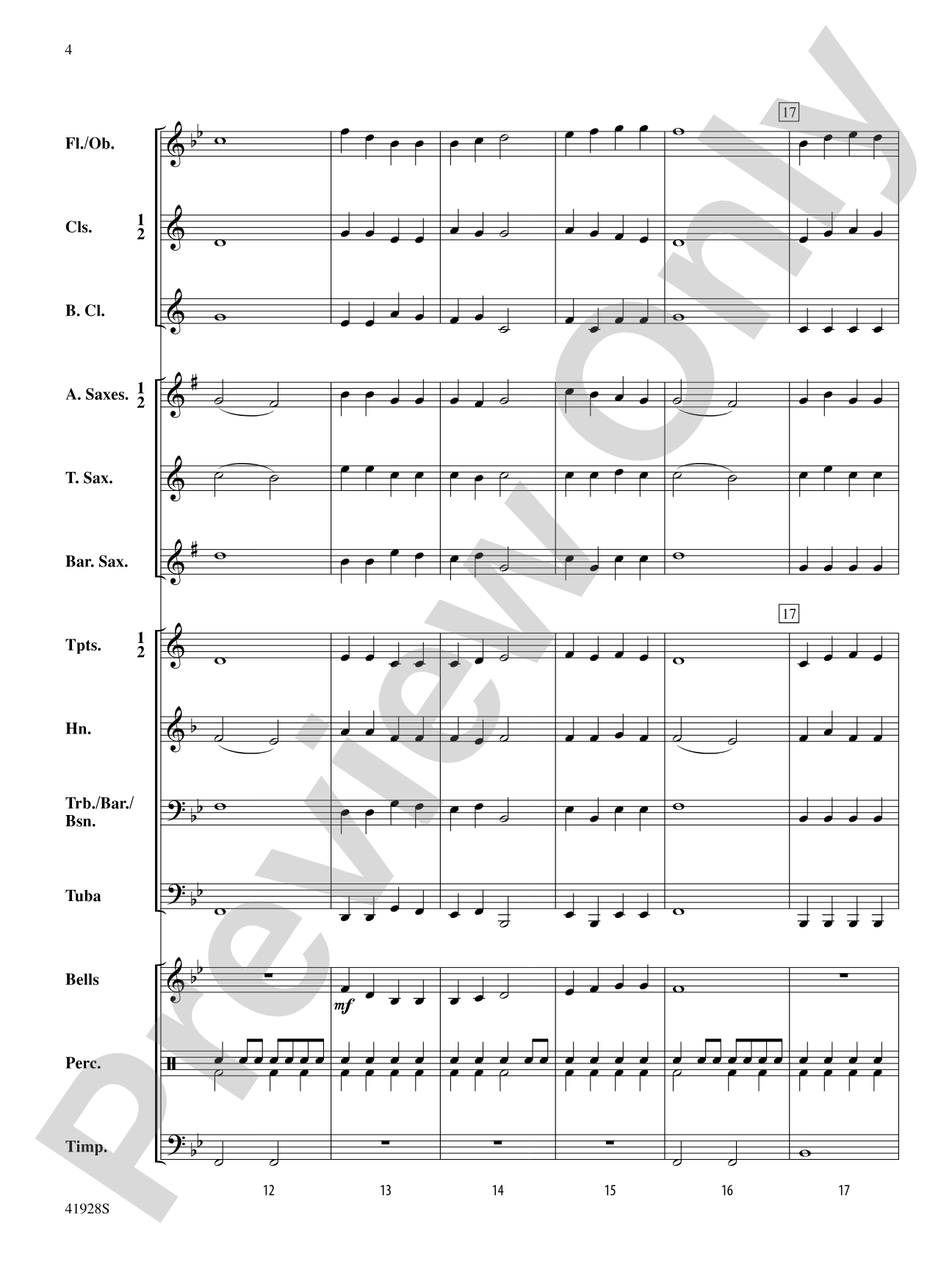
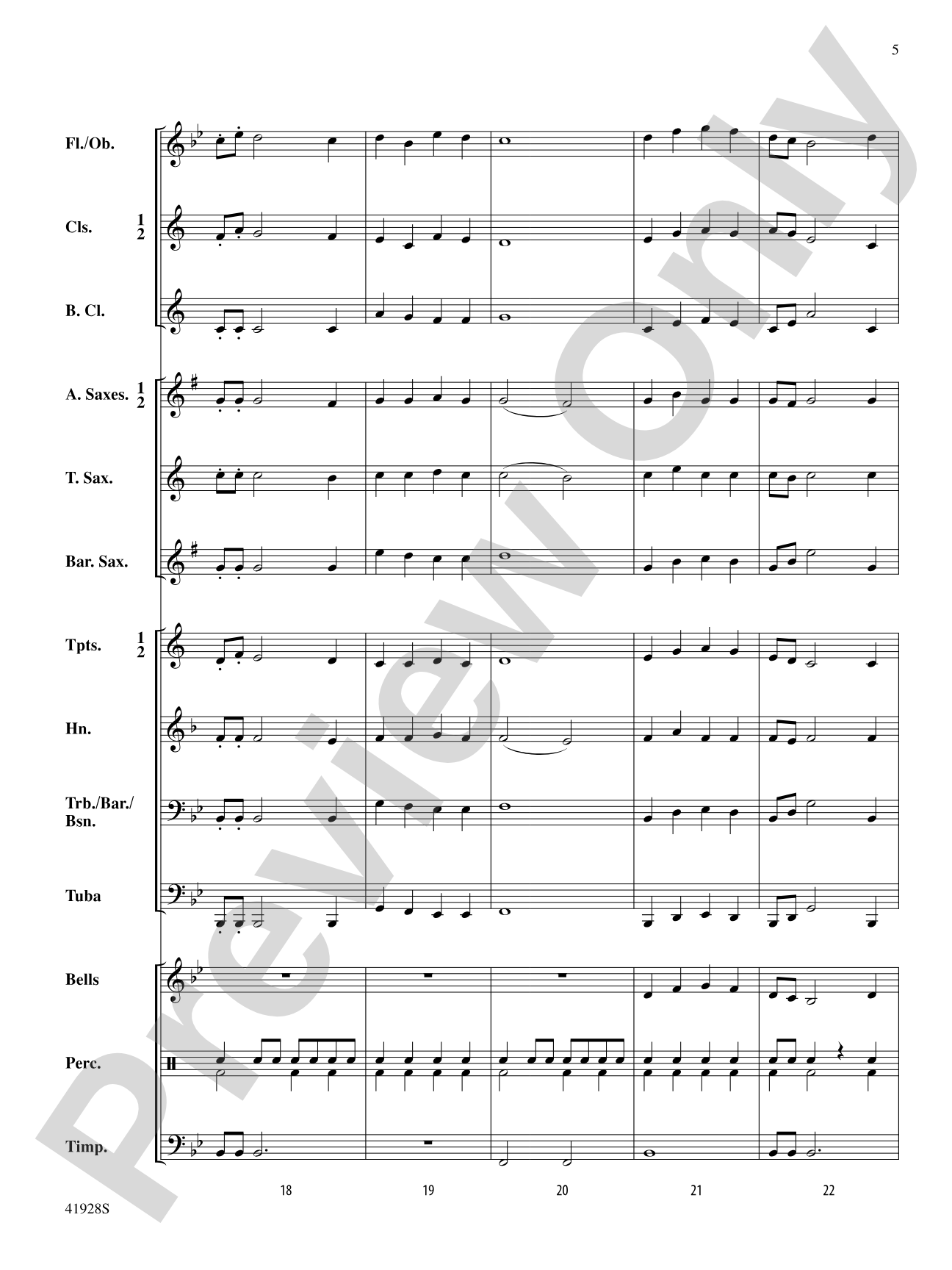
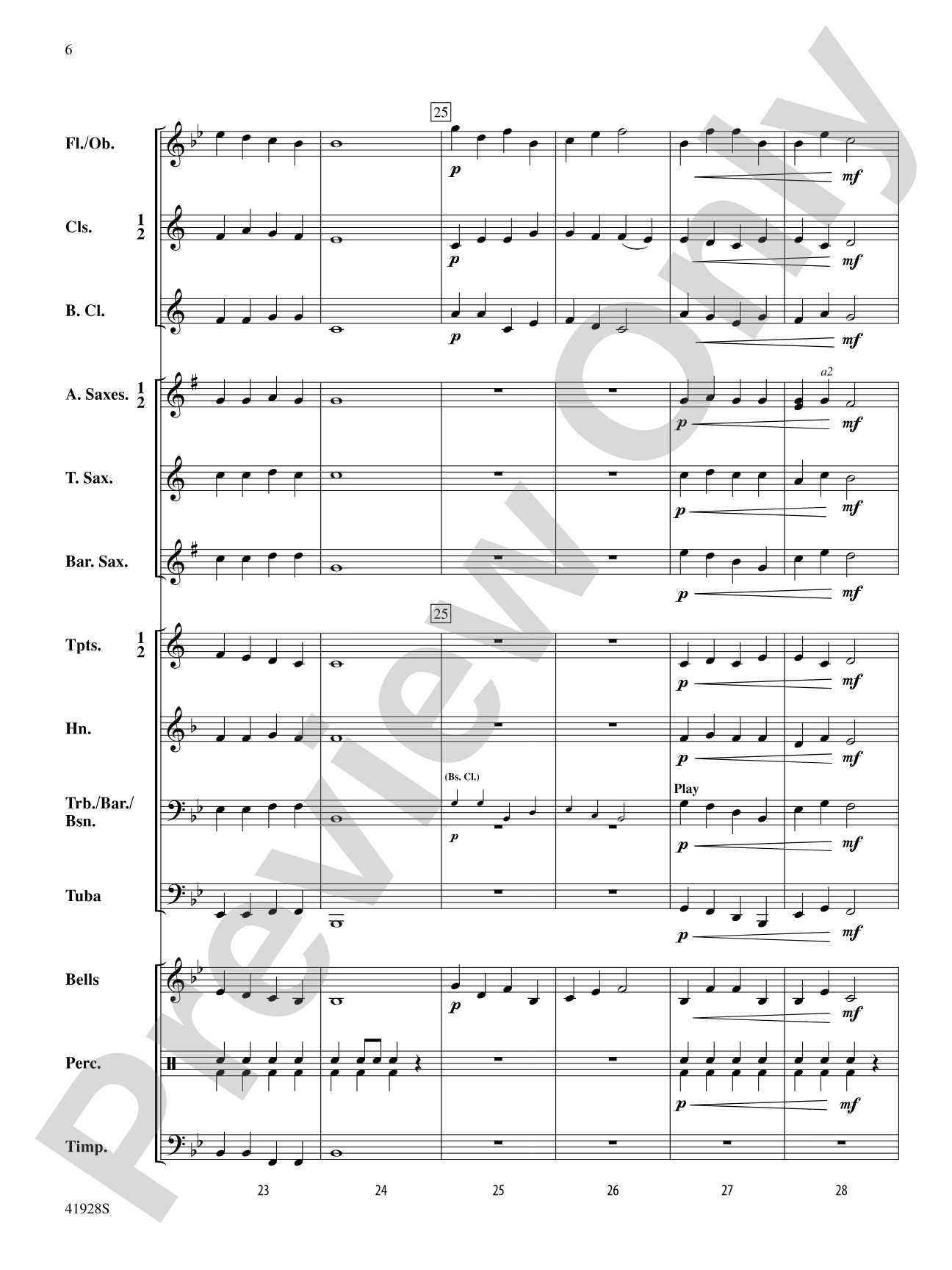
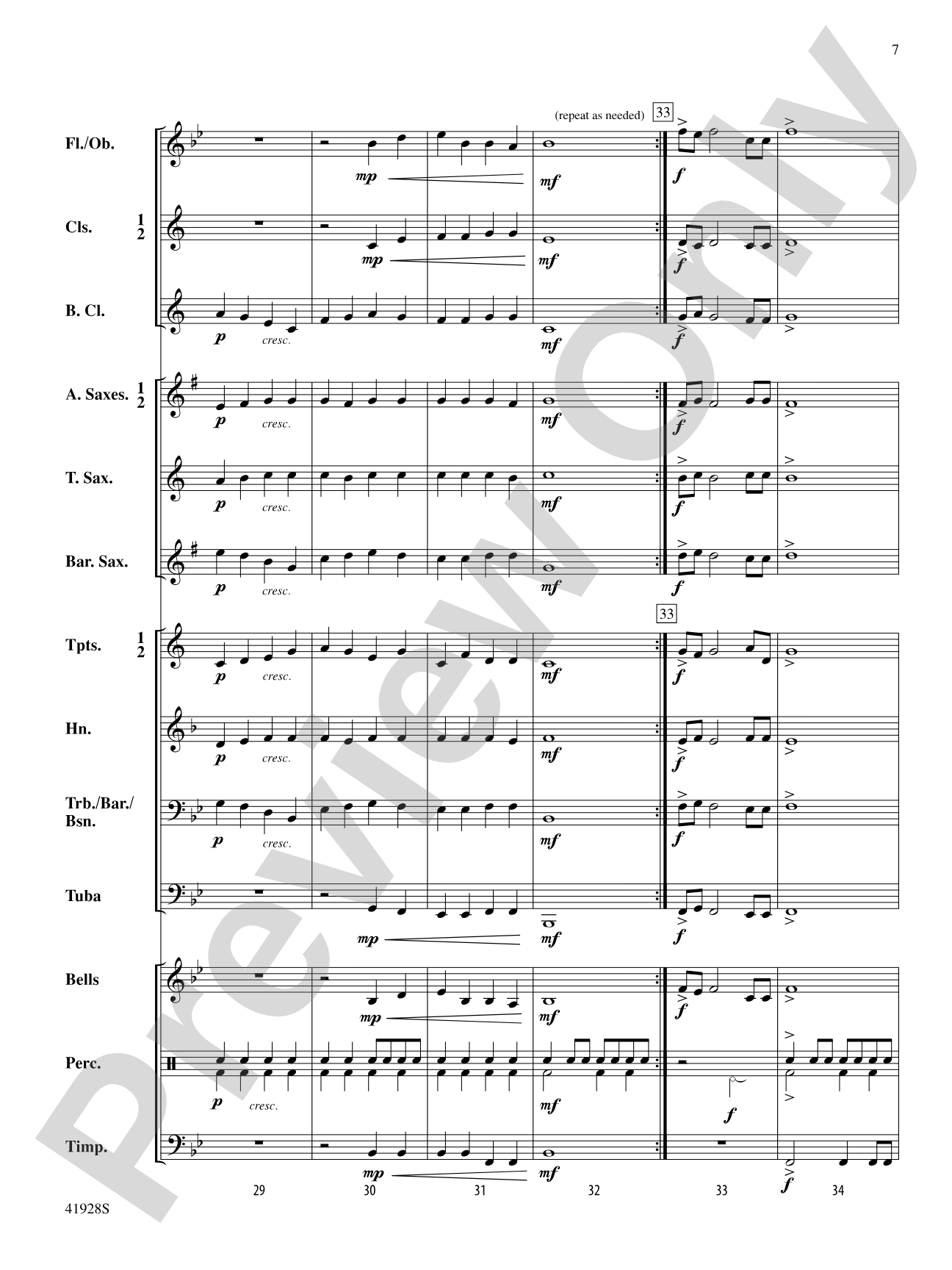
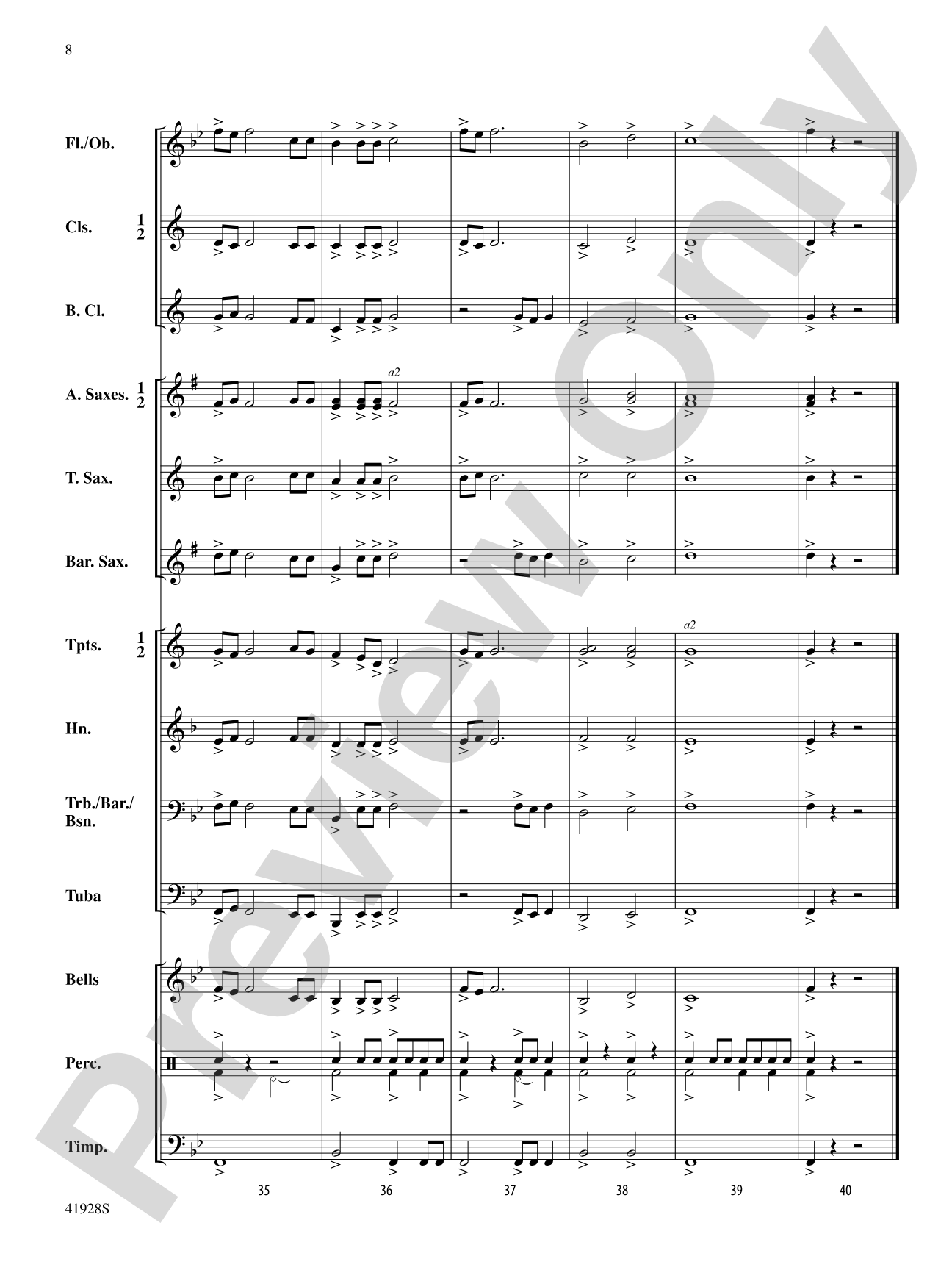
A bold concert or graduation march! Minimal eighth notes, careful doubling, and only six pitches help beginners and ensembles with incomplete instrumentation sound their best. Give your aspiring musicians something exciting to achieve! (2:35) This title is available in MakeMusic Cloud.


Don't just read it, hear it, play along with it, and watch your students grow with it. In MakeMusic Cloud, Aspire, Achieve: Score comes alive with professional accompaniment, adjustable tempo, and built-in practice tools that turn solo practice into real progress.
Open in the Player
Jump straight in and assign it today.
Start Your Free Trial
Open this title and explore the full library in minutes.
Sample Audio
1
Audio File
--:--
0:00
0:00
Sample Video
No sample videos found.
Additional Details
Series:
Alfred Debut Series
Publisher:
Alfred Music
Page Count:
118
SKU:
00-PR-0004648
More about this title
About the Composer: Jeanne Vultaggio

Jeanne Vultaggio brings direct classroom experience to every piece she writes. A horn player trained at Boston University under Eric Ruske and a conducting graduate of Hofstra University, she spent years teaching elementary band on Long Island before becoming a composer. Her arrangement and composition work grew organically from the real needs of her own students, filling gaps in repertoire that beginning ensembles actually face.
Vultaggio's membership in NYSSMA and MENC, along with her work as a certified NYSSMA adjudicator, keeps her connected to the realities of music education and young musicians. She has performed with Hofstra's Symphonic Band, the Long Island Symphonic Winds, and regional theater orchestras, giving her deep familiarity with both ensemble playing and the technical demands of different instruments.
Why we love this
This march delivers genuine musical excitement without forcing your ensemble into territory they're not ready for. The careful voice leading, minimal rhythmic complexity, and strategic use of only six pitches mean even groups with missing parts or younger players can sound cohesive and proud. Vultaggio writes from inside the classroom, which means every measure serves both the musical and pedagogical moment.
What to expect
A confident processional with purpose and forward motion. The piece carries the ceremonial weight of a march (perfect for graduations or concerts) while maintaining accessibility that allows young musicians to feel like accomplished performers rather than students reading from simplified charts.
Who it's for
Grade 1 concert bands and beginning ensembles, especially those with incomplete instrumentation or mixed instrumentation levels within a single group. This is ideal for conductors who need something musically substantial that doesn't demand advanced technical skills from soloists or sections.
How to get the most out of it
- Balance the march character by keeping eighth notes moving forward without rushing; the simplicity invites precision rather than excusing it.
- Use the conductor score to shape phrasing across sections, since doubling creates natural voice partnerships that benefit from unified articulation.
- Engage percussion early to establish the march groove; with minimal harmonic complexity, rhythm section clarity becomes the musical anchor.
How to use it
Program this as a concert opener or closer to establish ensemble pride and energy, or use it as a graduation or awards ceremony processional where the dignity of the music matches the occasion. It works equally well as a festival or contest selection that showcases your ensemble's musicality without exposing technical limitations.
Skills your students will build
- Reading concert band instrumentation with careful attention to part balance and doublings
- Sustaining steady forward motion in march form with minimal harmonic complexity
- Playing across a limited pitch vocabulary (six pitches) while maintaining melodic and rhythmic precision
- Ensemble blend and balance when multiple parts share the same melodic material