

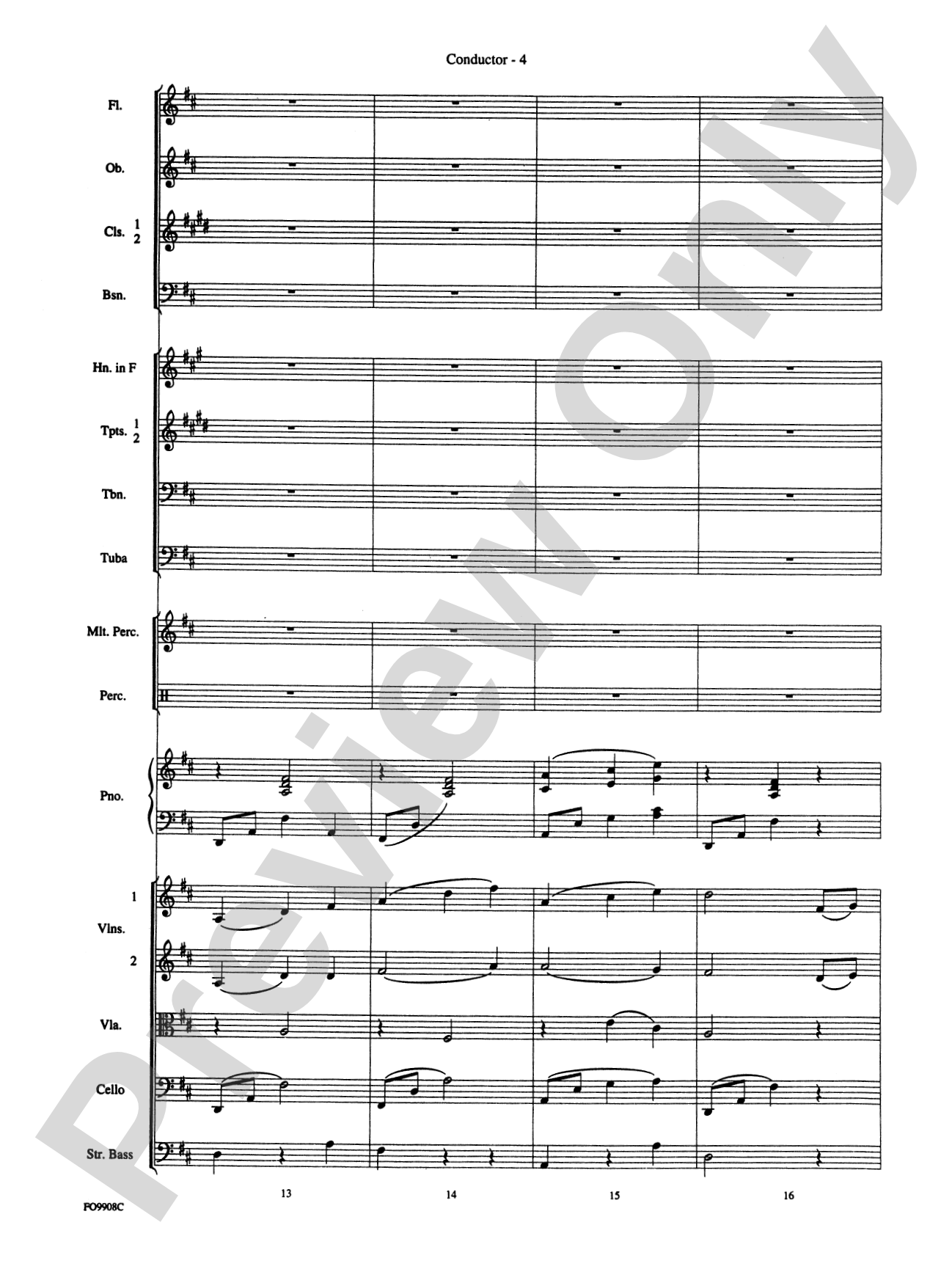
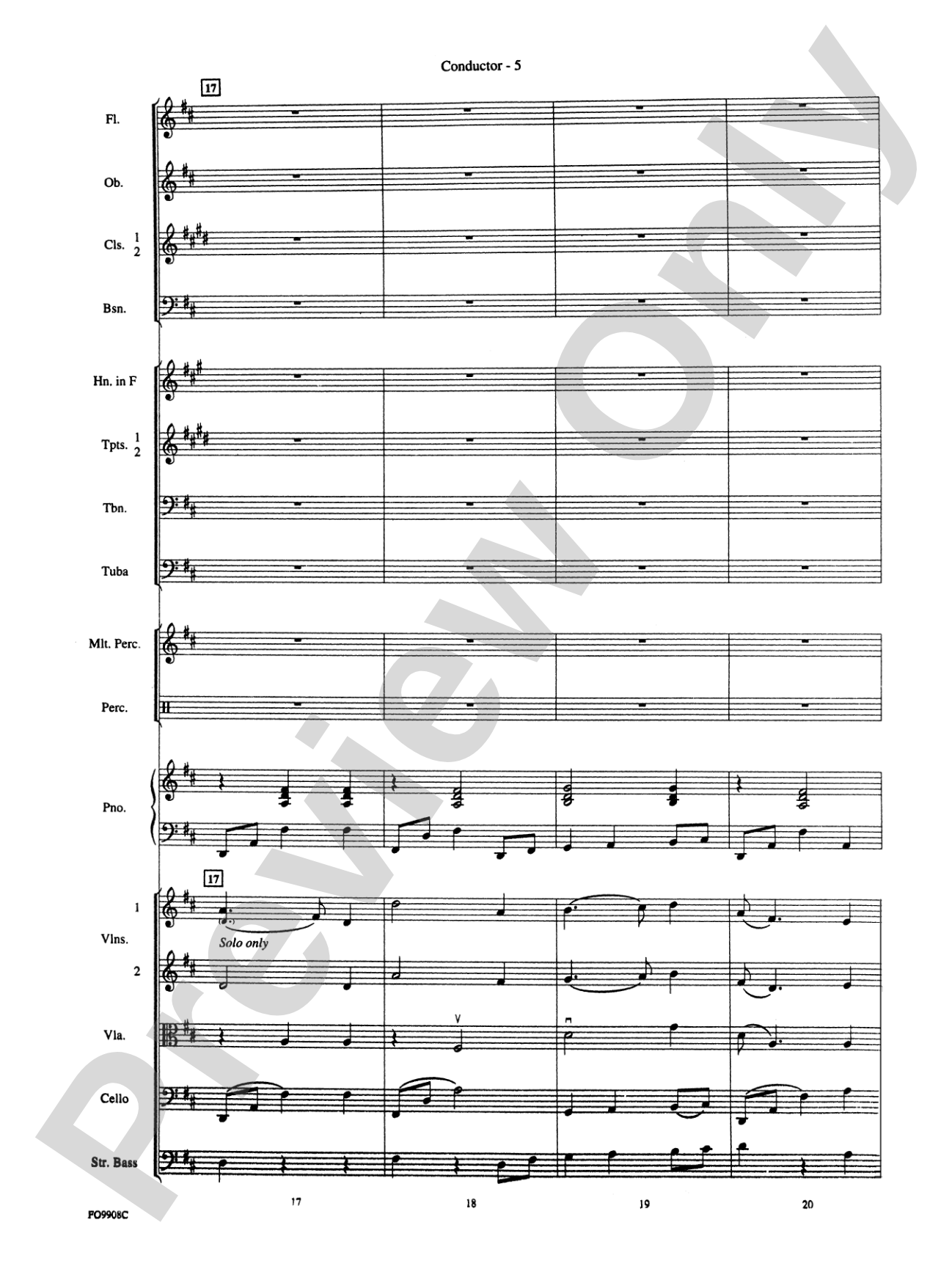
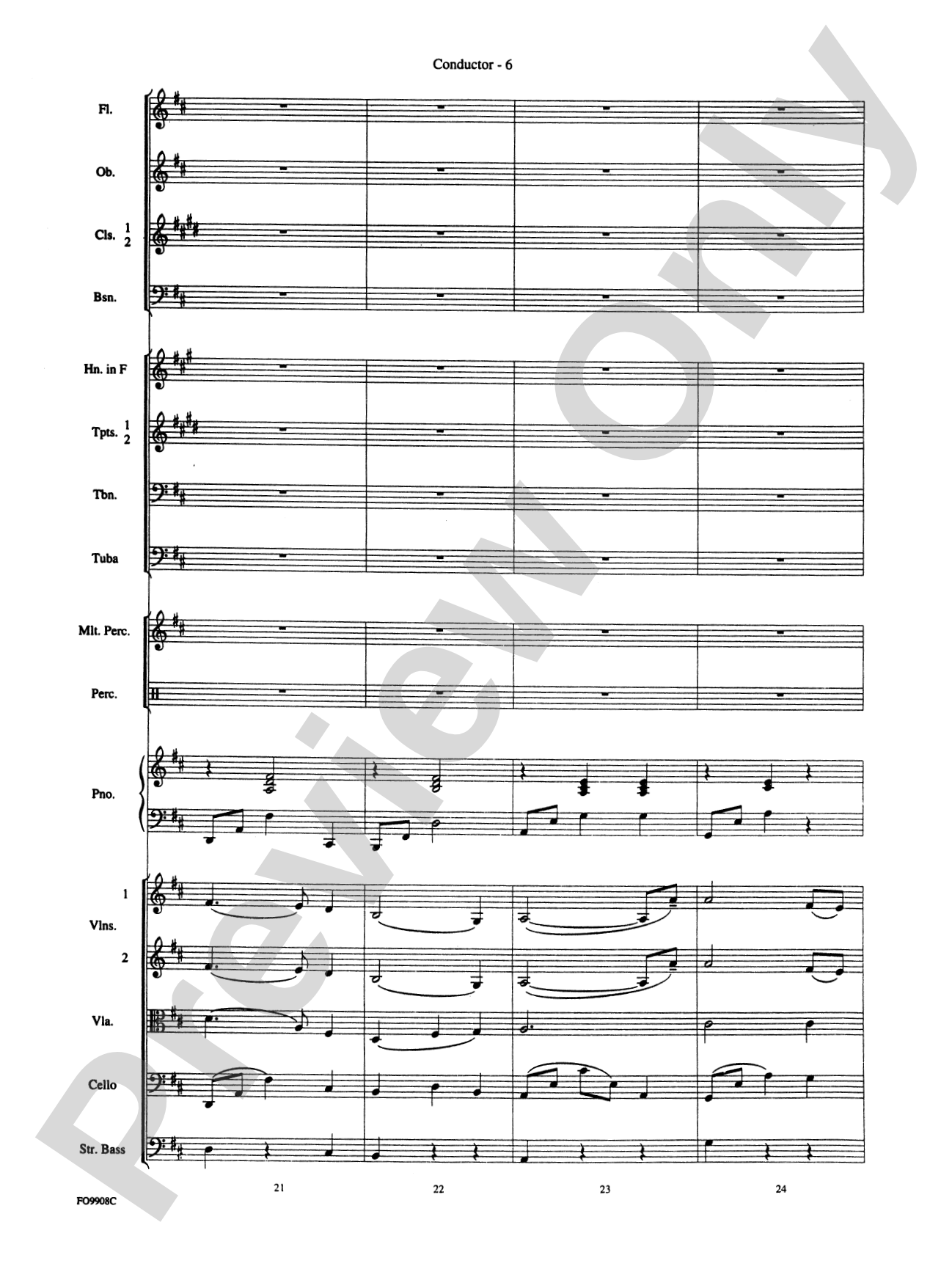
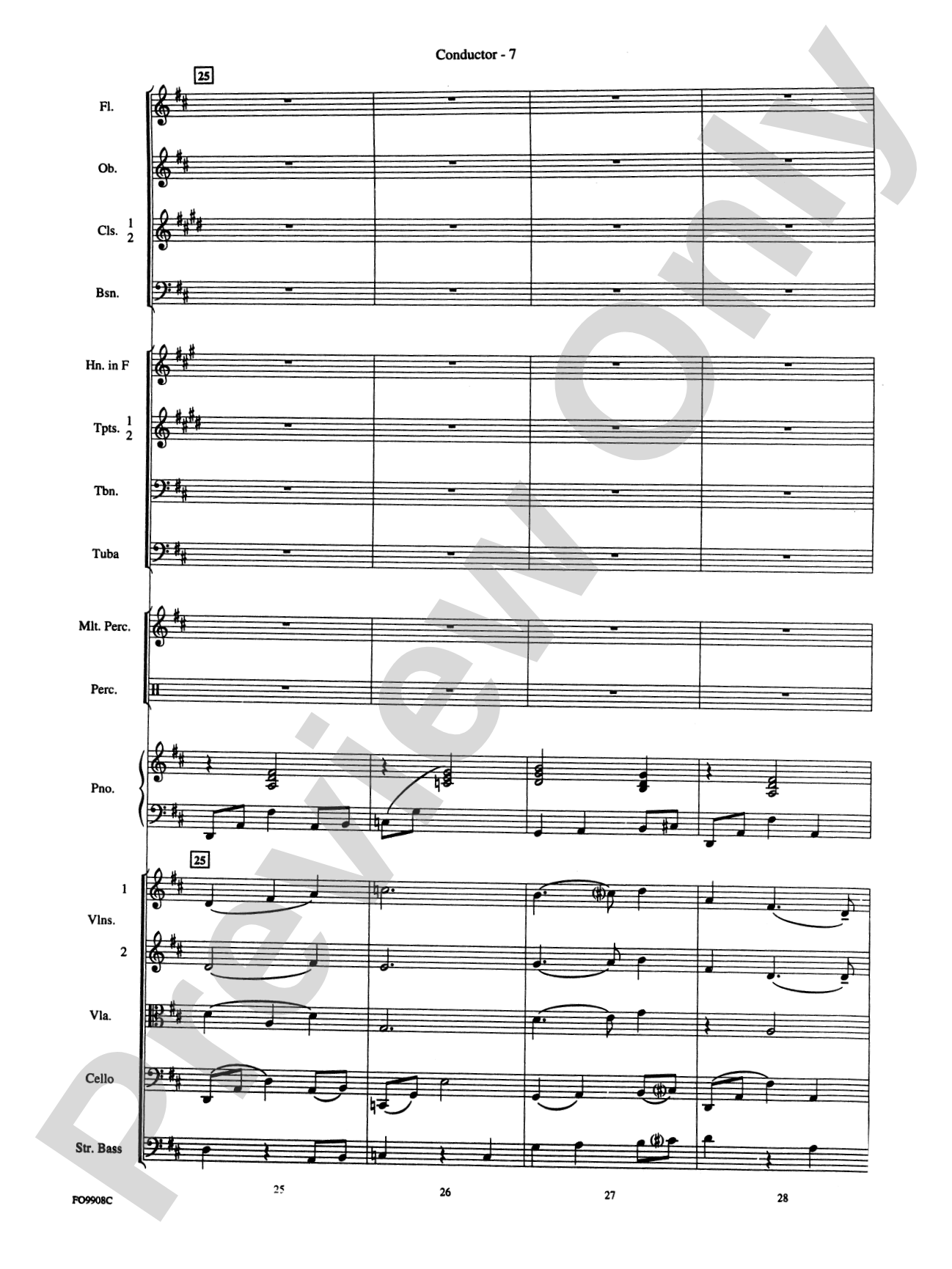
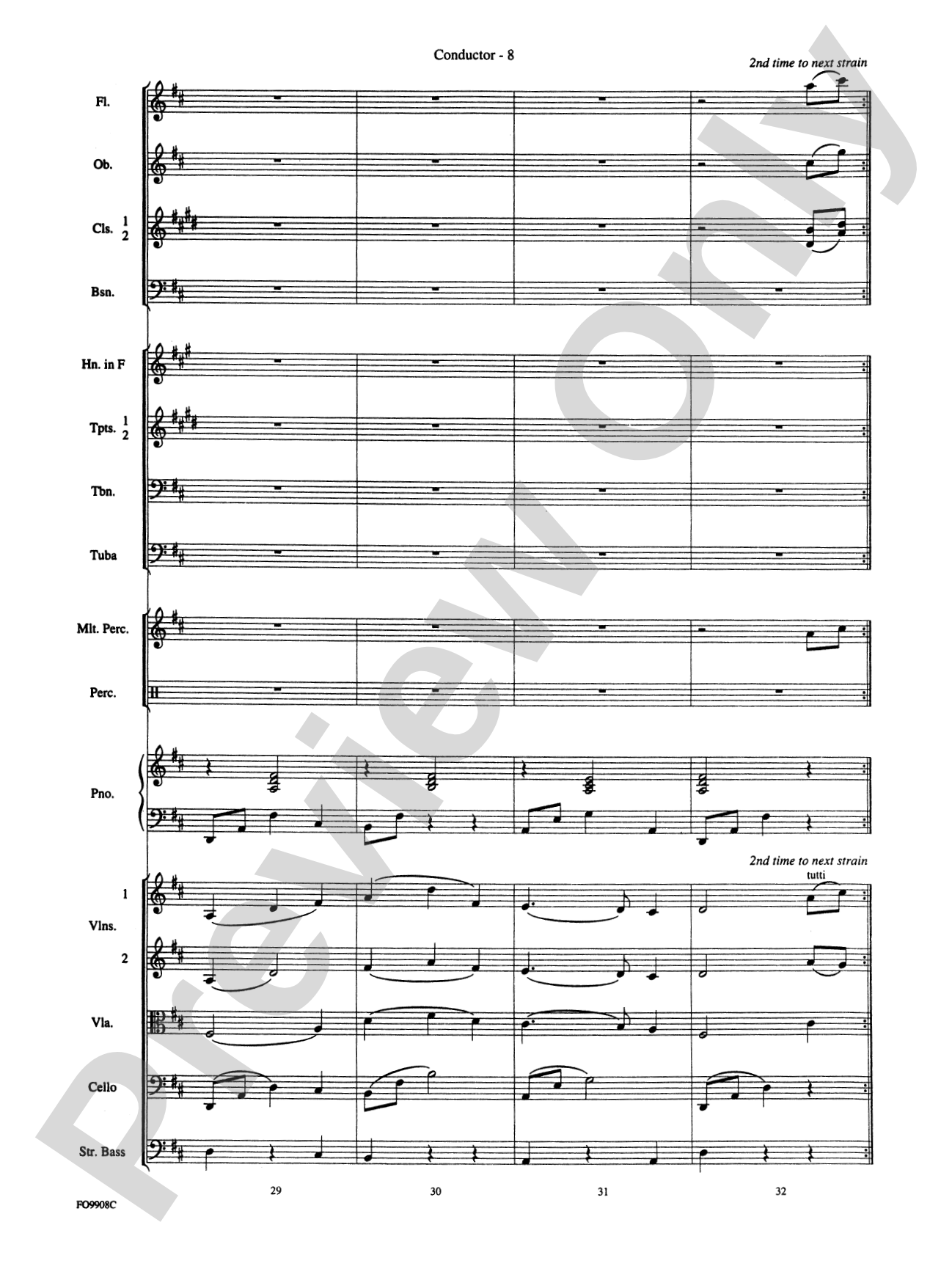
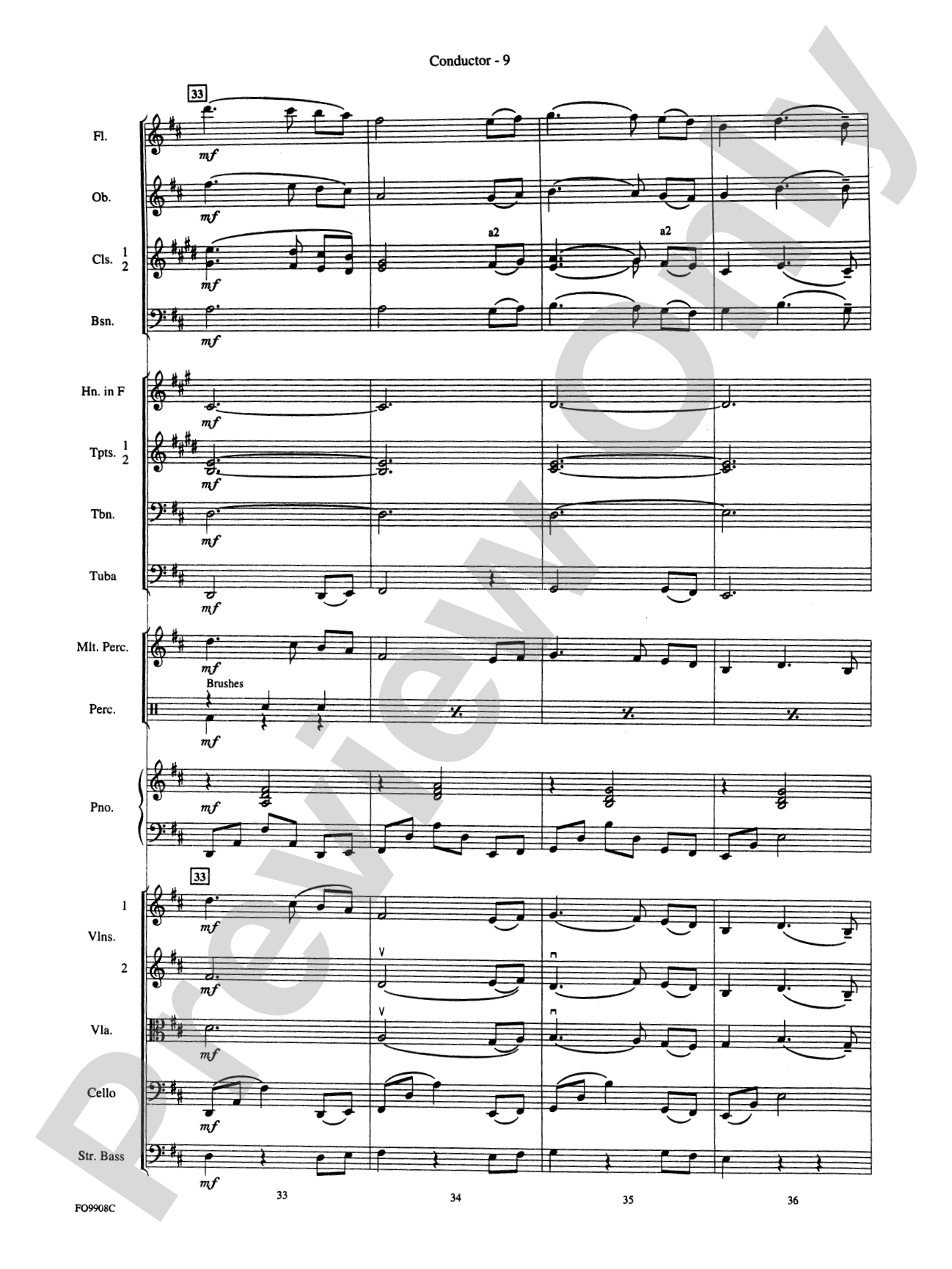
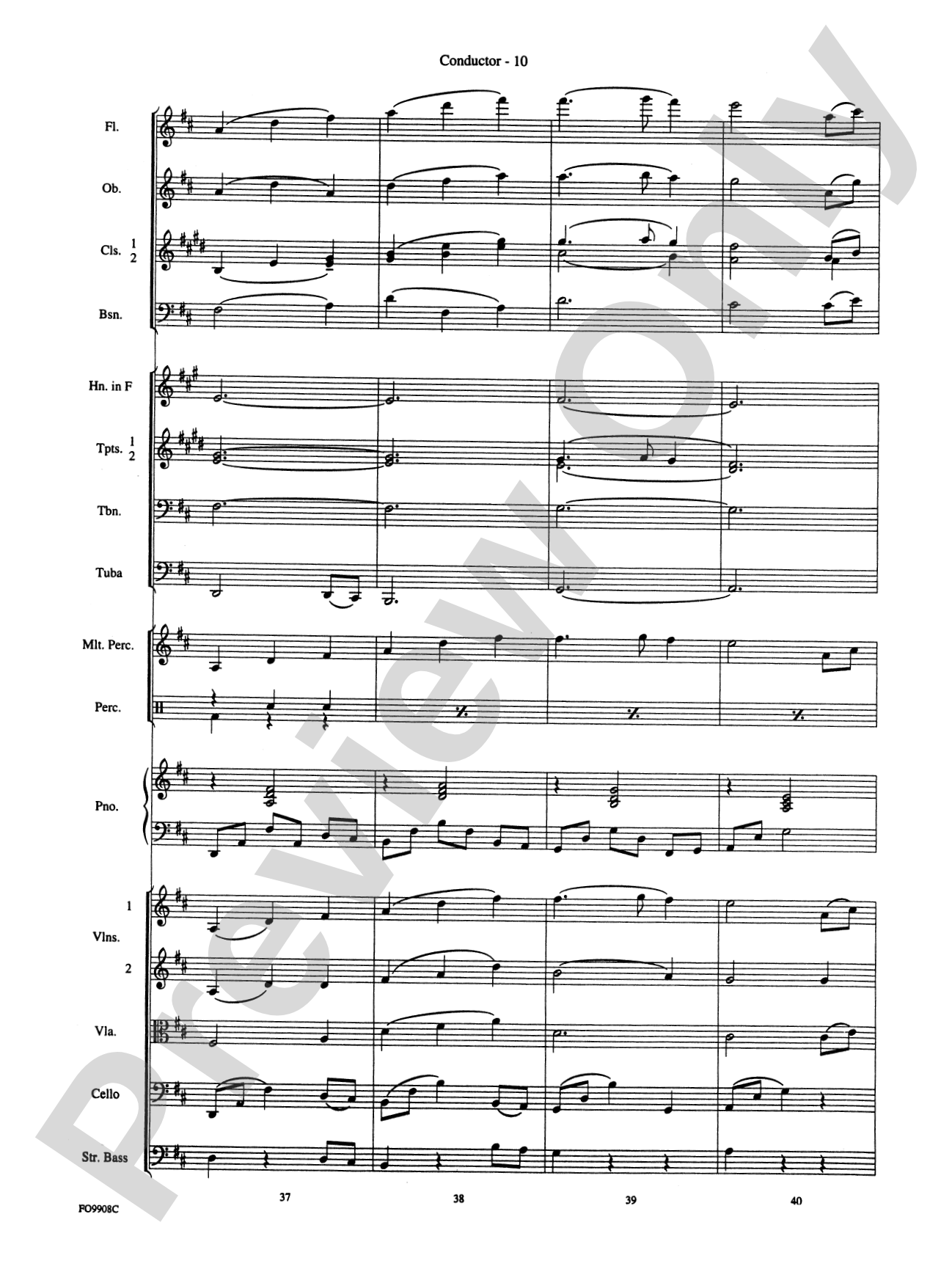
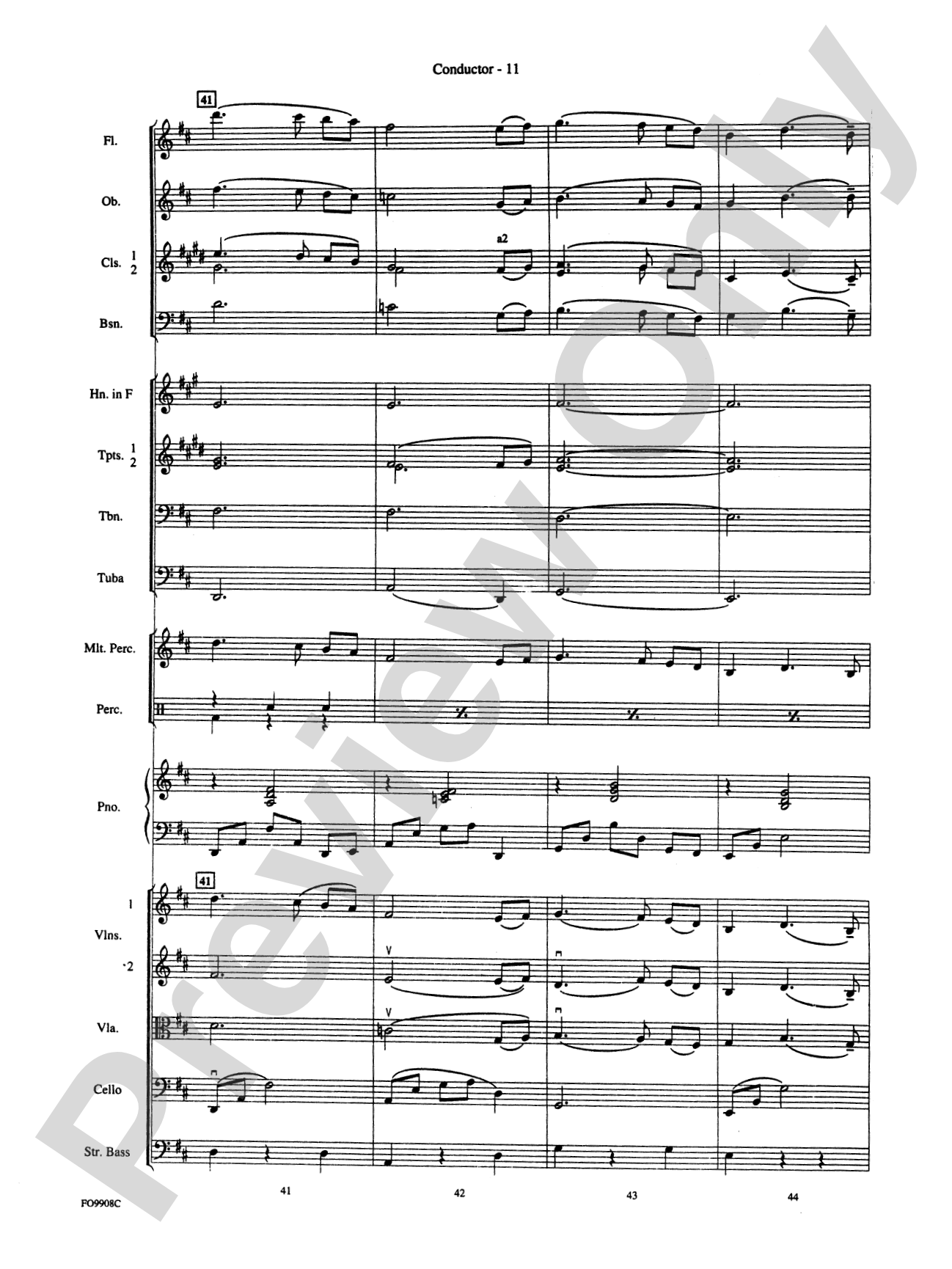
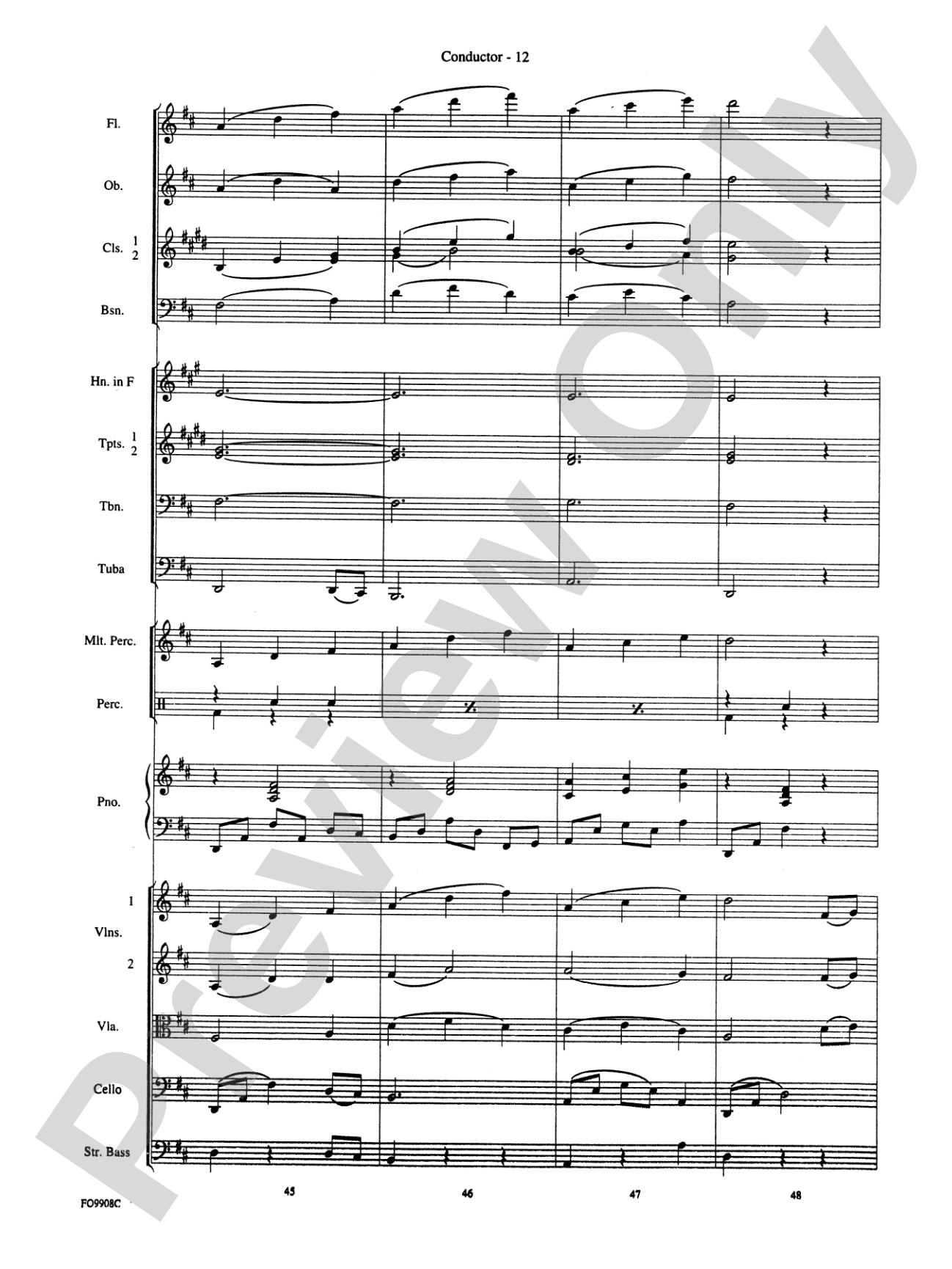
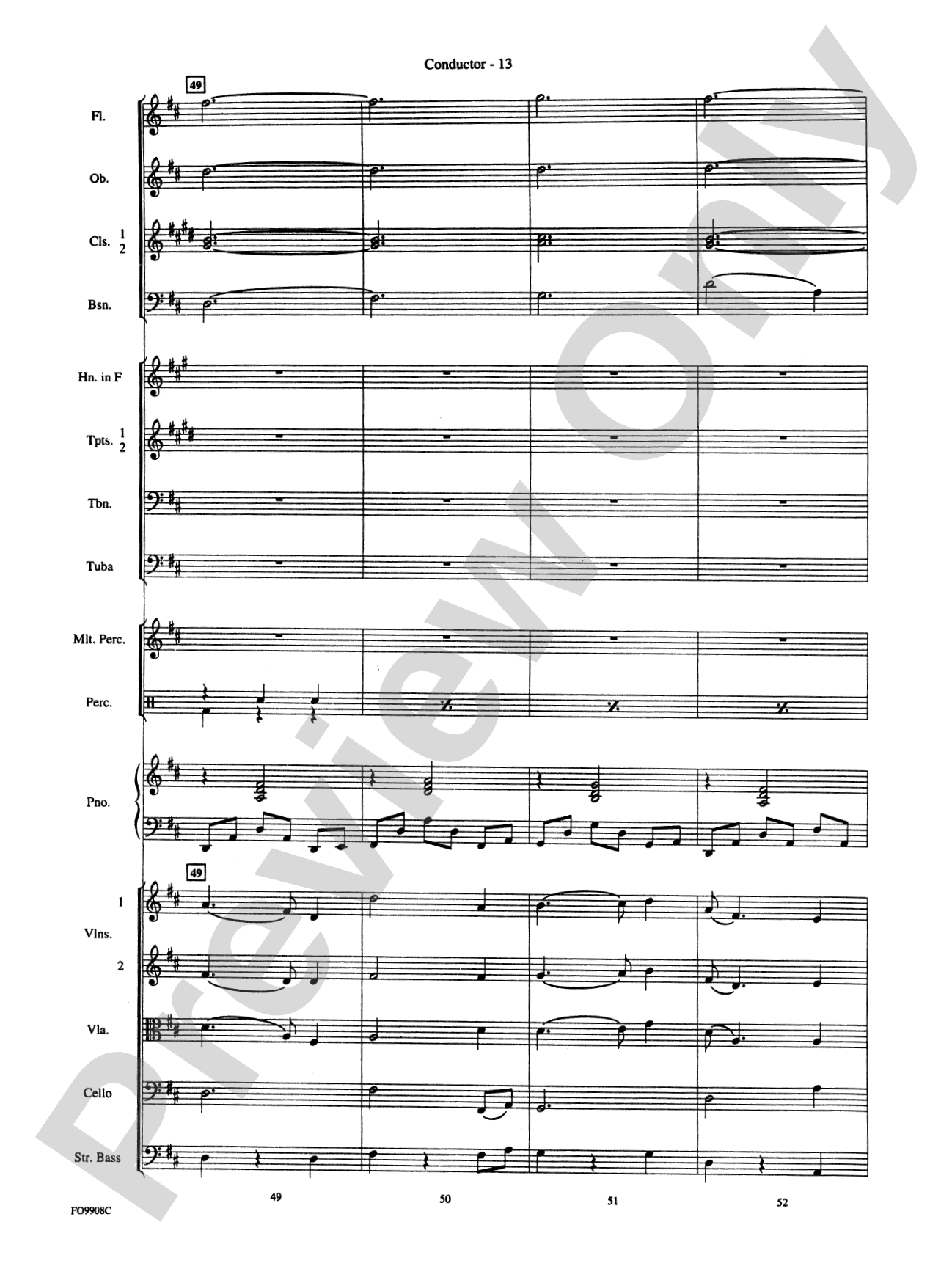
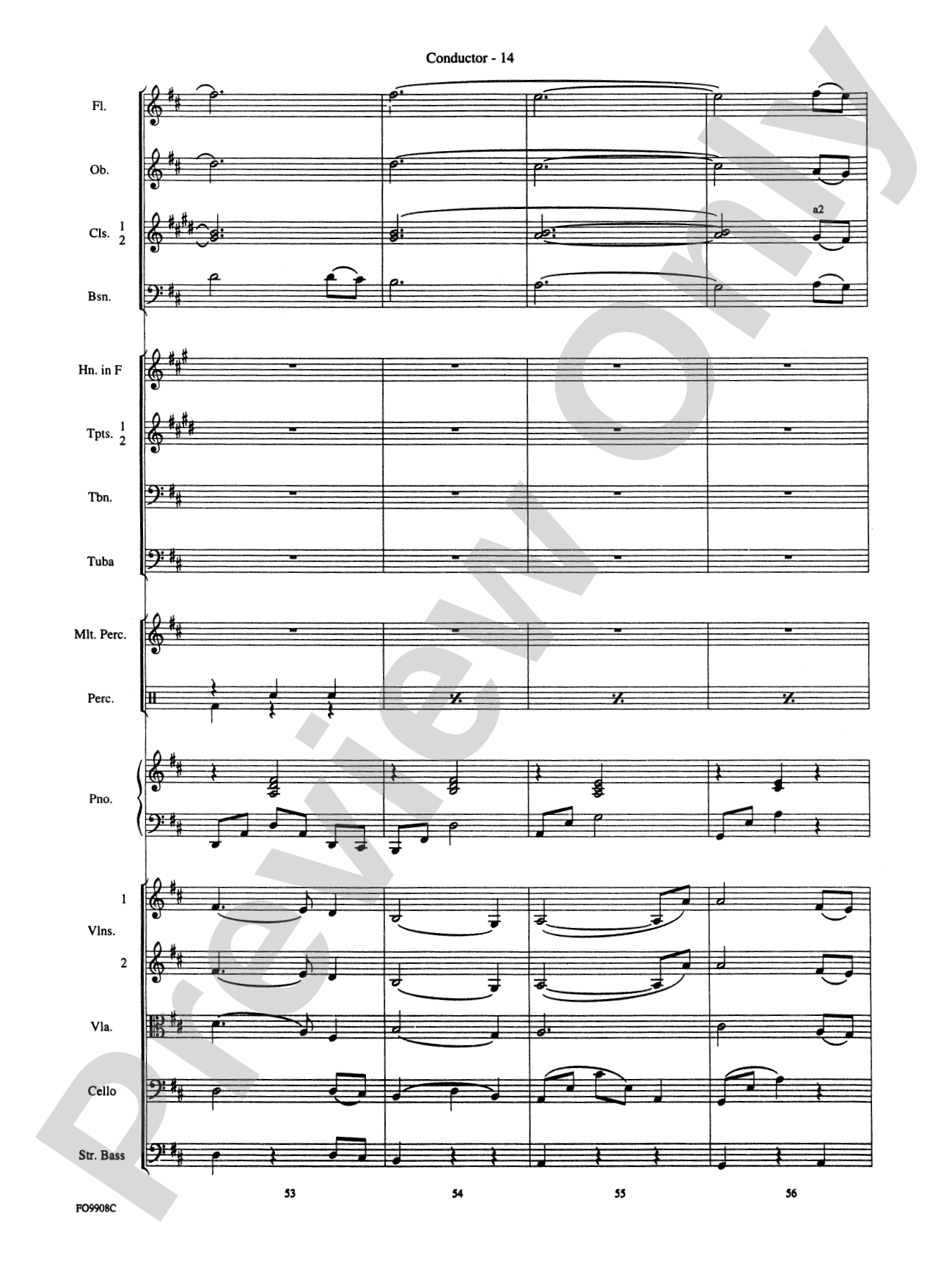
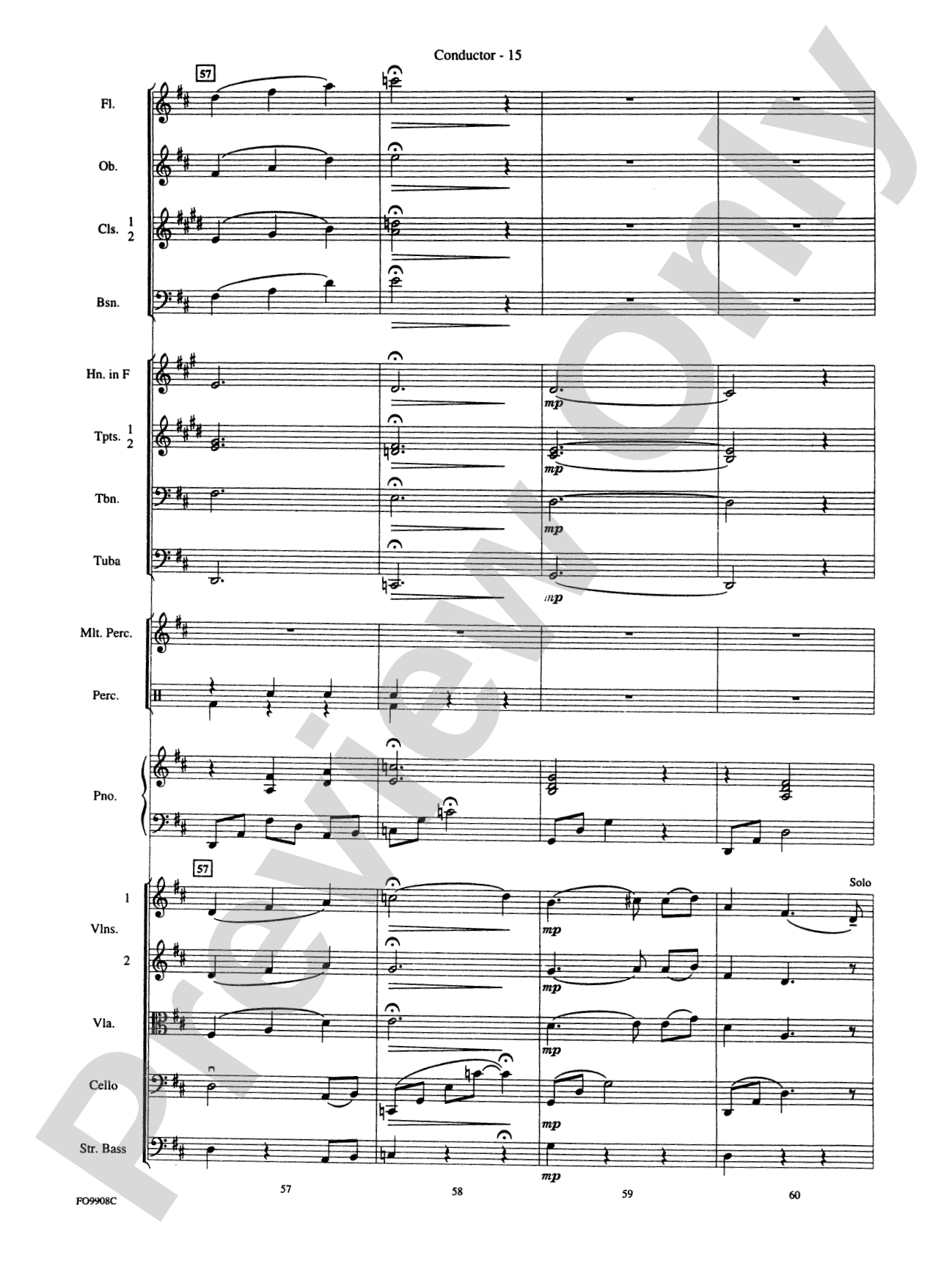
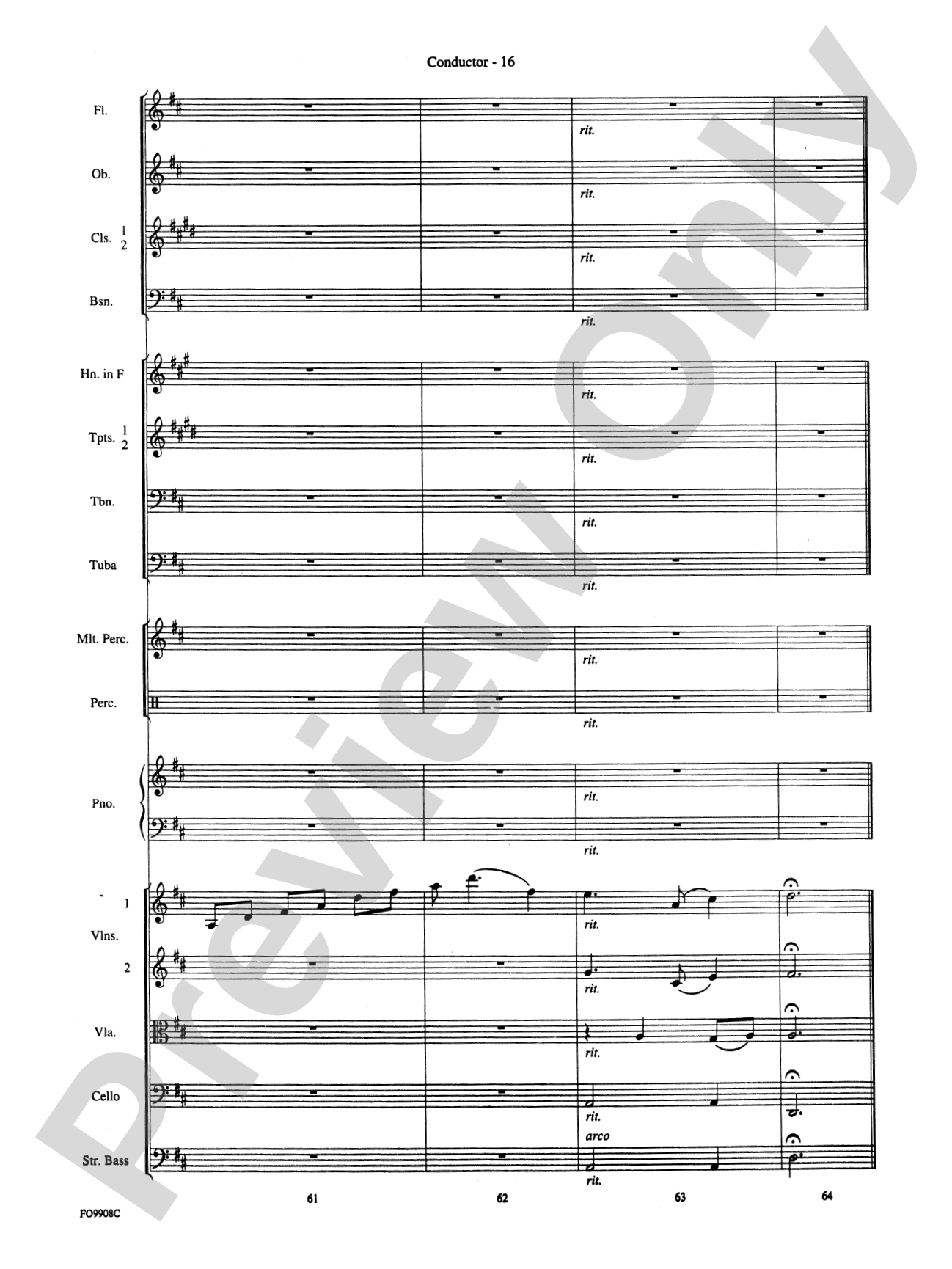



Ashokan Farewell: Full Orchestra Conductor Score & Parts
By Jay Ungar / arr. Bob Cerulli
Grade: 2.5
Item: 00-PK-0002405

$65.00
One moment…
Related Items
Ashokan Farewell: Full Orchestra Conductor Score & Parts |
$65.00
|
View |
Description
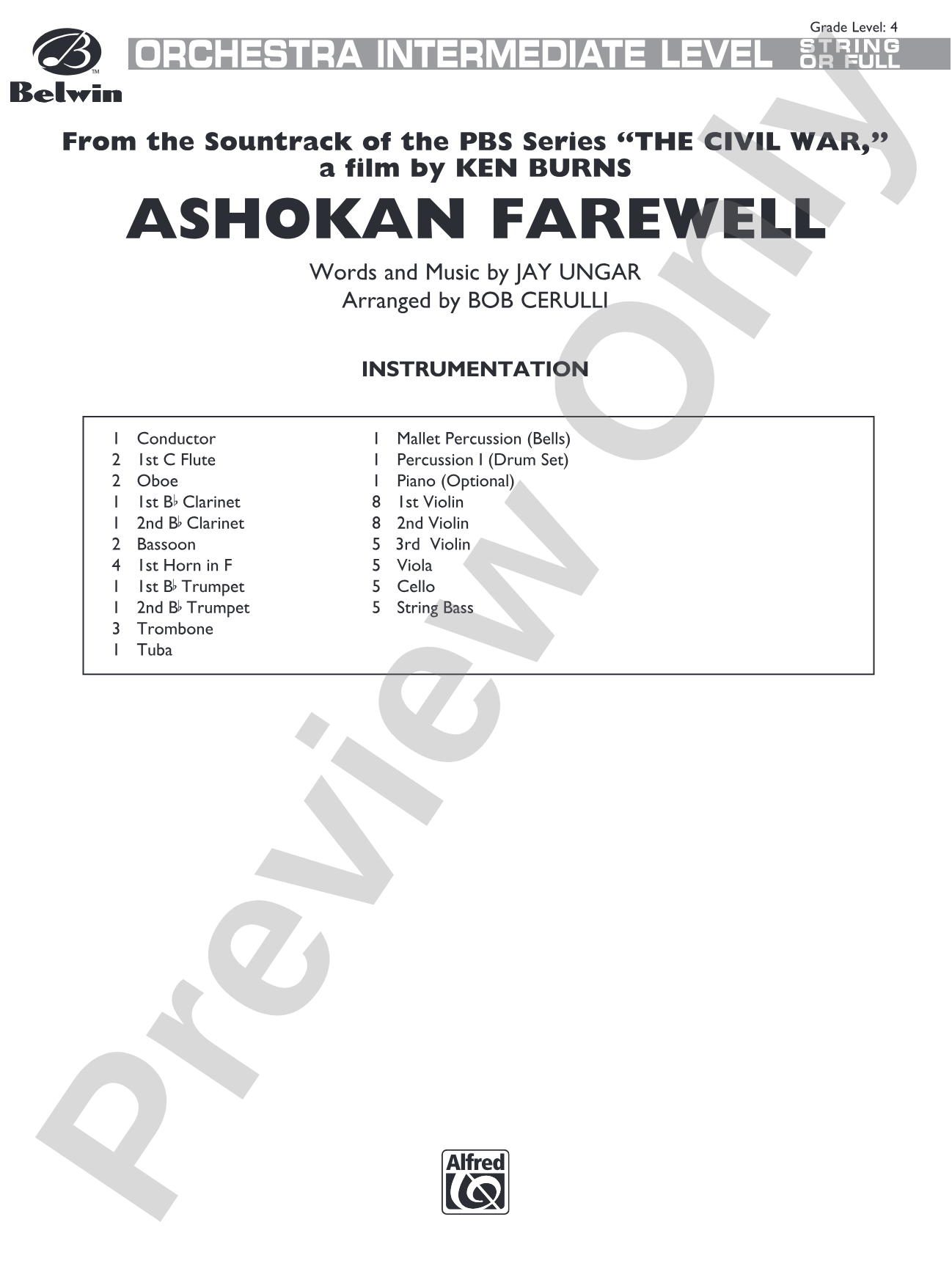
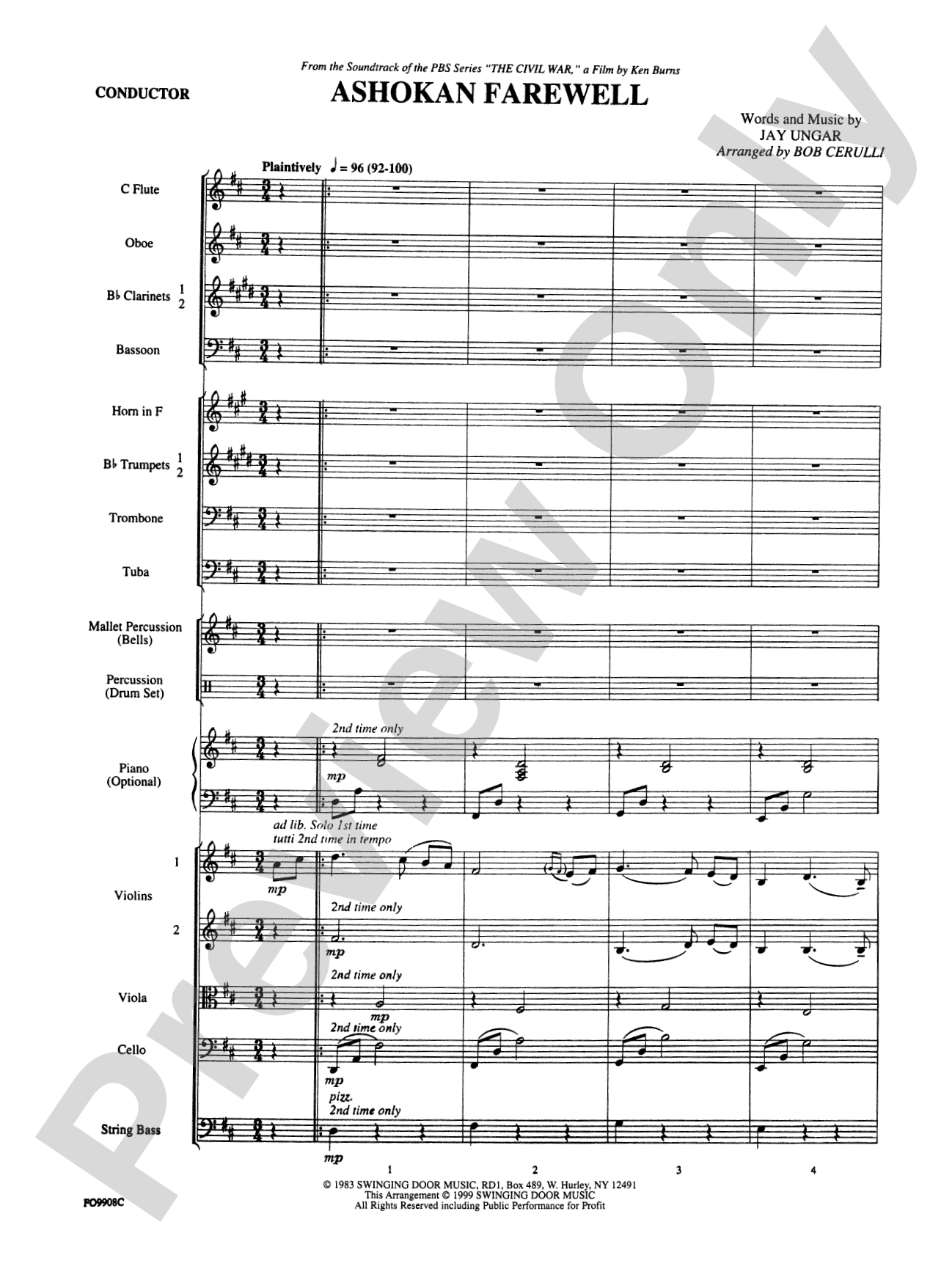
In this day, when rock and rap reign supreme, the world takes notice when a beautiful ballad comes along. This gorgeous melody gained exposure and fame as part of the soundtrack to the television mini-series "The Civil War" and it's popularity has continued. In the hands of the talented arranger Bob Cerulli, Ashokan Farewell fits the orchestra genre perfectly, whether string orchestra or full orchestra with the optional winds and percussion parts. This will be a most effective concert work. (3:24)


Don't just read it, hear it, play along with it, and watch your students grow with it. In MakeMusic Cloud, Ashokan Farewell: Full Orchestra Conductor Score & Parts comes alive with professional accompaniment, adjustable tempo, and built-in practice tools that turn solo practice into real progress.
Open in the Player
Jump straight in and assign it today.
Start Your Free Trial
Open this title and explore the full library in minutes.
Sample Audio
No sample audio found.
Sample Video
No sample videos found.
Additional Details
Series:
Pop Intermediate String/Full Orchestra
Publisher:
Alfred Music
Page Count:
138
SKU:
00-PK-0002405
More about this title
About the Composer: Jay Ungar
Jay Ungar is an American folk musician and composer whose work bridges traditional Americana and contemporary concert music. His compositions have reached millions through film and television, most notably as the theme for Ken Burns' landmark PBS series "The Civil War," where "Ashokan Farewell" became synonymous with the documentary's emotional depth and historical reach.
Why we love this
This arrangement respects both the folk simplicity of Ungar's original melody and the capabilities of young orchestral players. Bob Cerulli's orchestration proves that Grade 2.5 ensembles can deliver genuinely moving concert experiences without compromising musical integrity. The optional winds and percussion parts make this equally effective for string orchestras, giving you programming flexibility.
What to expect
Ashokan Farewell unfolds like a musical meditation on loss and memory. The melody carries the quiet dignity of a folk hymn, supported by gently moving harmonies that suggest depth without complexity. In Cerulli's hands, this becomes a moment of genuine reflection within any concert program.
Who it's for
Conductors building programs that balance technical development with audience connection will find this essential. String orchestras and full orchestras at the Grade 2.5 level gain a piece that sounds mature and concert-ready without exceeding their technical reach. This works equally well for middle school and high school ensembles seeking meaningful repertoire beyond typical school band fare.
How to get the most out of it
- Balance the melody across your first violins and violas while allowing the lower strings to establish a warm harmonic foundation; the piece's power comes from tonal blend, not volume.
- Shape the phrasing in four-bar phrases rather than note-to-note, letting the ballad breathe like a folk song rather than a strict classical structure.
- If using winds and percussion, keep them subservient to the strings; they should color and support the central melodic line without competing for attention.
- Work for consistent vibrato in the upper strings during the sustained passages to create the warm, singing quality this melody demands.
How to use it
Program this as the centerpiece of a concert exploring American music, pairing it with energetic folk-inspired pieces or spirituals to create thematic coherence. Its reflective quality makes it an ideal closer for a concert's first half or a transitional work between more energetic selections. Consider it as a standalone offering for a memorial or patriotic concert context.
Skills your students will build
- Sustained ensemble intonation across multiple measures
- Sectional balance and blend between string families
- Phrasing and shaping without excessive tempo change
- Connecting to emotional content and historical context through musical choices
- Reading full conductor scores with flexible instrumentation