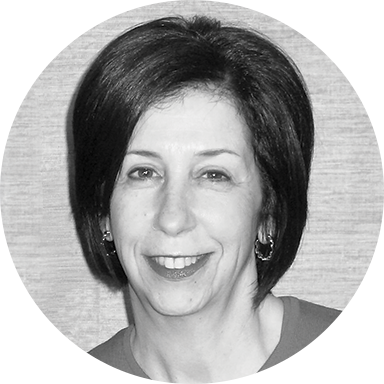
Jill Gallina, alongside her husband Michael, has built a distinguished career composing and arranging music for young performers across all school levels. Her work consistently earns recognition from major institutions including the Parents Choice Foundation, American Library Service, and ASCAP, with performances reaching platforms from The Disney Channel to the New York Philharmonic.
Before transitioning to full-time composition, Jill taught elementary school music, giving her deep insight into what young singers need and what inspires them to engage with repertoire. The Gallinas have received the Stanley Austin Alumni Award from the College of New Jersey and continue to lead educator workshops nationwide. Their compositions and arrangements have circulated in the millions, shaping choral programs across the English-speaking world.
Why we love this
Gallina's arrangement opens this Israeli folk song to younger mixed choirs without sacrificing its character or cultural authenticity. The 3-part voicing feels natural and accessible while still offering genuine harmonic interest, making it an ideal piece for directors building ensemble skills and cultural awareness simultaneously.
What to expect
Warm and communal, this folk melody carries the energy of a song meant to be sung together. The arrangement preserves the melody's straightforward character while weaving the voices into something greater than any single line.
Who it's for
Mixed choirs at the middle school through early high school level benefit most from this octavo. It works equally well for established ensembles seeking accessible multicultural material and newer groups ready to stretch beyond English-language repertoire.
How to get the most out of it
Pay attention to the Hebrew text's natural rhythm and phrasing. Avoid imposing English-language speech patterns onto the words; let the melodic contour guide your singers' interpretation.
Balance the three parts carefully during sectional rehearsals so that when combined, no single voice dominates the texture. This folk song thrives on blend rather than independence.
Consider the cultural context in your introduction to the piece. A brief conversation about Israeli folk traditions adds dimension to what your singers will perform.
How to use it
Include this piece in a concert celebrating world cultures or diversity themes; its modest length and strong identity make it an excellent standalone selection or a meaningful addition to a thematic set. It also serves as a bridge building activity mid-rehearsal season, offering a change of pace from longer or more technically demanding works.
Skills your students will build
Reading Hebrew text with appropriate pronunciation and natural phrasing
Balancing independent vocal lines within a three-part texture
Singing in a cultural tradition outside the Western classical canon
Ensemble cohesion in music designed for communal performance
You May Also Like
Scan to Complete Your Purchase
Use your phone's camera to scan the code below
You'll log in on your phone and the order will be added to your account