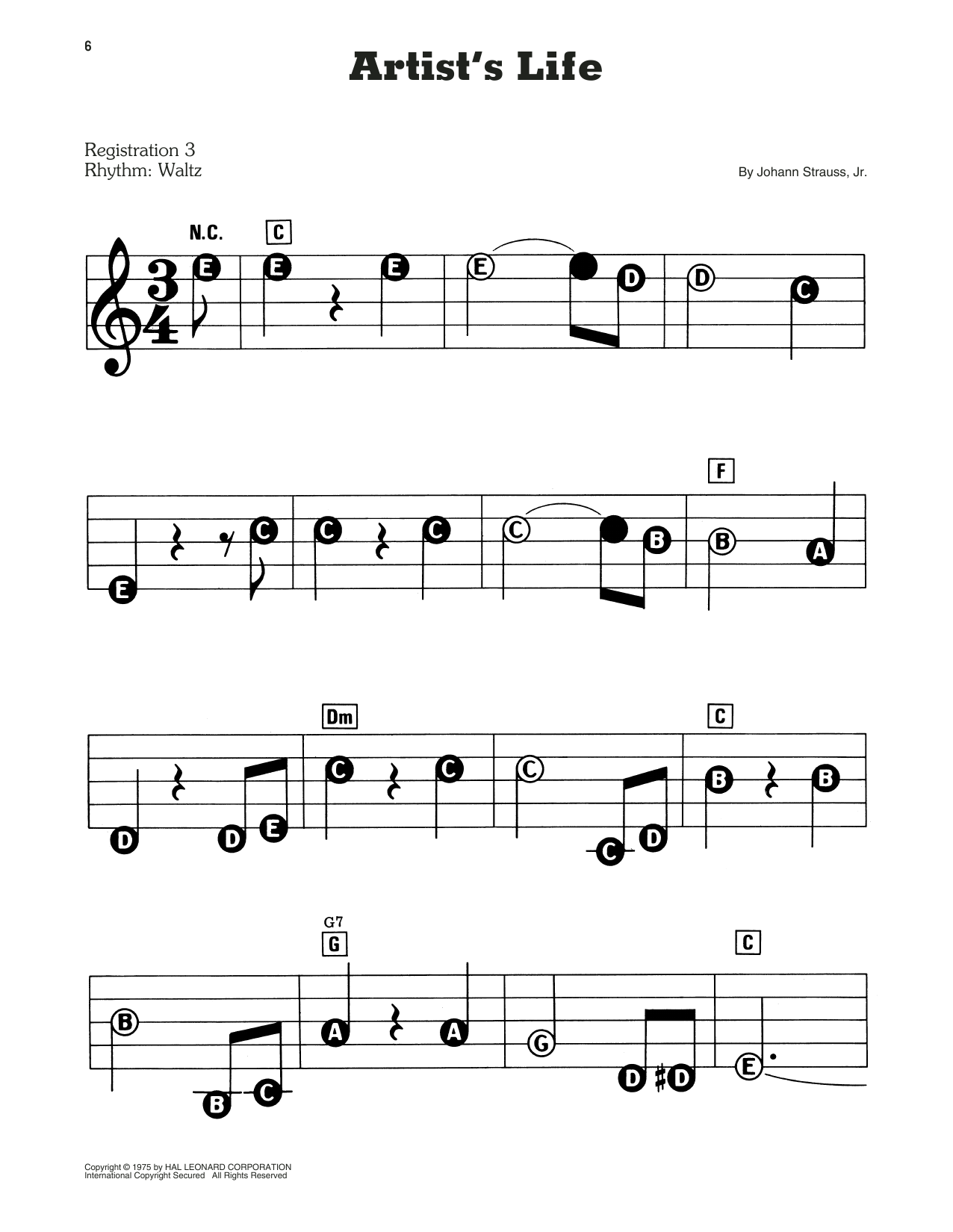
Johann Strauss II (1825–1899) dominated Vienna's musical life during the 19th century, earning his reputation as the "Waltz King" through prolific composition and virtuosic conducting. His more than 150 waltzes, polkas, and other dance forms captured the energy and elegance of Austro-Hungarian society, blending memorable melodies with sophisticated orchestration that influenced composers across Europe.
Strauss's gift lay in writing themes that feel effortless yet sit perfectly under the hands. Op. 316 exemplifies this quality: accessible enough for students to enjoy immediately, yet graceful enough to reward careful musical attention. His works remain cornerstones of the standard repertoire, performed from concert halls to ballrooms worldwide.