

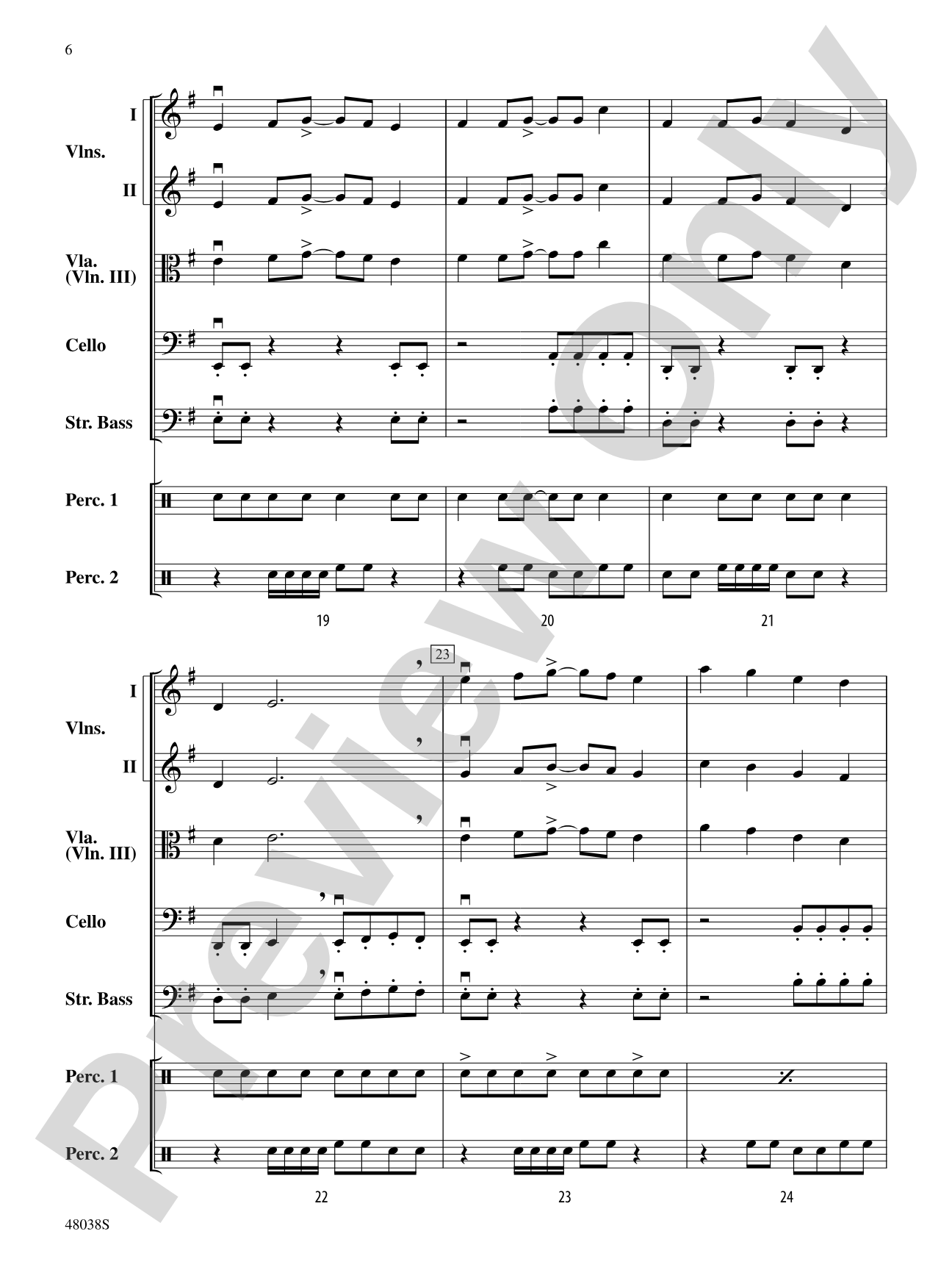
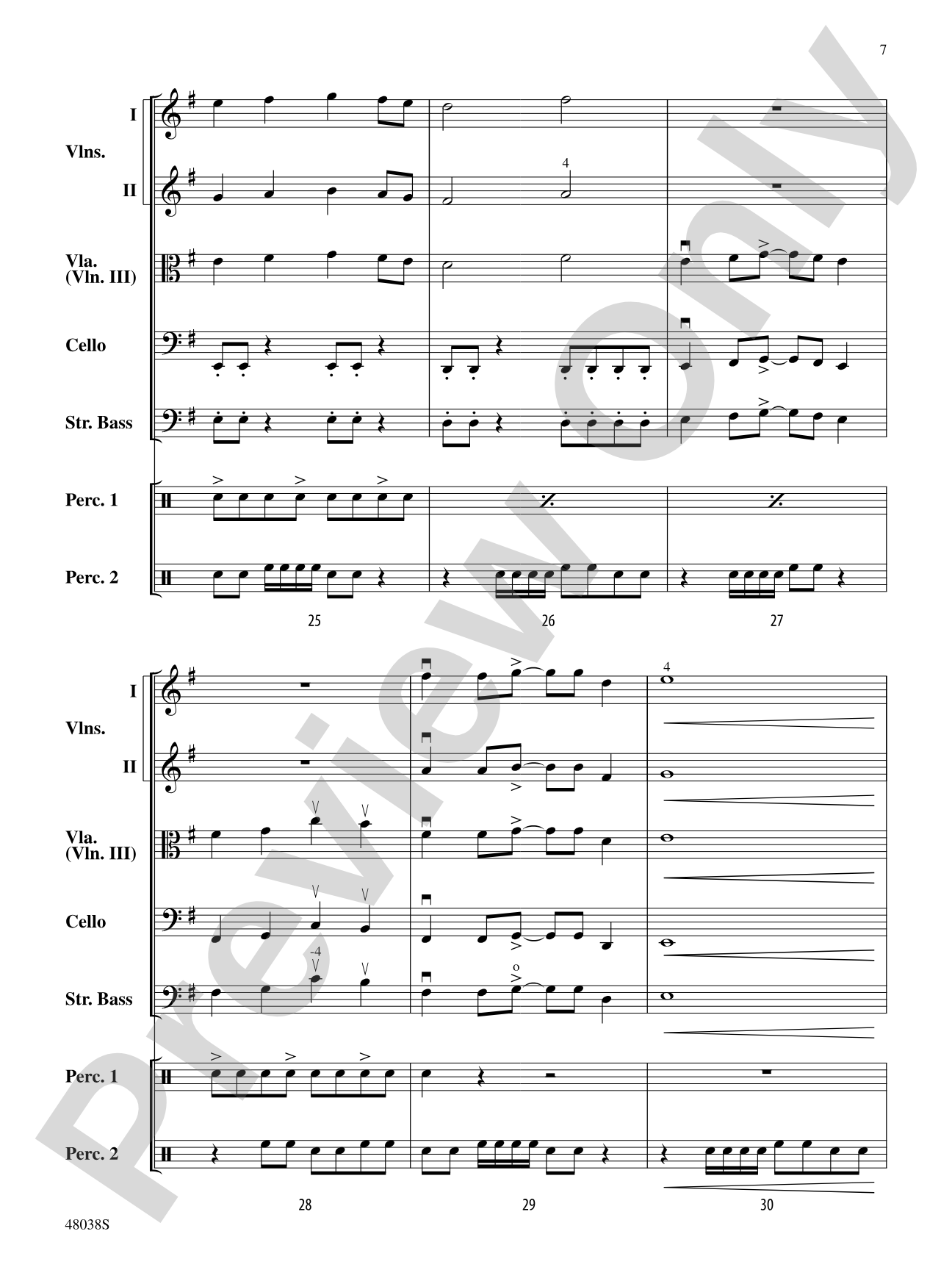
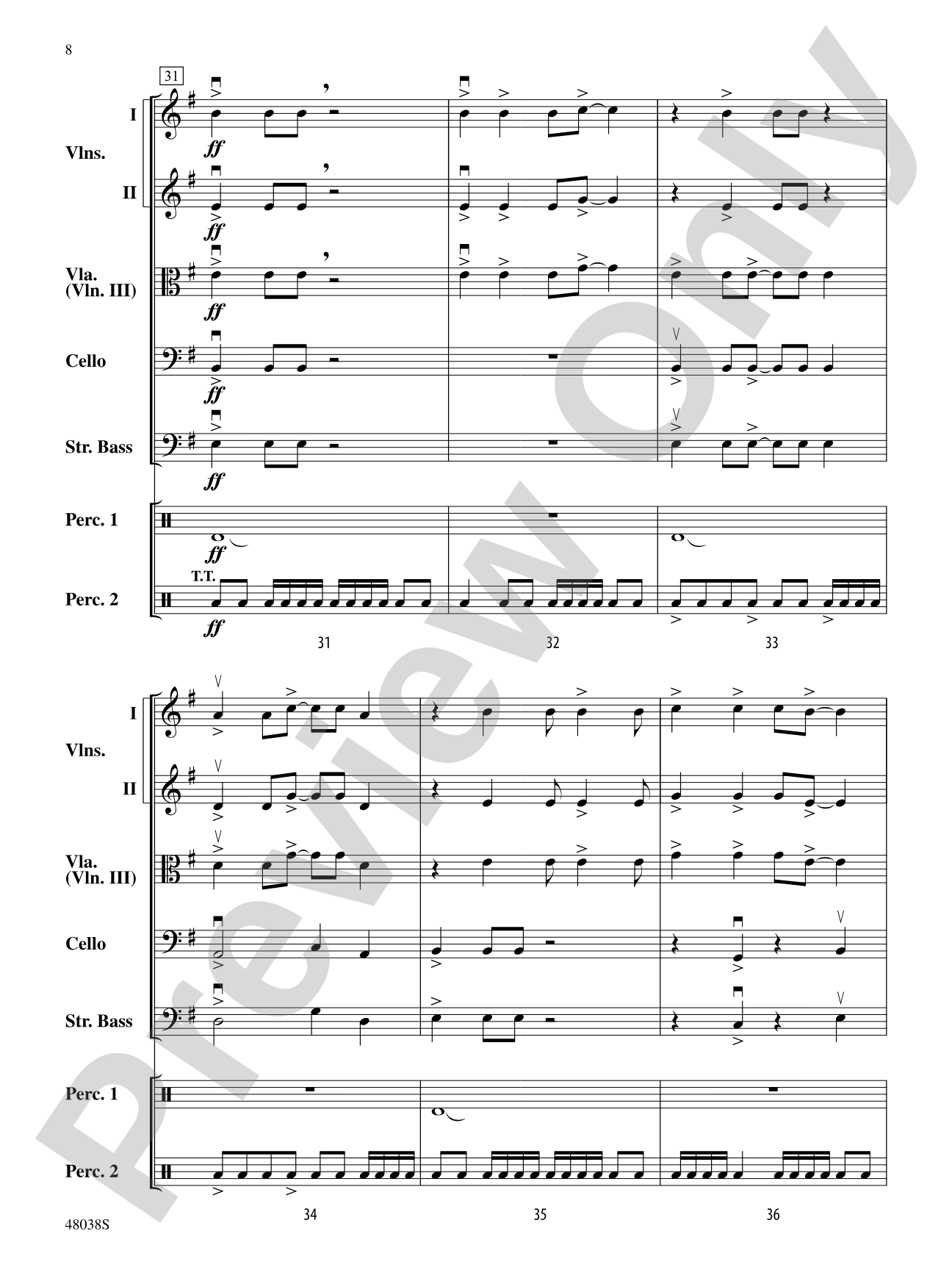
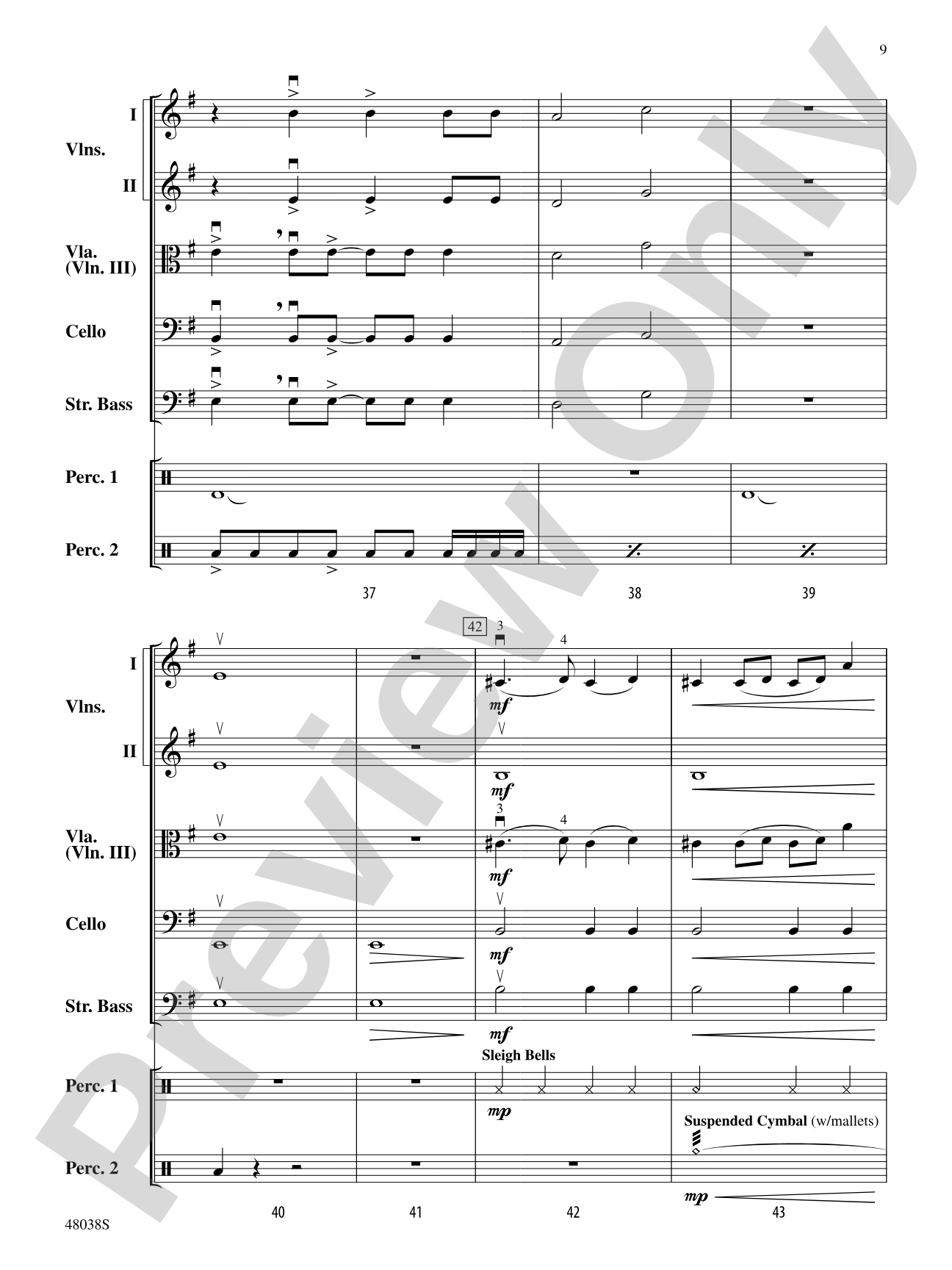
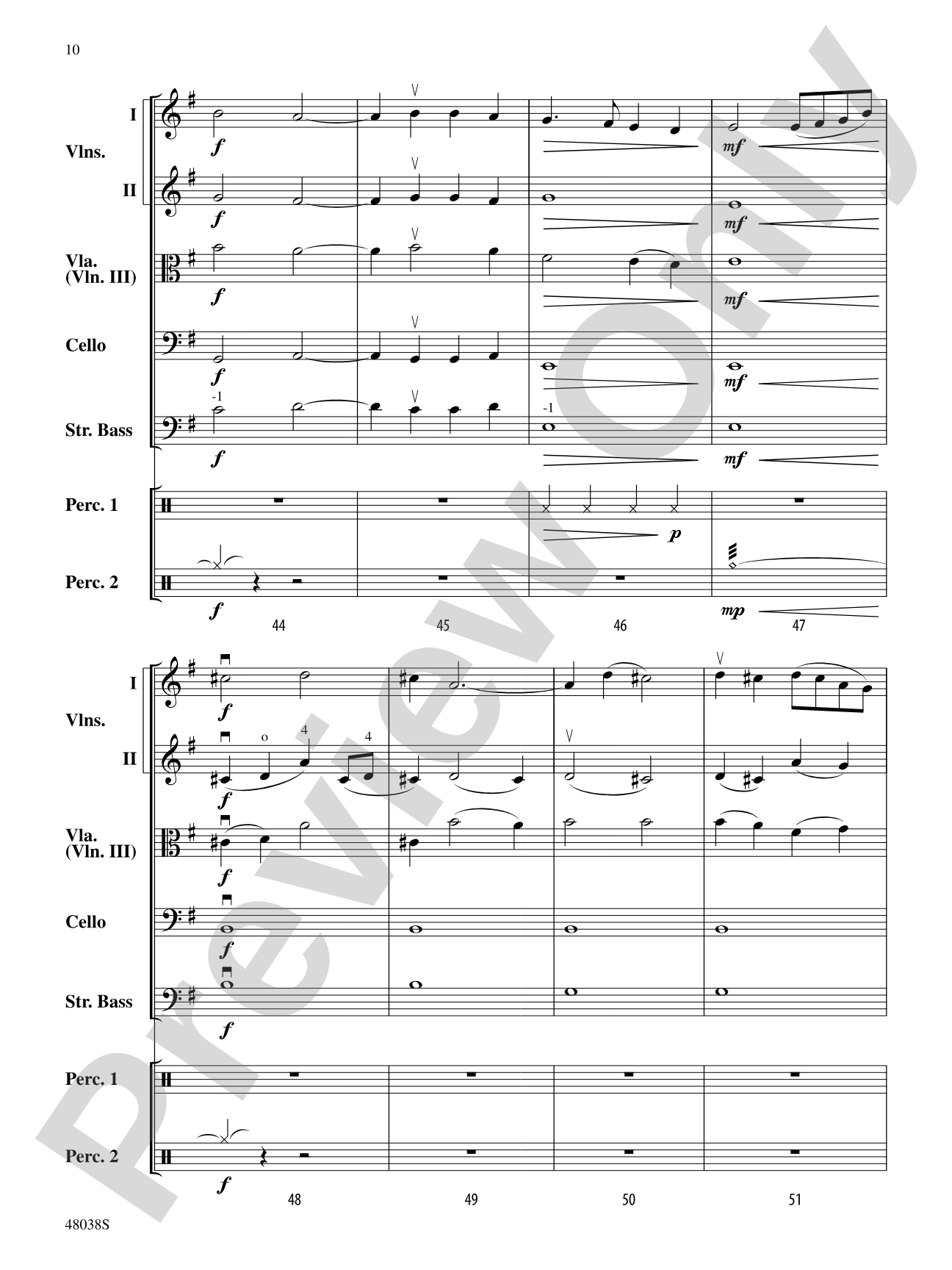
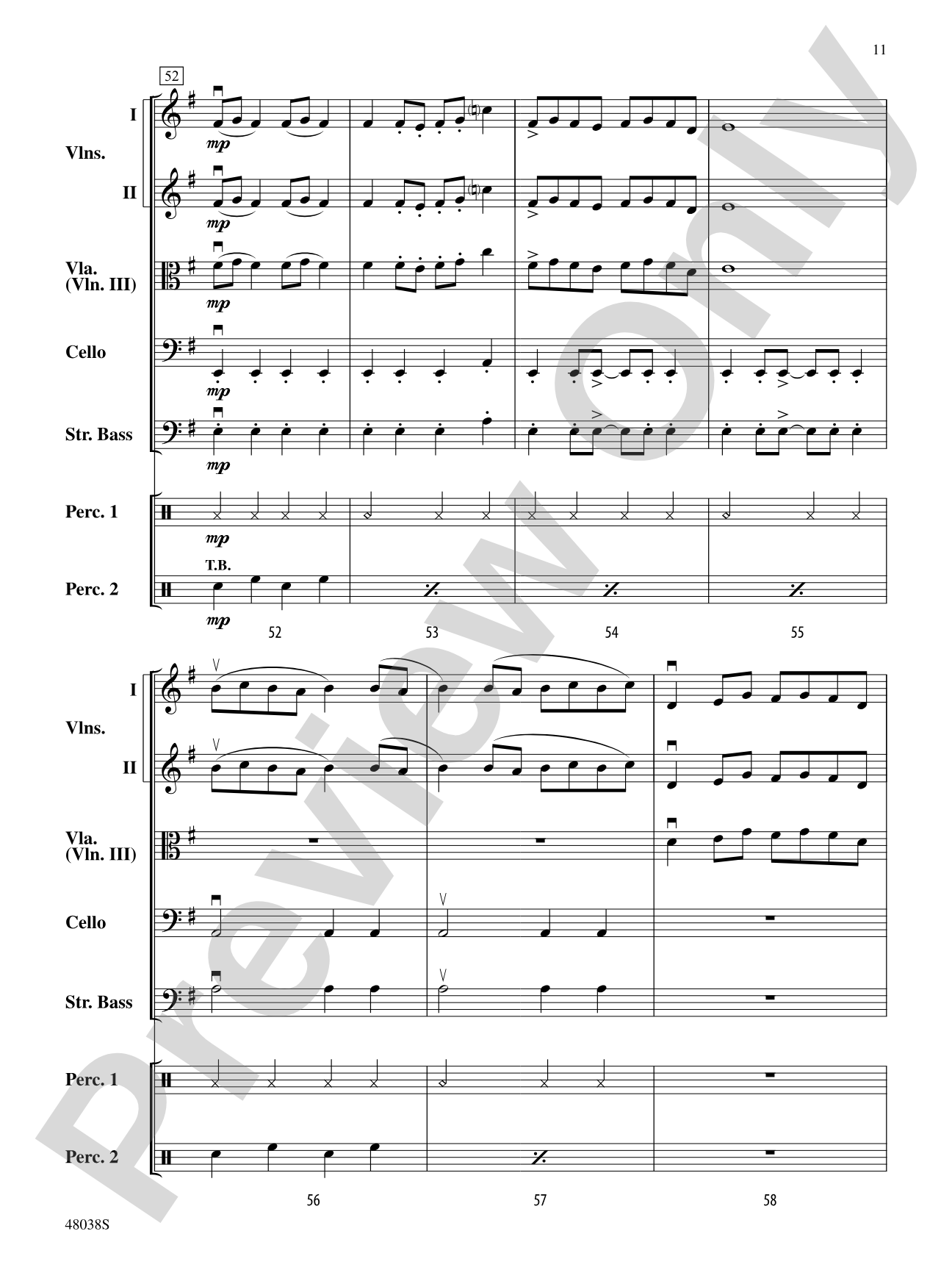
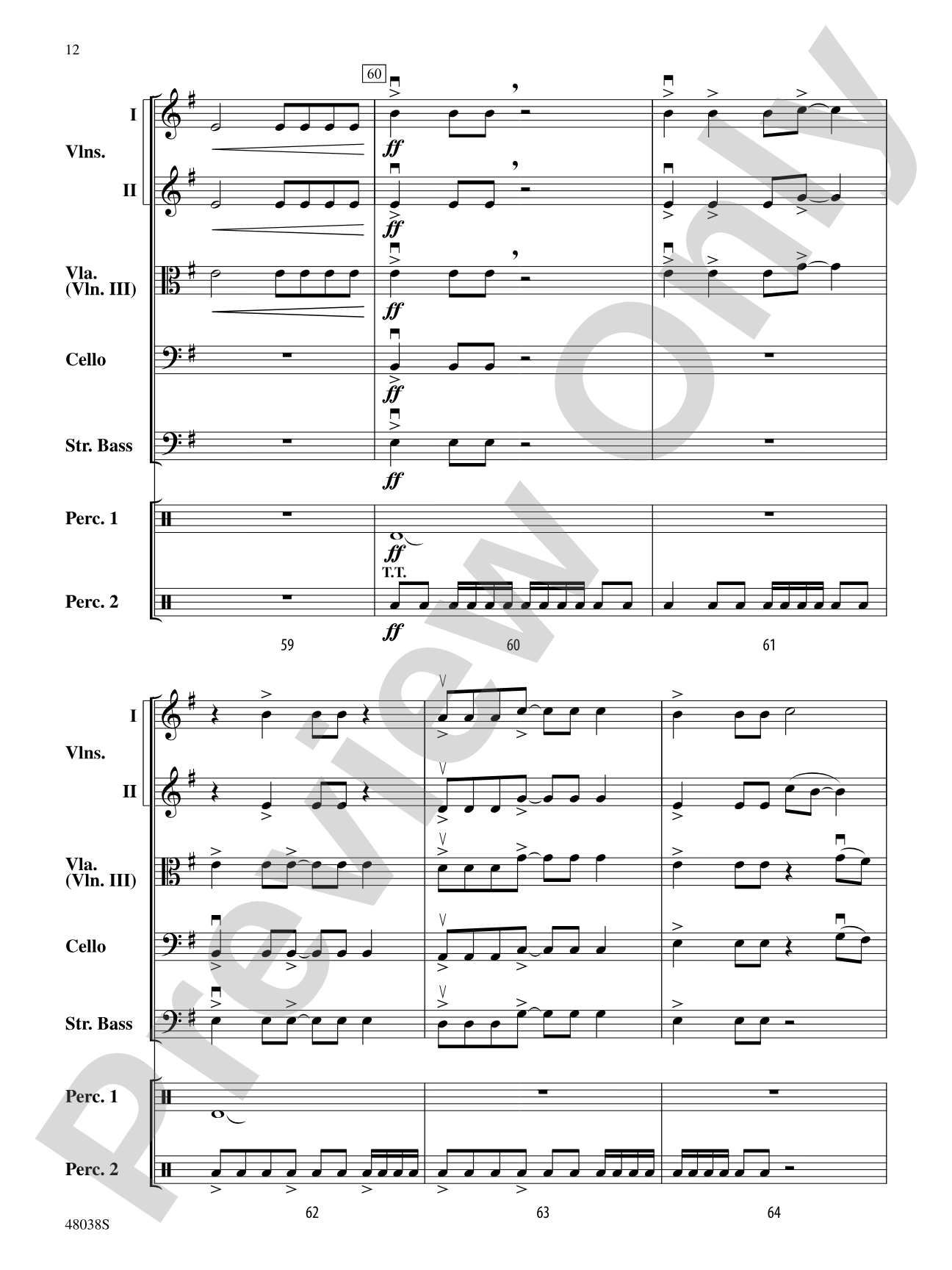
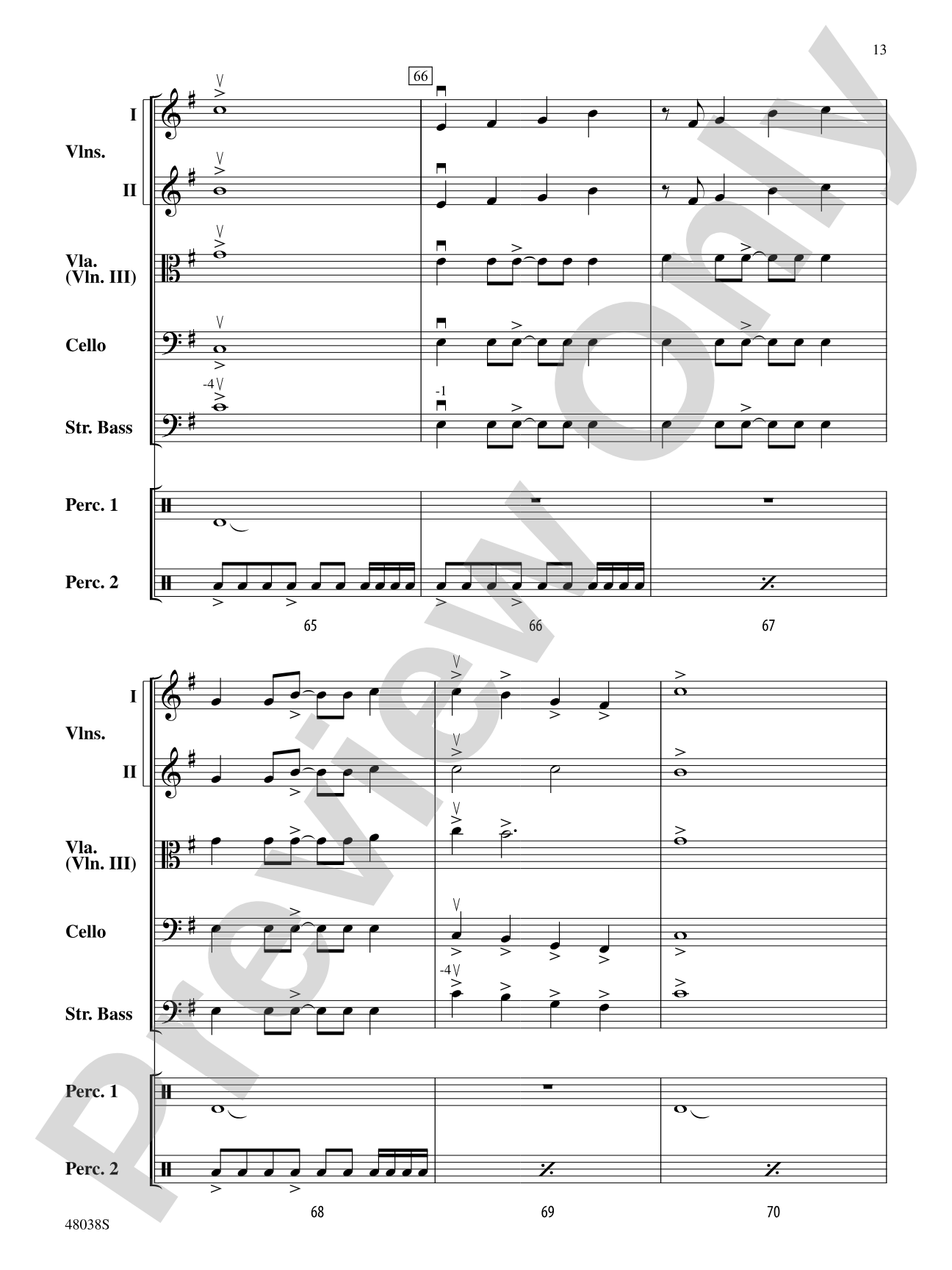

Armor of the Mystic: String Orchestra Conductor Score & Parts
By Rob Grice
Grade: 2.5
Item: 00-PK-0008155

$50.00
Pickup currently not available
Buy Extra Parts (Digital PDF Download)
| Product | Price | Quantity |
|---|---|---|
| Armor of the Mystic: Score | $9.00 | |
| Armor of the Mystic: 1st Violin | $5.99 | |
| Armor of the Mystic: 2nd Violin | $5.99 | |
| Armor of the Mystic: 3rd Violin (Viola [TC]) | $5.99 | |
| Armor of the Mystic: Viola | $5.99 | |
| Armor of the Mystic: Cello | $5.99 | |
| Armor of the Mystic: String Bass | $5.99 | |
| Armor of the Mystic: 1st Percussion | $5.99 | |
| Armor of the Mystic: 2nd Percussion | $5.99 |
Parts Added to Cart!
Related Items
Armor of the Mystic: Concert Band Conductor Score & Parts |
$52.00
|
View | |
Armor of the Mystic: Concert Band Conductor Score & Parts |
$52.00
|
View | |
Armor of the Mystic: Concert Band Conductor Score |
$8.00
|
View | |
Armor of the Mystic: String Orchestra Conductor Score & Parts |
$50.00
|
View | |
Armor of the Mystic: String Orchestra Conductor Score |
$9.00
|
View |
Description
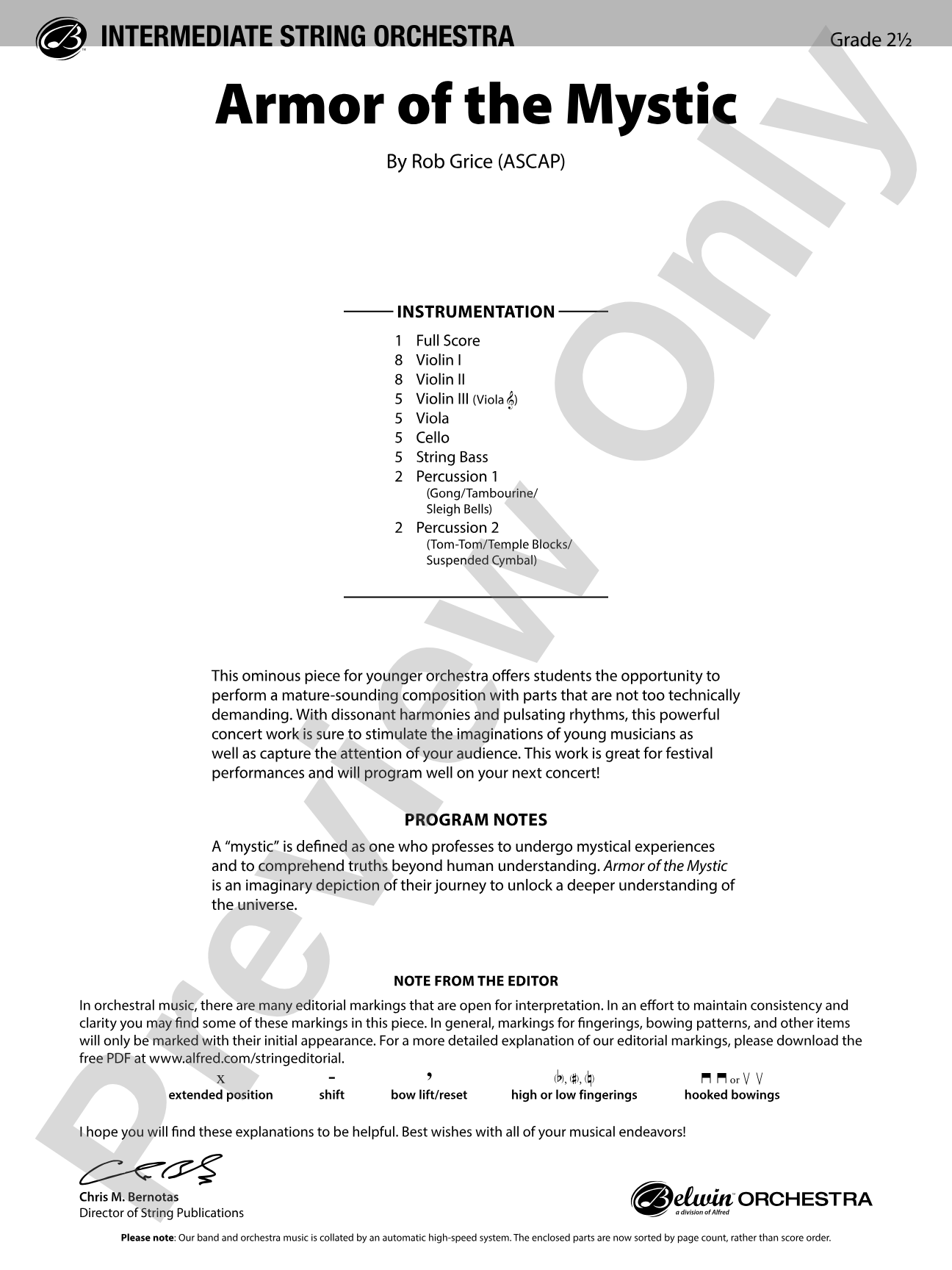
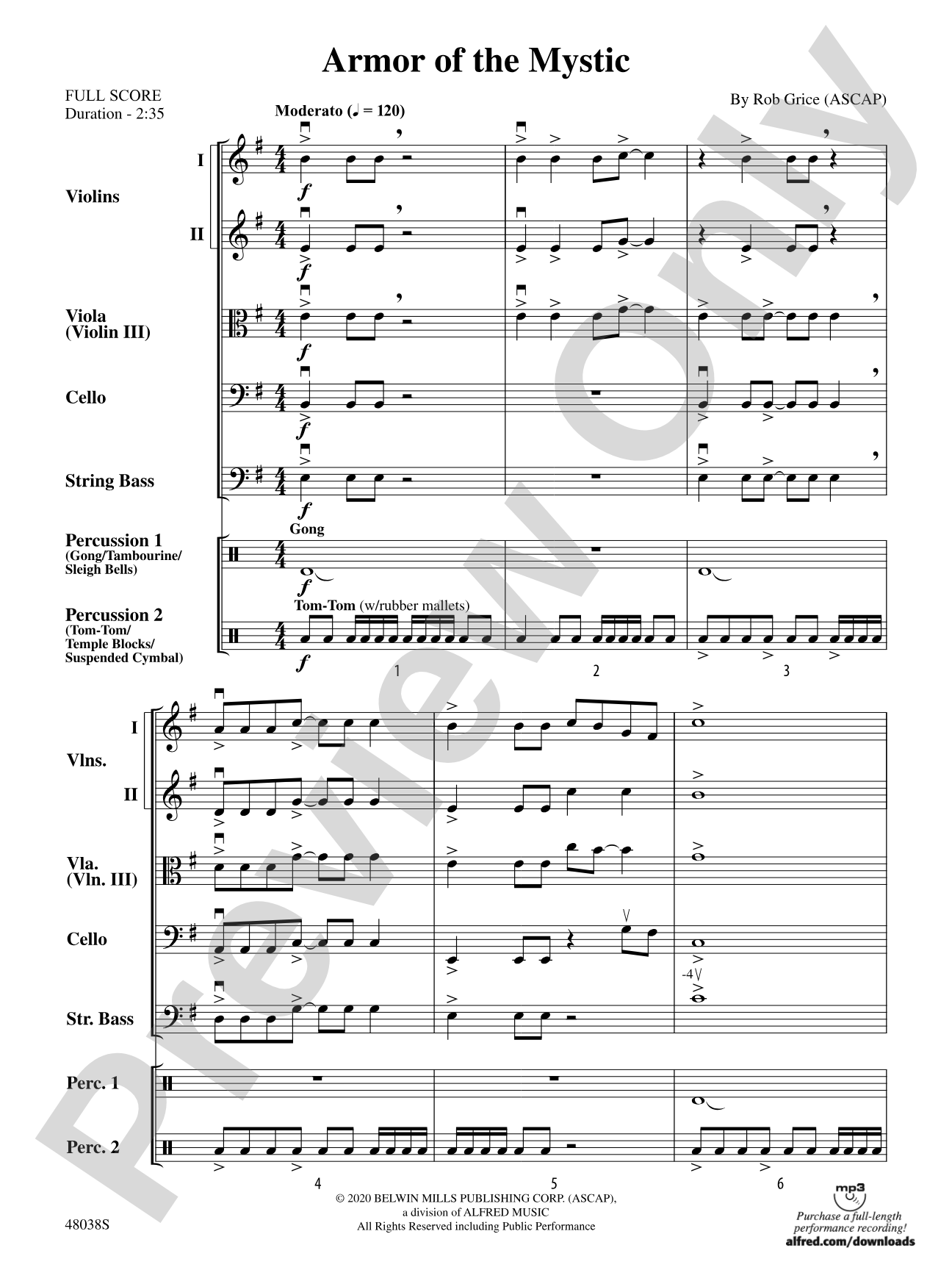
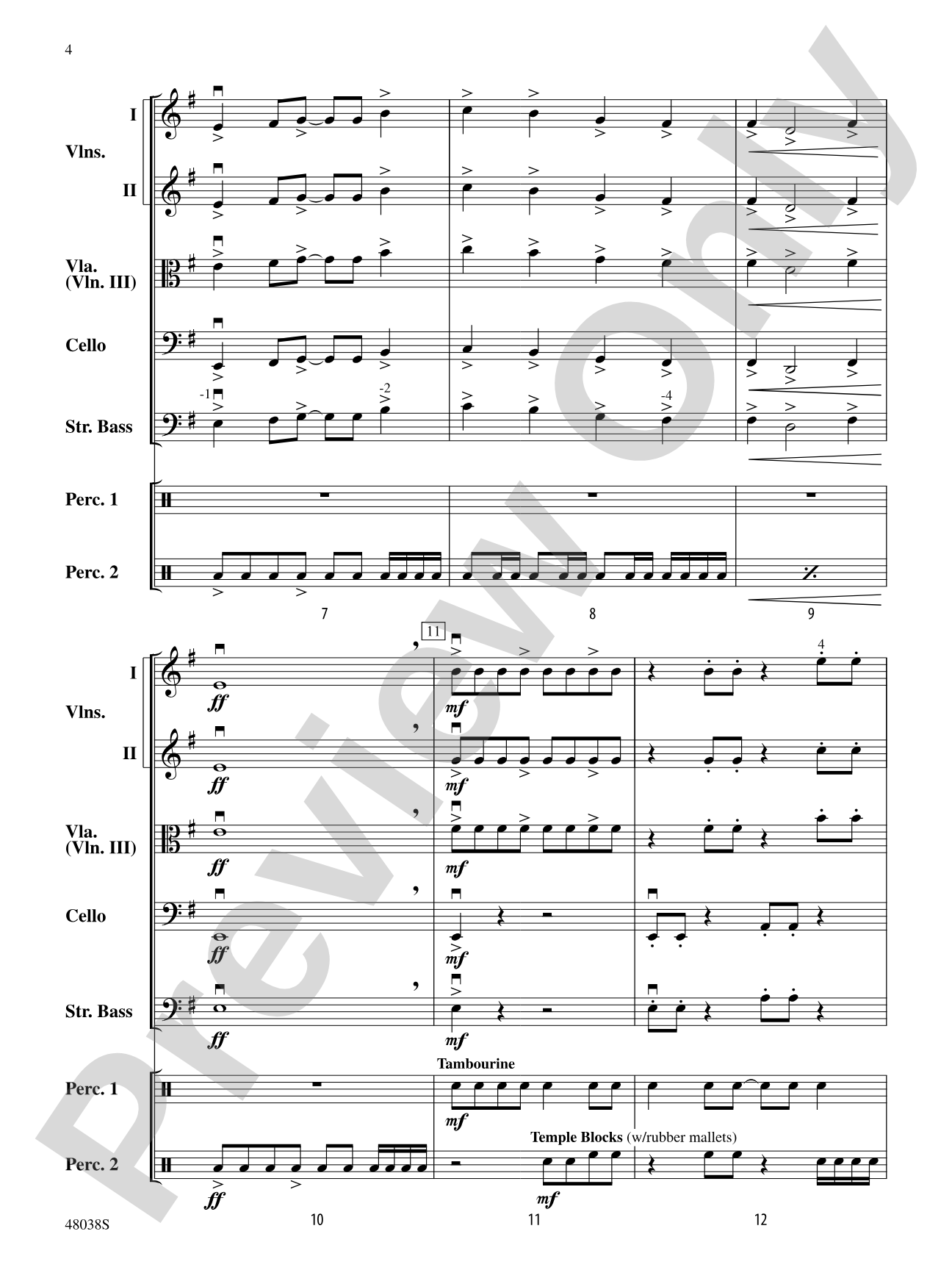
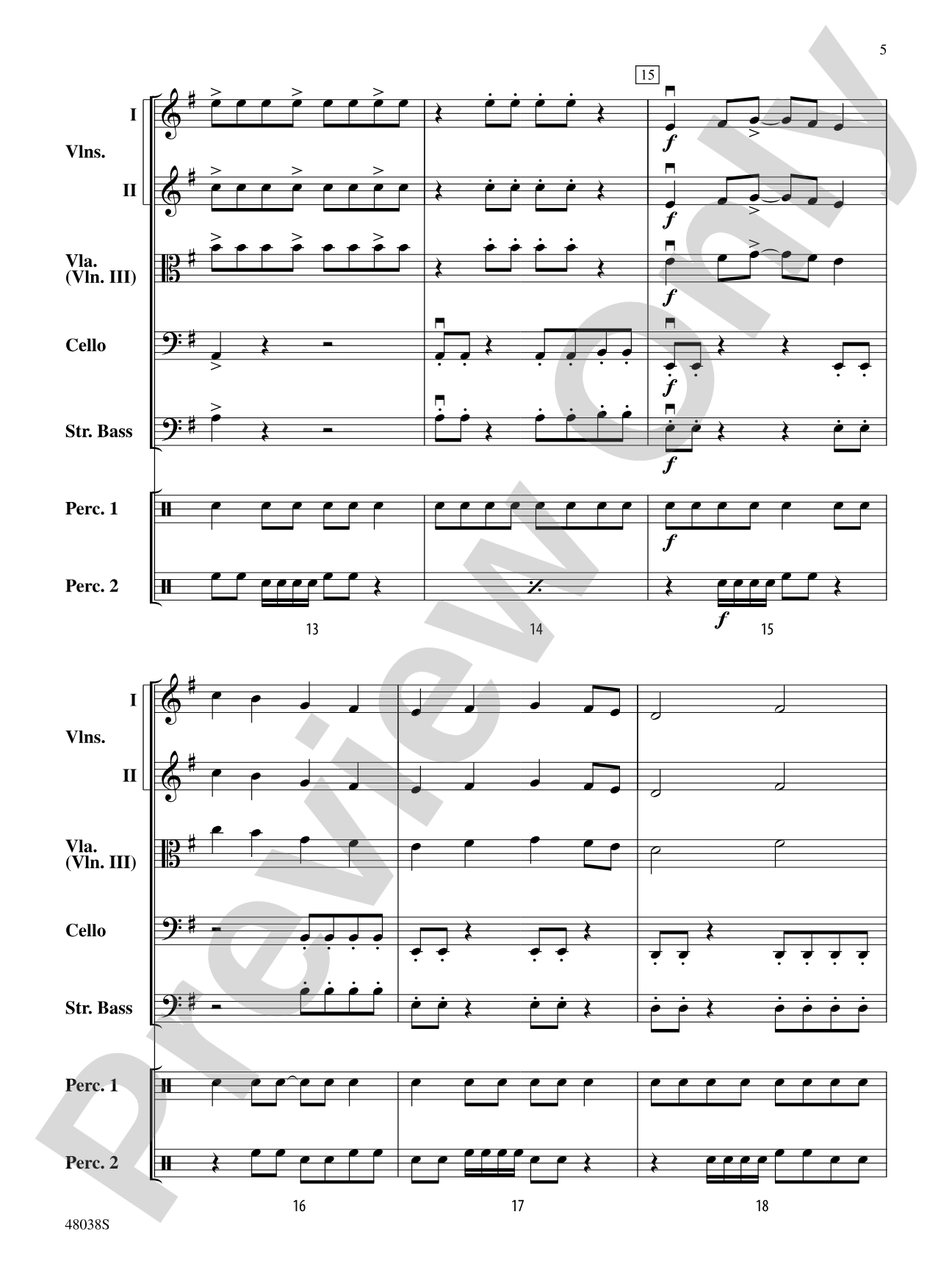
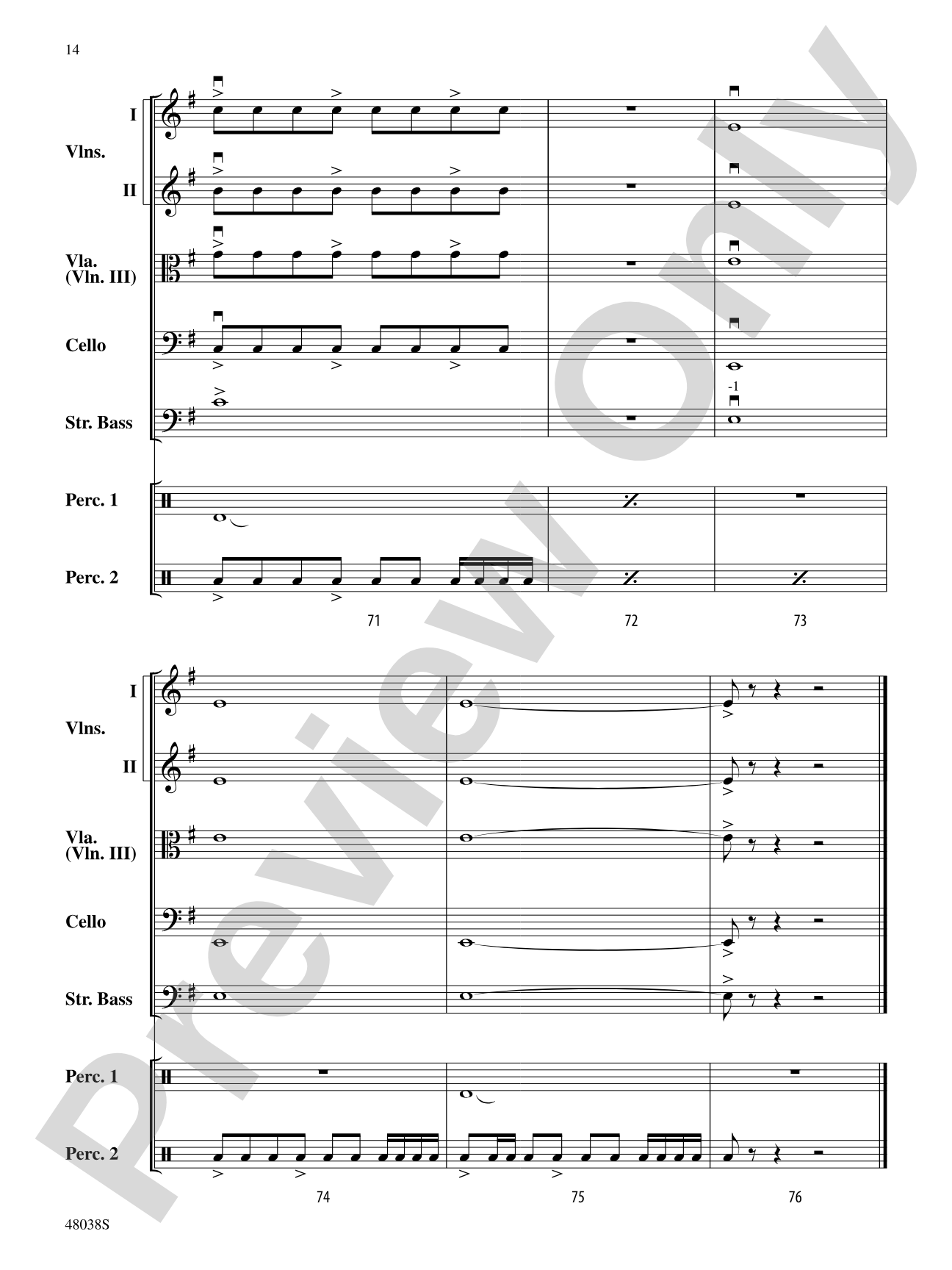
Armor of the Mystic by Rob Grice is an ominous piece for younger orchestras that offers the opportunity to perform a mature-sounding composition without parts that are too technically demanding. With dissonant harmonies and pulsating rhythms, this powerful concert work is sure to stimulate the imaginations of young musicians as well as capture the attention of your audience. This work is great for festival performances and will program well on your next concert! This title is available in MakeMusic Cloud. (2:35)


Don't just read it, hear it, play along with it, and watch your students grow with it. In MakeMusic Cloud, Armor of the Mystic: String Orchestra Conductor Score & Parts comes alive with professional accompaniment, adjustable tempo, and built-in practice tools that turn solo practice into real progress.
Open in the Player
Jump straight in and assign it today.
Start Your Free Trial
Open this title and explore the full library in minutes.
Sample Audio
1
Audio File
--:--
0:00
0:00
Sample Video
Additional Details
Series:
Belwin Intermediate String Orchestra
Publisher:
Alfred Music
Page Count:
156
SKU:
00-PK-0008155
More about this title
About the Composer: Rob Grice

Rob Grice's compositions and arrangements have earned performances across North America, Europe, and Asia, from the Midwest Clinic to Carnegie Hall and major regional music conferences. His works appear regularly on state, national, and international contest lists, and his pedagogical instincts stem from decades of classroom experience spanning elementary through community college levels.
Recognized as Secondary Teacher of the Year by the Enterprise City School System in Alabama and recipient of a Golden Apple Award, Grice brings both compositional sophistication and educational insight to every score. He remains active as a guest conductor, clinician, and adjudicator for orchestral and wind ensembles.
Why we love this
This score delivers orchestral maturity without asking for virtuosity your musicians aren't ready to give. The dissonant harmonies and driving rhythmic foundation create genuine dramatic weight, making your ensemble sound far more advanced than the technical demands actually require. You'll find it programs naturally on a concert where you want to stretch your musicians artistically without breaking them technically.
What to expect
A piece that builds dread through repetition and harmonic tension. The dissonant layers create an unsettling forward momentum, and the pulsating rhythms maintain relentless energy without ever releasing into resolution. Young musicians often find this kind of darker material genuinely exciting to perform.
Who it's for
String orchestras at the intermediate level (Grade 2.5/1½) who want to program repertoire with real dramatic substance. Your musicians don't need advanced technique or reading skills to execute this piece, but they do need focus and attention to ensemble blend.
How to get the most out of it
- Balance the pulsating rhythm section with the upper string layers; the piece's power depends on maintaining that forward momentum without letting lower voices overpower the harmonic color.
- Lean into the ominous atmosphere during rehearsal. Young musicians respond to clear dramatic intent, and this piece rewards conductors who shape the dissonance with conviction rather than apologizing for it.
- Lock in all ensemble entries precisely. With 2:35 of pulsating texture, any ragged attacks will undermine the dark, cohesive sound this work demands.
How to use it
This works beautifully as a festival submission where you want to showcase ensemble discipline and artistic ambition. On a concert, it can anchor a thematic program around contemporary or darker works, or serve as a dramatic centerpiece that lifts the energy and perception of your ensemble's capabilities.
Skills your students will build
- Sustaining ensemble tone through dissonant harmonic textures
- Maintaining steady pulse in rhythmically driven passages
- Balancing multiple string lines while preserving clarity
- Responding to and shaping dark, sustained musical atmospheres
- Reading and executing contemporary harmonic language