
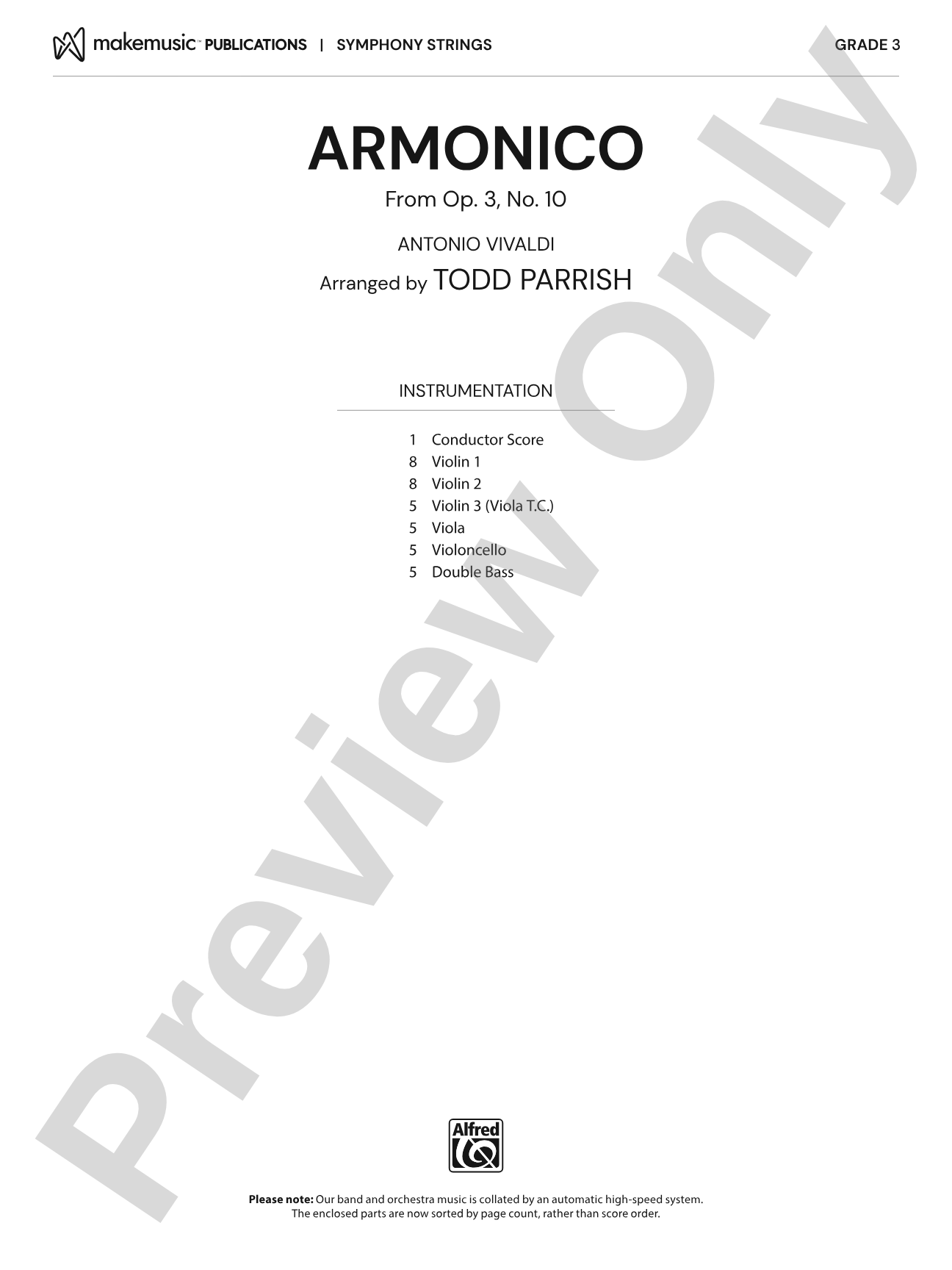
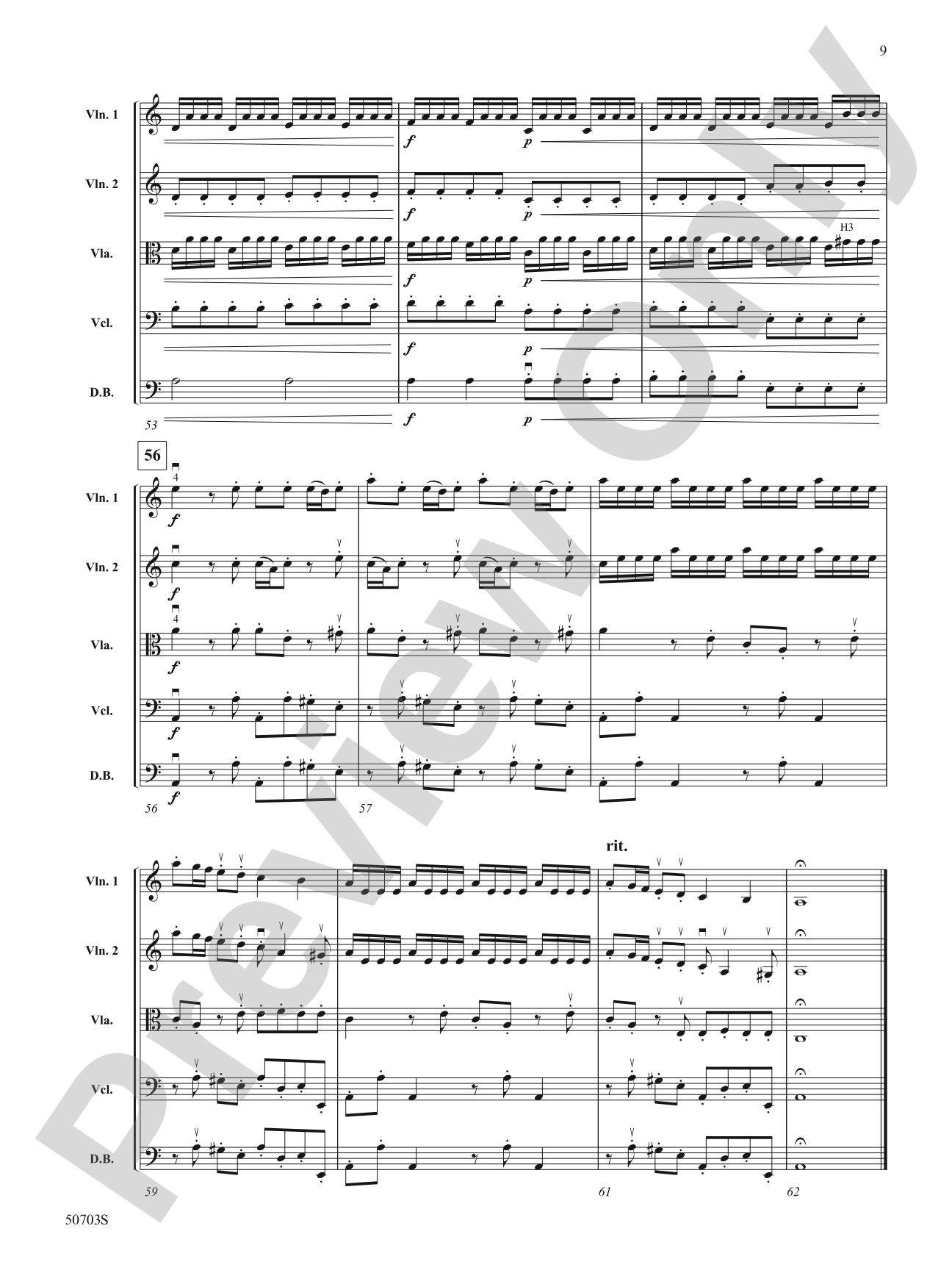

Armonico: String Orchestra Conductor Score & Parts
From Op. 3, No. 10
By Antonio Vivaldi / arr. Todd Parrish
Grade: 3
Item: 00-PK-0008834
$65.00
Pickup currently not available
Buy Extra Parts (Digital PDF Download)
| Product | Price | Quantity |
|---|---|---|
| Armonico: Score | $10.00 | |
| Armonico: 1st Violin | $3.00 | |
| Armonico: 2nd Violin | $3.00 | |
| Armonico: 3rd Violin (Viola [TC]) | $3.00 | |
| Armonico: Viola | $3.00 | |
| Armonico: Cello | $3.00 | |
| Armonico: String Bass | $3.00 |
Parts Added to Cart!
Description
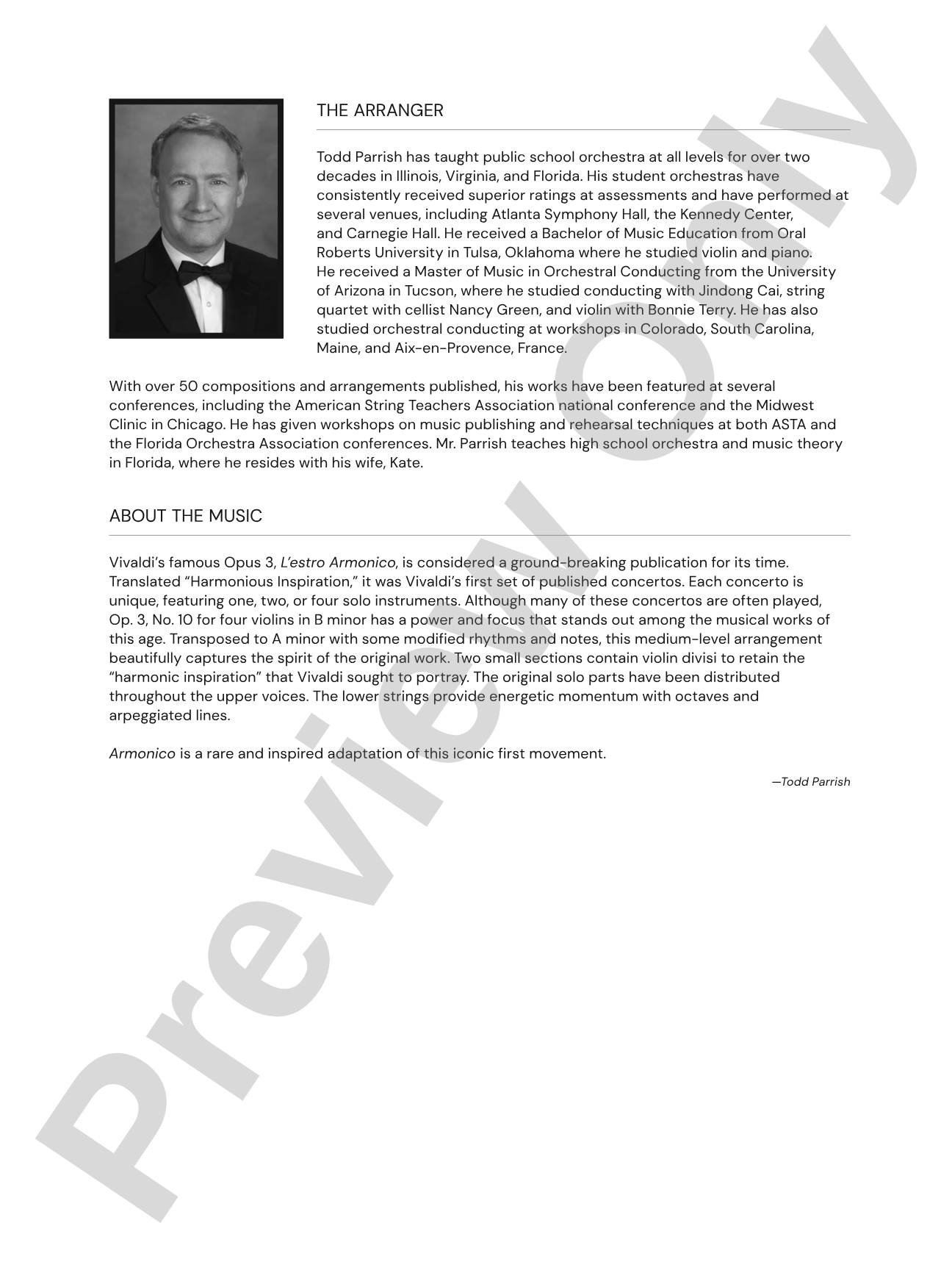
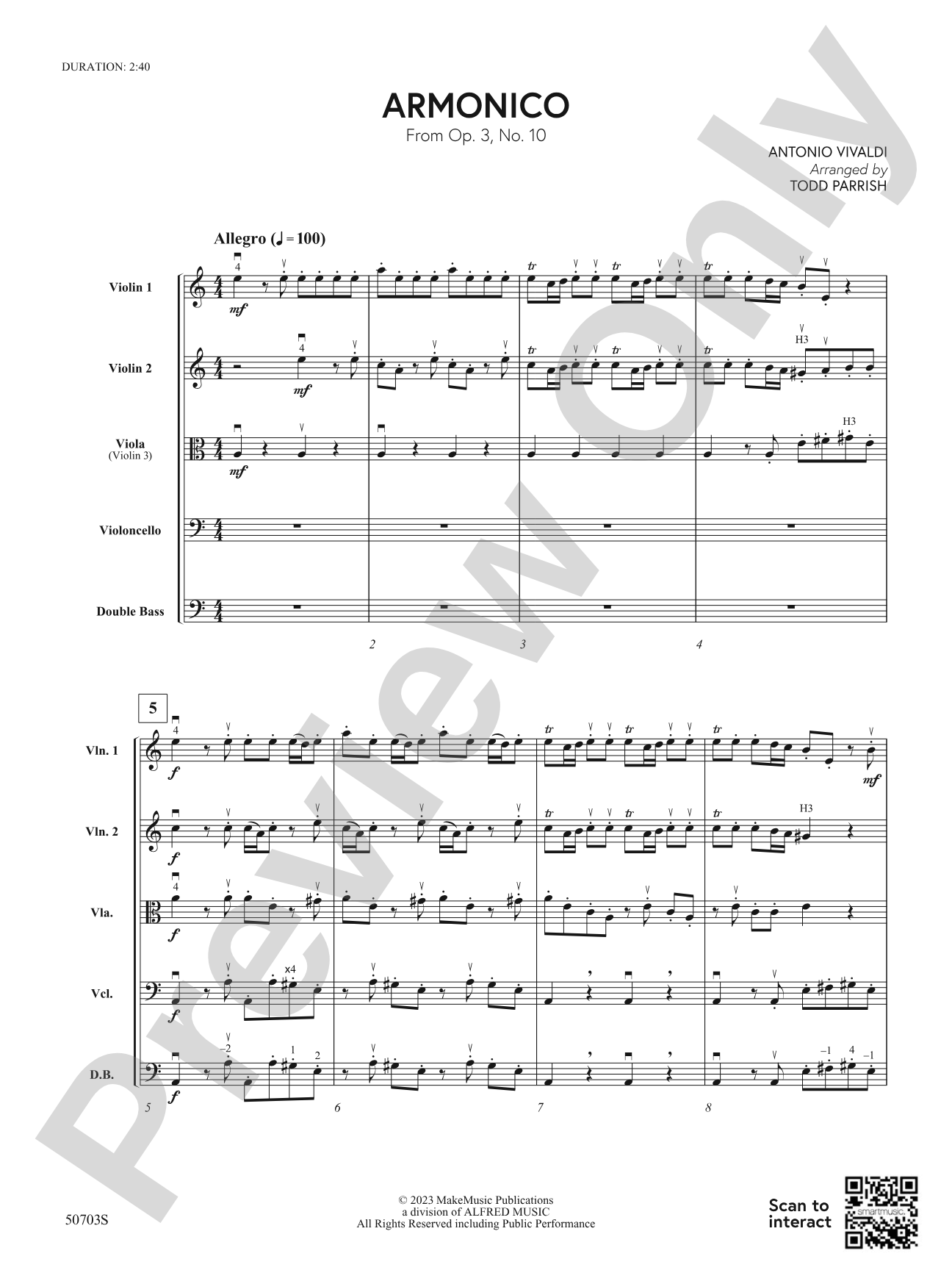
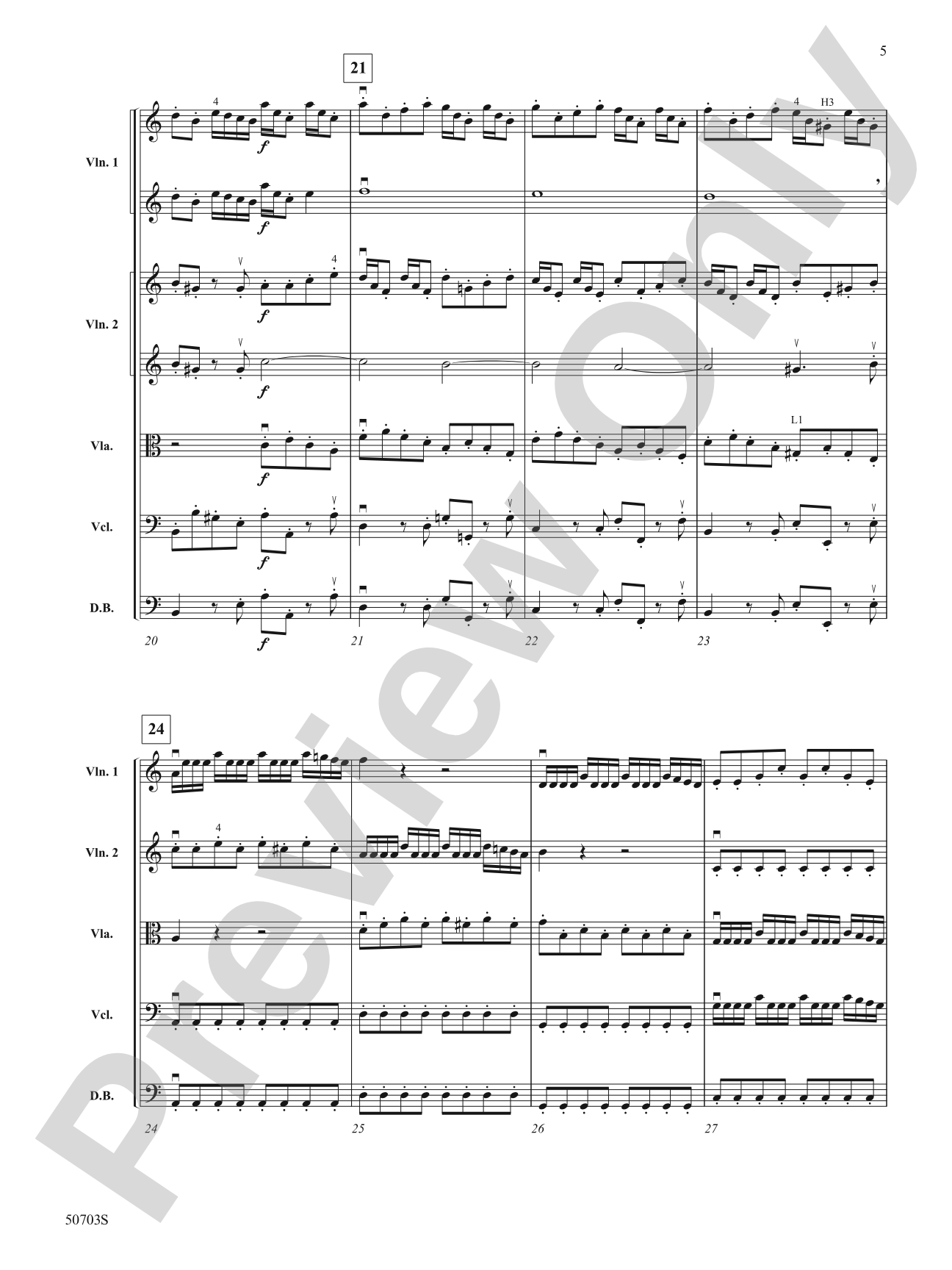
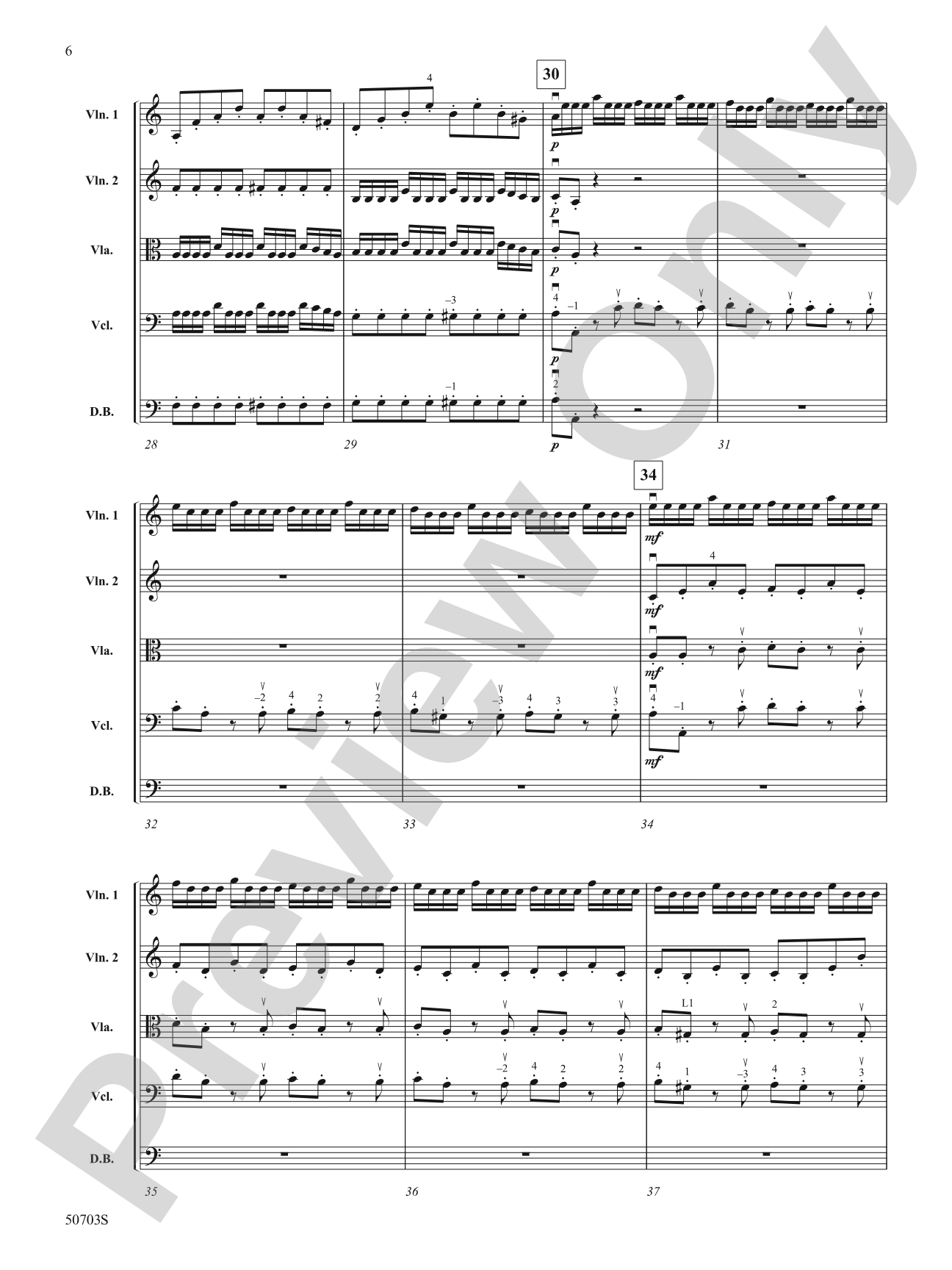
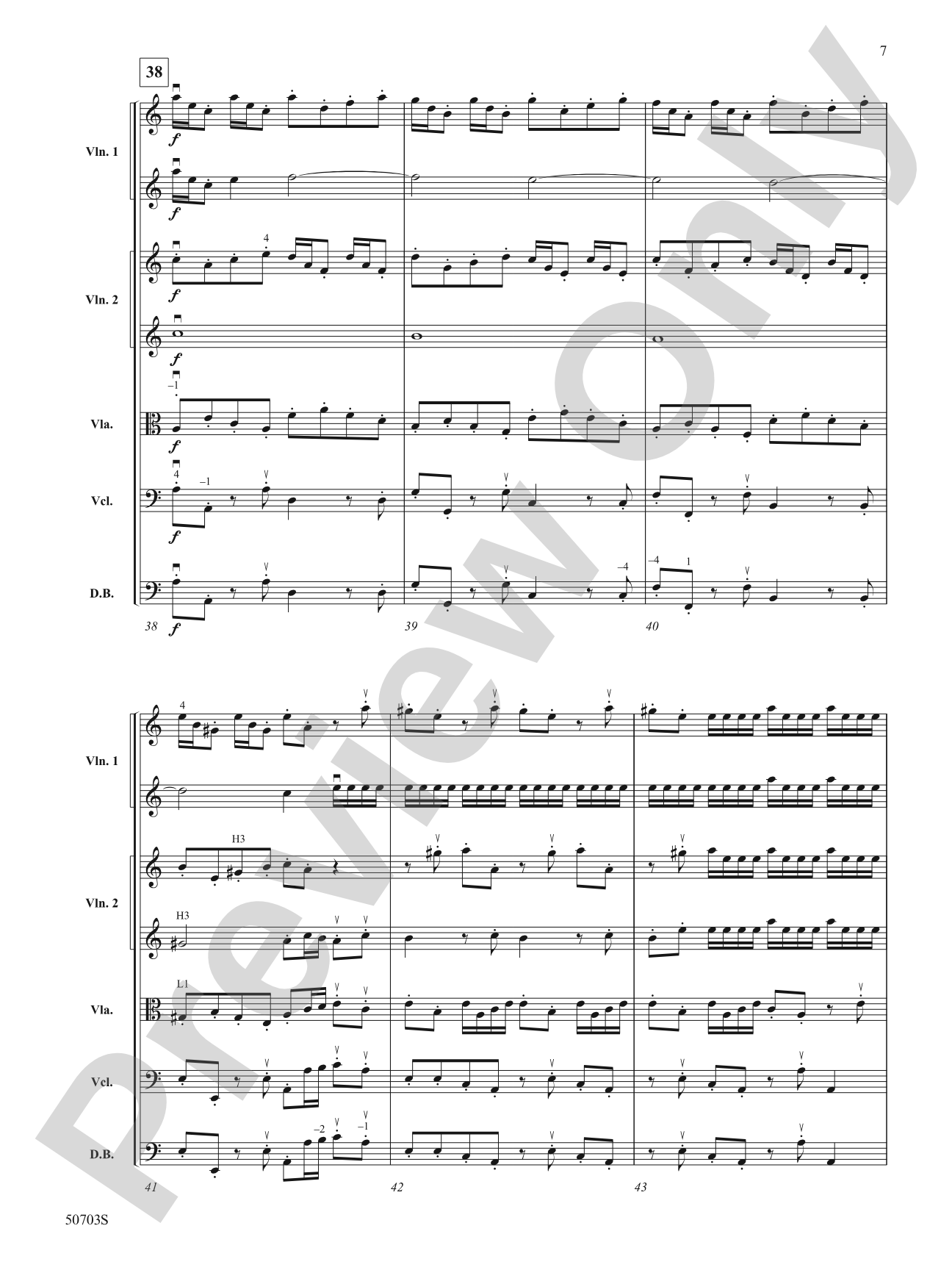
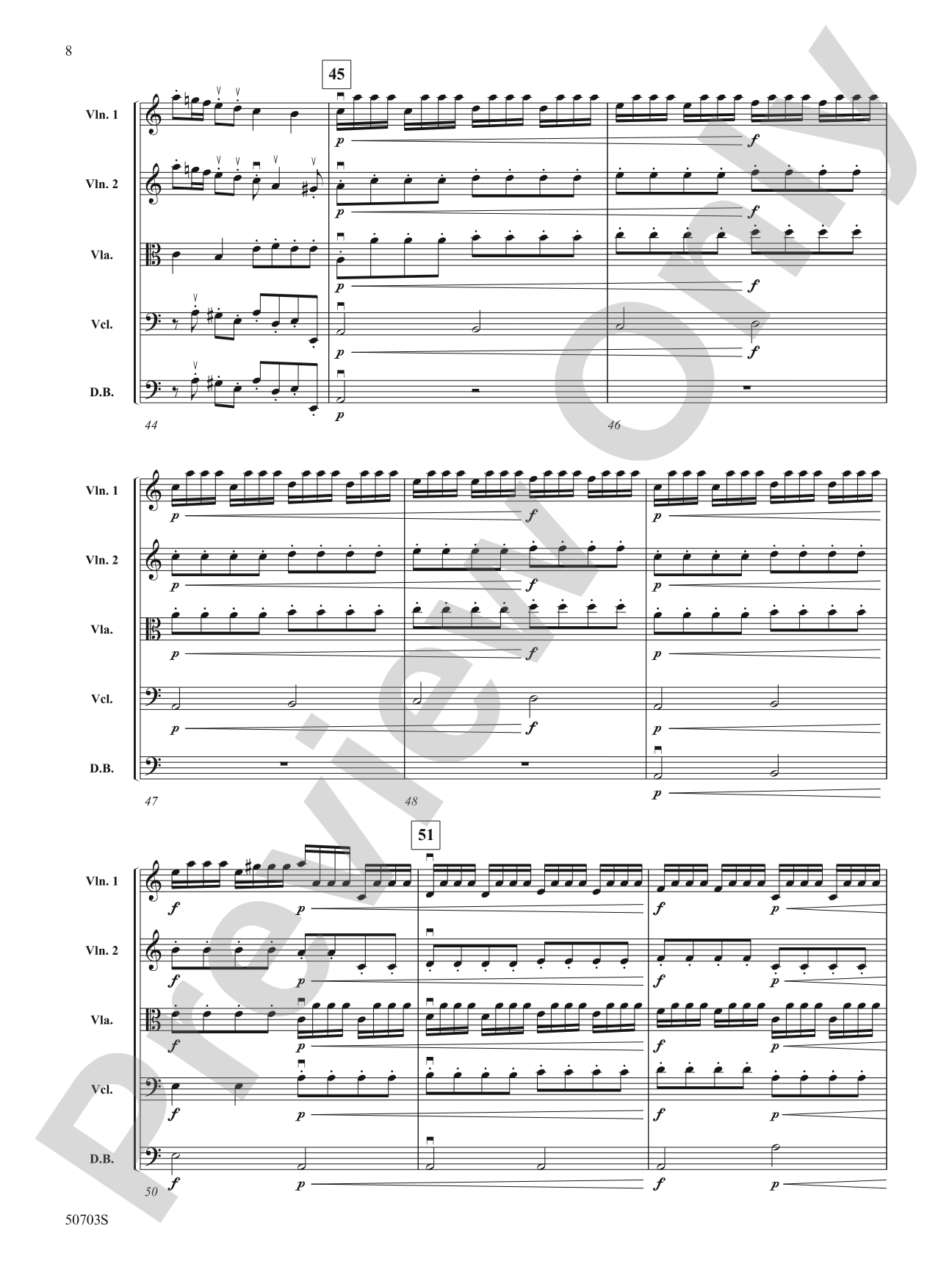
This faithful arrangement of Armonico (from Op. 3, No. 10) comes from Antonio Vivaldi's first set of published concertos. Capturing the spirit of the original, Todd Parrish offers this setting of the iconic first movement, displaying the power and focus that helped this piece stand out among other works of the same age. A rare and inspired adaptation. (2:40)


Armonico: String Orchestra Conductor Score & Parts isn't in MakeMusic Cloud just yet...but it could be. Let us know you'd like to see it, and you'll help shape what comes next. In the meantime, start a free trial and dive into thousands of interactive titles your students can play along with today.
Request This Title
Tell us you want it.
Start Your Free Trial
Explore everything that's ready to play right now.
Sample Audio
1
Audio File
--:--
0:00
0:00
Sample Video
Additional Details
Series:
MakeMusic Symphony Strings
Publisher:
MakeMusic Publications
SKU:
00-PK-0008834
More about this title
About the Composer: Antonio Vivaldi
Antonio Vivaldi (1678-1741) was a Venetian priest and virtuoso violinist who revolutionized the concerto form and became one of the most performed composers of the Baroque era. His prolific output—over 500 works including concertos, operas, and sacred music—established conventions that shaped instrumental music for generations. The Four Seasons remains his most recognizable work, yet his mastery extends across the entire concerto genre, where he perfected the ritornello principle and wrote with clarity and architectural precision.
Vivaldi's influence on music education endures because his writing is both technically rewarding and structurally transparent. His music teaches performers about phrase architecture, rhythmic clarity, and the dialogue between soloist and ensemble. For student orchestras, his concertos offer direct access to Baroque harmonic language and the satisfaction of playing genuinely great music at an achievable level.
Why we love this
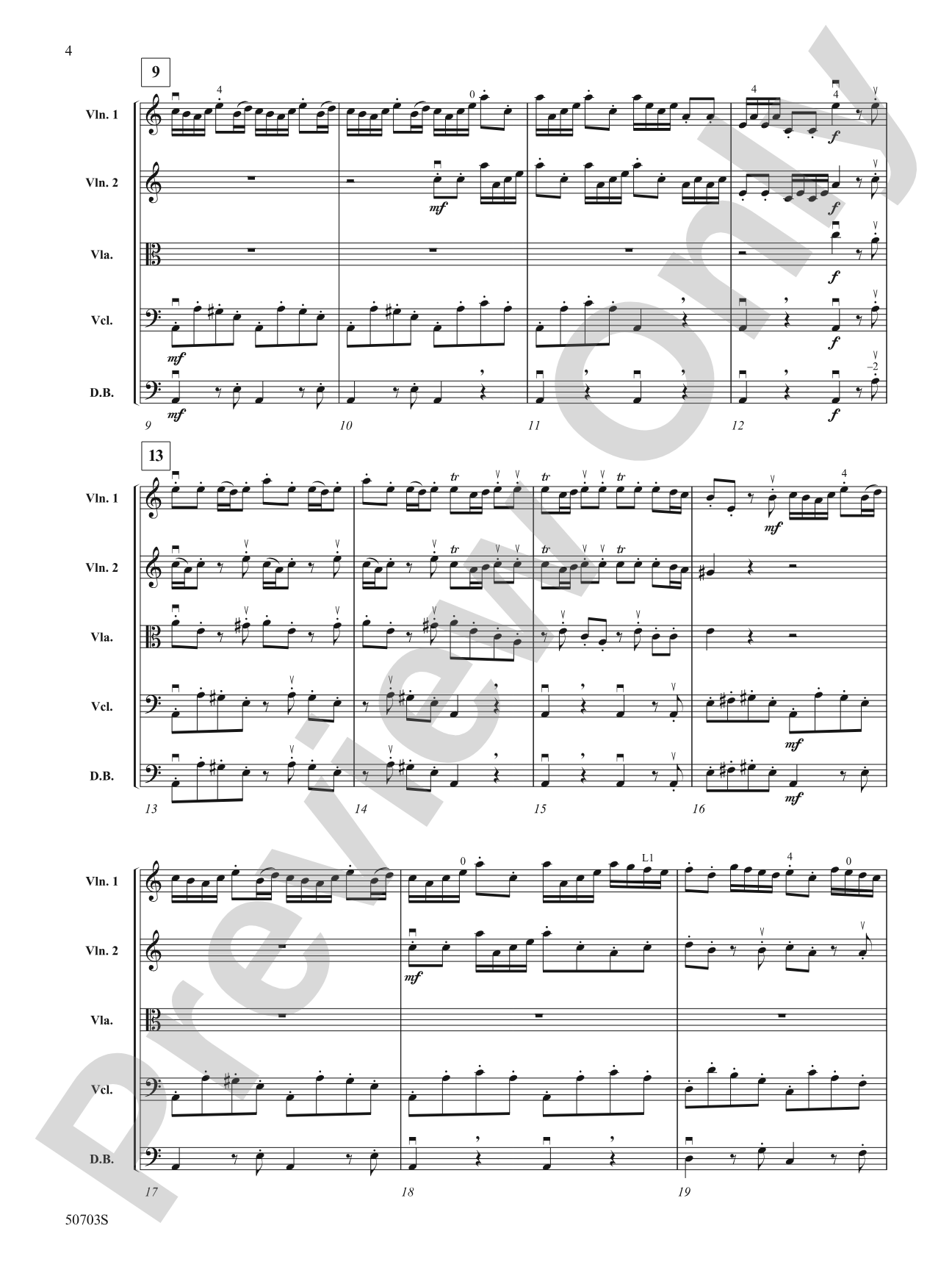
Todd Parrish's arrangement captures the propulsive energy of this Op. 3 concerto while keeping the string writing idiomatic and accessible for Grade 3 ensembles. The arrangement respects Vivaldi's architectural clarity; what makes the original compelling remains intact, and students play recognizable material from a published masterwork rather than a generic exercise.
What to expect
Bright and propulsive, with the restless energy characteristic of Vivaldi's fast movements. The string textures sparkle with Baroque clarity, and the emotional directness of the writing gives performers the joy of playing something that feels both substantial and playable.
Who it's for
String orchestras at the Grade 3 level who are ready to tackle a work of genuine historical significance without needing to tackle the full original. This arrangement also suits ensembles preparing for festival or contest competition, as the piece is recognizable to adjudicators and performers alike.
How to get the most out of it
- Establish the driving rhythm in the opening ritornello without rushing; the pulse should feel inevitable rather than hurried, giving shape to the quick note values that follow.
- Balance the dialogue between tutti and reduced textures. Vivaldi designed moments where the full ensemble steps back; these quieter sections should feel like genuine musical breathing, not accidental drops in volume.
- Pay attention to the first and second violin counterpoint in passages where they diverge. Clarity here elevates the whole ensemble and shows students how independent lines create richness.
How to use it
Program this as a centerpiece on a concert featuring Baroque or Italian repertoire, or use it as a bridge to a thematic program exploring the concerto as a form. At 2 minutes 40 seconds, it fits comfortably as a standalone work or as an opening piece that establishes energy and period style before moving into later repertoire.
Skills your students will build
- Baroque phrase architecture and ritornello form
- Balance between independent string lines and unified ensemble sound
- Rhythmic precision in quick note patterns characteristic of Baroque writing
- Leadership and ensemble awareness as concerto dialogue shifts between tutti and reduced sections