

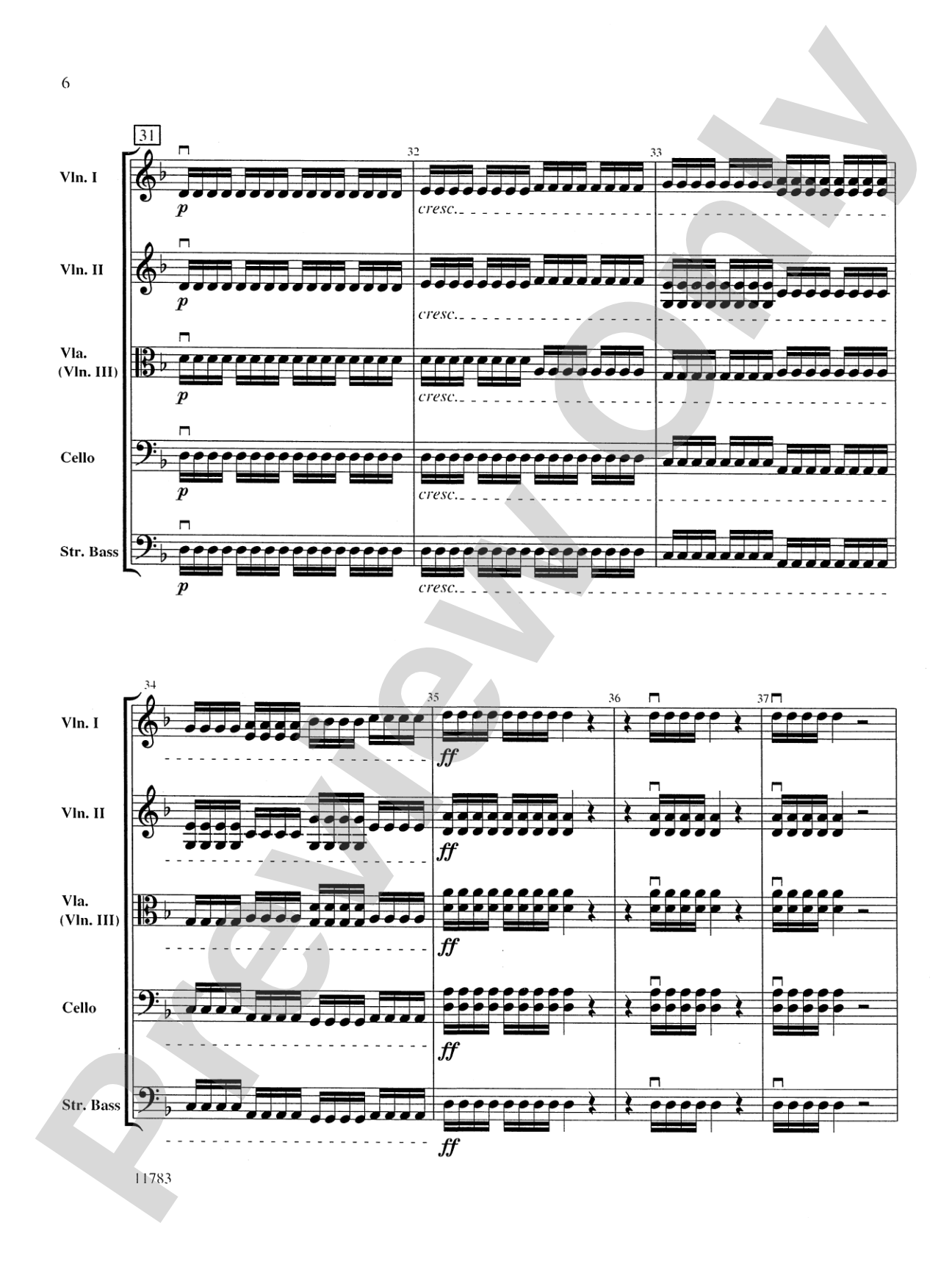
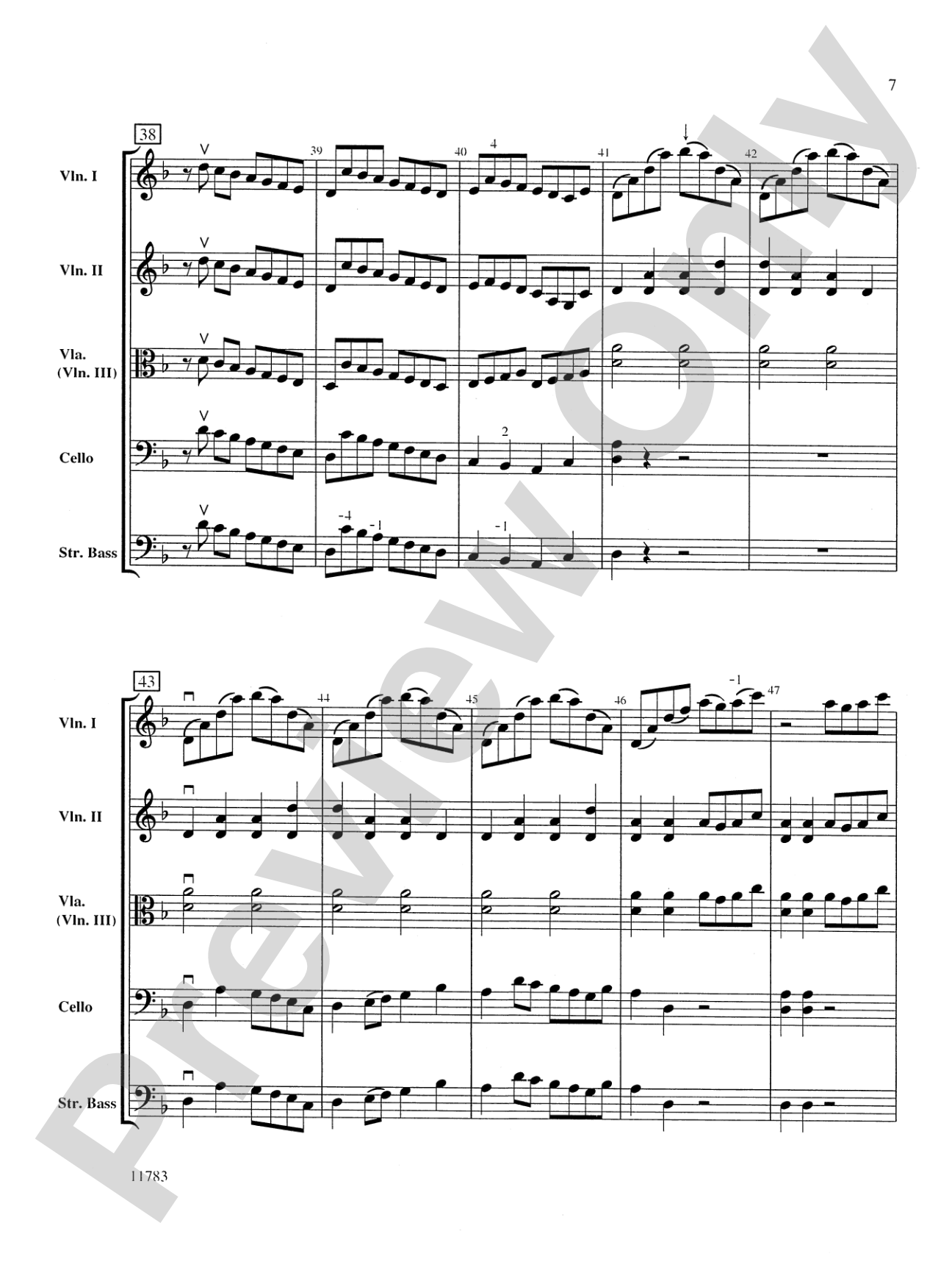
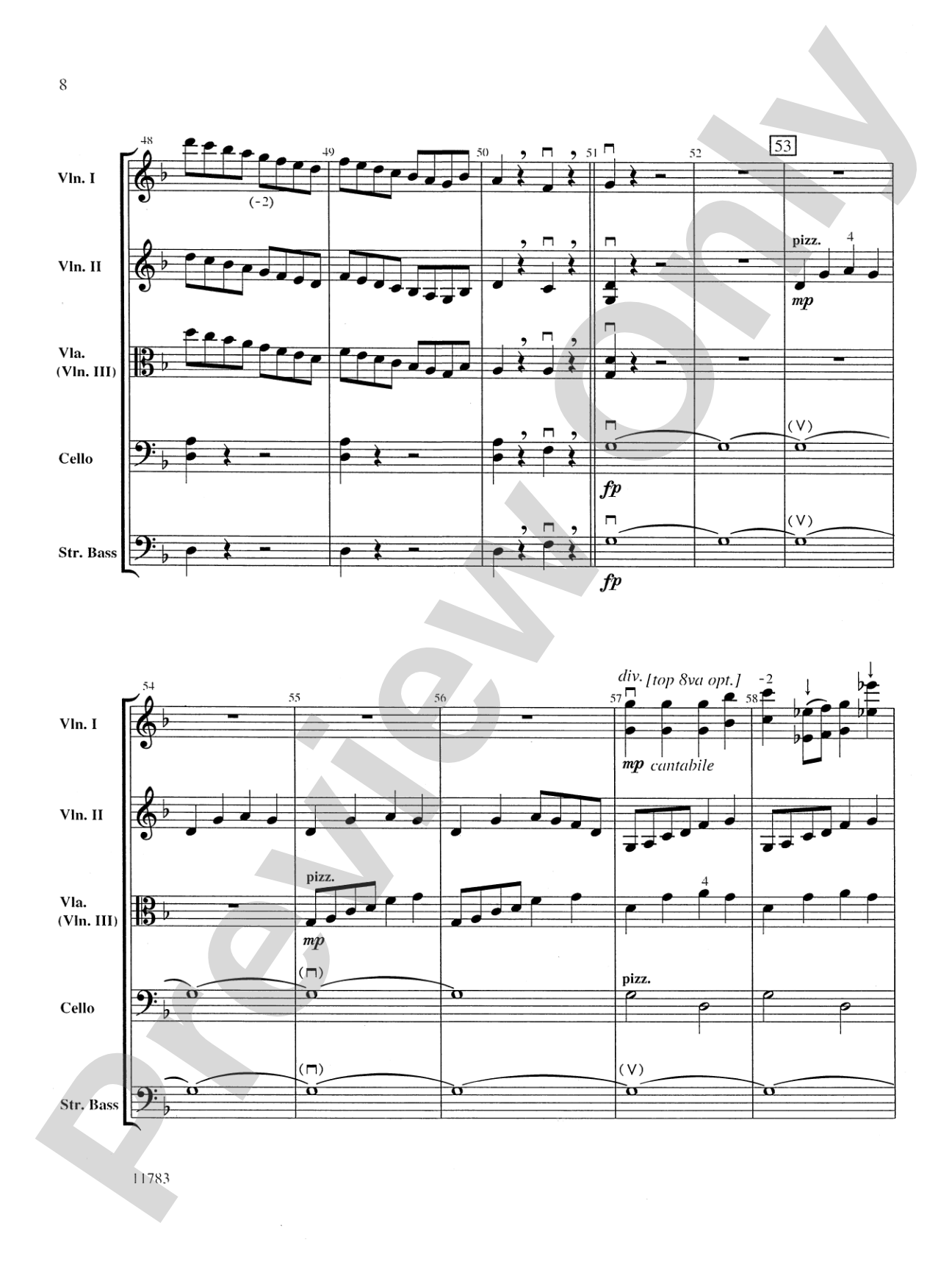
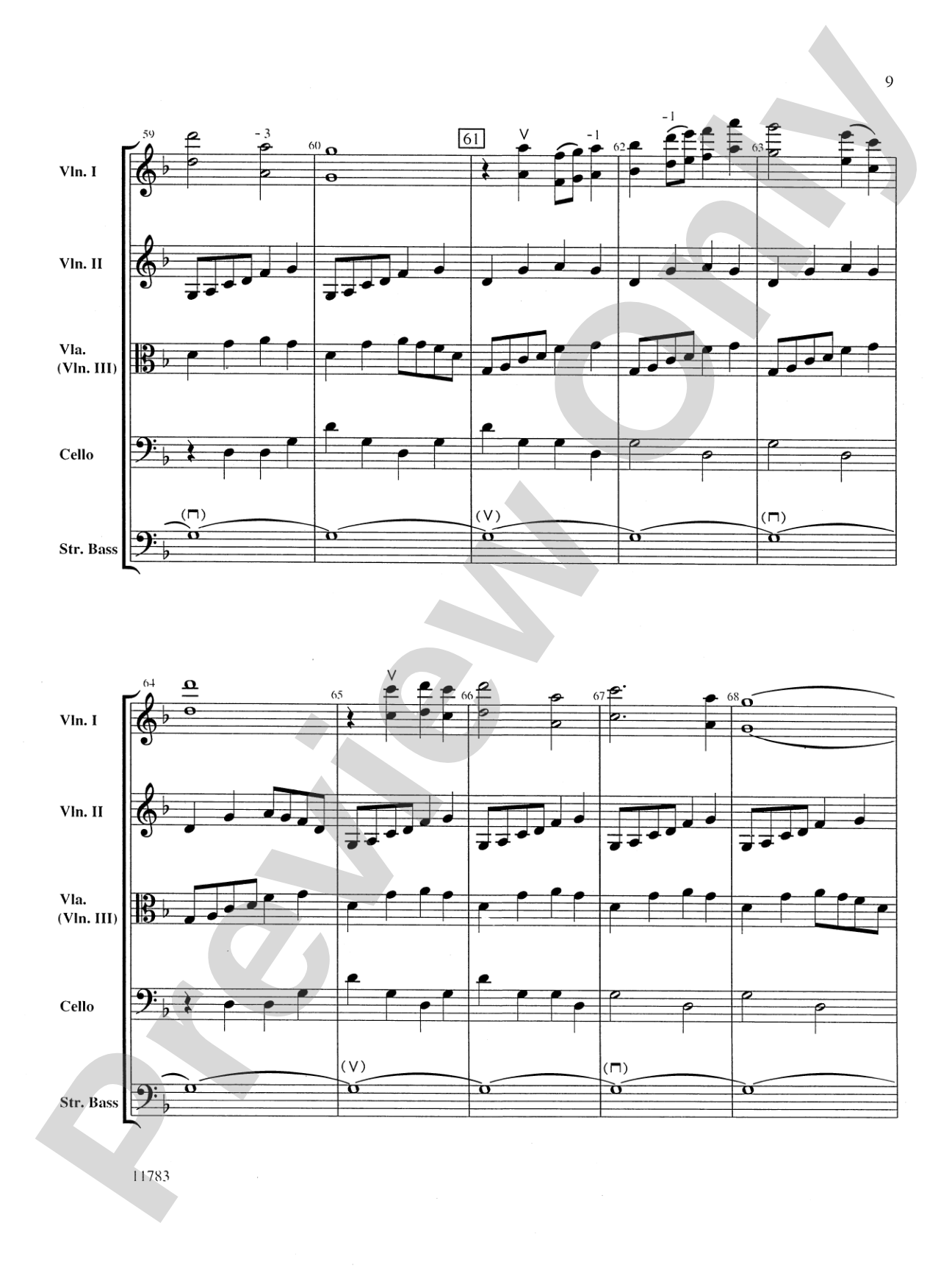
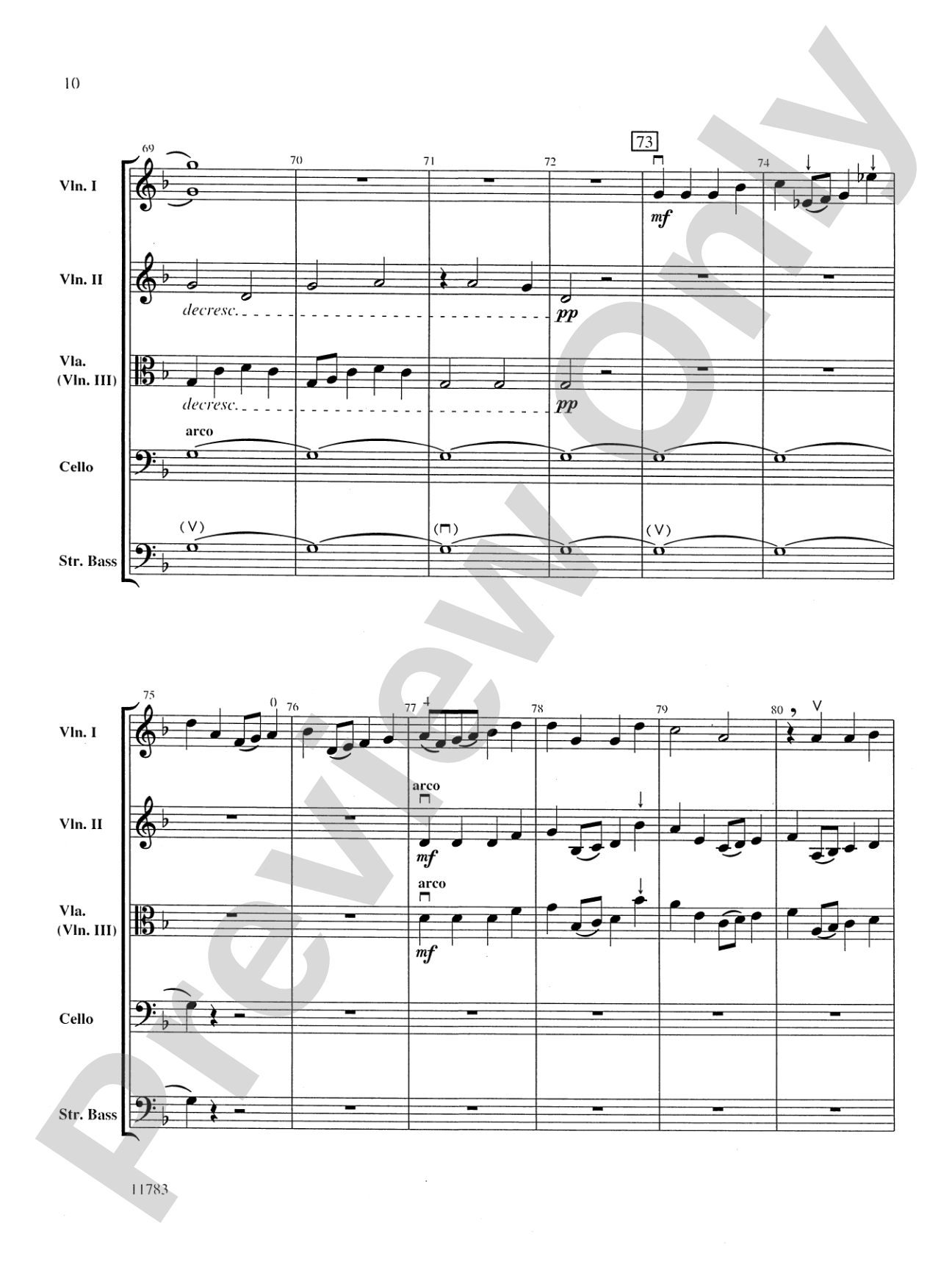
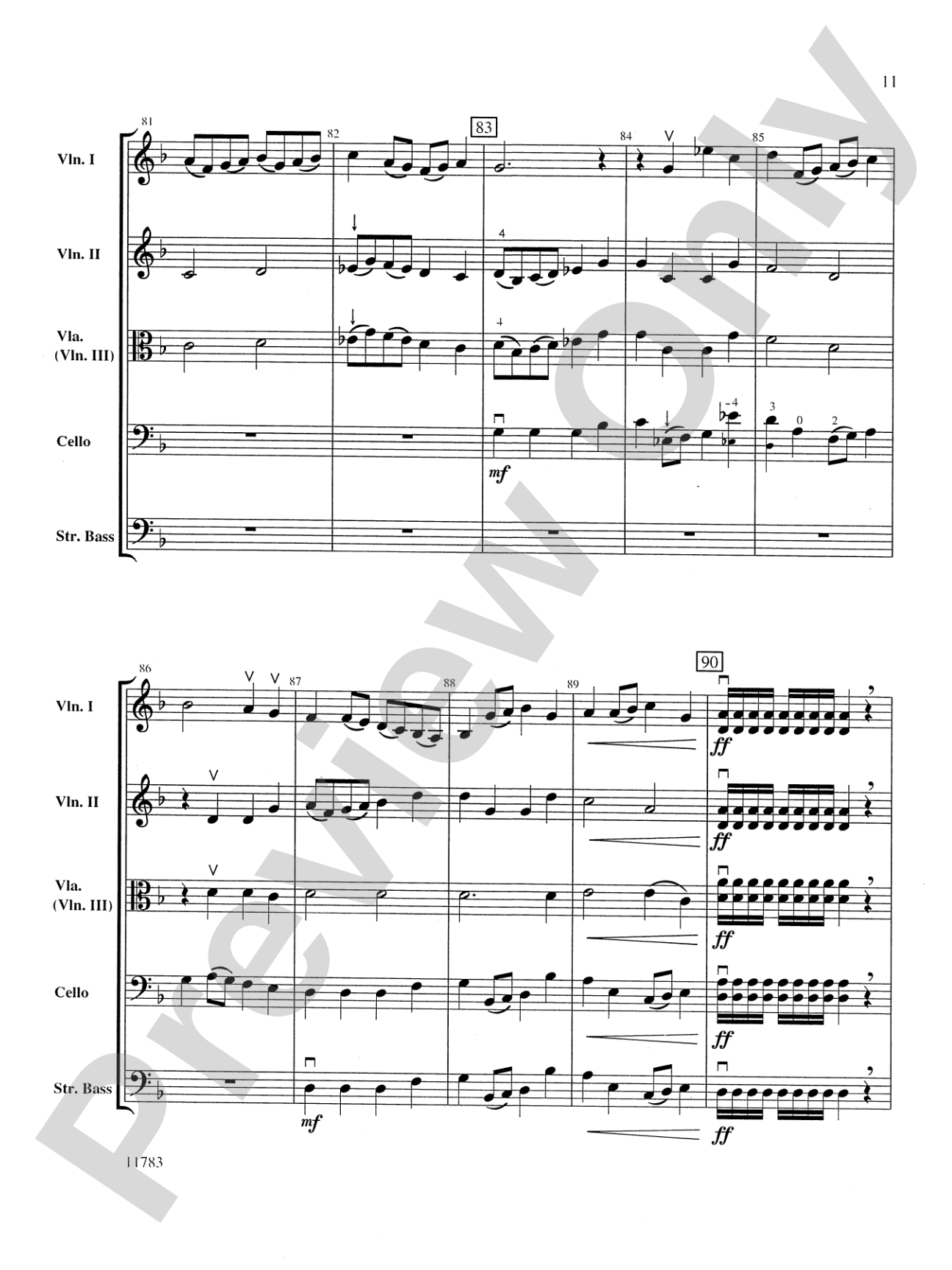
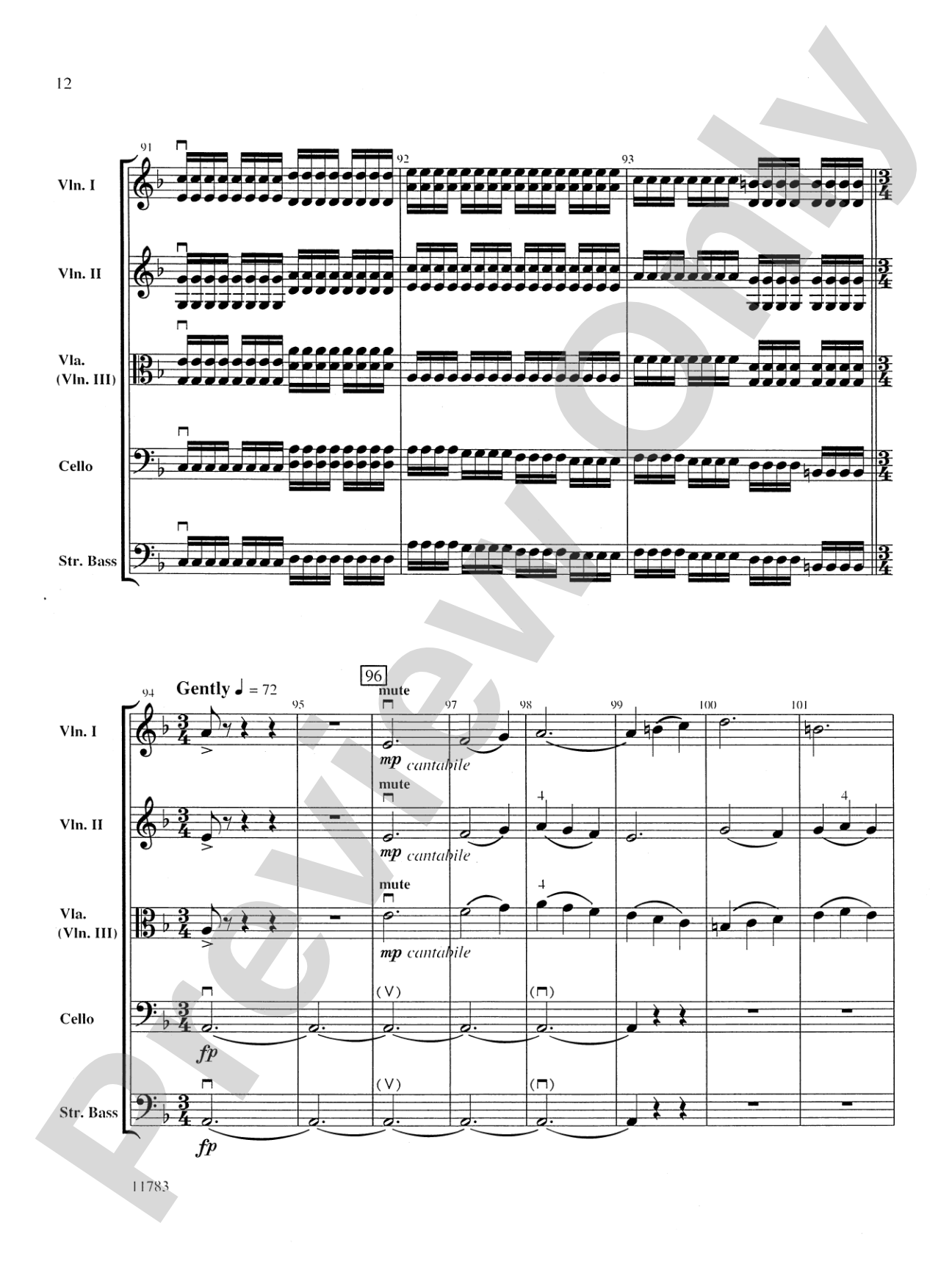
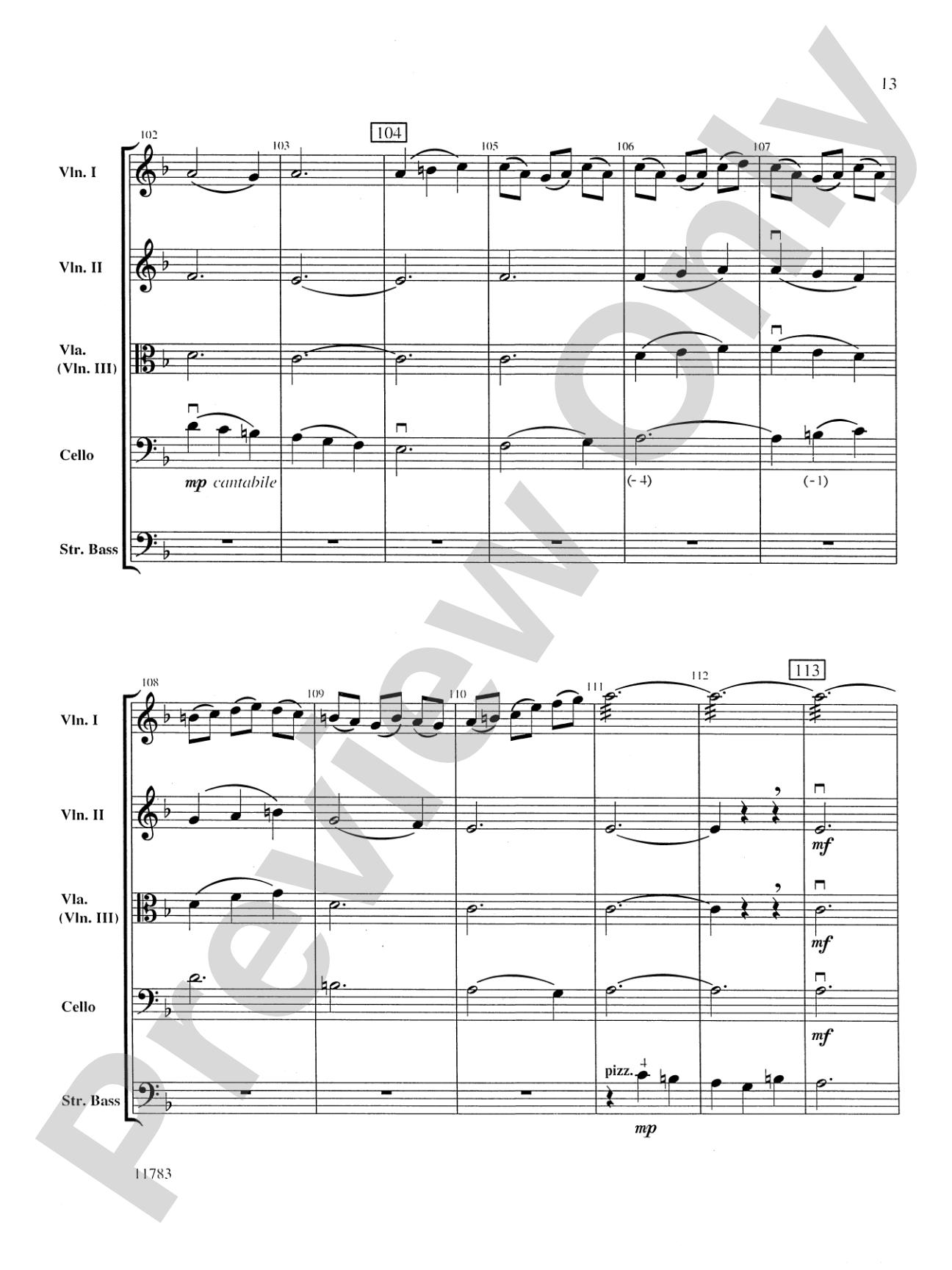
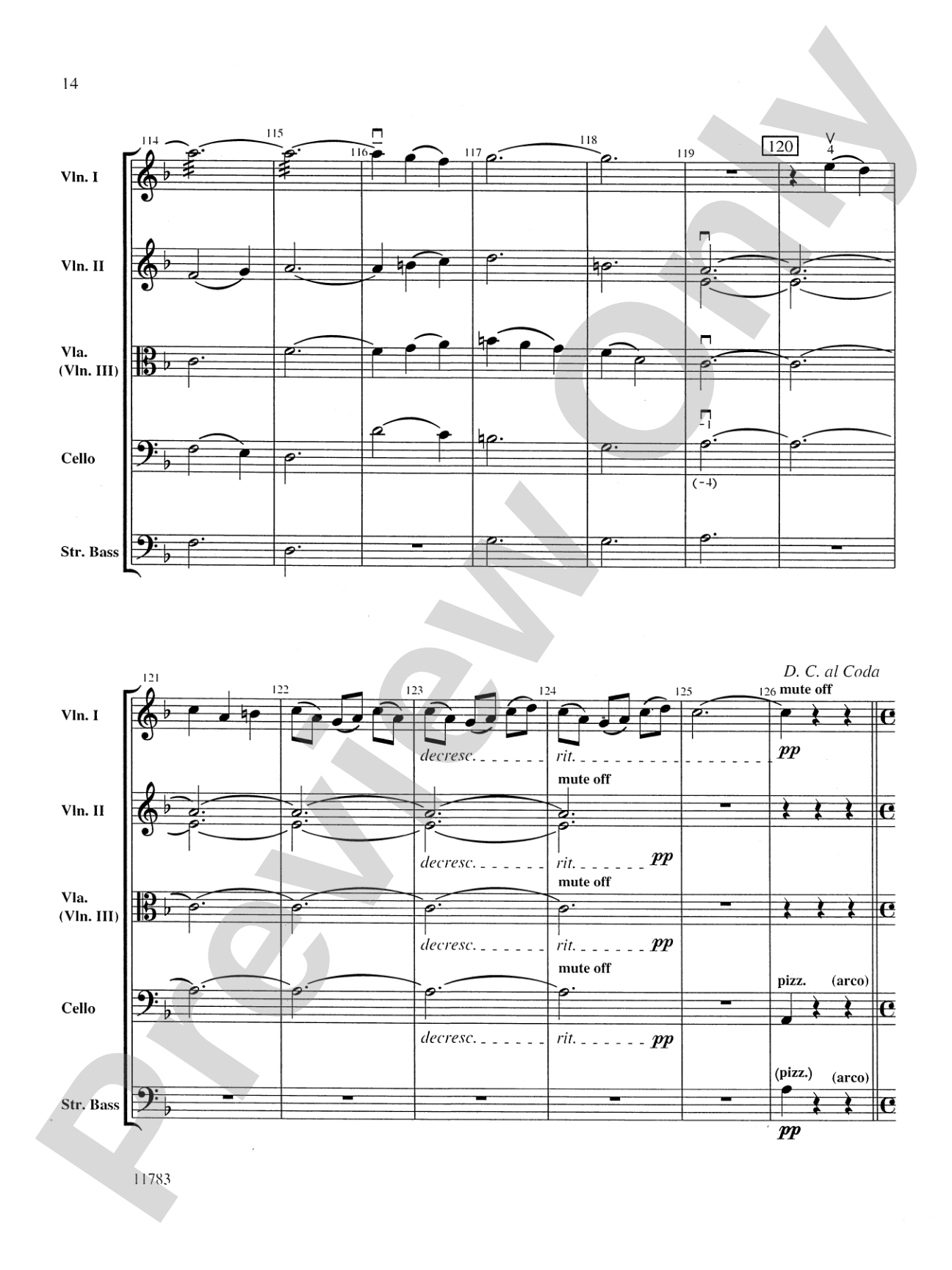
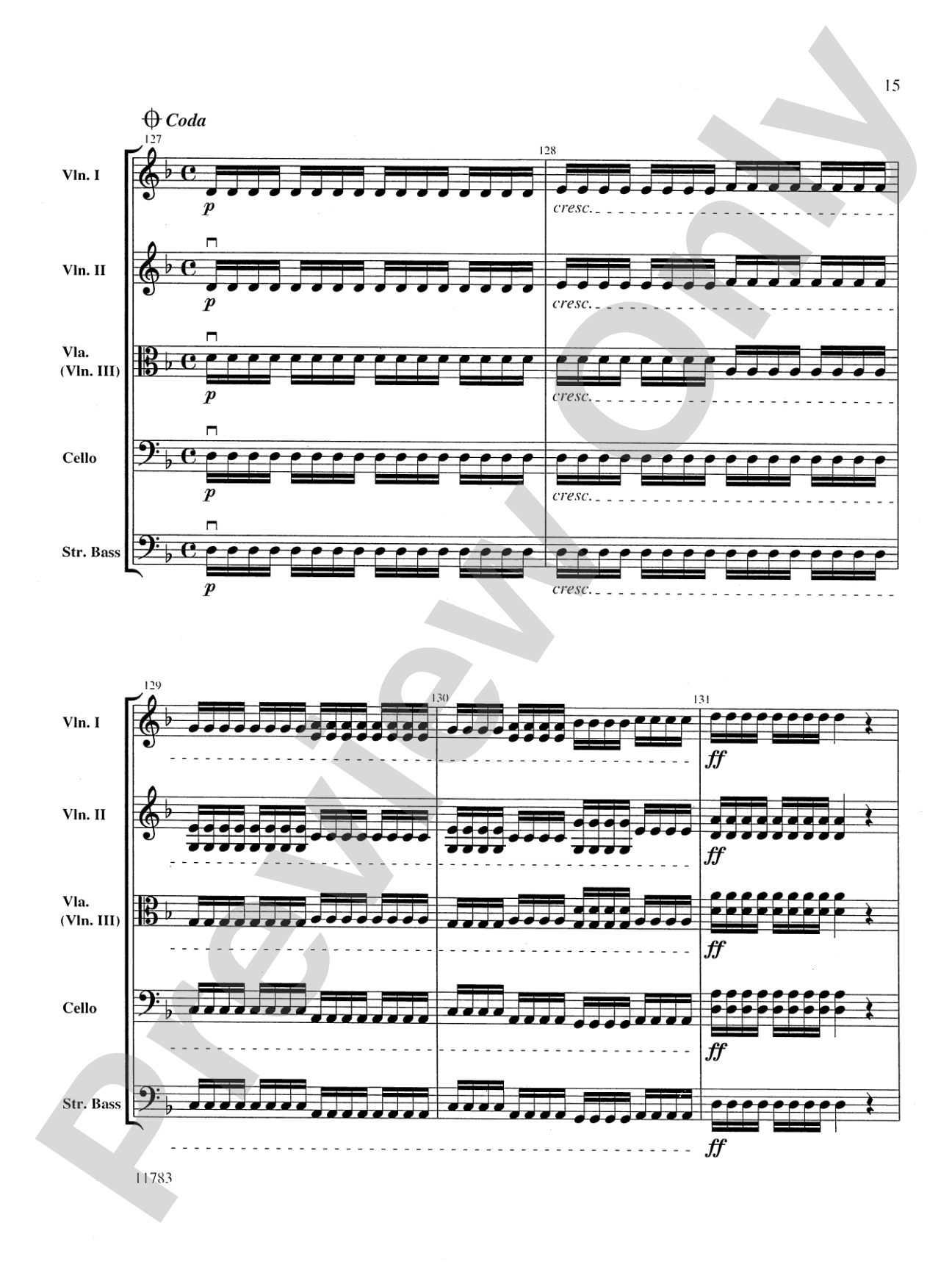
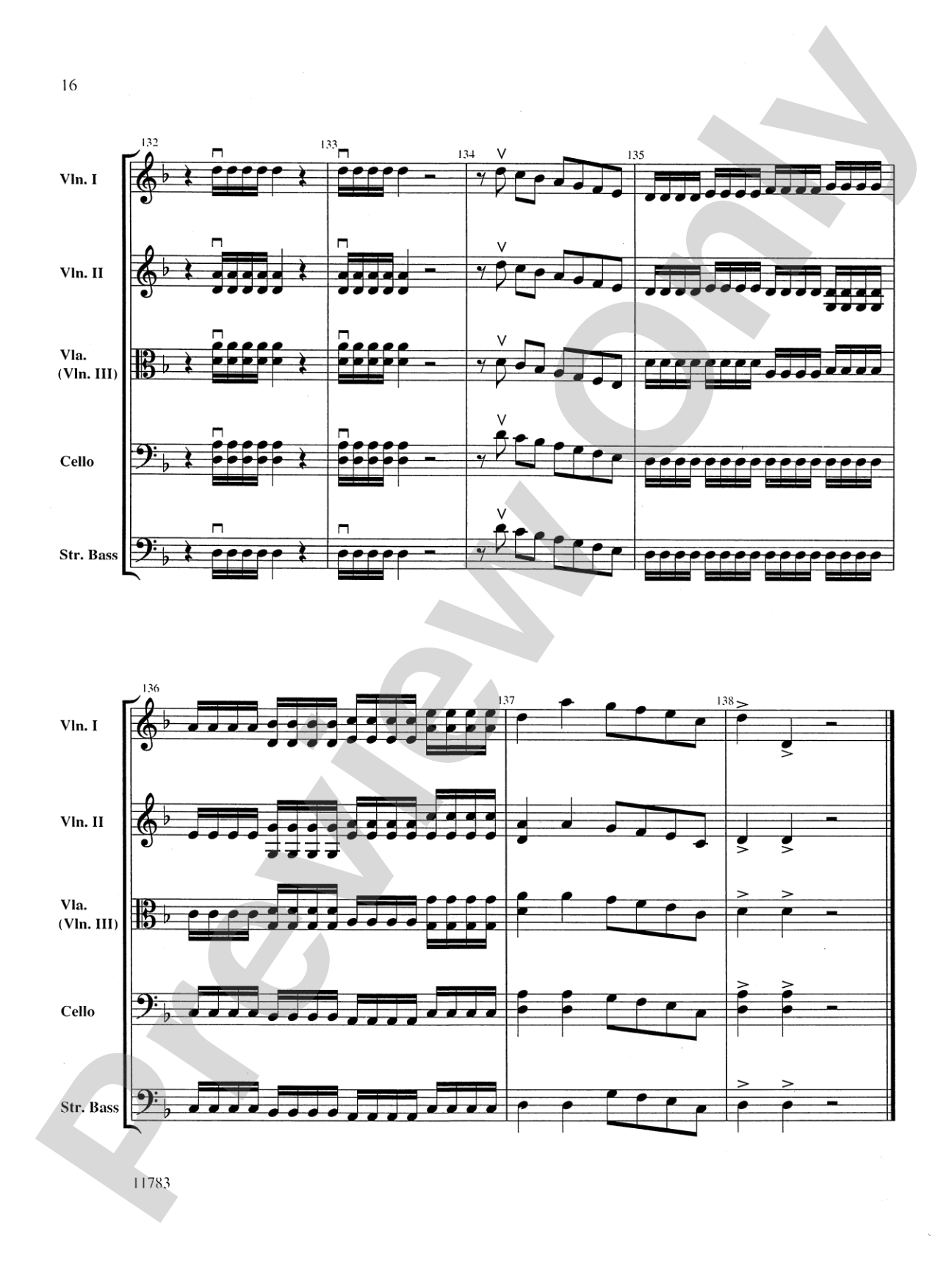

Arlington Sketches: Score
Arr. Elliot Del Borgo
Grade: 3
Item: 00-PR-0000024
$9.00
Pickup currently not available
Description
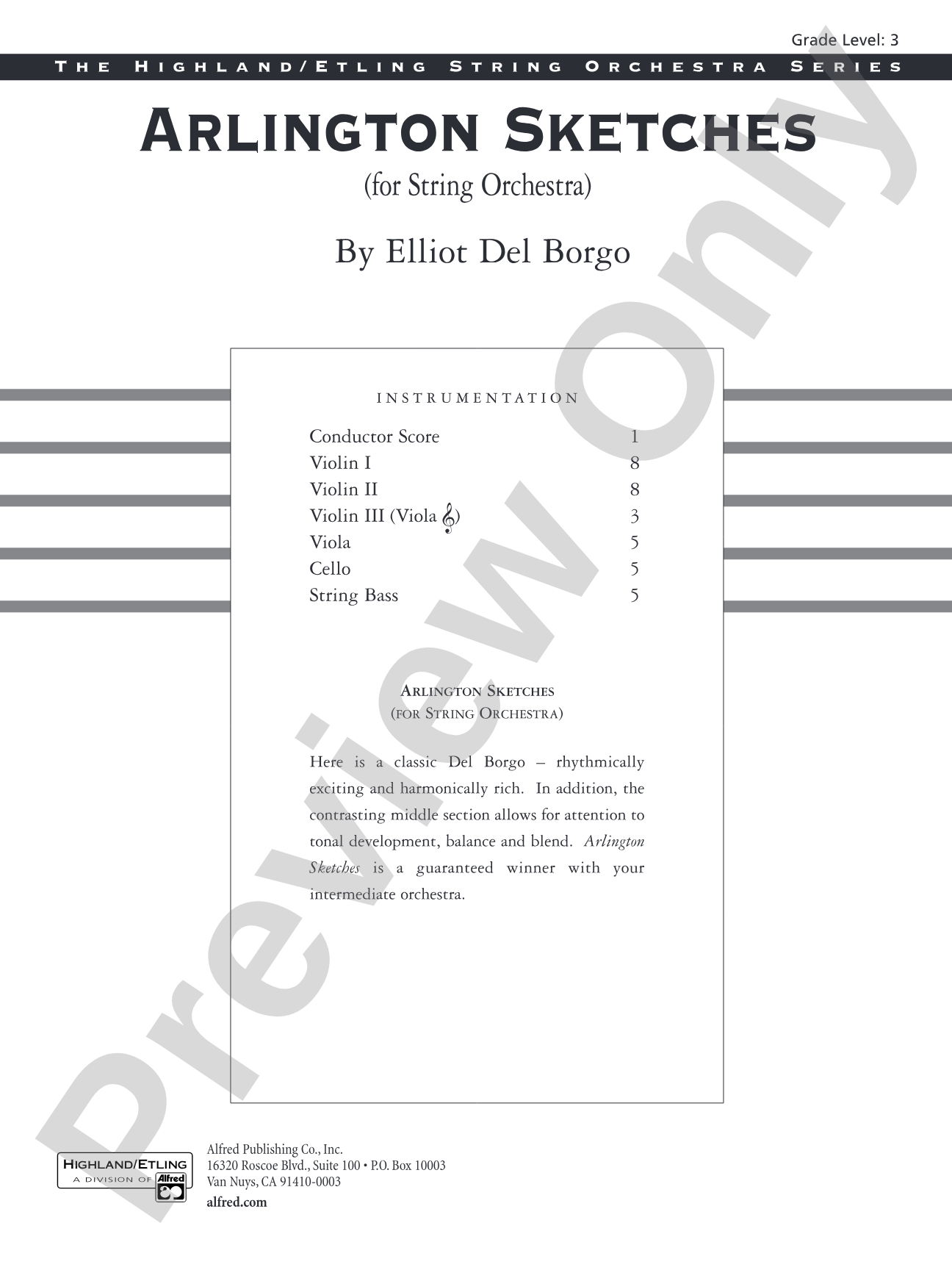
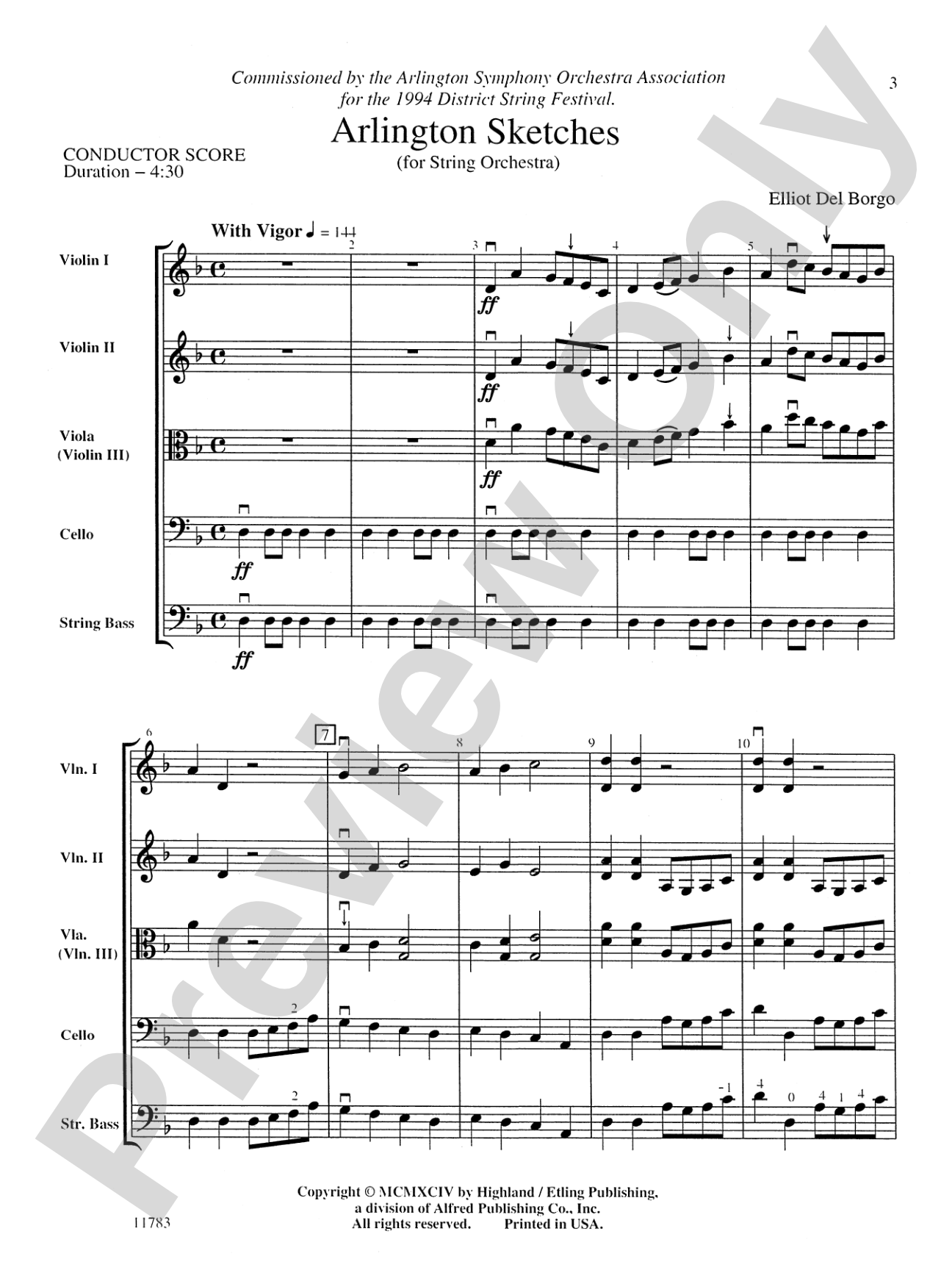
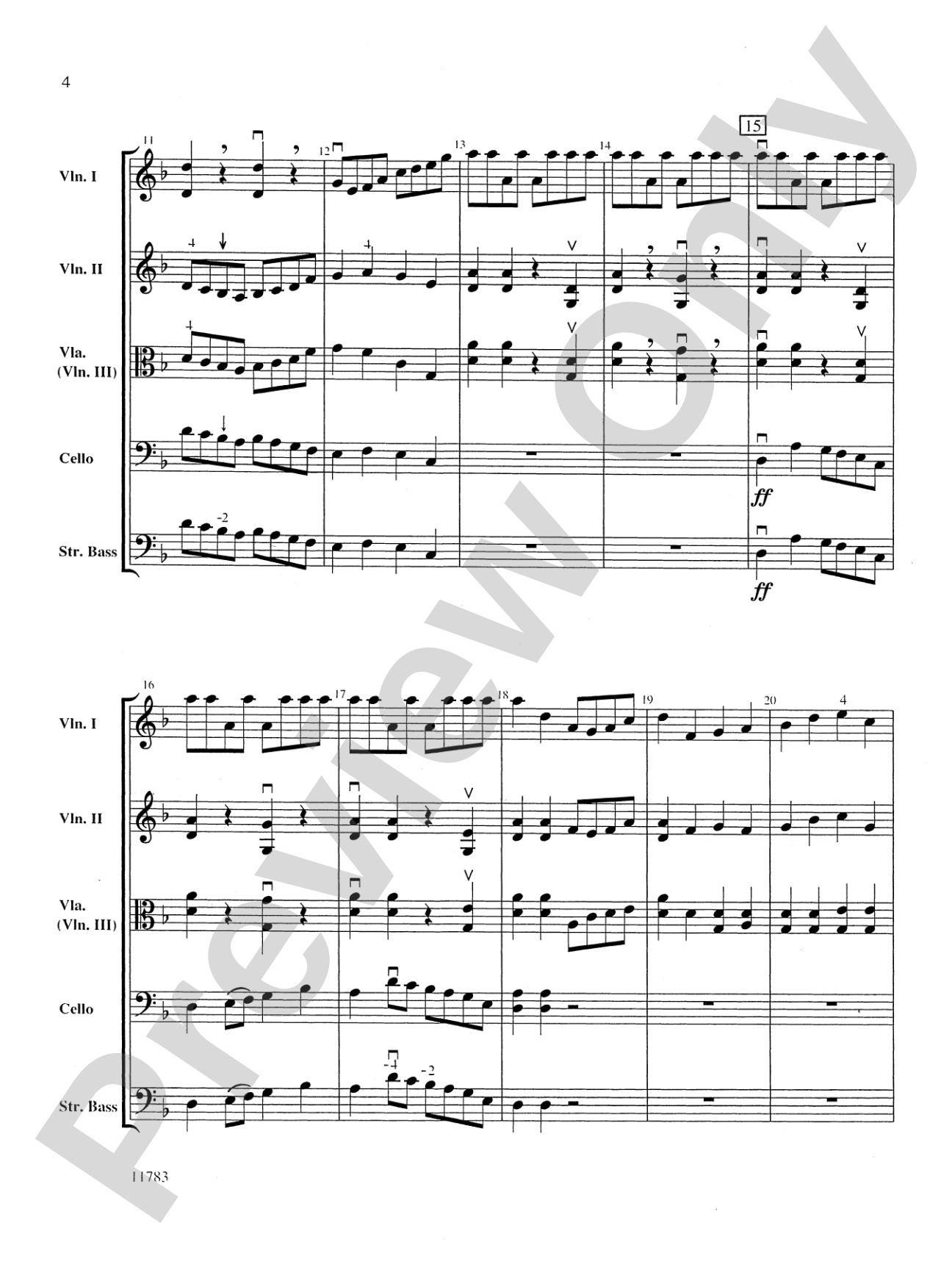
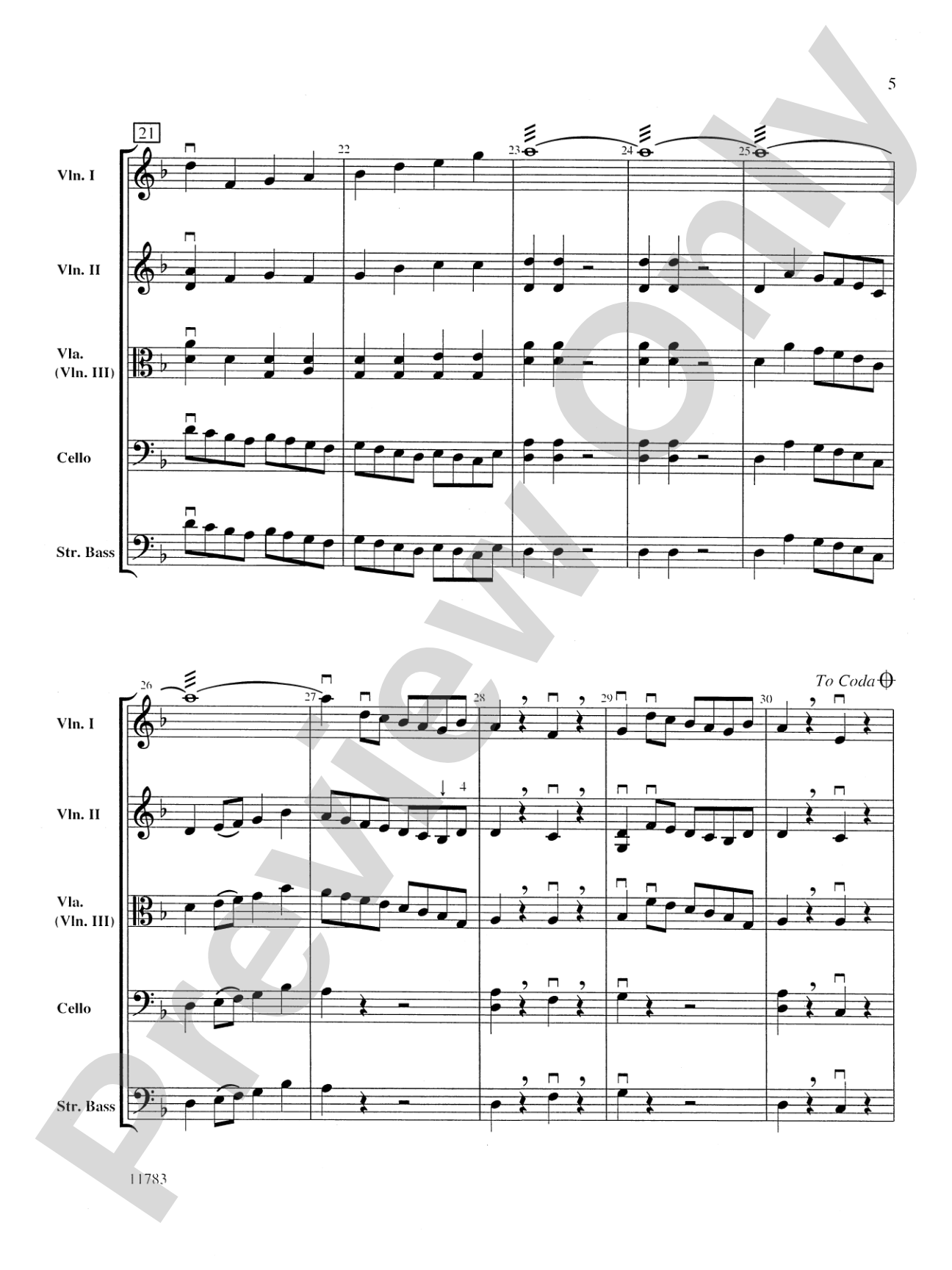
Here is a classic Del Borgo piece-rhythmically exciting and harmonically rich. In addition, the contrasting middle section allows for attention to tonal development, balance and blend. Arlington Sketches is a guaranteed winner with your intermediate orchestra. This title is available in MakeMusic Cloud.


Don't just read it, hear it, play along with it, and watch your students grow with it. In MakeMusic Cloud, Arlington Sketches: Score comes alive with professional accompaniment, adjustable tempo, and built-in practice tools that turn solo practice into real progress.
Open in the Player
Jump straight in and assign it today.
Start Your Free Trial
Open this title and explore the full library in minutes.
Sample Audio
1
Audio File
--:--
0:00
0:00
Sample Video
Additional Details
Series:
Highland/Etling String Orchestra
Publisher:
Alfred Music
Page Count:
136
SKU:
00-PR-0000024
More about this title
About the Arranger: Elliot Del Borgo
Elliot Del Borgo is a prolific composer and arranger whose work has become a cornerstone of school orchestra repertoire. His scores balance accessibility with musical substance, demanding careful attention to intonation and ensemble balance while remaining playable by developing musicians.
Del Borgo's arrangements and original compositions for strings have earned their place in countless festival programs and concert seasons. Directors consistently return to his catalog because his writing respects both the capabilities and the ambitions of intermediate ensembles.
Why we love this
Del Borgo's harmonic language gives this piece real sophistication without sacrificing playability. The central slow section does exactly what you need it to do: it isolates the ensemble's sound quality and forces honest conversation about balance and intonation, while the outer sections keep energy high enough that students stay engaged through rehearsal.
What to expect
Energetic and purposeful in the outer sections, with sharp rhythmic edges and forward momentum. The middle unfolds like a study in color and resonance; it asks listeners to sit quietly with the orchestra's sound rather than be swept up in activity.
Who it's for
Intermediate string orchestras ready to handle harmonic density and tonal control. This works for the ensemble that has solid fundamentals and can sustain a musical line without constant direction from the podium.
How to get the most out of it
- Balance the divisi carefully in the middle section; excessive vibrato from the first violins will mask the inner voices. Clear the texture so the cello and viola lines land distinctly.
- Establish the rhythmic profile early. The outer sections have steady momentum, so lock the pulse with your string section before worrying about dynamic shape.
- Mark the tonal center shifts in rehearsal and ask students to hear them as harmonic destinations, not random chord changes. This sharpens intonation considerably.
- Record a run-through mid-rehearsal process and play it back. Listening trains the ear faster than repeated repetitions at half-tempo.
How to use it
Program this as a concert opener or as the closing piece of a set where you want to leave the audience with serious musicmaking rather than adrenaline. It also reads well on festivals and contest programs where judges appreciate writing that challenges the ensemble's blend and intonation sense.
Skills your students will build
- Balancing independent harmonic lines within divisi passages
- Sustaining tone with tonal accuracy in slow, exposed textures
- Controlling rhythmic precision in syncopated figures
- Responding to subtle dynamic and tonal shifts as an ensemble
- Maintaining ensemble cohesion across multiple sections and tempo zones