
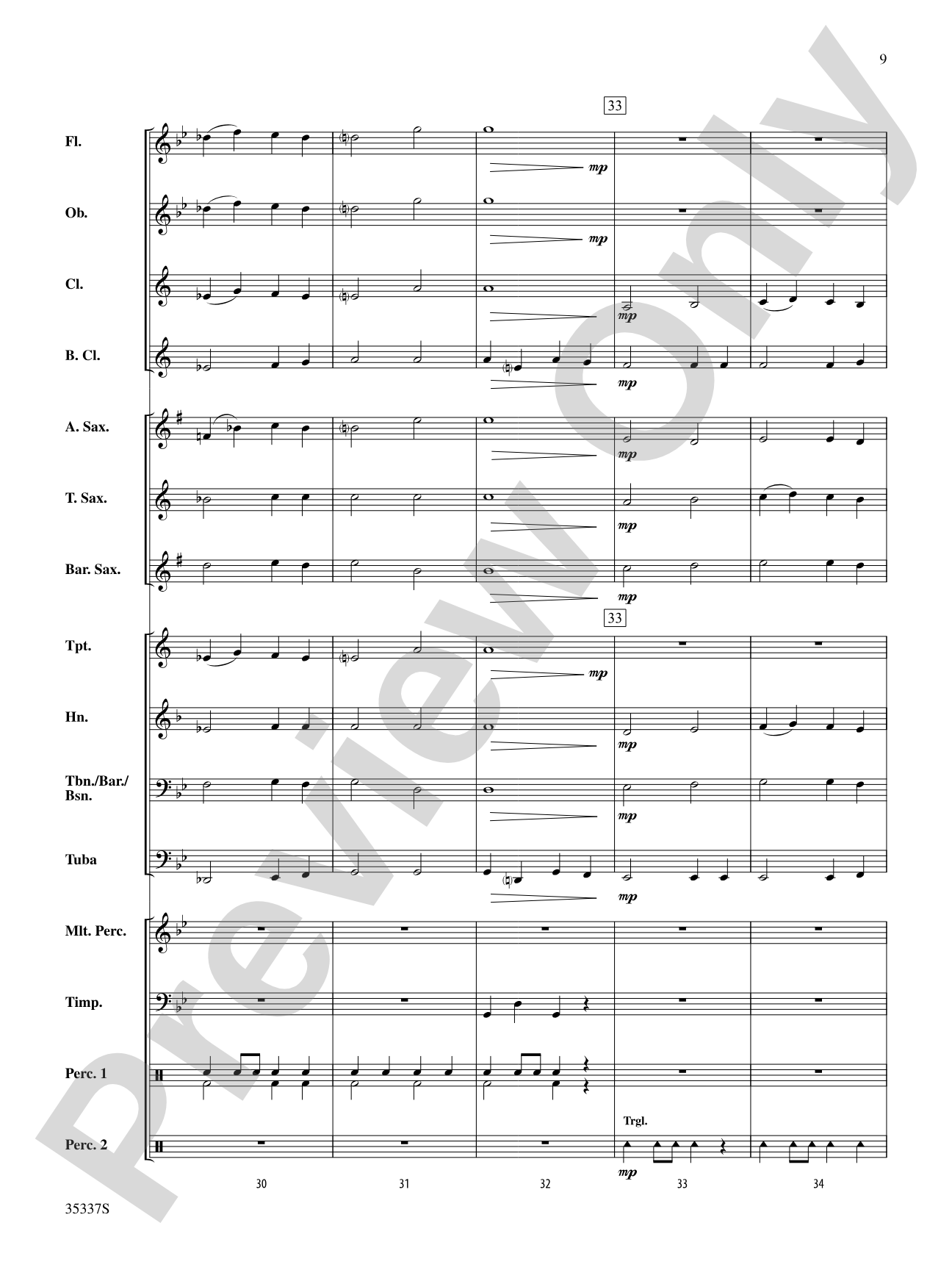
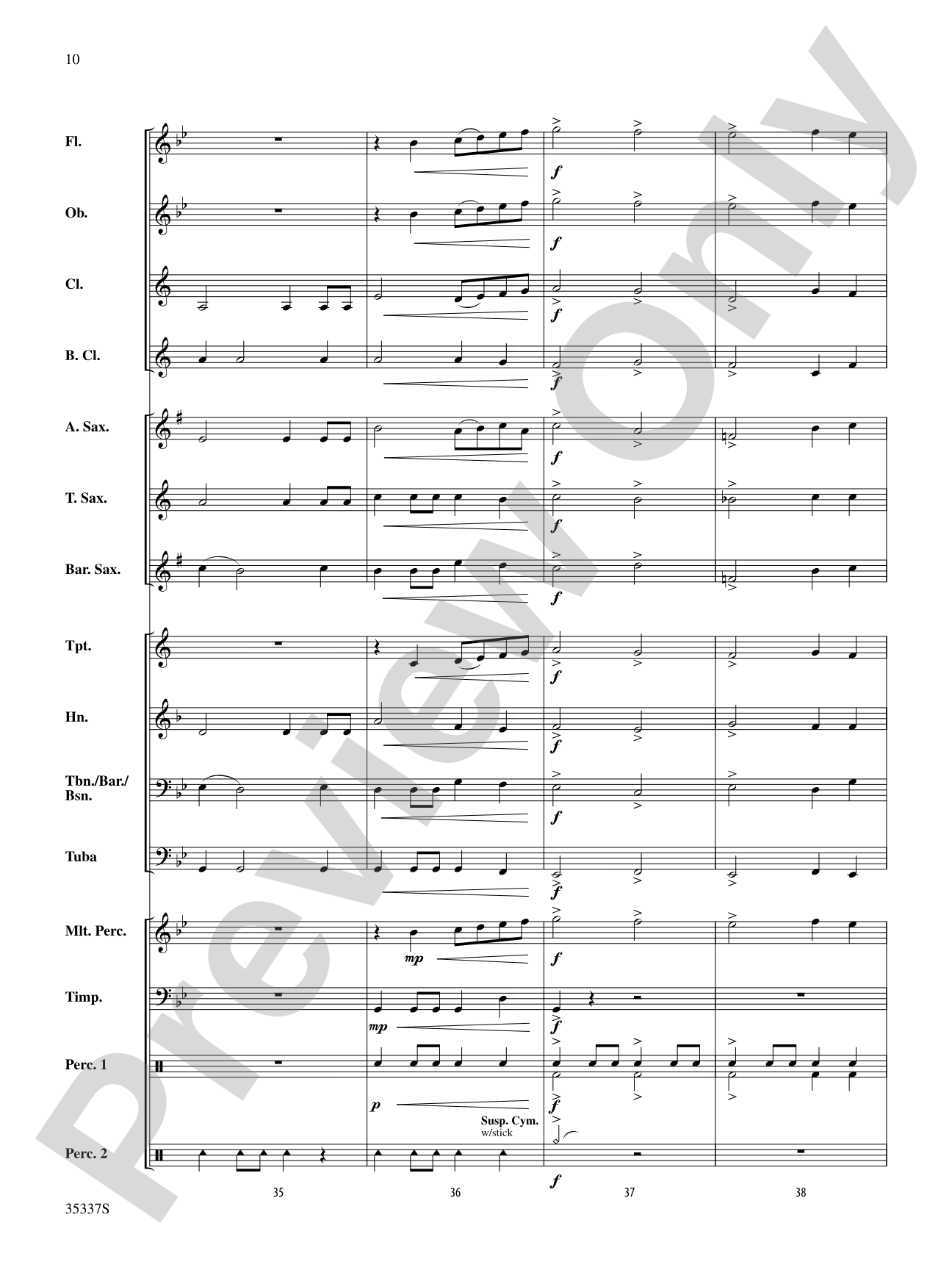
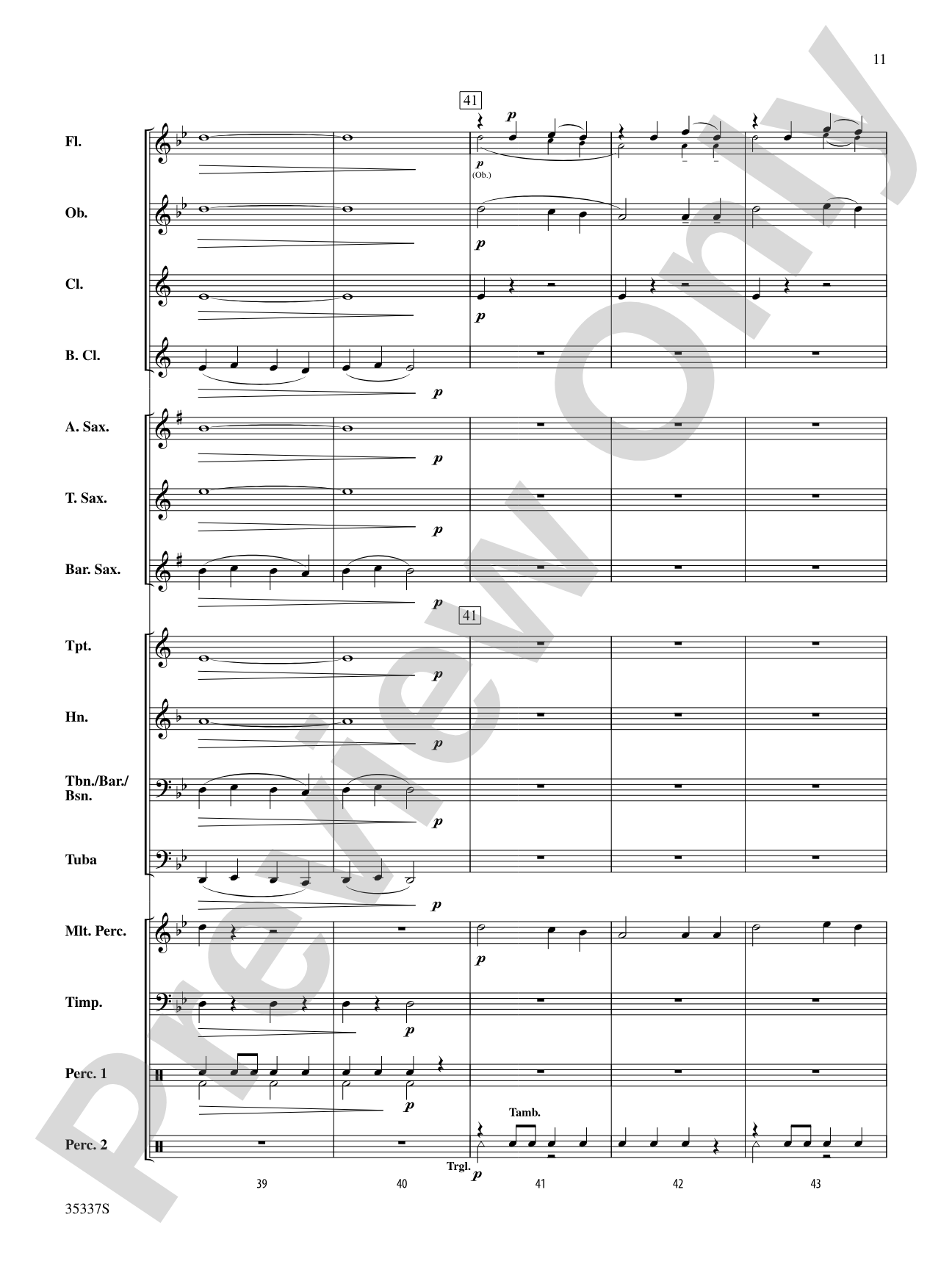
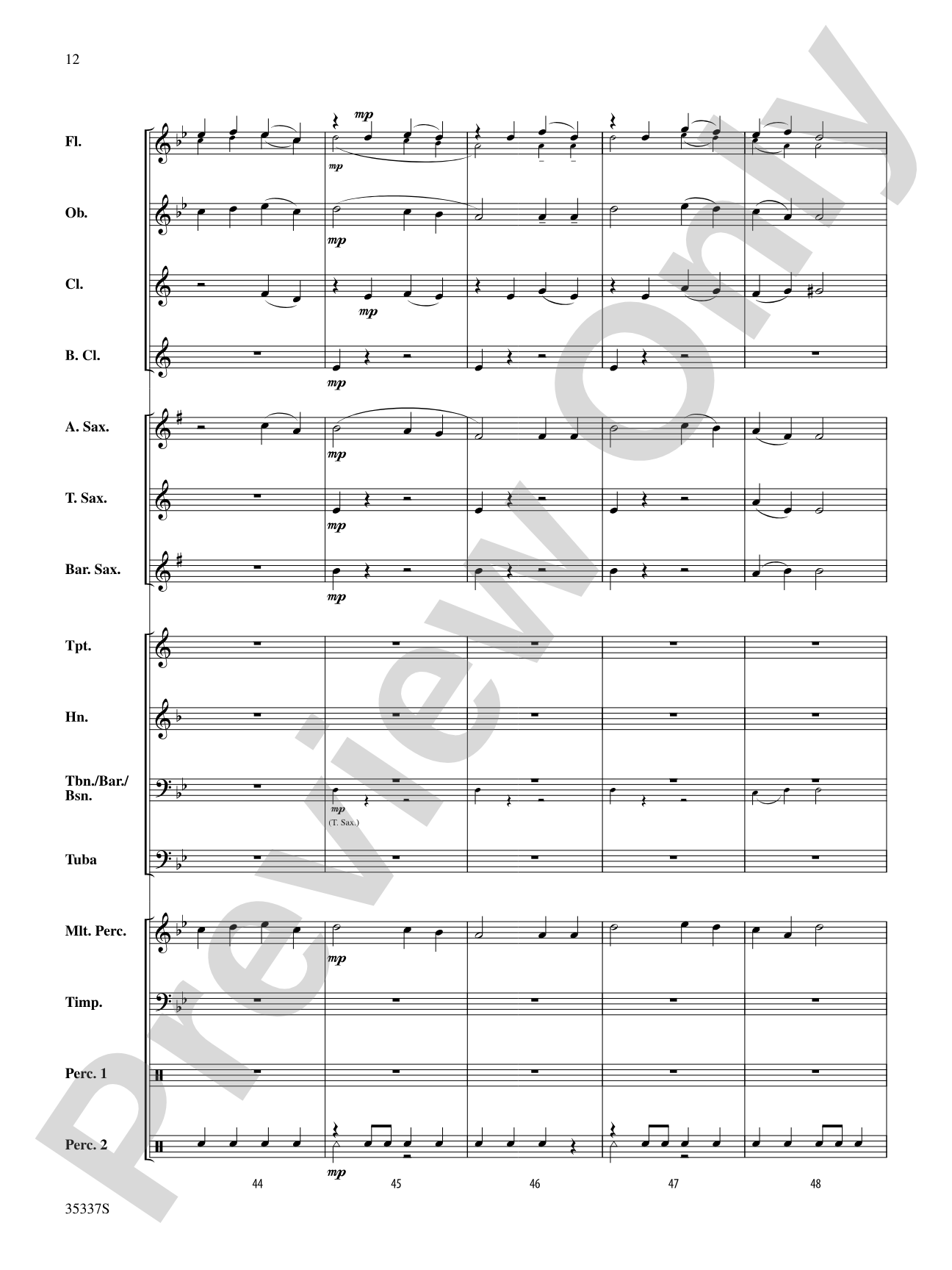
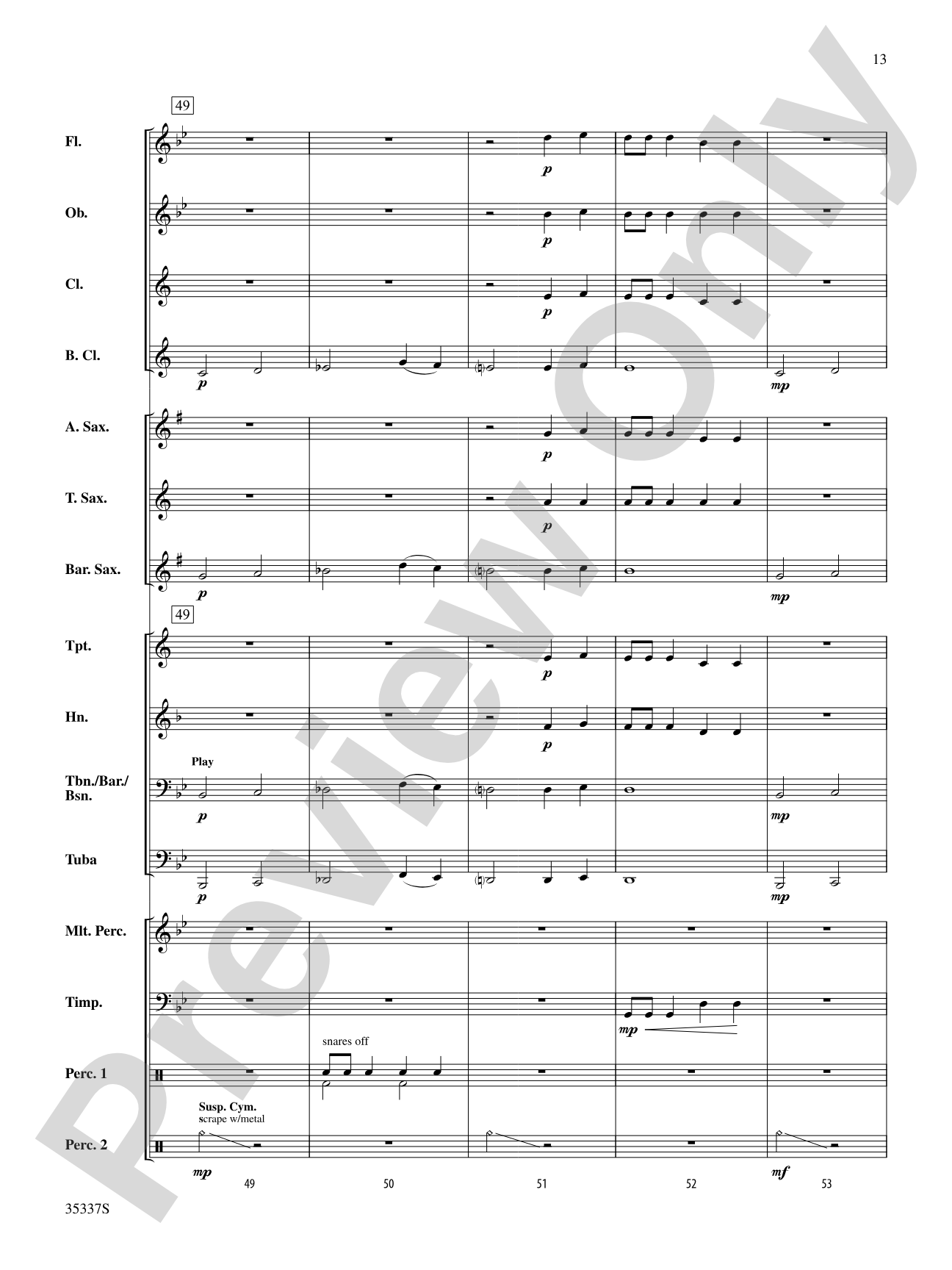
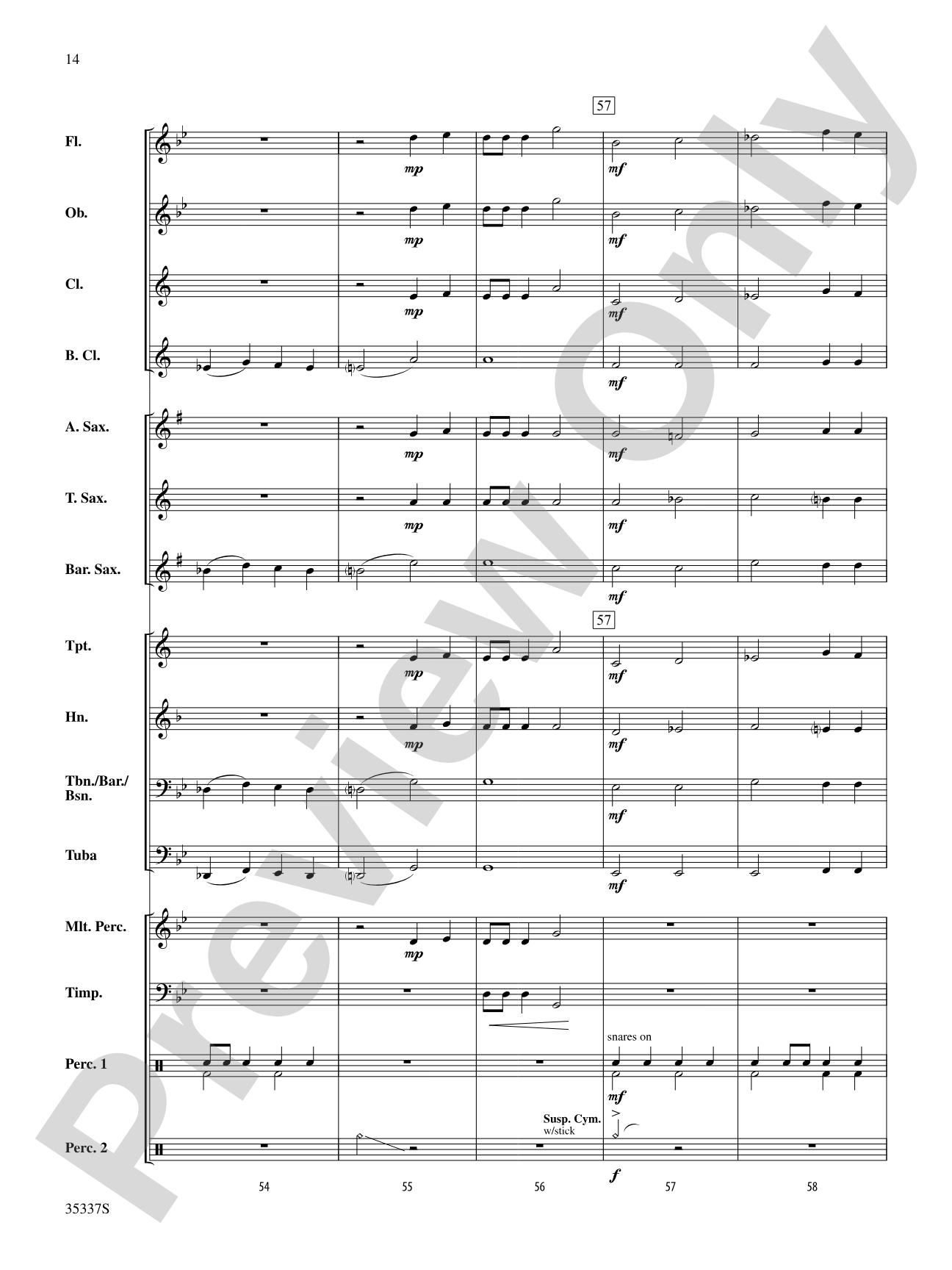
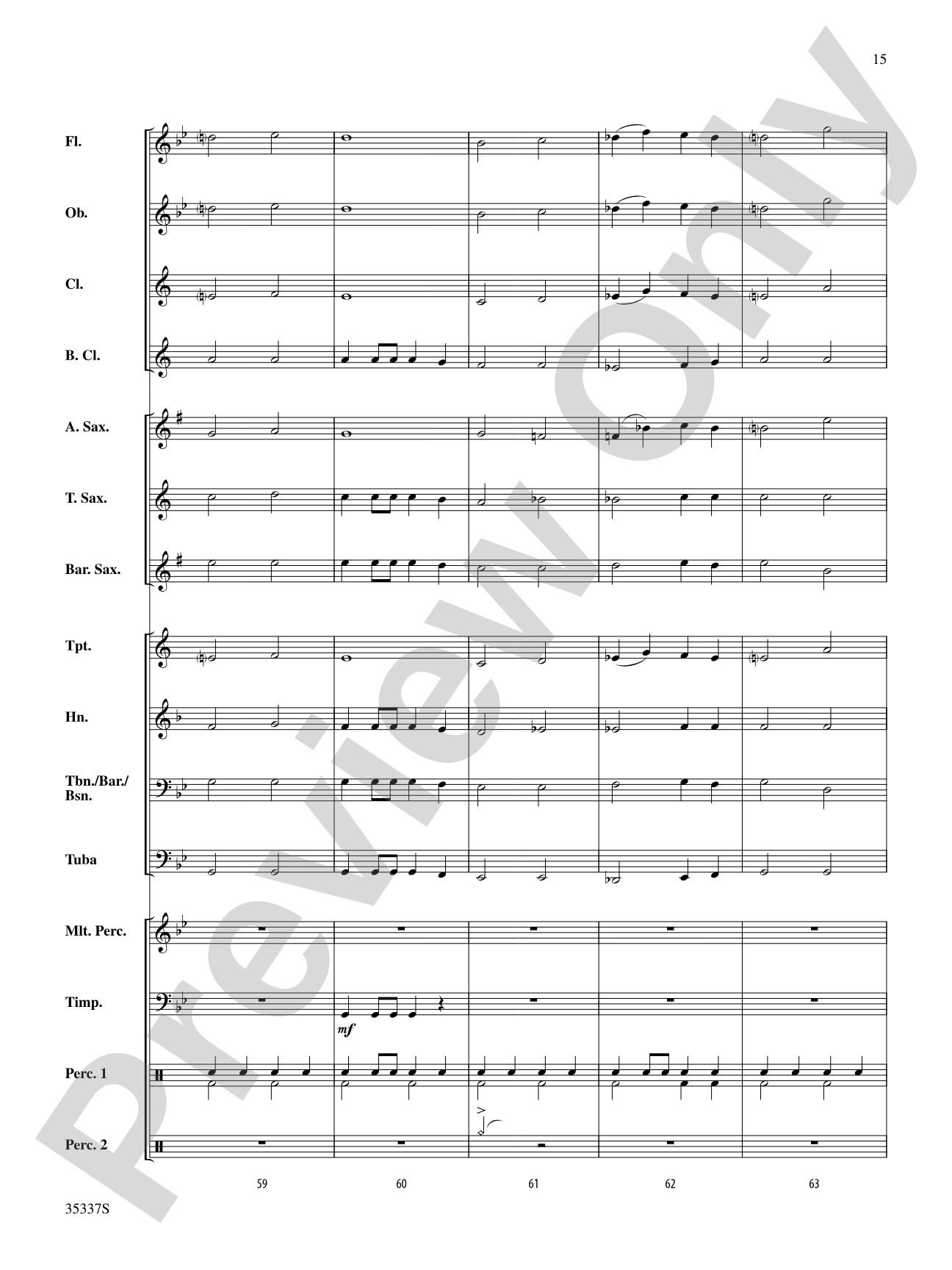
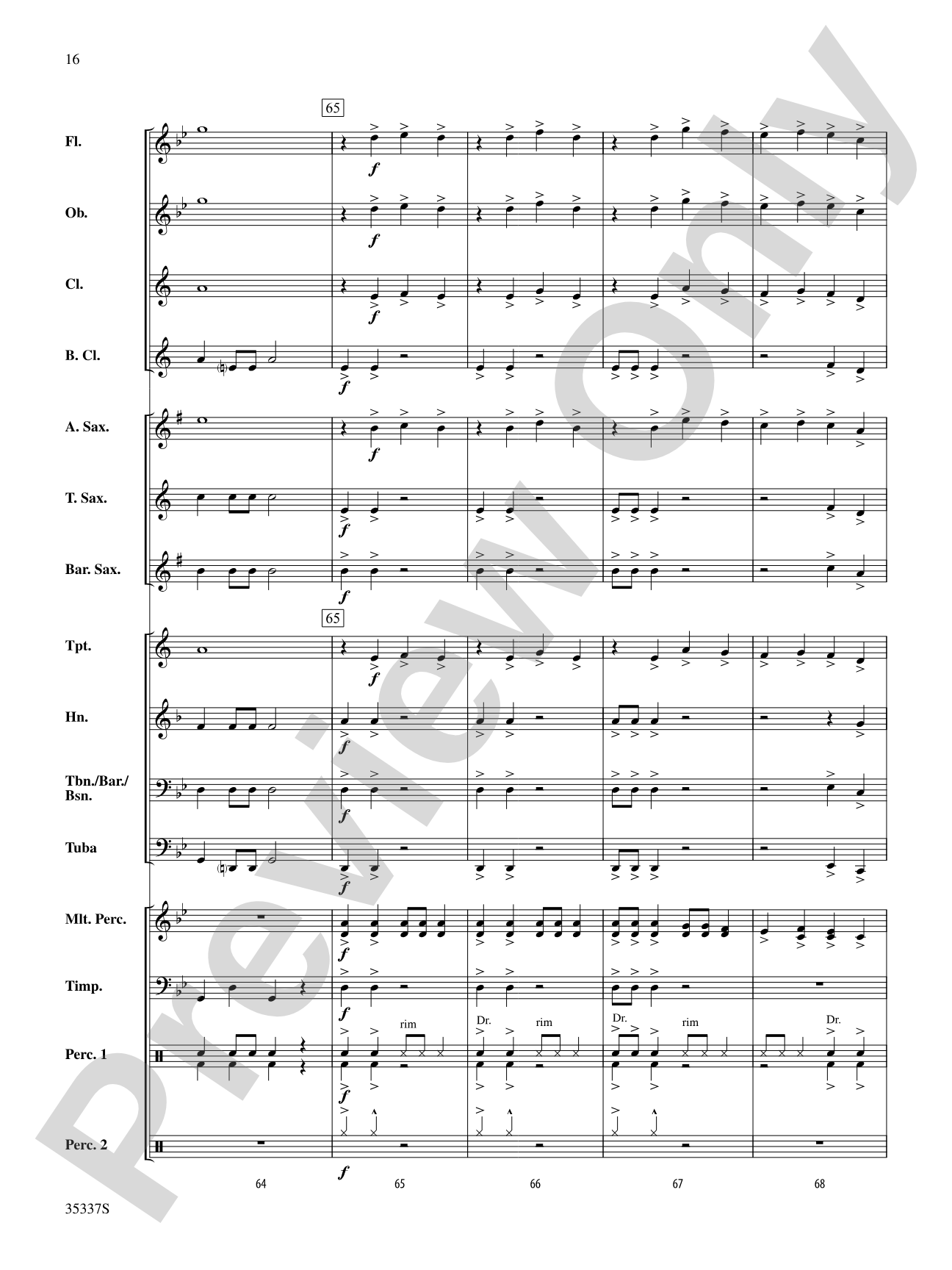
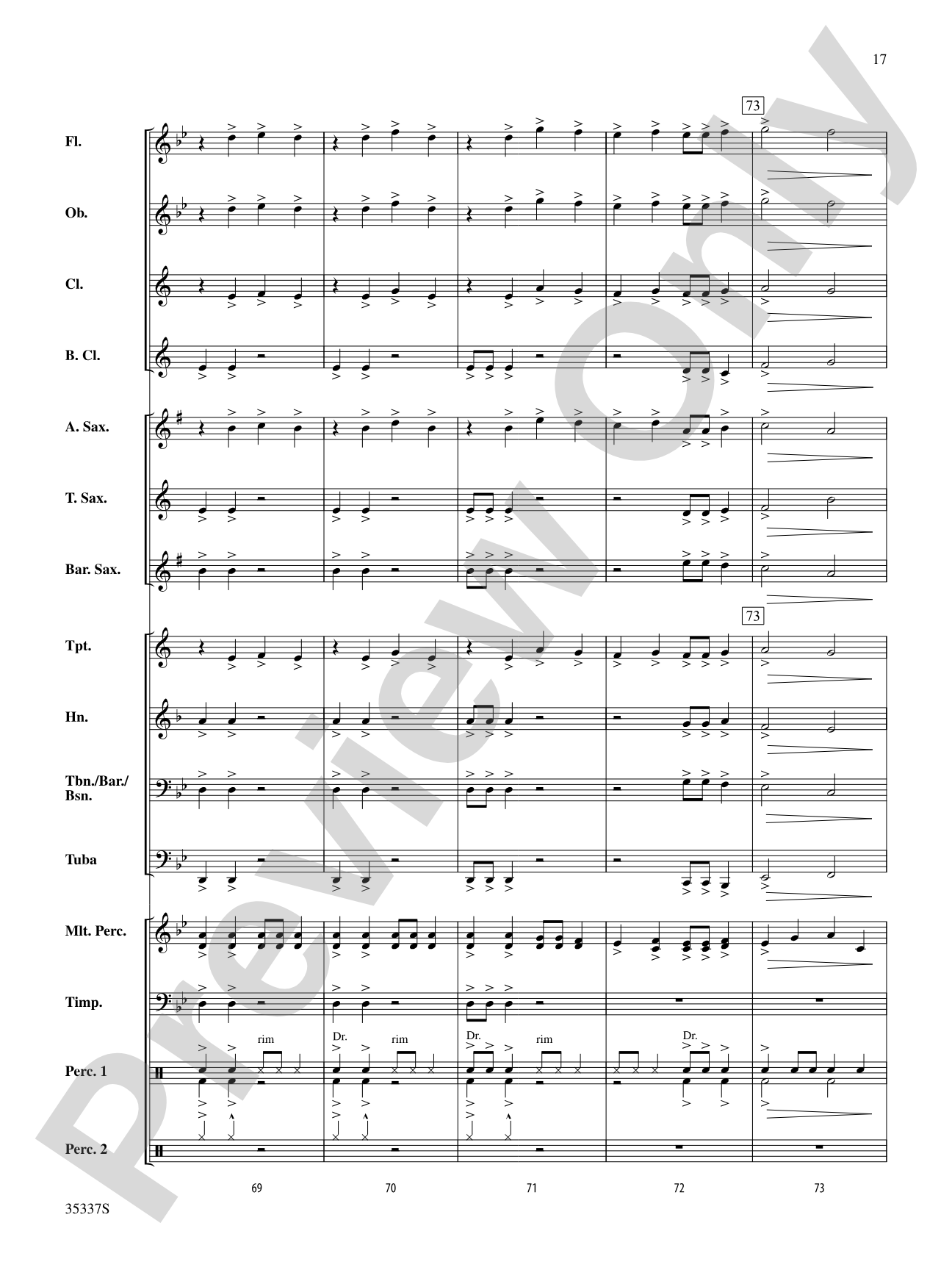
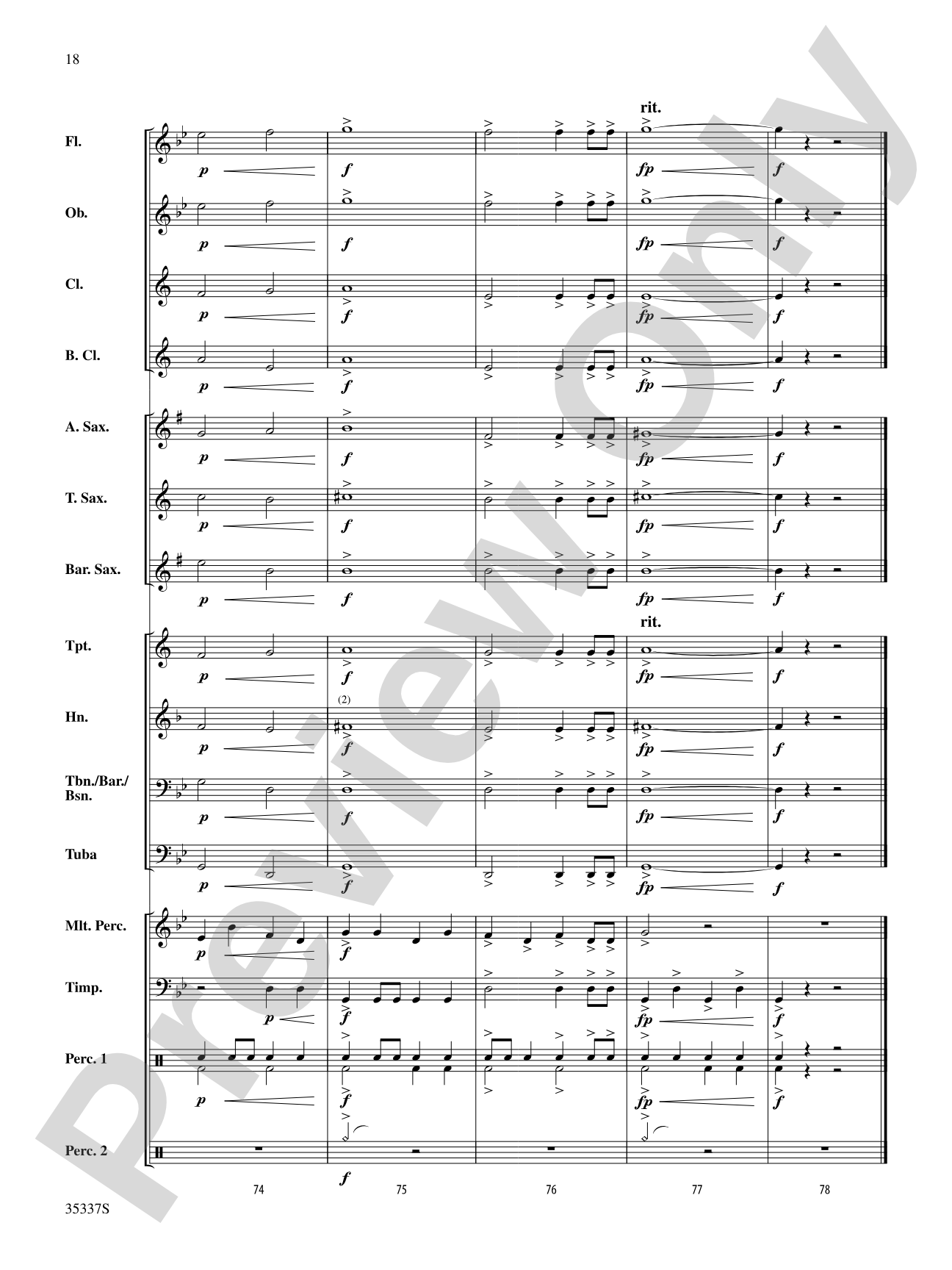



Areopogus: Score
By Ralph Ford
Grade: 1 (Very Easy)
Item: 00-PR-0003212
$8.00
Pickup currently not available
Description
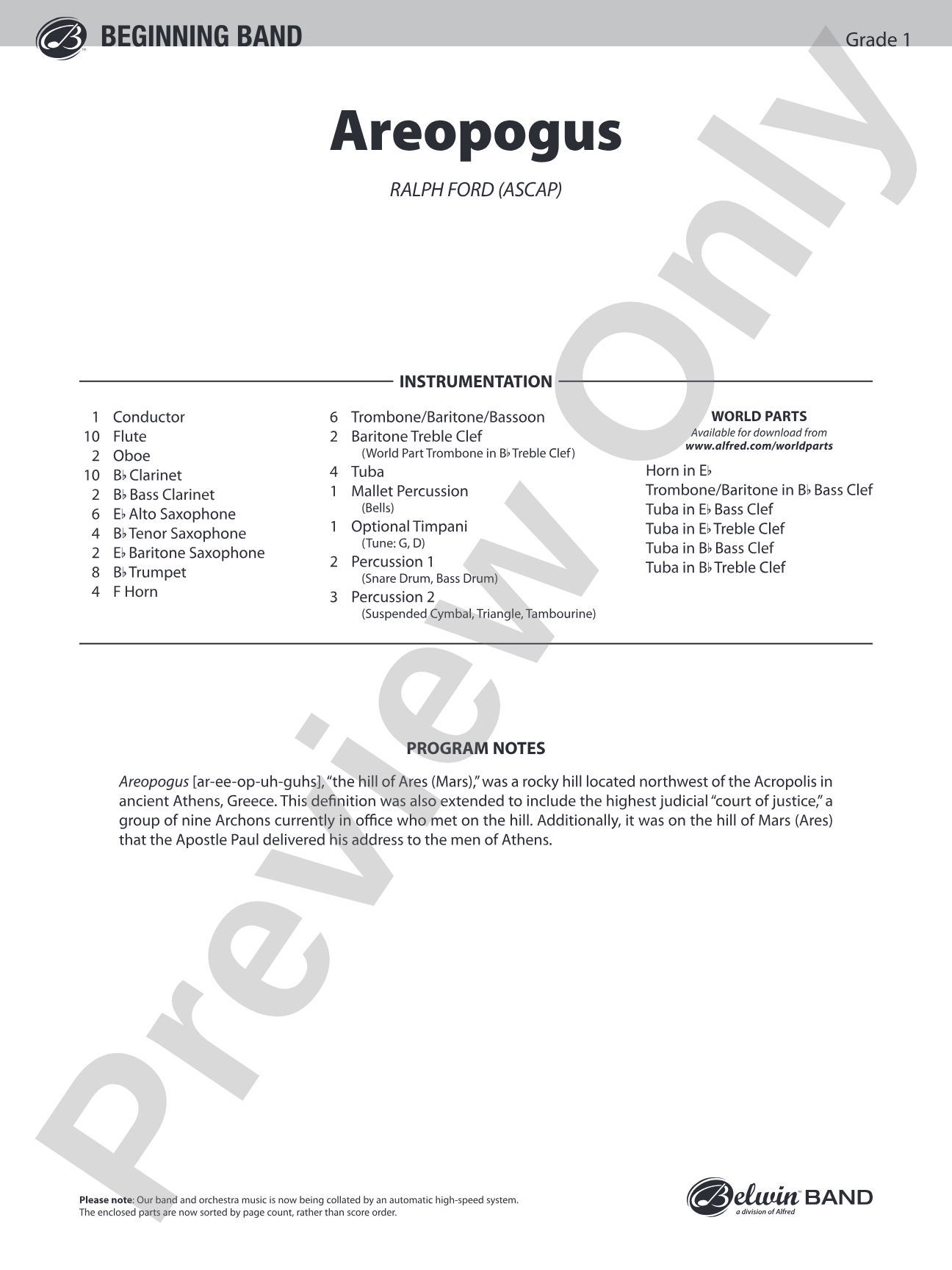
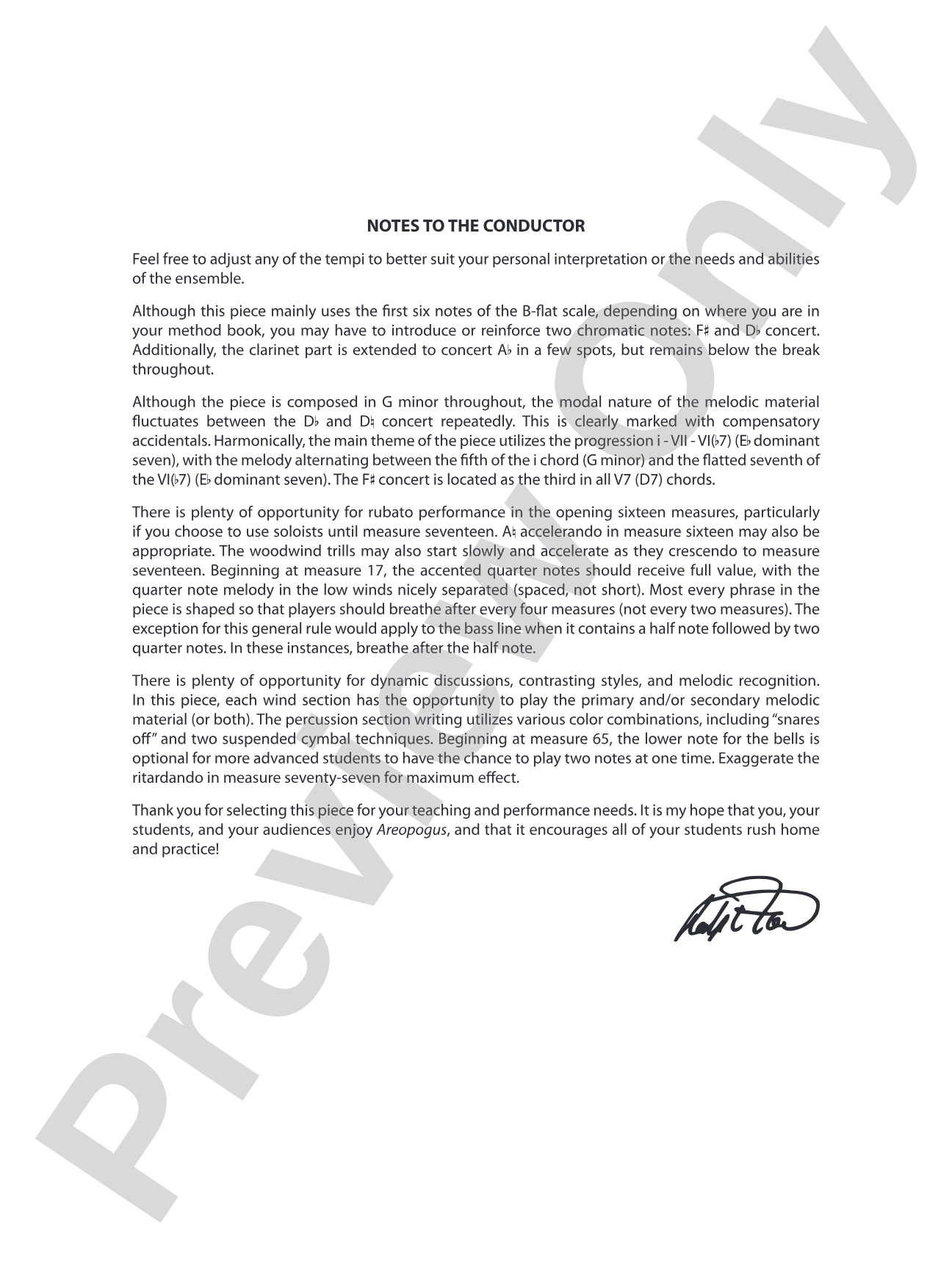
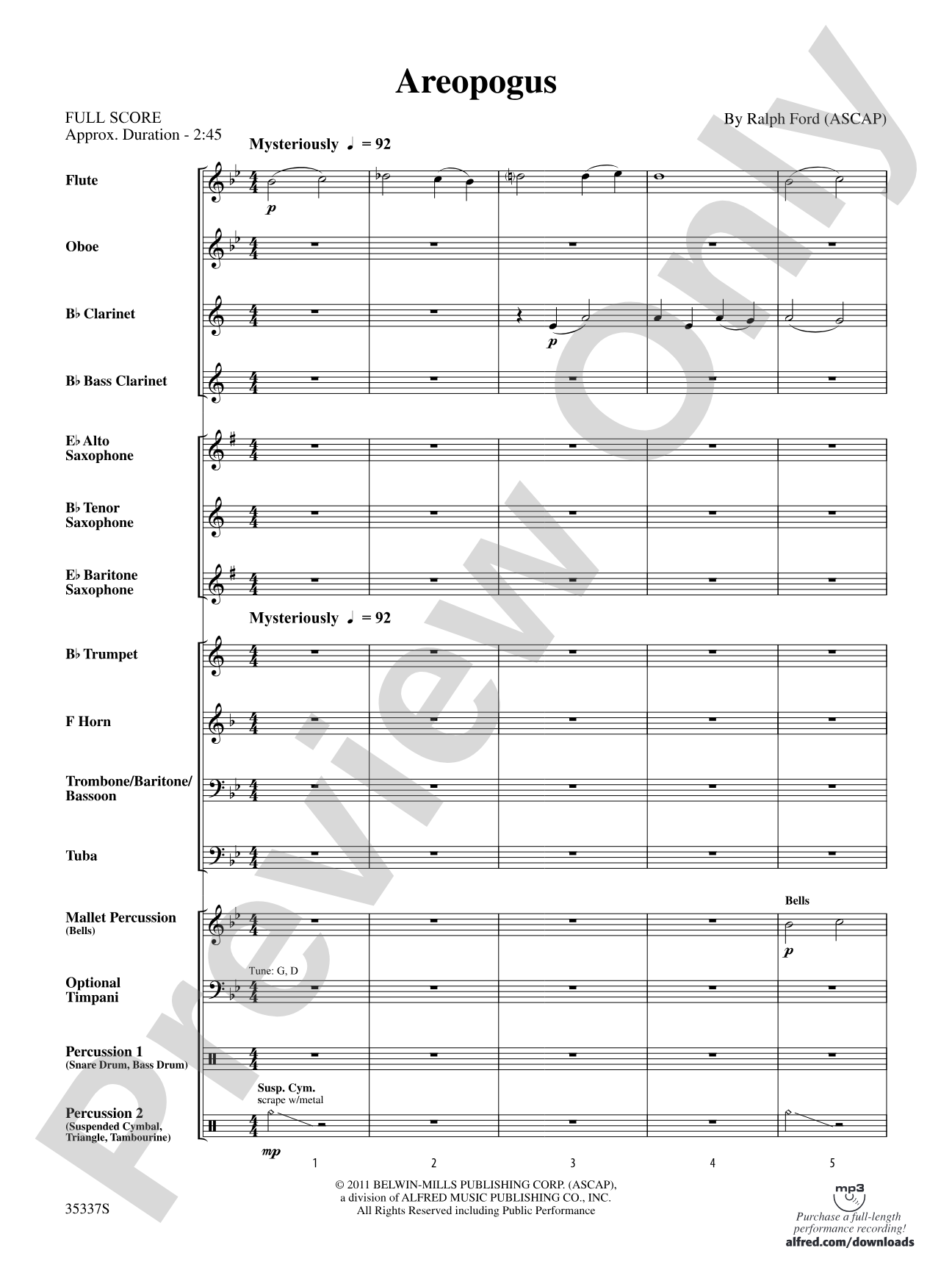
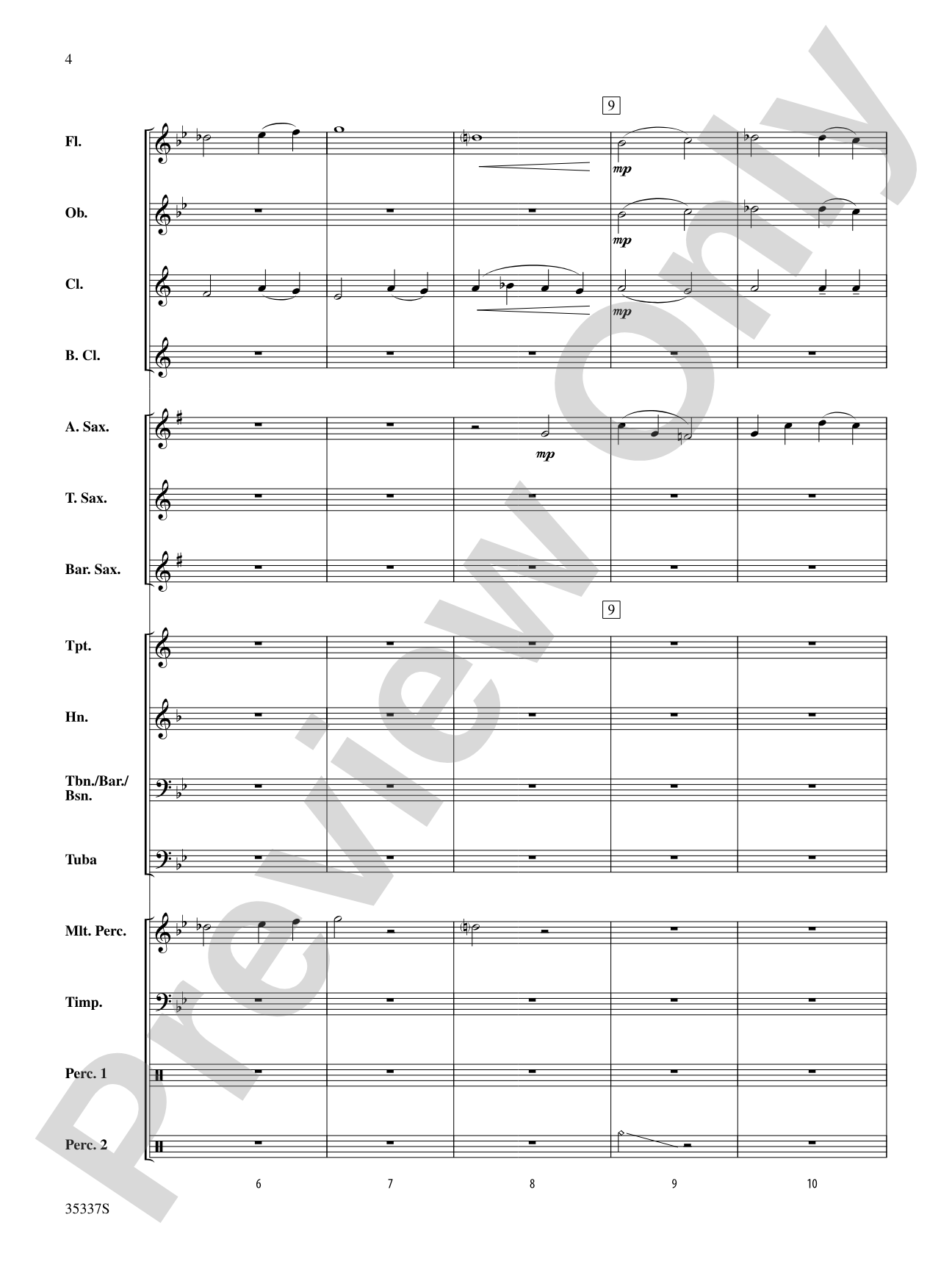
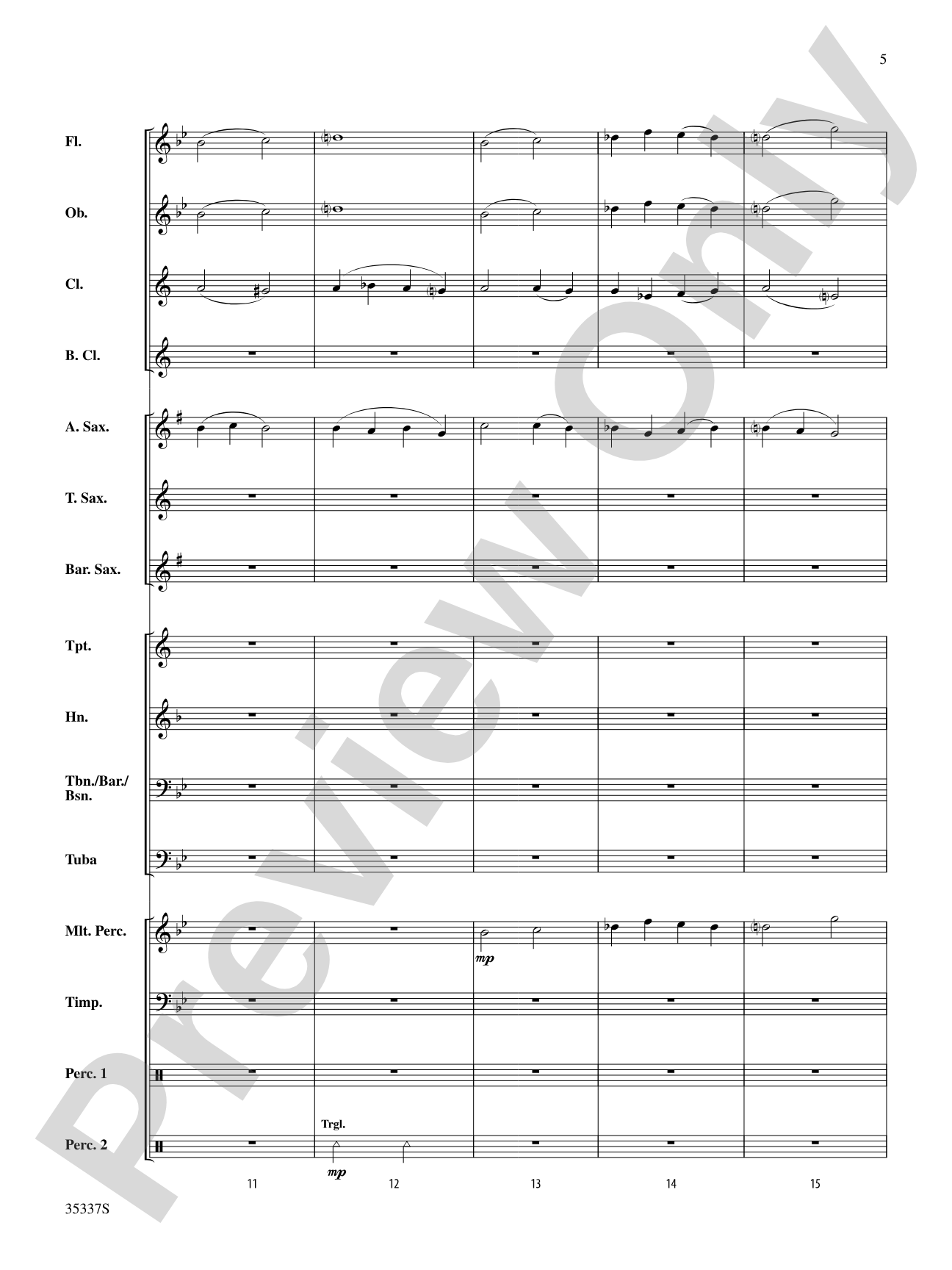
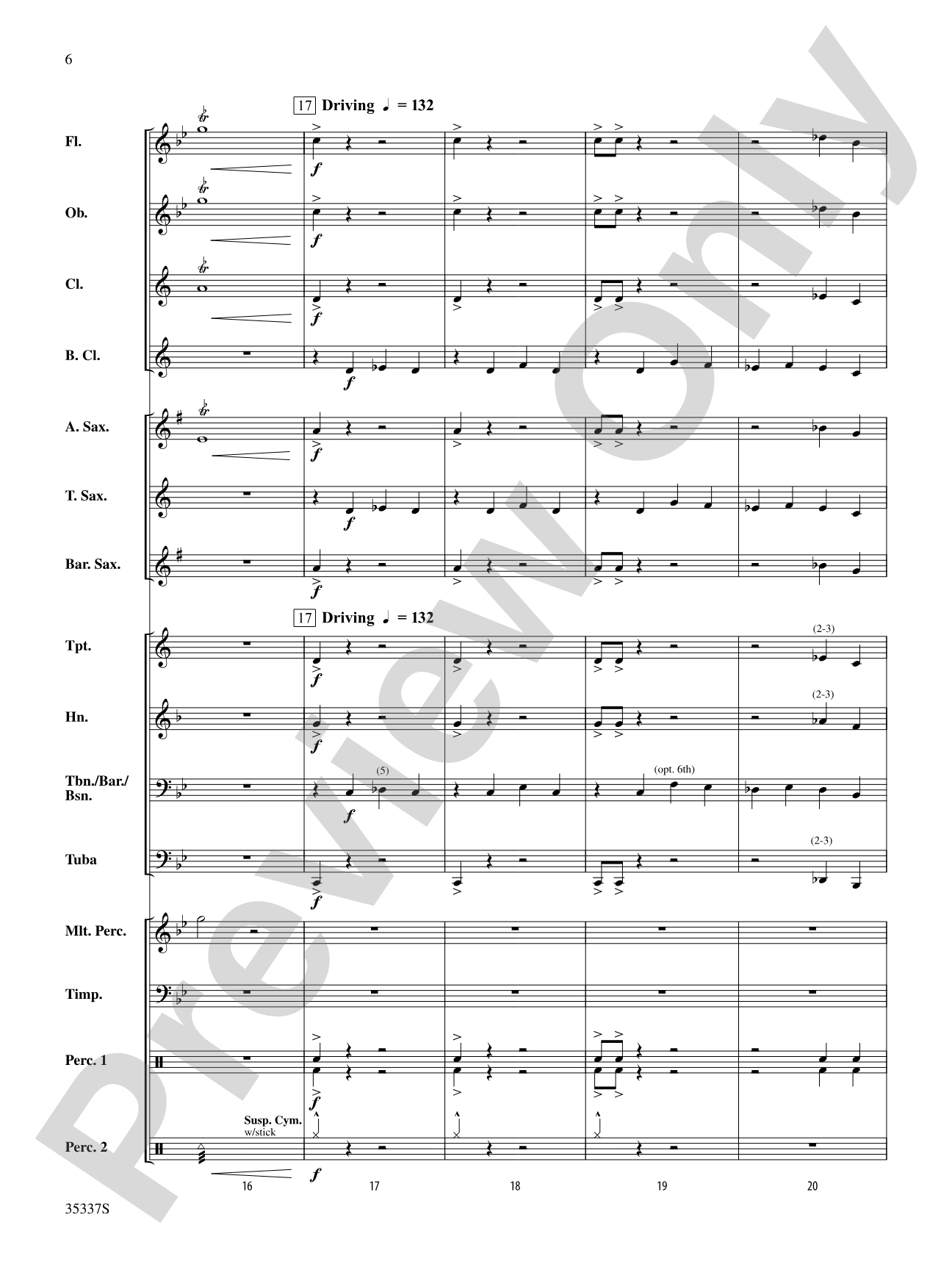
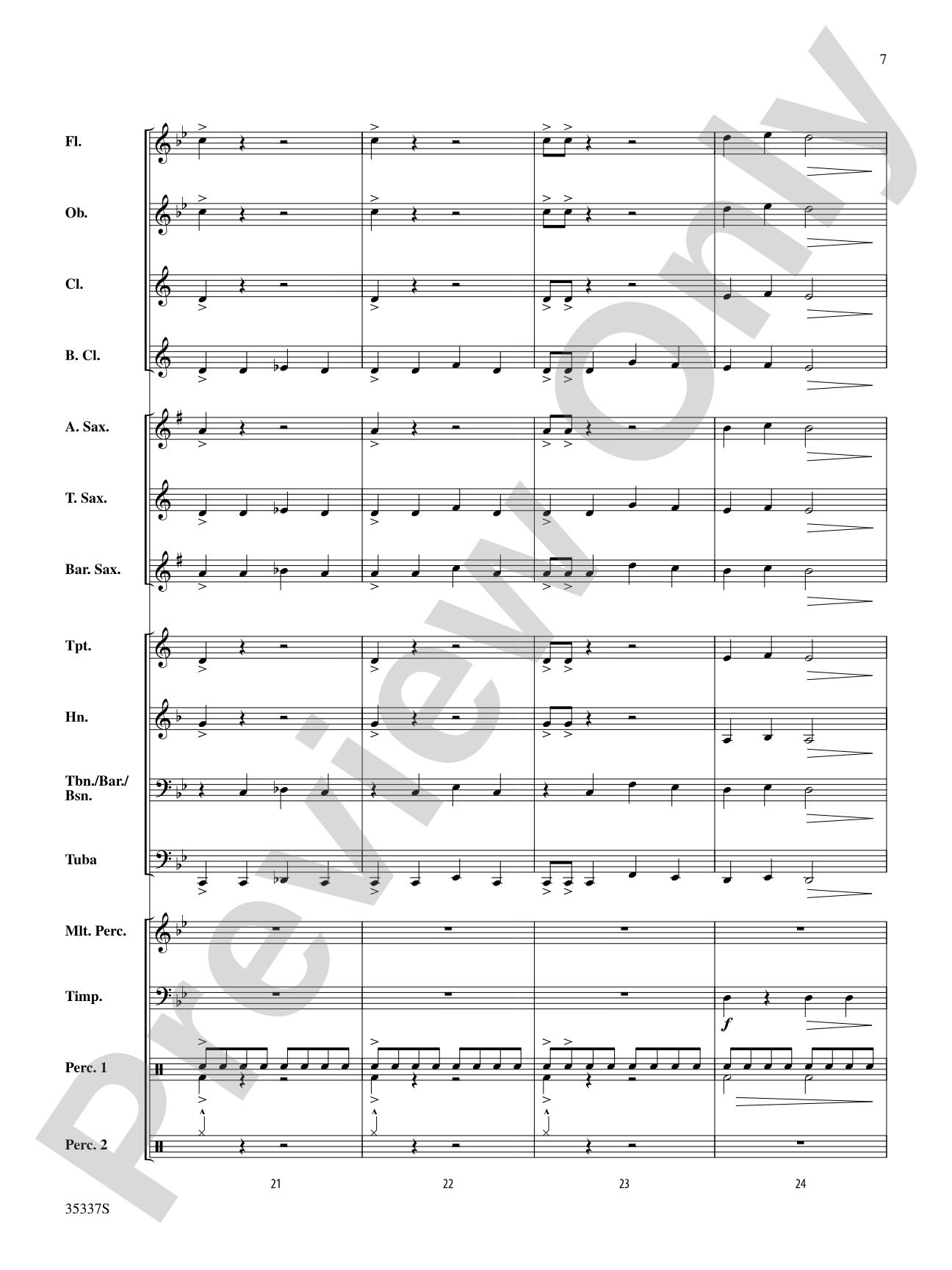
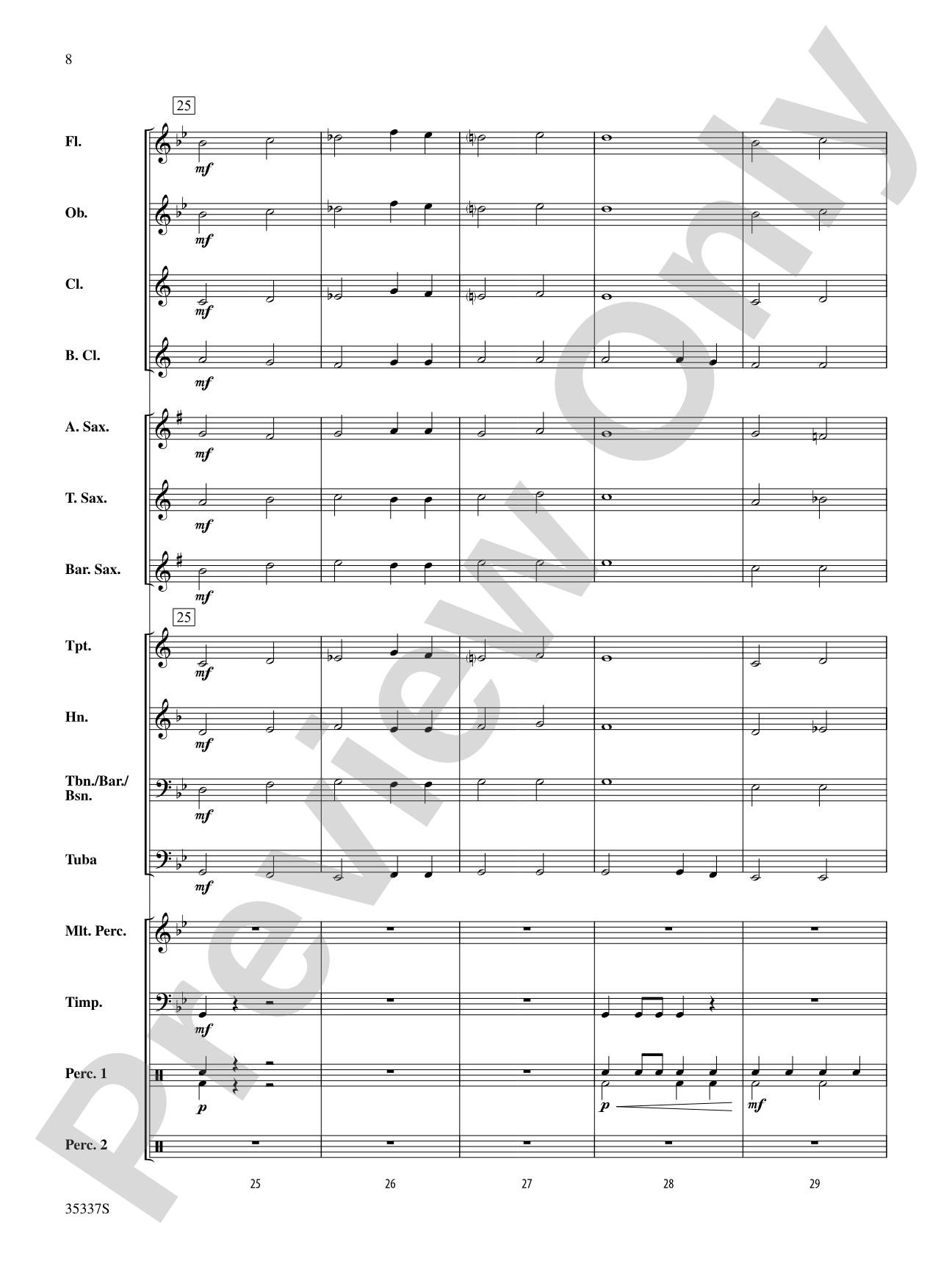
Areopogus [ar-ee-op-uh-guhs], "the hill of Ares (Mars)," was a rocky hill located northwest of the Acropolis in ancient Athens, Greece. This original Ralph Ford work, created with eerie modal melodic content, was inspired by this alien hill. The work is composed in G minor; your ensemble will sound mature beyond their years. A dynamic contemporary original composition for your beginners!


Don't just read it, hear it, play along with it, and watch your students grow with it. In MakeMusic Cloud, Areopogus: Score comes alive with professional accompaniment, adjustable tempo, and built-in practice tools that turn solo practice into real progress.
Open in the Player
Jump straight in and assign it today.
Start Your Free Trial
Open this title and explore the full library in minutes.
Sample Audio
1
Audio File
--:--
0:00
0:00
Sample Video
No sample videos found.
Additional Details
Series:
Belwin Beginning Band
Publisher:
Alfred Music
Page Count:
134
SKU:
00-PR-0003212
More about this title
About the Composer: Ralph Ford

Ralph Ford has spent nearly three decades on university faculties while building one of the most prolific catalogs in contemporary band music. Beginning his arranging career at fifteen and serving as director of his university's jazz ensemble during his undergraduate years, Ford developed the compositional fluency that would define his career. He holds a Master of Science degree and has worked across orchestral, band, jazz, and marching arts contexts, earning recognition for both concert works and media compositions.
As an exclusive composer and arranger for Belwin/Alfred Music, Ford maintains a catalog exceeding 250 titles performed by school, university, military, and professional ensembles worldwide. His dual expertise in composition and orchestration allows him to write with remarkable clarity for developing ensembles, a quality evident across his beginning band repertoire.
Why we love this
Ford understands how to write music that sounds genuinely sophisticated without requiring advanced technical facility. The modal language and carefully composed ensemble textures in Areopogus let young musicians discover musical maturity through Ford's craft rather than athletic difficulty. This piece proves that Grade 1 doesn't mean musically simplistic.
What to expect
Austere and mysterious. The G minor tonality and modal melodic writing create an ancient, almost otherworldly atmosphere despite the accessibility of the parts. Your band will inhabit a soundscape that feels distinctly adult.
Who it's for
Beginning concert band students ready for music that challenges their ears while respecting their technical level. Directors looking for programmatic repertoire that connects visual or historical concepts to musical content will find strong material here.
How to get the most out of it
- Balance the modal melody so it emerges clearly from the harmonic foundation; avoid letting the accompaniment overpower the primary voice.
- Lean into the eerie quality Ford creates through modal harmony by maintaining steady, unhurried tempos that allow the color to register.
- Secure rhythmic precision in the ensemble before addressing expression; clean attacks and releases are especially important when the harmonic language is unconventional.
How to use it
Feature this as a concert opener to establish a thematic program around history, geography, or world cultures. The unusual harmonic language makes it an excellent teaching tool for introducing modal writing to students accustomed to major and minor scales.
Skills your students will build
- Recognizing and performing modal melodies (G minor with characteristic modal inflections)
- Listening to and balancing sustained harmonic structures
- Responding to programmatic musical content and historical inspiration
- Playing with mature phrasing despite technical simplicity