
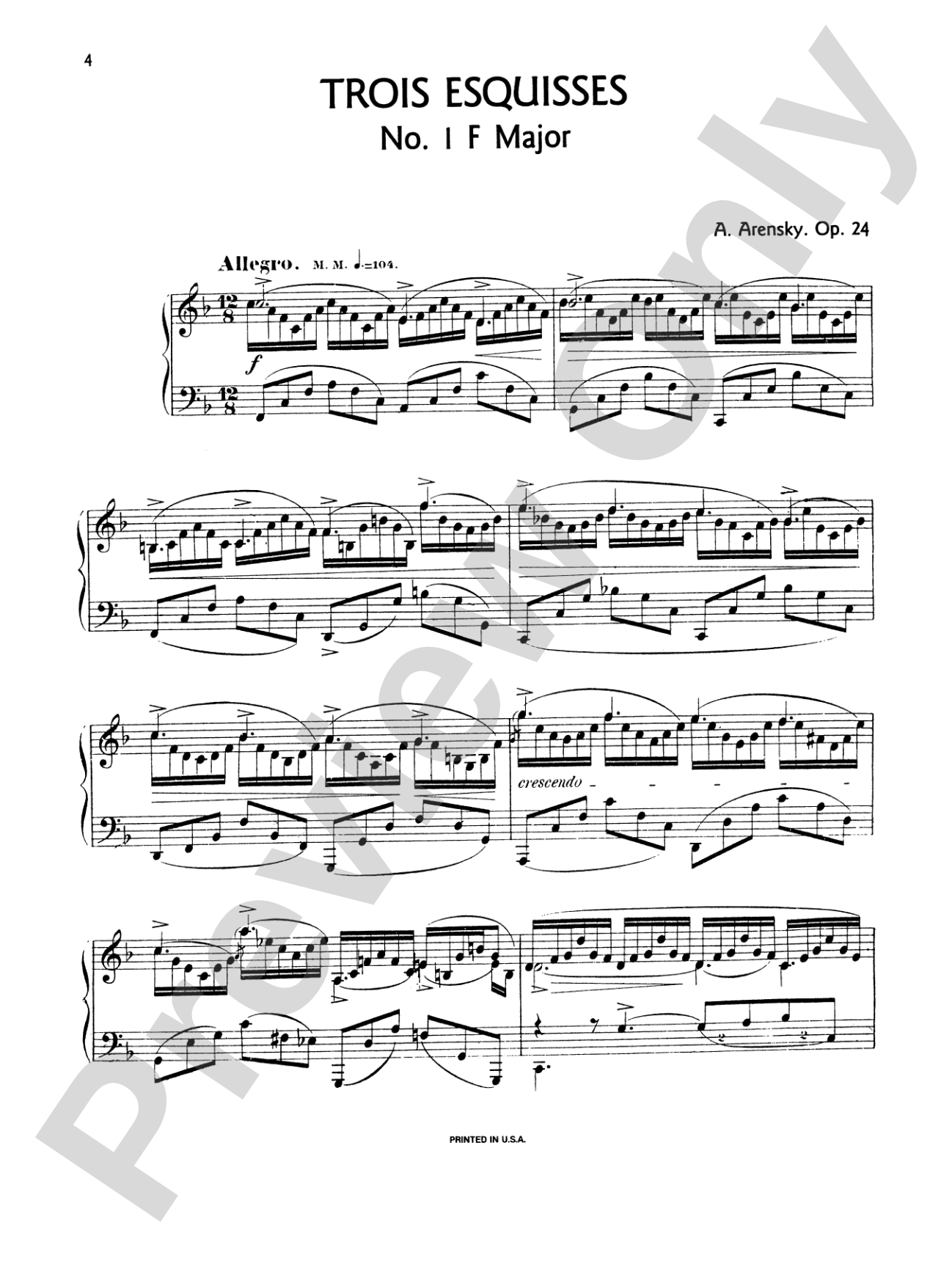
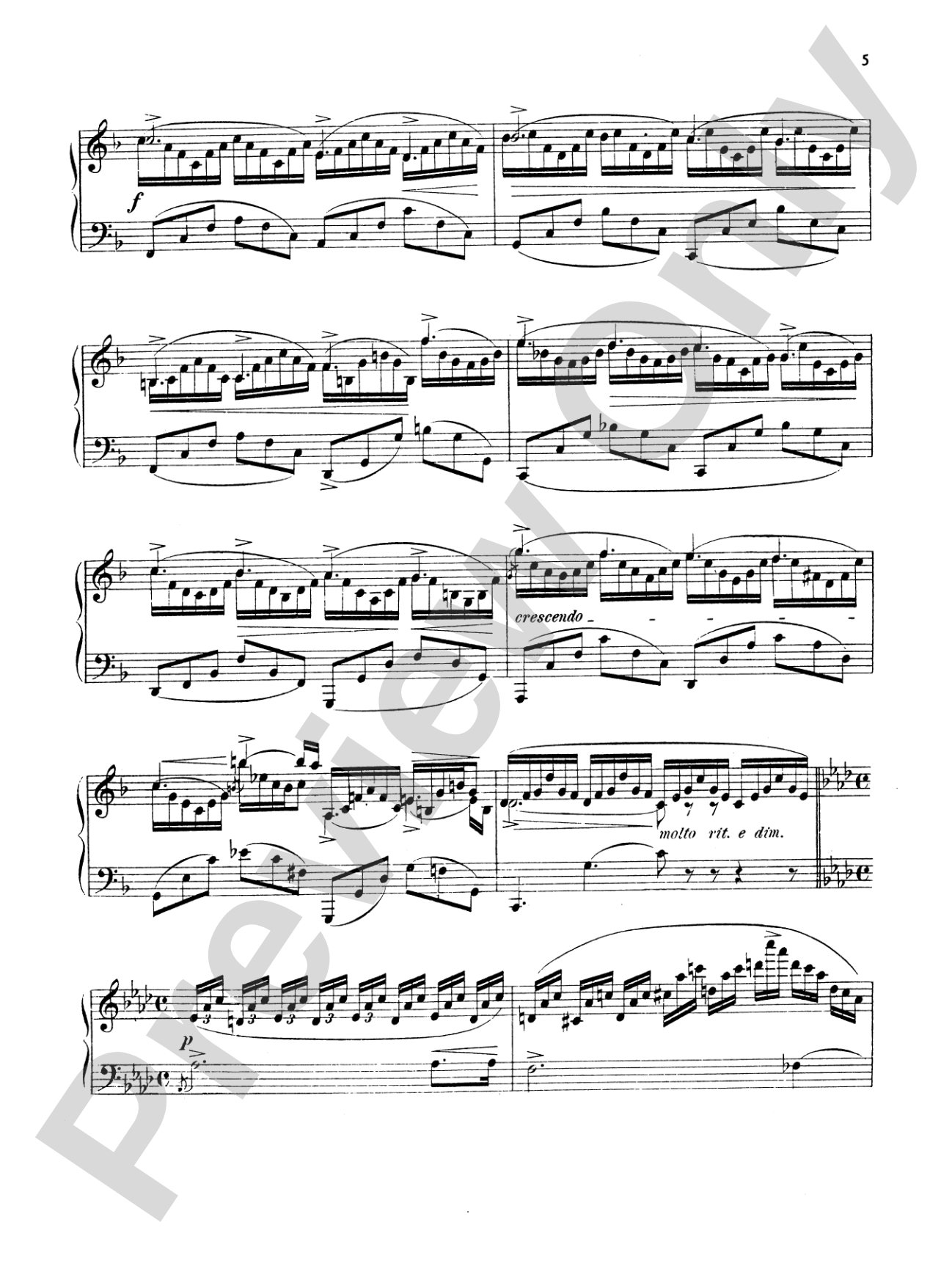
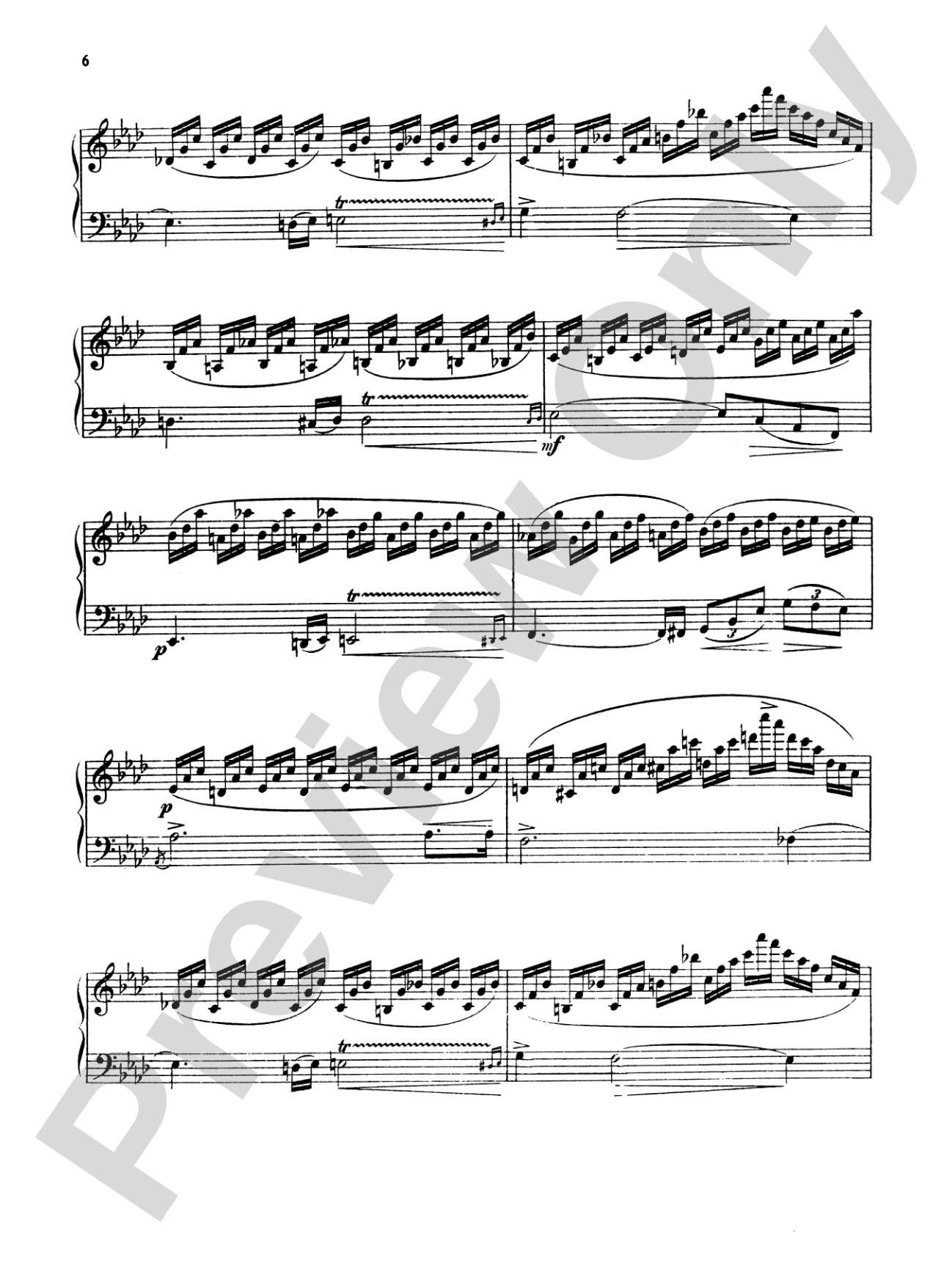
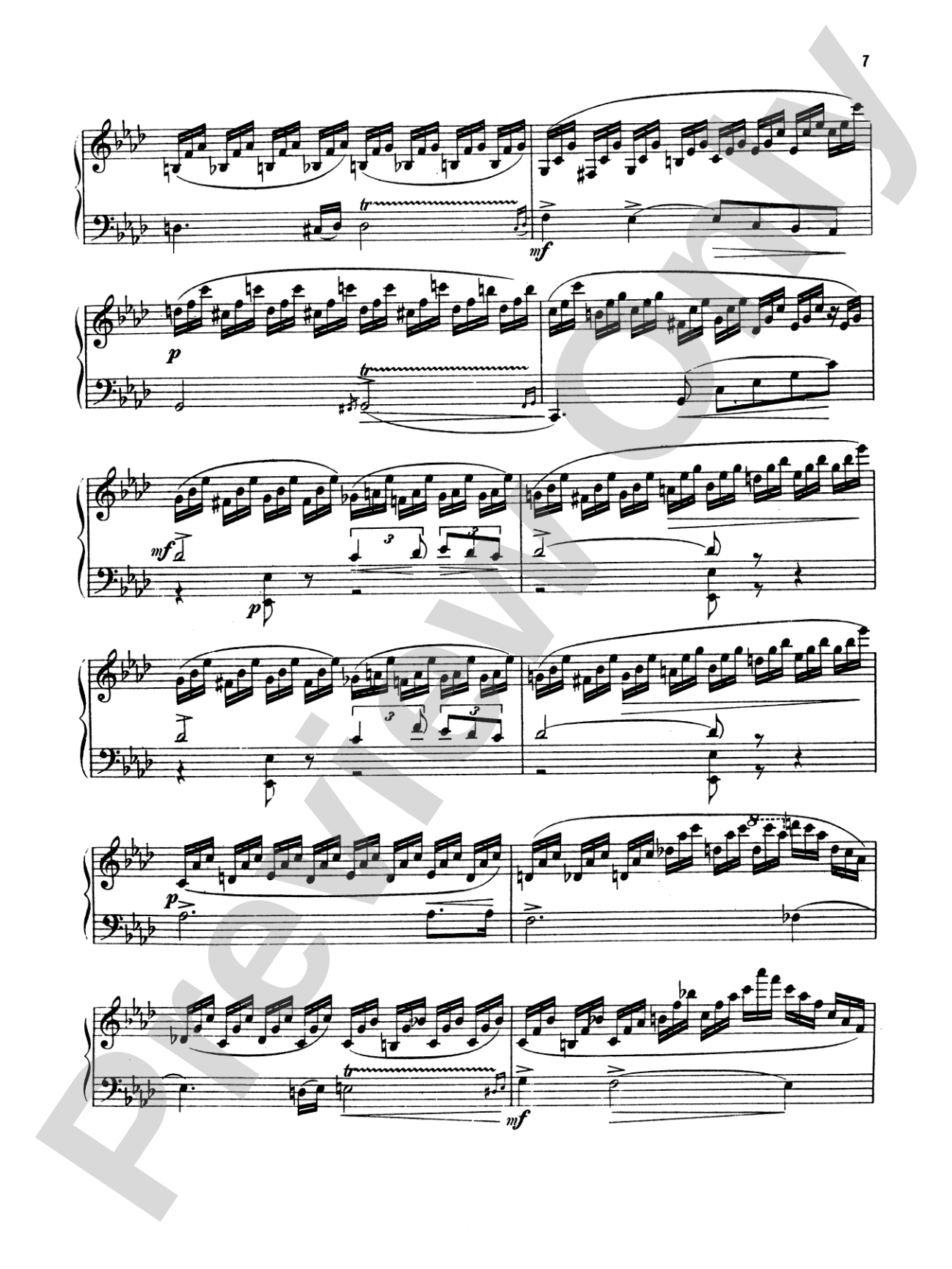
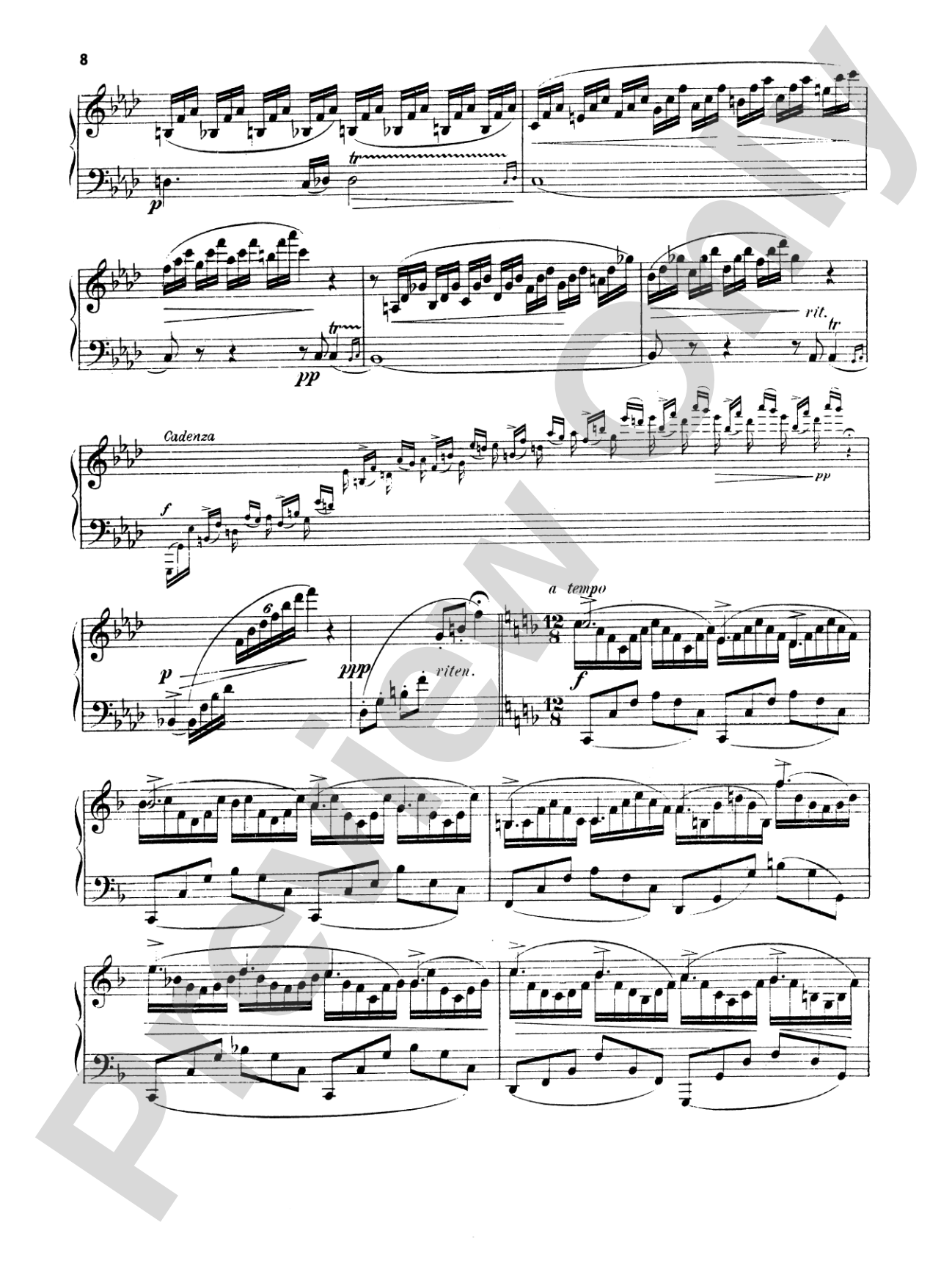
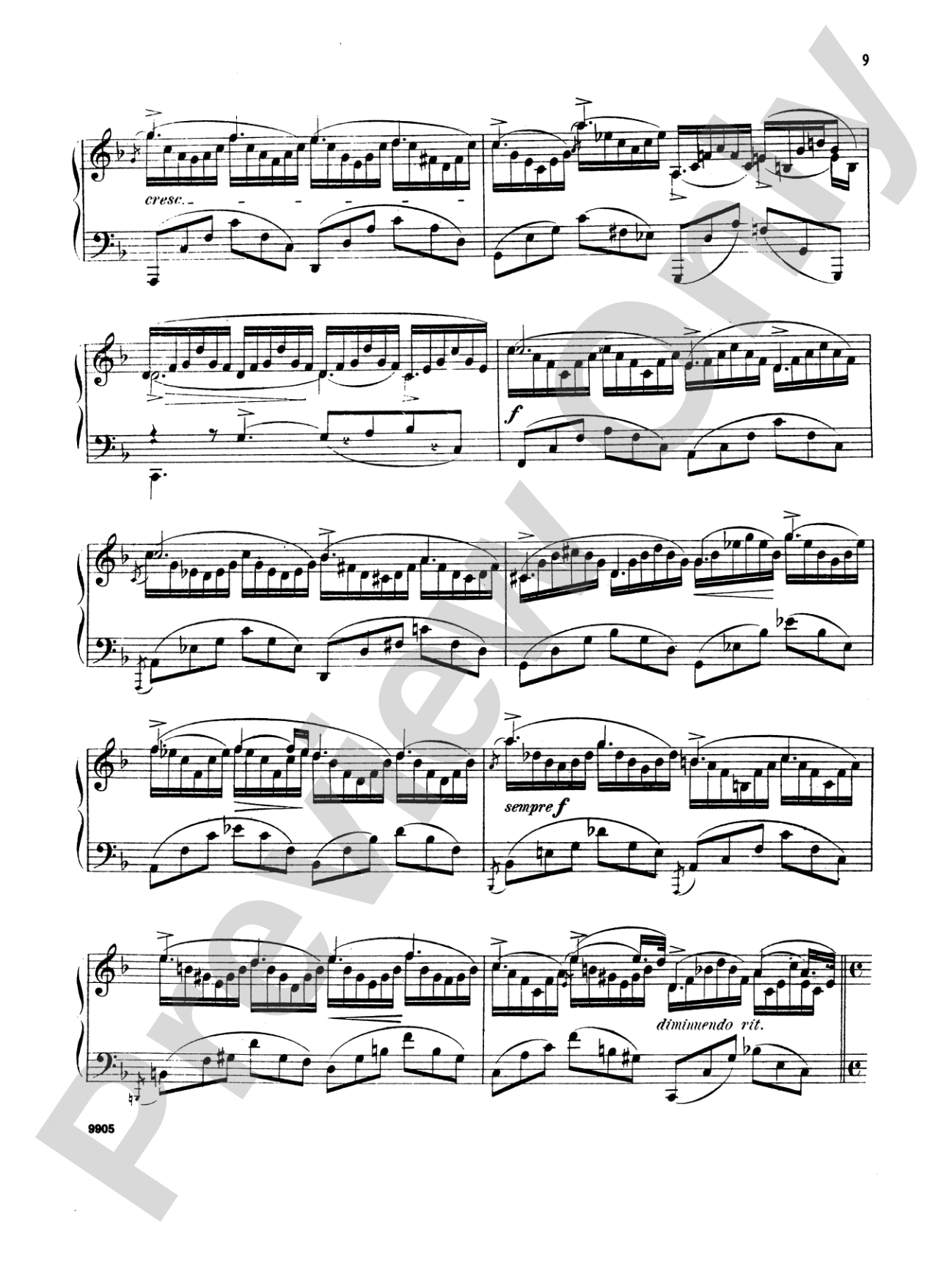
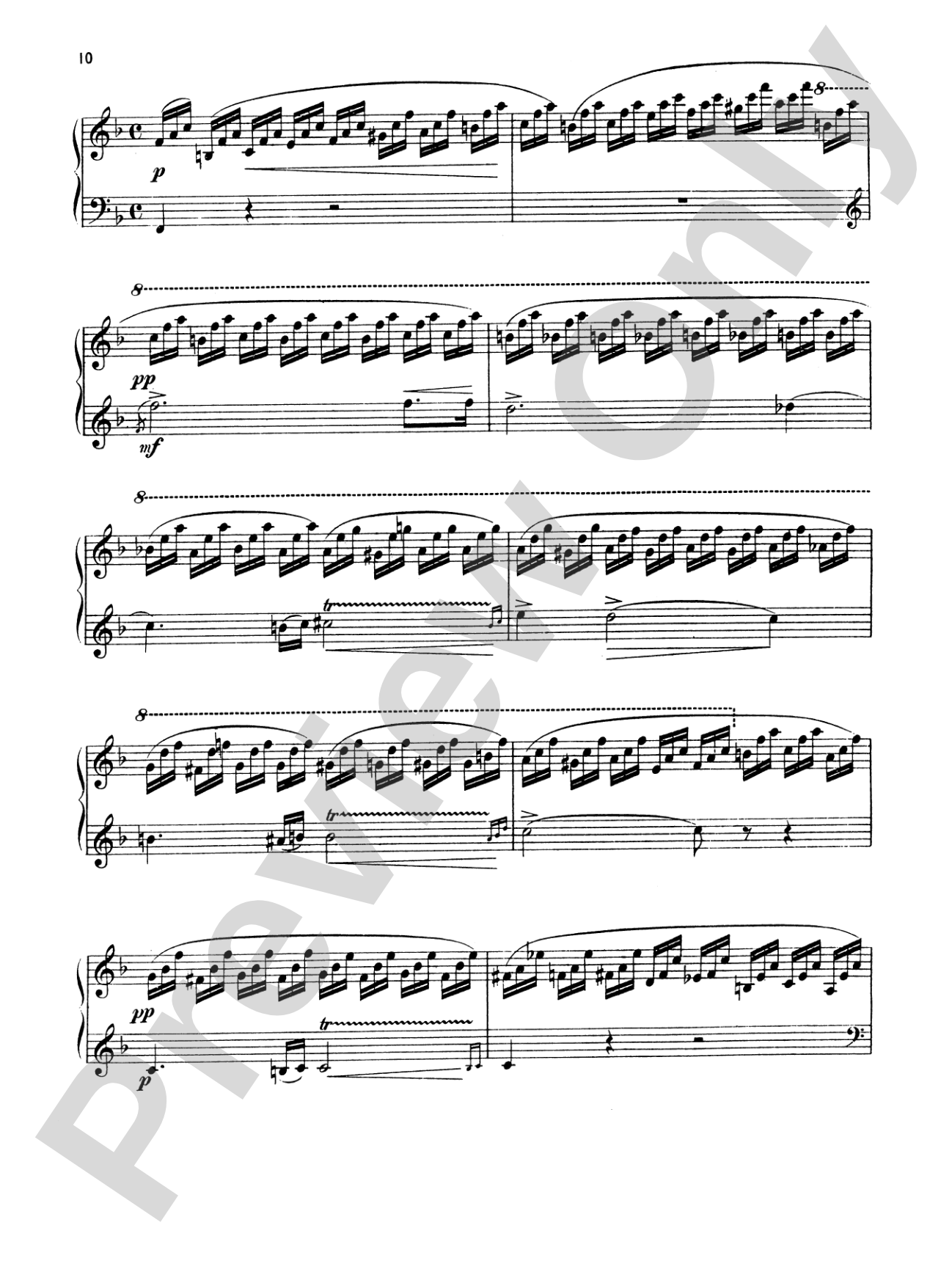
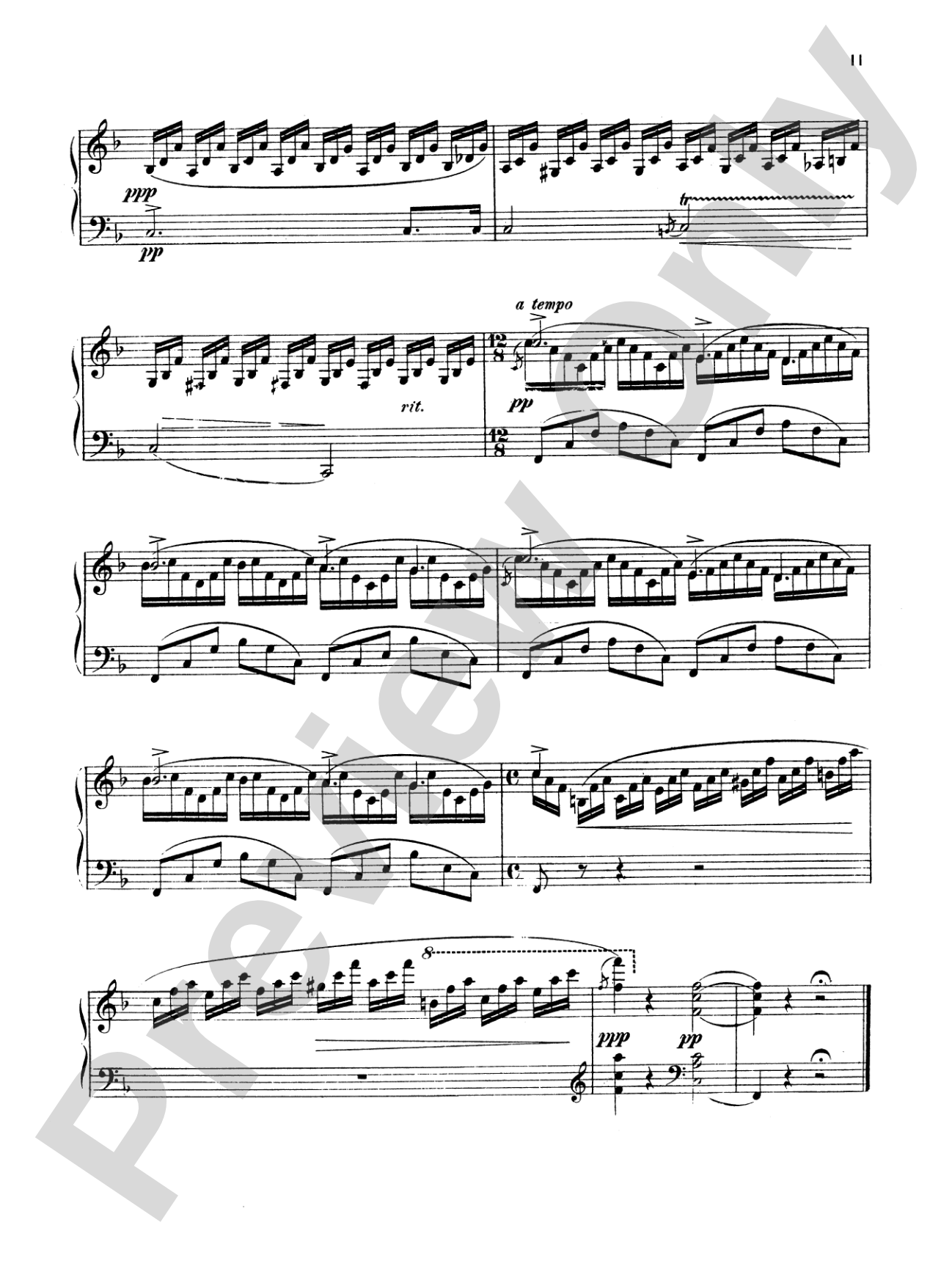

Arensky: Trois Esquisses, Op. 24: Piano
By Anton Arensky
Item: 00-PK-0003902

$9.99
Pickup currently not available
Buy Extra Parts (Digital PDF Download)
| Product | Price | Quantity |
|---|---|---|
| Arensky: Trois Esquisses, Op. 24 | $2.99 | |
| Arensky: Trois Esquisses, Op. 24 | $2.99 | |
| Arensky: Trois Esquisses, Op. 24 | $2.99 |
Parts Added to Cart!
Description
No. 1 in F Major * No. 2 in A-flat Major * No. 3 in F Minor


Don't just read it, hear it, play along with it, and watch your students grow with it. In MakeMusic Cloud, Arensky: Trois Esquisses, Op. 24: Piano comes alive with professional accompaniment, adjustable tempo, and built-in practice tools that turn solo practice into real progress.
Open in the Player
Jump straight in and assign it today.
Start Your Free Trial
Open this title and explore the full library in minutes.
Sample Audio
No sample audio found.
Sample Video
No sample videos found.
Additional Details
Series:
Kalmus Edition
Publisher:
Alfred Music
Page Count:
28
SKU:
00-PK-0003902
More about this title
About the Composer: Anton Arensky
Anton Arensky (1861, 1906) was a Russian composer and pedagogue whose gift for melody and harmonic sophistication made him a central figure in late Romantic music. A student of Rimsky-Korsakov and later a professor at the Moscow Conservatory, Arensky developed a distinctive voice that bridged German formal tradition with Russian lyricism, influencing generations of composers who followed.
His piano works reveal an intimate understanding of the instrument's capabilities. Rather than pursuing virtuosity for its own sake, Arensky crafted pieces that demand musical maturity and emotional clarity from the performer, making his solo repertoire invaluable for advancing intermediate and advanced pianists.
Why we love this
These three character pieces showcase Arensky's mastery of the Romantic miniature form. Each sketch occupies a distinct harmonic and temperamental world (F major brightness, A-flat major lyricism, F minor introspection), making this opus an ideal vehicle for developing interpretive range and stylistic coherence within a single recital group. The set rewards careful voicing and rubato while remaining accessible to upper-intermediate pianists.
What to expect
These sketches evoke the intimate, introspective character of a composer's private notebook. No. 1 sparkles with Romantic elegance and forward momentum; No. 2 unfolds as a sustained, tender meditation with hints of melancholy; No. 3 storms and sighs, its minor-key passion tempered by harmonic sophistication and lyrical restraint. Together, they create a miniature journey through contrasting emotional landscapes.
Who it's for
Advanced early-intermediate to intermediate pianists seeking substantial yet manageable Romantic solo repertoire beyond the standard pedagogical canon. These pieces suit students who have developed control over pedal, rubato, and voicing but are still building the technical facility and interpretive maturity needed for later Romantic works.
How to get the most out of it
- Attend to the inner voices and harmonic motion in No. 2; the lyrical surface can mask the piece's sophisticated chromatic writing if played superficially.
- Shape each sketch as a self-contained emotional statement rather than rushing through them as a collection; use silence between movements to reset the acoustic and emotional space.
- Explore the relationship between melody and accompaniment figuration in No. 1, ensuring the right hand's songfulness doesn't overshadow the rhythmic and harmonic momentum of the left.
- In No. 3, balance the dramatic intensity of the minor key with Arensky's characteristic harmonic refinement; avoid letting the darker affect tip into heaviness.
How to use it
Program this opus as the centerpiece of a Romantic or Russian-focused recital, pairing it with works by Moszkowski, Lyapunov, or later Schumann to create a cohesive aesthetic statement. The set also works effectively in a student recital that emphasizes artistic development over technical display, allowing the pianist to demonstrate interpretive maturity rather than mere facility.
Skills your students will build
- Pedal control and harmonic resonance in Romantic context
- Rubato and expressive phrasing within Romantic conventions
- Voicing and balance between melody and accompaniment
- Harmonic analysis of chromatic and extended Romantic harmony
- Structural coherence and emotional arc within character-piece form