
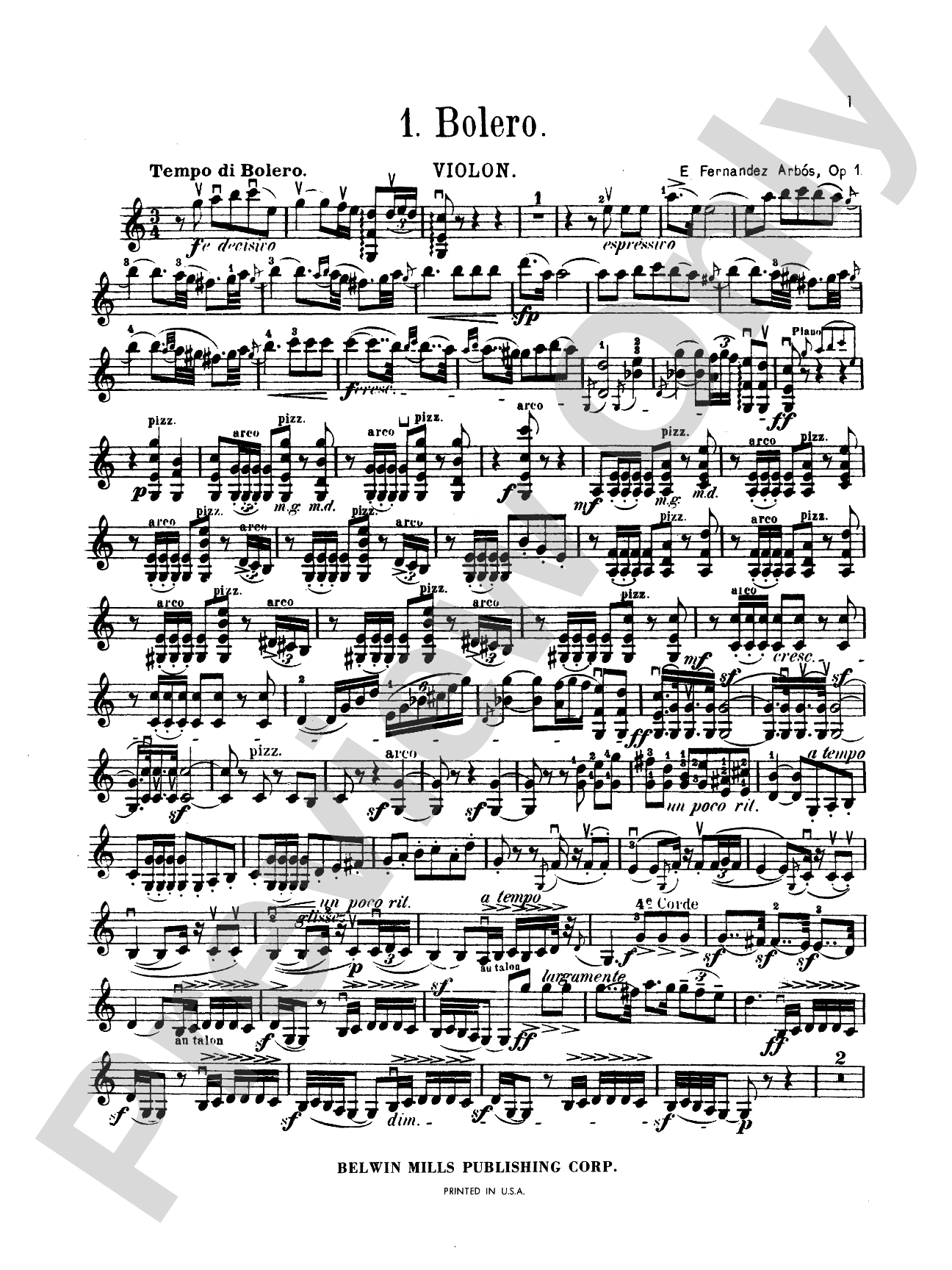
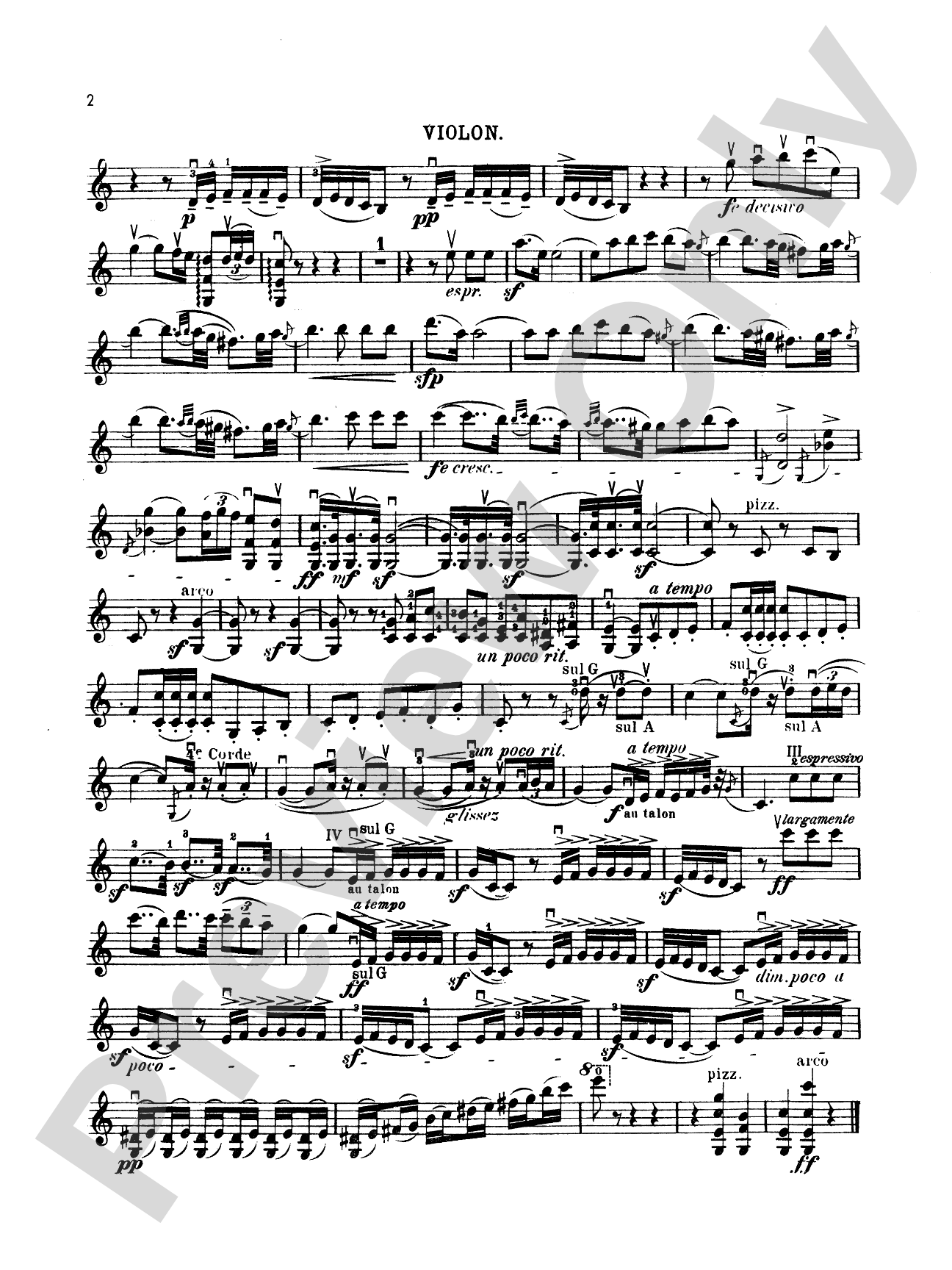

Arbós: Spanish Dances, Op. 1: Chamber Ensemble Book
By Enrique Fernández Arbós
Item: 00-PK-0003736

$11.99
Pickup currently not available
Buy Extra Parts (Digital PDF Download)
| Product | Price | Quantity |
|---|---|---|
| Arbós: Spanish Dances, Op. 1 | $0.99 | |
| Arbós: Spanish Dances, Op. 1 | $0.99 | |
| Arbós: Spanish Dances, Op. 1 | $0.99 | |
| Arbós: Spanish Dances, Op. 1 | $0.99 | |
| Arbós: Spanish Dances, Op. 1 | $0.99 | |
| Arbós: Spanish Dances, Op. 1 | $0.99 | |
| Arbós: Spanish Dances, Op. 1 | $0.99 | |
| Arbós: Spanish Dances, Op. 1 | $0.99 | |
| Arbós: Spanish Dances, Op. 1 | $0.99 |
Parts Added to Cart!
Related Items
Spanish Dances, Opus 1: Chamber Ensemble Book |
$11.95
|
View |
Description
A Piano trio for Violin, Cello, and Piano expertly composed by Enrique Fernandez Arbos.


Don't just read it, hear it, play along with it, and watch your students grow with it. In MakeMusic Cloud, Arbós: Spanish Dances, Op. 1: Chamber Ensemble Book comes alive with professional accompaniment, adjustable tempo, and built-in practice tools that turn solo practice into real progress.
Open in the Player
Jump straight in and assign it today.
Start Your Free Trial
Open this title and explore the full library in minutes.
Sample Audio
No sample audio found.
Sample Video
No sample videos found.
Additional Details
Series:
Kalmus Edition
Publisher:
Alfred Music
Page Count:
52
SKU:
00-PK-0003736
Instrumentation:
Violin, Cello & Piano
More about this title
About the Composer: Enrique Fernandez Arbós
Enrique Fernández Arbós (1863-1939) was a Spanish composer, violinist, and conductor whose career spanned the late Romantic era. Born in Madrid, he studied at the Madrid Conservatory and later became one of Spain's most respected musical figures, conducting major orchestras and teaching at the conservatory level. His compositions blend Spanish musical idioms with the refined structural language of European chamber music, making him a bridge between Iberian and Continental traditions.
Arbós's chamber works remain centerpieces of the Spanish Romantic repertoire. His Spanish Dances, Op. 1, showcase the melodic generosity and rhythmic vitality that defined his compositional voice, with writing that demands both technical facility and musical maturity from performers.
Why we love this
This trio sits at the sweet spot between accessibility and sophistication. The Spanish Dances offer genuine musical substance without the grinding technical demands of late-Romantic virtuosity, making them ideal for chamber ensembles ready to move beyond student repertoire into rewarding concert material. Arbós's orchestration across the three instruments creates genuine conversation rather than piano-with-accompaniment, which keeps all three players engaged and equal.
What to expect
Warm, graceful, and infused with Spanish character without sacrificing emotional depth. The dances unfold with Romantic lyricism, generous melodic lines, and colorful harmonic moments that evoke both salon tradition and genuine concert substance. There's an elegance here that feels both intimate and assured.
Who it's for
Chamber ensembles with secure string players and an intermediate-to-advanced pianist ready to program beyond student collections. This work suits community chamber groups, college ensemble courses, and competitive festival entries where refined musicianship and period-style awareness are valued.
How to get the most out of it
- Balance the melodic line between violin and cello carefully; Arbós frequently passes the primary theme between them, and clarity of voice distribution matters as much as individual tone quality.
- Treat rhythmic articulation in the accompaniment figures as character elements, not mechanical filler. The Spanish idiom lives in how those figurations breathe and move.
- Attend to the contrasts between sections. These dances shift mood and tempo, and the most effective performances lean into those shifts rather than playing them safe.
How to use it
Program this as a centerpiece trio on a chamber concert, or pair it with a single movement as an opener when you need to establish an established-repertoire credential. It works particularly well on festival competition programs where judges expect both technical polish and musical maturity. The Op. 1 designation signals early mastery, which audiences and adjudicators recognize immediately.
Skills your students will build
- Balancing three equal voices in chamber texture
- Executing Spanish rhythmic idioms and dance meters with authentic style
- Navigating tempo and mood changes within connected movement forms
- Developing sustained legit tone across extended lyrical passages
- Responding to a partner's phrasing and adjusting individual line shape accordingly