
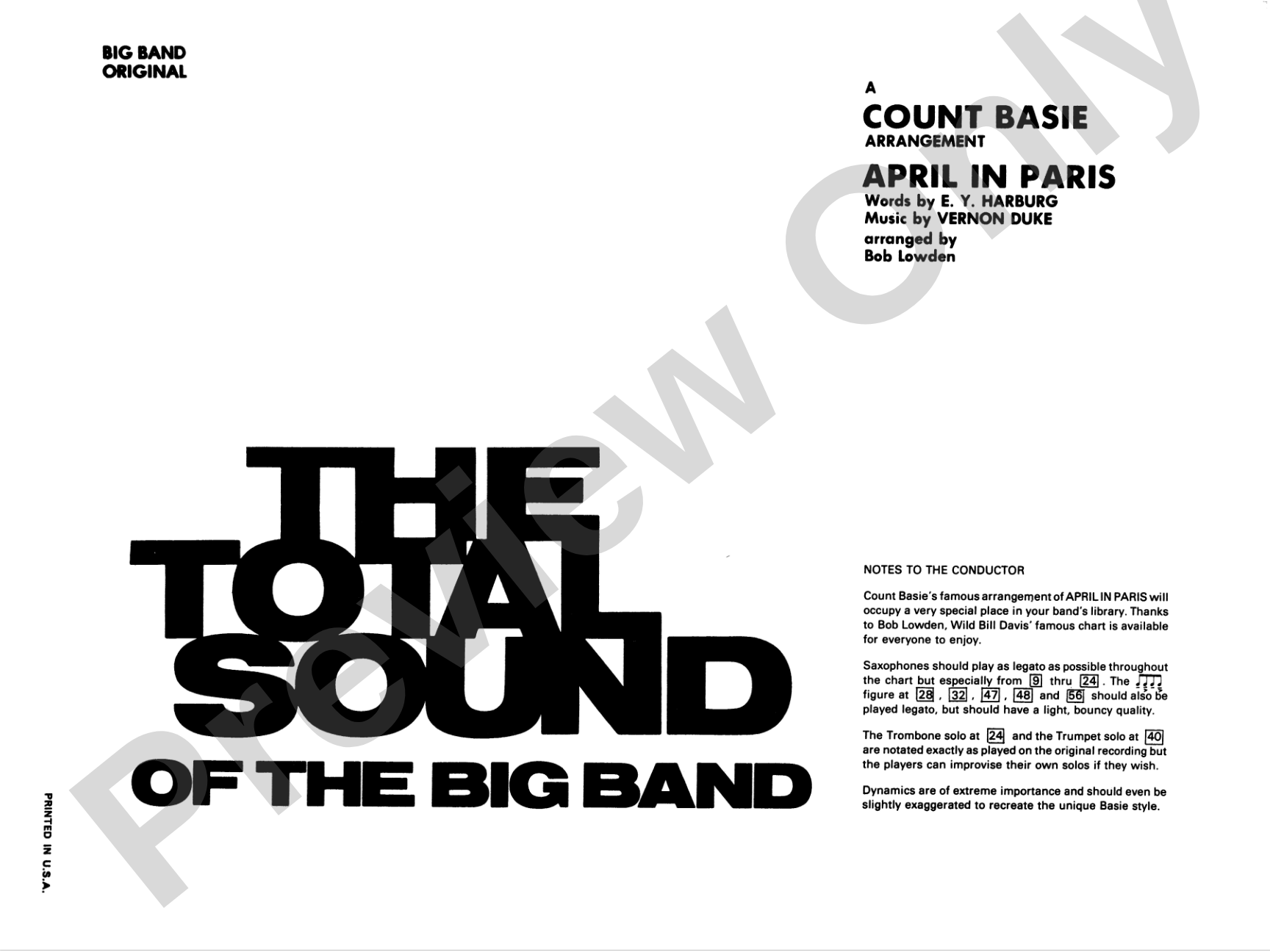
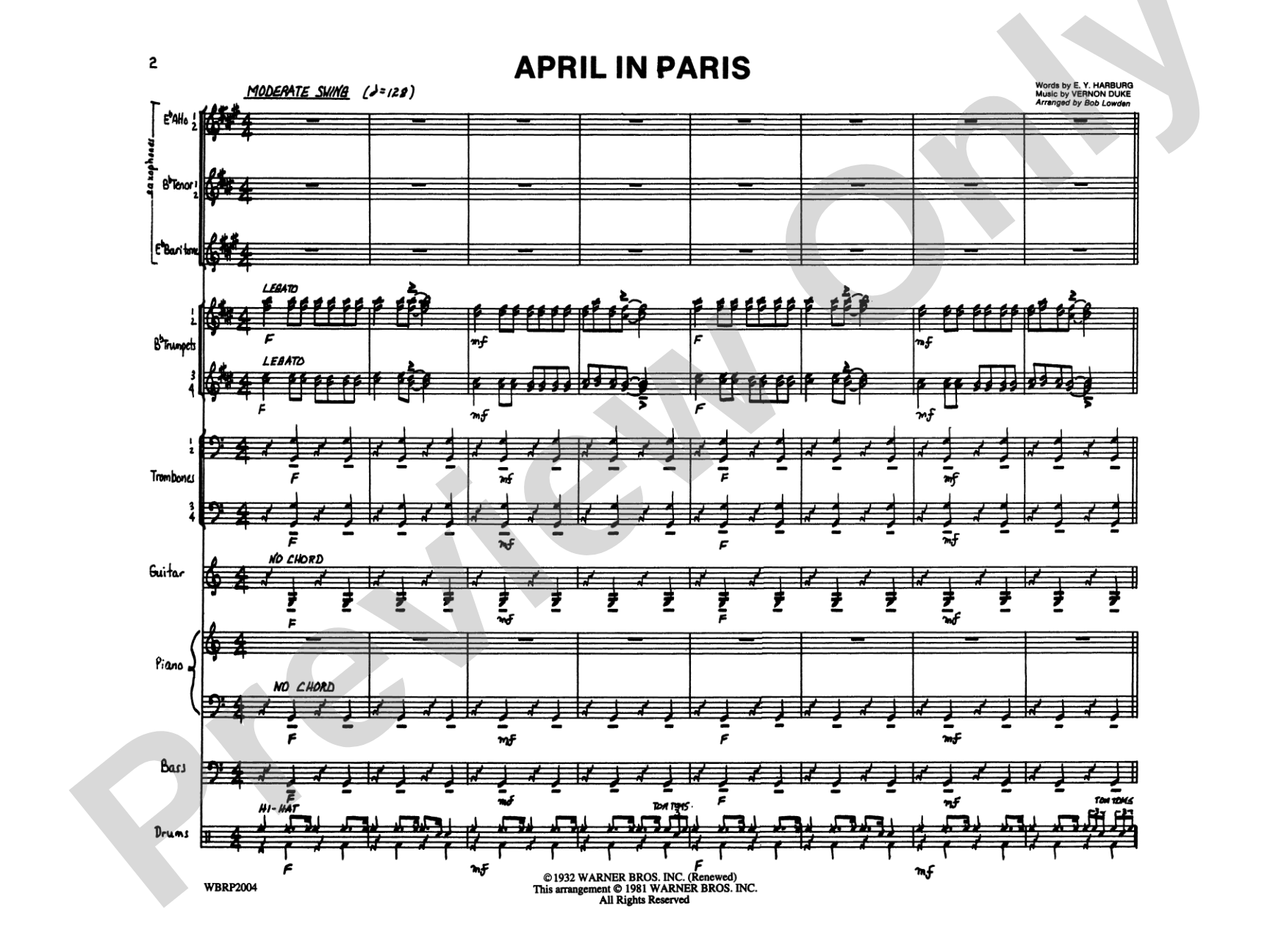
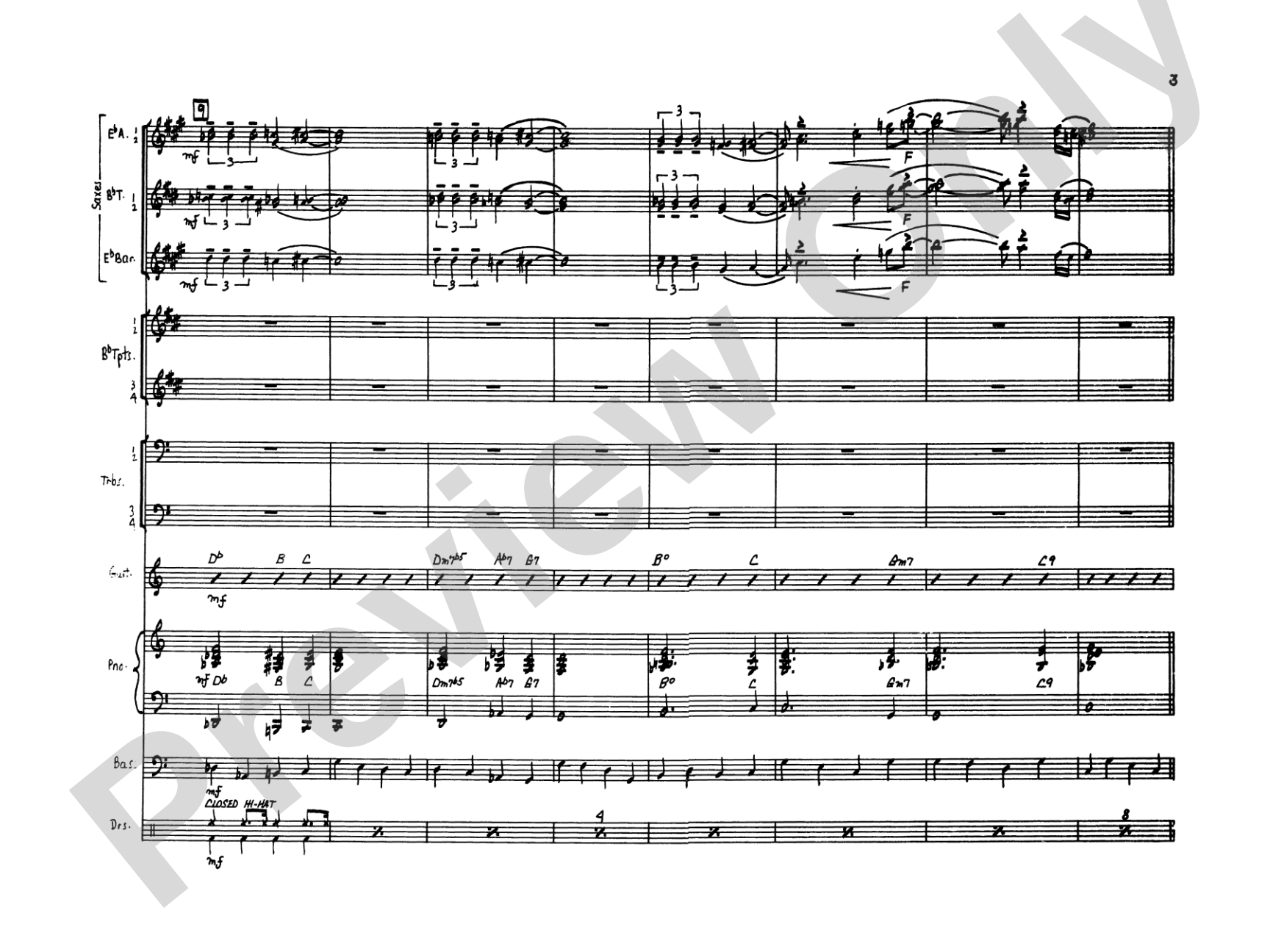
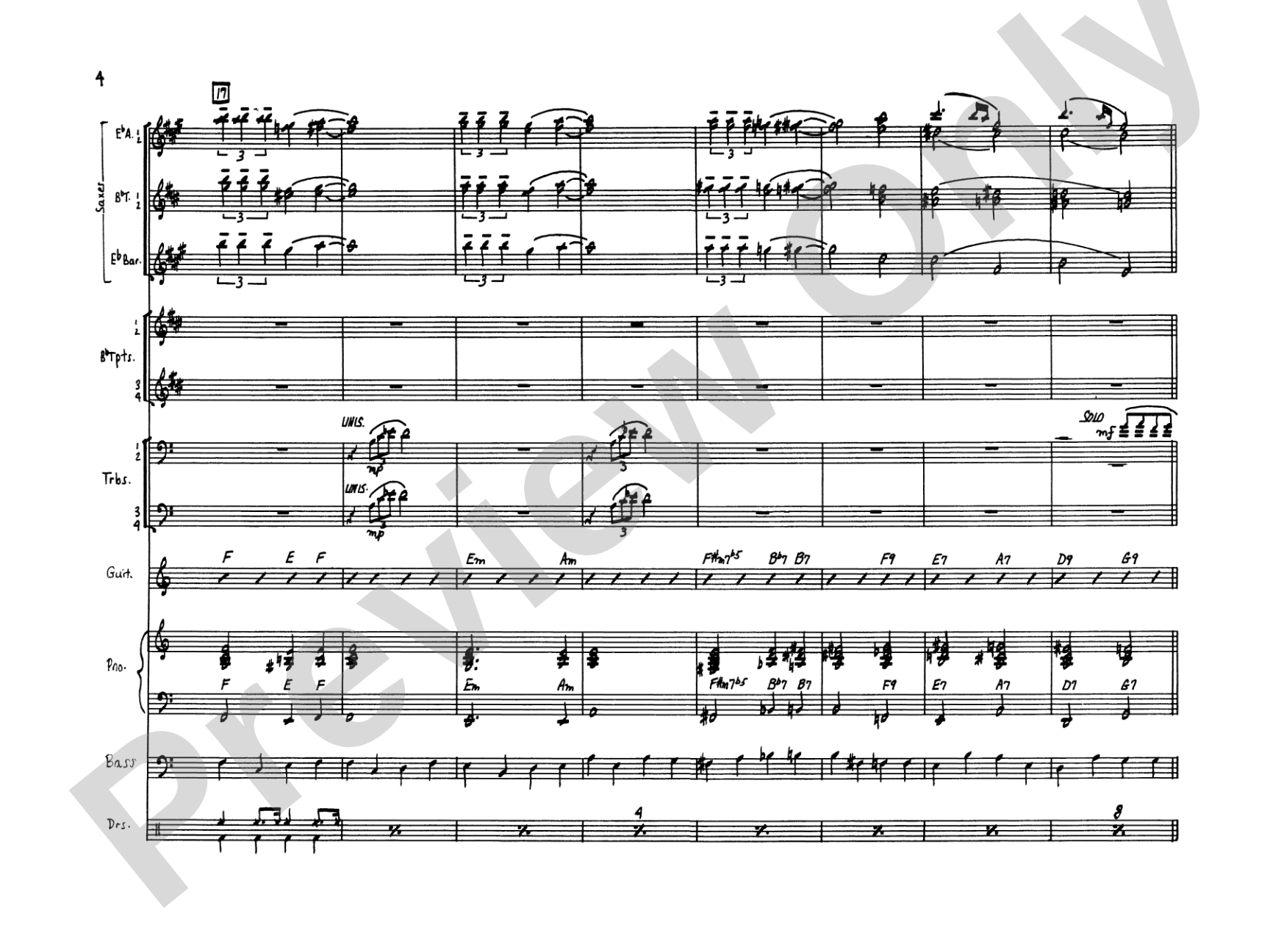
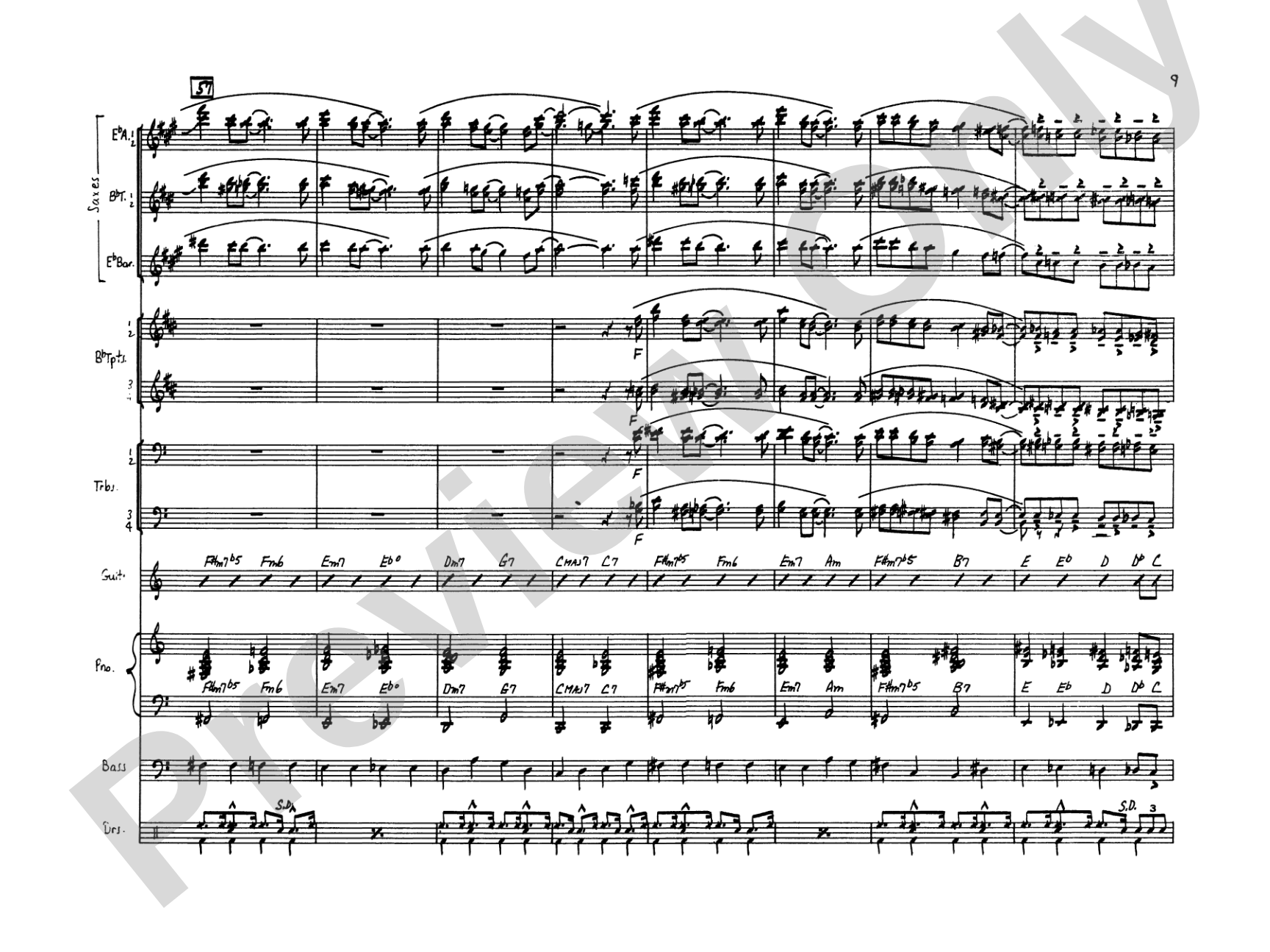
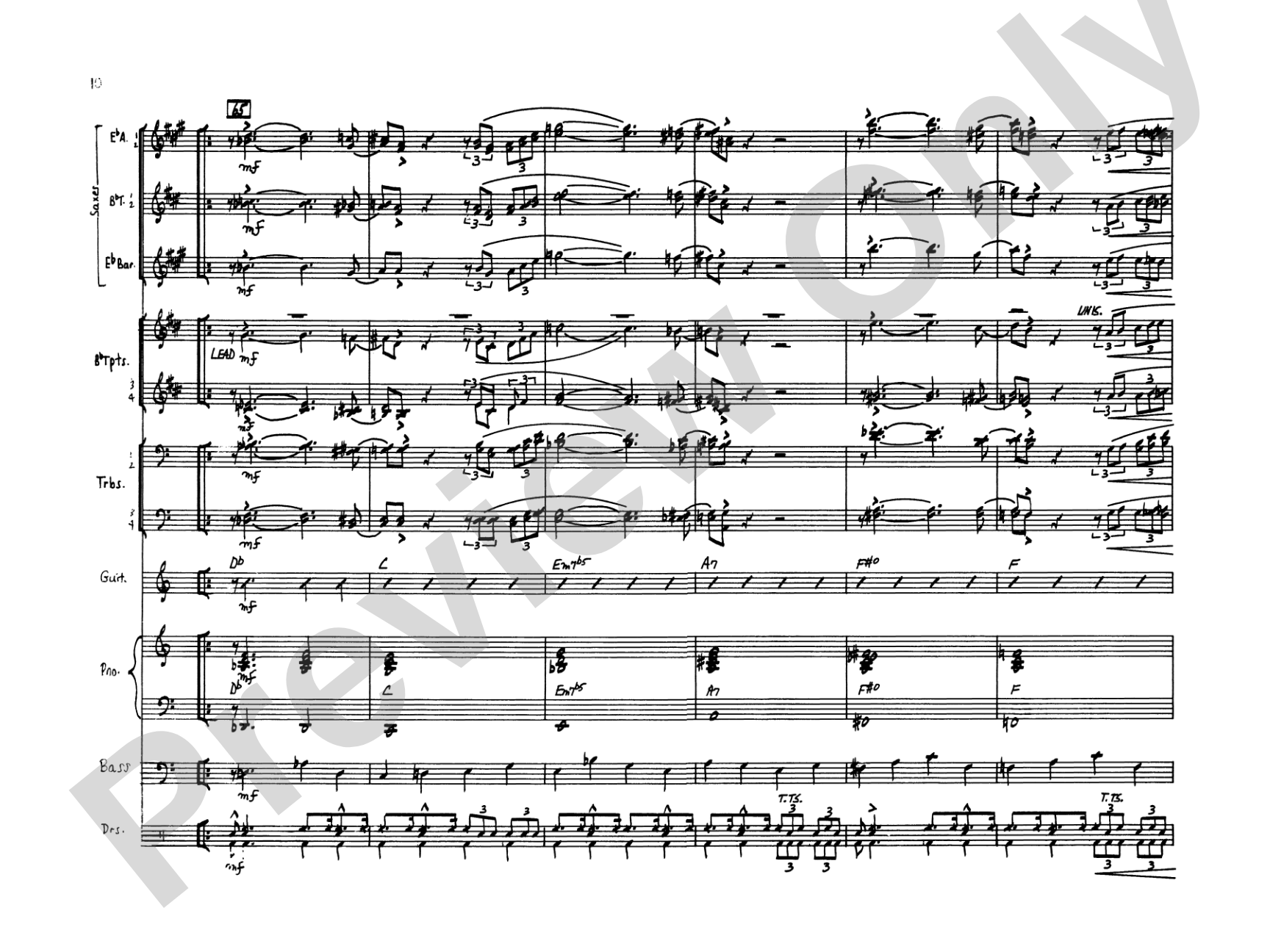
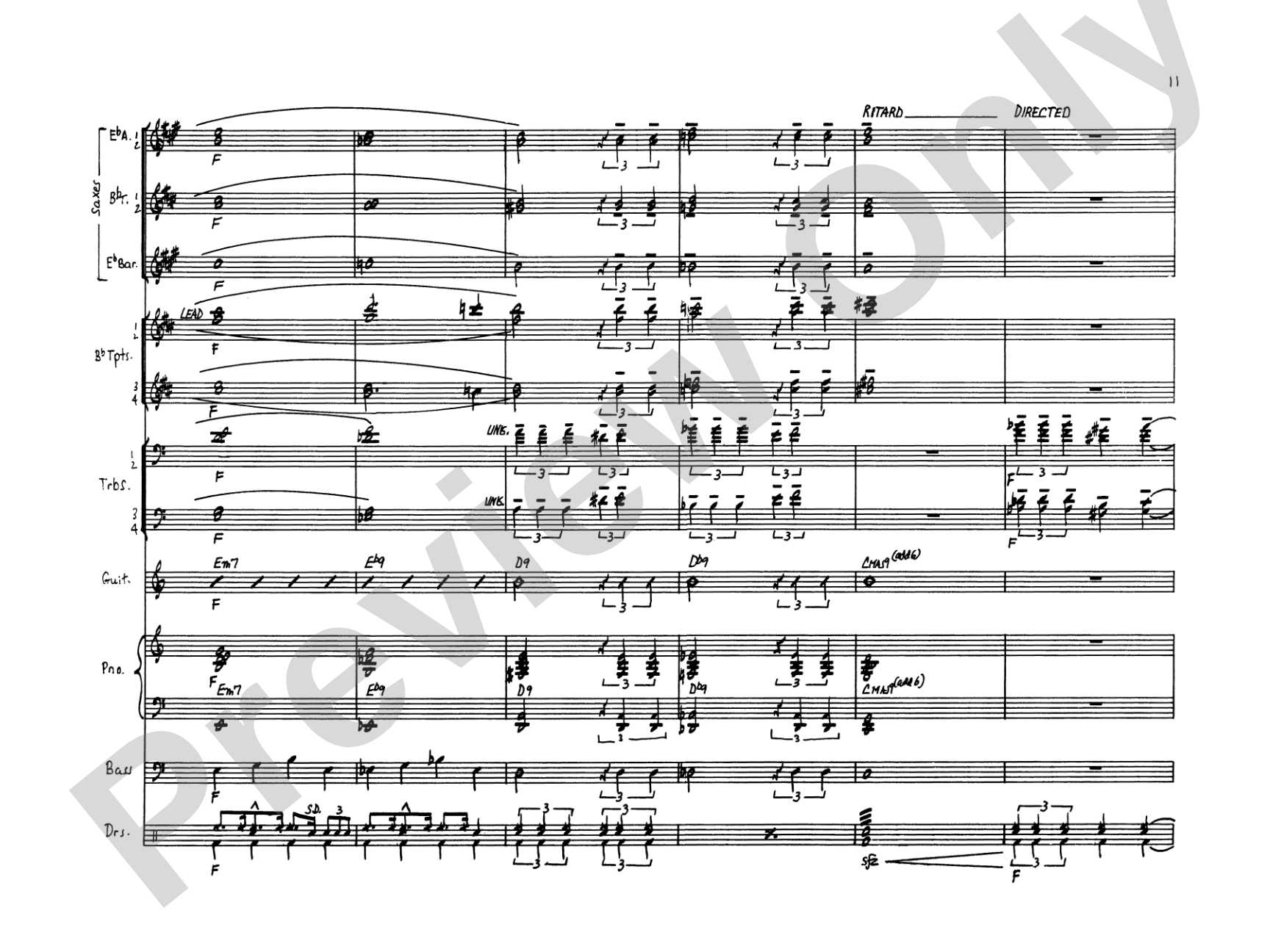
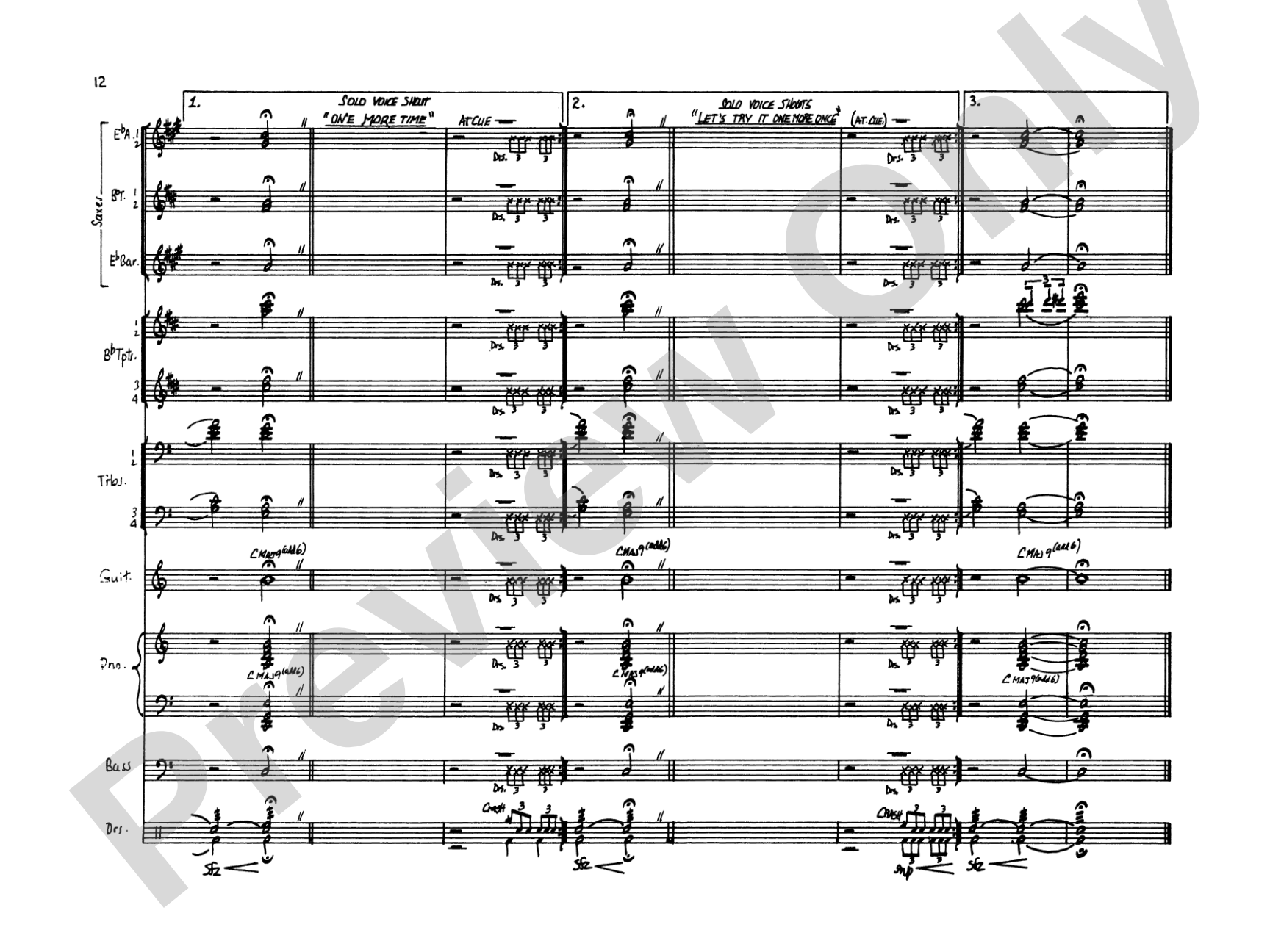

April in Paris: Jazz Ensemble Conductor Score & Parts
By Vernon Duke / arr. Bob Lowden
Grade: 3 (Medium)
Item: 00-PK-0006859

$38.00
Pickup currently not available
Buy Extra Parts (Digital PDF Download)
| Product | Price | Quantity |
|---|---|---|
| April in Paris: Score | $7.00 | |
| April in Paris: E-flat Alto Saxophone | $3.00 | |
| April in Paris: 2nd E-flat Alto Saxophone | $3.00 | |
| April in Paris: B-flat Tenor Saxophone | $3.00 | |
| April in Paris: 2nd B-flat Tenor Saxophone | $3.00 | |
| April in Paris: E-flat Baritone Saxophone | $3.00 | |
| April in Paris: 1st B-flat Trumpet | $3.00 | |
| April in Paris: 2nd B-flat Trumpet | $3.00 | |
| April in Paris: 3rd B-flat Trumpet | $3.00 | |
| April in Paris: 4th B-flat Trumpet | $3.00 | |
| April in Paris: 1st Trombone | $3.00 | |
| April in Paris: 2nd Trombone | $3.00 | |
| April in Paris: 3rd Trombone | $3.00 | |
| April in Paris: 4th Trombone | $3.00 | |
| April in Paris: Guitar | $3.00 | |
| April in Paris: Piano Accompaniment | $3.00 | |
| April in Paris: String Bass | $3.00 | |
| April in Paris: Drums | $3.00 |
Parts Added to Cart!
Description
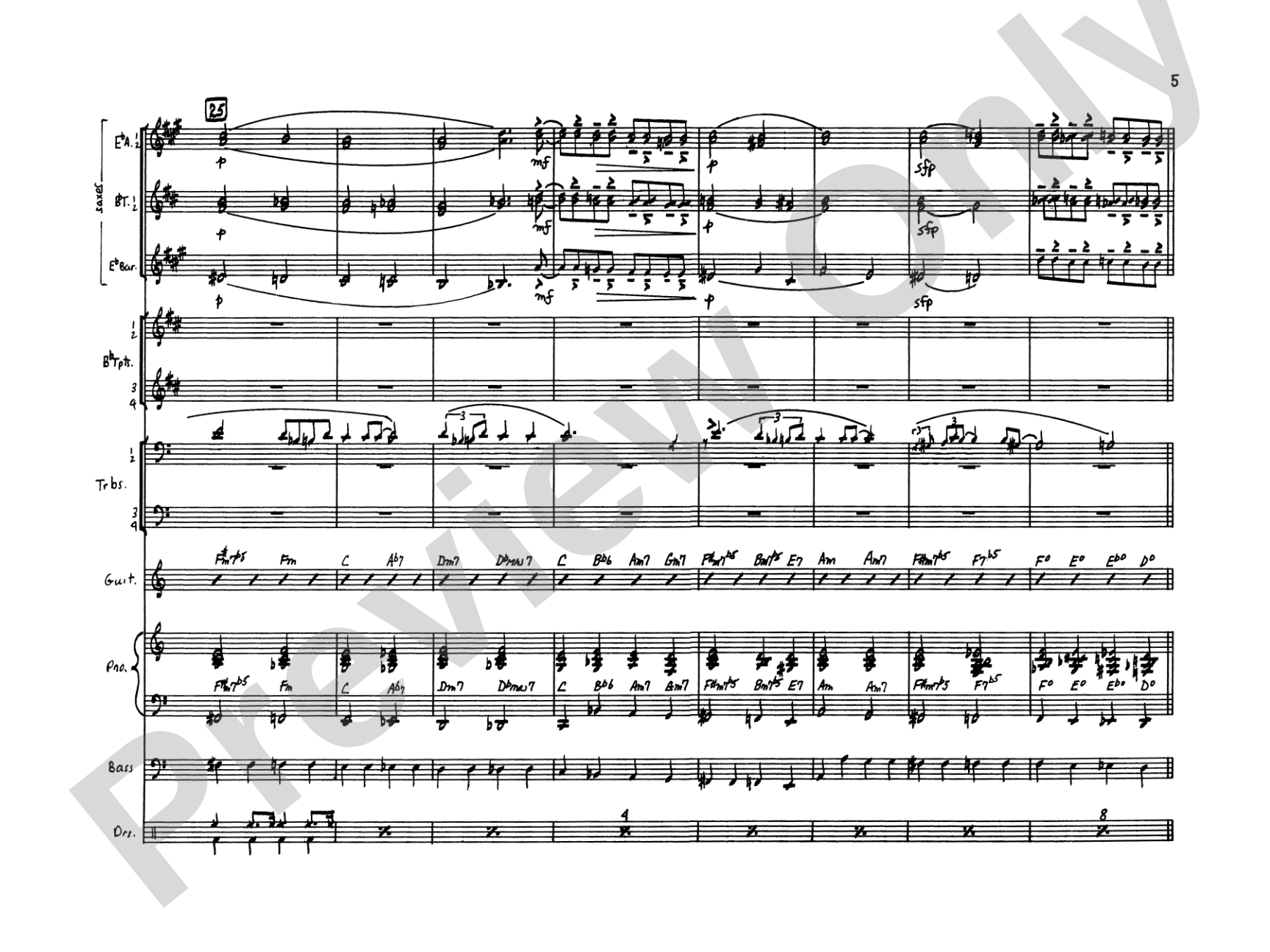
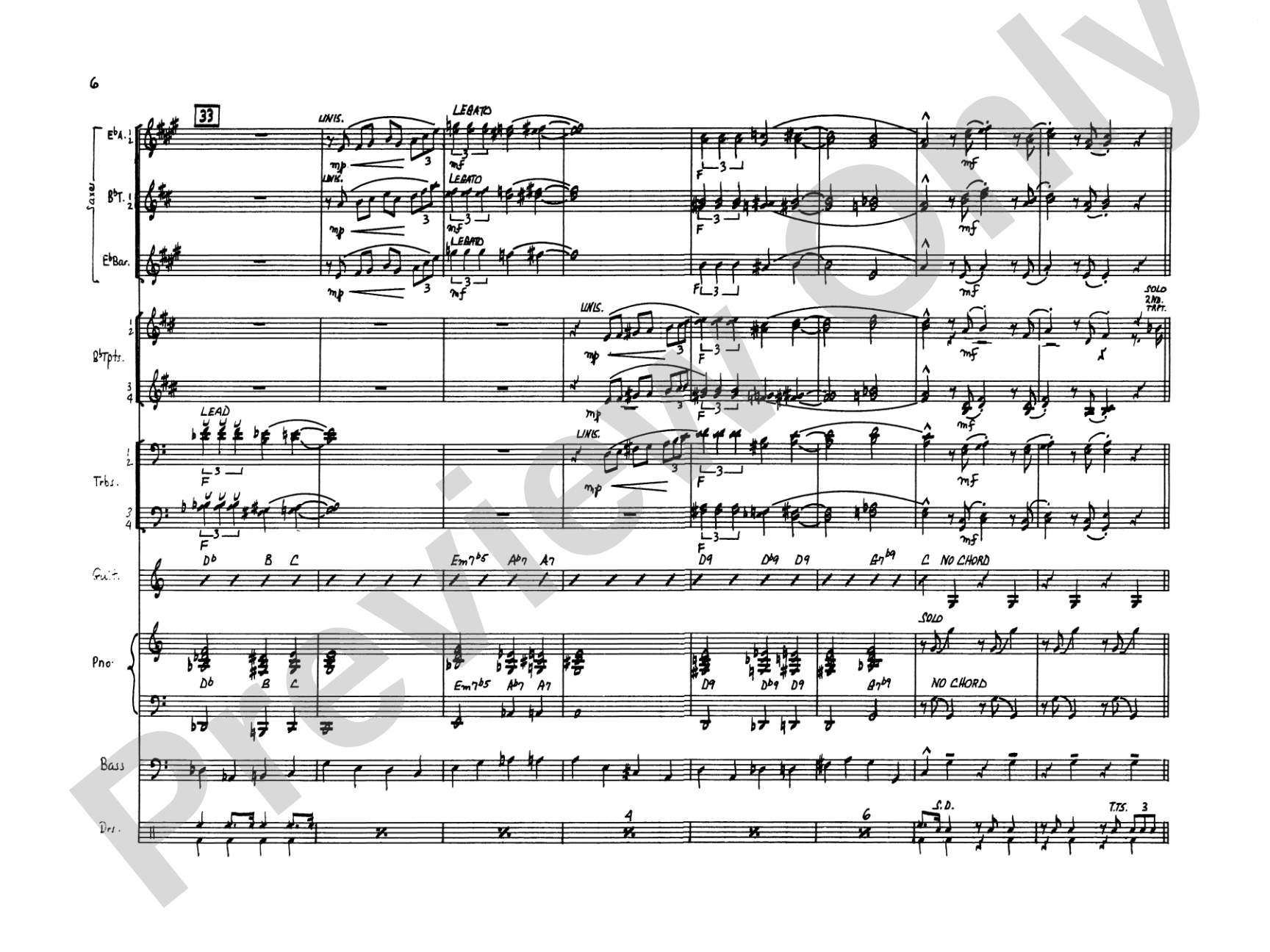
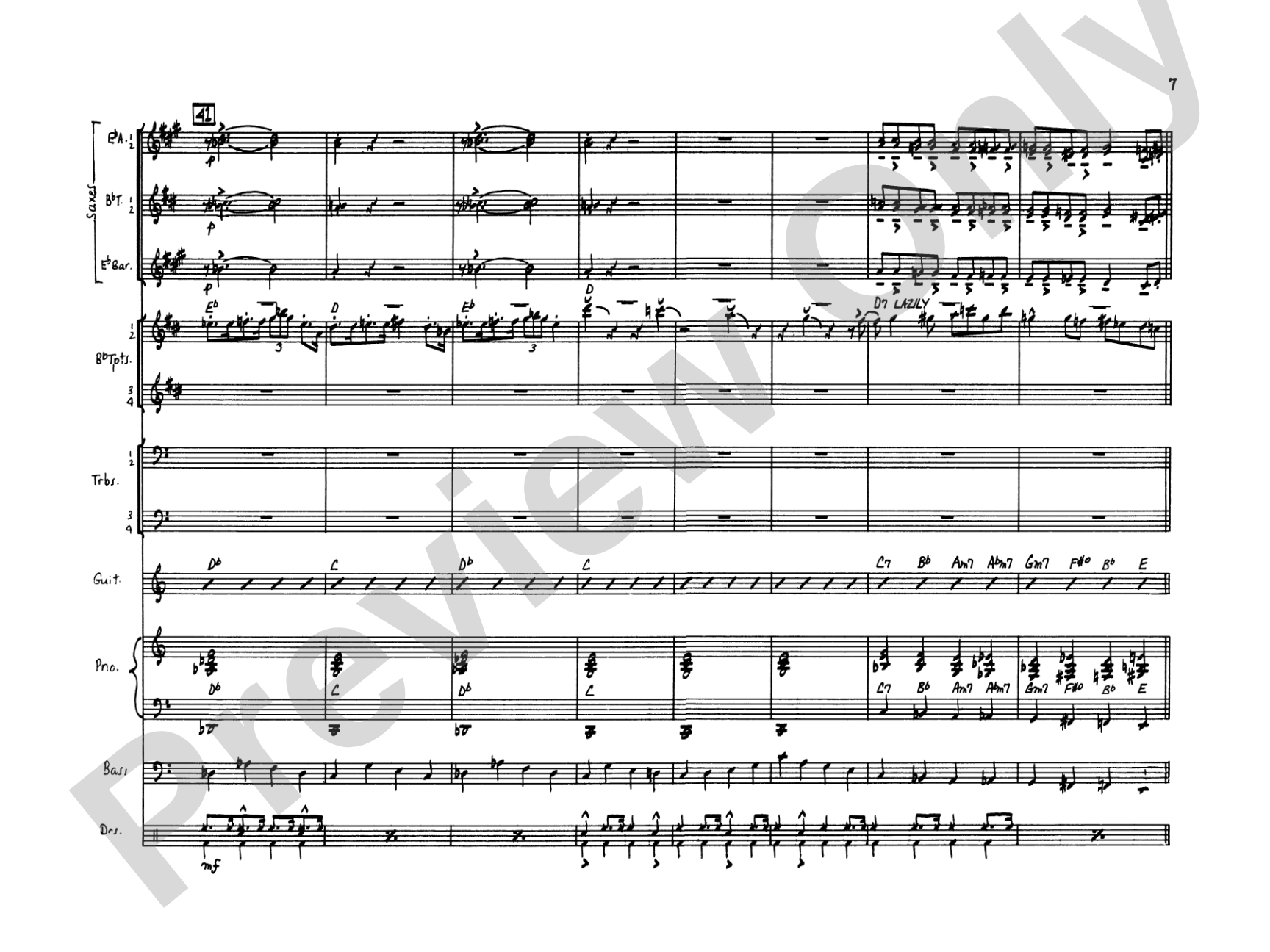
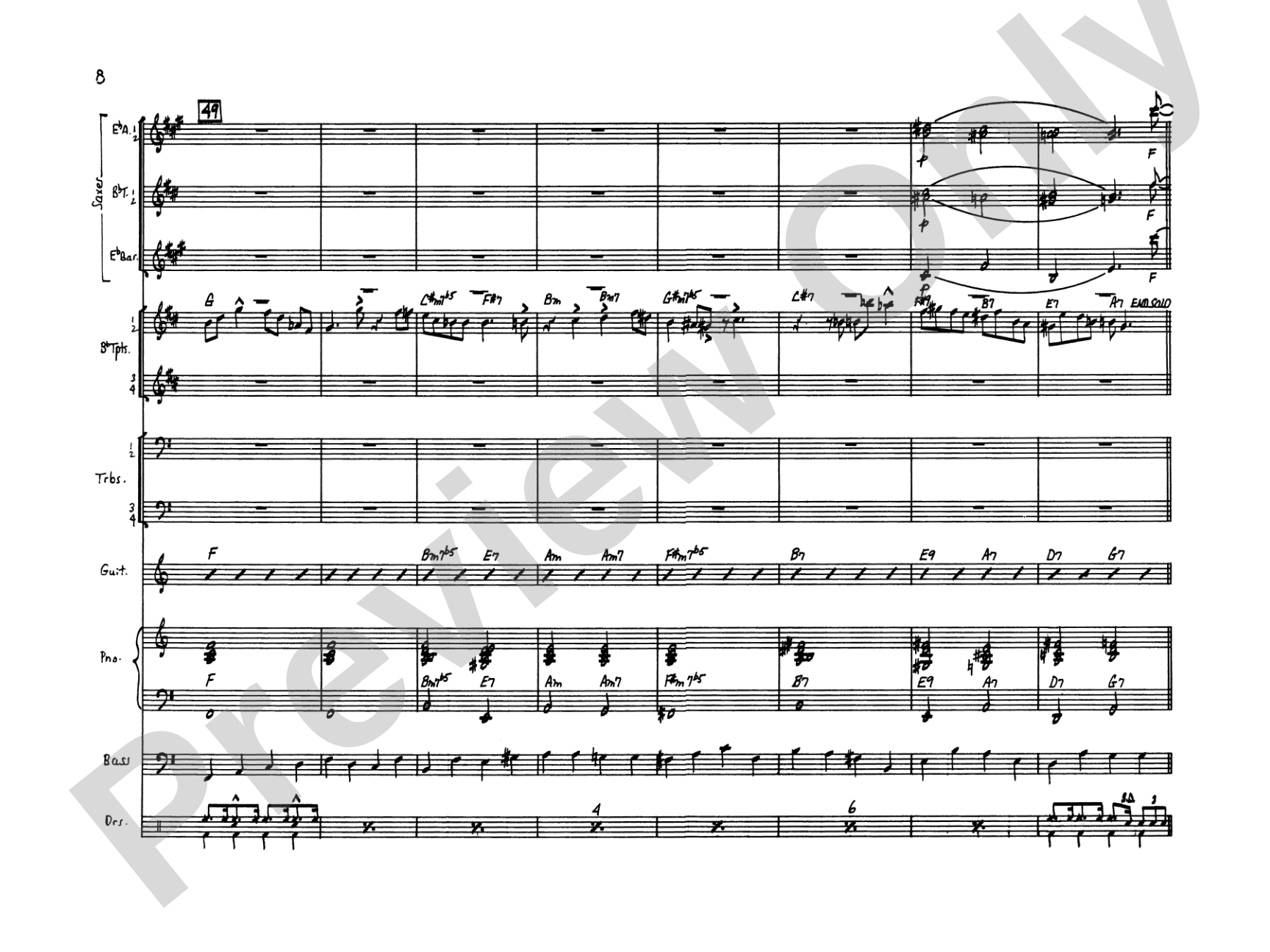
Belwin Jazz presents April in Paris, a level 3 jazz band series piece designed for high school and advanced junior high school band. Instrumentation includes 5 saxophones, 8 brass, and 4 rhythm parts. Optional parts include flute, tuba, horn and baritone T.C. Solos are written out with chord changes, the rhythm section parts suggest chord voicing and rhythms and guitar chord frames are provided to help young guitarists.


Don't just read it, hear it, play along with it, and watch your students grow with it. In MakeMusic Cloud, April in Paris: Jazz Ensemble Conductor Score & Parts comes alive with professional accompaniment, adjustable tempo, and built-in practice tools that turn solo practice into real progress.
Open in the Player
Jump straight in and assign it today.
Start Your Free Trial
Open this title and explore the full library in minutes.
Sample Audio
No sample audio found.
Sample Video
No sample videos found.
Additional Details
Series:
Jazz Band Series
Publisher:
Alfred Music
Page Count:
76
SKU:
00-PK-0006859
More about this title
About the Composer: Vernon Duke
Vernon Duke (1903-1969) was a Russian-American composer who moved fluidly between classical and popular idioms, writing for Broadway, film, and the concert hall with equal facility. His gift for memorable melody and sophisticated harmonic language made him a sought-after composer for musicals; "April in Paris" became one of his most enduring songs, introduced in the 1932 Broadway show of the same name.
Why we love this
Bob Lowden's arrangement captures the swinging elegance of Duke's melody while keeping the writing accessible for developing jazz ensembles. The written-out solos and guided chord voicings remove guesswork and let students focus on phrasing and ensemble listening rather than scrambling to comp changes.
What to expect
"April in Paris" swings with the unhurried confidence of a classic song that knows exactly what it is. The melody floats over warm changes with a touch of wistful romanticism, inviting soloists to find their own voice within the form while the ensemble provides lush, swinging support.
Who it's for
High school and advanced junior high jazz ensembles ready to tackle their first real standard with sophistication. The score and part set works for groups with 5 saxophones, 8 brass, and 4 rhythm players, with optional doubling parts in flute, tuba, horn, and baritone T.C. to accommodate flexible instrumentation.
How to get the most out of it
- Balance the melody against the rhythm section so the tune sings through clearly; this is a song first, so resist the urge to overpower the soloists with heavy ensemble backgrounds.
- Encourage the rhythm section to lock in early and stay loose. The suggested chord voicings in the parts are starting points, not scripture; guitarists and keyboardists who understand voice leading will find more musical solutions.
- Shape the written solos with rubato and dynamic contrast. These are notated for accuracy, but the best performances breathe with the soloist and respond to the acoustic energy in the room.
How to use it
Use this as a centerpiece for a jazz showcase or spring concert; it pairs well alongside Gershwin or other American songbook standards and gives your ensemble a chance to prove they can handle a real tune with taste and restraint. It also works perfectly in a program that traces the evolution of jazz repertoire, bridging the era of standards with contemporary big band writing.
Skills your students will build
- Soloing over jazz changes with written guide melodies
- Listening to and supporting soloists as an ensemble
- Interpreting chord voicing suggestions and adapting them to available voicings
- Phrasing and dynamic shaping in a lyrical jazz context
- Rhythm section interplay and cohesion in a swing-based setting