
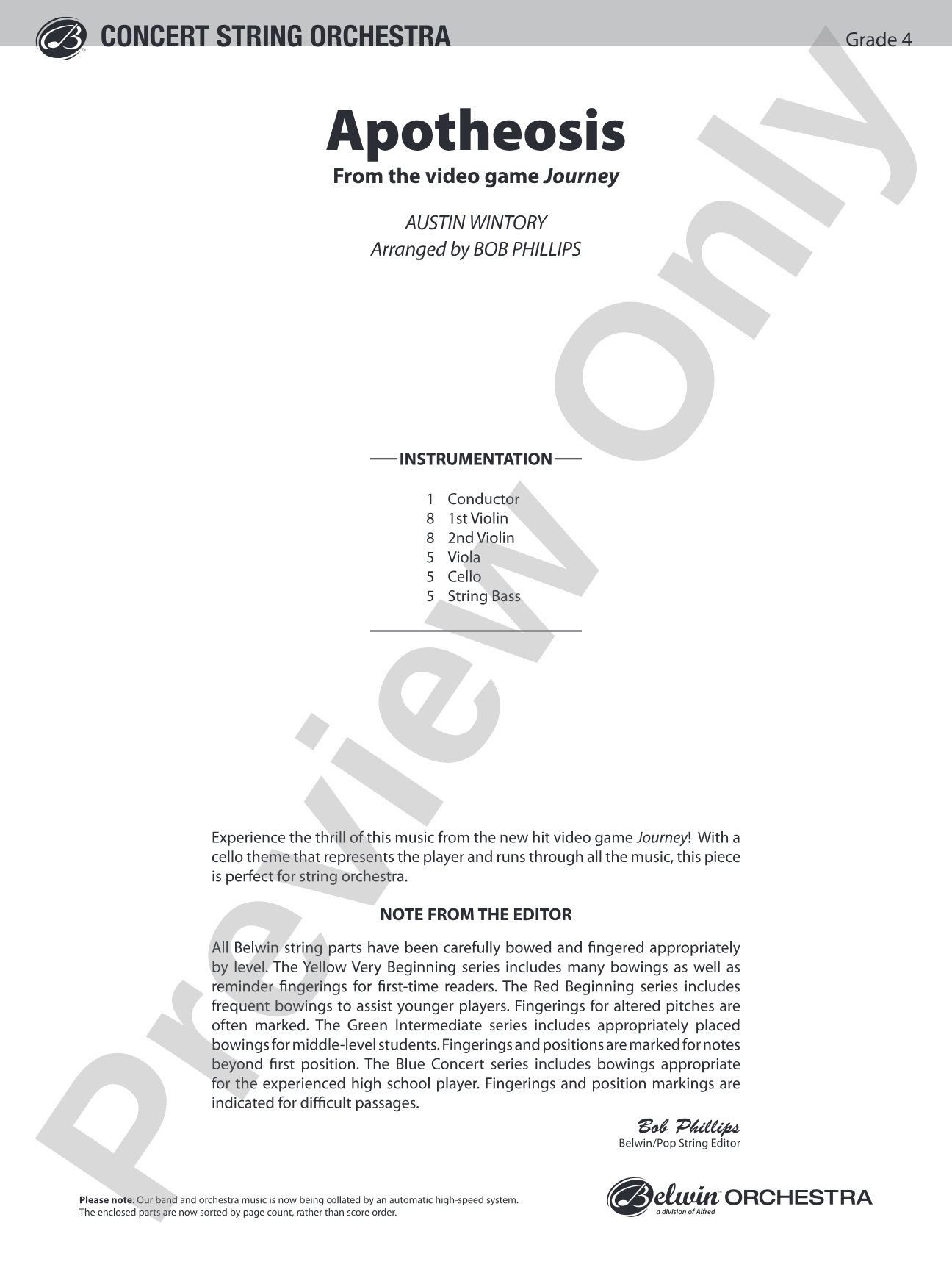
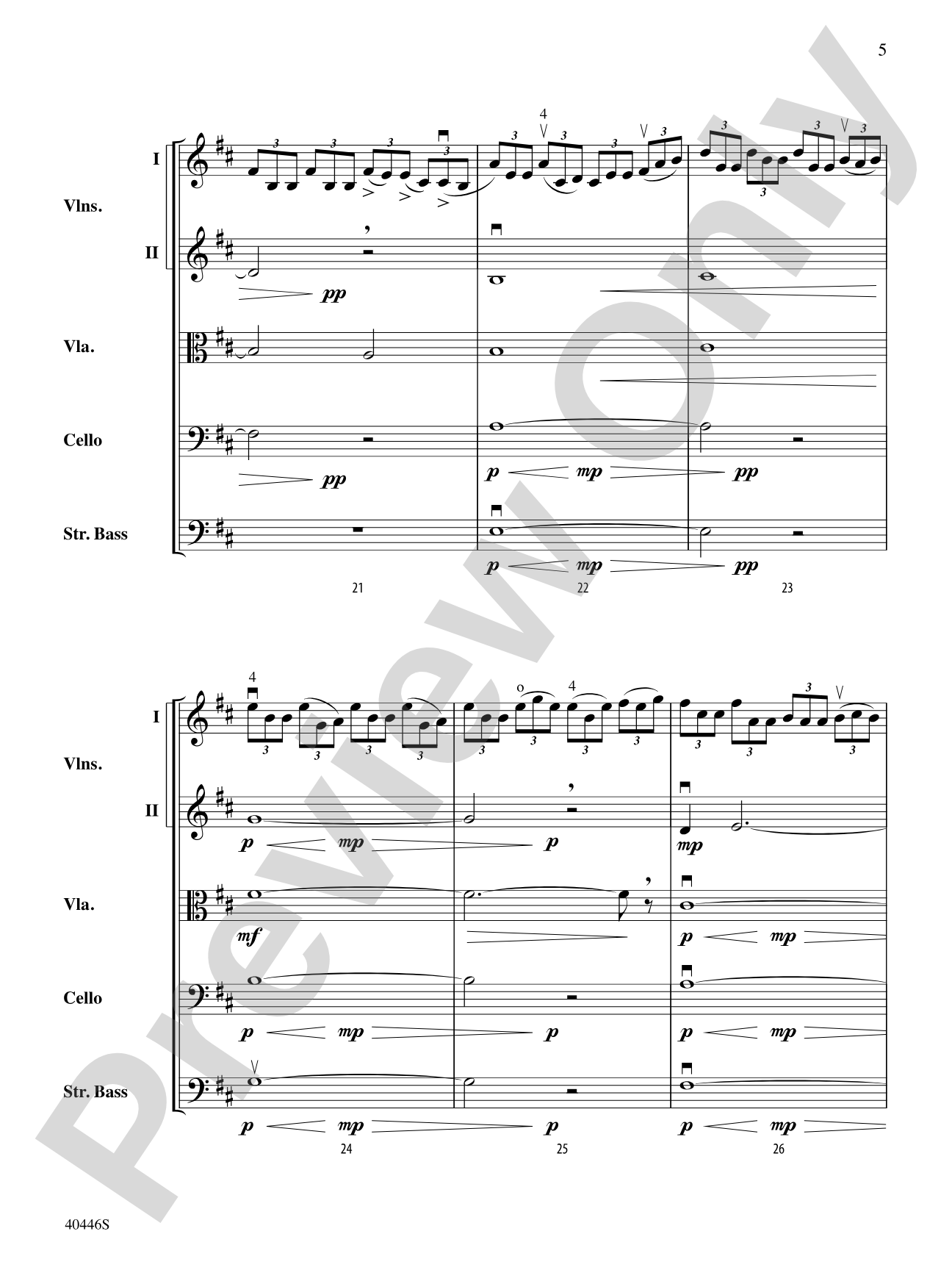
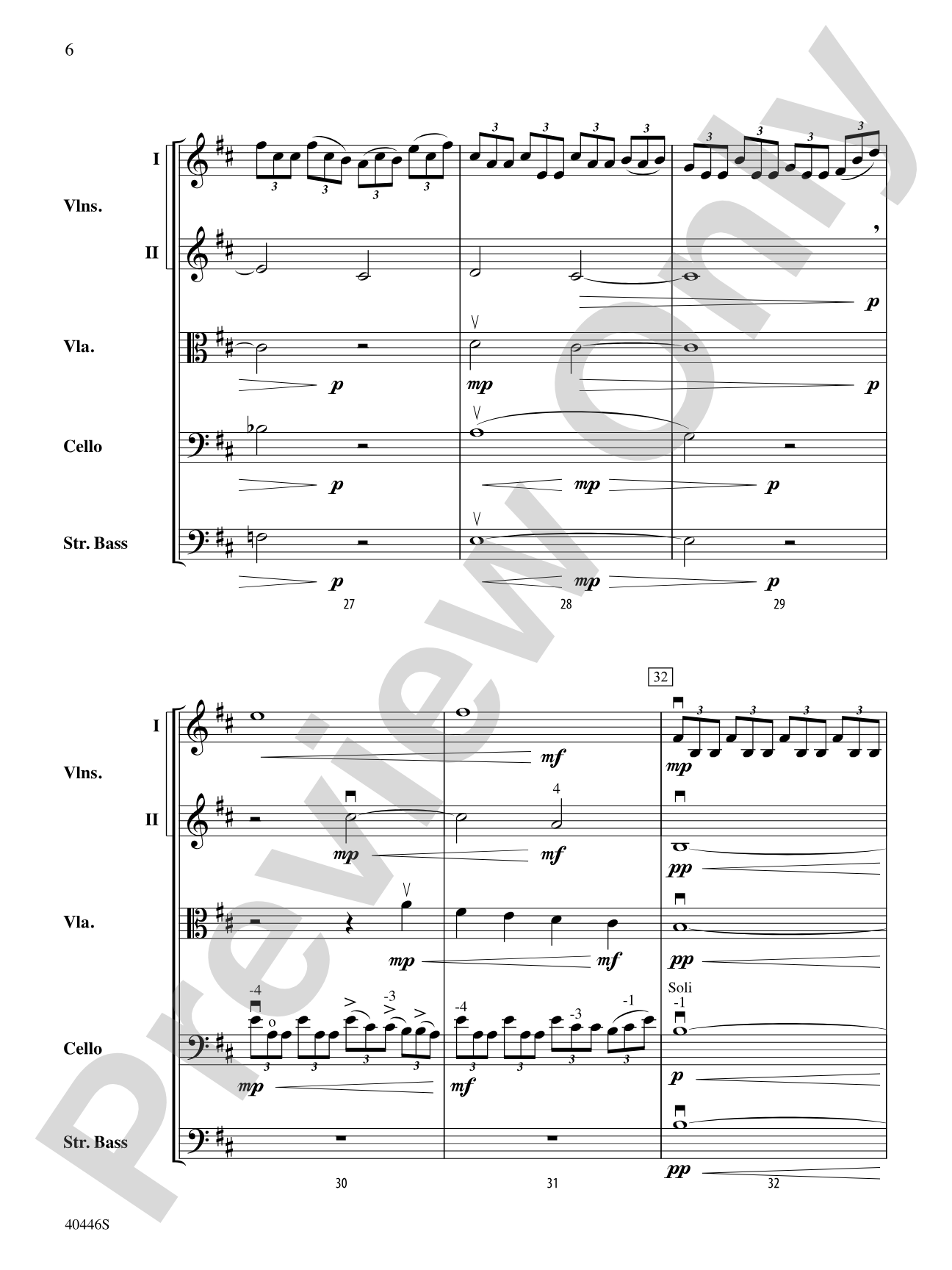
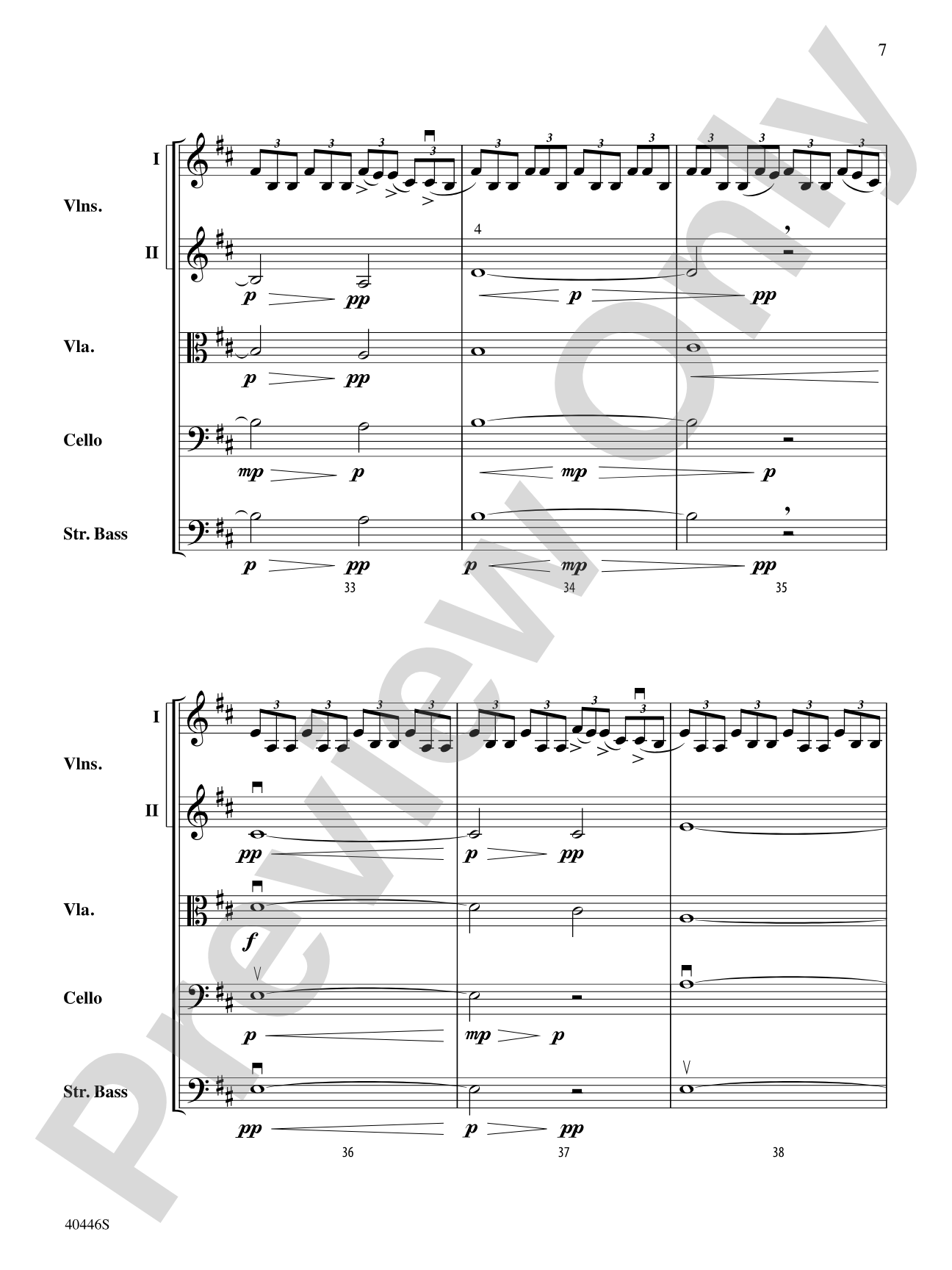
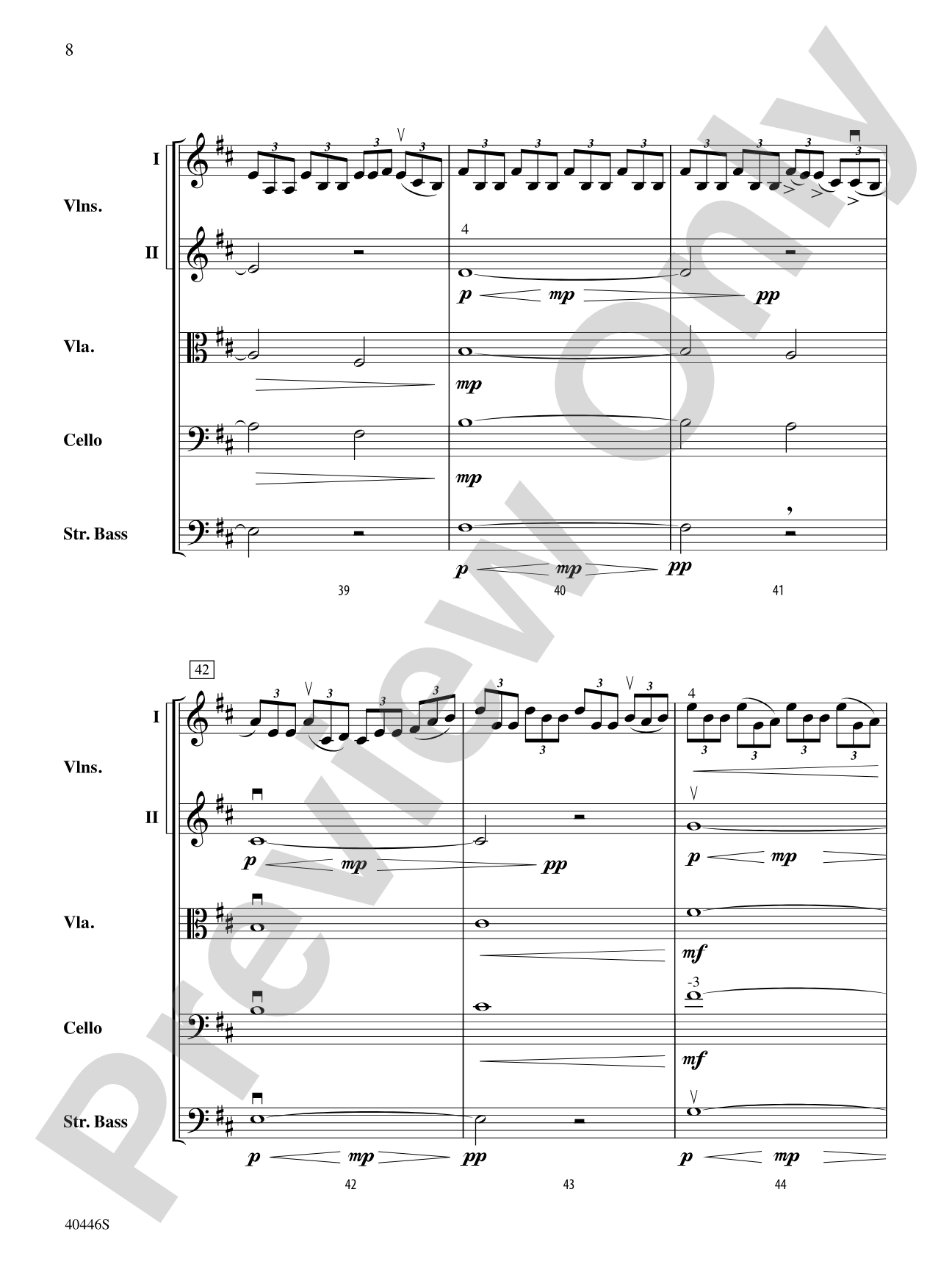
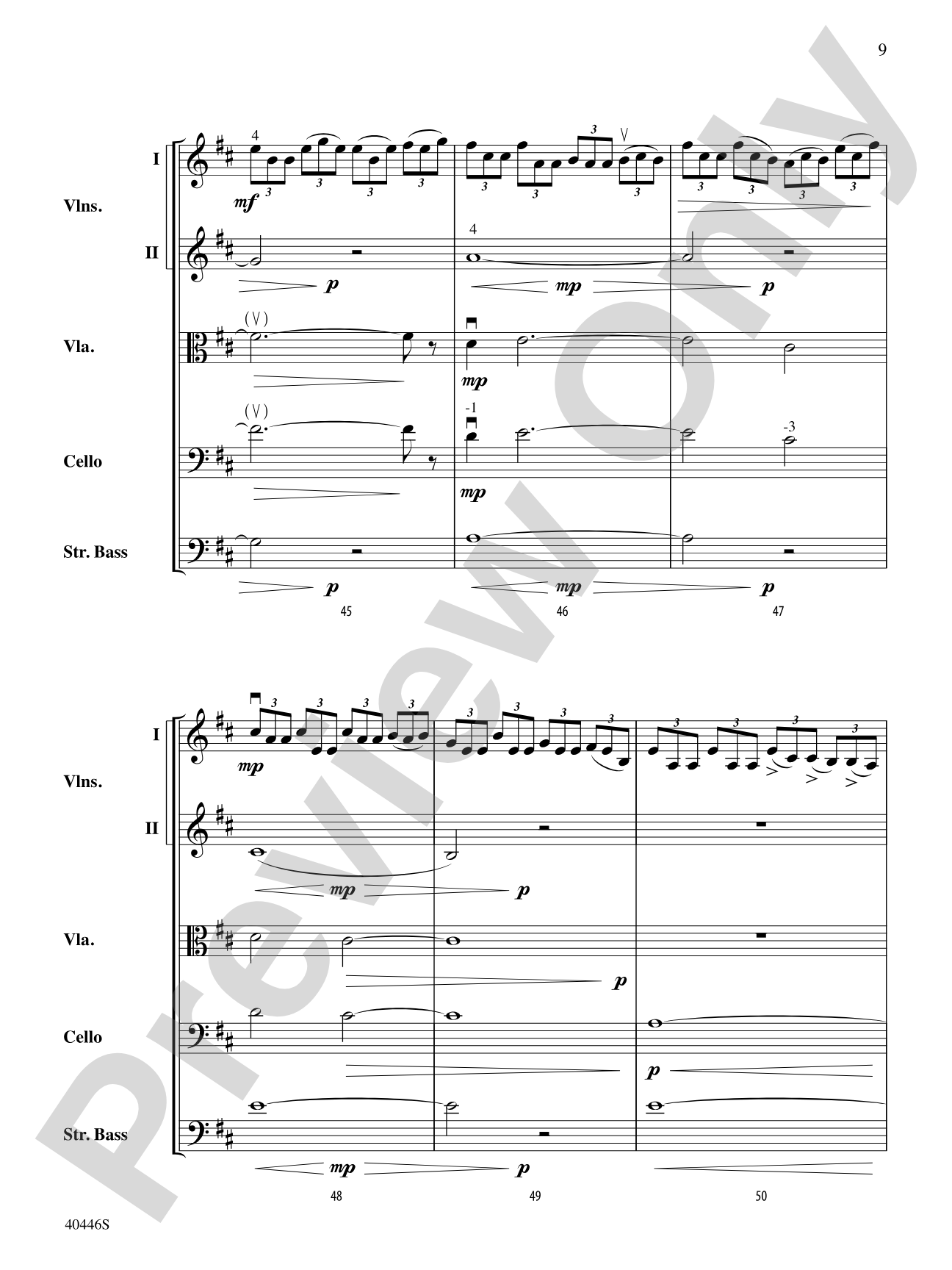
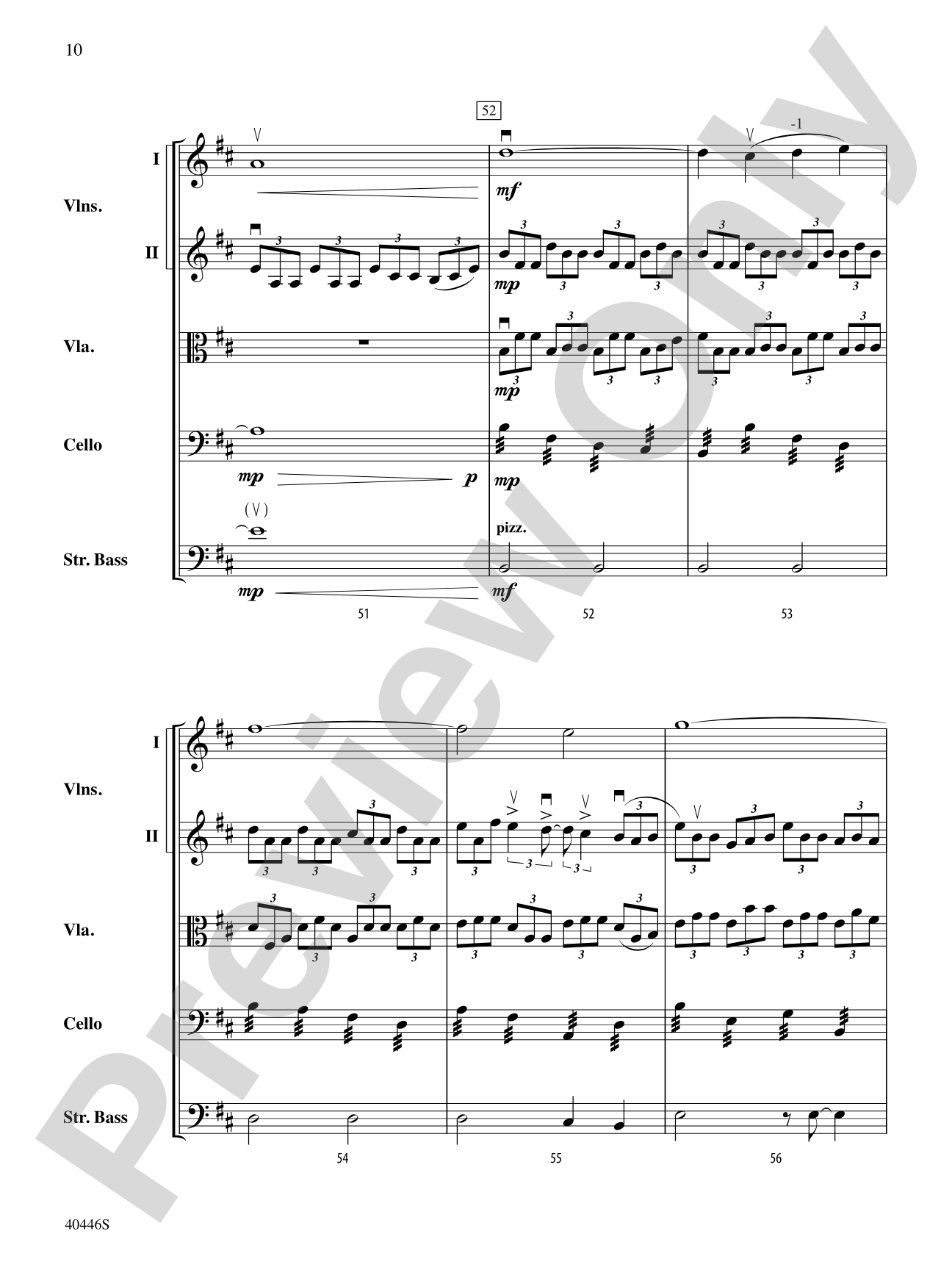
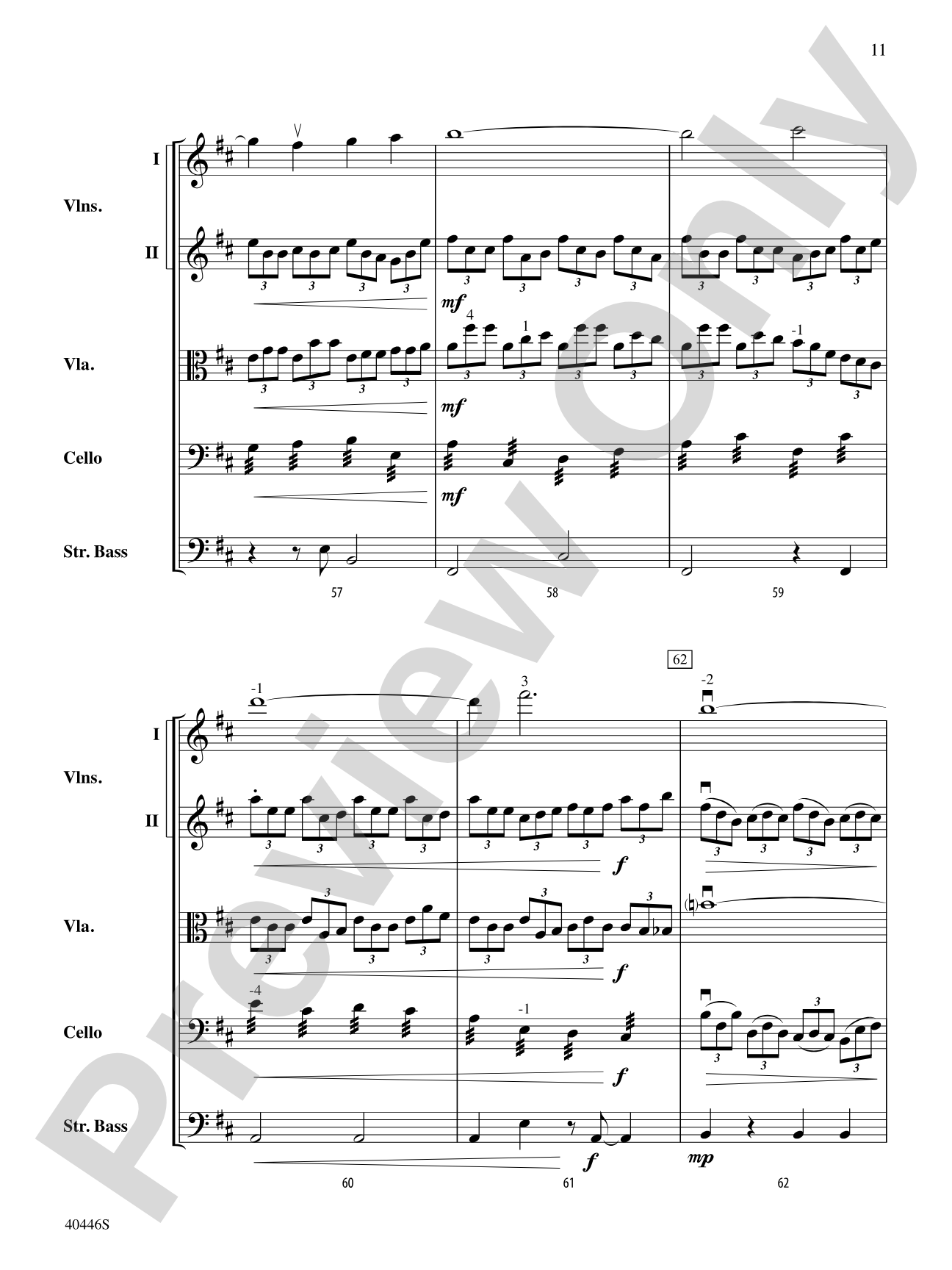
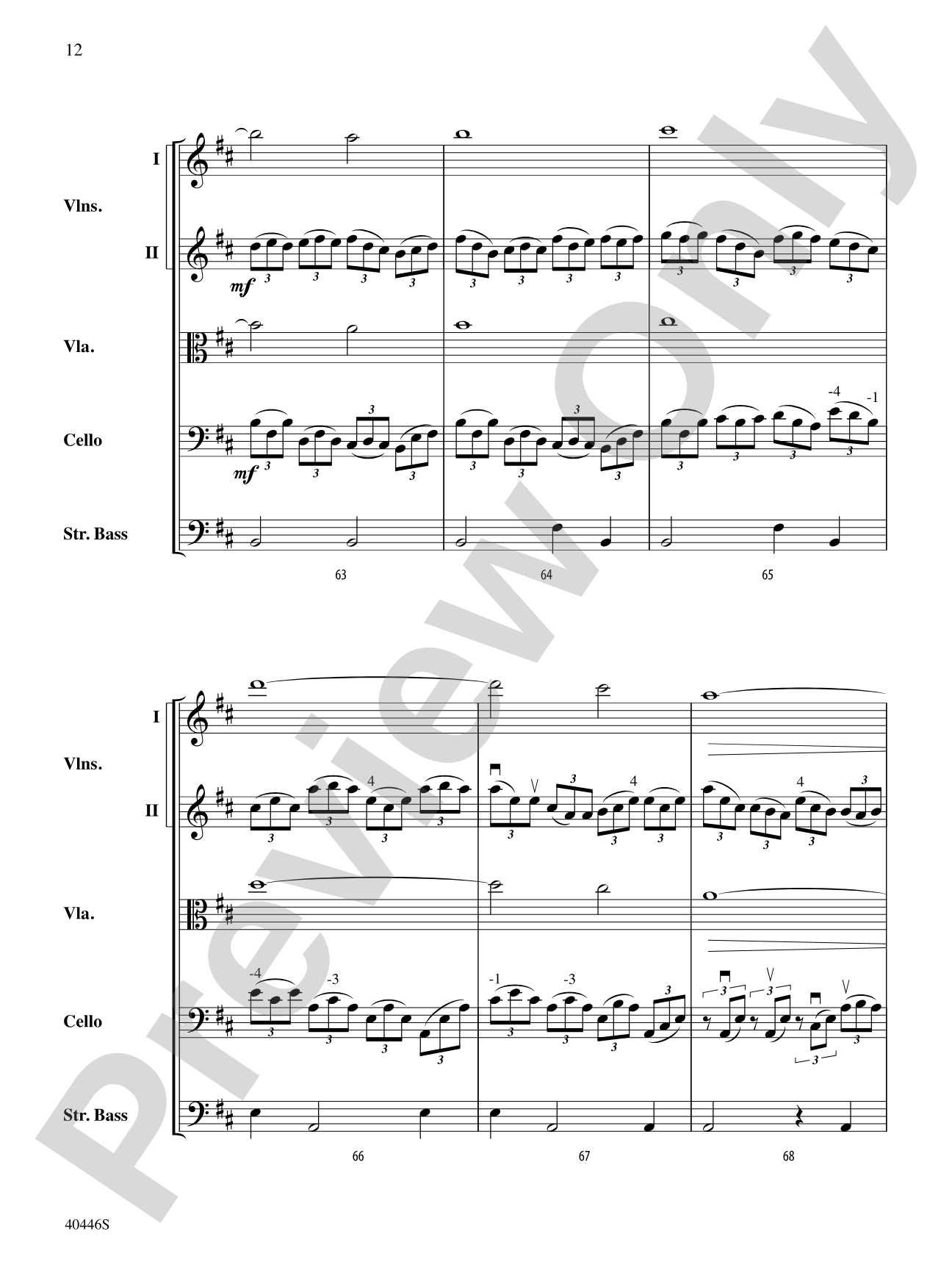
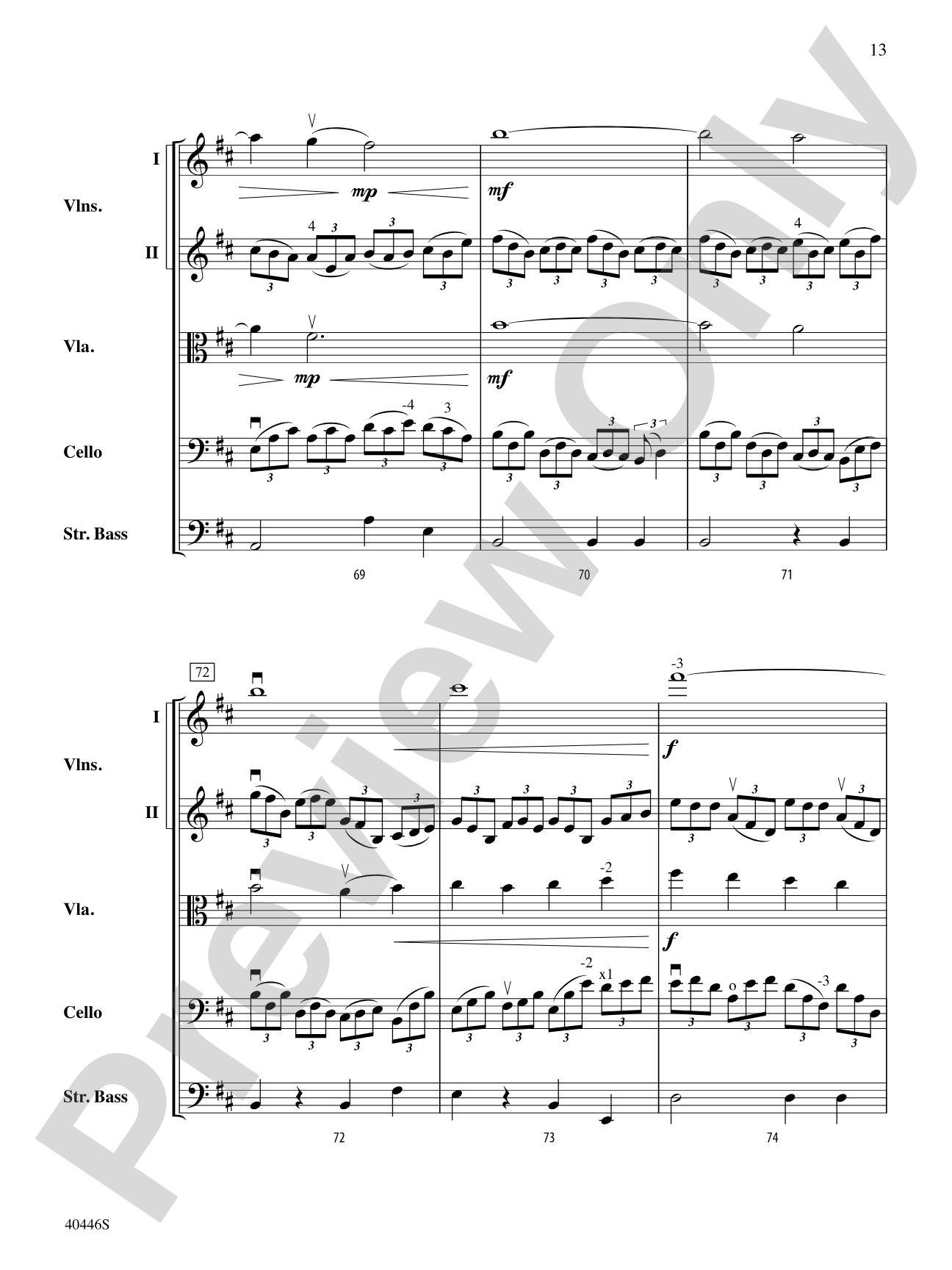
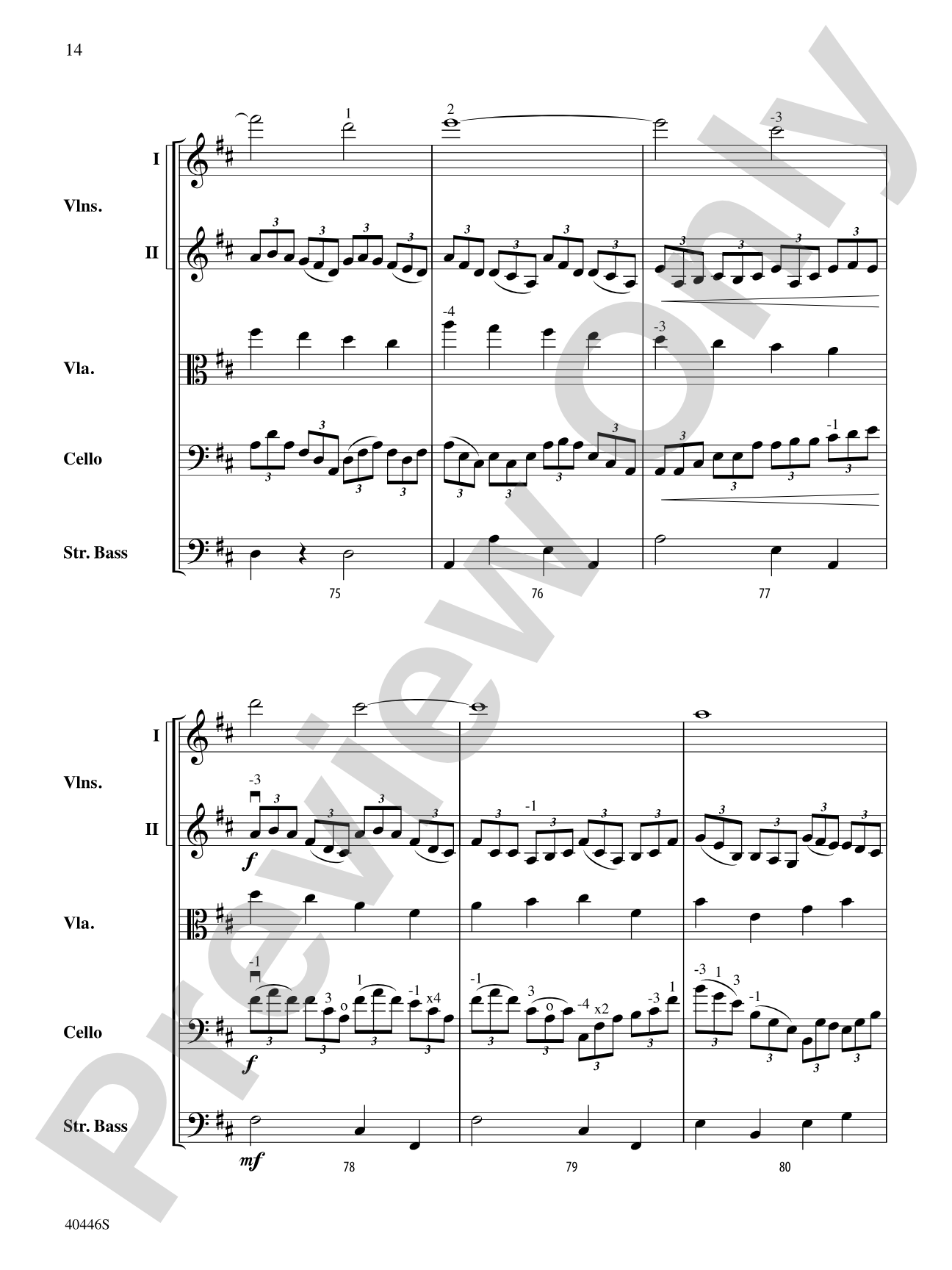
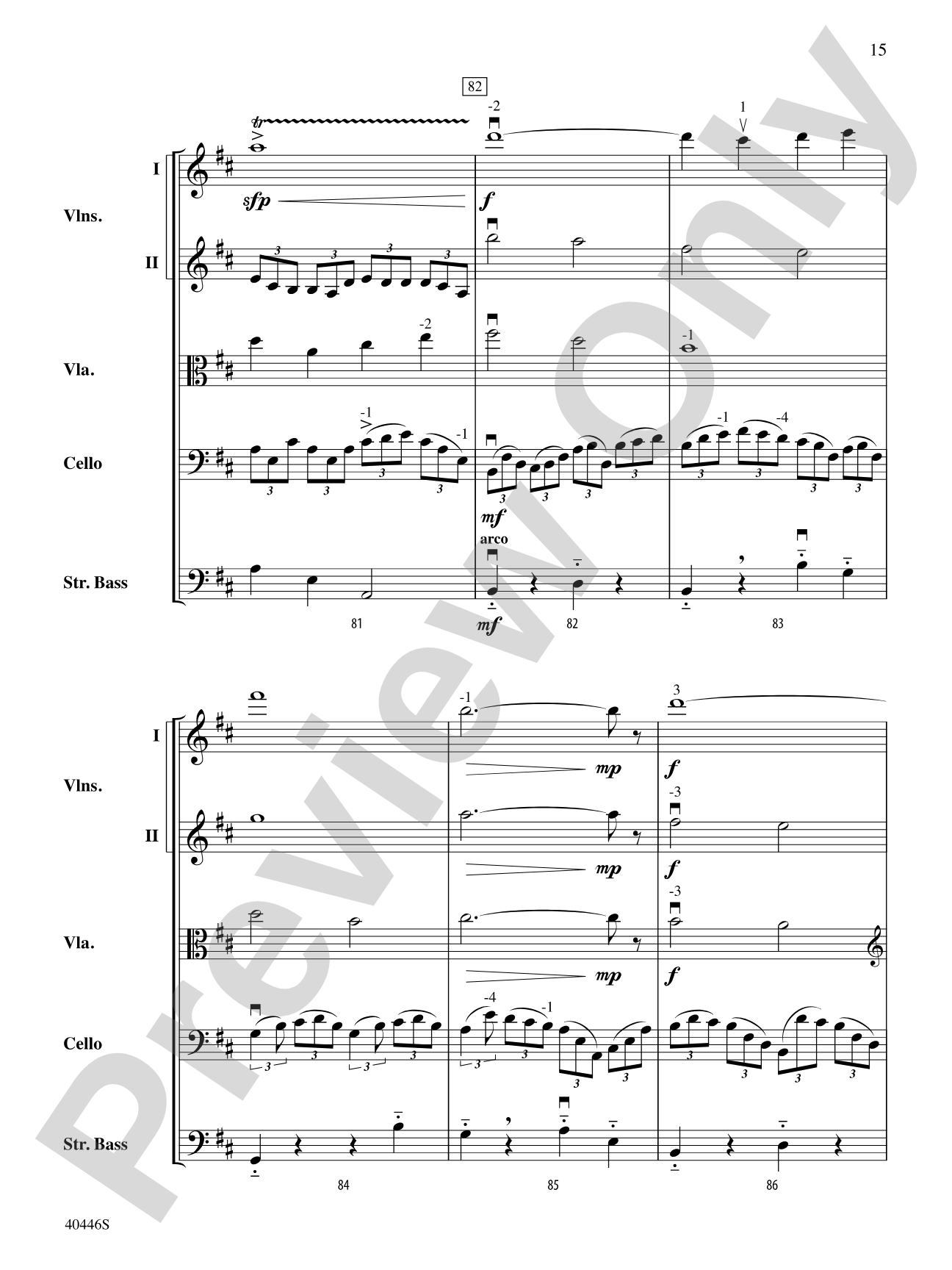
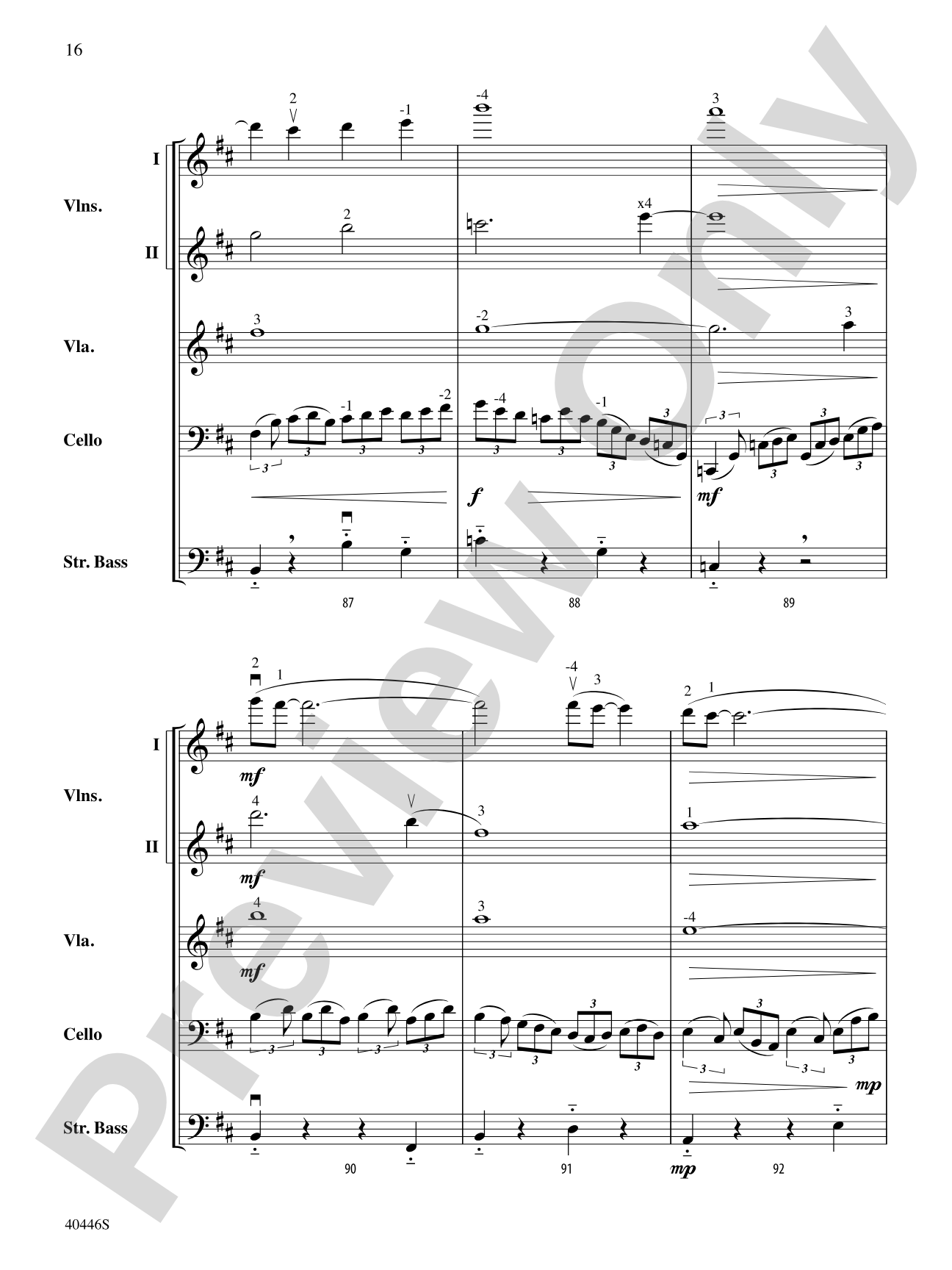
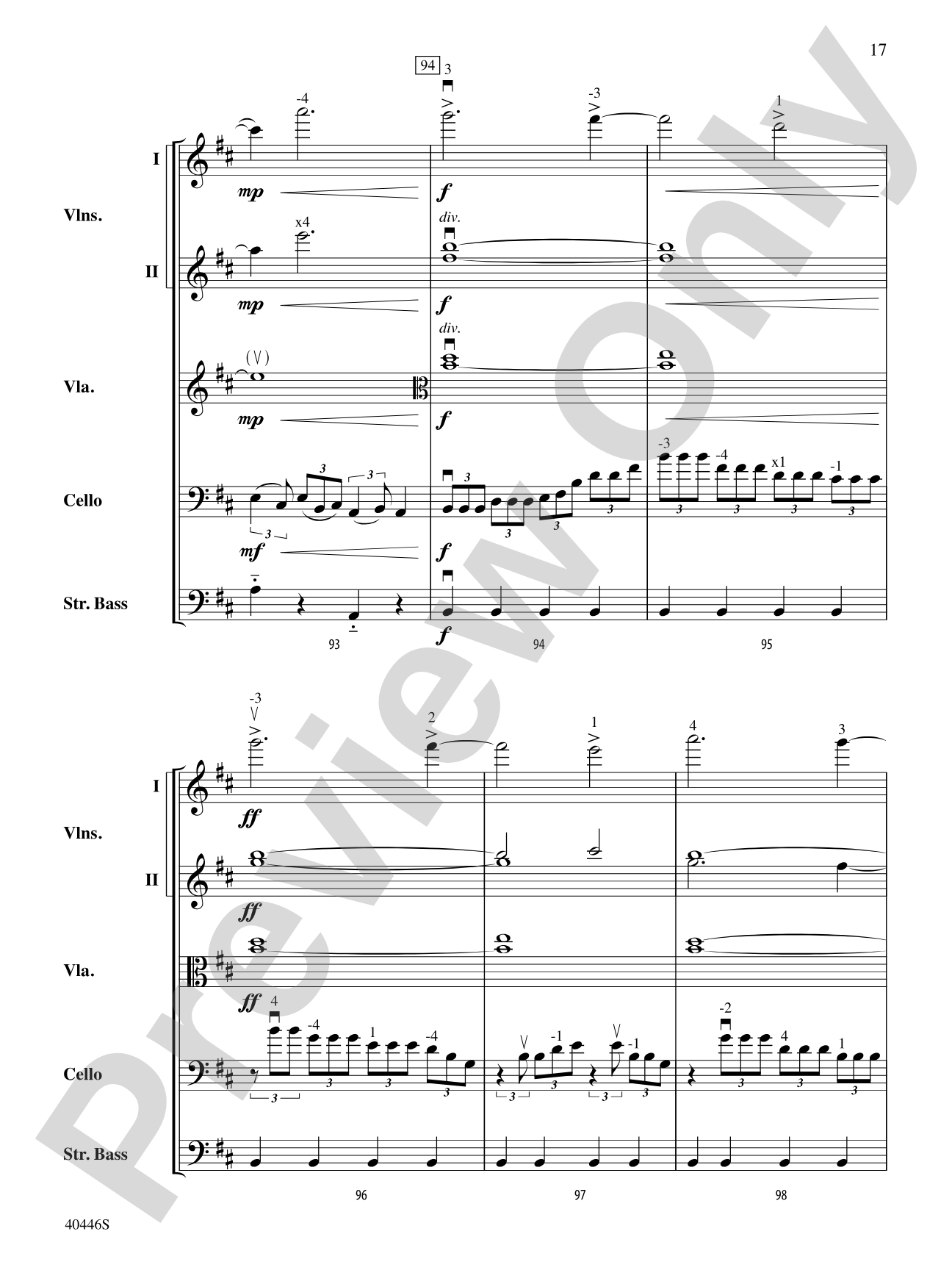
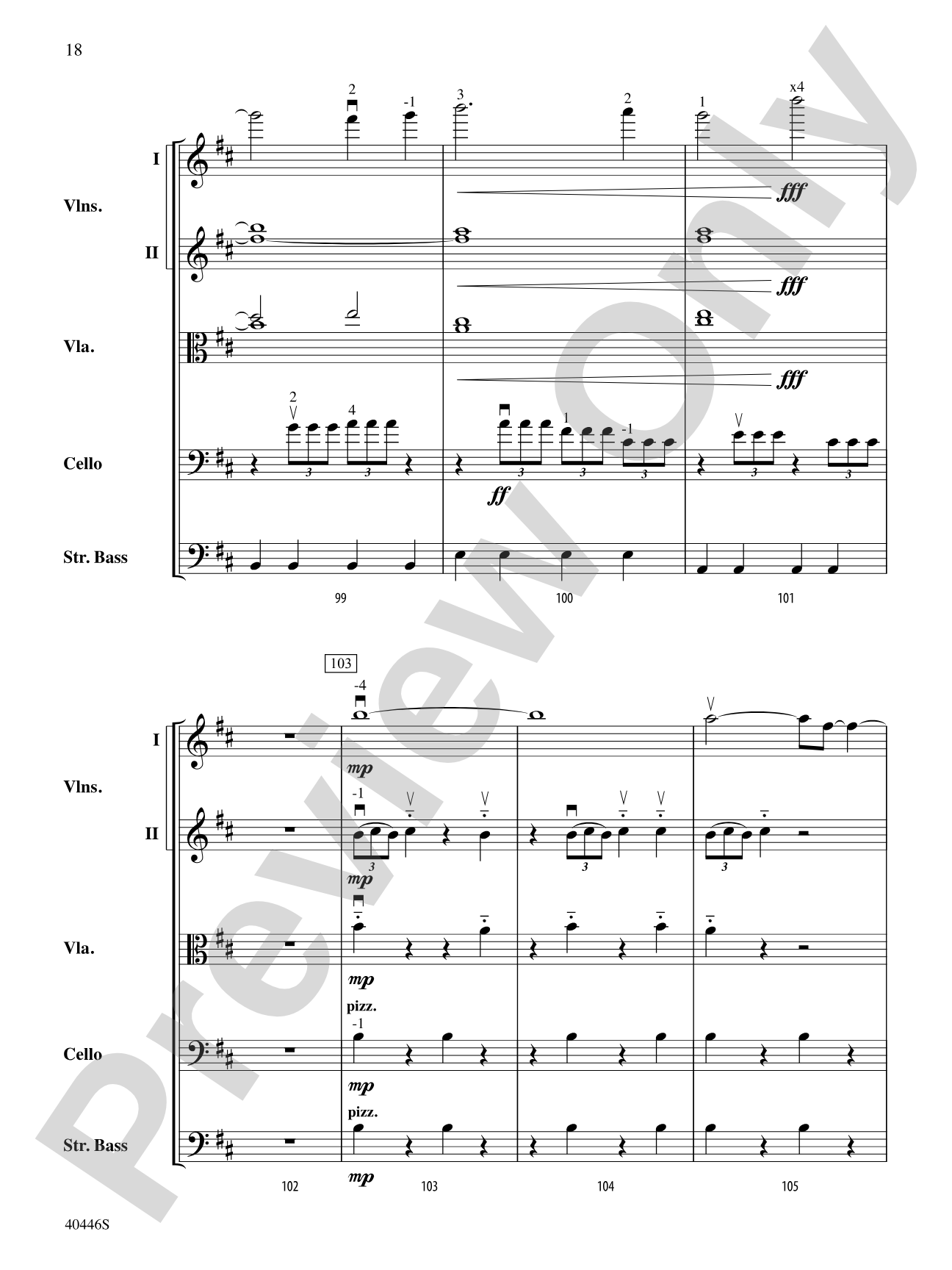
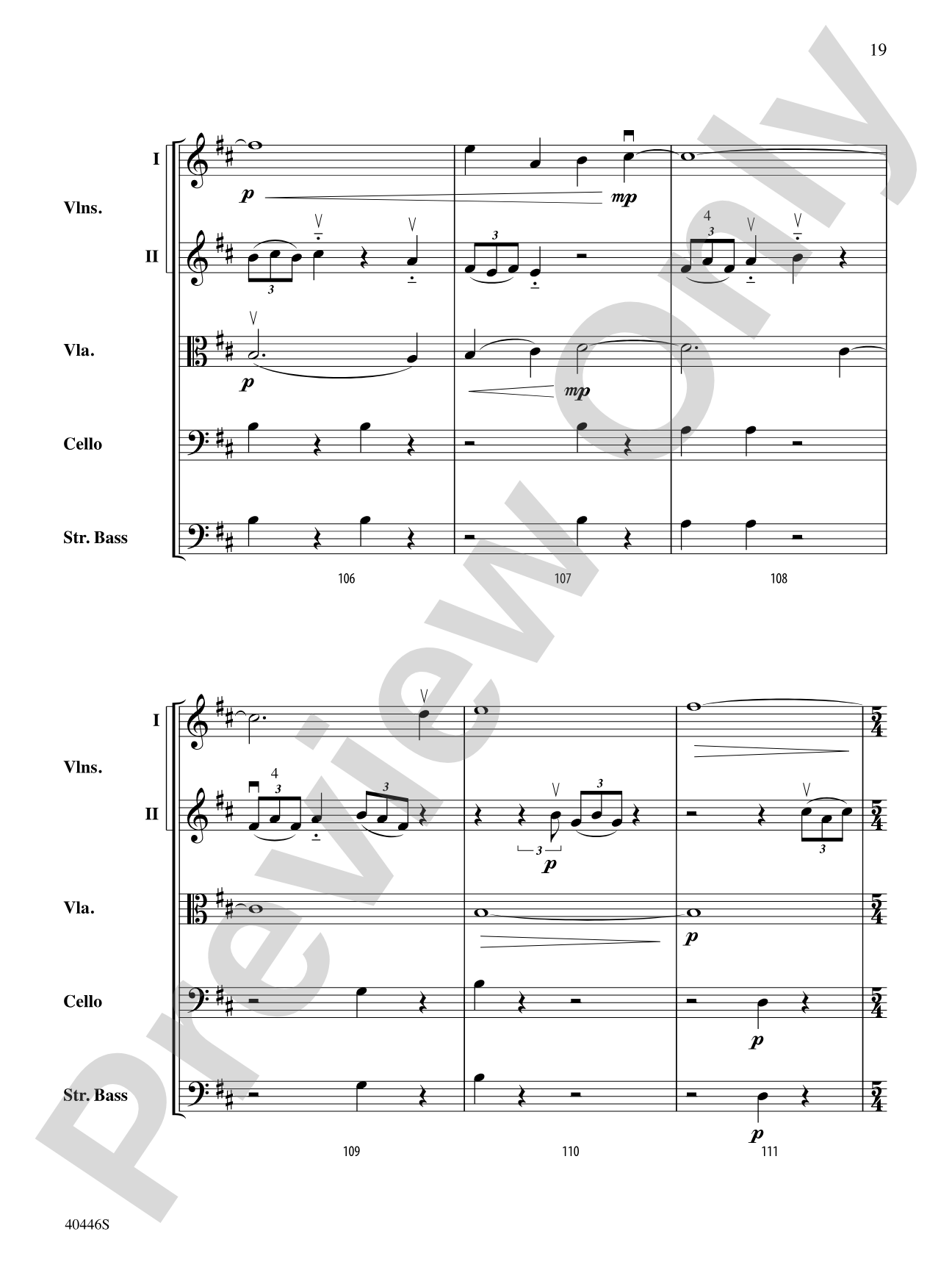
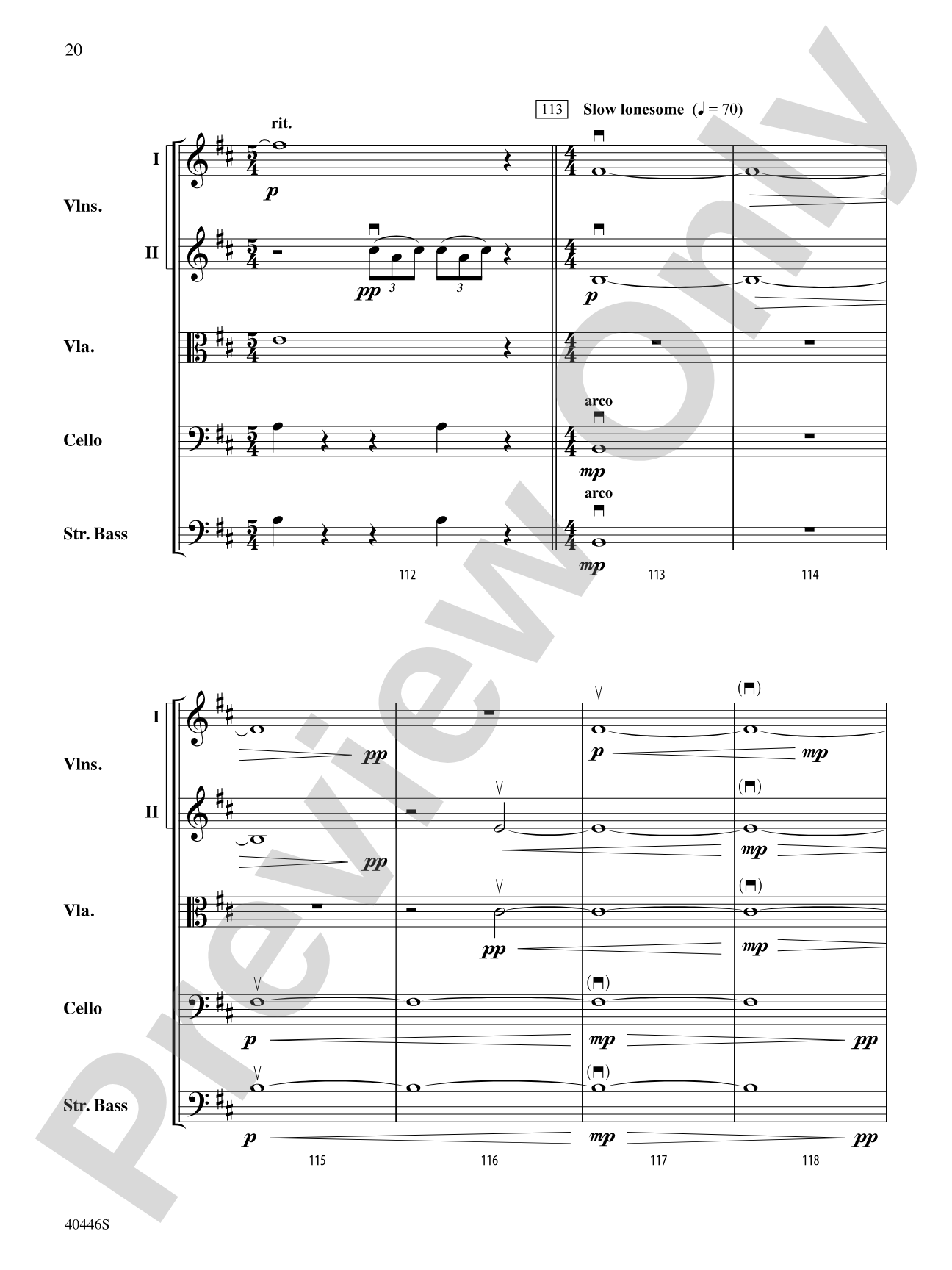
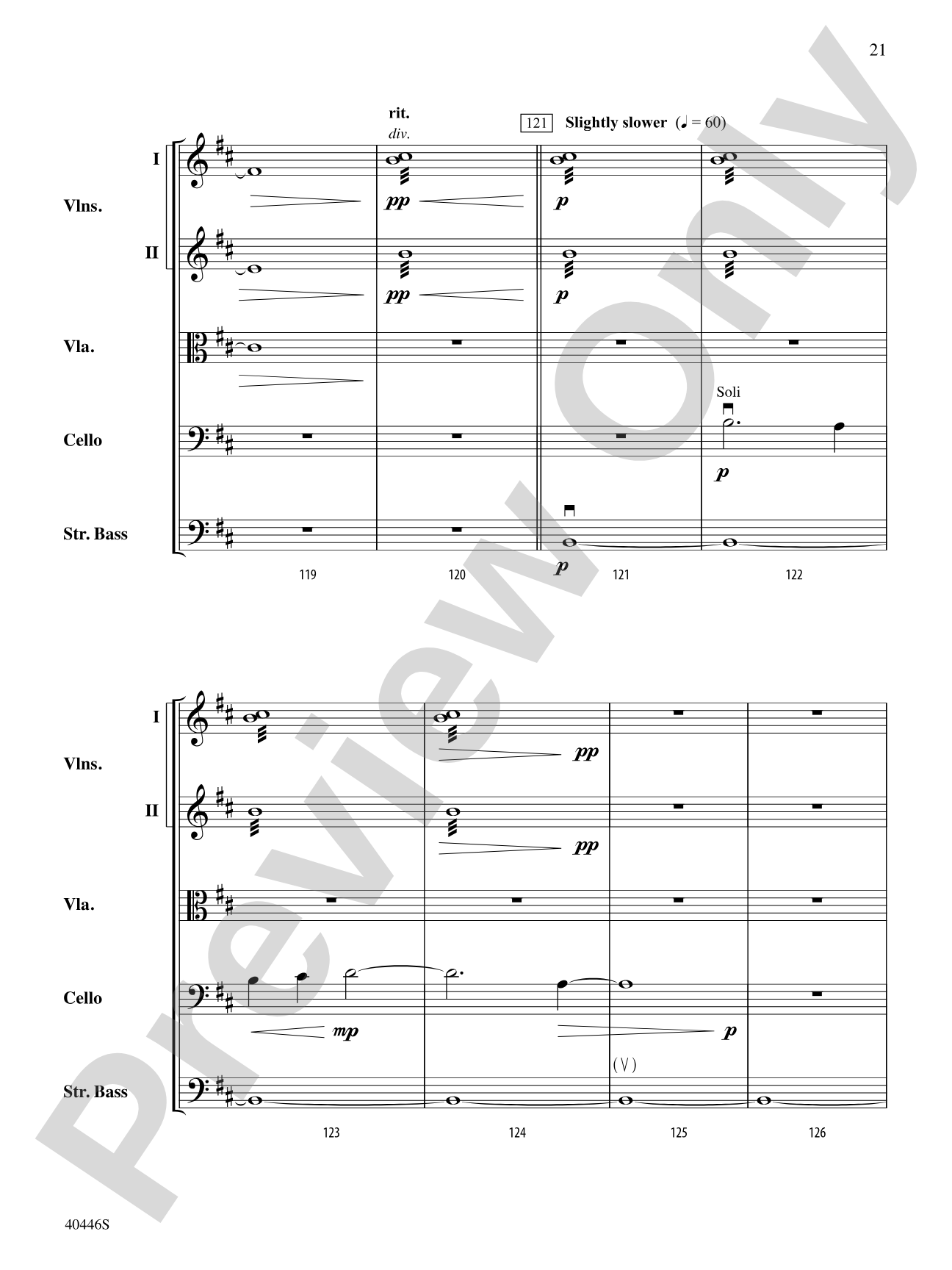
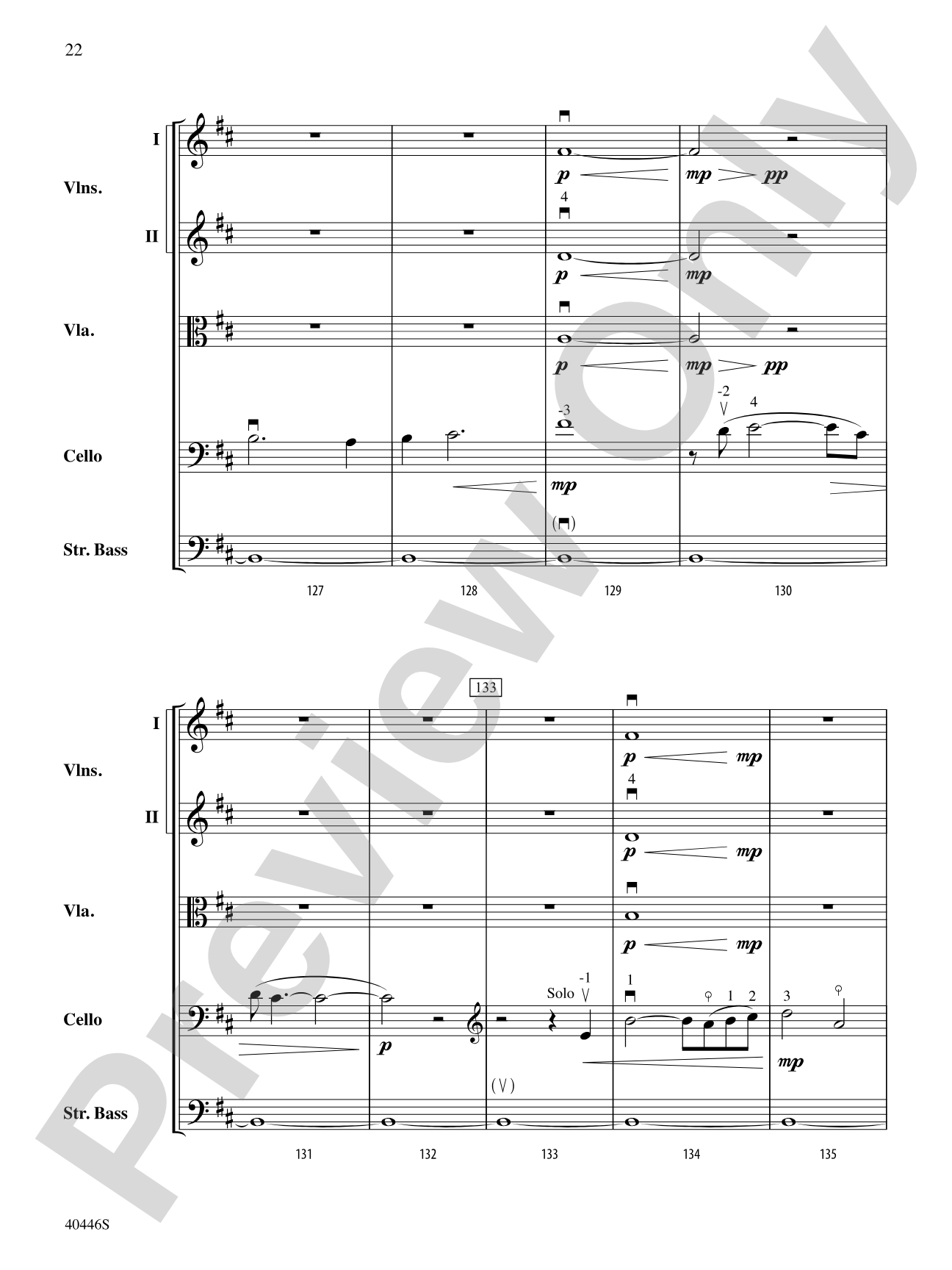
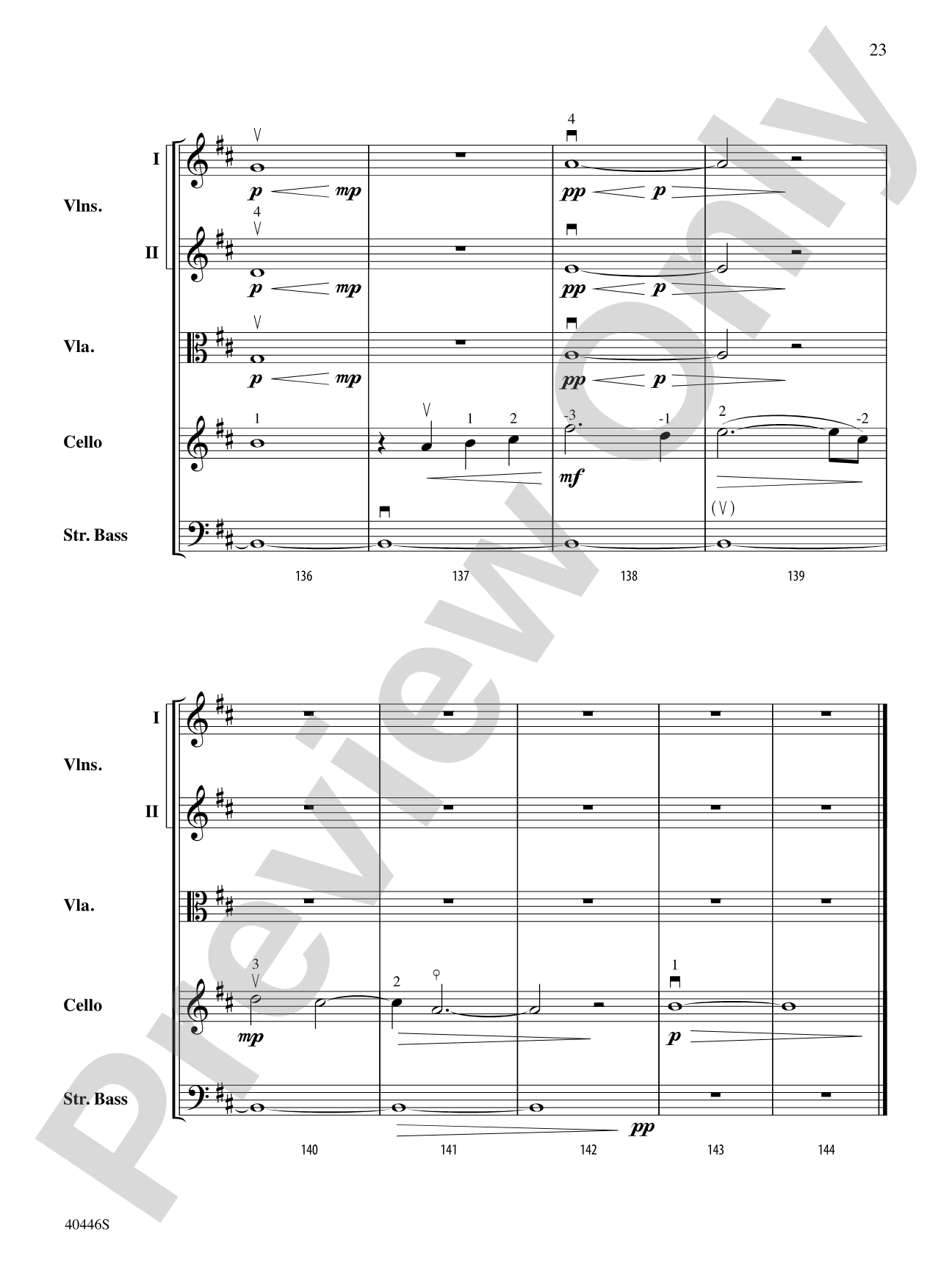


Apotheosis: String Orchestra Conductor Score & Parts
From the video game Journey
By Austin Wintory / arr. Bob Phillips
Grade: 3.5
Item: 00-PK-0005729

$64.00
Pickup currently not available
Buy Extra Parts (Digital PDF Download)
| Product | Price | Quantity |
|---|---|---|
| Apotheosis: Score | $11.00 | |
| Apotheosis: 1st Violin | $5.99 | |
| Apotheosis: 2nd Violin | $5.99 | |
| Apotheosis: Viola | $5.99 | |
| Apotheosis: Cello | $5.99 | |
| Apotheosis: String Bass | $5.99 |
Parts Added to Cart!
Description
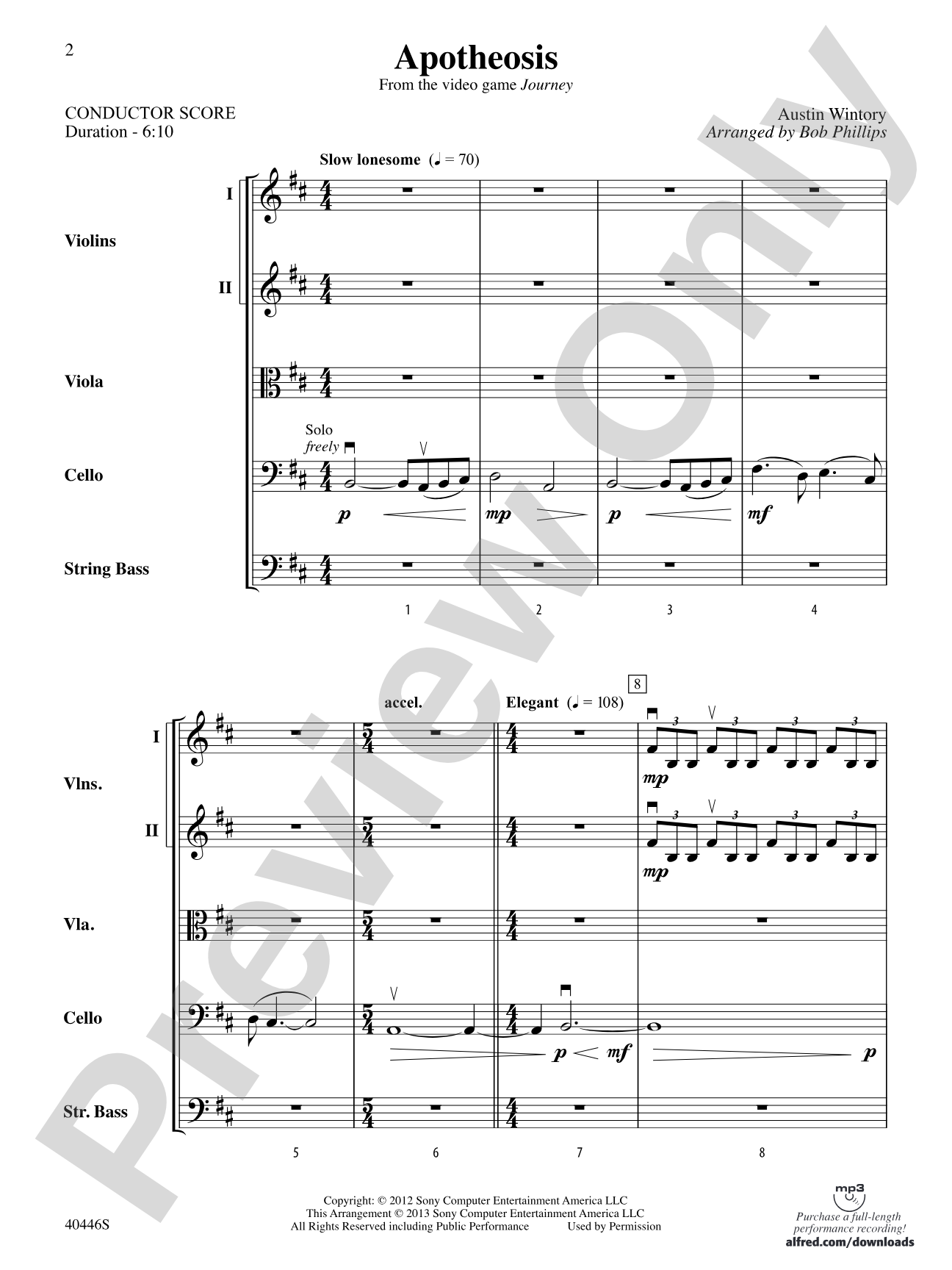
Experience the thrill of this music from the new hit video game. With a cello theme that represents the video game player, this piece is perfect for string orchestra. (6:10)


Don't just read it, hear it, play along with it, and watch your students grow with it. In MakeMusic Cloud, Apotheosis: String Orchestra Conductor Score & Parts comes alive with professional accompaniment, adjustable tempo, and built-in practice tools that turn solo practice into real progress.
Open in the Player
Jump straight in and assign it today.
Start Your Free Trial
Open this title and explore the full library in minutes.
Sample Audio
1
Audio File
--:--
0:00
0:00
Sample Video
No sample videos found.
Additional Details
Series:
Pop Concert String Orchestra
Publisher:
Alfred Music
Page Count:
124
SKU:
00-PK-0005729
More about this title
About the Composer: Austin Wintory
Austin Wintory is a composer whose work spans video game soundtracks, film, and television. He has earned recognition for crafting emotionally resonant scores that deepen narrative immersion, with particular acclaim for his work on indie and AAA gaming titles. His compositions balance orchestral sophistication with accessibility, making them natural candidates for educational arrangement.
Why we love this
Bob Phillips has created an arrangement that captures the lyrical heart of Wintory's original while remaining genuinely playable at Grade 3.5. The cello theme gives your ensemble a clear melodic anchor and emotional focal point, while the supporting voices stay transparent enough to let young players breathe and listen to one another. This is contemporary music that feels relevant to students without requiring virtuosic technique.
What to expect
Cinematic and introspective, with moments of quiet reflection balanced against fuller orchestral gestures. The cello theme carries a sense of journey and determination, evoking the narrative focus of its game origins while sounding lyrical and human at its core.
Who it's for
String orchestras at the upper-intermediate level looking for engaging contemporary repertoire with strong melodic appeal. This piece works especially well for ensembles whose students respond to popular culture and video game music, giving them ownership over their material.
How to get the most out of it
- Bring out the cello line in the opening section so it lands with warmth and presence. This theme carries the piece emotionally, and audiences need to hear it clearly.
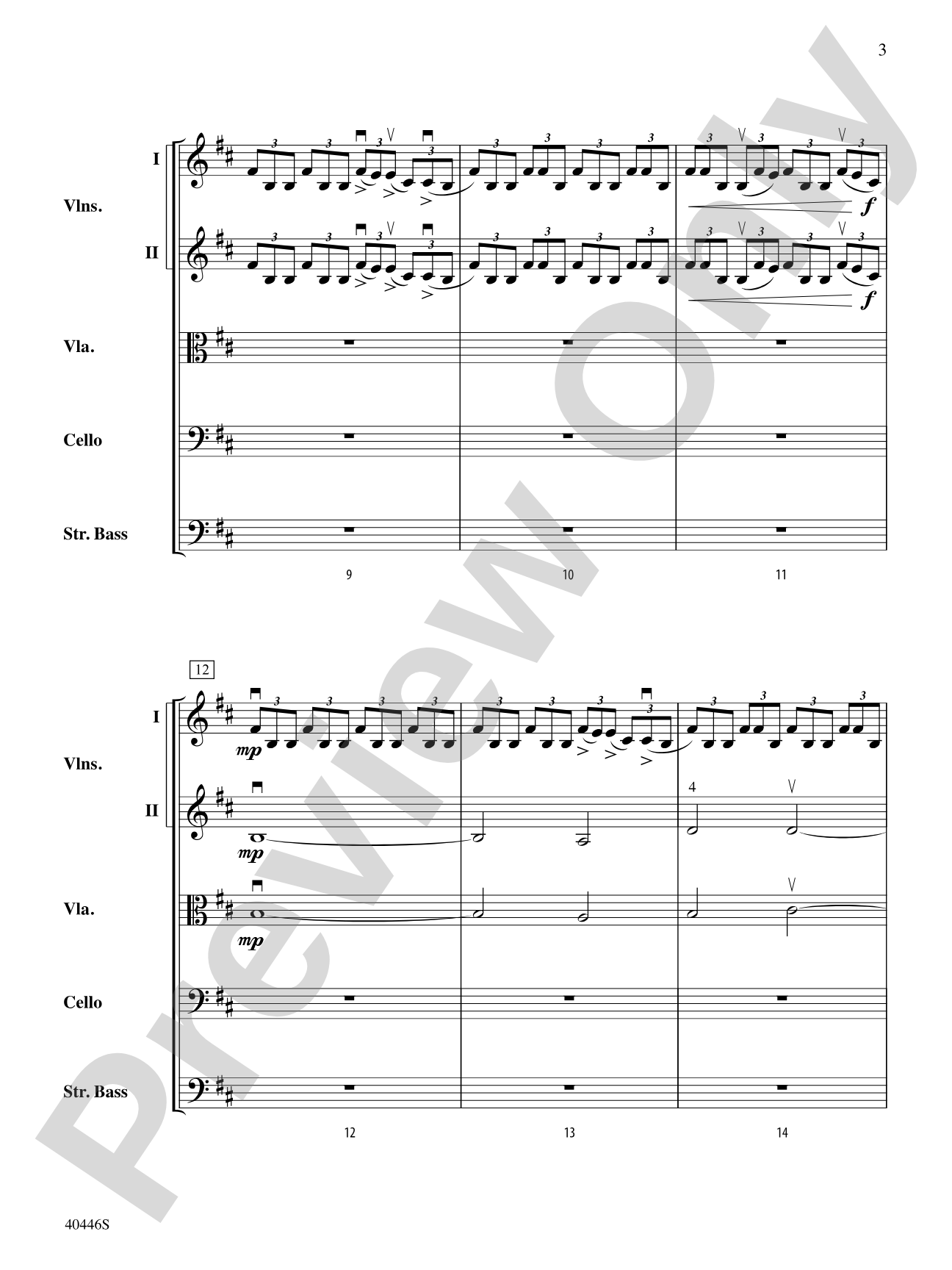
- Balance texture by having violas and lower voices play with light articulation in accompanying passages. A muddy accompaniment will bury the melodic interest.
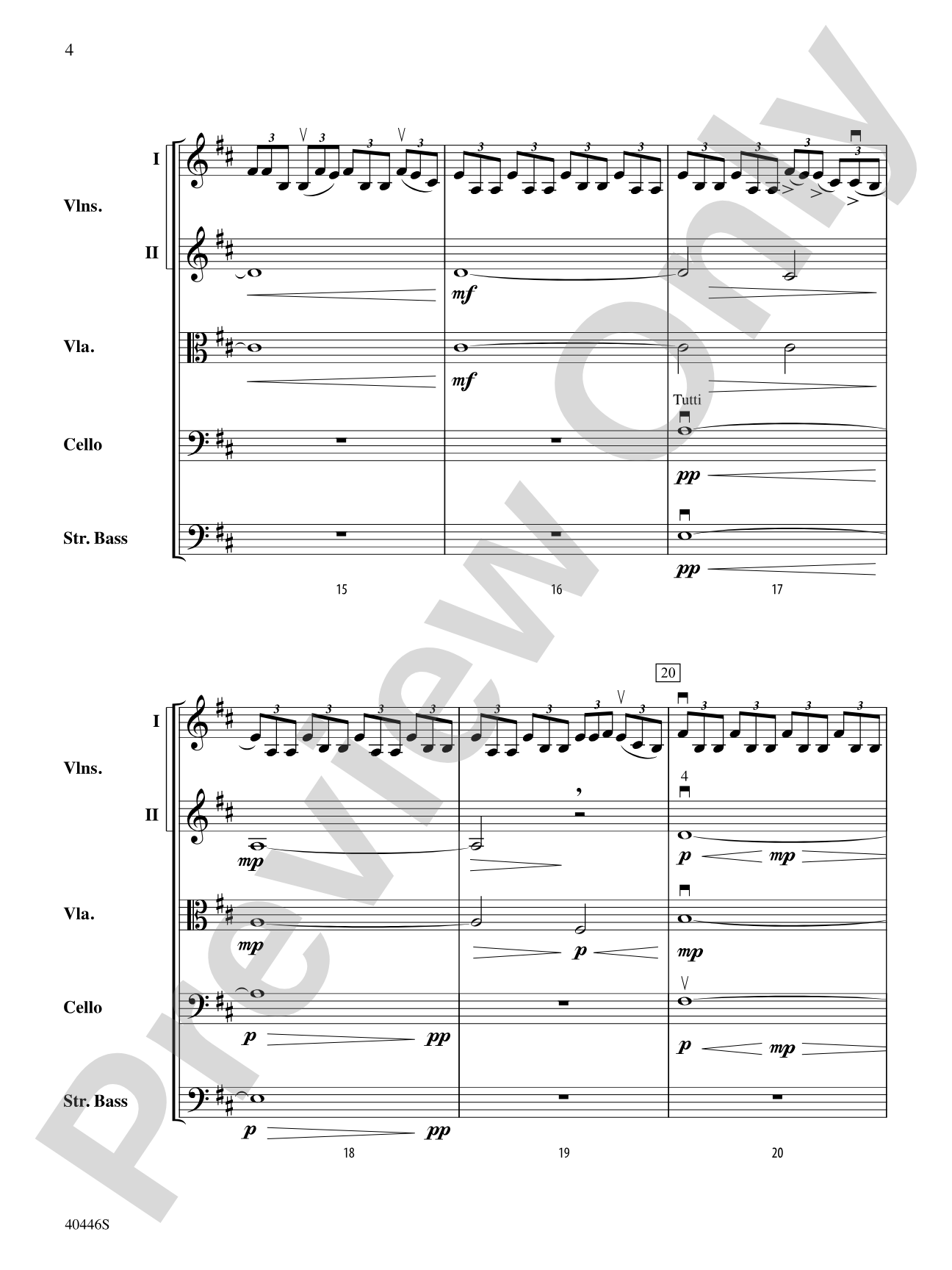
- Invest in the dynamic contrasts marked throughout. Video game music thrives on clearly delineated sections, and shaping the journey from quieter moments to fuller textures keeps energy alive.
- Mark a few key rehearsal points where the ensemble changes instrumentation or texture, then drill those transitions. Clean handoffs between sections sound polished and professional.
How to use it
Program this as the centerpiece of a concert exploring music from interactive media, or use it to bridge classical repertoire and contemporary audiences. At just over six minutes, it pairs well with a traditional Baroque or Classical piece and a lighter encore, creating a balanced concert without requiring excessive rehearsal time for the complete program.
Skills your students will build
- Maintaining ensemble balance between melody and accompaniment
- Executing clear dynamic shaping across a full ensemble
- Coordinate section transitions and texture changes
- Sustaining tone quality while reading film/video game scoring conventions
- Building musicality through contemporary orchestral writing