

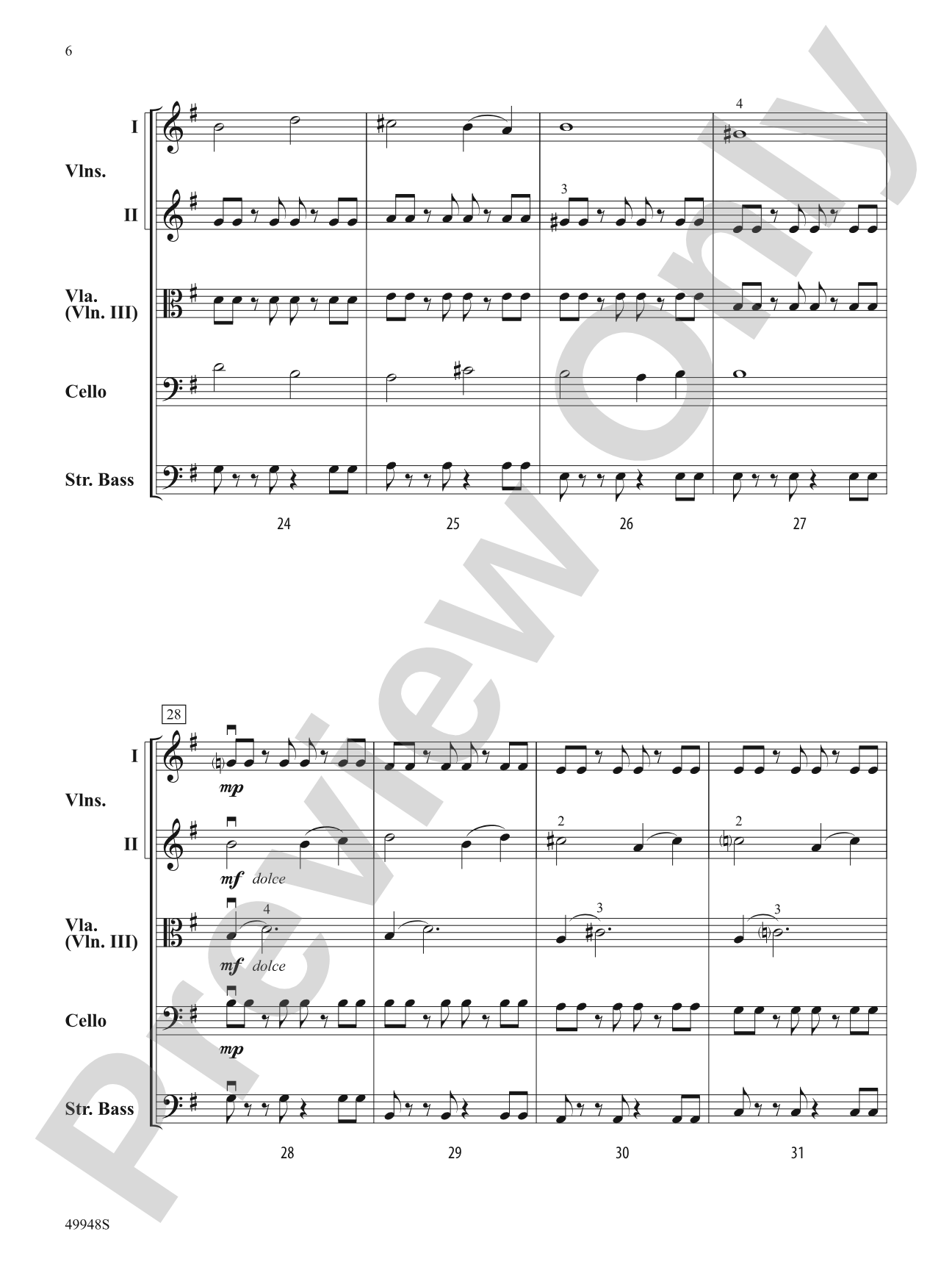
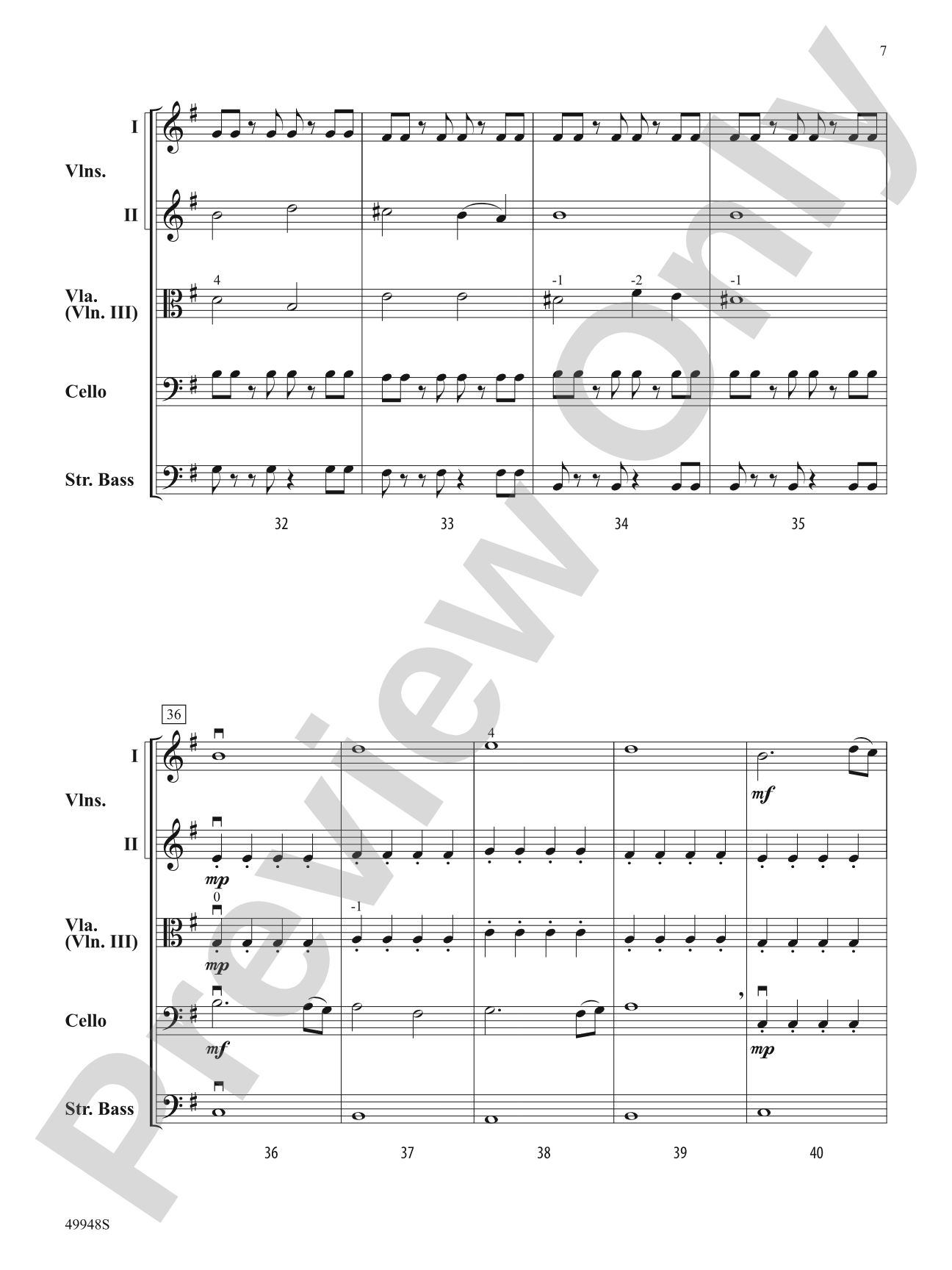
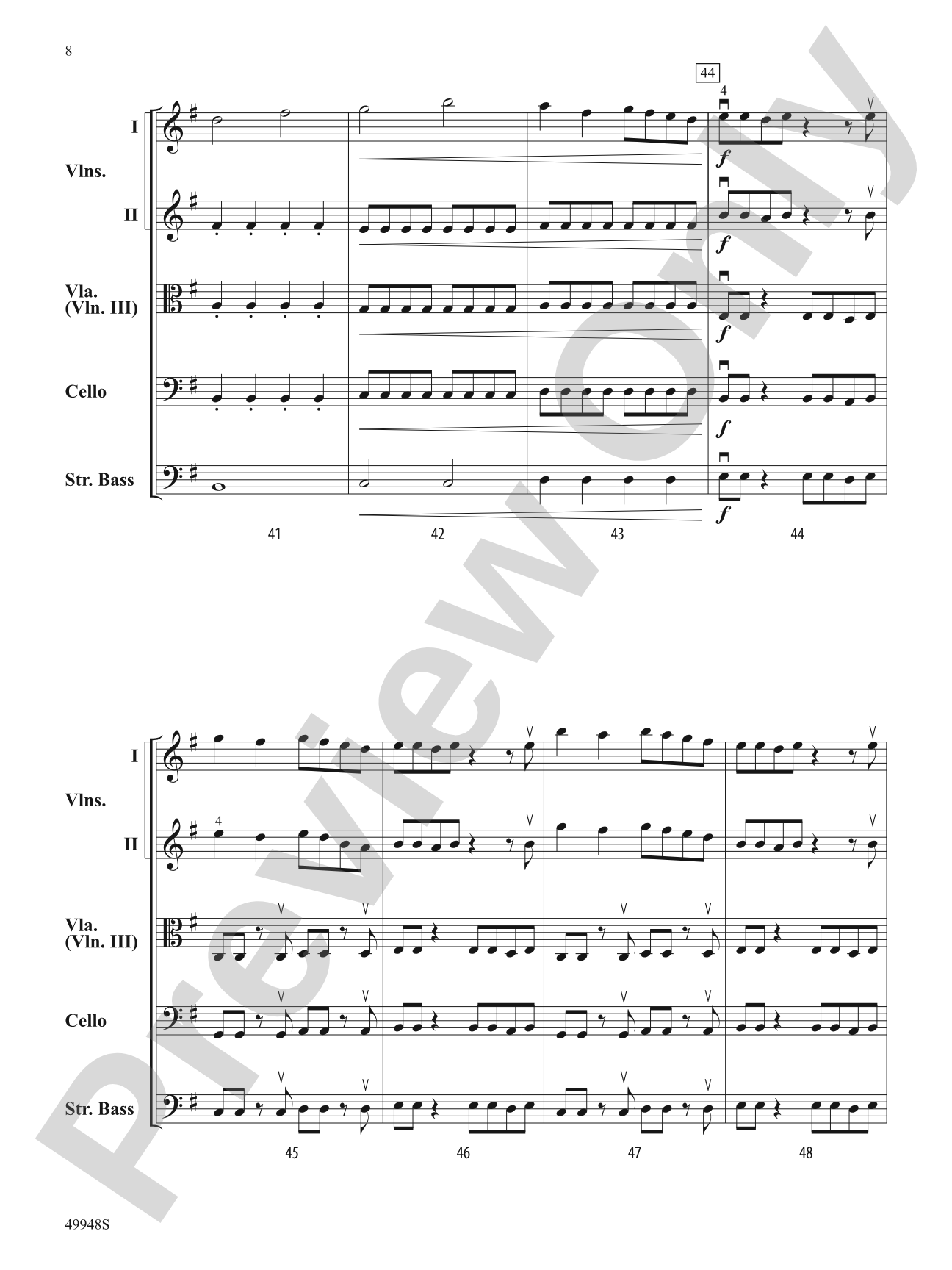
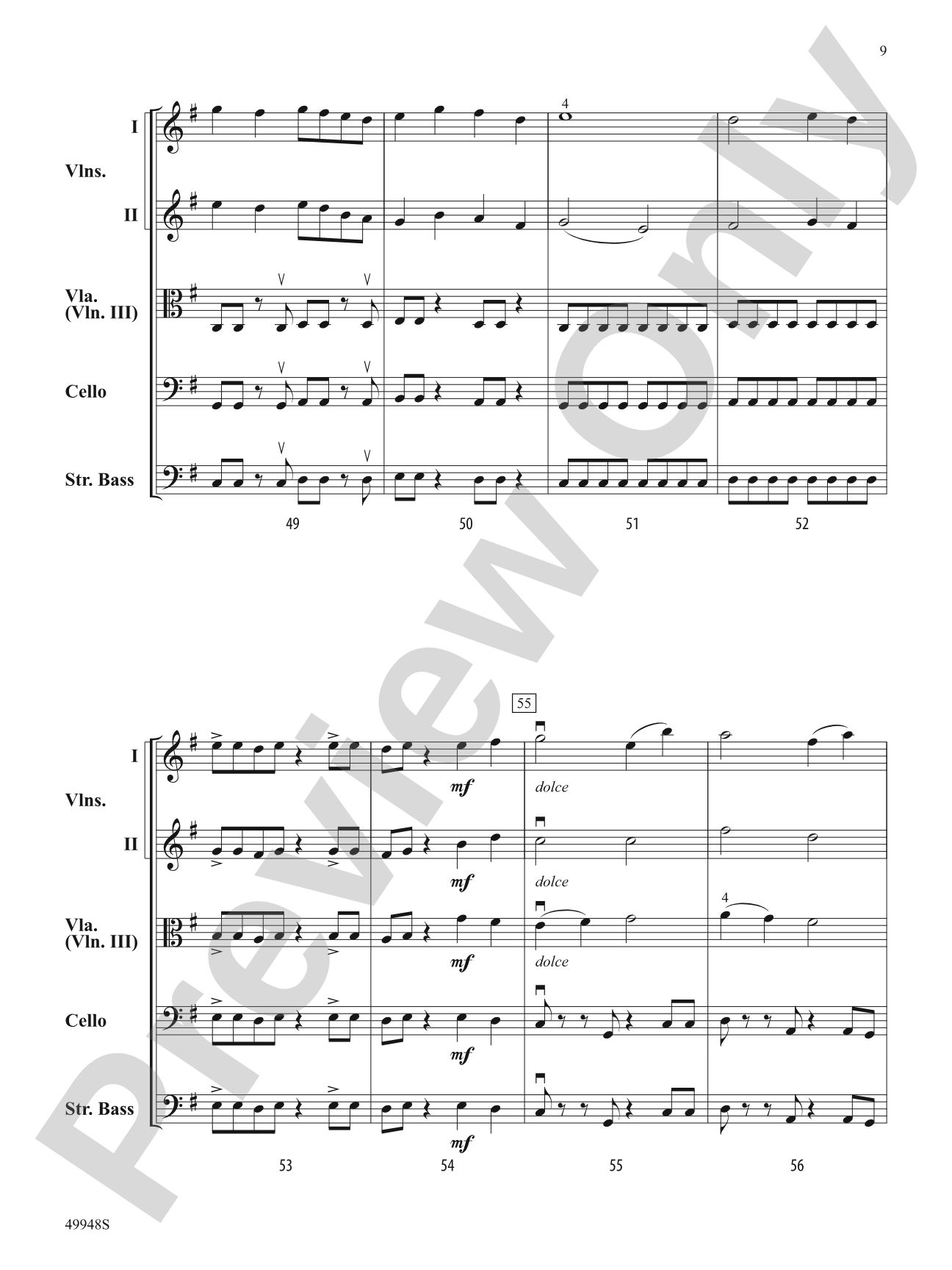
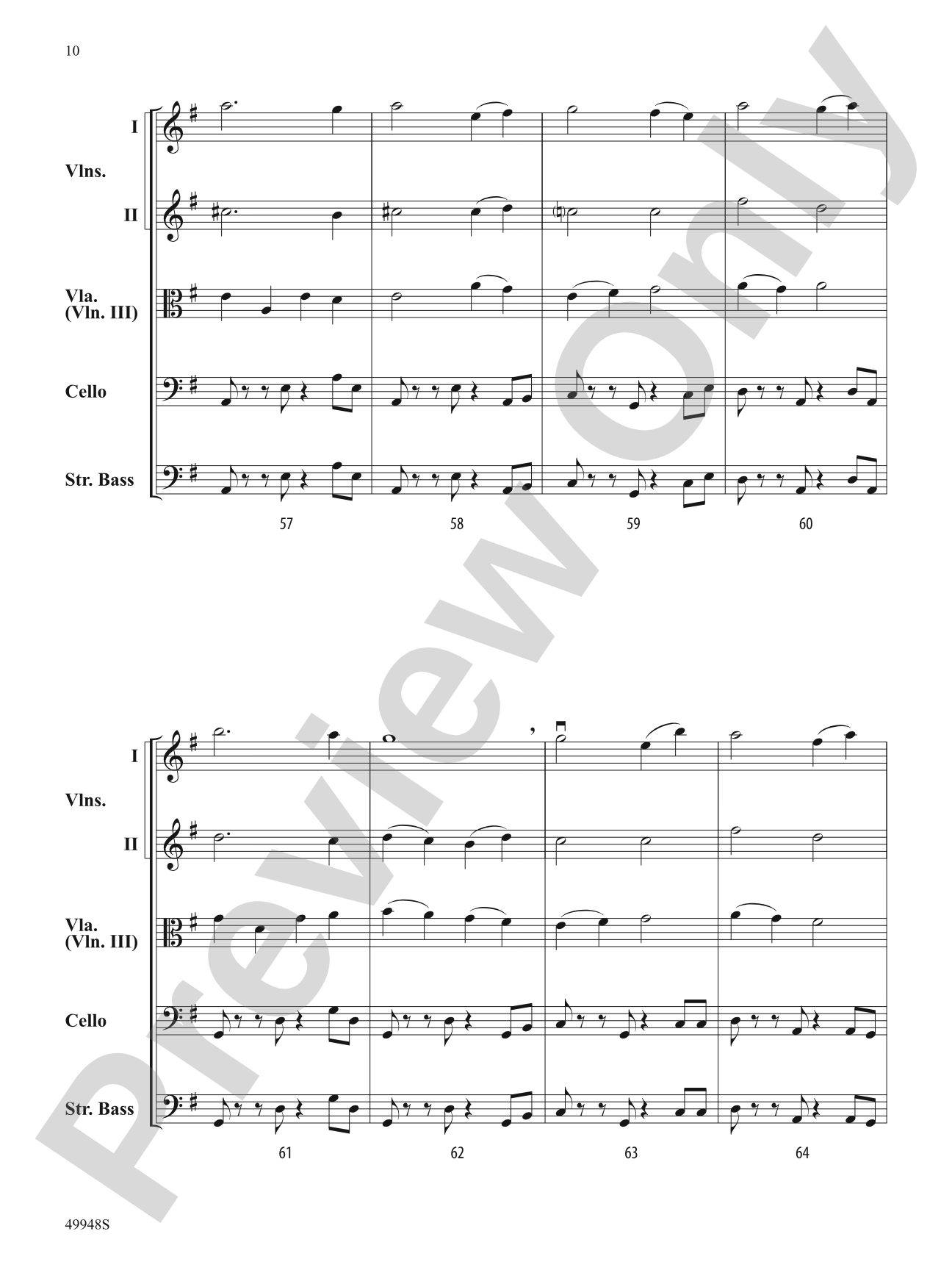
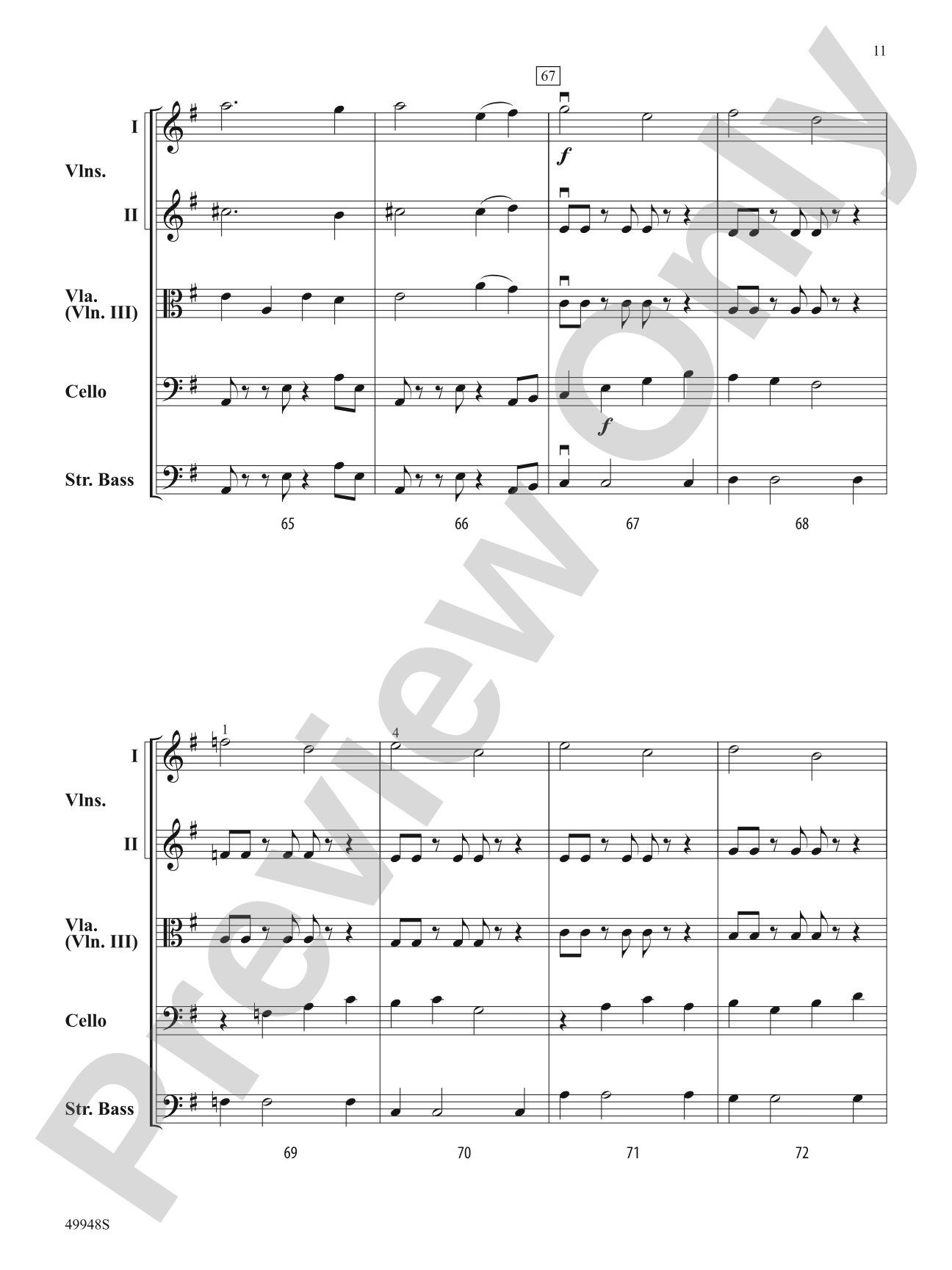
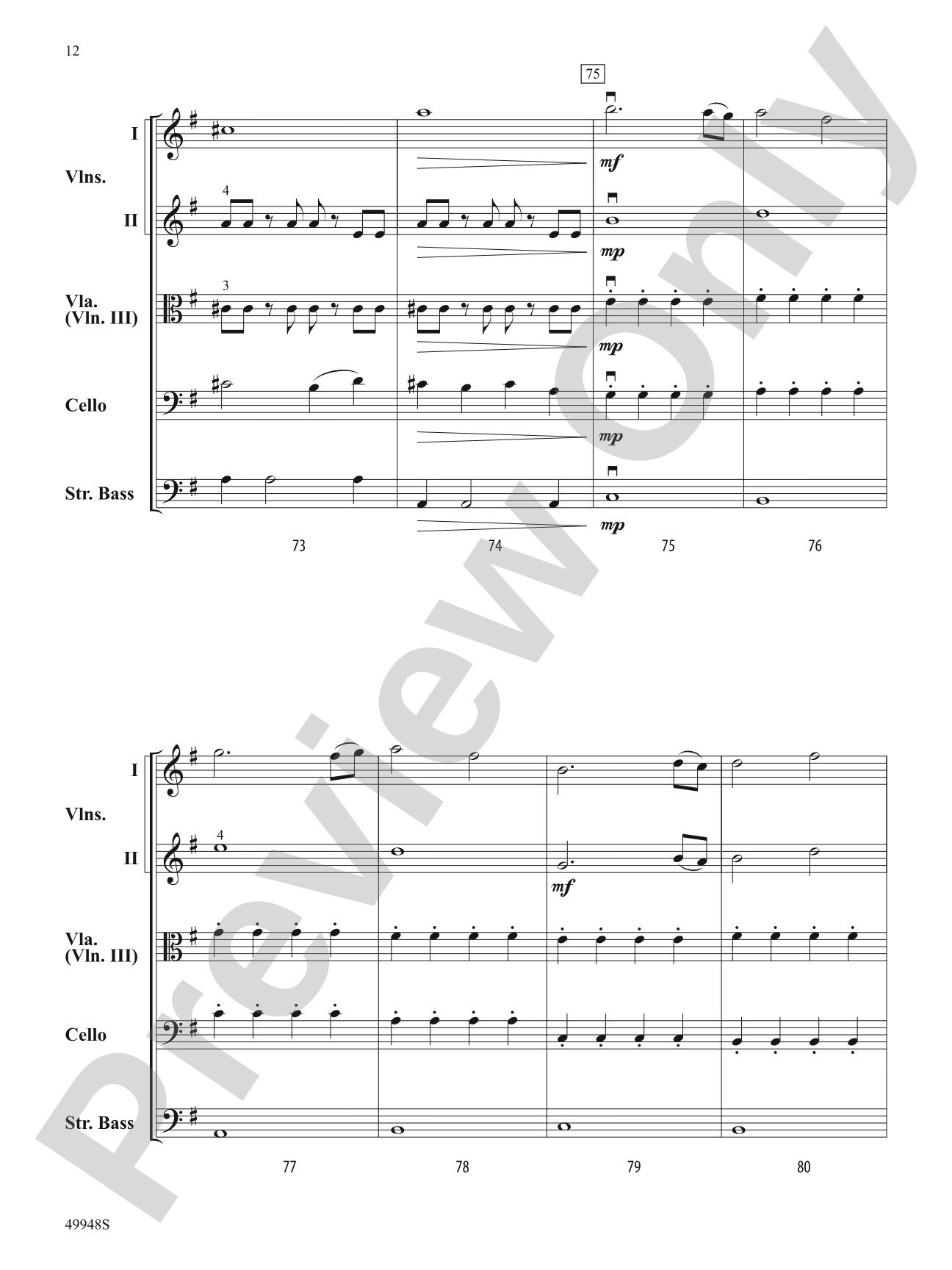
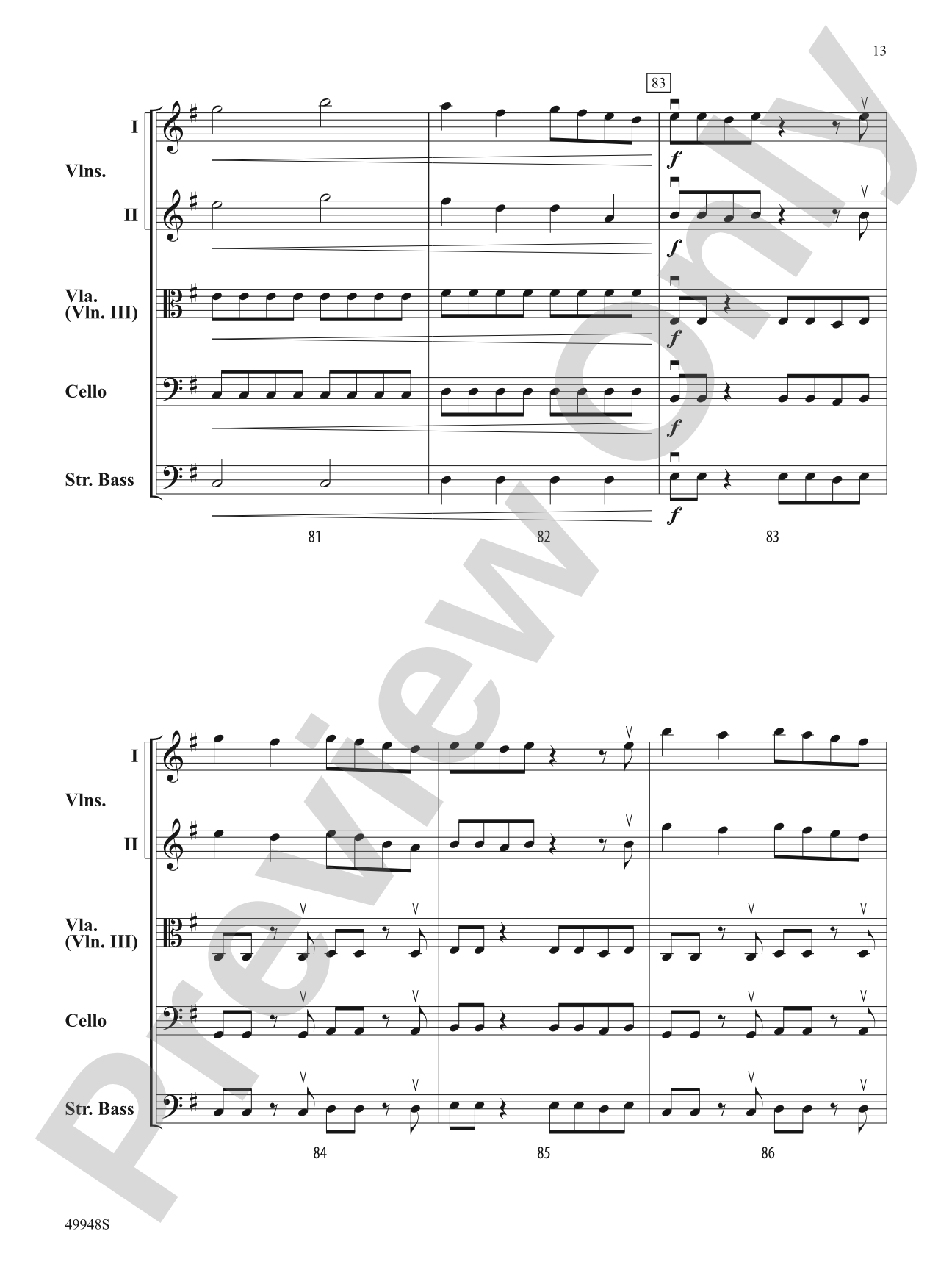
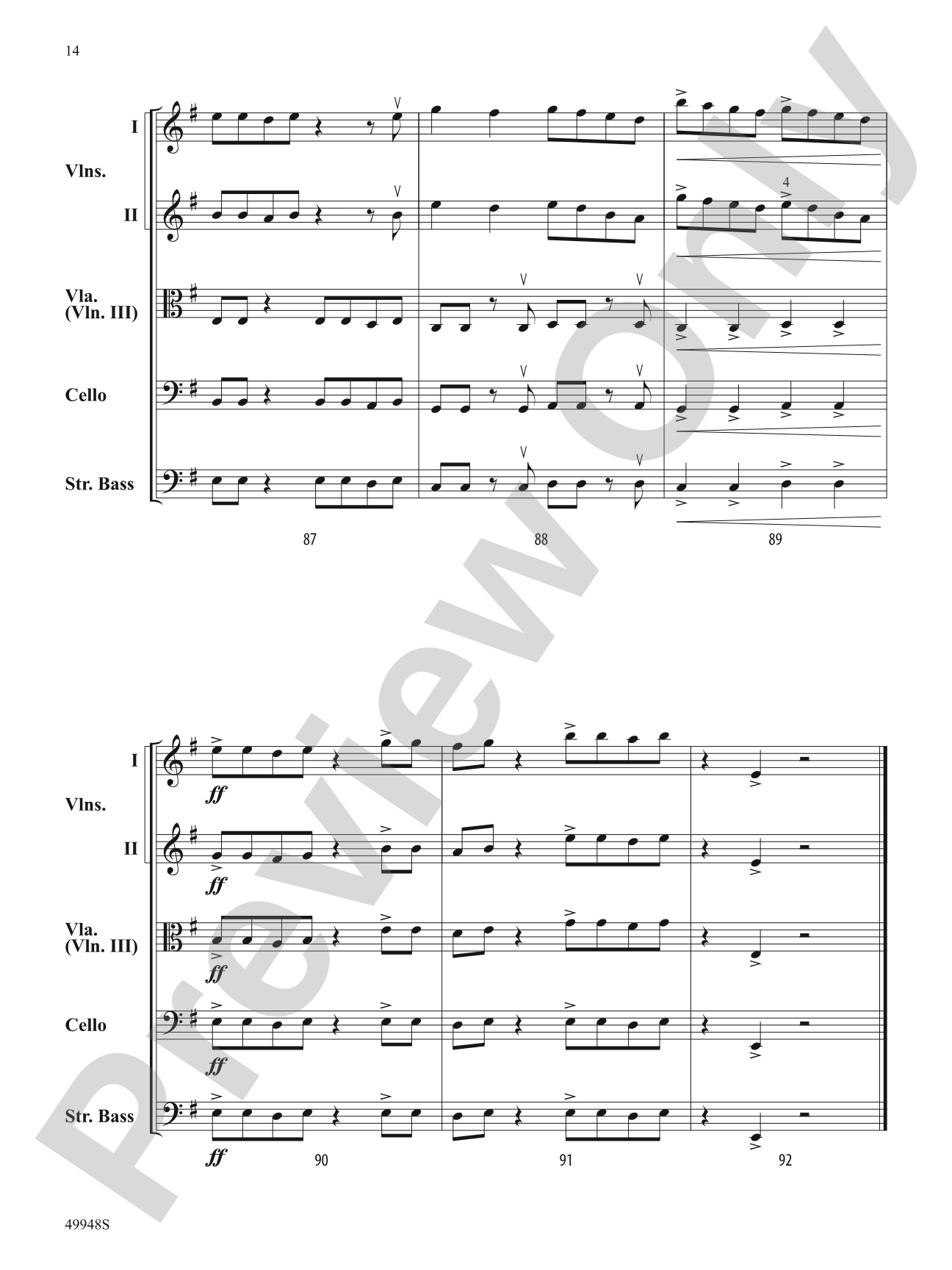

Anticipation: Score
By Cooper Ford
Grade: 2
Item: 00-PR-0007370
$10.00
Pickup currently not available
Description
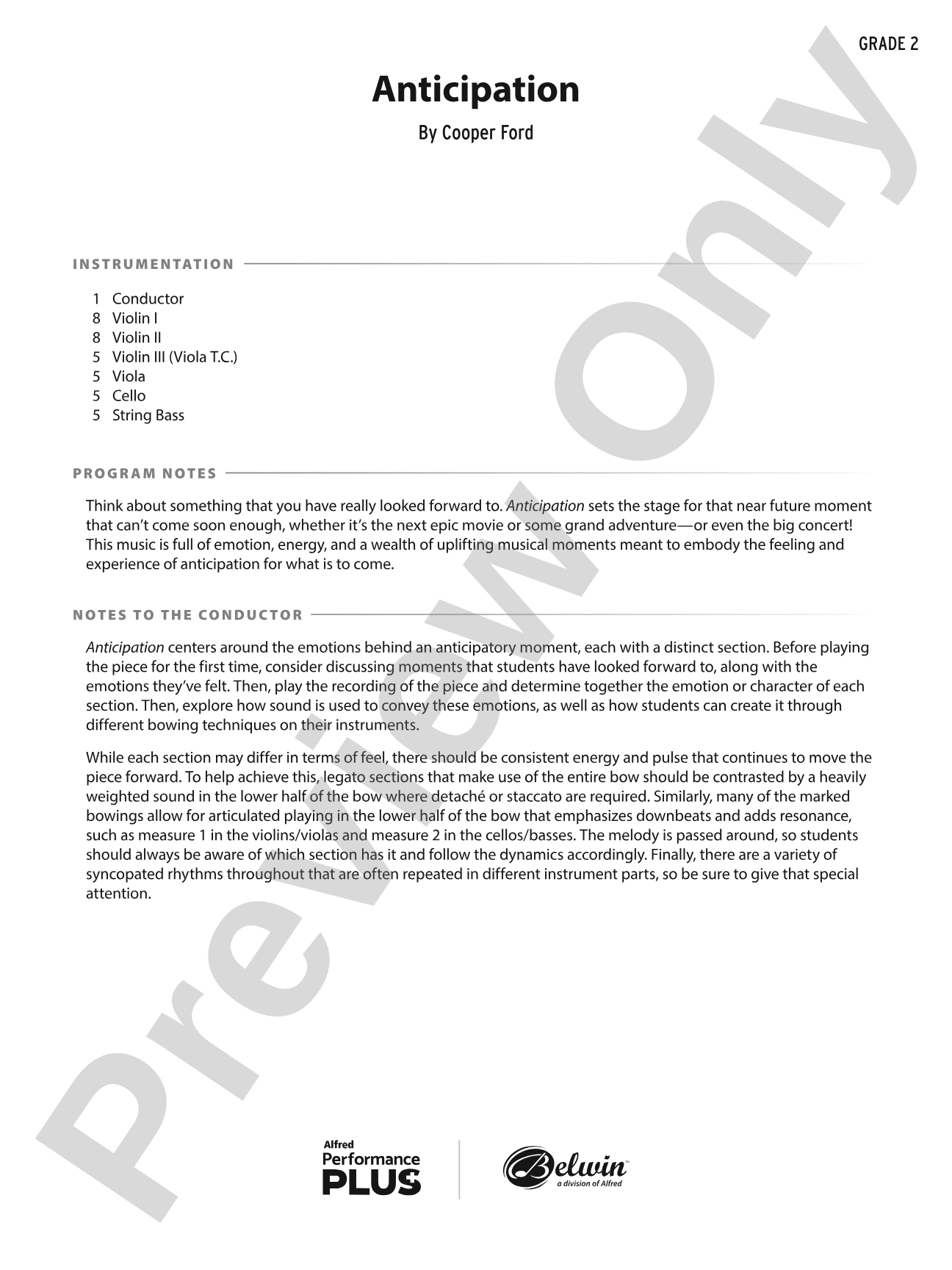
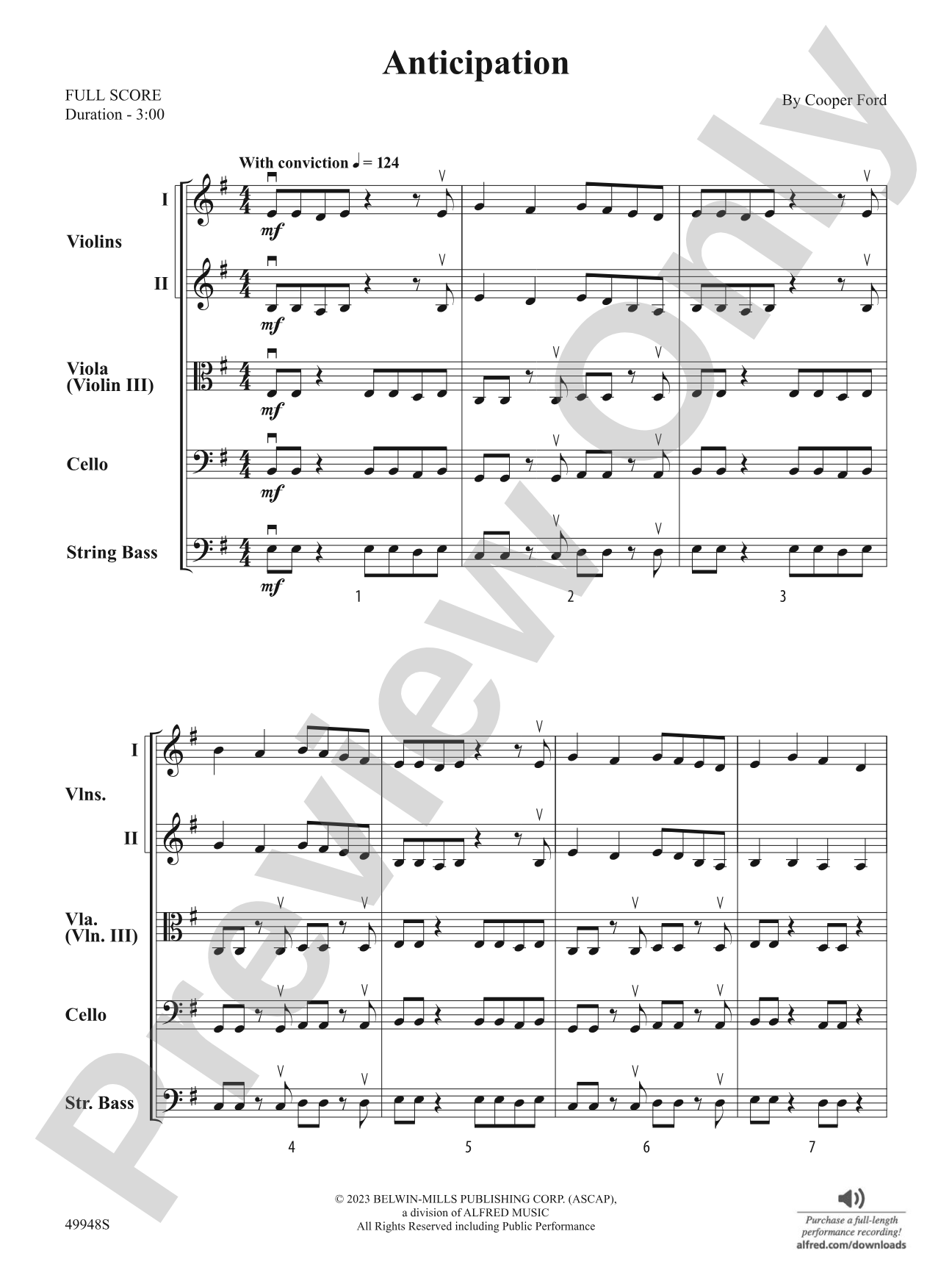
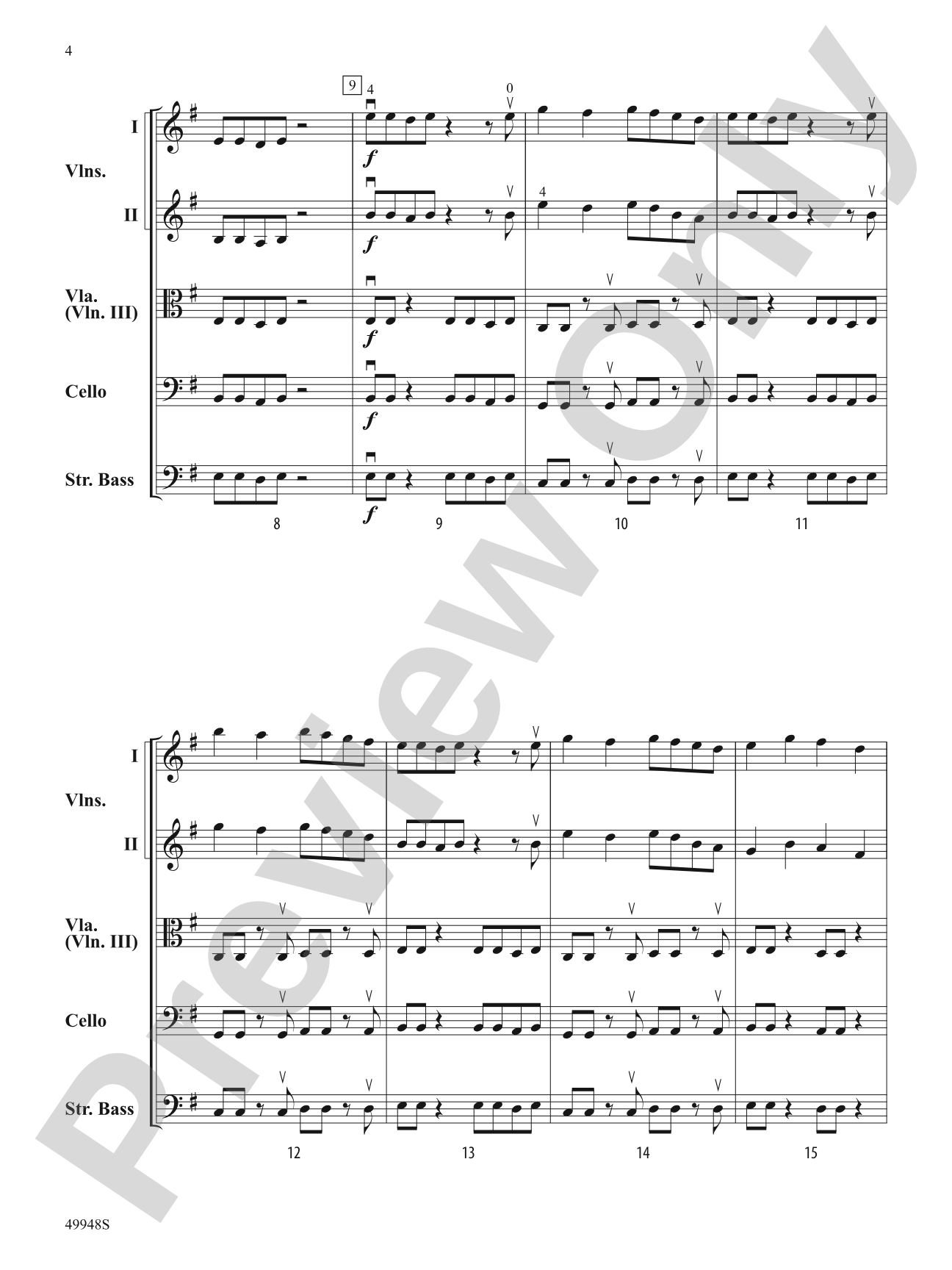
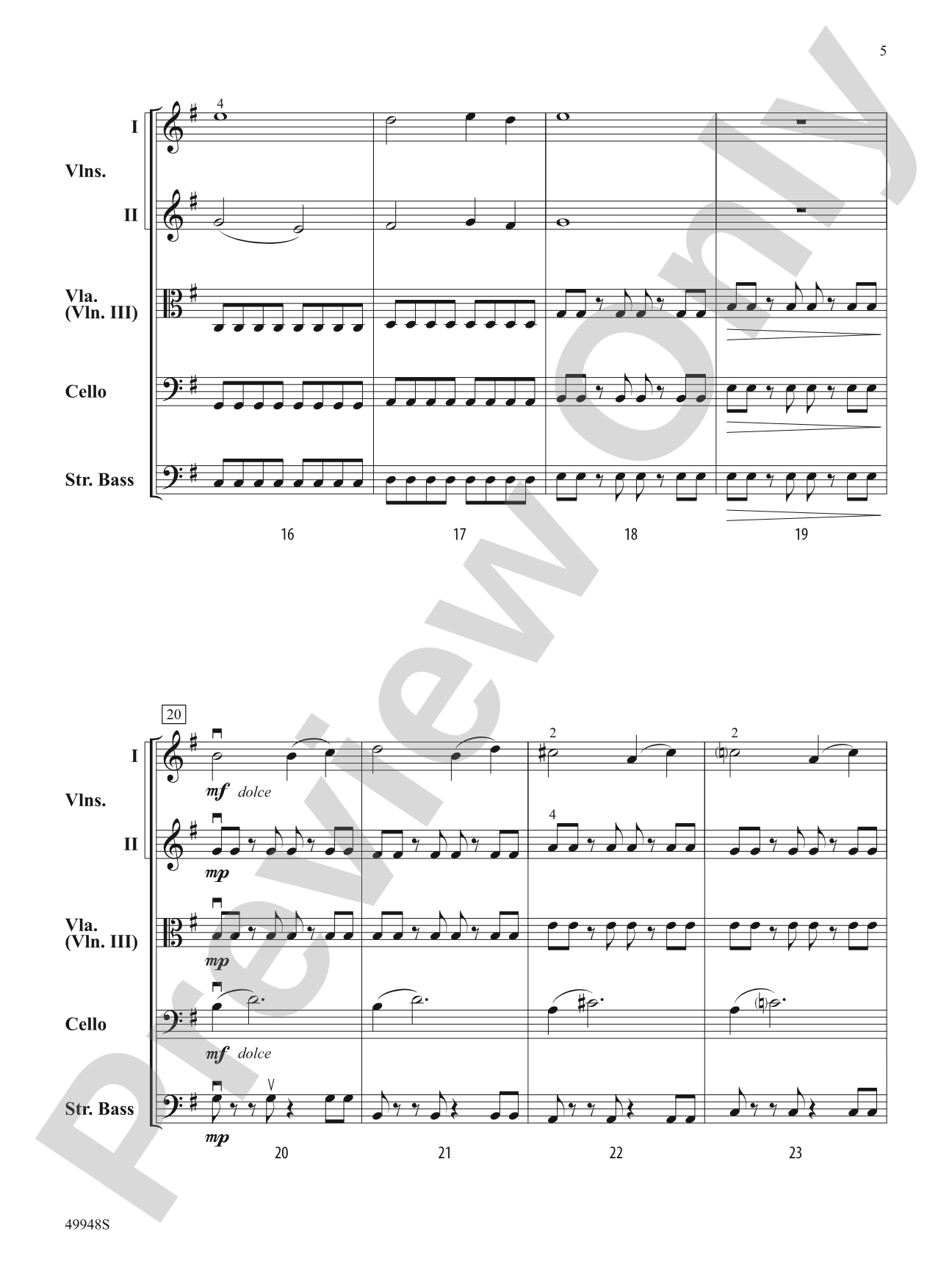
Anticipation, by Cooper Ford, sets the stage for that near-future moment that can't come soon enough, whether it's the next epic movie, some grand adventure, or even the big concert! This music is full of emotion, energy, and a wealth of uplifting musical moments. Intermediate players will have the opportunity to expand their knowledge of rhythm and playing techniques while performing engaging parts with a variety of musical materials. Makes for a great opener! (3:00)
The PerformancePlus+ series is an innovative addition to the ever-expanding MakeMusic Cloud interactive library. These engaging selections are presented with educational resources designed to enrich the rehearsal process and create outstanding performances. Including:


The PerformancePlus+ series is an innovative addition to the ever-expanding MakeMusic Cloud interactive library. These engaging selections are presented with educational resources designed to enrich the rehearsal process and create outstanding performances. Including:
- Assignment, recording, and assessment tools within MakeMusic Cloud
- Piece-specific exercises focused on skills and techniques
- Educational tips and suggestions to support learning
Available in print and digital formats.
Don't just read it, hear it, play along with it, and watch your students grow with it. In MakeMusic Cloud, Anticipation: Score comes alive with professional accompaniment, adjustable tempo, and built-in practice tools that turn solo practice into real progress.
Open in the Player
Jump straight in and assign it today.
Start Your Free Trial
Open this title and explore the full library in minutes.
Sample Audio
1
Audio File
--:--
0:00
0:00
Sample Video
No sample videos found.
Additional Details
Series:
Belwin String Orchestra - PerformancePlus+
Publisher:
Alfred Music
SKU:
00-PR-0007370
More about this title
About the Composer: Cooper Ford

Cooper Ford grew up in Chatham, New Jersey, where his school music program introduced him to both violin and trumpet. His teachers recognized his compositional interest early and supported his development, setting him on a path toward music education and leadership. He holds a Bachelor of Music in Music Education from The College of New Jersey and a Master of Music in Music Education from the University of Florida.
Ford currently directs the orchestra program at North Brunswick Township High School in New Jersey and teaches Music Production courses. He previously worked as a conductor with the New Jersey Youth Symphony, focusing on younger ensembles in grades 5-7. Active as a guest conductor and clinician, he is a member of both the American String Teachers Association and the National Association for Music Education.
Why we love this
Ford writes for the skill level he knows best, crafting parts that challenge intermediate players without overwhelming them. The piece lives up to its promise as a concert opener: it grabs attention immediately, builds momentum, and leaves your audience wanting more. The emotional arc and variety of musical ideas mean students stay engaged through every measure.
What to expect
Anticipation captures that electric moment before something important happens. The music pulses with forward energy and emotional lift, filled with moments that build excitement and release it in satisfying ways. It feels contemporary and alive while remaining grounded in the fundamentals of good string writing.
Who it's for
This piece fits intermediate string orchestras seeking accessible yet musically substantial repertoire. It works well for ensembles building rhythmic independence and looking to program something that engages both students and audiences without requiring advanced technical facility.
How to get the most out of it
- Establish the tempo confidently from the downbeat. The energy of this piece depends on rhythmic clarity and forward momentum from the opening measures.
- Pay attention to dynamic contrast between sections. Ford's writing rewards expressive shaping and prevents the piece from feeling one-dimensional.
- Use the PerformancePlus+ resources in MakeMusic Cloud to isolate challenging rhythmic passages before full-section rehearsals.
- Balance the various instrumental lines so that the engaging countermelodies don't overshadow the primary melodic ideas.
How to use it
Program this as your concert opener to establish energy and set a positive tone immediately. It also works well as a festival selection, where its three-minute length and clear dramatic arc make strong impressions. Consider pairing it with slower, introspective pieces to create programming contrast.
Skills your students will build
- Reading and executing varied rhythmic patterns with precision
- Dynamic control and expressive shaping across multiple phrase lengths
- Ensemble balance when multiple melodic lines are active simultaneously
- Sustaining focus and rhythmic accuracy through rhythmically active passages
- Understanding contemporary string orchestra textures and compositional approaches