

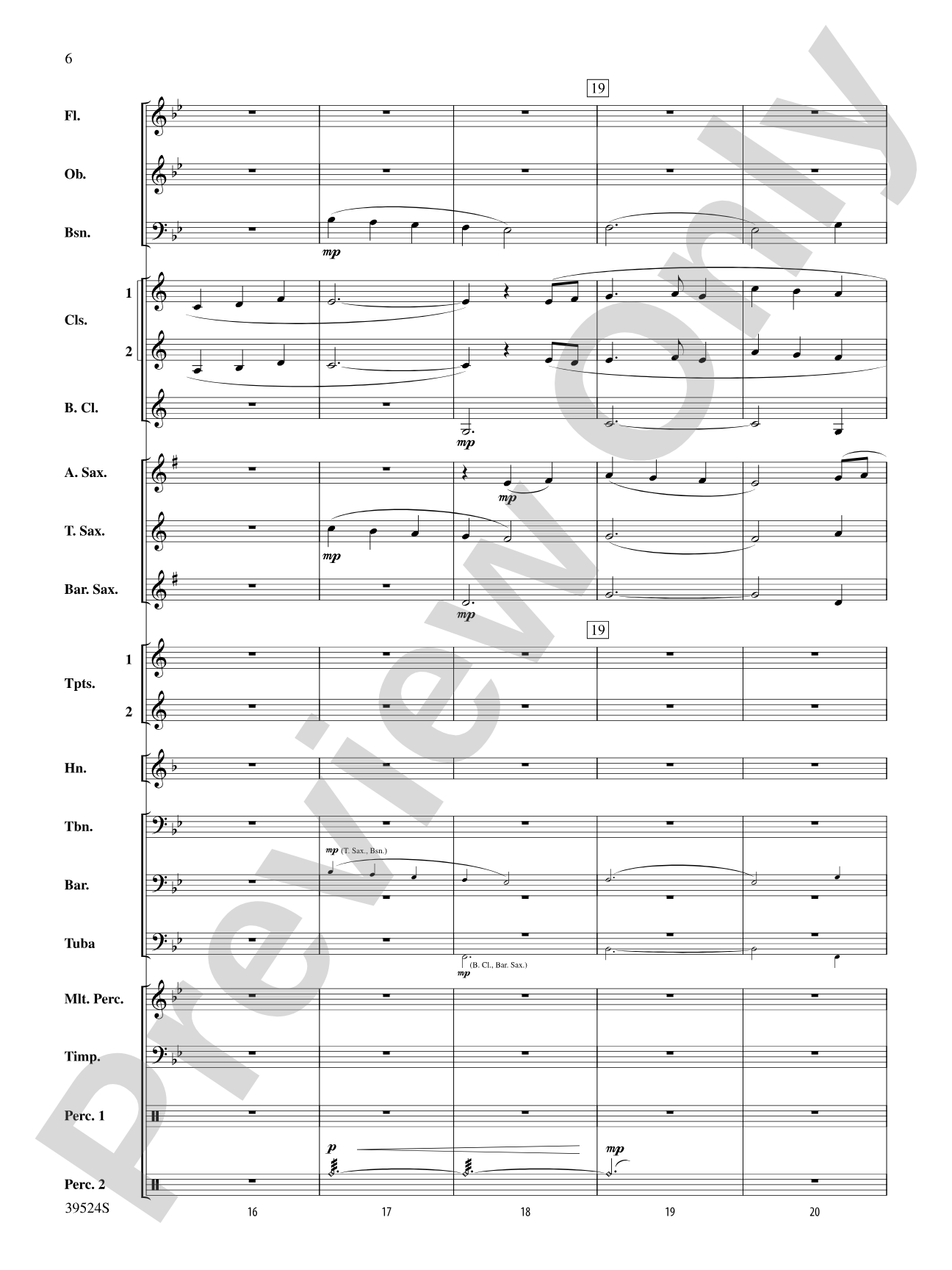
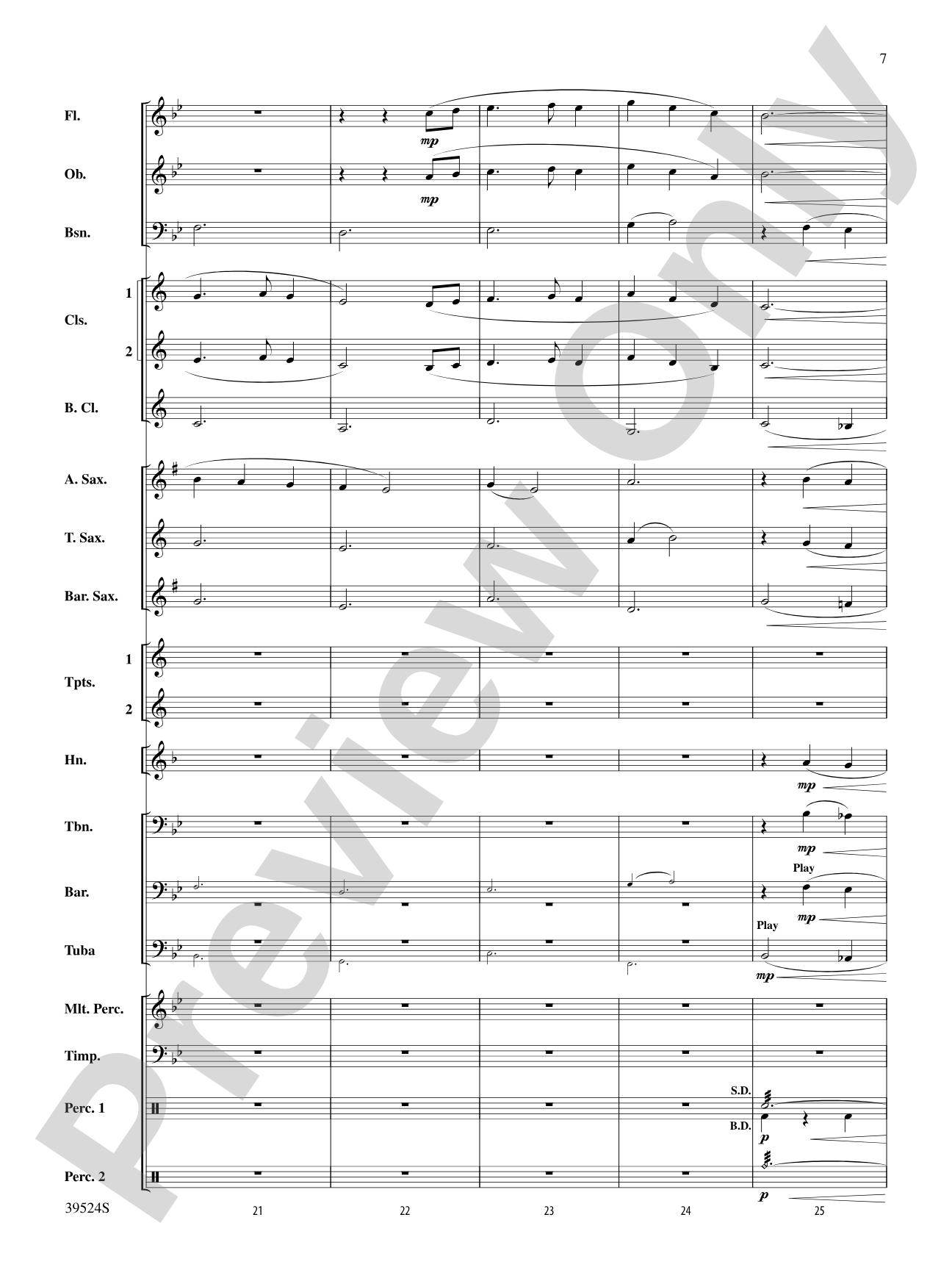
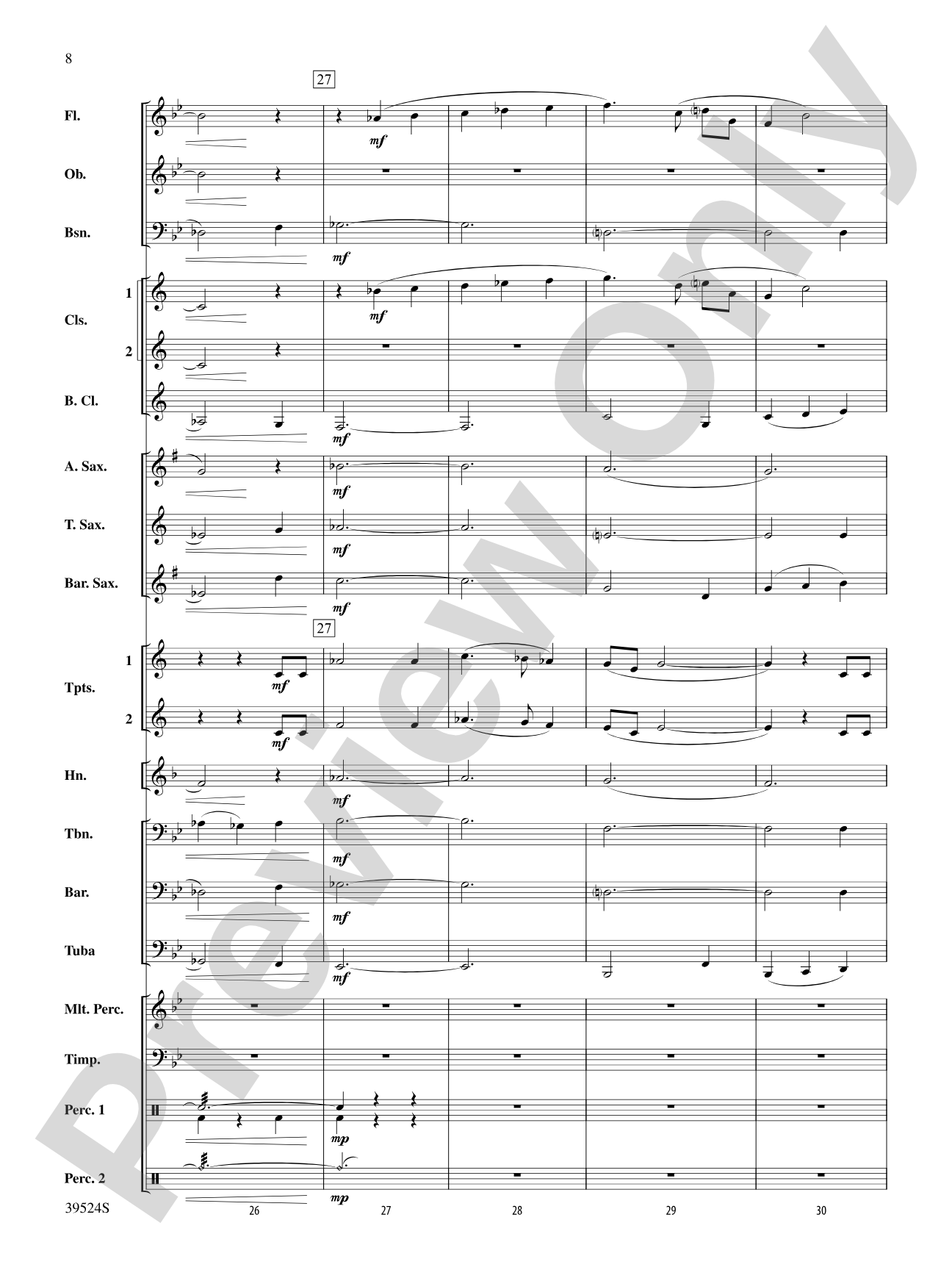
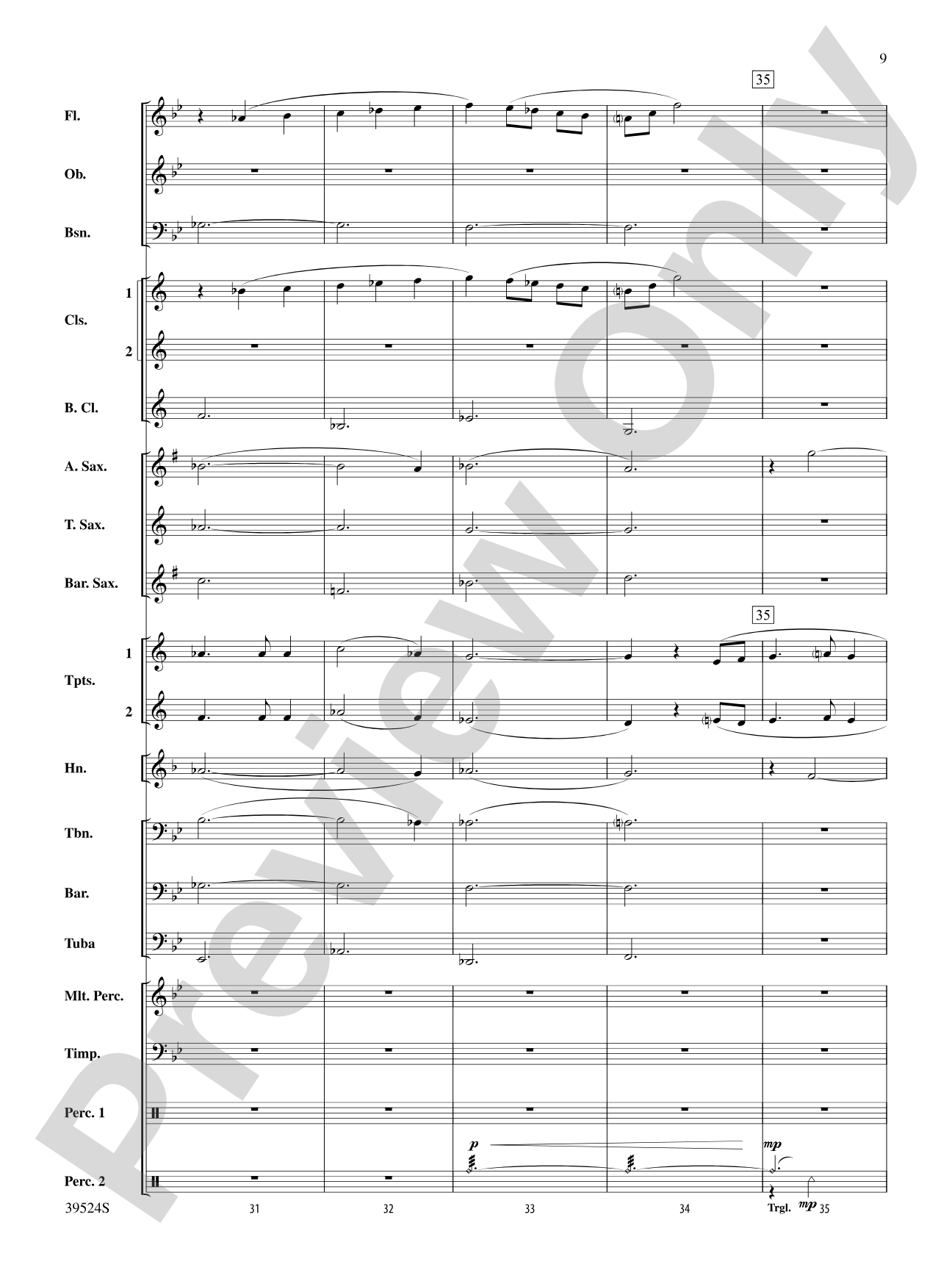
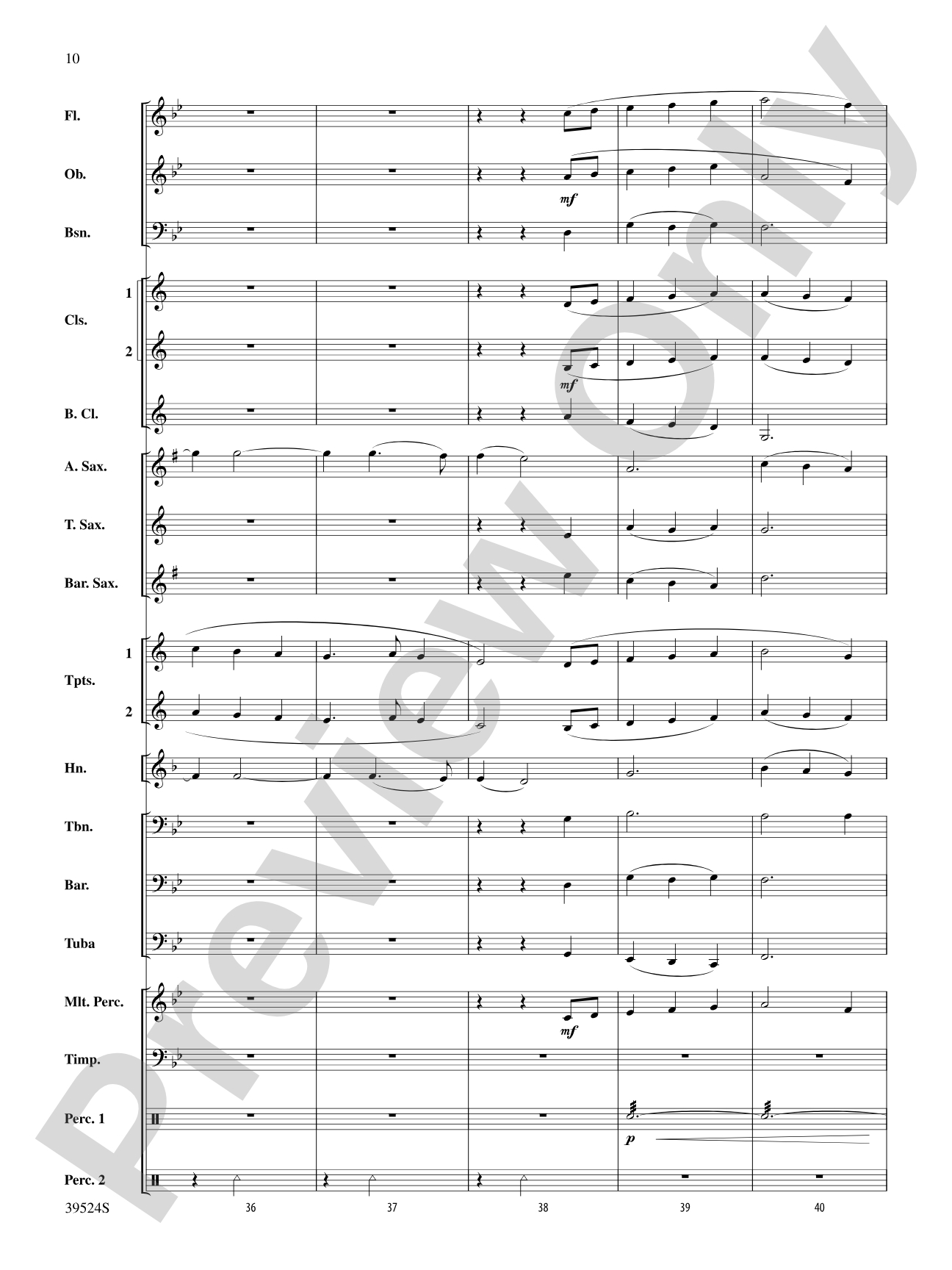
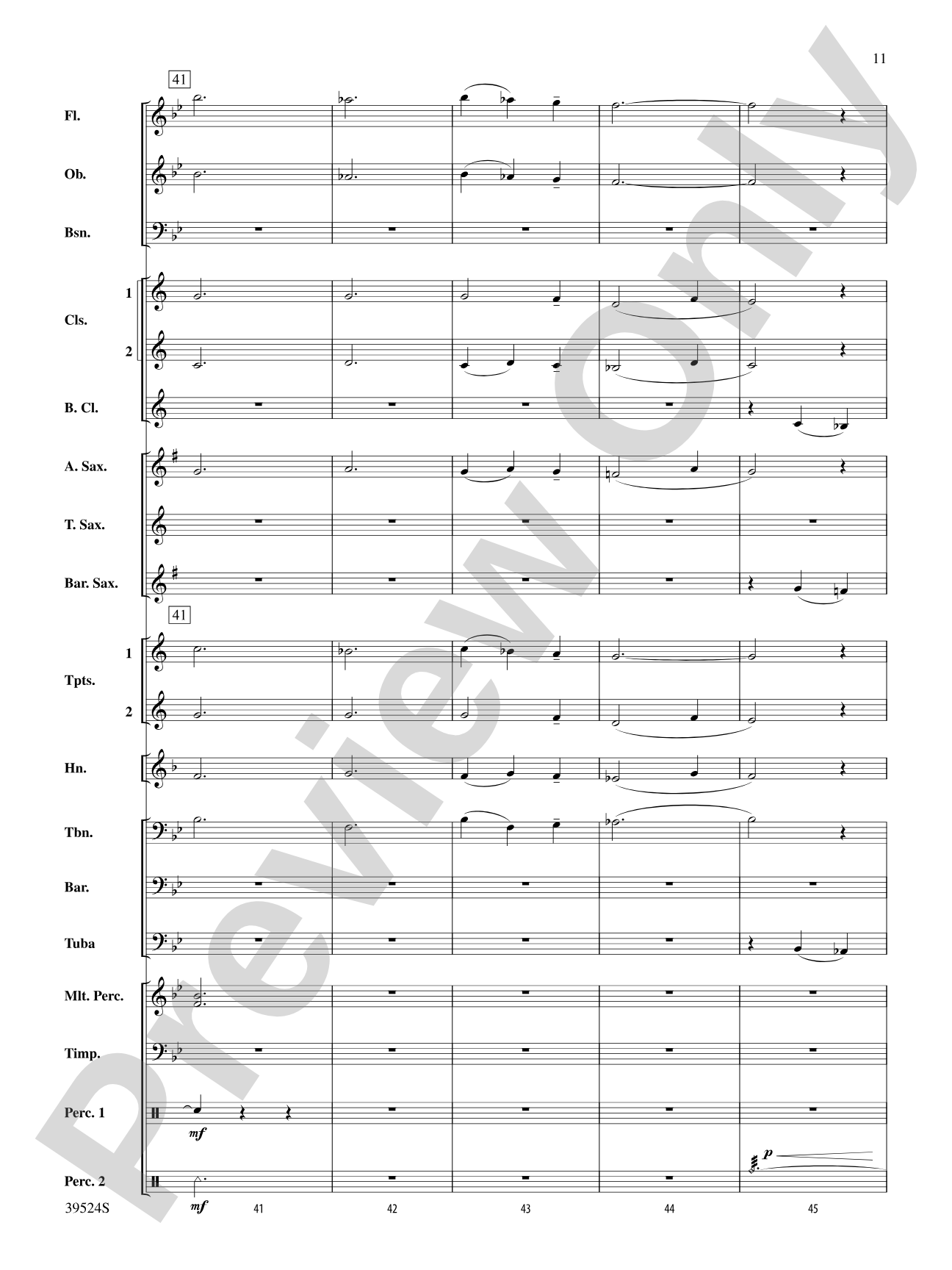
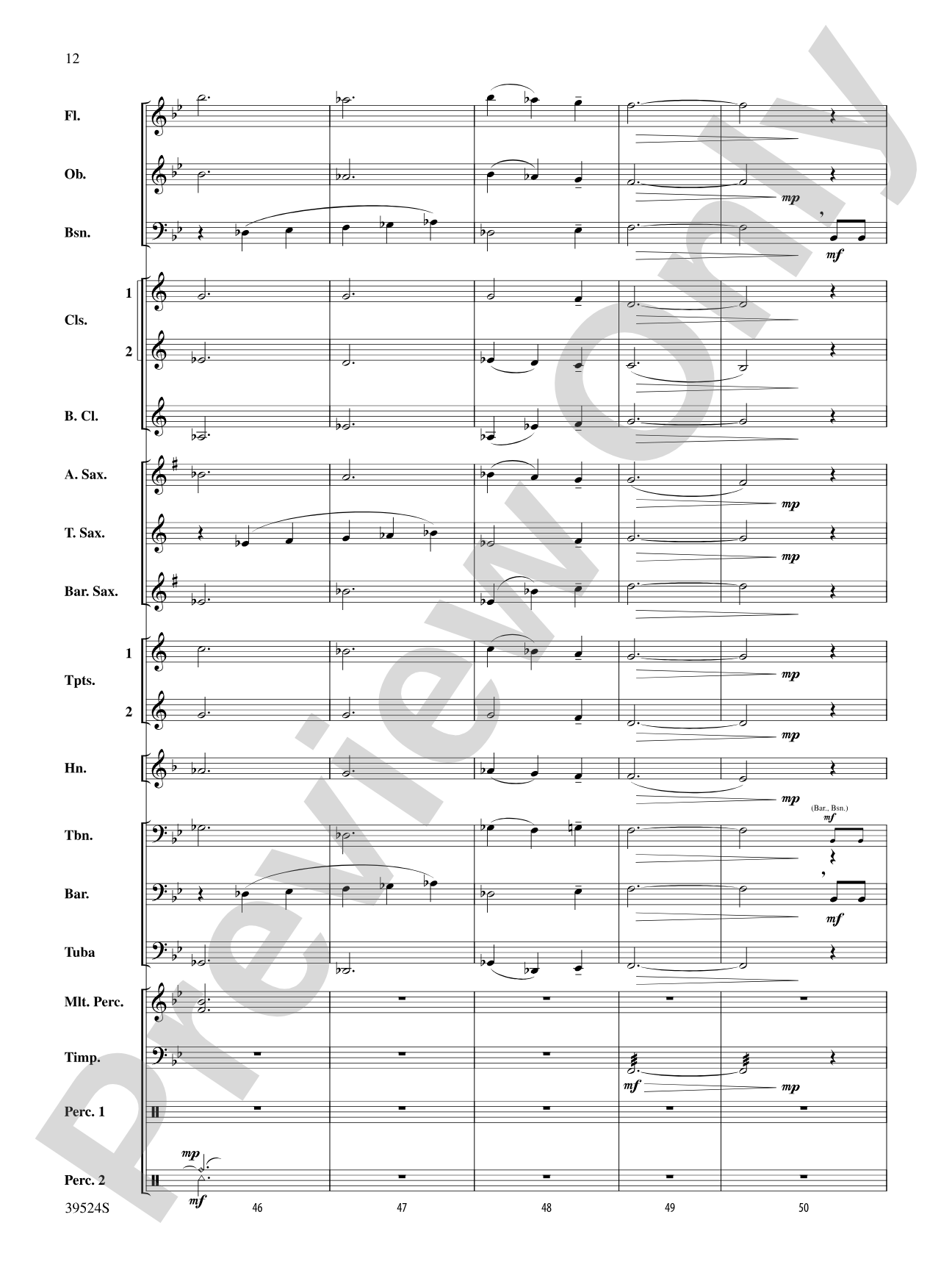
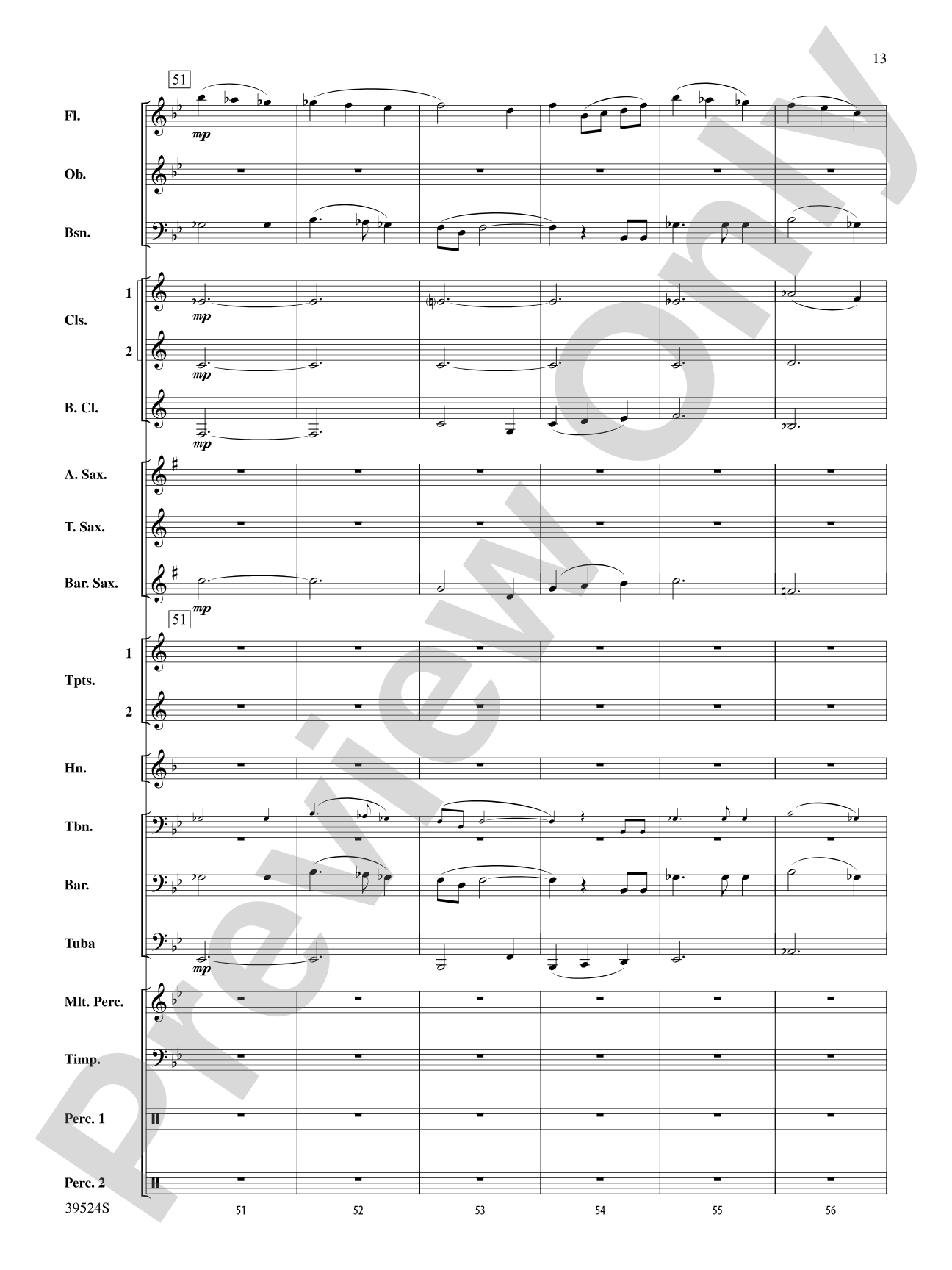
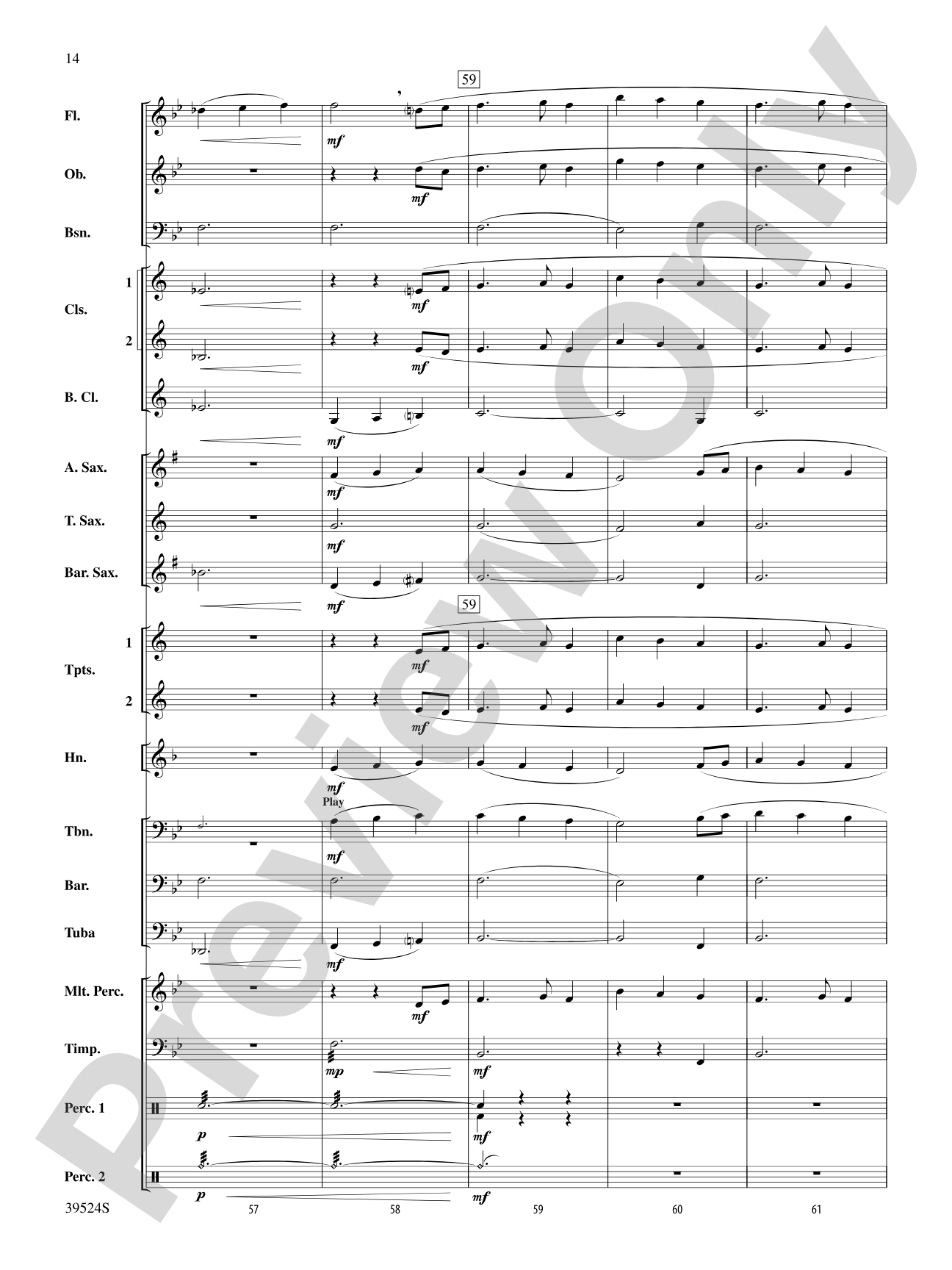
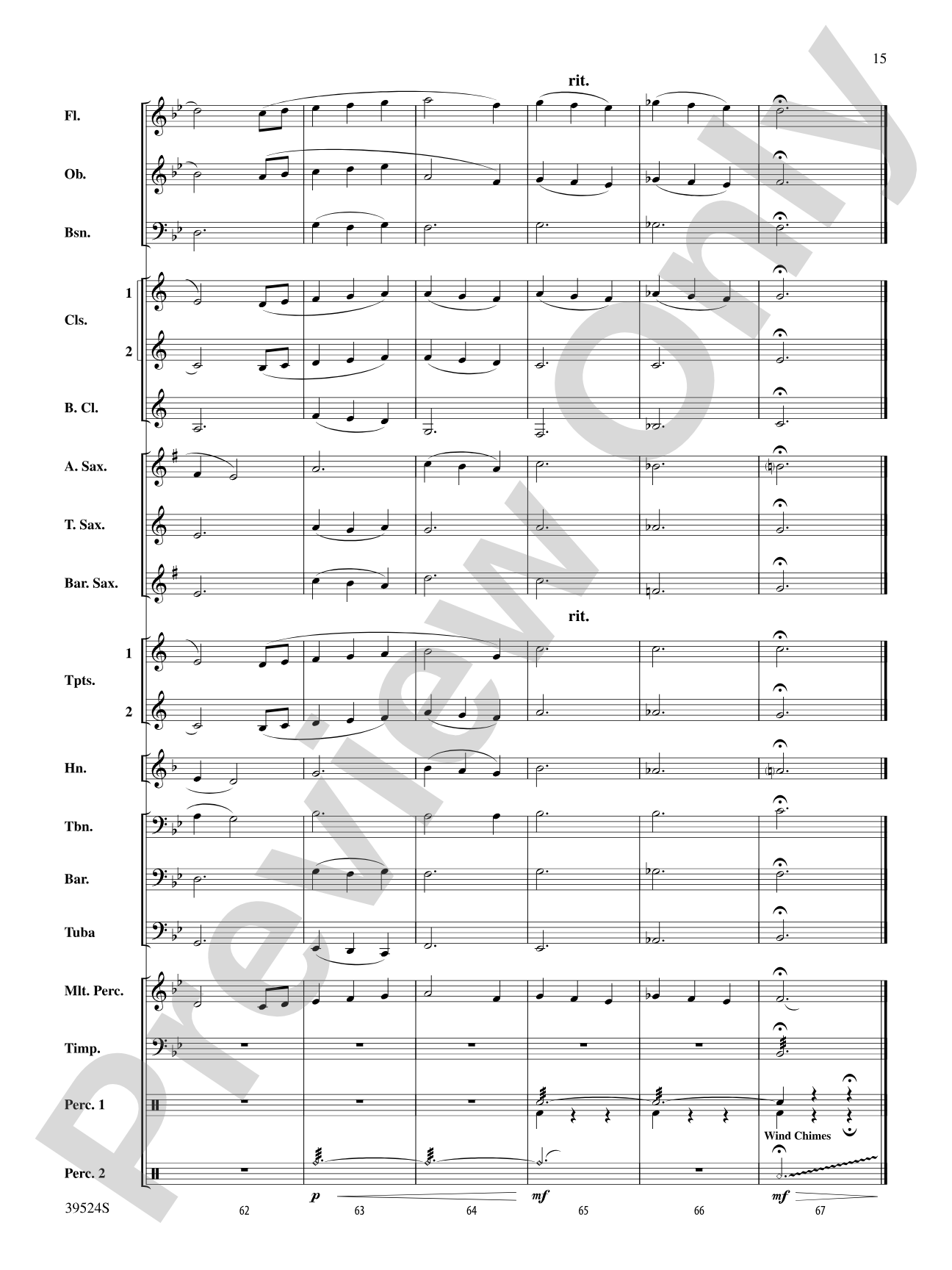


Annabel Lee: Concert Band Conductor Score & Parts
Traditional Folk Song based on the poem by Edgar Allan Poe / arr. Michael Story
Grade: 2 (Easy)
Item: 00-PK-0005587

$57.00
Pickup currently not available
Buy Extra Parts (Digital PDF Download)
| Product | Price | Quantity |
|---|---|---|
| Annabel Lee: Score | $10.00 | |
| Annabel Lee: Flute | $3.00 | |
| Annabel Lee: Oboe | $3.00 | |
| Annabel Lee: Bassoon | $3.00 | |
| Annabel Lee: 1st B-flat Clarinet | $3.00 | |
| Annabel Lee: 2nd B-flat Clarinet | $3.00 | |
| Annabel Lee: B-flat Bass Clarinet | $3.00 | |
| Annabel Lee: E-flat Alto Saxophone | $3.00 | |
| Annabel Lee: B-flat Tenor Saxophone | $3.00 | |
| Annabel Lee: E-flat Baritone Saxophone | $3.00 | |
| Annabel Lee: 1st B-flat Trumpet | $3.00 | |
| Annabel Lee: 2nd B-flat Trumpet | $3.00 | |
| Annabel Lee: 1st F Horn | $3.00 | |
| Annabel Lee: 1st Trombone | $3.00 | |
| Annabel Lee: Baritone T.C. | $3.00 | |
| Annabel Lee: Baritone B.C. | $3.00 | |
| Annabel Lee: Tuba | $3.00 | |
| Annabel Lee: Mallets | $3.00 | |
| Annabel Lee: 1st Percussion | $3.00 | |
| Annabel Lee: 2nd Percussion | $3.00 | |
| Annabel Lee: Timpani | $3.00 |
Parts Added to Cart!
Description
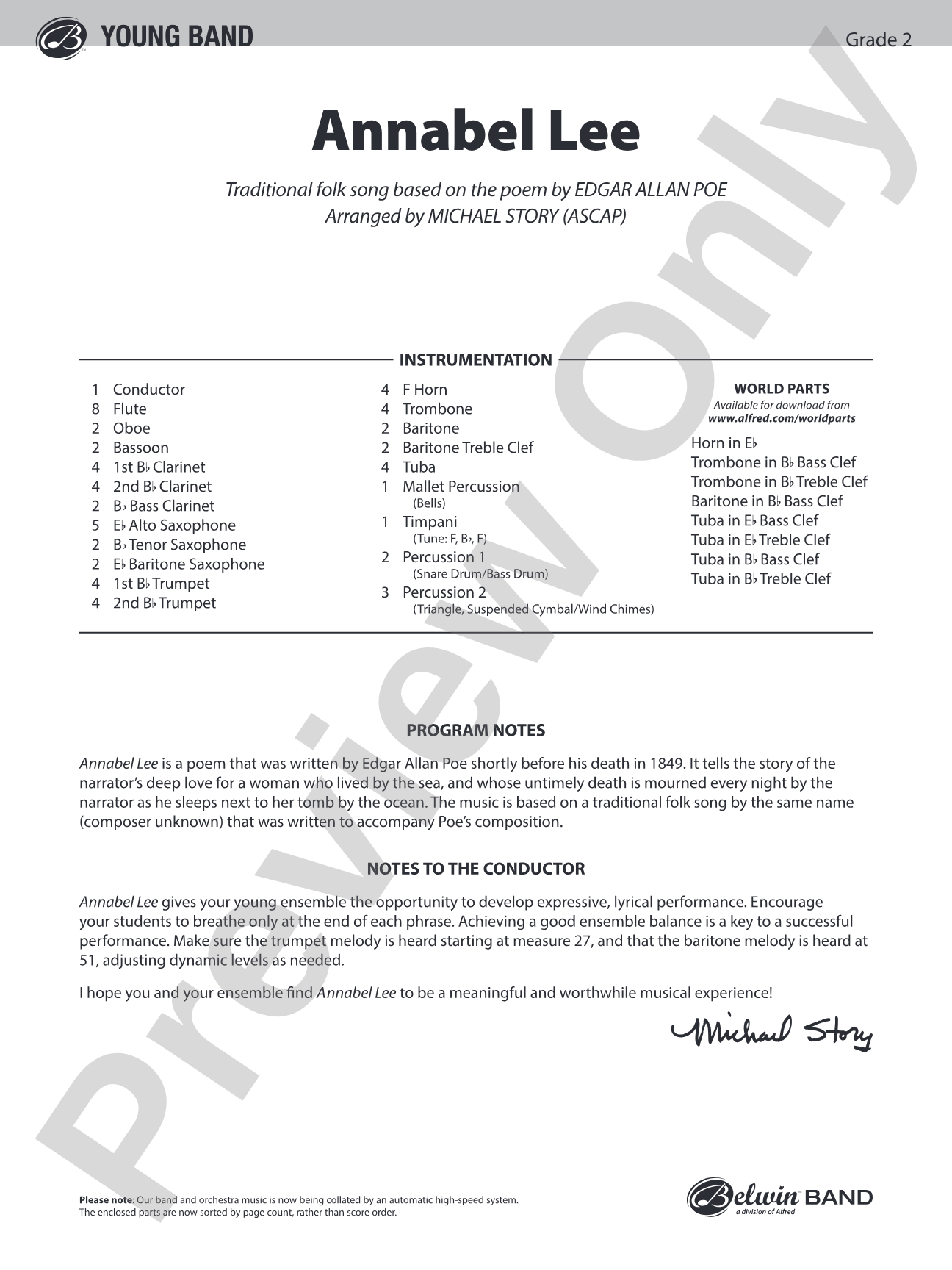
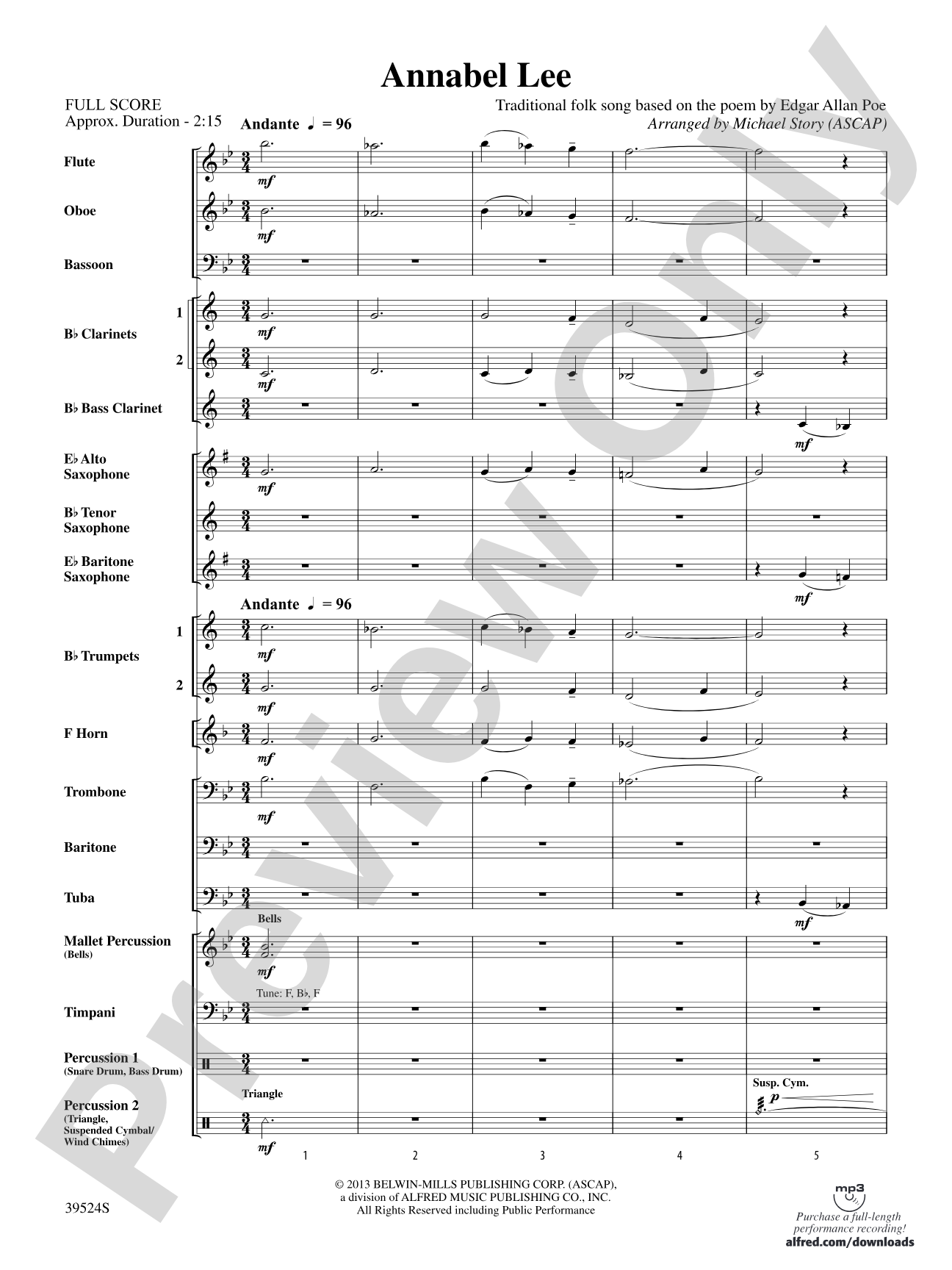
Scored in a lilting three-quarter meter, this delicious melody, by an unknown composer, was originally scored to accompany Edgar Allan Poe's poem of the same name. The story is of the narrator's deep love for a woman who lived by the sea, and whose untimely death is mourned every night by the narrator as he sleeps next to her tomb by the ocean. The beautiful melody, charismatically harmonized, musically depicts that undying love and provides a meaningful opportunity to teach expressive and lyrical performance. A charming addition to the developing band repertoire. (2:15) This title is available in MakeMusic Cloud.


Don't just read it, hear it, play along with it, and watch your students grow with it. In MakeMusic Cloud, Annabel Lee: Concert Band Conductor Score & Parts comes alive with professional accompaniment, adjustable tempo, and built-in practice tools that turn solo practice into real progress.
Open in the Player
Jump straight in and assign it today.
Start Your Free Trial
Open this title and explore the full library in minutes.
Sample Audio
1
Audio File
--:--
0:00
0:00
Sample Video
Additional Details
Series:
Belwin Young Band
Publisher:
Alfred Music
Page Count:
124
SKU:
00-PK-0005587
More about this title
About the Composer: Edgar Allan Poe
Edgar Allan Poe (1809–1849) stands as one of America's most influential literary figures, pioneering the modern detective story and perfecting the art of psychological horror. His poem "Annabel Lee," published posthumously in 1849, became one of his most celebrated works, celebrated for its haunting narrative, musical language, and exploration of love and loss.
Poe's mastery of rhythm and sound in verse made his work natural material for musical adaptation. The melancholic beauty and emotional directness of "Annabel Lee" has inspired composers and musicians for over 170 years, inviting settings that honor both the poem's narrative power and its inherent musicality.
Why we love this
Michael Story's setting captures the elegiac quality of Poe's narrative without overshadowing its emotional core. The lilting three-quarter meter and charismatic harmonies create an accessible entry point for young bands to explore expressive, song-like playing while engaging with genuine literary substance.
What to expect
The piece unfolds with a tender, wistful quality that honors Poe's meditation on loss and devotion. The three-quarter setting creates a waltz-like character, yet the harmonization carries an underlying melancholy that prevents sentimentality from tipping into saccharine.
Who it's for
This arrangement suits developing concert bands working at Grade 2 level. Directors seeking to build expressive musicianship in young ensembles will find this both musically rewarding and technically manageable.
How to get the most out of it
- Shape the melody with the same narrative attention you'd bring to reciting Poe's text. Think of each phrase as a line of poetry, allowing breath and rubato to emerge naturally rather than metronomically.
- Balance the harmony so that secondary voices support without drowning the primary melodic line. Young bands often play all parts at equal volume; resist that instinct here.
- Use the 3/4 meter to create gentle forward motion rather than a march-like pulse. The lilt should feel organic to the story, not mechanical.
How to use it
This works beautifully as a contrasting middle selection on a concert, offering relief from faster or more technically demanding material. It also pairs well with thematic programming around American literature or autumn concert themes.
Skills your students will build
- Singing through instruments with phrase shape and breath awareness
- Playing in compound meter (3/4) with legit flow
- Balancing melody and accompaniment in harmonic textures
- Expressing mood through dynamic control and musical phrasing rather than technical facility