Angels We Have Heard on High Cover Image

Angels We Have Heard on High: SAB Choral Octavo

$1.85 USD
Sale price  $1.85 USD Regular price 
Skip to product information
Angels We Have Heard on High Cover Image

Angels We Have Heard on High: SAB Choral Octavo

Traditional French Carol / arr. Kirby Shaw

Item: 00-41558

makemusic Cloud badge

Need it now?

Buy Digital Version
$1.85
Shipped

One moment…

Description
With verses in 5/4 and a jazz waltz refrain, Kirby's mellow rendition of this familiar carol is something truly fresh. An optional flute solo (available free at alfred.com/choralparts) is a hip addition to smooth choral parts that are a blast to sing. A highly creative take on a song that everyone knows!

Don't just read it, hear it, play along with it, and watch your students grow with it. In MakeMusic Cloud, Angels We Have Heard on High: SAB Choral Octavo comes alive with professional accompaniment, adjustable tempo, and built-in practice tools that turn solo practice into real progress.

Sample Pages

Sample Audio
0:00
0:00
Sample Video
Additional Details
Series: Alfred Choral Designs
Publisher: Alfred Music
Page Count: 12
UPC: 038081466385
SKU: 00-41558

More about this title

About the Arranger: Kirby Shaw
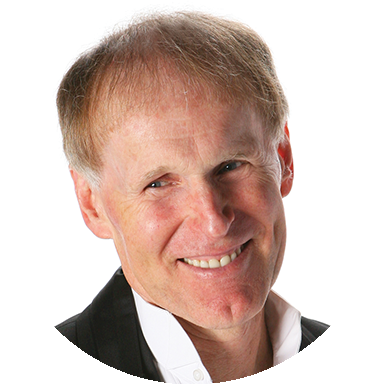
Kirby Shaw

Kirby Shaw earned degrees in Music Education and Choral Composition from San Jose State University and a DMA in Choral Conducting from the University of Washington. His career spans decades of influential teaching and directing, from the Mt. Shasta public schools to founding the celebrated COS Vocal Jazz Ensemble at College of the Siskiyous in California. He has since led innovative vocal jazz programs at Colorado State University, the University of Missouri at Kansas City, and currently directs the Jefferson State Choral Coalition at Southern Oregon University.

With over 2500 choral arrangements and compositions in print, Shaw has built a global reputation for music that marries technical sophistication with infectious energy and humor. His catalog has sold nearly 20 million copies and earned multiple ASCAP awards. He has collaborated with legendary vocalists including Bobby McFerrin, Al Jarreau, and Jon Hendricks, and overseen hundreds of educational recordings. Shaw is also a performing member of Just 4 Kicks, a collegiate-style a cappella ensemble specializing in jazz, and co-authored an original musical adaptation of A Christmas Carol with his wife, Markita.

Why we love this

Shaw's arrangement strips away the predictable reverence of the carol and rebuilds it with metric boldness and harmonic sophistication that feels immediate and alive. The 5/4 verses demand focus from singers while the jazz waltz refrain swings with genuine charm, making this one of the few holiday pieces that feels equally at home in a concert setting and a Christmas service. The optional flute solo adds texture without requiring a performer, offering flexible performance options for various ensemble sizes.

What to expect

Cool and sophisticated, yet warm. The 5/4 sections feel poised and contemplative, while the jazz waltz refrain swings with an almost conversational ease, as if the carol is being retold rather than recited. The overall effect is both celebratory and smooth, with moments of genuine rhythmic surprise.

Who it's for

Directors seeking a carol that engages singers with genuine musical challenges rather than rote performance. This piece works for choirs with secure rhythm readers and a director comfortable navigating metric shifts; SAB voicing keeps it accessible for mixed ensembles without formal auditions.

How to get the most out of it

  • Lock the meter shift between verses and refrain early in rehearsal. Mark beat groupings visually in the score (5/4 as 2+3 or 3+2) so singers internalize the pattern before worrying about blend.
  • Treat the jazz waltz refrain as a groove rather than a hymn. The pulse should lilt and breathe, not march; lean into the syncopation of the choral parts to lift the energy.
  • Balance the optional flute solo against the choral texture if you use it. The part should dance above the harmony without pushing; rehearse the choir alone first, then add the flute to ensure it feels integrated rather than superimposed.
  • Shape the familiar melody through the unfamiliar harmony. Singers will want to default to muscle memory from traditional carols; reinforce phrase contours and dynamic intention so the arrangement's freshness comes through.

How to use it

Pair this in a holiday concert with both traditional and contemporary sacred music to frame it as a bridge between styles. It also stands alone beautifully as a concert opener or closer in a secular program, offering choral artistry without requiring a faith-based context. Consider programming it after a period of winter rehearsals when singers have gained confidence in mixed meters.

Skills your students will build

  • Reading and internalizing compound meters (5/4)
  • Distinguishing and executing swing rhythm in a choral context
  • Maintaining precision while singing unfamiliar harmonic progressions over a familiar melody
  • Ensemble balance when parts move independently rather than in block harmony

You May Also Like
