
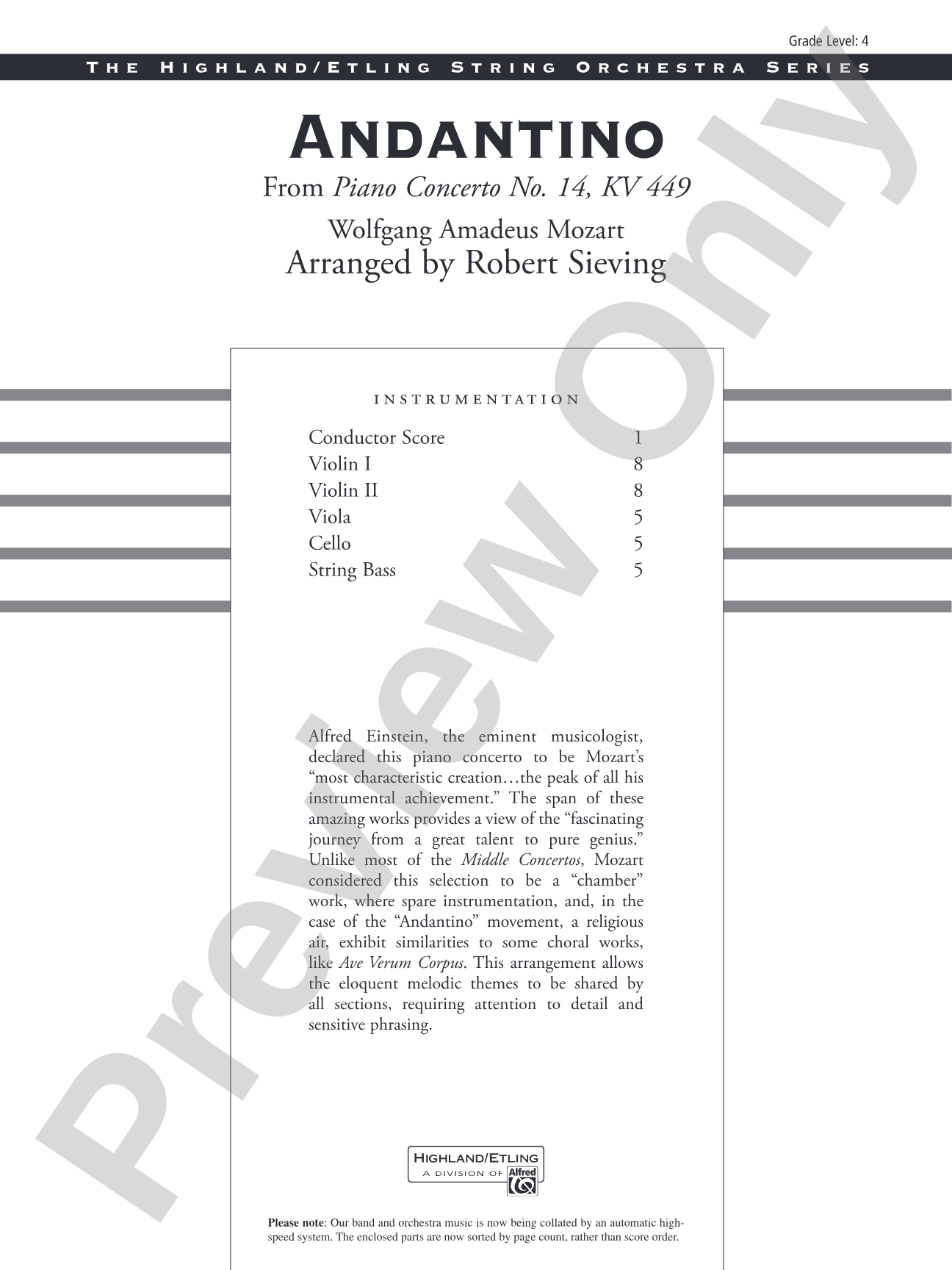
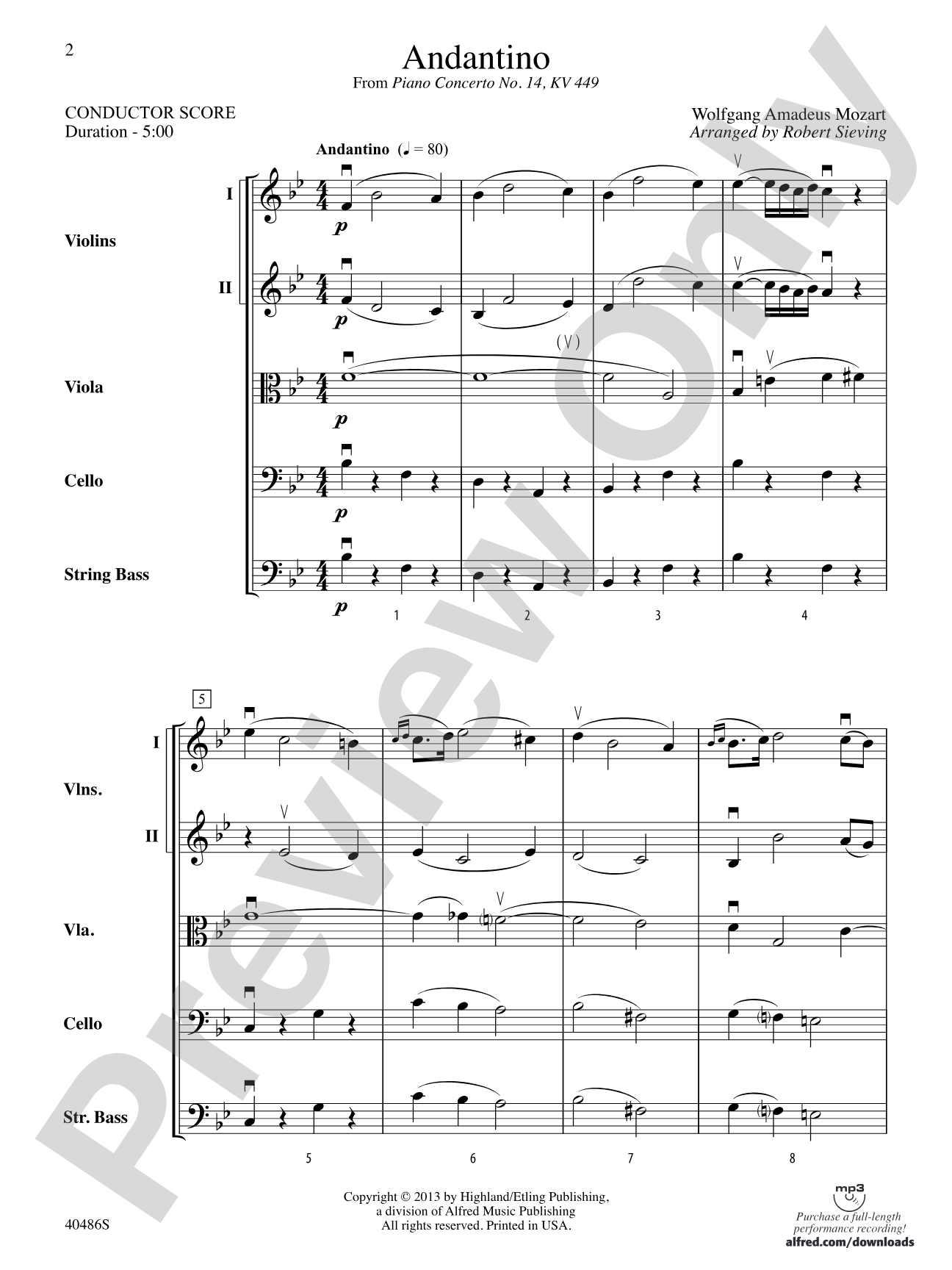
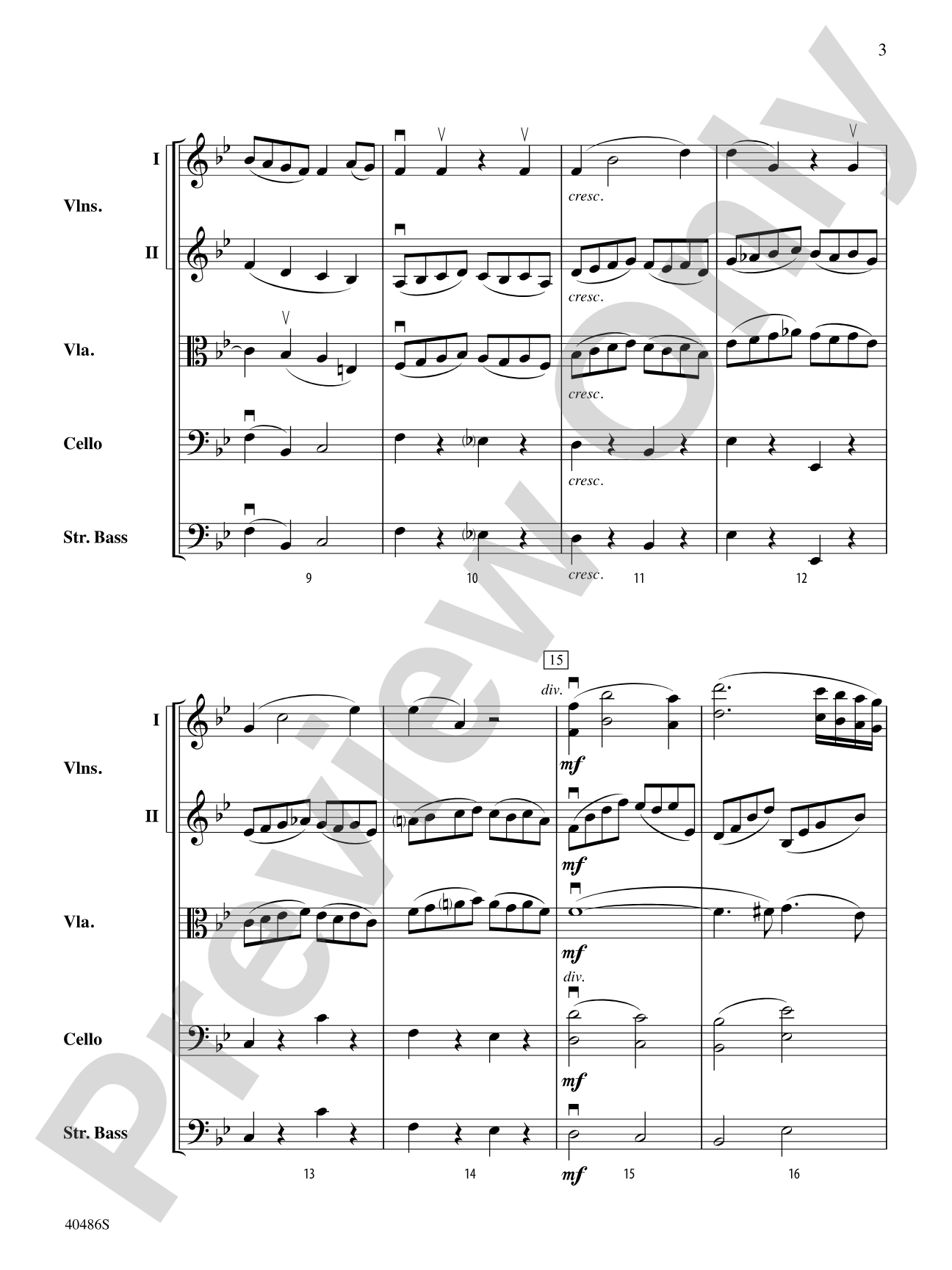
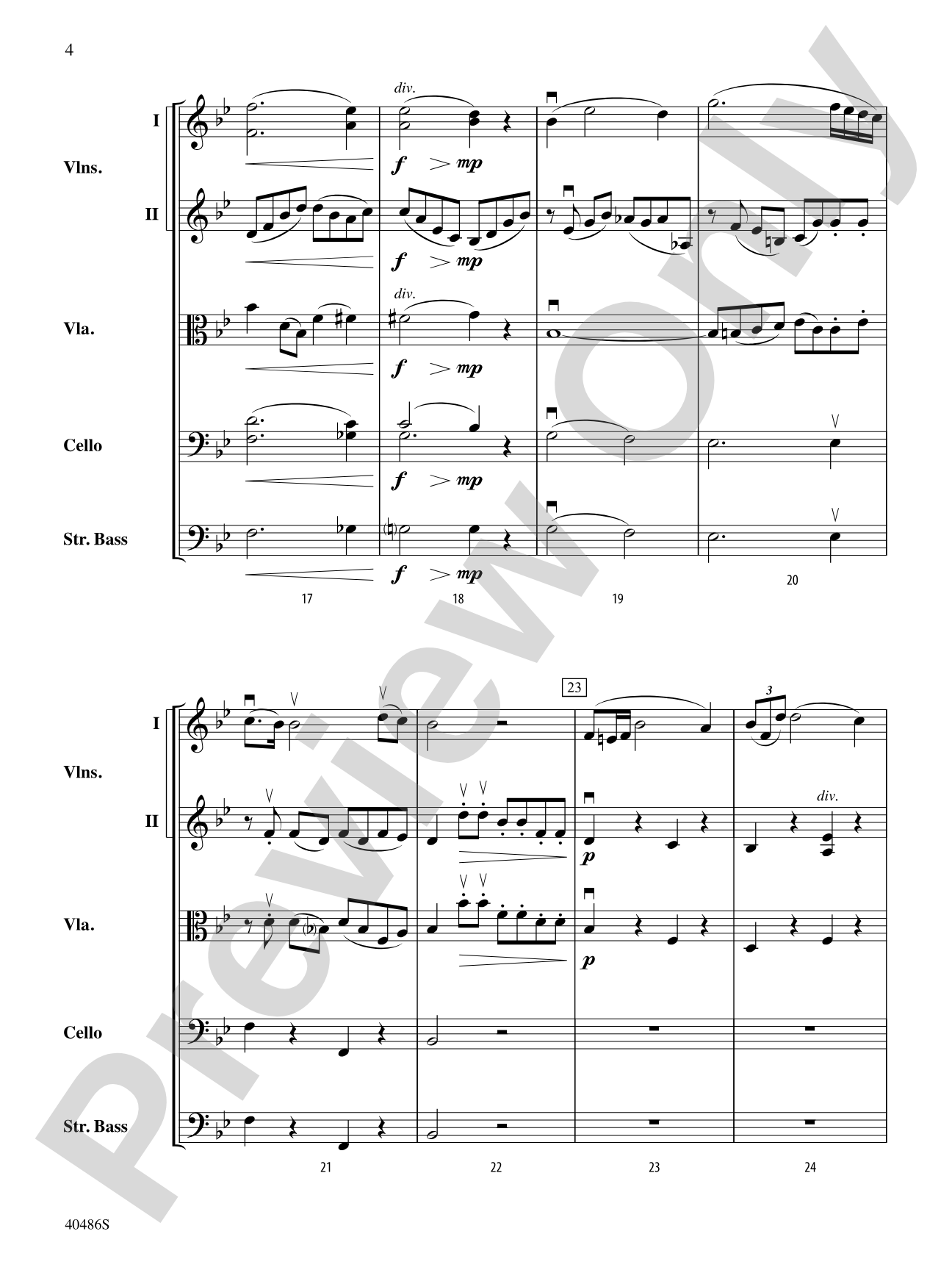
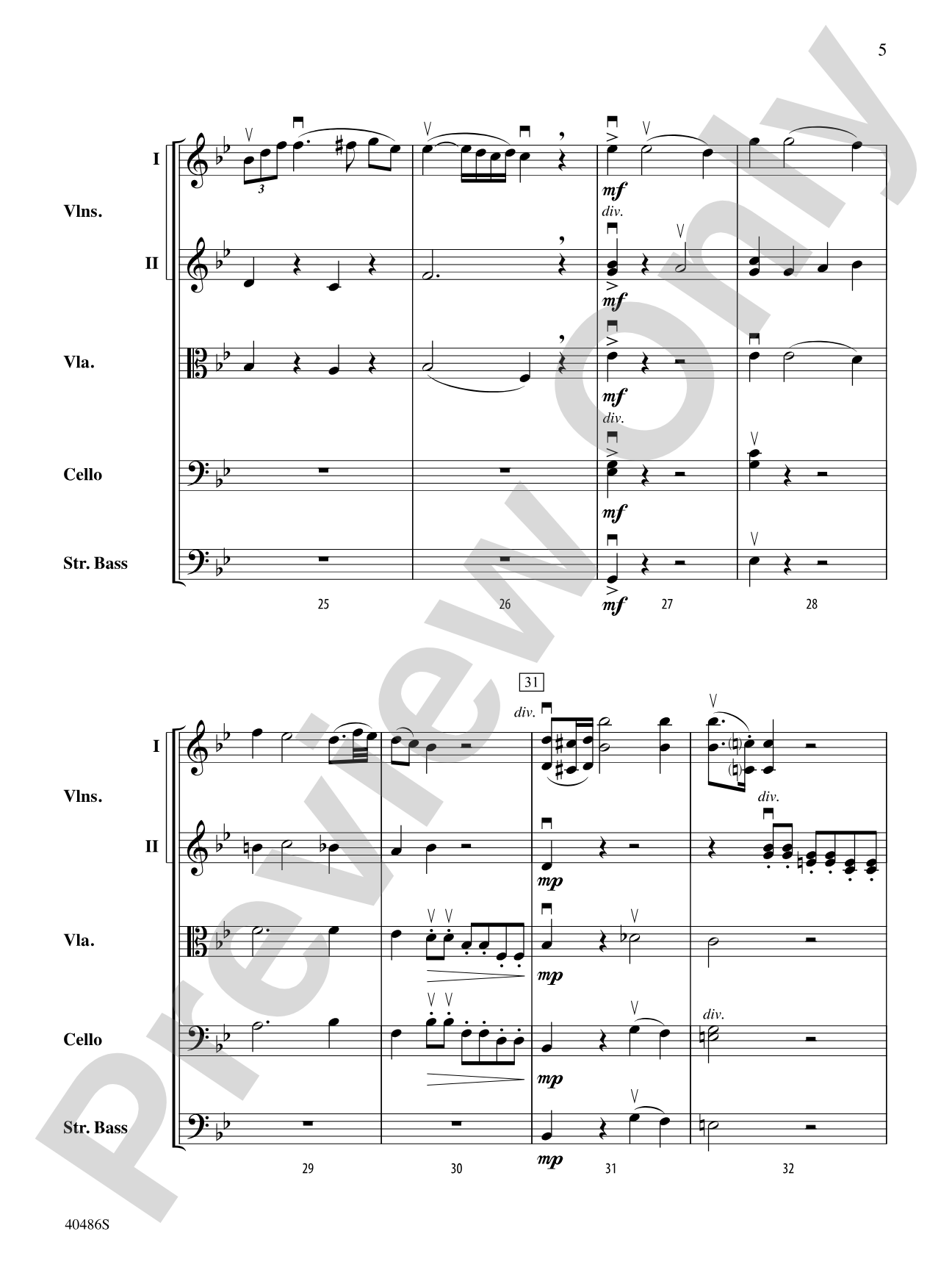
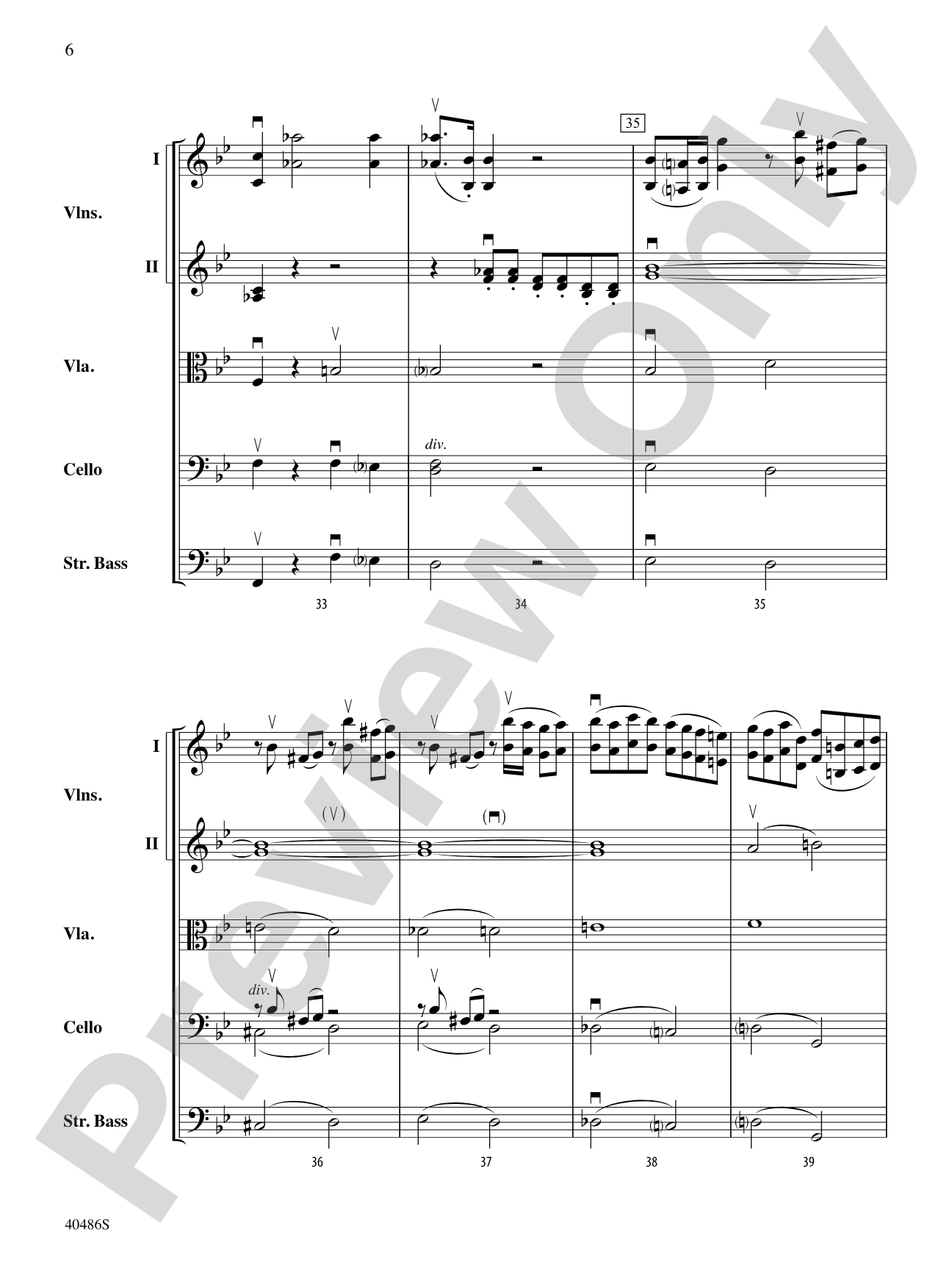
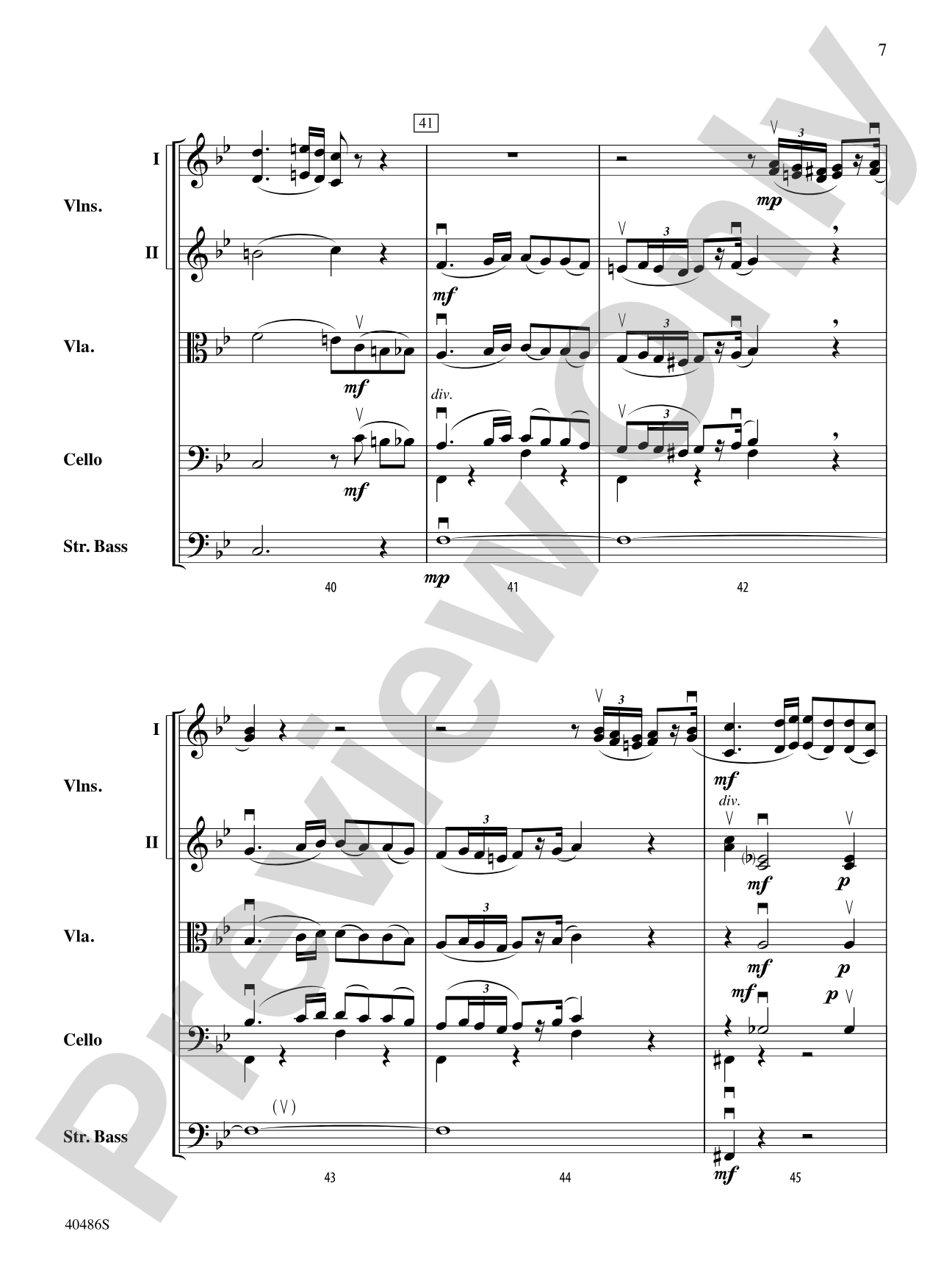
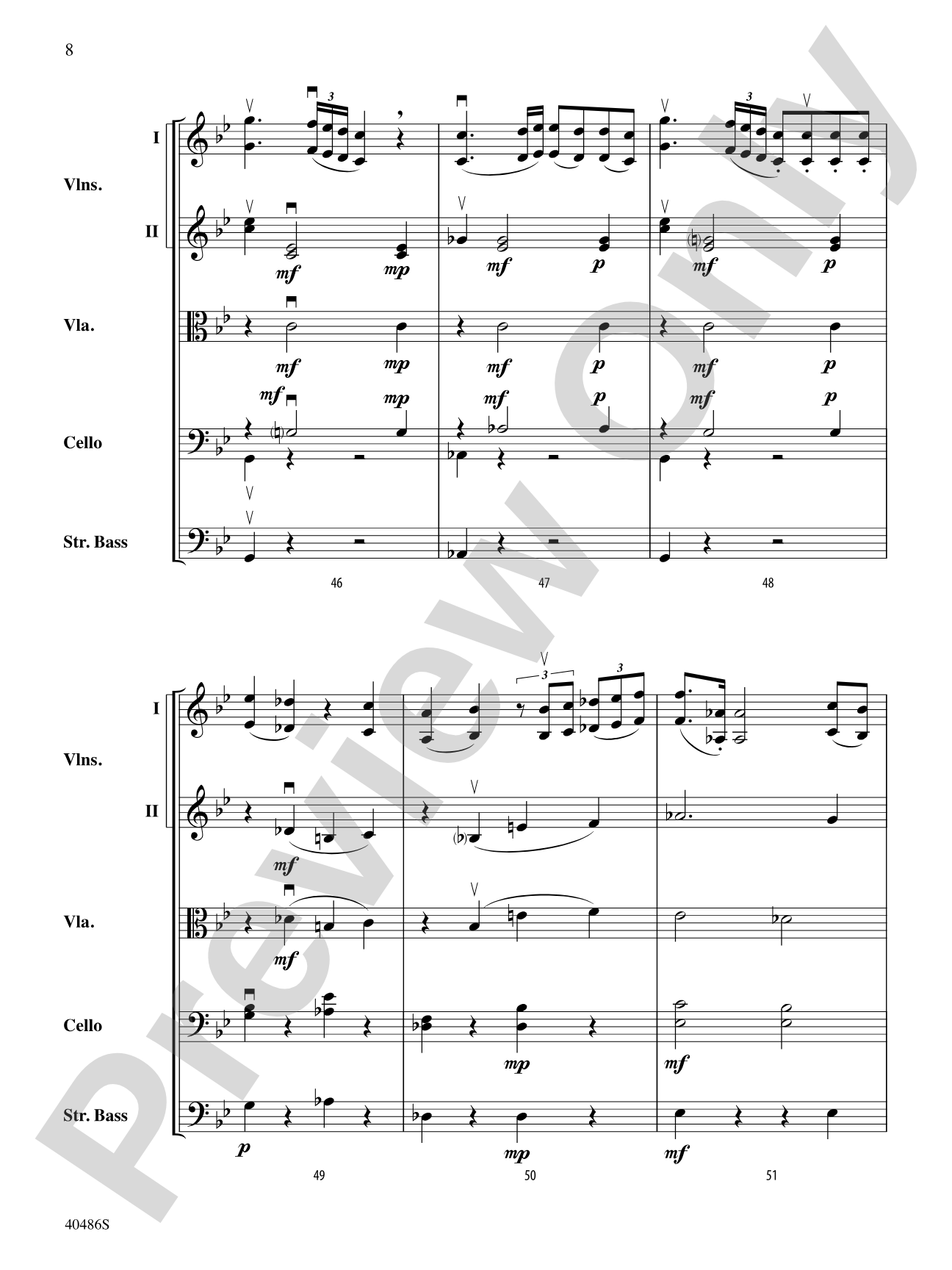
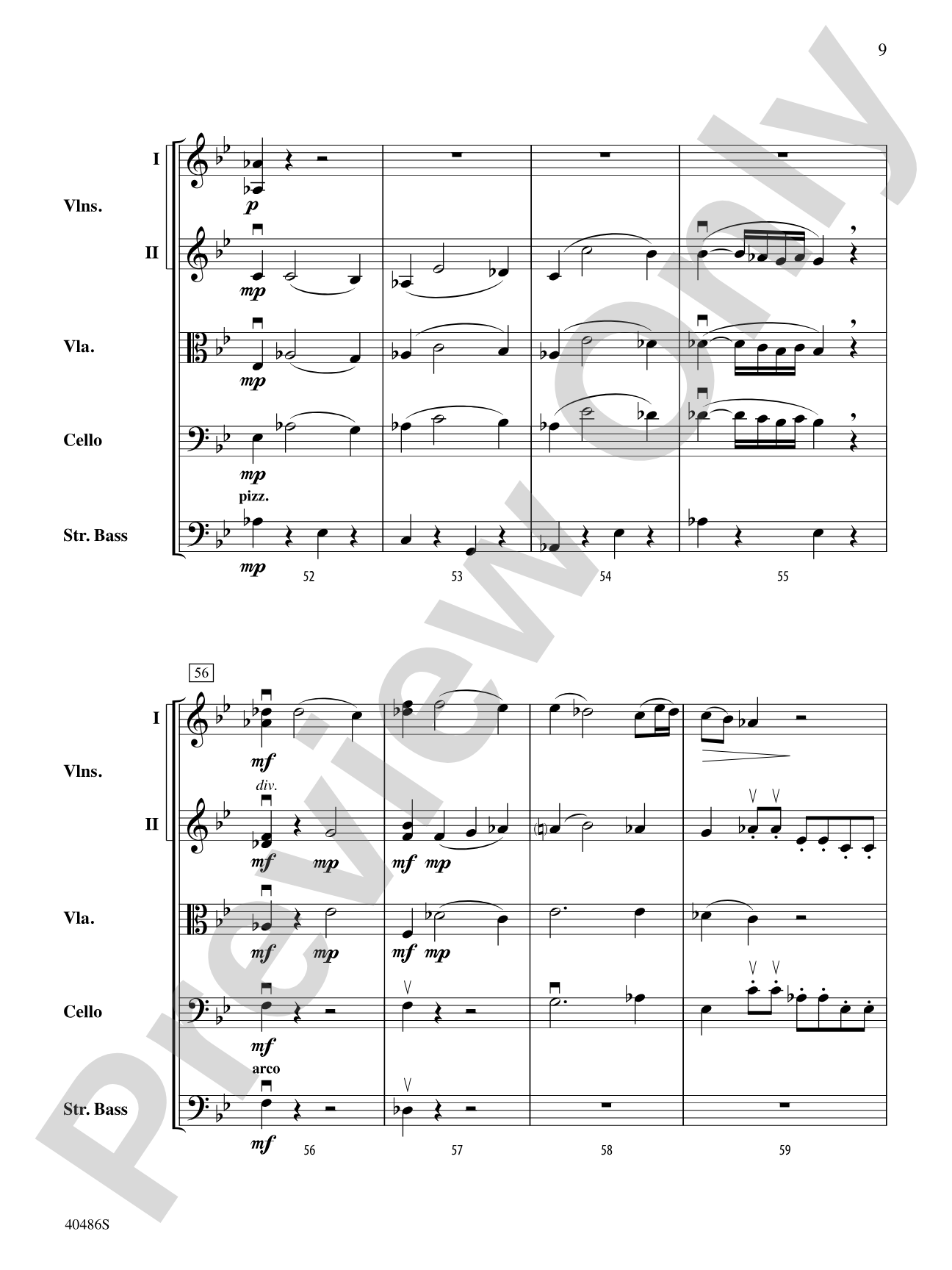
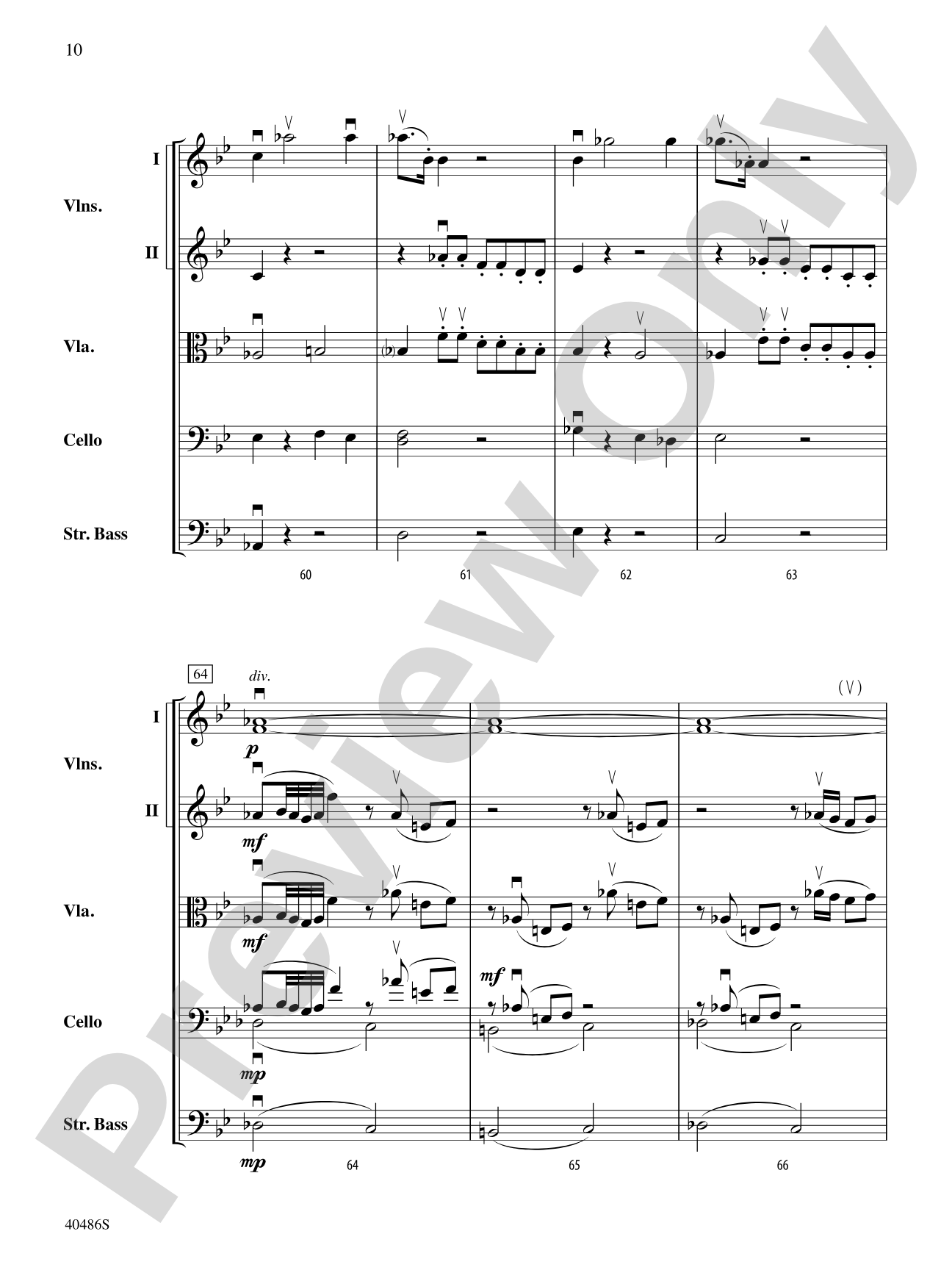
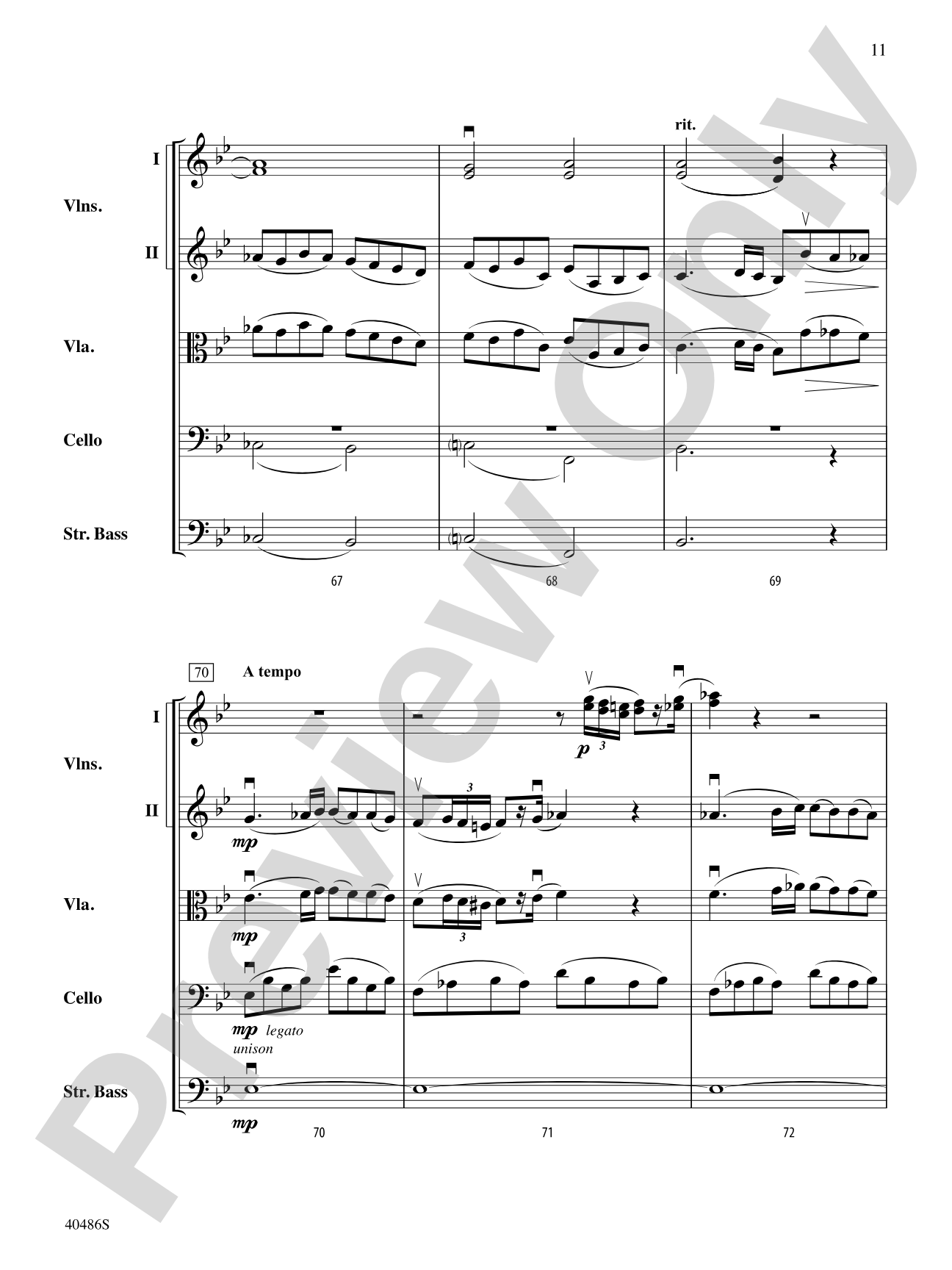
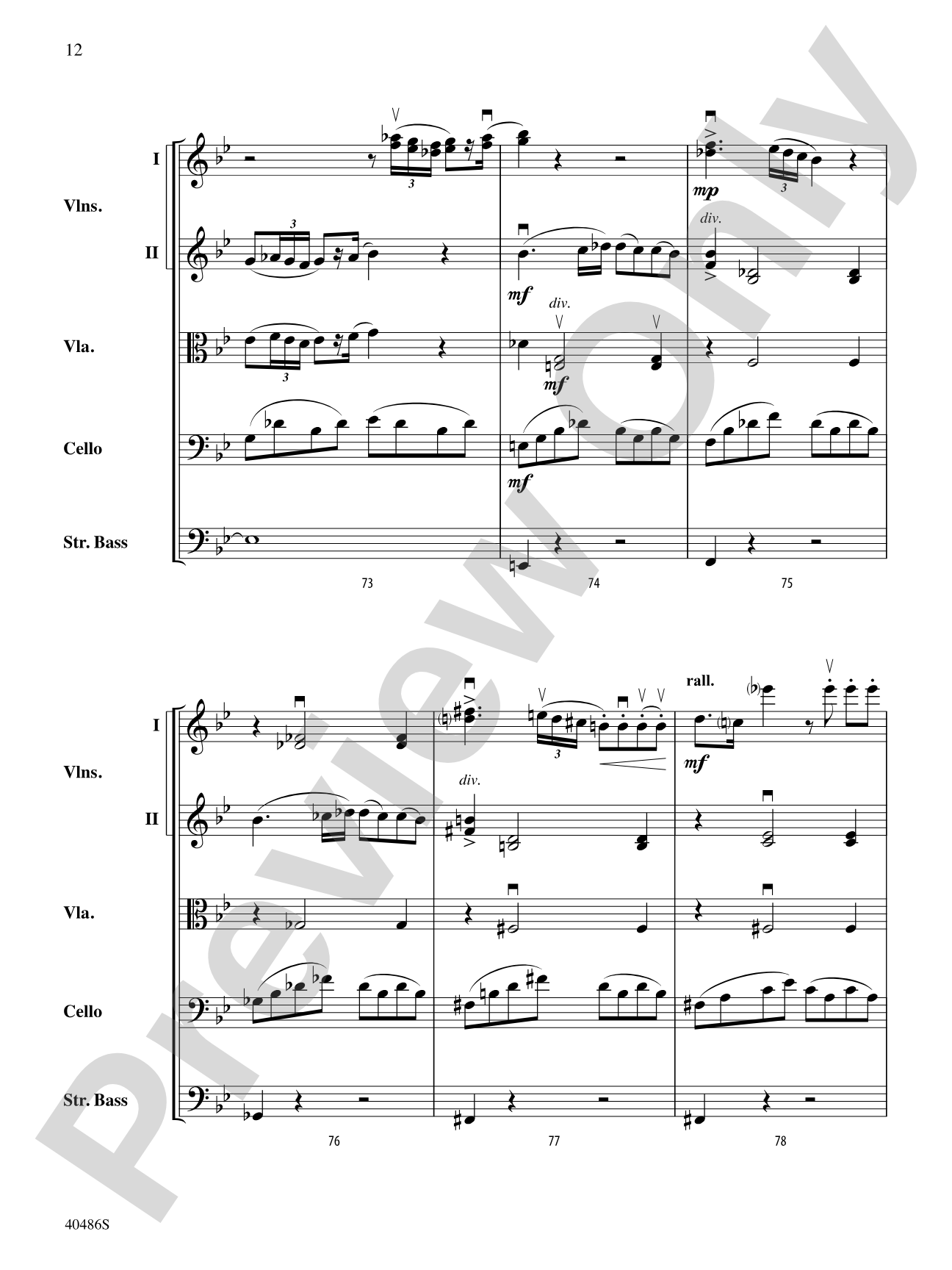
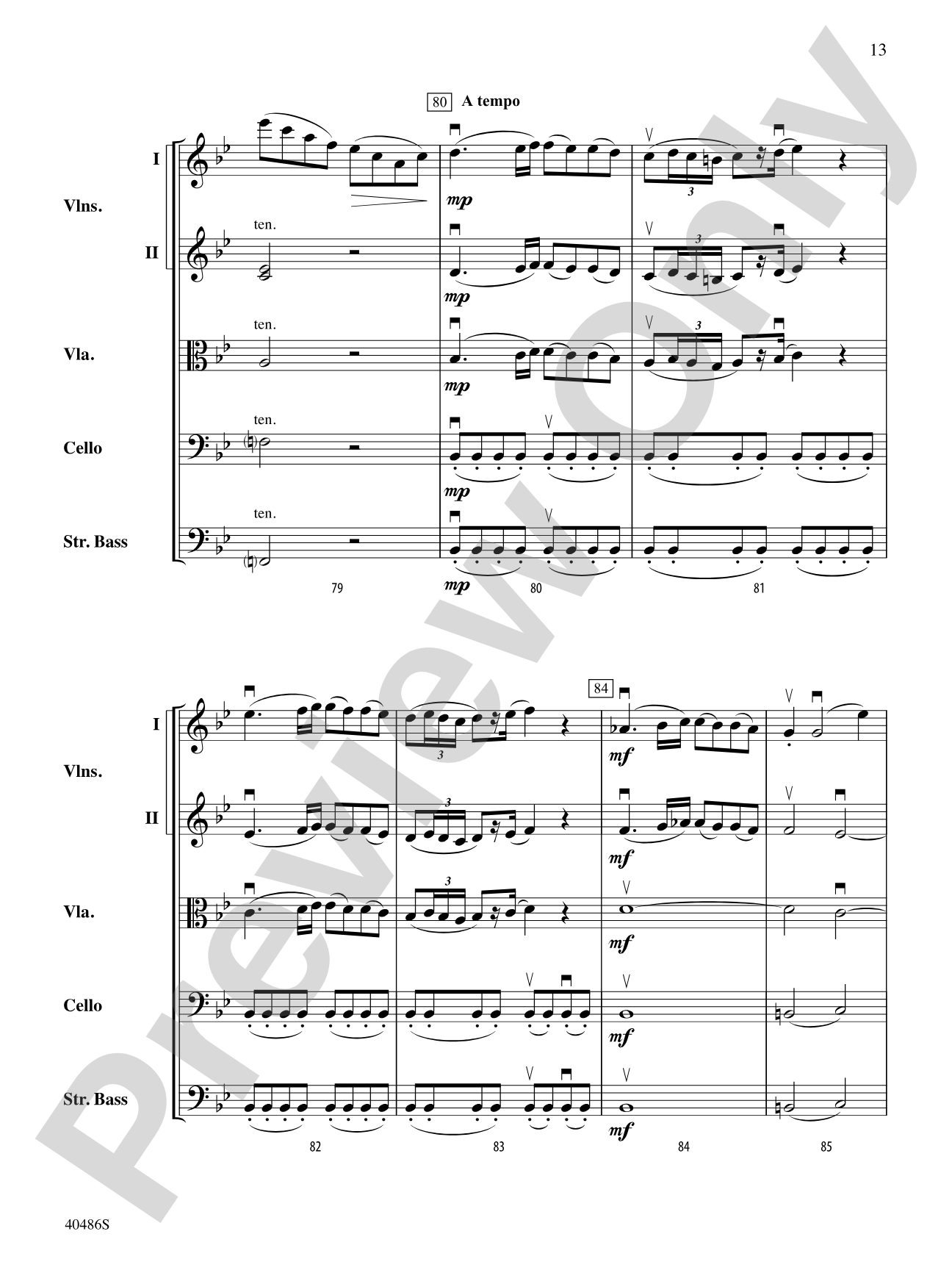
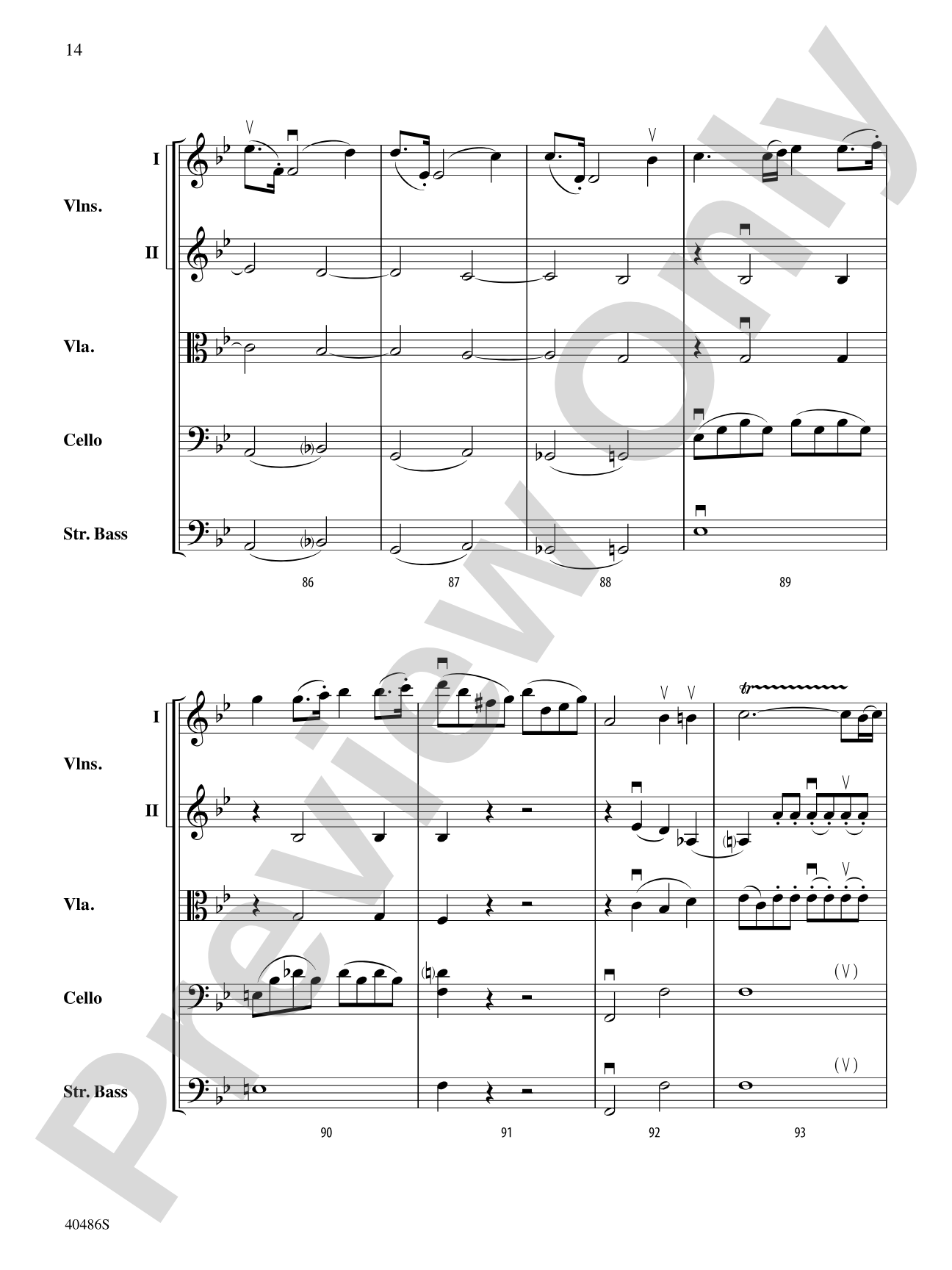
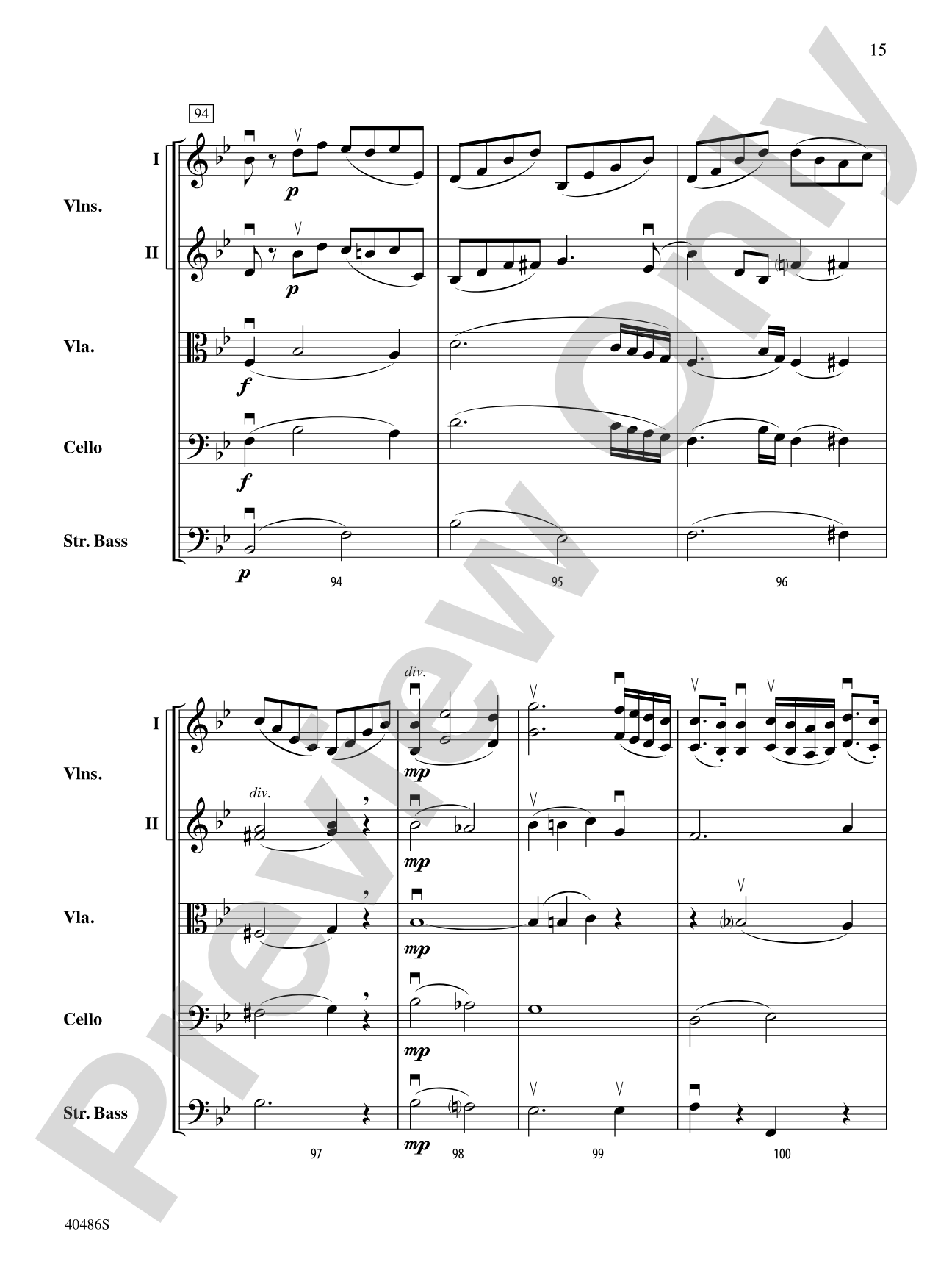
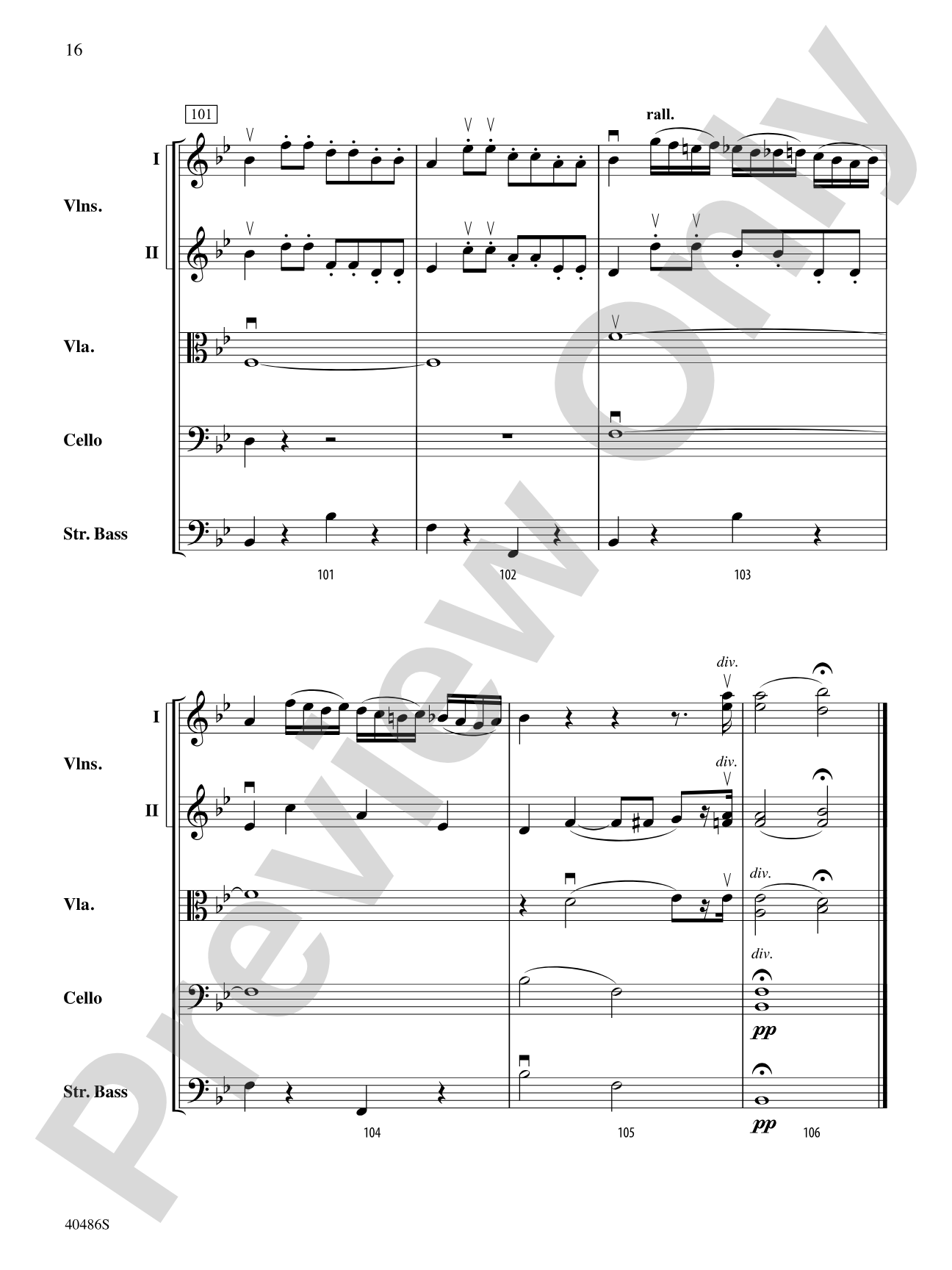

Andantino: Score
From Piano Concerto No. 14, KV 447
By Wolfgang Amadeus Mozart / arr. Robert Sieving
Grade: 4
Item: 00-PR-0004328
$9.00
Pickup currently not available
Description
Alfred Einstein, the eminent musicologist, declared this piano concerto to be Mozart's "most characteristic creation . . . the peak of all his instrumental achievement." The span of these amazing works provides a view of the "fascinating journey from a great talent to pure genius." Unlike most of the Middle Concertos, Mozart considered this selection to be a "chamber" work, where spare instrumentation, and, in the case of the Andantino movement, a religious air, exhibit similarities to some choral works, like Ave Verum Corpus. This arrangement allows the eloquent melodic themes to be shared by all sections, requiring attention to detail and sensitive phrasing. This title is available in MakeMusic Cloud.


Don't just read it, hear it, play along with it, and watch your students grow with it. In MakeMusic Cloud, Andantino: Score comes alive with professional accompaniment, adjustable tempo, and built-in practice tools that turn solo practice into real progress.
Open in the Player
Jump straight in and assign it today.
Start Your Free Trial
Open this title and explore the full library in minutes.
Sample Audio
1
Audio File
--:--
0:00
0:00
Sample Video
No sample videos found.
Additional Details
Series:
Highland/Etling String Orchestra
Publisher:
Alfred Music
Page Count:
124
SKU:
00-PR-0004328
More about this title
About the Composer: Wolfgang Amadeus Mozart
Wolfgang Amadeus Mozart (1756-1791) composed over 600 works across every major genre during his short life, establishing conventions that defined classical music for centuries. His concertos represent a pinnacle of the form, balancing virtuosic display with profound emotional depth and structural innovation that influenced composers well into the Romantic era.
Why we love this
This arrangement unlocks one of Mozart's most introspective and spiritually charged movements for the full orchestra, creating something genuinely different from the usual concerto fare at this level. The sparse, chamber-like instrumentation Mozart originally envisioned translates beautifully to strings, allowing every player to carry the lyrical material and rewarding careful attention to voicing and phrase shape. Programming this signals serious musical ambition while remaining accessible to Grade 4 ensembles.
What to expect
Quiet reverence suffused with an aching melodic beauty. The sparse textures create an almost intimate atmosphere despite the full ensemble, inviting listeners into a deeply personal emotional space where every note seems to matter. There is nobility in the restraint, a spiritual quality that Mozart himself recognized when he classified this as chamber music rather than a grand public statement.
Who it's for
String orchestra directors working with intermediate ensembles who want to program serious classical literature without sacrificing ensemble engagement. Musicians at this level benefit from the shared melodic responsibility, which encourages both technical security and musical ownership across all parts.
How to get the most out of it
- Establish a warm, singing tone throughout; Mozart's melodic lines demand legato phrasing and seamless phrase connections across string sections.
- Balance the sharing of thematic material among first violins, second violins, and violas so the elegance of each statement emerges distinctly.
- Pay close attention to dynamic nuance in the thin textures; small changes in volume and articulation will reshape the religious, contemplative character Mozart intended.
- Maintain rhythmic cohesion in the accompaniment figures while allowing the primary melody the freedom to breathe and shape phrases expressively.
How to use it
This works beautifully as a concert centerpiece or as the reflective heart of a program mixing Classical repertoire with contemporary works. Position it after a more energetic opening piece to establish the evening's emotional arc, or pair it with other chamber-scale masterworks to create a thematic program about intimacy and restraint in the Classical era.
Skills your students will build
- Sustaining long melodic lines with consistent tone and phrase direction
- Balancing chordal accompaniment textures while maintaining transparency
- Executing sensitive dynamic shaping in sparse orchestrations
- Collaborating across string sections to share primary material
- Interpreting Classical-era phrasing conventions and cadential shapes