Joseph Haydn (1732-1809) shaped the Classical symphony and sonata form during a career that spanned seven decades. His work at the Esterházy court in Hungary gave him the freedom to experiment relentlessly, and he composed across every major genre: 104 symphonies, 68 string quartets, numerous keyboard works, and operas that influenced everything that followed. Haydn's teaching rippled through generations; both Mozart and Beethoven learned from his structural clarity and wit.
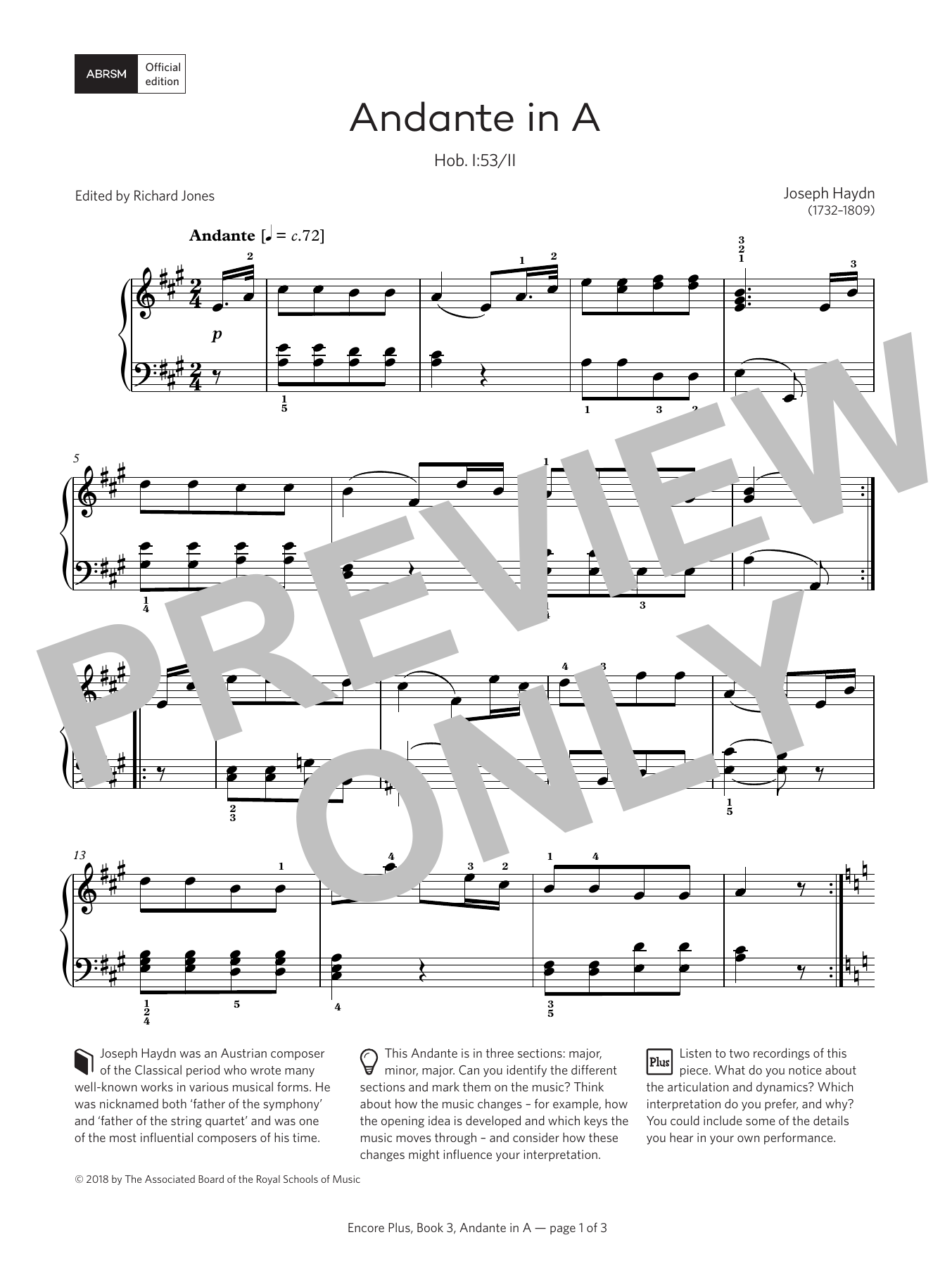
For pianists and students, Haydn's keyboard works offer a direct window into Classical aesthetics. His sonatas and shorter pieces demand precision and elegance while remaining entirely accessible to intermediate players. Unlike the virtuosic demands of later Romantic piano music, Haydn rewards clean voicing, transparent textures, and a gift for phrasing that makes the form itself musical.