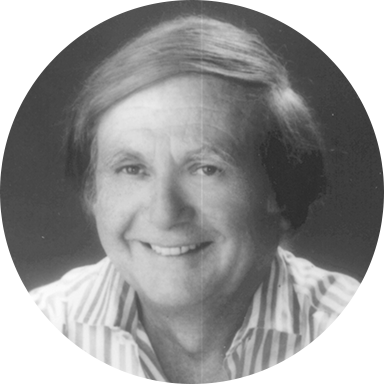
John Cacavas built his compositional voice at Northwestern University, where he studied Composition and Theory before taking his skills into the U.S. Army Band in Washington, D.C., serving as an arranger for one of the nation's most prestigious ensembles. His career spans both concert music and extensive work in film and television, with credits including over 400 television episodes, 50 made-for-TV films, and 15 feature films that have reached millions of viewers.
Beyond his work as a composer and arranger, Cacavas has documented his knowledge in two influential books: "Orchestration" and "Music Arranging" and "The Art of Writing Music." These publications reflect his commitment to teaching the craft alongside his own creative output, establishing him as both a working composer and an educator invested in developing the next generation.
Why we love this
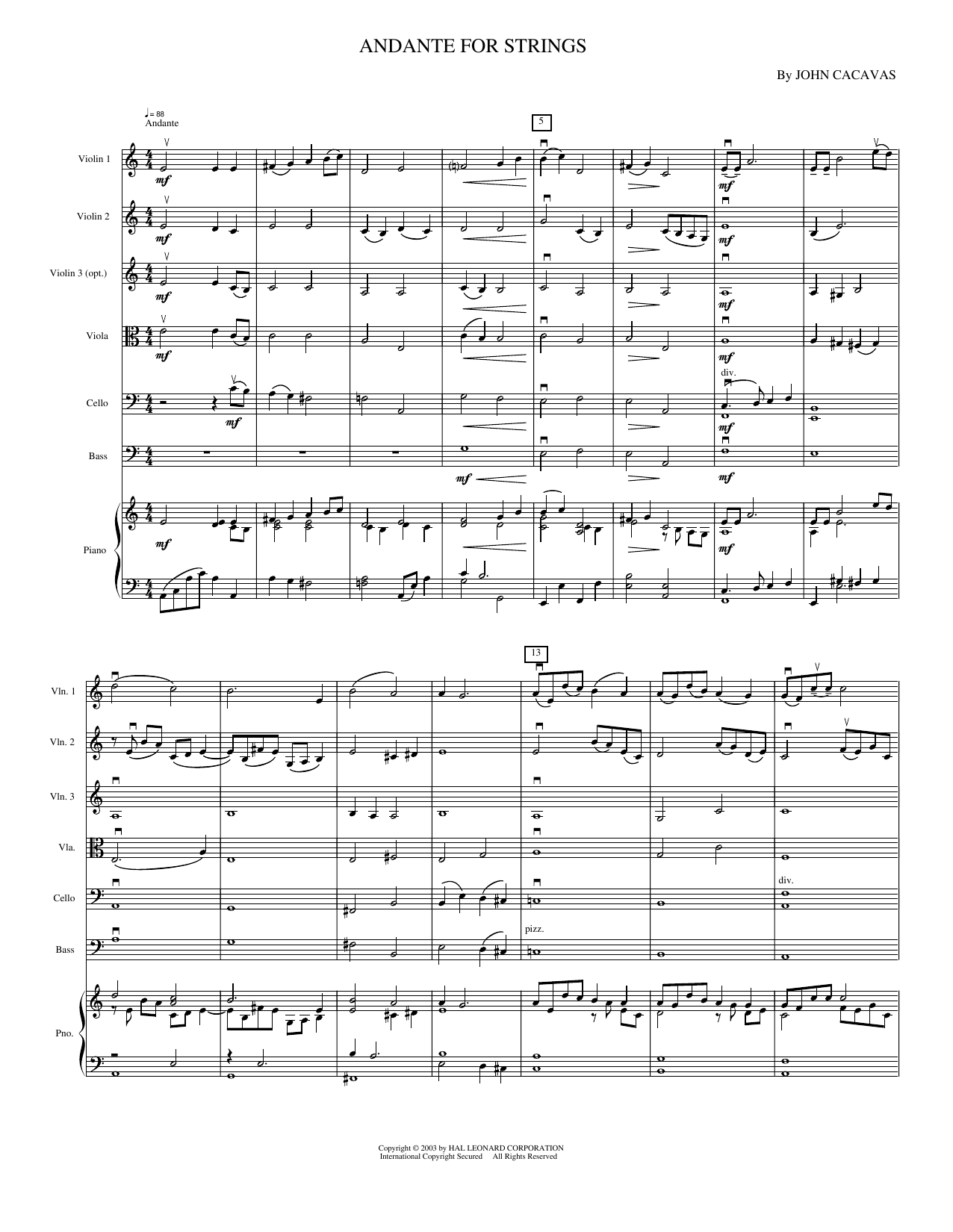
Cacavas writes with the clarity of someone who has orchestrated for screen and concert hall alike. The string writing here sits comfortably in early intermediate hands while maintaining genuine musical substance, meaning your students play something that sounds sophisticated without hitting technical walls.
What to expect
An unhurried musical statement that invites contemplation. The piece unfolds with quiet dignity, allowing each section of the ensemble to breathe and listen to one another in ways that build both musicianship and ensemble cohesion.
Who it's for
String orchestras working at the Grade 3 to 4 level who need concert or festival repertoire that rewards thoughtful playing without excessive technical demands. Works equally well for a youth string ensemble or an adult amateur orchestra seeking accessible material with musical integrity.
How to get the most out of it
Balance the harmonic texture by bringing out inner voices; this piece relies on layered string parts rather than a single melodic line carrying the weight.
Shape the phrasing in four-bar units to avoid sounding static; the andante tempo invites gentle forward motion even at a slow walk.
Attend to dynamic gradations carefully since the piece likely depends on subtle shifts in volume rather than dramatic contrasts.
Lock the ensemble's releases together, as sustained chords demand precision in the final moment before silence.
How to use it
Pair this with a contrasting faster work to create a satisfying concert arc, or use it as a festival submission where judges value musical maturity over flashy display. An andante also serves well as an opener that settles an audience and establishes focus before moving into more energetic repertoire.
Skills your students will build
Sustaining long tones with consistent tone quality and intonation
Balancing and listening to harmonic inner voices
Shaping musical phrases at moderate tempos without rushing
Coordinating ensemble releases and ensemble punctuation
Reading string-specific articulations and bowing patterns
You May Also Like
Scan to Complete Your Purchase
Use your phone's camera to scan the code below
You'll log in on your phone and the order will be added to your account