

And the Glory of the Lord (from The Messiah): SATB Choral Octavo
From The Messiah
Arr. Patrick M. Liebergen
Item: 00-PO-0004318
$2.95
Minimum order quantity: 20 copies
Pickup currently not available
Related Items
And the Glory of the Lord: SATB Choral Octavo |
$2.95
|
View |
Description
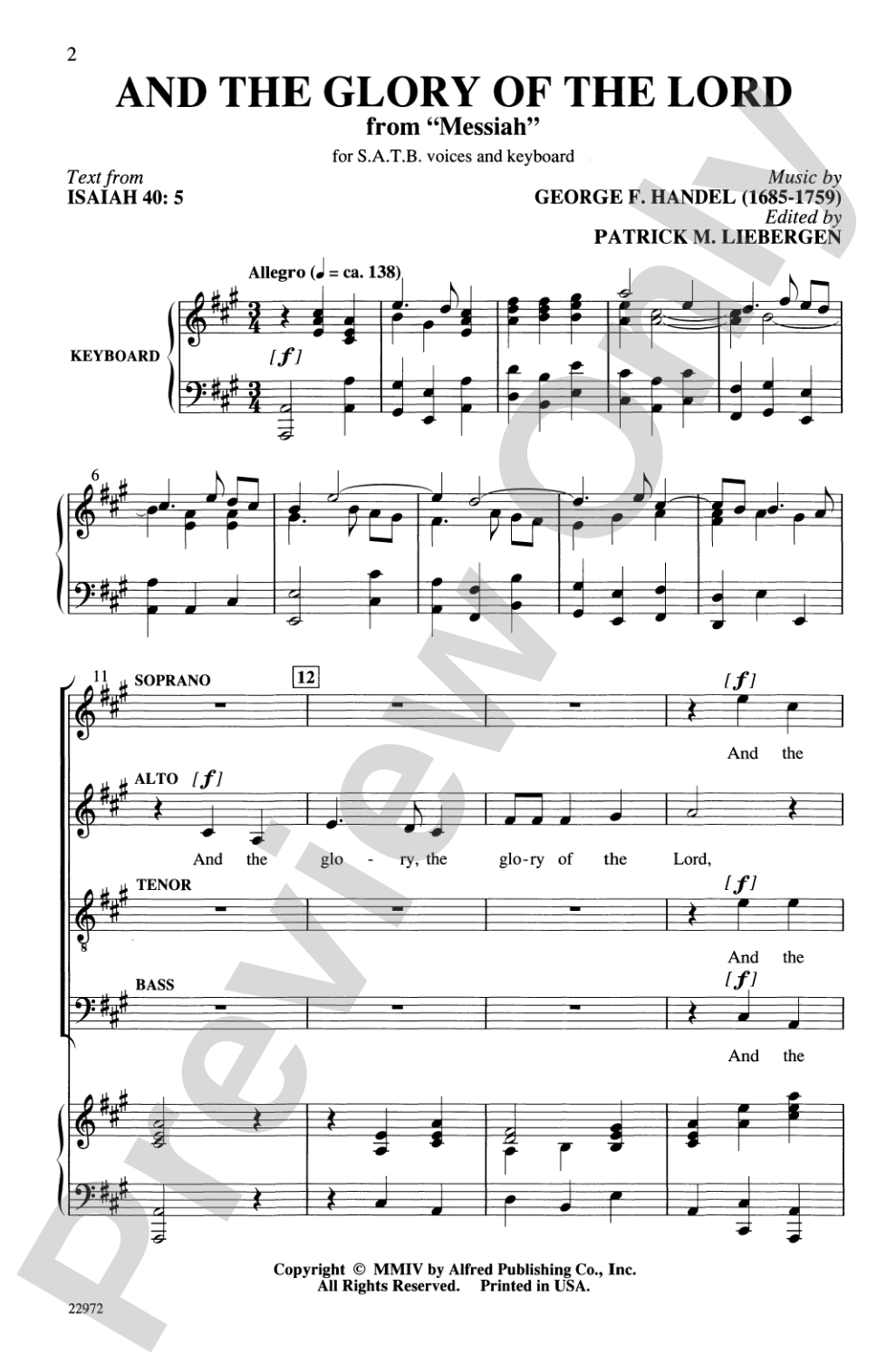
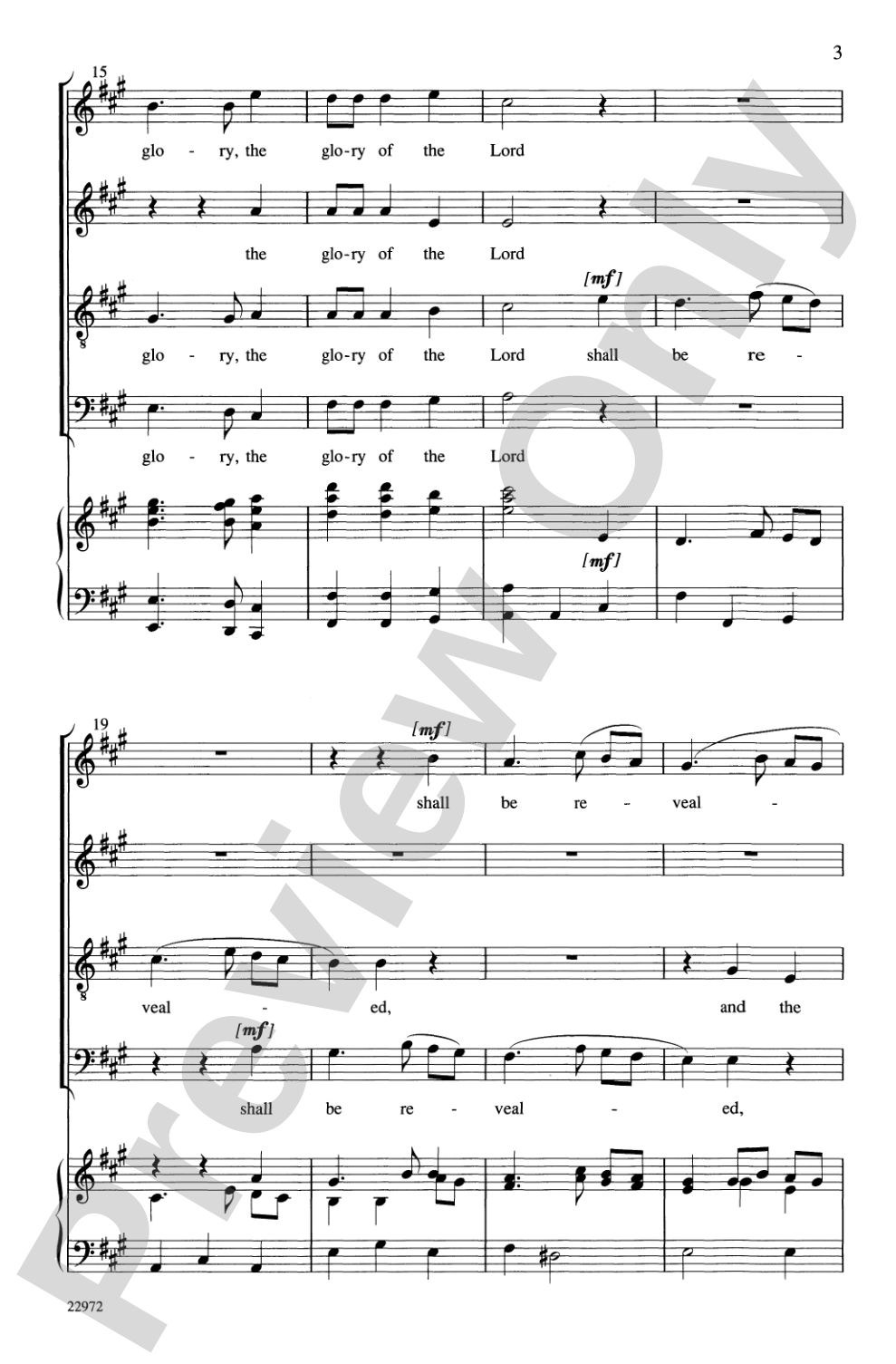
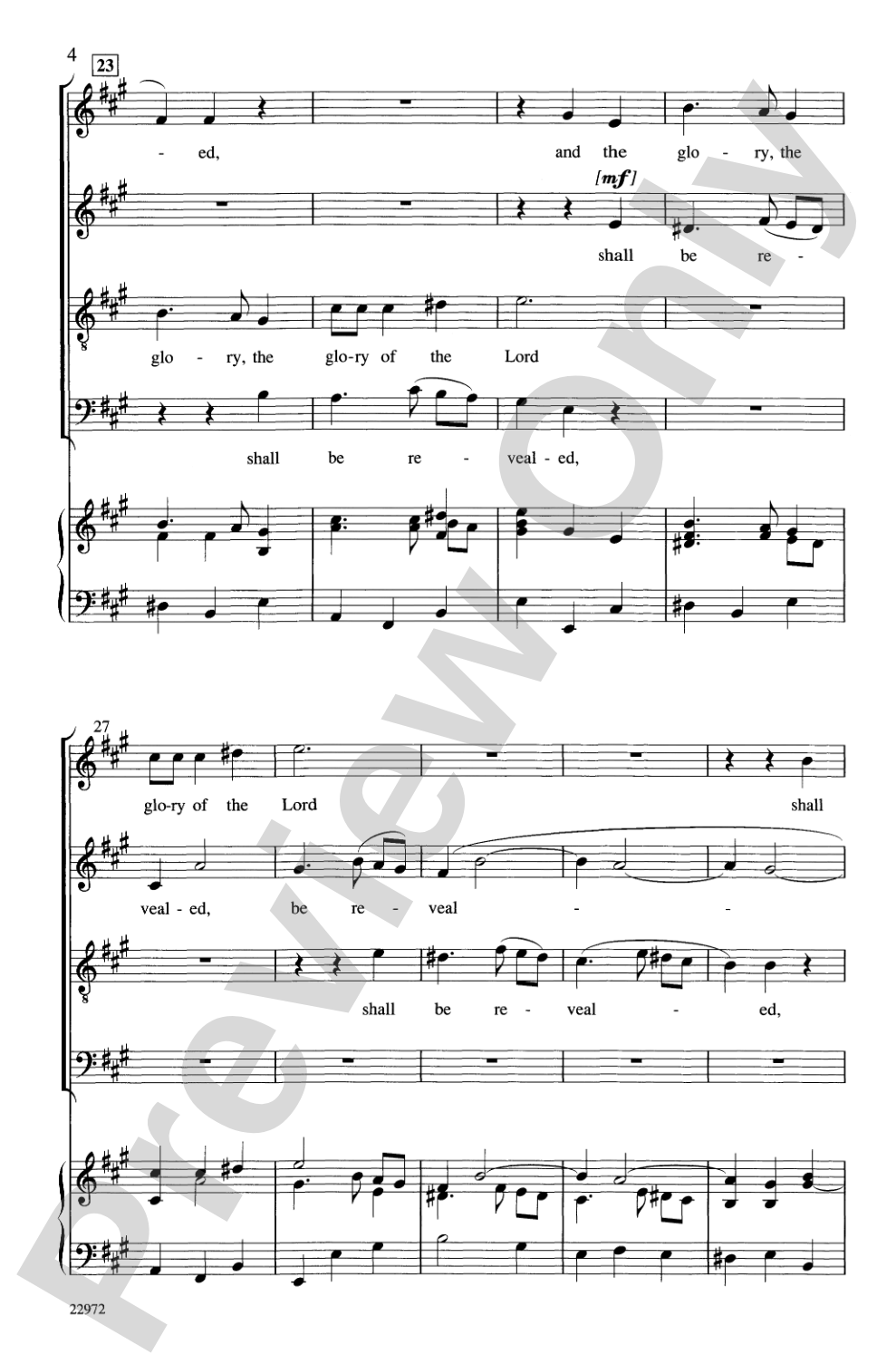
A classic edition of the choral masterpiece from George Frideric Handel's "Messiah." Patrick Liebergen has carefully edited this work for today's choirs, tidying the notation, suggesting dynamics for performance, and reducing the instrumental accompaniment to a playable keyboard part. And it's cleanly laid out in a 16-page octavo that will fit neatly into your choir folders. Perform this fine masterwork from the choral literature of Handel at your holiday concert, and again at contest in the spring.


And the Glory of the Lord (from The Messiah): SATB Choral Octavo isn't in MakeMusic Cloud just yet...but it could be. Let us know you'd like to see it, and you'll help shape what comes next. In the meantime, start a free trial and dive into thousands of interactive titles your students can play along with today.
Request This Title
Tell us you want it.
Start Your Free Trial
Explore everything that's ready to play right now.
Sample Audio
1
Audio File
--:--
0:00
0:00
Sample Video
No sample videos found.
Additional Details
Series:
Alfred Archive Edition: Alfred Choral Designs
Publisher:
Alfred Music
Page Count:
16
SKU:
00-PO-0004318
More about this title
About the Arranger: Patrick M. Liebergen
Patrick M. Liebergen has spent decades making masterworks accessible to singers and musicians of varying ability levels. His editorial work balances historical integrity with the practical realities of contemporary choral programs, ensuring that classic works remain vibrant and performable in today's rehearsal rooms.
Why we love this
Liebergen's edition strips away the editorial confusion that often surrounds Handel's baroque oratorio while preserving the soaring momentum and harmonic richness that make this chorus endure. The keyboard reduction is genuinely playable, not a skeletal afterthought, which means you're not hunting for a harpsichord and a baroque continuo specialist. Clean notation and thoughtful dynamic suggestions get singers oriented quickly, leaving rehearsal time for actual music-making.
What to expect
Grandeur and clarity converge here. Handel's harmonic language is both majestic and intimate, moving in waves from intimate four-part texture to full chorale splendor. There's celebration in the repetition, and the familiar text carries weight that singers feel immediately.
Who it's for
Any SATB choir ready for a signature holiday or spring concert moment. This edition works equally well for high school programs building toward more advanced baroque literature and community choirs seeking substantial, recognizable repertoire that audiences love.
How to get the most out of it
- Establish a steady pulse before the entrance; the opening ritornello establishes the tempo and character, so lock it in with your accompanist during a dedicated rehearsal.
- Shape the text through phrasing rather than constant dynamic marking. The repeated "And the glory of the Lord shall be revealed" gains power through architectural build, not by cranking volume.
- Balance the four voices so that the soprano line remains audible without oversinging. Handel wrote in dense four-part harmony; clarity comes from precise tuning and deliberate dynamics, not force.
- Breathe strategically at punctuation and phrase endings. The baroque periods are long, and your singers will benefit from marking breath spots early so they can plan stamina.
How to use it
Schedule this as a centerpiece for Christmas concert programming; it pairs beautifully with carols and lighter seasonal fare, providing the musical anchor that seasons a concert with tradition. The work also stands alone as contest material in spring, offering judges a glimpse of your choir's command of baroque style and harmonic singing.
Skills your students will build
- Reading baroque harmonic language and voice leading
- Sustaining long phrases with controlled breath support
- Balancing four-part texture with clear tuning and precise intonation
- Interpreting baroque articulation and style without modern vibrato
- Responding to conductor shaping through dynamic and textural refinement