
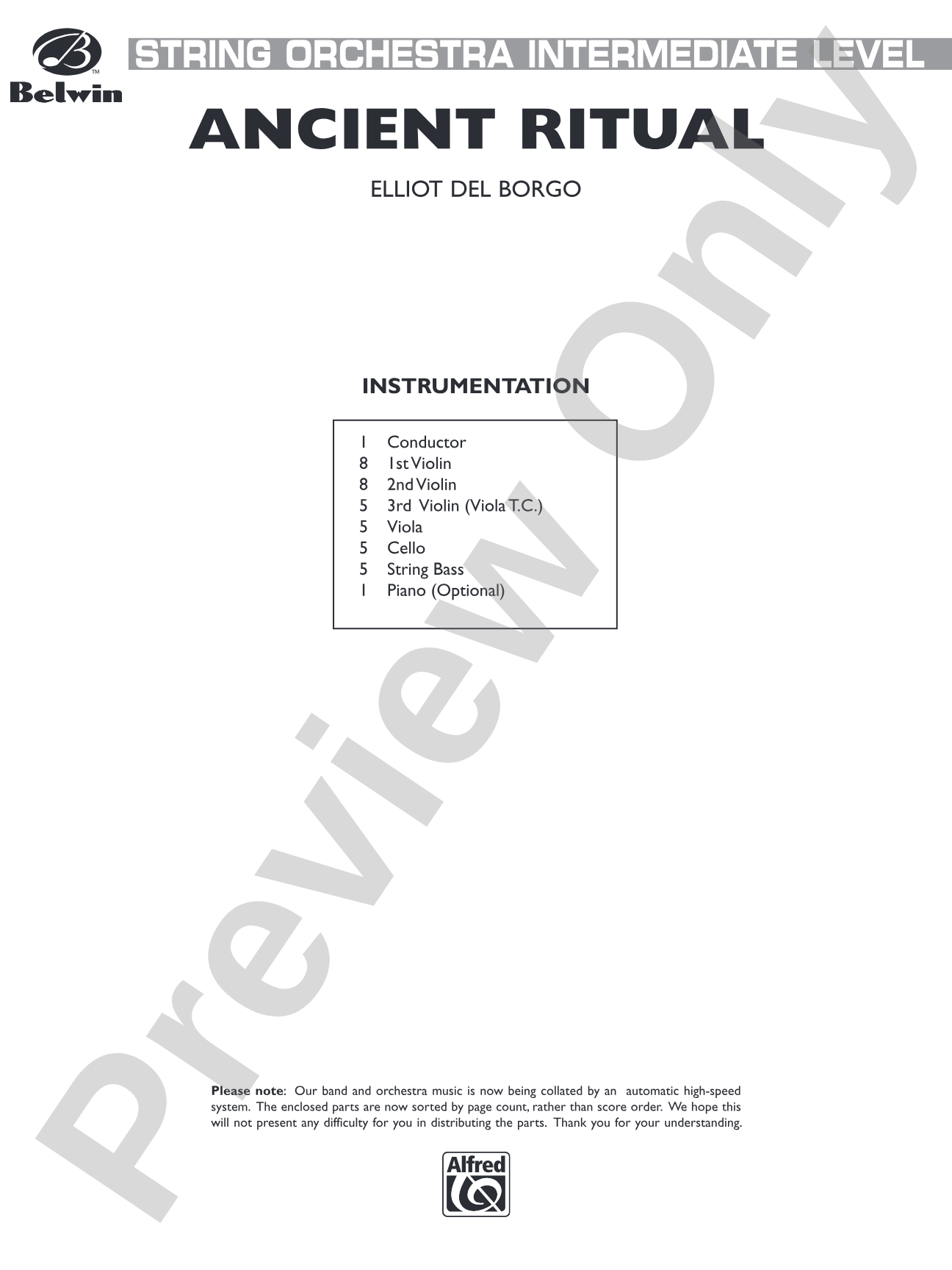

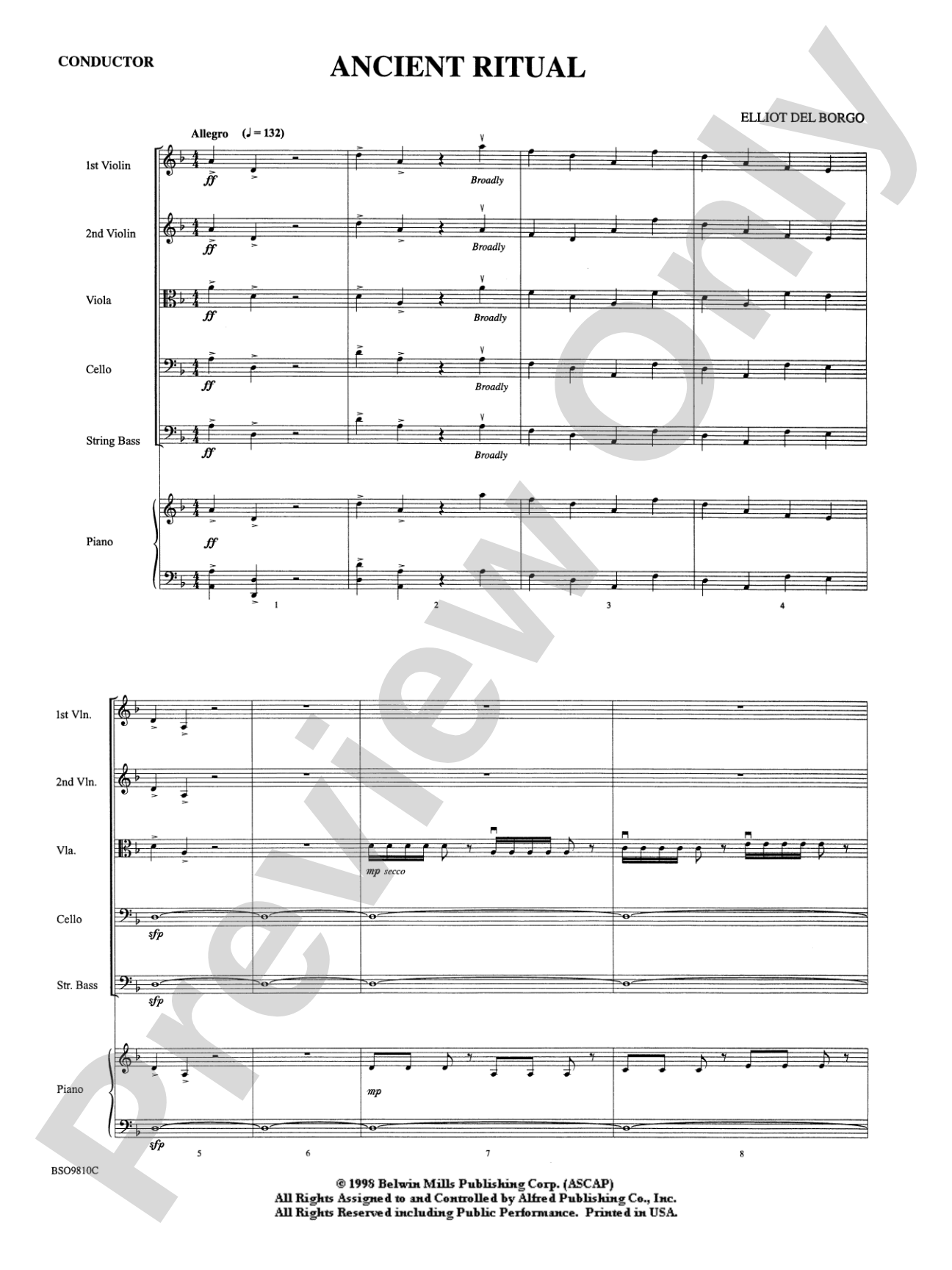
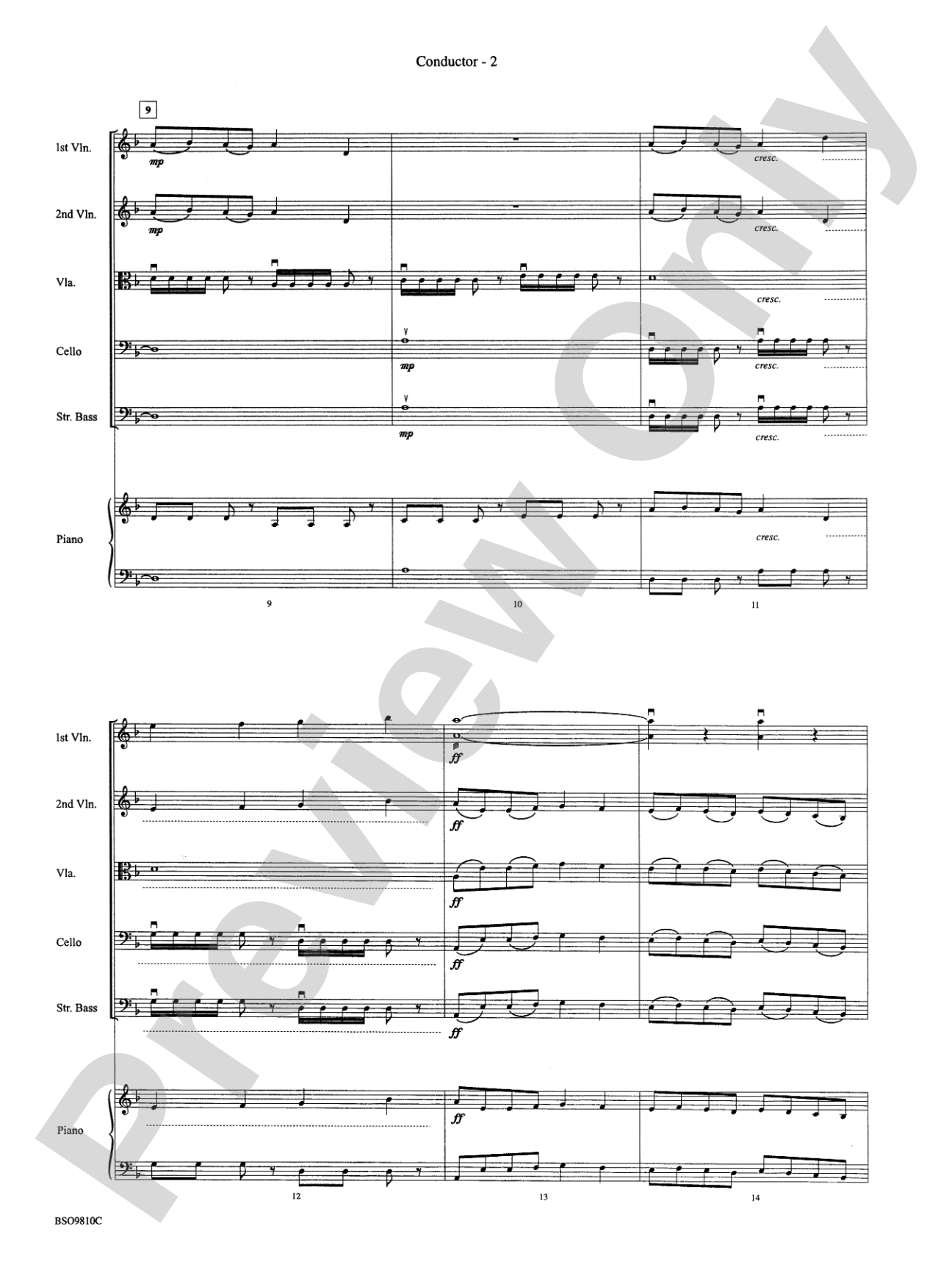
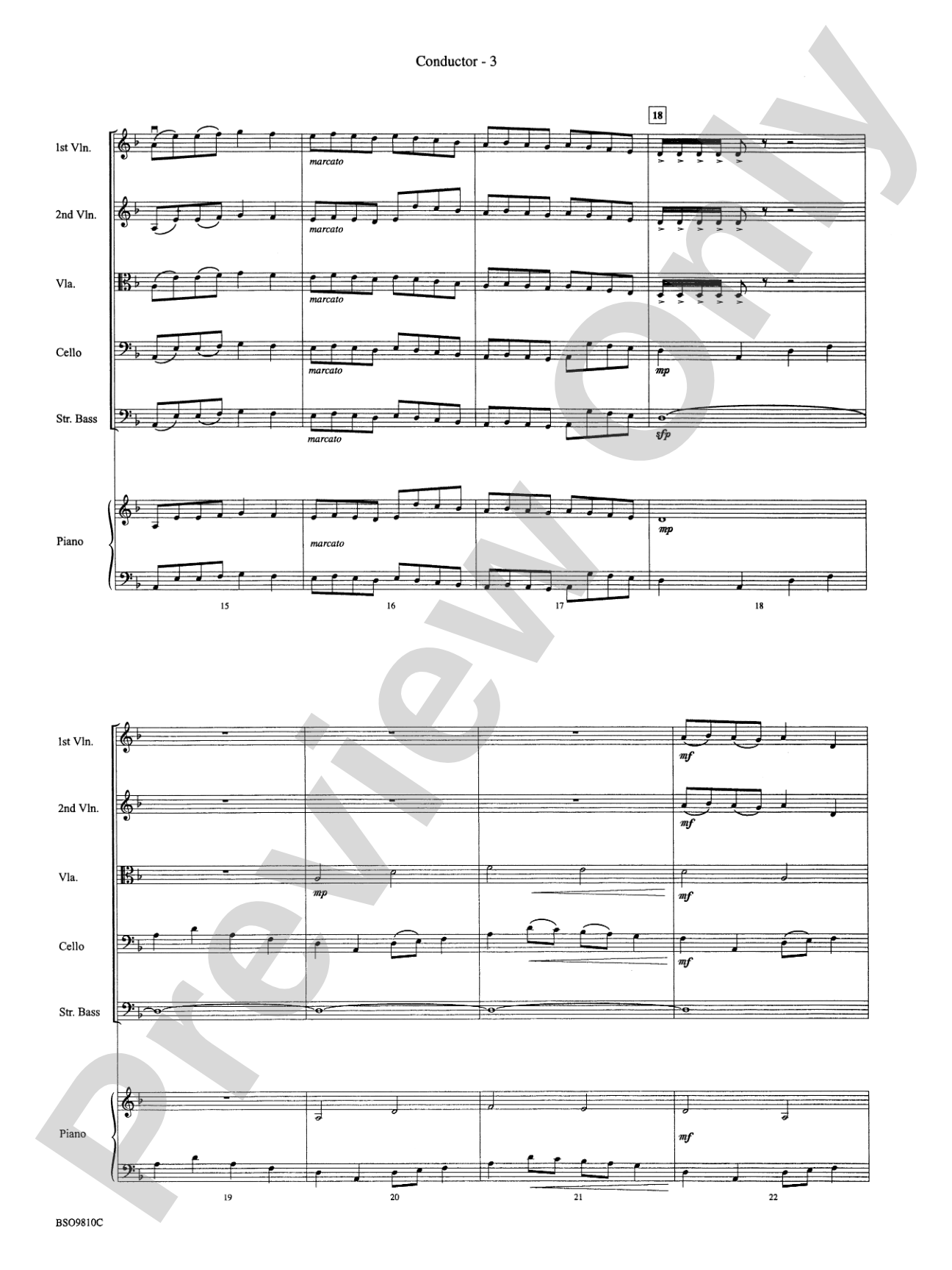
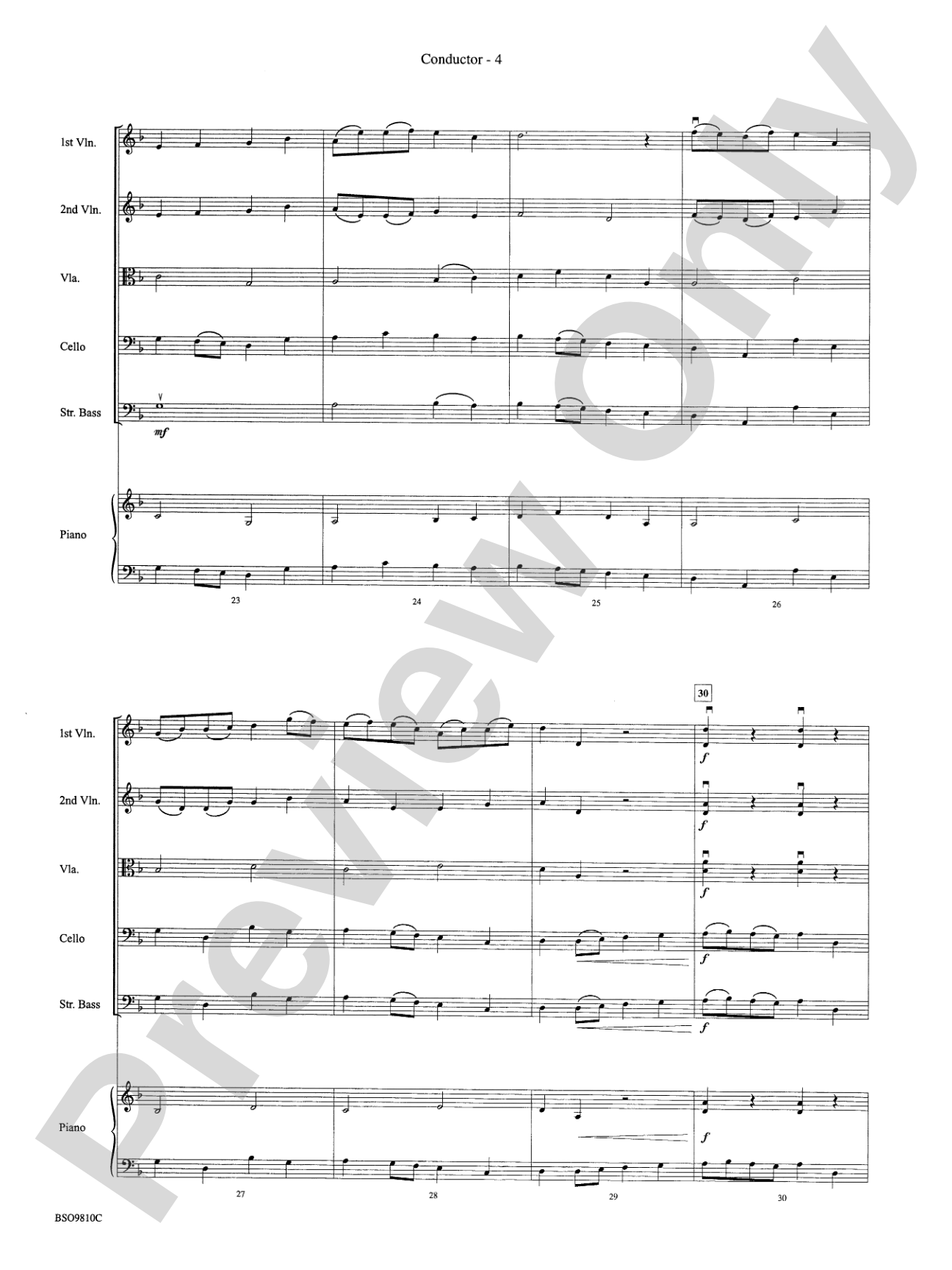
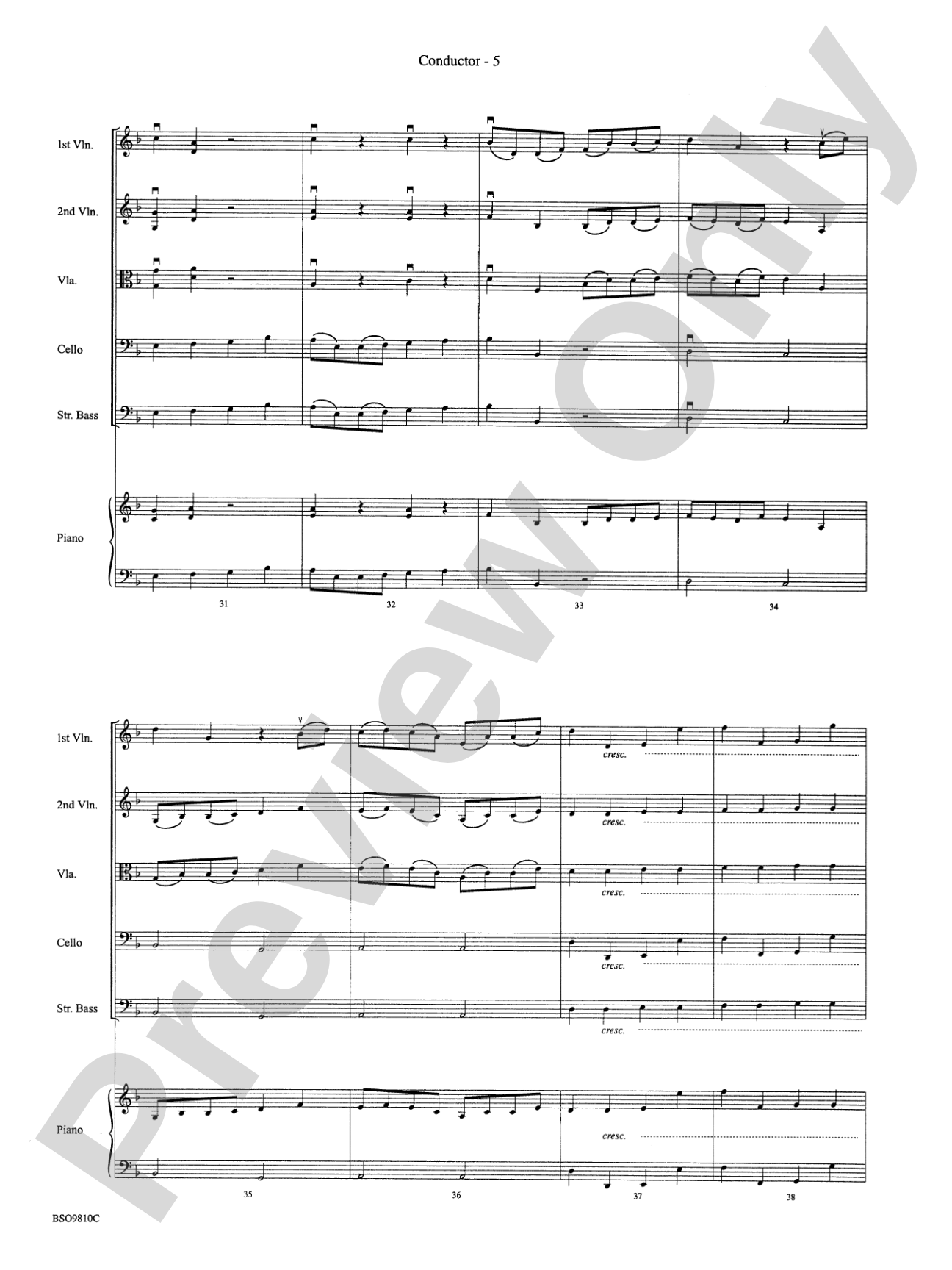
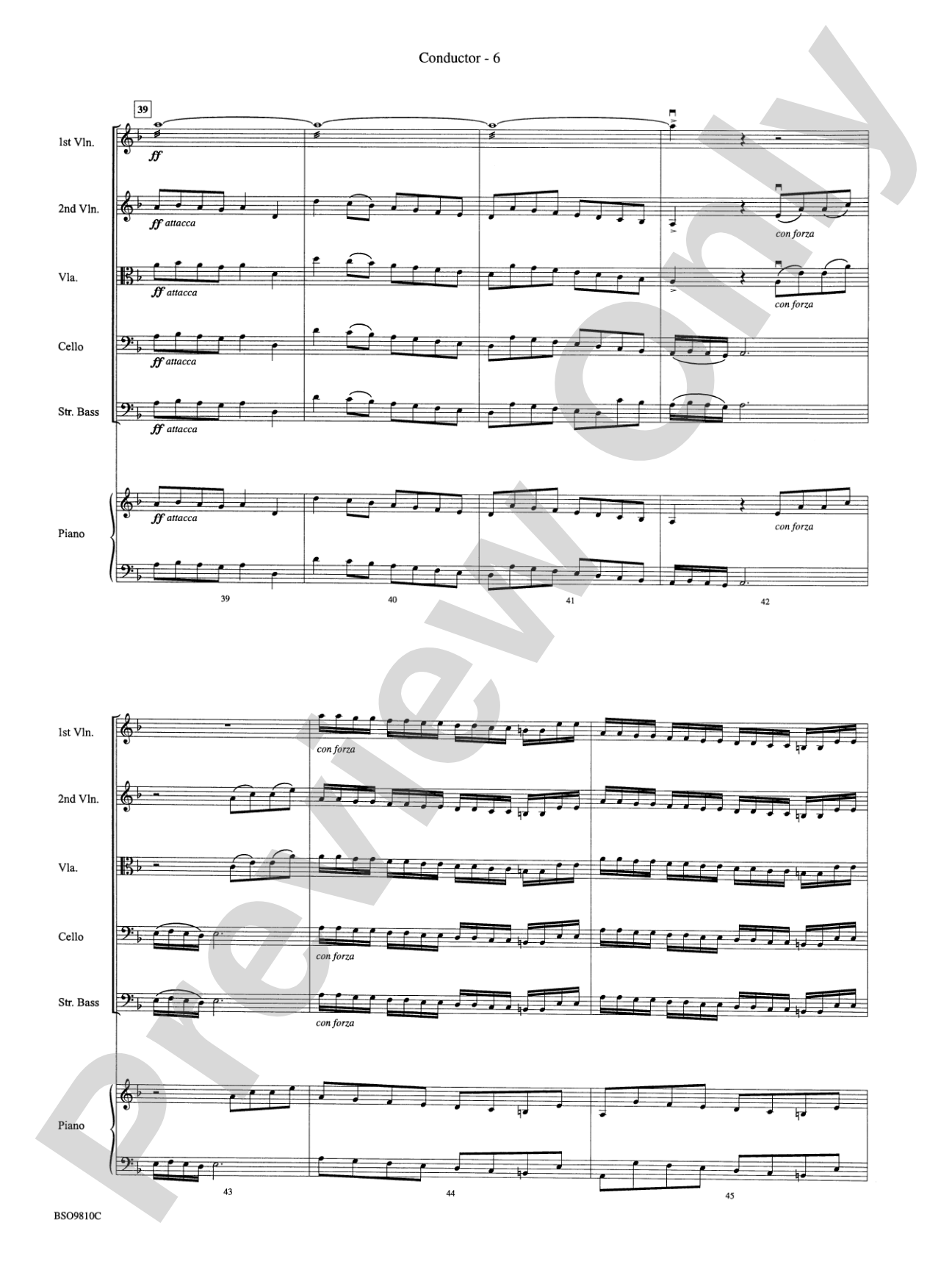
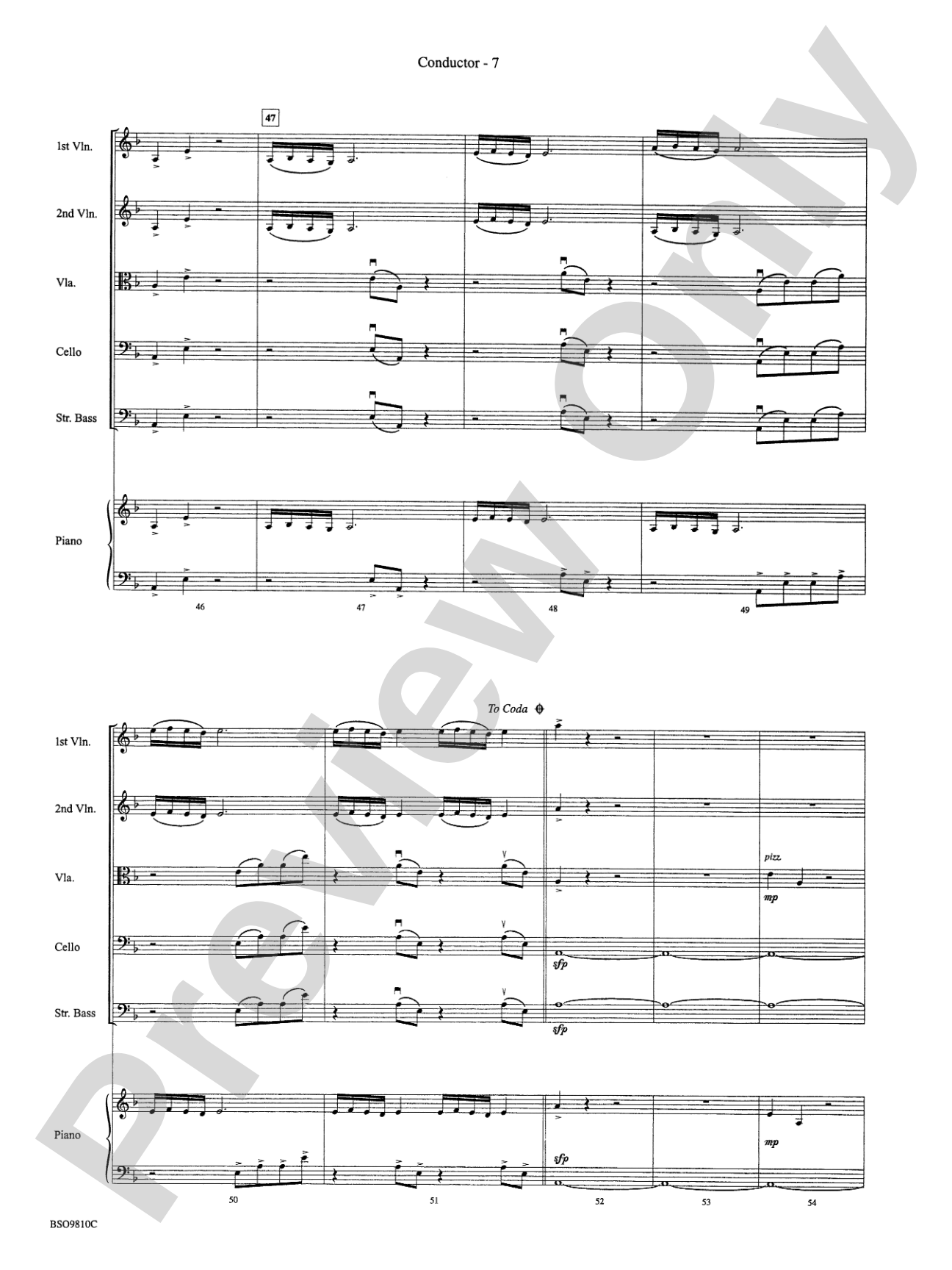
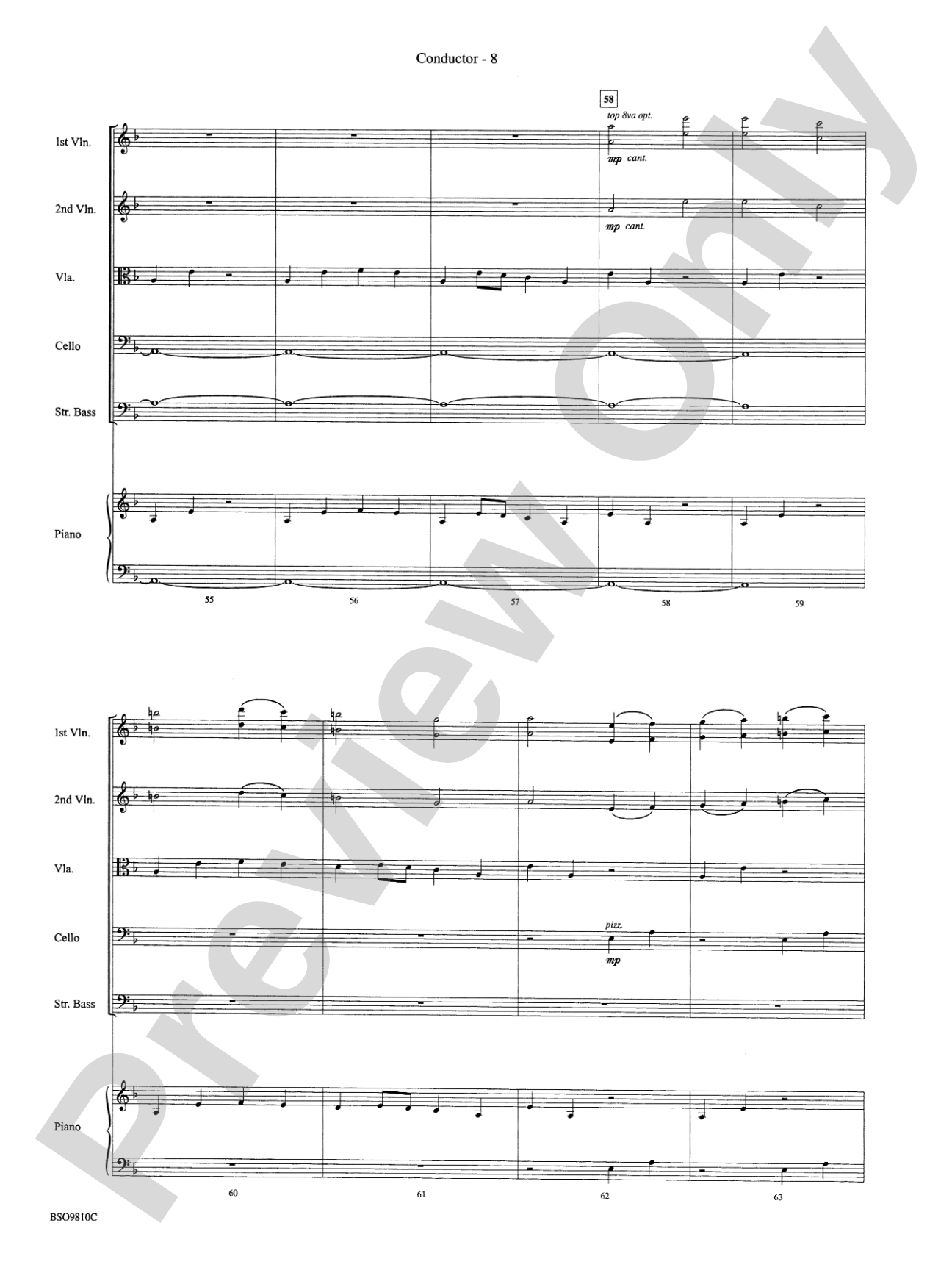
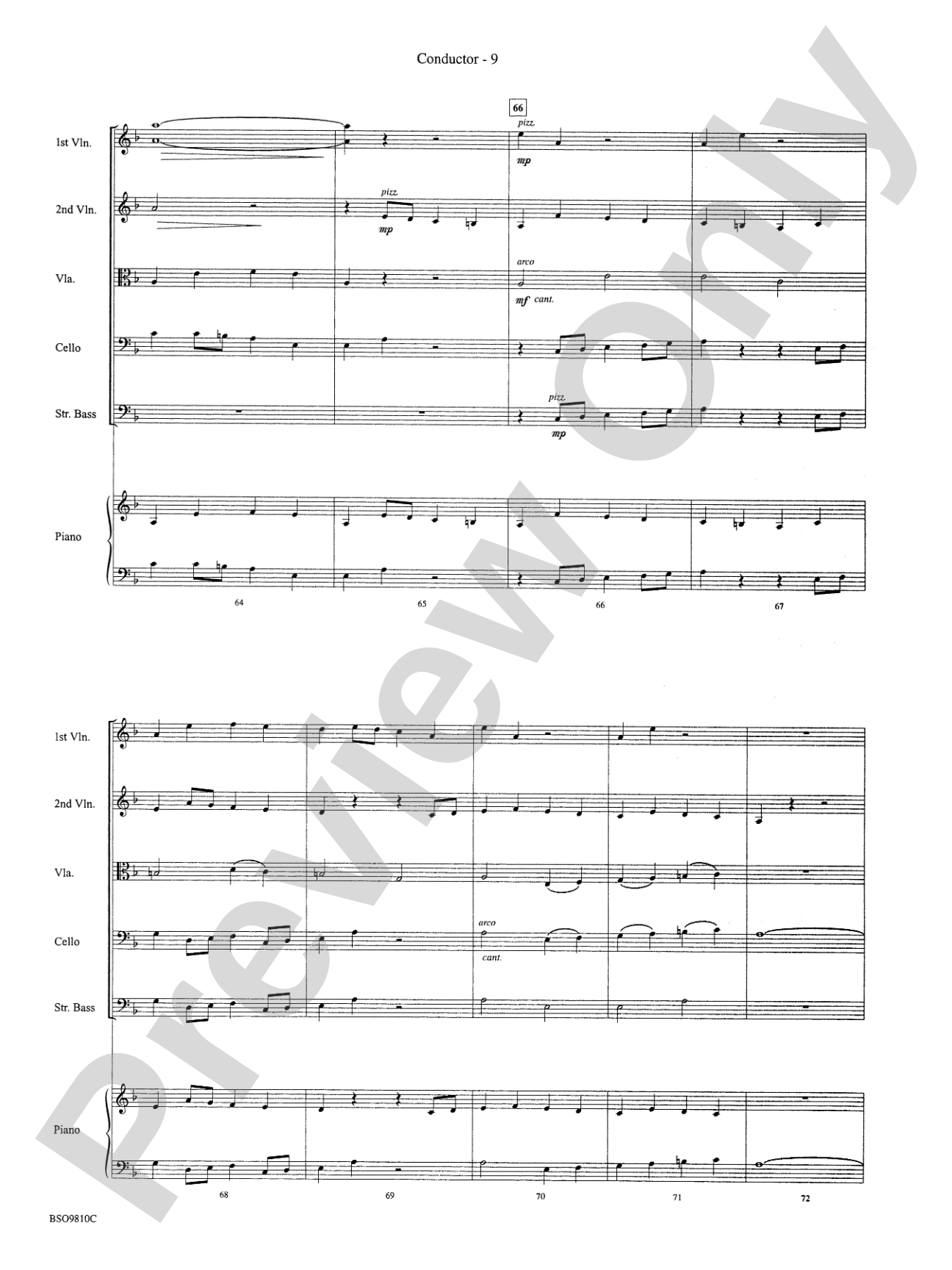
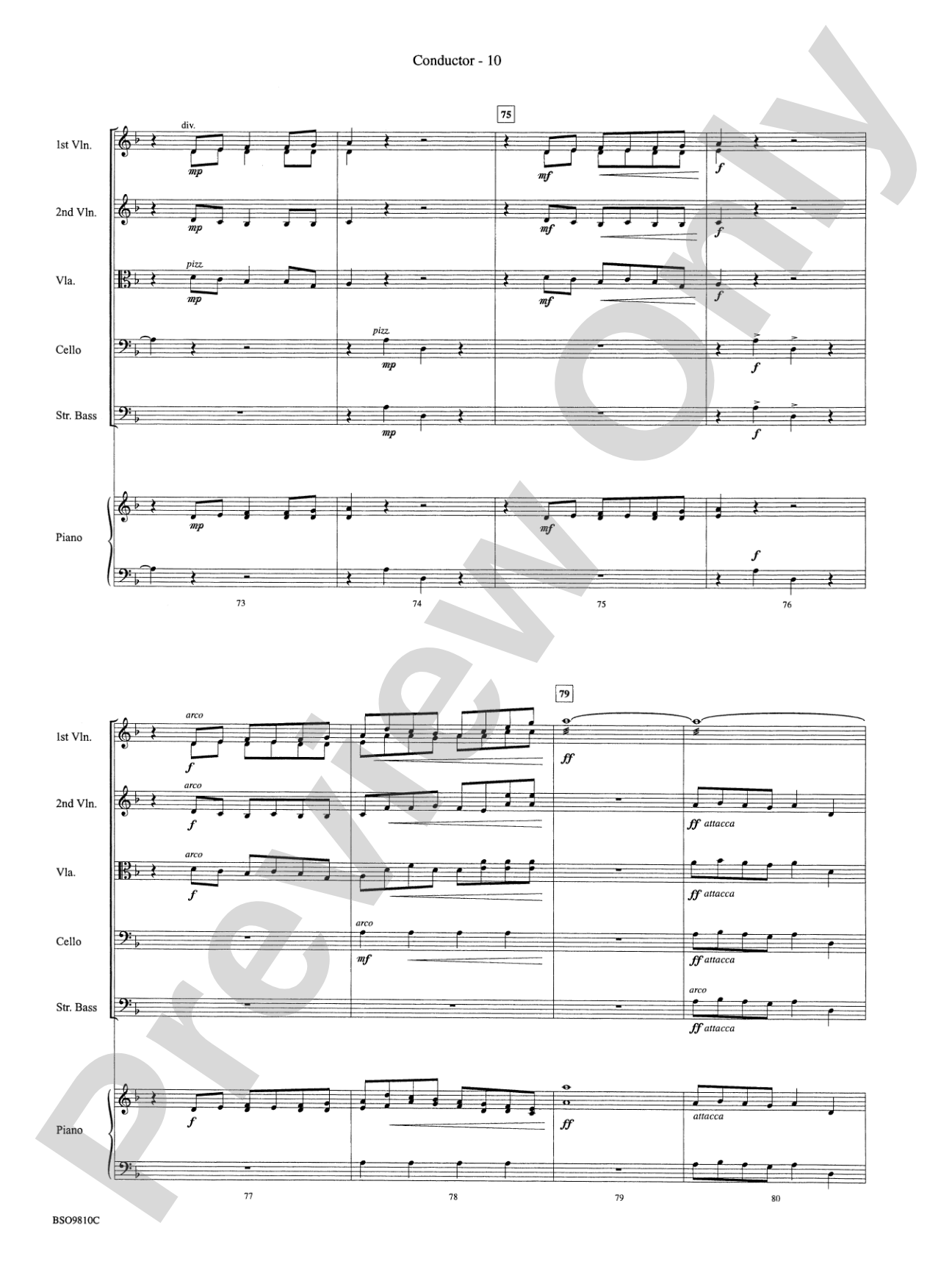
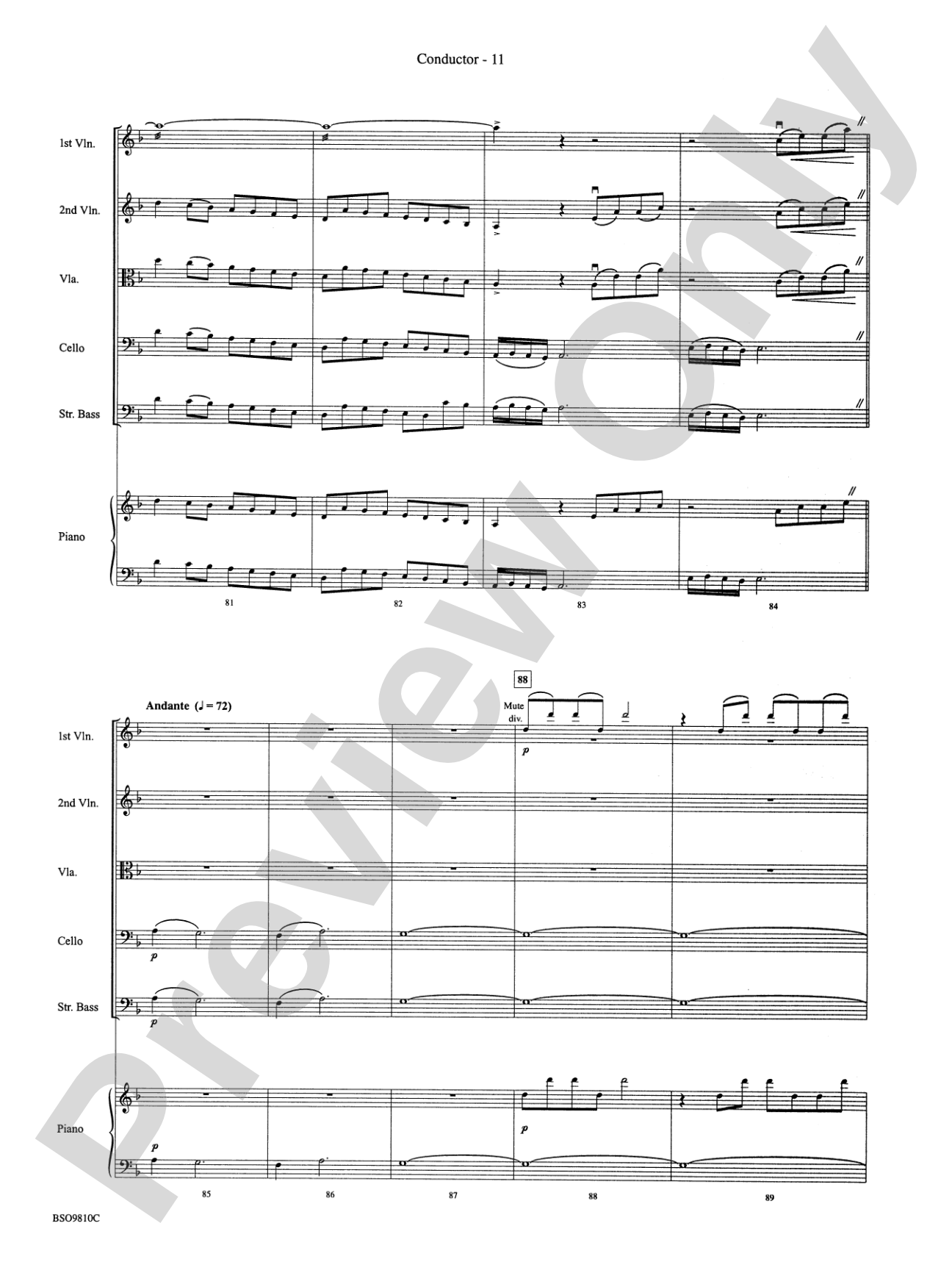
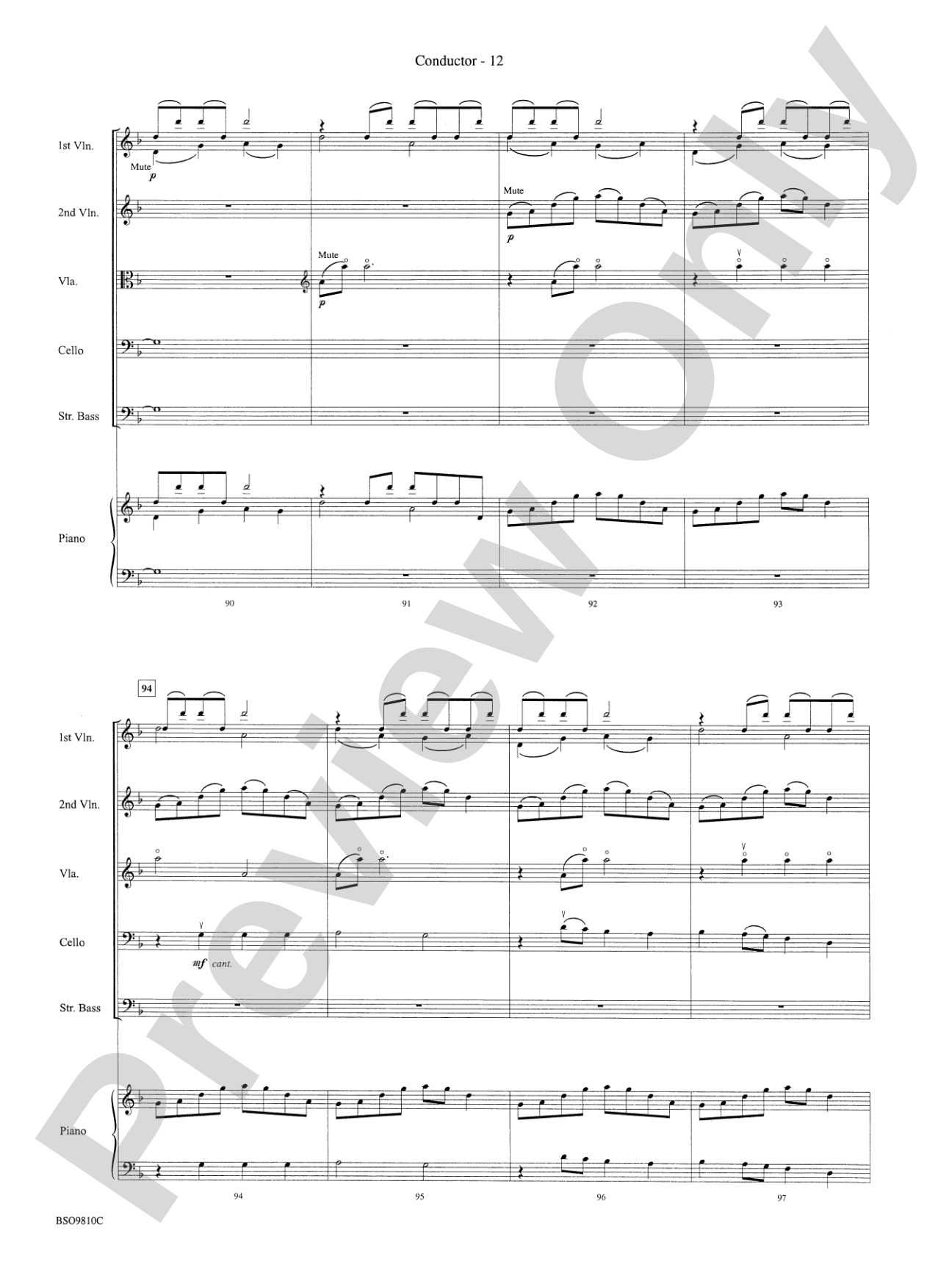
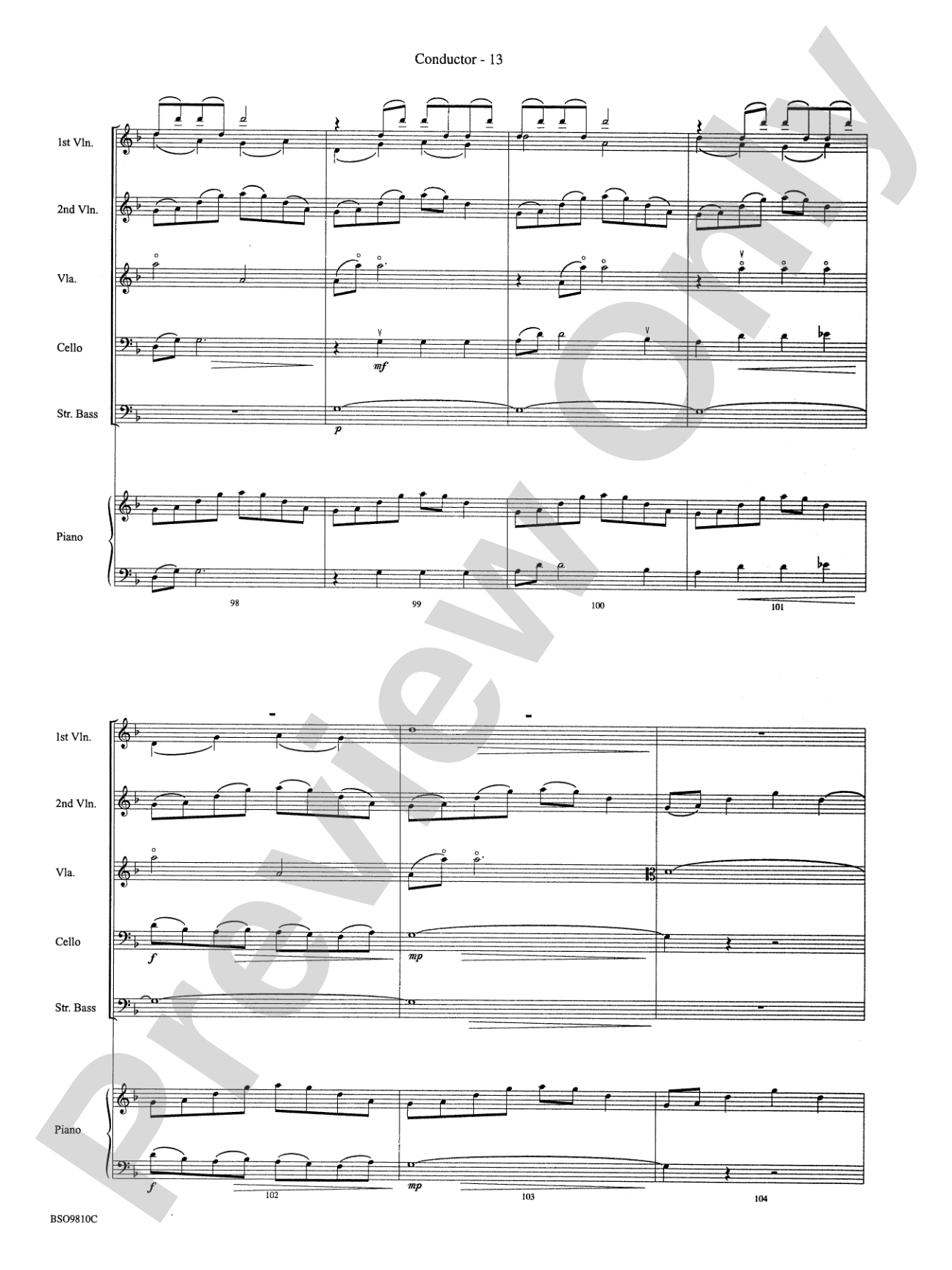
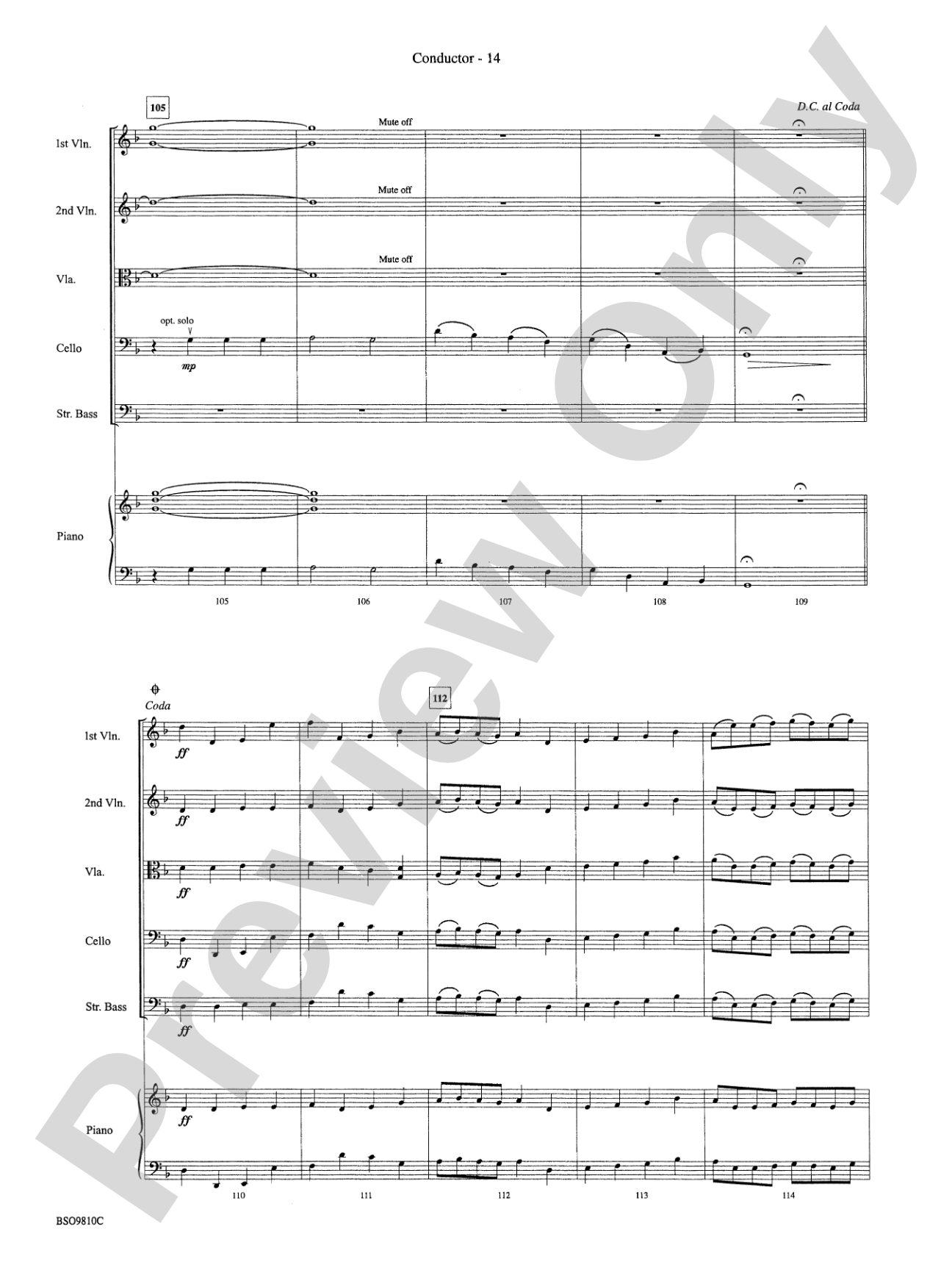
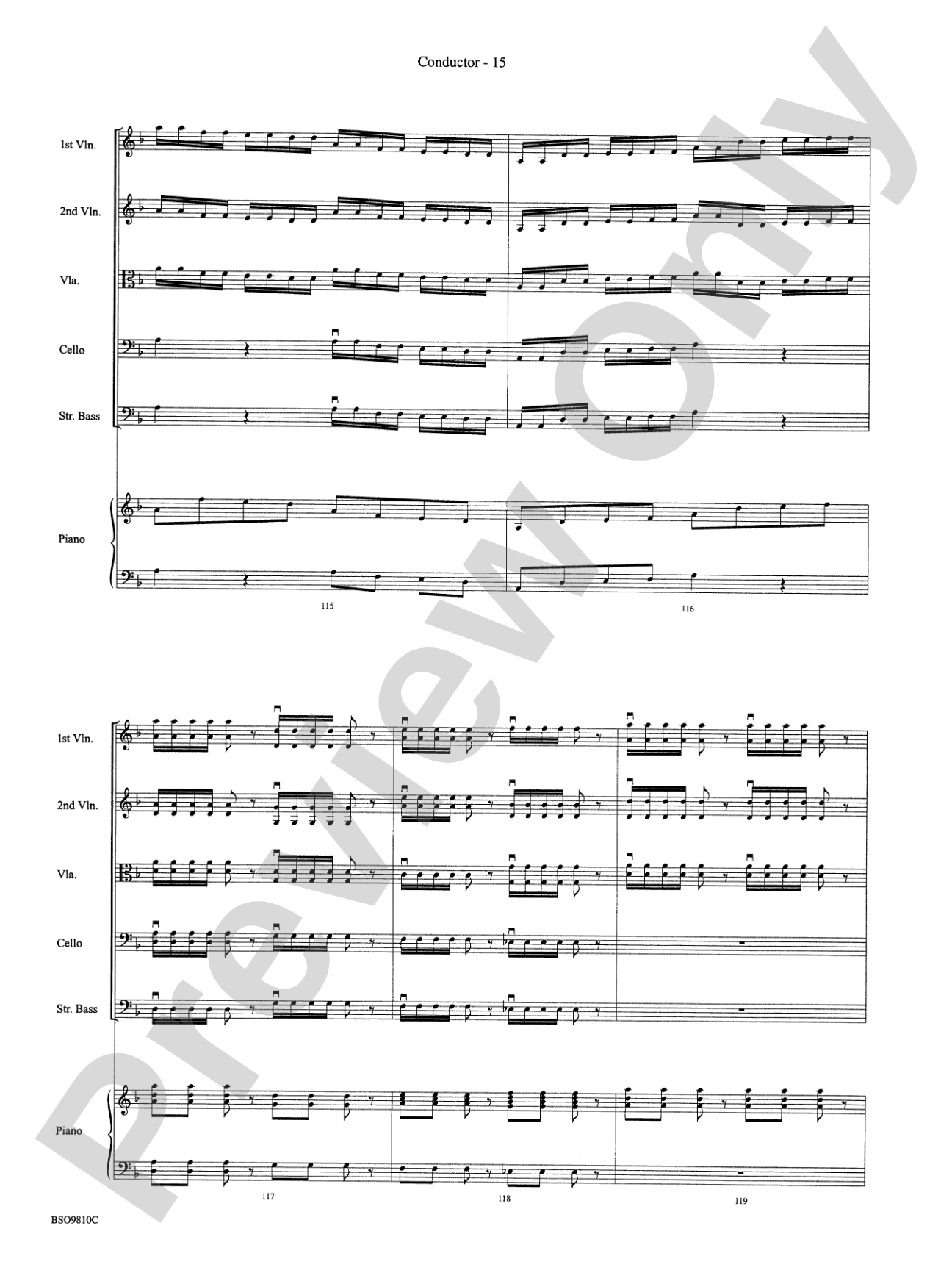
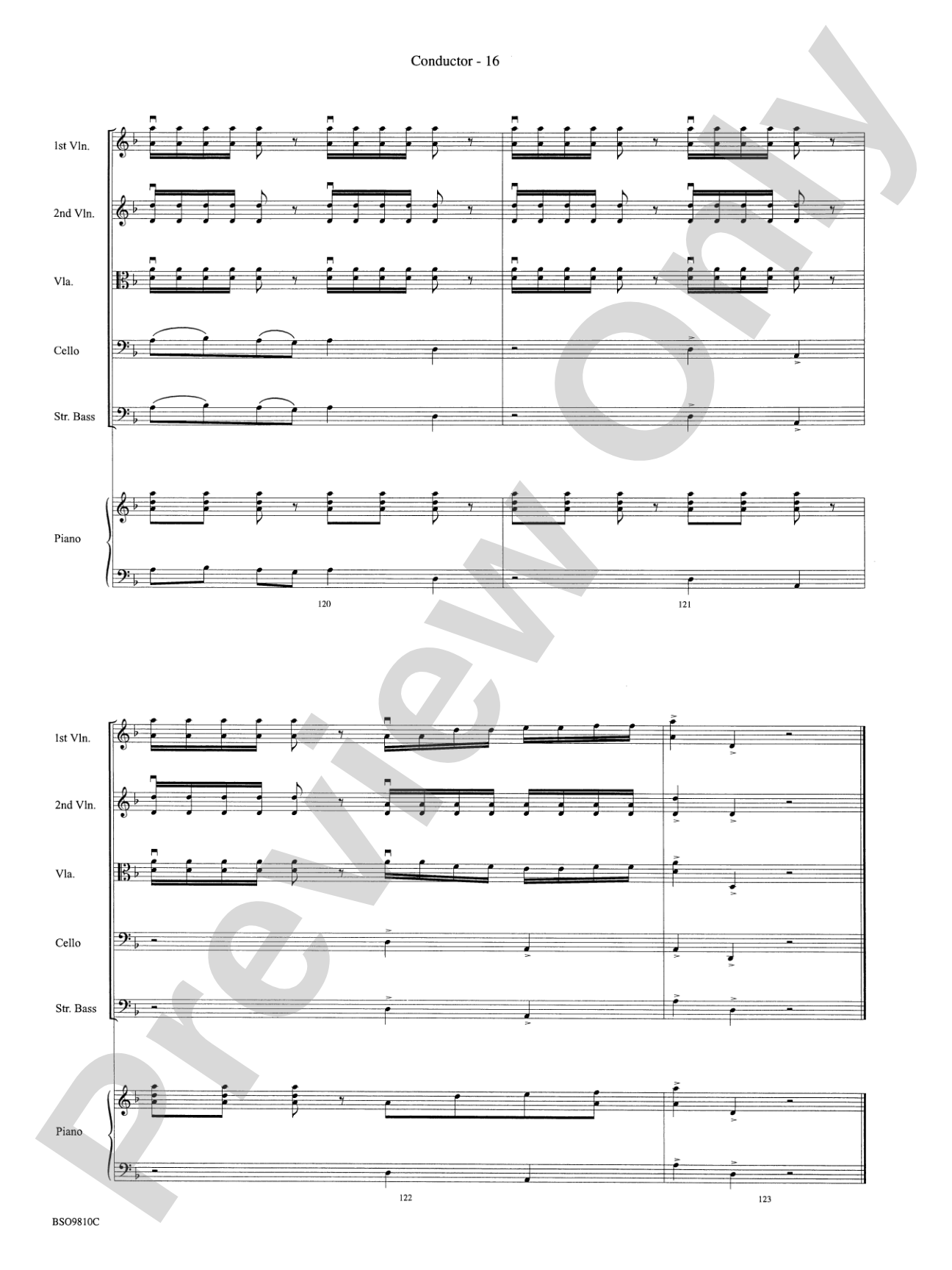



Ancient Ritual: String Orchestra Conductor Score & Parts
By Elliot Del Borgo
Grade: 2.5
Item: 00-PK-0002286

$56.00
Pickup currently not available
Buy Extra Parts (Digital PDF Download)
| Product | Price | Quantity |
|---|---|---|
| Ancient Ritual: Score | $10.00 | |
| Ancient Ritual: 1st Violin | $5.99 | |
| Ancient Ritual: 2nd Violin | $5.99 | |
| Ancient Ritual: 3rd Violin (Viola [TC]) | $5.99 | |
| Ancient Ritual: Viola | $5.99 | |
| Ancient Ritual: Cello | $5.99 | |
| Ancient Ritual: String Bass | $5.99 | |
| Ancient Ritual: Piano Accompaniment | $5.99 |
Parts Added to Cart!
Description
Powerful lines and strong rhythms introduce this journey into mankind's past. Following the dramatic opening, the cello section leads us with a chant-like melodic strain while the upper voices create a cloud of sound. The contemporary flavorings are bold, imaginative, and bound to captivate your listeners. This is a breakthrough in orchestral programming. Intense! (6:09) This title is available in MakeMusic Cloud.


Don't just read it, hear it, play along with it, and watch your students grow with it. In MakeMusic Cloud, Ancient Ritual: String Orchestra Conductor Score & Parts comes alive with professional accompaniment, adjustable tempo, and built-in practice tools that turn solo practice into real progress.
Open in the Player
Jump straight in and assign it today.
Start Your Free Trial
Open this title and explore the full library in minutes.
Sample Audio
1
Audio File
--:--
0:00
0:00
Sample Video
No sample videos found.
Additional Details
Series:
Belwin Intermediate String Orchestra
Publisher:
Alfred Music
Page Count:
152
SKU:
00-PK-0002286
More about this title
About the Composer: Elliot Del Borgo
Elliot Del Borgo is a prolific composer whose work spans band, orchestra, and chamber music with particular strength in writing for student ensembles. His output consistently balances accessibility with genuine musical substance, creating pieces that challenge young musicians without overwhelming them. Del Borgo's orchestrations are known for their clarity and effective use of individual sections, making his scores invaluable teaching tools for conductors developing their craft.
Why we love this
Del Borgo captures something rare here: a piece that sounds sophisticated and contemporary without requiring advanced technique. The writing gives each section meaningful material, and the dramatic arc moves fast enough to hold an audience's attention while staying well within 2.5 grade level parameters. Programmers often struggle to find string pieces with real emotional weight at this level; this one delivers.
What to expect
Ancient Ritual opens with raw, primal force, then invites you into a more introspective space where the cello line carries an almost ritualistic weight. The upper strings weave a shimmering backdrop that feels both modern and otherworldly, creating tension between the grounded melodic material and the floating colors above it.
Who it's for
Conductors leading intermediate string orchestras who want repertoire with contemporary energy and substance. This works for ensembles ready to handle modern harmonies and textural layering but still building fundamental technique.
How to get the most out of it
- Shape the opening rhythms with conviction. These strong, repetitive figures only work if the ensemble commits to them fully; underplaying them weakens the entire first impression.
- Balance the cello chant carefully against the upper-voice cloud. The cellos need enough presence to anchor the piece, but not so much that they obscure the harmonic texture the violins and violas are building.
- Experiment with tempo relationships between sections. The shift from driving rhythms to the chant-like melody benefits from a slight give in tempo; this gives listeners time to register the character change without requiring a full cut.
- Mark cues in parts so everyone understands where the texture thickens or thins. With contemporary writing, visual landmarks help younger players stay oriented.
How to use it
This piece functions as an excellent centerpiece for a concert exploring non-traditional sounds and contemporary approaches to orchestration. It pairs well with standard repertoire on the same program, offering listeners a distinct stylistic contrast while remaining musically accessible. The 6-minute runtime fits naturally into festival formats or mixed-level concert programs where you need a substantive but not overly demanding intermediate work.
Skills your students will build
- Balance between soloistic sections (cello choir) and accompaniment
- Reading and responding to contemporary harmonic language
- Sustaining tone quality across extended unison or parallel lines
- Following architectural changes in texture and density
- Rhythmic precision in driving, pattern-based material