
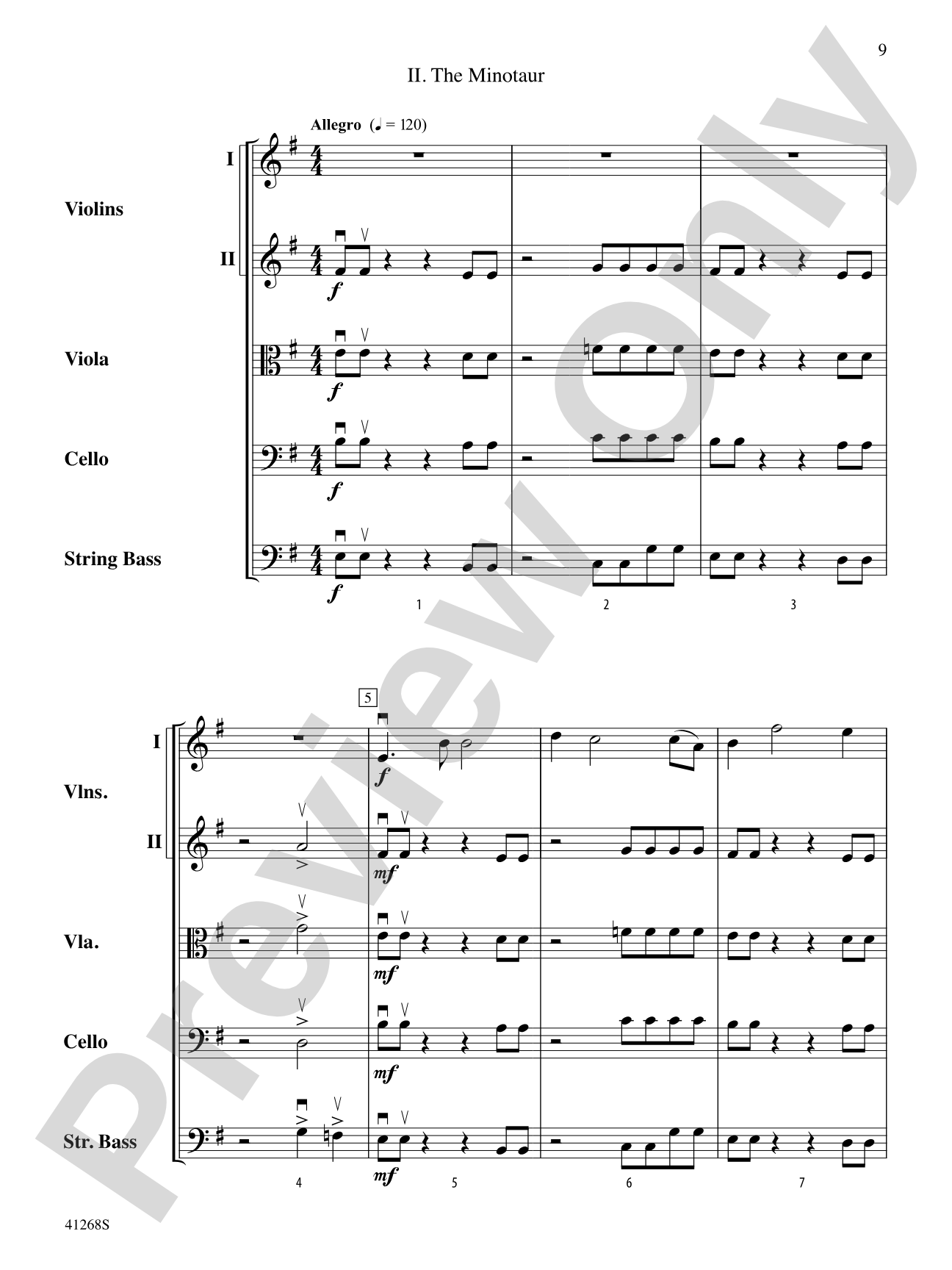
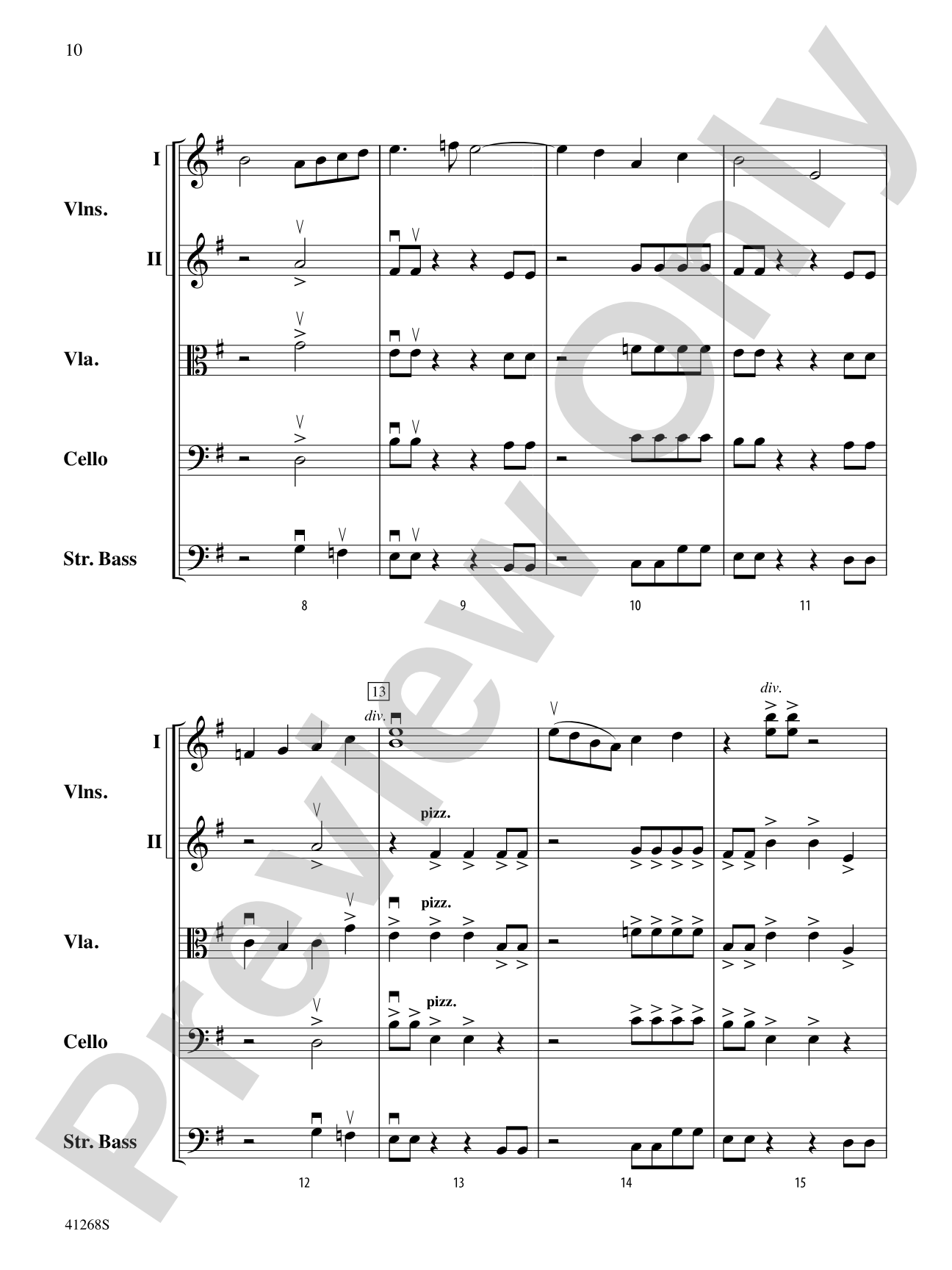
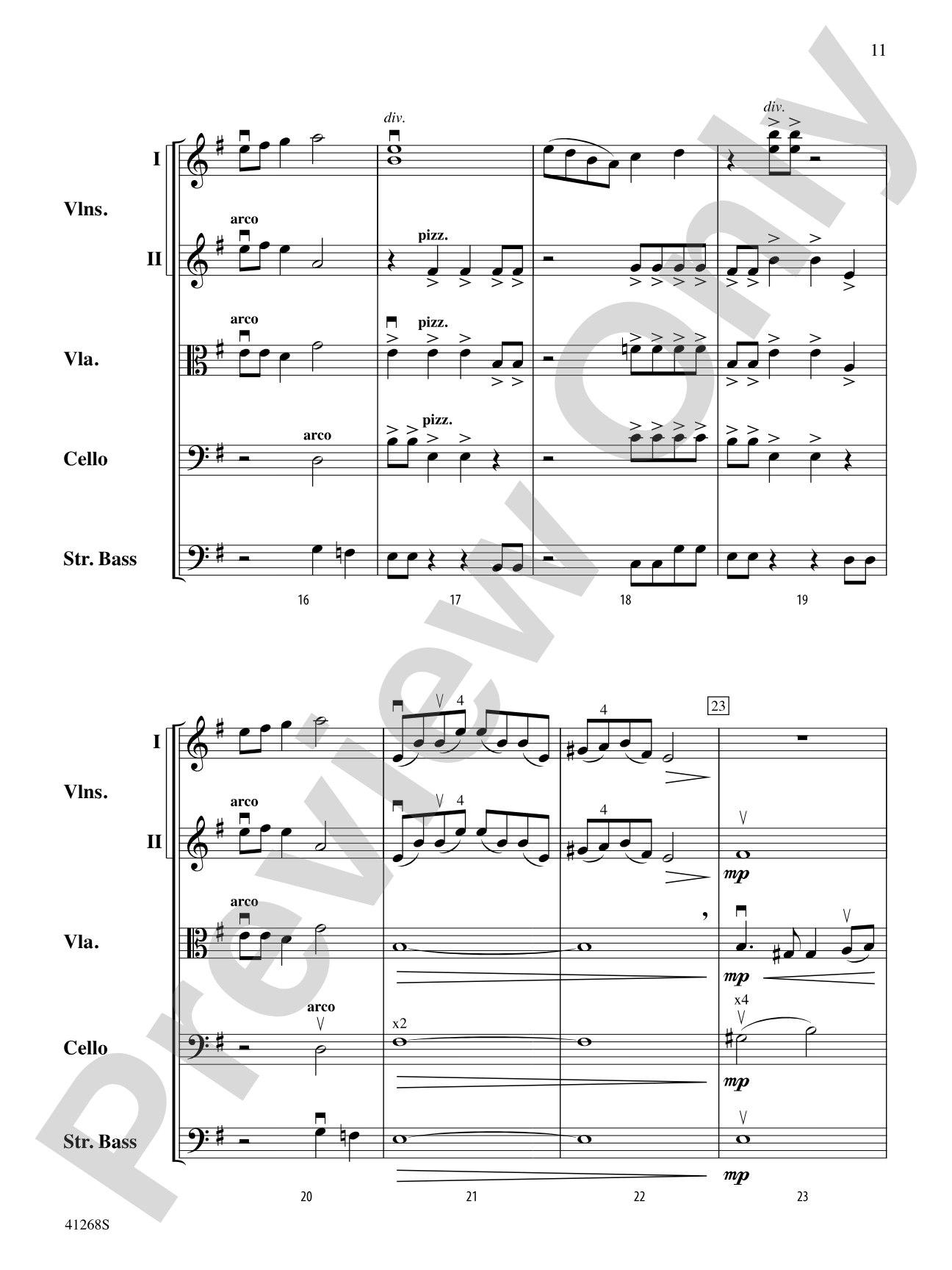
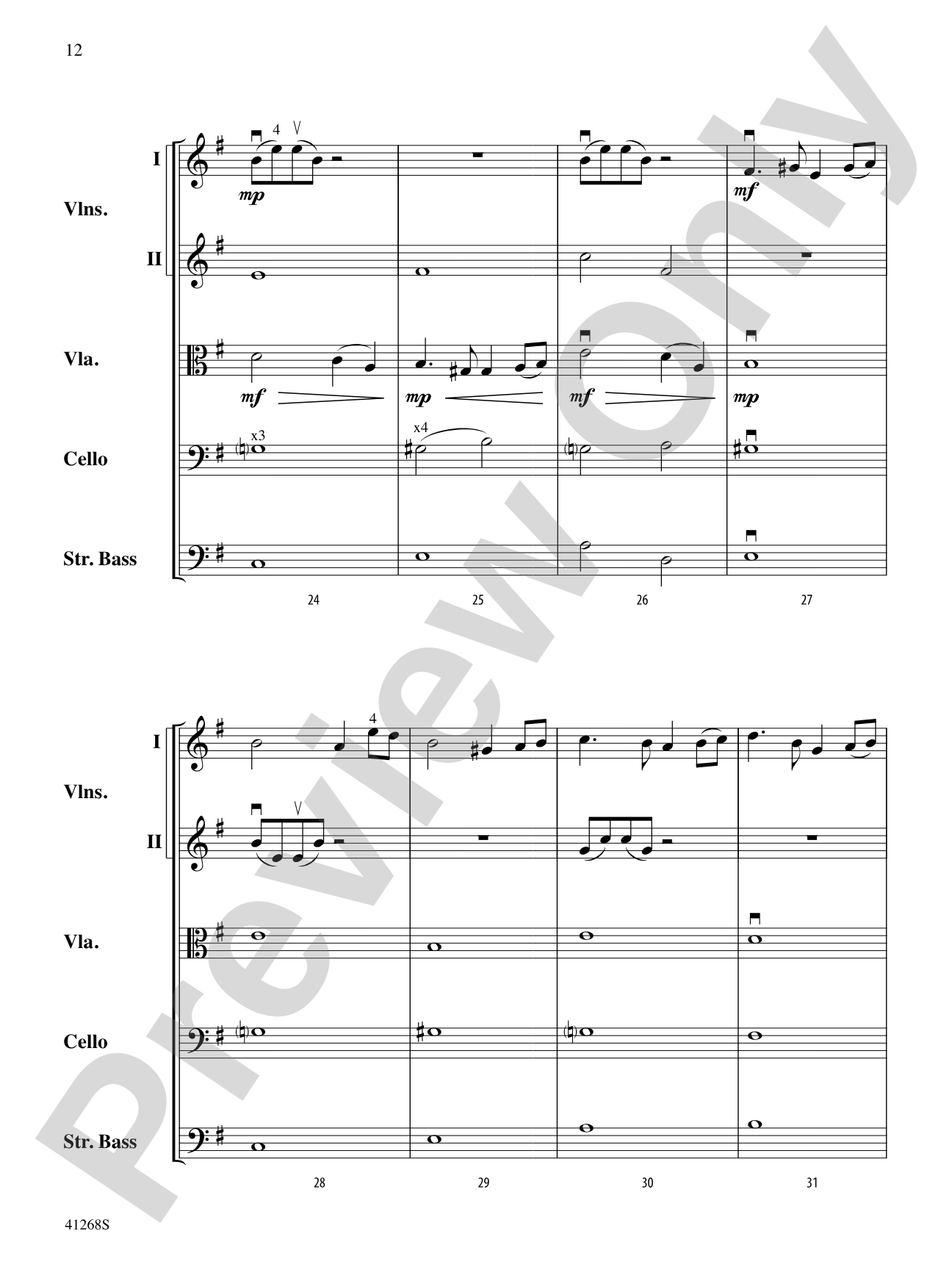

Ancient Legends: Score
By Gary Fagan
Grade: 2.5
Item: 00-PR-0004623
$7.00
Pickup currently not available
Description
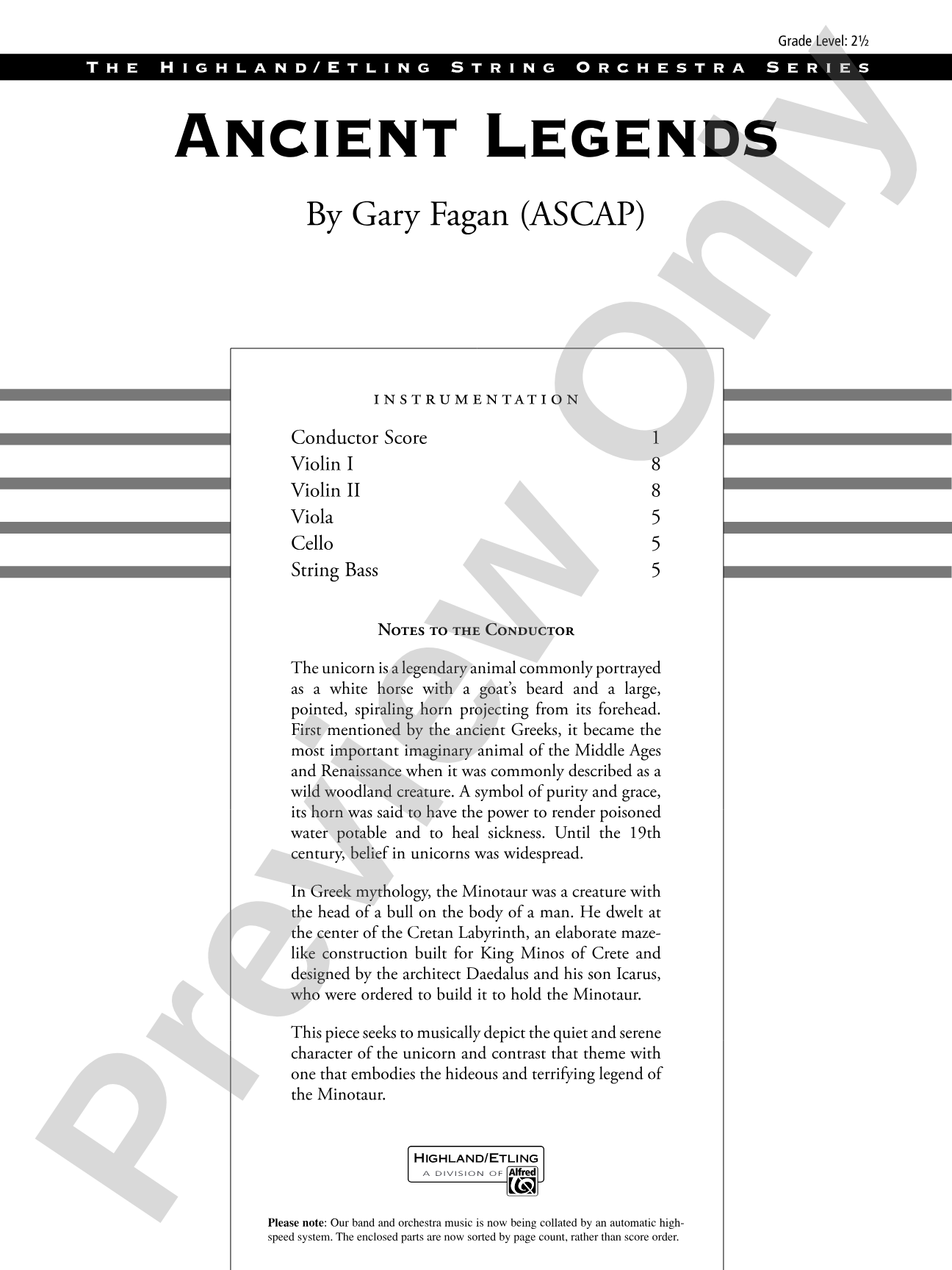
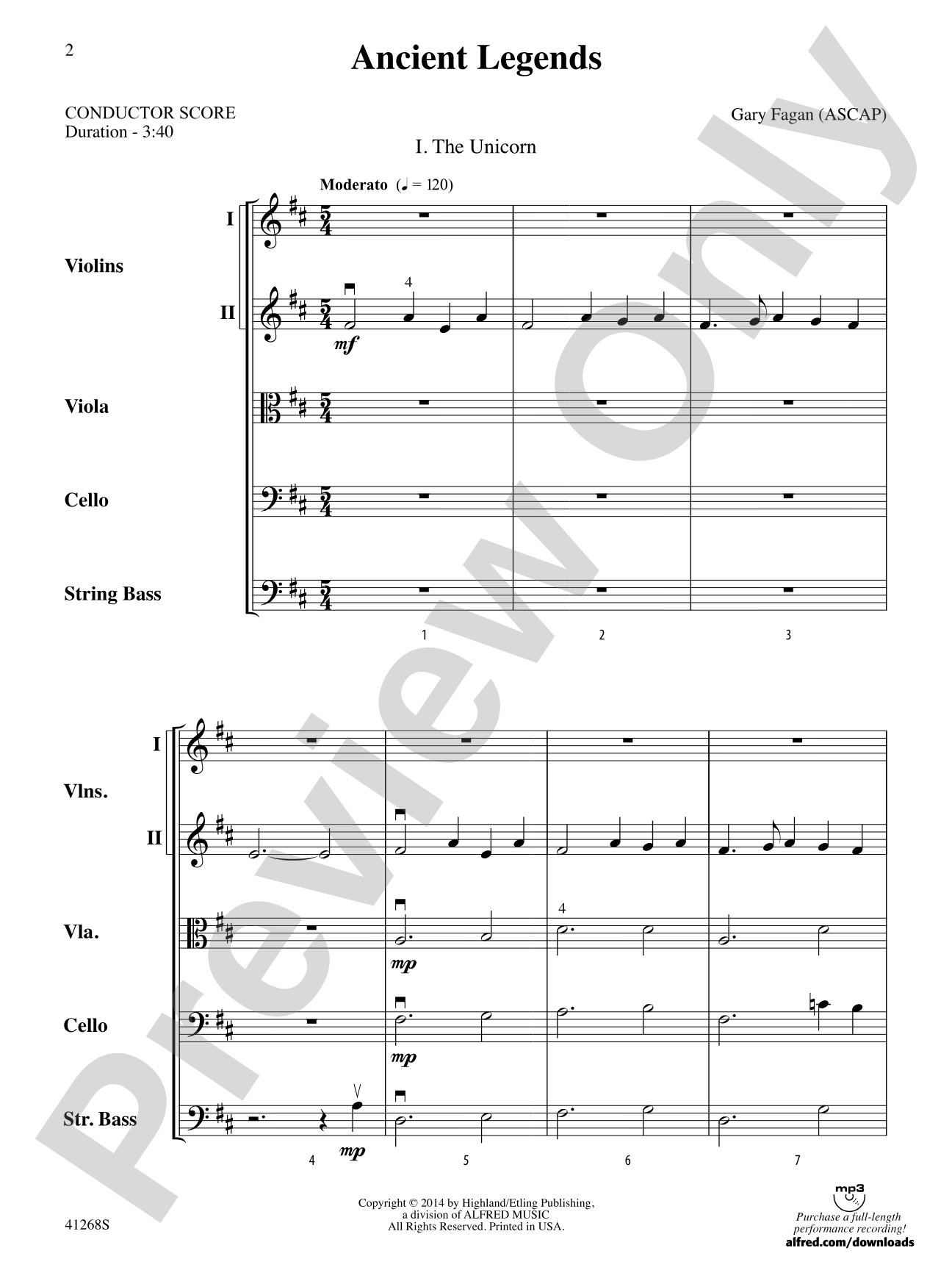
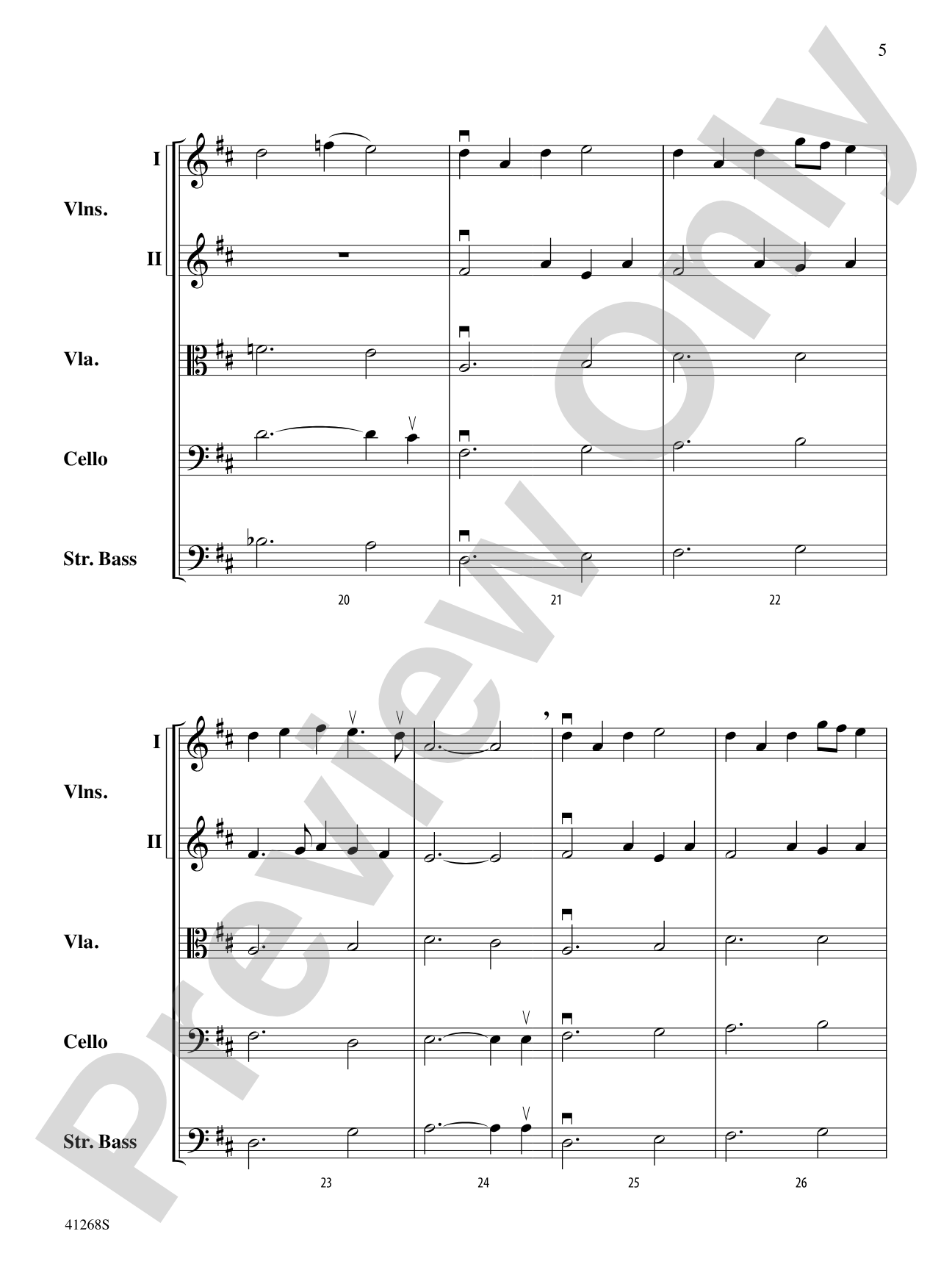
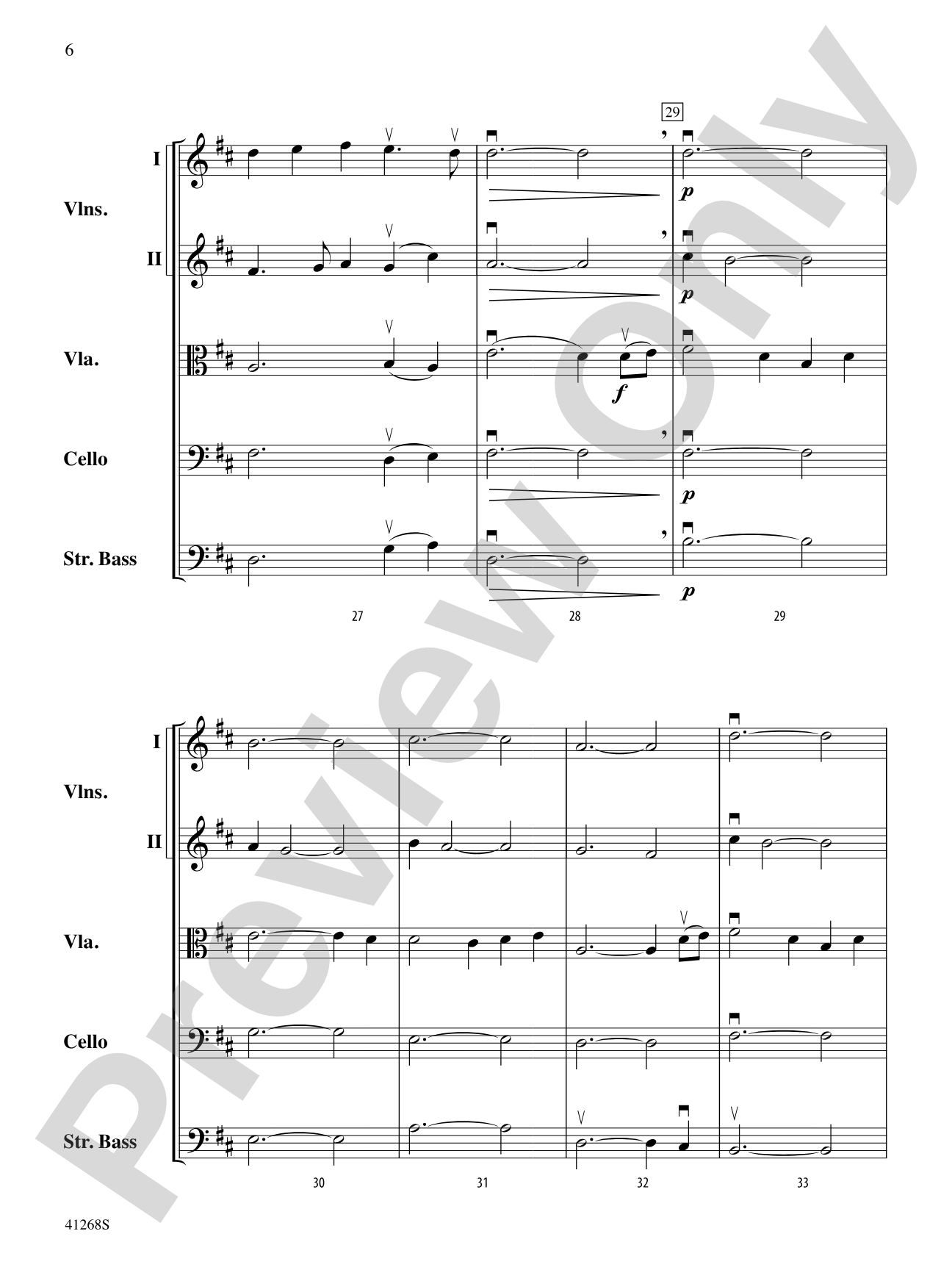
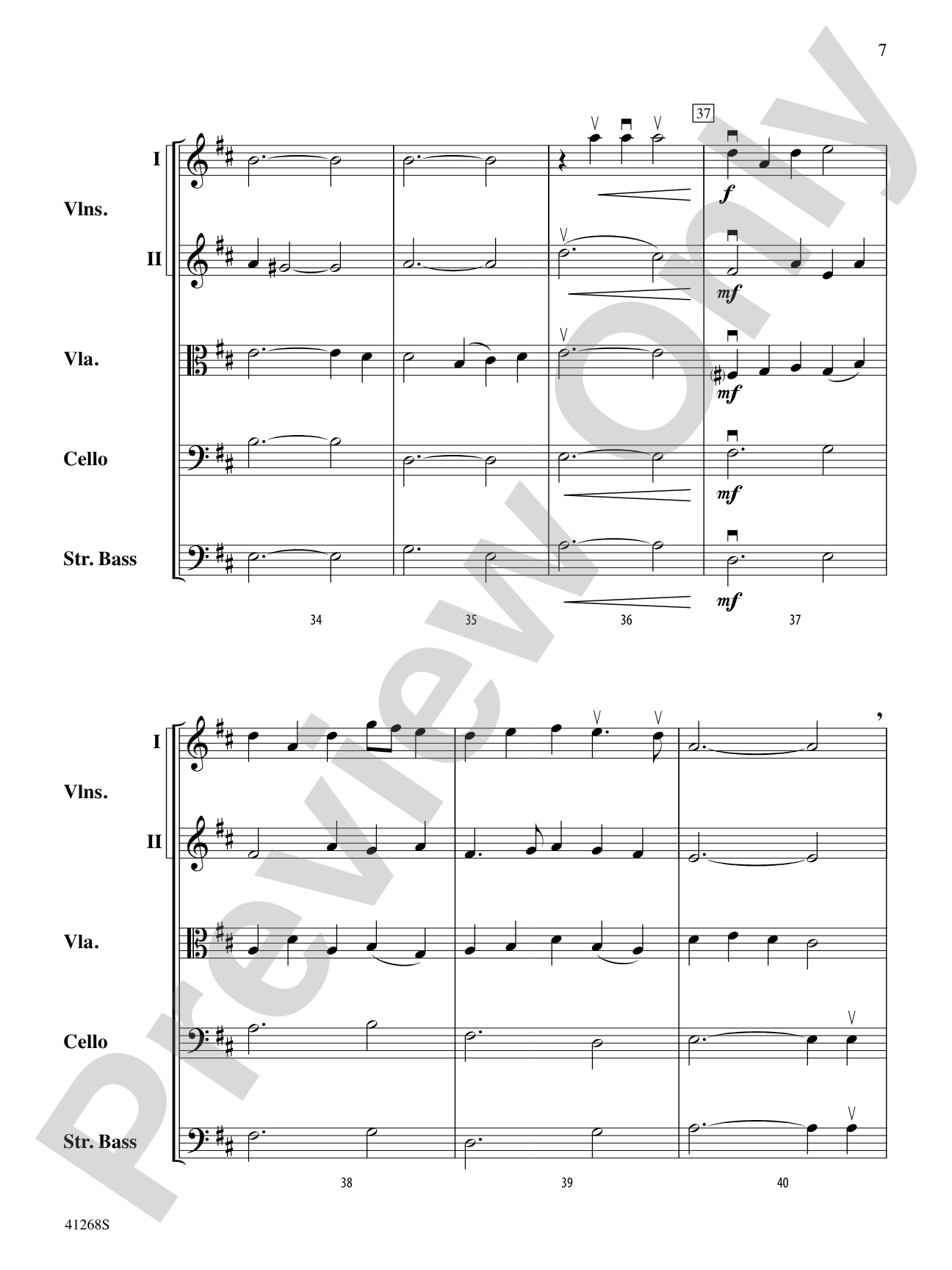
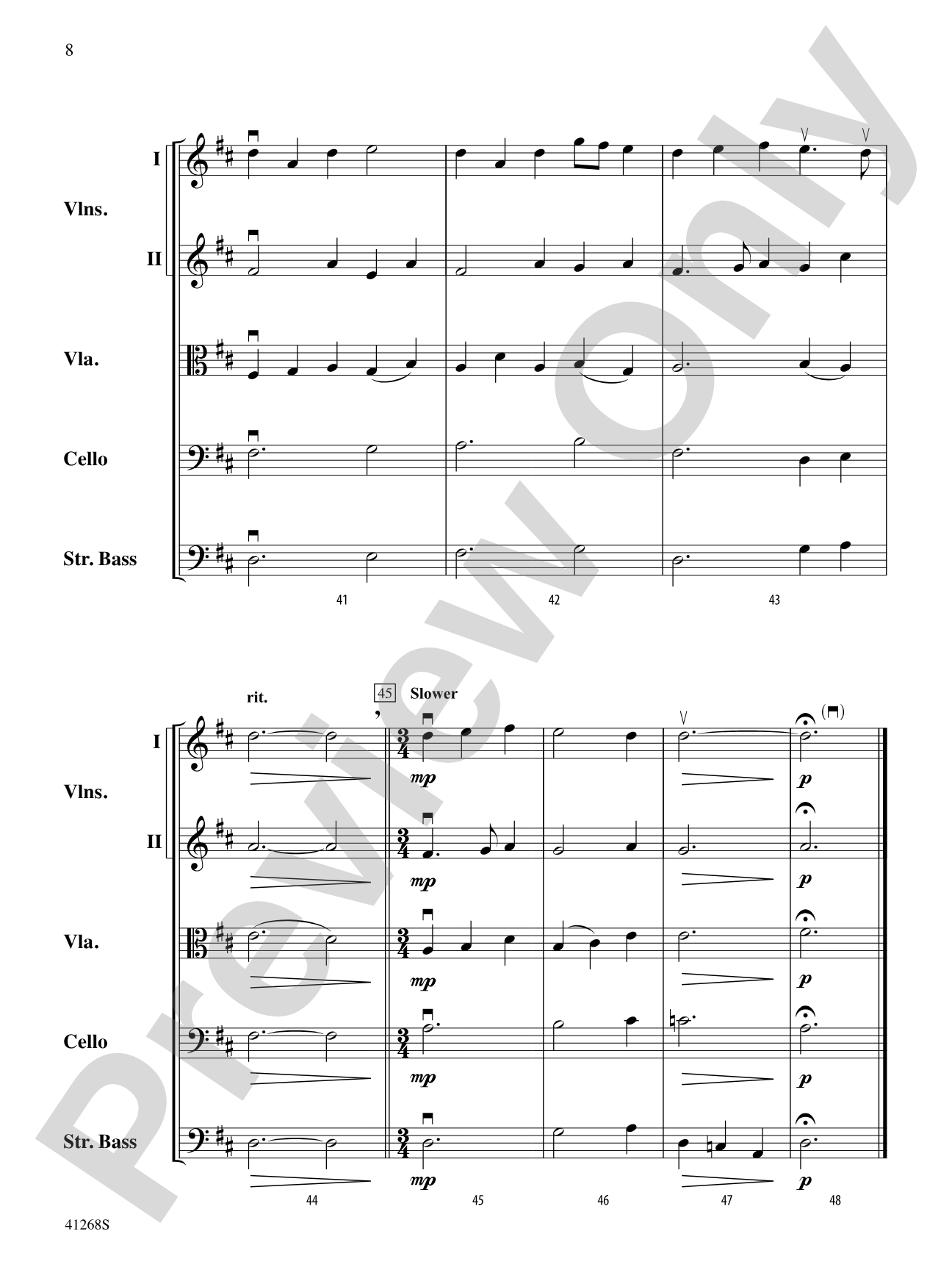
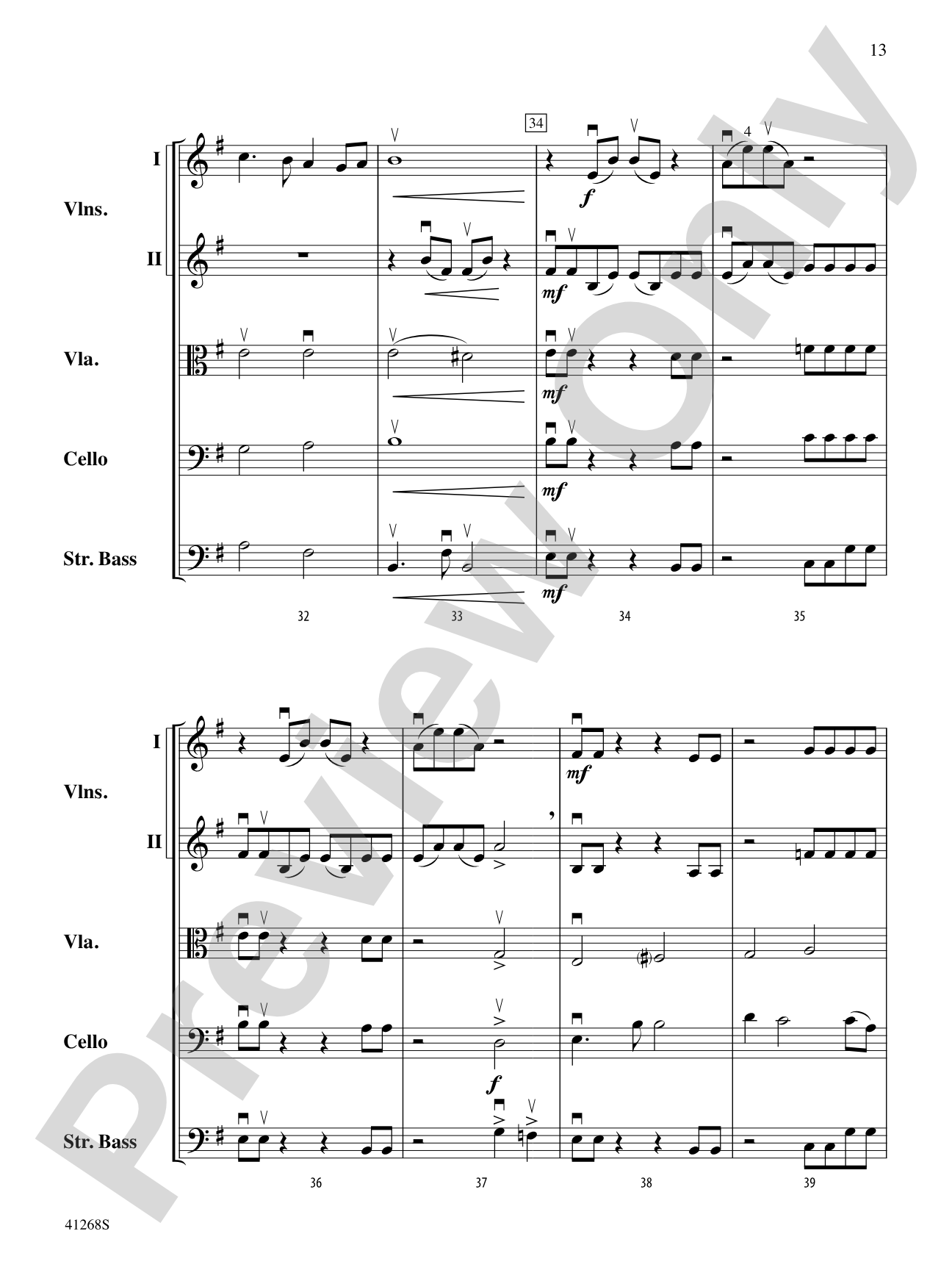
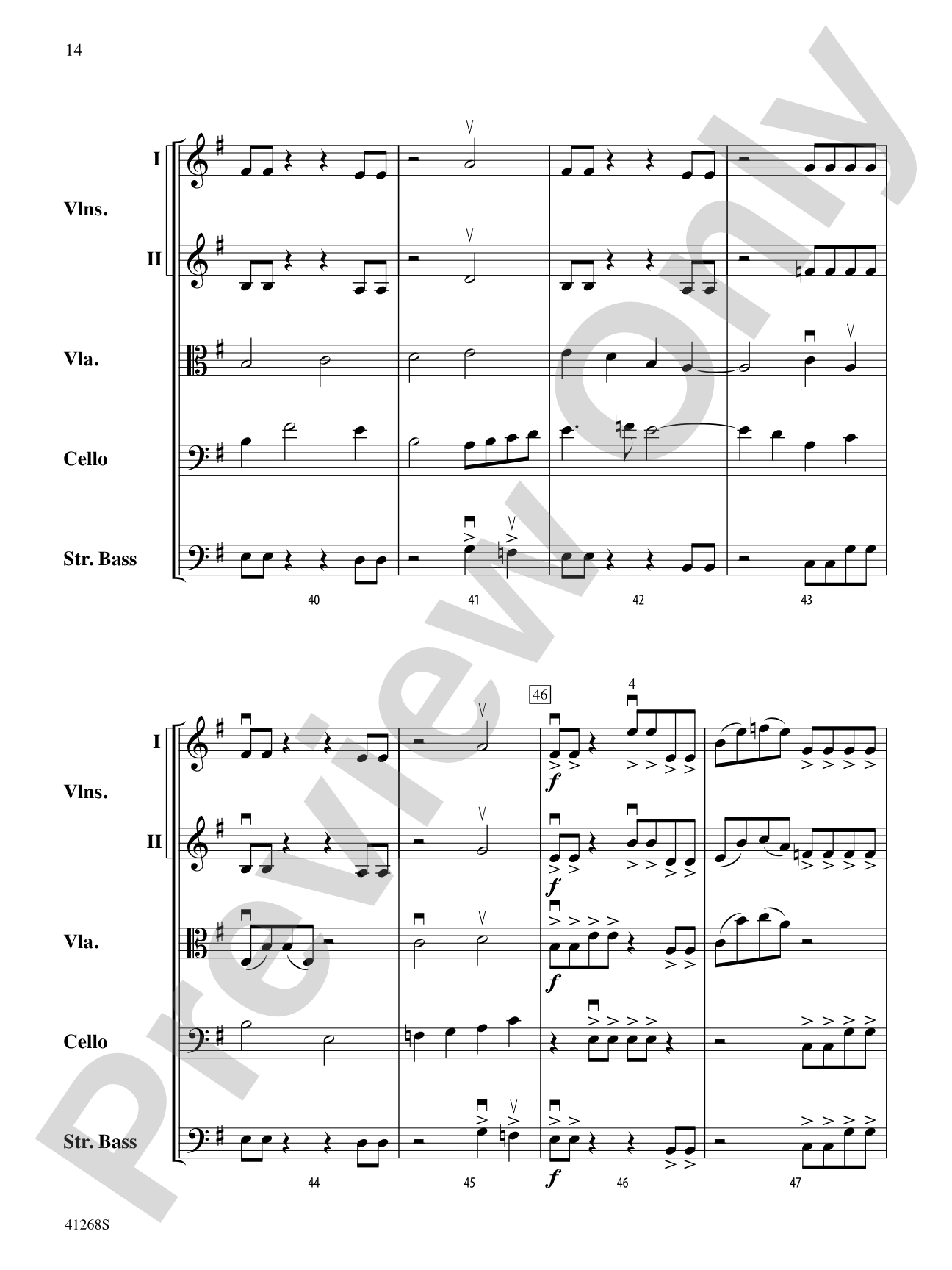
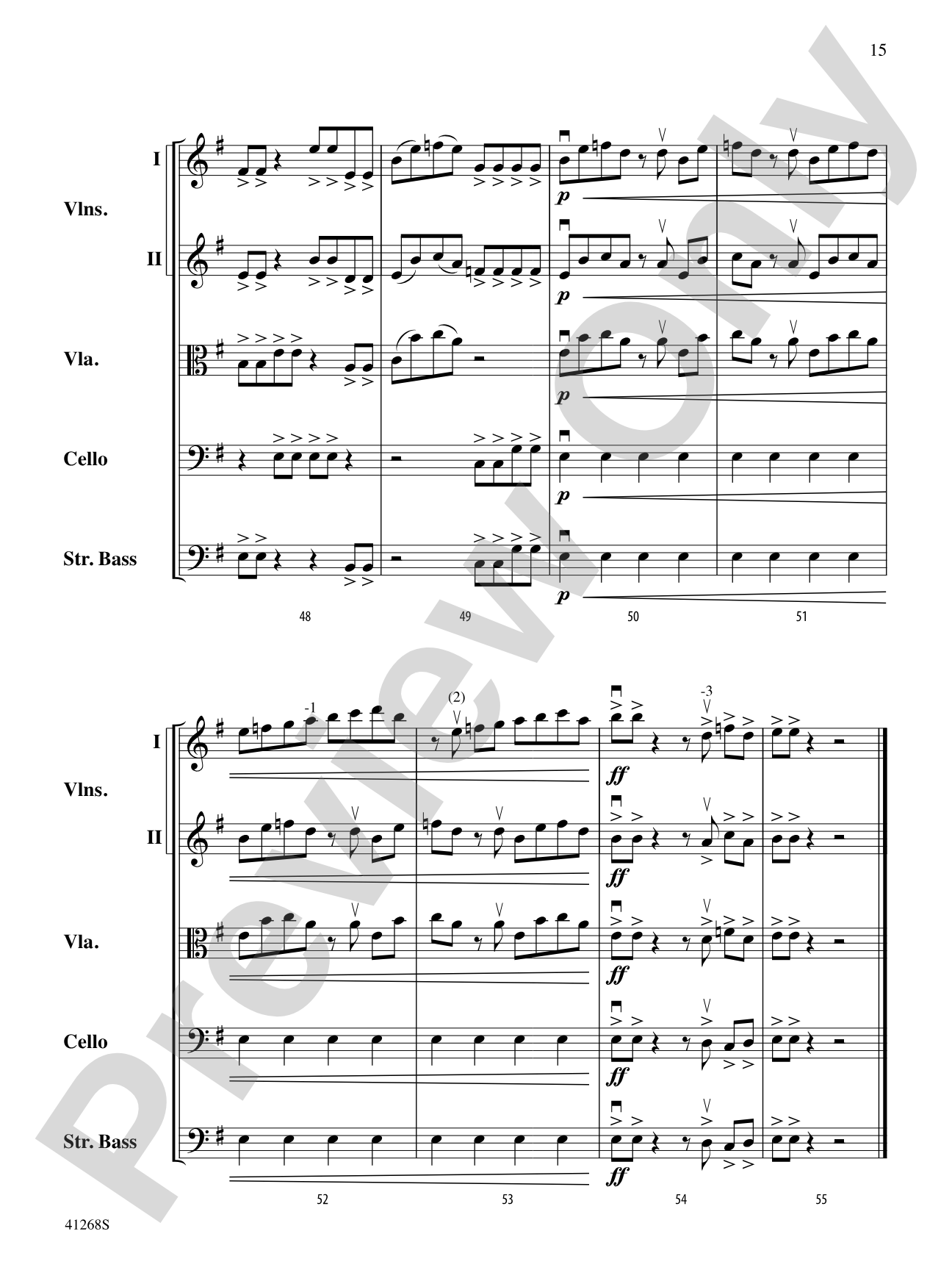
A study in contrasts, this piece depicts the calm and quiet of the legendary unicorn and the terrifying tale of the Minotaur. Greek mythology comes to life in stirring musical themes. (3:40) This title is available in MakeMusic Cloud.


Don't just read it, hear it, play along with it, and watch your students grow with it. In MakeMusic Cloud, Ancient Legends: Score comes alive with professional accompaniment, adjustable tempo, and built-in practice tools that turn solo practice into real progress.
Open in the Player
Jump straight in and assign it today.
Start Your Free Trial
Open this title and explore the full library in minutes.
Sample Audio
1
Audio File
--:--
0:00
0:00
Sample Video
No sample videos found.
Additional Details
Series:
Highland/Etling String Orchestra
Publisher:
Alfred Music
Page Count:
124
SKU:
00-PR-0004623
More about this title
About the Composer: Gary Fagan

Gary Fagan's compositions and arrangements have reached audiences across the country, from the Midwest Band and Orchestra Clinic to performances at the White House and official state ceremonies. His formal training spans Bridgewater College, where he earned his undergraduate degree in Music Education, and James Madison University, where he completed a master's degree and later served as adjunct faculty teaching arranging.
After 36 years directing bands in Albemarle County, Fagan shifted his focus to composition, arranging, and mentorship. He has been recognized as Central Virginia's Outstanding Middle School Teacher by the University of Virginia's Phi Delta Kappa chapter and received accolades from the Virginia Governor's School for the Visual and Performing Arts and the Piedmont Council of the Arts. Active as a clinician, adjudicator, and percussionist with the Charlottesville Band, Fagan maintains memberships in ASCAP, the National Band Association, and Phi Beta Mu.
Why we love this
This piece captures the essence of contrasting character without sacrificing musical substance. Young string orchestras get to explore genuinely different sound worlds: the serene, shimmering textures of the unicorn legend and the driving, menacing energy of the Minotaur myth. The writing sits at exactly the right level to be playable without being simplistic, giving students material they can take seriously.
What to expect
The unicorn passages unfold with a shimmering, almost impressionistic calm; you hear the quietude and mystery of legend rather than a literal picture. When the Minotaur enters, the mood shifts immediately to something urgent and primal, with driving rhythms and darker harmonies that command attention.
Who it's for
String orchestras in grades 2-3 seeking repertoire that goes beyond technical exercises to engage students musically and narratively. Directors programming concert events or festival competitions will find this accessible enough for developing ensembles while still offering substantial artistic content.
How to get the most out of it
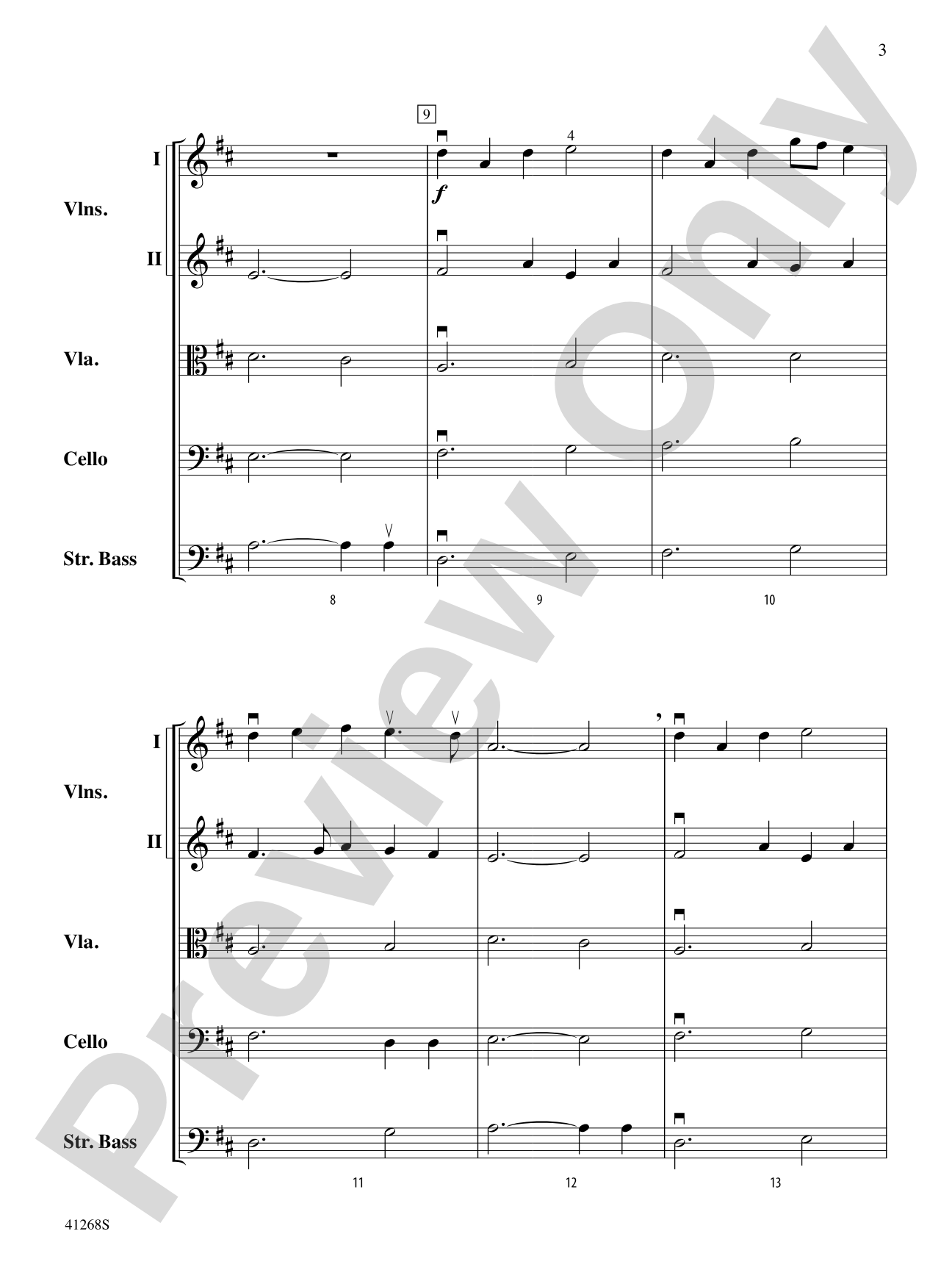
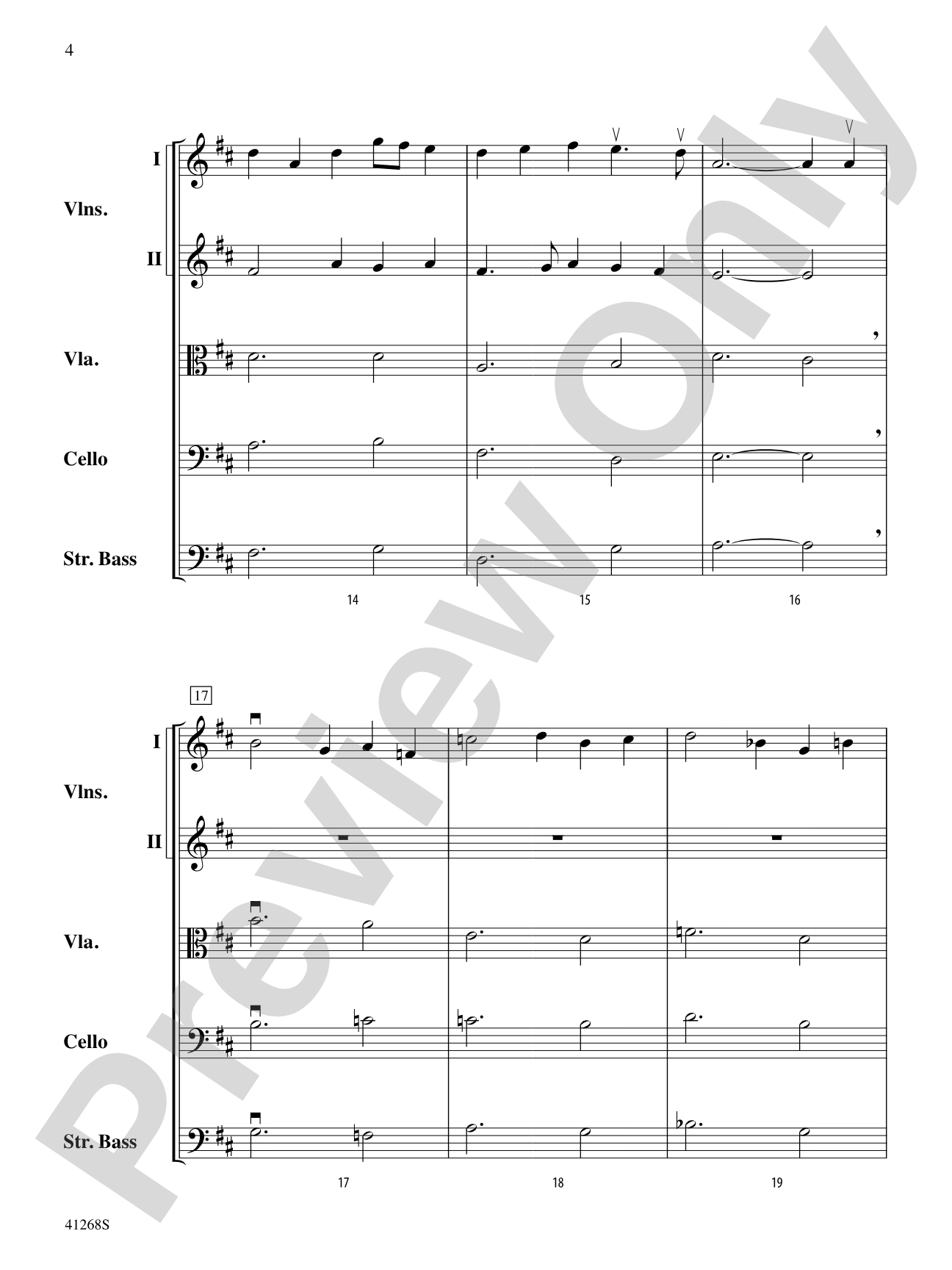
- Shape the unicorn section with sustained, transparent voicing. Use divisi carefully to create the ethereal quality without thinning the ensemble sound.
- Keep the Minotaur theme rhythmically grounded and cohesive. Younger players often rush dramatic material, so lock the pulse with your bass section first.
- Let the contrast between sections define the interpretation. Resist the urge to smooth over the transition; the dramatic shift is part of the piece's power.
- Balance the melodic voices across the orchestra. Since this piece lives in storytelling, make sure thematic material cuts through from wherever it sits in the texture.
How to use it
This works beautifully in the middle section of a concert, where it can serve as a turning point from lighter opening selections to heavier or more complex works. The mythological theme also pairs naturally with thematic concert programming or interdisciplinary school events exploring classical literature and history.
Skills your students will build
- Sustained, legato string tone production across long melodic lines
- Dynamic contrast and character development through compositional storytelling
- Sectional balance and blend in divisi writing
- Rhythmic clarity in driving, syncopated material
- Transitions between contrasting musical moods within a single piece