
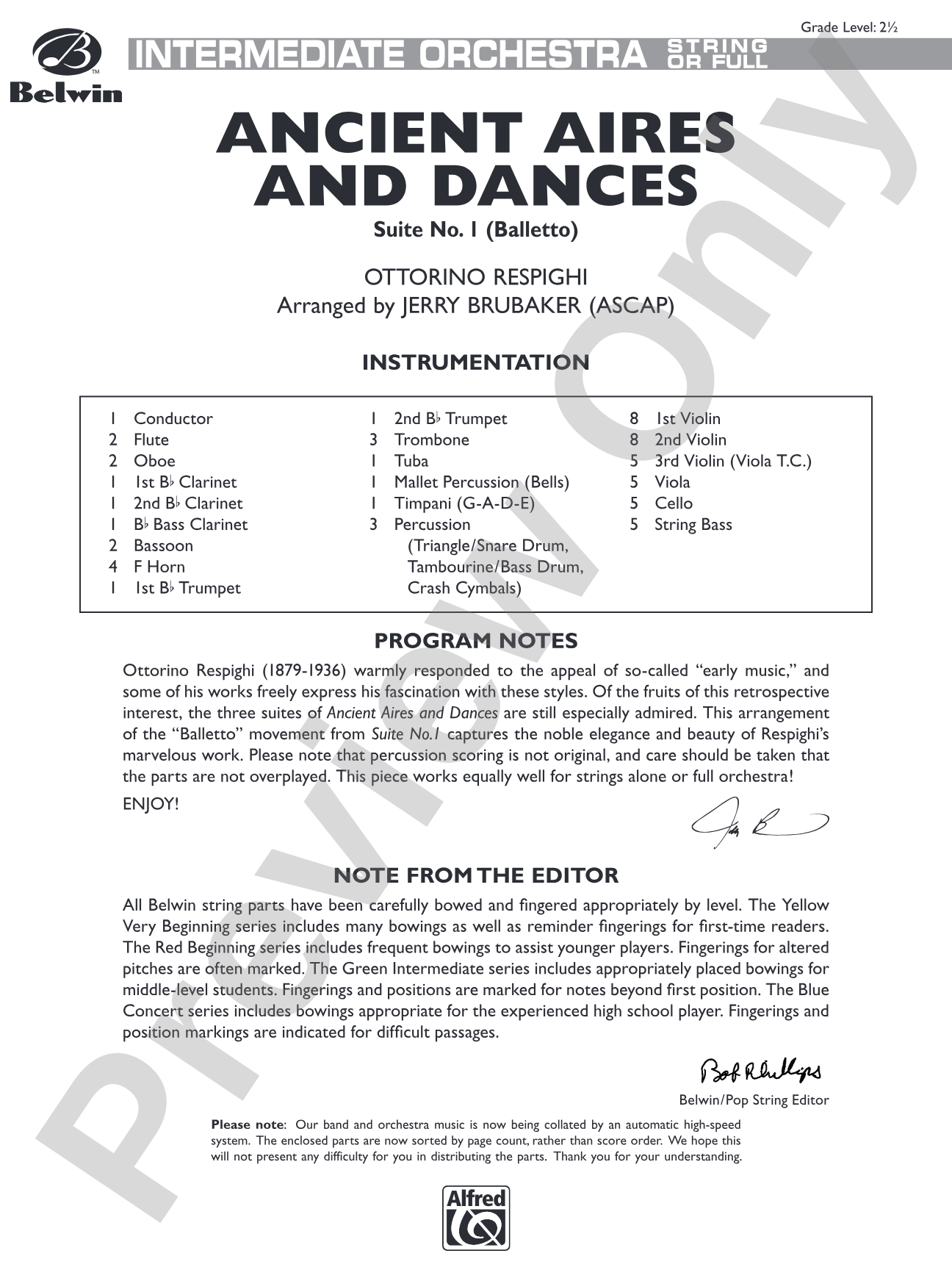
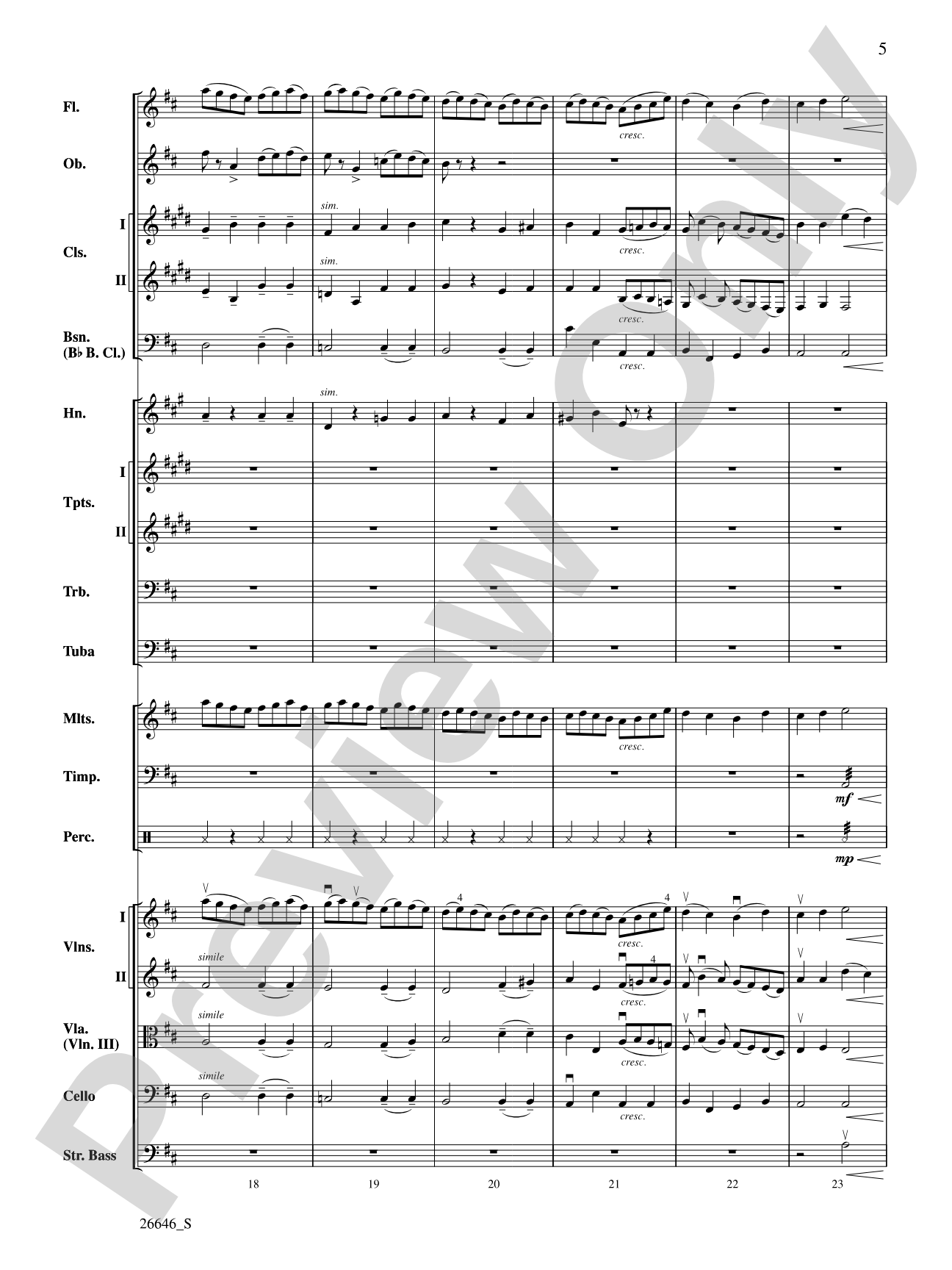
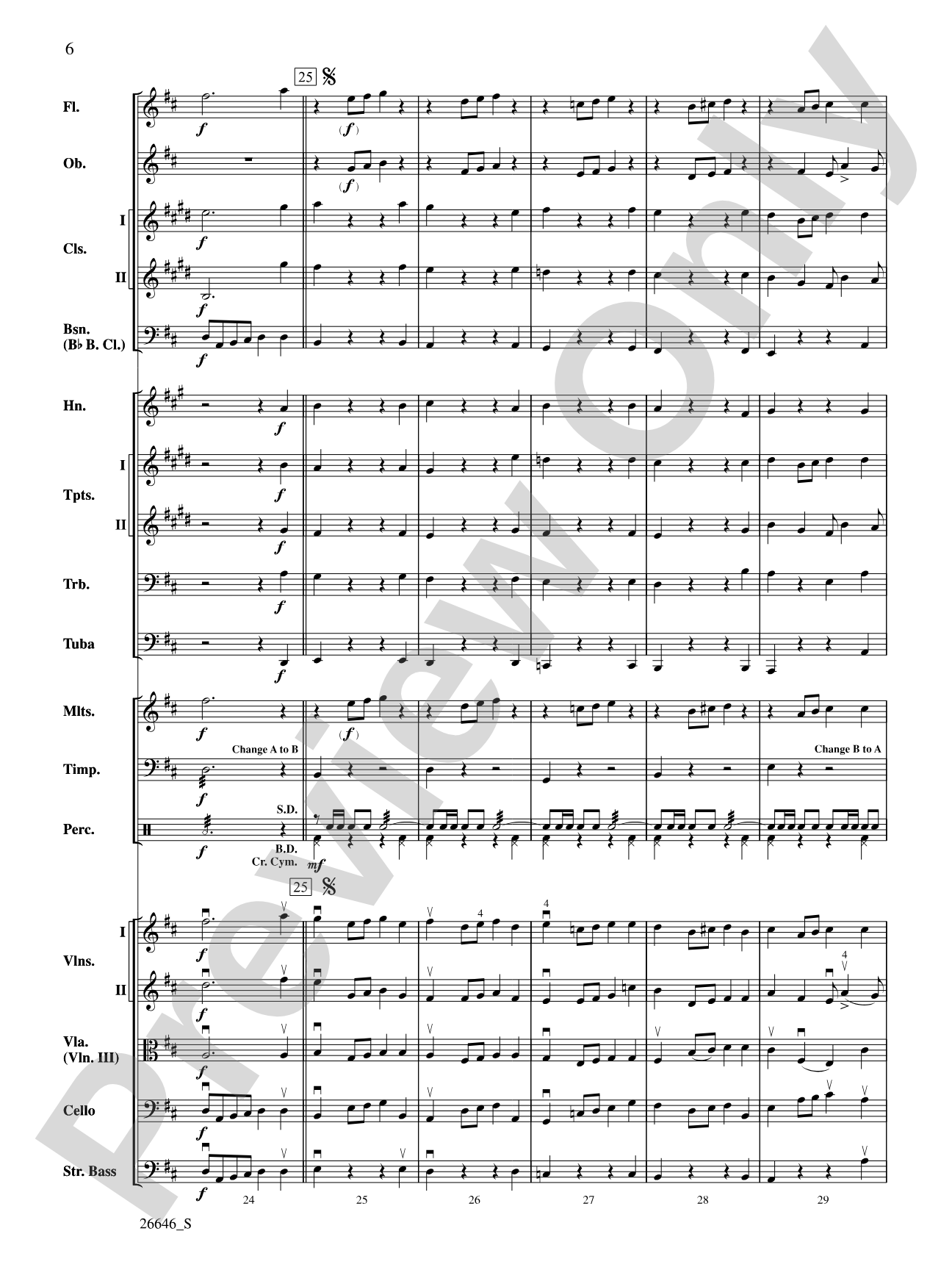
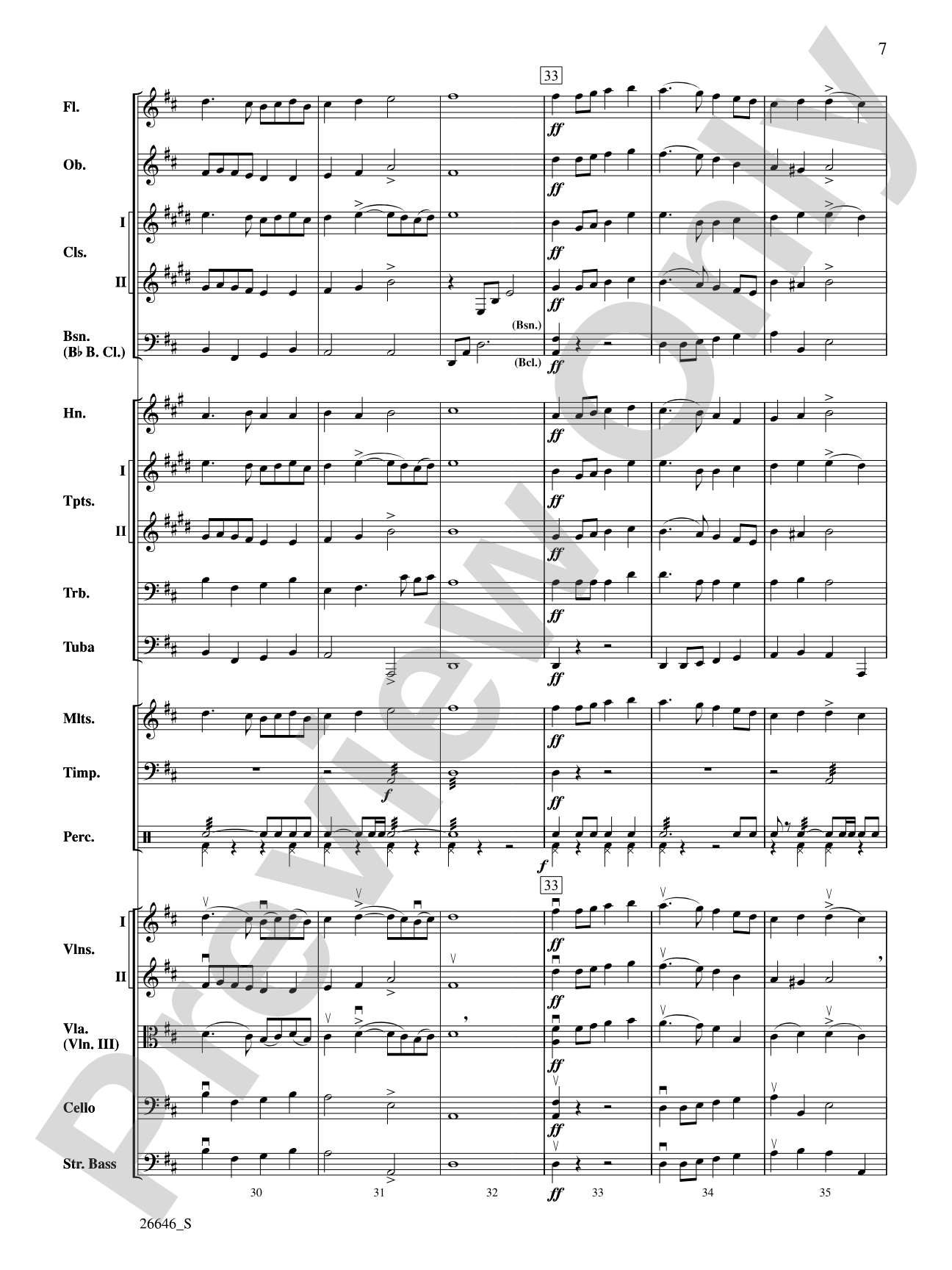
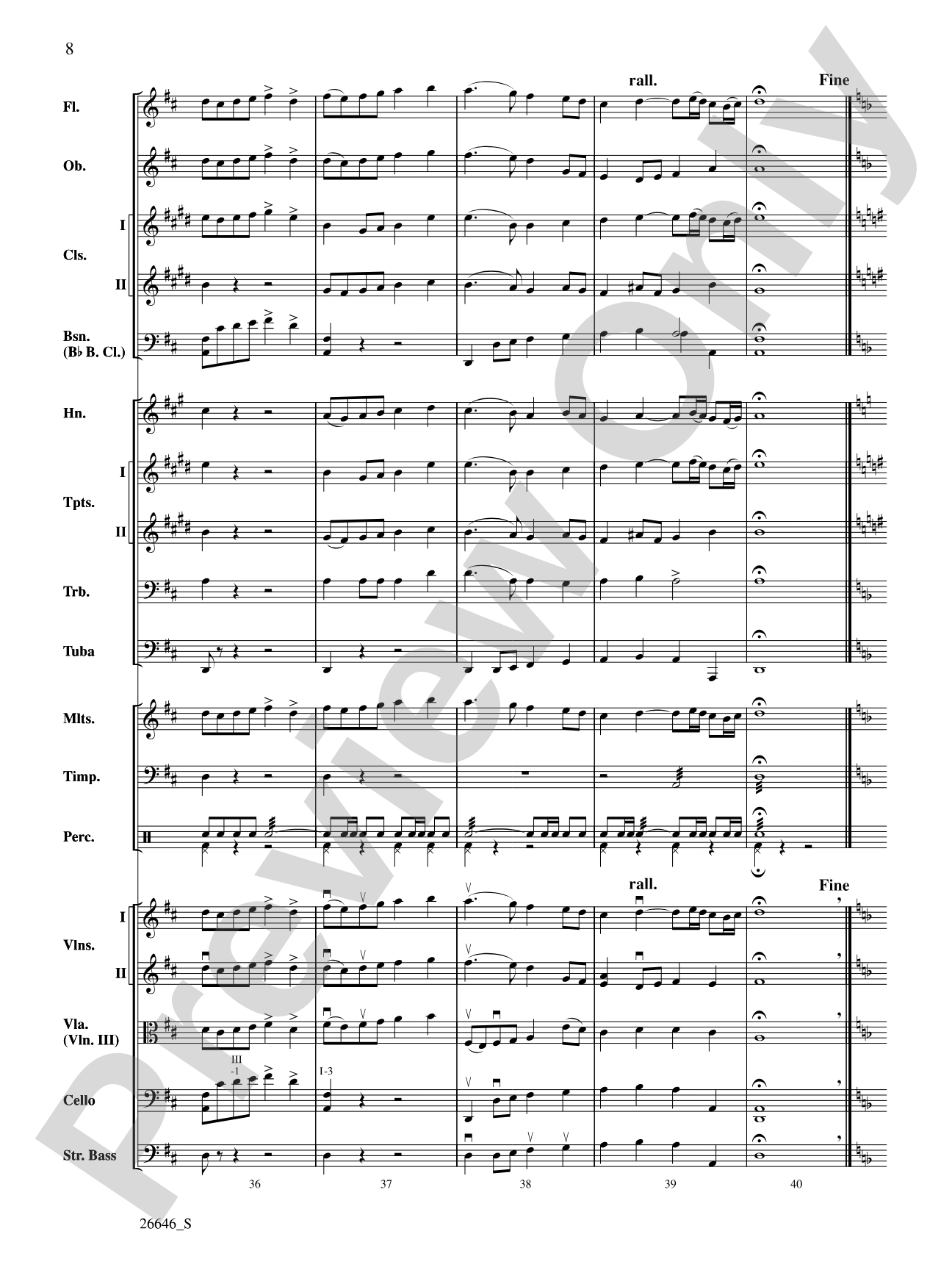
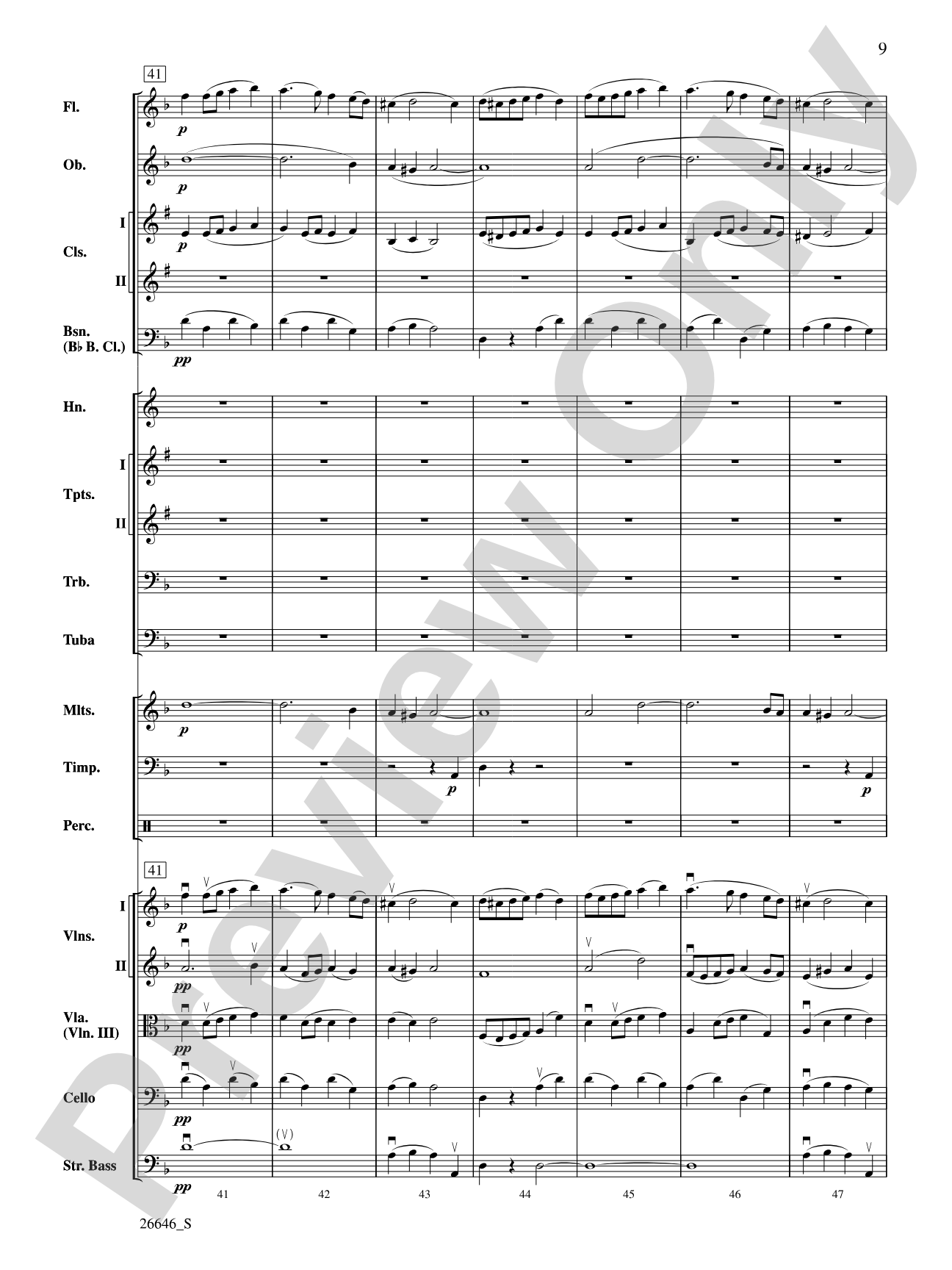
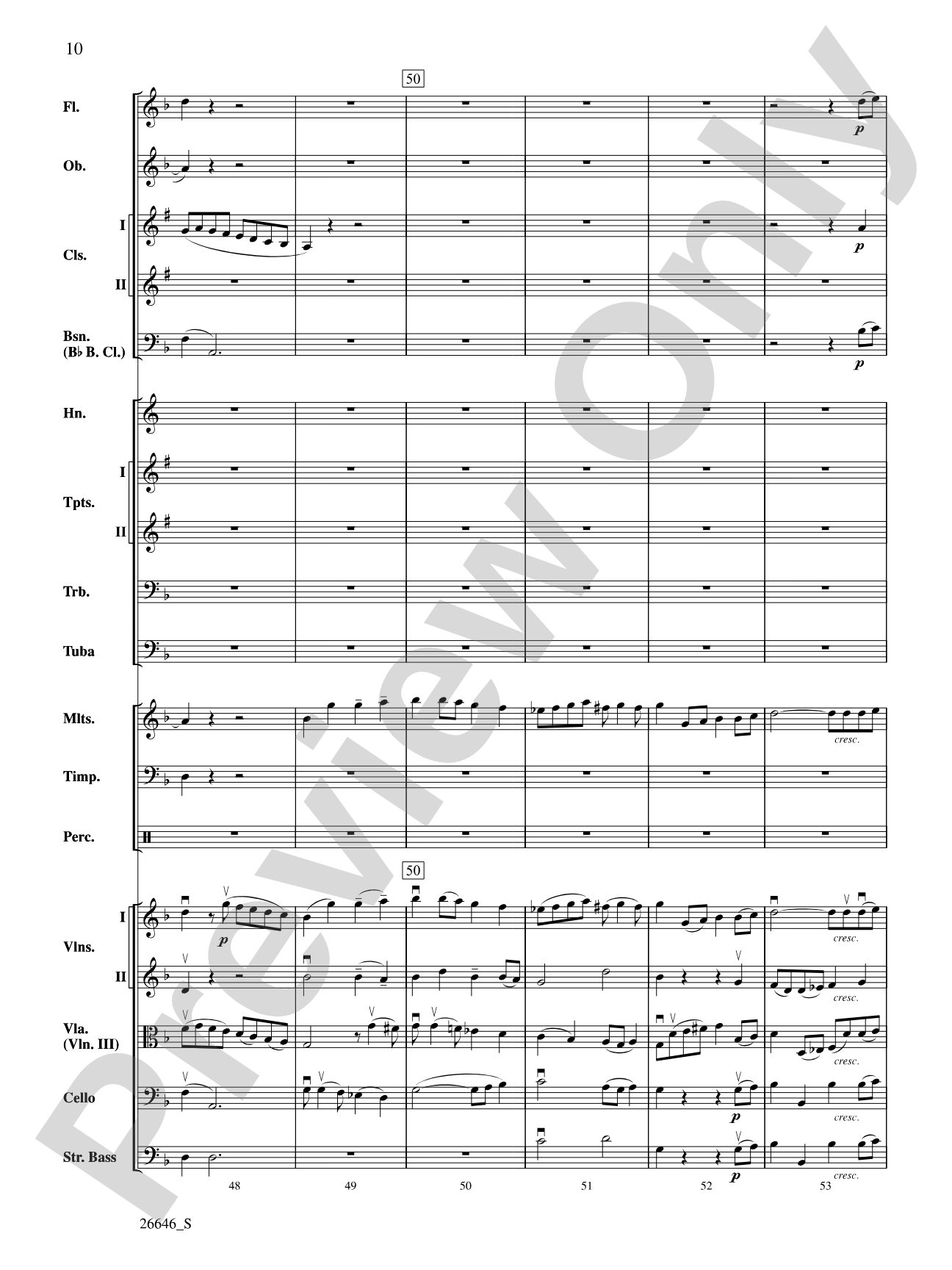
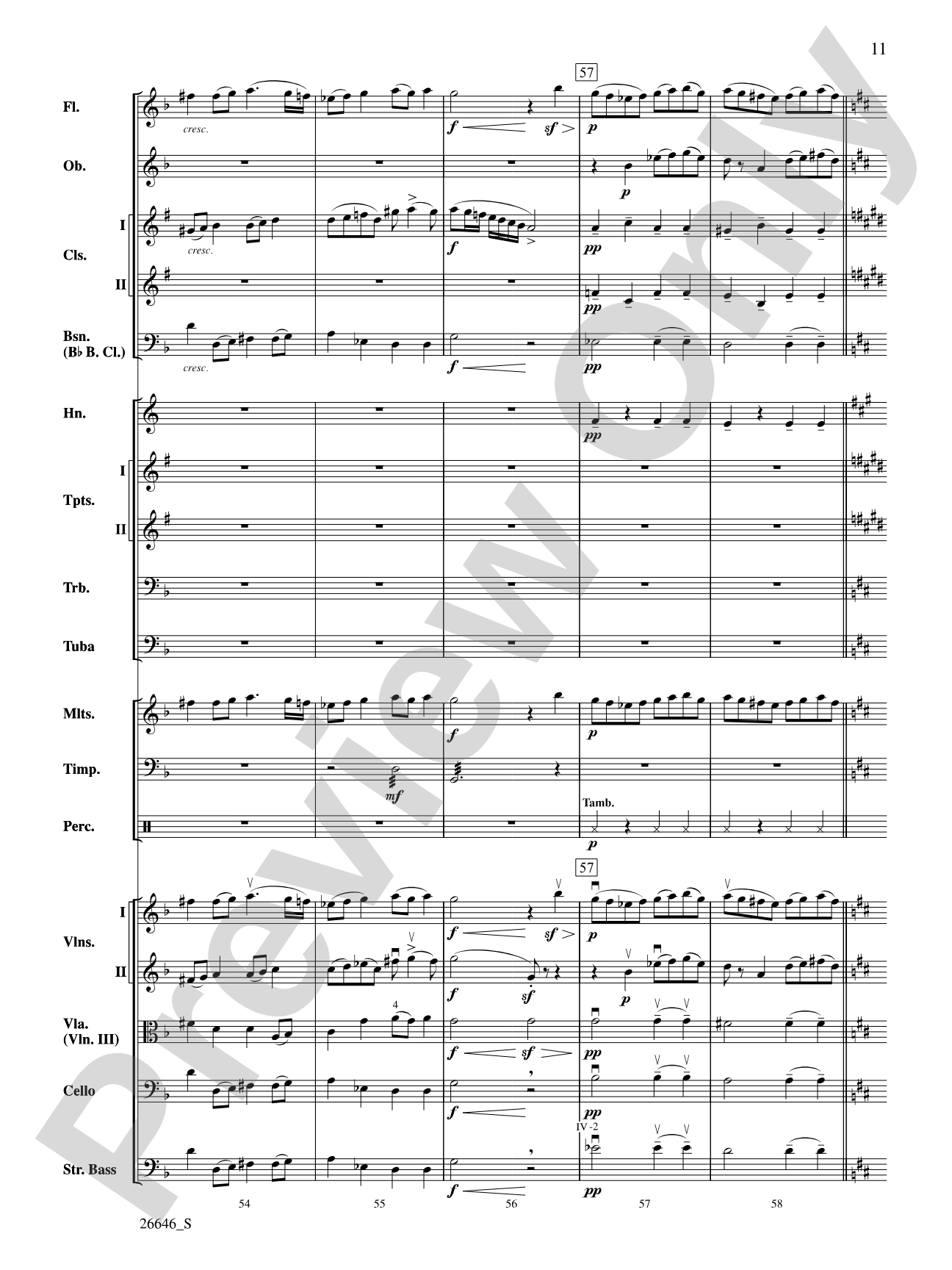
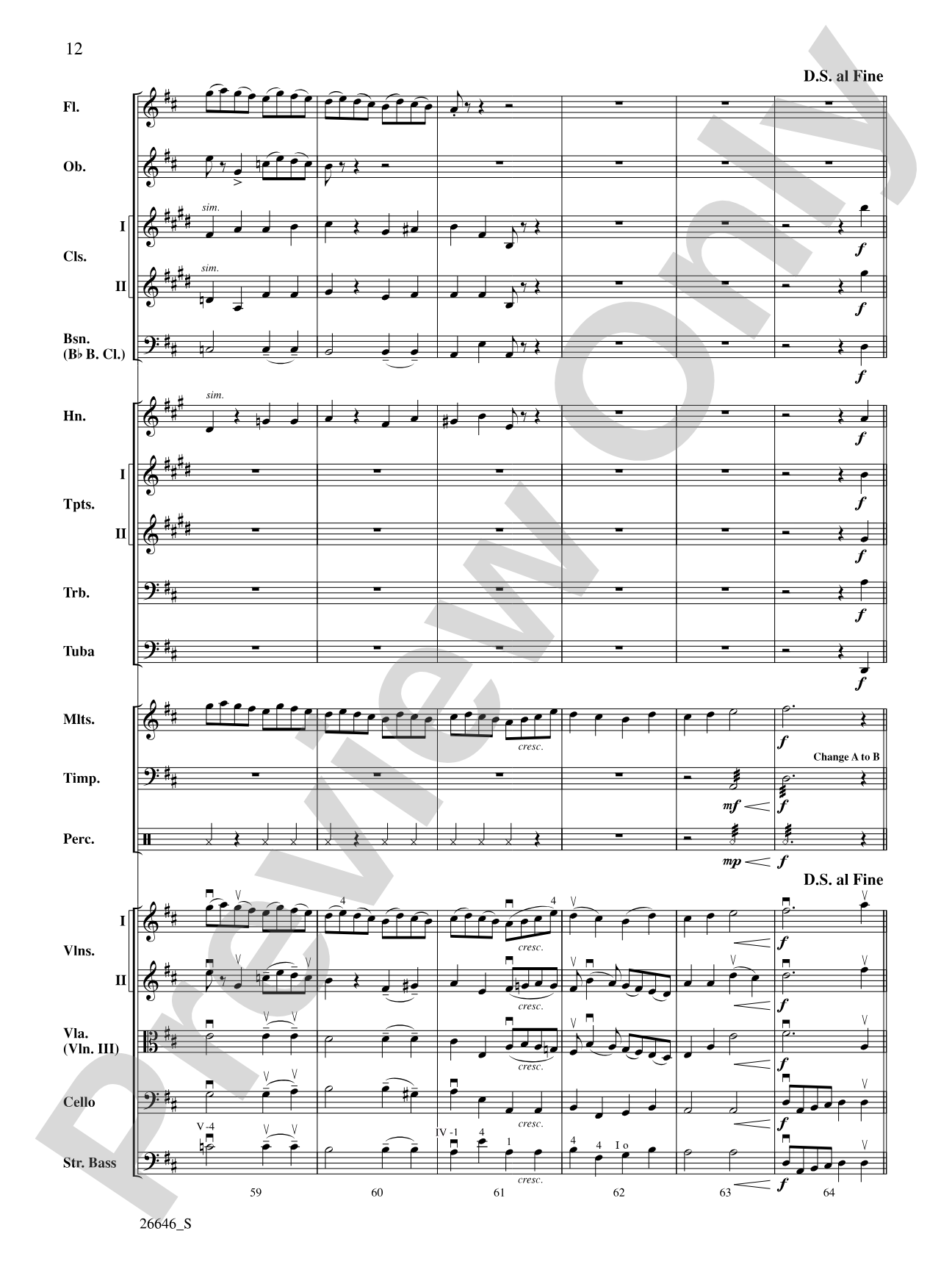

Ancient Aires and Dances, Suite No. 1 (Balletto): Full Orchestra Conductor Score & Parts
By Ottorino Respighi / arr. Jerry Brubaker
Grade: 2.5
Item: 00-PK-0001154

$70.00
Pickup currently not available
Buy Extra Parts (Digital PDF Download)
Parts Added to Cart!
Description
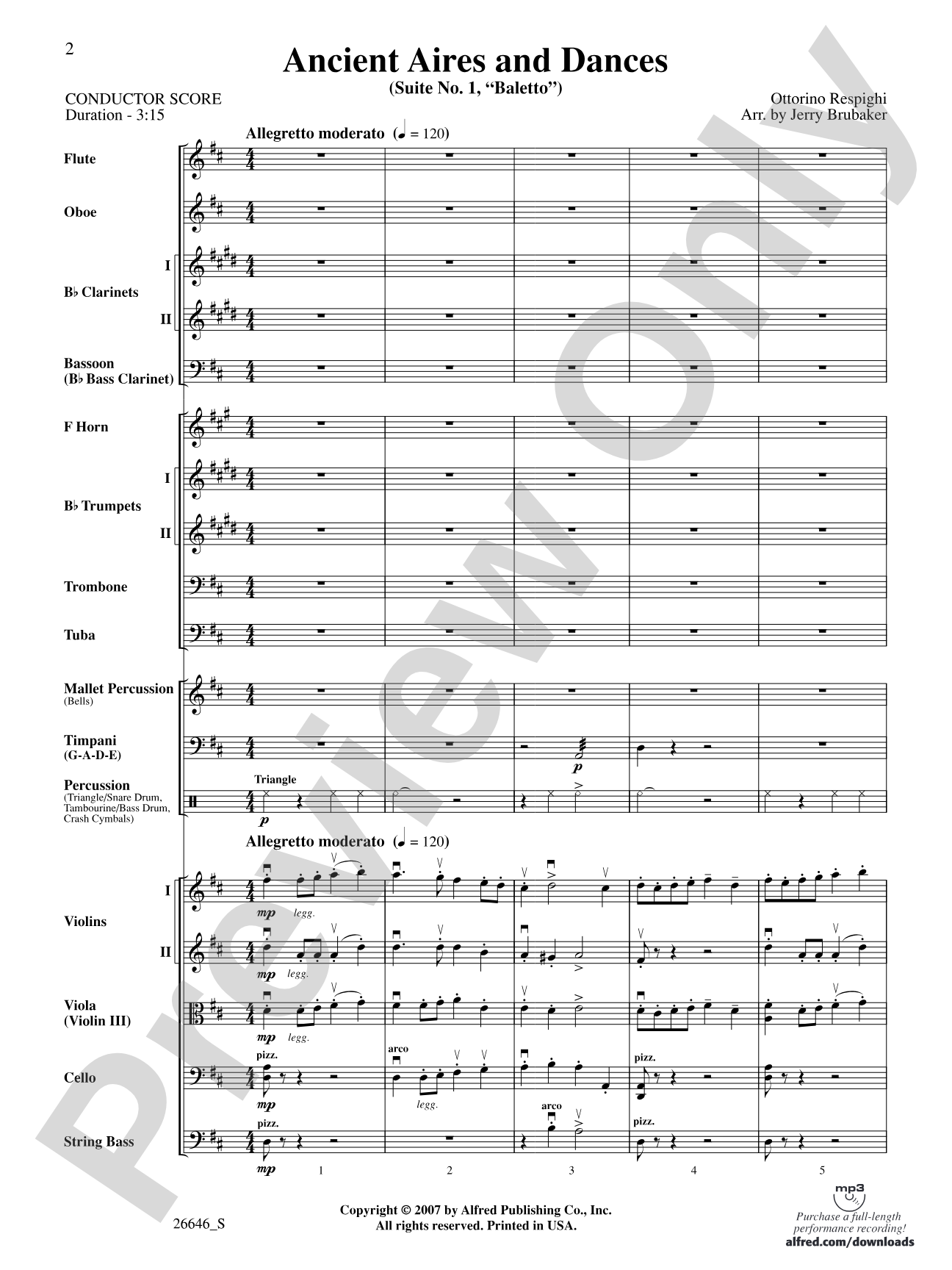
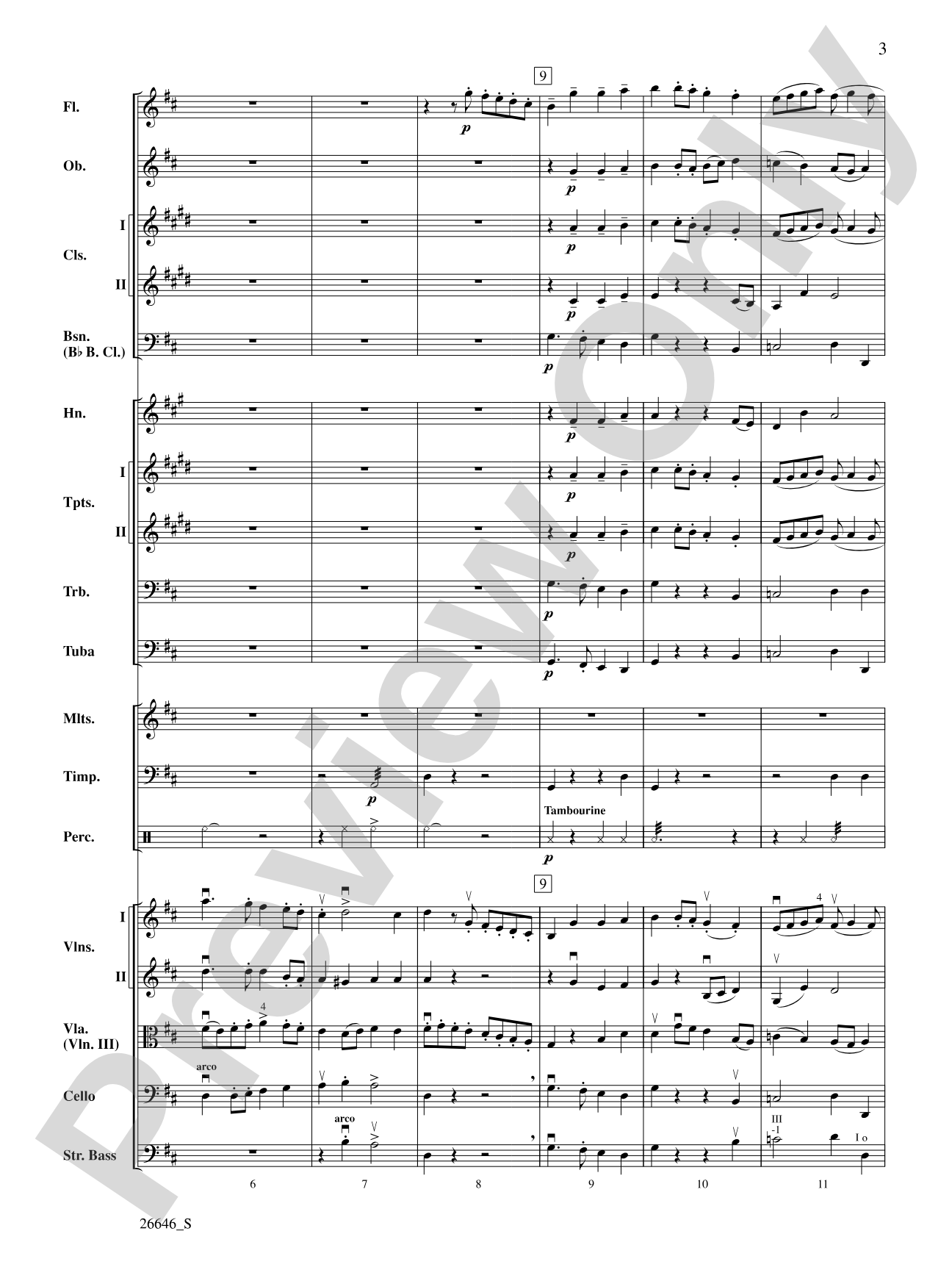
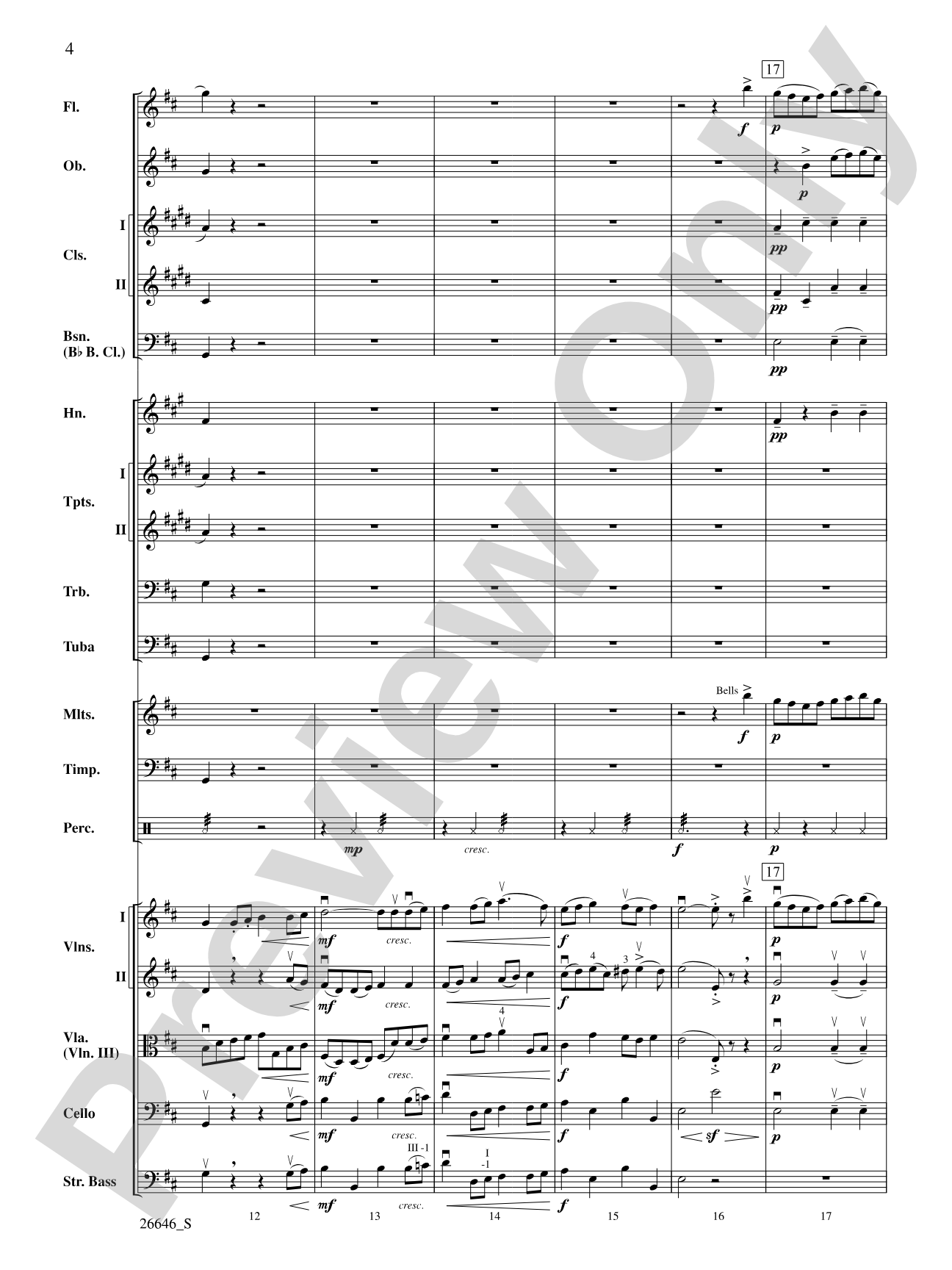
The noble elegance of Respighi's marvelous work shines in this arrangement of the Balletto Movement from Suite No. 1. The feel of early music carries through in an arrangement that works equally well for strings alone or with the addition of winds. This title is available in MakeMusic Cloud.


Don't just read it, hear it, play along with it, and watch your students grow with it. In MakeMusic Cloud, Ancient Aires and Dances, Suite No. 1 (Balletto): Full Orchestra Conductor Score & Parts comes alive with professional accompaniment, adjustable tempo, and built-in practice tools that turn solo practice into real progress.
Open in the Player
Jump straight in and assign it today.
Start Your Free Trial
Open this title and explore the full library in minutes.
Sample Audio
1
Audio File
--:--
0:00
0:00
Sample Video
No sample videos found.
Additional Details
Series:
Belwin Intermediate String/Full Orchestra
Publisher:
Alfred Music
Page Count:
58
SKU:
00-PK-0001154
More about this title
About the Composer: Ottorino Respighi
Ottorino Respighi (1879-1936) was an Italian composer and conductor whose orchestral works became cornerstones of the 20th-century concert repertoire. Trained as a violinist and conservatory student in Bologna, he later studied composition in Russia under Rimsky-Korsakov, an influence that shaped his distinctive approach to orchestration and harmonic color. His gift for reviving and reimagining early Italian music, combined with his mastery of the modern orchestra, made him one of the most performed Italian composers of his era.
Respighi's suites drawn from Renaissance and Baroque sources demonstrate his ability to honor historical authenticity while creating works that speak to contemporary audiences. His arrangements honor the elegance of earlier periods without sacrificing the symphonic depth that makes them rewarding for orchestras at every level.
Why we love this
Jerry Brubaker's arrangement captures the poise and transparency of Respighi's original without overwhelming a developing orchestra. The flexibility to perform this with strings alone or to add winds gradually as your ensemble's confidence grows makes it exceptionally useful at the intermediate level, and the Grade 2.5 placement means you're not sacrificing musical substance for accessibility.
What to expect
The music evokes a formal court dance of centuries past, all grace and restraint. Elegant melodic lines unfold over gently rocking harmonic foundations, creating an atmosphere of noble civility that feels both timeless and refreshingly spare compared to the full Romantic orchestral sound.
Who it's for
Conductors working with full orchestras at the intermediate level who want to program genuine masterworks without requiring virtuoso technique. This is equally valuable for string orchestra directors seeking a tasteful addition to the standard repertoire and for teachers building student experience with Renaissance-derived material.
How to get the most out of it
- Balance the melodic line across the first violins and violas in the opening section; these inner voices often carry the character of the piece and need space to sing through the harmonic foundation.
- Shape phrases with gentle dynamic swells rather than sharp contrasts, maintaining the courtly restraint that defines the Balletto style.
- Support intonation in the string sections by checking that major thirds are played wide and leading tones resolve smoothly upward.
- If adding winds, ensure they enter softly and blend with string texture rather than punctuating or leading; they are color, not statement.
How to use it
Program this as an opening work on a concert to establish sophistication and set an elegant tone, or use it as an interlude between more virtuosic pieces. The piece also serves as an excellent teaching tool for a unit on Renaissance and Baroque history, giving students direct experience with the musical language Respighi was reviving.
Skills your students will build
- Balancing melody and accompaniment across multiple instrumental sections
- Reading and responding to period style conventions (Baroque dance forms)
- Sustaining long phrases with tasteful dynamic shaping
- Blending heterogeneous instrument colors in an orchestra setting
- Intonation accuracy in string-dominated textures