
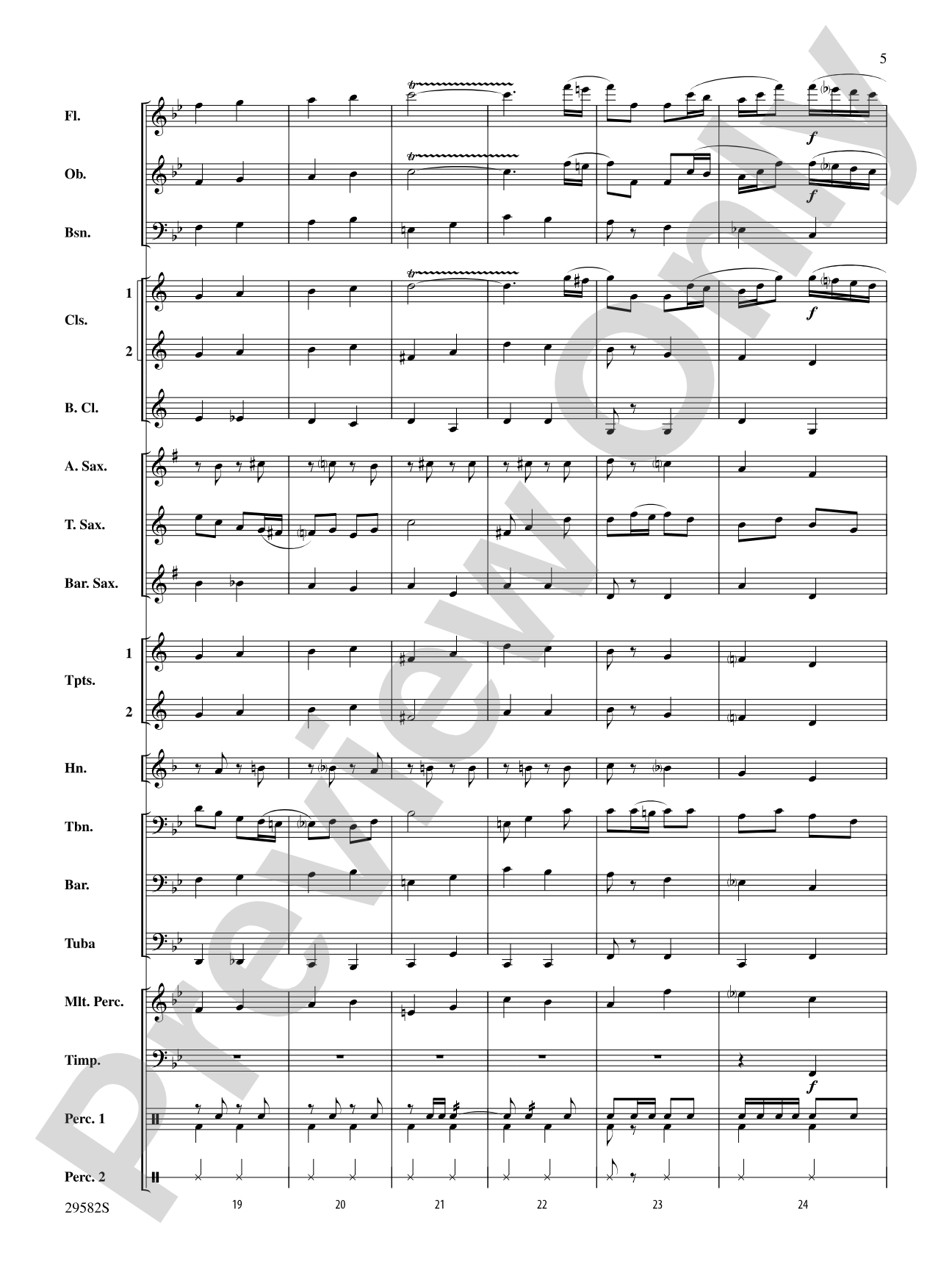
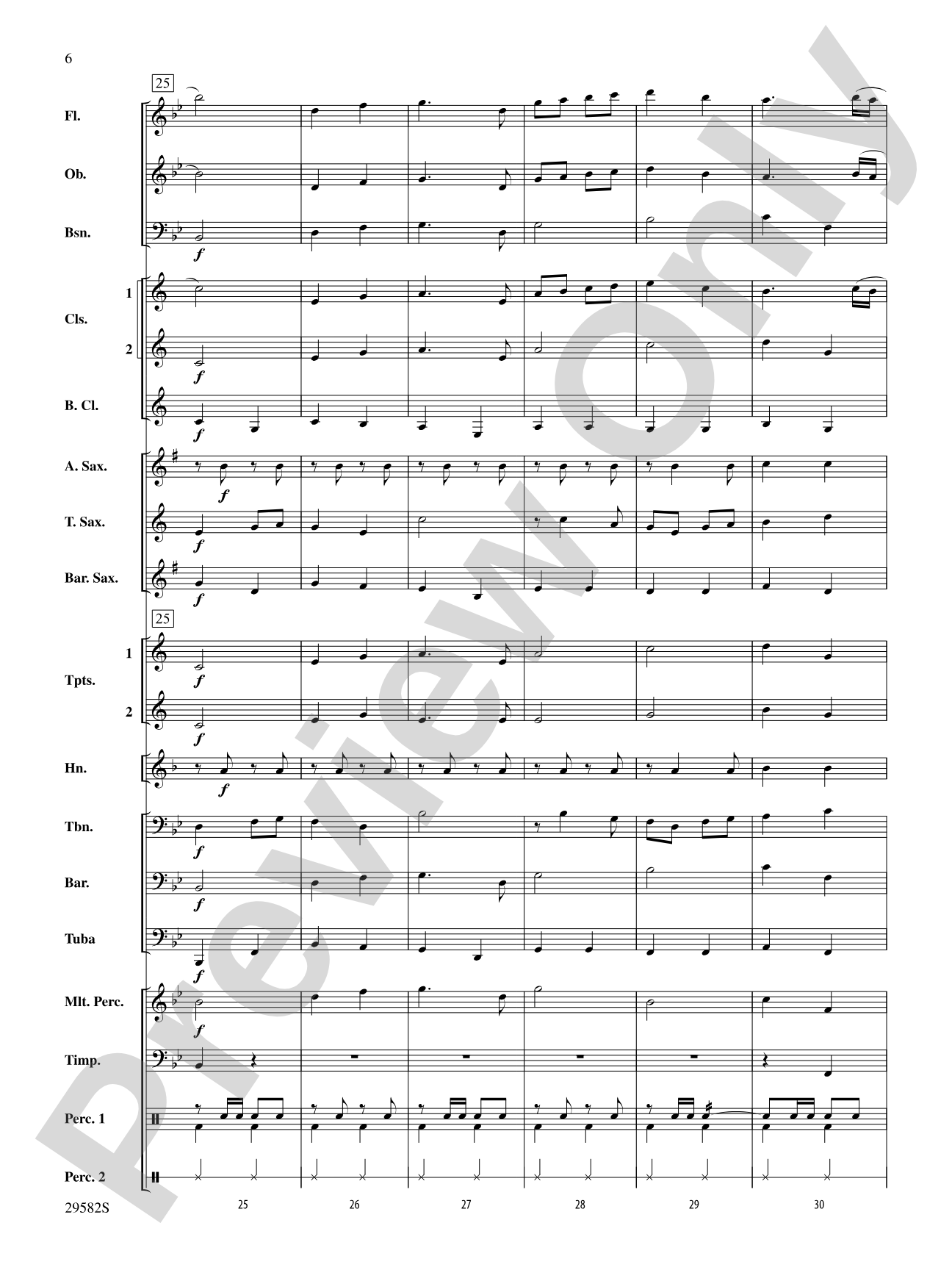
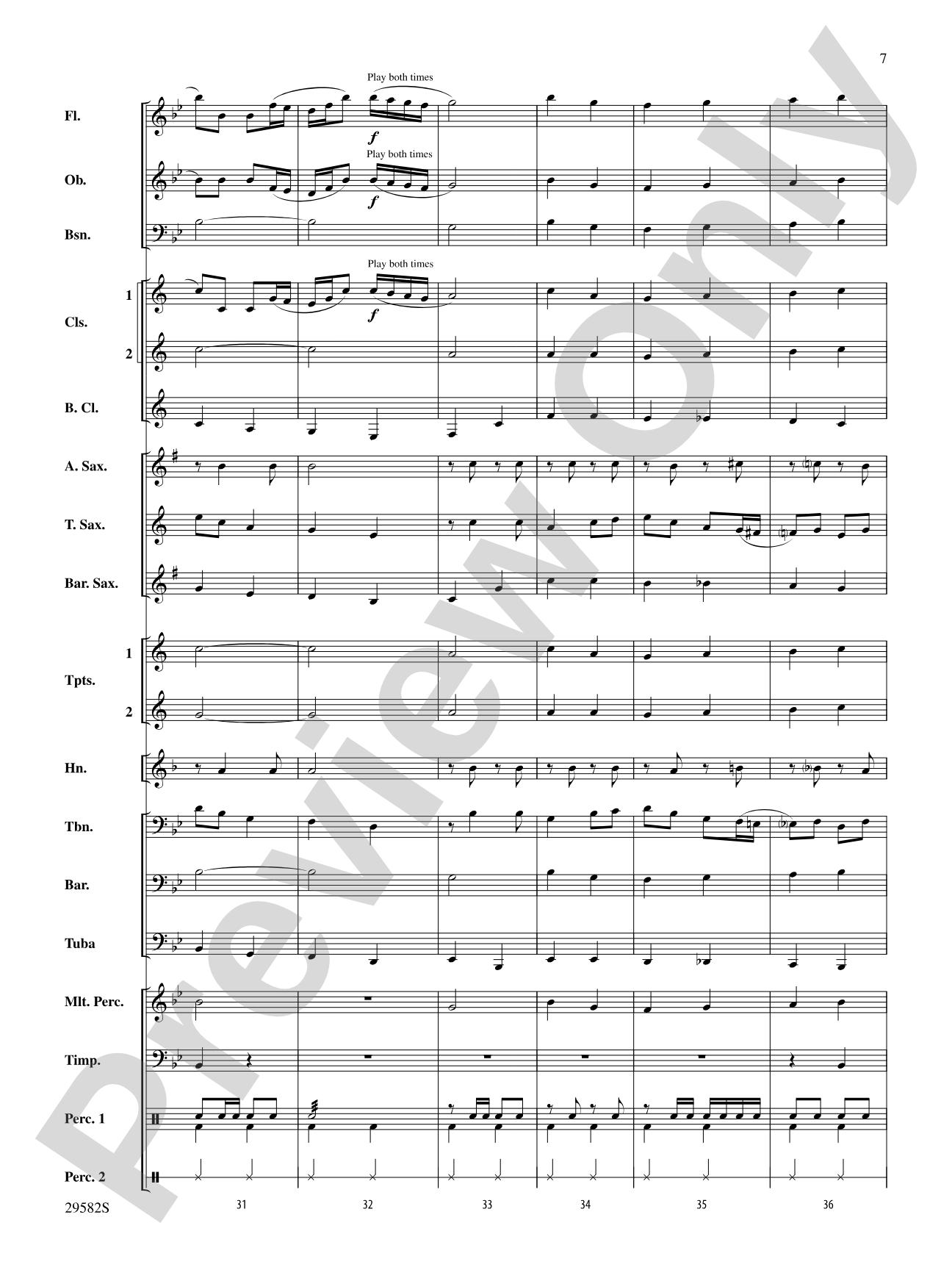
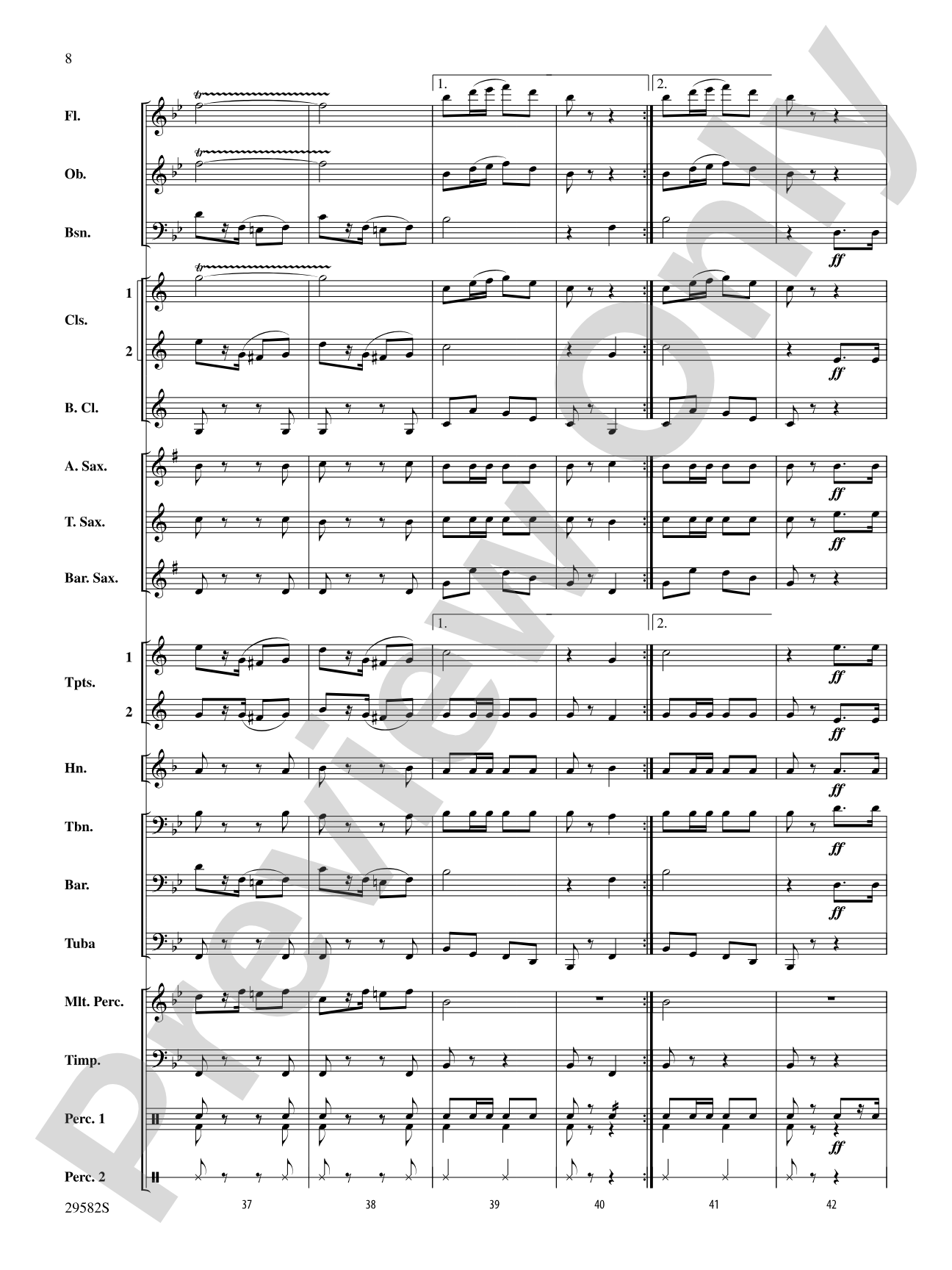
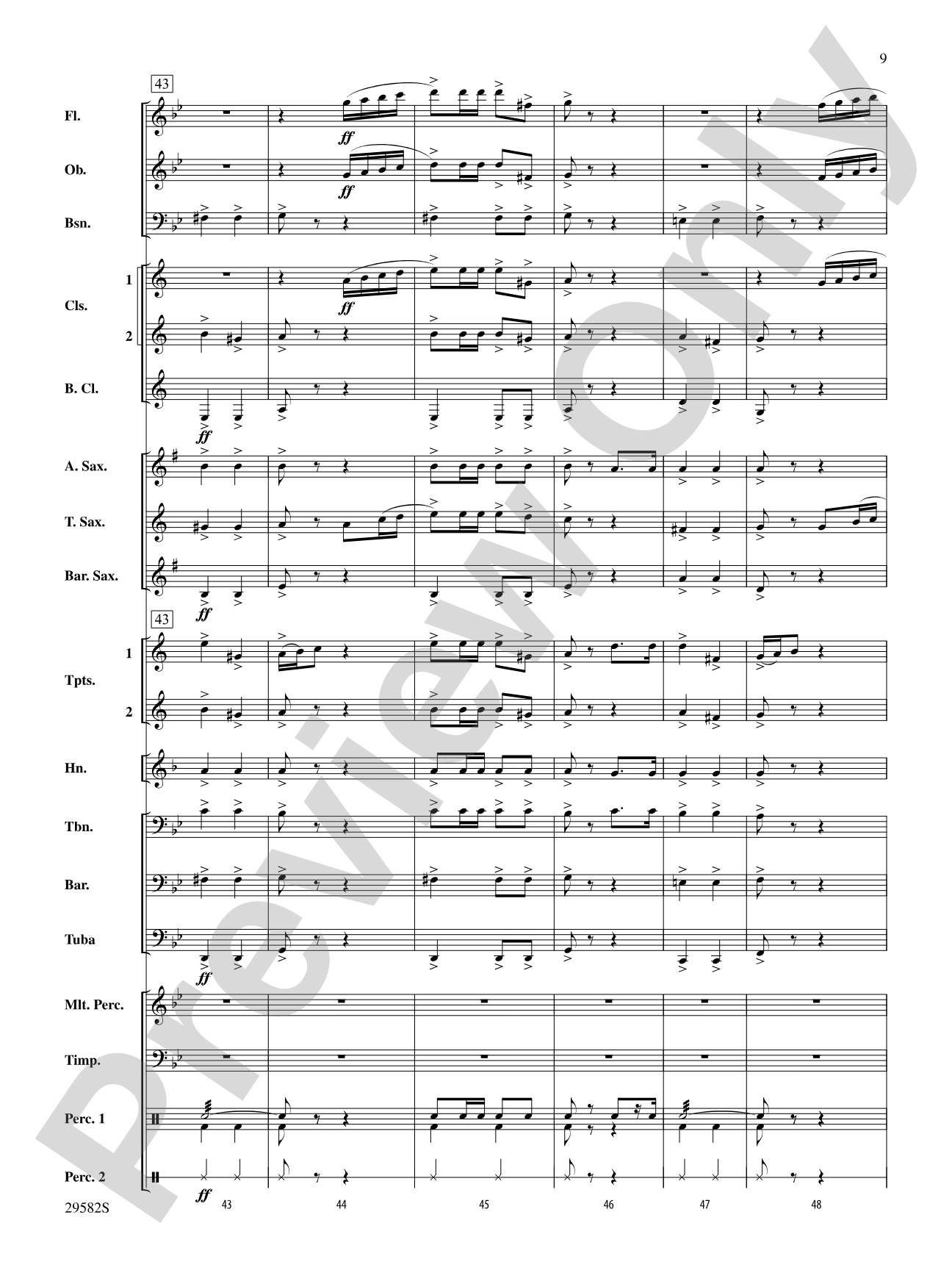
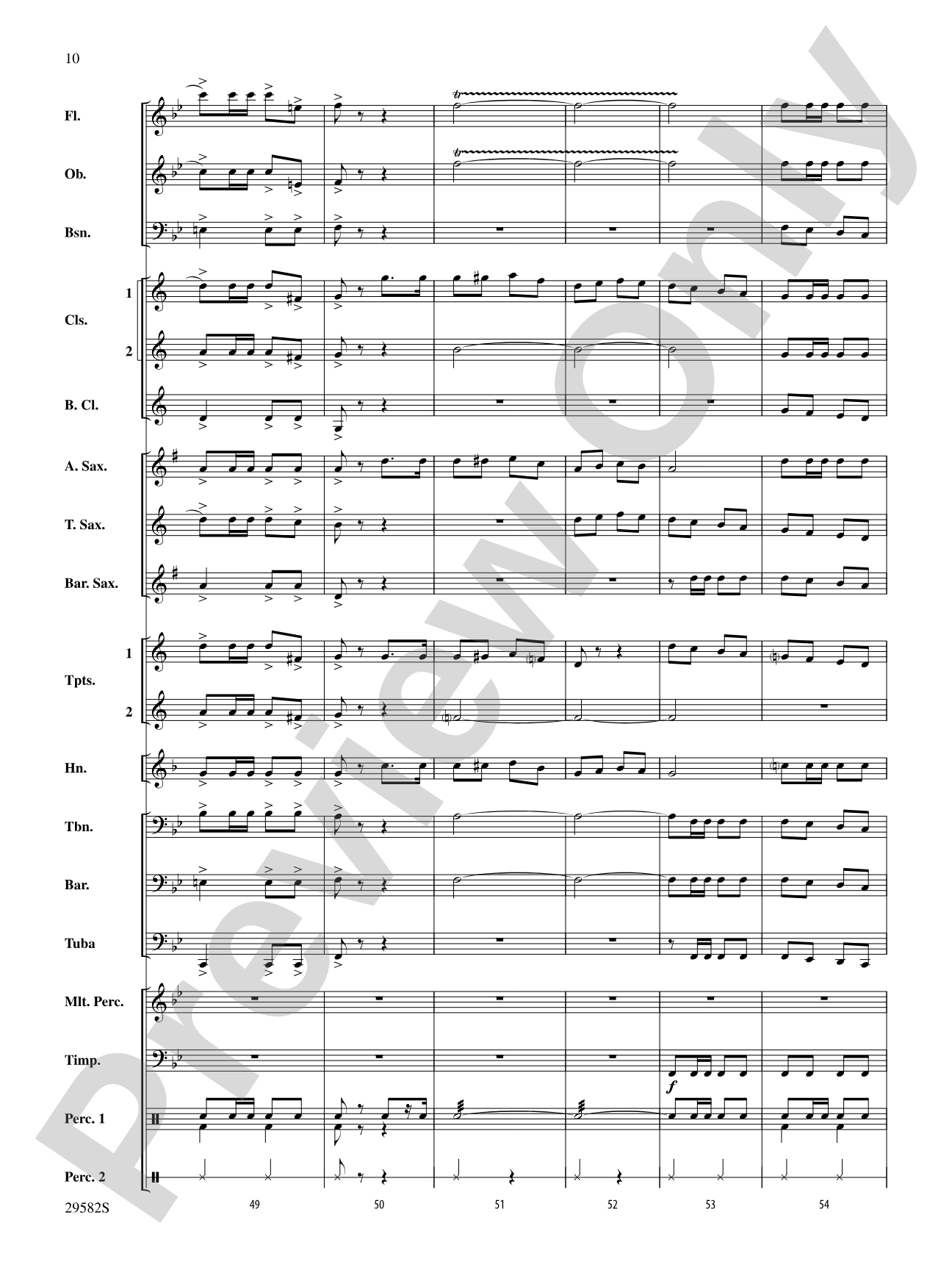
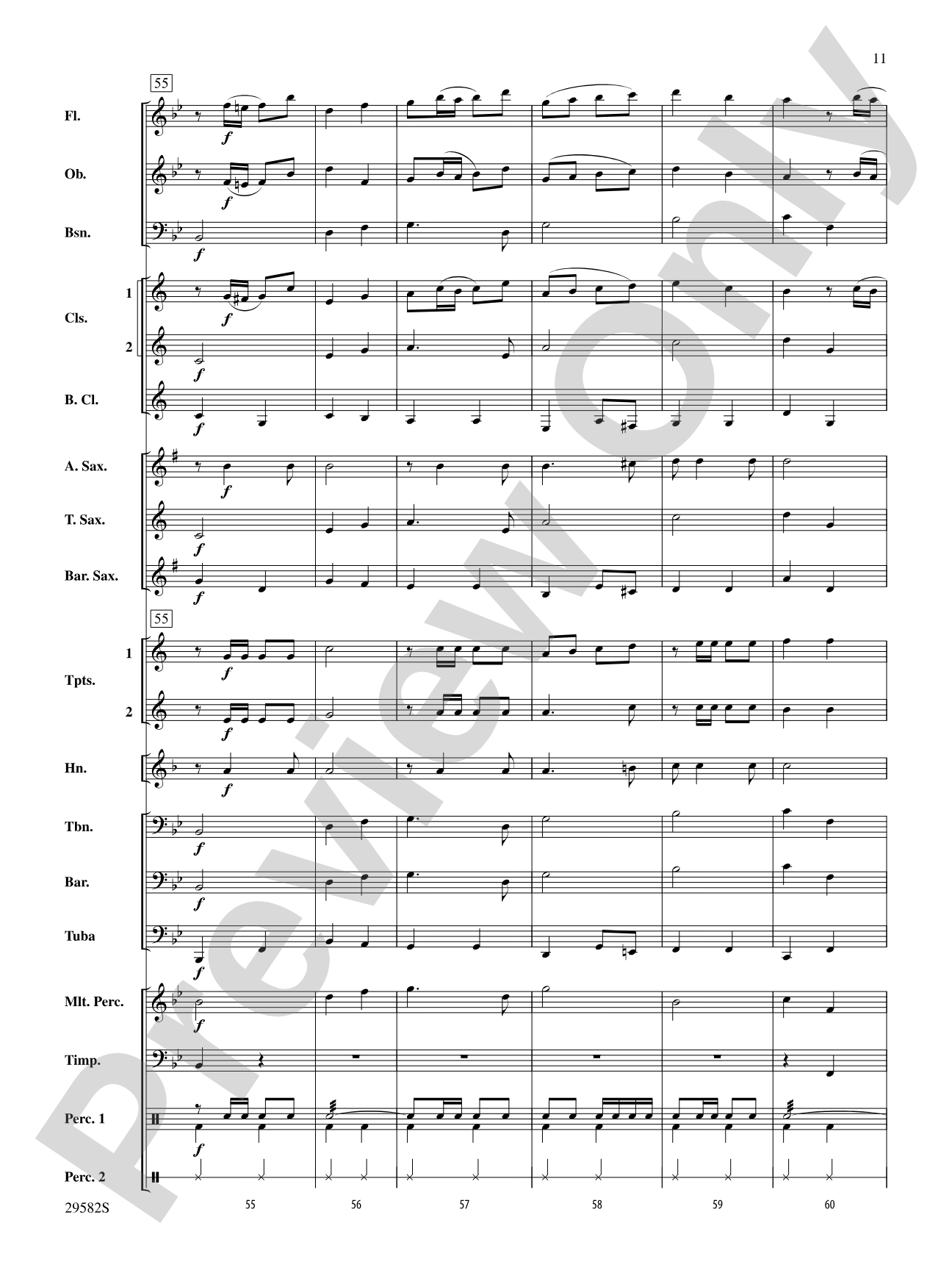
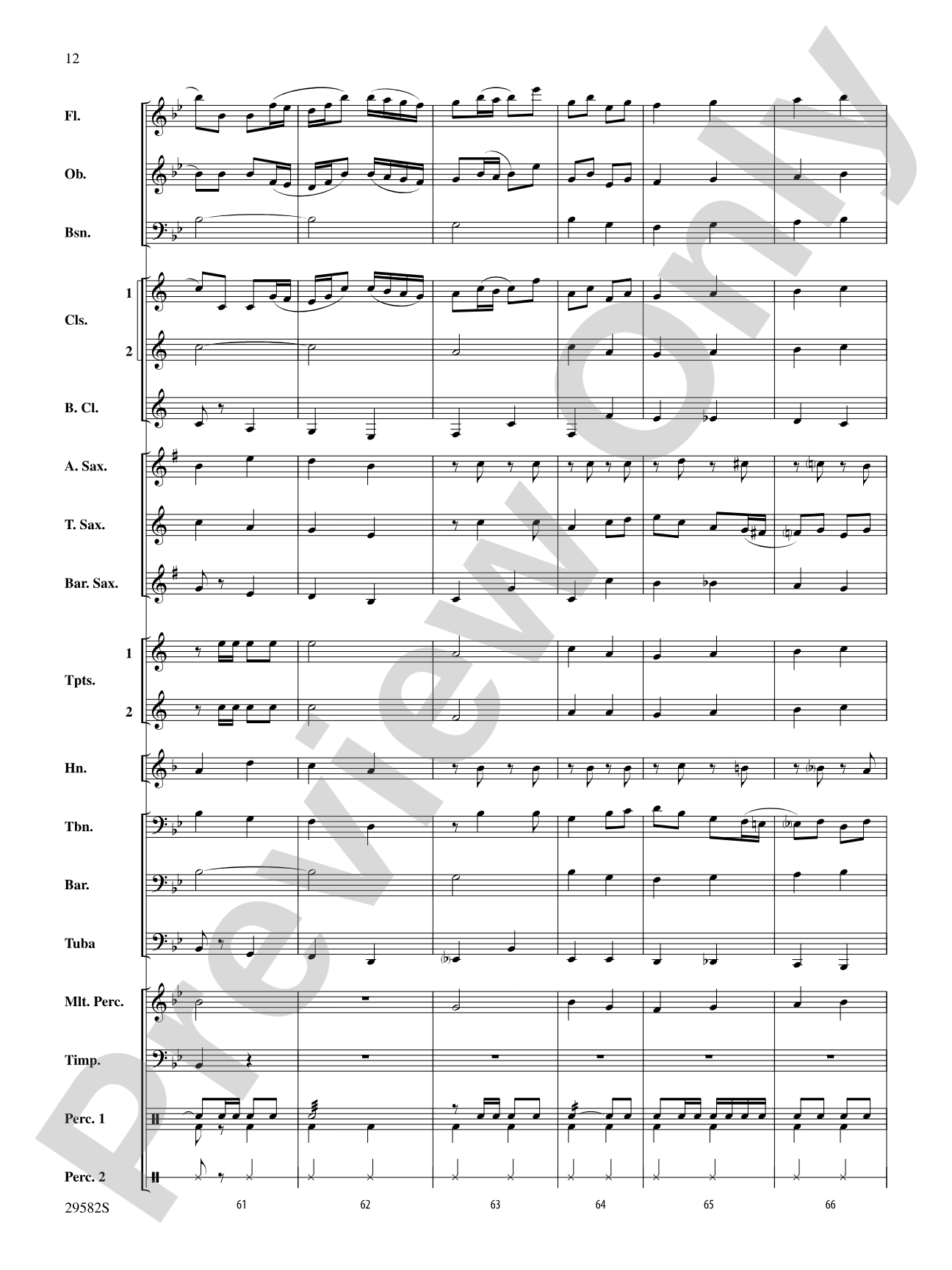
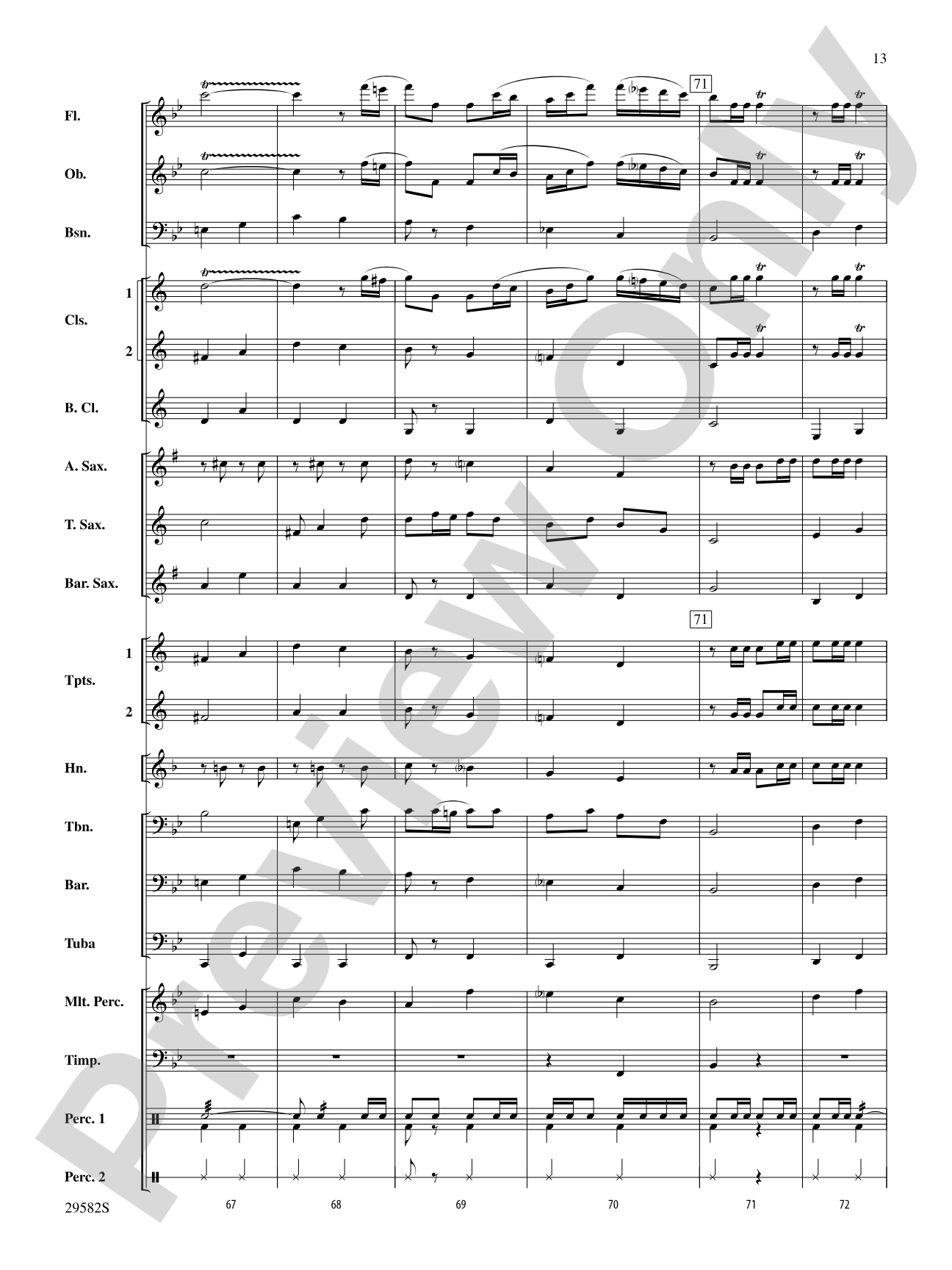
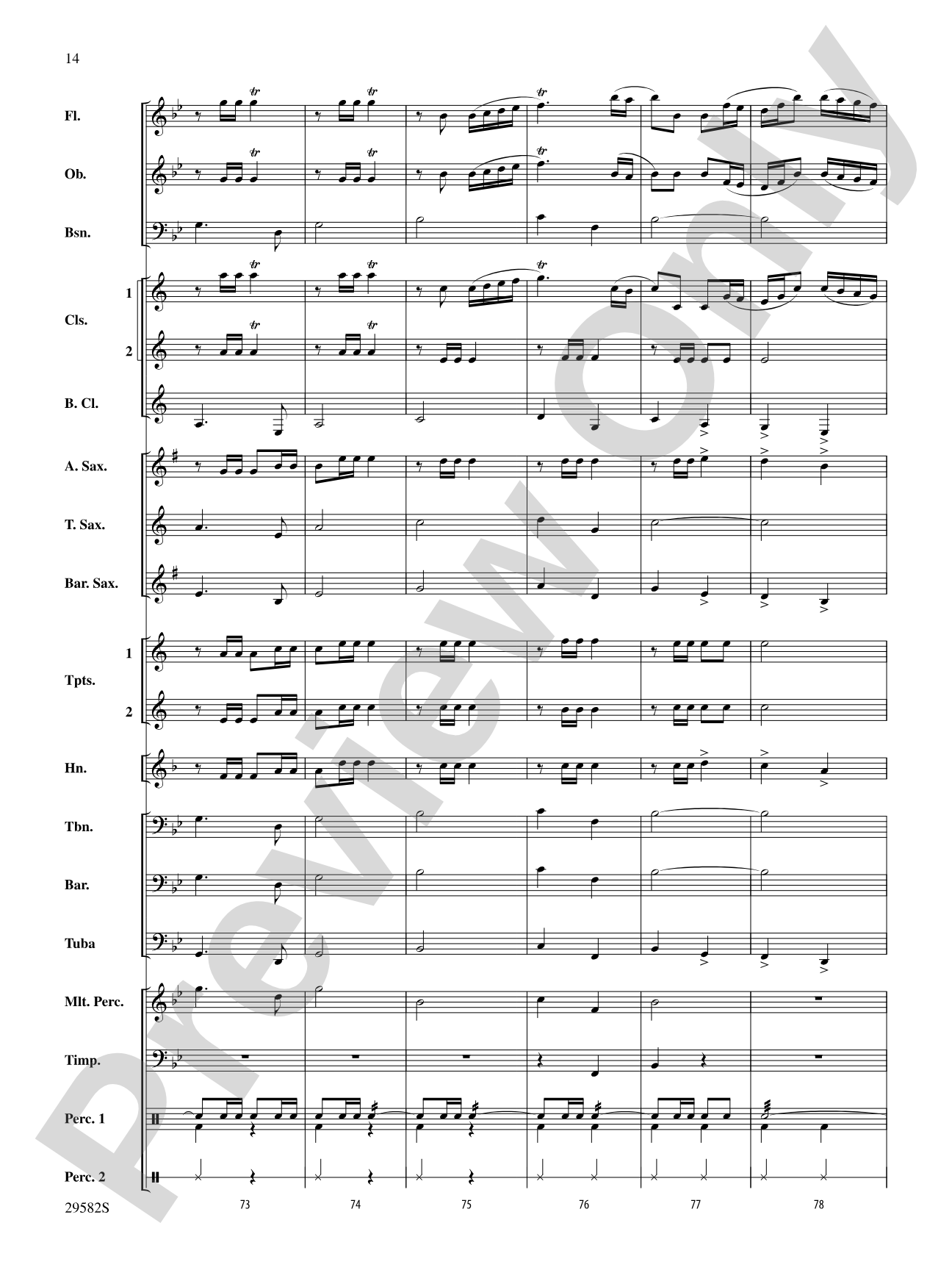
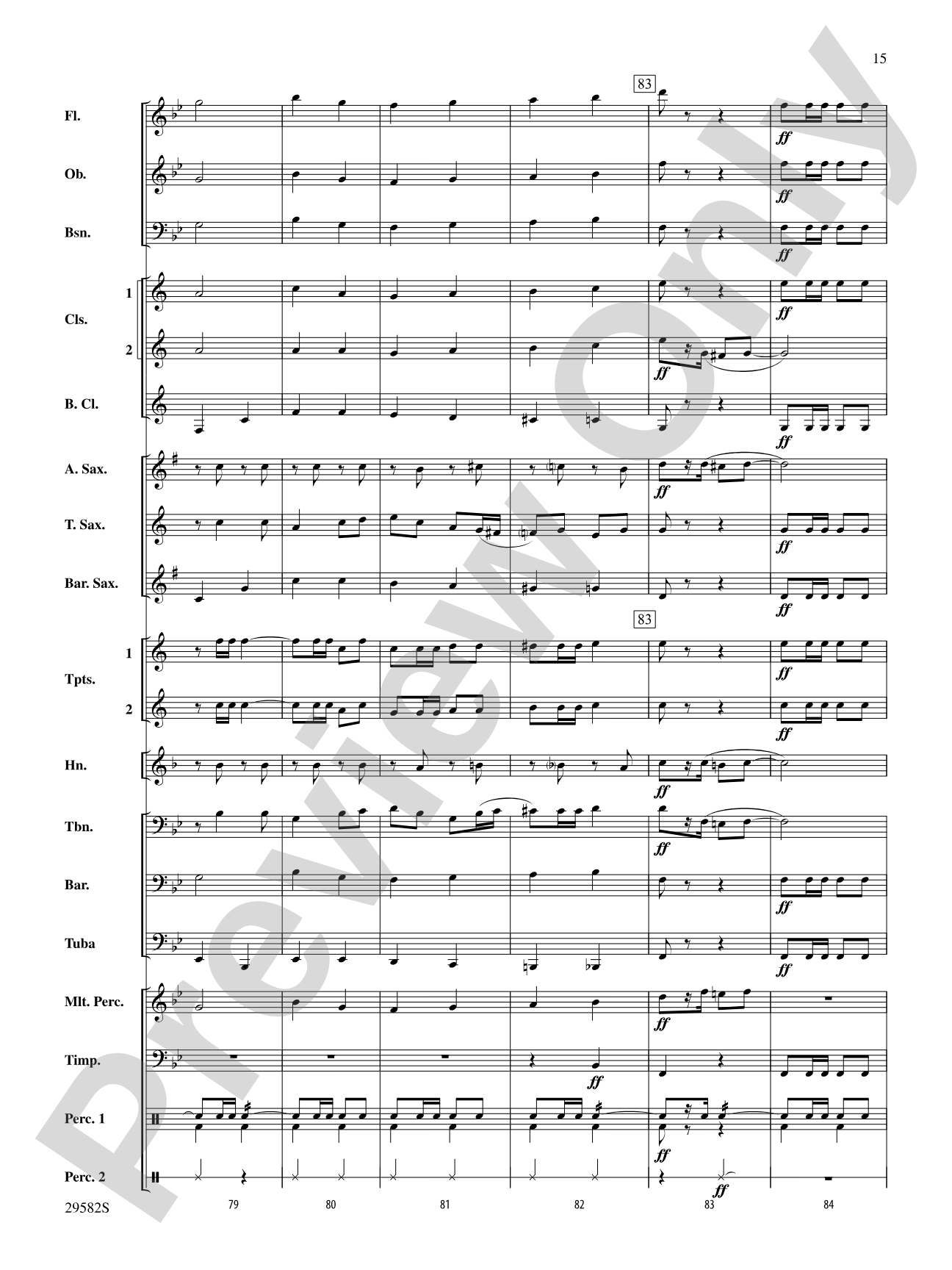
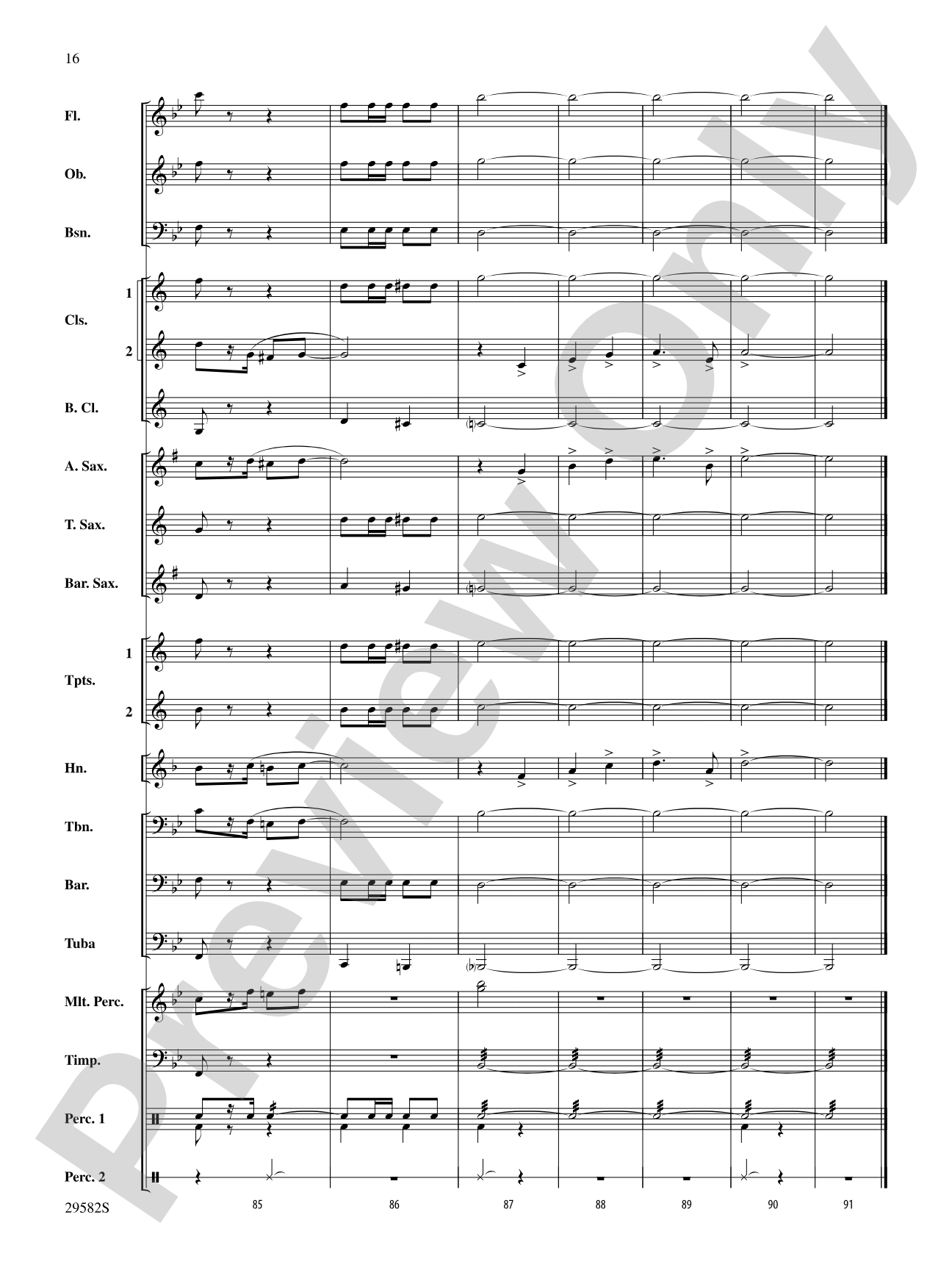

Anchors Aweigh: Score
By Charles A. Zimmerman / arr. Jerry Brubaker
Grade: 2 (Easy)
Item: 00-PR-0001460
$10.00
Pickup currently not available
Description
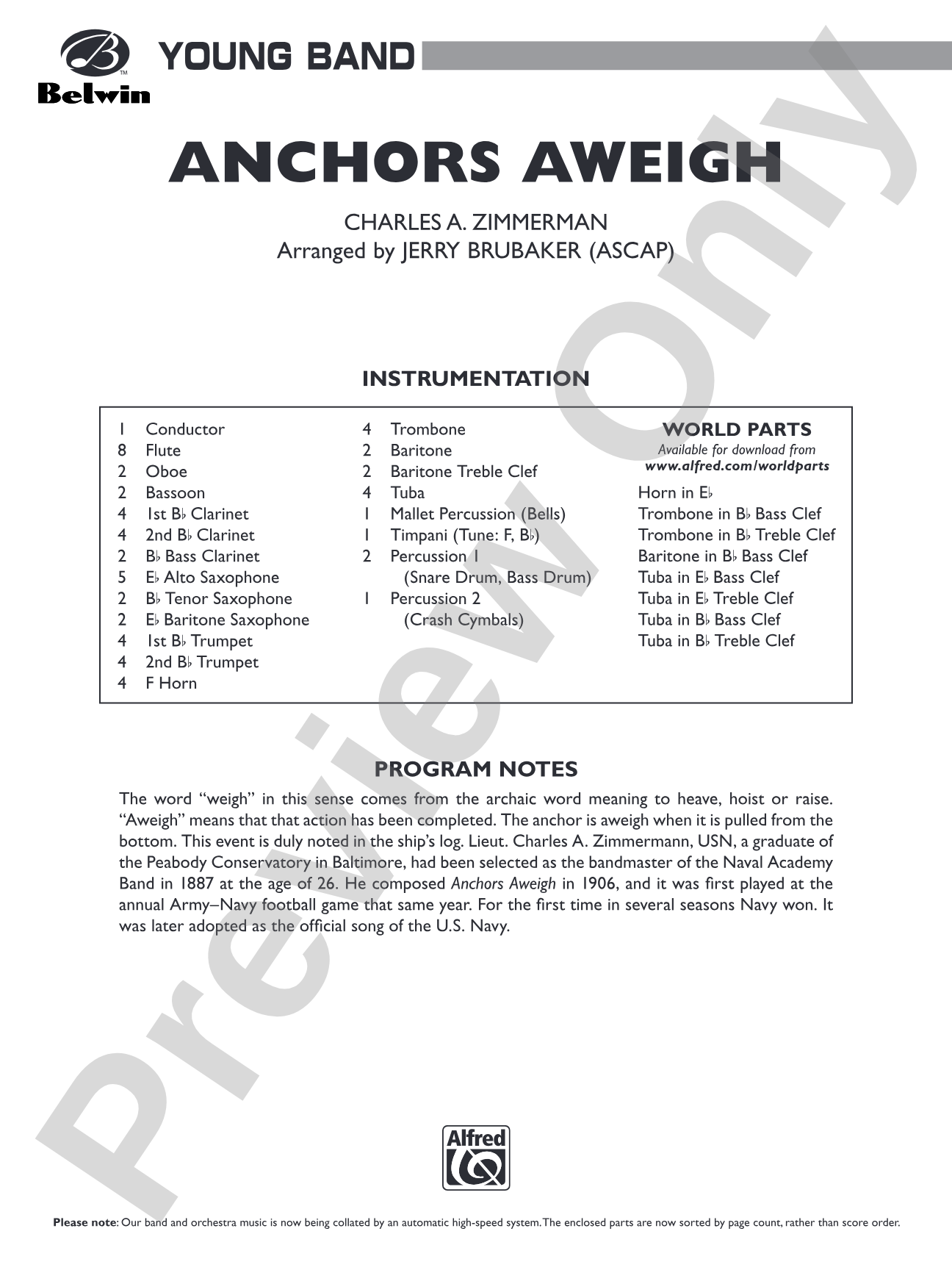
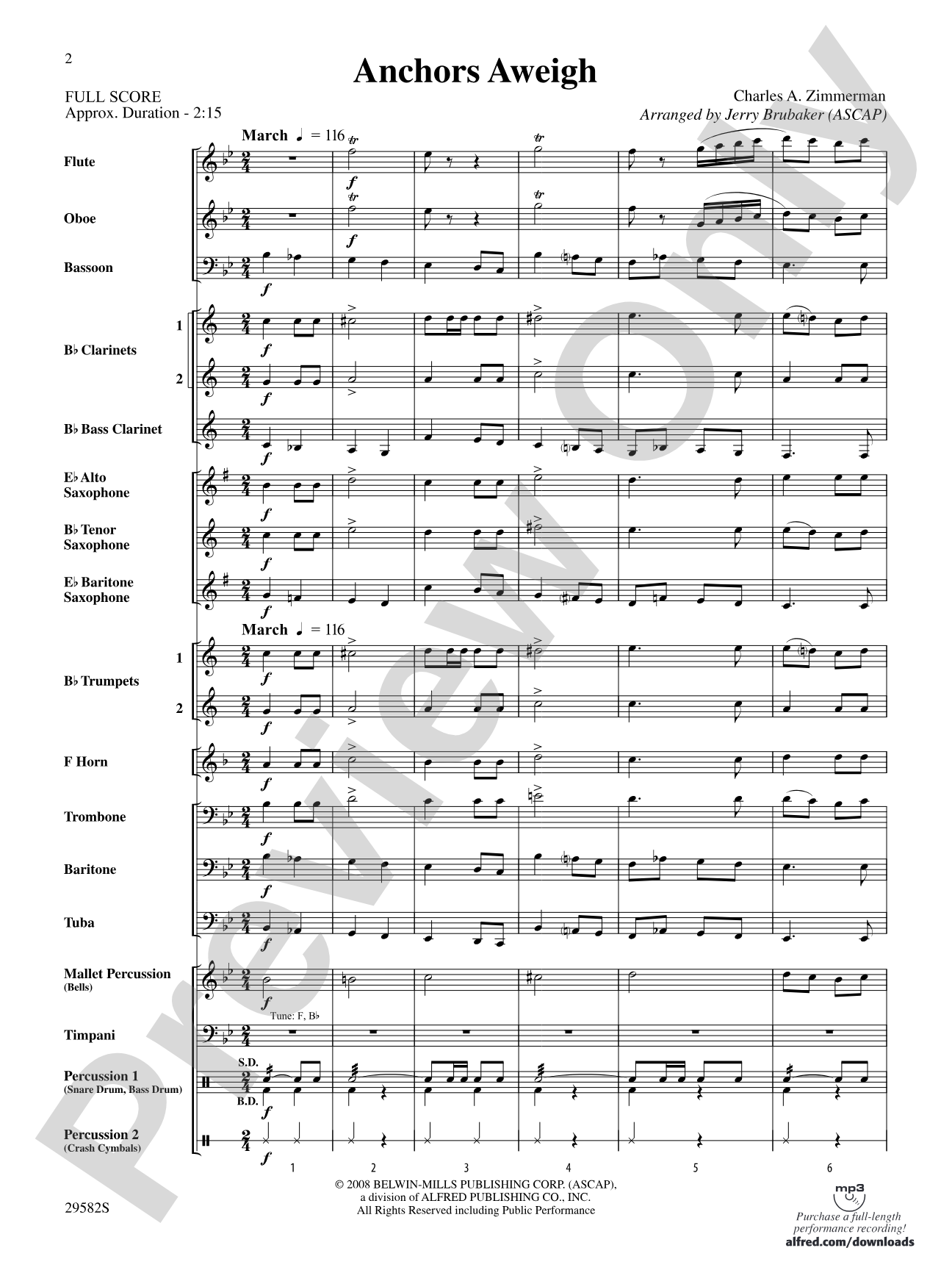
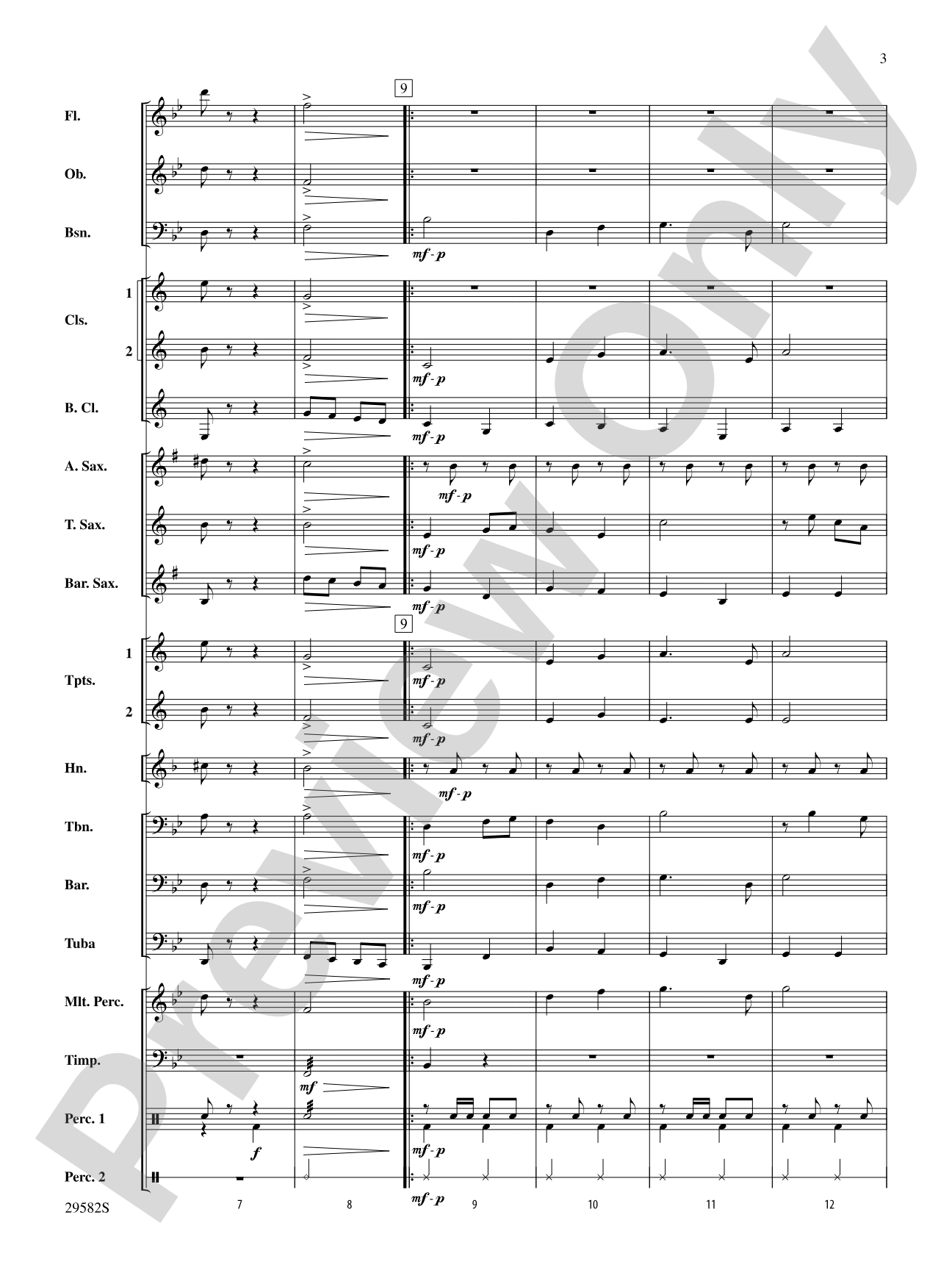
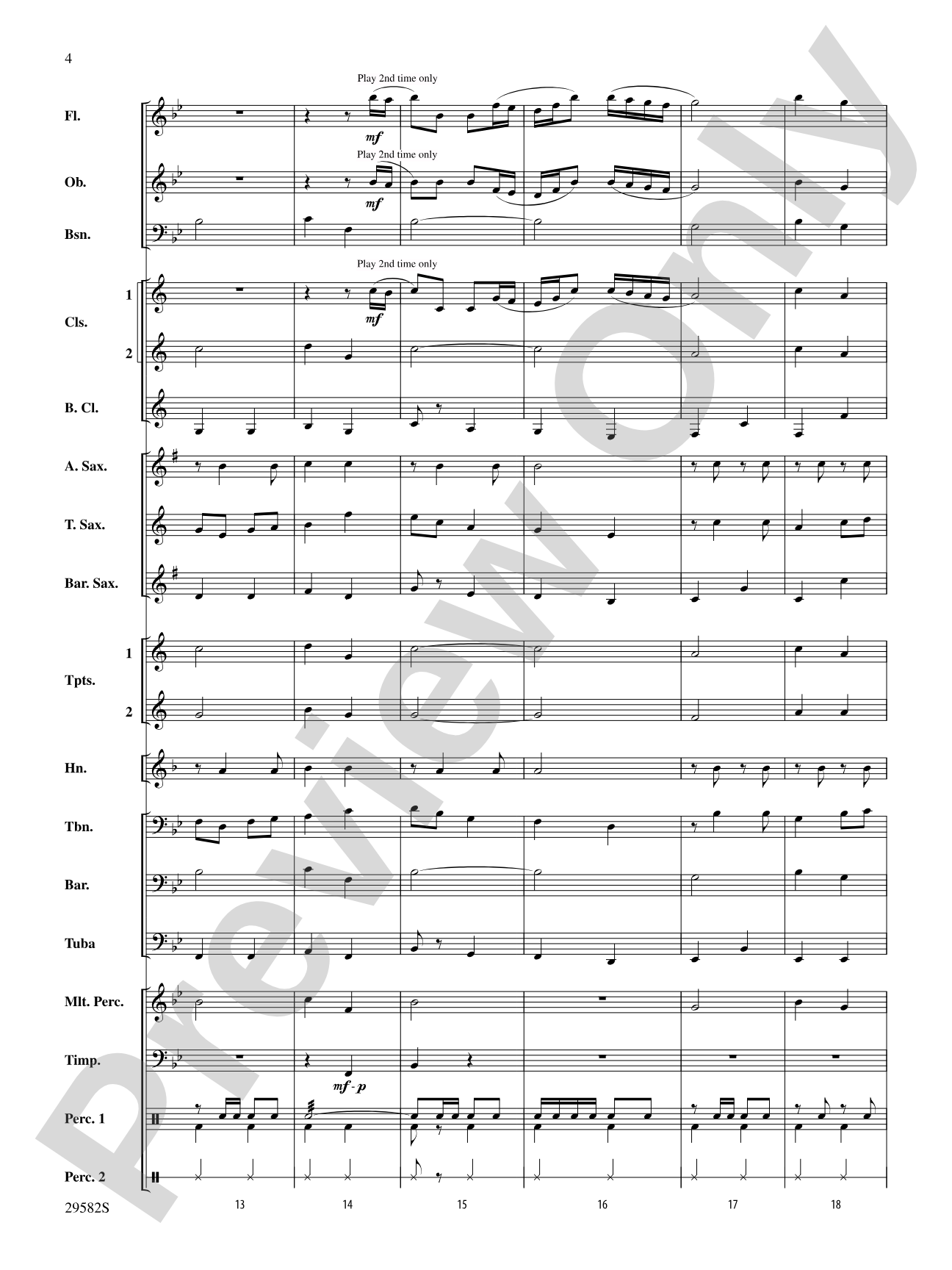
A young band arrangement of Anchors Aweigh scored by the former chief arranger for the United States Navy Band will certainly join the forces! Originally composed by Lieut. Charles A. Zimmermann in 1906, it was later adopted as the official song of the U.S. Navy. This solidly-scored rendition will make your band sound huge! (2:09)


Don't just read it, hear it, play along with it, and watch your students grow with it. In MakeMusic Cloud, Anchors Aweigh: Score comes alive with professional accompaniment, adjustable tempo, and built-in practice tools that turn solo practice into real progress.
Open in the Player
Jump straight in and assign it today.
Start Your Free Trial
Open this title and explore the full library in minutes.
Sample Audio
1
Audio File
--:--
0:00
0:00
Sample Video
No sample videos found.
Additional Details
Series:
Belwin Young Band
Publisher:
Alfred Music
Page Count:
120
SKU:
00-PR-0001460
More about this title
About the Composer: Charles A. Zimmerman
Lieutenant Charles A. Zimmermann composed Anchors Aweigh in 1906 while serving as the leader of the U.S. Navy Band. His work became the official march of the United States Navy and has remained an enduring symbol of naval tradition for over a century. Zimmermann's compositional gift for memorable melodies and straightforward orchestration made him one of the most recorded military composers of his era.
Why we love this
Jerry Brubaker's arrangement captures the swagger and confidence of this Navy standard while keeping the technical demands manageable for young players. The scoring gives every section moments to shine without overwhelming Grade 2 bands, making this a piece that sounds impressively full without requiring exceptional individual virtuosity. Programming a piece with this much historical weight and patriotic resonance teaches young musicians that concert band repertoire can be both musically serious and genuinely fun to perform.
What to expect
Anchors Aweigh swaggers with military pride and unabashed Americana. The melody sits naturally in the brass, driving forward with steady purpose, while the arrangement creates moments of lush harmony that make young bands feel like they're playing something genuinely important.
Who it's for
This arrangement suits young concert bands building confidence and audience appeal through recognizable American repertoire. It works equally well for beginning and intermediate bands seeking a piece that sounds polished without demanding advanced technique from individual players.
How to get the most out of it
- Shape the main melody with clear phrasing rather than playing it as a march rhythm. The tune's power comes from confident, singing tone in the lead voice, not from rhythmic precision alone.
- Balance the ensemble so that countermelodies in the lower voices remain audible. This arrangement relies on the interplay between parts to build fullness, not on volume alone.
- Lock the section entrances during tutti passages. When everyone plays, precision of attacks matters more than individual expressivity.
- Let the percussion drive the character without overshadowing the brass. This is march writing, and the rhythm section should propel without dominating.
How to use it
Anchor this piece in a patriotic or Americana-themed concert, especially around July 4th or Armed Forces Day. It also serves as an excellent closer on any program where you want the audience to leave feeling energized and connected to American musical tradition. The familiar melody guarantees immediate audience engagement, making it ideal for outdoor concerts or community events where accessibility matters as much as musicianship.
Skills your students will build
- Maintaining consistent phrasing across a full ensemble without sacrificing rhythmic precision
- Balancing multiple melodic and harmonic lines within a homophonic texture
- Responding to clear sectional leadership and ensemble cues
- Sustaining tone quality and intonation in sustained harmonic passages