
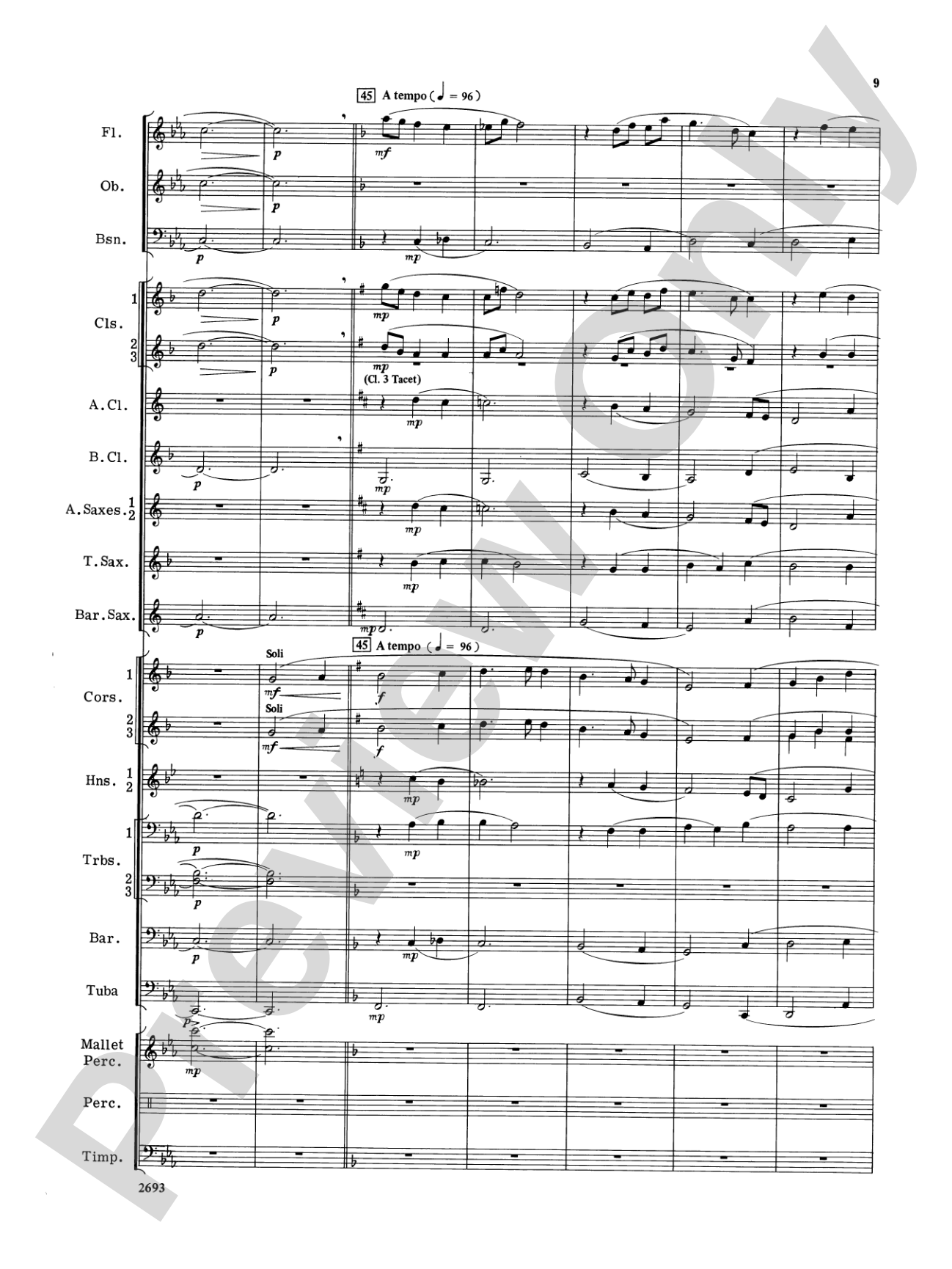
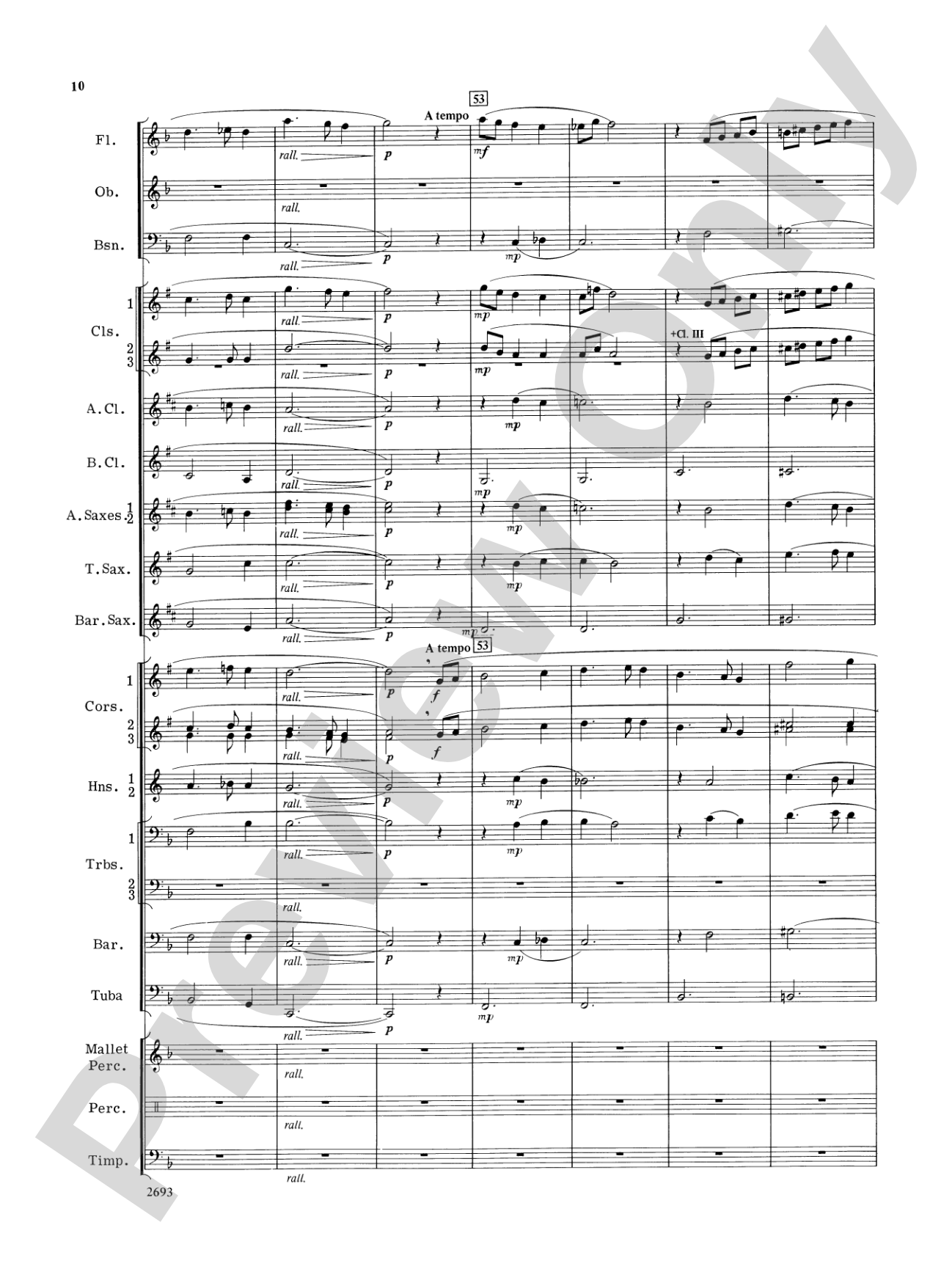
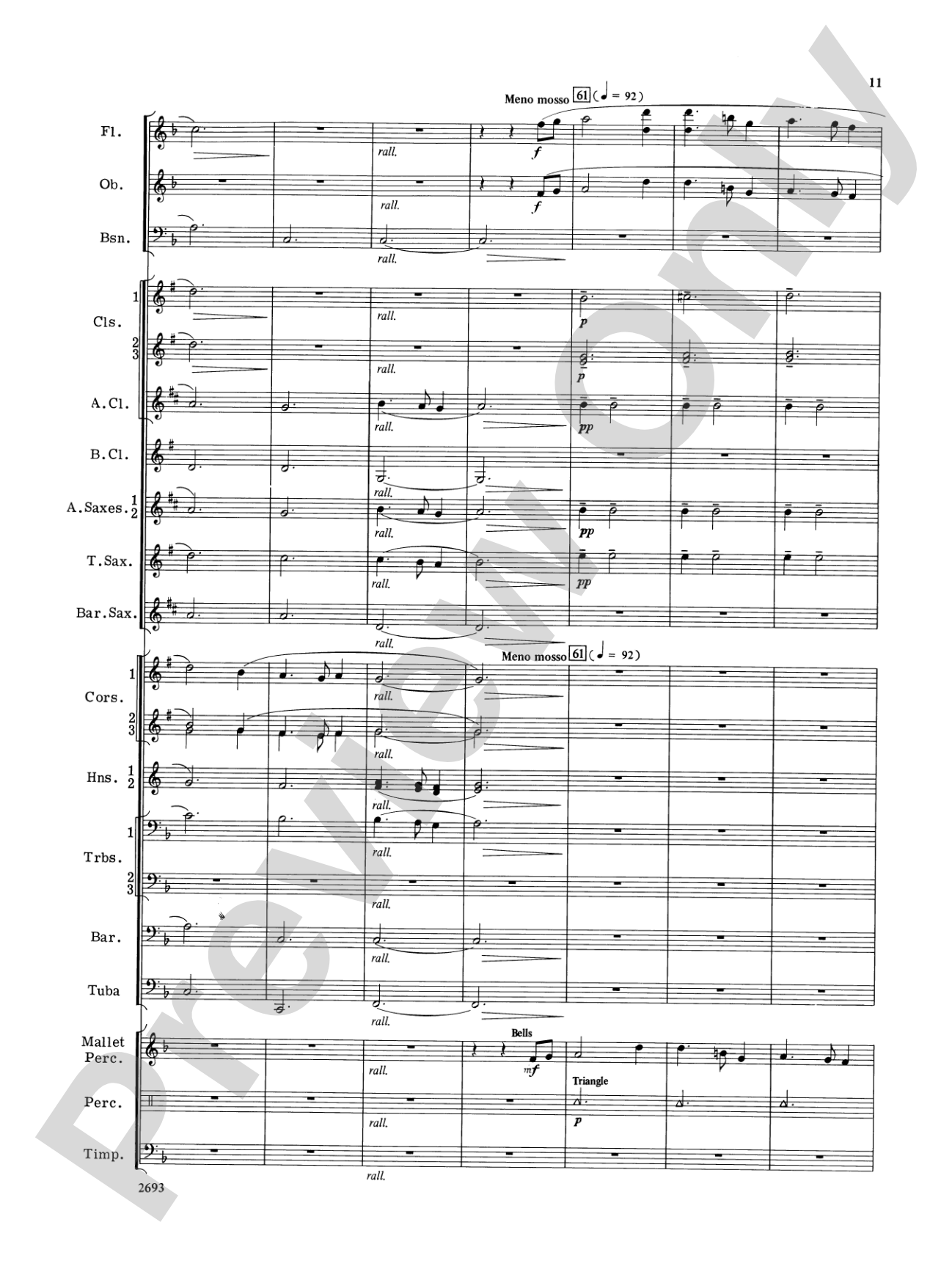
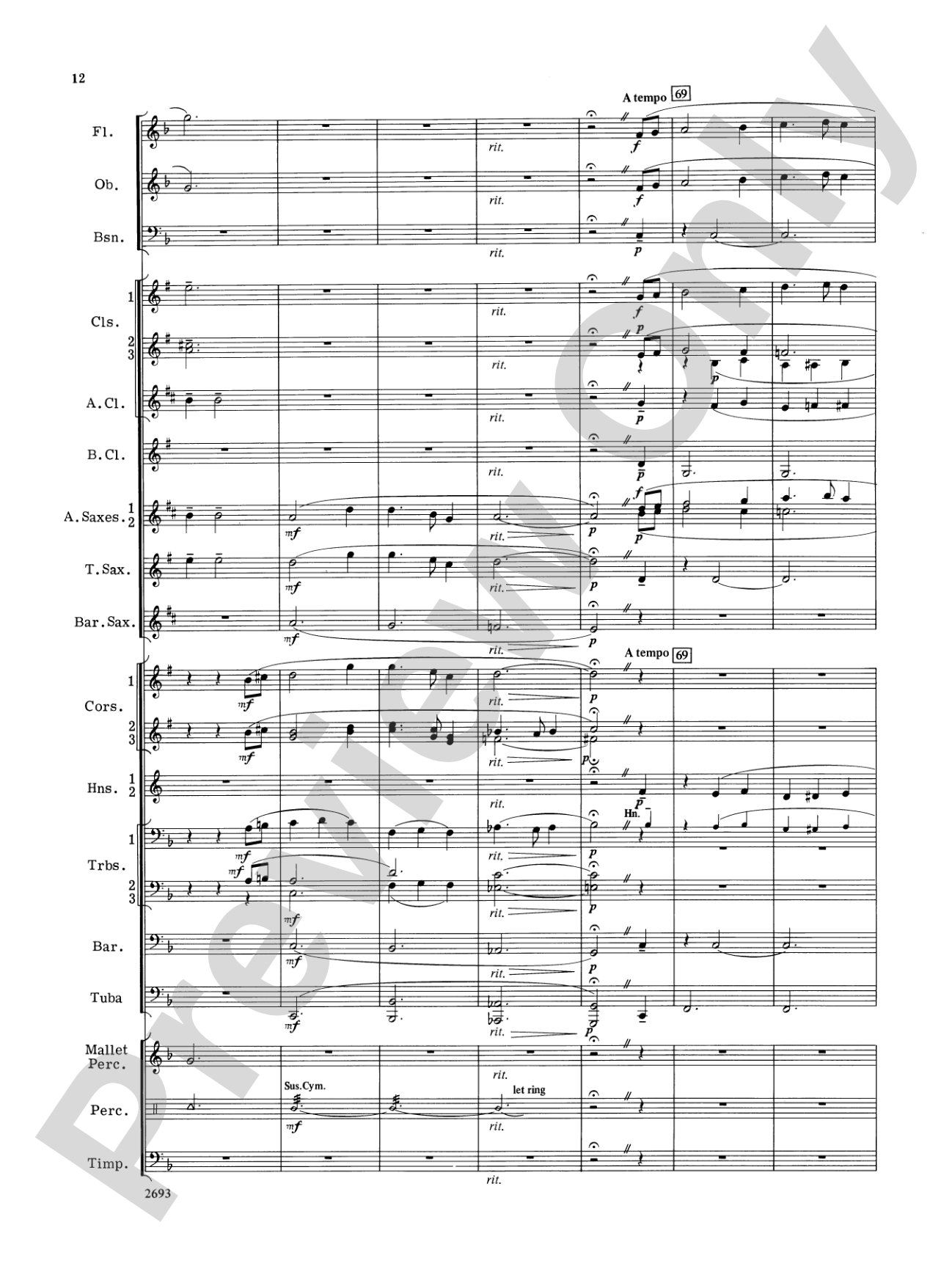



An Irish Interlude: Concert Band Conductor Score & Parts
By Warren Barker
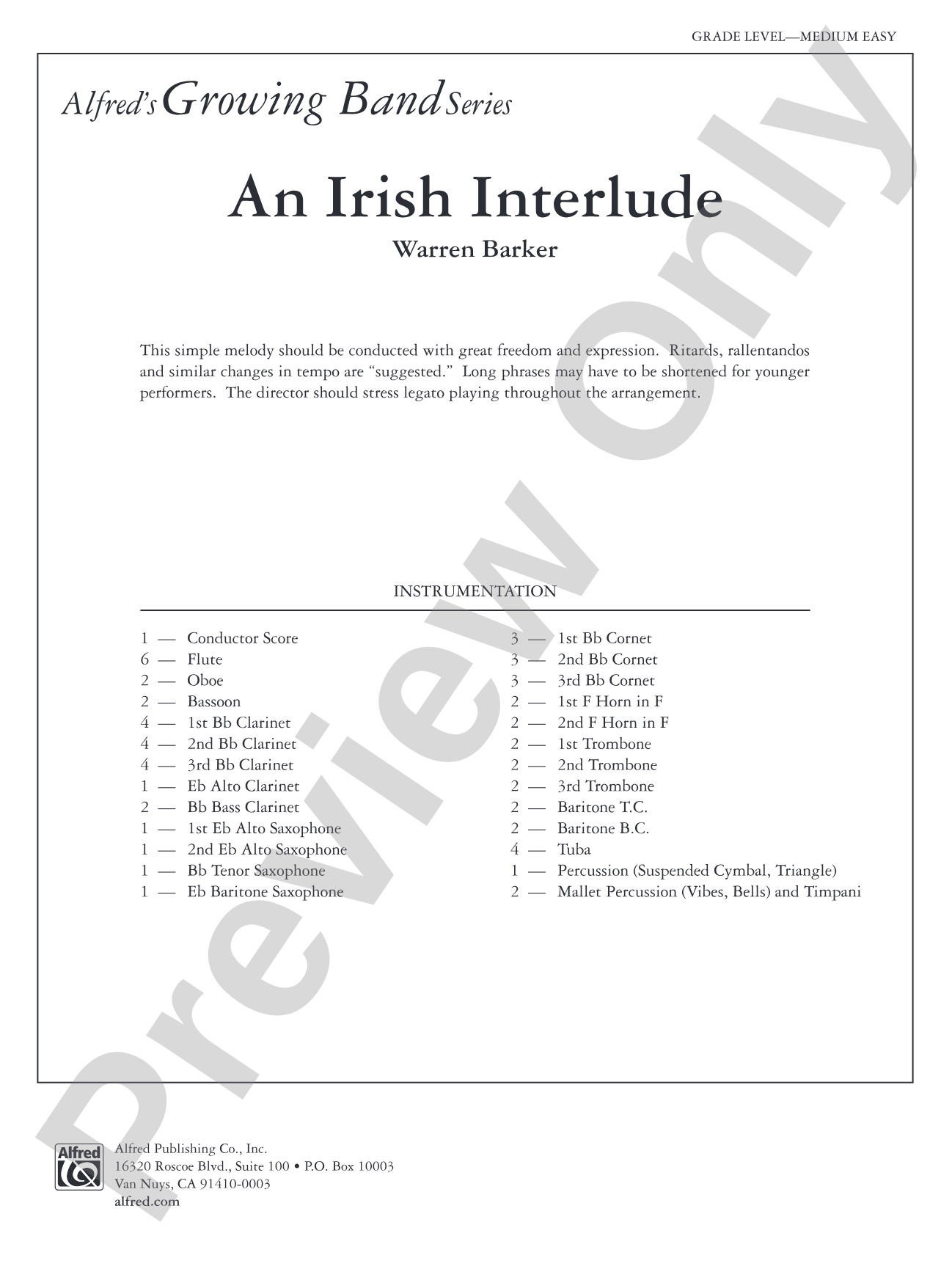
Grade: 2 (Medium Easy)
Item: 00-PK-0001294

$65.00
Pickup currently not available
Buy Extra Parts (Digital PDF Download)
Parts Added to Cart!
Description
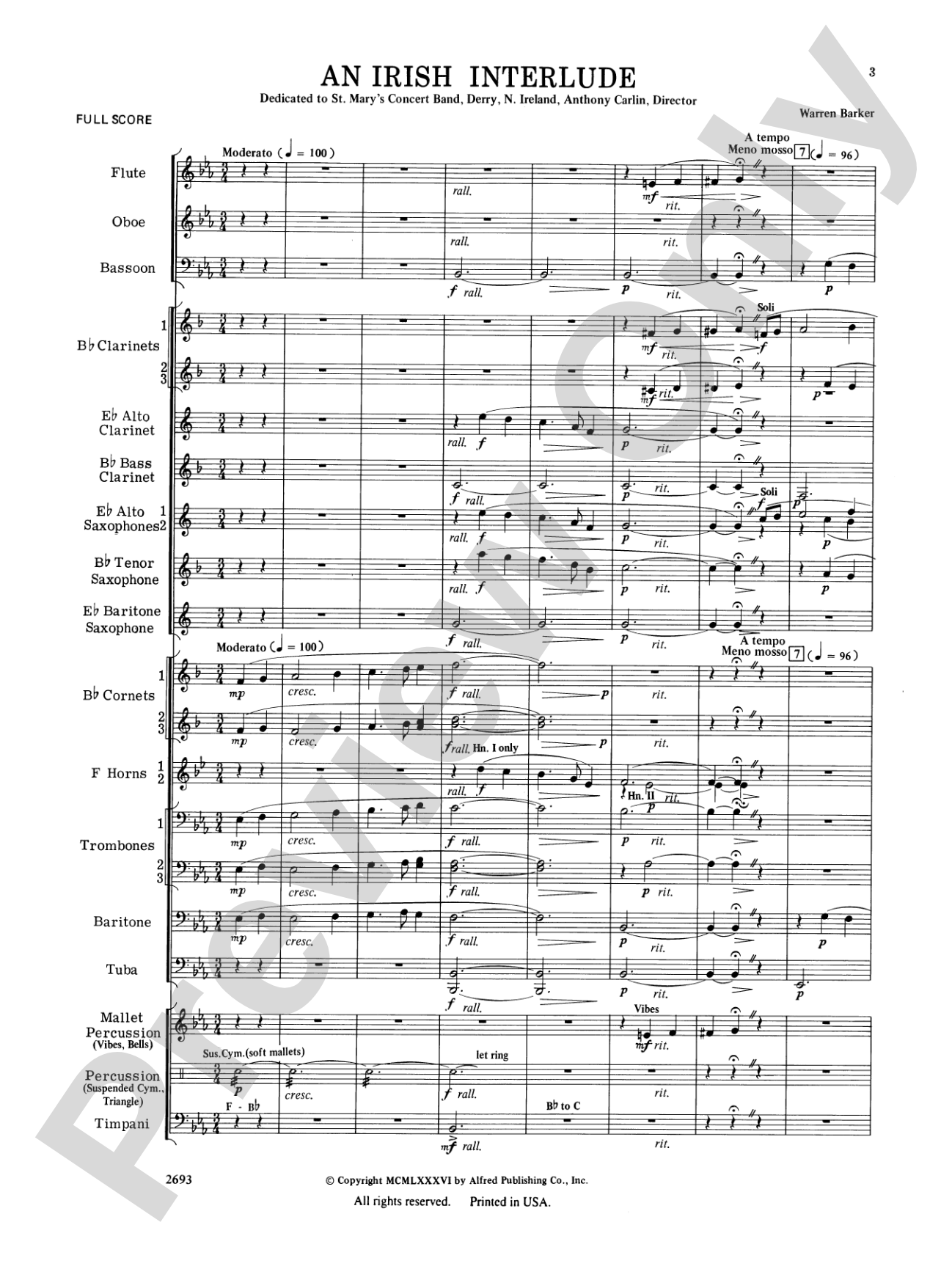
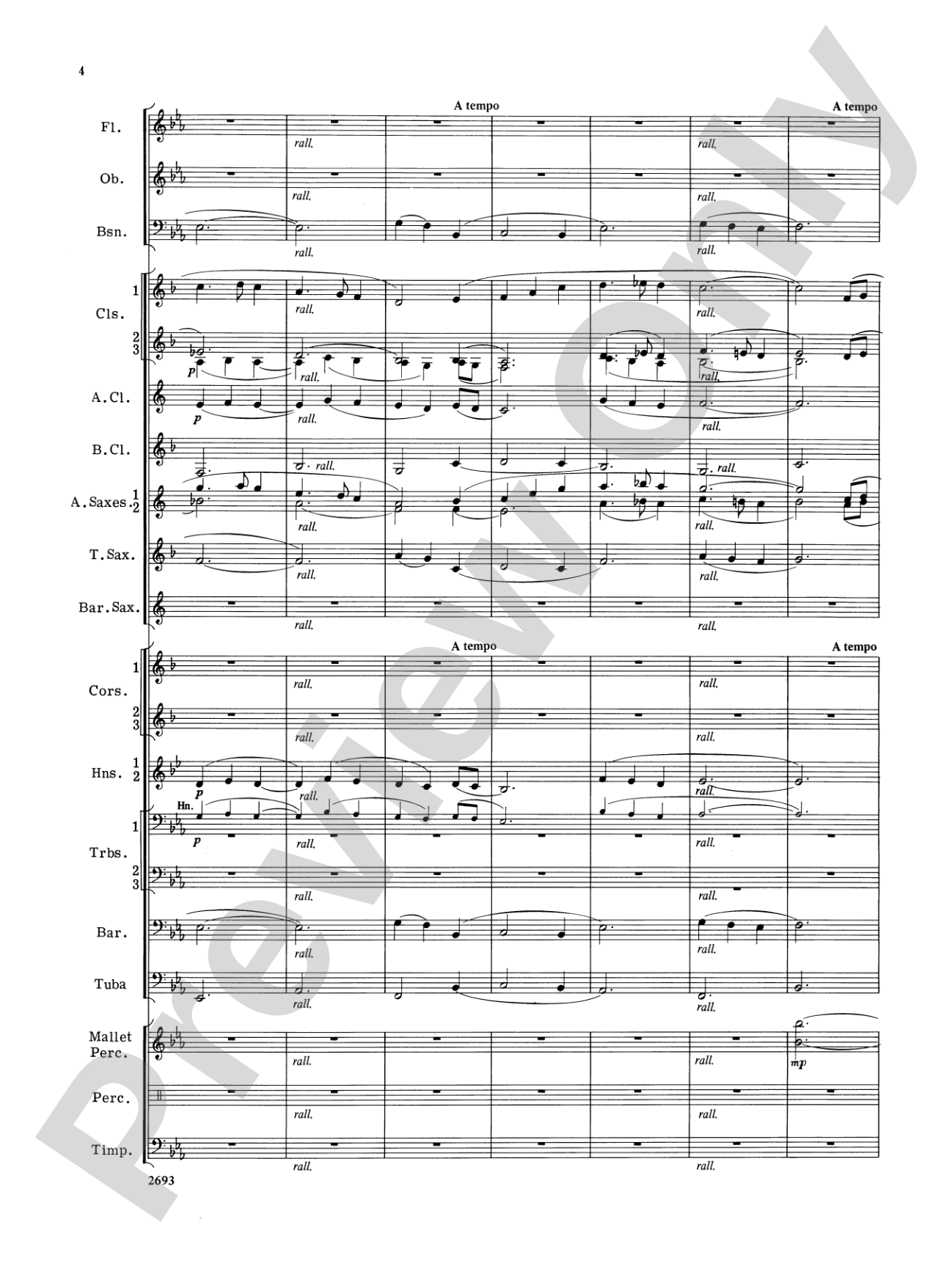
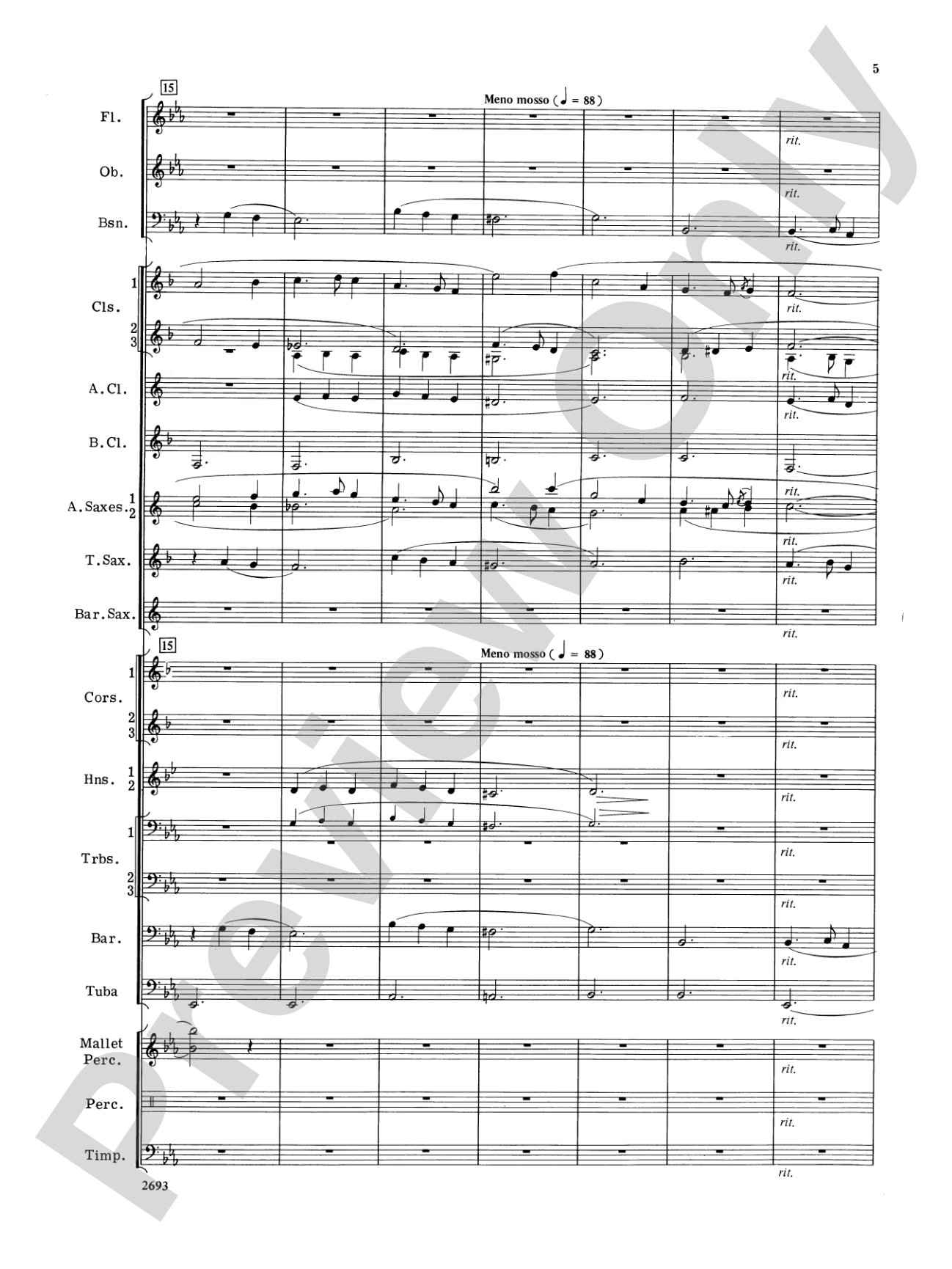
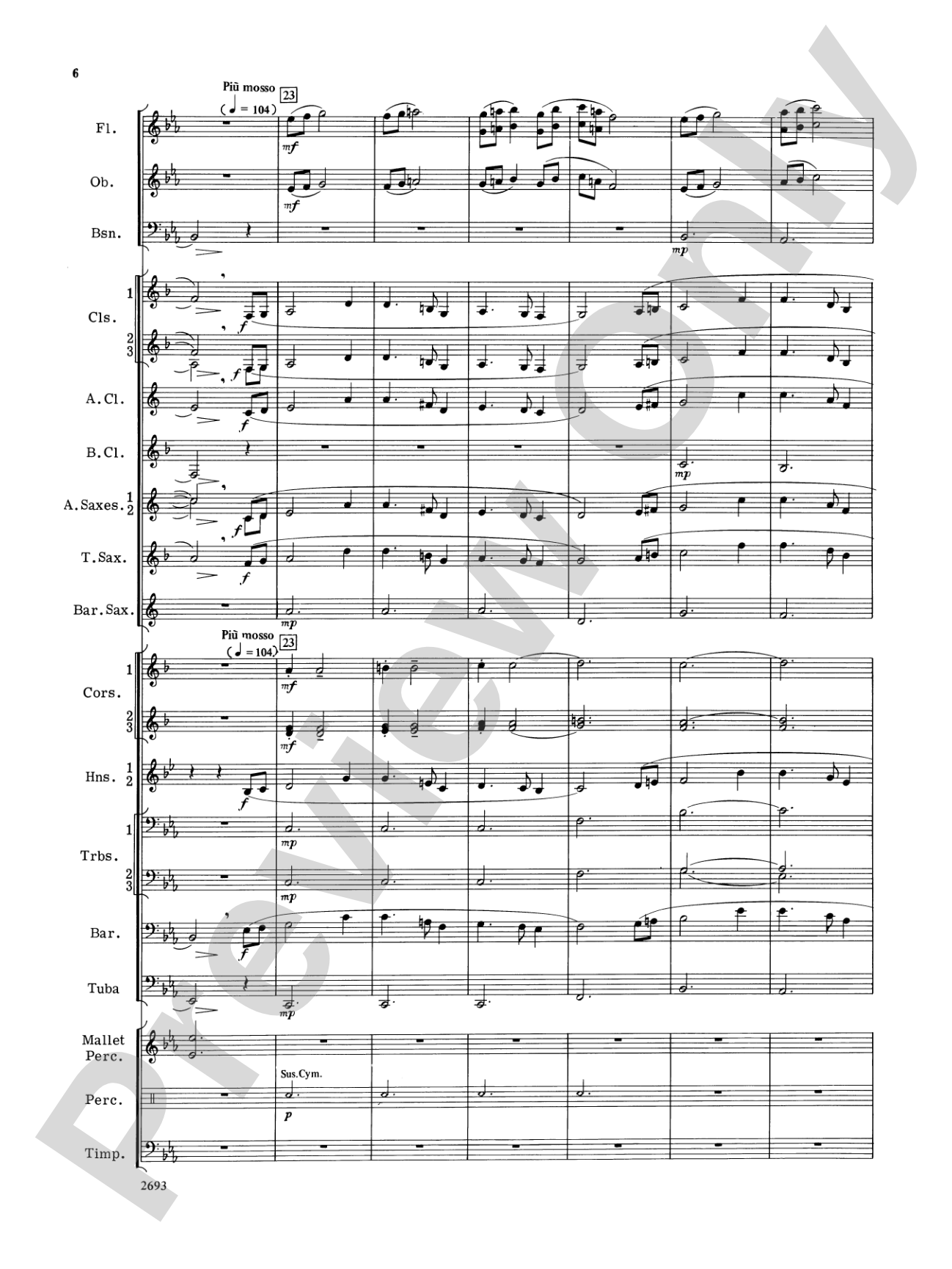
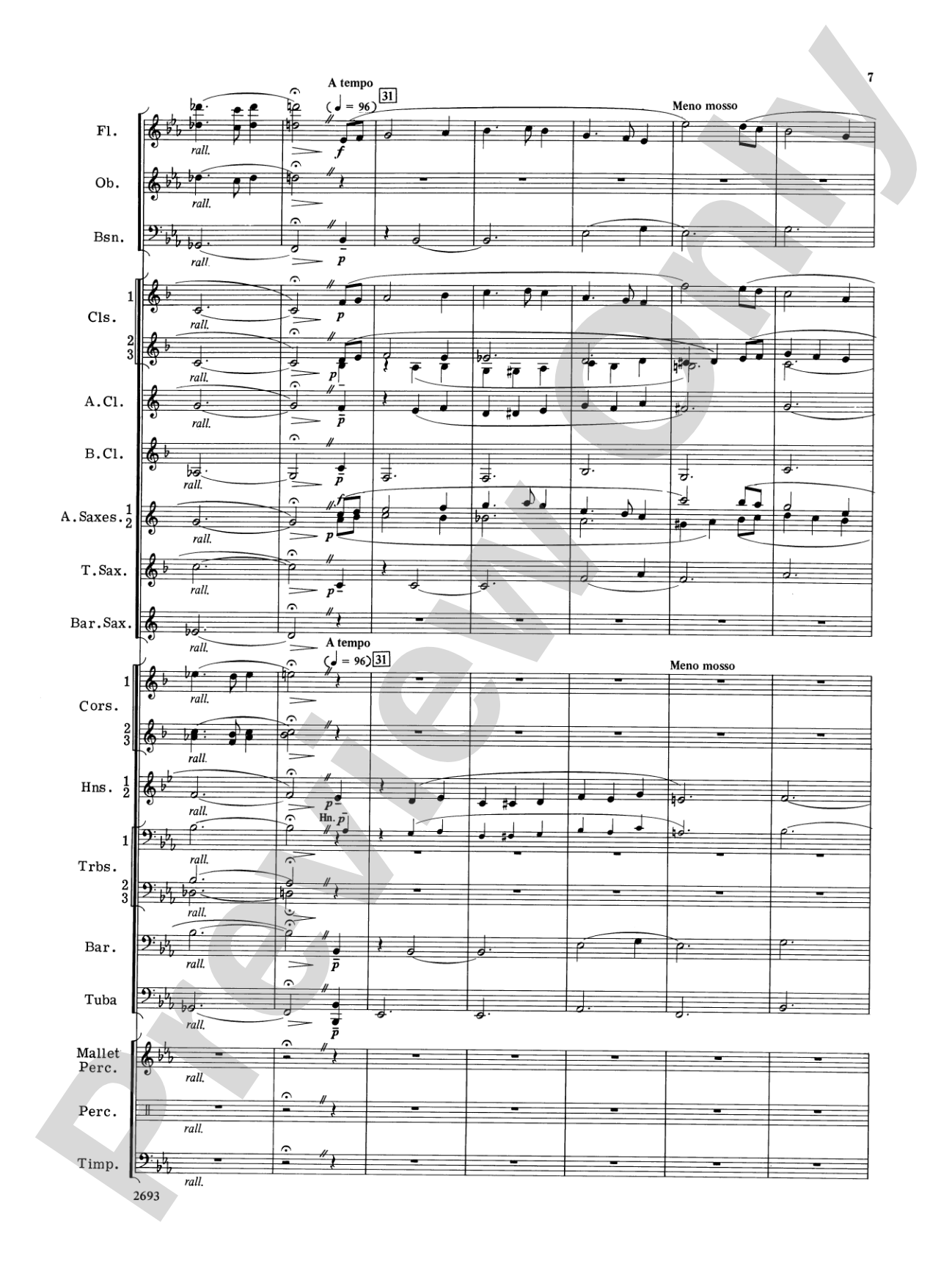
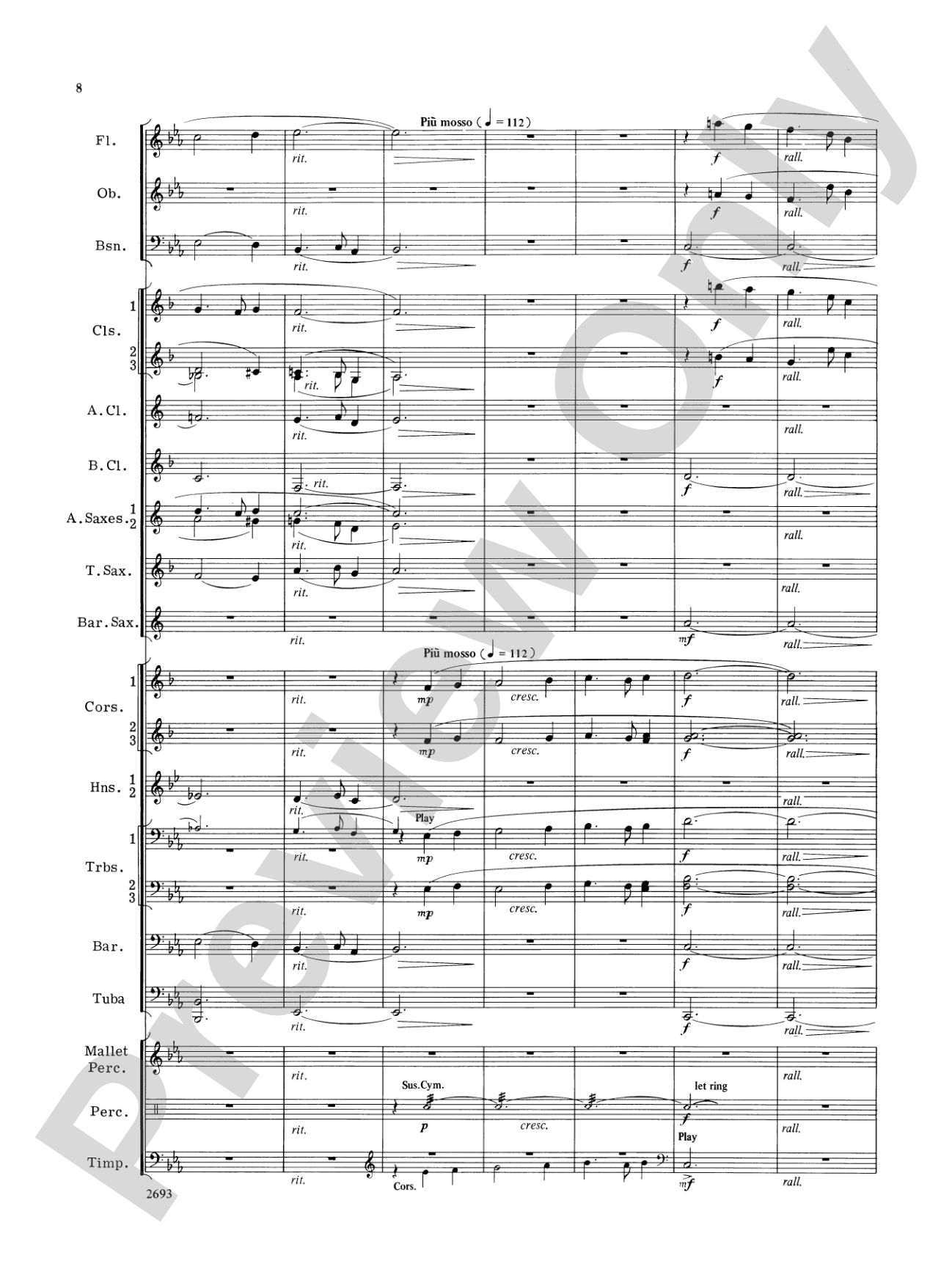
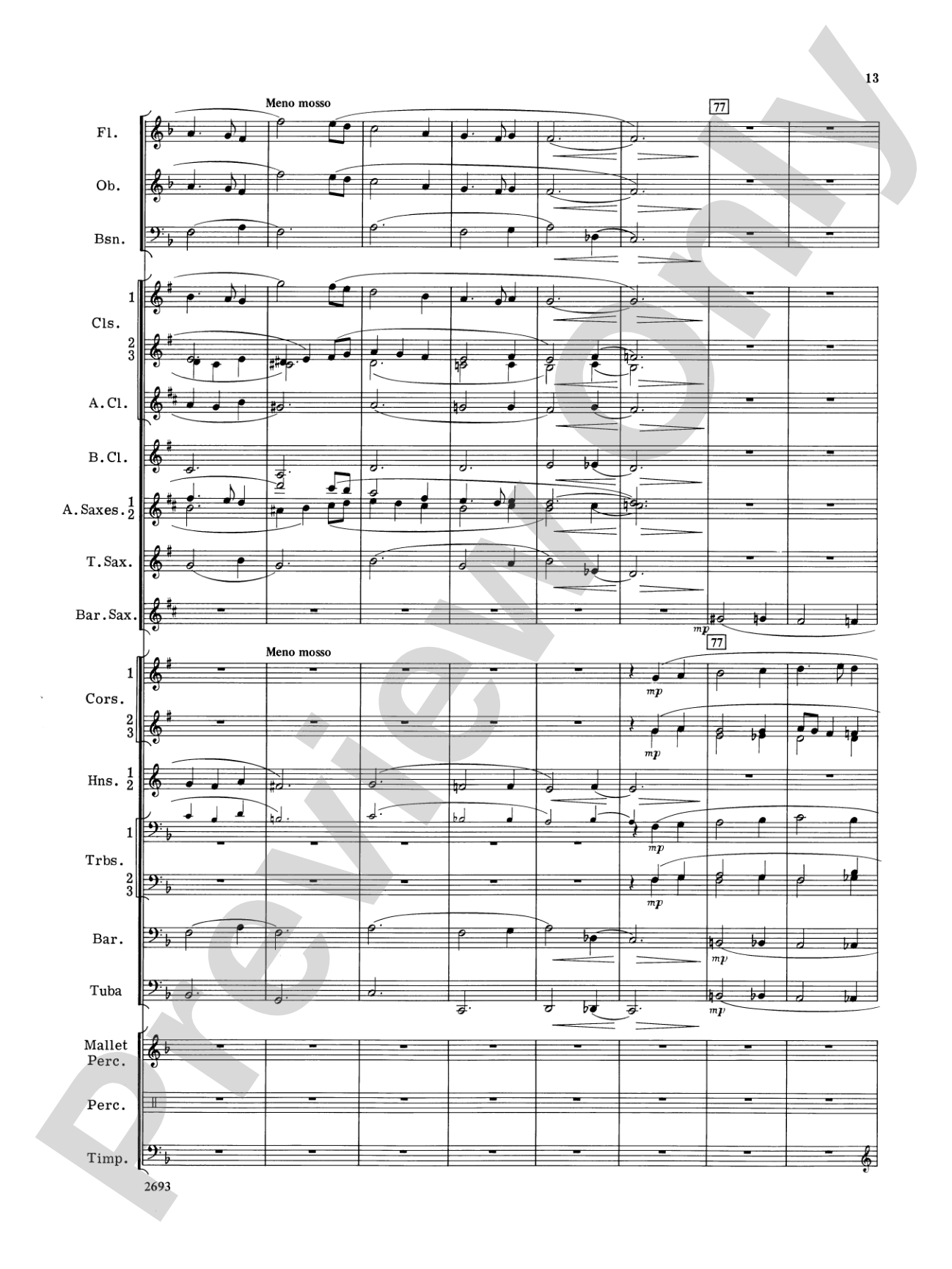
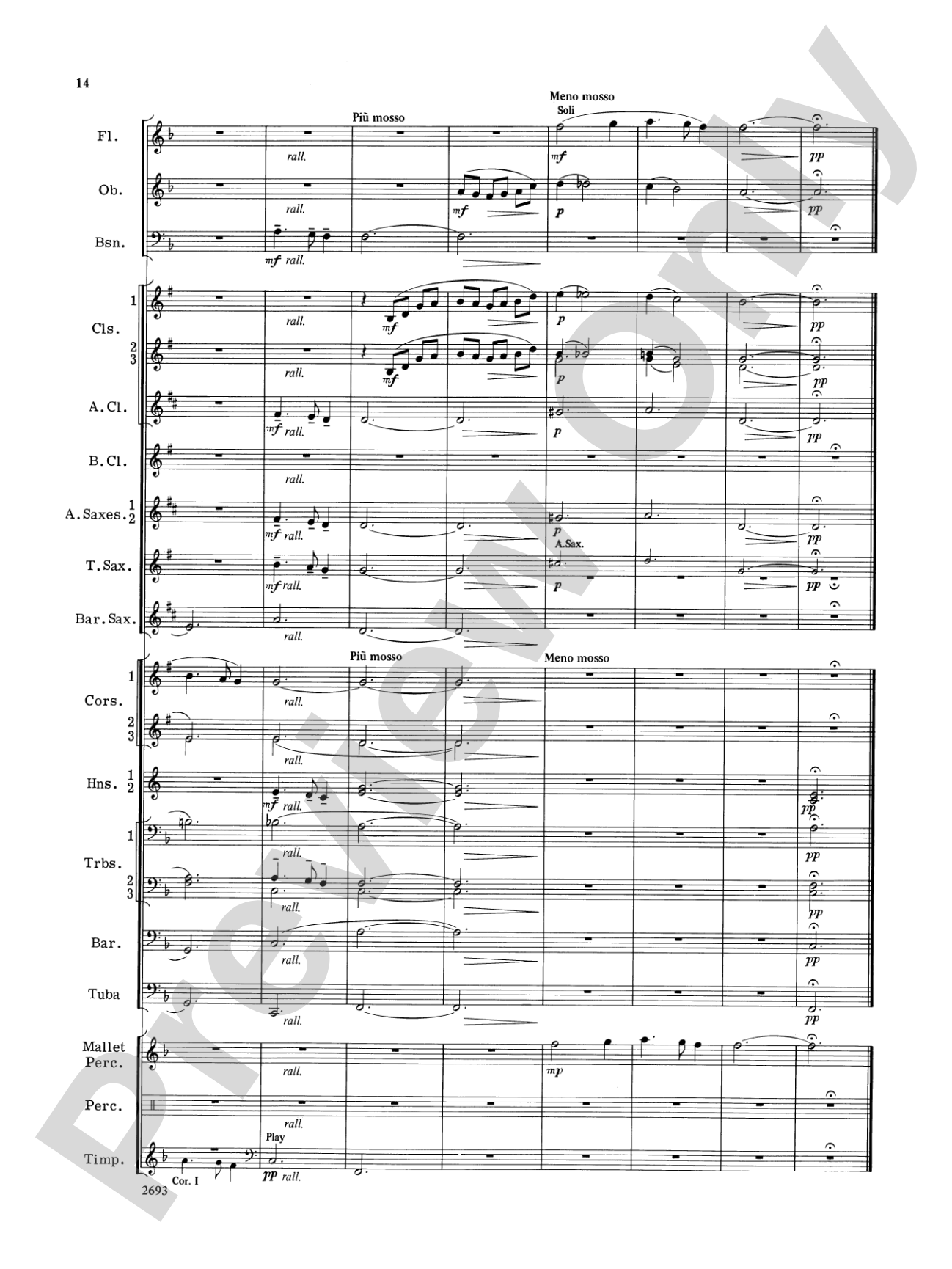
Every concert needs a quiet, relaxed piece that allows you to work on phrasing, musicality and sensitivity. This beautiful ballad by Warren Barker certainly fits the bill. This title is available in MakeMusic Cloud.


Don't just read it, hear it, play along with it, and watch your students grow with it. In MakeMusic Cloud, An Irish Interlude: Concert Band Conductor Score & Parts comes alive with professional accompaniment, adjustable tempo, and built-in practice tools that turn solo practice into real progress.
Open in the Player
Jump straight in and assign it today.
Start Your Free Trial
Open this title and explore the full library in minutes.
Sample Audio
1
Audio File
--:--
0:00
0:00
Sample Video
Additional Details
Series:
Growing Band Series
Publisher:
Alfred Music
Page Count:
118
SKU:
00-PK-0001294
More about this title
About the Composer: Warren Barker
Warren Barker (1923-2006) was an American composer and arranger whose prolific output shaped the concert band repertoire for generations of student musicians. His gift for accessible, musically substantial writing made him a cornerstone of educational publishing; his works balance technical clarity with genuine emotional depth, proving that music written for developing ensembles need not compromise on artistry.
Why we love this
Barker's instinct for what a Grade 2 band can accomplish without strain shows throughout this piece. The ballad format gives you genuine interpretive work to do with your ensemble, phrasing and dynamic shaping matter here, while the modest technical demands let players focus on musicality rather than mechanics.
What to expect
The piece evokes the quiet introspection of a traditional Irish melody; it moves gently through its harmonic space with warmth and an unhurried sense of reflection. The orchestration allows the lyrical content to breathe, creating a contemplative mood that audiences find genuinely moving.
Who it's for
This piece suits concert bands at the Grade 2 level looking for a flexible ballad that works equally well in festival settings or full-length concerts. It's ideal for directors seeking a musical moment that requires restraint and sensitivity rather than technical display.
How to get the most out of it
- Shape each phrase through dynamic contours rather than sudden drops; encourage players to feel the breath and release of the melody line as if singing it.
- Balance the accompaniment voices so they support the primary melodic line without overwhelming it; use rehearsal time to adjust sectional dynamics and blend.
- Take time with the slower sections to establish a stable, unhurried tempo; rushing quiet music is a common pitfall with younger players.
How to use it
Program this as a strategic quiet moment in a concert, perhaps following a more energetic opener or preceding a finale with contrasting character. It also works well in chamber settings or as a festival selection where judges appreciate a band's control of dynamics and phrasing.
Skills your students will build
- Phrase shaping and musical phrasing across multiple measures
- Dynamic control in soft passages (pianissimo through mezzo-forte range)
- Balance between primary melody and supporting harmonic voices
- Sustained tone production and breath management in slower tempos
- Ensemble cohesion and unified interpretation of lyrical material