
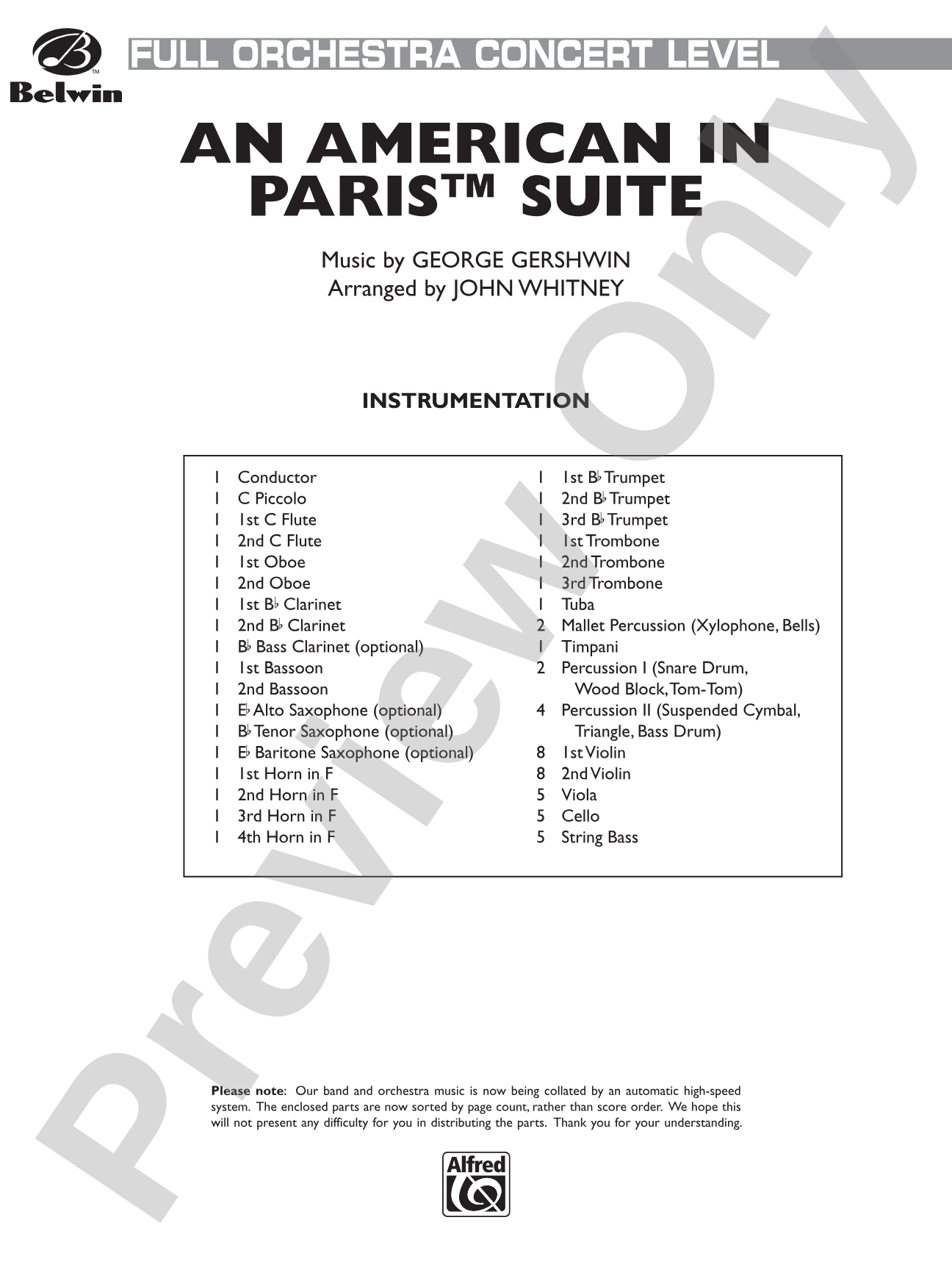

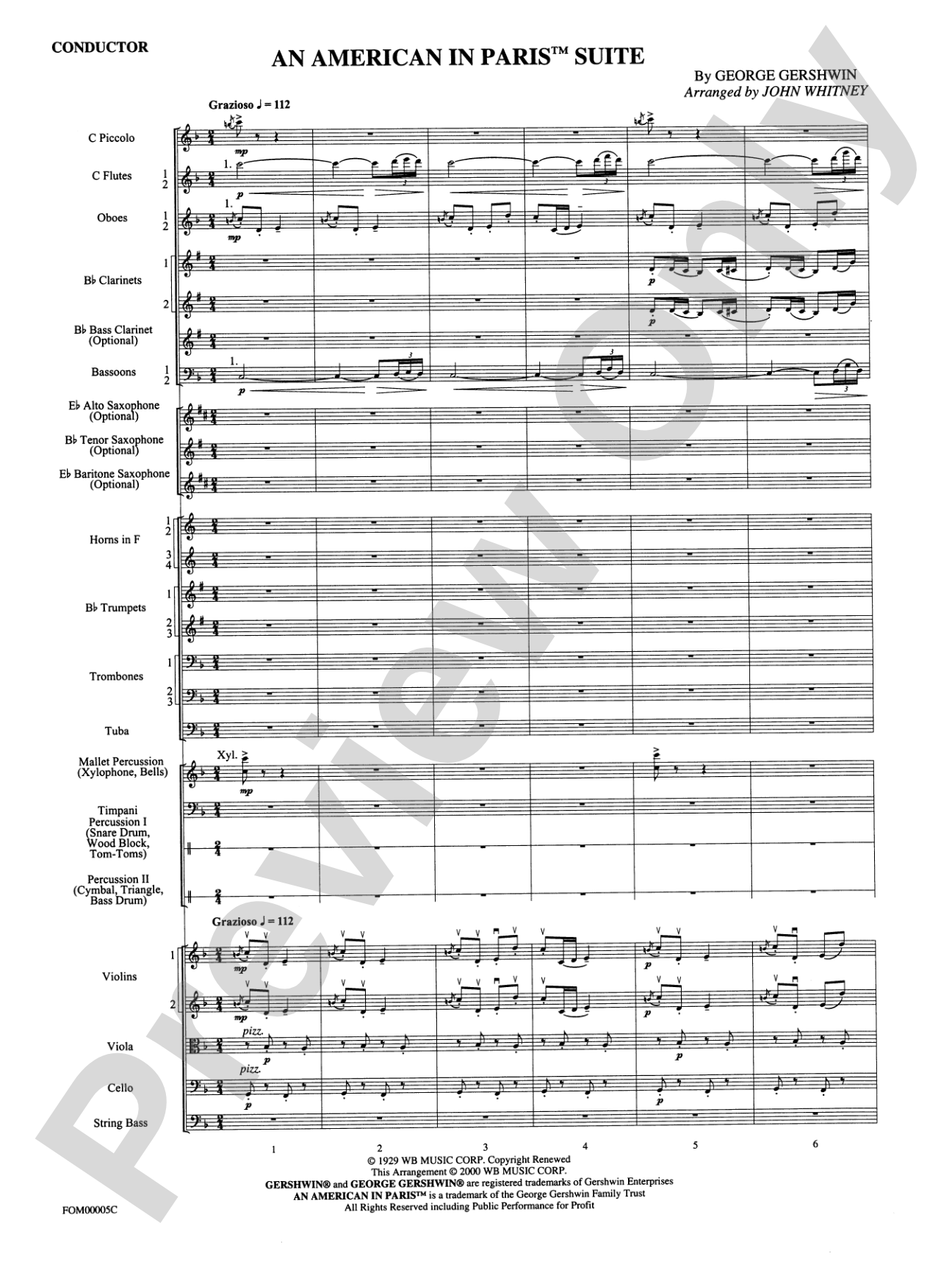
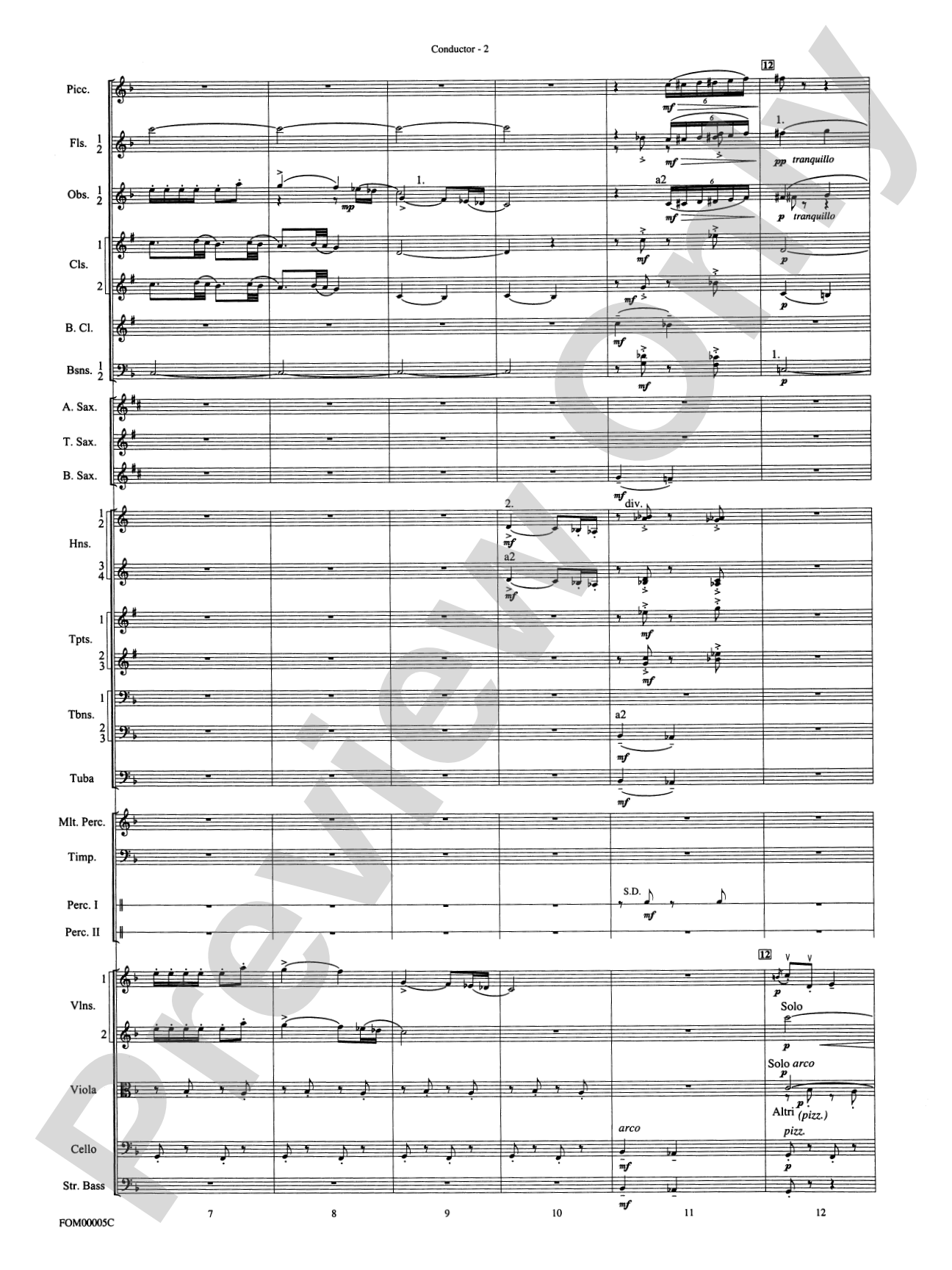
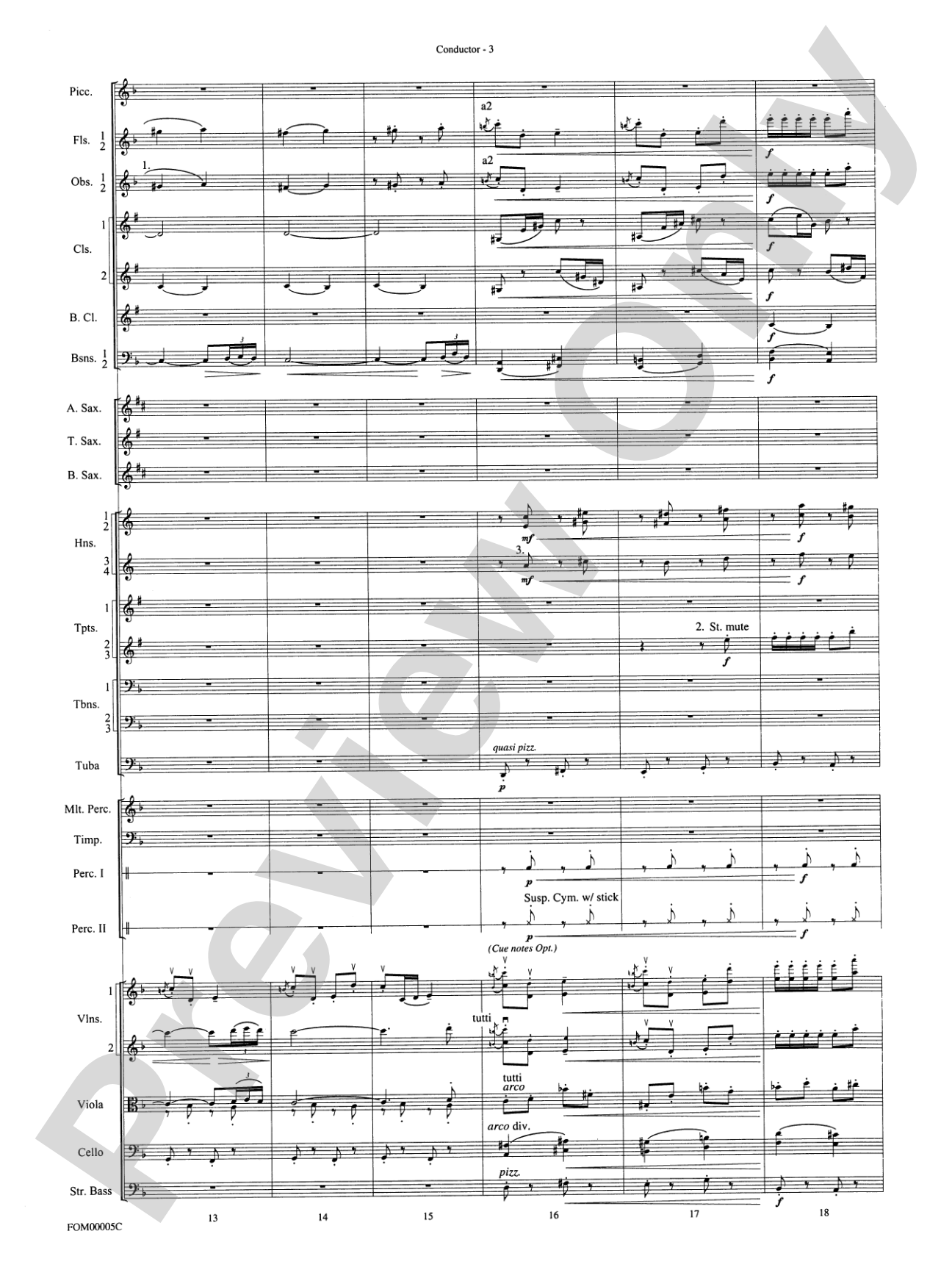
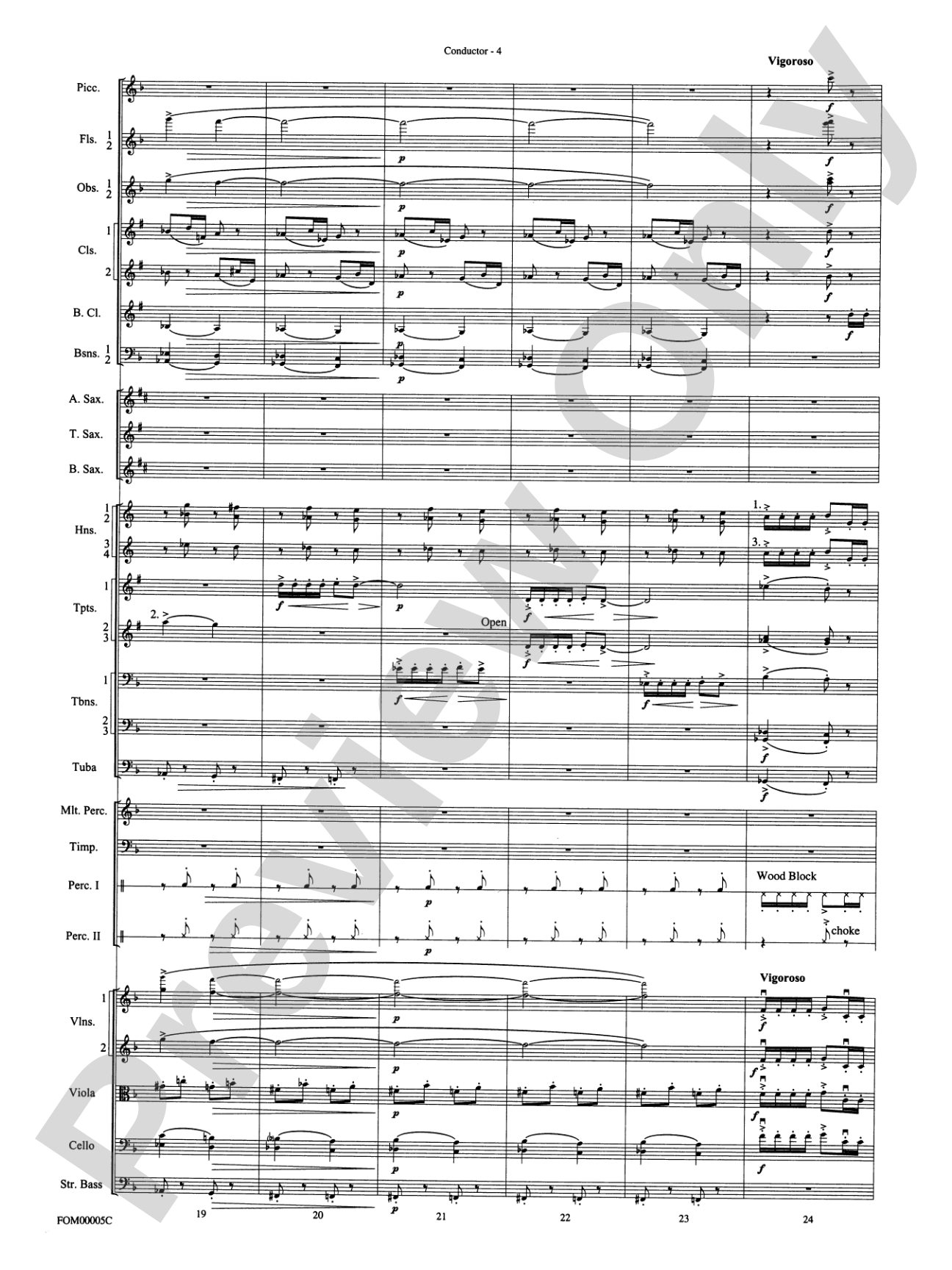
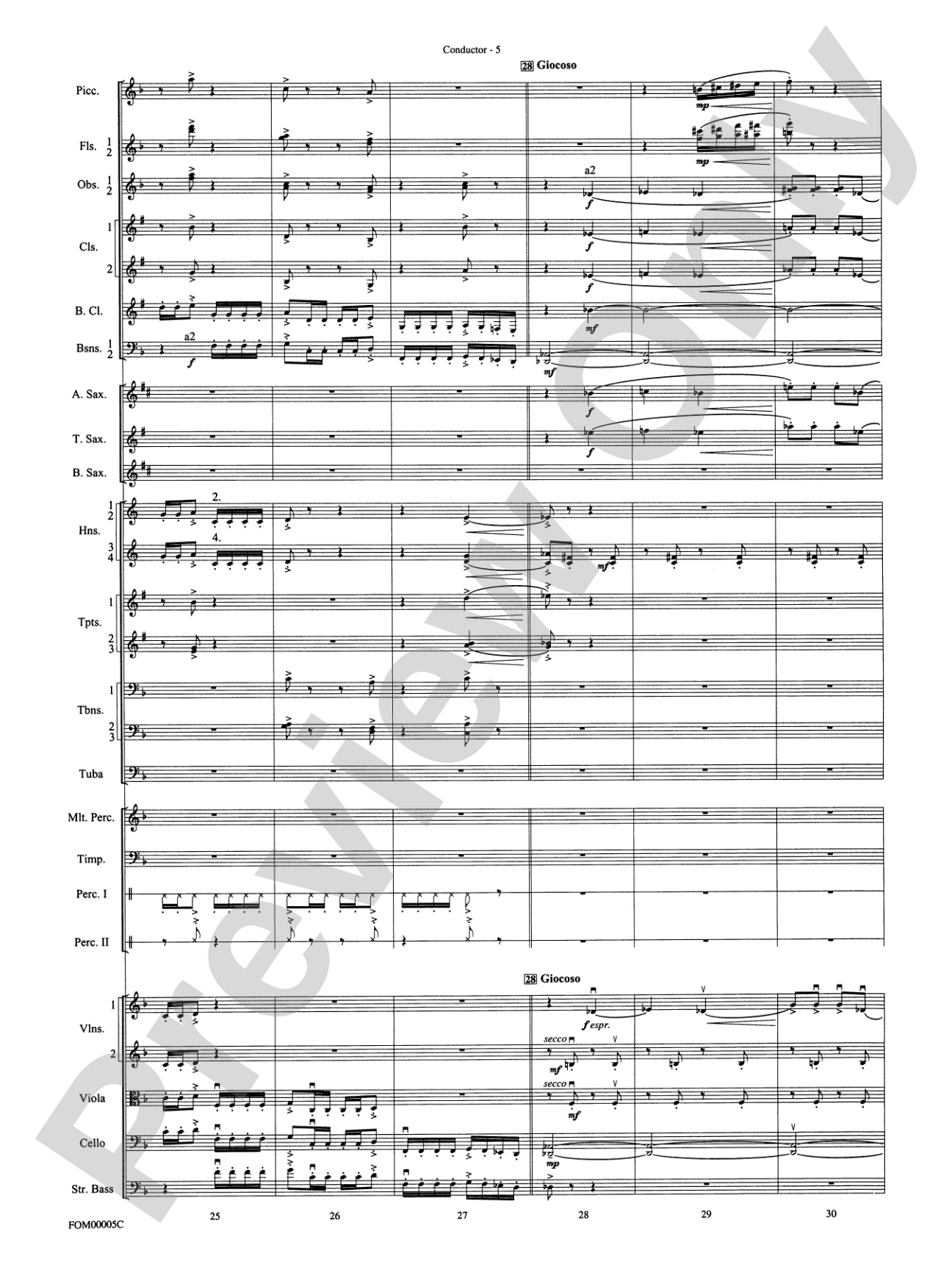
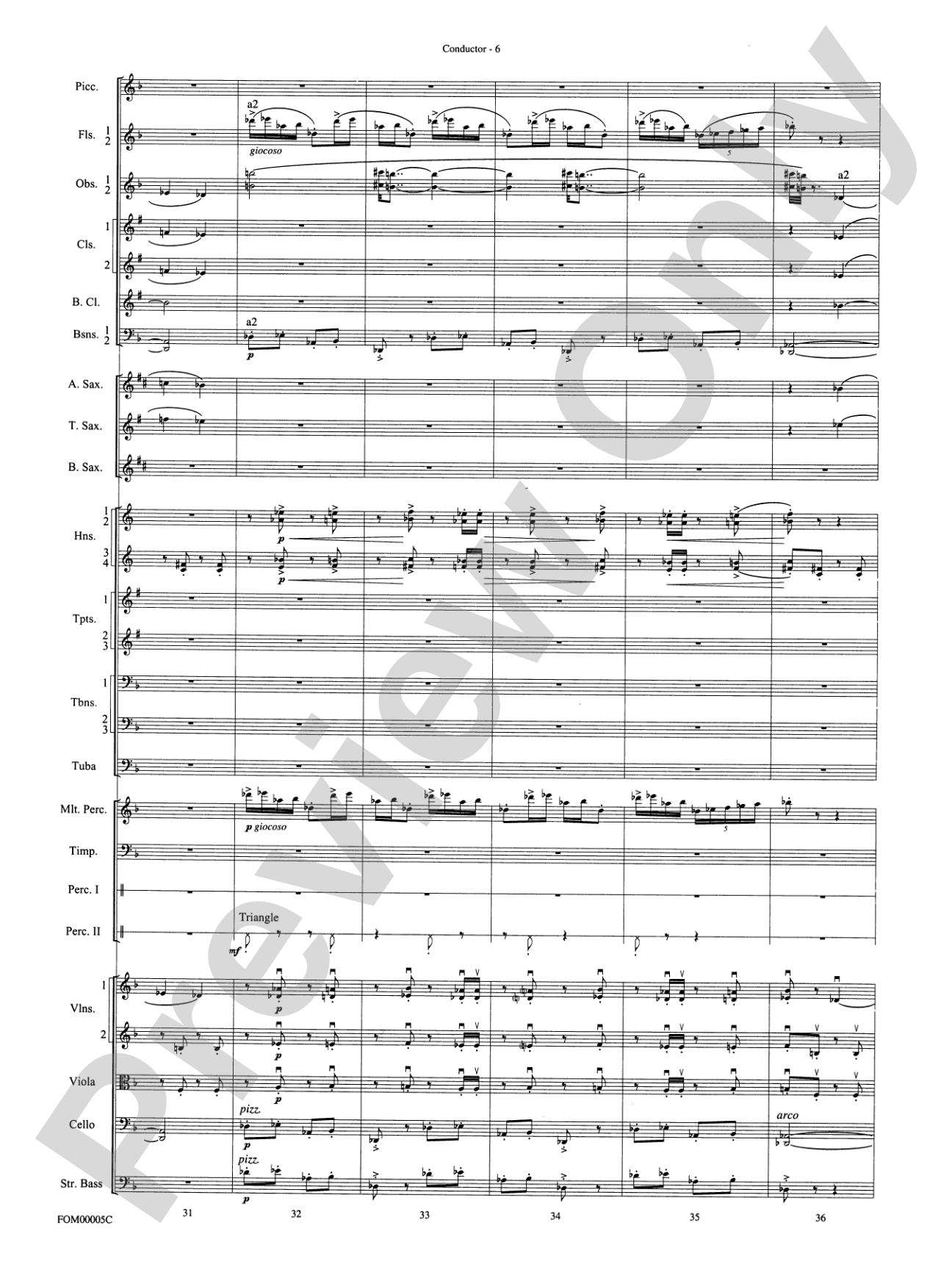
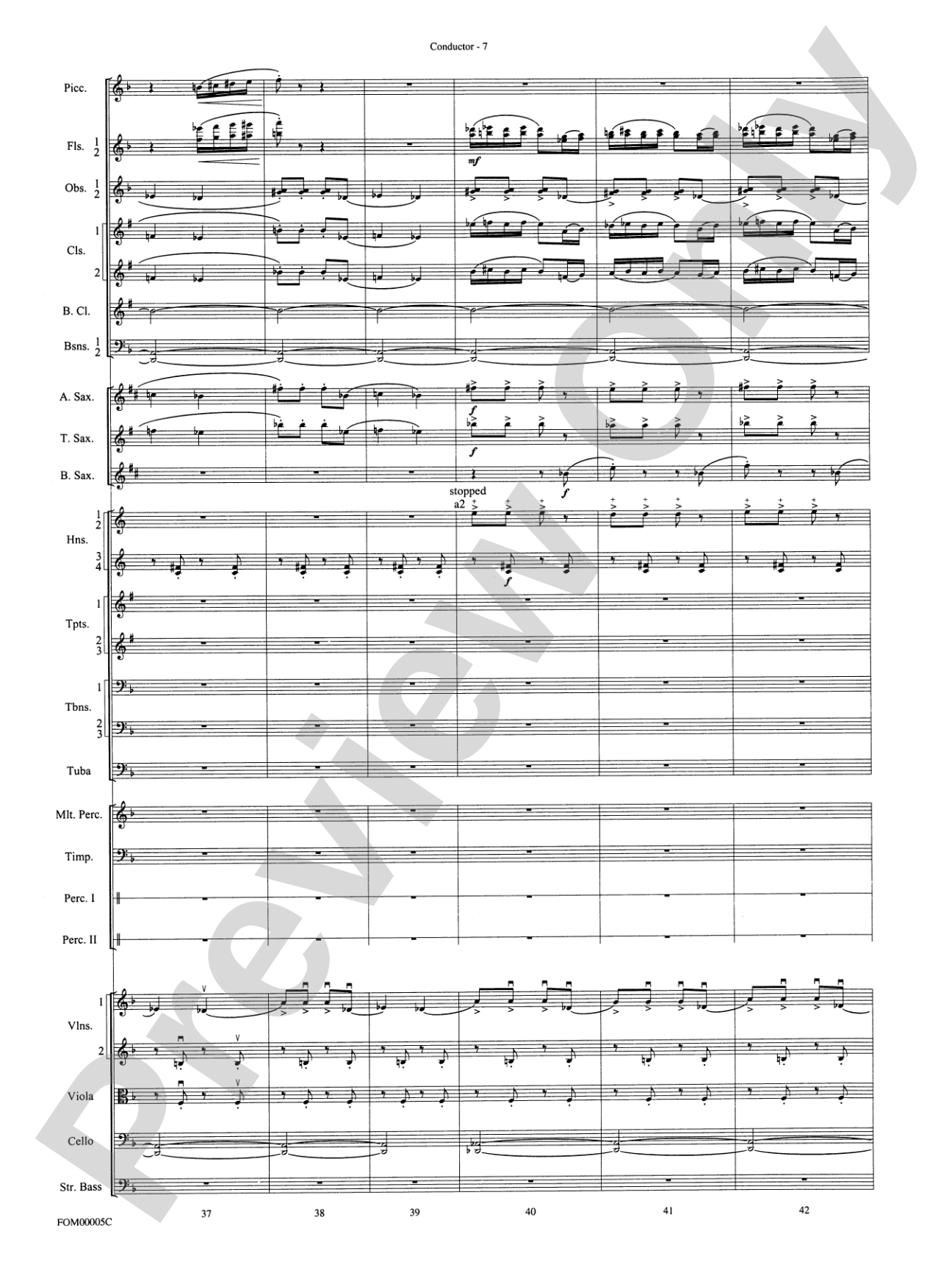
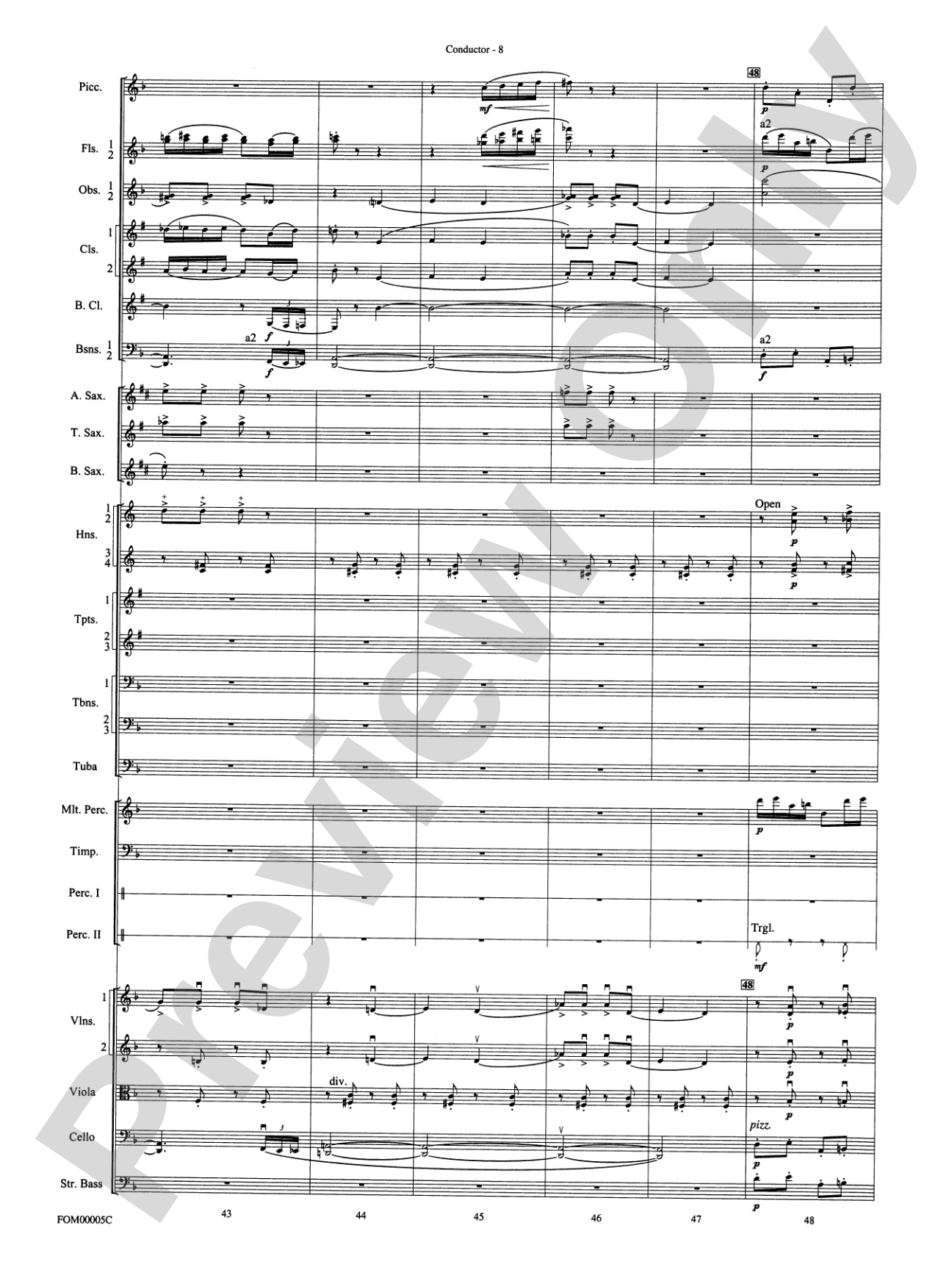
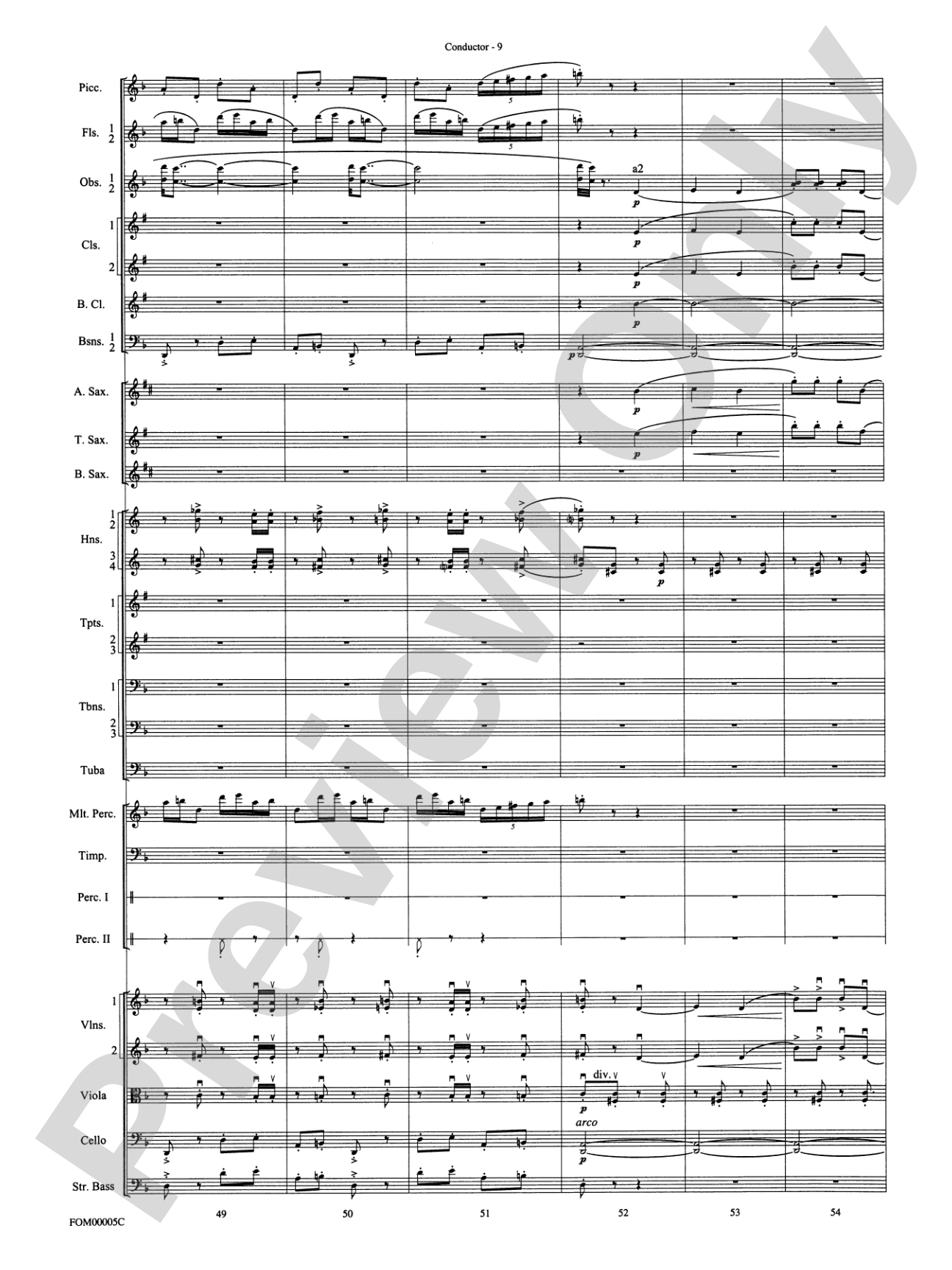
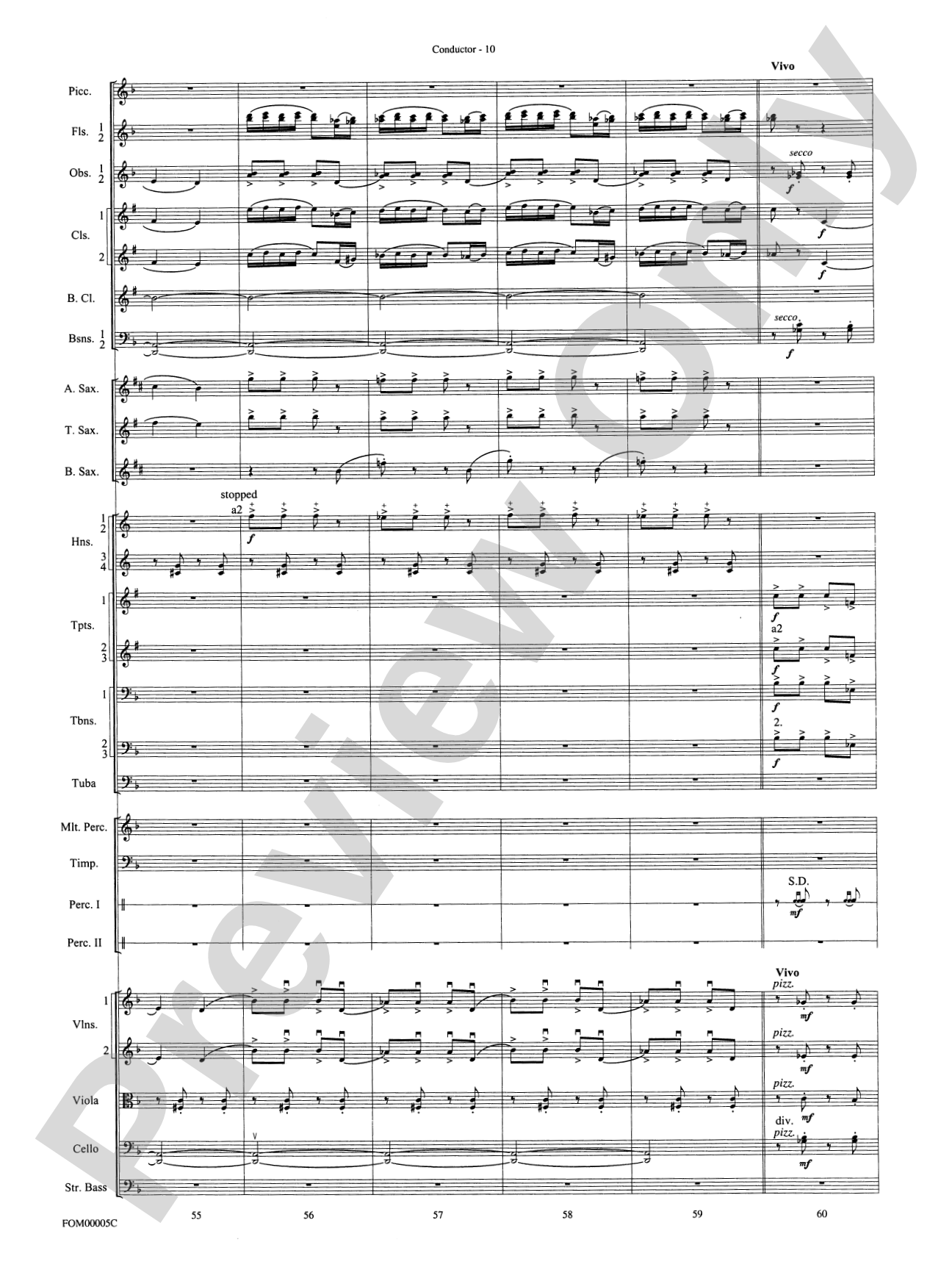
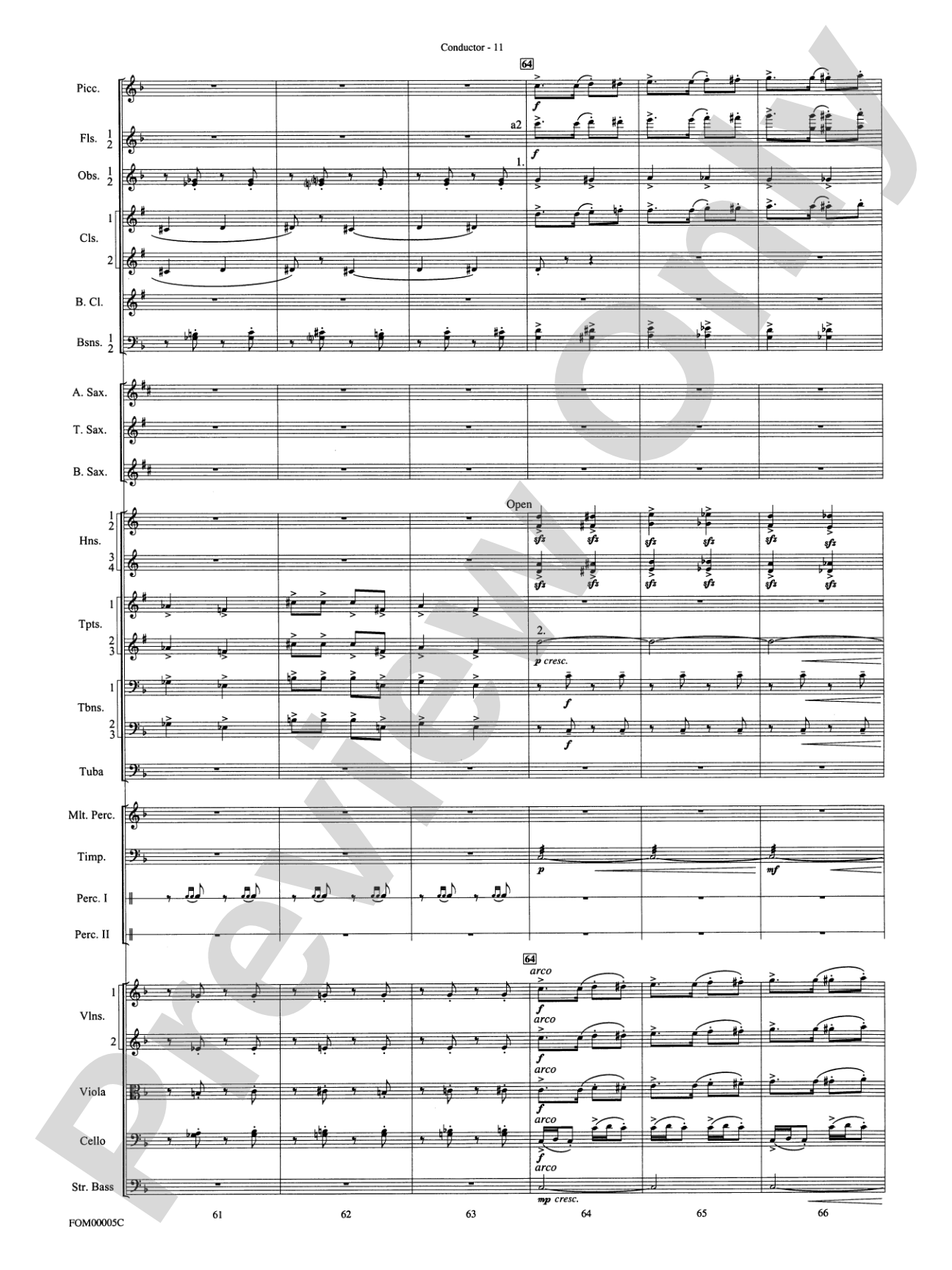
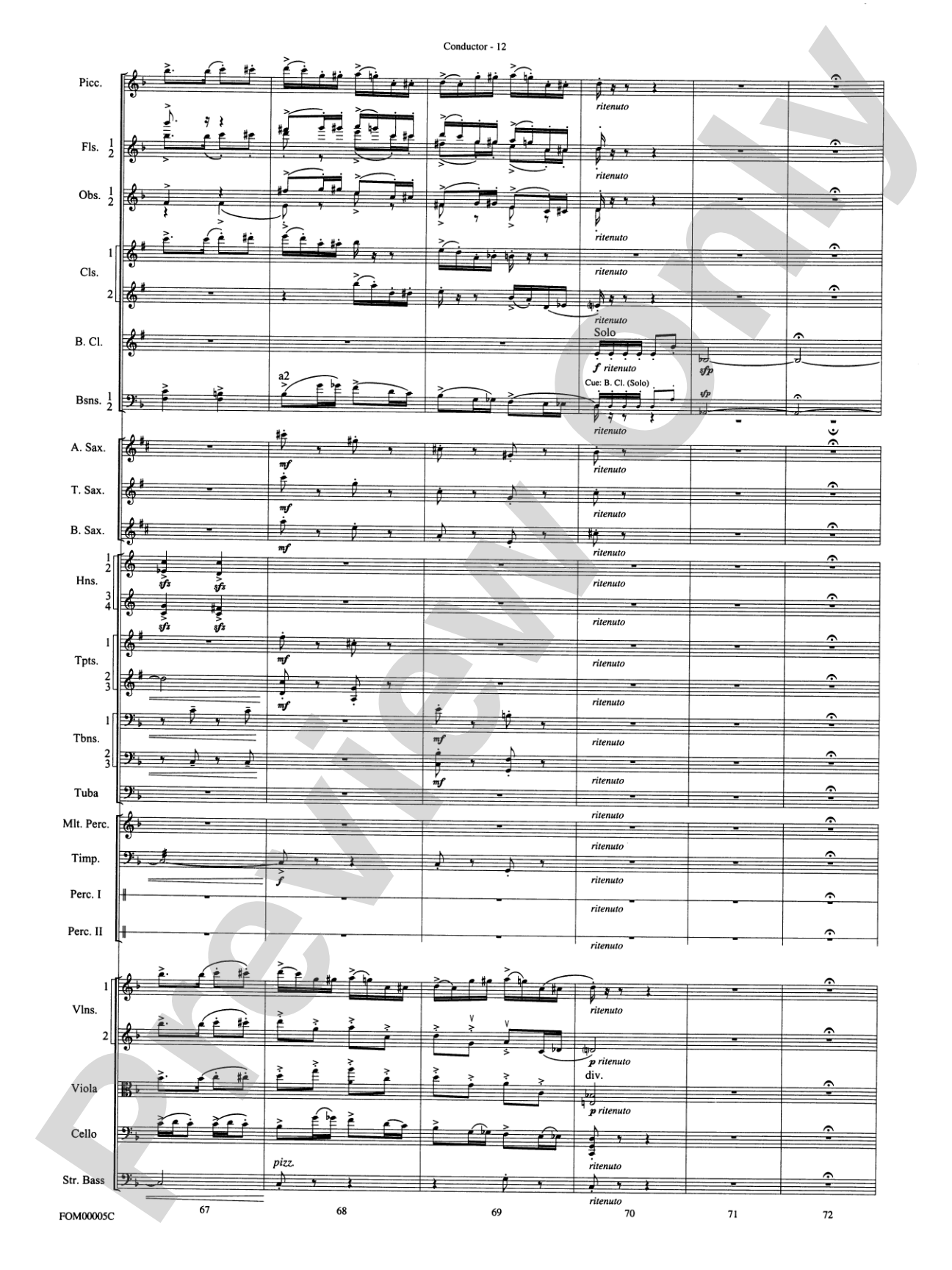
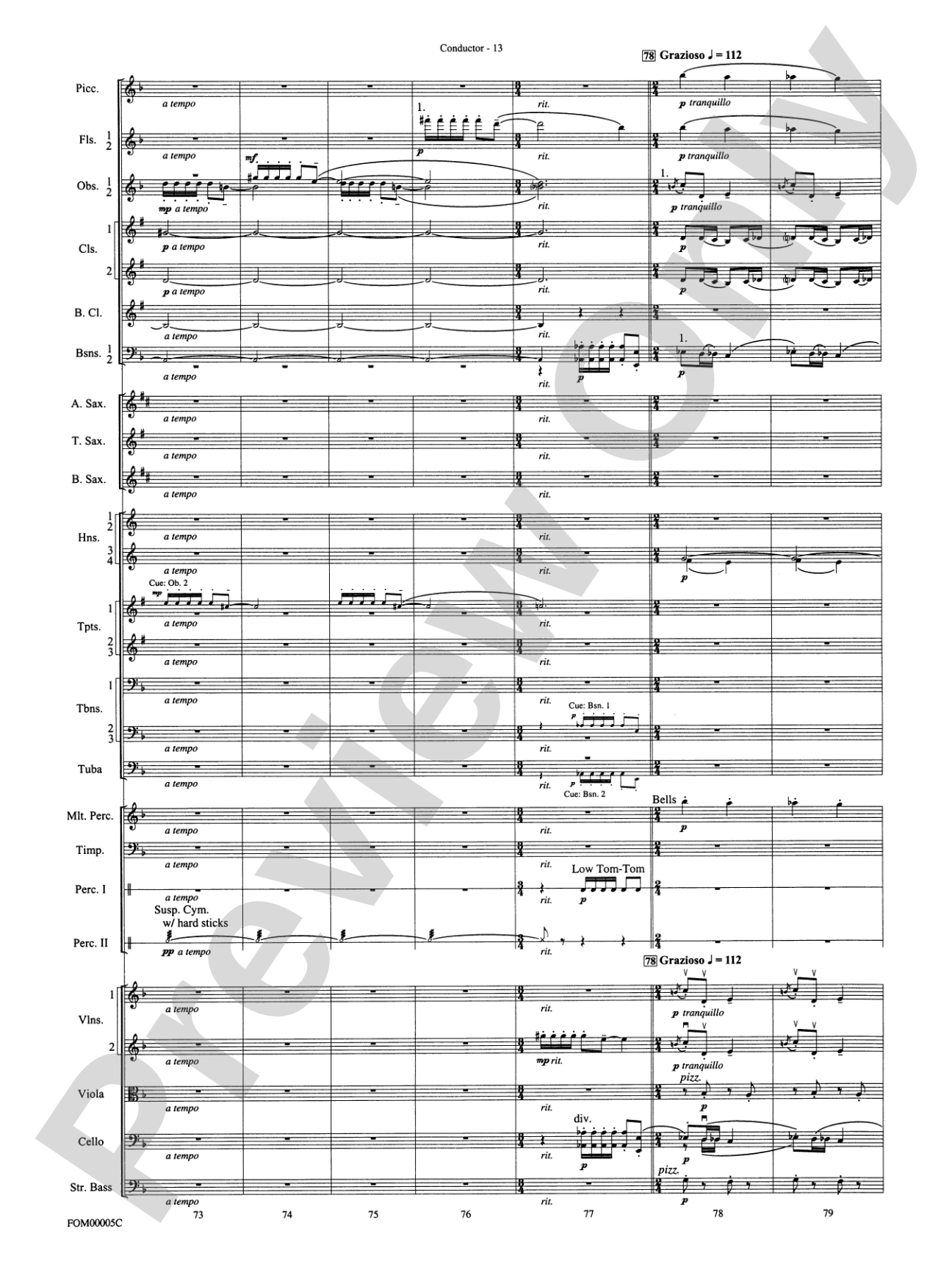
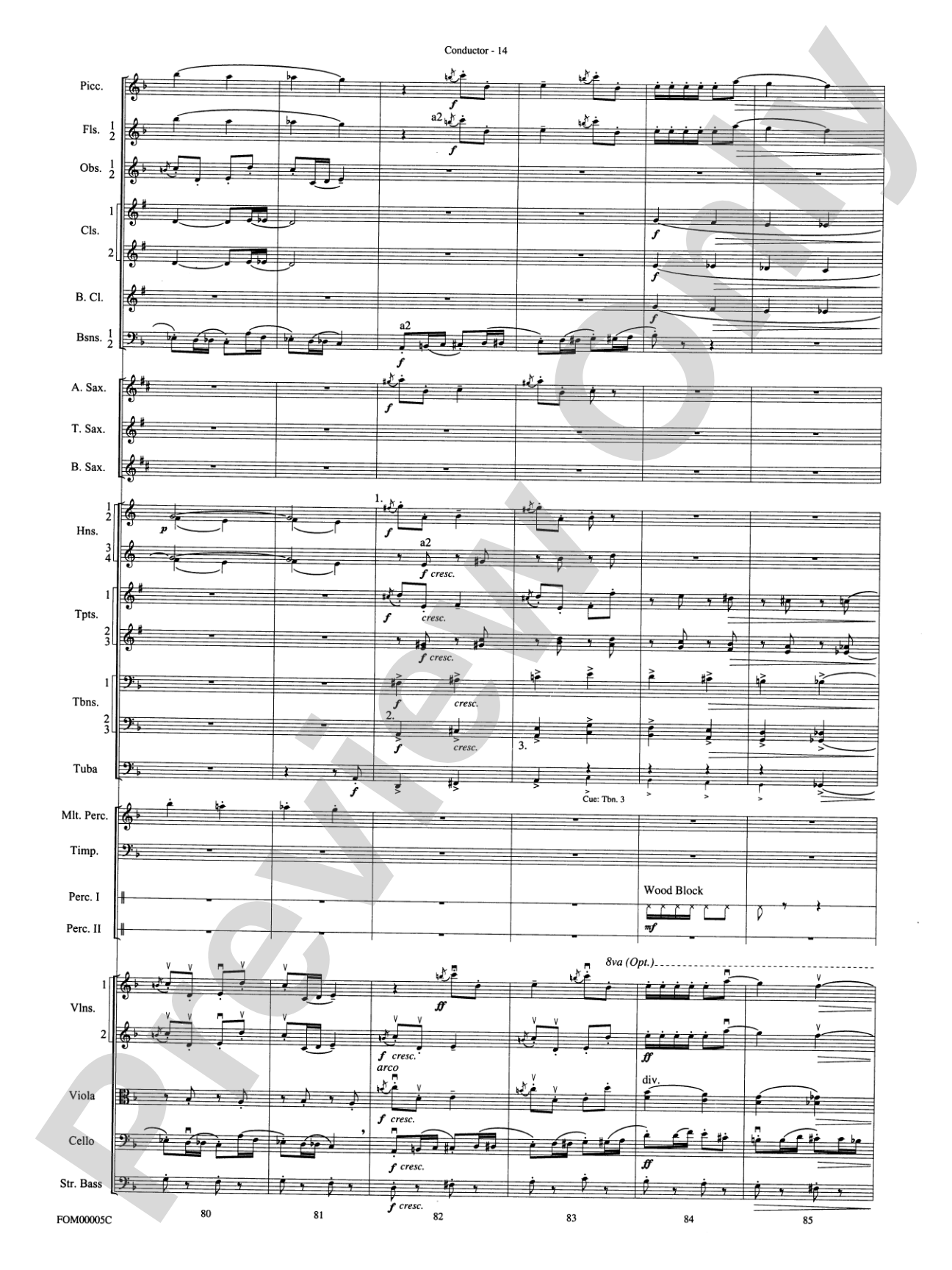
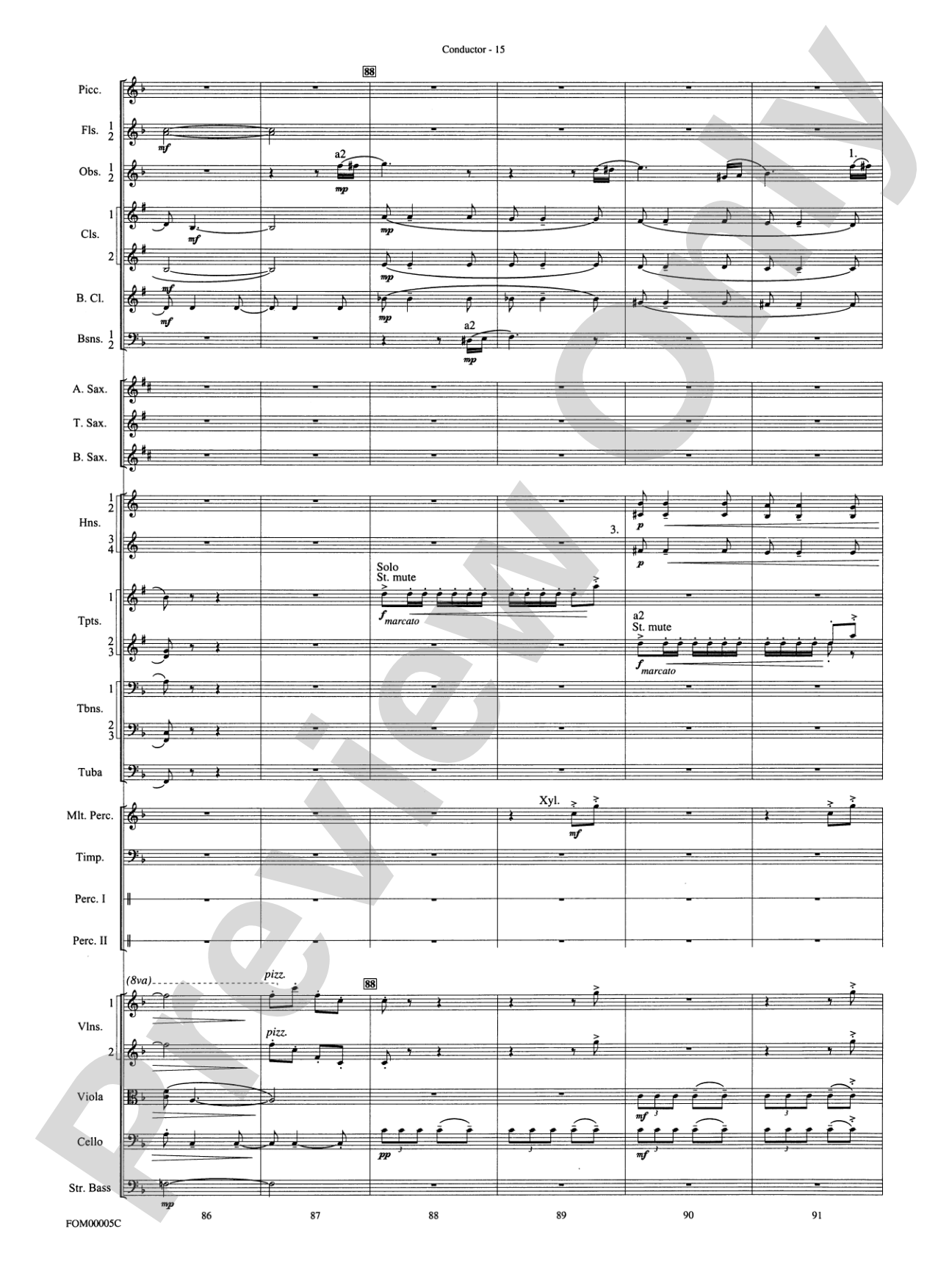
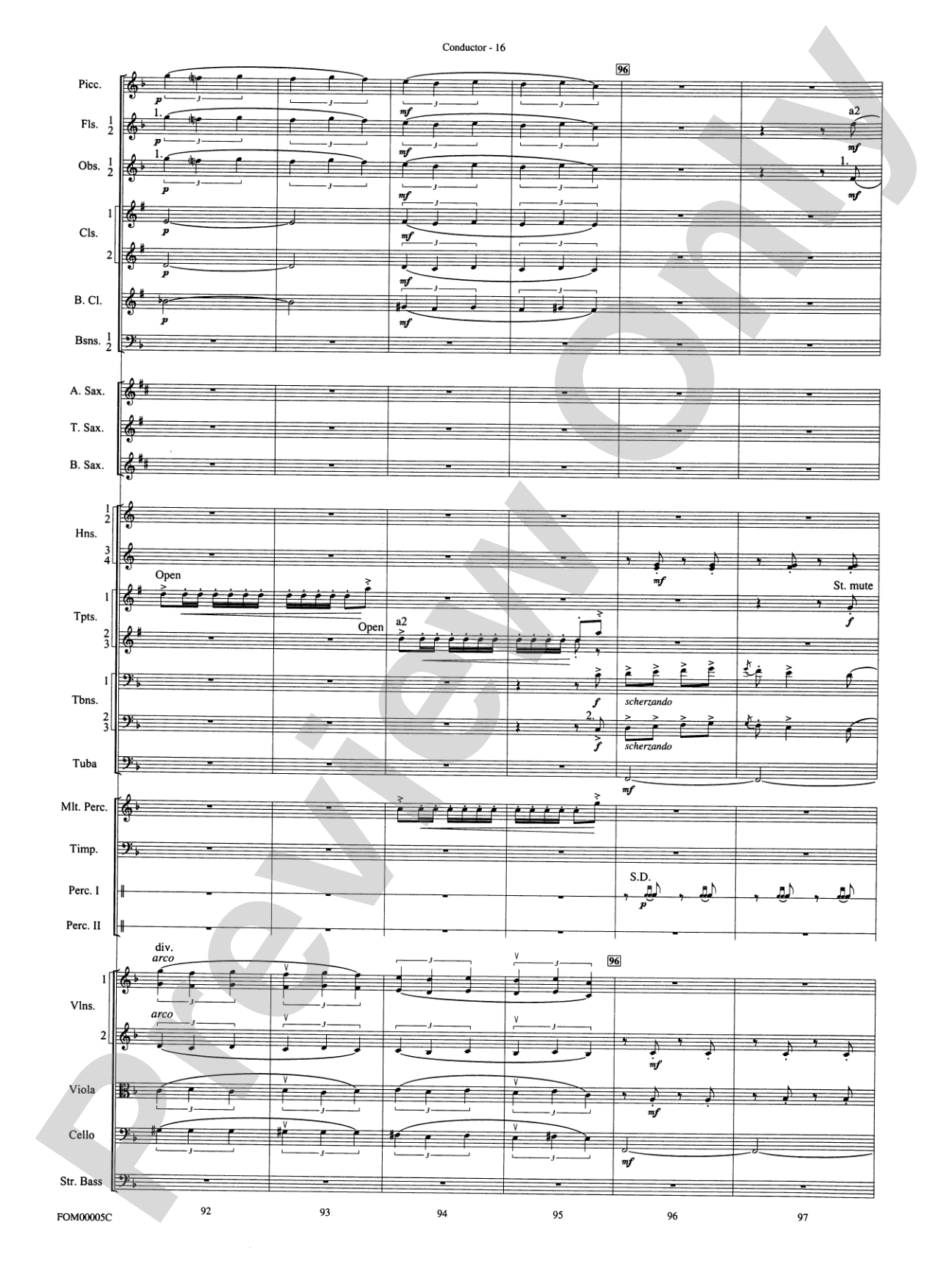
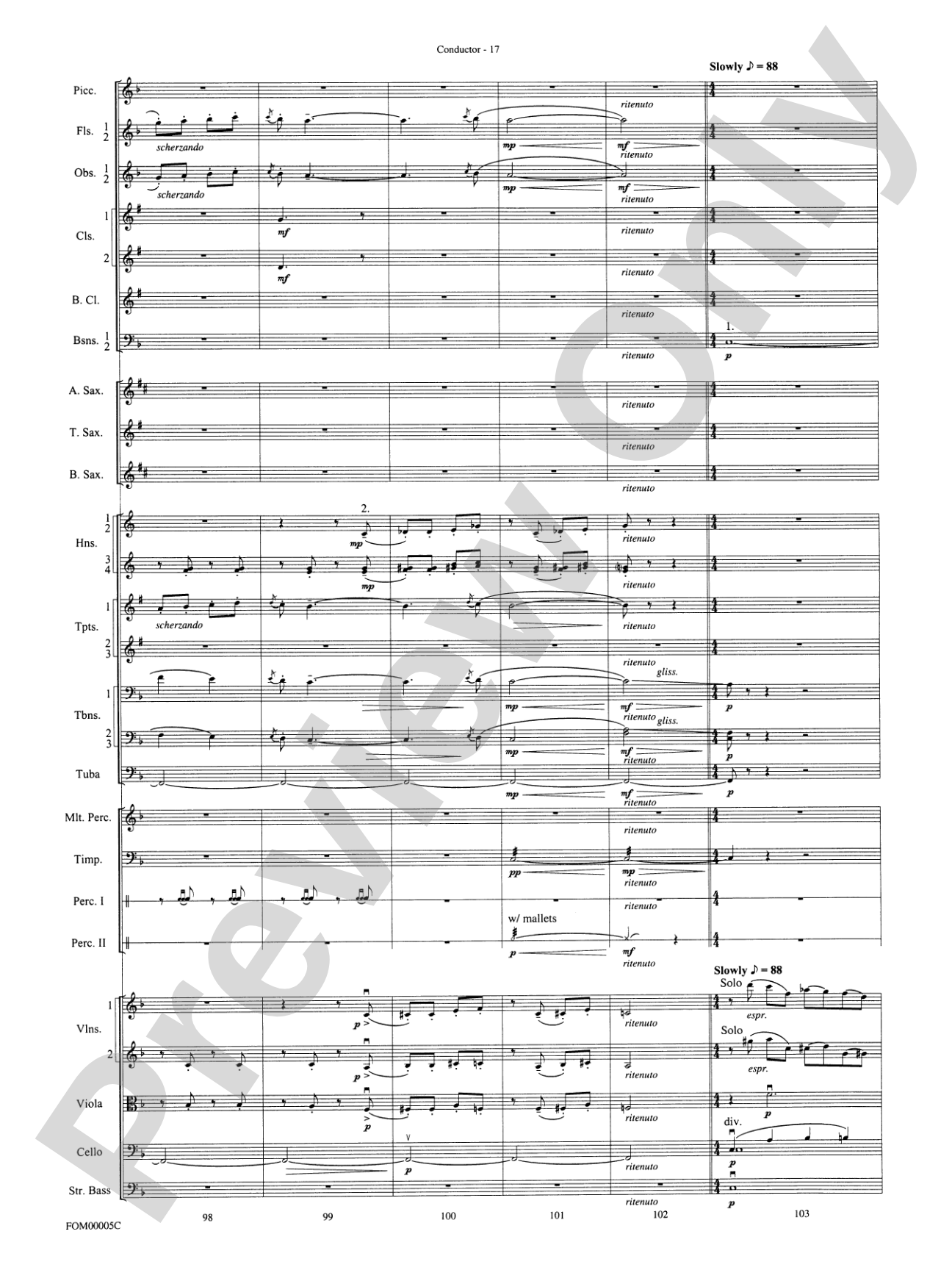
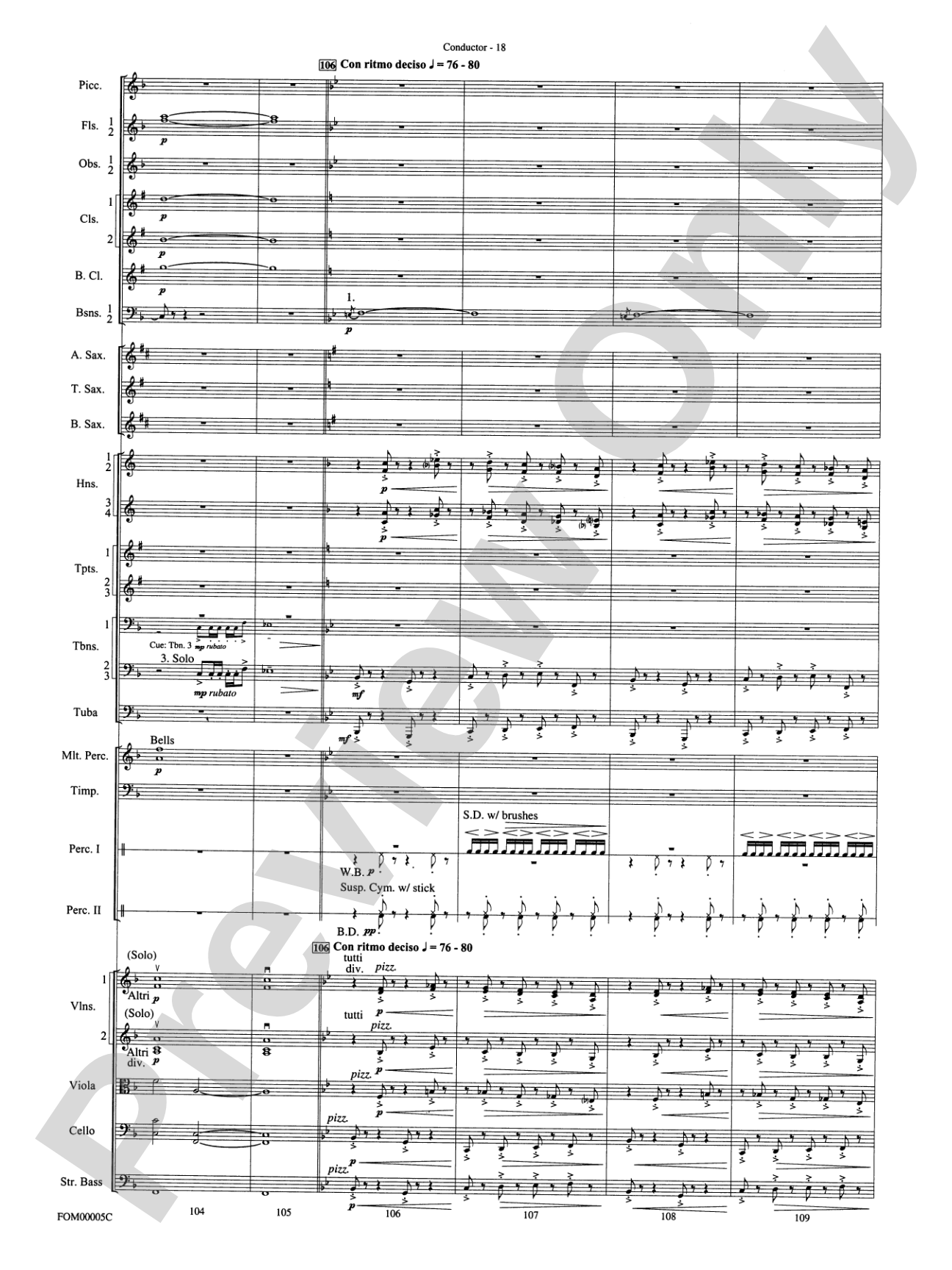
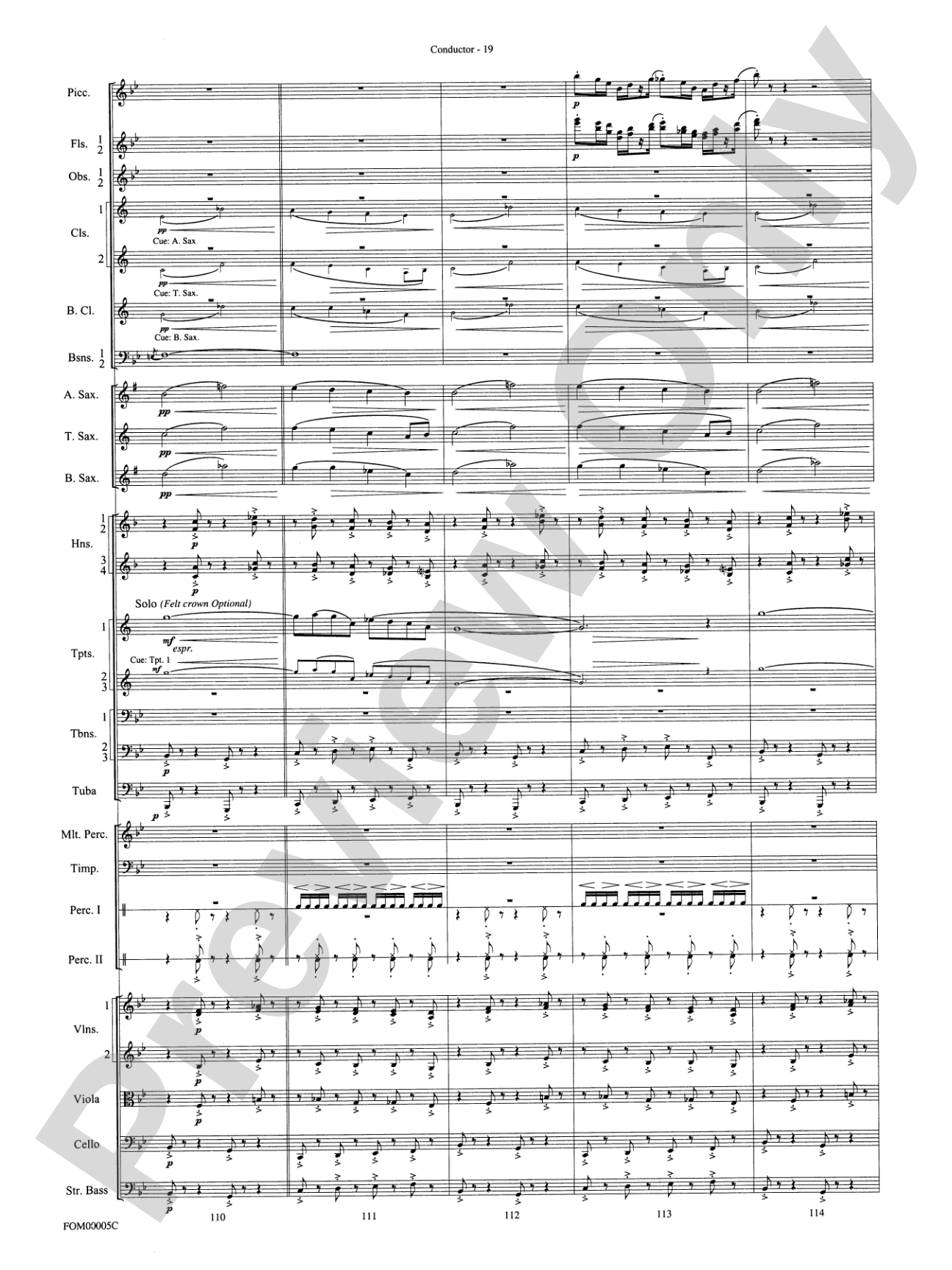
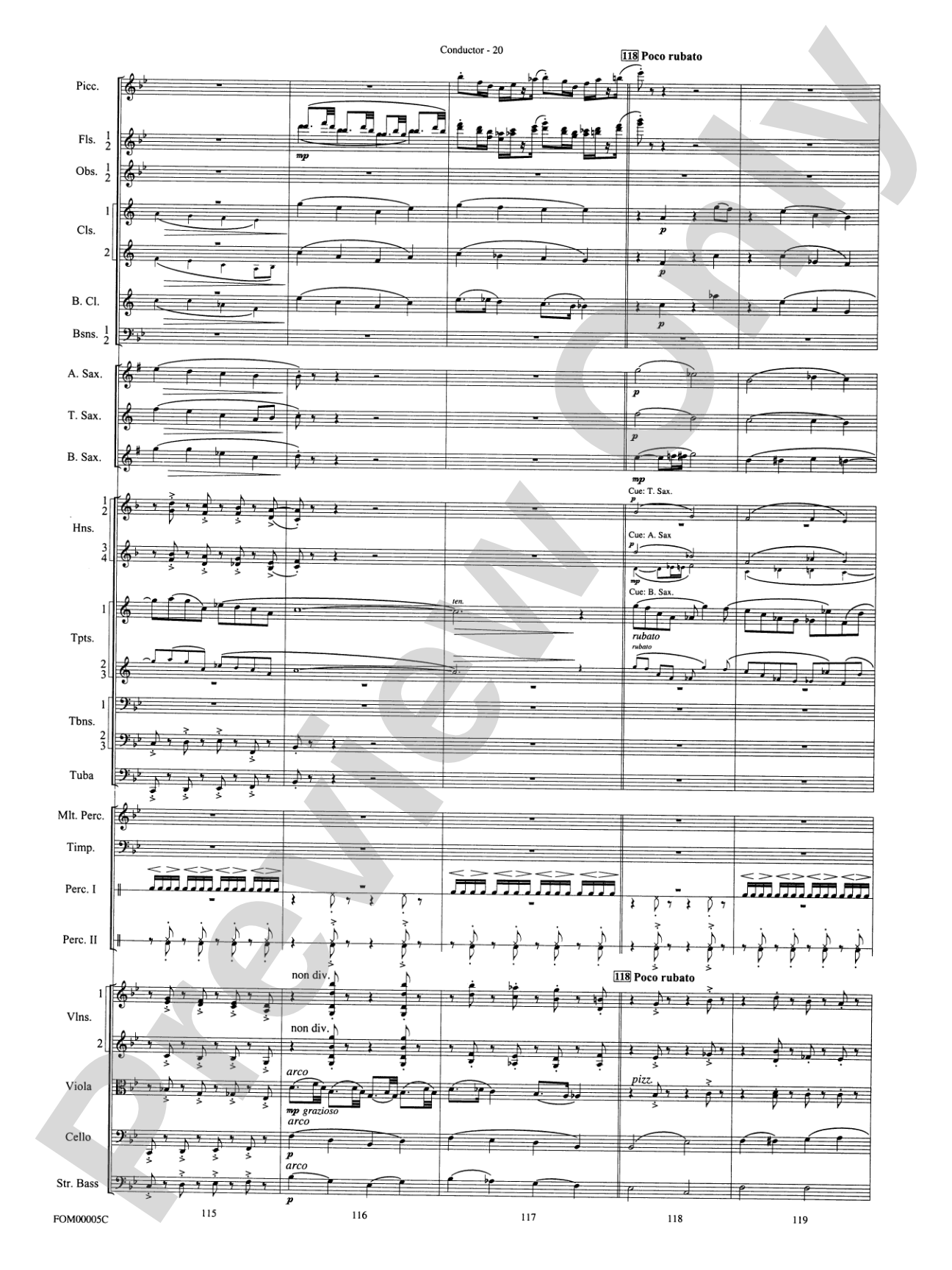
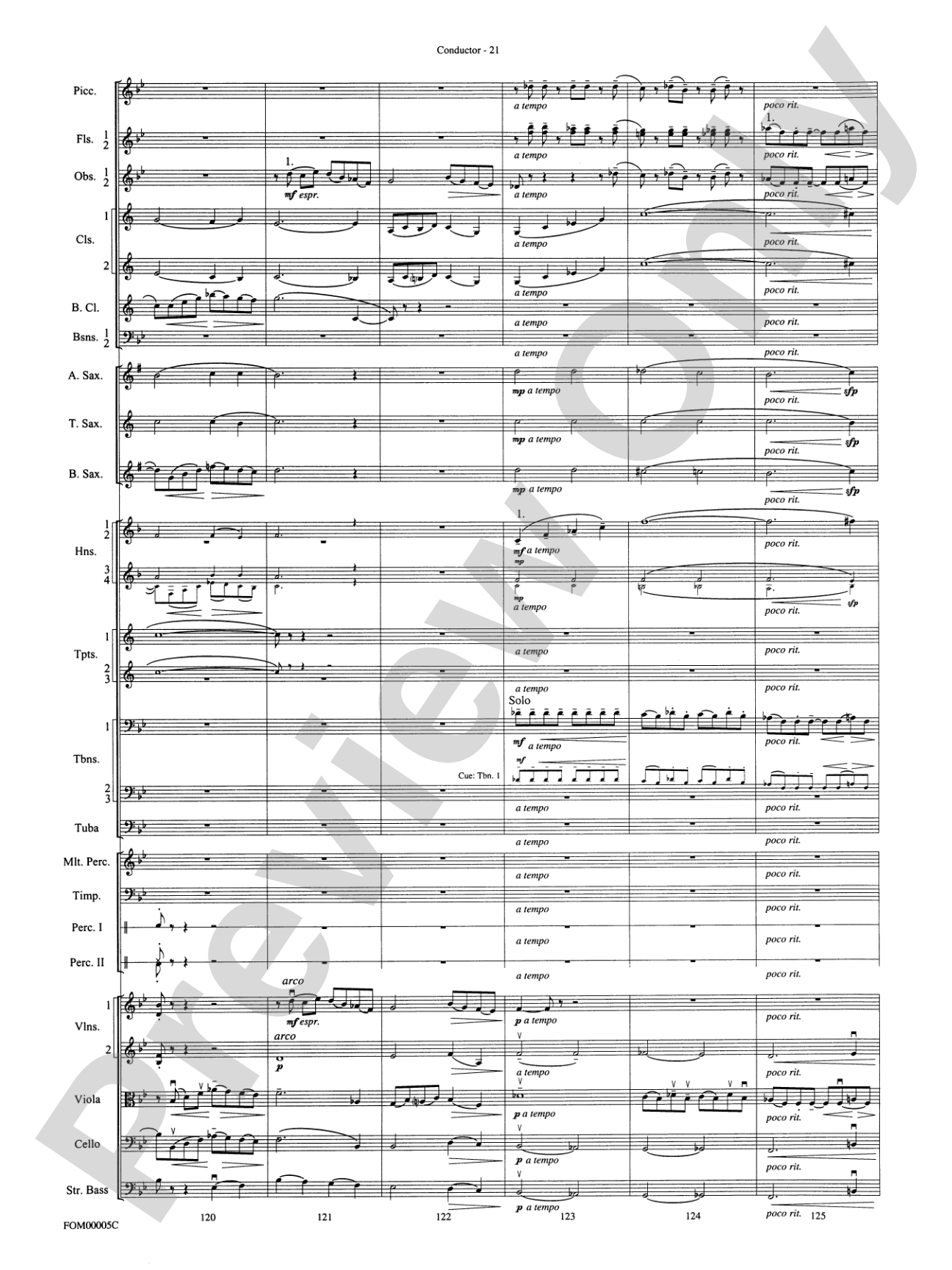
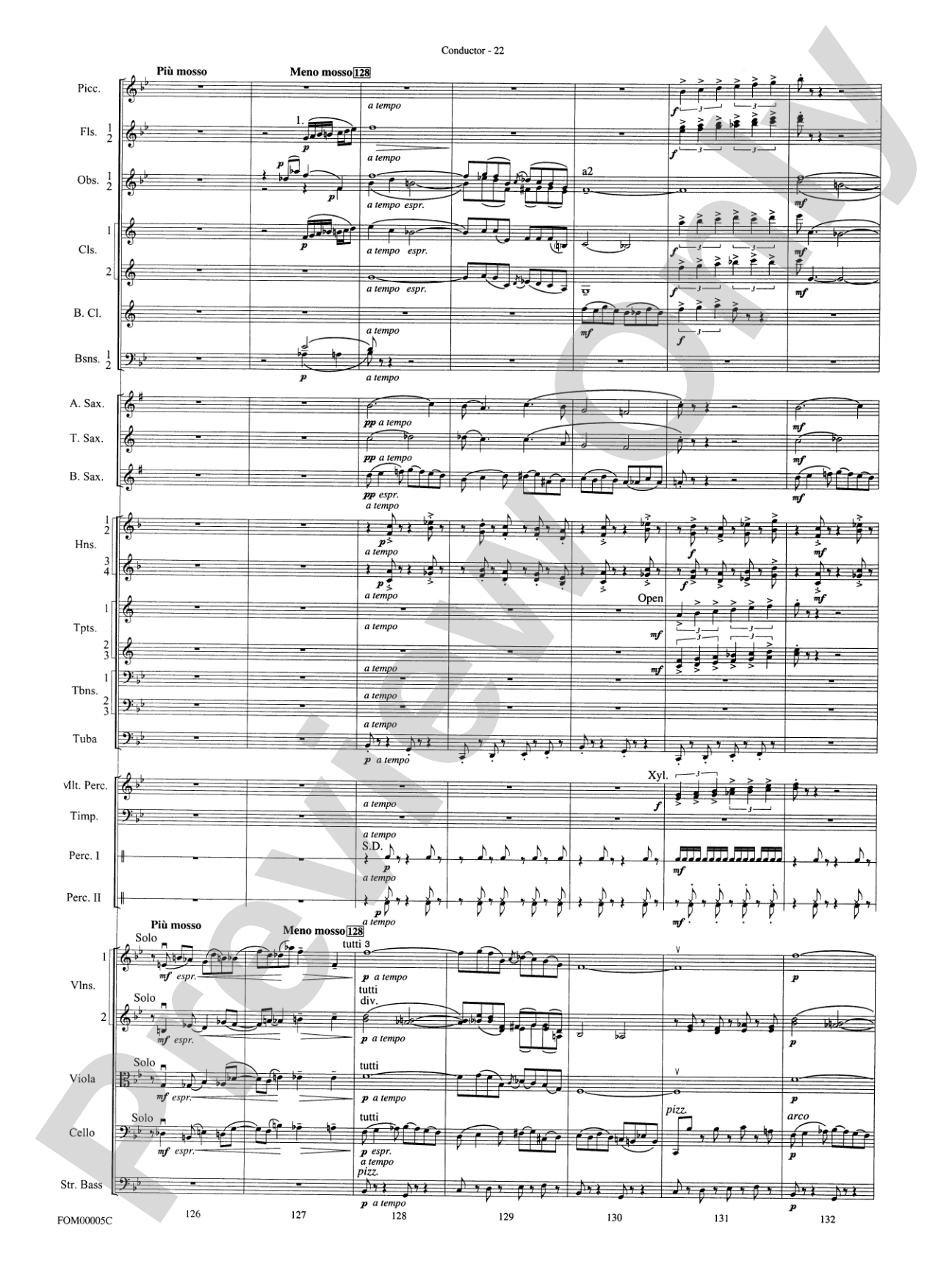
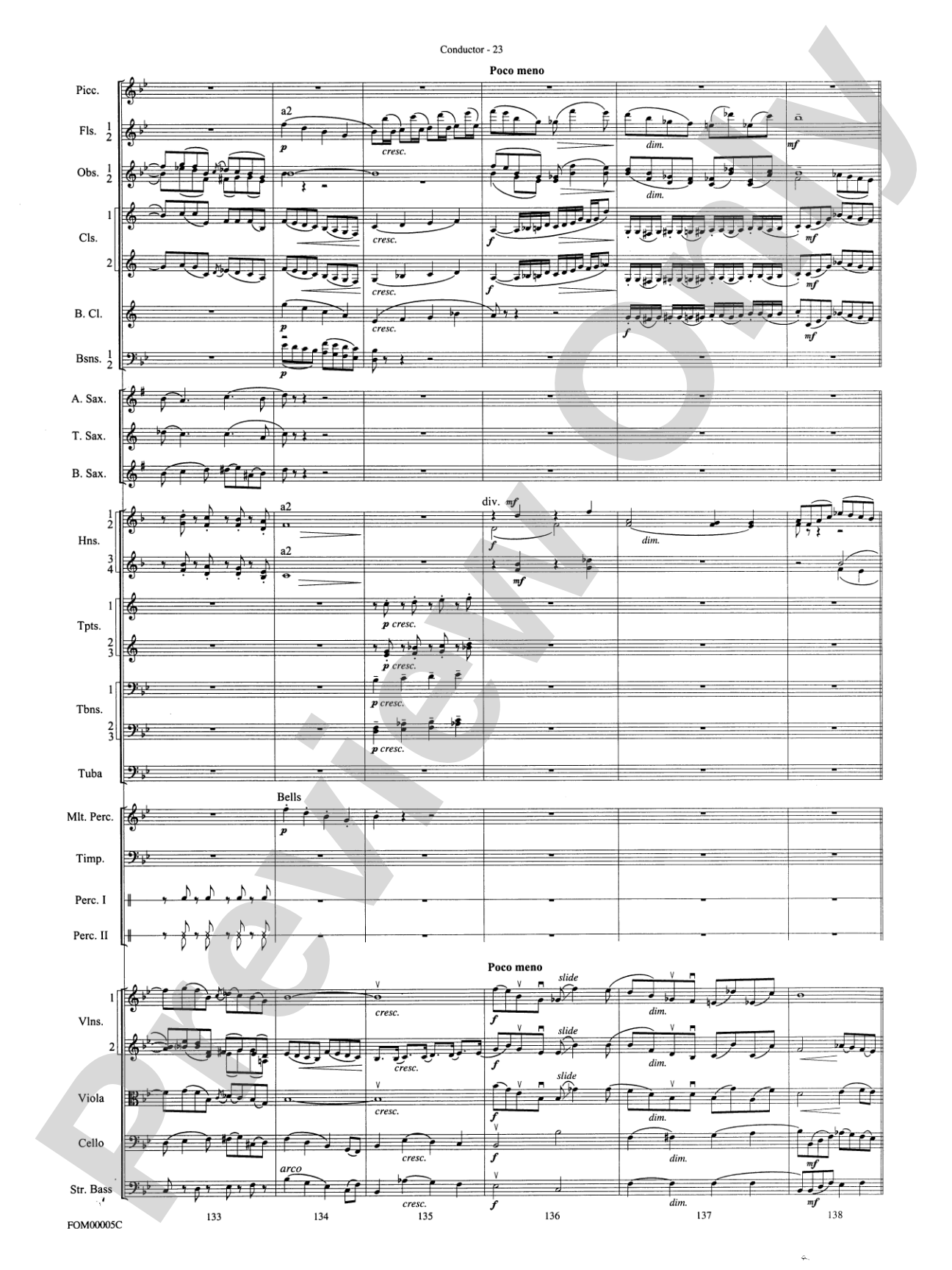
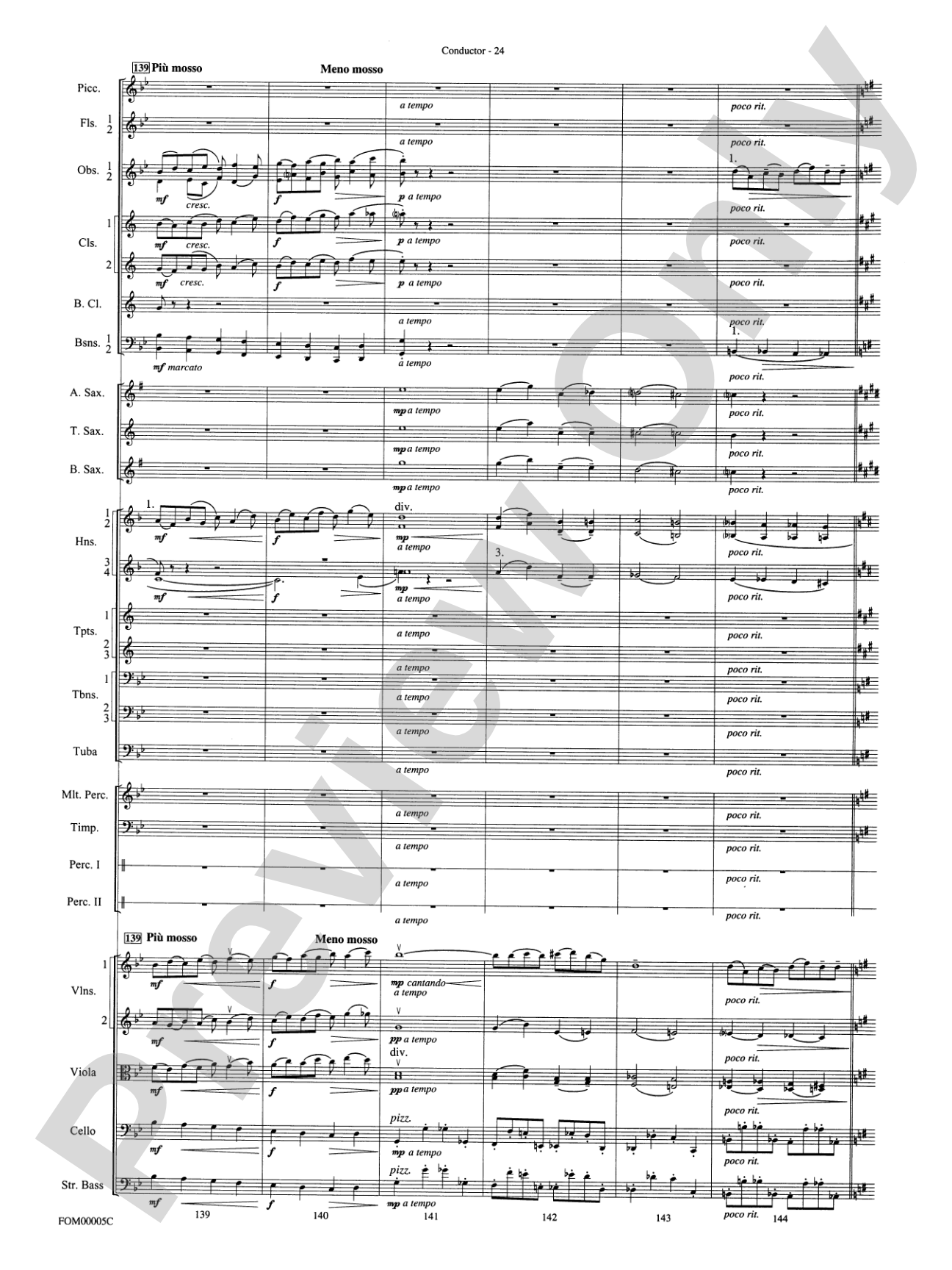
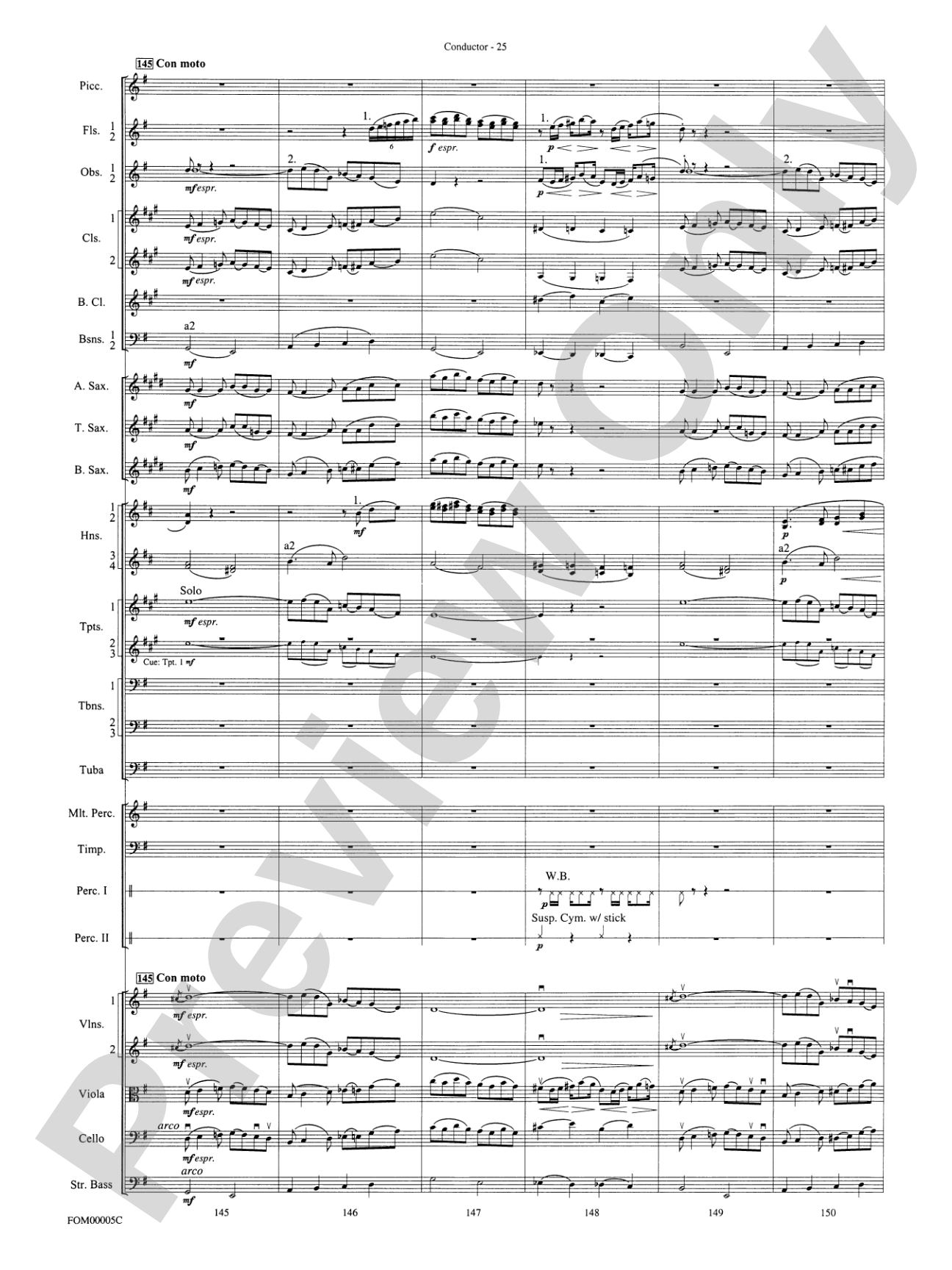
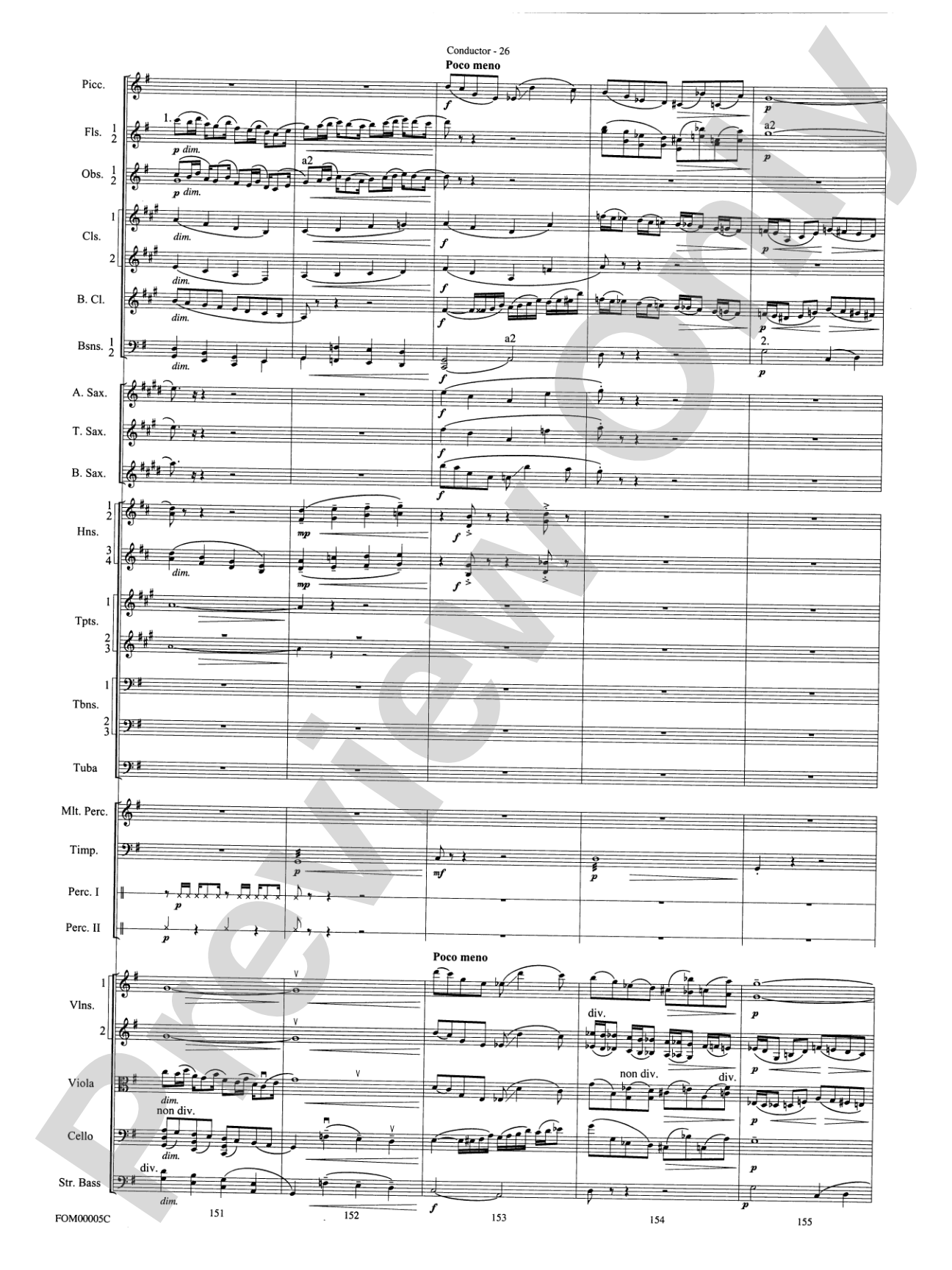
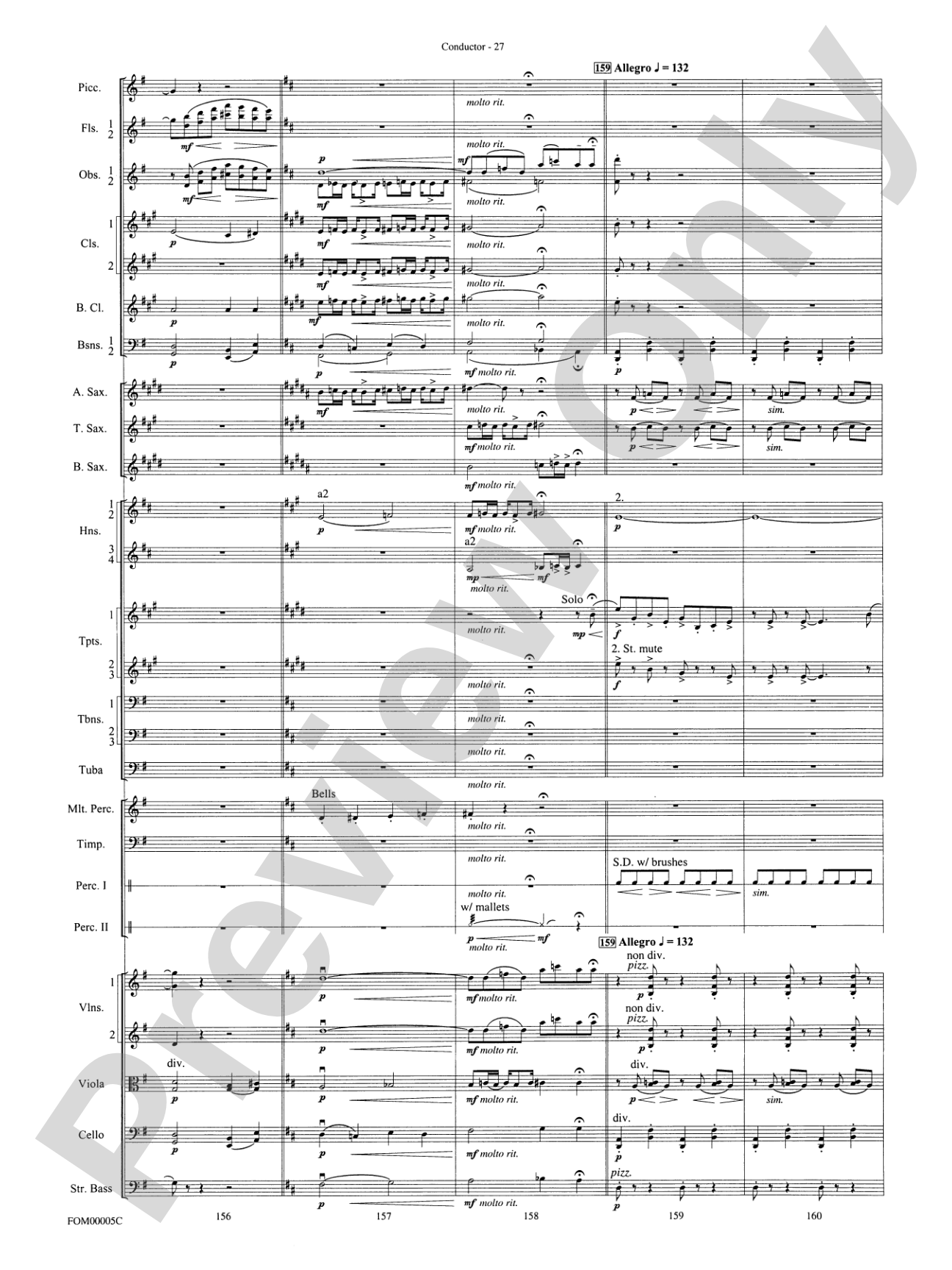
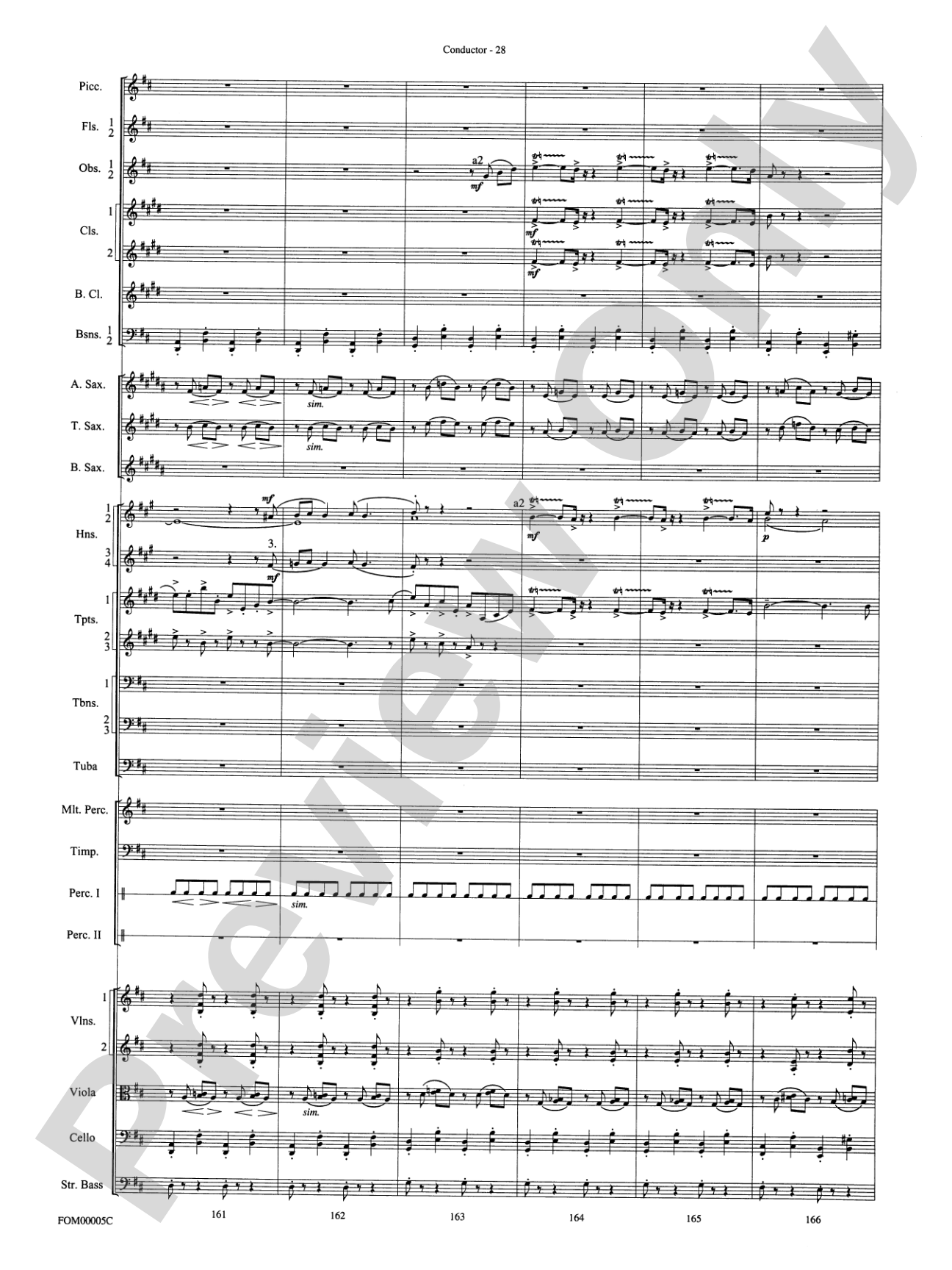
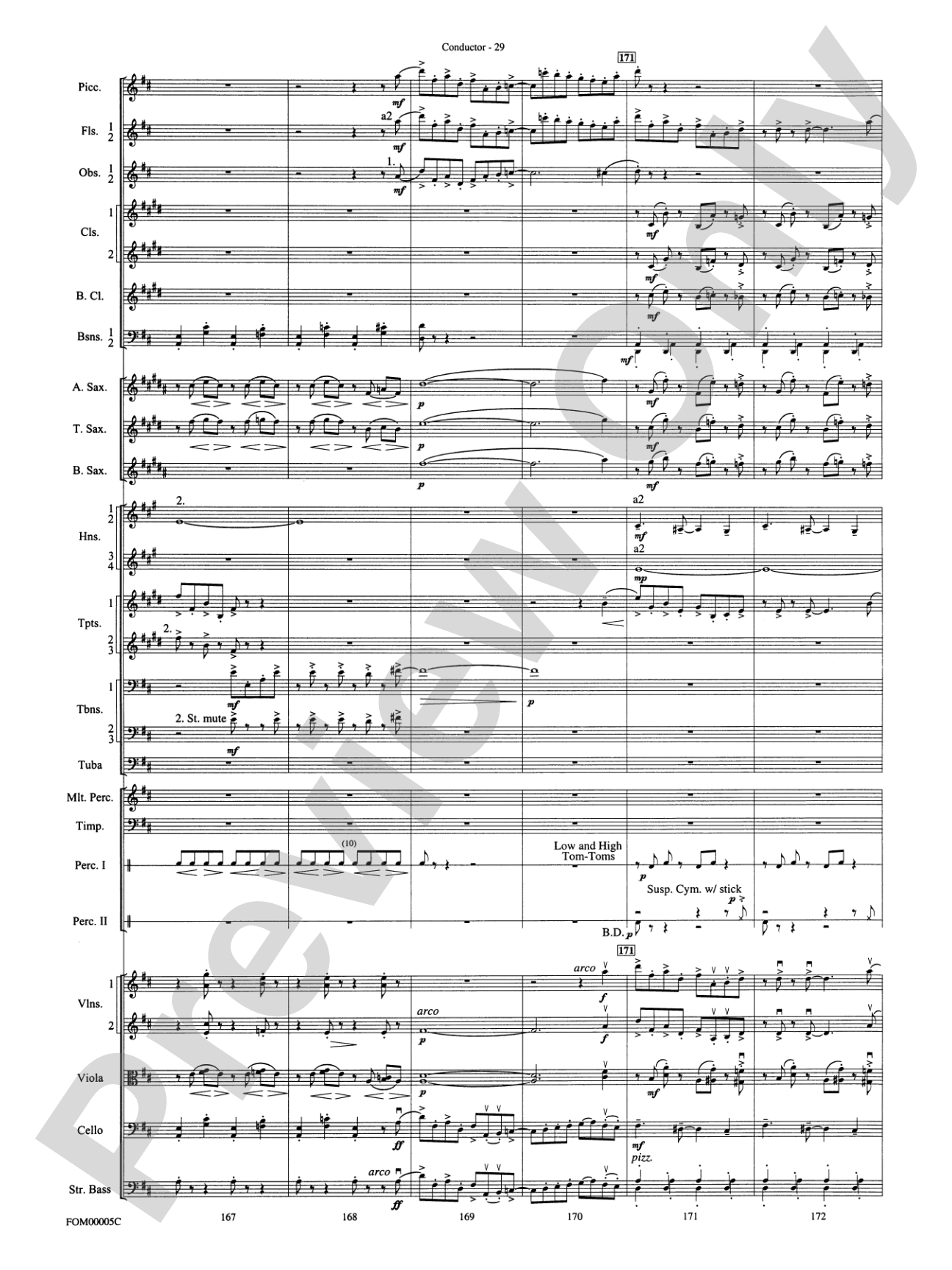
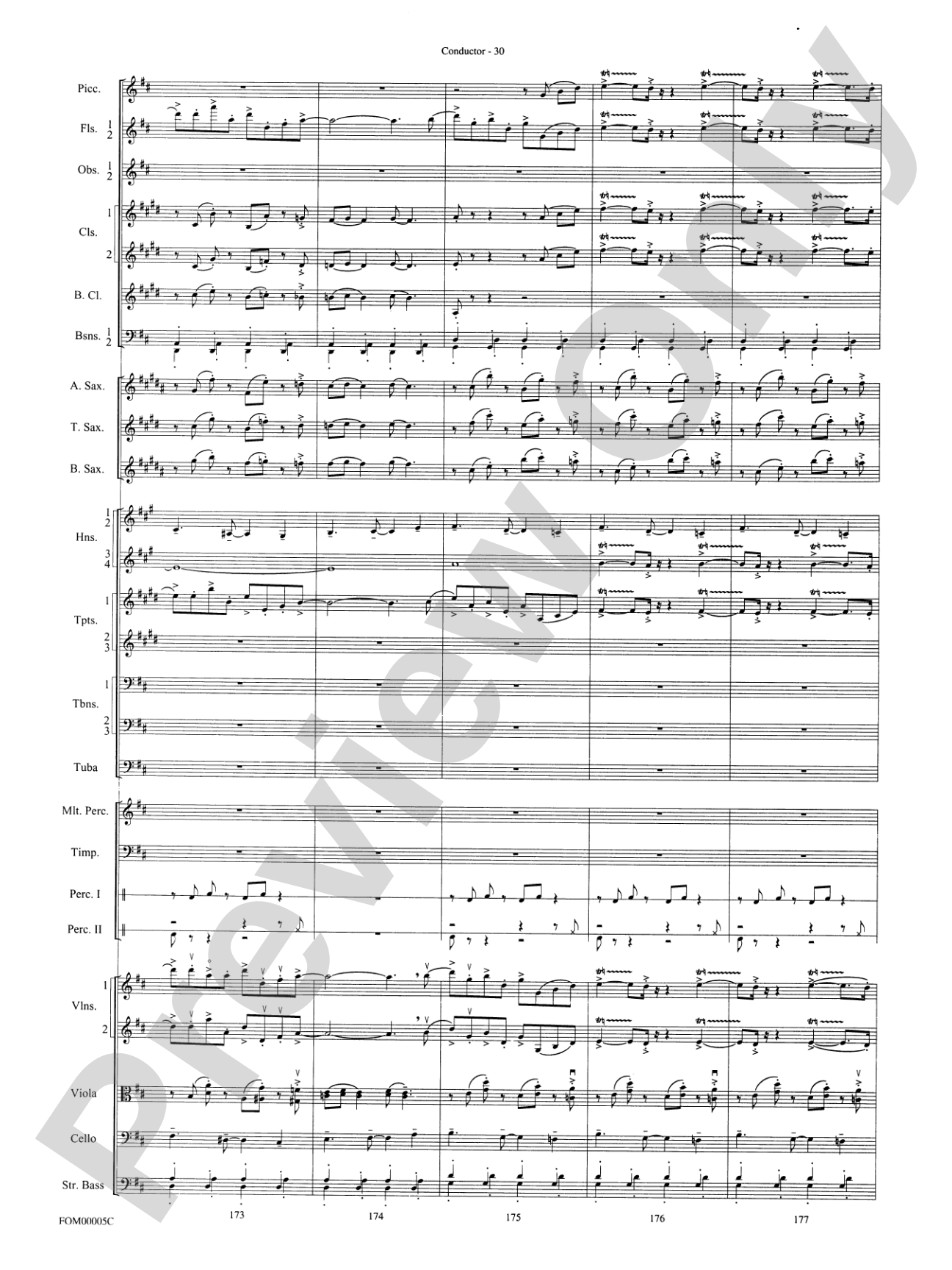
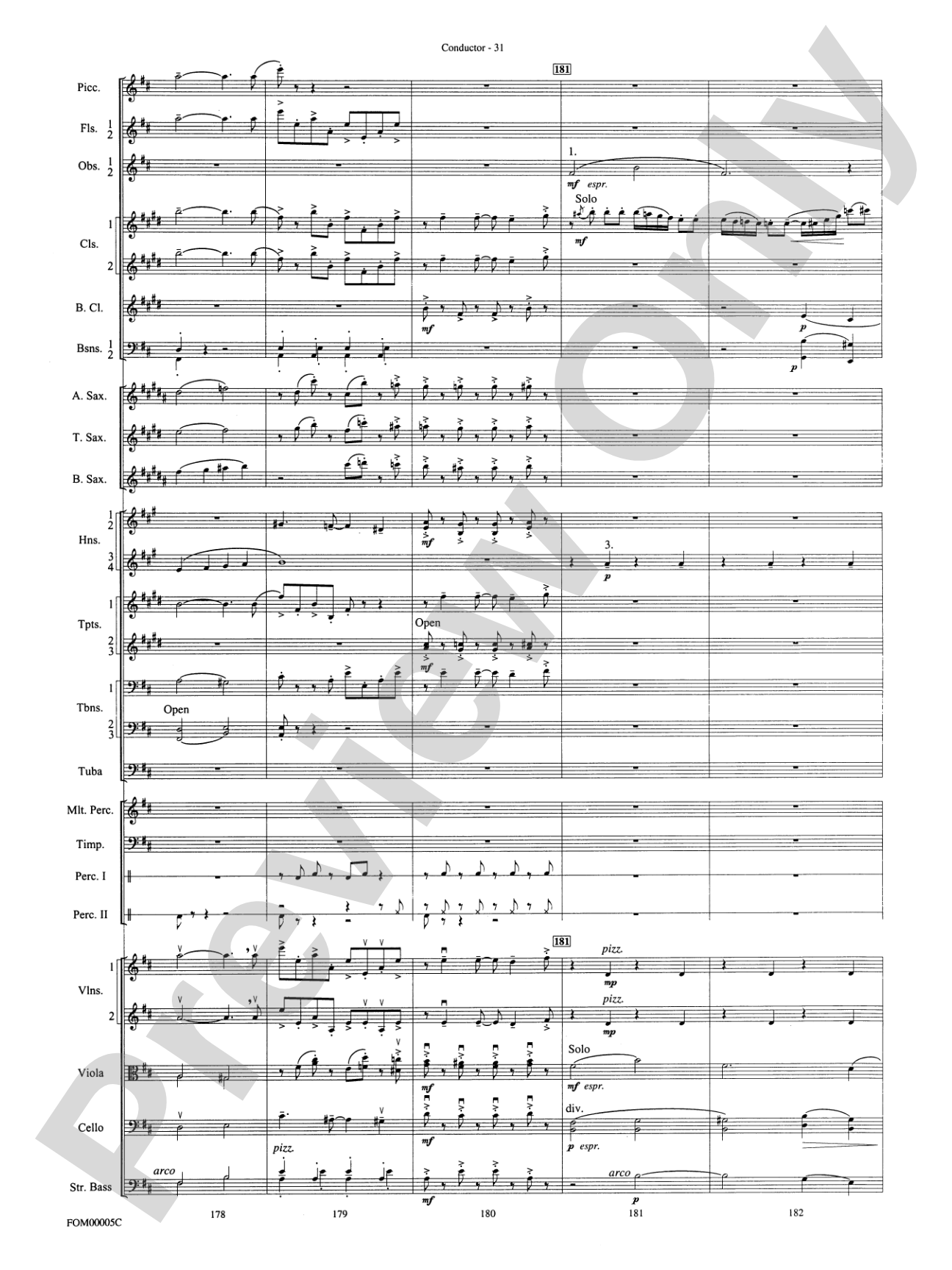
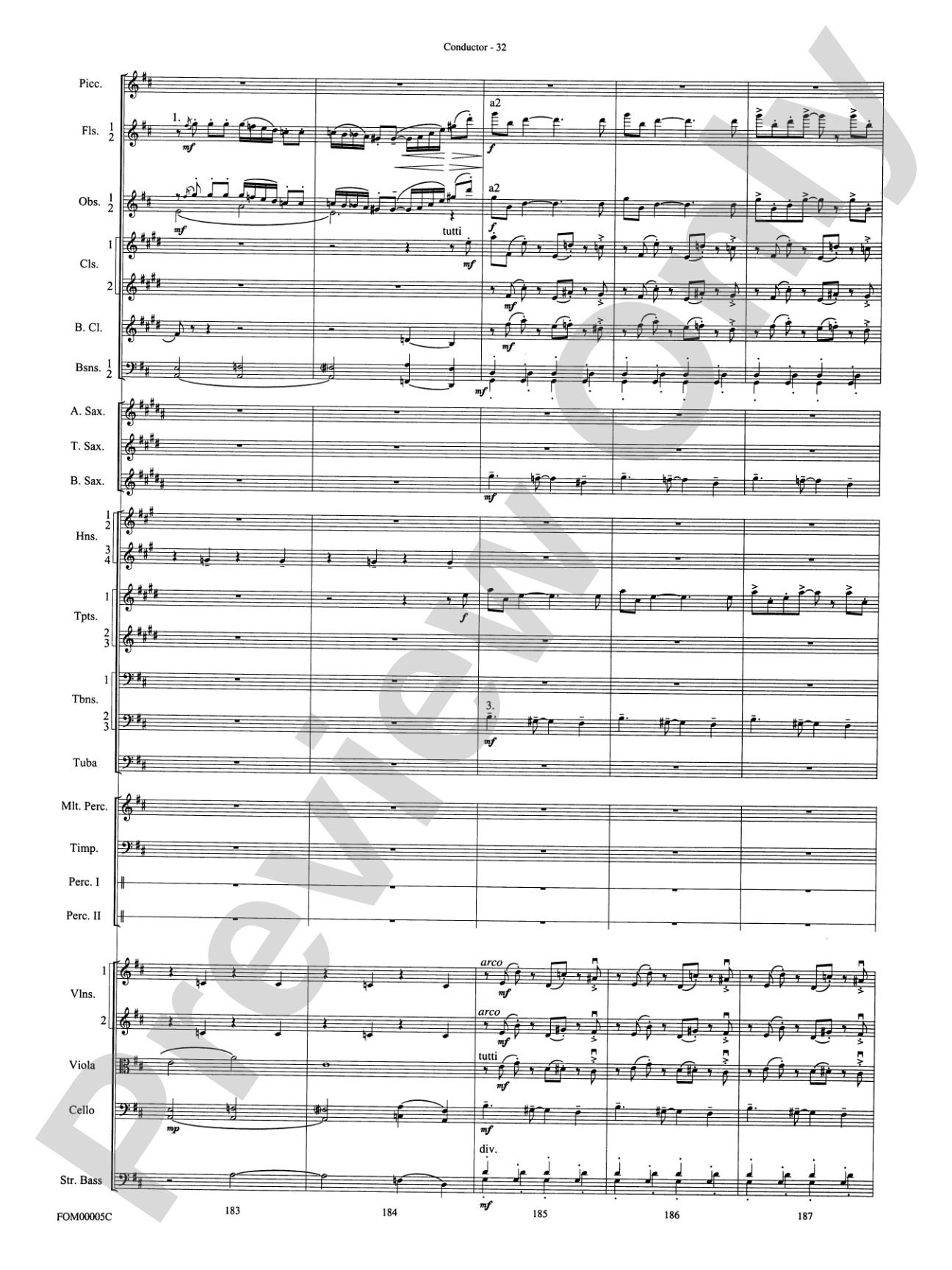
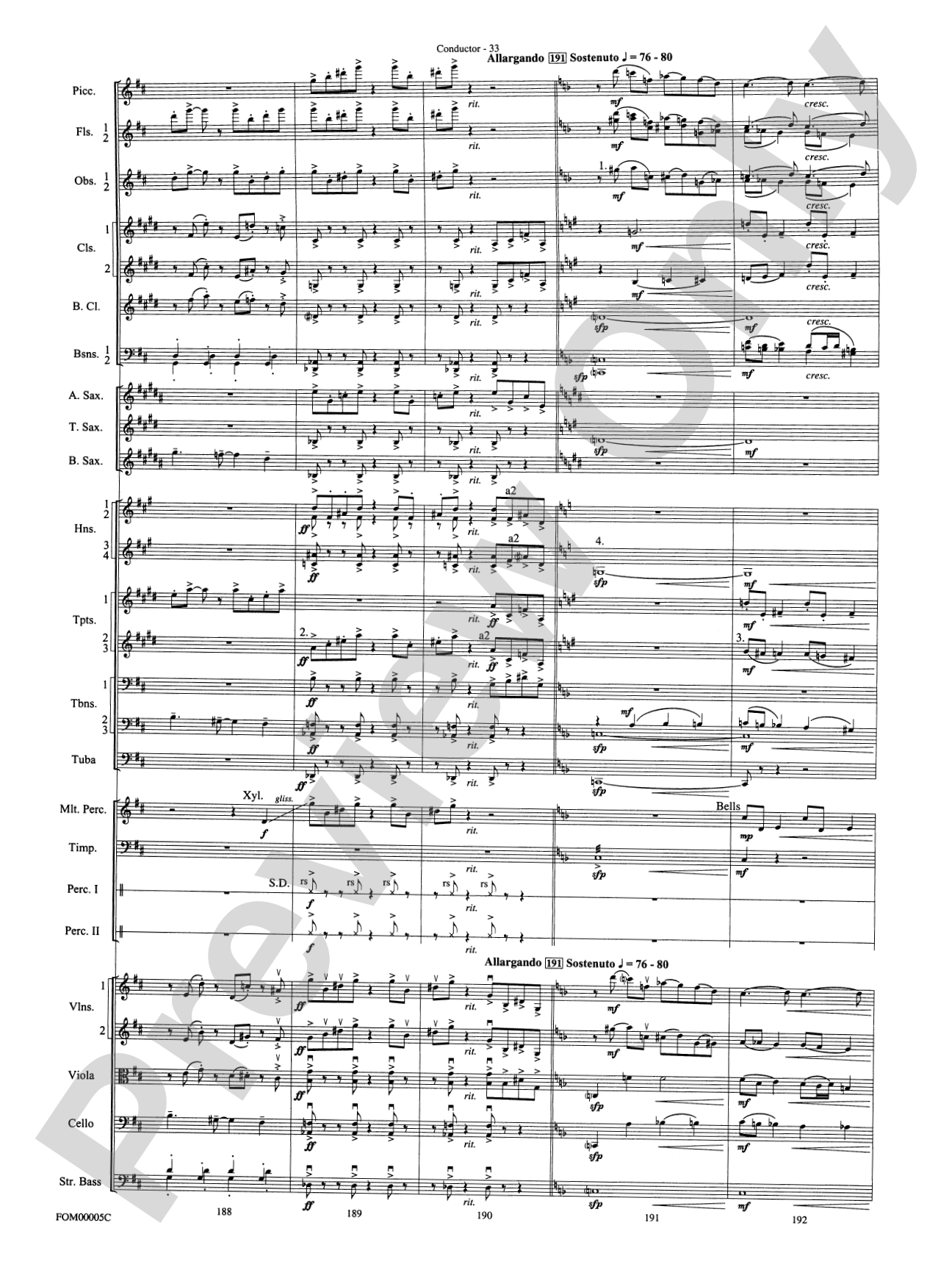
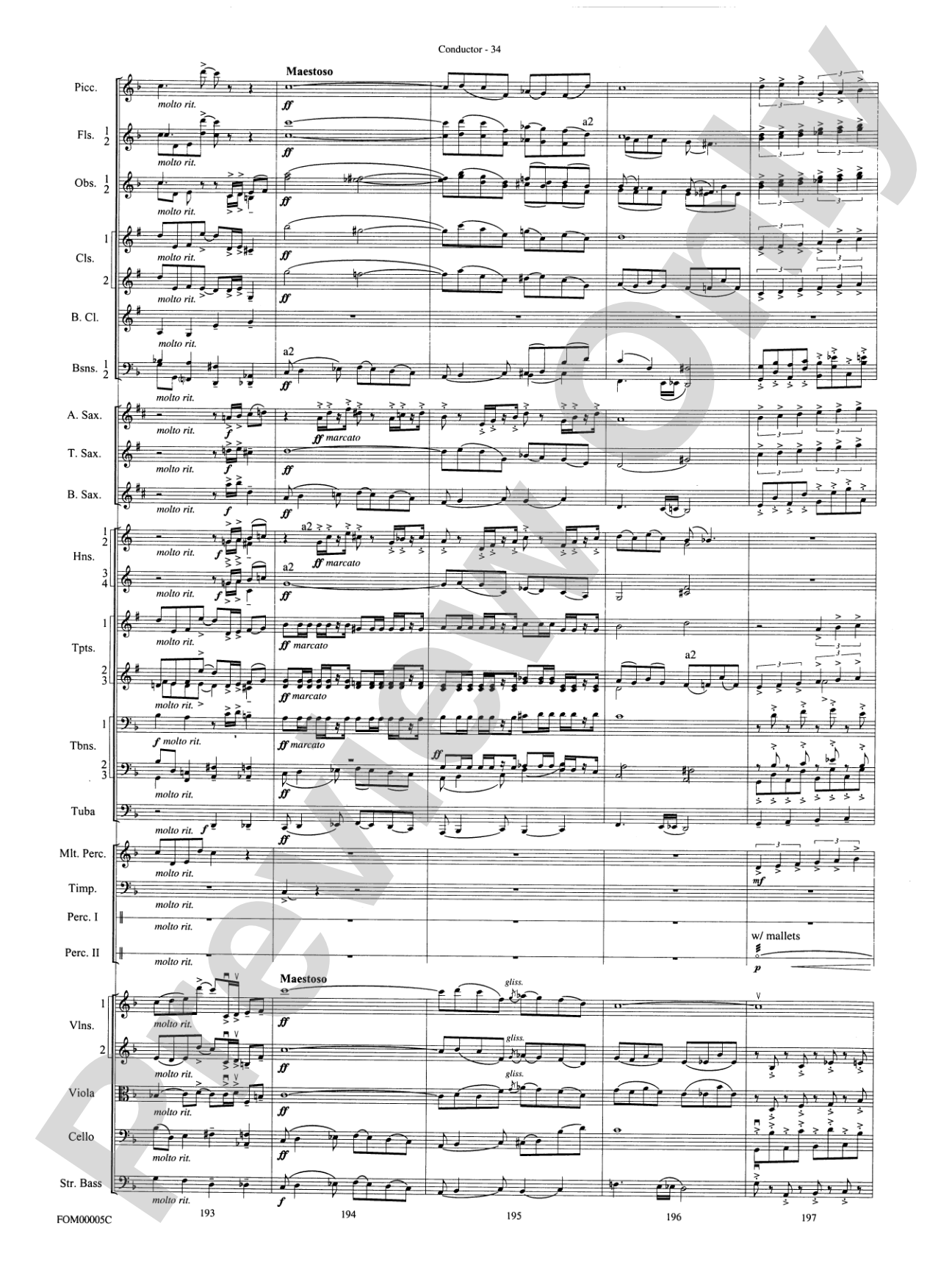
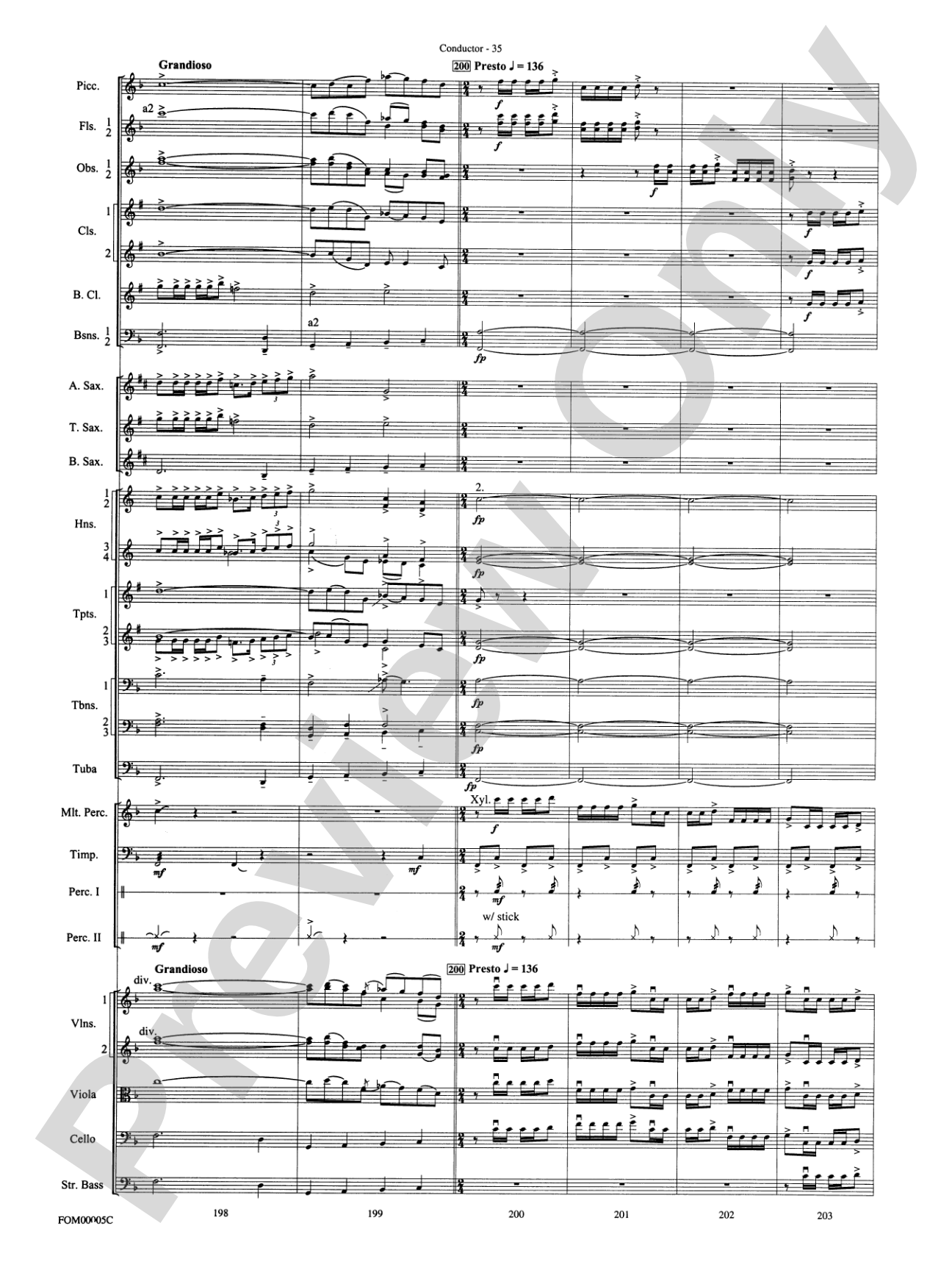
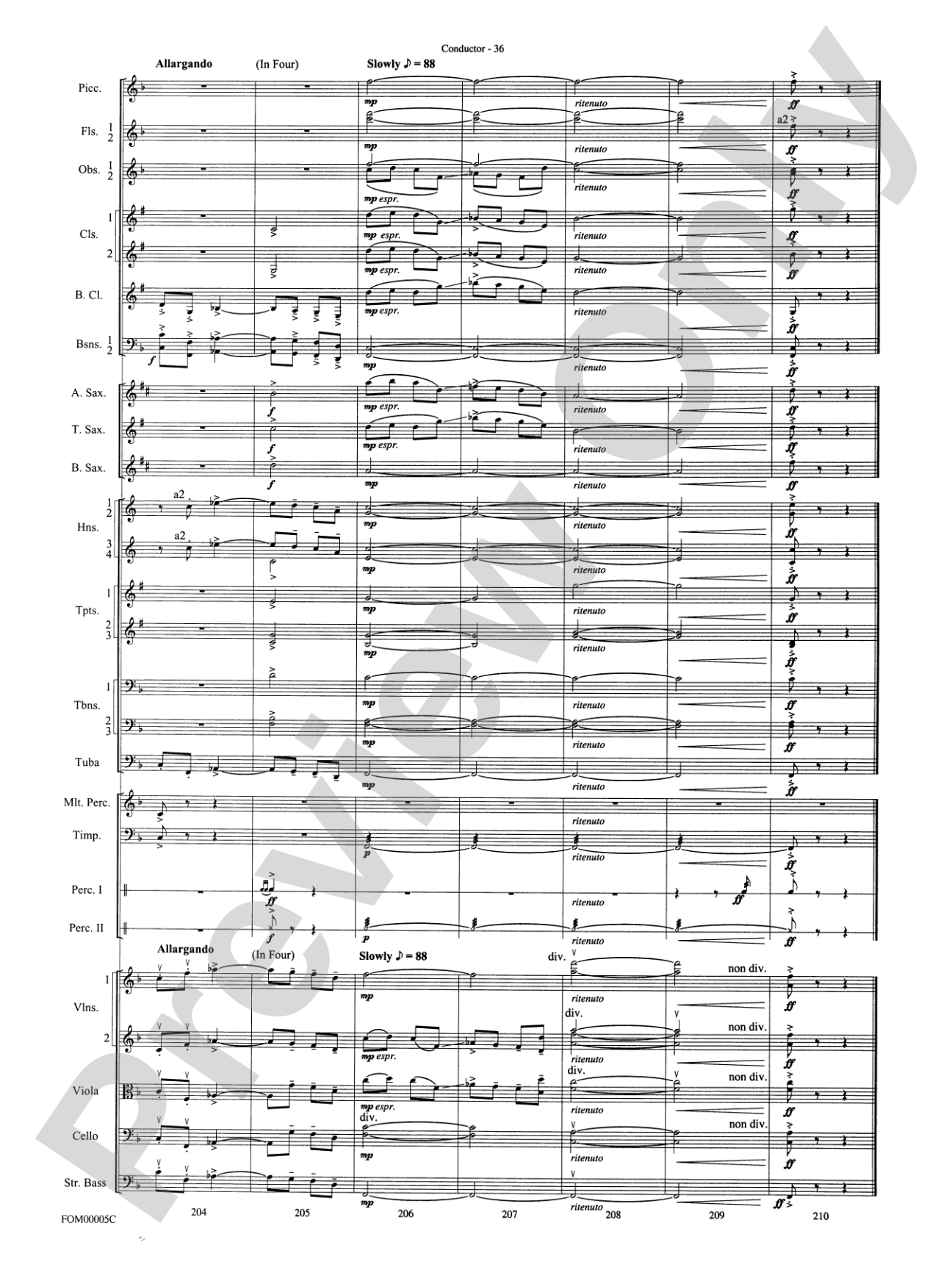



An American in Paris Suite: Full Orchestra Conductor Score & Parts
By George Gershwin / arr. John Whitney
Grade: 3.5
Item: 00-PK-0002407

$80.00
Pickup currently not available
Buy Extra Parts (Digital PDF Download)
Parts Added to Cart!
Description
True to the original but edited to fit your needs. Choosing to program the complete An American in Paris may be too cumbersome, but we have the solution! This classic work has earned its place in music history, and this arrangement lives up to its reputation. Both programmatic and musical, it's Gershwin at its best!


Don't just read it, hear it, play along with it, and watch your students grow with it. In MakeMusic Cloud, An American in Paris Suite: Full Orchestra Conductor Score & Parts comes alive with professional accompaniment, adjustable tempo, and built-in practice tools that turn solo practice into real progress.
Open in the Player
Jump straight in and assign it today.
Start Your Free Trial
Open this title and explore the full library in minutes.
Sample Audio
1
Audio File
--:--
0:00
0:00
Sample Video
Additional Details
Series:
Pop Concert Full Orchestra
Publisher:
Alfred Music
Page Count:
382
SKU:
00-PK-0002407
More about this title
About the Composer: George Gershwin
George Gershwin revolutionized American concert music by refusing the boundary between jazz and classical forms. His gift for melody and harmonic sophistication made symphonic works accessible without sacrificing depth, proving that popular idioms belonged in the concert hall. Gershwin's influence on 20th-century composition stems largely from his ability to write music that satisfies both the ear and the intellect.
As an educator's repertoire, Gershwin opens doors. His orchestrations teach clear colors and balance; his rhythms and harmonic language connect students to the musical world they actually hear around them. An American in Paris exemplifies why his works remain central to music education.
Why we love this
John Whitney's arrangement captures the essence of Gershwin's masterpiece while making it genuinely playable for developing orchestras. The Grade 3.5 level doesn't simplify the musical voice, it just removes the extreme technical demands of the original, keeping the harmonic sophistication and programmatic storytelling intact. Conductors get to teach a work that earned its place in music history without spending half the season on the same piece.
What to expect
An American in Paris captures the wonder of a tourist landing in the city, moving between homesick blues and Parisian joie de vivre. Gershwin's orchestration shimmers with period color, muted trumpets, tuned percussion, unexpected harmonies that surprise even when you know what's coming. The music feels both of its moment and timeless.
Who it's for
Orchestras at the intermediate level with solid fundamentals and enough chairs to handle a full instrumentation. Band directors looking to branch into orchestra or mixed ensemble settings will find this accessible and rewarding. Contest and festival programs benefit immediately from a work this musically substantial.
How to get the most out of it
- Balance the opening clarinet and muted trumpet duet against the string texture beneath it; these need to sing independently while remaining part of the whole fabric.
- The section transitions rely on rhythmic precision rather than dramatic dynamic shifts. Prepare the ensemble to lock the meter changes with confidence, especially moving between the blues-influenced passages and the more lyrical sections.
- Let the French horns breathe in their sustained passages; they carry harmonic weight that shouldn't sound labored or muffled. Check that the lower brass isn't drowning them out.
- Shape the famous taxi-horn effects with character rather than novelty. They're part of Gershwin's storytelling, not comic relief.
How to use it
Pair this with other Gershwin works or early 20th-century American concert music to create a thematic program without sacrificing variety. Its Grade 3.5 level makes it an excellent anchor piece for a concert that explores jazz influence on classical forms. Festival judges recognize Gershwin's orchestration immediately, making this a smart contest choice for orchestras building their library.
Skills your students will build
- Balancing jazz-influenced rhythm with symphonic phrasing
- Reading chromatic harmony and tertian chords with altered extensions
- Coordinating sectional independence within a unified texture
- Responding to programmatic content through instrumental color and articulation
- Managing the interplay between mute and open sounds across the brass section