An African Celebration Cover Image

An African Celebration: SATB Choral Octavo

$2.95 USD
Sale price  $2.95 USD Regular price 
Skip to product information
An African Celebration Cover Image

An African Celebration: SATB Choral Octavo

Betelehemu / African Noel / Siyahamba

Arr. Sally K. Albrecht

Item: 00-21804

makemusic Cloud badge

Need it now?

Buy Digital Version
$2.95
Shipped

One moment…

Description
Sally Albrecht combines three celebrated African folk songs into one exuberant arrangement for choirs of all levels from elementary through high school. Pulsating rhythms and a joyous layering of vocal parts build to an explosive finish. Sing this cross-cultural gem in Swahili and English for seasonal concerts, or use the alternate "Alleluya" text all year long. A lively African feel SoundTrax is available, or add your own rhythm instruments.

Don't just read it, hear it, play along with it, and watch your students grow with it. In MakeMusic Cloud, An African Celebration: SATB Choral Octavo comes alive with professional accompaniment, adjustable tempo, and built-in practice tools that turn solo practice into real progress.

Sample Pages

Sample Audio
0:00
0:00
Sample Video
Additional Details
Series: Alfred Archive Edition: Alfred Choral Designs
Publisher: Alfred Music
Page Count: 16
UPC: 038081211978
SKU: 00-21804

More about this title

About the Arranger: Sally K. Albrecht
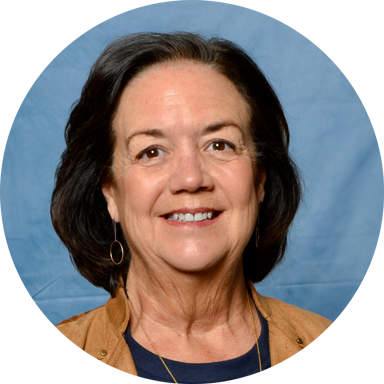
Sally K. Albrecht

Sally K. Albrecht has shaped choral music education for more than three decades, serving as Director of School Choral, Vocal, and Elementary Publications at major educational publishers, including Alfred Music. A composer and conductor recognized across the country, she has led honor choirs at prestigious venues such as Lincoln Center, Carnegie Hall, and The Kennedy Center. Since 1987, she has received the ASCAP Special Music Award annually and maintains over 600 published choral works alongside 75 larger songbooks and musicals.

Albrecht earned her B.A. in Music and Theater from Rollins College (1976) and continued her studies at the University of Miami, where she received an M.A. in Drama (1977) and an M.M. in Accompanying (1979). Her leadership extends beyond composition and arrangement; she served as Chair of the Board of Trustees for the Omicron Delta Kappa National Leadership Honor Society and received their "Pillar of Leadership" award. In 2021, both the University of Miami Frost School of Music and Rollins College honored her with Distinguished Alumna Awards.

Why we love this

Albrecht's gift for layering vocal textures shines here. Three African folk songs woven together create momentum that builds naturally, giving singers at every level something engaging to sing while the arrangement itself handles the sophistication. The flexibility to perform in Swahili and English or pivot to the "Alleluya" text makes this genuinely useful across your concert calendar.

What to expect

Exuberance meets intention. The pulsating rhythms and layered vocal textures create a sense of gathering and celebration, while the explosive finish leaves audiences energized. Singing in Swahili and English, or using the alternate "Alleluya" text, brings singers into a shared cultural moment that feels immediate and joyful.

Who it's for

This octavo works for elementary through high school choirs seeking accessible yet sophisticated multicultural repertoire. Directors programming Kwanzaa or winter concerts, or simply wanting to celebrate global musical traditions, will find a piece that engages young singers without sacrificing musical substance.

How to get the most out of it

  • Establish the pulse with your rhythm section or SoundTrax early in rehearsal. The pulsating rhythms drive this piece, so locking in as an ensemble prevents the arrangement from feeling rushed.
  • Layer the vocal parts gradually. Start with unison or two-part sections, then add voices as singers gain confidence. This mirrors how the arrangement itself builds.
  • Encourage singers to feel the cross-cultural character in their physicality. Albrecht designed this for movement, and even small shifts in posture and energy will unlock the joy of the arrangement.
  • If you add rhythm instruments instead of using the recorded accompaniment, keep them tight and deliberate. These parts should enhance, not overshadow, the voices.

How to use it

Place this as a centerpiece in winter concerts or Kwanzaa celebrations, where its cross-cultural character and accessible writing will connect with audiences of all ages. It also works as an opener or closer on mixed-repertoire concerts, providing a moment of collective joy that bridges different stylistic repertoire around it.

Skills your students will build

  • Singing in a non-English language (Swahili) with accurate pronunciation and musicality
  • Layering independent vocal lines while maintaining rhythmic precision
  • Responding to pulsating ostinatos and cross-rhythms
  • Building ensemble cohesion through multicultural music-making
  • Coordinating with added rhythm instruments or recorded accompaniment

You May Also Like
