


American Idiot: Percussion Ensemble Conductor Score & Parts
For Percussion Sextet and Optional Bass Guitar
Music by Green Day / arr. Jeff Moore
Item: 00-PK-0001657

$17.99
One moment…
Related Items
American Idiot: Percussion Ensemble Conductor Score & Parts |
$17.95
|
View |
Description
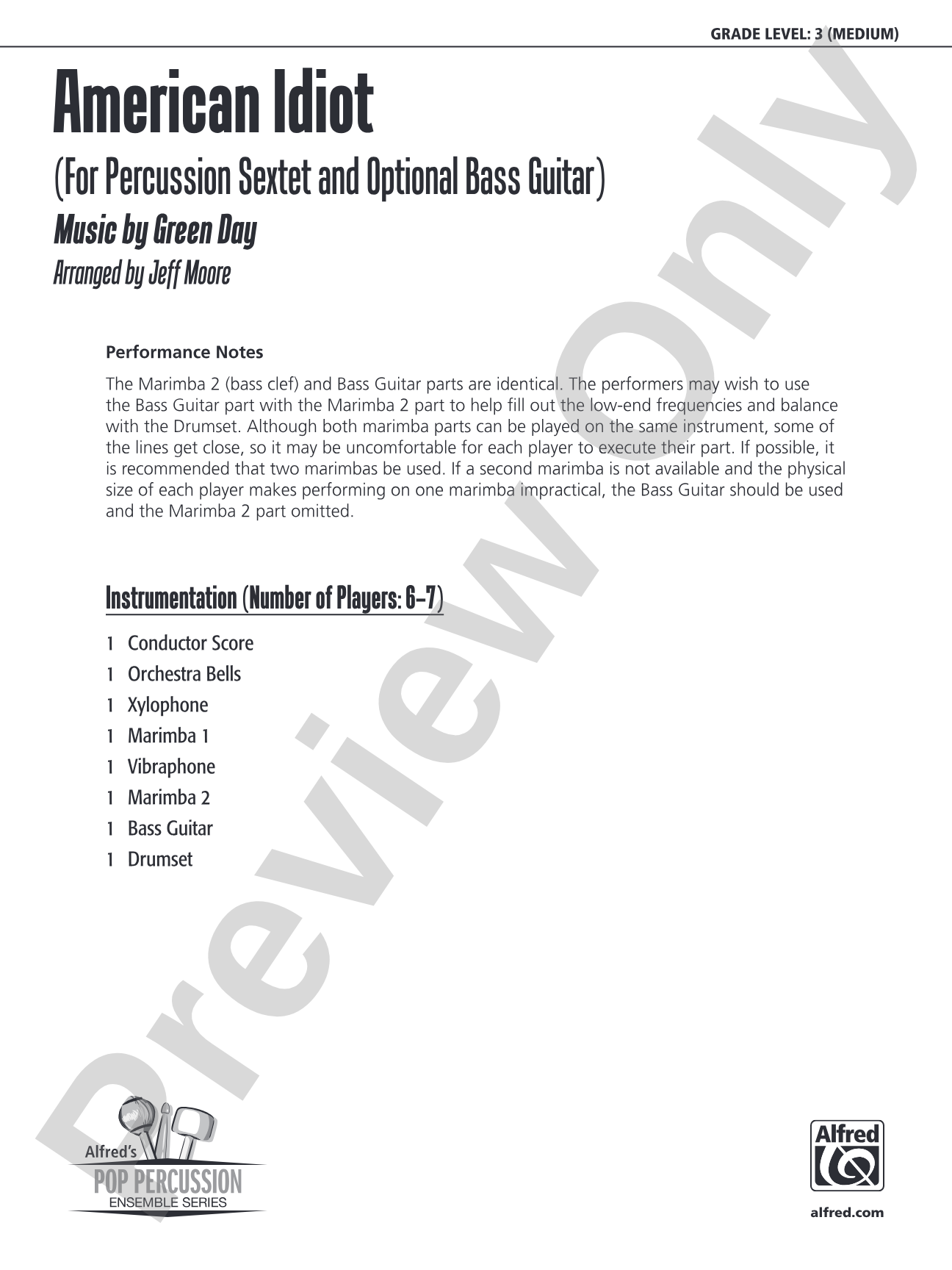
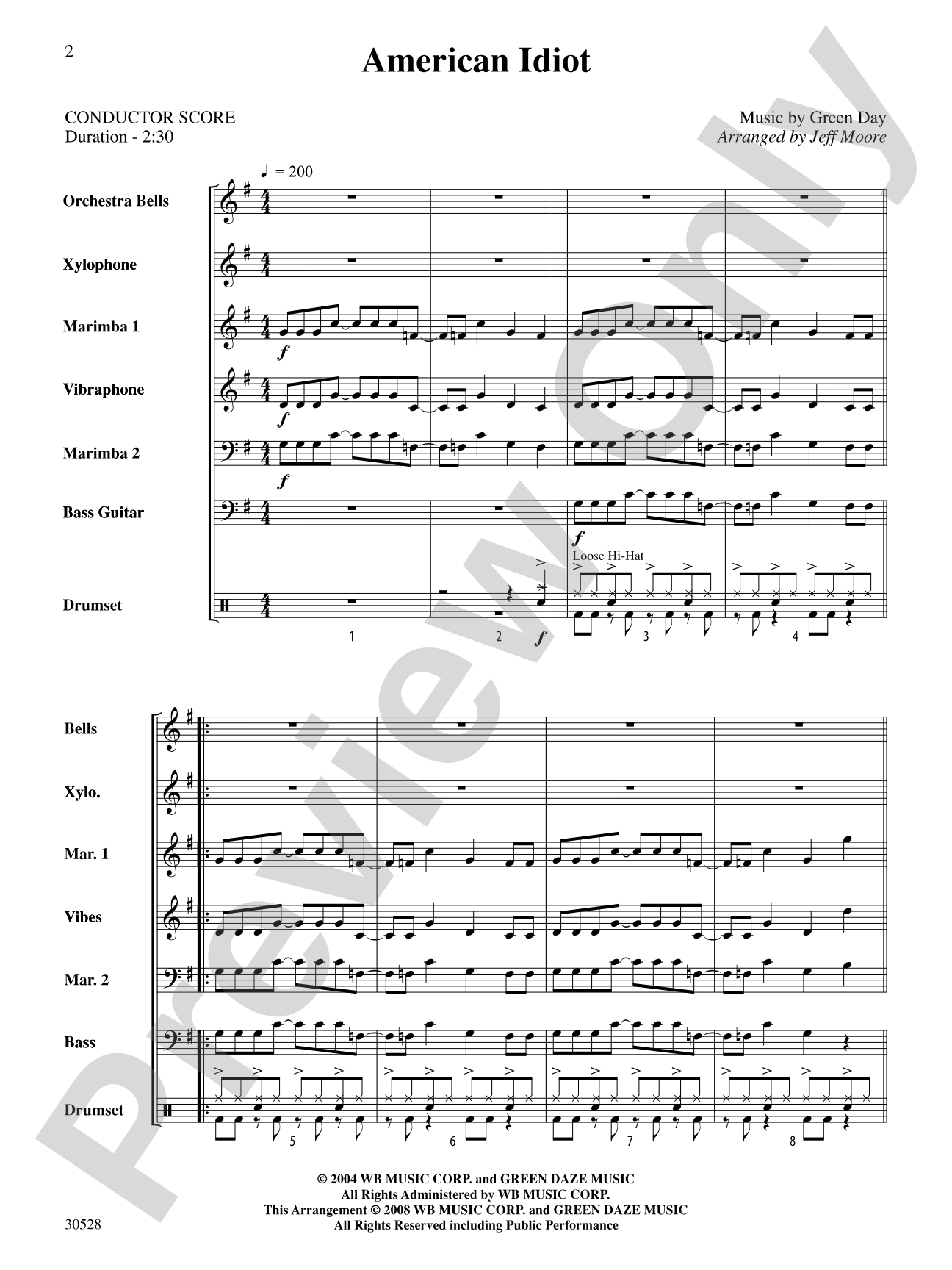
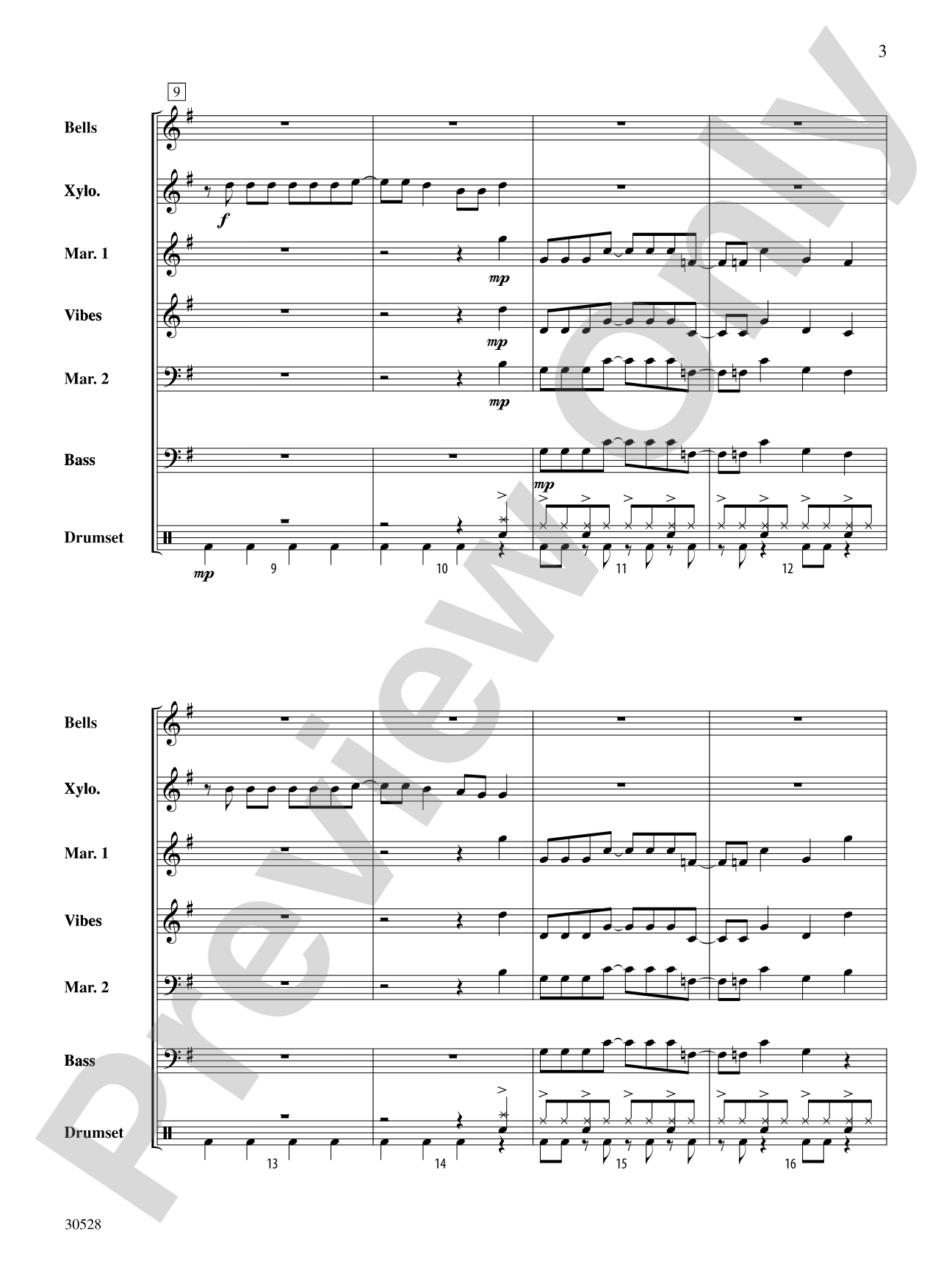
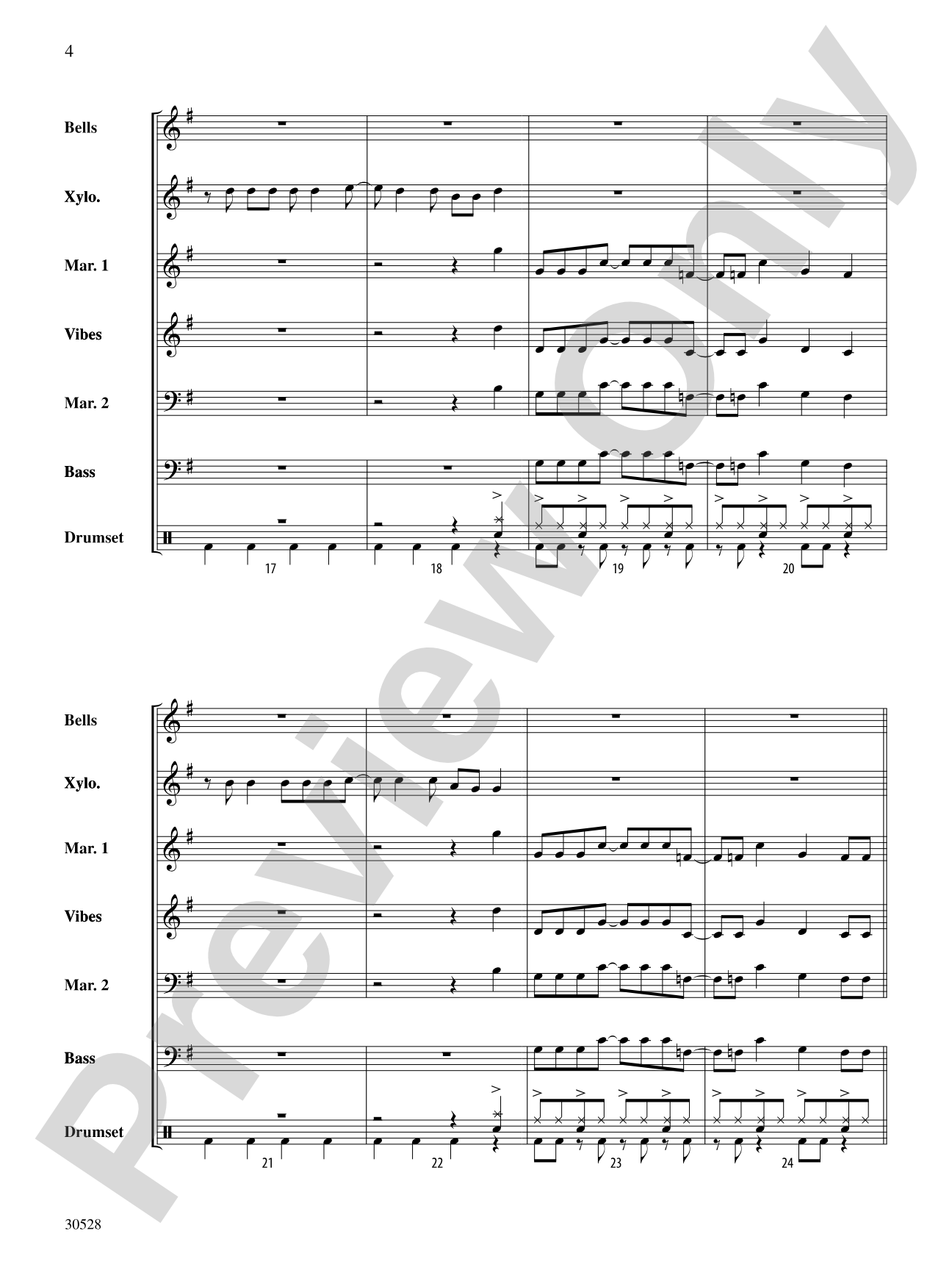
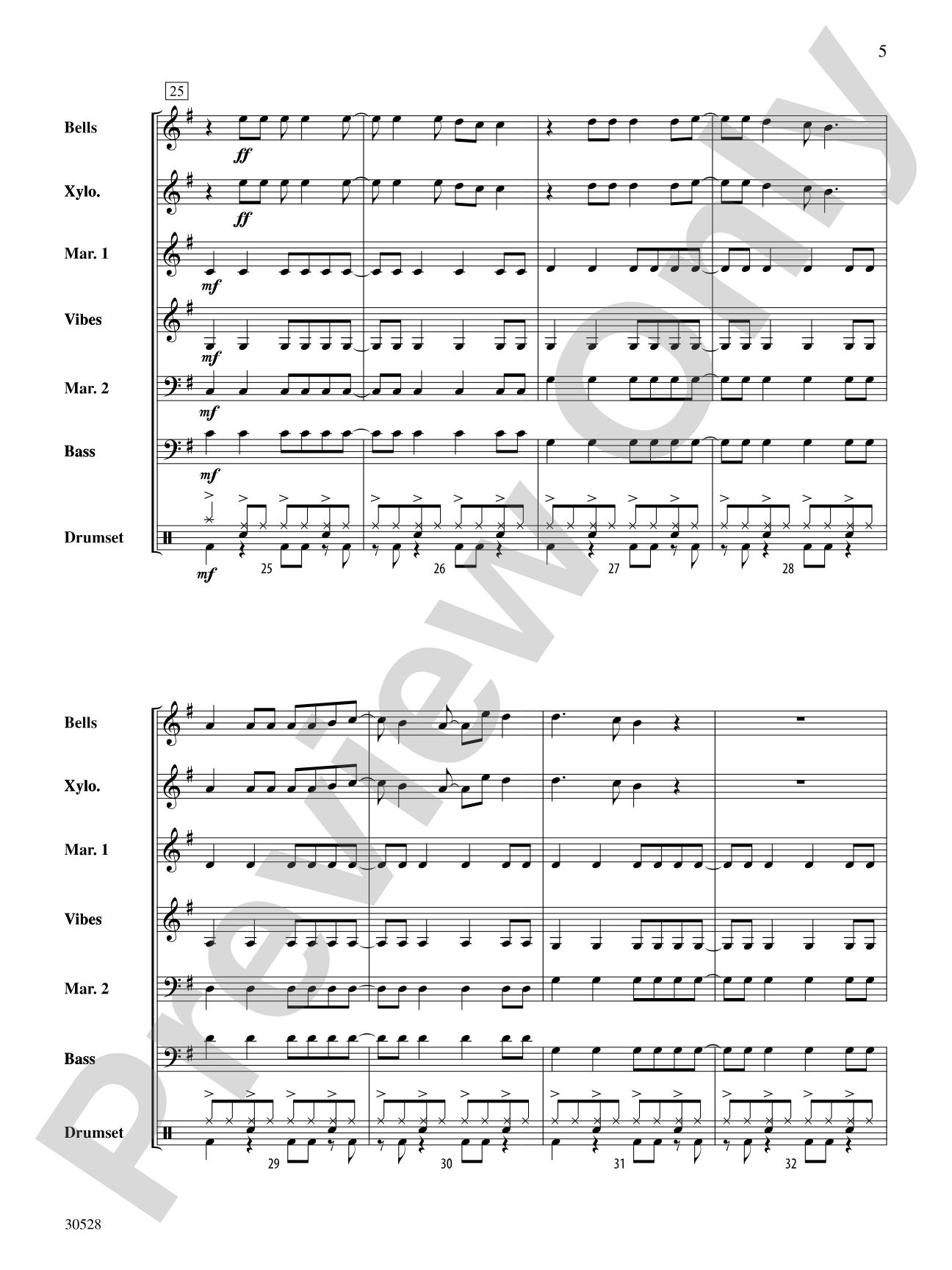
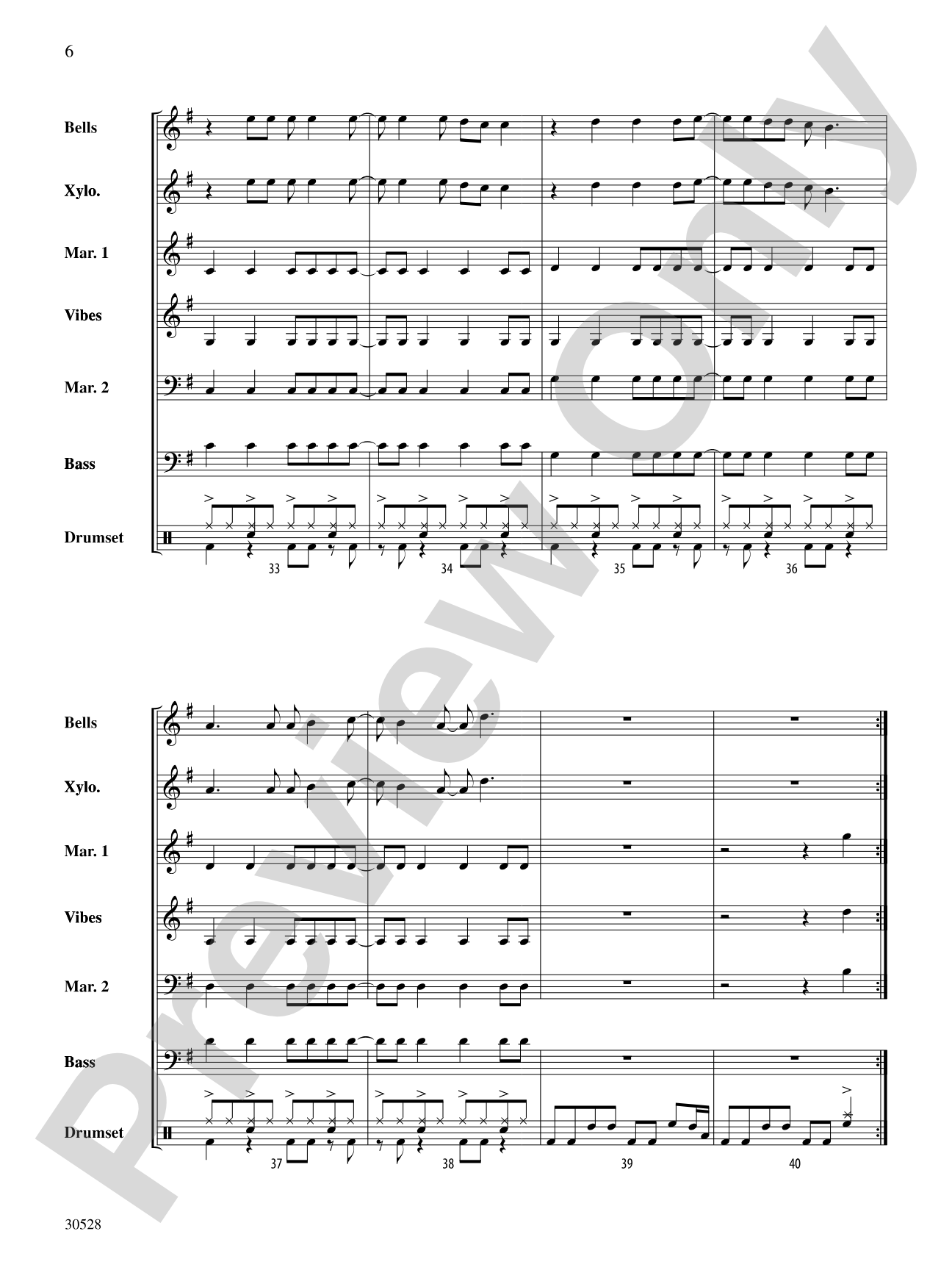
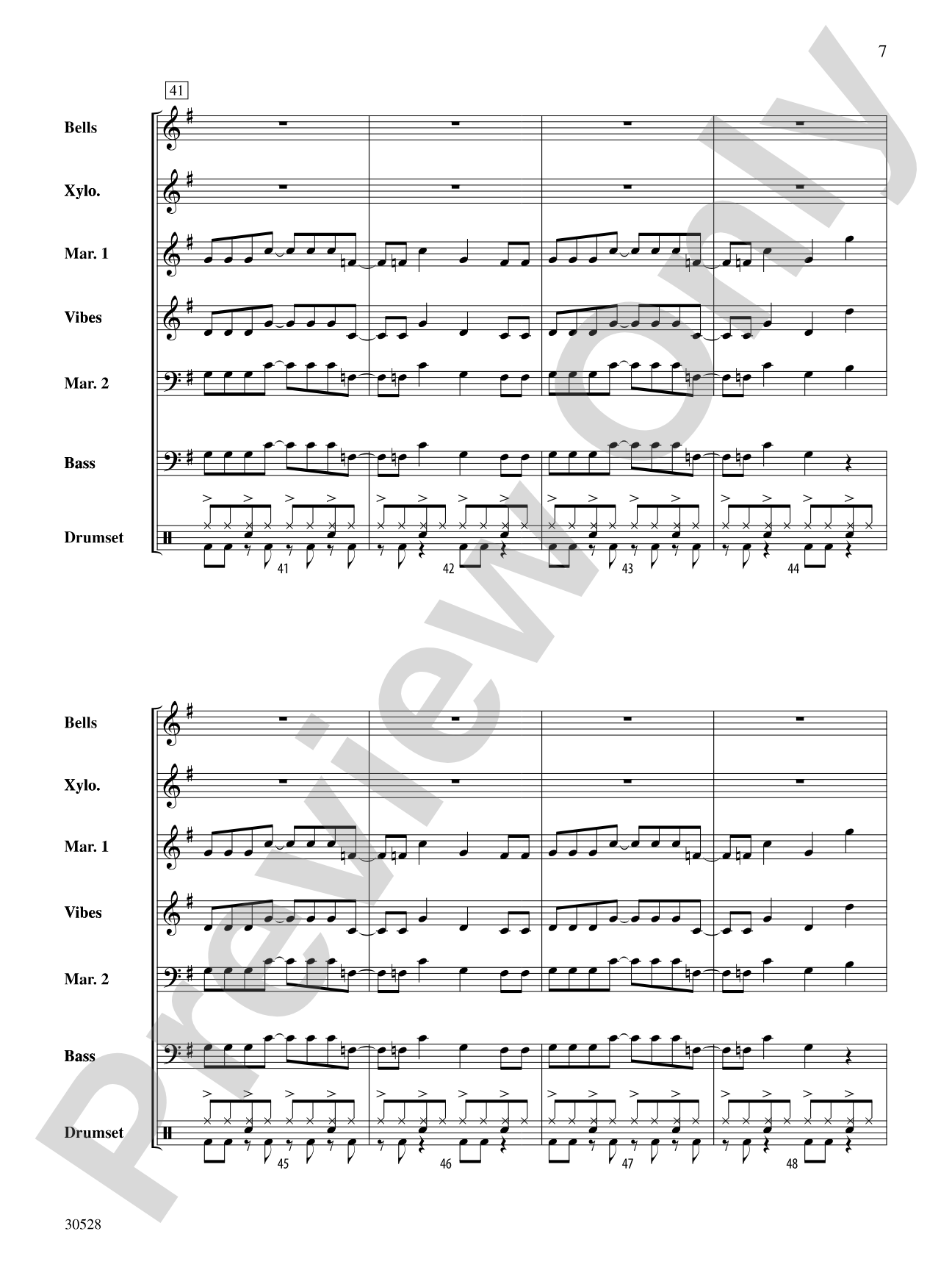
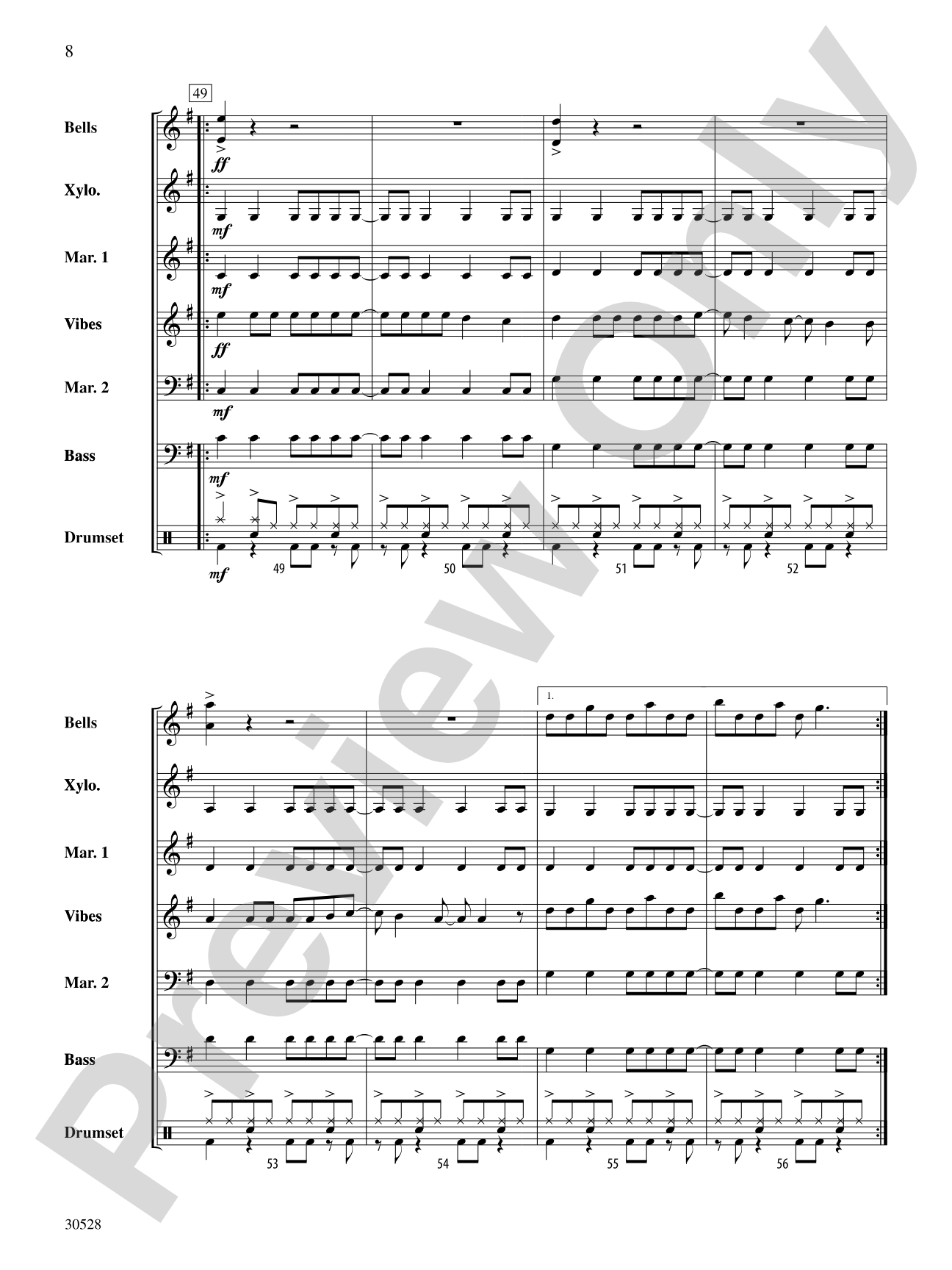
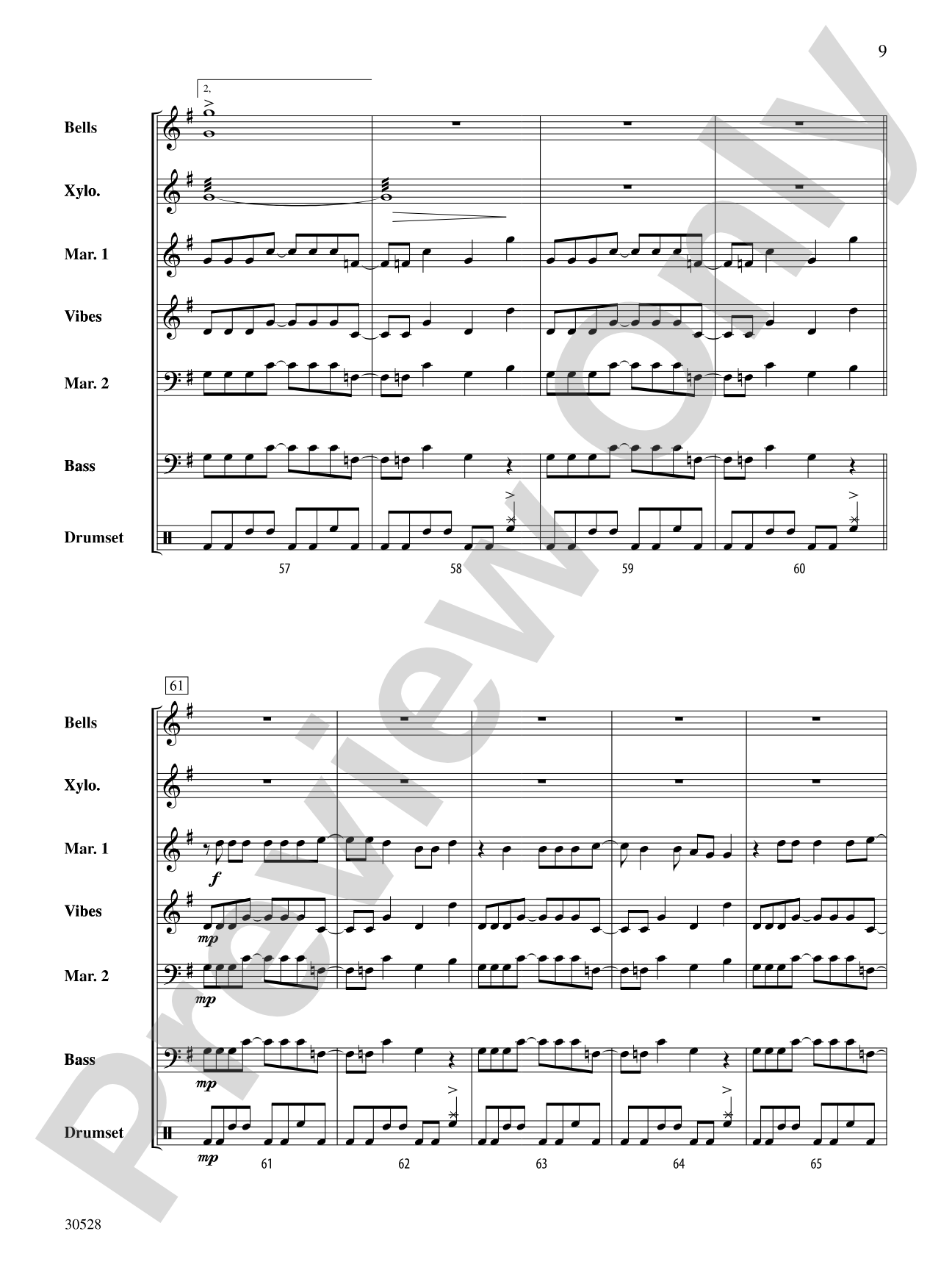
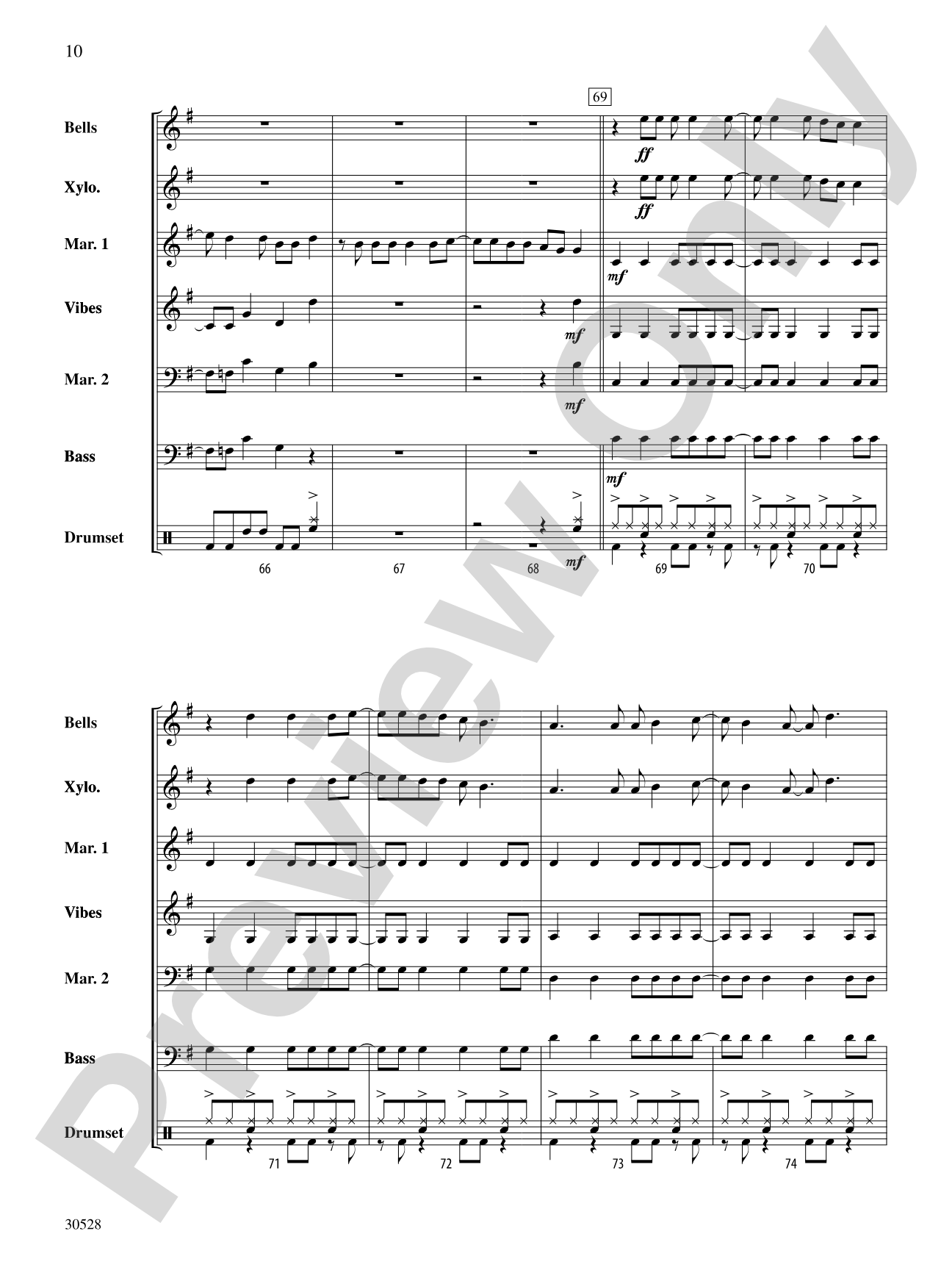
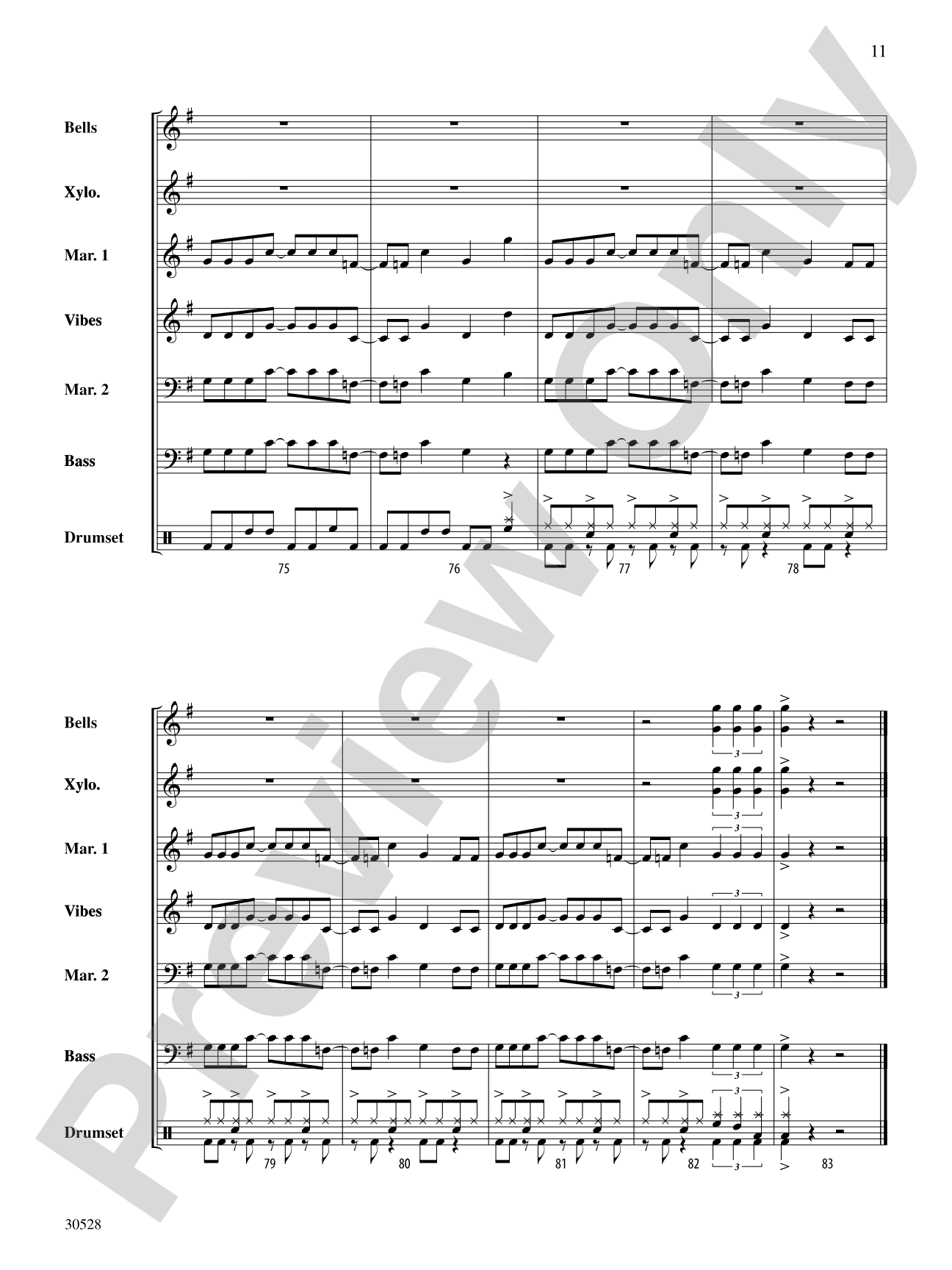
Scored for six to seven players, this popular hit from Green Day, arranged by Jeff Moore, includes a conductor score and parts for orchestra bells, xylophone, marimbas 1 & 2, vibraphone, bass guitar and drumset.


Don't just read it, hear it, play along with it, and watch your students grow with it. In MakeMusic Cloud, American Idiot: Percussion Ensemble Conductor Score & Parts comes alive with professional accompaniment, adjustable tempo, and built-in practice tools that turn solo practice into real progress.
Open in the Player
Jump straight in and assign it today.
Start Your Free Trial
Open this title and explore the full library in minutes.
Sample Audio
1
Audio File
--:--
0:00
0:00
Sample Video
No sample videos found.
Additional Details
Series:
Alfred's Pop Percussion Ensemble Series
Publisher:
Alfred Music
Page Count:
24
SKU:
00-PK-0001657
More about this title
About the Artist: Green Day
Green Day emerged from the Berkeley punk scene in the 1990s and became one of the defining rock bands of their generation. Their 2004 album American Idiot marked a creative peak, blending punk energy with theatrical storytelling and ambitious song arrangements that transcended typical rock radio formats.
The band's influence on music education extends well beyond traditional classical repertoire. Their willingness to tackle social commentary through accessible, hook-driven songwriting has made their catalog a natural entry point for students exploring contemporary music in ensemble settings.
Why we love this
Jeff Moore's arrangement captures the visceral drive and anthem quality of the original without sacrificing the satirical edge that makes the song resonate with young musicians. Programming a contemporary rock hit signals to your ensemble that percussion music lives in multiple genres and that technical skill serves expression in all of them. Students who might feel disconnected from traditional concert repertoire often find genuine investment in arrangements like this one.
What to expect
Driving and defiant. The arrangement channels the original's propulsive anger and sarcastic bite, with layers of pitched percussion creating textural interest while the rhythm section propels everything forward with unwavering momentum. There's a swagger to this piece that invites confident, committed playing.
Who it's for
Percussion ensembles with six to seven players ready to tackle repertoire that feels relevant and immediate. This score works equally well for high school groups seeking concert material that engages contemporary audiences and for college ensembles interested in expanding beyond classical chamber works.
How to get the most out of it
- Balance the pitched percussion parts (bells, xylophone, marimbas, vibraphone) to maintain clarity through the arrangement's busier sections; these voices carry melodic hooks that define the tune.
- Lock the drumset and bass guitar as your rhythmic anchor. The groove's precision directly affects how tight the entire ensemble sounds, so isolate that foundation during early rehearsals.
- Layer the mallet instruments deliberately rather than letting them blur together. Each percussion voice occupies a different register and should occupy its own space in the mix.
- Pay attention to dynamic contrast between sections. Rock arrangements often rely on sudden drops and builds; respect those transitions to maintain the song's narrative arc.
How to use it
Pair this with traditional percussion literature on a concert to demonstrate the full scope of the ensemble's capabilities and appeal. It works as a standalone closer that sends audiences out energized, or as a bridge piece between a classical set and lighter fare. Consider programming it during spring concerts when you want to showcase student musicianship in a style that feels current and alive.
Skills your students will build
- Ensemble blend and balance across multiple pitched percussion instruments
- Syncopated rhythm reading in rock/pop contexts
- Coordination between melodic and rhythmic layers
- Dynamic shaping and narrative pacing in contemporary arrangements
- Stylistic awareness: playing with appropriate groove and attitude for the genre