
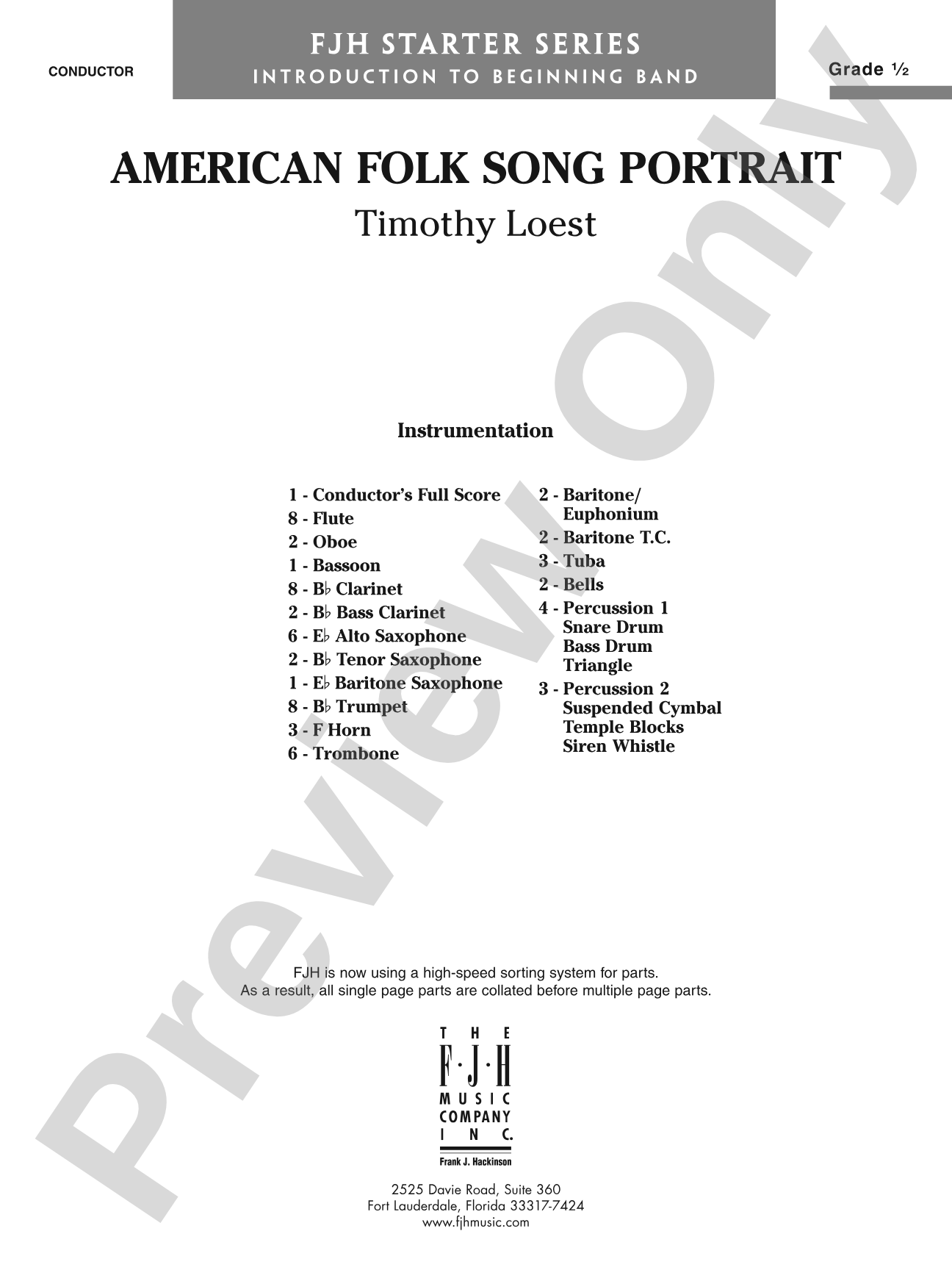
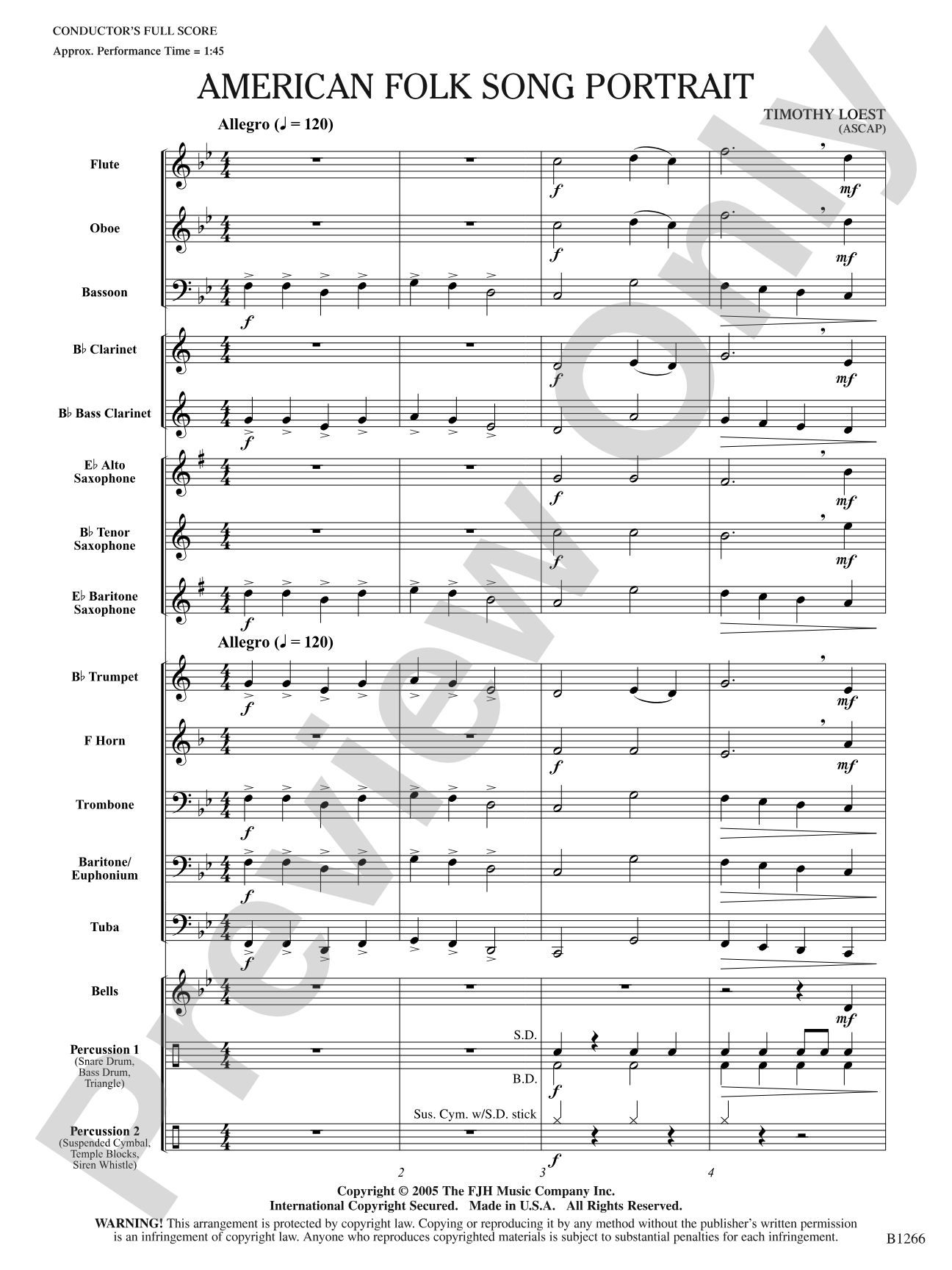
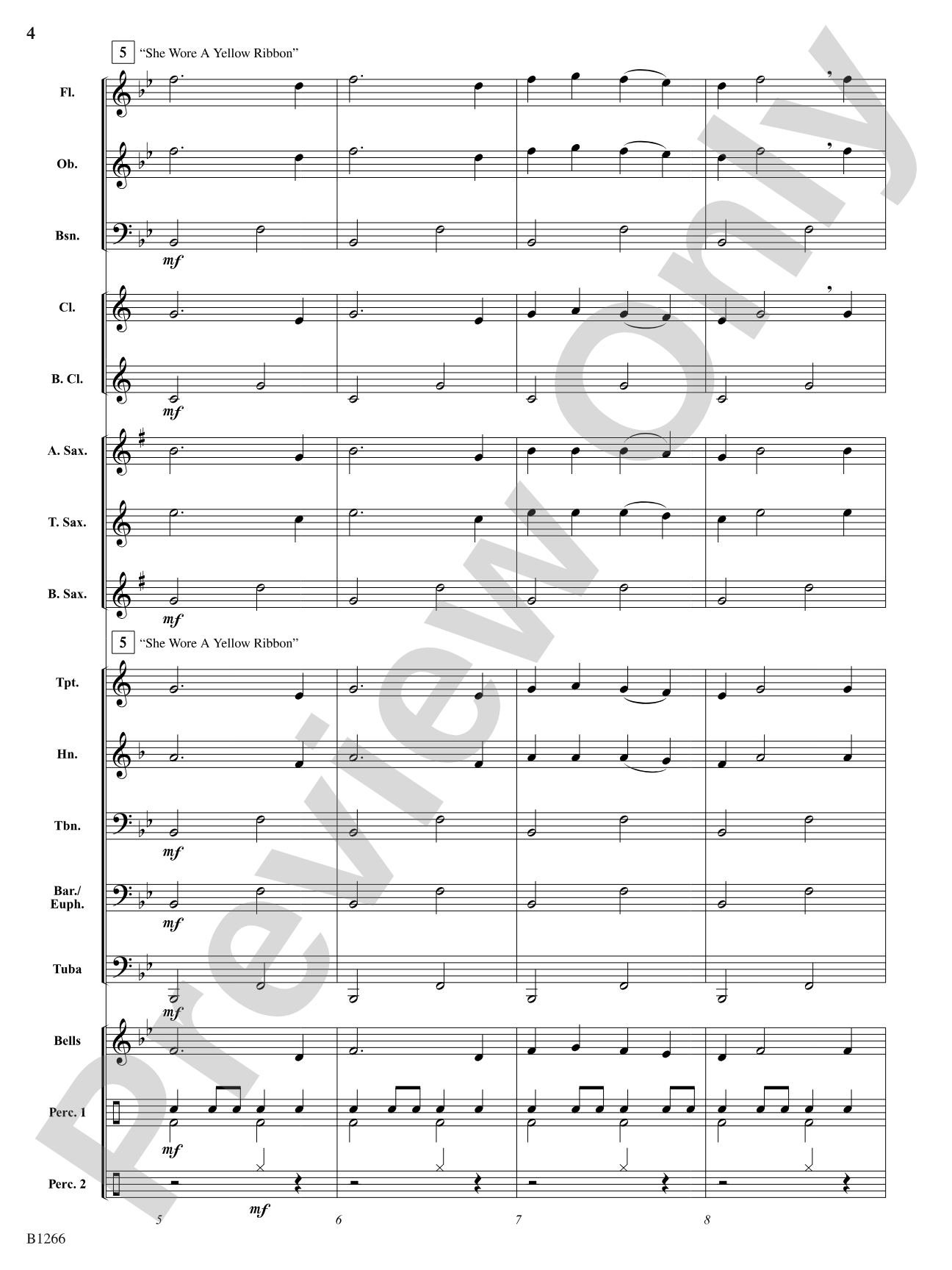

American Folk Song Portrait: Concert Band Conductor Score & Parts
By Timothy Loest
Level:.5
Item: 98-DB1266
$45.00
Pickup currently not available
Buy Extra Parts (Digital PDF Download)
Parts Added to Cart!
Description
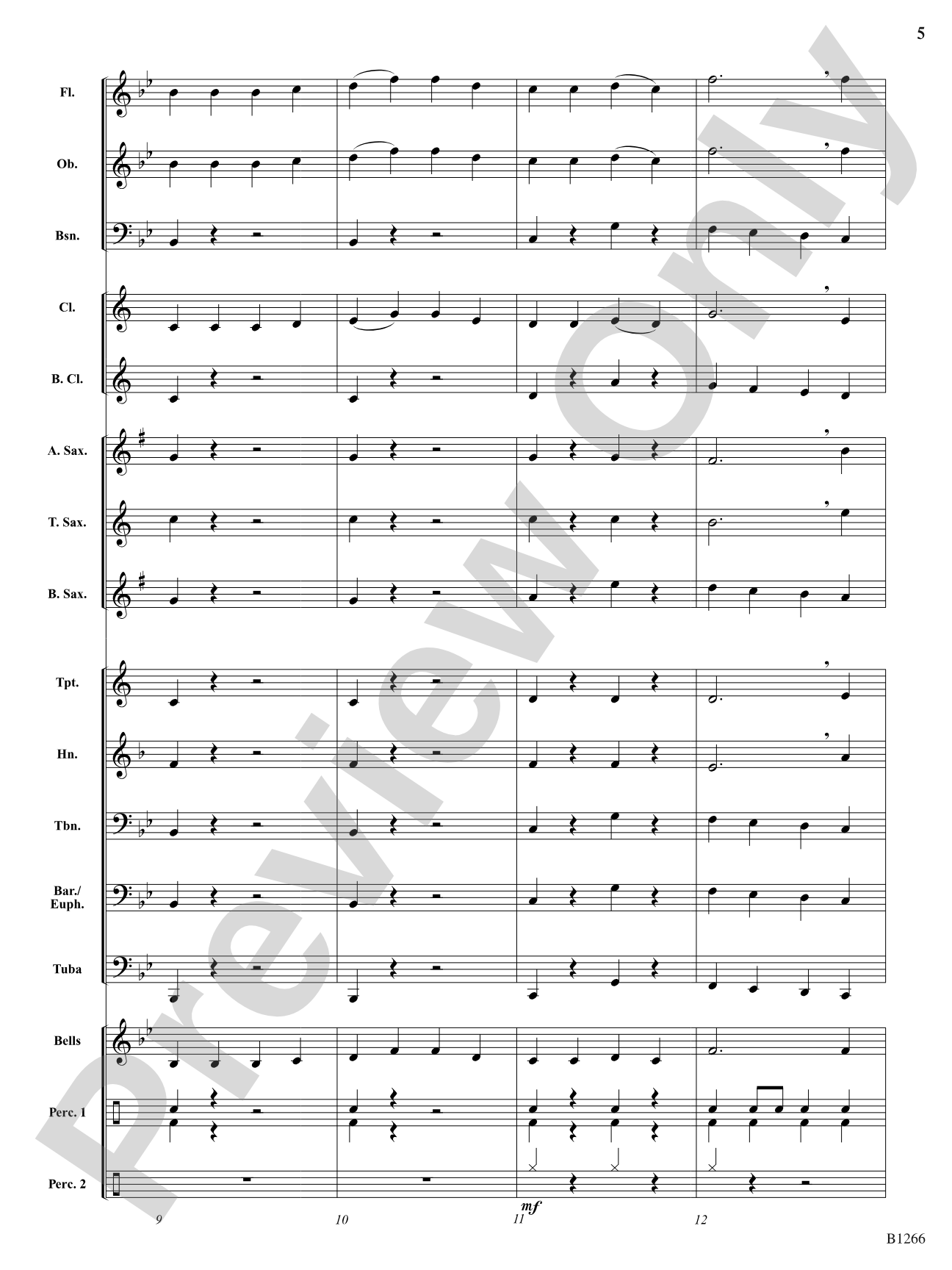
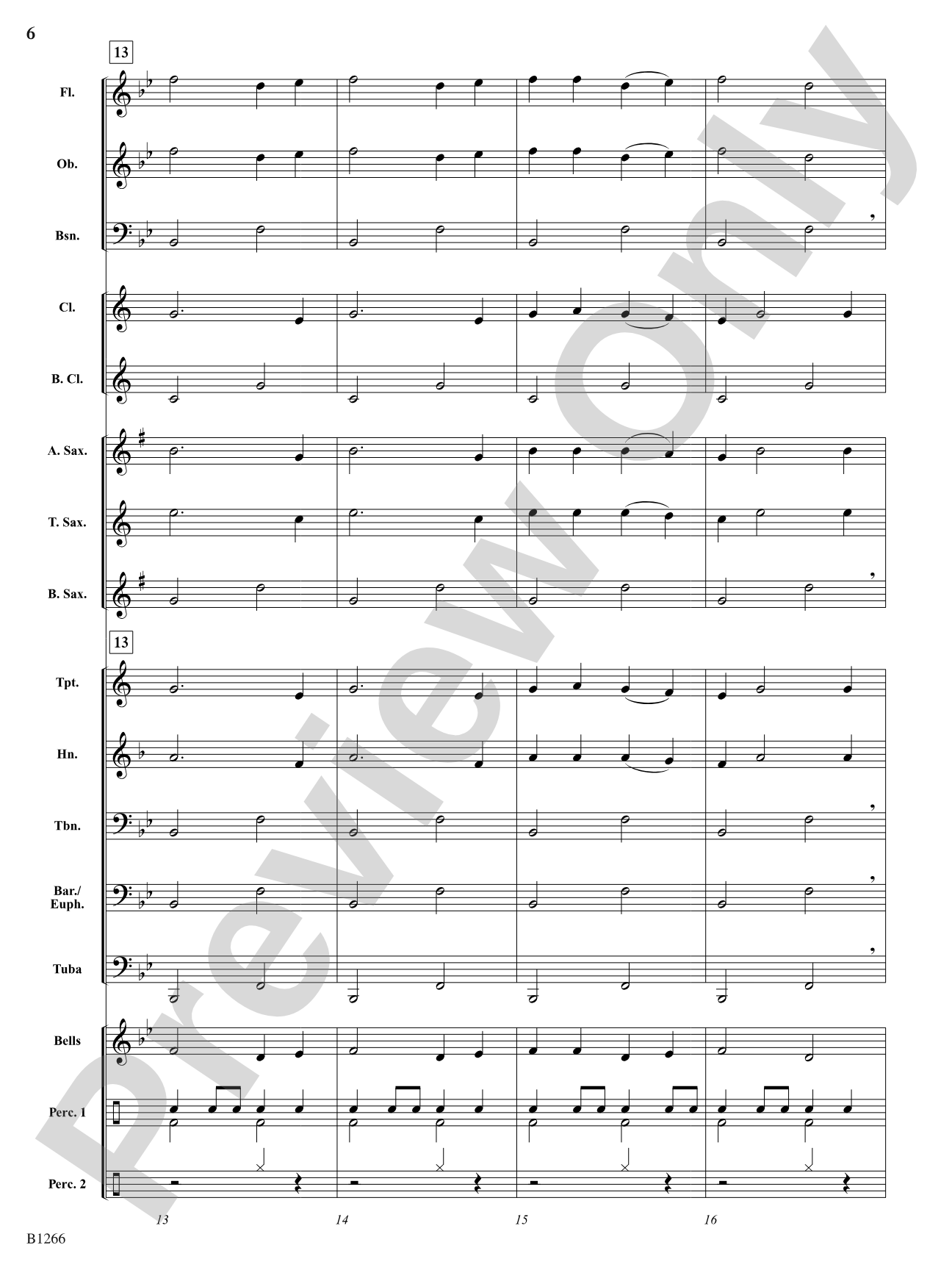
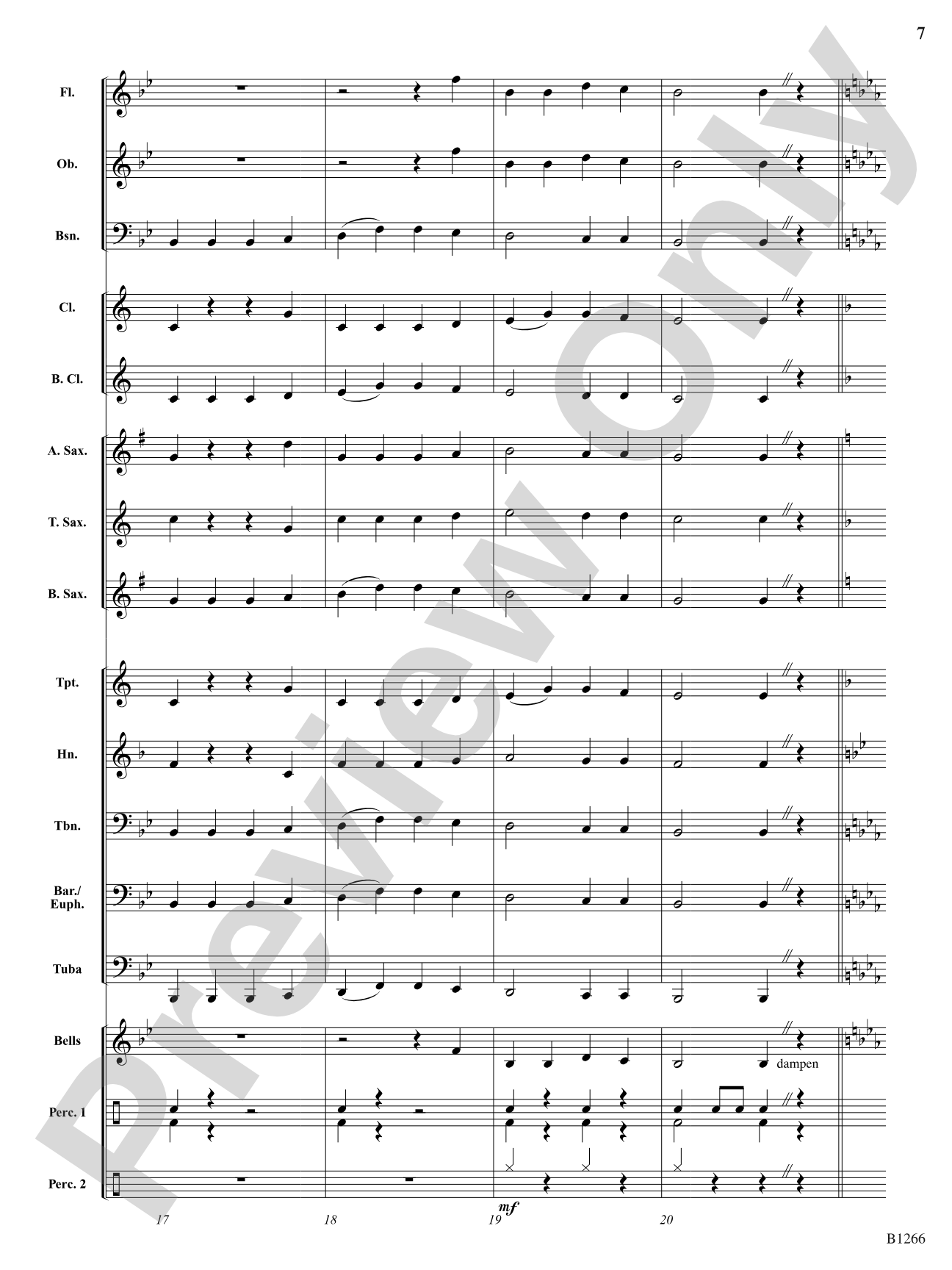
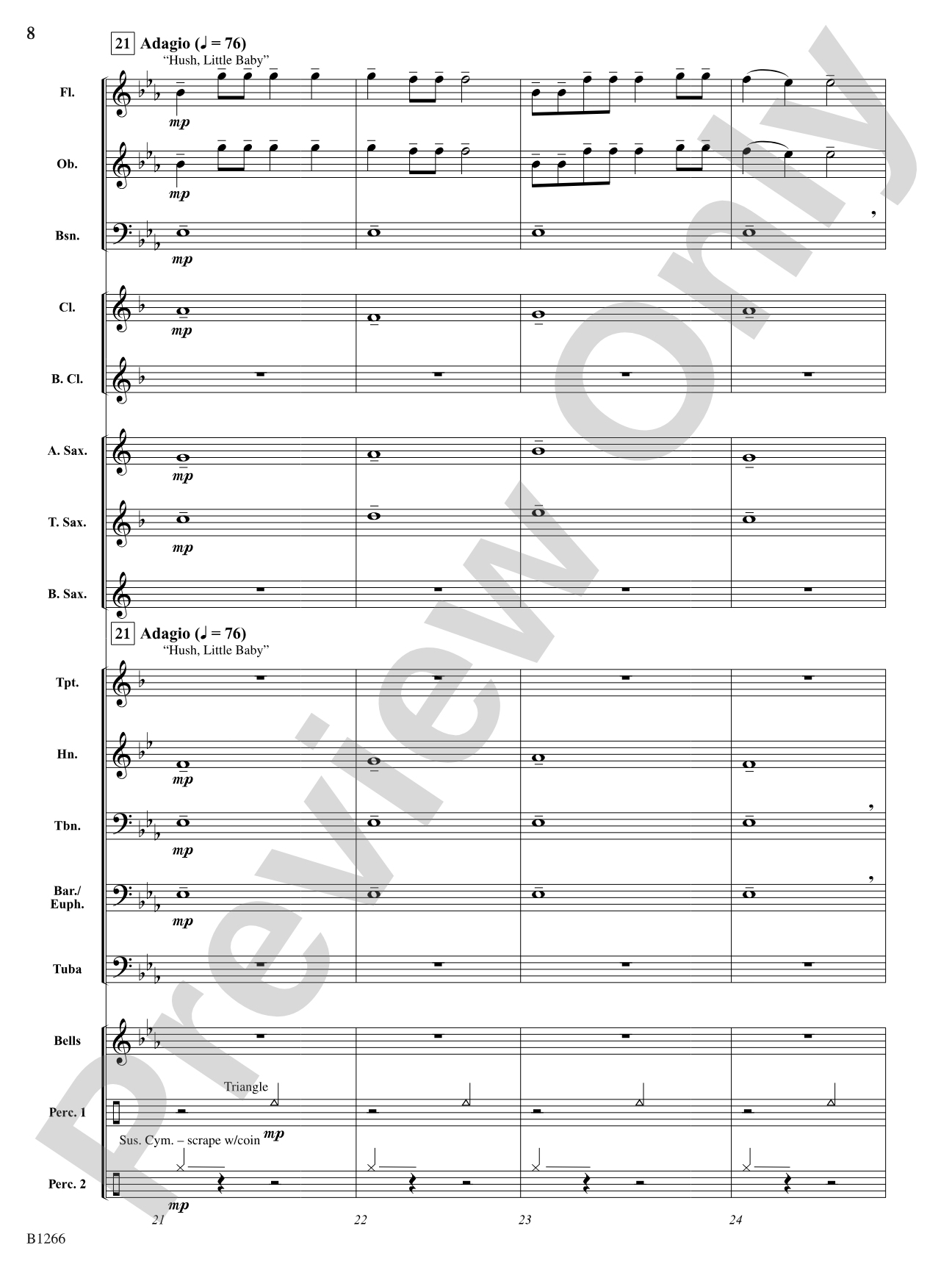
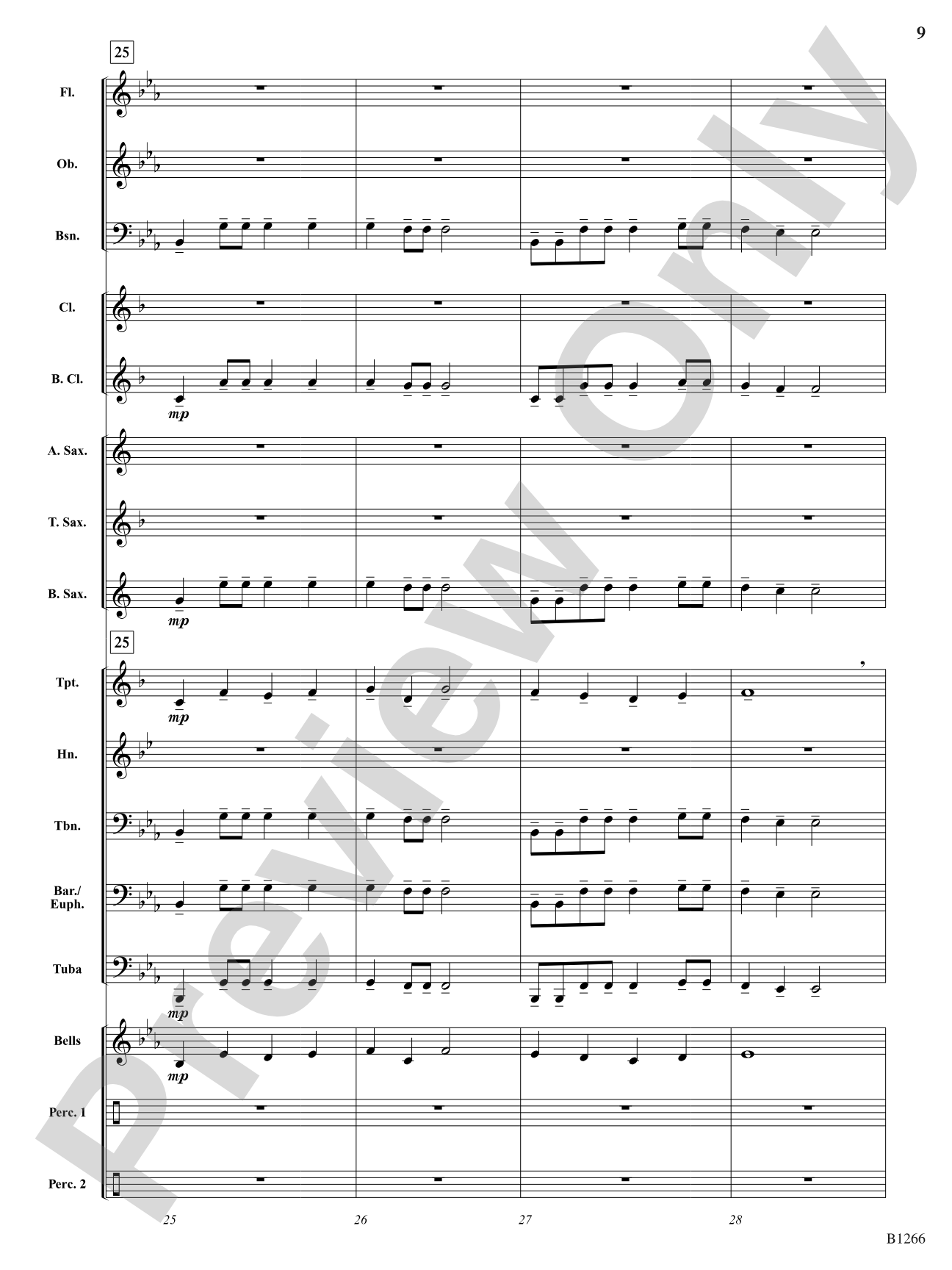
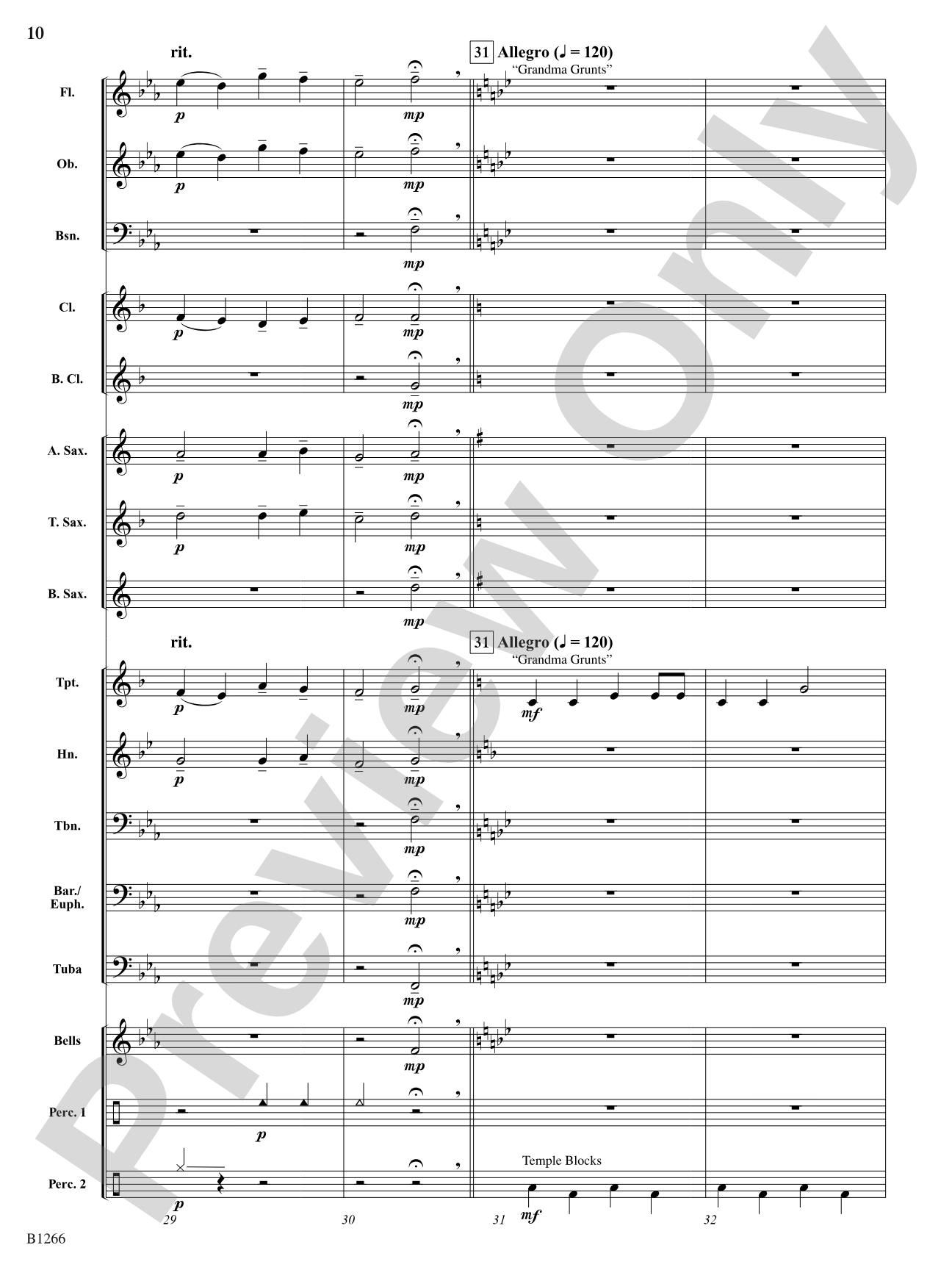
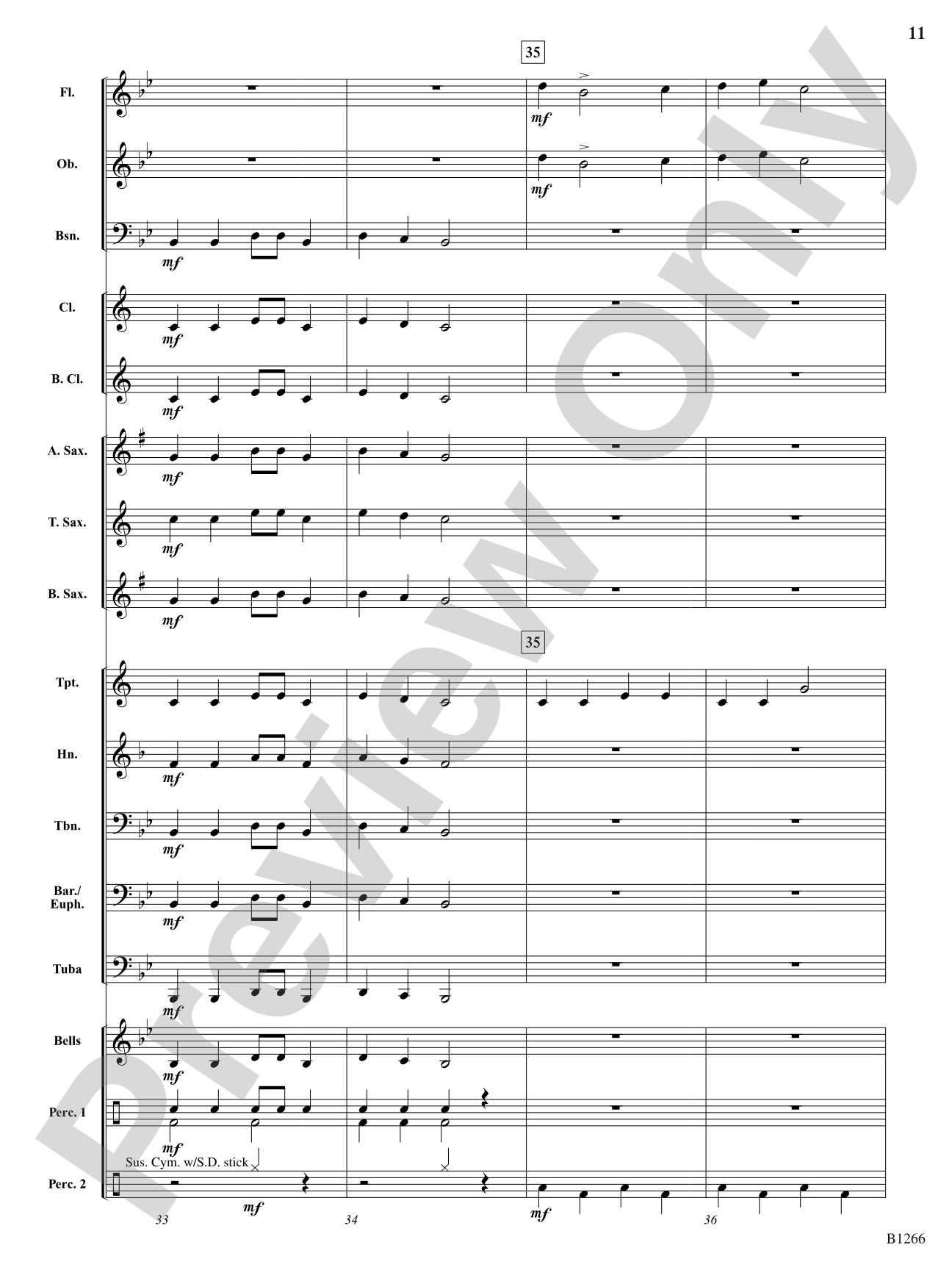
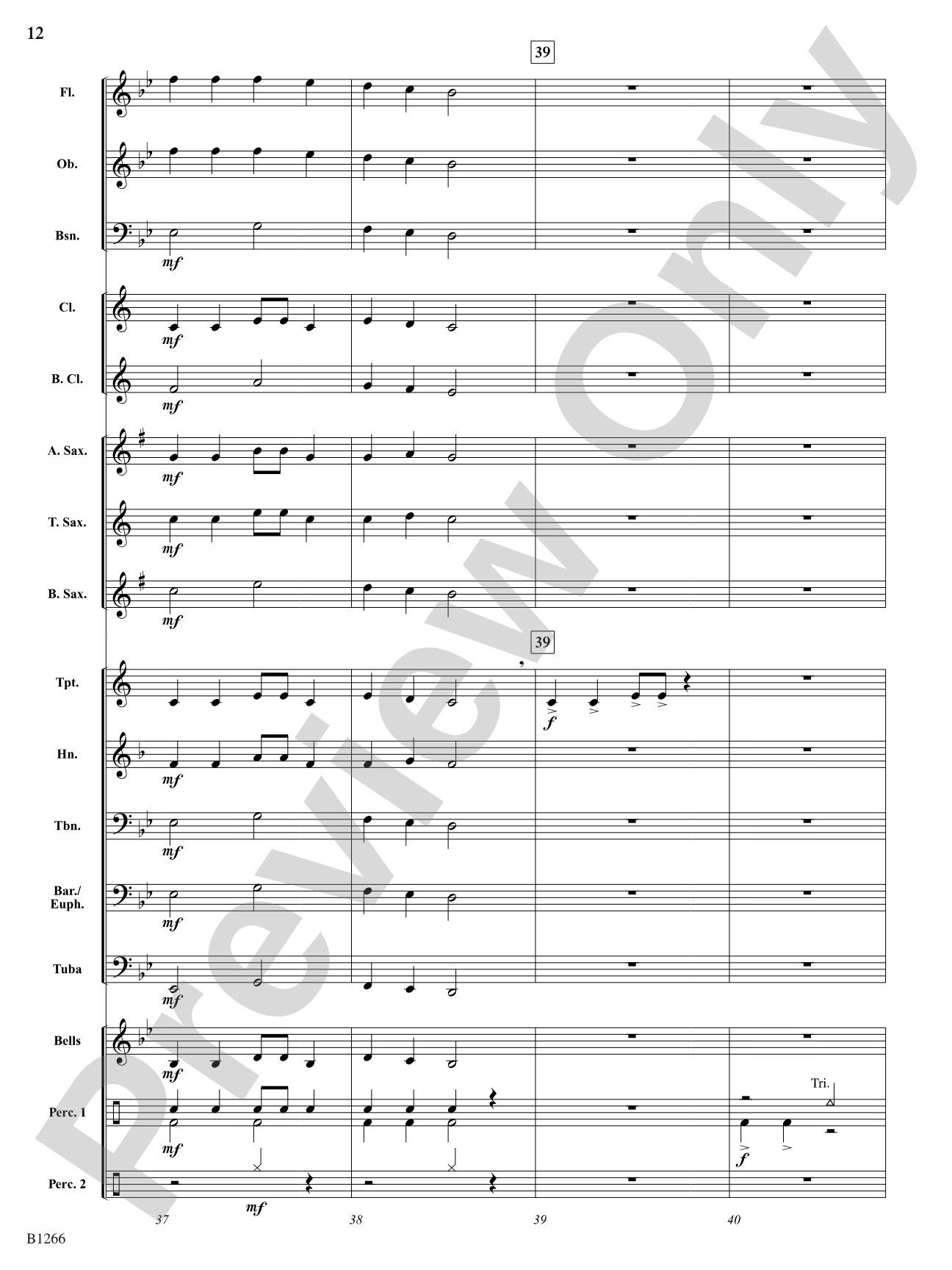
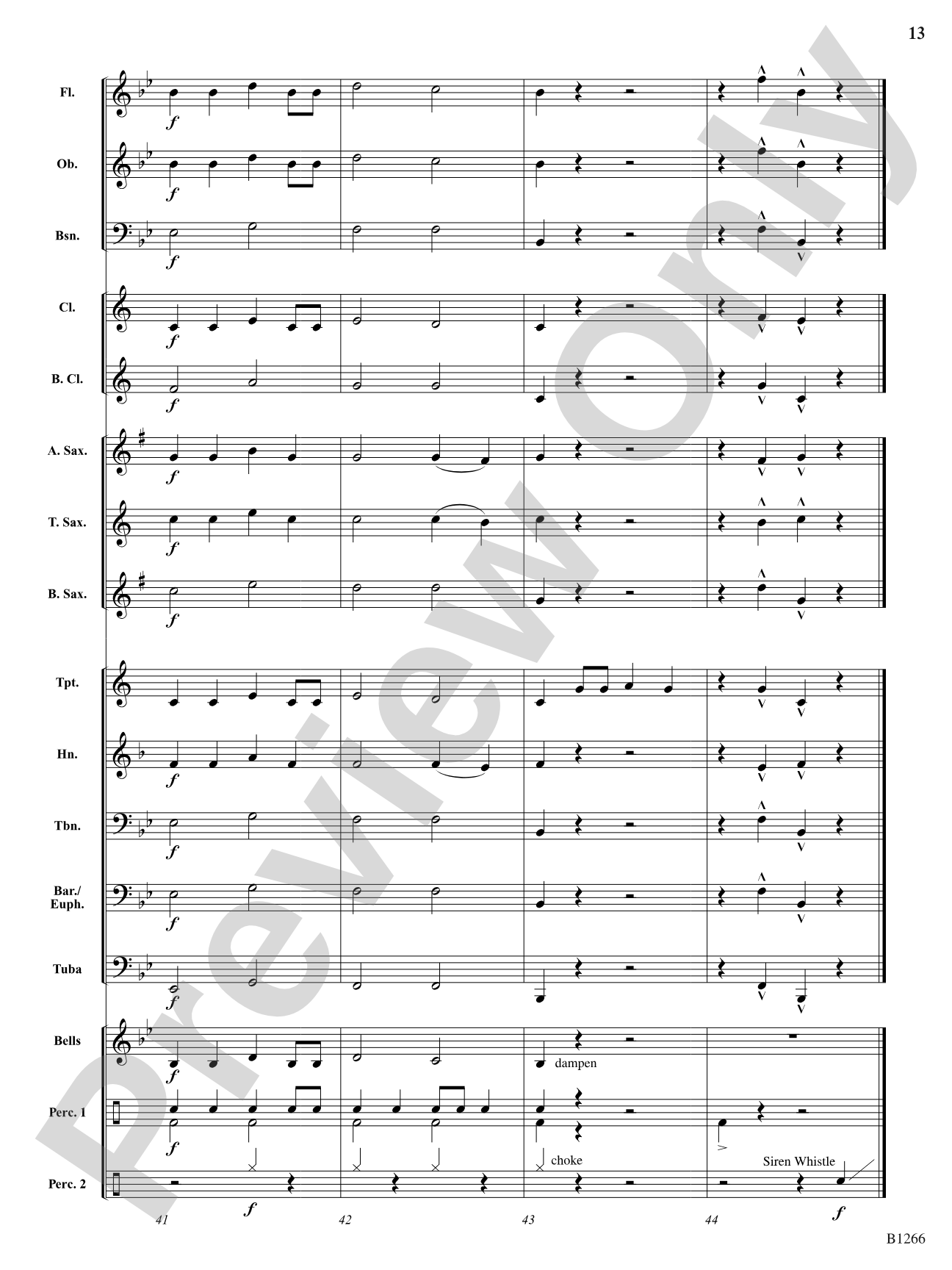
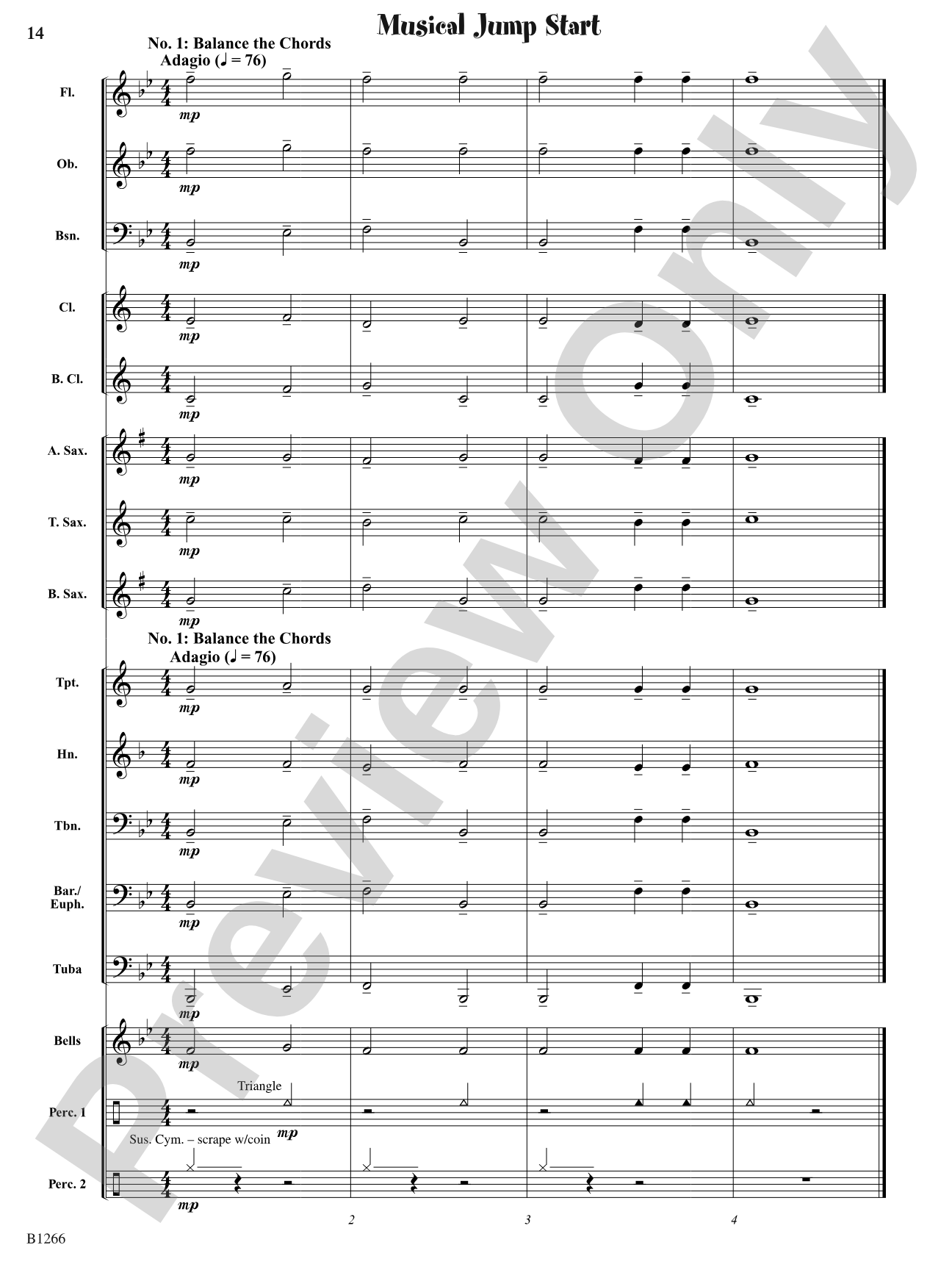
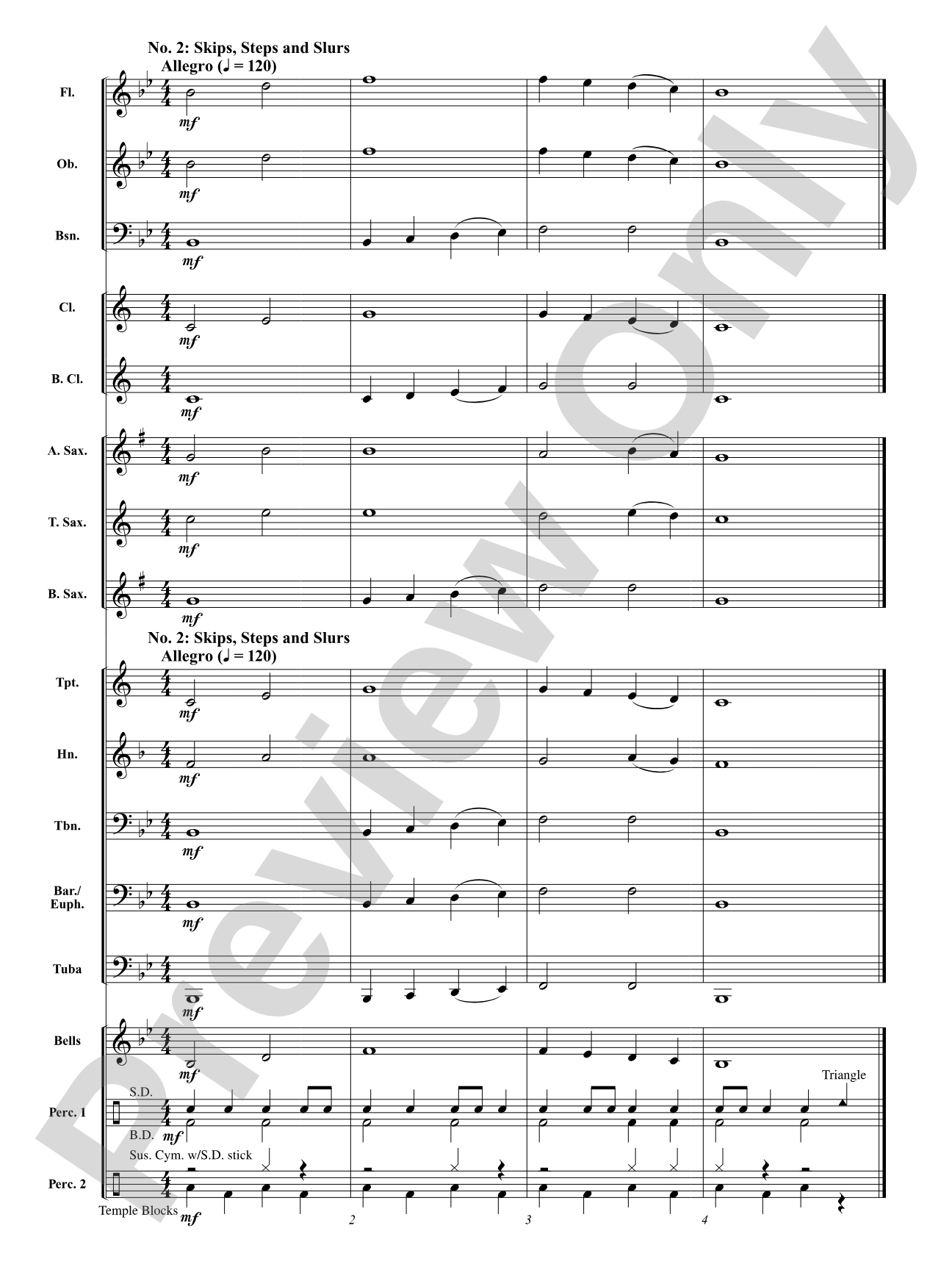
Easy to learn and fun to play, this medley features a tapestry of American classics, including She Wore a Yellow Ribbon, Hush Little Baby, and Grandma Grunts. Woven into the fabric are snippets of several other popular songs, including Camptown Races, A-Tisket A-Tasket, Aura Lee, and Shoo Fly. The rich harmonies will make even the youngest players sound experienced!


American Folk Song Portrait: Concert Band Conductor Score & Parts isn't in MakeMusic Cloud just yet...but it could be. Let us know you'd like to see it, and you'll help shape what comes next. In the meantime, start a free trial and dive into thousands of interactive titles your students can play along with today.
Request This Title
Tell us you want it.
Start Your Free Trial
Explore everything that's ready to play right now.
Sample Audio
1
Audio File
--:--
0:00
0:00
Sample Video
No sample videos found.
Additional Details
Series:
FJH Starter Series
Publisher:
The FJH Music Company, Inc.
SKU:
98-DB1266
More about this title
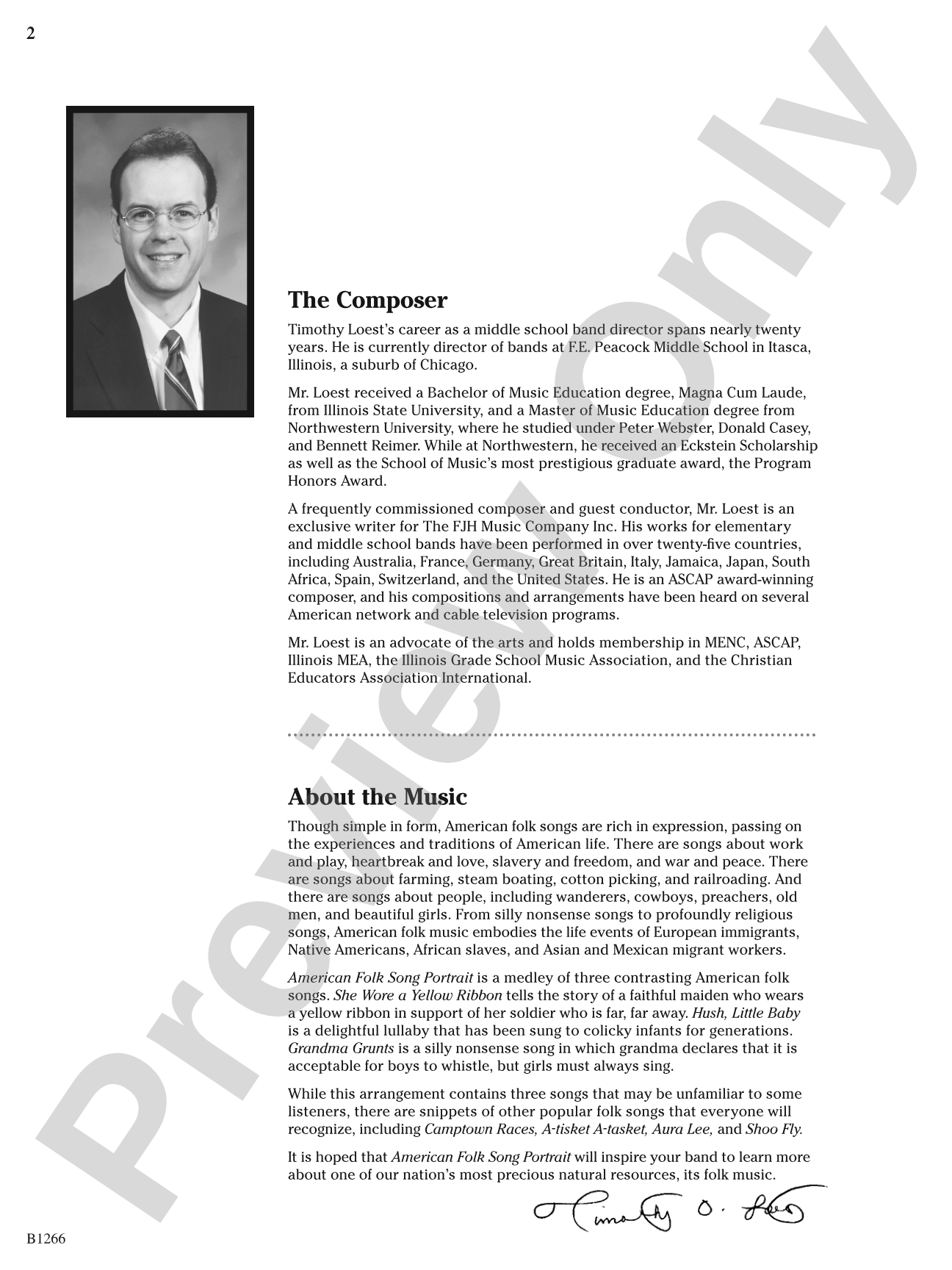
About the Composer: Timothy Loest

Timothy Loest brings three decades of classroom experience into every score he writes. A recipient of the Cloyd Myers Memorial Award for Excellence in Music Education, he has composed and arranged works performed by thousands of young musicians across the country. His pieces balance accessibility with musical substance, a philosophy shaped by his long tenure teaching instrumental music at F.E. Peacock Middle School in Illinois.
Loest's catalog spans concert hall to television studio. His composition Cloud Gate drew over 5,000 listeners at Chicago's Millennium Park, and his arrangements have aired on The Tonight Show, Good Morning America, and other major networks. He founded Fanfare Music Press in 2022 to continue publishing high-quality band repertoire, and his pedagogical partnerships include Measures of Success, a comprehensive method used in countless programs. He holds degrees from Illinois State University and Northwestern University.
Why we love this
Loest understands what makes a medley work for young ensembles: clear sectional writing that keeps energy moving, harmonic depth that rewards listening, and enough recognizable material that students feel the satisfaction of "real" playing from day one. The folk song selection resonates across generations without requiring your students to navigate unusual keys or awkward ranges.
What to expect
Nostalgic and bright, with a sense of Americana that feels earnest rather than novelty. The rich harmonies lift simple melodies into something more sophisticated, creating moments where even developing players experience what it means to play in tune with genuine musical intent.
Who it's for
Beginning and early intermediate concert bands looking for accessible yet musically coherent repertoire. This works equally well for directors building confidence in younger players and for established programs seeking crowd-pleasing material that doesn't compromise musicianship.
How to get the most out of it
- Balance the melody sections between the primary carriers and supporting voices. Young bands often pour all weight into the lead line and wash out the harmonic color that makes these arrangements distinctive.
- Let the transitions breathe. The shift between folk songs is part of the piece's architecture, not something to rush through. A clear breath mark and slight space between sections keeps the medley from feeling relentless.
- Adjust dynamics to highlight which tune is featured in each section. If "She Wore a Yellow Ribbon" commands mezzo-forte, pull "Hush Little Baby" back to piano so the contrast lands with the audience.
How to use it
Open a fall or spring concert with this piece. Its accessibility and patriotic associations make it an excellent opener that settles the audience and establishes your band as capable and engaging. It also pairs well on a program that celebrates American music or community heritage events.
Skills your students will build
- Phrasing through familiar melodies and recognizing where harmonic motion creates natural breathing points
- Dynamic contrast and balance between primary melodic lines and supportive harmony voices
- Connecting articulation to style, maintaining clarity without forcing energy into folk-based material
- Reading and executing straightforward concert band orchestration at early intermediate level