

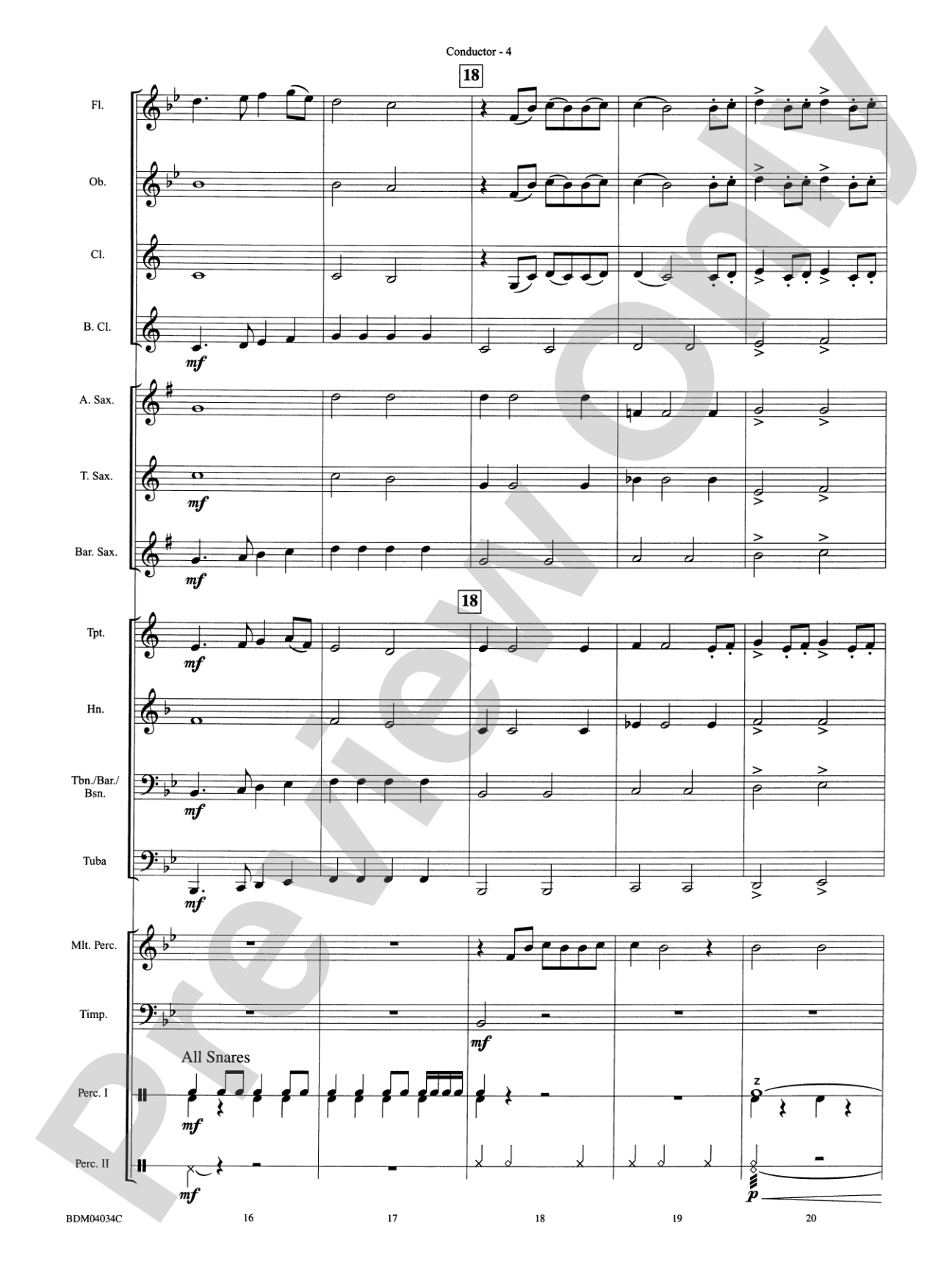
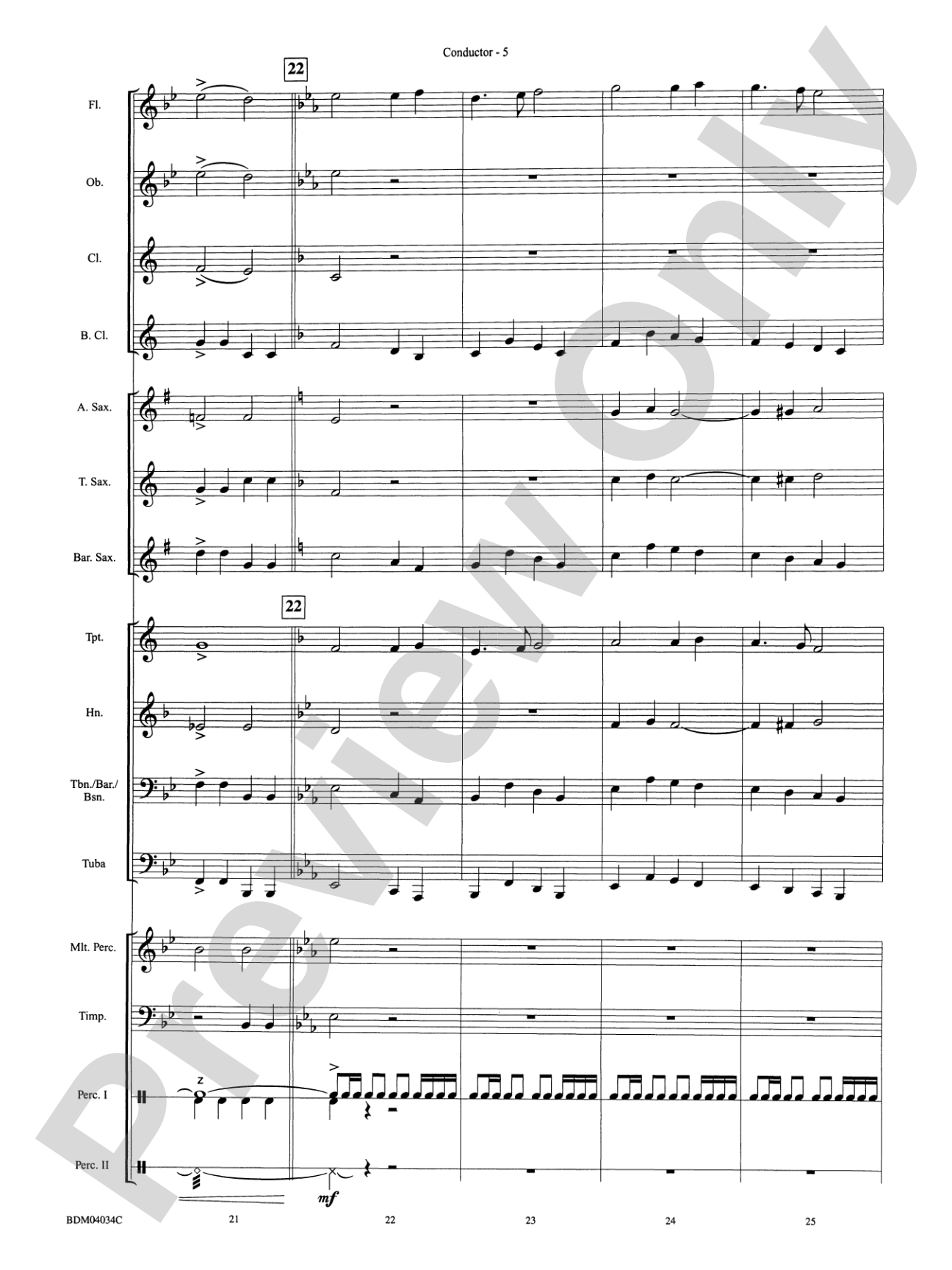
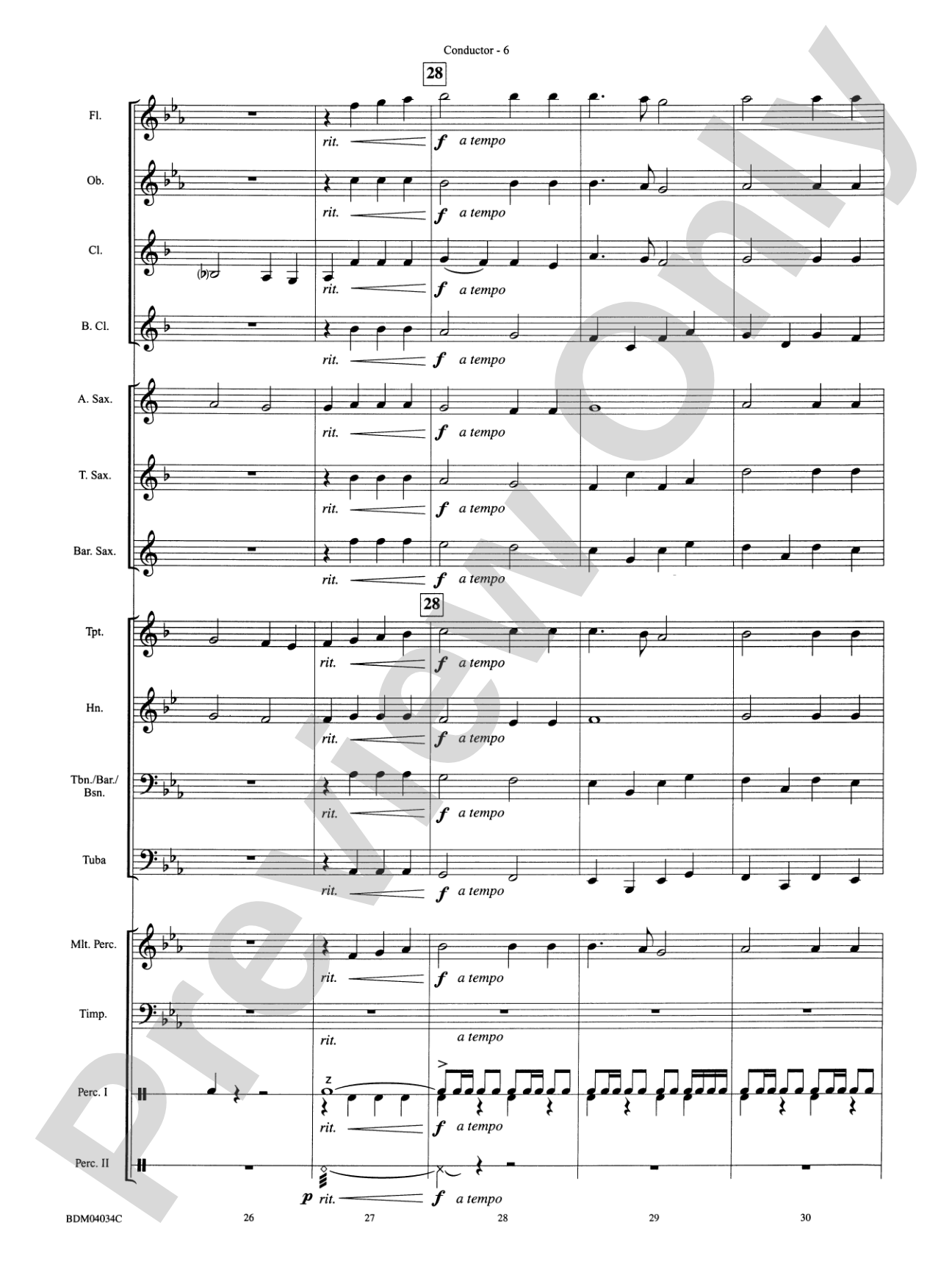
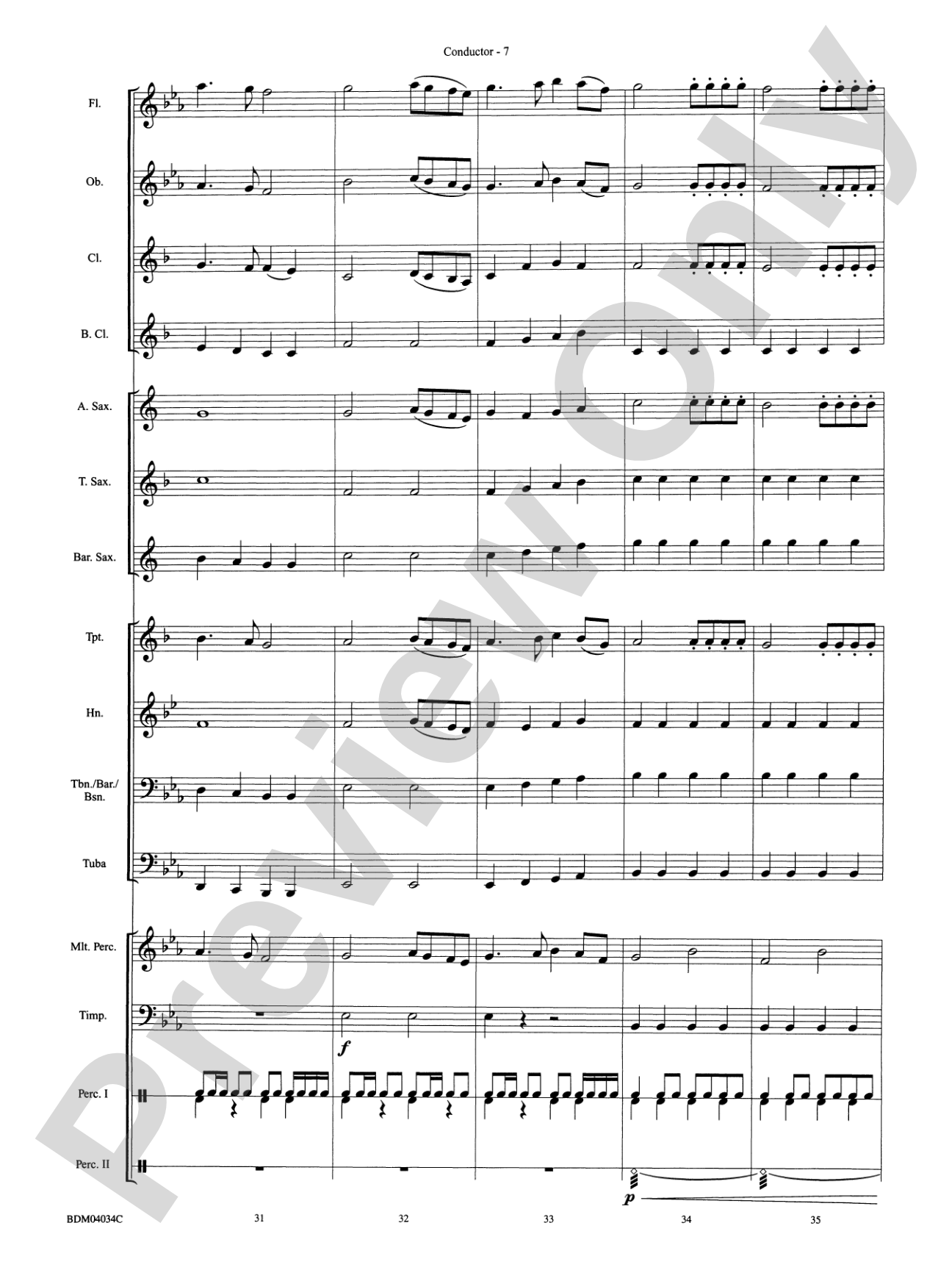


America: Sweet Land of Liberty: Concert Band Conductor Score & Parts
Traditional music with words by Samuel Francis Smith / arr. Michael Story
Grade: 1 (Very Easy)
Item: 00-PK-0007473

$51.00
Pickup currently not available
Buy Extra Parts (Digital PDF Download)
Parts Added to Cart!
Description
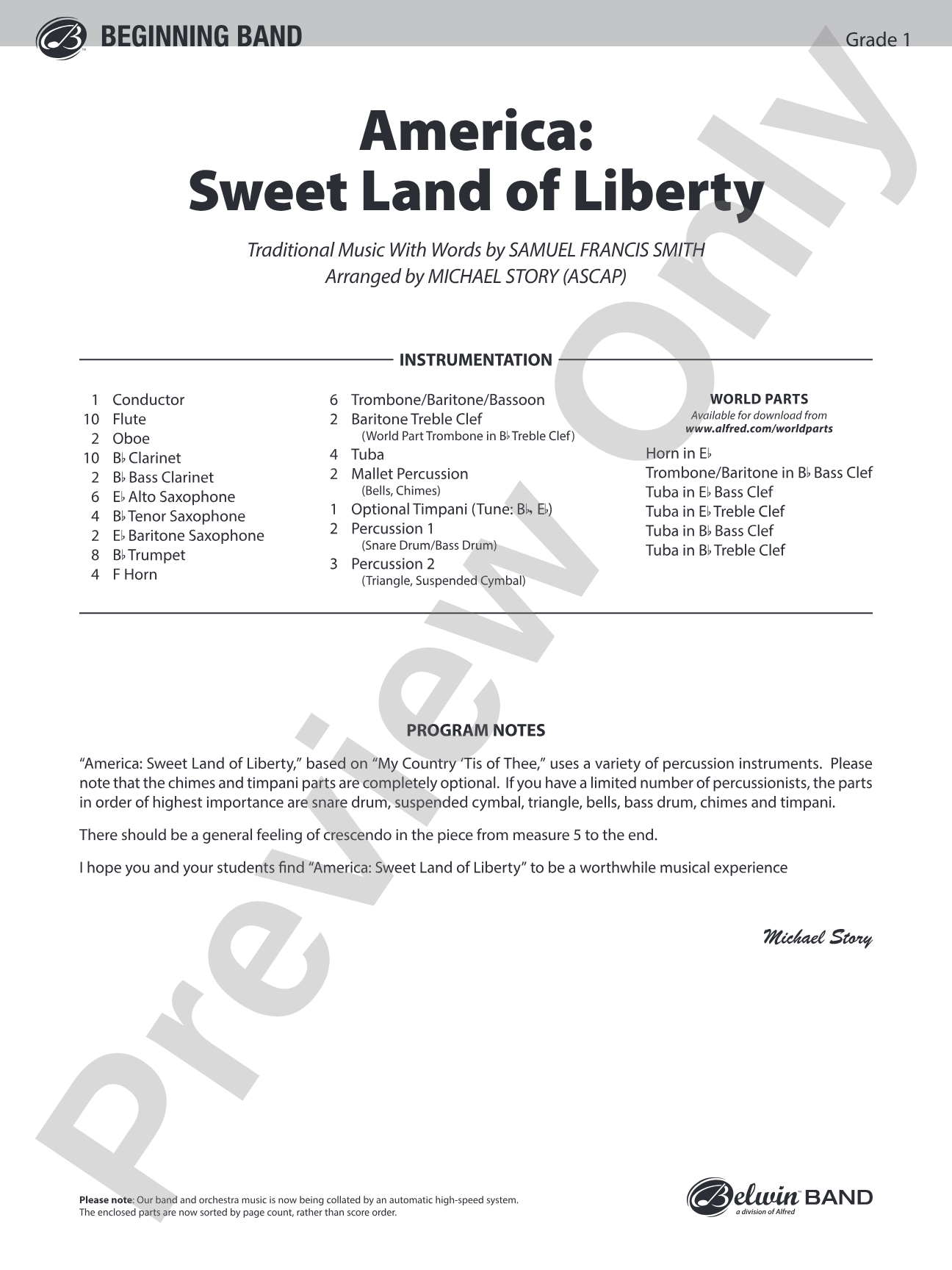
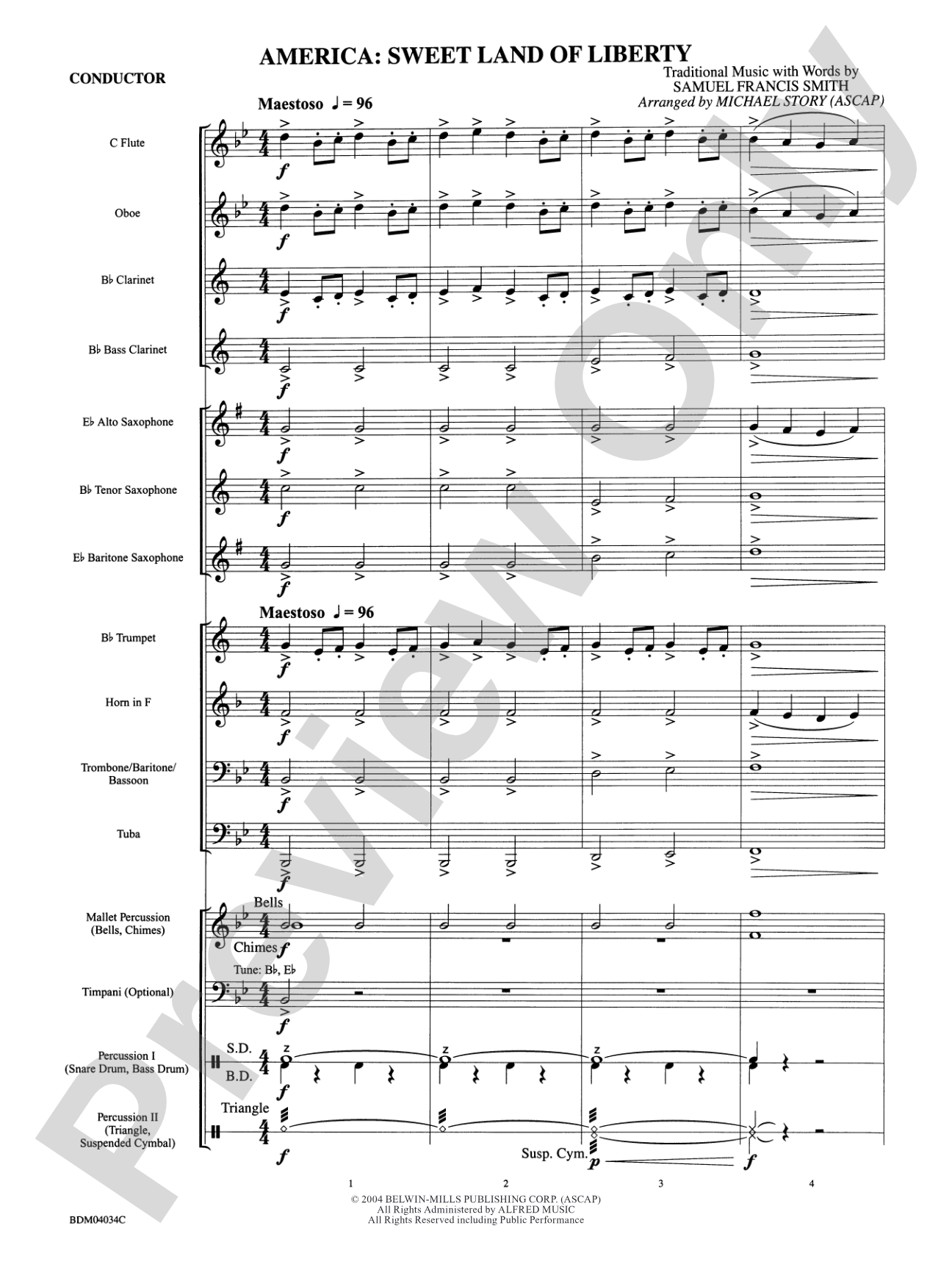
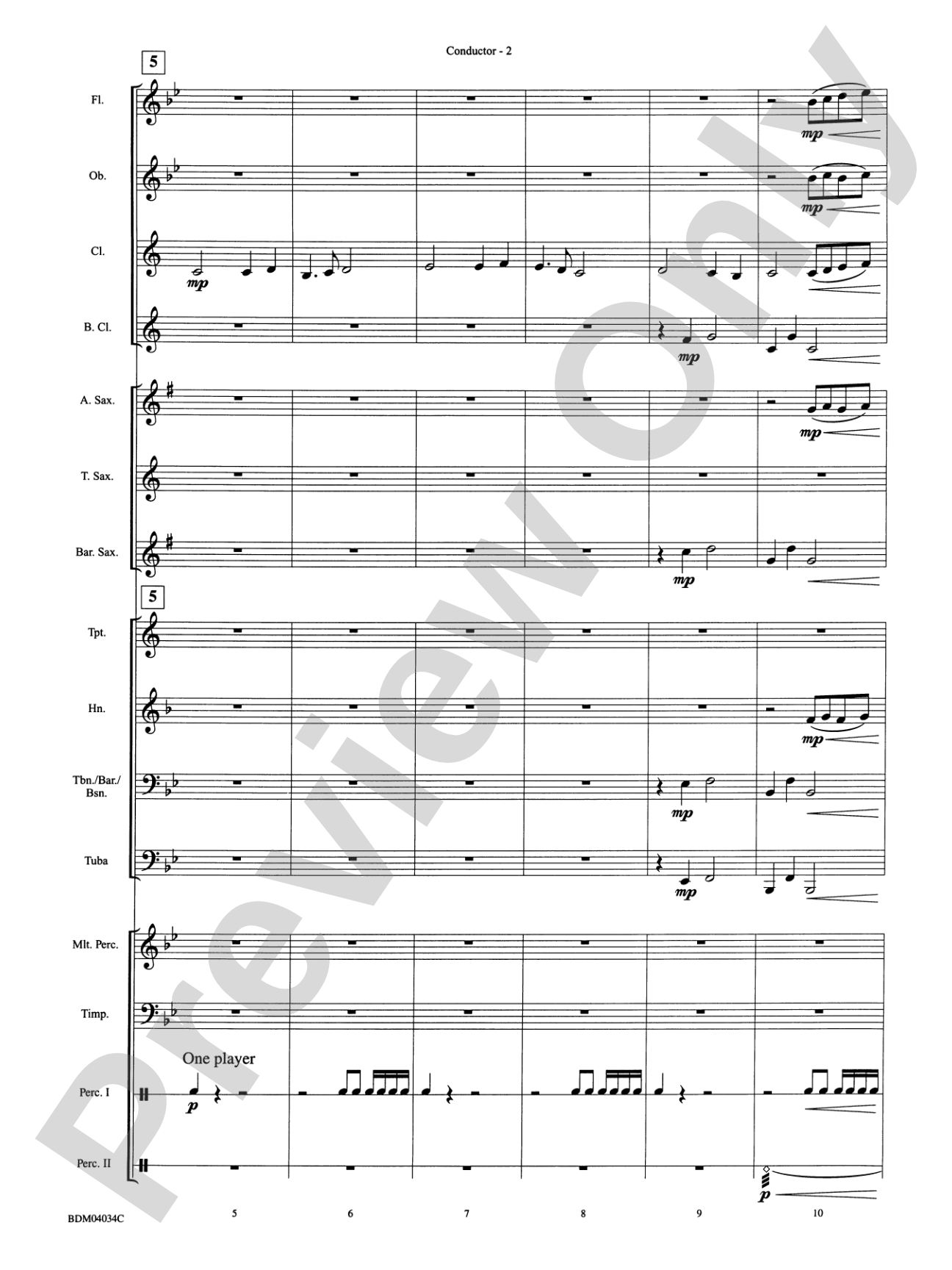
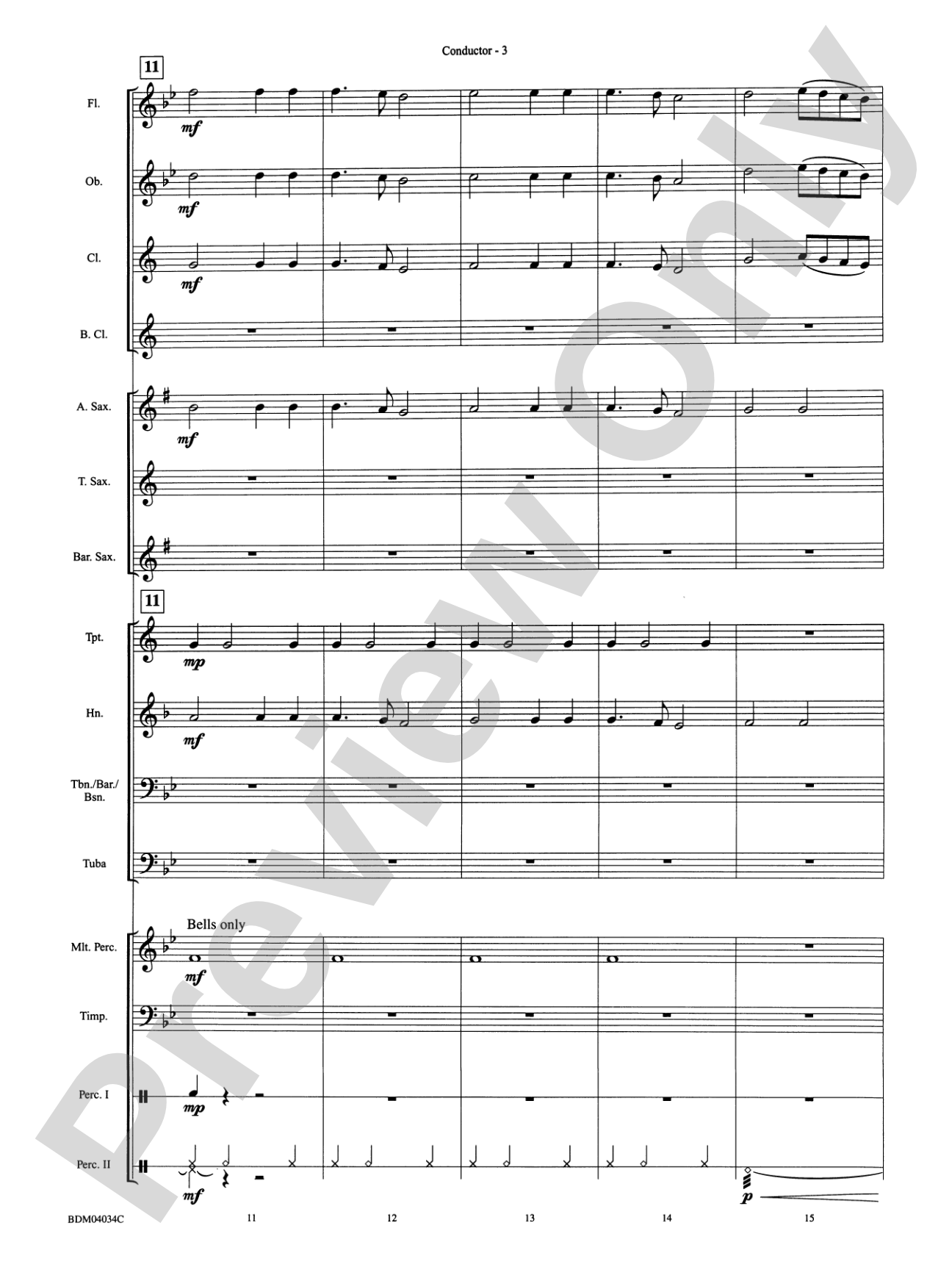
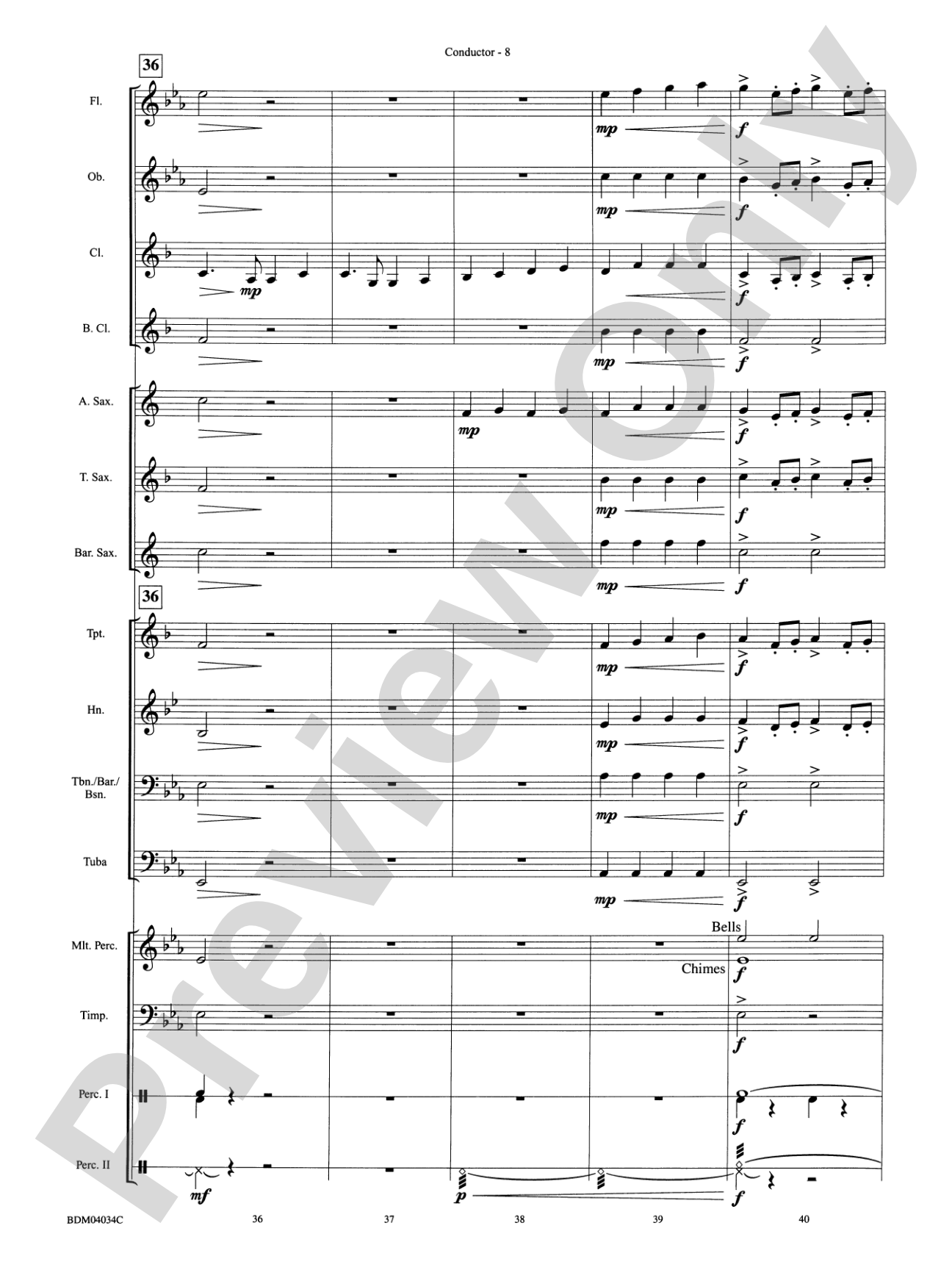
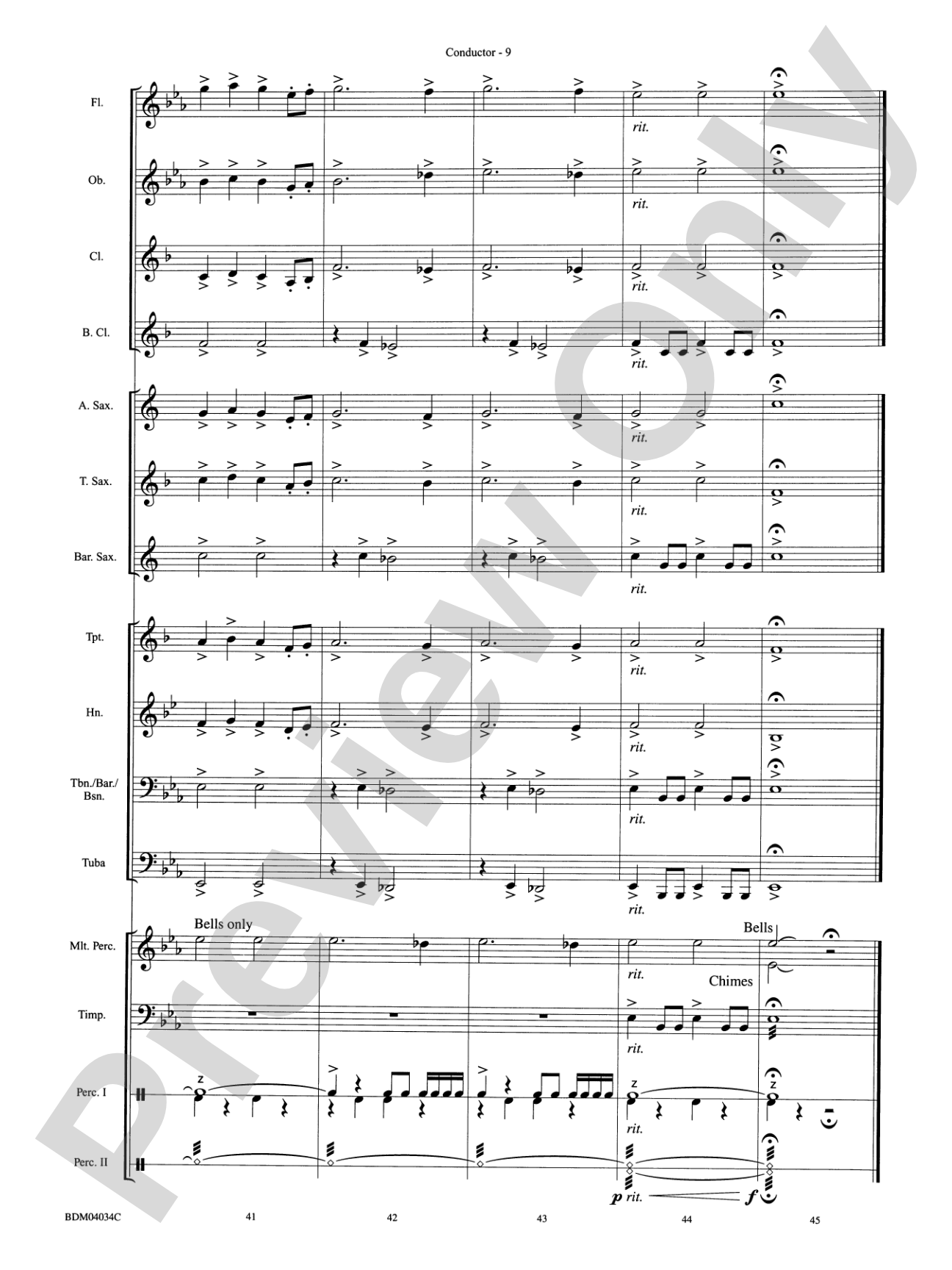
Every program will benefit from this revered patriotic melody, conventionally scored for your beginning band. (1:49)


Don't just read it, hear it, play along with it, and watch your students grow with it. In MakeMusic Cloud, America: Sweet Land of Liberty: Concert Band Conductor Score & Parts comes alive with professional accompaniment, adjustable tempo, and built-in practice tools that turn solo practice into real progress.
Open in the Player
Jump straight in and assign it today.
Start Your Free Trial
Open this title and explore the full library in minutes.
Sample Audio
1
Audio File
--:--
0:00
0:00
Sample Video
No sample videos found.
Additional Details
Series:
Belwin Beginning Band
Publisher:
Alfred Music
Page Count:
134
SKU:
00-PK-0007473
More about this title
About the Composer: Samuel Francis Smith
Samuel Francis Smith (1808, 1895) was an American clergyman and poet who wrote the lyrics to 'America' in 1831 while a student at Andover Theological Seminary. He composed the text in just 30 minutes, adapting it to the tune of the British national anthem. Smith's ability to craft singable, memorable patriotic verse made this melody one of the most recognizable in American civic life, and it remains a staple of school music programs and Fourth of July celebrations.
Smith's gift was his directness: the words convey genuine affection for the country without pretense or complexity. This clarity is part of why the song has endured for nearly two centuries. As an educator and minister, Smith understood how music shapes character and belonging, and 'America' reflects that philosophy. It sings easily, sticks in memory, and invites participation from singers of all abilities.
Why we love this
Michael Story's arrangement respects what makes this melody so enduring while giving young musicians an accessible entry point into patriotic repertoire. The orchestration balances simplicity with musicality, avoiding the temptation to oversimplify; your students will feel like they're playing something substantial, not a drill.
What to expect
There's a quiet dignity to this melody that transcends its straightforward harmony. The arrangement lets young musicians experience what it means to play music that carries real historical weight, creating a bridge between technical exercise and genuine musical communication.
Who it's for
Beginning band programs at any level will find this score practical and musically rewarding. Directors of early-season concerts, summer performances, and Fourth of July celebrations need accessible patriotic options that don't condescend to either the musicians or the audience.
How to get the most out of it
- Shape the opening phrase with a gentle lift at the cadence rather than playing it straight through; even Grade 1 students can handle this expressive touch.
- Balance the melody across sections strategically. If flutes and clarinets carry the tune, check that they're heard over supporting parts without forcing the issue.
- Let the piece breathe at natural resting points. Young ensembles sometimes rush patriotic marches; a patient tempo actually deepens the emotional impact.
- Tune the final chord carefully. This is your moment to leave the audience with a warm, unified sound.
How to use it
This works beautifully as an opening or closing number for holiday concerts and civic performances. Its brevity (1:49) makes it ideal for programming alongside longer works, and its patriotic character provides natural pairing with other seasonal selections.
Skills your students will build
- Playing with consistent, supported tone across a full ensemble
- Balancing melody and accompaniment within their own section
- Maintaining steady tempo in a hymn-like setting
- Responding to expressive conducting gestures at a fundamental level
- Reading parts where rhythmic patterns are straightforward and predictable