Alleluia, K. 165 Sheet Music Preview

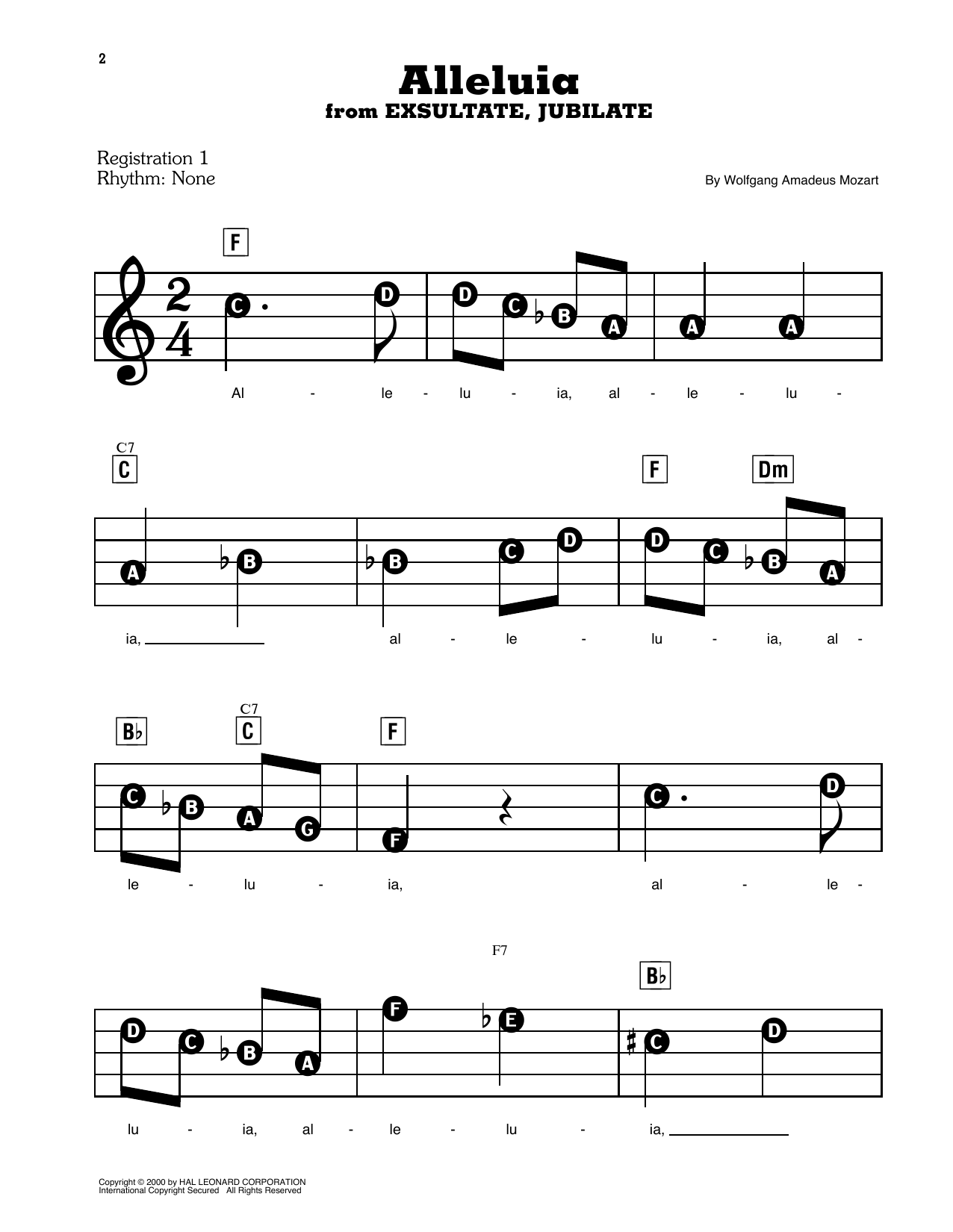
Alleluia, K. 165: E-Z Play Today

Item: 35-DS00494474

Digital Download
$4.99
Description

Alleluia, K. 165: E-Z Play Today isn't in MakeMusic Cloud just yet...but it could be. Let us know you'd like to see it, and you'll help shape what comes next. In the meantime, start a free trial and dive into thousands of interactive titles your students can play along with today.

Sample Audio
No sample audio found.
Sample Video
Additional Details
Publisher: Hal Leonard
Page Count: 3
SKU: 35-DS00494474

More about this title

About the Creator: Wolfgang Amadeus Mozart

Wolfgang Amadeus Mozart composed Alleluia, K. 165, during his teenage years in Salzburg, a period when he was already contributing sacred works to the liturgical calendar. This brief but radiant motet exemplifies Mozart's gift for writing melodies that seem to unfold naturally, with harmonic support that feels inevitable rather than constructed.

Mozart's sacred output reveals a composer deeply familiar with church music traditions yet determined to inject them with dramatic vitality and emotional directness. Even in a short work like this, his ear for clear textures and singable lines made his sacred music beloved by performers and congregations alike.

Why we love this

The E-Z Play arrangement preserves Mozart's elegant harmonic progression and buoyant melody while making the work genuinely accessible to pianists still building their technique. Three pages keeps this sacred standard manageable for recitals, services, or student showcases without sacrificing the luminous quality that makes Alleluia endure.

What to expect

Bright and affirmative, with a sense of gentle reverence rather than theatrical grandeur. The piece unfolds like a hymn of praise that feels both intimate and assured, inviting the listener into a moment of quiet conviction.

Who it's for

Students who can handle basic figured bass movement and want to perform recognizable sacred repertoire. This works equally well for pianists preparing for competitions or recitals, or for those accompanying singers who need a reliable, tasteful instrumental version.

How to get the most out of it

  • Maintain a steady, unhurried tempo that lets the melody breathe; rushing the text setting undermines Mozart's clarity.
  • Shape the phrase endings gently rather than letting them drop; the harmonic cadences deserve subtle weight.
  • Listen for balance between hands so the melody sings without the accompaniment disappearing entirely.

How to use it

Slot this between larger works to provide contrast without losing momentum; its brevity makes it an ideal bridge piece. It also serves well as a prelude to liturgical events or as a graceful opener for a student recital program.

Skills your students will build

  • Phrasing in Baroque and Classical idioms
  • Playing from figured bass and realizing simple harmonic progressions
  • Balancing melody and accompaniment textures
  • Maintaining steady pulse through repeated harmonic patterns

You May Also Like