
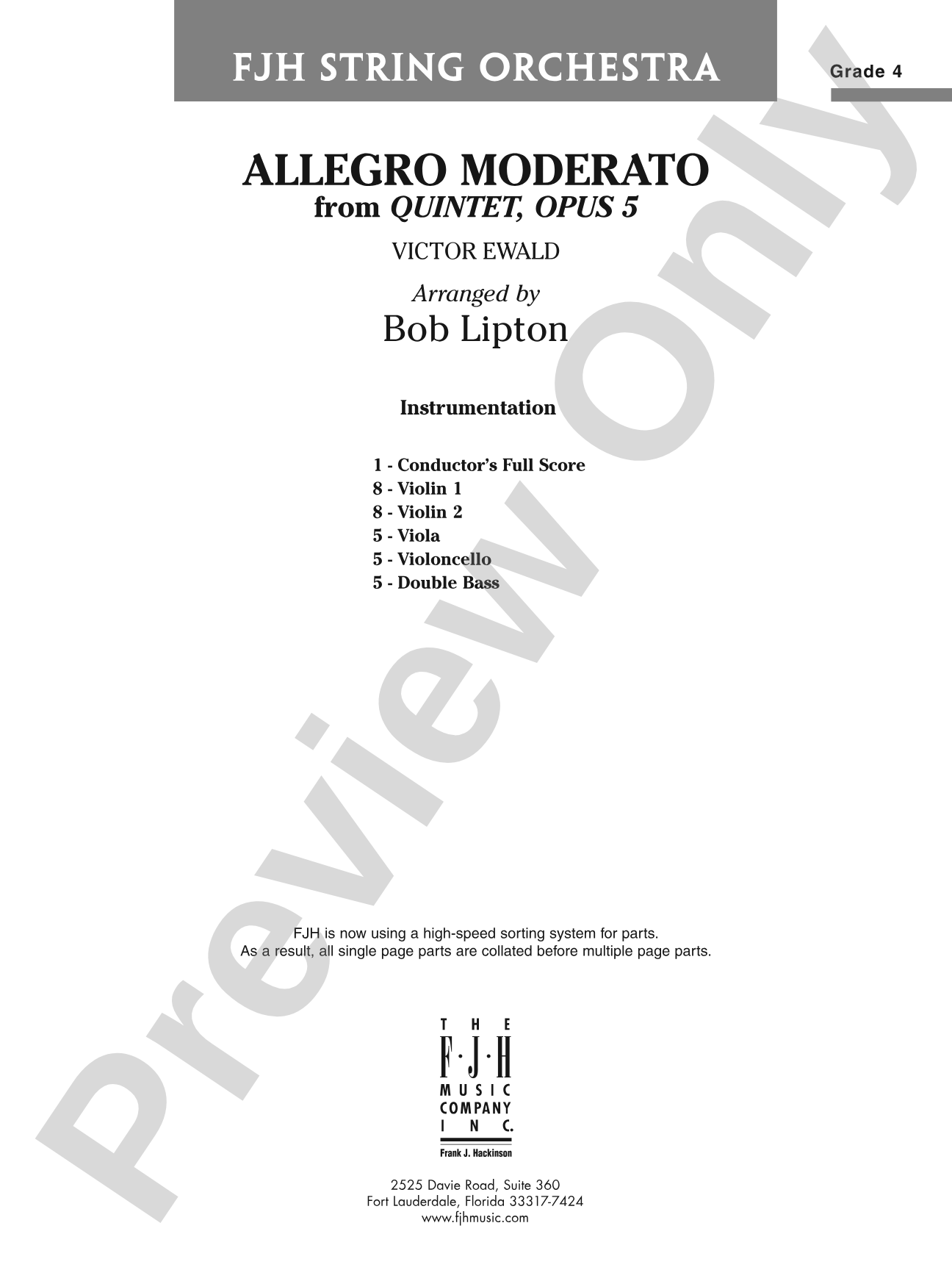
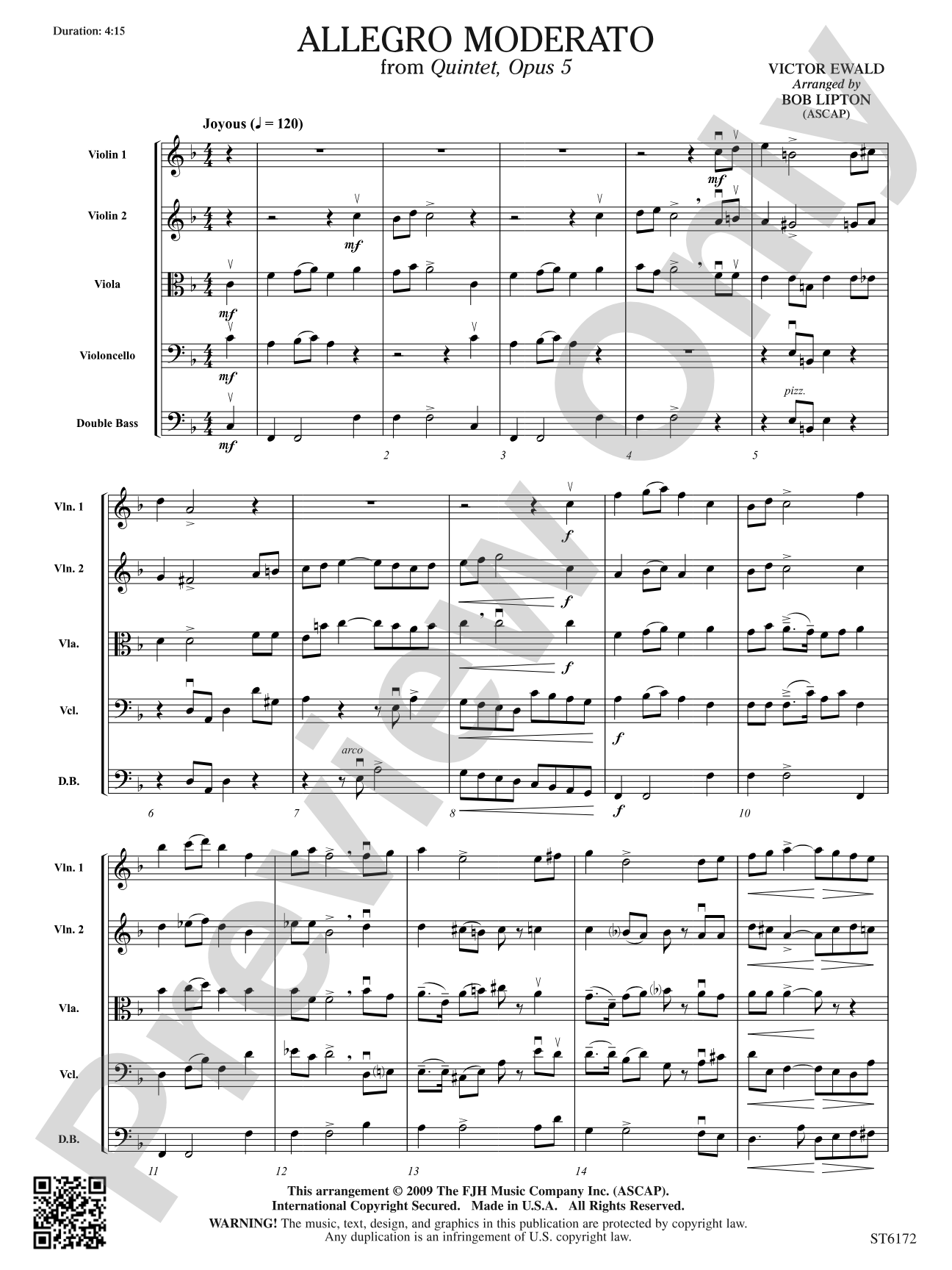
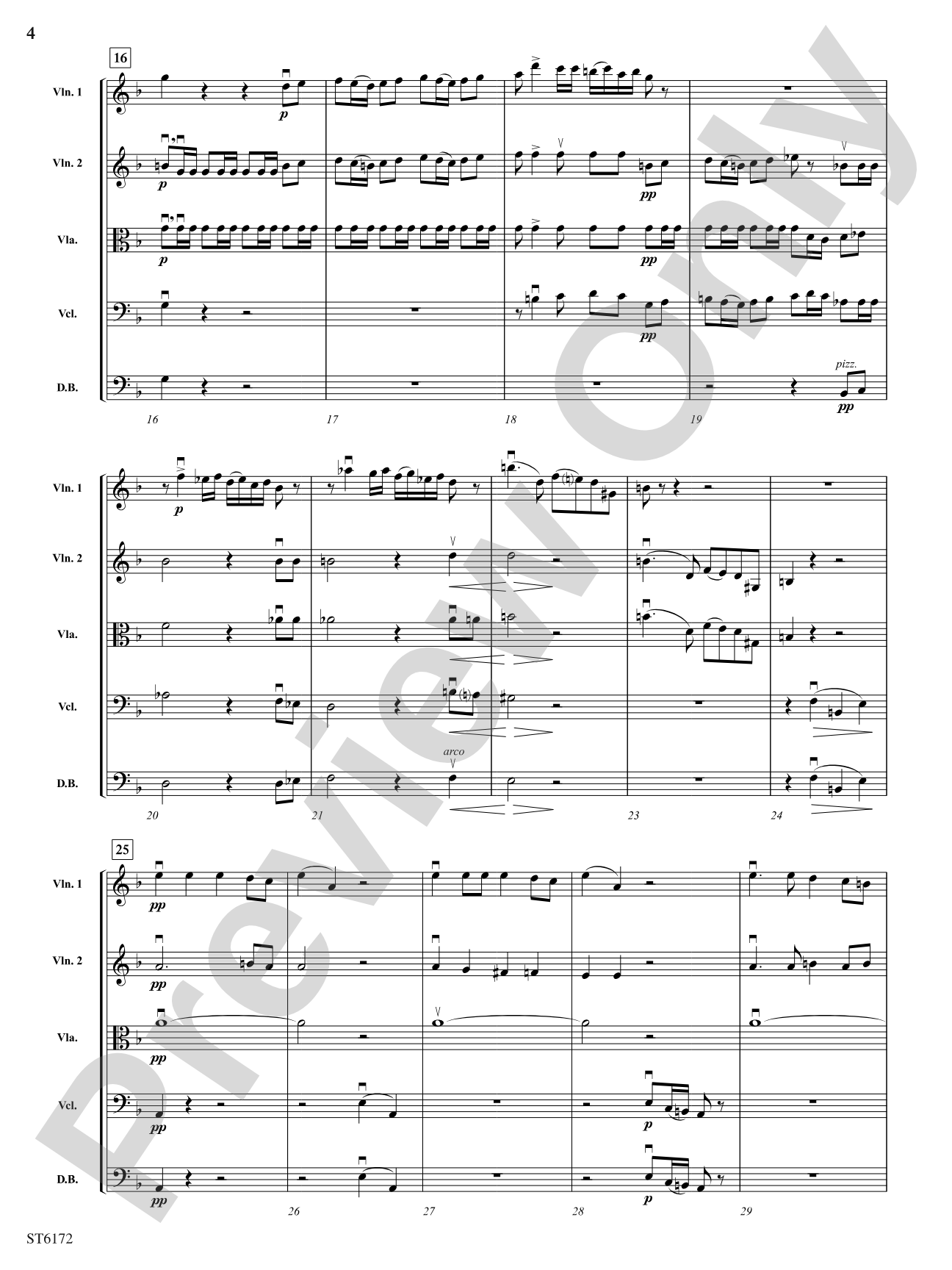
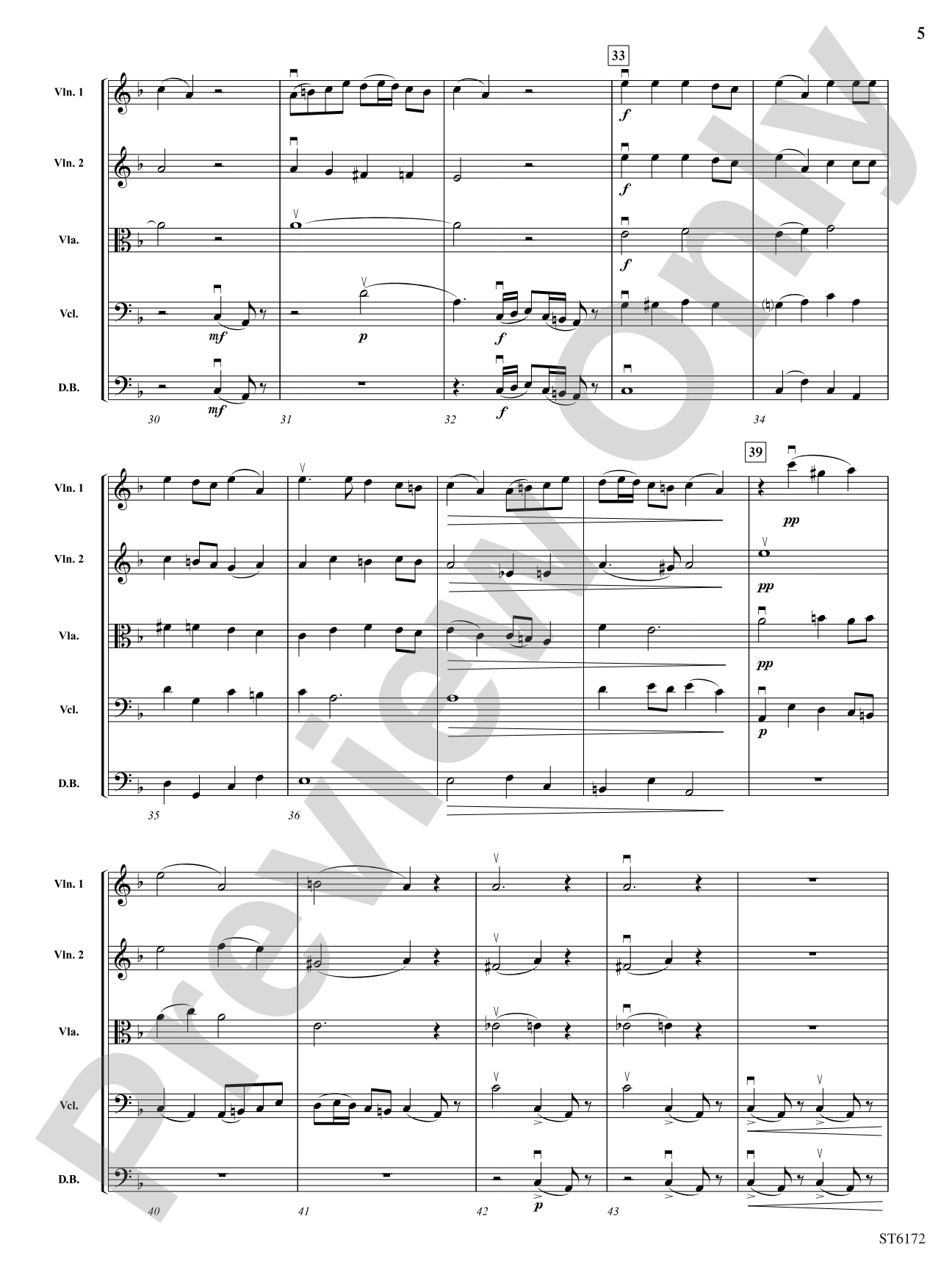
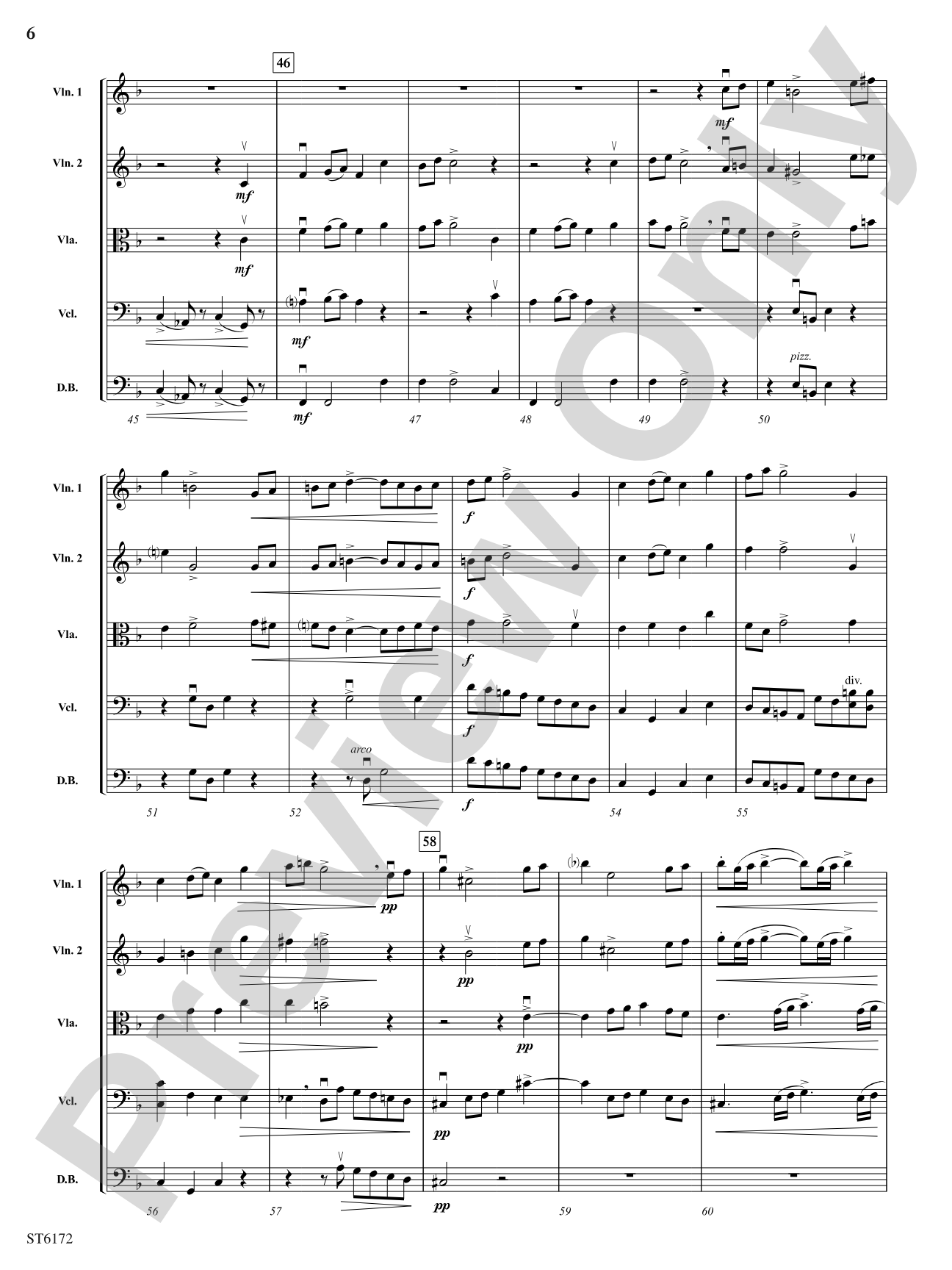
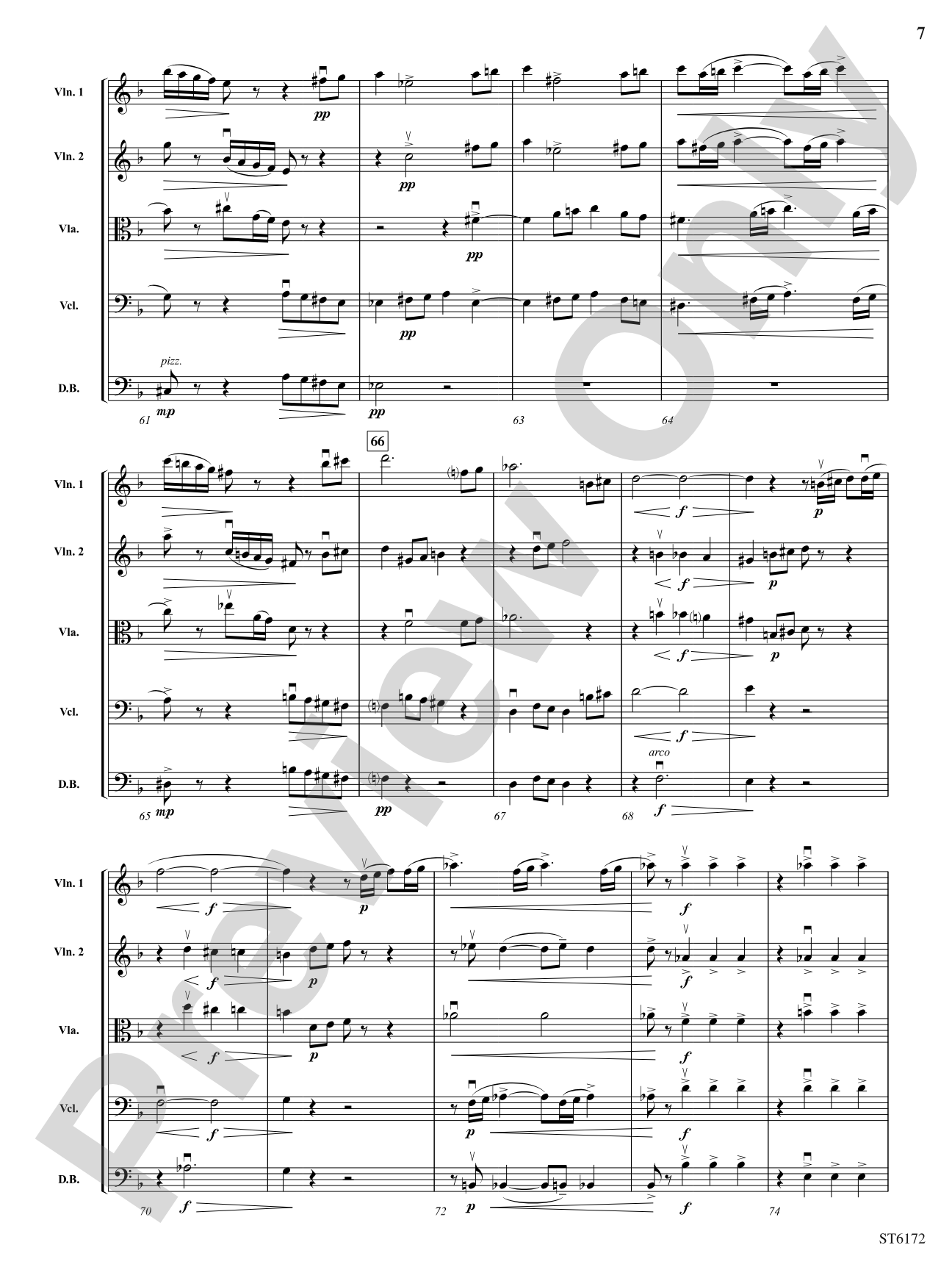
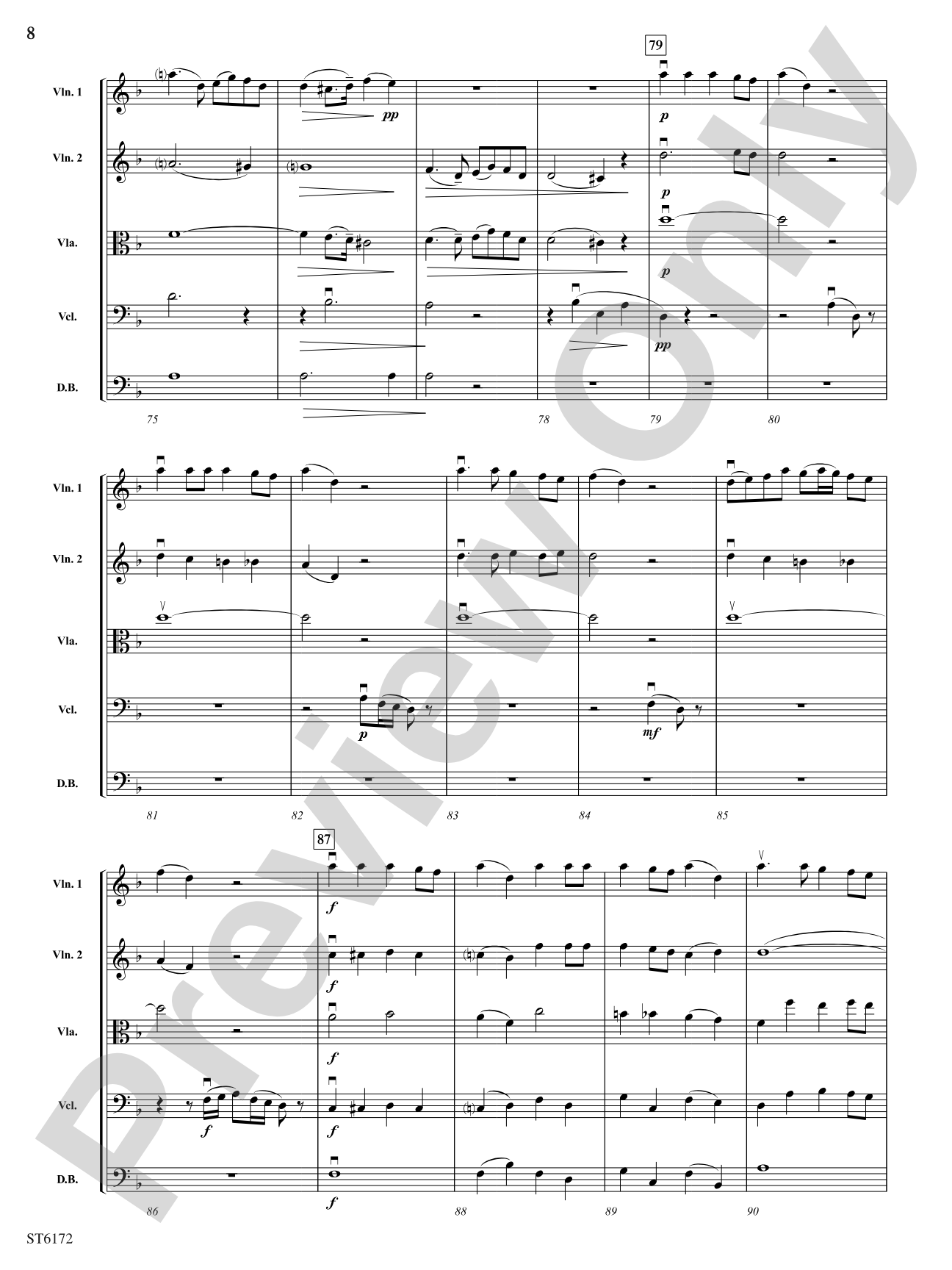
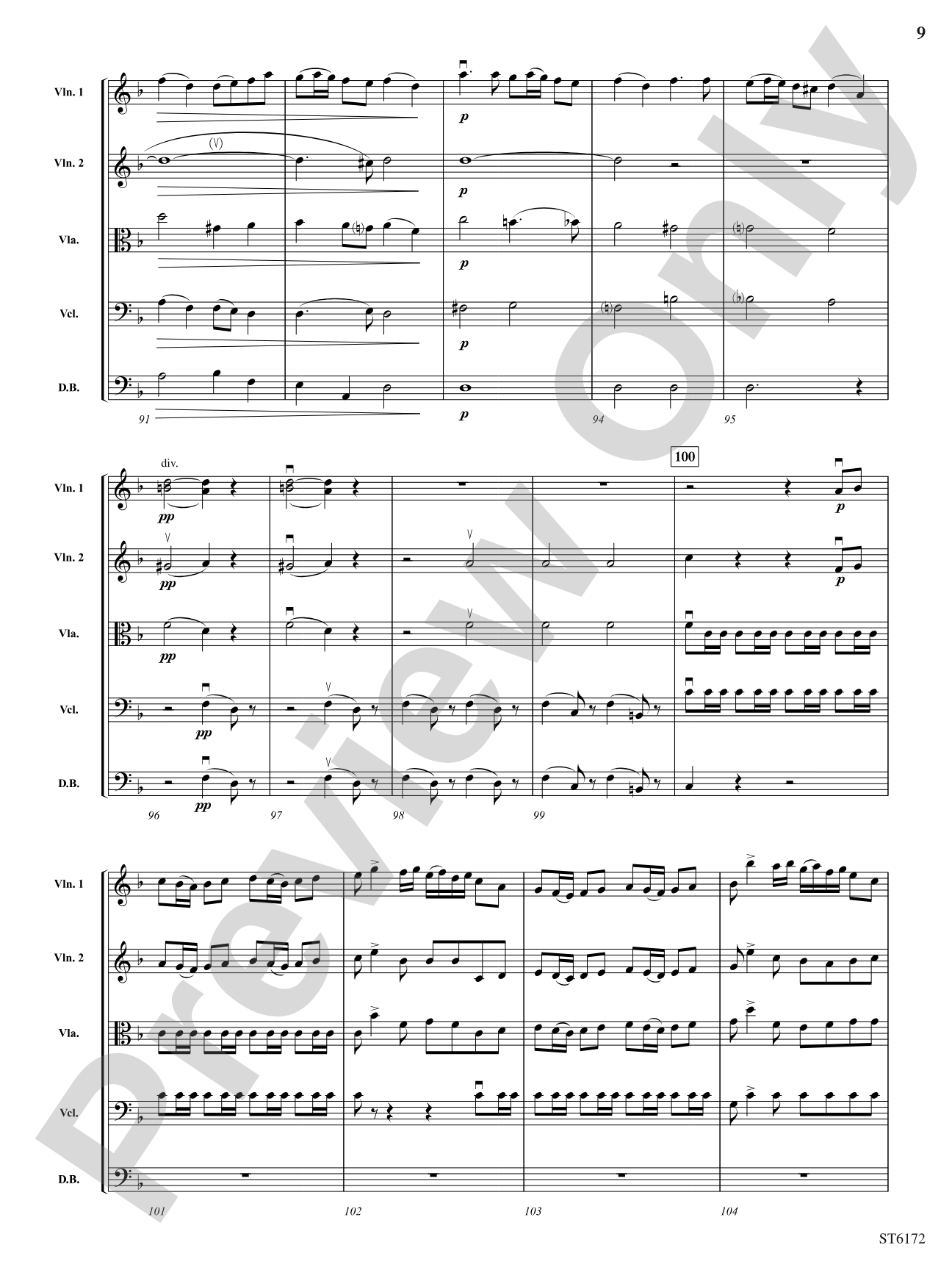
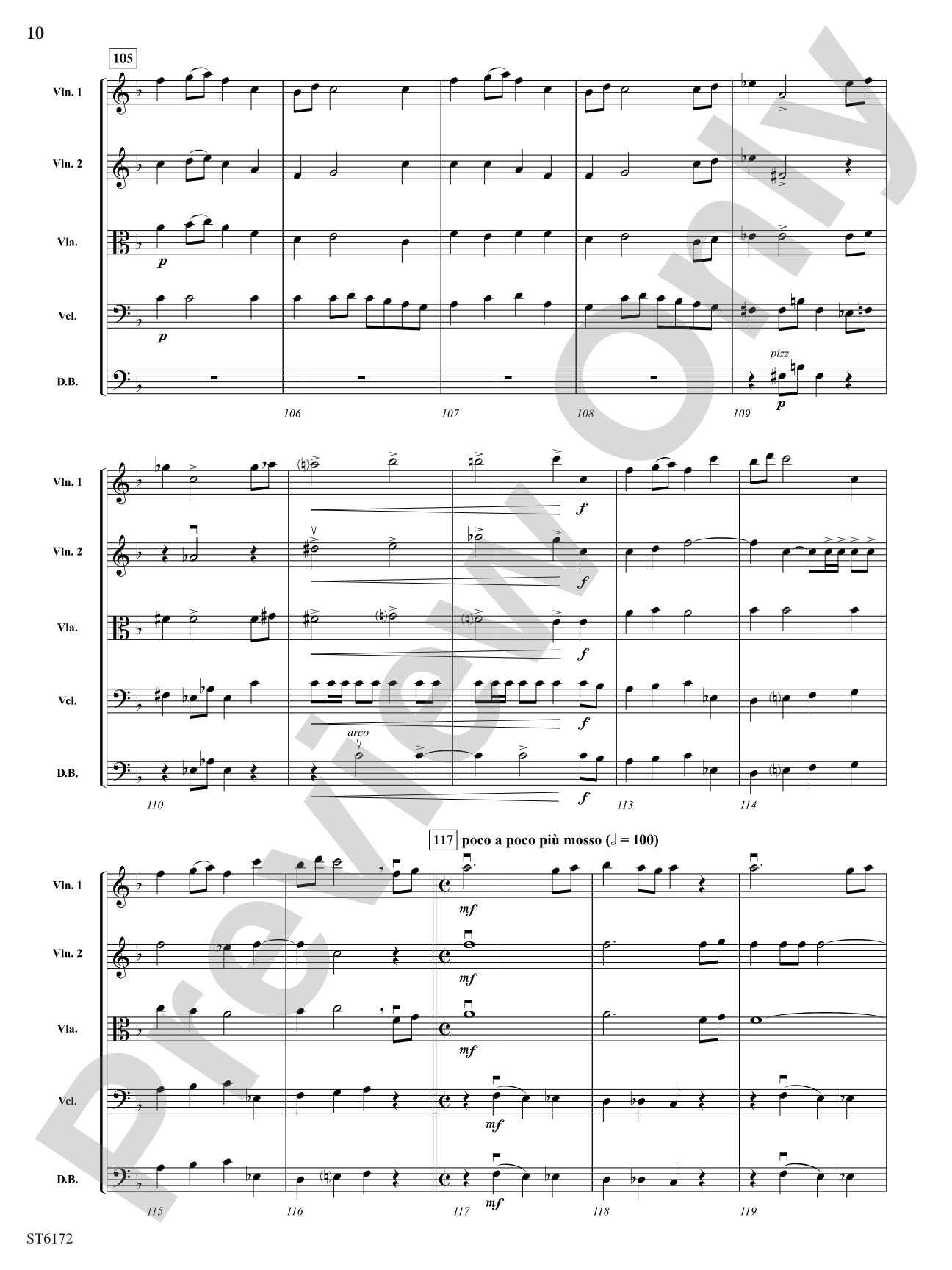
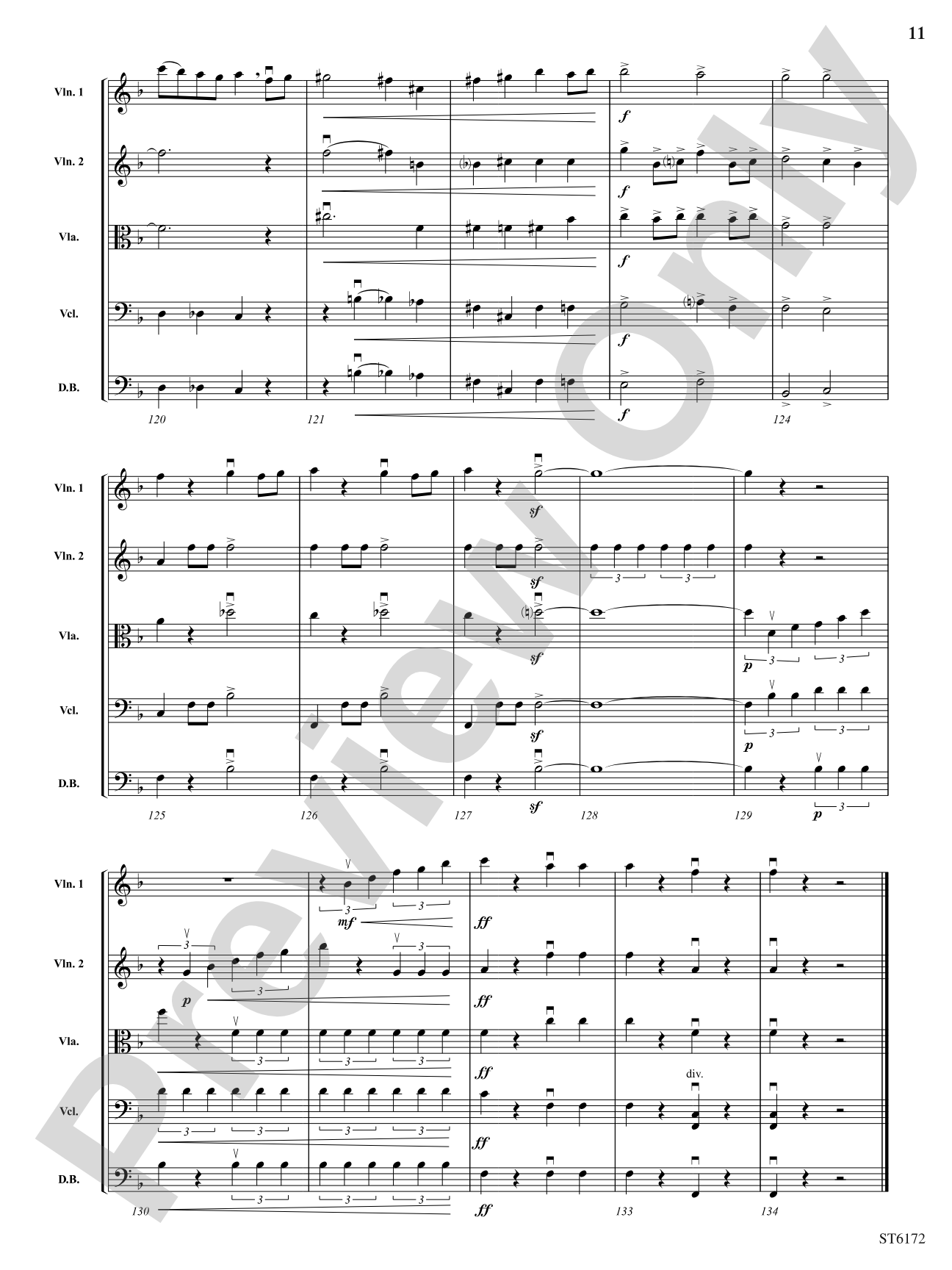

Allegro Moderato from Quintet, Opus 5: String Orchestra Conductor Score & Parts
By Victor Ewald / arr. Bob Lipton
Grade: 4
Item: 98-DST6172
$55.00
Pickup currently not available
Buy Extra Parts (Digital PDF Download)
Parts Added to Cart!
Description
Originally written for brass, this exceptional work by Victor Ewald translates beautifully for strings. What is more, this gives your students a great opportunity to play an extended and fully realized piece of Russian Romantic music without anything being watered down. An excellent addition to the repertoire!


Allegro Moderato from Quintet, Opus 5: String Orchestra Conductor Score & Parts isn't in MakeMusic Cloud just yet...but it could be. Let us know you'd like to see it, and you'll help shape what comes next. In the meantime, start a free trial and dive into thousands of interactive titles your students can play along with today.
Request This Title
Tell us you want it.
Start Your Free Trial
Explore everything that's ready to play right now.
Sample Audio
1
Audio File
--:--
0:00
0:00
Sample Video
No sample videos found.
Additional Details
Series:
FJH String Orchestra
Publisher:
The FJH Music Company, Inc.
SKU:
98-DST6172
More about this title
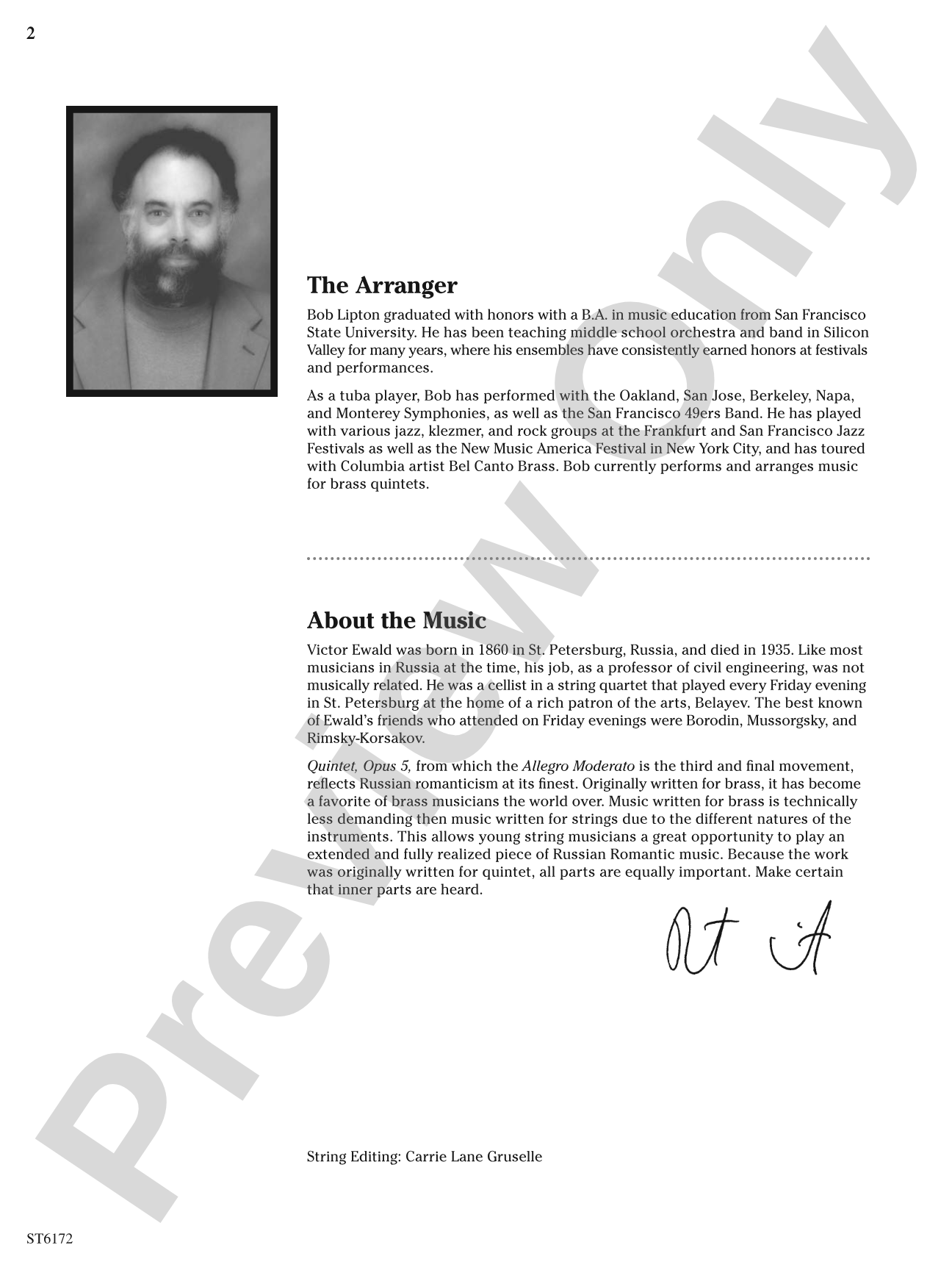
About the Composer: Victor Ewald
Victor Ewald (1860-1935) was a Russian composer and conductor whose chamber works represent a significant contribution to late Romantic instrumental music. Though his output was modest compared to his contemporaries, his five brass quintets remain foundational works in that repertoire, prized for their sophisticated harmonic language and structural clarity. Ewald's music bridges the gap between German Romanticism and Russian nationalist traditions, making his works particularly valuable for students encountering European musical idioms.
Why we love this
This arrangement opens access to genuine Russian Romantic masterwork writing without simplification or compromise. Ewald's harmonic sophistication and architectural control shine through in string colors, and students playing a fully realized concert piece (rather than exercises or shortened versions) experience the satisfaction of owning substantial repertoire. At Grade 4, it offers real musical substance that prepares ensembles for the demands of more complex concert programming.
What to expect
Russian Romanticism rendered in warm, singing string color. The work moves with graceful momentum through clear melodic statements and rich harmonic progressions, creating an atmosphere both introspective and assured. There's a sense of unforced elegance throughout, the musical equivalent of a confident walk through a concert hall.
Who it's for
String orchestras at the intermediate-advanced level seeking repertoire with genuine compositional weight. This arrangement serves directors who want students to experience chamber-music sophistication within a full ensemble context, and ensembles preparing for contest or festival performance.
How to get the most out of it
- Balance the exposed melodic lines against supporting voices with careful rehearsal; string voicing requires clarity of texture that comes only through sectional work on individual lines.
- Shape the phrasing through bow control rather than rushing tempo changes; Ewald's harmonic rhythm often dictates where natural breathing points occur.
- Attend to intonation in sustained chords, particularly where inner voices move against outer voices; these moments define the work's Romantic character.
How to use it
Program this as a concert centerpiece for a Romantic-era bracket, pairing it with lighter works or contrasting national styles. It also functions effectively as a festival entry, offering adjudicators a chance to assess your ensemble's ability to sustain tone quality and execute subtle harmonic shading. Consider placing it mid-concert where it can anchor a program without requiring the closing-piece drama of a finale.
Skills your students will build
- Sustaining tone quality across long melodic phrases in ensemble
- Balancing multiple simultaneous lines with distinct rhythmic and harmonic roles
- Reading and executing Russian Romantic harmonic language
- Responding to conducting gestures that shape phrase contour rather than mark time
- Collaborating within a transparent texture where individual intonation errors are audible