
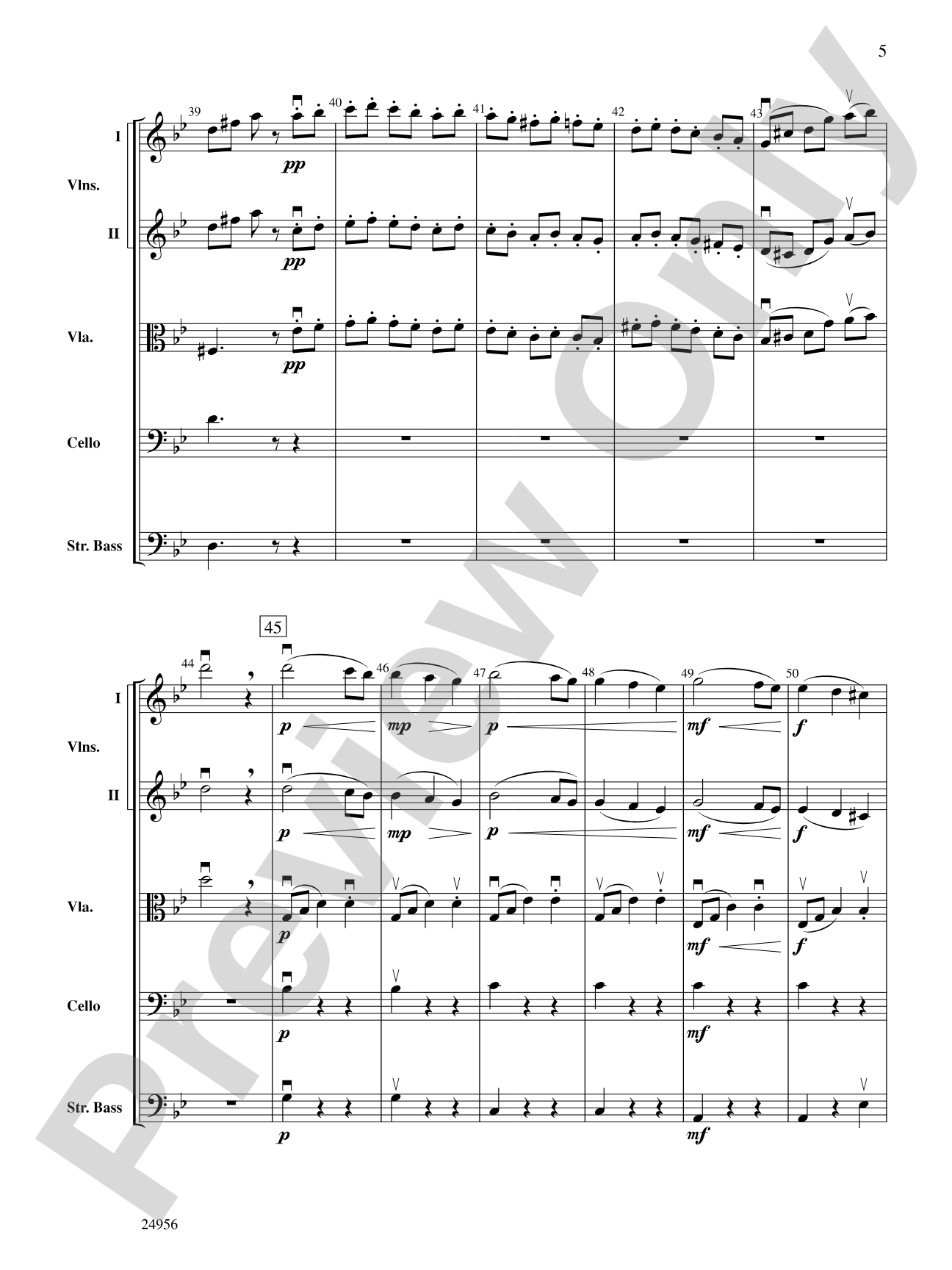
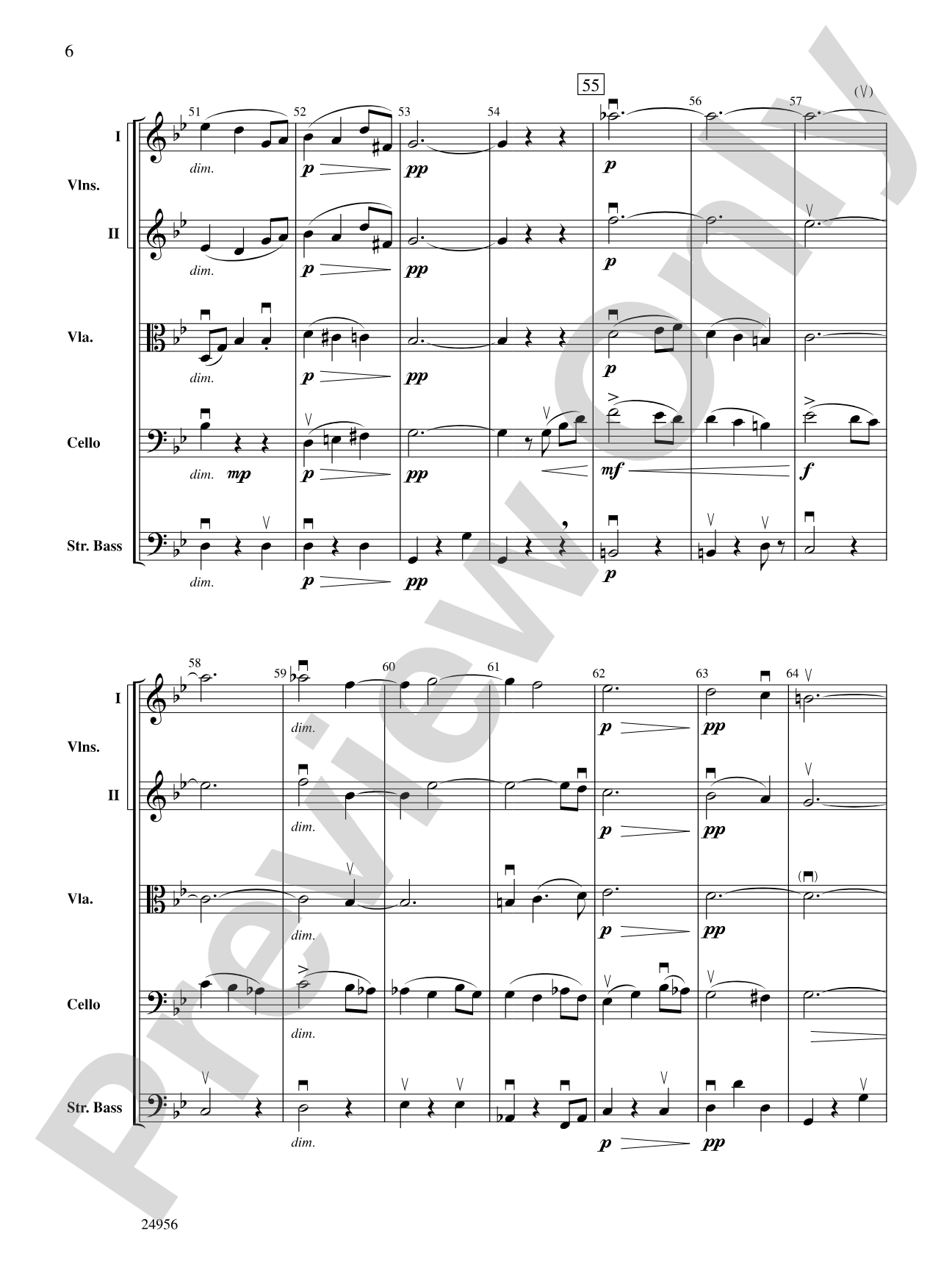
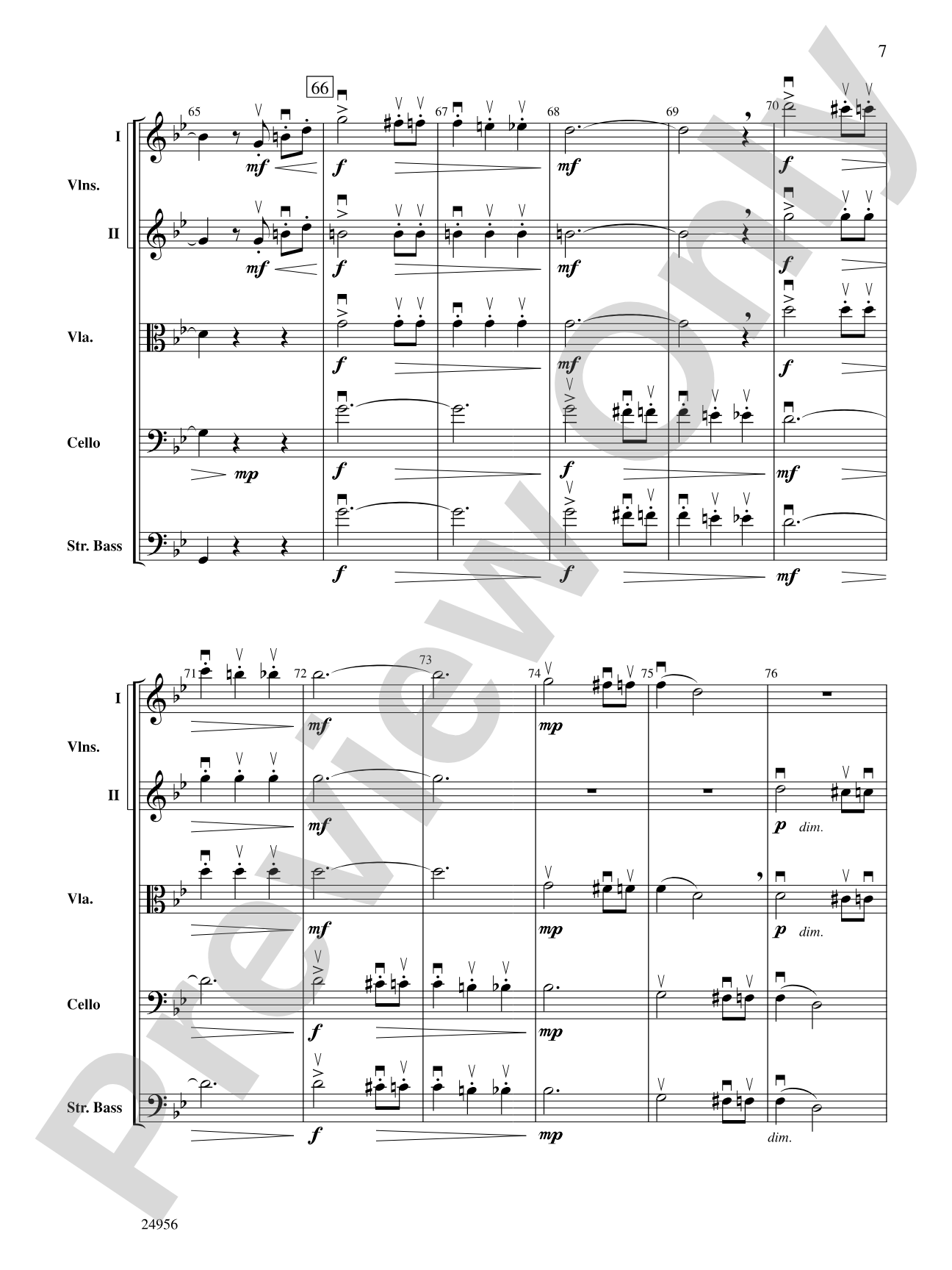
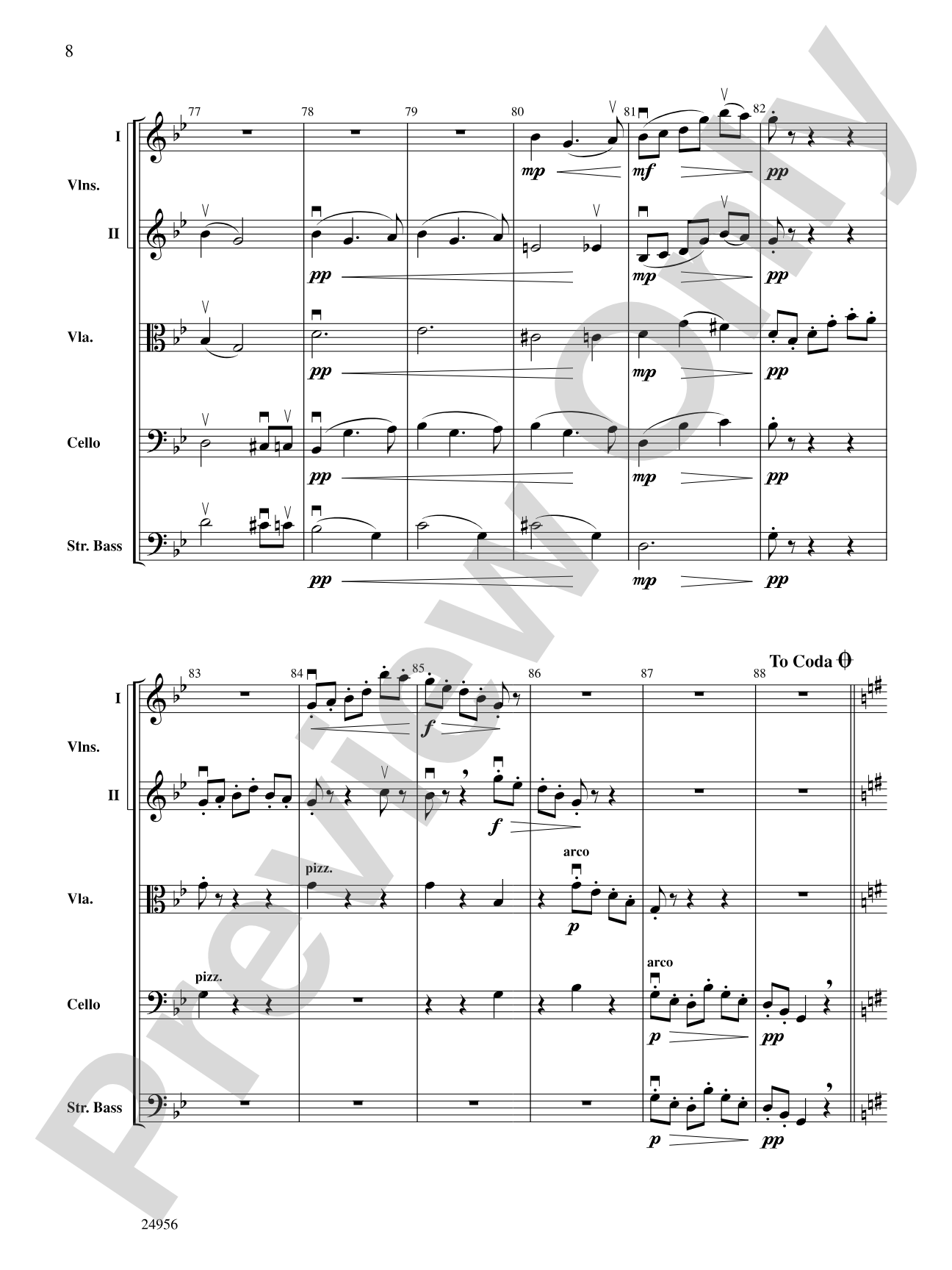
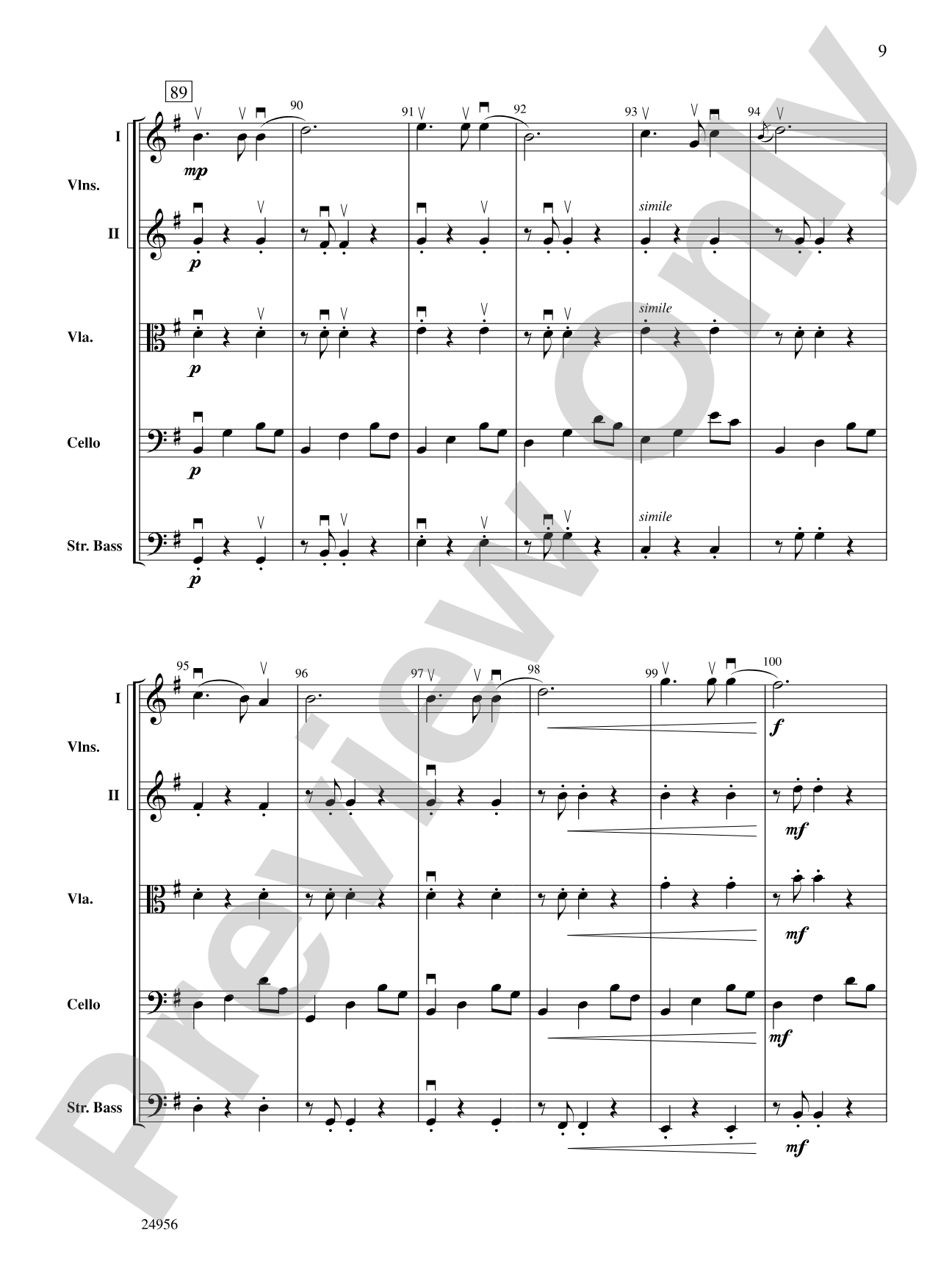
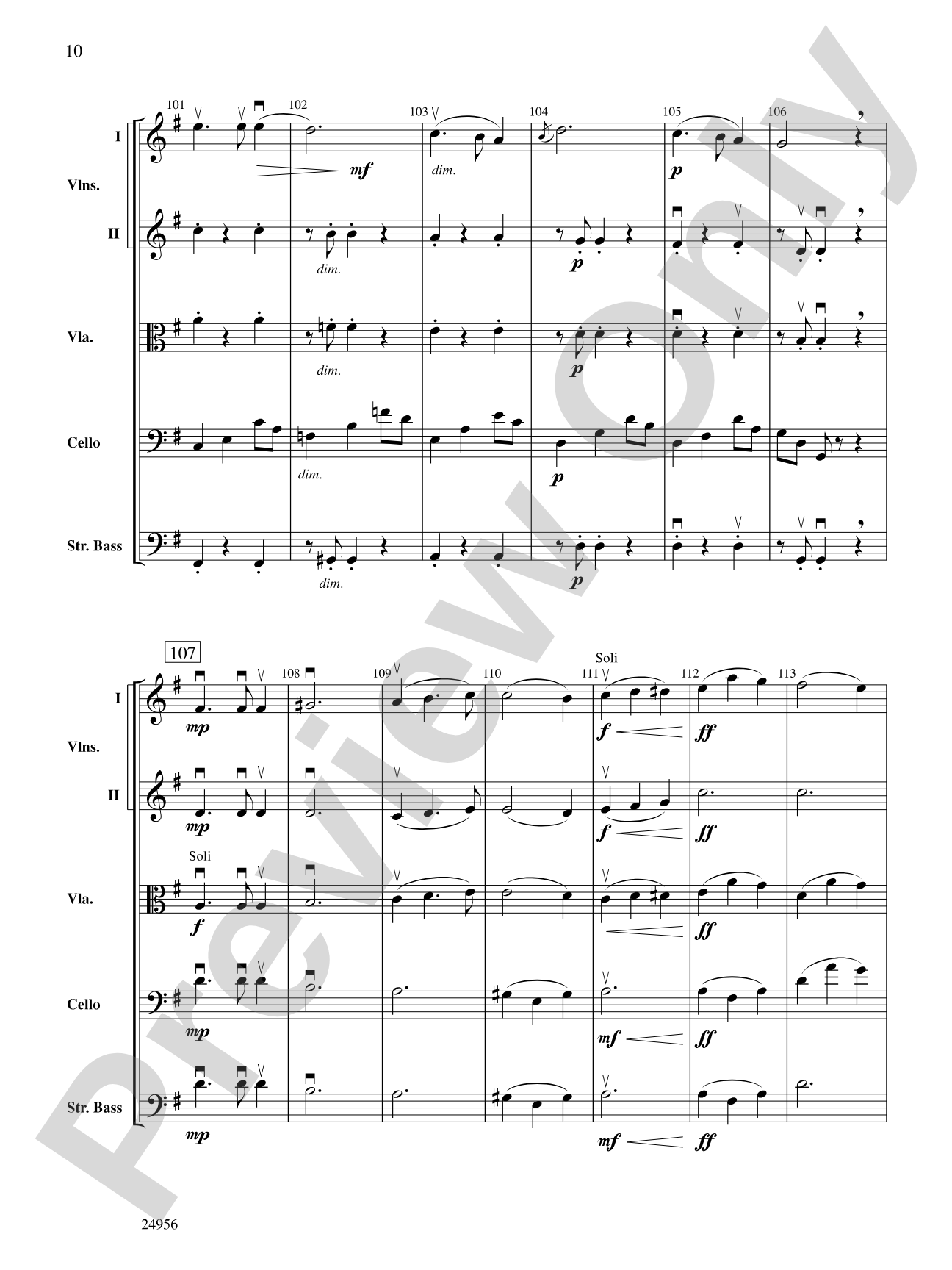
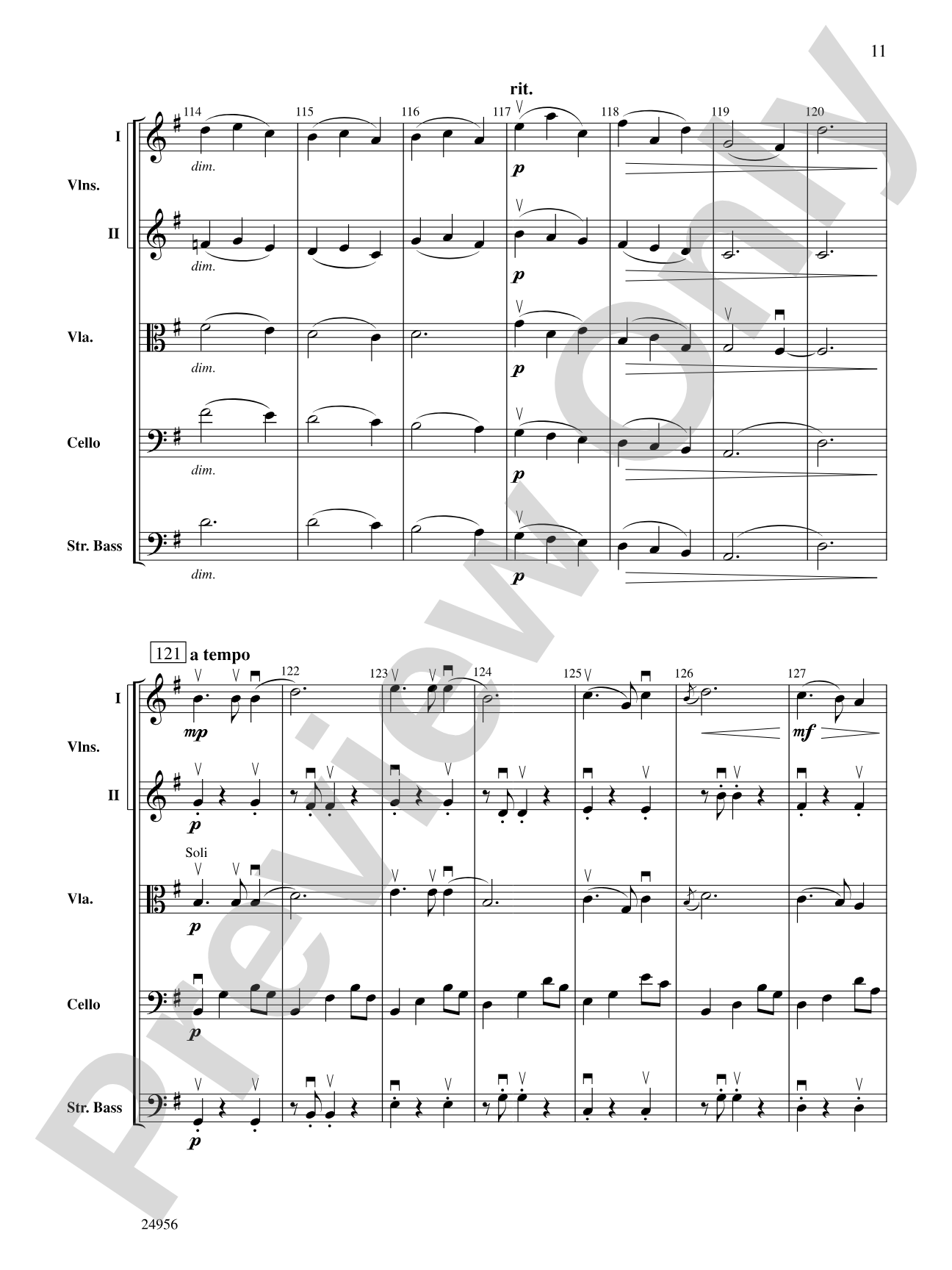
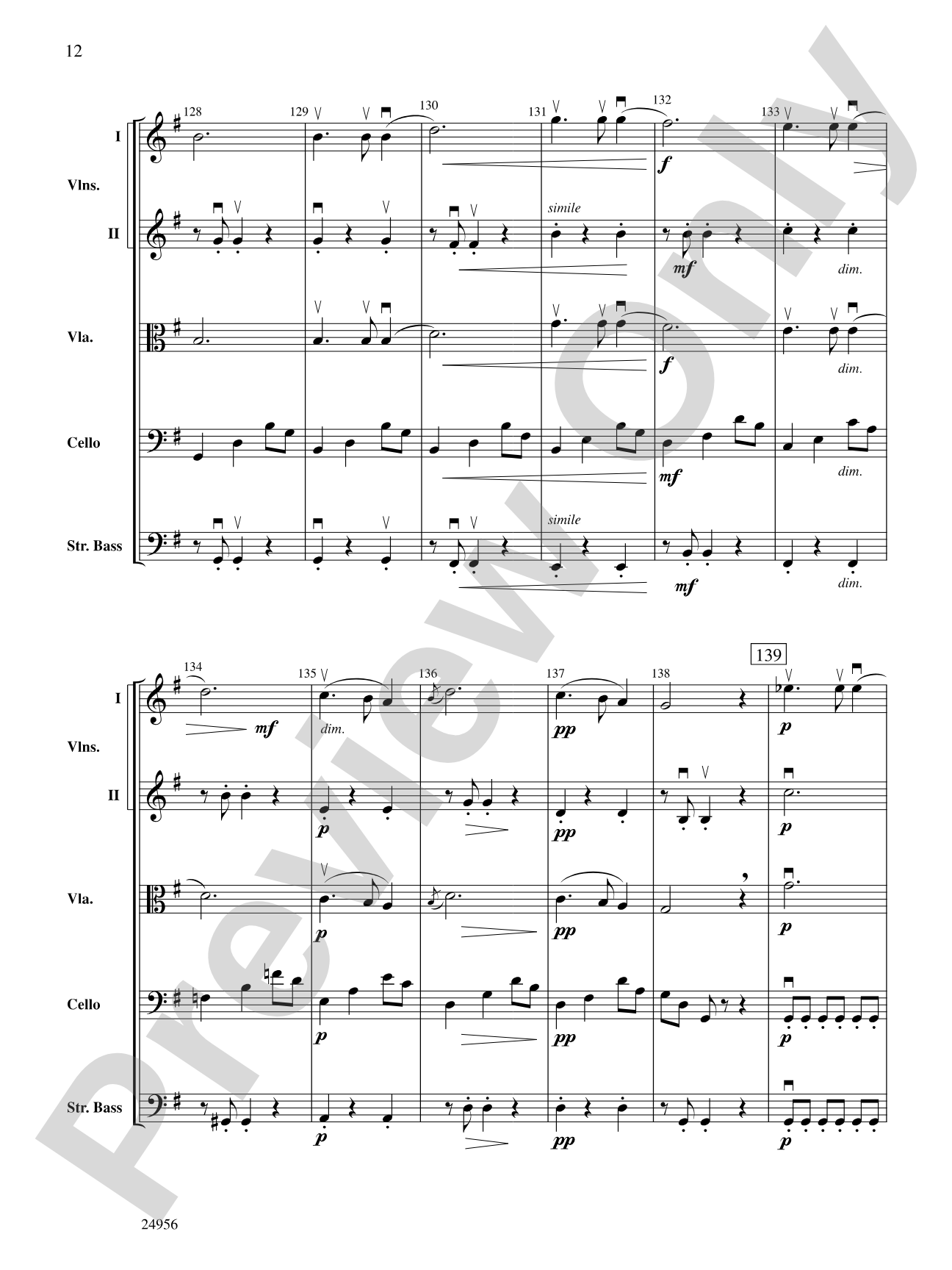
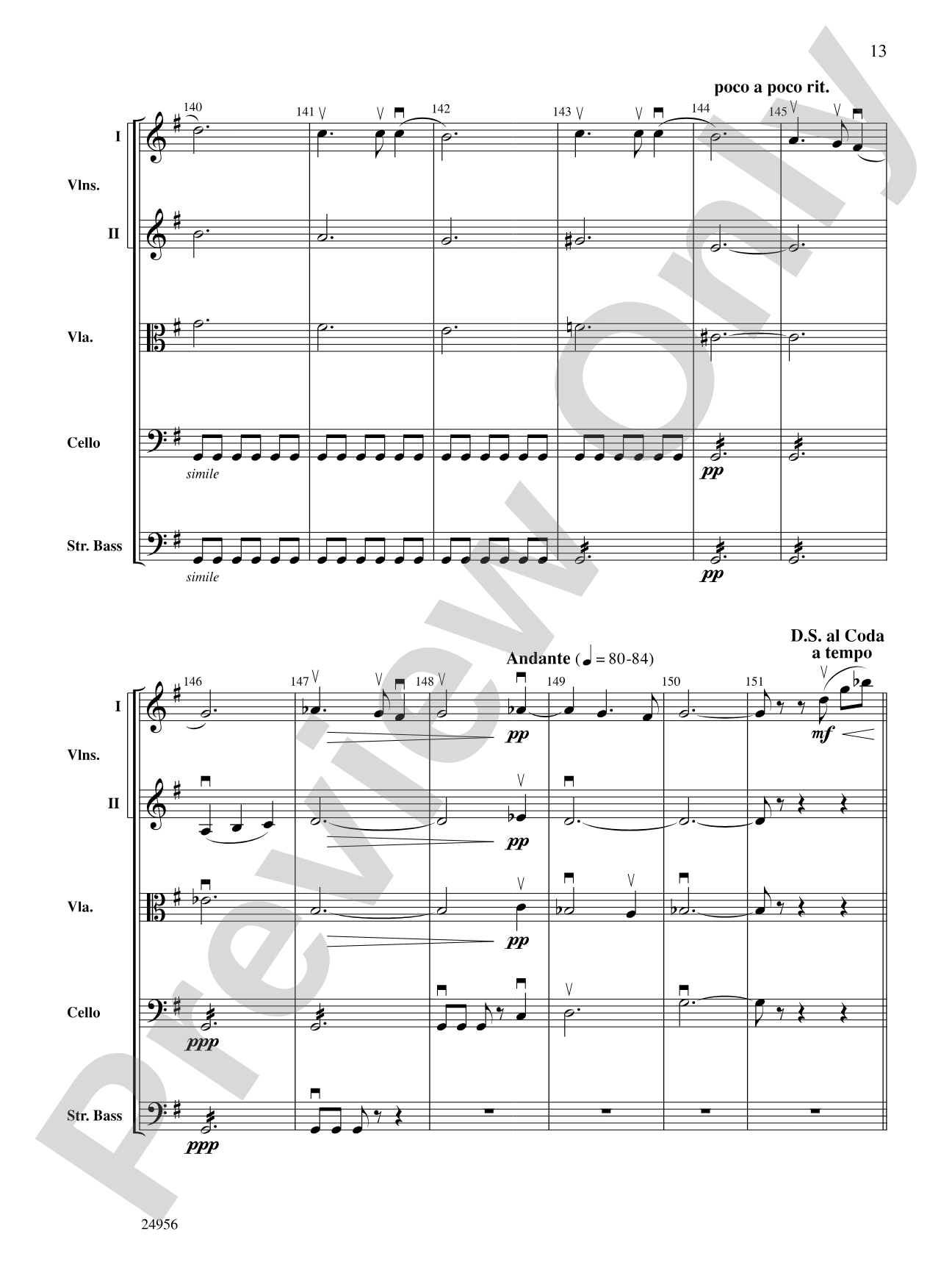
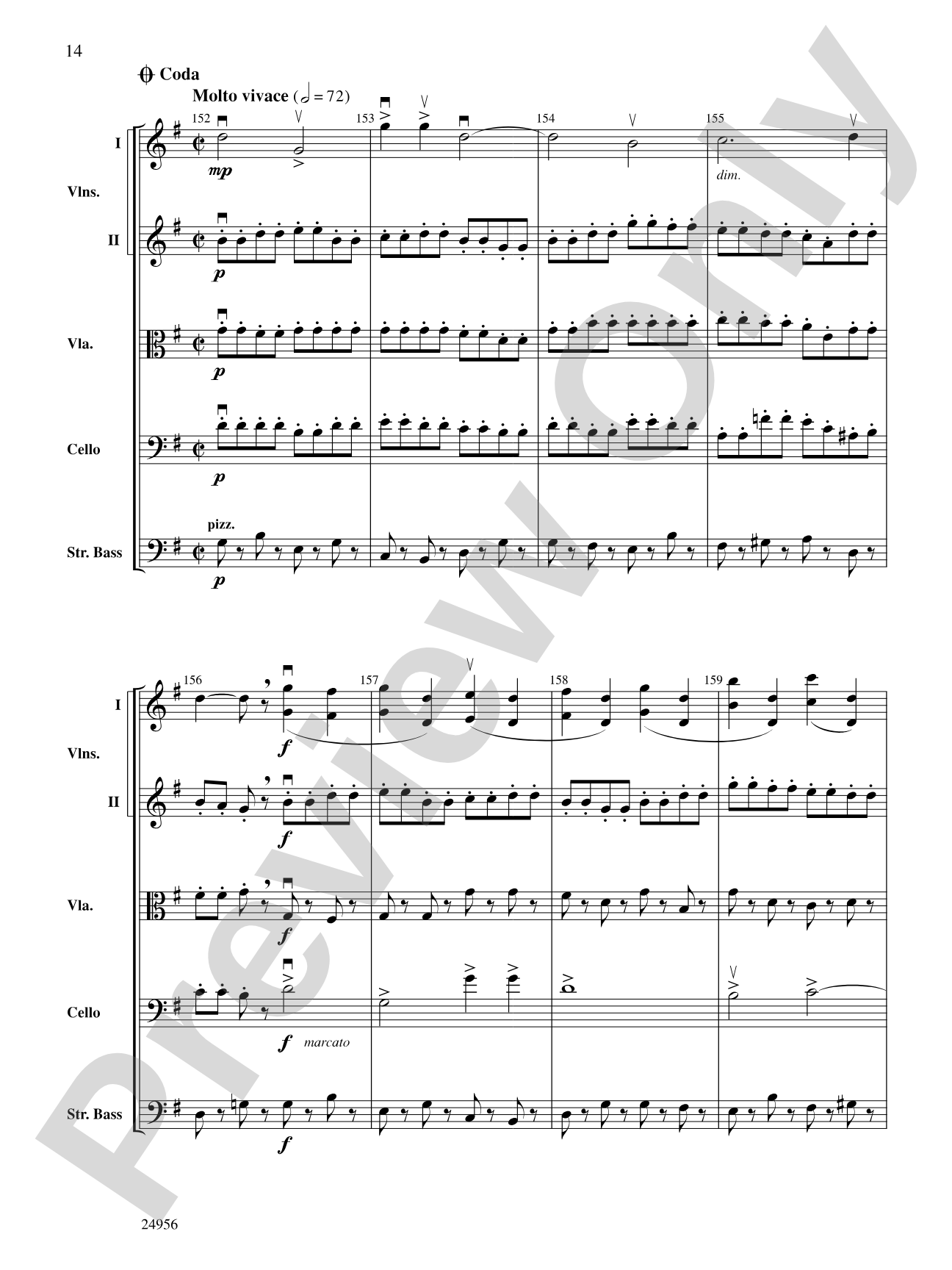
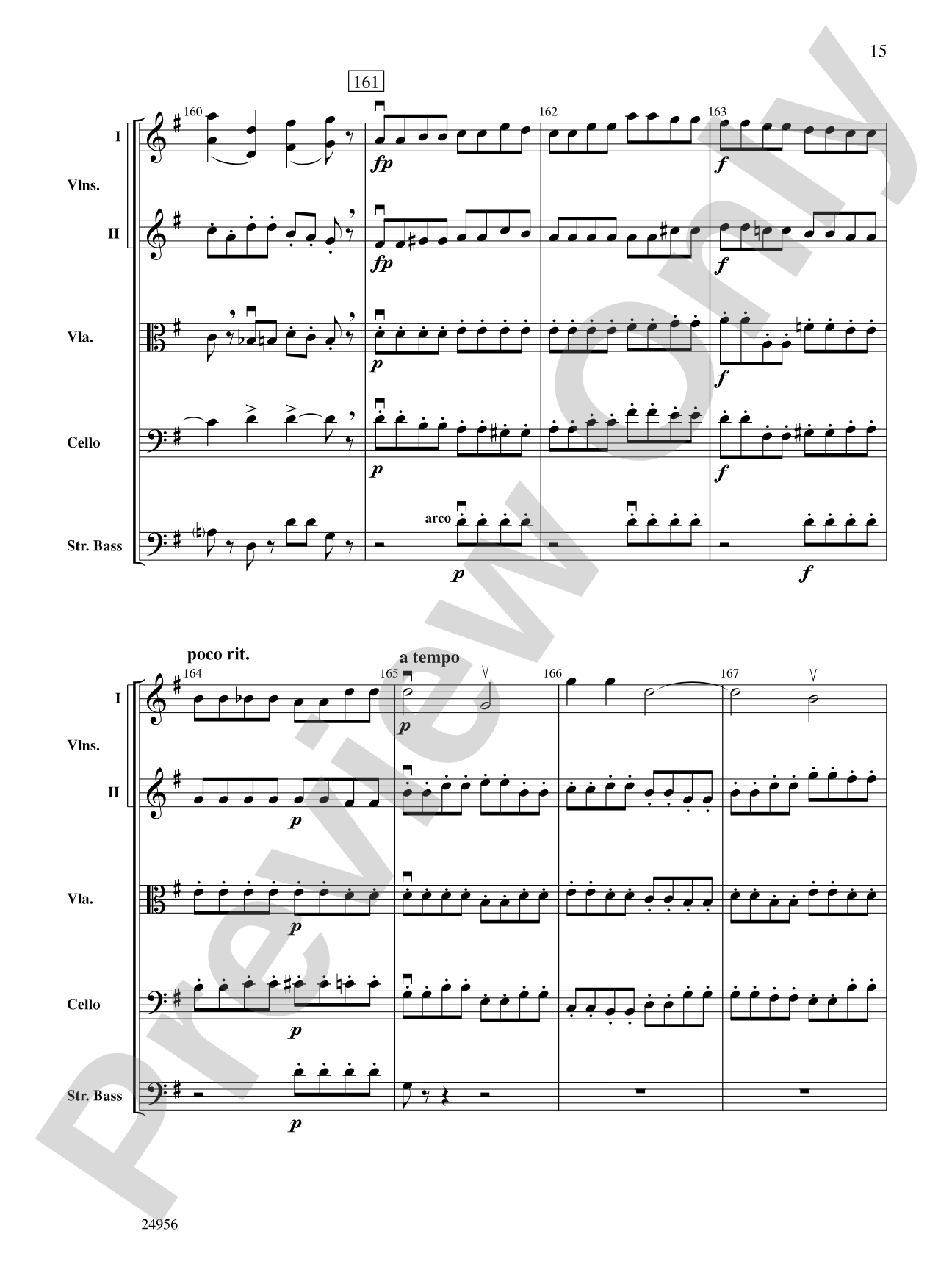
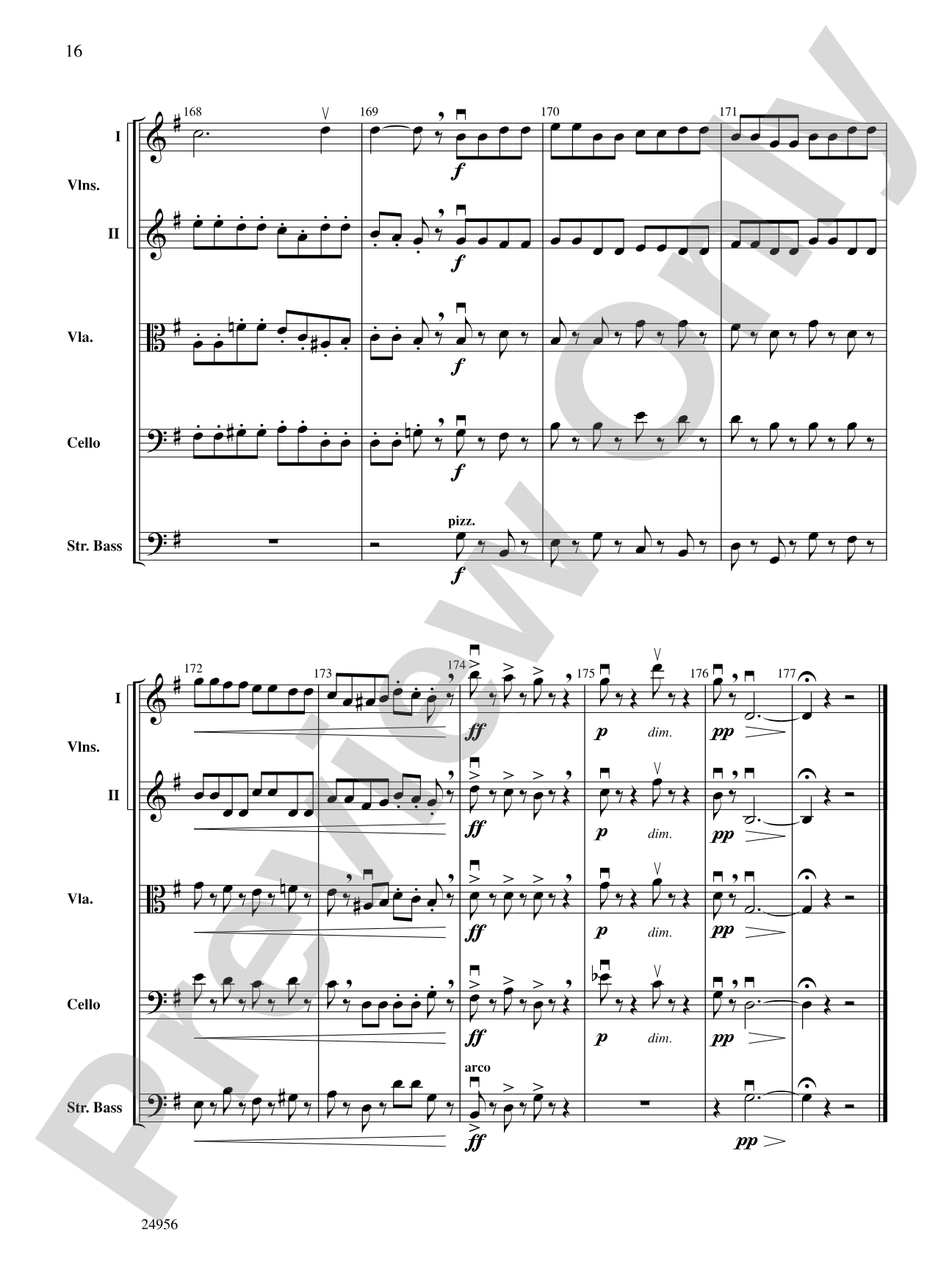

Allegretto Grazioso (from Symphony No. 8): Score
By Antonín Dvorák / arr. Robert Sieving
Grade: 3.5
Item: 00-PR-0000939
$9.00
Pickup currently not available
Description
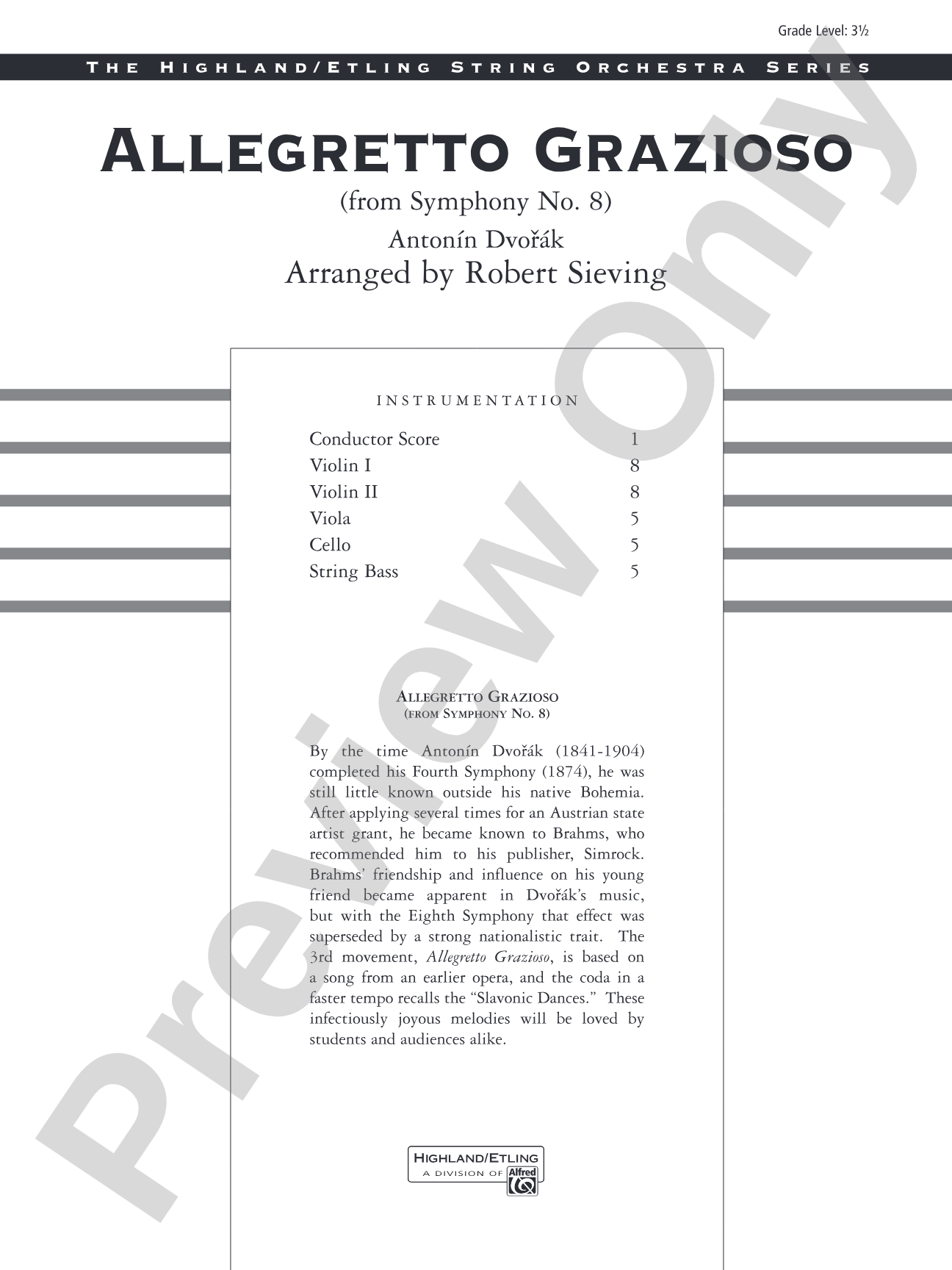
By the time Antonin Dvorák (1841-1904) completed his 4th Symphony in 1874, he was still little known outside his native Bohemia. After applying several times for an Austrian state artist grant, he became known to Brahms, who recommended him to his publisher, Simrock. Brahms' friendship and influence on his young friend became apparent in Dvorak's music, but with the 8th Symphony that effect had been superseded by a strong nationalistic trait. The 3rd movement, "Allegretto Grazioso," is based on a song from an earlier opera, and the coda in a faster tempo recalls the "Slavonic Dances." These infectiously joyous melodies will be loved by students and audiences alike. This title is available in MakeMusic Cloud.


Don't just read it, hear it, play along with it, and watch your students grow with it. In MakeMusic Cloud, Allegretto Grazioso (from Symphony No. 8): Score comes alive with professional accompaniment, adjustable tempo, and built-in practice tools that turn solo practice into real progress.
Open in the Player
Jump straight in and assign it today.
Start Your Free Trial
Open this title and explore the full library in minutes.
Sample Audio
1
Audio File
--:--
0:00
0:00
Sample Video
Additional Details
Series:
Highland/Etling String Orchestra
Publisher:
Alfred Music
Page Count:
94
SKU:
00-PR-0000939
More about this title
About the Composer: Antonin Dvorák
Antonín Dvořák (1841-1904) emerged from Bohemia to become one of the 19th century's most significant symphonists, bridging Romantic nationalism with classical form. Though mentored early by Brahms and influenced by his friend's symphonic language, Dvořák forged his own path by integrating Czech folk melodies and rhythmic vitality into large-scale instrumental works. His eight symphonies chart his evolution from European conservatism toward increasingly personal voice, with the nationalistic Eighth standing as one of his most direct expressions of cultural identity.
For music educators, Dvořák's string orchestra writing offers exceptional pedagogical value: clear textures, singable melodic lines, and structural clarity that help young musicians understand how themes develop and interact. His ability to generate infectious forward momentum from simple melodic material makes his work both accessible and genuinely rewarding to perform.
Why we love this
This movement distills everything that makes Dvořák's symphonic writing so effective in ensemble settings: memorable, dance-inflected melodies that sit naturally in string voices, transparent textures that showcase individual players, and an energetic coda that builds genuine excitement without technical overreach. At Grade 3.5, it gives orchestras at the intermediate level a taste of genuine European masterworks rather than simplified transcriptions. The Slavonic Dance echoes in the finale add a touch of character that stays with audiences long after the concert ends.
What to expect
Graceful and unhurried, with an almost dance-like buoyancy in its phrasing. The melodies flow with the ease of folk song, yet the orchestration has enough sophistication to keep the ear engaged. The shift toward the faster coda brings a surge of joyous energy that feels earned rather than imposed, carrying echoes of the exuberant Slavonic Dances.
Who it's for
Intermediate string orchestras (Grade 3.5) ready to tackle authentic Romantic literature with clear structural purposes. Conductors building concert programs that balance accessibility with artistic substance will find this excerpt especially valuable for demonstrating how major symphonists handled lyrical, character-based movements.
How to get the most out of it
- Shape each phrase with natural arc rather than driving relentlessly forward; the Allegretto marking invites elasticity and breathing room that allows the graceful character to emerge.
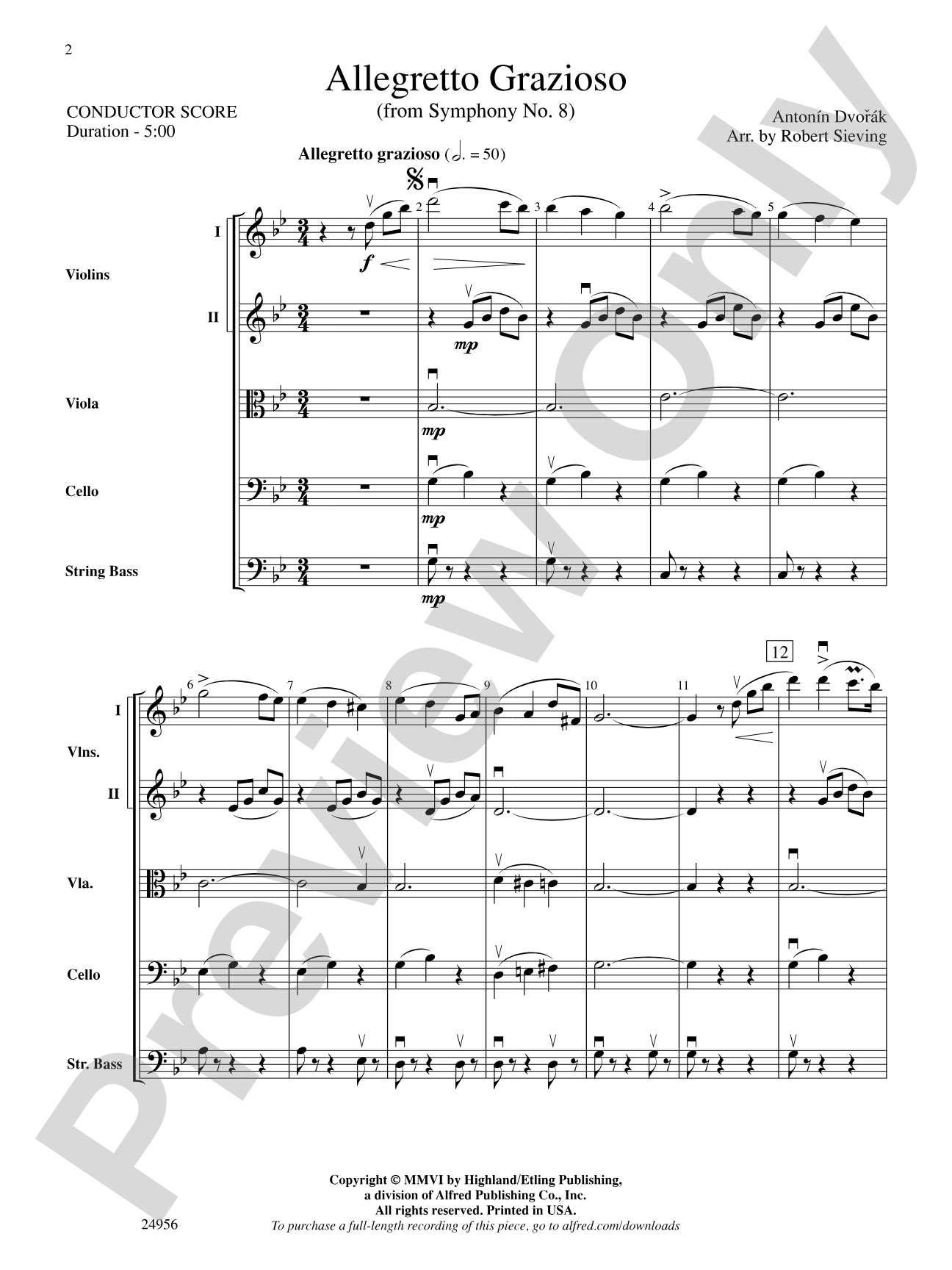
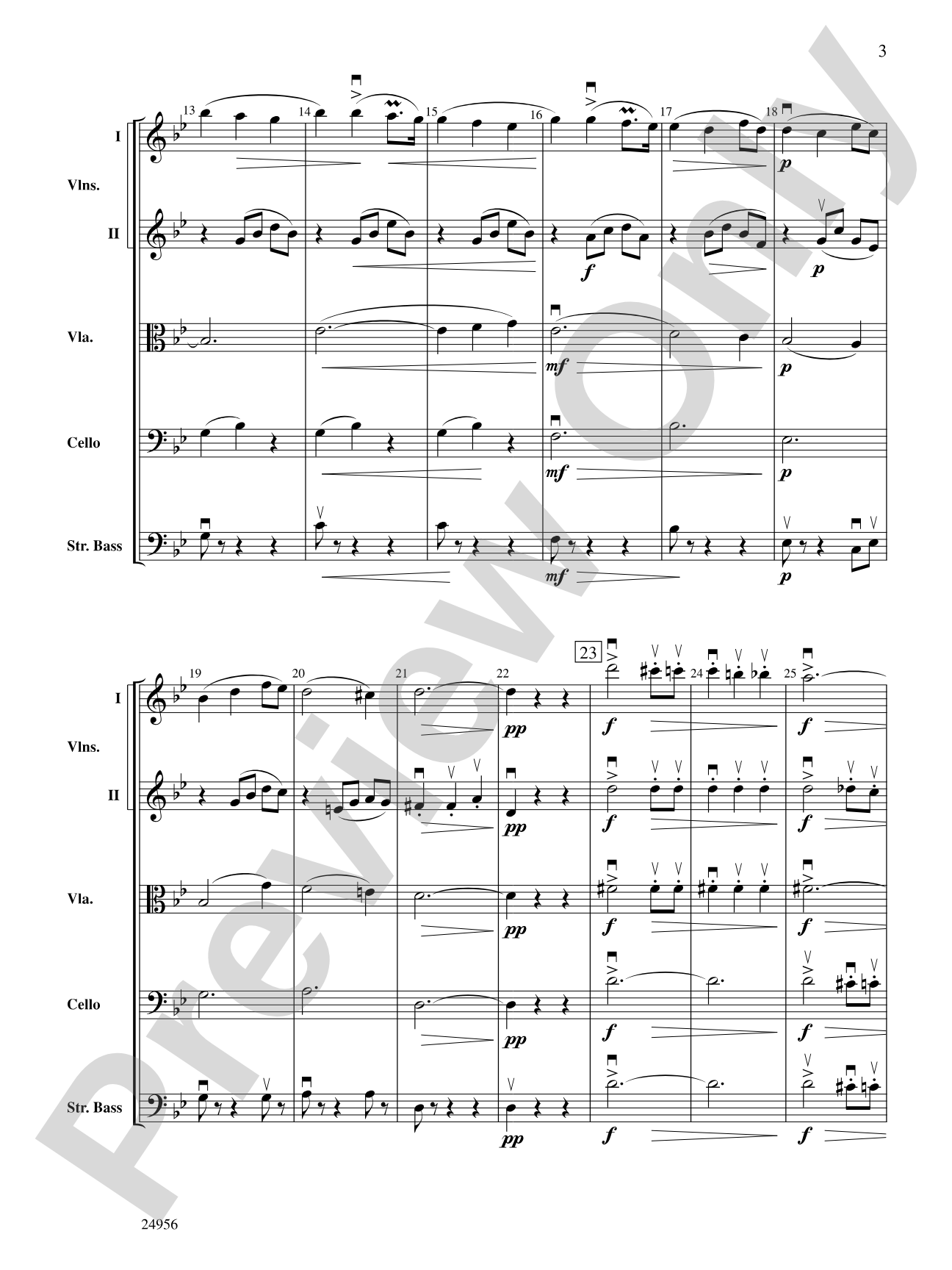
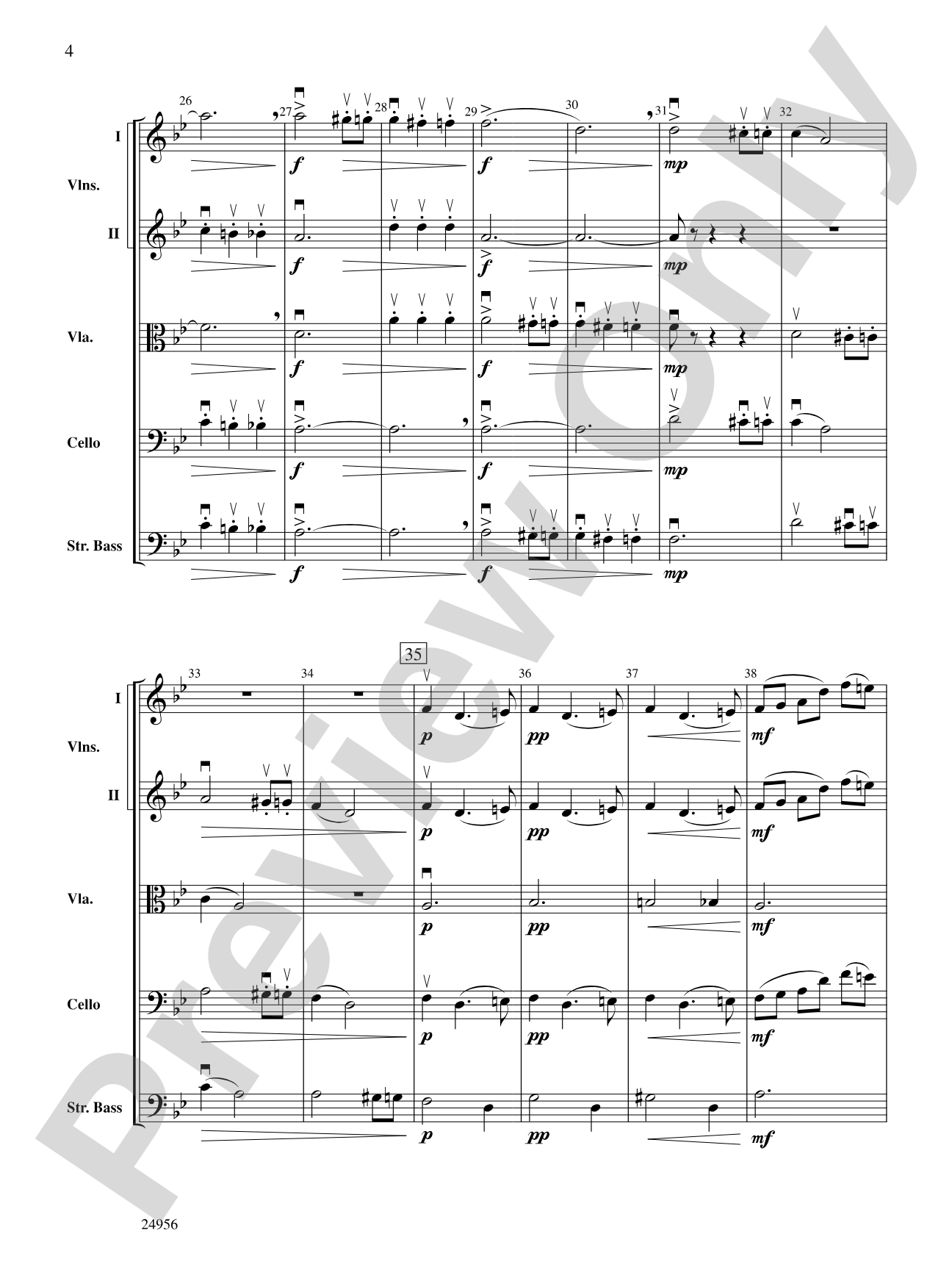
- Balance the first violin melody against sustained harmonies in lower voices, ensuring the cello and viola inner parts remain audible and support the harmonic context.
- Bring out the character shift in the faster coda by allowing a slight tempo lift and heightened rhythmic precision, letting the energy build organically without sudden disruption from the Allegretto sections.
- Attend to articulation consistency across all string sections; light, clean attacks on the dotted figures preserve the dance-like quality and prevent heaviness.
How to use it
Program this as a bridge between lighter, more populist fare and weightier symphonic works in the same concert; its melodic appeal and moderate length make it an excellent centerpiece that demonstrates ensemble maturity without demanding the full dramatic weight of a complete symphony. It pairs naturally with other Romantic-era string orchestra selections or sits well as a standalone spotlight for an accomplished intermediate ensemble.
Skills your students will build
- Phrasing and shaping of lyrical melodic lines across multiple string sections
- Balance between principal voices and supporting harmonic material
- Tempo flexibility and elasticity within marked Allegretto sections
- Articulation clarity and consistency across divisi passage work
- Transition control between contrasting tempos (Allegretto to faster coda)
- Understanding of thematic material as it passes between instrumental choirs