
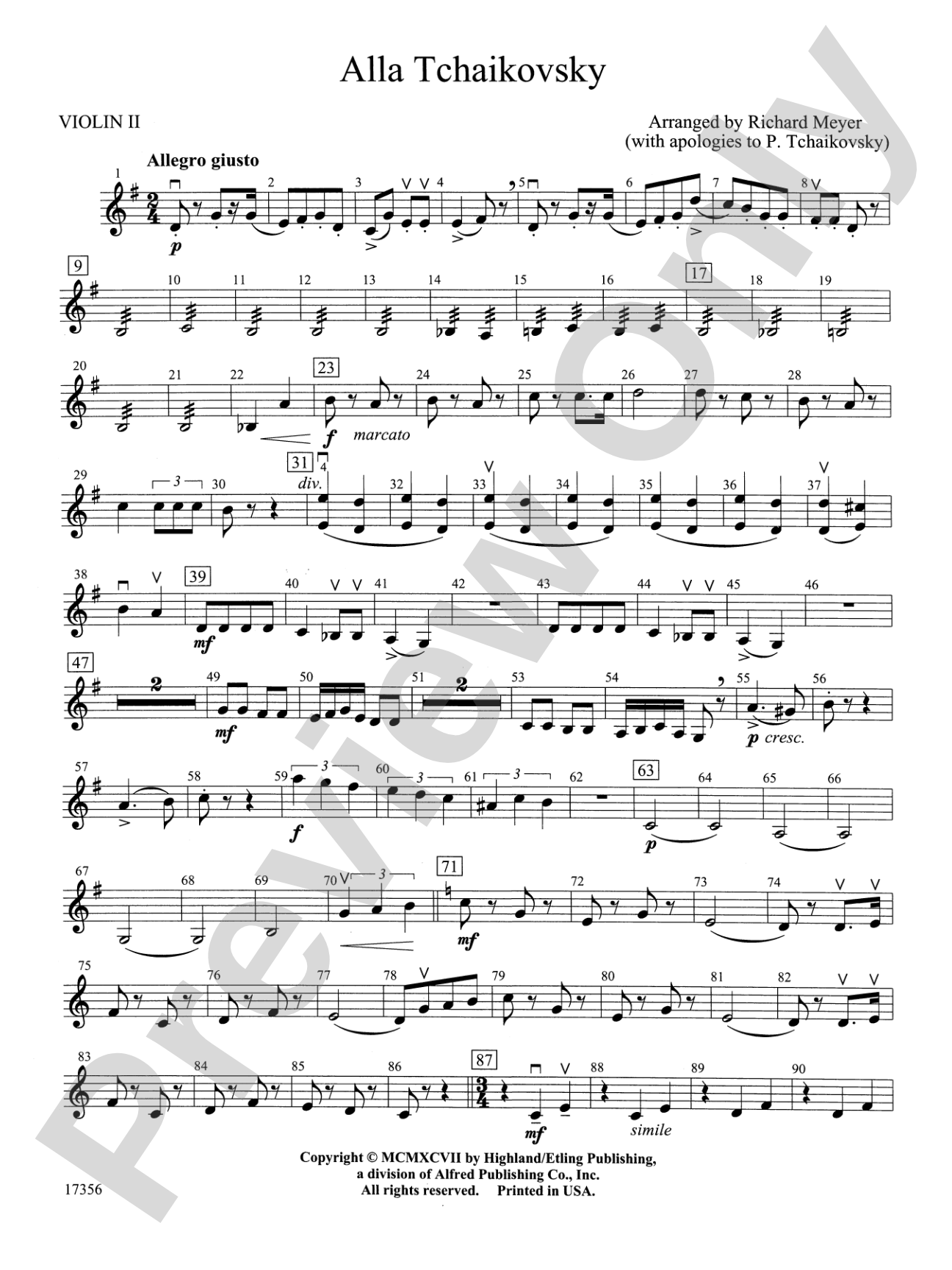

Alla Tchaikovsky: 2nd Violin
The music of Peter Ilyich Tchaikovsky / arr. Richard Meyer
Grade: 3
Item: 00-PC-0000235_VN2
$5.99
Pickup currently not available
Description
It's time to "name that tune" with this incredibly clever contribution from master arranger Richard Meyer. Incorporating 22 different melodies from the works of Tchaikovsky, this often hilarious medley includes the 1812 Overture, accompanied by the popping of paper bags (in lieu of a cannon)! This is a must-play! This title is available in MakeMusic Cloud.


Don't just read it, hear it, play along with it, and watch your students grow with it. In MakeMusic Cloud, Alla Tchaikovsky: 2nd Violin comes alive with professional accompaniment, adjustable tempo, and built-in practice tools that turn solo practice into real progress.
Open in the Player
Jump straight in and assign it today.
Start Your Free Trial
Open this title and explore the full library in minutes.
Sample Audio
1
Audio File
--:--
0:00
0:00
Sample Video
No sample videos found.
Additional Details
Series:
Highland/Etling String Orchestra
Publisher:
Alfred Music
Page Count:
124
SKU:
00-PC-0000235_VN2
More about this title
About the Arranger: Richard Meyer
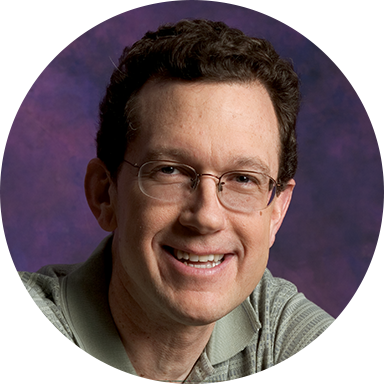
Richard Meyer brings three decades of string education experience to his work as a composer and arranger. After 35 years teaching string students across elementary through high school levels, he spent 22 years building the orchestra program at Oak Avenue Intermediate School in Temple City, California, expanding it from 29 students to 200. His "Giving Bach" program, launched in 2009, pioneered interactive concert formats that bring orchestral music to underserved communities throughout Southern California and earned national recognition for its innovative approach.
As a guest conductor and clinician, Meyer has led all-state and honor orchestras across multiple states and presented at conferences including the A.S.T.A. National Conference and Ohio State University's String Teachers' Workshops. He directed the Pasadena Youth Symphony Orchestra for 16 years, taking them on performance tours to New York, Washington D.C., Vienna, Australia, and Canada. Meyer's output as a composer includes nearly 200 published works and arrangements; he also served as string editor for Alfred Publishing Company for 16 years and co-authored the String Explorer Series and Sight-read It for Strings.
Why we love this
This medley transforms a concert into a genuine game, keeping audiences engaged as they recognize 22 Tchaikovsky melodies woven together. Meyer's orchestration honors the original voice of each theme while maintaining Grade 3 accessibility, making it equally rewarding for student musicians and listeners. The paper bag cannons in place of the 1812 Overture finale supply an unexpected laugh that reminds everyone why live music matters.
What to expect
A kaleidoscopic journey through Tchaikovsky's greatest melodies, each one arriving with fresh orchestration and sudden delight. The piece moves with wit and lightness, transforming familiar themes into conversation pieces between sections of the string orchestra.
Who it's for
String orchestra directors seeking a concert vehicle that captivates audiences of all ages while staying within the technical reach of Grade 3 ensembles. This works equally well for school concerts, community orchestra programs, and young musicians making their first foray into recognizable repertoire beyond method books.
How to get the most out of it
- Rehearse the "cannon" entrance with your percussion section ahead of time; timing those paper bag pops to land on the downbeat takes coordination and humor. Assign a dedicated percussionist or two to handle the effect cleanly.
- Balance the melodic line so audiences hear each Tchaikovsky tune clearly as it passes through the ensemble. This is an arrangement designed for recognition, so clarity of voicing in the strings matters more than lush blending.
- Work the ensemble's intonation carefully in the sustained passages between melodic statements. Extended notes in Grade 3 string writing expose tuning issues that disappear once the passage moves forward.
- Build ensemble energy during the medley's transitions. The piece moves quickly between themes; keep the bow changes tight and rhythmic so the performance feels propulsive rather than segmented.
How to use it
Program this as the finale or encore of a concert built around a Romantic era theme; it plays beautifully alongside standard Tchaikovsky selections or as a bridge between classical and contemporary works. The medley format and inherent humor also make it ideal for family concerts or young people's concerts where engagement and accessibility matter as much as musical substance.
Skills your students will build
- Recognizing and maintaining thematic integrity as material passes between instrumental sections
- Precision rhythmic control during transitions between contrasting melodies
- Dynamic balance and clarity of articulation in Grade 3 string voicing
- Responding to conductor cues for tempo and style changes within a fast-moving medley structure
- Coordinating ensemble entrances and cutoffs across multiple thematic statements